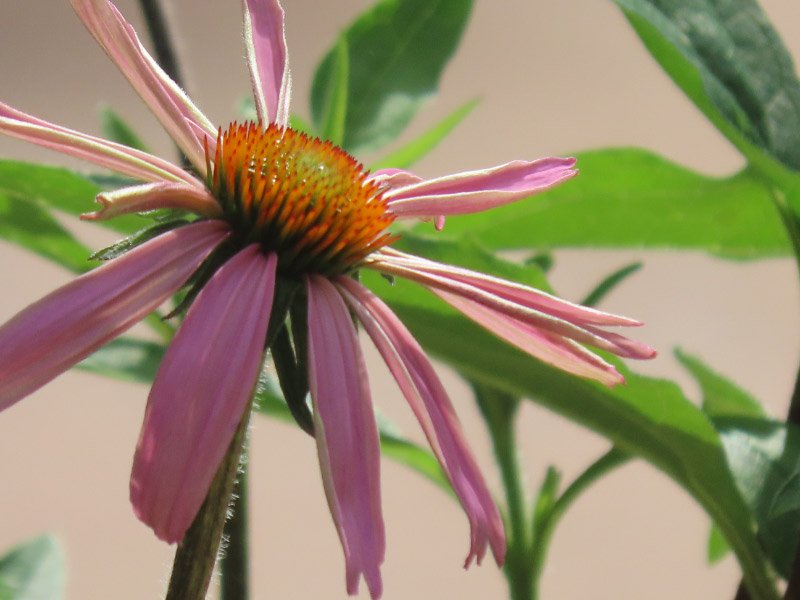
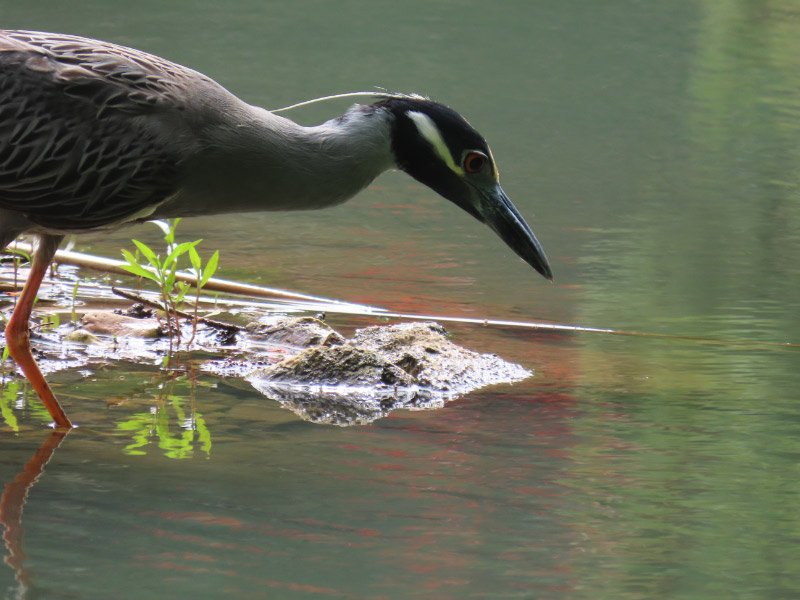
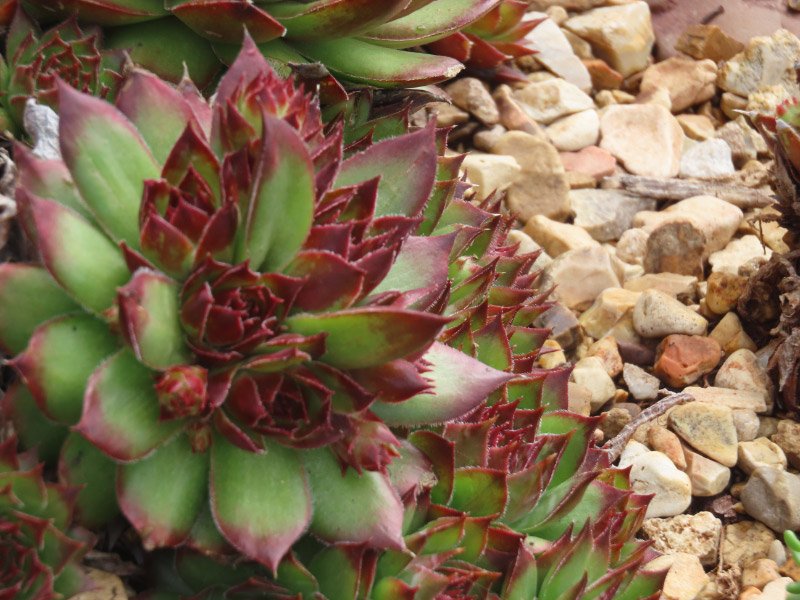
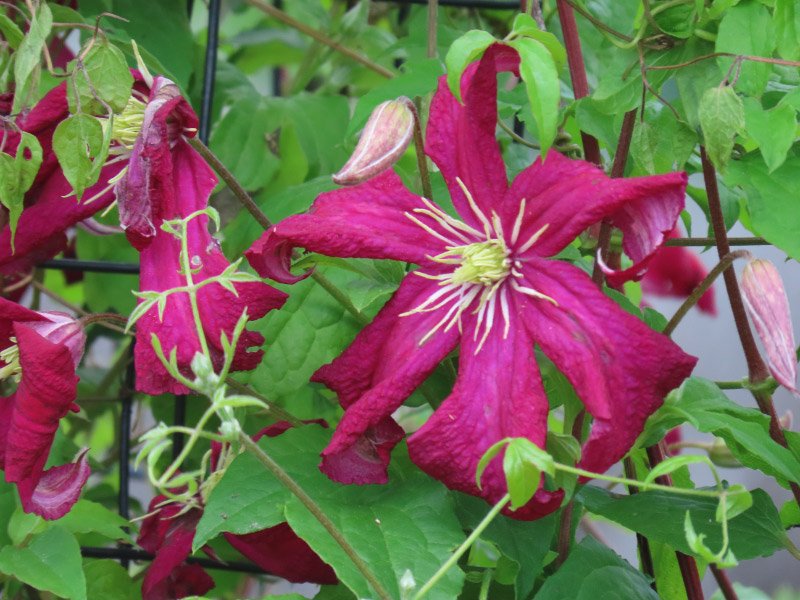
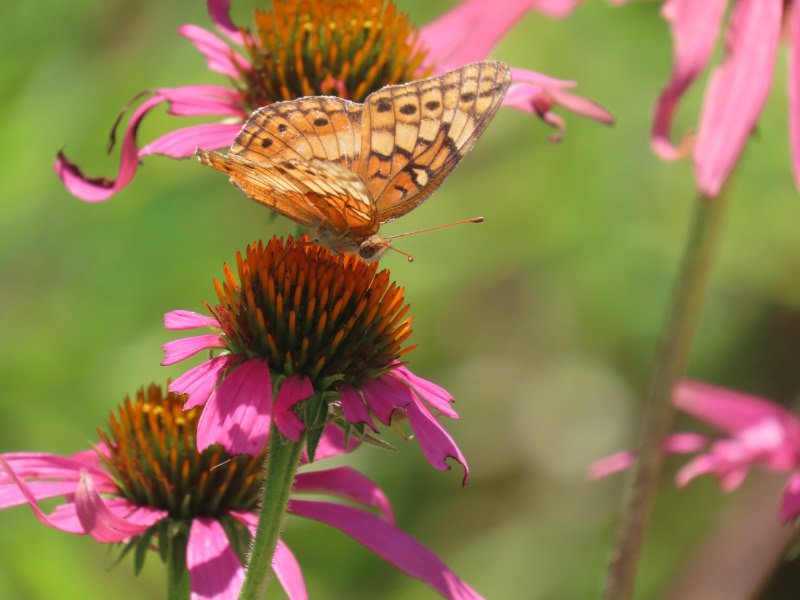
Gleanings of the Week Ending July 8, 2023

The items below were ‘the cream’ of the articles and websites I found this past week. Click on the light green text to look at the article.

Air Pollution Causes 1 In 6 Human Deaths – Deaths from modern pollution risk factors, which are the unintended consequence of industrialization and urbanization, have risen by 7% since 2015 and by over 66% since 2000. Unfortunately, little real progress against pollution can be identified overall, particularly in the low-income and middle-income countries, where pollution is most severe. It is increasingly clear that pollution is a planetary threat, and that its drivers, its dispersion, and its effects on health transcend local boundaries and demand a global response.

Opioids no more effective than placebo for acute back and neck pain – The study was done in Australia but, hopefully, will lead to stepping away from opioids for back/neck pain. How many became addicted to opioids via doctors writing prescriptions trying to relieve their patient’s back pain?

Antimicrobial Resistance: The Silent Pandemic – The first accounts of antimicrobial resistance (AMR) occurred 2 years after Alexander Fleming warned about it in his 1945 Nobel speech. AMR is now responsible for nearly 700,000 deaths worldwide each year, and it is projected to kill 10 million per year by 2050.

Early Women Were Hunters, Not Just Gatherers – My favorite statement from the article: “Grandmas were the best hunters in the village.”

Overdose deaths involving street xylazine surged years earlier than reported – Drug death data is gathered and analyzed slowly…not so long ago, it appeared that illicit xylazine use was still largely concentrated in the mid-Atlantic states and the Northeast….but it is not showing up in street samples all across the US and surging in the South and West. US drug deaths hit a new record last year with roughly 110,000 fatal overdoses nationwide from fentanyl and increasingly complex street drug cocktails.

U.S. Wind and Solar Overtake Coal for the First Time - In the first five months of 2023, wind and solar produced 252 terawatt-hours, while coal produced 249 terawatt-hours, according to preliminary government figures. The decline in coal is happening faster than anyone anticipated.

Largest-ever atlas of normal breast cells brings unprecedented insights into mammary biology – 12 major cell types, 58 biological states…differences based on ethnicity, age, and the menopause status of healthy women.

Why our voices change with age – Lots of reasons the sounds we make can change. One habit suggested from the article that I am considering: “Singing or reading out loud daily can give the vocal cords sufficient exercise to slow their decline.”

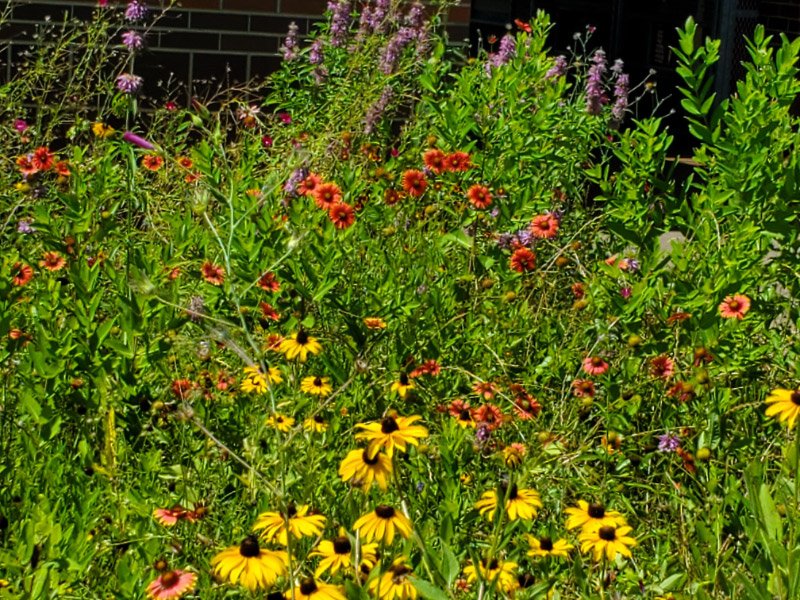
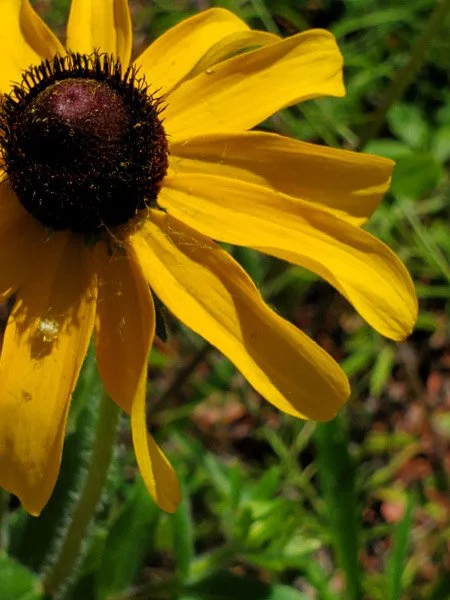
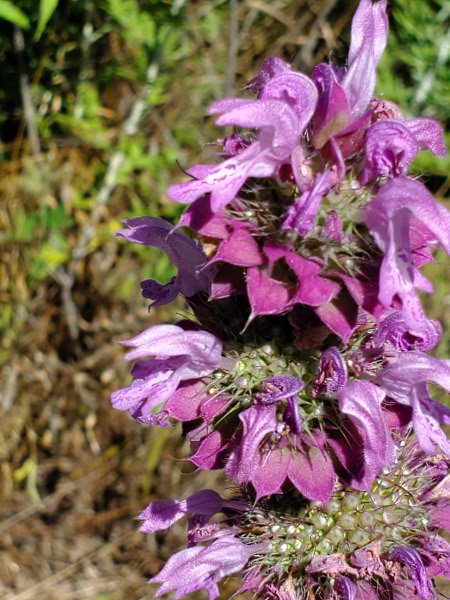
Cedar Breaks Wildflower Festival Starts Friday – Hmmm…maybe I should look for wildflower festivals (along with birding) when I plan our vacations.
Meltwater is hydro-fracking Greenland’s ice sheet through millions of hairline cracks – destabilizing its internal structure - Earth’s remaining ice sheets in Greenland and Antarctica are far more vulnerable to climate warming than models predict, and that the ice sheets may be destabilizing from inside. Recent studies have shown that:

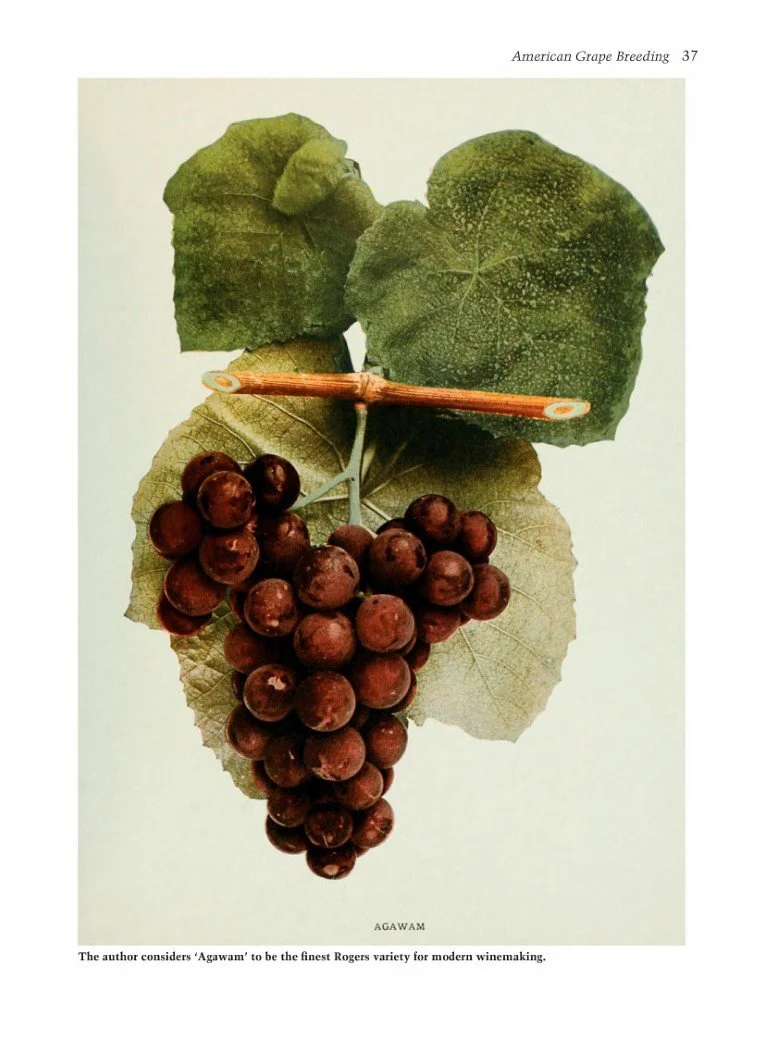
eBotanical Prints – June 2023

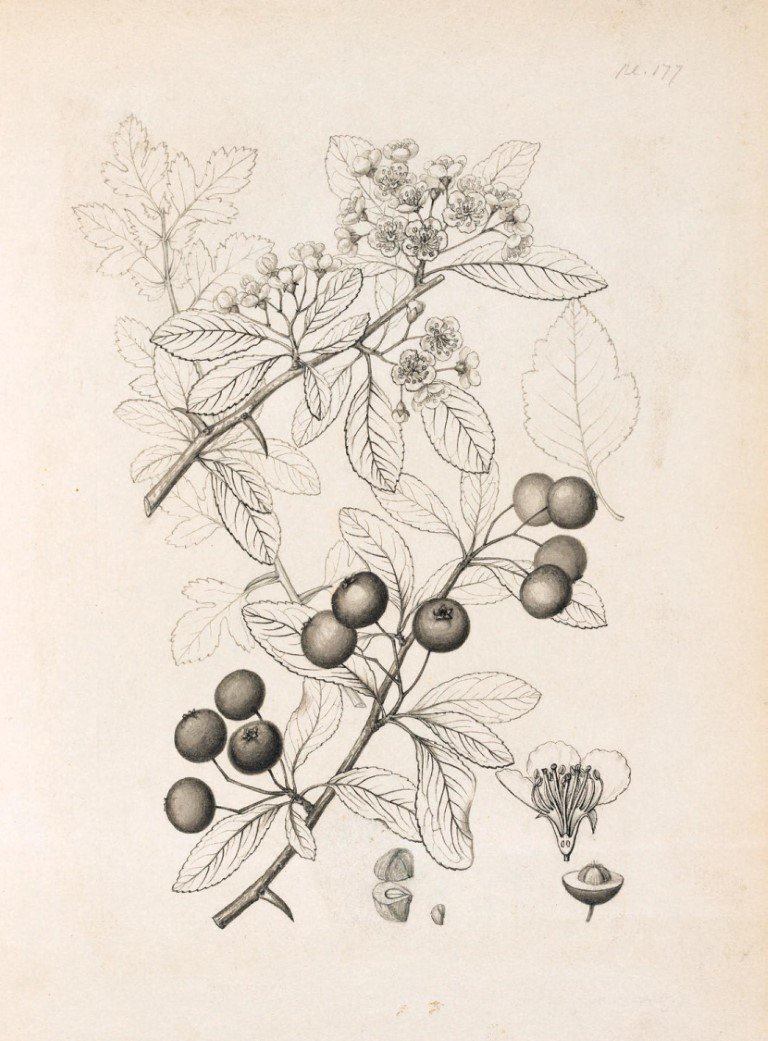
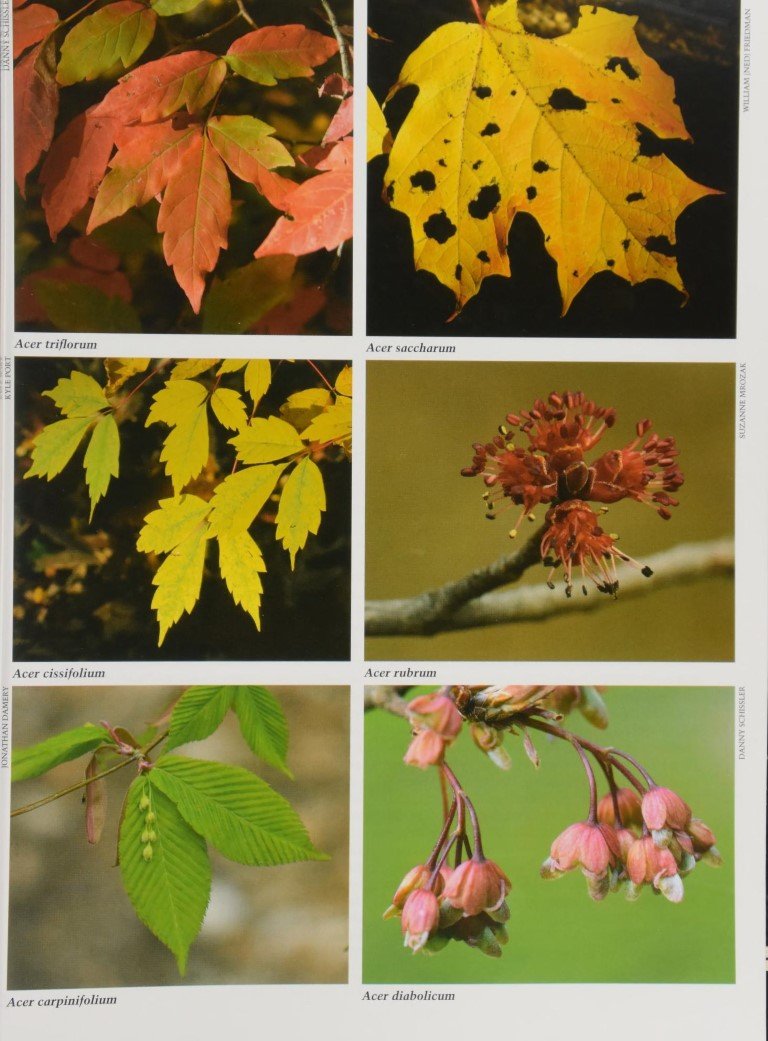
Twenty-one more books were added to the botanical print collection this month. I took a break from the Australian Orchid Review in June…found a lot of variety. The earliest book is from 1736….the most recent from 2020. Seven of the books are ‘nature prints’ (a process in which an object as a leaf or flower) is pressed into a plane surface to make either a direct printing surface or a matrix); the image made via nature print this month were from the mid to late 1800s. I found more recent volumes for the publication from the Arnold Arboretum; I’d added the bulk of the volumes to my list of botanical eBooks back in 2021.
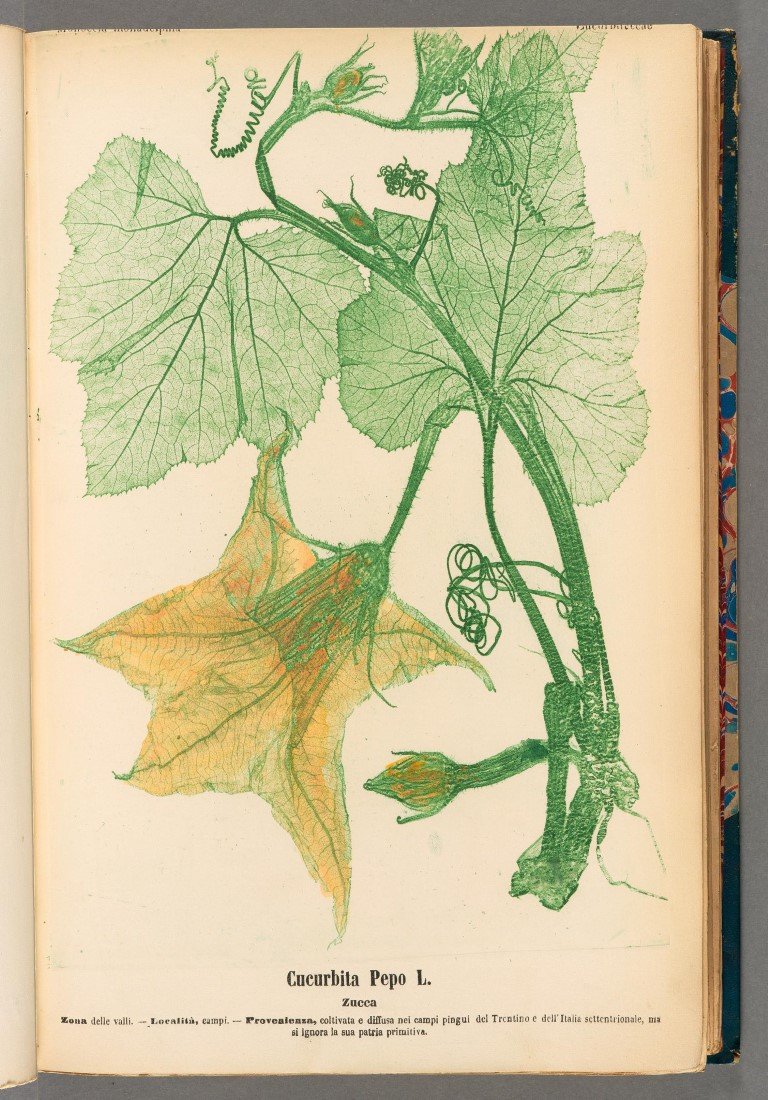
My favorite image from the books this month is the nature print of Cucurbita Pepo from Carlo Perini’s Flora dell'Italia setentrionale e del Tirolo meridionale : rappresentata colla fisiotipia V3.

My favorite image from the books this month is the nature print of Cucurbita Pepo from Carlo Perini’s Flora dell'Italia setentrionale e del Tirolo meridionale : rappresentata colla fisiotipia V3.

The whole list of 2,654 botanical eBooks can be accessed here. The list for the June 2023 books with links to the volumes and sample images is at the bottom of this post.

Click on any sample images in the mosaic below to get an enlarged version. Enjoy the June 2023 eBotanical Prints!

Flowers from Nature * Everard, Anne * sample image * 1835

English wild flowers * Burgess, Joseph Tom * sample image * 1868

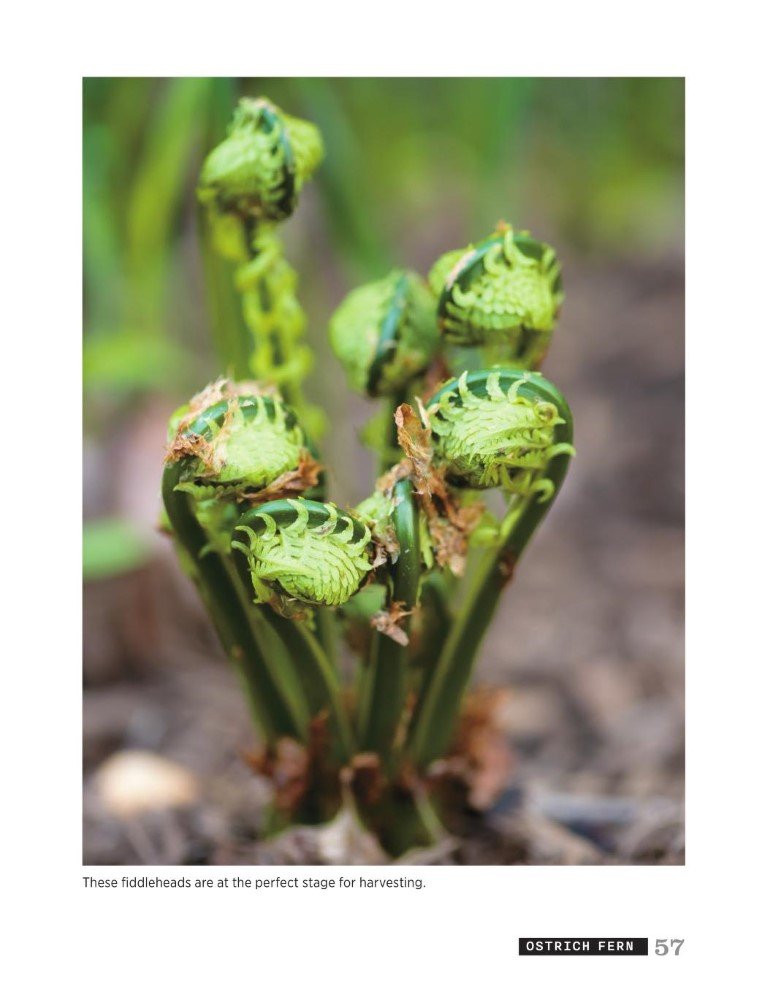
Backyard Foraging * Madigan, Carleen * sample image * 2009

Ectypa vegetabilium * Ludwig, Christian Gottlieb * sample image * 1760

Flora dell'Italia setentrionale e del Tirolo meridionale : rappresentata colla fisiotipia V1 * Perini, Carlo * sample image * 1854

Flora dell'Italia setentrionale e del Tirolo meridionale : rappresentata colla fisiotipia V2 * Perini, Carlo * sample image * 1854

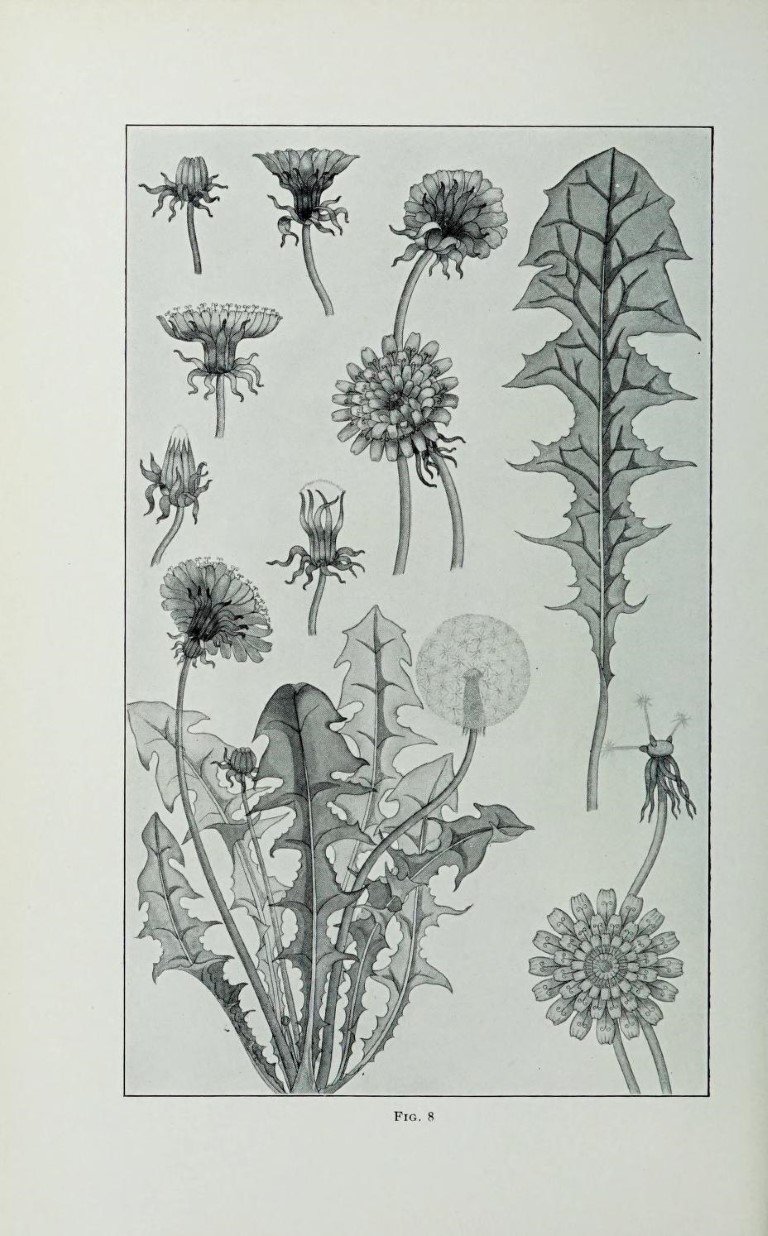
Designing with wild flowers : a textbook of practical methods for teachers and students  * Smith, Nettie Sylvia * sample image * 1927

Flora dell'Italia setentrionale e del Tirolo meridionale : rappresentata colla fisiotipia V3 * Perini, Carlo * sample image * 1854

Plant analysis, distemper color, bookcover designing, carpet designing, oilcloth and linoleum designing, wallpaper designing, the American vignola, color harmony  * International Textbook Company * sample image * 1905

Arnoldia -  v.76:no.3 (2019) * Arnold Arboretum * sample image * 2019

Arnoldia -  v.76:no.4 (2019) * Arnold Arboretum * sample image * 2019

Arnoldia -  v.77:no.1 (2019) * Arnold Arboretum * sample image * 2019

Arnoldia -  v.77:no.2 (2019) * Arnold Arboretum * sample image * 2019

Arnoldia -  v.77:no.3 (2020) * Arnold Arboretum * sample image * 2020

Arnoldia -  v.77:no.4 (2020) * Arnold Arboretum * sample image * 2020

Arnoldia -  v.78:no.1 (2020) * Arnold Arboretum * sample image * 2020

Arnoldia -  v.78:no.2 (2020) * Arnold Arboretum * sample image * 2020

Vegetabilium omnium generum icones * H.W.S * sample image * 1736

Impressions of Seedlings V1 * Coulson, John * sample image * 1899

Impressions of Seedlings V2 * Coulson, John * sample image * 1899

Impressions of Seedlings V3 * Coulson, John * sample image * 1899

Carrollton Yard – June 2023

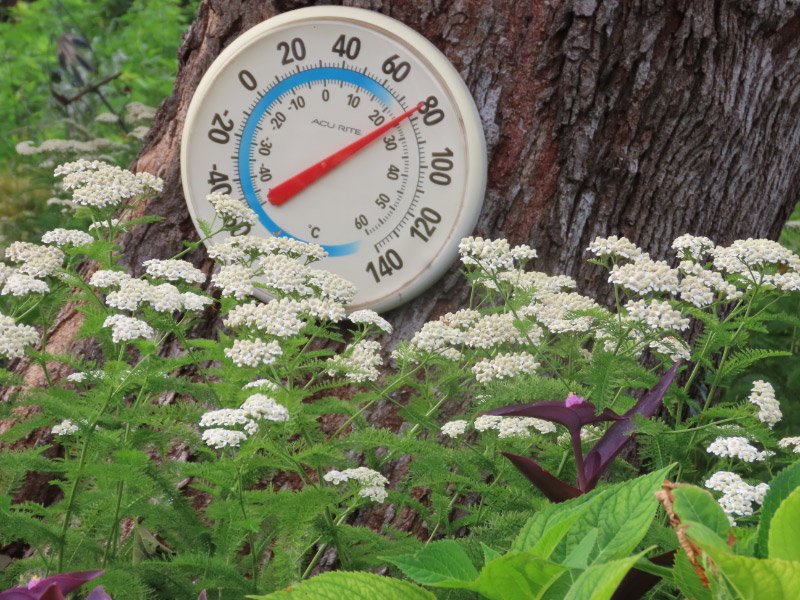
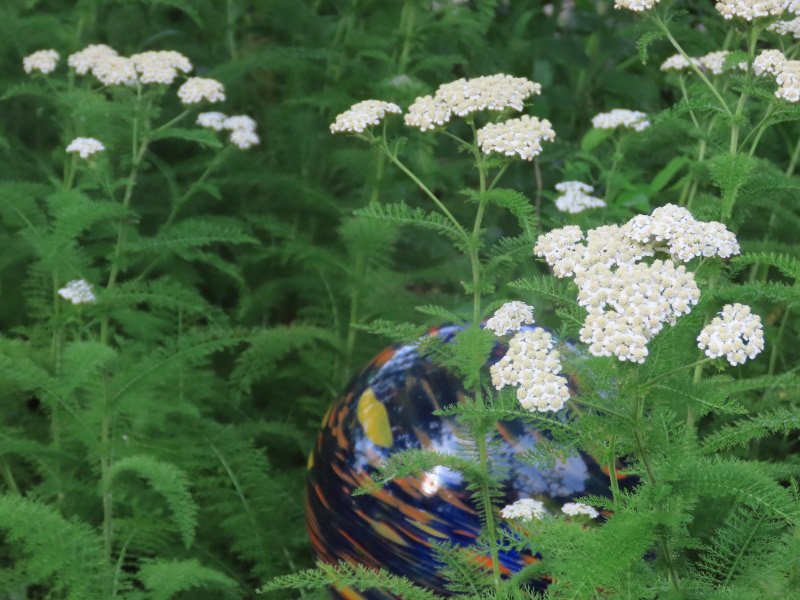
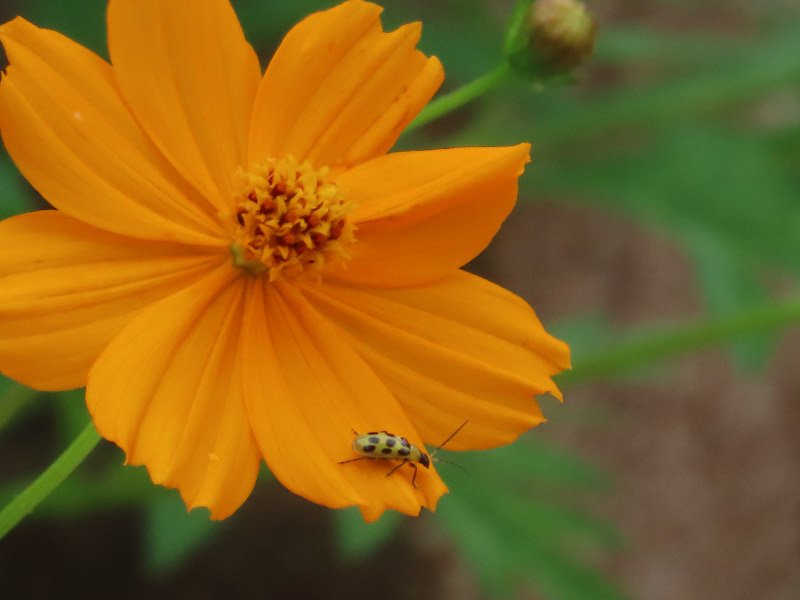
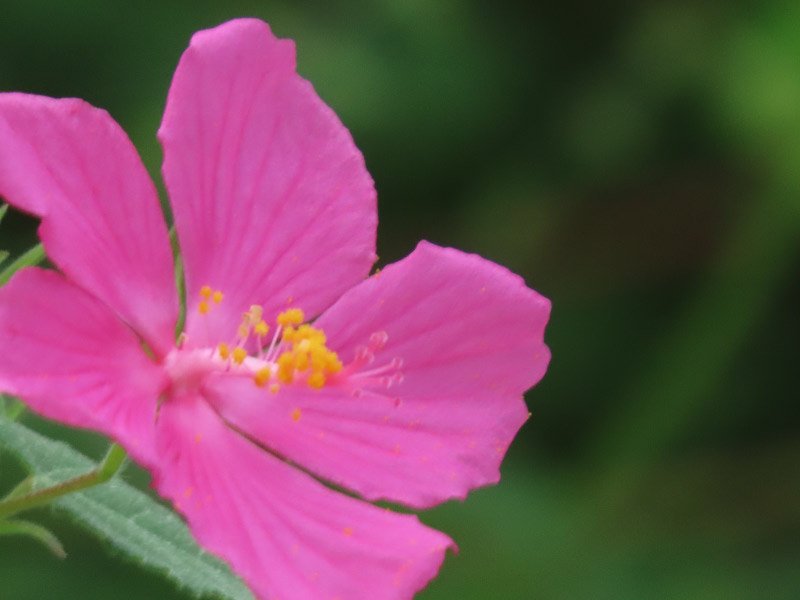
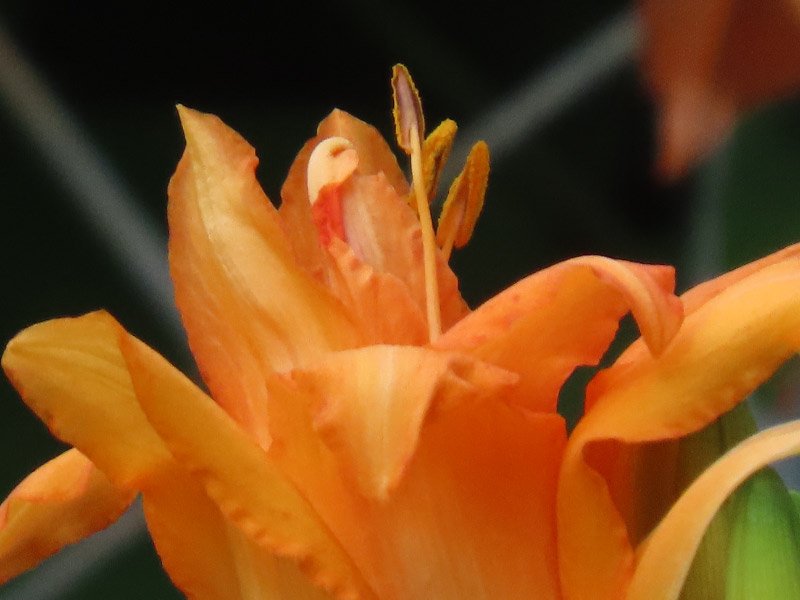
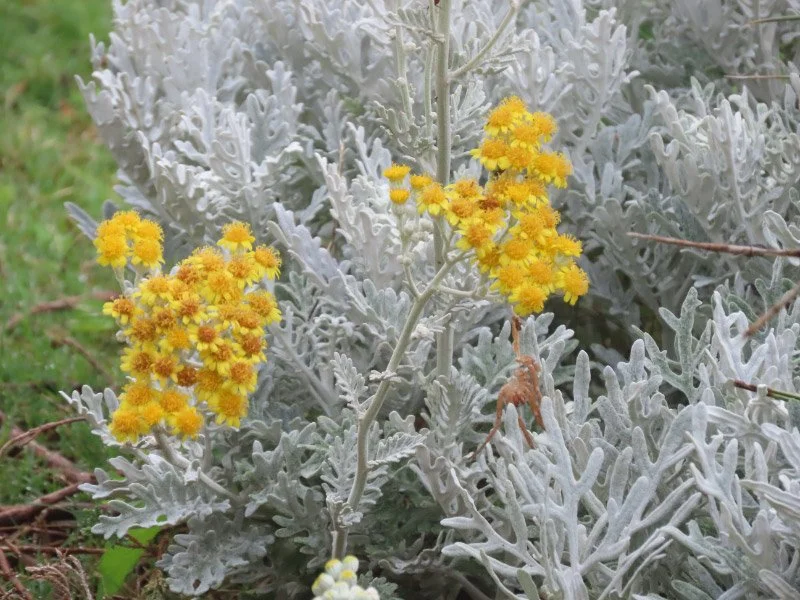
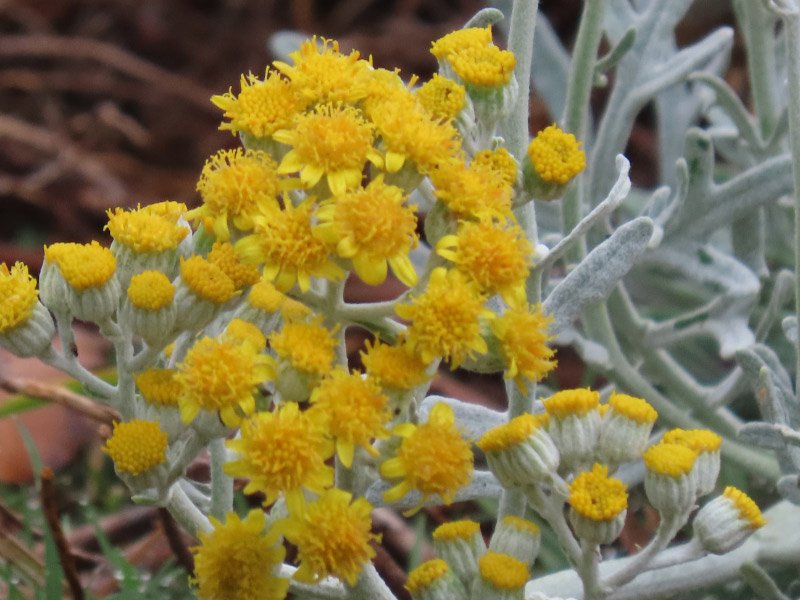
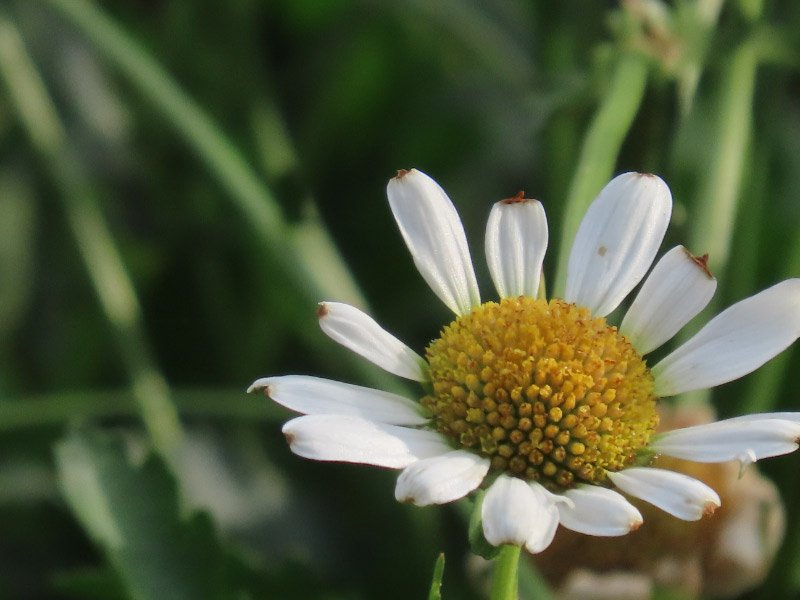
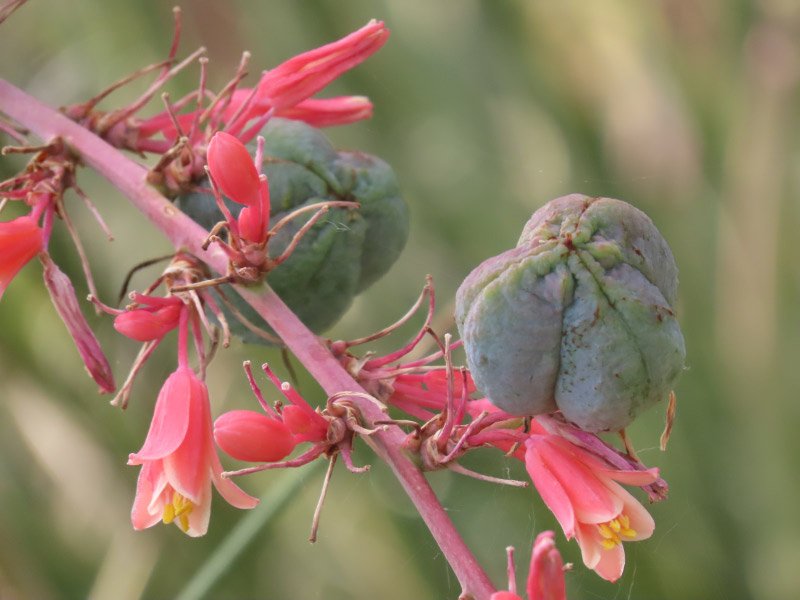
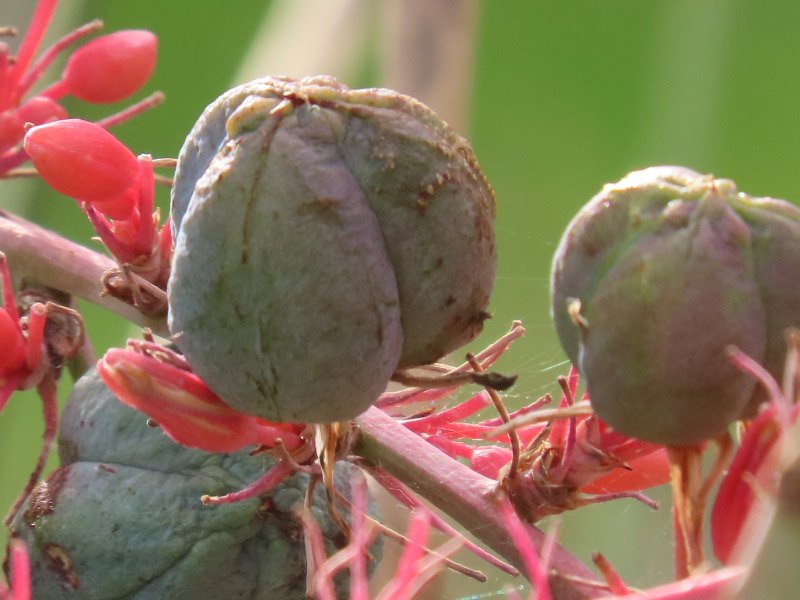
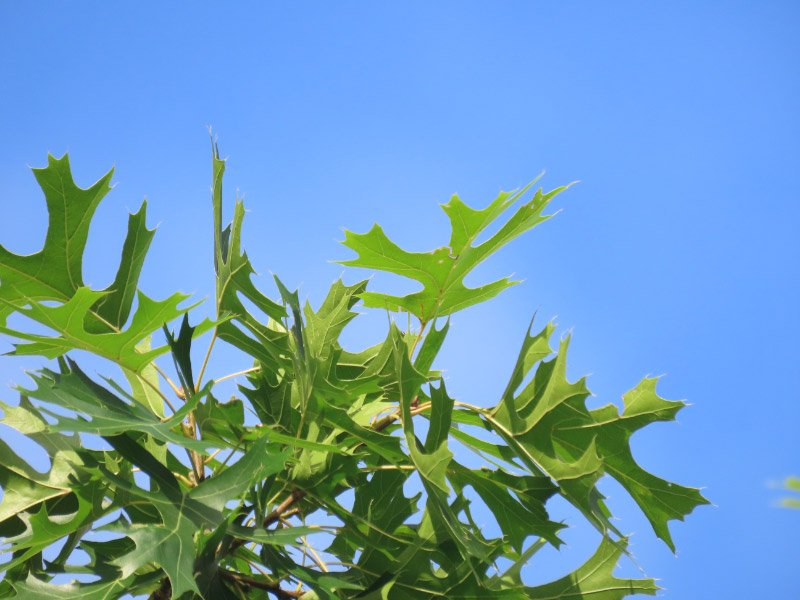
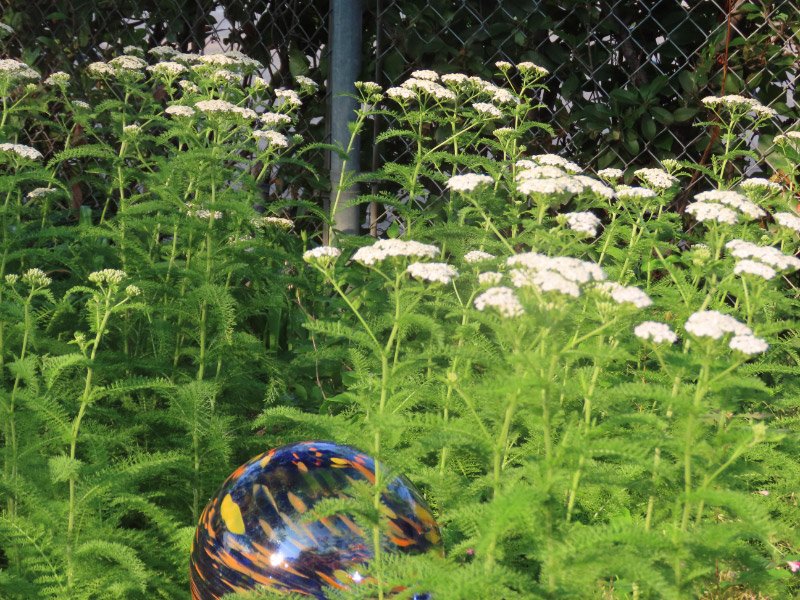
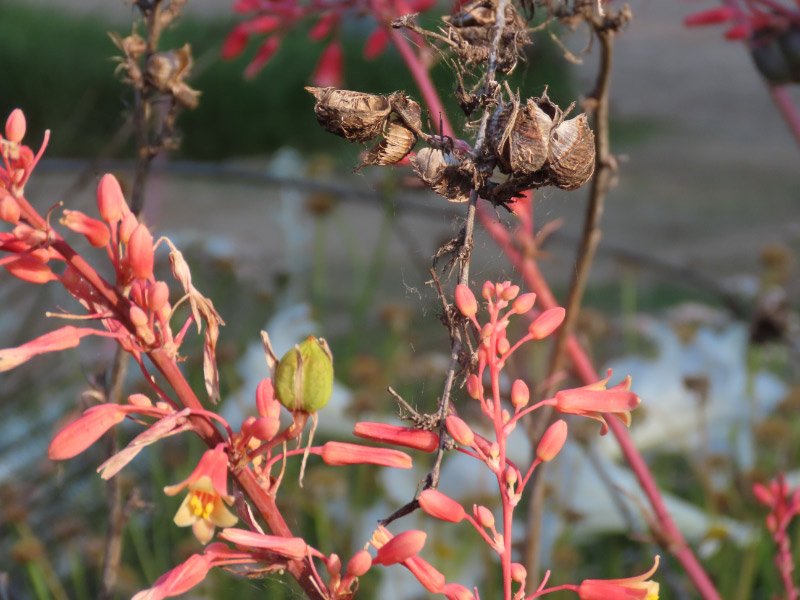
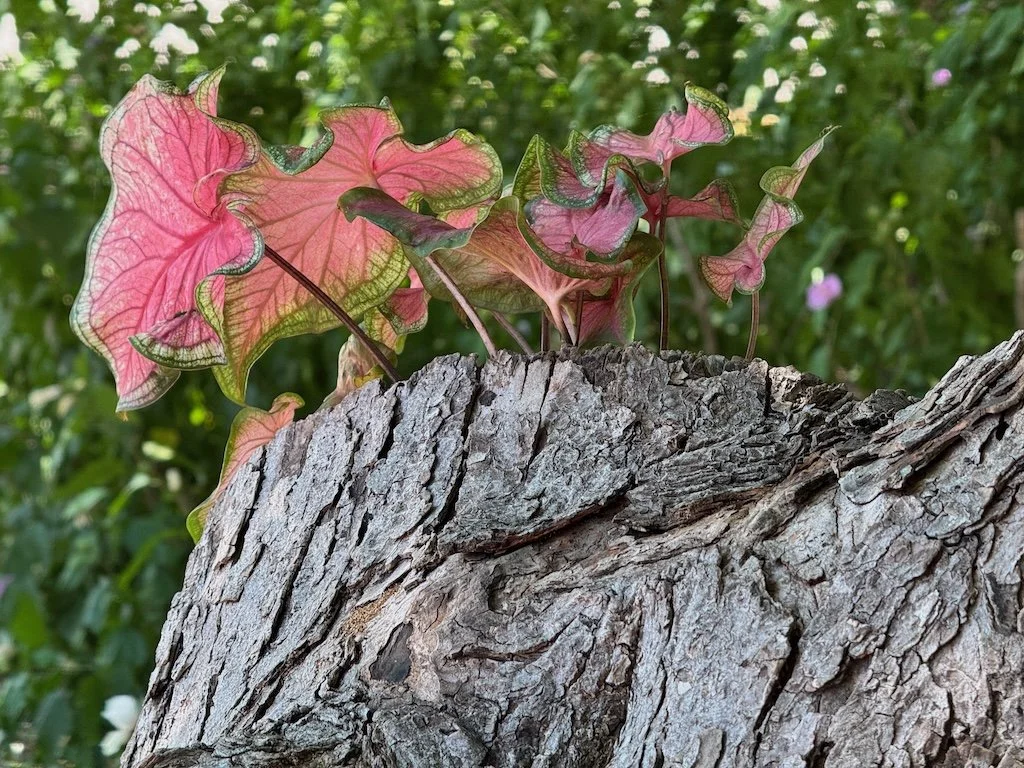
June is the ‘getting hot’ month in Carrollton, Texas…leading into more frequent 100-degree-plus days in the following months. It is already obvious which yards in the neighborhood are getting watered. My parents have a sprinkler system that my sister keeps tuned to maximize the watering where it is needed most. In the backyard the Queen Anne’s Lace, cosmos, hibiscus, and day lilies are lush – flowers and lots of green. In the front yard there are dusty miller plants in bloom, the last of the daisies, and the red yuccas with blooms and lots of green seed pods. The red oak planted there is finally getting a lot of light and growing well since the ancient mulberry has been cut down.

There is still grass to mow and weed eating/edging – a continuing chore – even though the years of gardening have reduced the area maintained in that way. Pulling ‘trash trees’ that emerge in the flowerbeds requires more finesse by the person doing the work (distinguishing what needs to be pulled from the plants that should be in the flower beds) and is always on the ‘to do’ list for the yard!

***

Wishing everyone an enjoyable 4th of July…Independence Day in the US…a day for fireworks, parades, and watermelon!

Josey Ranch Pocket Prairie – June 2023

My original plan was to walk around the Pocket Prairie and take macro pictures with my phone. It was a good thing my bridge camera (Canon Powershot SX70 HS) since the morning was very breezy…too much for getting close shots with the phone. The optical zoom on the bridge camera was the only option.

The trash cans near the picnic table are Carrollton themed! Are they new this season? I don’t remember them from before.

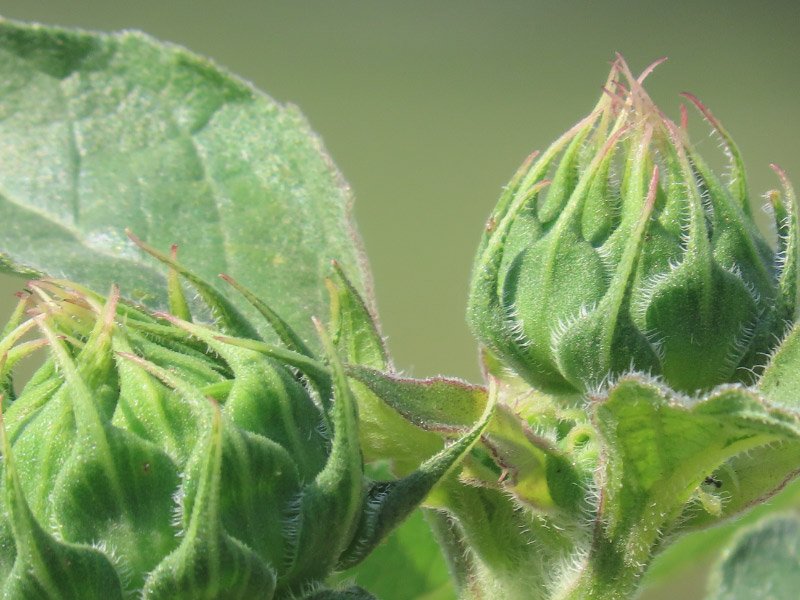
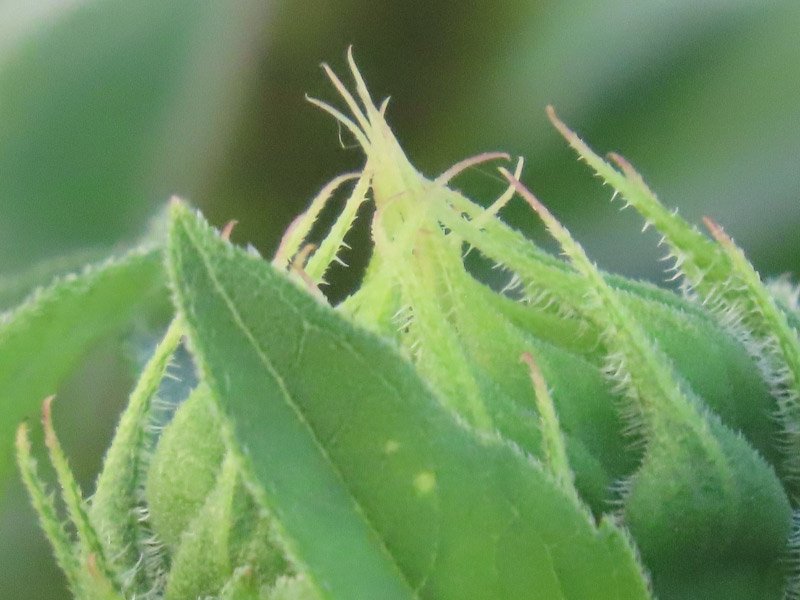
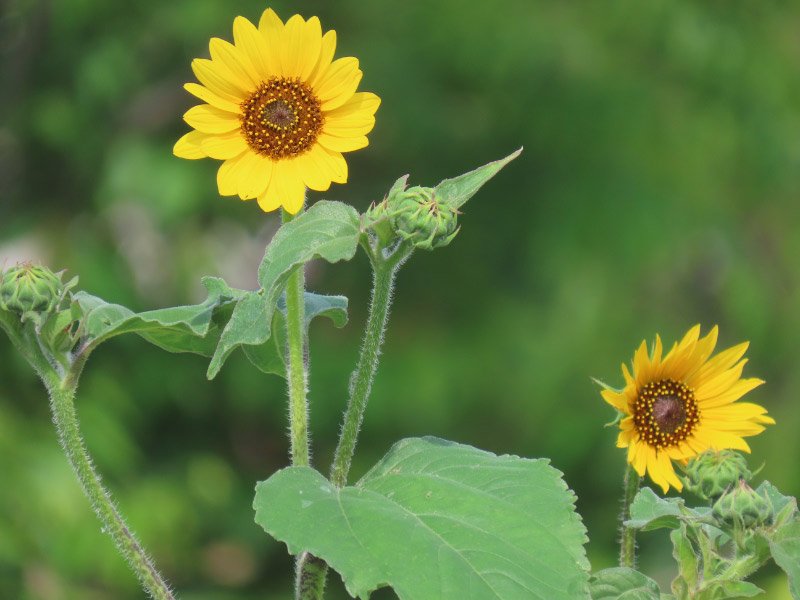
The prairie area is full of May flowers setting seed and then the full summer flowers in bloom. I particularly enjoy the sunflowers (buds and flowers).

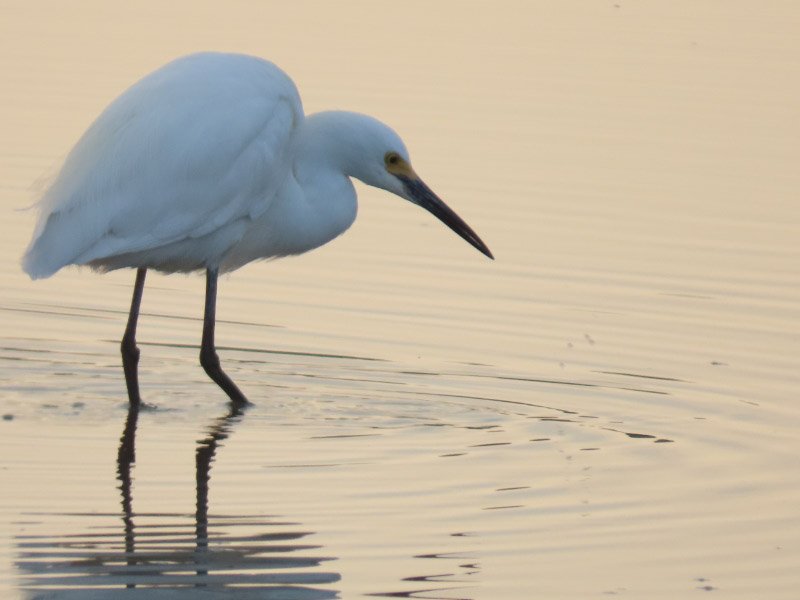
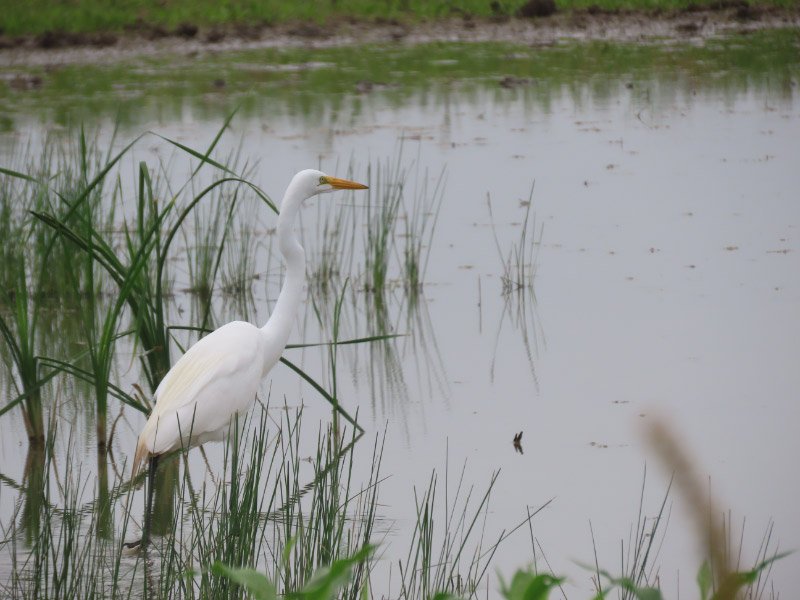
Across the pond from the Pocket Prairie – a Great Egret was looking for breakfast.

Maybe the morning I go in July will be less breezy and the macro plan will work….and there might be more insects too!

Zooming – June 2023

So many photographic opportunities in June…close to home and in Texas. There were more biting insects around so staying on paths was all-the-more important; almost every image I took used the zoom on my bridge camera (Canon Powershot SX70 HS). Enjoy the slide show!

The pictures include:

  • A sunny day visit to the Springfield (Missouri) Botanical Gardens,

  • An afternoon and then (a week later) morning visit to Hagerman National Wildlife Refuge (near Sherman, TX), and

  • A morning at Josey Ranch Pocket Prairie (in Carrollton, TX).

Ten Little Celebrations – June 2023

Every day brings multiple little celebrations…I choose one to log for the day and then select 10 each month to savor in this post.

One year anniversary for our Missoure home. June 2022 is when we moved to Missouri. We’ve settled into the house and I’ve confirmed that my favorite room in the house is my office…just as it was in the Maryland house. The house itself and being closer to family have confirmed again and again that we made a good decision to move when did! So we are celebrating the anniversary.

Dishwasher and sprinkler system working. Of course, every house needs maintenance…in June both our dishwasher and sprinkler system had problems (dishwasher leaked water and the sprinkler system developed a broken head/pipe after the grinding of the pine stump). Fortunately, both were easily fixed (rather than an expensive replacement) and we celebrated that they are functioning again.

Internet/TV/phones working. Shortly after I got to my parents’ home in Carrollton, their internet and TV and phones failed. We had a painful 4 days….celebrated when the tech finally came and replaced their outside box (it was at least 18 years old!).

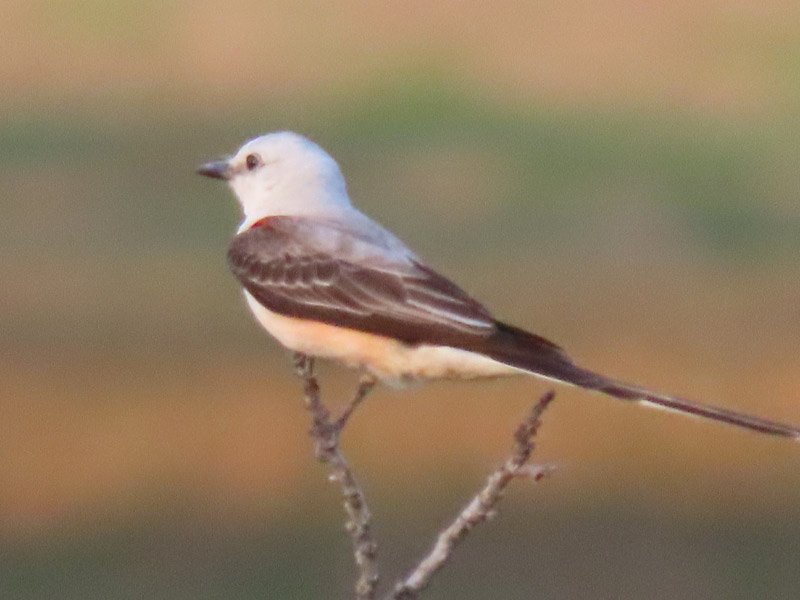
Scissor-tail at Josey Ranch. Celebrated when I saw a scissor-tailed flycatcher while I was out of my car with camera in hand!

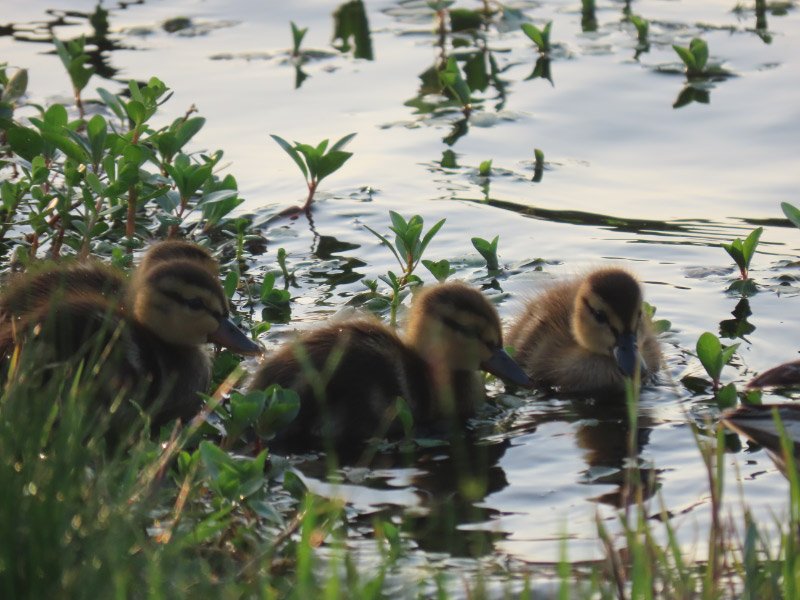
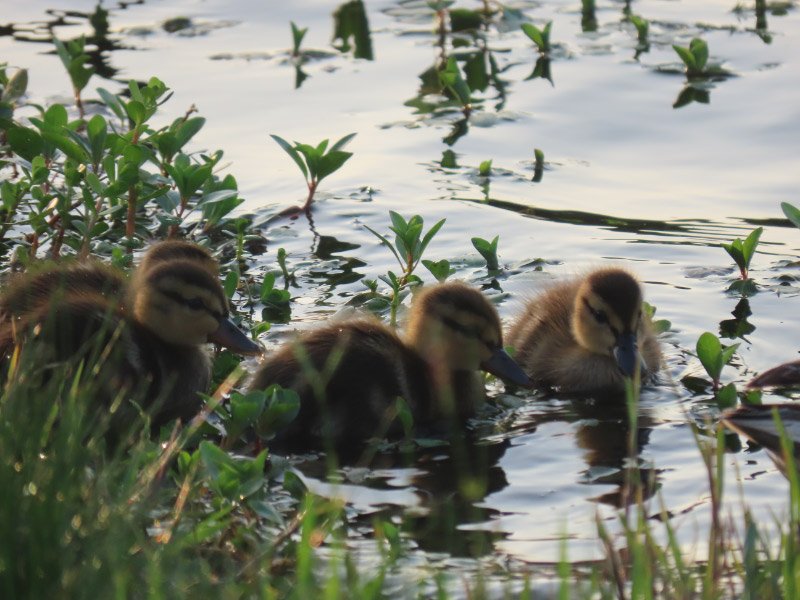
Ducklings at Josey Ranch. Celebrated seeing newly hatched ducklings with a mom trying to protect them from turtles!

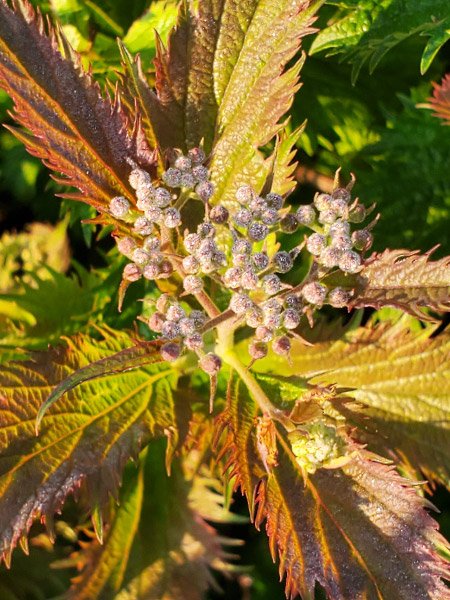
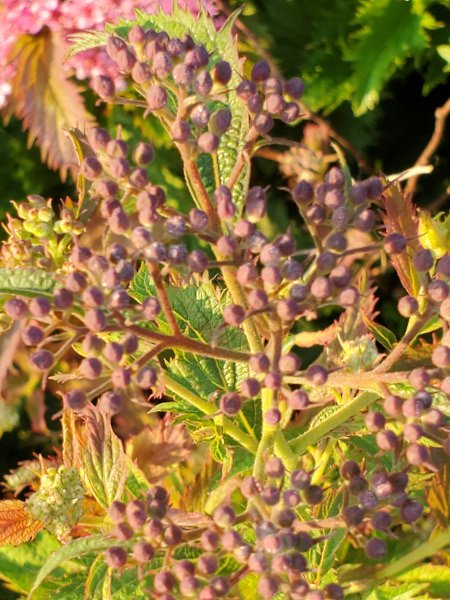
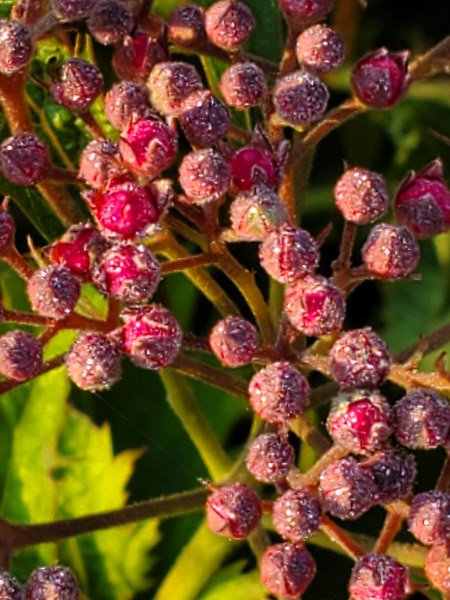
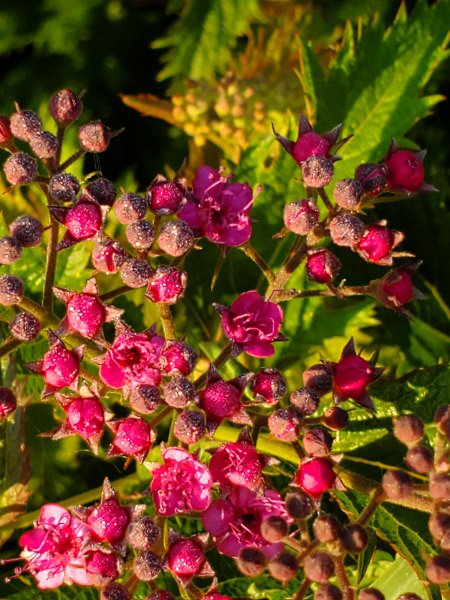
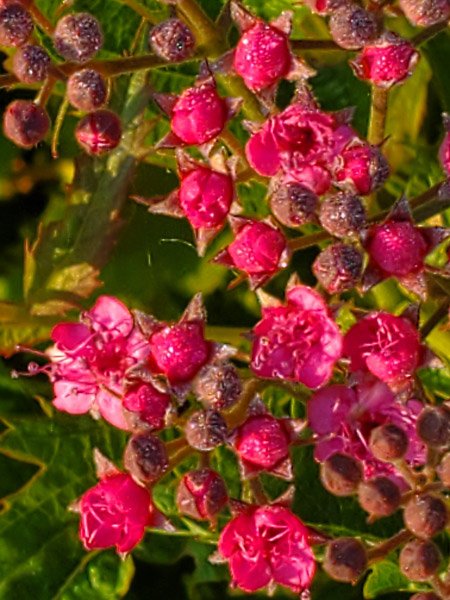
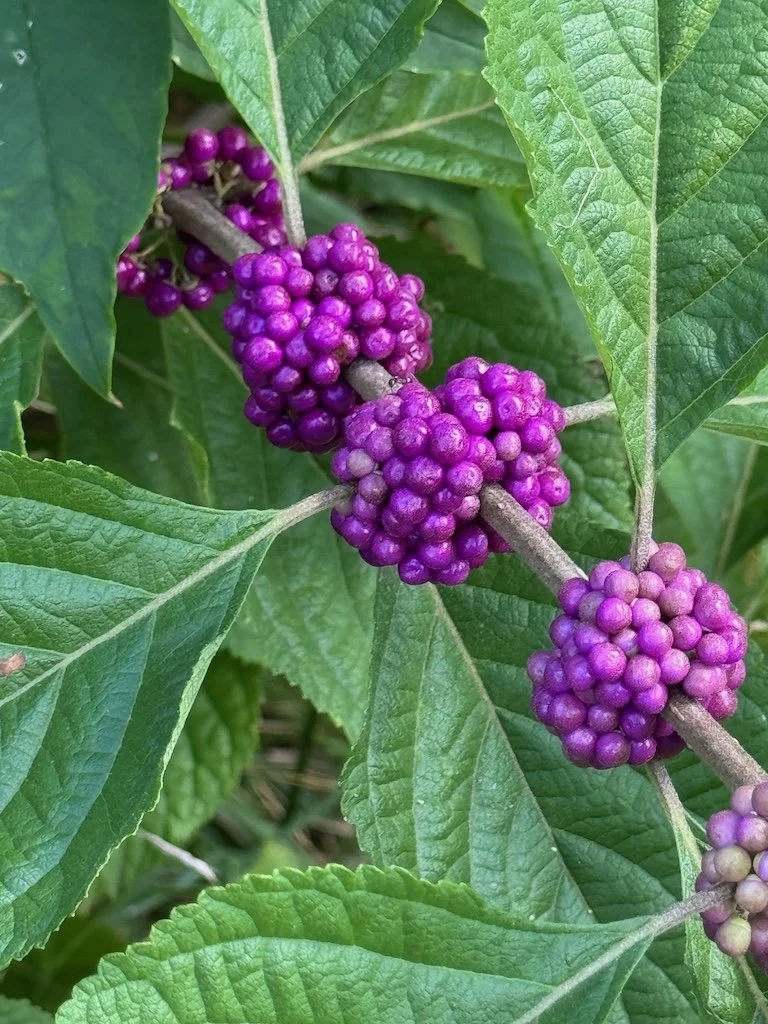
Seeing beautyberry flowering. I had previously only noticed beautyberry plants after they had their purple berries. This June I celebrated knowing where the plants grew so I could see the flowers.

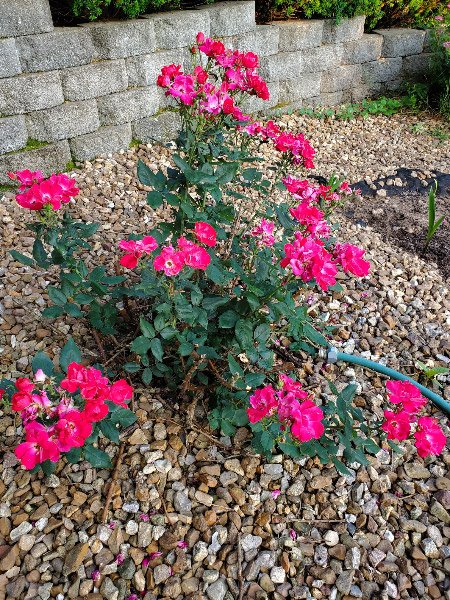
Trimming all the dead parts out of crape myrtle and rose buses. It was a daunting task because it seemed like there was so much to trim. It got a little better when I discovered that my gauntlet gloves worked (not thorn pricks from the roses) and that the dead twigs/branches would burn easily. I celebrated when the task was completed…felt like I had accomplished a lot in getting my yard looking better for the summer.

Buying a fragrant sumac (native plant sale). I celebrated my first native plant addition to my landscaping…there will be more through the years.

Homemade marinade with balsamic vinegar. Celebrating trying a new recipe and realizing that I will never need to buy bottle mariade again!

Road trip to St. Louis. Celebrating another road trip with my daughter! Blog posts coming up re our adventure.

Hagerman National Wildlife Refuge – June 2023

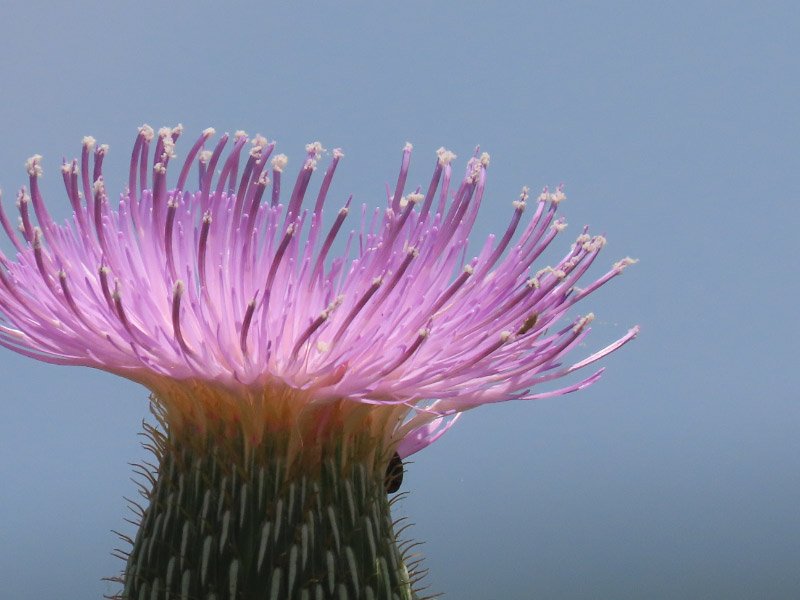
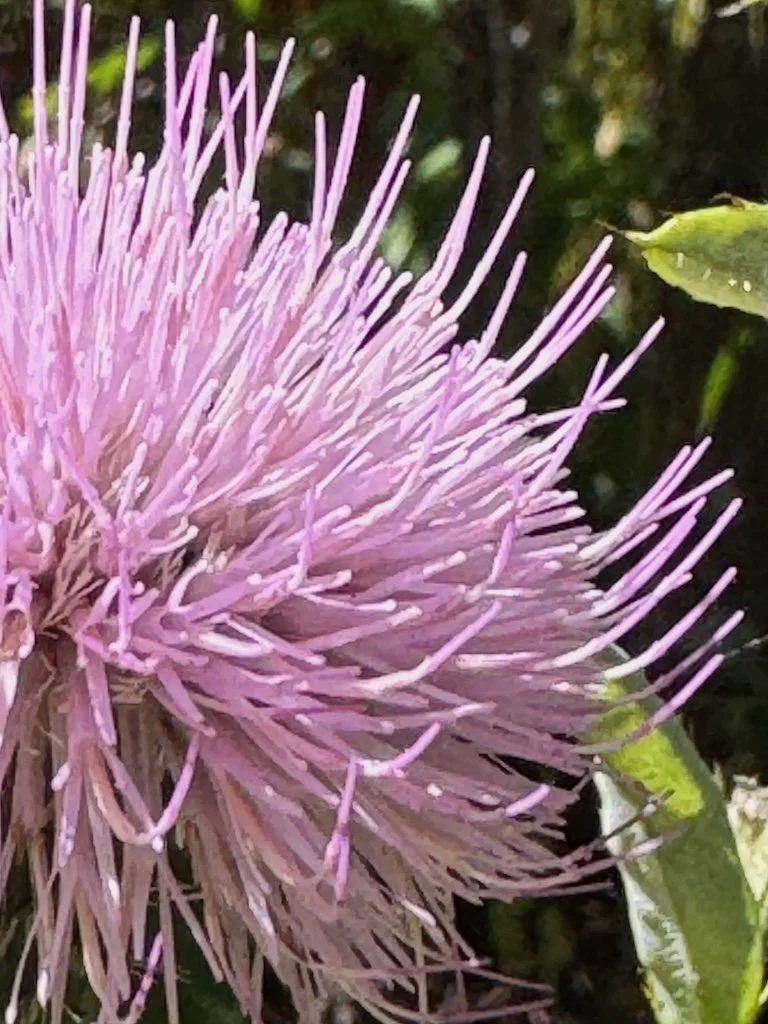
It was hotter and dustier than May on the afternoon I was at Hagerman…a stop on the road trip between my home and Carrollton TX. The riot of wildflowers of May has shifted toward thistles and sunflowers and lotus…with the May flowers producing seed.

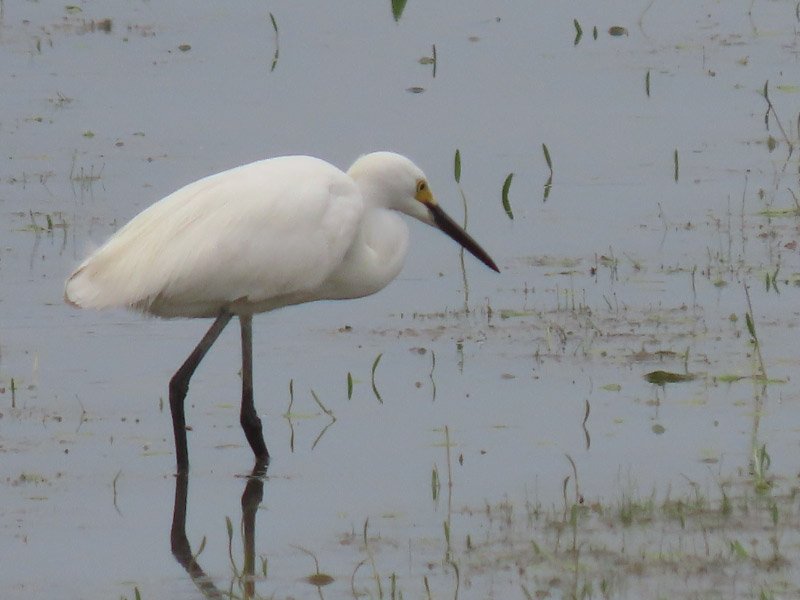
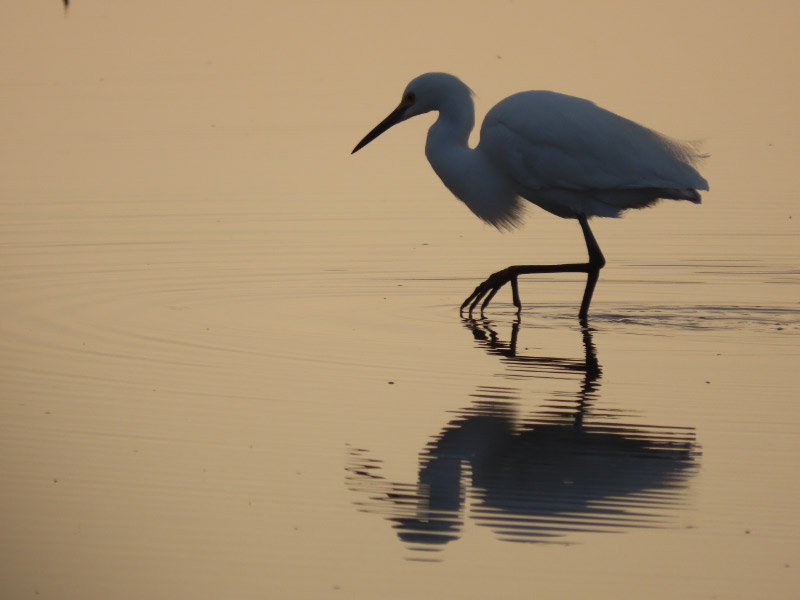
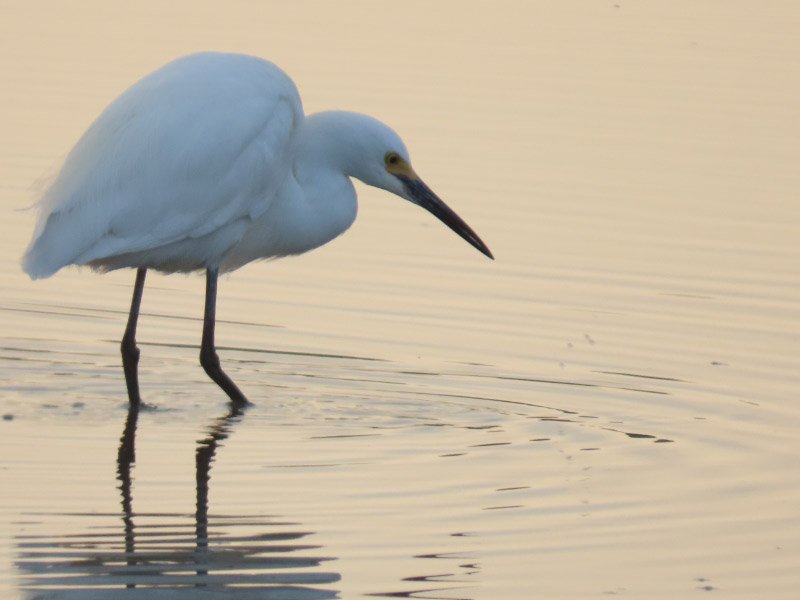
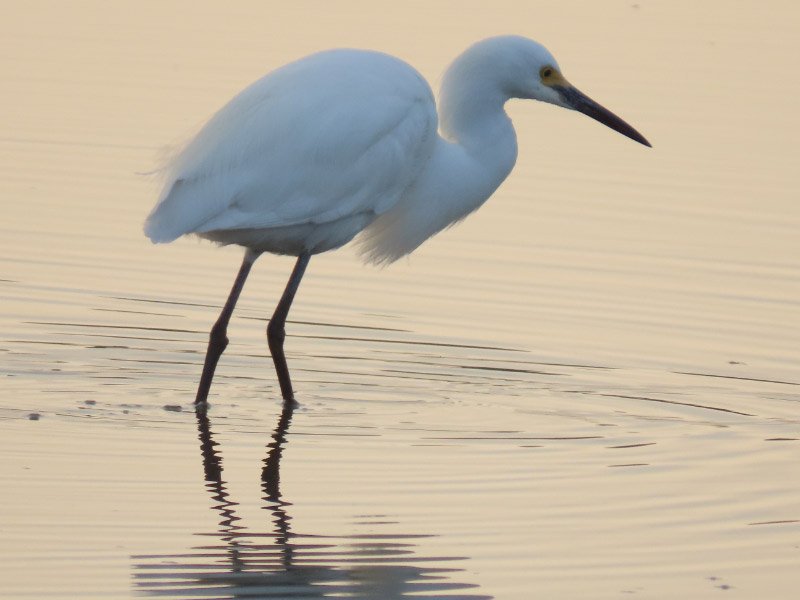
There were three types of egrets I saw: cattle and snowy…

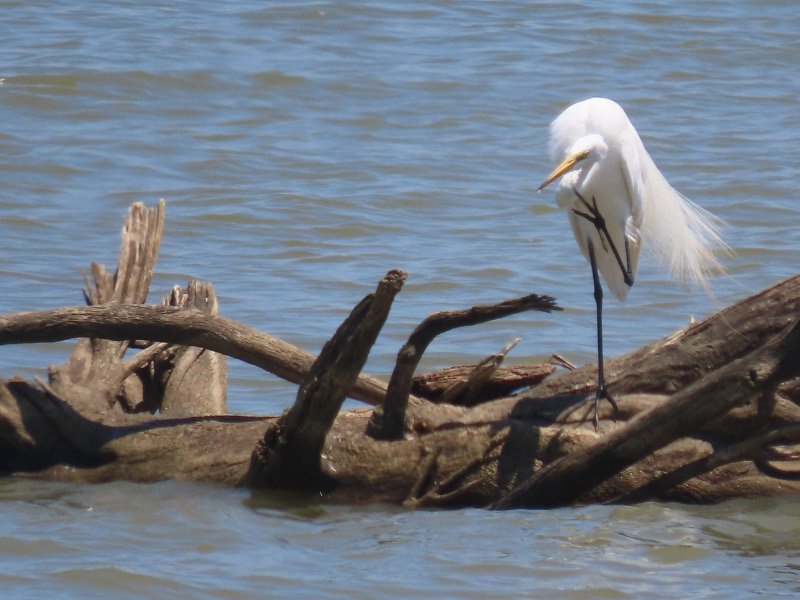
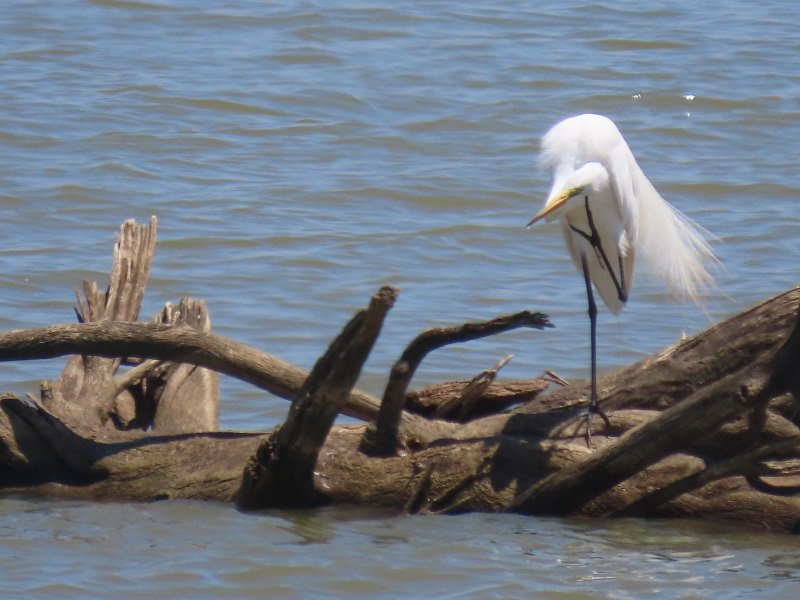
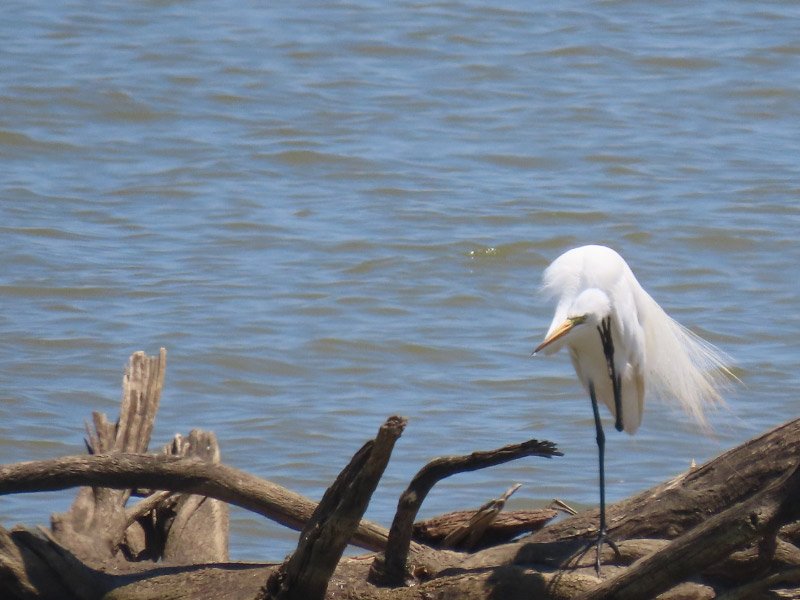
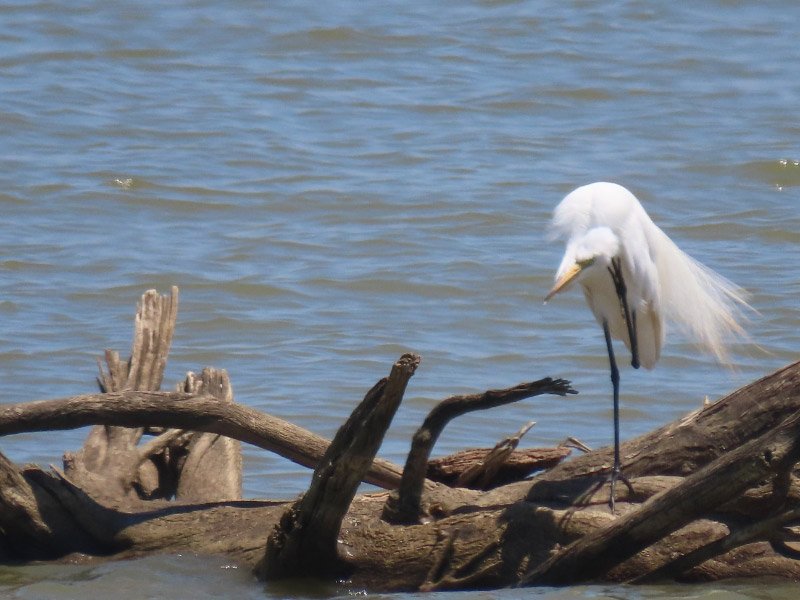
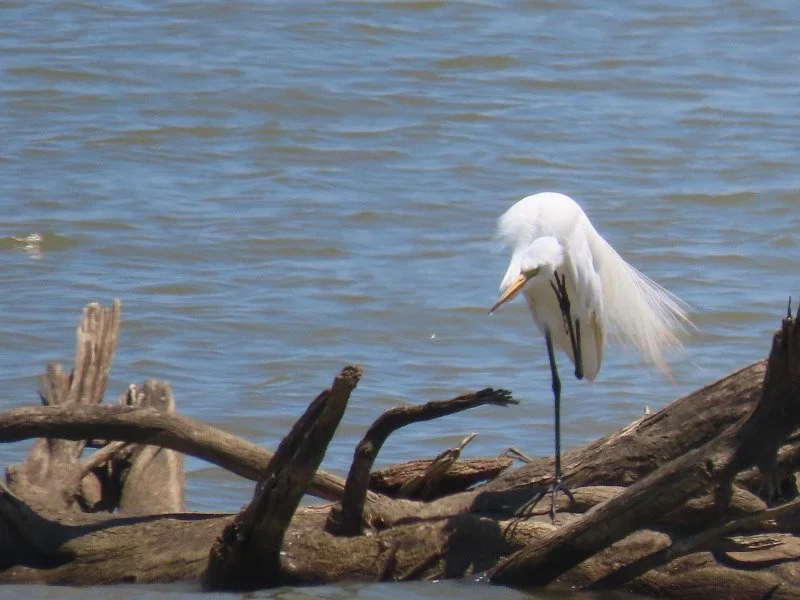
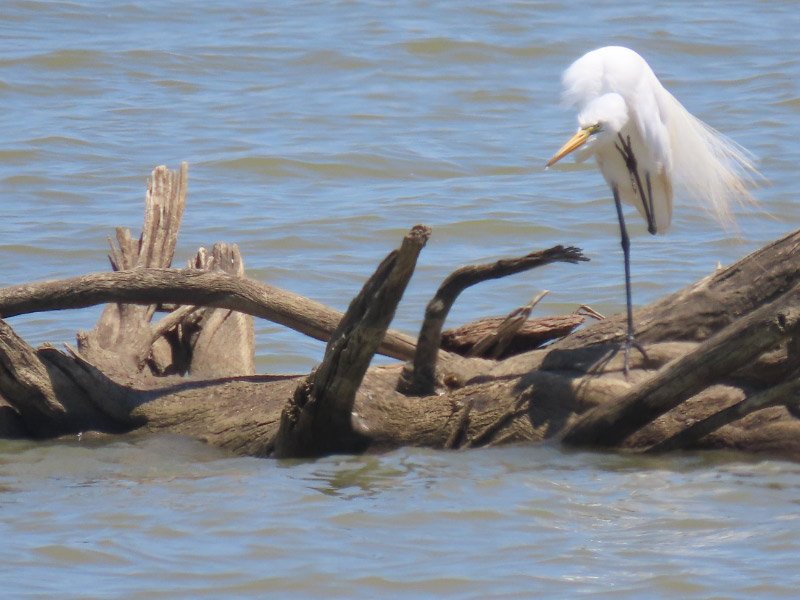
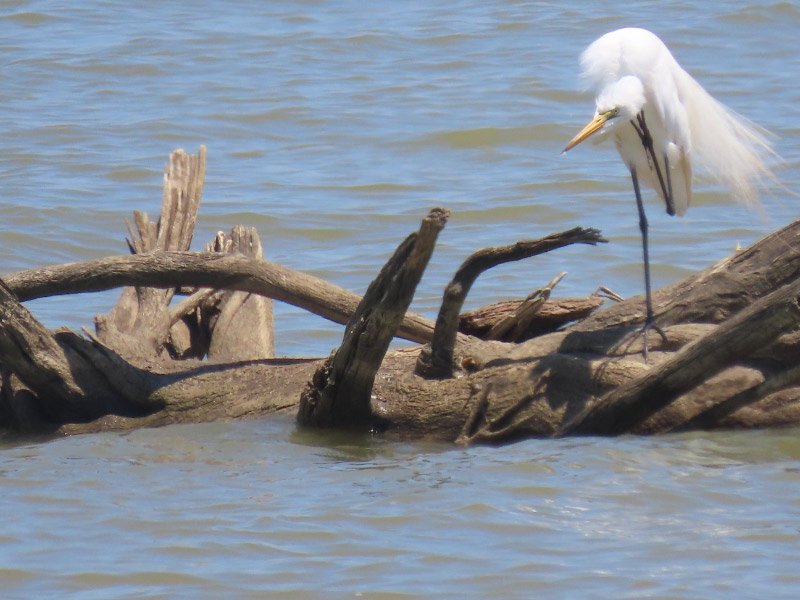
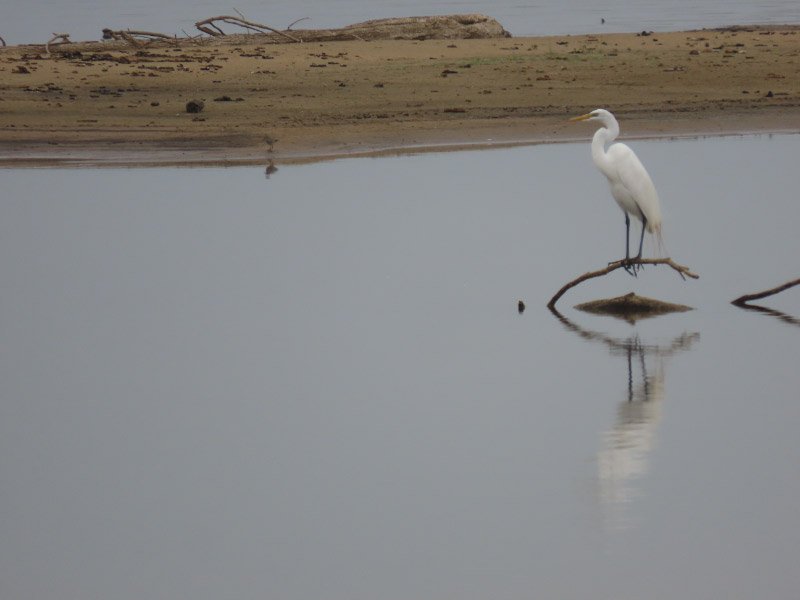
And then a great egret on a snag - scratching.

The black vultures were on the ground. They didn’t appear to be around feeding. They were just in a group at the edge of one of the ponds…socializing.

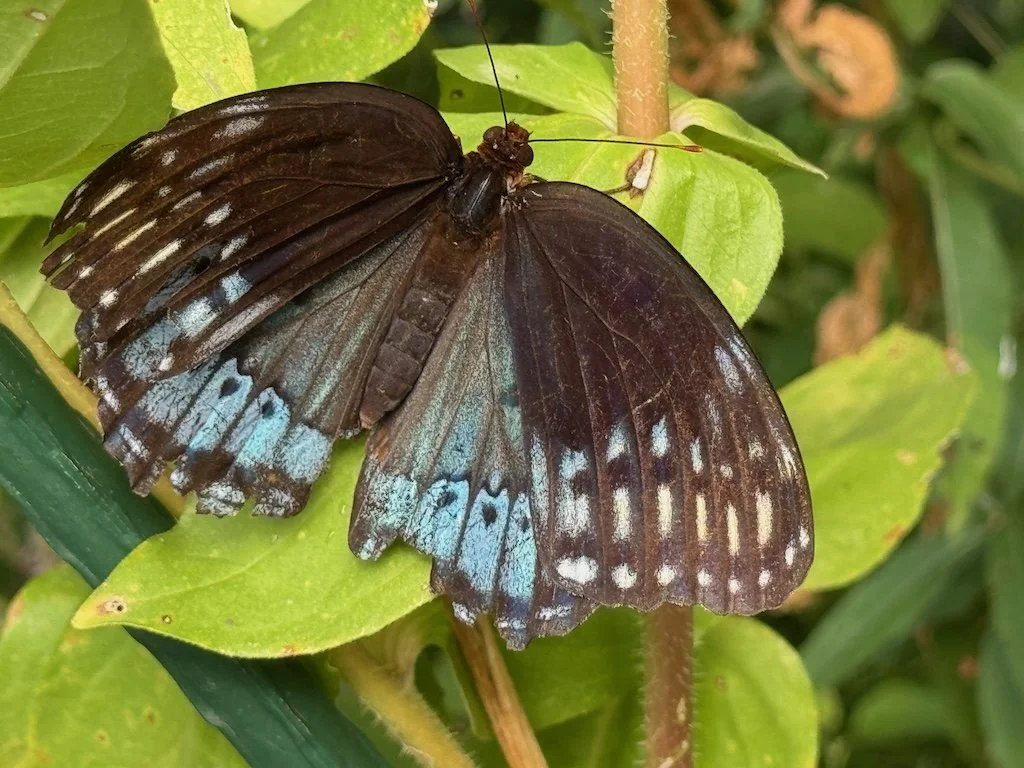
The butterfly garden near the visitor center has a wider variety of flowers still blooming.

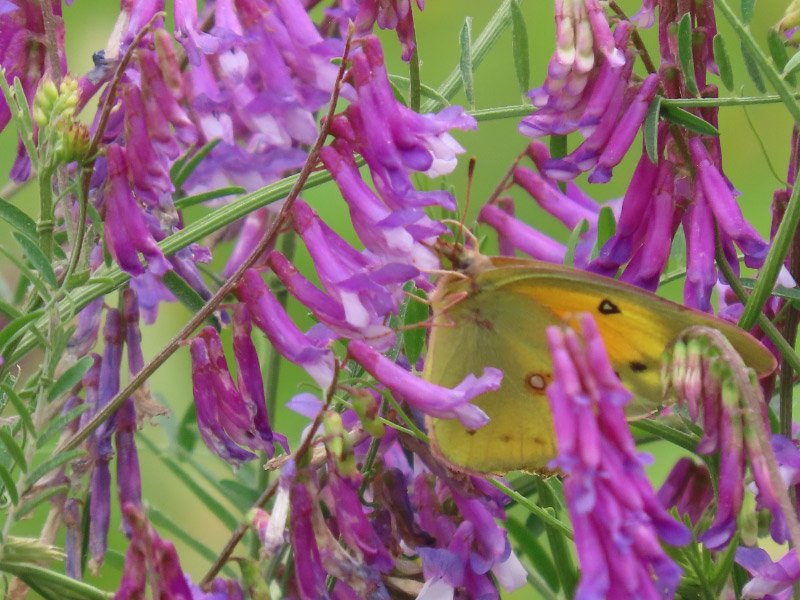
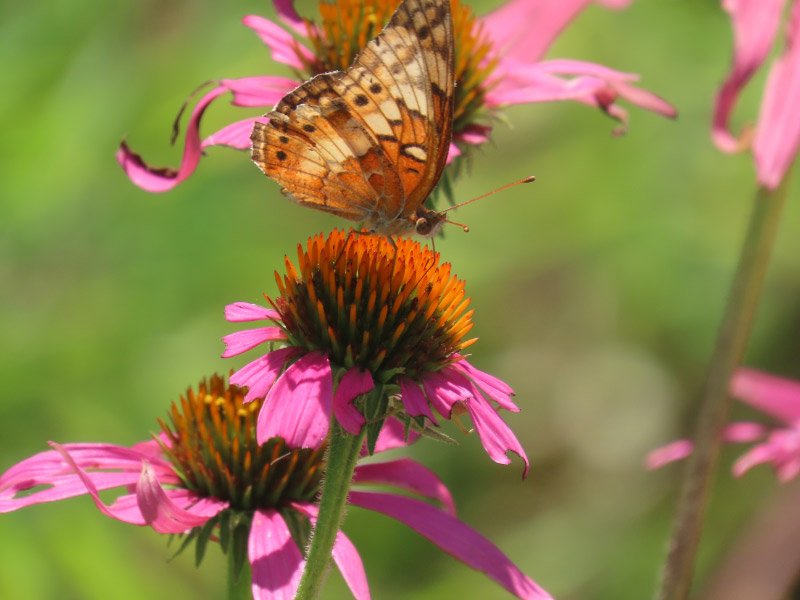
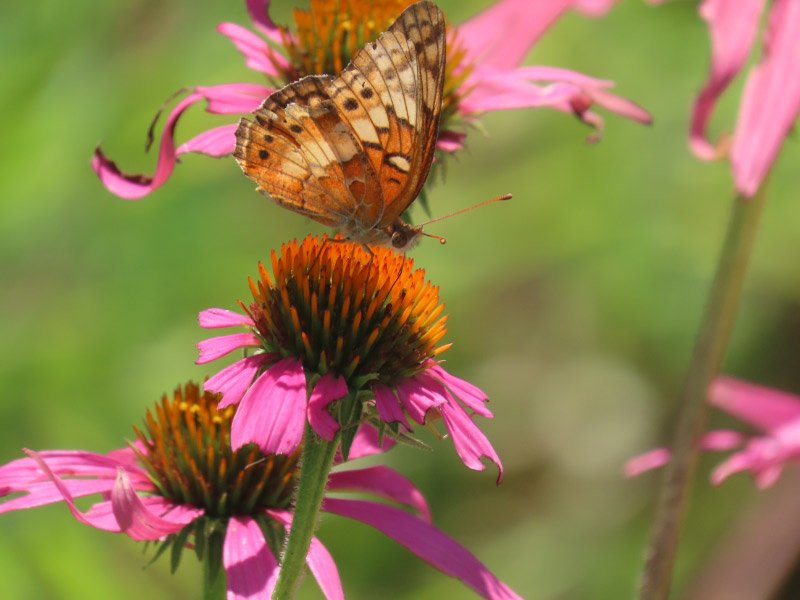
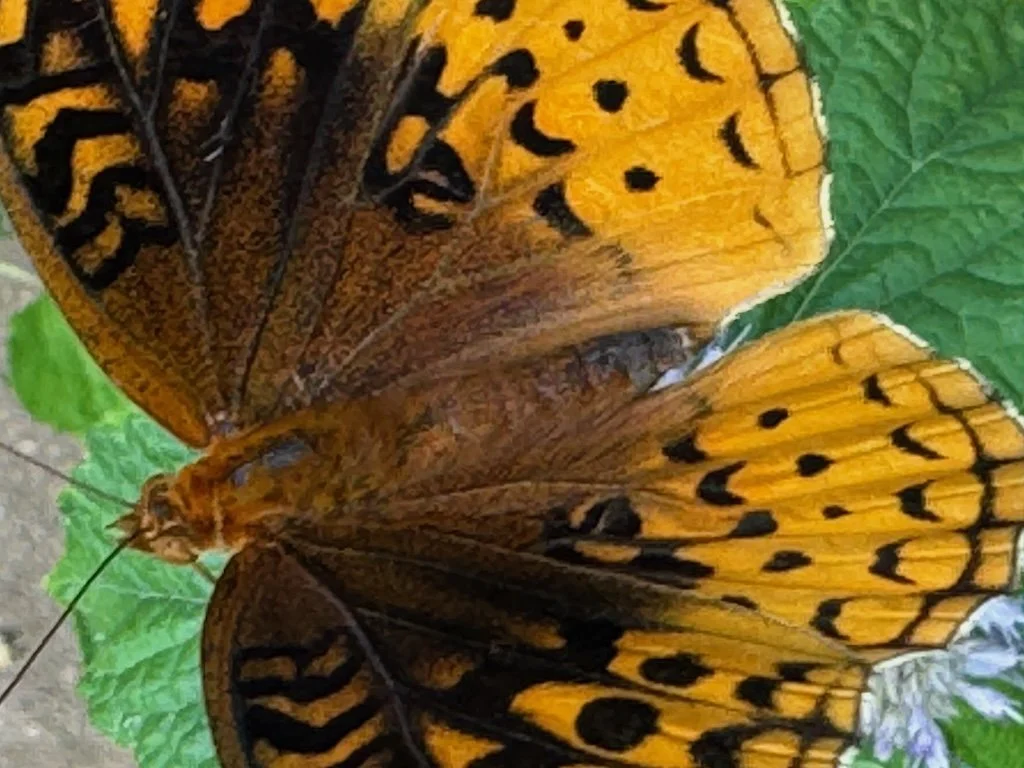
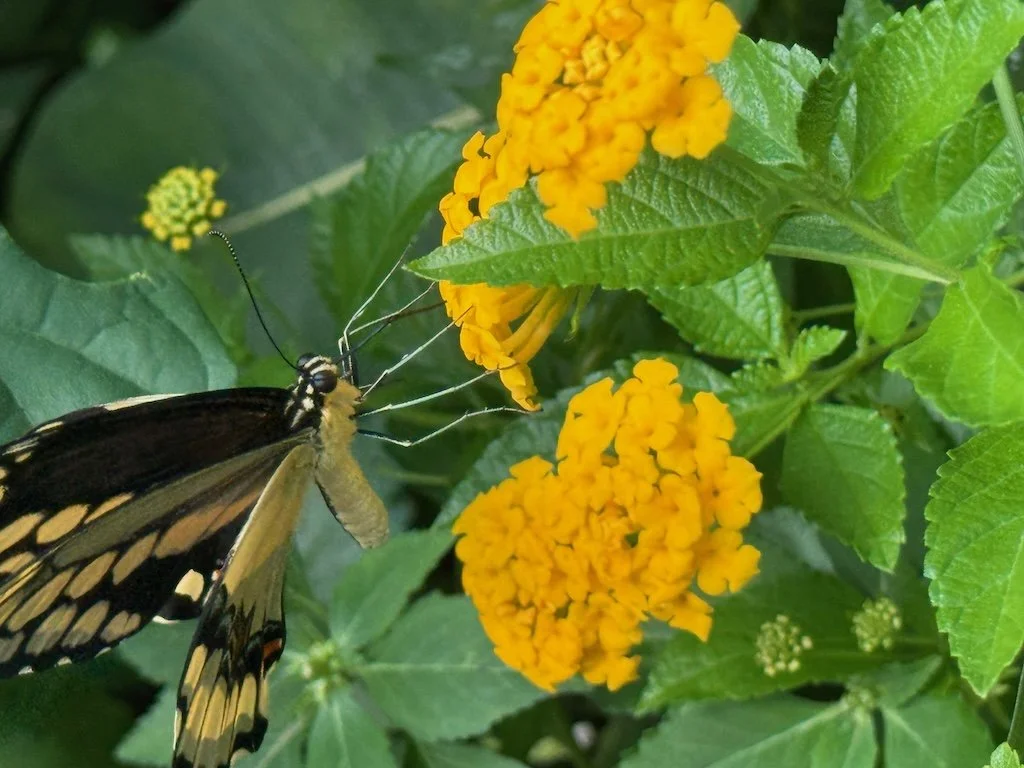
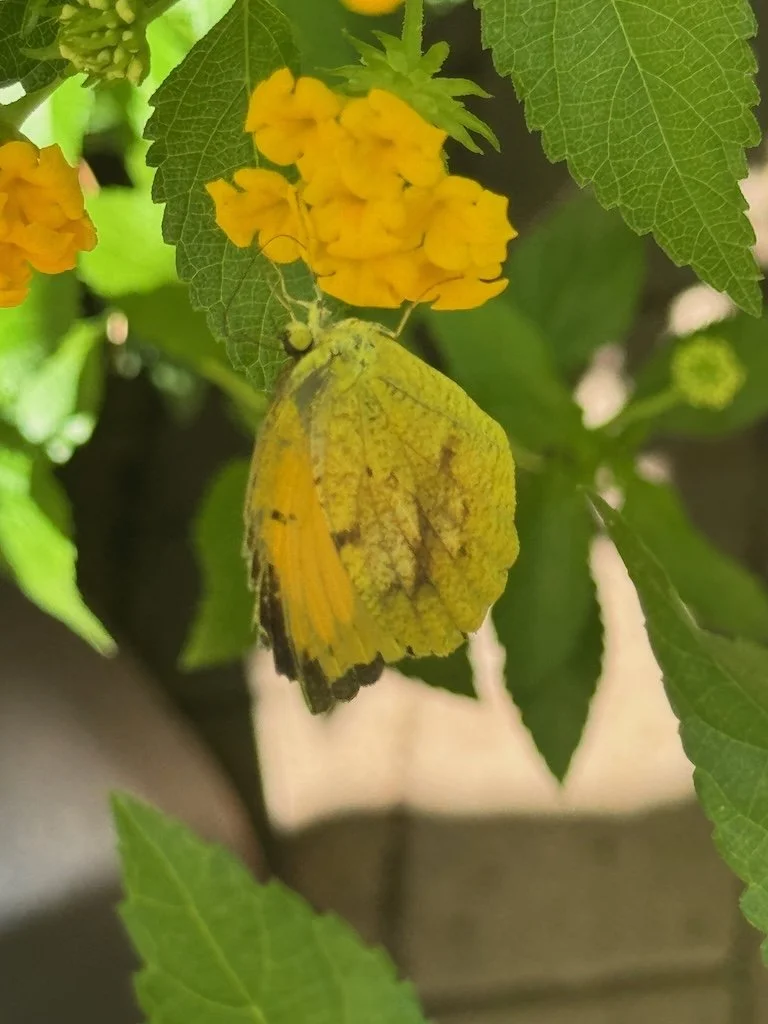
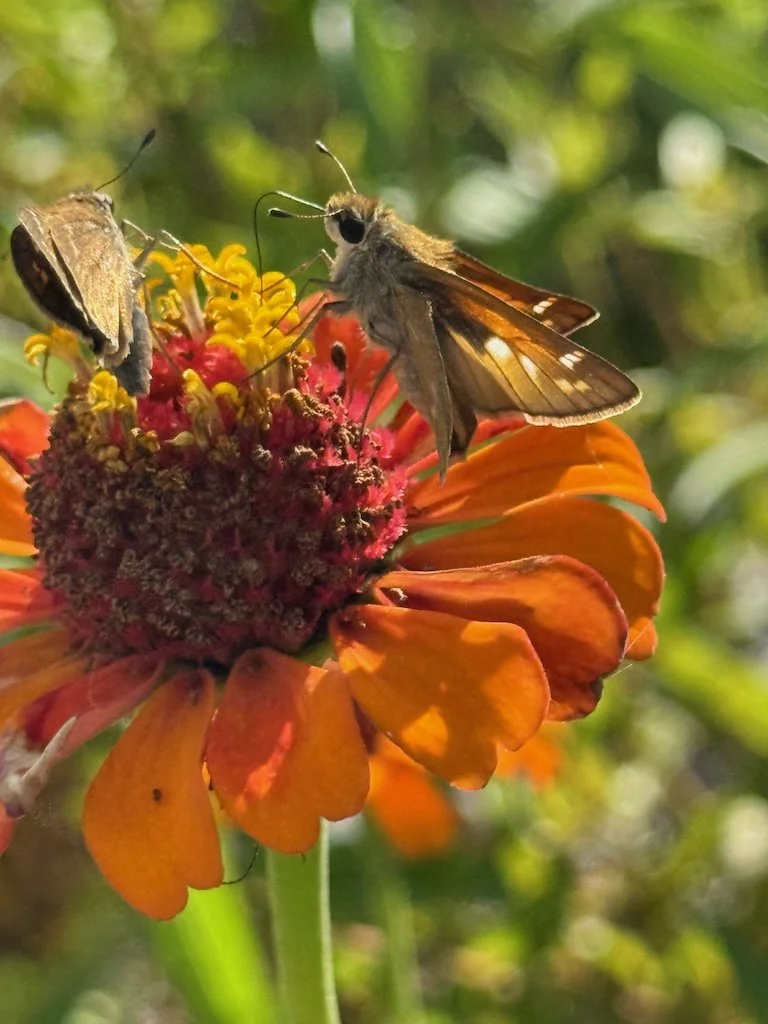
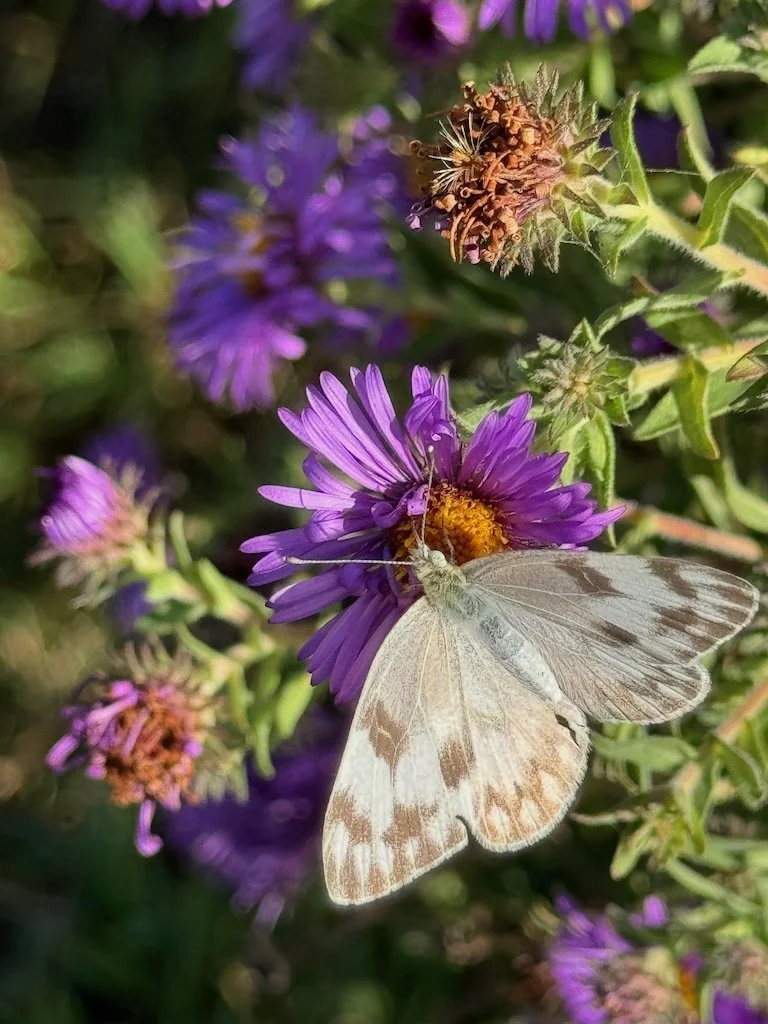
And they were attracting butterflies. I watched one getting nectar from a cone flower.

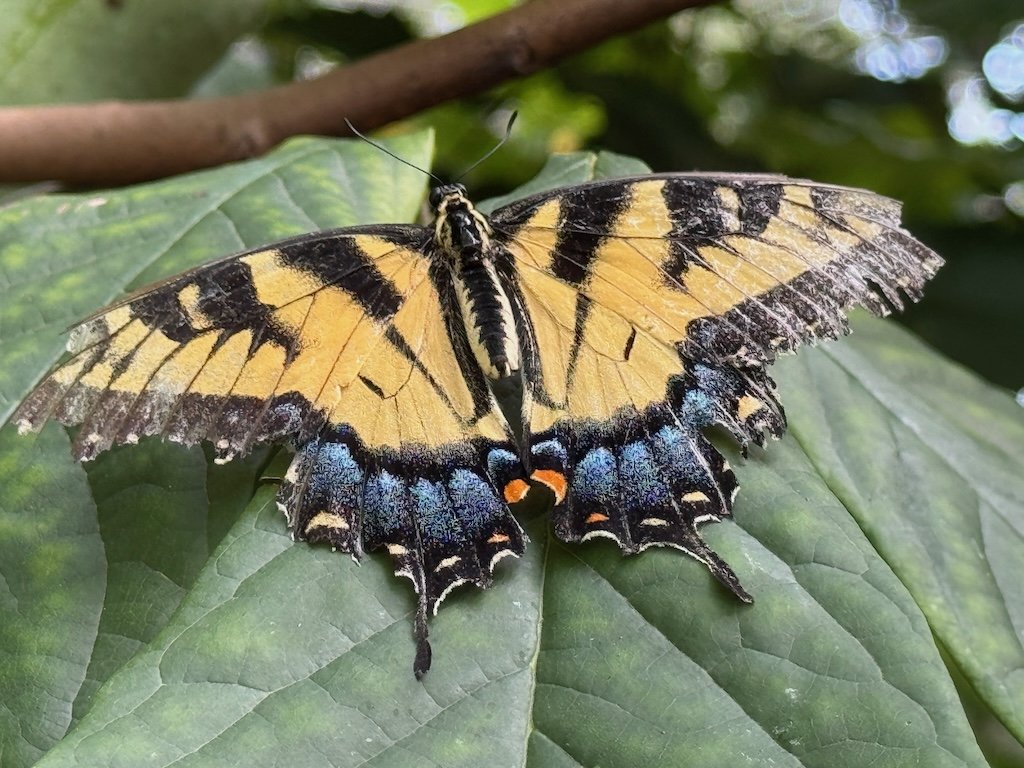
There were several other kinds around too…and I saw one butterfly laying eggs on a plant that didn’t have any flowers (must have been the plant that the caterpillars like to eat). I had a pleasant conversation with a woman as we both enjoyed the garden; she was about my age, had bought a butterfly kit for a granddaughter (the caterpillar had successfully developed into a butterfly that was released), and was part of the rotation caring for her elderly father in his home…a wonderful chance encounter that made the road trip unique!

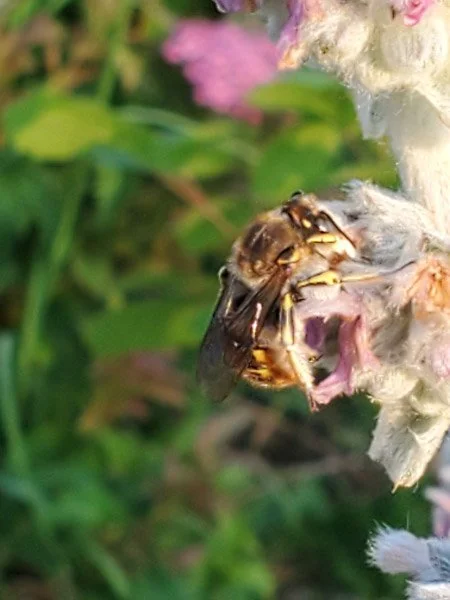
There were bees in the butterfly garden too. One was taking a break on a bench…an easy picture!

Gleanings of the Week Ending June 24, 2023

The items below were ‘the cream’ of the articles and websites I found this past week. Click on the light green text to look at the article.

A New Day for the Ancestors’; Mounds - Archaeology Magazine – An Ohio Supreme Court ruling in December 2022 increases access to the earthworks. Soon, the mounds will cease to be part of the golf course at Moundbuilders Country Club!

How ‘tornado alley’ is changing - BBC Future – Tornado Alley is widening. Large tornado outbreaks have become most common in Alabama, Tennessee, and Kentucky rather than Texas and Oklahoma where the term ‘tornado alley’ was invented in the 1950s.

Knit One, Purl Two - Archaeology Magazine – Patterned silk stockings from the 17th century. Volunteers in the Netherlands tried to recreate them. It turned out to be exhausting and highly complex….and required hundreds of hours!

Rooftop Solar Grew Nearly 50 Percent Globally Last Year - Yale E360 – Great progress…the challenge remaining is to be able to use it when we need it. Upgrading electricity and storage infrastructure must keep pace.

50 Years of the Endangered Species Act: A Gulf Coast Success Story • The National Wildlife Federation Blog – The story of the recovery of the Brown Pelican. Now they are easy to see again!

The Fastest-Warming Continent, Europe Has Already Heated by More Than 2 Degrees C - Yale E360 – In 2022 Europe experienced 16,000 heat related deaths and $2 billion weather-related economic damages. With climate change, it is warming faster than any other inhabited continent.

What the Largest-Ever Study of Primate DNA Reveals About Ourselves | Smart News| Smithsonian Magazine – Evidently most primate species have more genetic diversity than humans do. However – primates at risk of going extinct are not helped by that diversity; their trajectory toward extinction is happening too rapidly.

Photography In the National Parks: Photo Documentation – Some tips on how to take pictures that help others recognize a special place/feature, understand a concept, or grasp the mechanics of how something happens.

Divers Are About to Pull a 3,000-Year-Old Shipwreck from the Depths | Smart News| Smithsonian Magazine – Pieces of wood…hand-sewn together. 23 feet of the 39 feet vessel are in very good condition.

Denison, Texas Travel Center – June 2023

The Beautyberry was blooming at the Texas travel center on US 75 (entering the state from Oklahoma). I searched for the flowers since I knew the plants were growing there…remembering the purple berries I’d seen last fall. The buds and flowers are very small…easy to overlook among the foliage. This is a plant I will check every month to observe how the berries develop!

Some of the wildflowers that were blooming last month have already started to make seeds but there are new rounds of flowers.

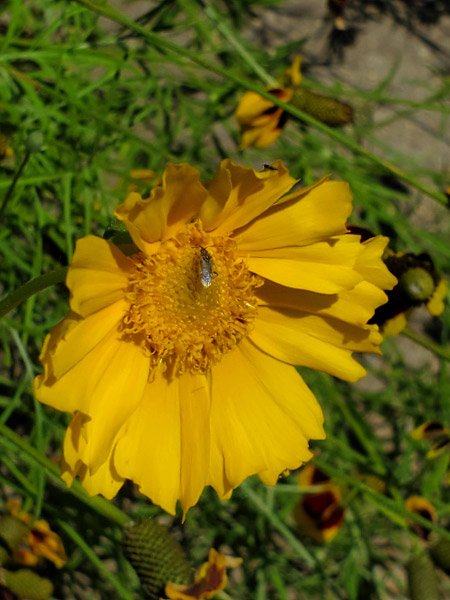
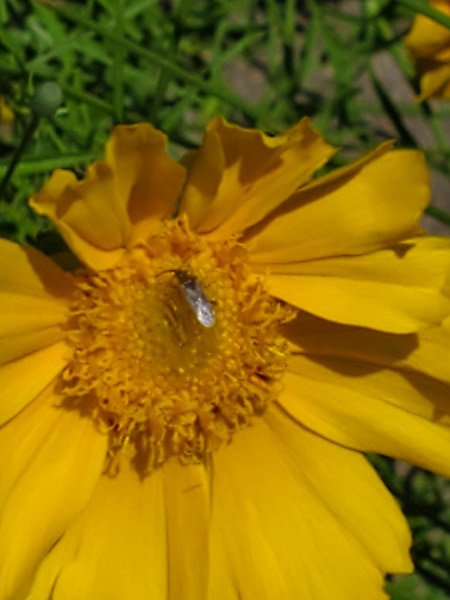
It was hotter and, as I walked along the sidewalk with plants leaning into the walkway, I felt like there were biting insects around my ankles! I took pictures quickly – noticed insects on some of the flowers.

I headed back to the car to continue my road trip to Hagerman National Wildlife Refuge and Carrollton.

Mushrooms and a Robin’s Egg

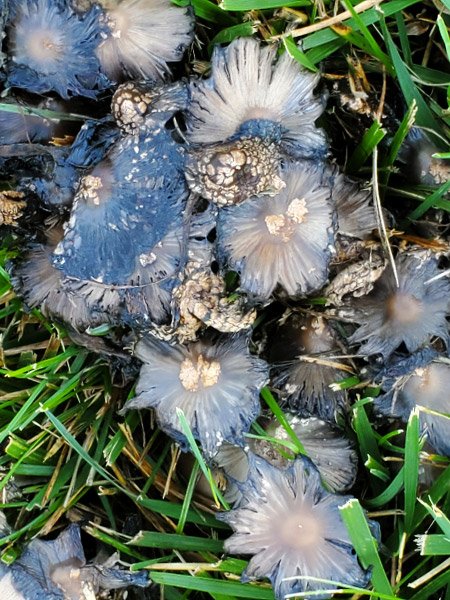
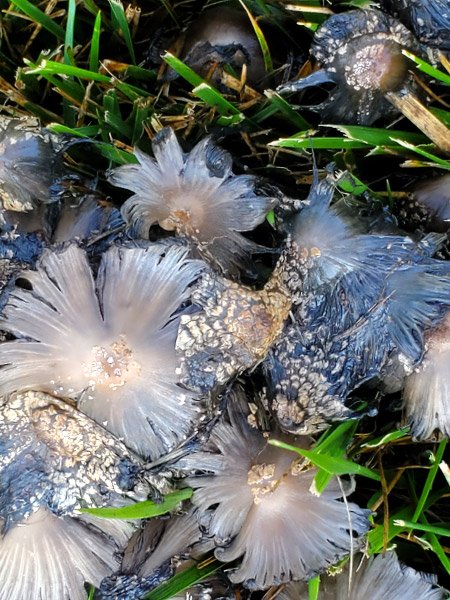
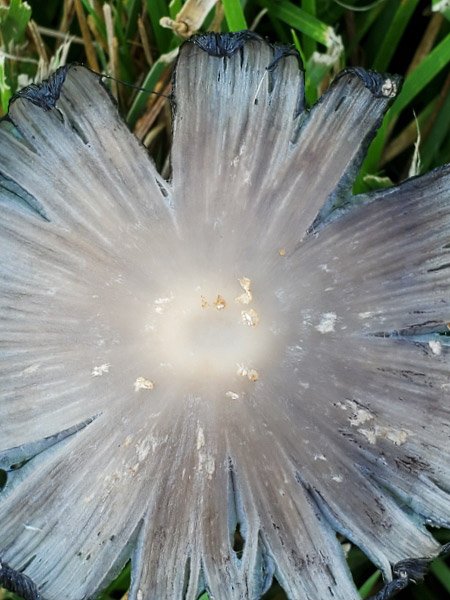
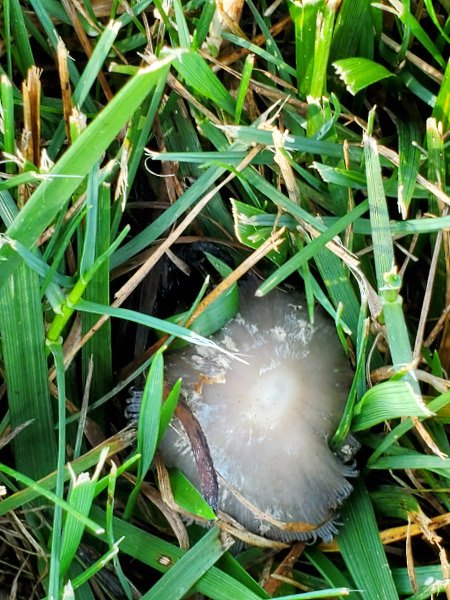
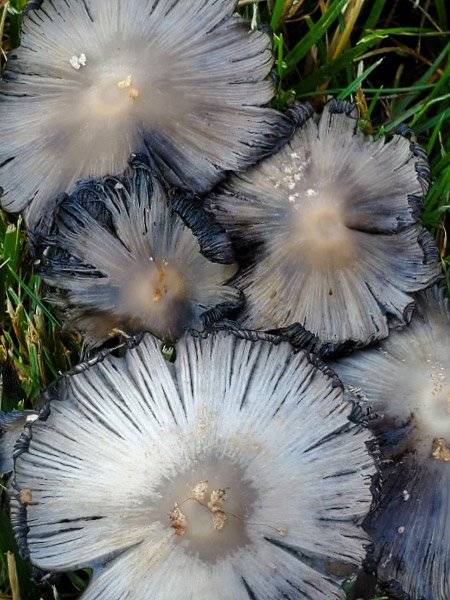
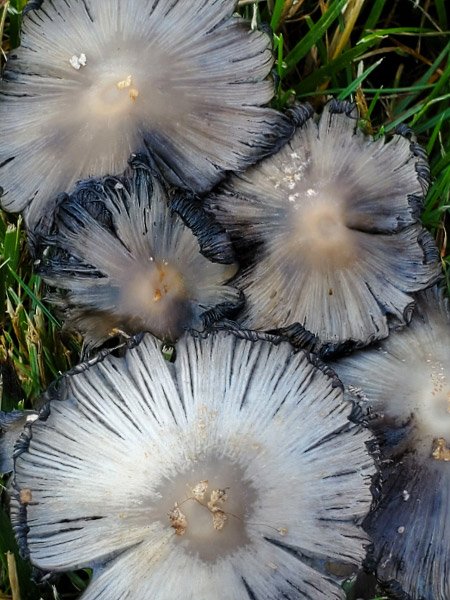
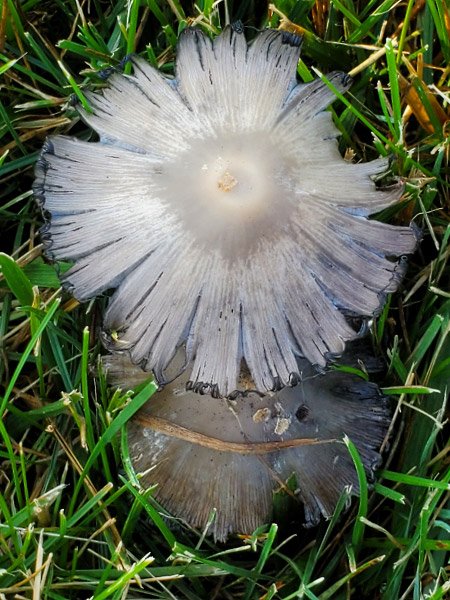
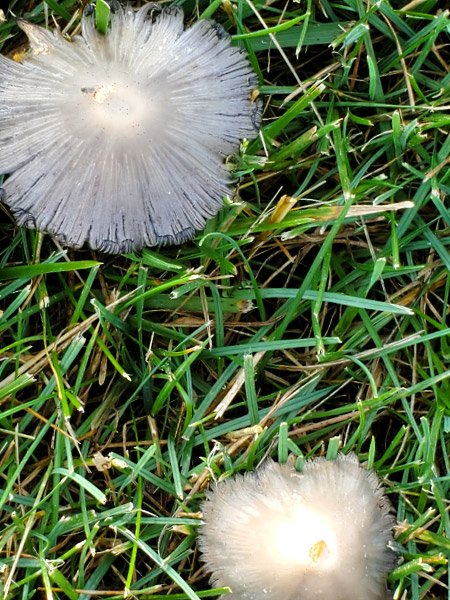
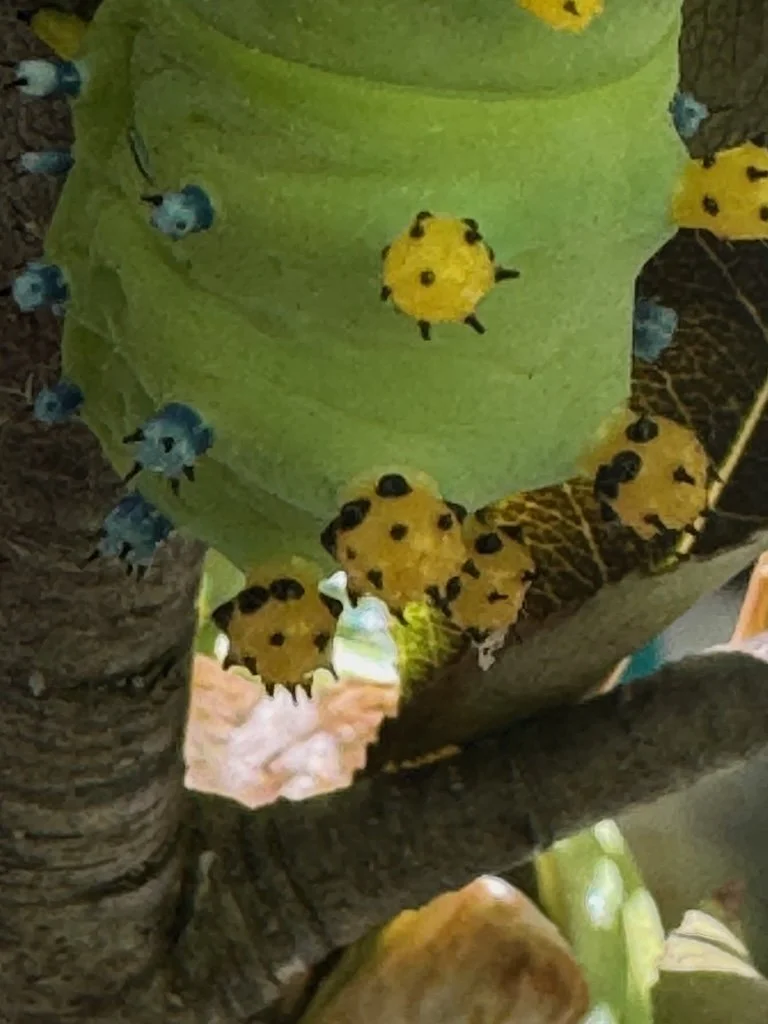
Some surprises that show up in my yard are worth photographing! The mushrooms that show up where a large tree was removed (probably several years before we bought the house) have appeared several times in the year we have owned the house. They come up in clumps that display different stages of development…then disintegrate to black goo. I saw these one morning when I was mowing….stopped to take pictures before I continued.

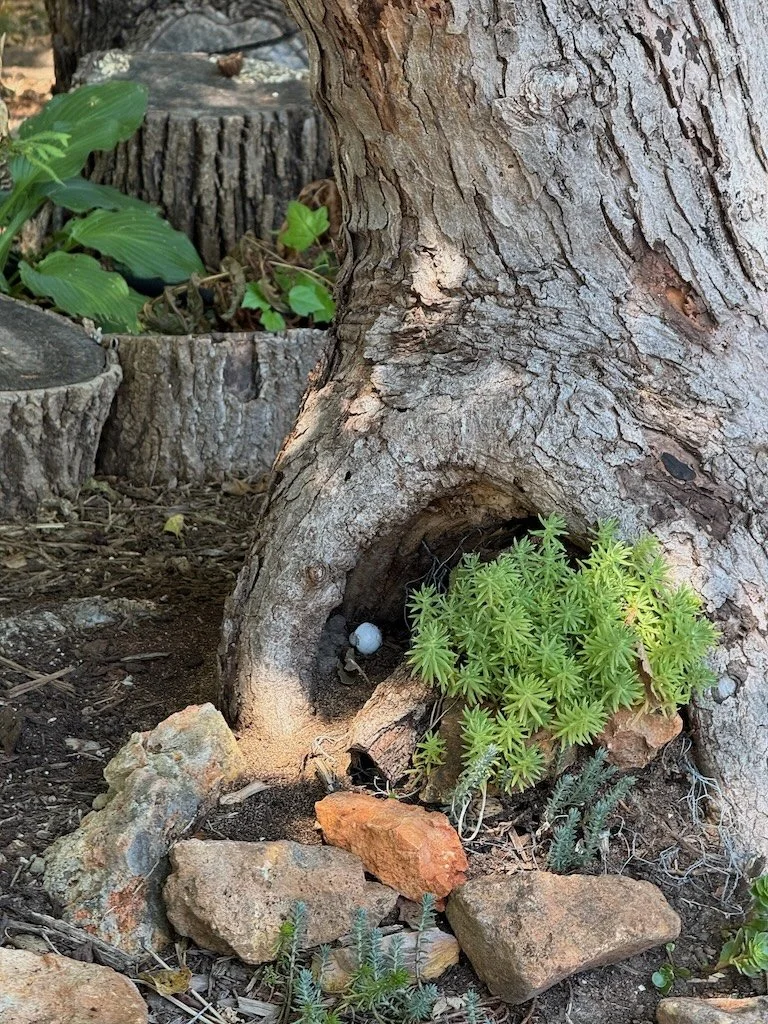
The same day I saw part of a Robin’s egg in the mulch under one our maples. Was there a robin’s nest in the tree…a parent cleaning up after a chick hatched? That is the hopeful story I told myself…although I also realized a predator could have found the nest in the tree or elsewhere and dropped the shell after a good meal.

The next day, I mowed the other half of the yard and discovered a stinkhorn had come up in the mulch where our pine had recently been cut and the stump ground up. I guess the fungi are hard at work in the cleanup!

Sunflowers

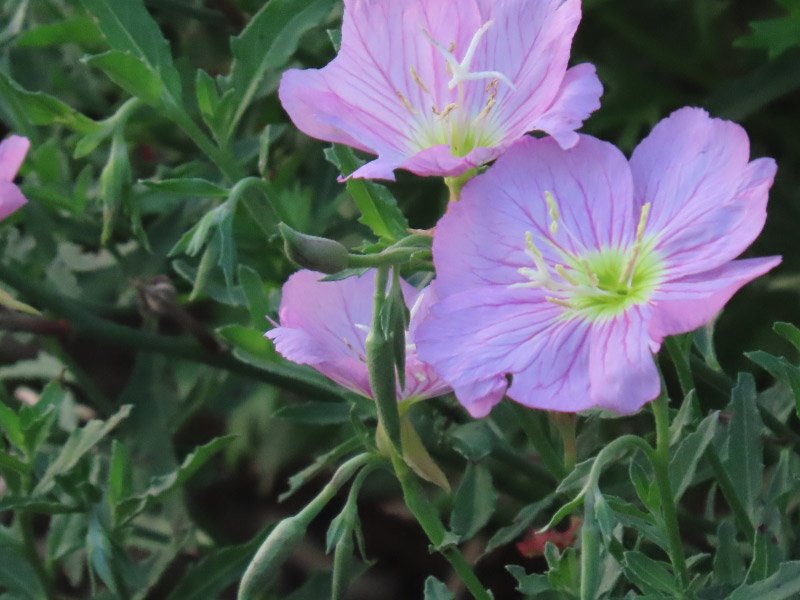
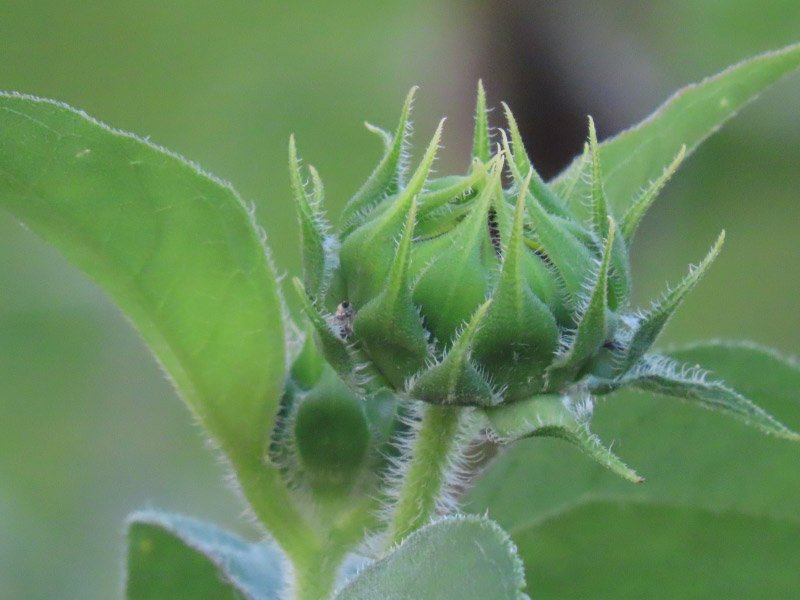
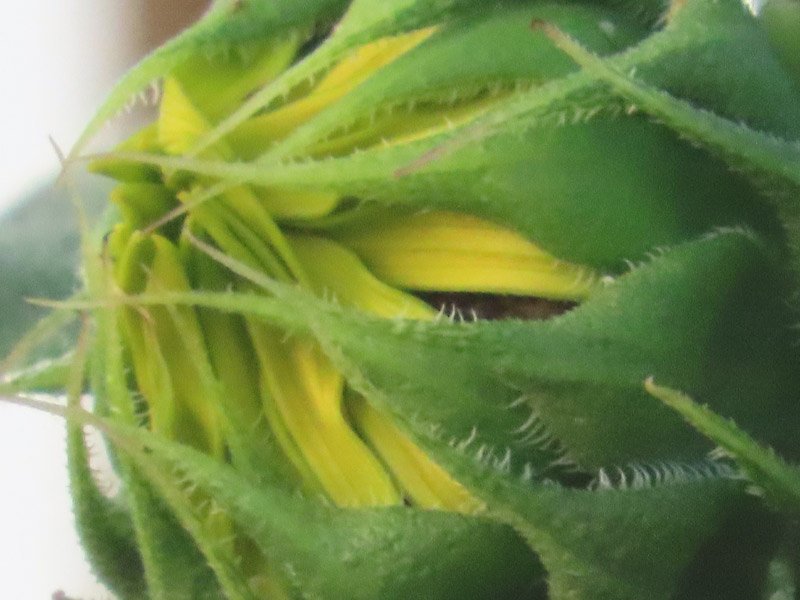
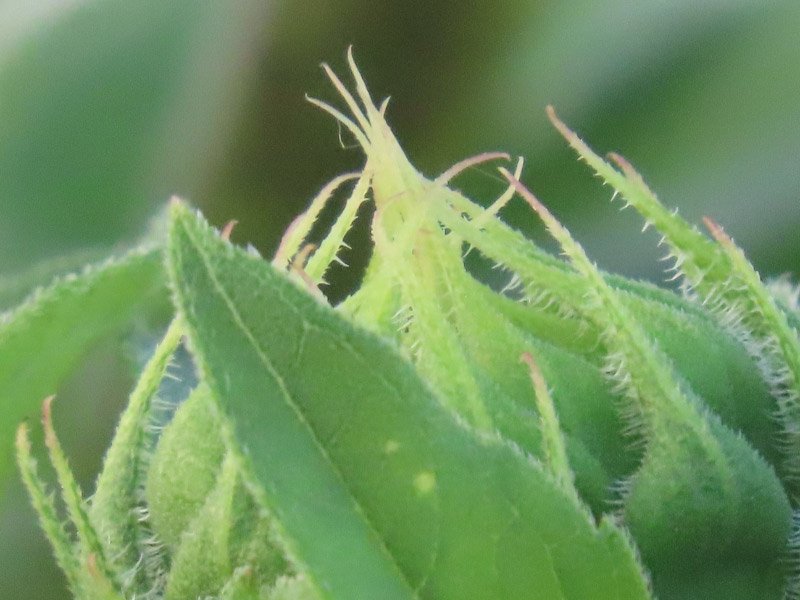
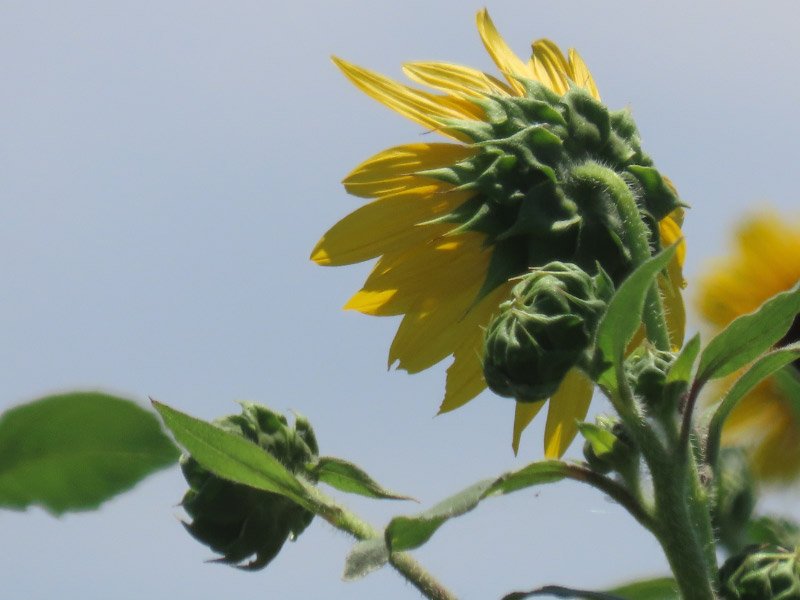
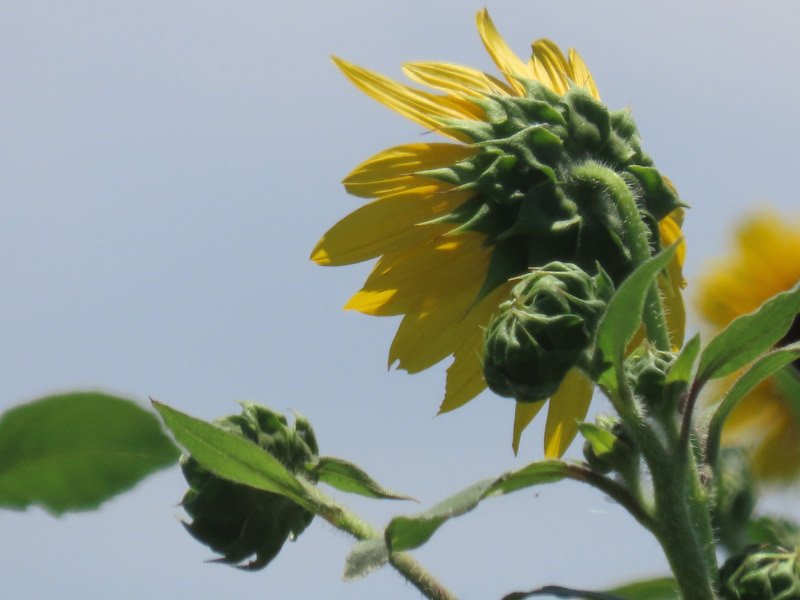
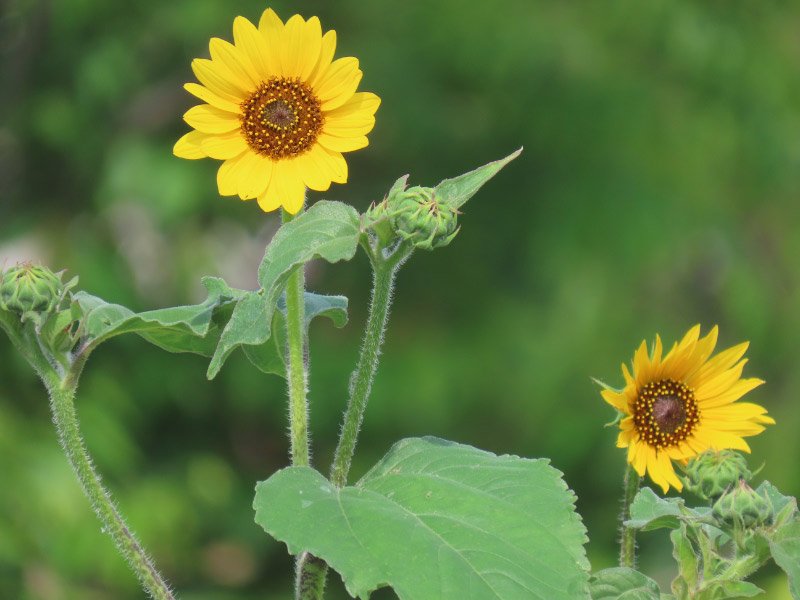
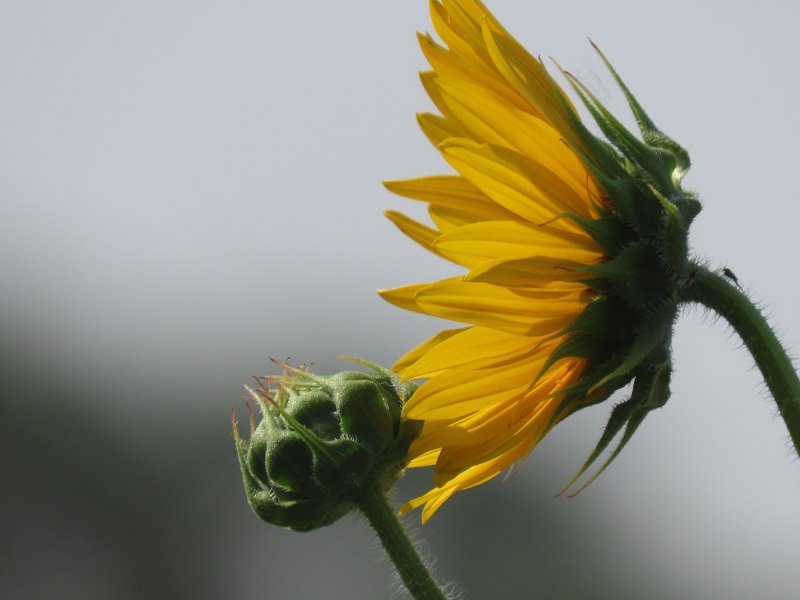
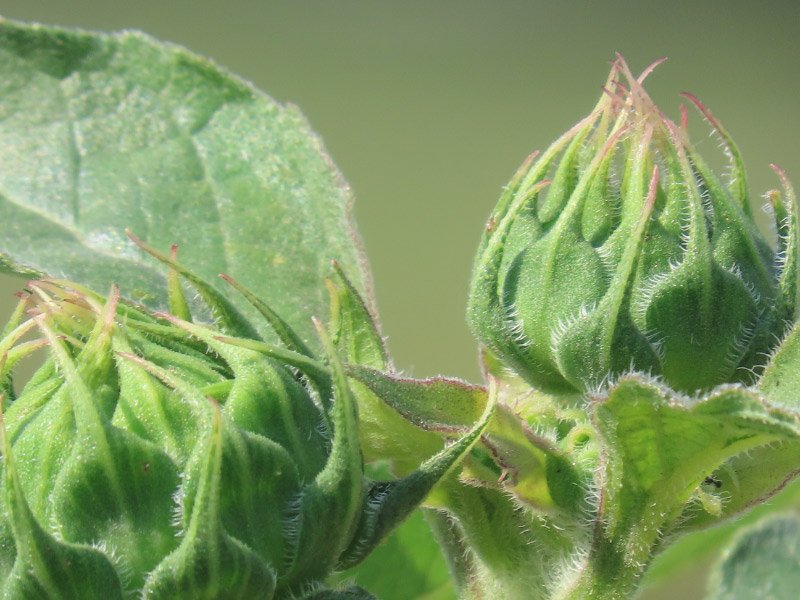
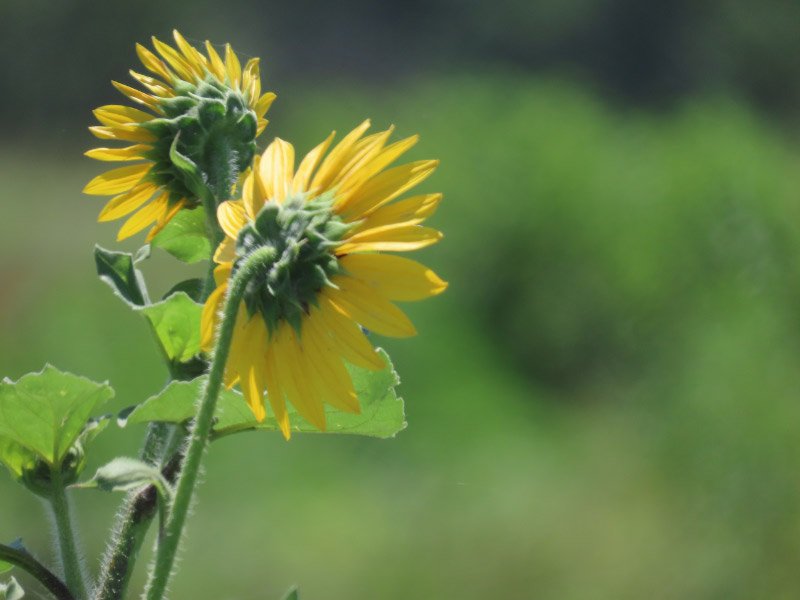
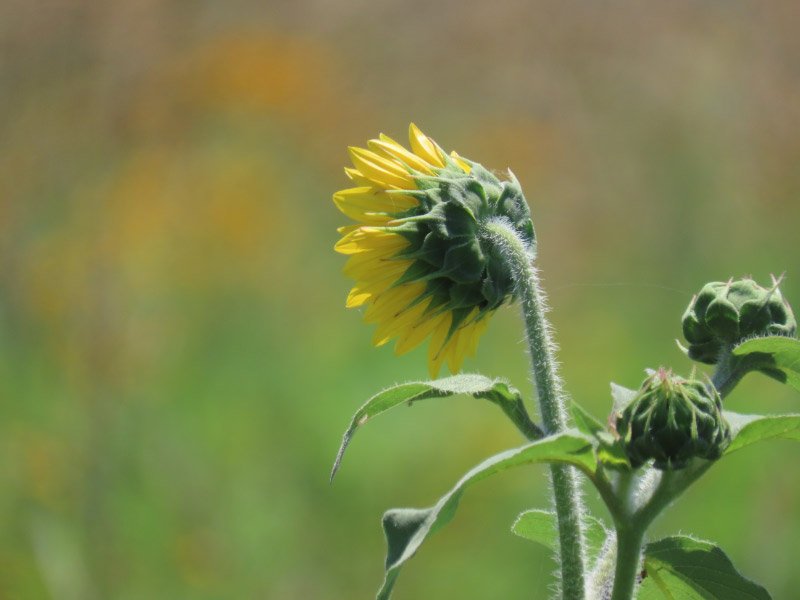
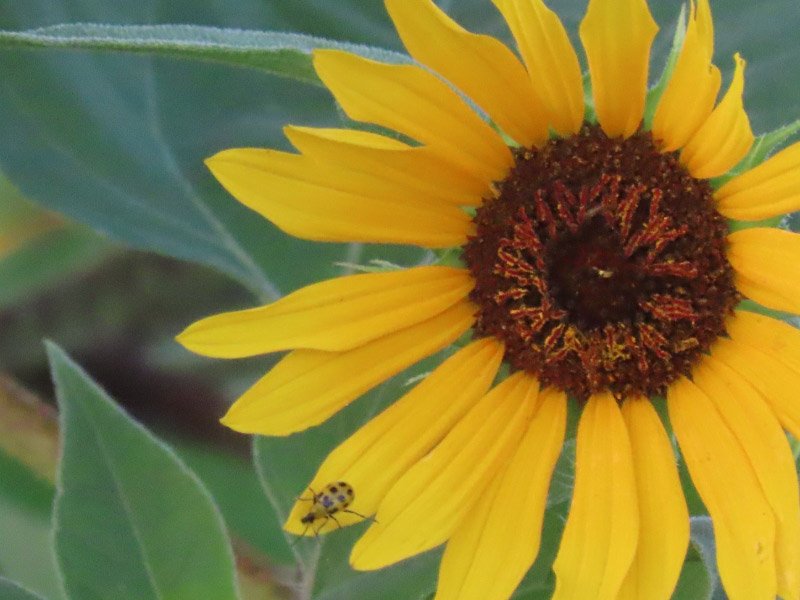
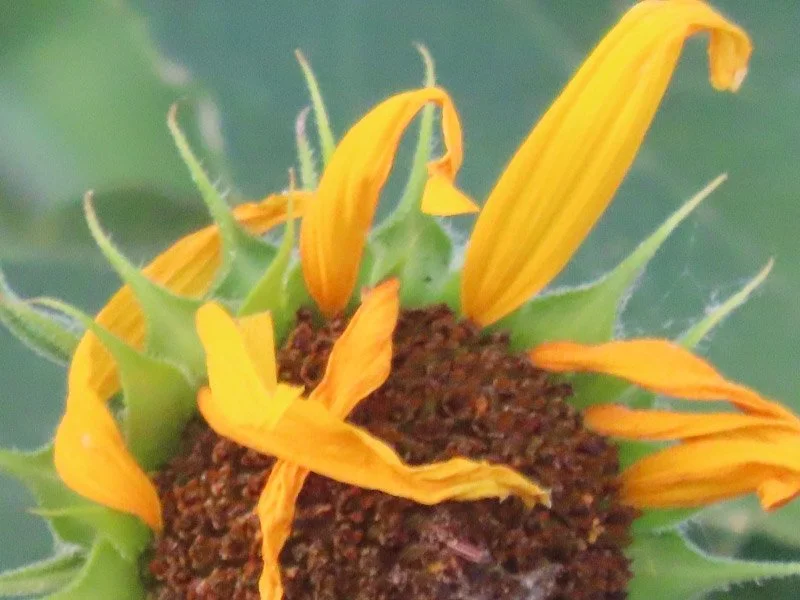
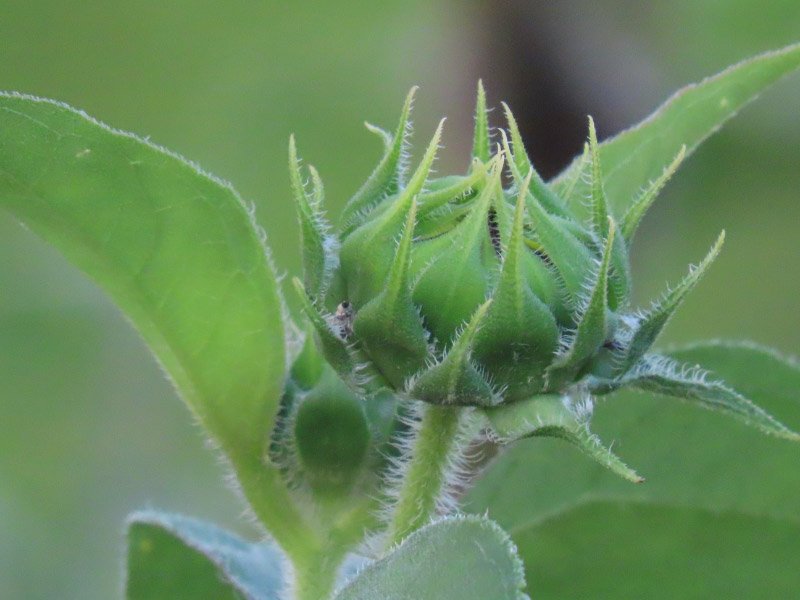
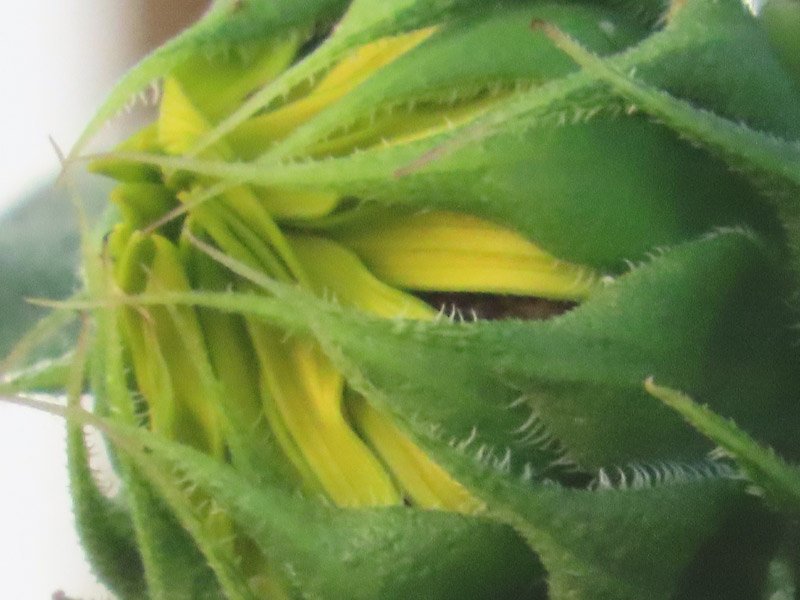
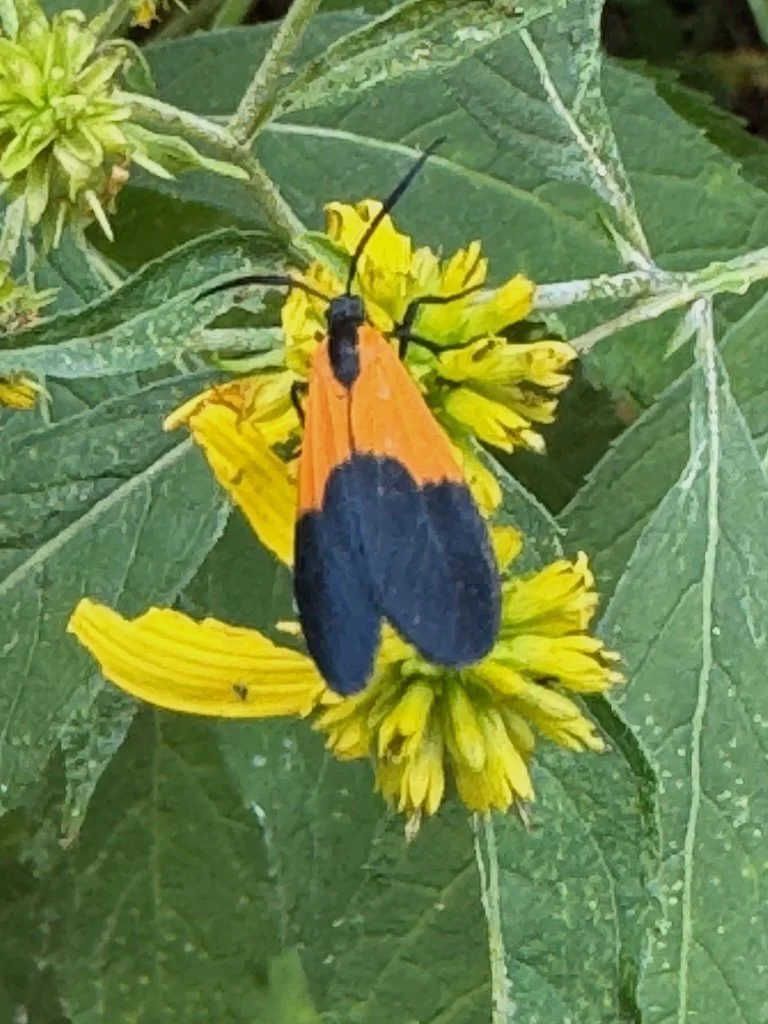
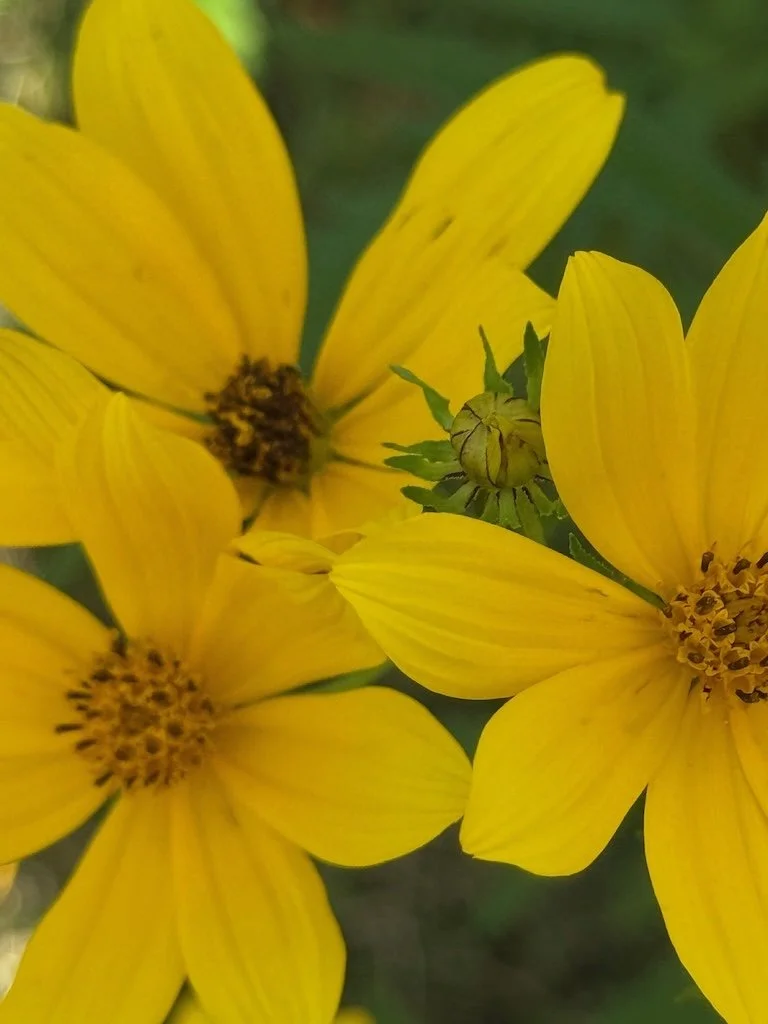
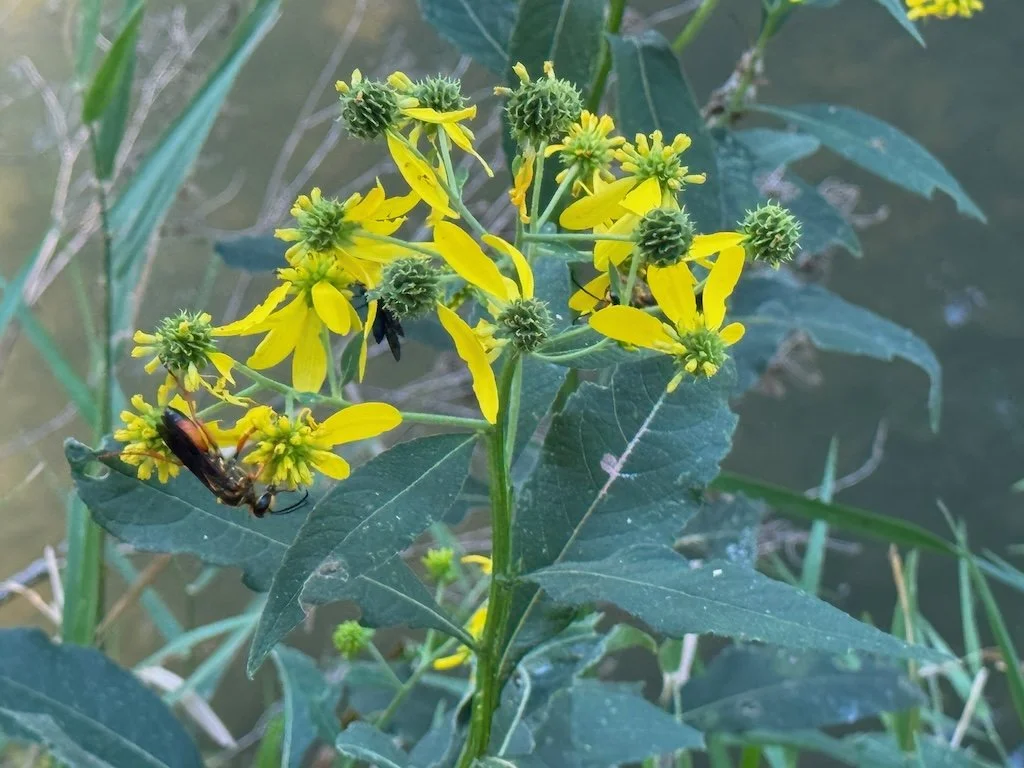
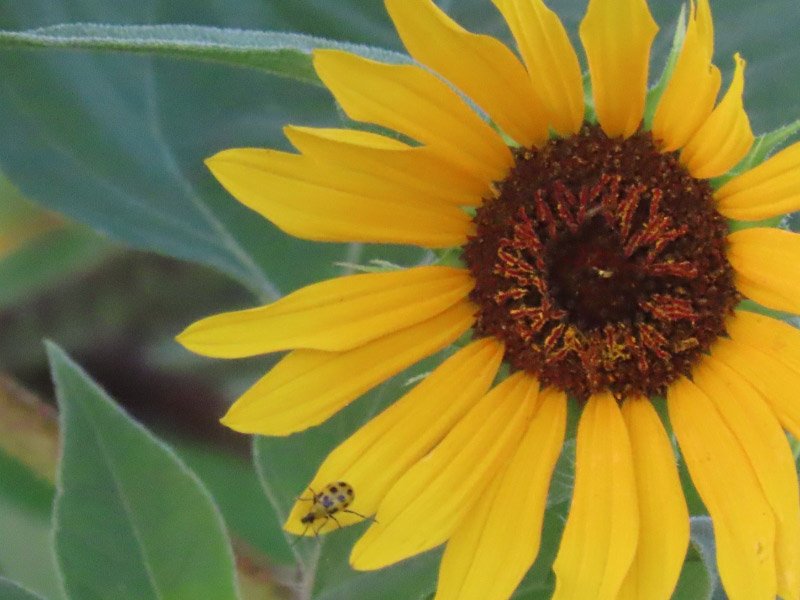
The plant-of-the-month I chose for June is the sunflower. They’ll be blooming for most of the summer, but late May and June is when they begin. I saw them at Hagerman National Wildlife Refuge near Sherman TX and at Josey Ranch’s Pocket Prairie. They are large plants…sometimes grow in groups…dominating prairie type spaces.

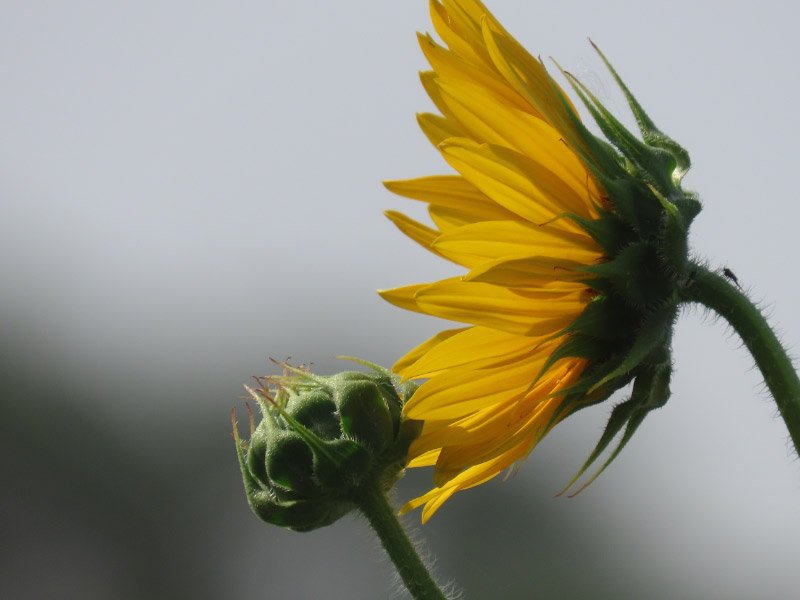
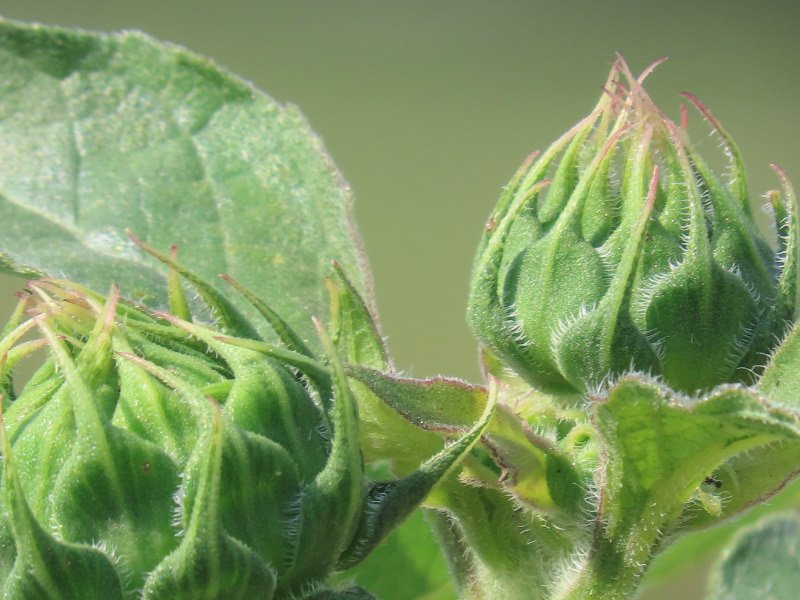
I like them from every perspective and maturity. Even on windy days, I can get zoomed pictures. I like the structure of the buds when they are green…and then when the yellow petals begin to peek through. The bud structure can still be seen in the back view of the flower. Sometimes the petals are wrinkle free…sometimes they look like crepe paper. The flowers turn toward the sun so it is not uncommon to have a plant full of flowers with brown centers in view….or the stem and petals extending from bud remnants of the back of the flower.

The plants attract insects…and later will provide food for birds.

There is a lot to like about the sunny sunflower!

June Yard Work

There has been a lot of yard work beyond the usual mowing and weed eating in June. The wildflower seeds I planted are up and I water them almost daily to help them get established. There always seems to be something that needs doing in the yard and I try to spend an hour each morning working on the highest priority ones!

The above ground portion of our two rose bushes died over the winter so there were a lot of dead stems to cut away. I think the same thing had happened during winters in the past since there were obviously some parts that had been dead a lot longer than others. I am still trying to decide whether to dig out the bushes entirely.

I did get sidetracked while I was working…when I noticed a small slug on one of the older stems that had some fungus growing on it. I couldn’t resist the photo op!

The 4 crape myrtles in the flower beds also died back to the soil line over the winter. The part that was older broke off easily. The part that was last year’s growth had to be cut with pruners, but it wasn’t very large. There was one plant that had obviously been more vigorous in the past and had stems that were large enough that I had to use a saw to get lengths that would fit in my chimenea.

I’d decided that the easiest thing to do with the dead rose and crape myrtle stems was to burn them. I don’t have anywhere for a brush pile in my Missouri yard and the idea of taking rose stems (with lots of thorns) anywhere very far was not appealing.

It was a good task for the cool mornings of June! I would start gathering the dead stems about 7…burned what I collected in about an hour and was back indoors before 9!

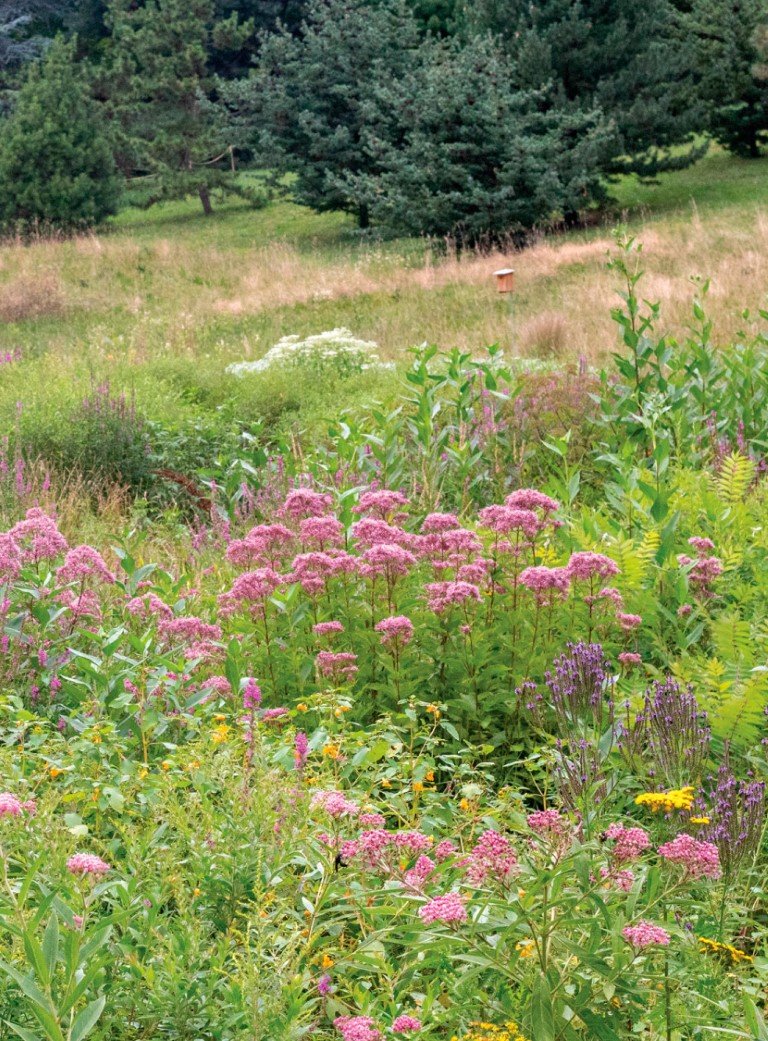
My husband noticed that the store where he buys our bird seed was having a native plant sale; we went to shop. I’ve wanted to start adding native plants to our landscaping. Our first is fragrant sumac. I planted it a flowerbed where it had room to expand (they can grow new plants via suckers). It will be a great addition for wildlife and fall color! It’s close enough to the wildflower seedlings that I can water it when I water them.

Gleanings of the Week Ending June 17, 2023

The items below were ‘the cream’ of the articles and websites I found this past week. Click on the light green text to look at the article.

Humans taking a toll on Yellowstone wildlife - In recent days two black bears have been killed by motorists, an elk and a bison were also hit by vehicles, a newborn elk calf was picked up by motorists concerned for its fate, and a bison calf had to be put down after a visitor tried to help it out of the Lamar River so it could catch up with its mother. I remember that the park had good signage trying to educate people….seems that it isn’t as effective as I assumed it would be.

See the Rare Albino Echidna Spotted in Australia – It’s been named (Raffie) and photographed…evidently still in the wild! A piece of trivia from the article: a baby echidna is a puggle.

Tune in to the Great Salt Lake kestrel cam – Take a look…they hatched on May 17th…and they are growing up fast.

Scientists target human stomach cells for diabetes therapy – Still very much in research phase…but it would certainly improve the lives of a lot of people if it can be developed into a treatment!

This New Device Generates Electricity from Thin Air – Evidently the device can be made from any material that can be punctured with ultra-small holes. Too good to be true….or competitive with established clean energy sources like wind and solar?

Super low-cost smartphone attachment brings blood pressure monitoring to your fingertips – A clip that fits over the phone’s camera and flash…an app. It costs about 80 cents to make but the cost could be as low at 10 cents when manufactured at scale. Evidently it does not need to be calibrated either! I wonder if cuffs will become a thing of the past very quickly!

What we know about the health risks of ultra-processed foods – Research teasing out what exactly about ultra-processed food is bad. I’ve been trying to reduce ultra-processed food…so have been following the advice in this article for at about a year: if you're considering eating a packaged food, read the ingredient listIf you really have no idea what some of those ingredients are, it probably went too far.

You can make carbon dioxide filters with a 3D printer – Printing a hydrogel material that holds carbonic anhydrase (an enzyme that turns carbon dioxide and water into bicarbonate).

Nepal Won’t Move the Mount Everest Base Camp for Now, Despite Risks – Everest’s highest glacier has lost half its mass since the 1990s because of higher temperatures. It may only be a few years before the camp needs to move.

Colombia’s ‘cocaine hippo’ population is even bigger than scientists thought – Wild descendants of the hippos introduced in Columbia by Pablo Escobar….considered the largest invasive animal in the world. There are probably 181-215 of them in Columbia. Several strategies are being tried: contraception administered via dart, castration, exporting the animal to sanctuaries abroad. Culling appears to be the only strategy that can save the biodiversity of Columbia.

Our Missouri Yard – June 2023

There are always things to photograph in our year. In June I decided to walk about with my phone (Samsung Galaxy S10e)….taking mostly macro looks at the plants.

Our lamb’s ear is blooming. It attracts pollinating insects. I have lamb’s ear plants coming up in the yard too….thinking maybe I should avoid mowing them and let them continue to spread…take over some areas where the grass is not growing so well anyway.

This time of year it is possible to find all stages of flower development on a single plant. The color sometimes is deepest just as the flowers open.

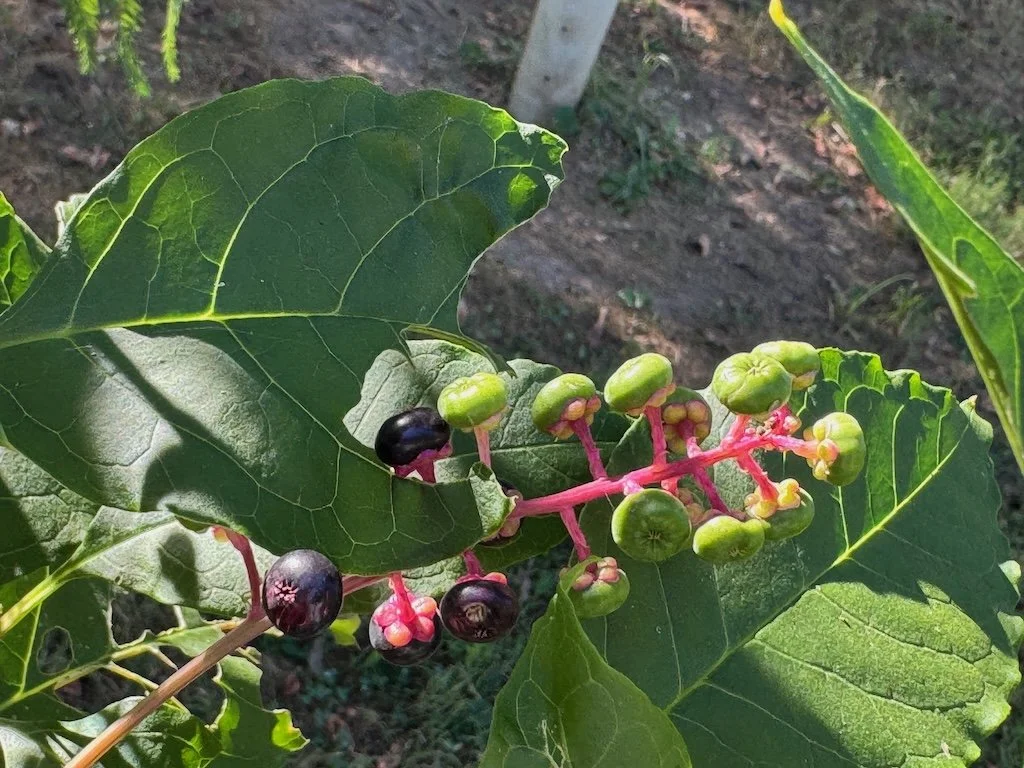
I have pokeweed coming up in some of the same places it was last fall…probably from the roots that remained. I like the green leaves and will probably let it grow. Maybe this year the fruits will mature before the first hard frost…provide early winter food for birds.

There is a native grapevine near one of my bushes. The new leaves start out folded in half. I am pulling it away from the bush and allowing it to continue to grow. Something has already been nibbling on its leaves.

I like that the yard has interesting plants…and is providing some food for wildlife. Hopefully the wildflowers I’ve planted this year will grow this season and then come back year after year…increase the yard value for pollinators!

Downed Pine Tree

We called a tree service company as soon as we noticed that a pine in our yard was leaning toward the house. They came and said the tree would have to be cut down…no way to save it….and they would be back in 4-6 weeks (evidently they were backlogged). We called another company, and their backlog was even longer.

They did better than their estimate – coming in 3 weeks. By then the tree had fallen. A holly tree and bush got crushed/brushed by the top branches; fortunately the holly only had a few broken branches and no damage to the trunk; the bush seems to have fared even better.

The cross section of the tree shows that it was not a healthy tree. Perhaps one side of the trunk had been damaged (maybe hit by a mower several years ago?) so the tree did not grow uniformly around the center.

After they cut the pine, arrangements were made for an underground utility survey before they came back to grind the remains of the stump. The grinding was done via a remotely controlled machine! It was just a mound of dirt and wood shavings afterward.  

I already miss the tree. This is the first time we’ve removed a tree from our yard…and it is a little traumatic to have something as large/significant suddenly gone. On a positive note: mowing the yard is a little less convoluted now and the grass should fill in quickly.

Carrollton Yard – May 2023

My parent’s yard was transitioning from spring to summer when I was there in late May. My sister had taken away the naked lady lily leaves that had turned brown; the bulbs have the stored energy for their bloom later in the summer. I put the stainless-steel iris I bought at the Springfield Artsfest in the hydrangea plot. It looked like it belonged there and will provide some color visible from the garden room during the winter.

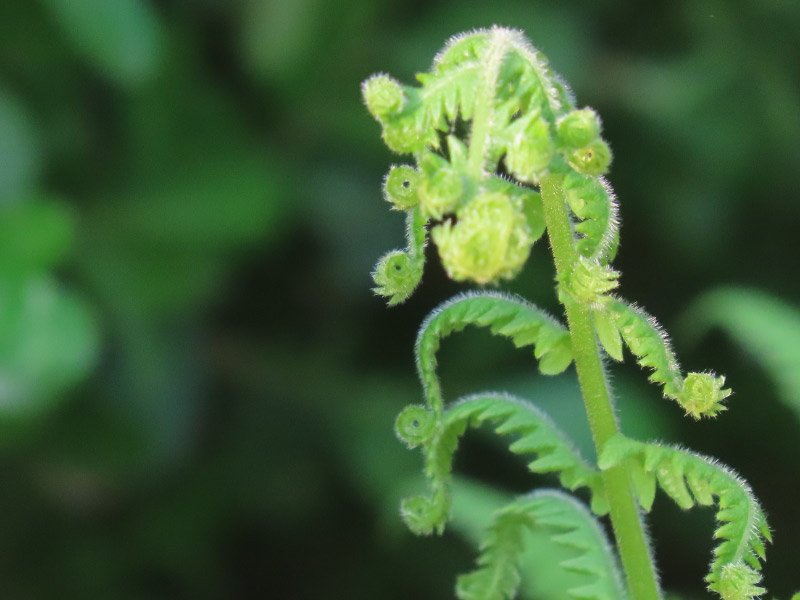
The Queen Anne’s Lace is beginning to boom…and the cosmos. In the front yard the red yucca is the most colorful. The daisies are dispersing their seeds. The ferns are lush and there are still fiddleheads unfurling.

The lamb’s ear is blooming. When I got home, the ones in my yard were too!

Now I am beginning to think about whether I want to propagate some of these plants in my yard. My challenge right now is a lack of gardening space and the need to clear out plants that didn’t make it through the winter in some of the beds. On the plus side…that clearing could leave some places that I could plant some Carrollton transplants.

Pocket Prairie and Josey Ranch – May 2023

The Pocket Prairie at Josey ranch was blooming when I was there in May. The gardeners have worked hard to help it recover after last summer’s heat/drought. It will take a few years to fill in between the clumps that were planted new this year.

My favorites are the sunflowers. I like them from every angle!

The goslings that I noticed in April were in the same area in May. They have grown….and there are only 3 of the 5 left. Even though there are 2 diligent adults nearby, predators still take a toll. I wondered what the top predator would be in this urban park…maybe turtles…maybe unleashed dogs?

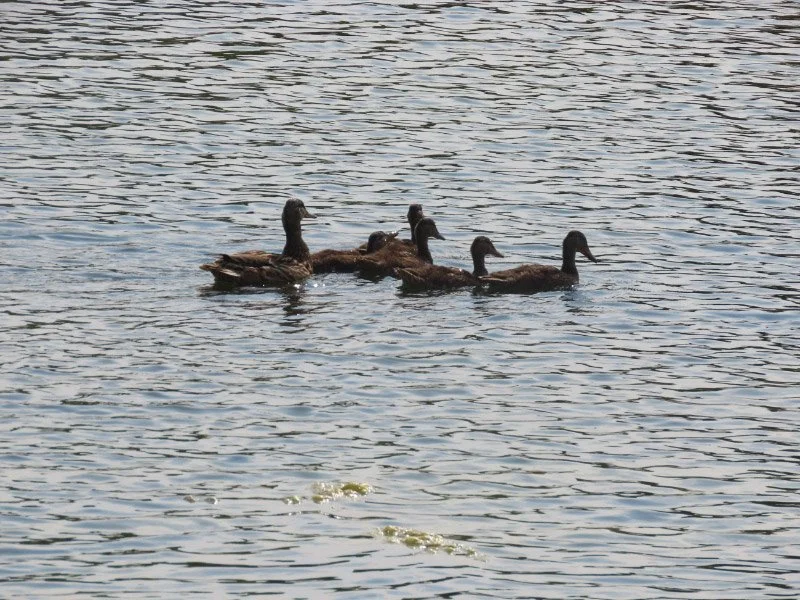
On the larger pond, there were mallard ducklings. There were 5 of them with a female. The males steer clear…seemed to be in all male groups.

The grackles were active and noisy.

They didn’t seem to disturb the great egret’s concentration as it searched for breakfast.

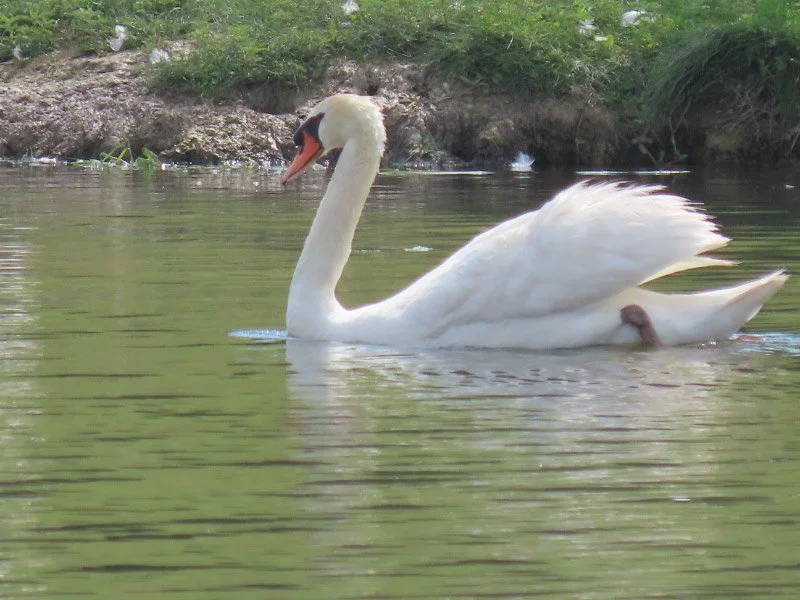
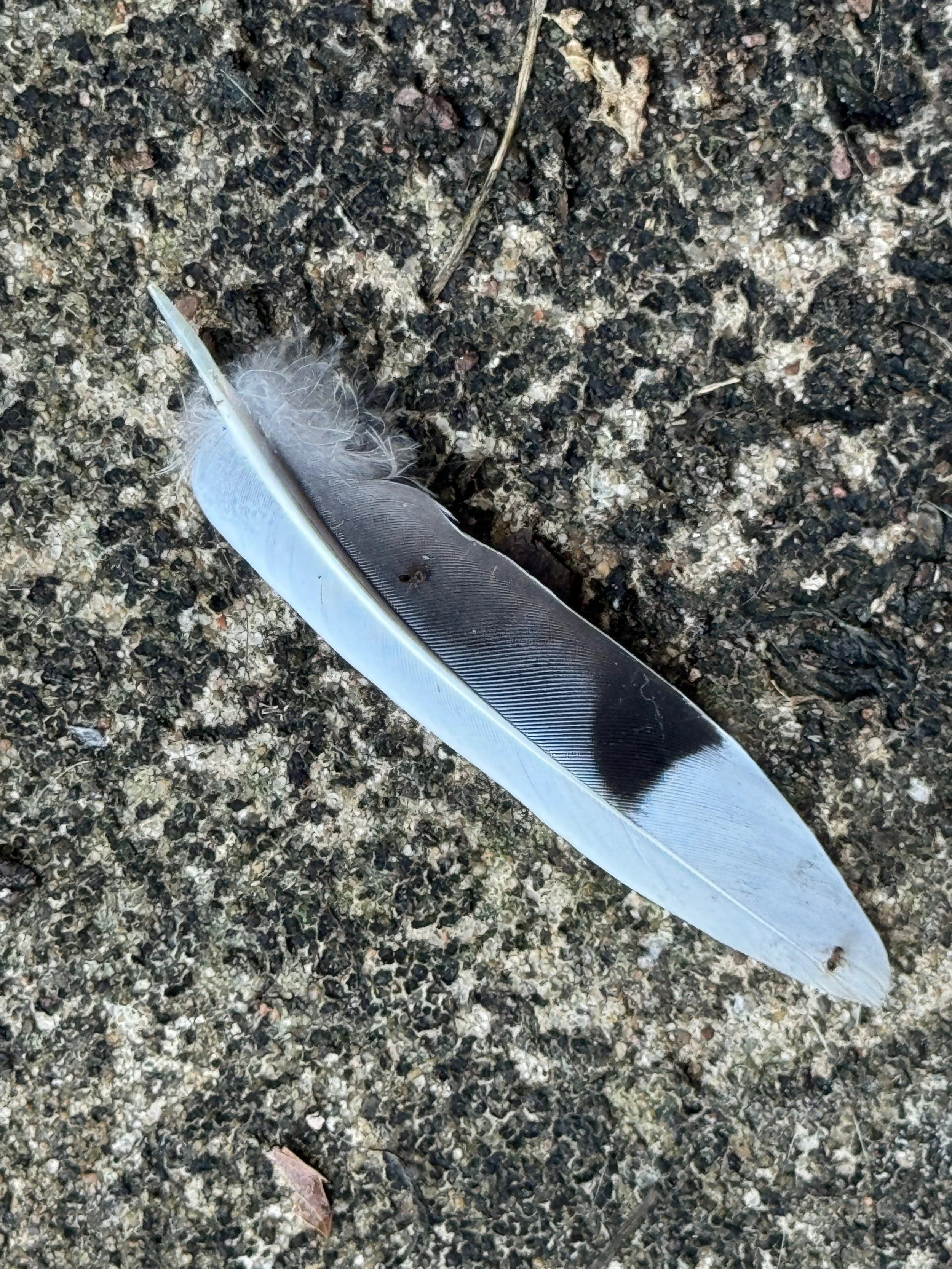
The swans were across the pond from where I stood. There seemed to be a lot of feathers on the shore. I wondered if the swans were molting or if something had attacked one of them.

I’ll be back in Carrollton by mid-June….looking forward to more sunflowers!

Gleanings of the Week Ending June 10, 2023

The items below were ‘the cream’ of the articles and websites I found this past week. Click on the light green text to look at the article.

In 2050, over 800 million people globally estimated to be living with back pain: Analysis also dispels common back pain myth -- ScienceDaily – Attributable to occupational factors, smoking and being overweight. More common among older people and women. Current clinical guidelines for back pain treatment and management do not provide specific recommendations for older people. Low back pain continues to be the greatest cause of disability worldwide.

Why Are Some Wolves Black? The Answer Will Surprise You - Cool Green Science – There are more black-colored wolves in the southern Rocky Mountains…more gray coated wolves everywhere else. The black is from dogs that traveled with humans across the Bering Strait around 10,000 years ago, and those genes also make the black-colored wolves more resistant to distemper (which came with the conquistadors to South America).

We now know exactly what happens in nature when we fell forests -- ScienceDaily – When agriculture replaces forestry…a detailed study done in the Azores…substantiates the advise to plant native trees and flowers…stop mowing the lawn!

The viruses that helped to make you human - BBC Future – About 8% of the human genome comes from viruses but, curiously, there is not evidence of new endogenous retroviruses (ERVs) entering the human genome in the last few 1000 years (Koalas are being invaded by koala retrovirus with the viral DNA found in some populations but not others). The most studied human ERV is HERV-W; first described in 1999; genes that are essential for the placenta to form.

Algae in the Andes – Bursts of phytoplankton are not unusual in oceans, seas, gulfs, and canals. Now they are in lakes too….and potentially hazardous.

New Low Cost High Performance Perovskite Solar Cells – It appears that solar cells are on track to get better and better!

Communities should reconsider walking away from curbside recycling, study shows -- ScienceDaily – Maybe the trend of towns and cities across the US cancelling or scaling back recycling programs due to rising costs needs to keep recycling but focus on recycling materials with the greatest market value (newspaper, cardboard, aluminum/steel cans, HDPE/PET plastic bottles) and highest potential for carbon offset.

Does the roar of rocket launches harm wildlife? These scientists seek answers – Launches at Vandenberg have increased from 5-15 rockets per year to 50-100. There are biodiversity hotspots near launch sites in California, Texas, and Florida; the study at Vandenberg is intended to provide more insight about how launches impact wildlife. The study is funded for 3 years but may need a decade to understand some of the impacts.

Remains of Child Mill Workers Examined in Northern England - Archaeology Magazine – A study of 150 remains from a churchyard cemetery…many were young people between the ages of 8 and 20. They were pauper apprentices and their bones showed signs of stunted growth, malnutrition, rickets, and tuberculosis.

Turmeric: here’s how it actually measures up to health claims – Many of the health claims have only been proved in the lab or in animals. There are studies that show that turmeric has a modest benefit for pain compared to a placebo – but the studies are often on small populations and there is a wide variation in the amount of turmeric participants were given. There is not enough research to firmly support any of the claims…although it is a great spice (flavor and color).

Hagerman Wildflowers – May 2023

The wildflowers were abundant at Hagerman National Wildlife Refuge in May…and the cloudy weather didn’t impact photography of them as it did for the birds. I enjoyed taking some assemblages of flowers in the roadside meadows.

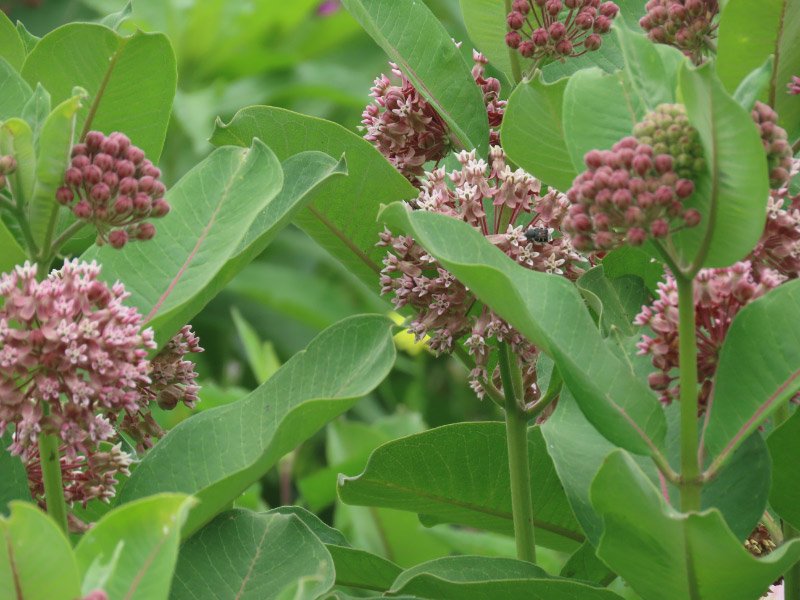
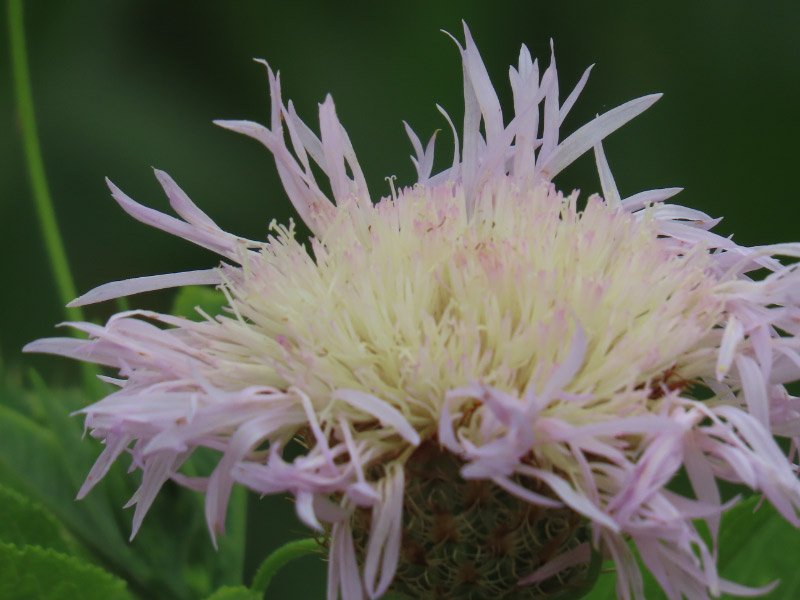
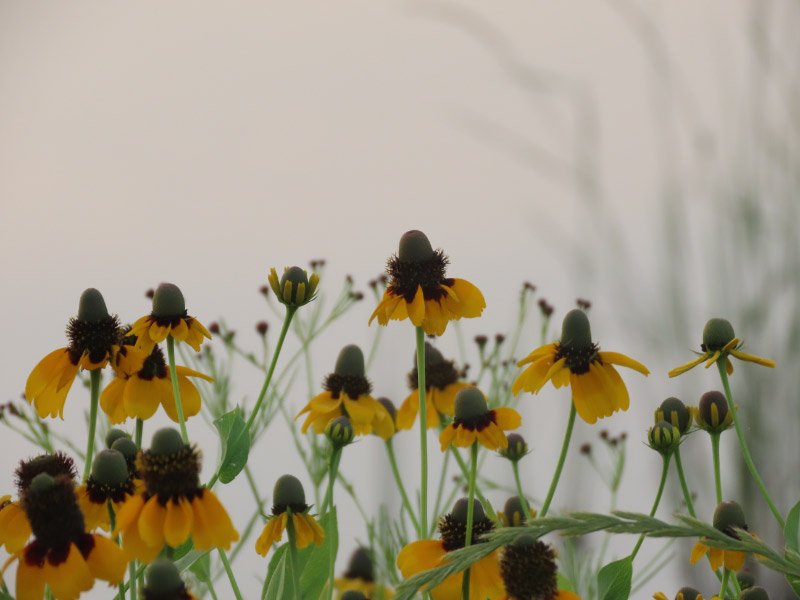
Most of my images were zoomed in shots of single species – queen Anne’s lace, amaranth, coneflower, butterfly weed, milkweed….and more.

Some of the plants had insects on them too…an added attraction.

I experimented with some high key images too…the advantage of a cloudy sky.

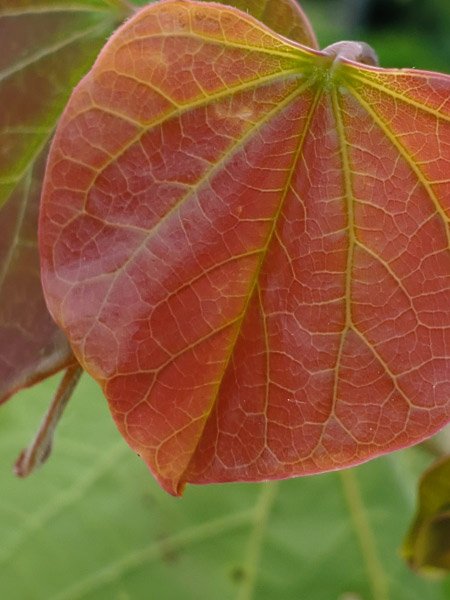
The redbud near the visitor center is one of my favorite trees to photograph – an easy access specimen for macro photography.

I’m looking forward to seeing the changes when I visit the refuge in June. Some of the flowers will last through the summer….others will be done with their blooms for the year. Being able to visit a refuge like Hagerman every month is one of the best things about 2023 (so far)!

Hagerman Birds – May 2023

I made the best of cloudy days both times I was at Hagerman National Wildlife Refuge in May. Photographing birds was frustrating because of the light and I thought while I was there that I wouldn’t like any of the images…but they turned out better than I expected in several cases. The egrets were still around: Great Egrets

And Snowy Egrets (seemingly a lot more of them about).

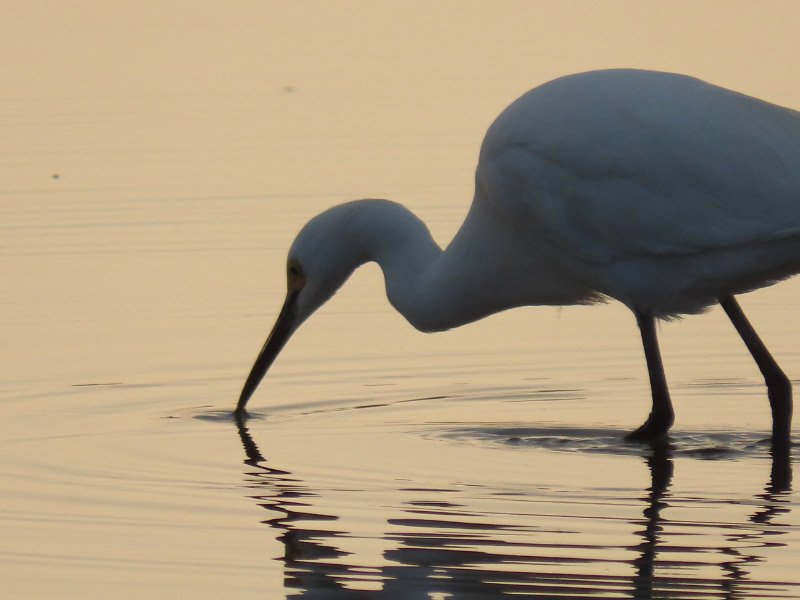
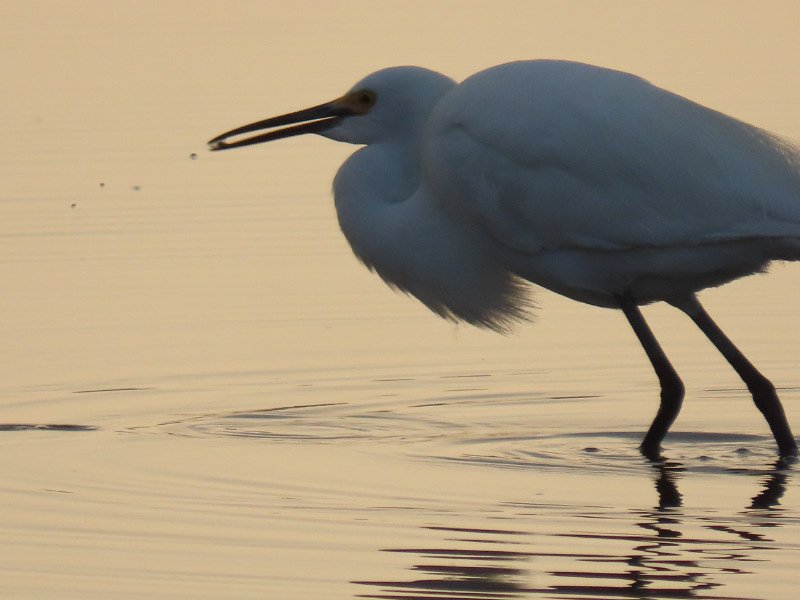
I enjoyed the light around a snowy egret on the second morning…it was changing very quickly with the sun coming in and out of clouds as it was getting higher in the sky (it was still within an hour of sunrise).

I learned on my first visit to scan the high points of the meadow for birds...seeing a dickcissel was my most immediate success.

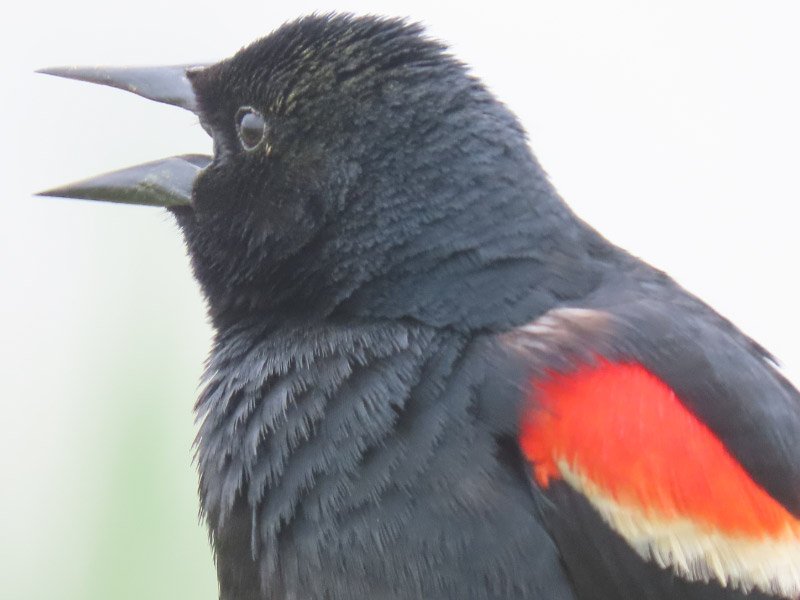
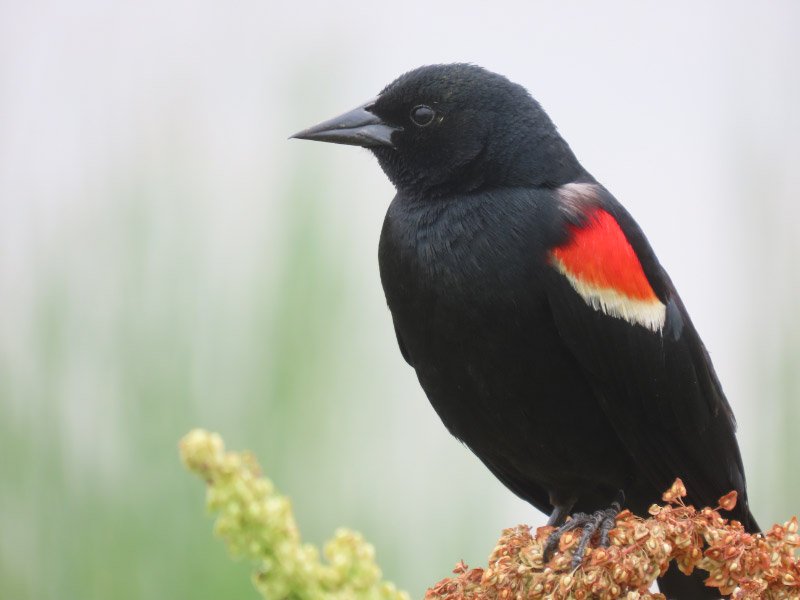
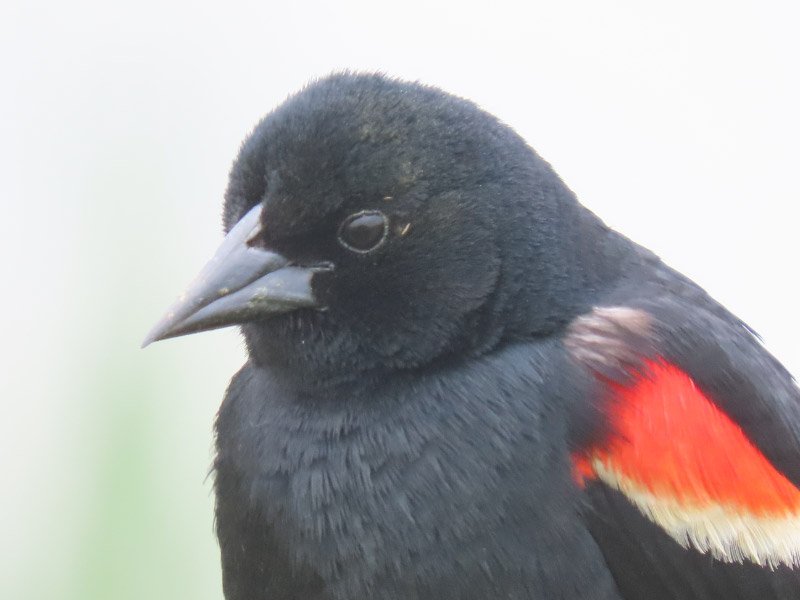
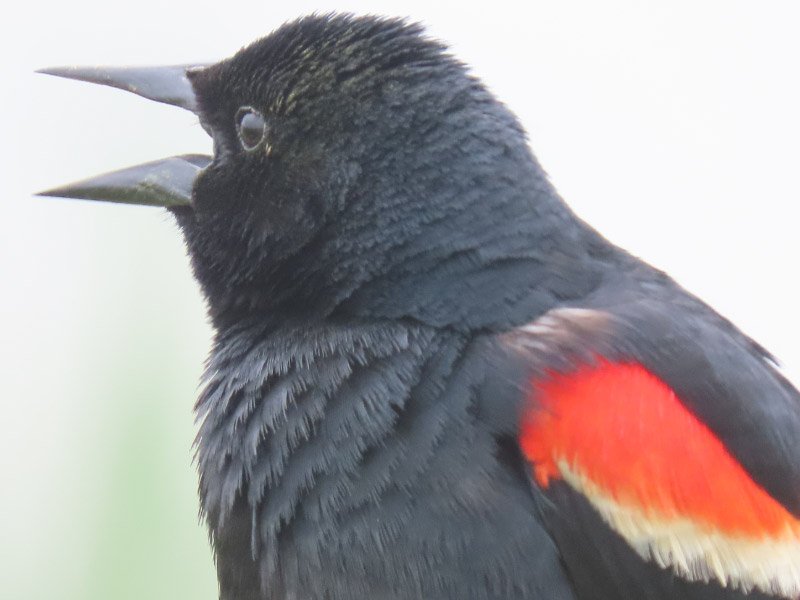
There were a lot of red-winded blackbirds. I saw one perched on an amaranth close to the road and he stayed put for a portrait, a defiant look, a little bow (but he was still watching me), and then a screech to let everyone know it was his turf!

The second morning I saw that there was a group of egrets on one of the ponds and they were leaving just as I was arriving! Did they roost there…or just get their breakfast?

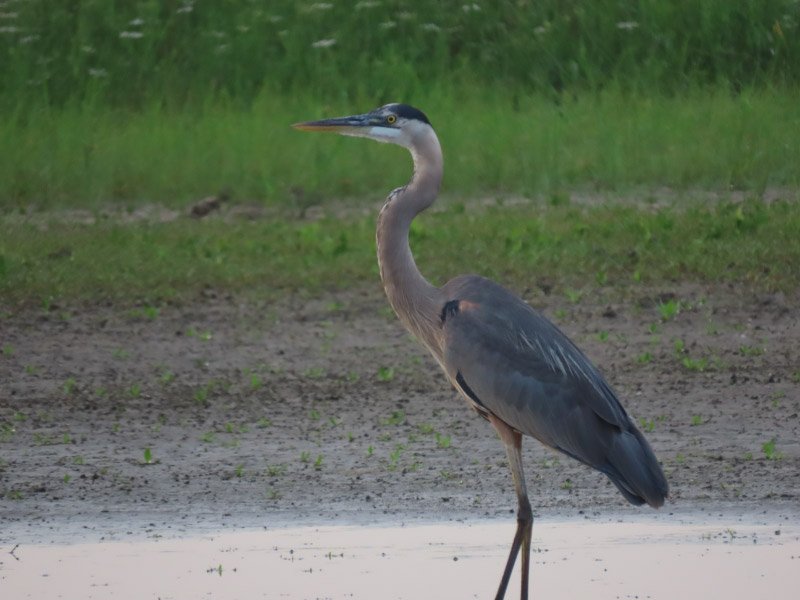
There were great blue herons as well.

There was a preening red-shoulder hawk on a snag.

May was not a great month for bird photography on the days I went to Hagerman…but not a total loss either. This image is my favorite of the morning.