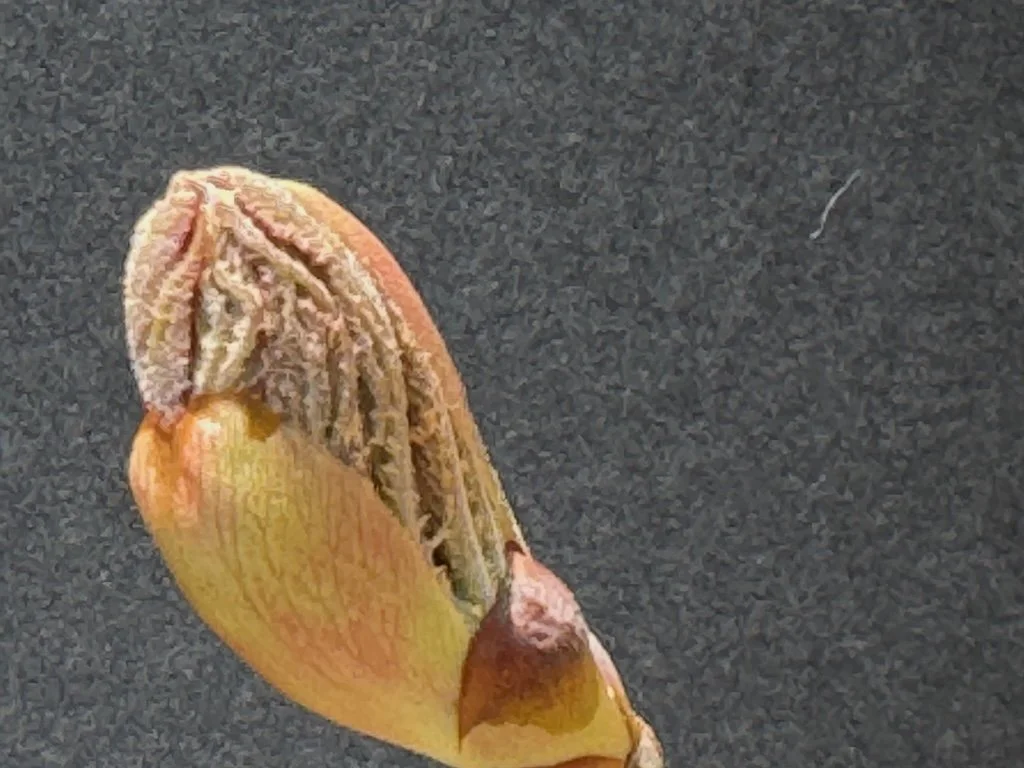
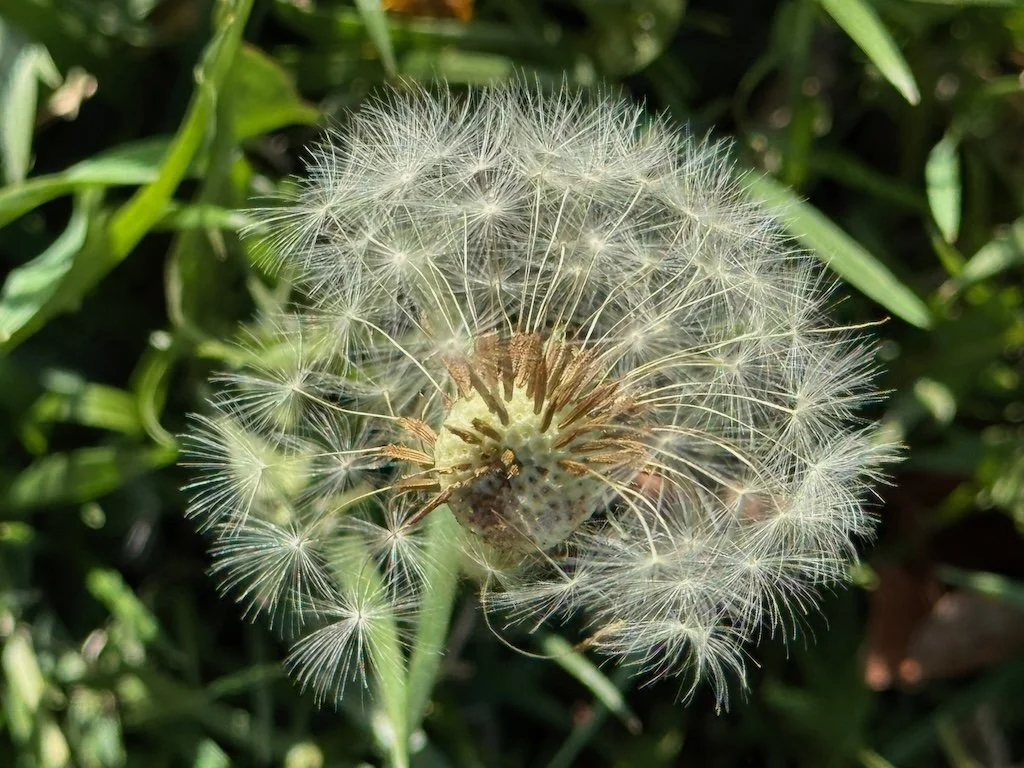
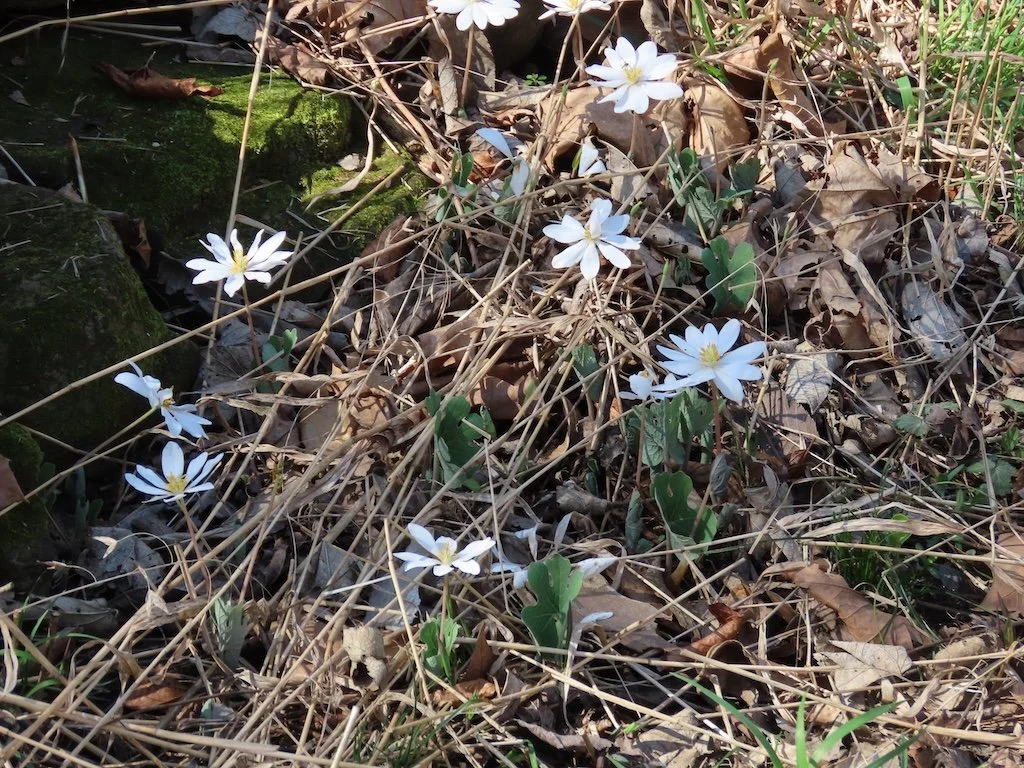
3 Free eBooks – March 2018

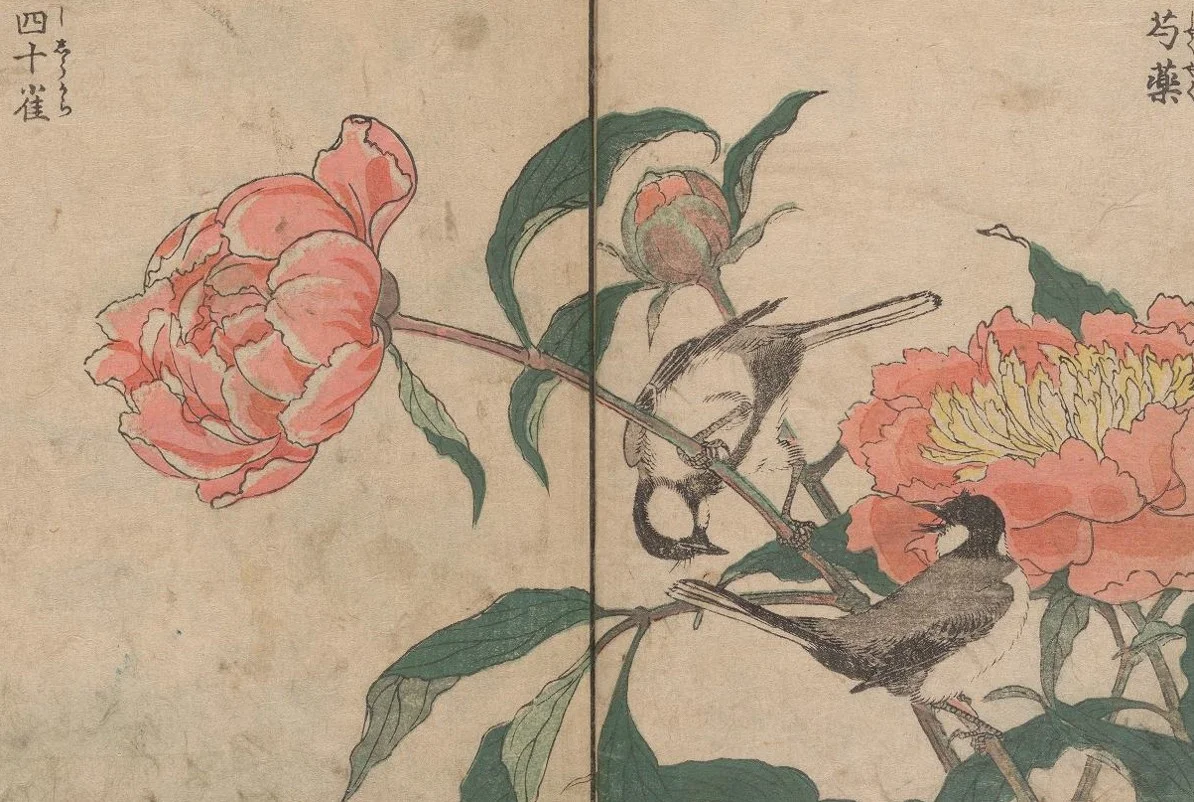
So many books…so little time. I’m still working my way through the Japanese Illustrated Books from the Edo and Meiji Period. My favorite this month was a series with three volumes:

Kacho shasin zui. Published by Nishimura Soshichi, 1805. Available from Smithsonian Libraries here. I like the images of the birds and flowers as art and snapshots of nature through the lens of Japanese culture of the time. The scans appear a little smudged but that adds to their charm – there were books that were enjoyed again and again!
2018 03 ebook1.jpg

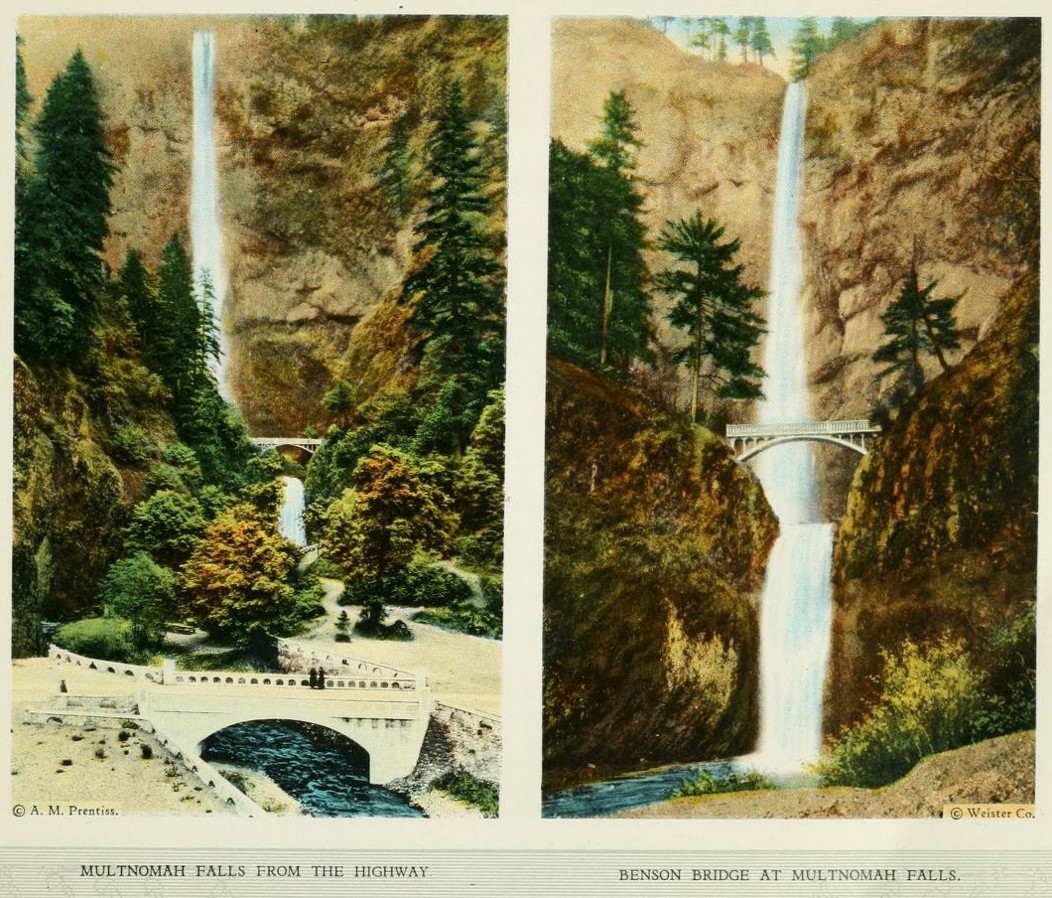
The other books I’m highlighting this month were both written about the same time – the 1920s – and about scenic highways along rivers. The first one is from the west coast…the second is from the east coast. Both highways still exist…although is renovated/modified form. These books were probably produced as souvenirs with annotated pictures.

Oregon’s famous Columbia River Highway. Published by Lipschuetz and Katz, Portland Oregon. 1920. Available from Internet Archive here. Scenic routes have been popular since the beginning of the age of automobiles! Even with the lower speeds of those early cars, there were still turnouts – places to stop to see the river or walk a little way to see waterfalls.
2018 03 ebook2.jpg

Storm King Highway and the Historic Hudson River. Published by J. Ruben, Newburgh, New York. Available from Internet Archive here. A lot has happened along the Hudson River in the last century and not all for the better. I found the highway on Google Maps and the first ‘street view’ was one with graffiti (not the artistic kind) all over the rock wall and rocks beyond. I didn’t look further. It’s depressing to see something that was once scenic turned into a prime example of ‘tragedy of the commons.’

2018 03 ebook3.jpg

First field trip of the season

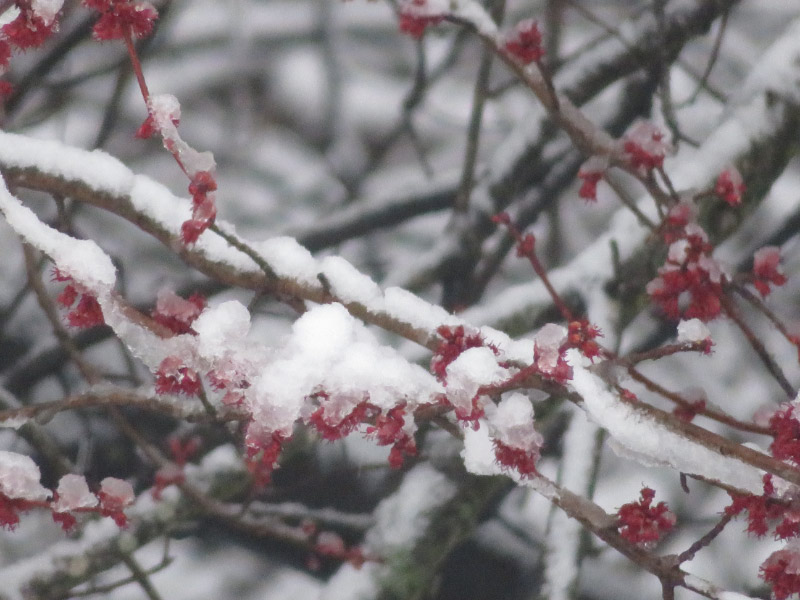
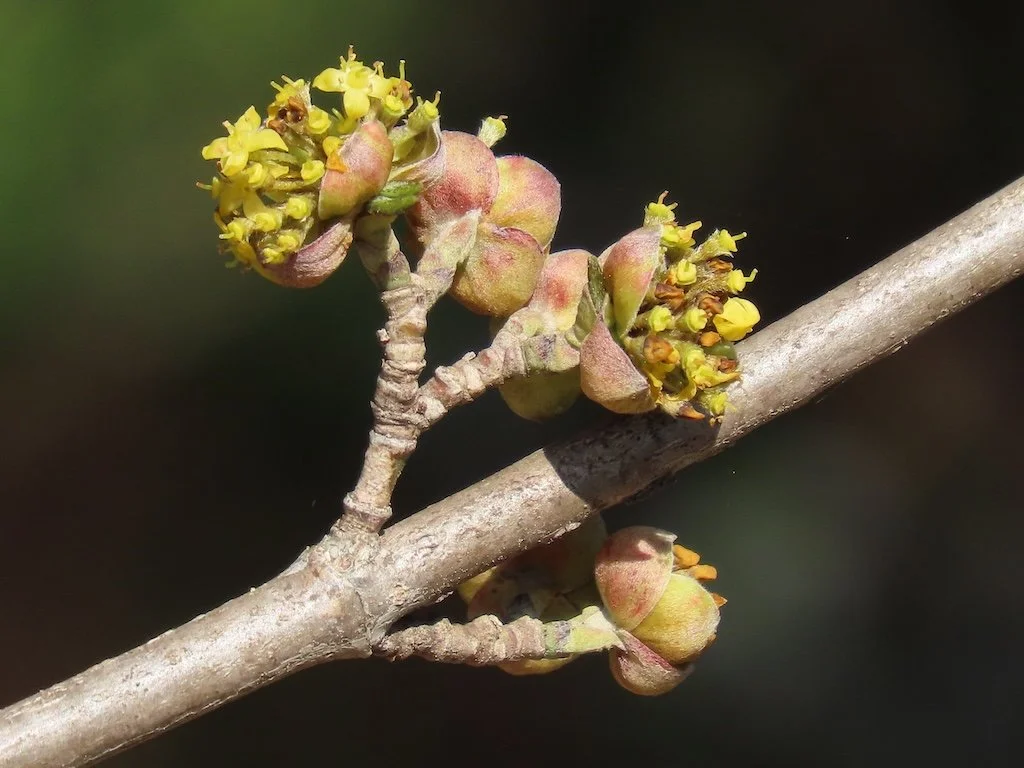
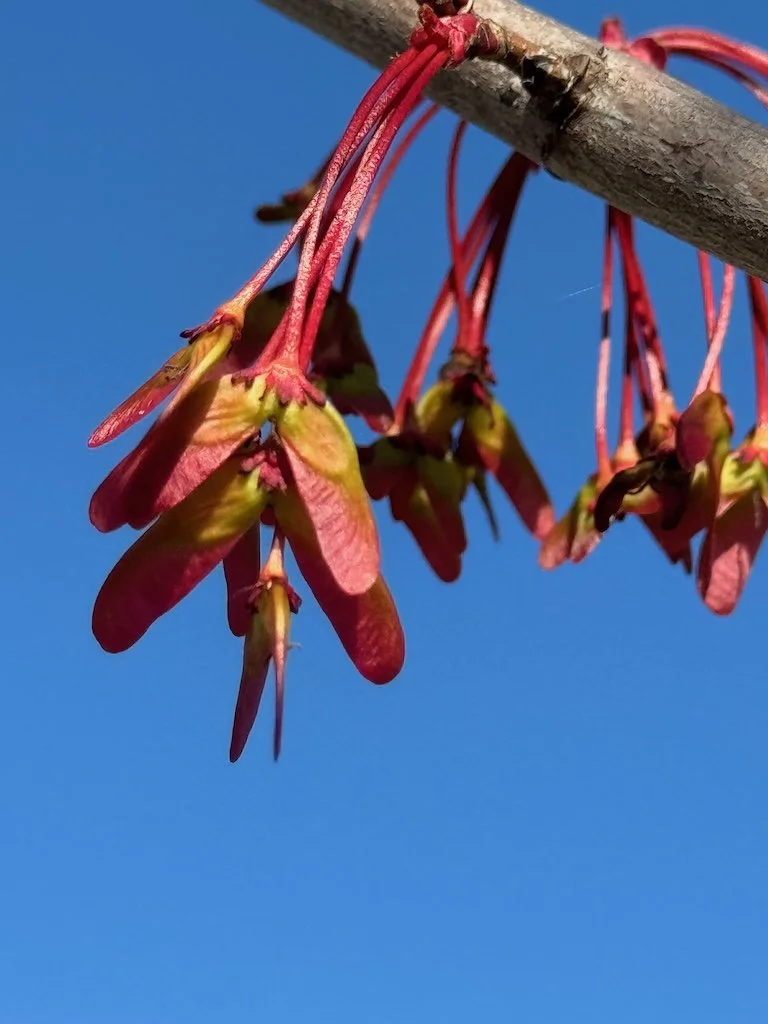
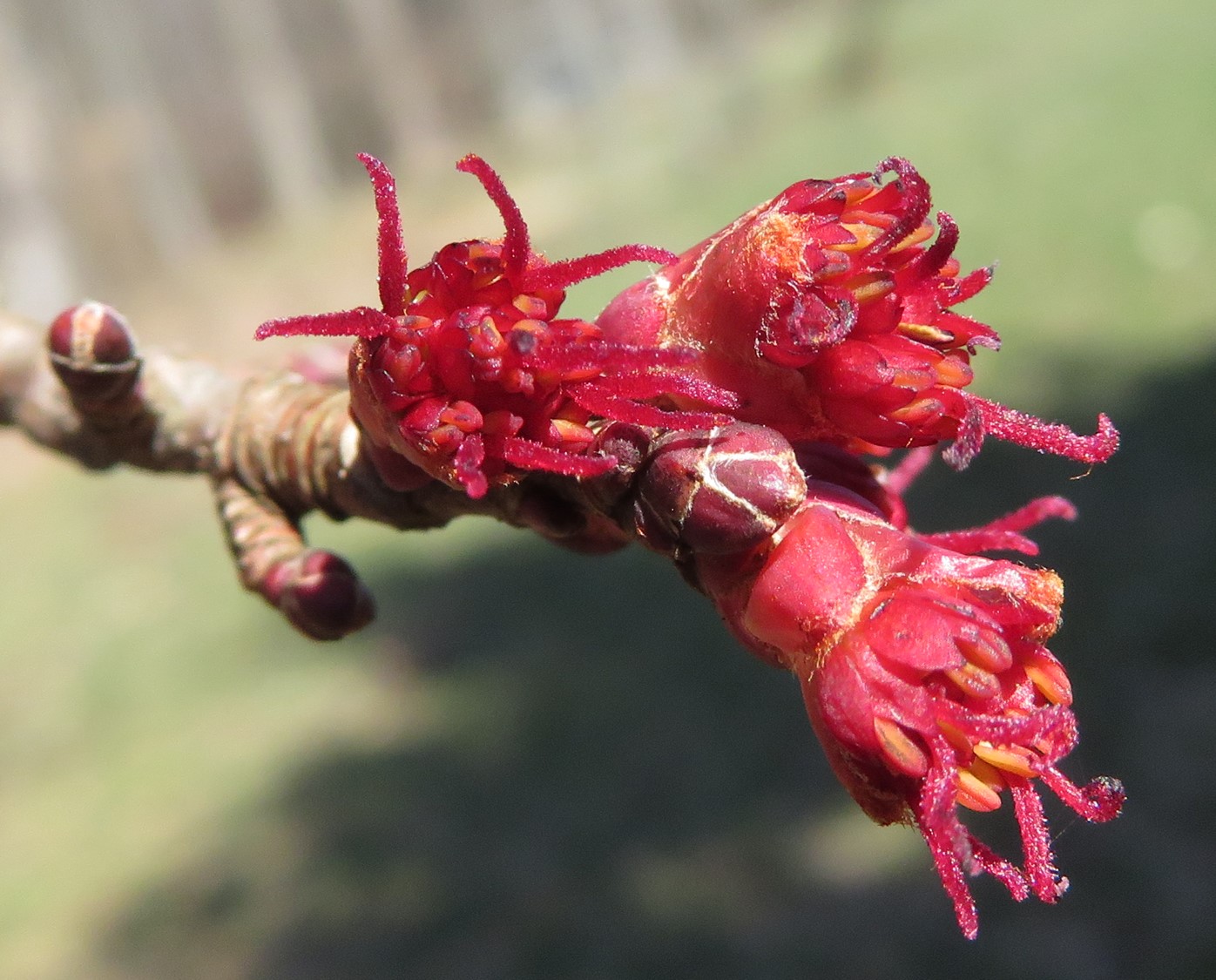
The spring field trips have begun. I volunteered for the first pre-school field trip last week provided by Howard Country Conservancy at Belmont. It was the day everyone went back to school after our big snow and there still patches of snow on the ground. It was a sunny day but very chilly. The children arrive in cars with a parent (or two) rather than a bus. They were mostly 3 years old…a few had recently had a 4th birthday. They were bundled up enough that we walked around and looked at trees. The maple trees were blooming and had a branch that I could show them the flowers closeup. One little boy noticed that the color was redder in the sunlight but was almost black when the branch was in my shadow.  I learn something every time I do these field trips!

2018 03 IMG_9045 clip.jpg

We talked about how seeds are planted – sprout – grow…Then started looked for tree seeds. They were thrilled to find sweet gum balls under one of the trees.

2015 11 IMG_6419.jpg

I also showed them a magnolia seed pod…also from under the tree.

2015 03 IMG_6685.jpg

We all pretended to be a tree seed growing in a forest – growing tall – and our branches moving in the breeze. Then we went inside and I shared a tiny tulip poplar tree (root and small shoot). The leaves had started unfurling because I’d had it inside for the past three weeks. The children warmed up while they learned about butterflies and the animals in the nature center. We learned a little about birds then trekked back outdoors to see and hear them. Unfortunately, it was a very quiet morning. We did see a hawk and the children remembered that they has seen geese on the pond earlier.

A good time was had by all!

Snow Day - Part 2

2018 03 IMG_9397.jpg

By mid-morning – it was obvious that the ‘big snow’ was going to be during the day on Wednesday. The backyard became a winter wonderland with snow accumulating on every available surface.

The azalea that has been showing a lot of stem and leaf color earlier in the day became indistinguishable from other mounds of snow.

2018 03 IMG_9399.jpg

After lunch I opened the garage door and took a snow measurement on the driveway – a little over 4.5 inches and it was still snowing. I also photographed the sidewalk in front of our house. I wondered if the plum tree was going to have some breakage from the weight of the snow; there was no wind – a good thing.

I decided to shovel the driveway. The snow was not as heavy as I thought it would be – which made the job easier. There were plops of snow falling from the trees and I could hear some slow trickles of water. The temperature was about 33 degrees.

2018 03 IMG_9416.jpg

A little while after I came in from shoveling, the snow plow made a down and back pass at our street. Later in the day they came back and did the side streets. Events for Thursday began to be cancelled.

2018 03 IMG_9420.jpg
2018 03 IMG_9428.jpg

The next morning (Thursday), there was still snow on the trees at sunrise. But the day was sunny and the forecast was for a high of 45…probably the last of the snow days! I got some pictures of the forest and the maple blossom in the morning sunlight.

Snow Day - Part 1

The forecast Tuesday night was for a lot of snow in our area overnight and all day Wednesday, so meetings were cancelled, schools closed, and the recycle truck pickup to our neighborhood delayed. The temperature hovered close to freezing. I saw some deer crossing our street at dusk as the announcements came out.

2018 03 IMG_9353.jpg

 I had planned to shovel my driveway in the morning and then again later in the day since the snow was going to be wet and heavy. I was anticipating getting a workout. But….

2018 03 IMG_9365.jpg

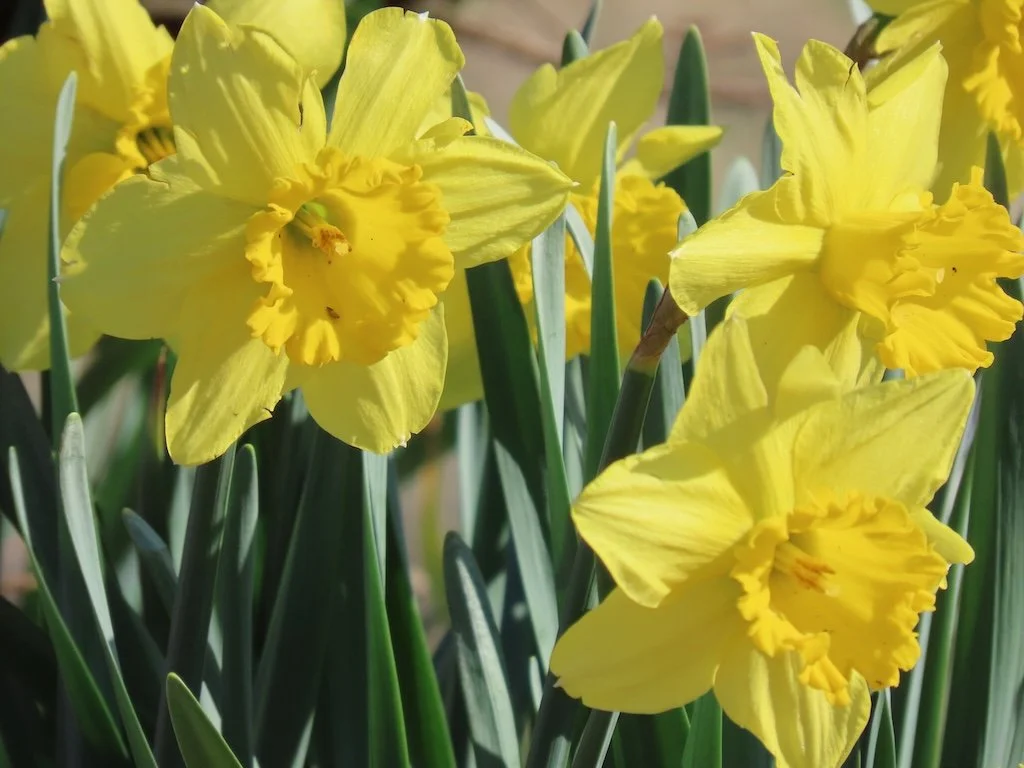
The temperature stayed high enough that the streets and driveways were mostly clear in the morning. I took pictures and enjoyed the relative quiet of the neighborhood without rumbling vehicles (no buses or recycle truck). It seemed that there were less cars on our street; the adults were taking a snow day just like the school children – a time to savor being at home. In the front of our house, I took pictures through the skinny windows on both sides of the front door of vegetation laden with snow and ice: daffodils,

Azalea, and

2018 03 IMG_9375.jpg

Bushes.

2018 03 IMG_9377.jpg

In the back, there was the top of the snow filled pine,

2018 03 IMG_9360.jpg

The heated birdbath with the snow knocked off its rim by birds that visited,

2018 03 IMG_9364.jpg

And a gutter filling in with snow and ice (hopefully it will melt and drain gracefully).

2018 03 IMG_9361.jpg

It started to snow again, and I decided to wait for the afternoon to take a walk (hoping that I would not need to shovel the driveway at all).

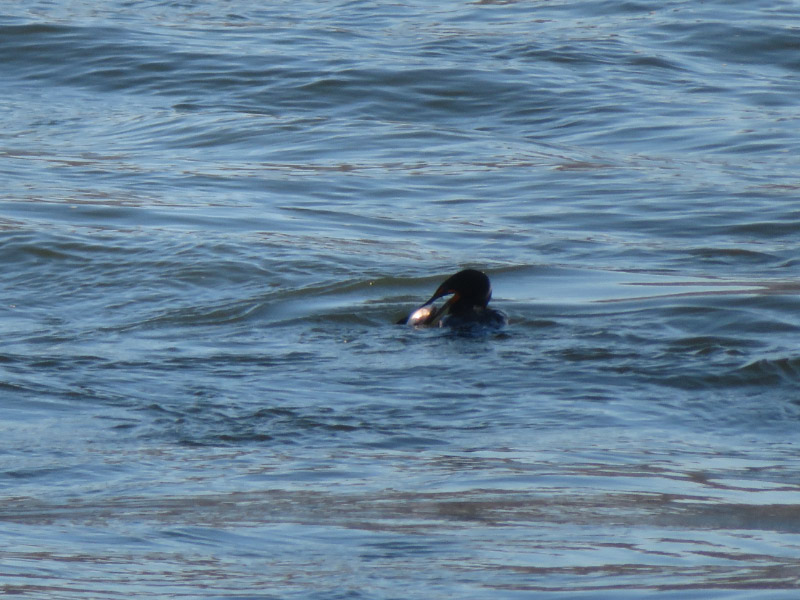
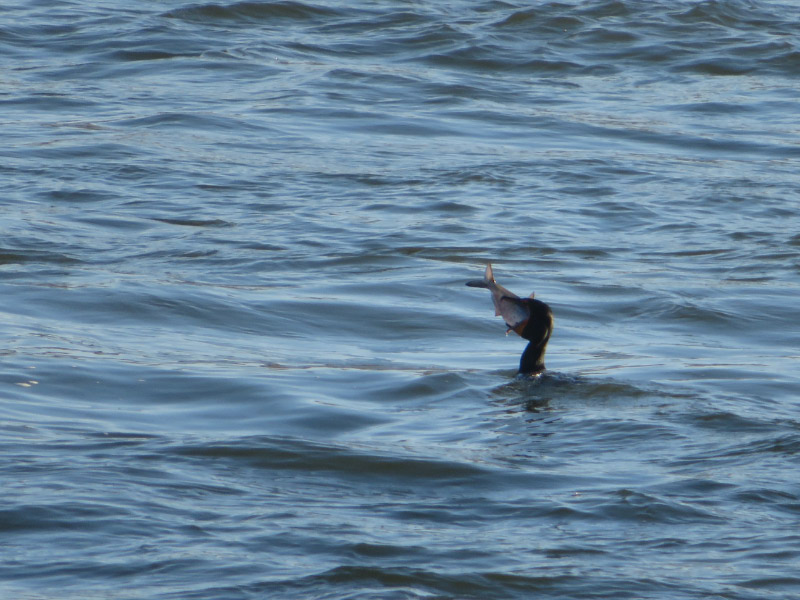
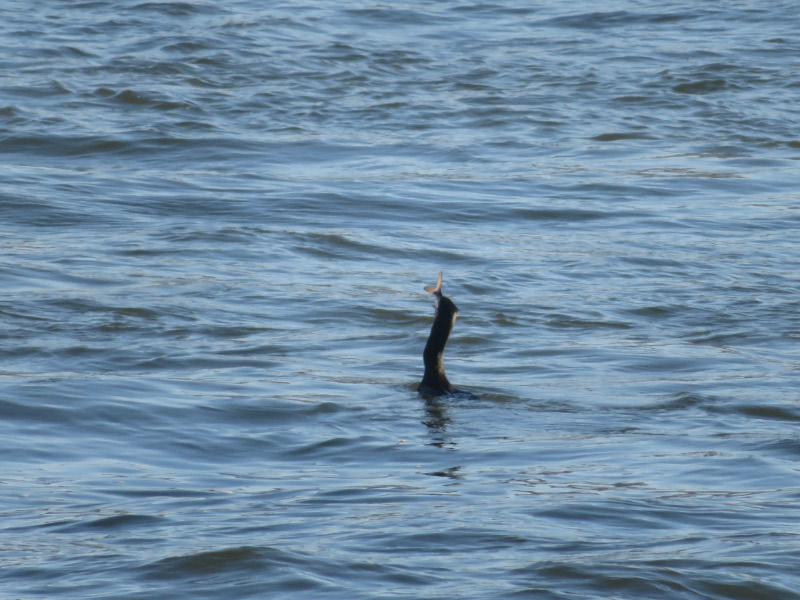
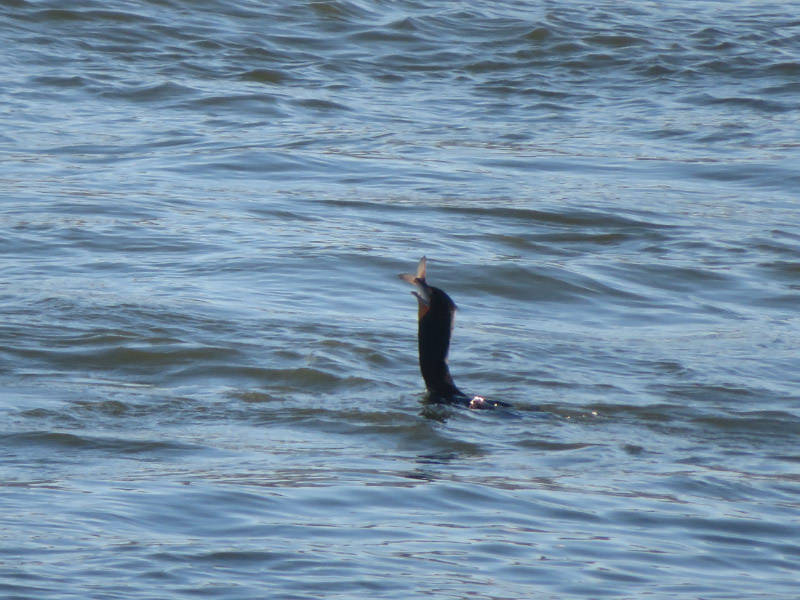
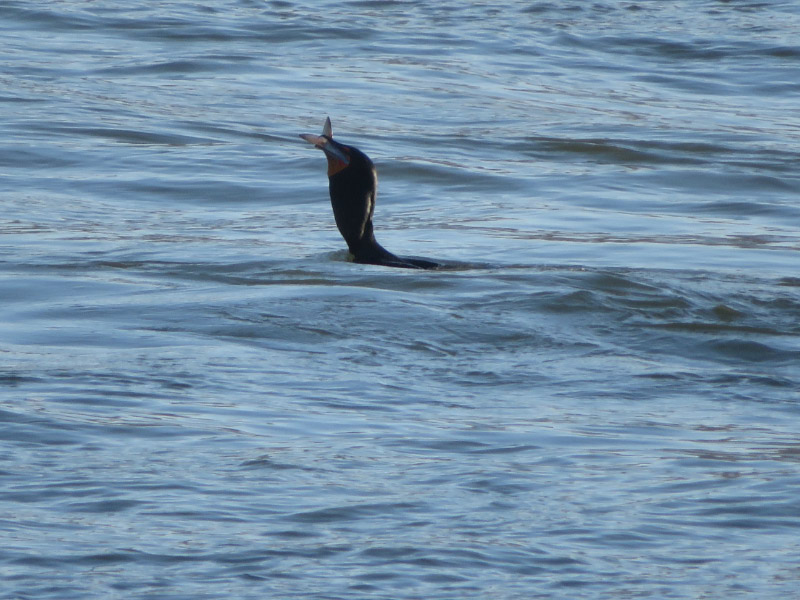
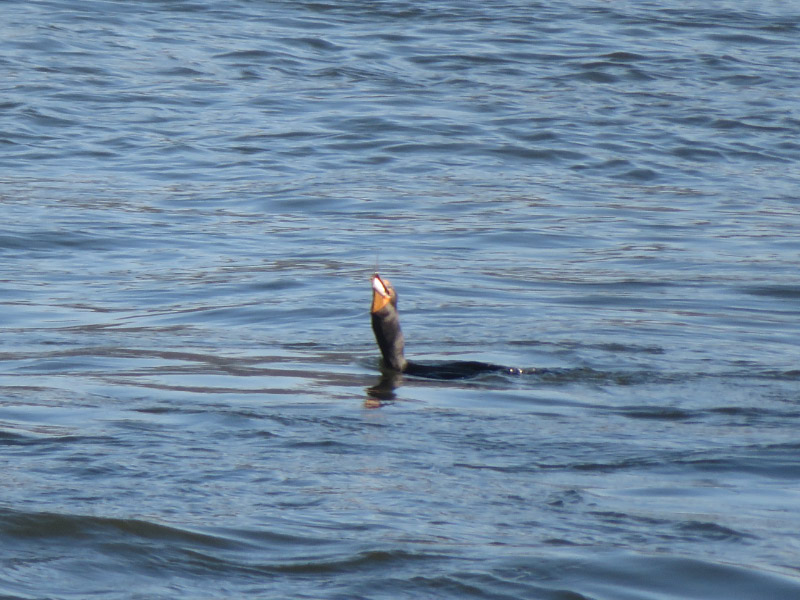
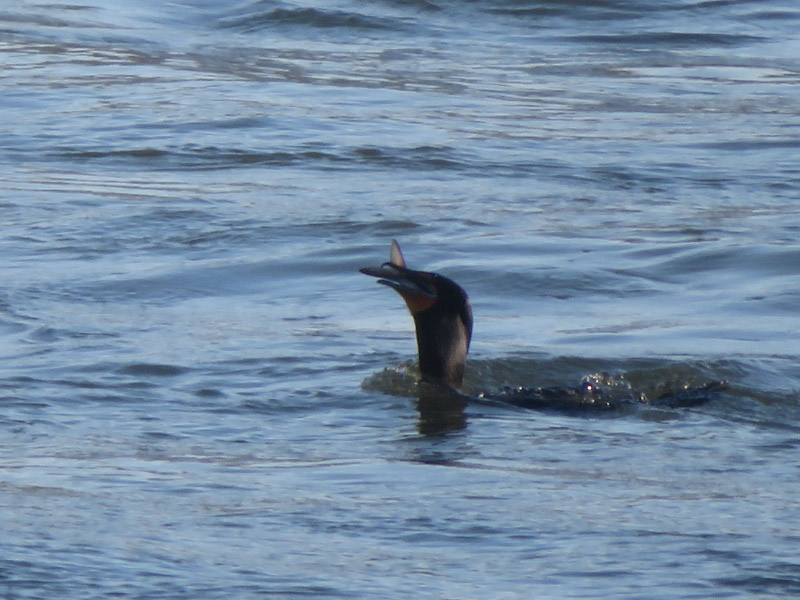
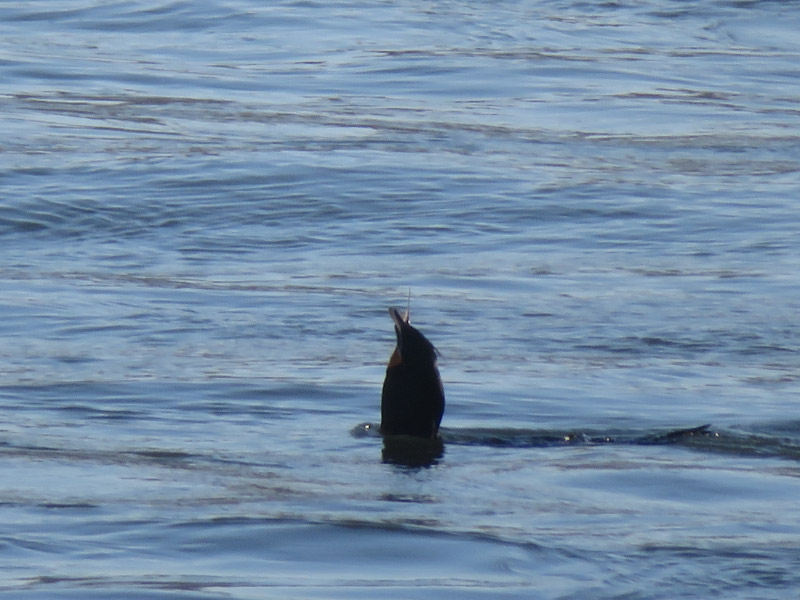
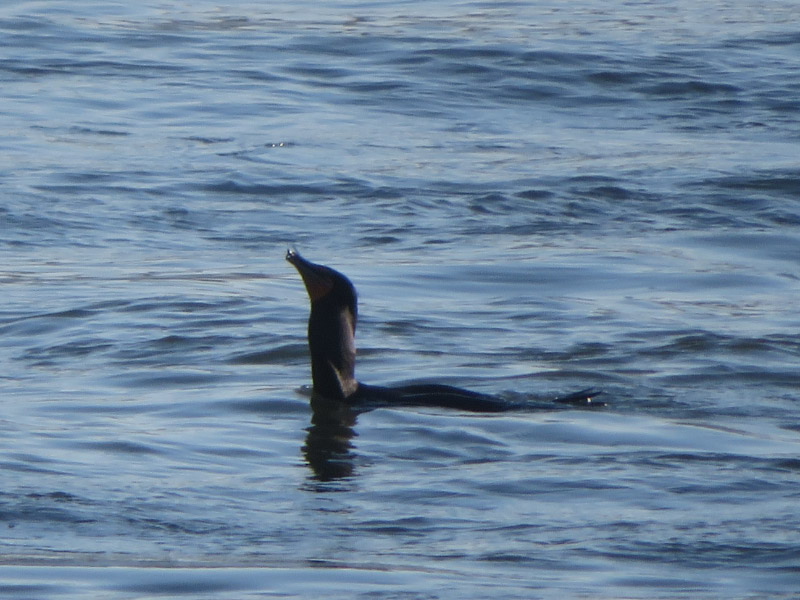
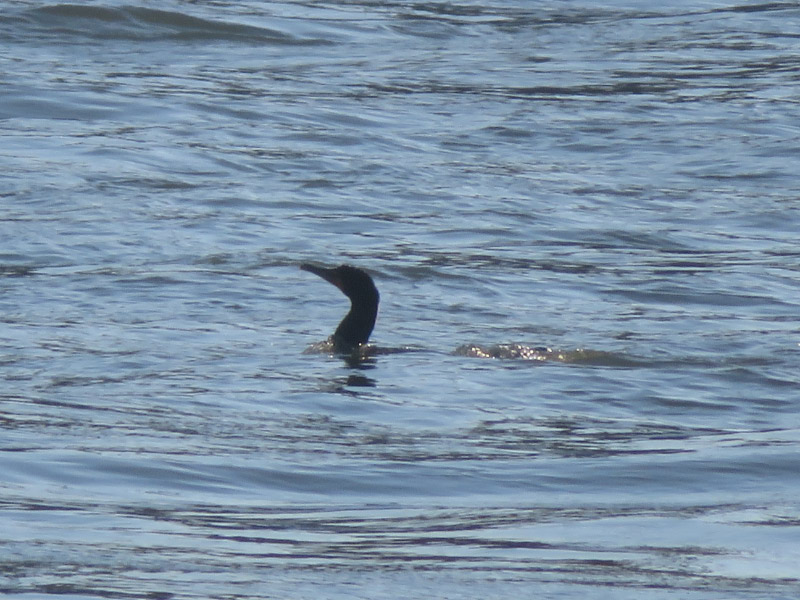
Cormorant at Conowingo

We didn’t see as many cormorants as eagles last weekend at Conowingo – but we saw one just as it caught a fish and then focus on swallowing it over the next 3-4 minutes. The fish was probably the maximize size the bird could swallow! But it finally did…letting the river move it downstream as it got the meal down. The last picture shows it moving upstream. Surely it wasn’t ready for another fish!

We didn’t see any Great Blue Herons last weekend. They are probably around but very focused on keeping their eggs warm. This is the time of year that both herons and eagles would be laying eggs and incubating them. I saw an article about one of the eaglets in a nest near Washington DC had already hatched.

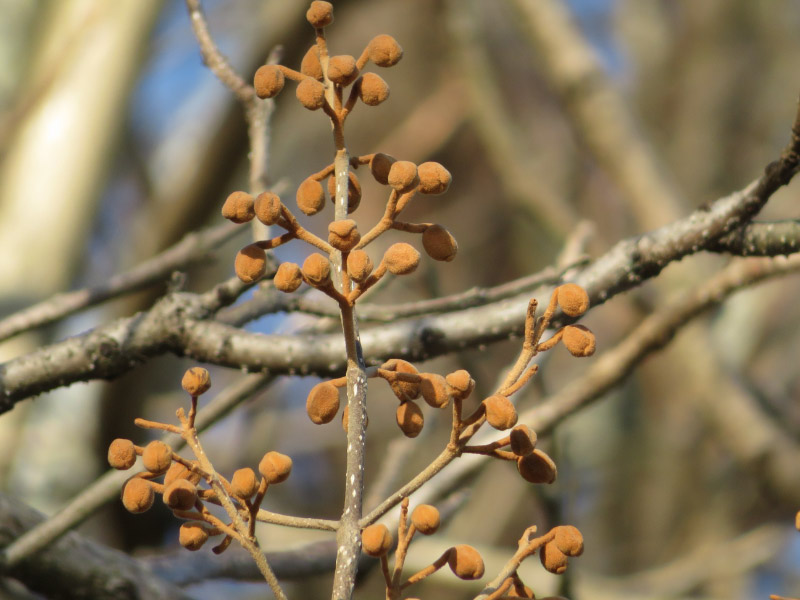
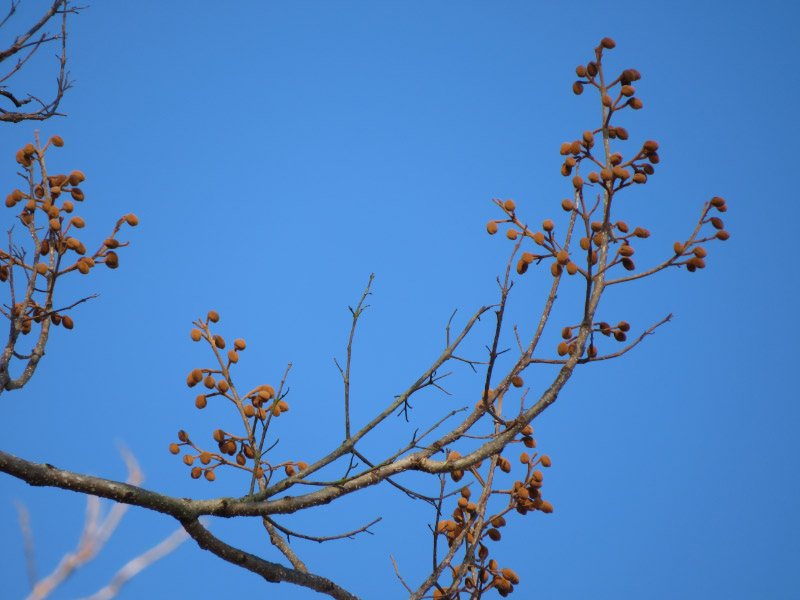
I almost always take a picture of the Paulownia tree near the parking lot. The velvety buds have not opened yet. I noticed a larger tree near the water than I had not noticed before. It’s harder to photograph but I might try next time.

Tree status – Mid- March

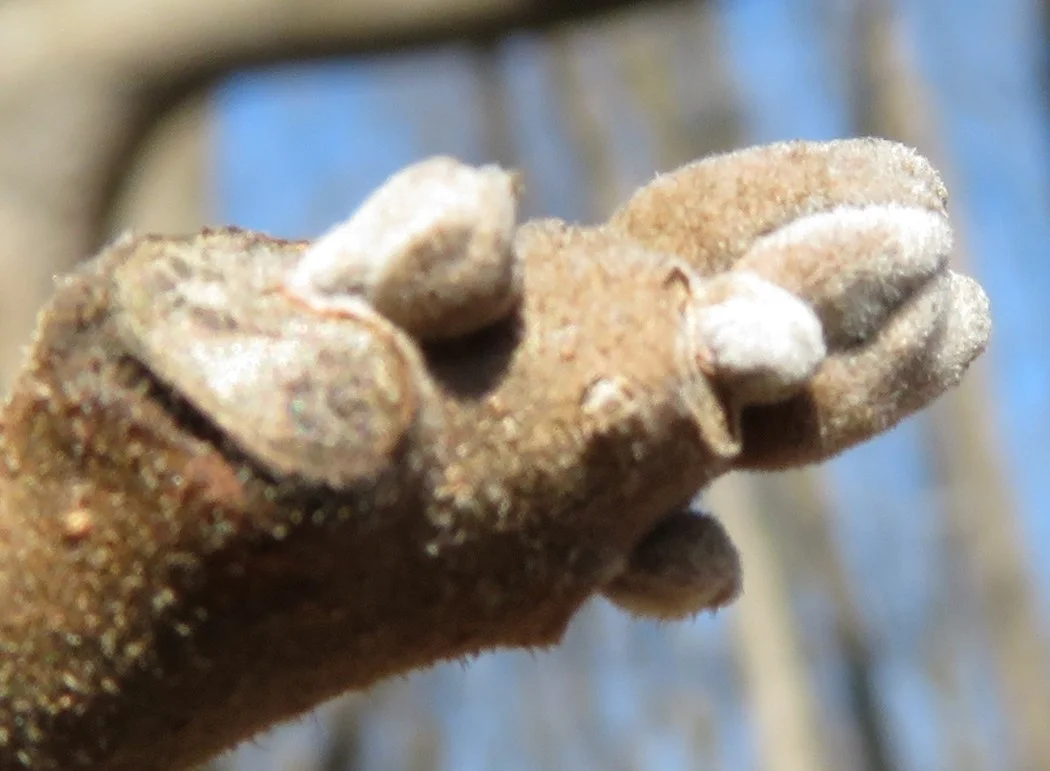
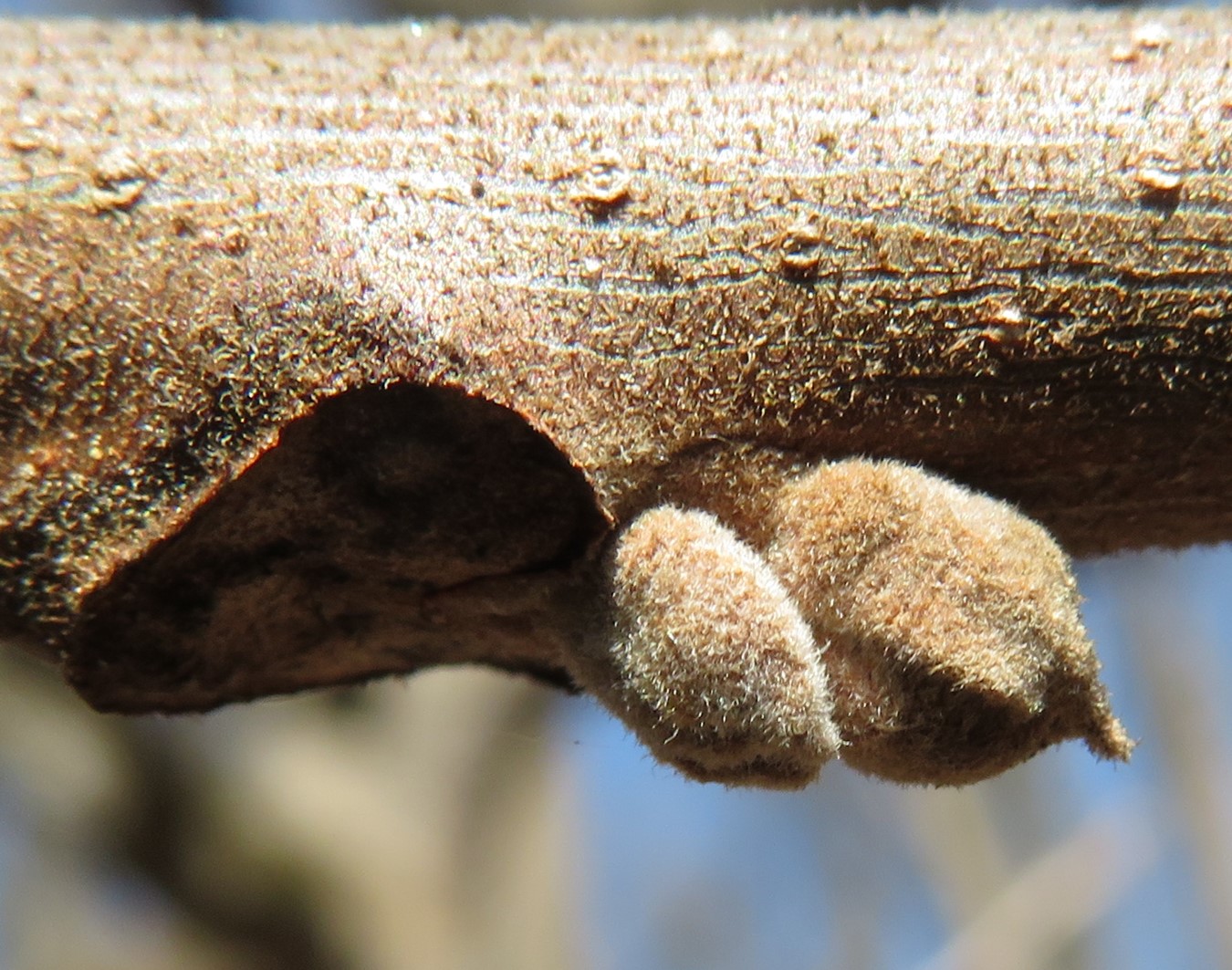
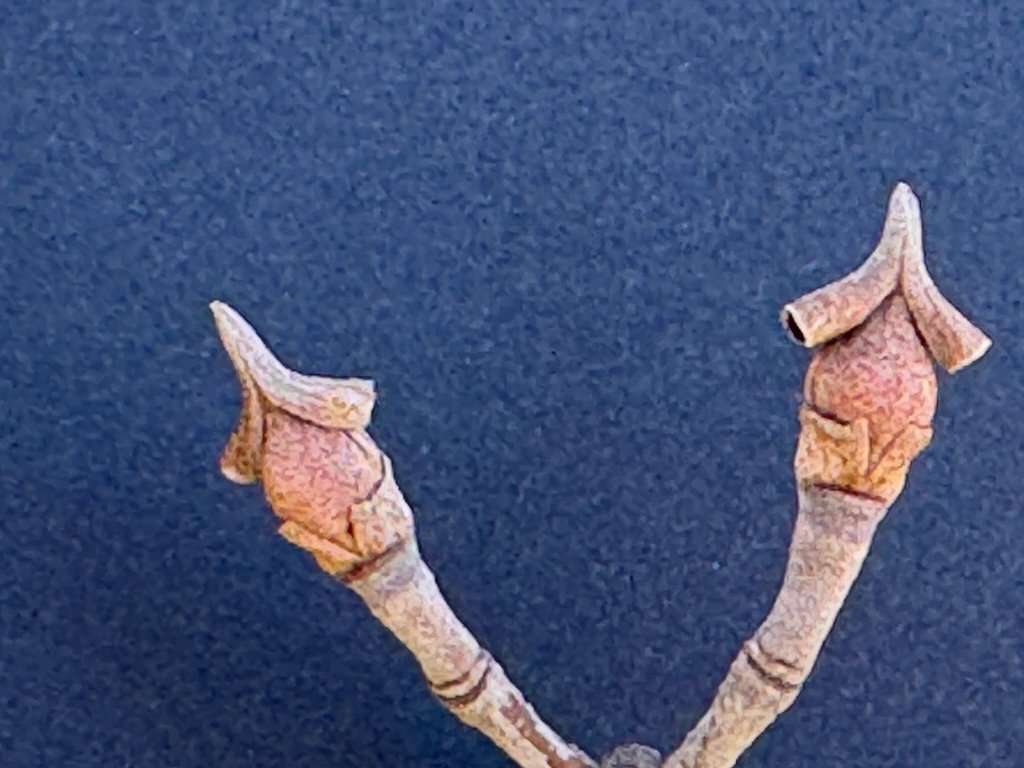
I took some close-up pictures of three trees in our yard this week. The black walnut has obvious buds but they aren’t opening yet. The scars from last year’s growth are shallow craters below the buds for spring 2018 growth.

2018 03 IMG_9068 clip.jpg

The plum tree has bright pink buds. The blooms will be pink and probably coming soon. This is the first tree that blooms in our yard.

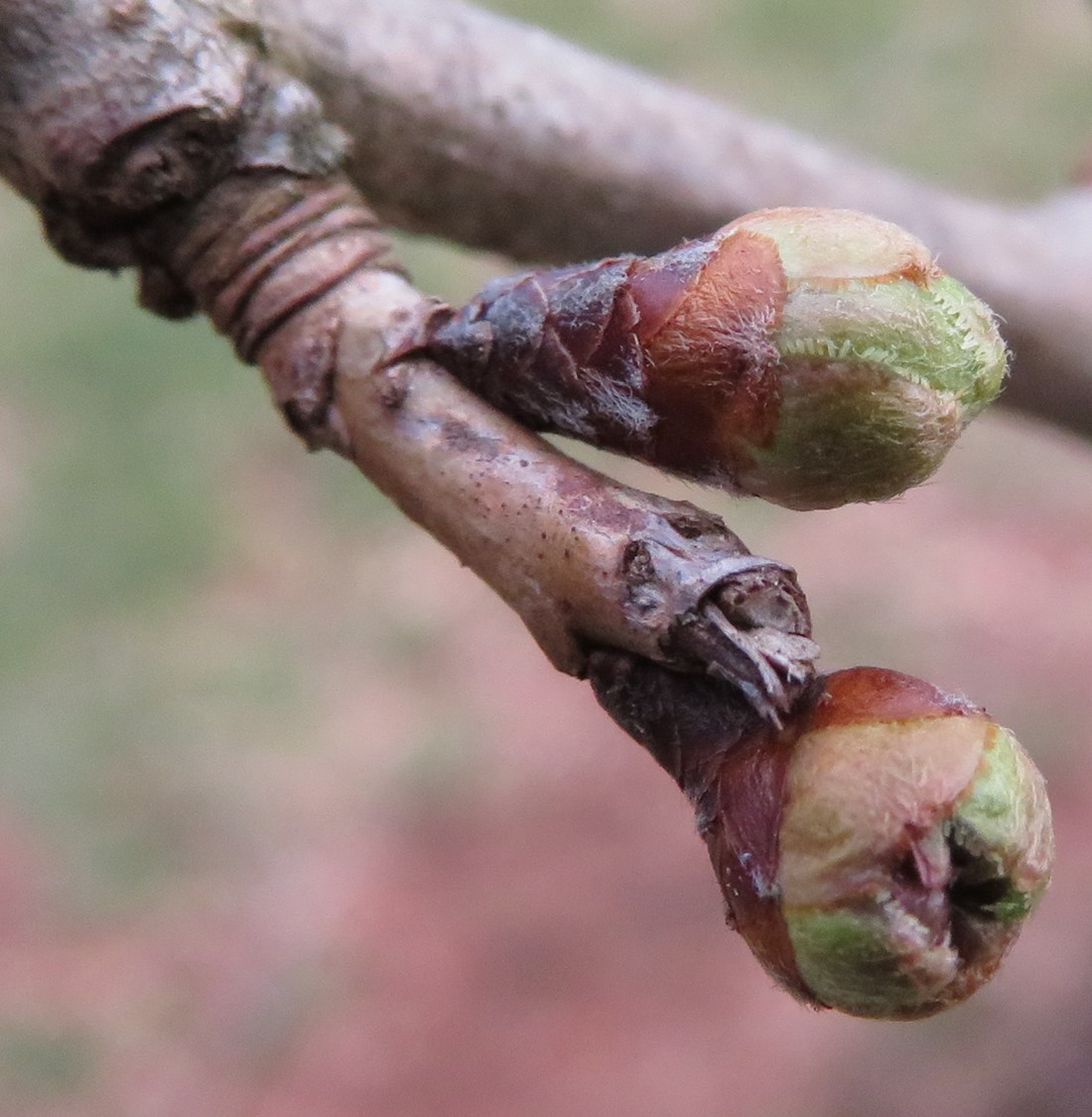
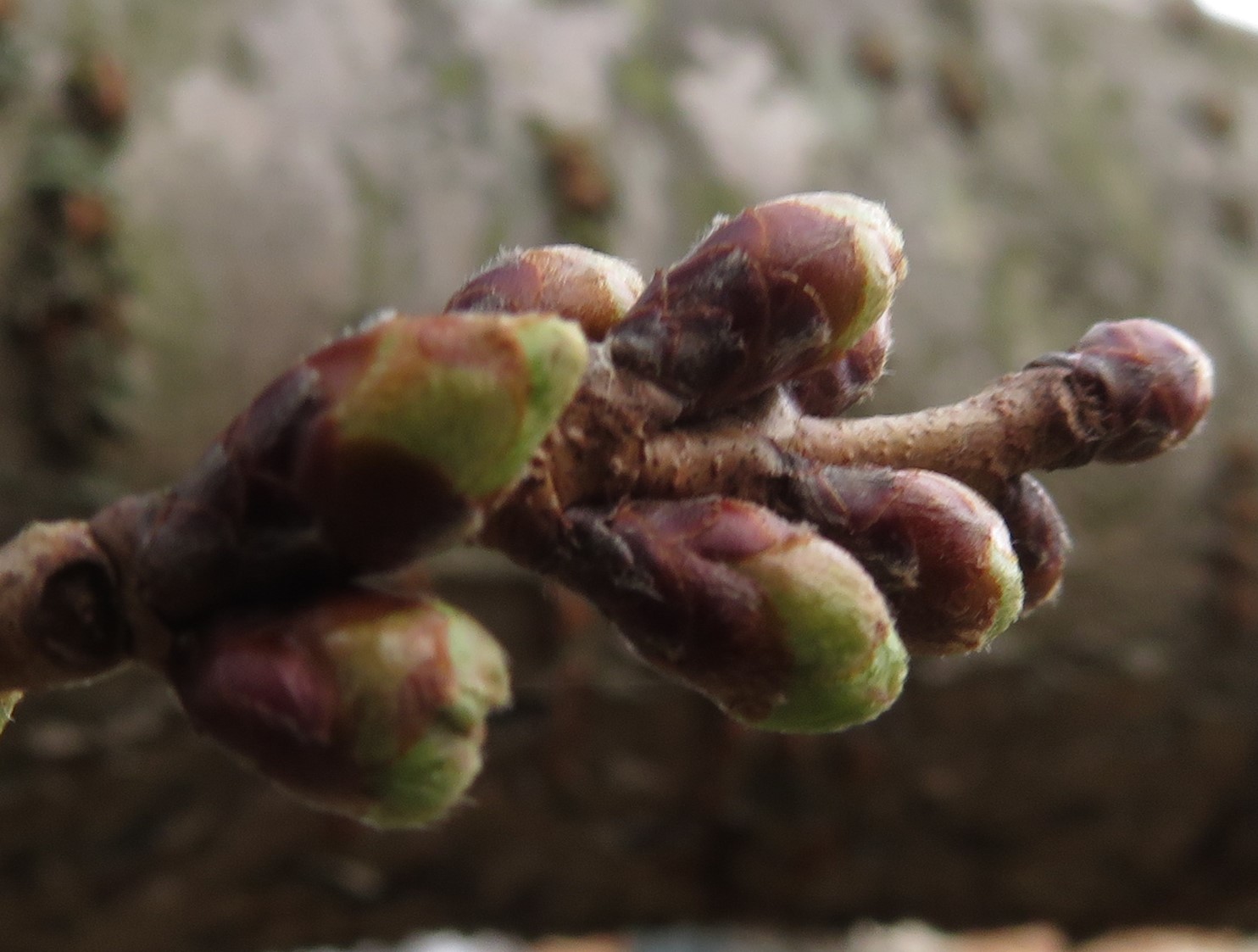
The cherry is the second tree to bloom. The buds have begun to spit open. Our tree lags the ones in downtown Washington DC which are predicted to reach peak bloom this year around the end of March. Our weather has kept having cold nights with some warm days so the bloom is proceeding slowly after appearing to be starting early.

Neighborhood Walk

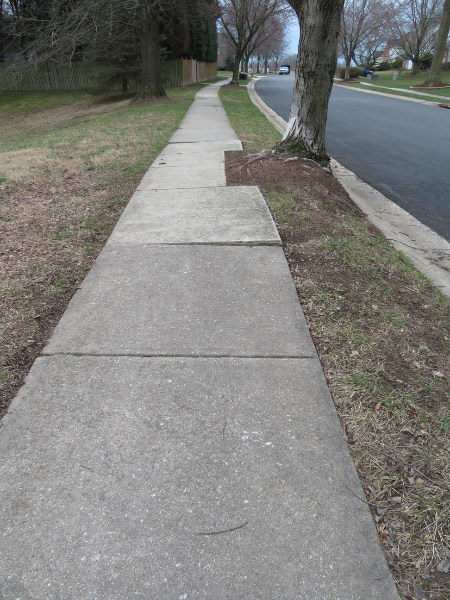
I took a walk in the neighborhood yesterday – needing an invigorating winter walk to help move my internal clock to daylight savings time. It takes several days for me to settle into the new ‘normal’ and I always wish we could just be on the same time all the time. I bundled up in layers and wore my hiking boots. I stayed very comfortable except for my legs and hands; I’ll remember my snow pants and hand warmers next time I am walking the neighborhood when it is barely above freezing. There were a few photographic opportunities: a spray of crepe myrtle seed pods that has blow from some nearby trees,

2018 03 IMG_9100.jpg

A sidewalk that was already impacted by tree roots (it was replaced in the last couple of year – the repair did not last very long),

And a cardinal (silhouette) singing high in a tree.

2018 03 IMG_9108.jpg

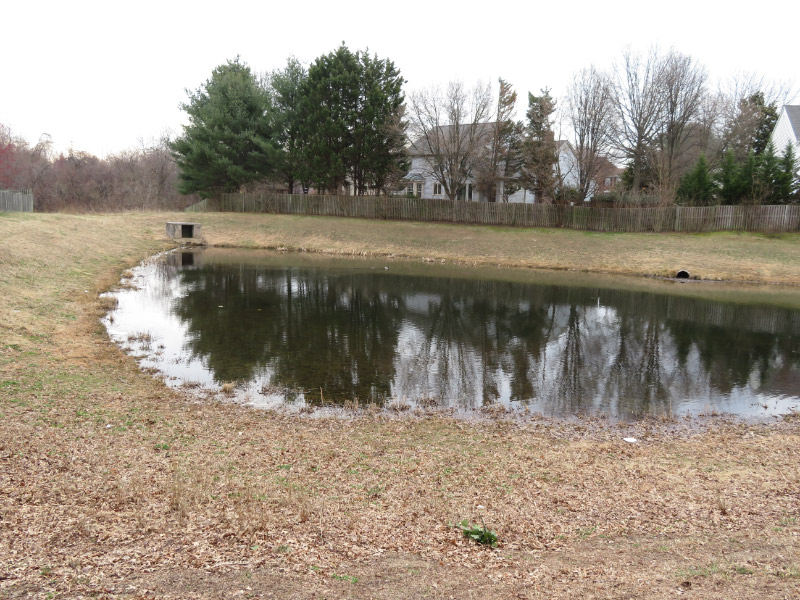
My destination was the storm water pond for the neighborhood. It does have grass growing on the slopes – a good thing – but had no habitat the red wing blackbirds like it did before all the vegetation around the edges was cleared.

2018 03 IMG_9084.jpg

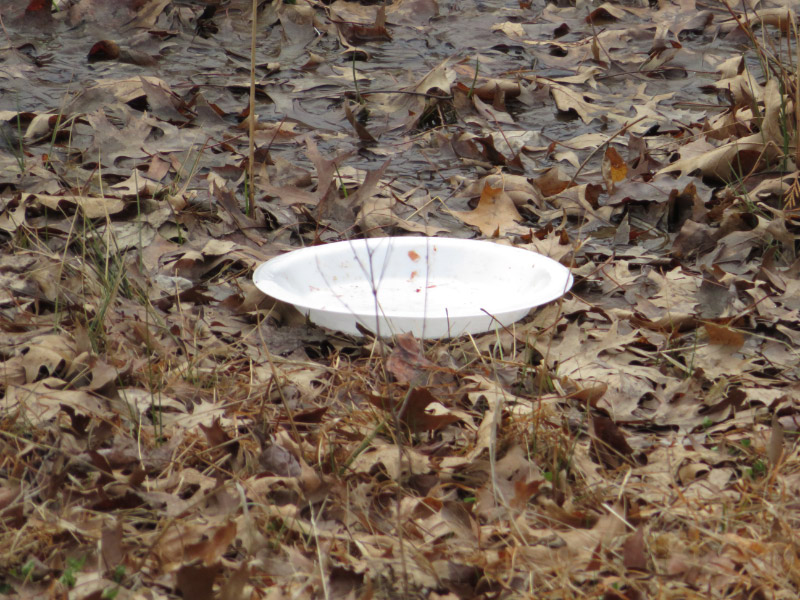
Trash was visible around the edges. Next time I’ll bring a pole to bring the pieces far enough onto land so I don’t have to wade into the pond to collect it.

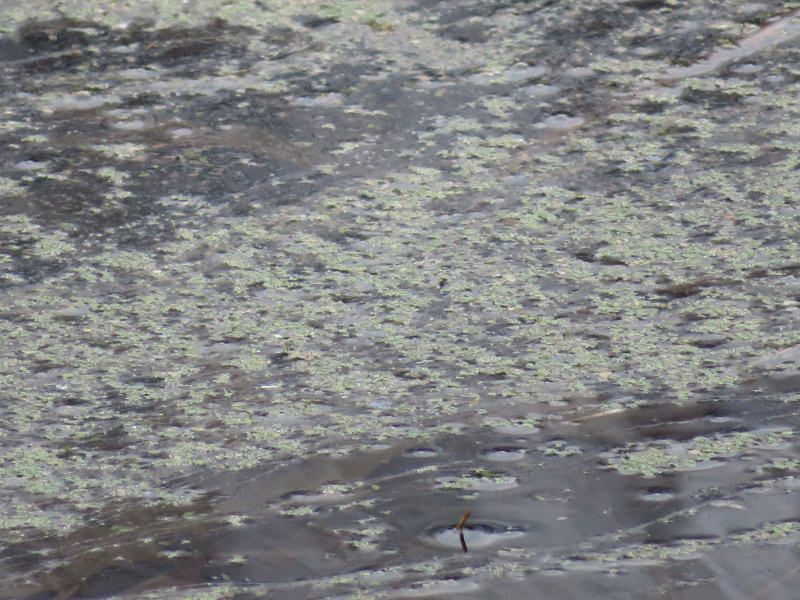
There is already algae beginning to grow on one end of the pond. Maybe the pond always had the scummy surface but the vegetation around the edge was thick enough that we didn’t see it. The run off must overload the water with nutrients.

On the plus side, there was a mallard pair exploring the pond. I wondered if the pond is big enough to support a nest and ducklings. There isn’t a lot of shelter around the pond but there is an overgrown area behind the pond that might work.

2018 03 IMG_9083.jpg

HoLLIE – Week 6

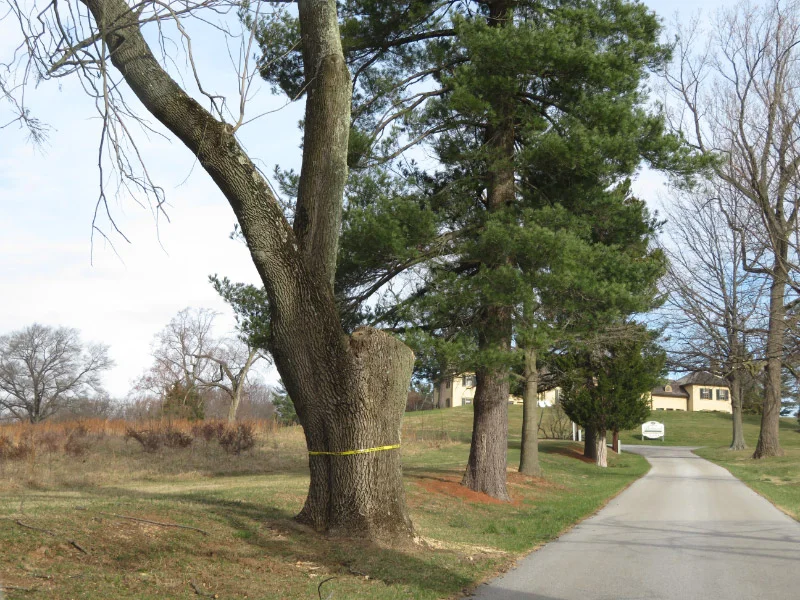
The Week 6 of HoLLIE (Howard County Legacy Leadership Institute for the Environment) class focused on The Chesapeake Bay Watershed and Environmental Advocacy. As my norm, I arrived early so I could enjoy the sunny (but cold) morning at Belmont before the before class. I stopped at one of the pullout spaces on the narrow drive to photograph the stumps from the recent tree removals (and there are more to come). The first picture is looking away from the Manor House; the second shows the Manor House in the distance.

I took pictures of the two stumps from the trees already cut down. Someone had carved in one of them. Aargh! It’s sad when a tree is cut down and the carving struck me as disrespectful to the tree and the place.

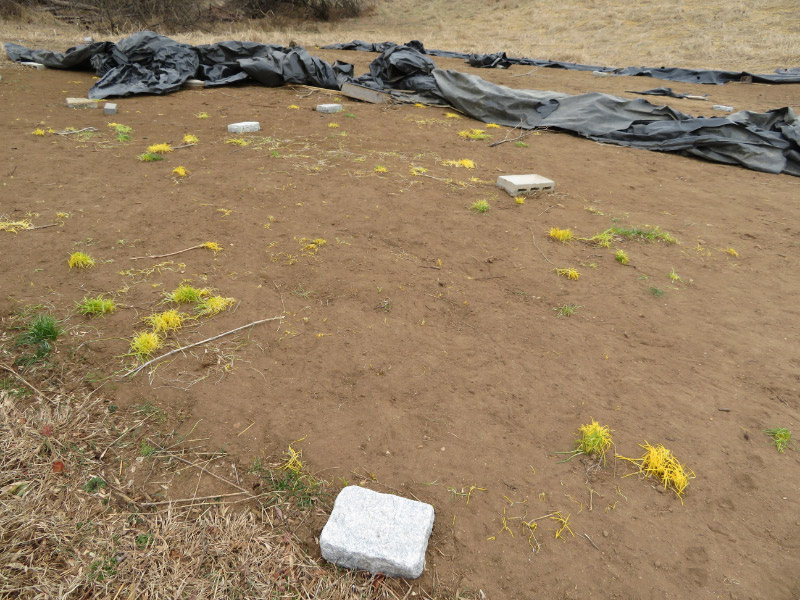
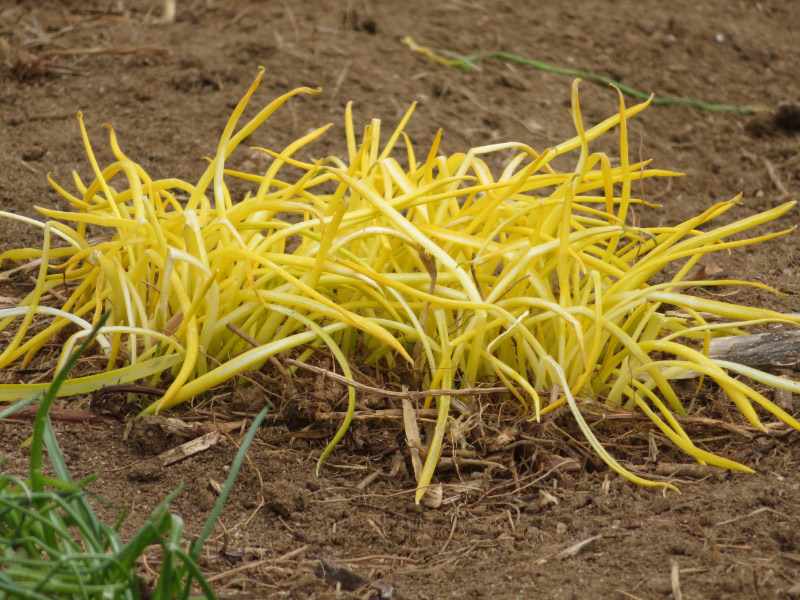
After I got to settled into my place in the carriage house, I trooped over the butterfly meadow where I saw the bright yellow grass late last week. It was still there, and I liked the snow and blocks in the picture with it.

2018 03 IMG_9039.jpg

The little walks outside were a good start to the day that was sedentary otherwise. Our speakers were from the Chesapeake Bay Foundation, Land Trust Alliance (re the Chesapeake Bay), and Patuxent River Riverkeeper in the morning. In the afternoon we heard about sustainability and what individuals in our area can do toward the goal of moving toward sustainable lifestyle…and beyond to regenerative. The last segment of the day was a short lecture on effective environmental advocacy that included a practice use of the planning template from the lecture….learning enhanced by attempting to apply the technique.

Next week we’ll be outdoors in the last segment of the day. I’m already watching the forecast for the day; as of now – the forecast is cold and a bit breezy…but no rain.

Previous HoLLIE posts: Week 1, Week 2, week 3, week 4, week 5

Blooming Maple

The red maple in our backyard is blooming and has been since earlier this month. I photographed it from my window on the 3rd (with a dove looking back toward my window. Maybe it sensed it was being watched.),

2018 03 IMG_8874.jpg

With snow on the 7th (there were doves in the tree again…fluffed to keep warm.  I wondered if the weather was going to damage the flowers, but it didn’t get below freezing for very long.)

And yesterday (when the flowers looked even more numerous than before).

2018 03 IMG_9041.jpg

I went outside yesterday to get a closeup of the flowers.

2018 03 IMG_9045 clip.jpg

The red maple is probably one of my favorite trees in the spring because it blooms before just about everything except the earliest of bulbs…and it’s the only red in the scene!

Gleanings of the Week Ending March 10, 2018

The items below were ‘the cream’ of the articles and websites I found this past week. Click on the light green text to look at the article.

Look at What the Coastal Storms Have Done to the Chesapeake Bay - AGU Blogosphere – We had high winds in our area a week ago and it was worse (even higher winds and more precipitation) north of us. Trees feel, power outages prevalent, and some rail cars fell from a bridge as they crossed the Susquehanna River. The suspended matter in the rivers around the Chesapeake Bay were dramatically high…and it moved fast (lots of difference between March 4 and March 5). Wow!

New Perspectives on Bogotá’s Architecture Thanks to Drone Photography – I liked the first picture the best: the building footprint and the rooftop gardens…the trees below.

Forecasting diseases one image at a time – National Geographic Blog – Los Alamos working on predictive models of disease outbreaks in populations suplementing traditional data sources (with lag times in data availability) with non-traditional sources that are available more quickly to enable more timely response to disease outbreaks.

Are flamingos returning to Florida? -- ScienceDaily – Florida had flamingos in the 1800s but by 1900 they had been eliminated (killed for their plumage). Since 1950 they have been increasing in numbers and this study indicates that they are not just escapees from captive flocks. Most are birds from the Caribbean or Mexico that have repopulated Florida.

Can You Ever Have Too Many Turkeys? – Cool Green Science – Turkeys in Oregon – not native to the area but thriving – and an experience with the citizen science project to count them.

The Pileated Woodpecker in Winter – Cool Green Science – We have some pileated woodpeckers that make their rounds in the forest behind our house. They are indeed easier to see in the winter time than any other time of the year.

Welcome to the Age of Climate Migration - Rolling Stone – People are already moving from areas that are flooding more frequently. This appears to be an early indicator of economic consequences for climate change denial.

The Strange and Magnificent Nudibranchs of the Cape – National Geographic Blog – Marine slugs look so different from life we are used to seeing…they could be from another planet…but they are here on earth. Enjoy the pictures in this blog post.

Low magnesium levels make vitamin D ineffective: Up to 50 percent of US population is magnesium deficient -- ScienceDaily – Yet another reason to eat those leafy greens…or take a magnesium supplement.

Recovery: Evicting Rabbits – Cool Green Science – Ridding some islands of non-native rabbits so native flora and fauna can recover (penguins, birds, lots of plants)…with the help of a Labrador retriever wearing rubber booties!

Thoughts from Belmont

I’ve spent more time at Belmont this week because of some extra classes held there. Three thoughts: 1) On the road into the park I thought about the pine trees cut a few years ago because they were damaged by pine bark beetles and now the ash trees being marked with yellow tape for removal because of the emerald ash borer. They are big trees along the drive toward the Manor House…will leave some large holes.

2018 03 IMG_8977.jpg

) Looking down the road from the front of the manor house, I thought about the way it slopes down hill for about a mile – I coast all the way down to Rockburn Branch when I leave. It traverses the boundary between the Piedmont and Coastal Plain. Maryland’s highest elevation is in the far west of the state…and it slopes down to the sea through two mountain ranges (Alleghenies and Appalachians) to the Piedmont and then the coastal plain to the sea. Belmont is a place to see one of those transitions. Water in Piedmont streams and rivers babbles along…and moves more slowly once it gets to the coastal plain.

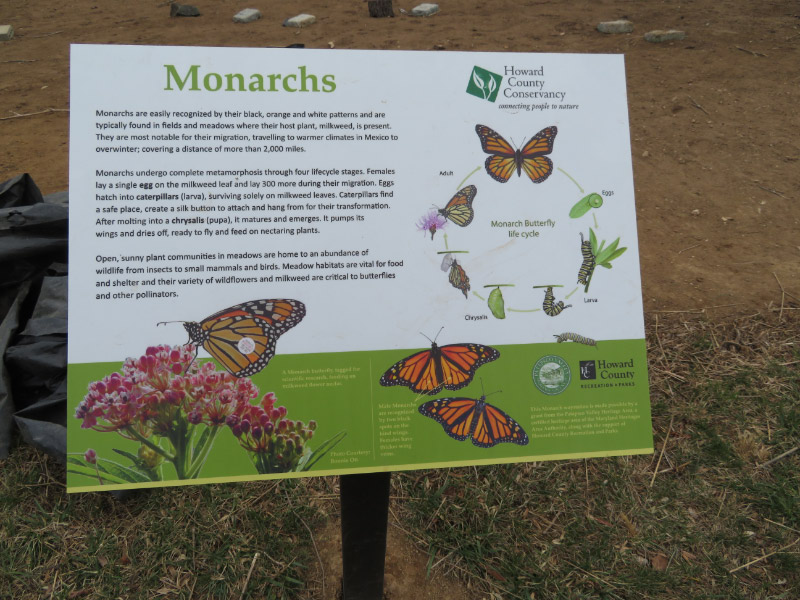
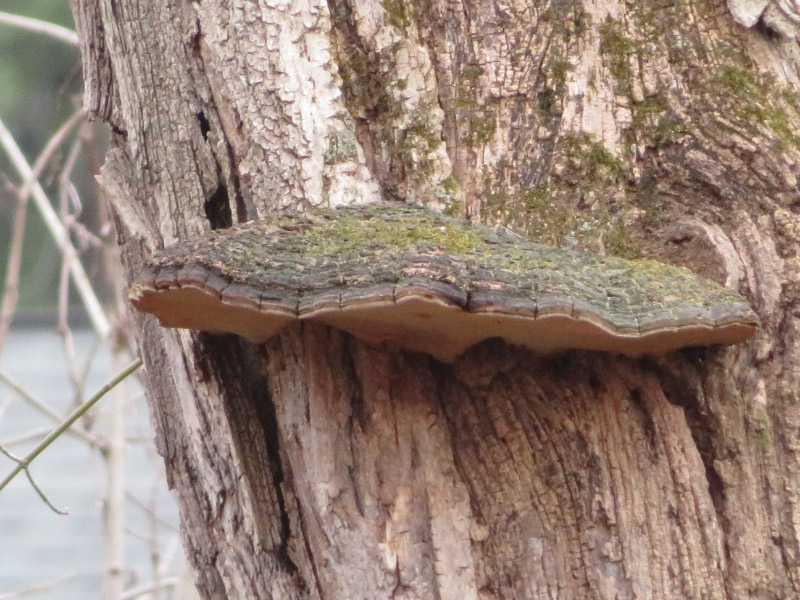
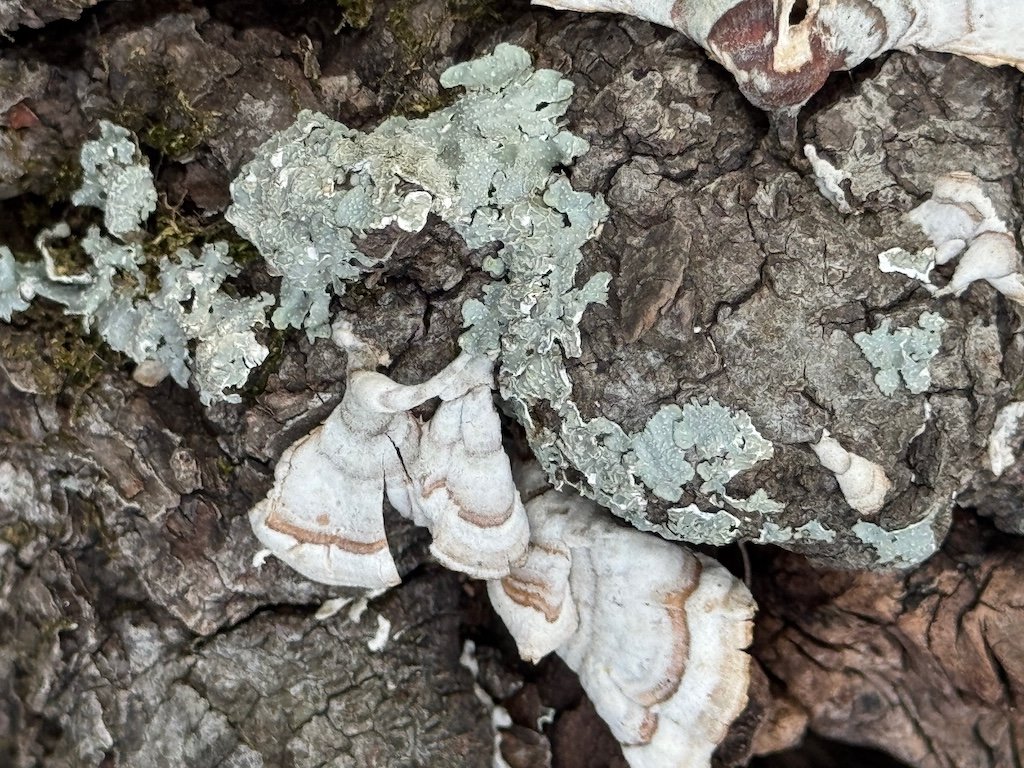
3) There is a butterfly meadow being created near the Carriage House nature center. Right now, it is dirt that has been covered with plastic to kill grass and unwanted plants…ready for planting of milkweed and other plants that provide food for the butterflies and caterpillars. The big sheets of plastic had not blown entirely way in our recent winds but hadn’t stayed spread out as intended either. There were some bright yellow plants in the dirt. On closer inspection they were grass…with the (yellow) xanthophyll pigments lasting longer than the (green) chlorophyll pigments when it tried to grow under the plastic! The grass will be pulled before the meadow plant seeds are sowed. I also noticed a relatively large (and old) shelf function on a dead tree in the brambles behind the butterfly meadow project. There were lots of birds back in that area too…but not easily visible on the cloudy day.

Brookside Conservatories – March 2018

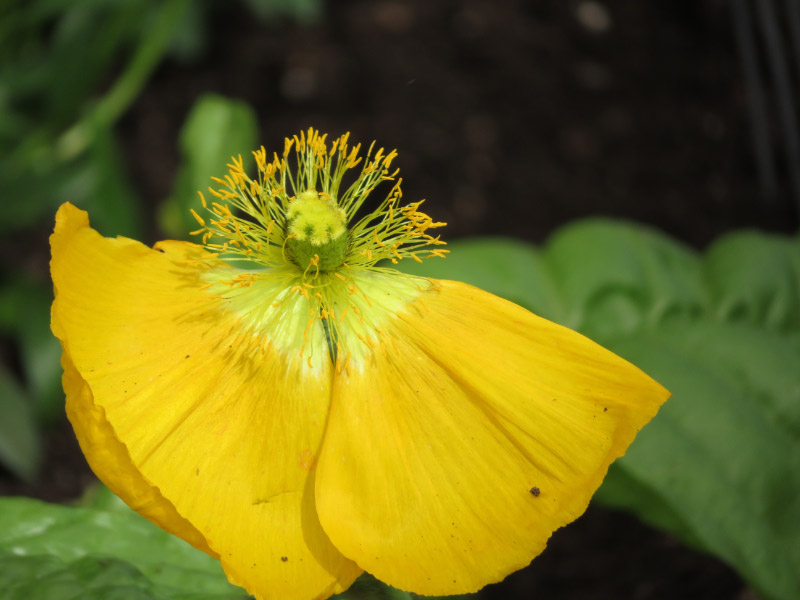
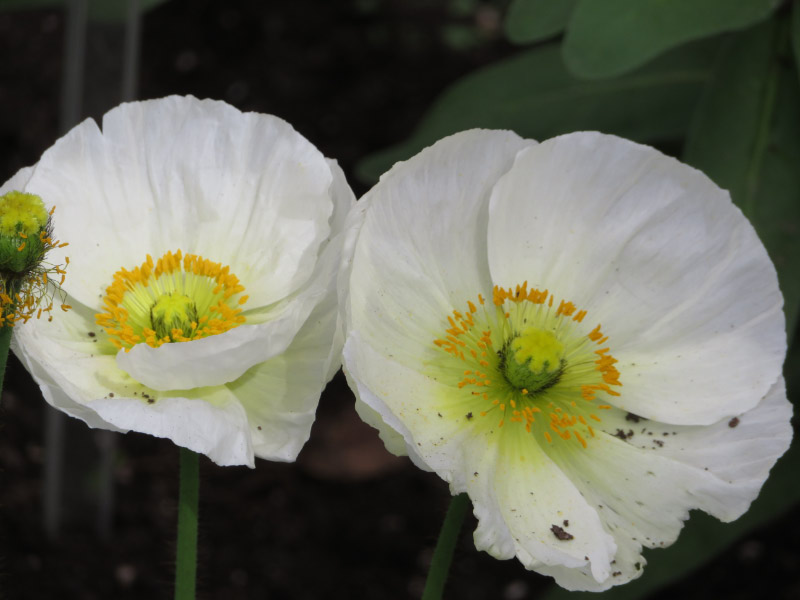
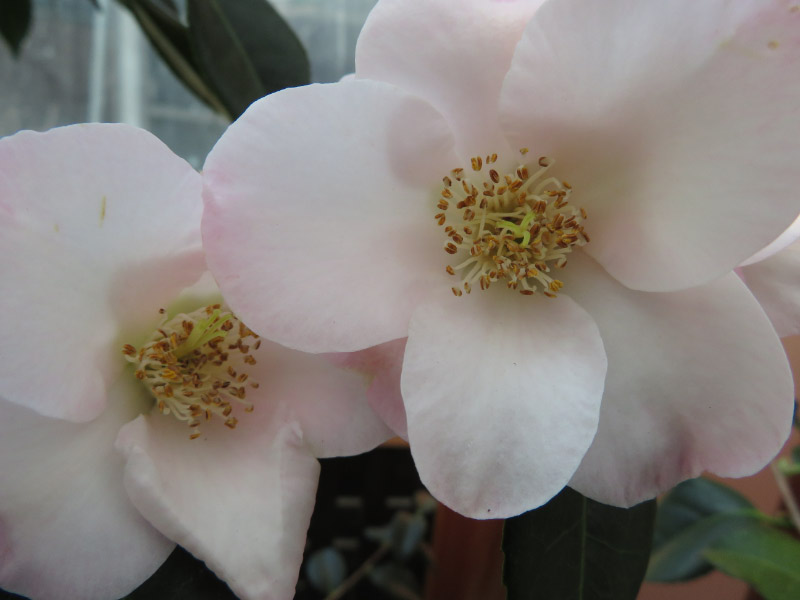
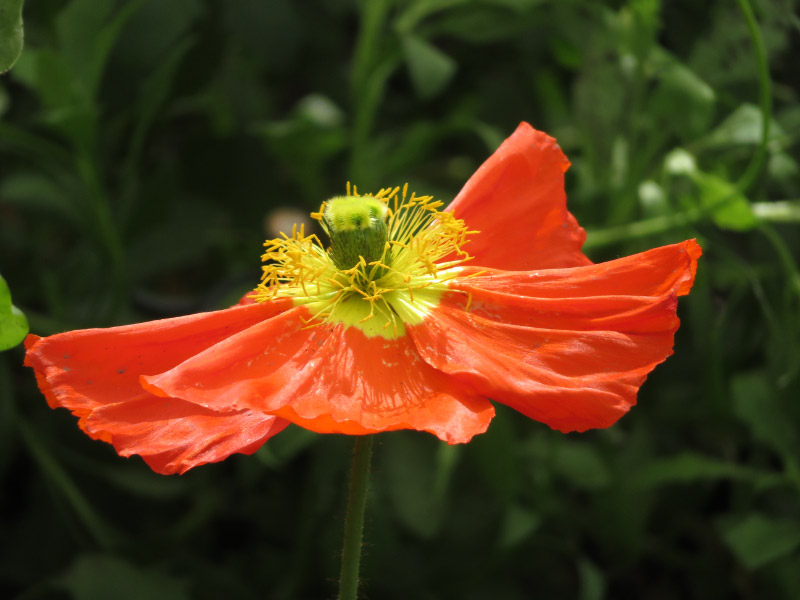
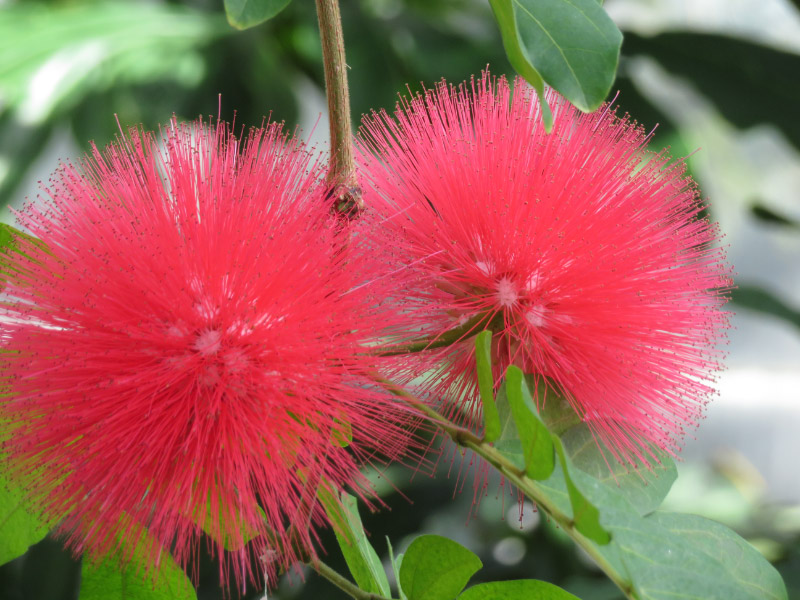
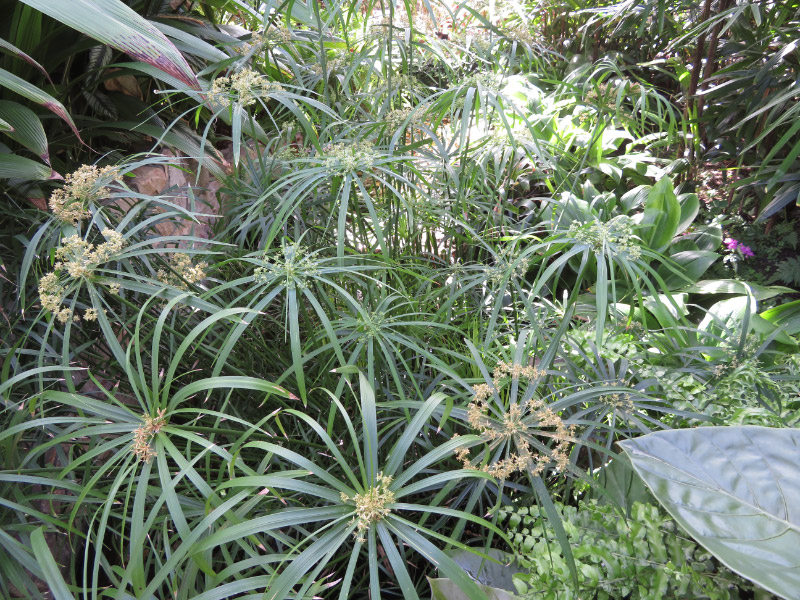
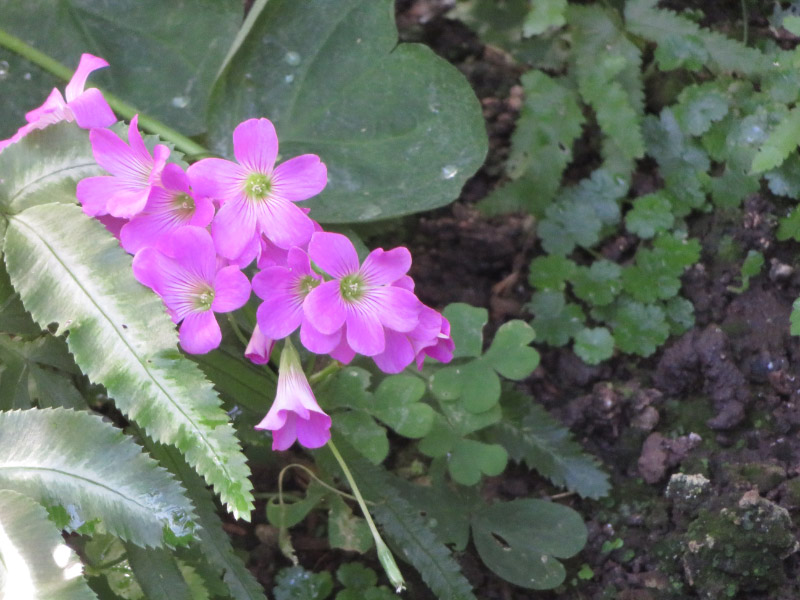
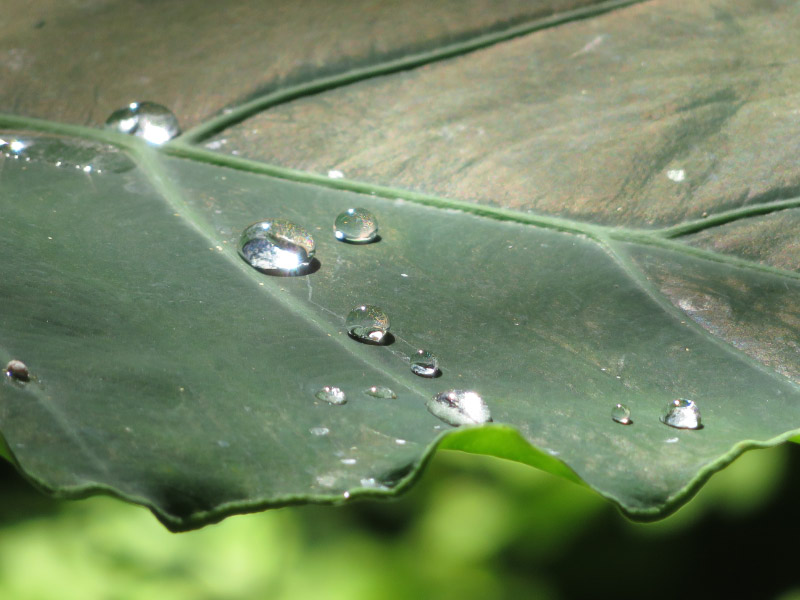
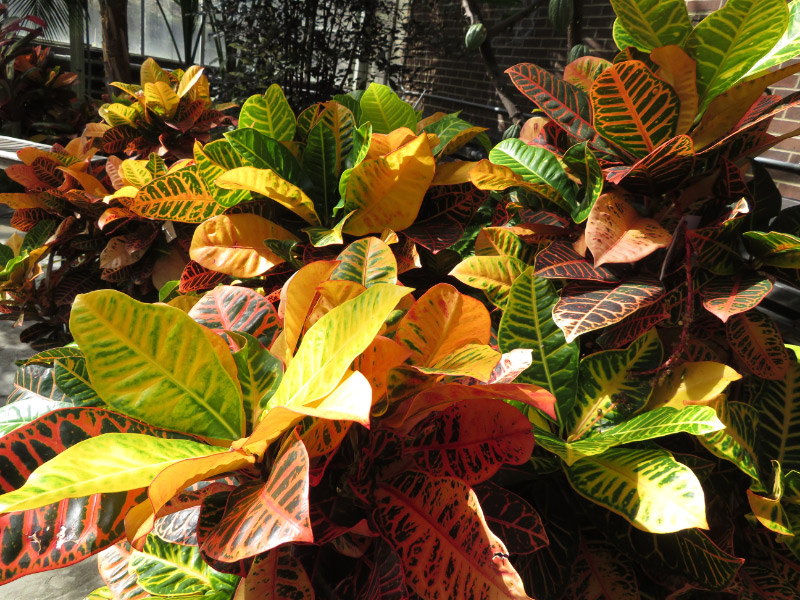
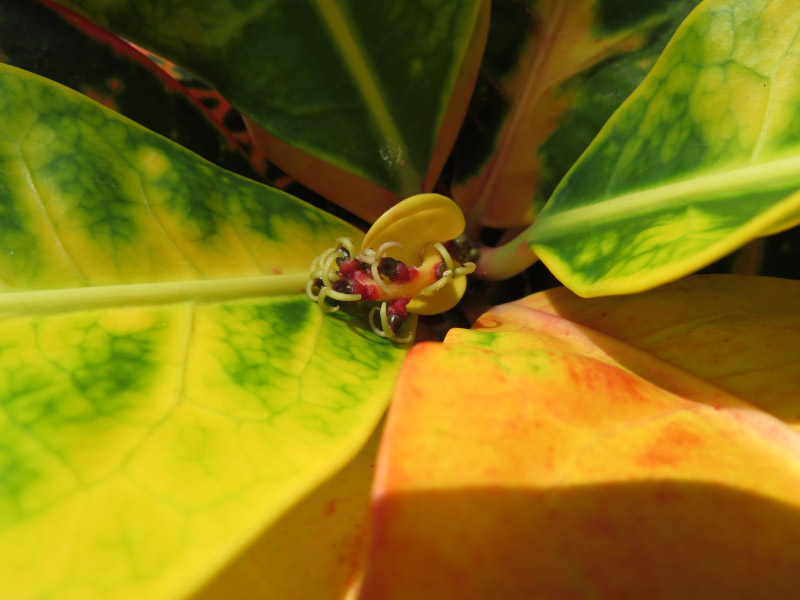
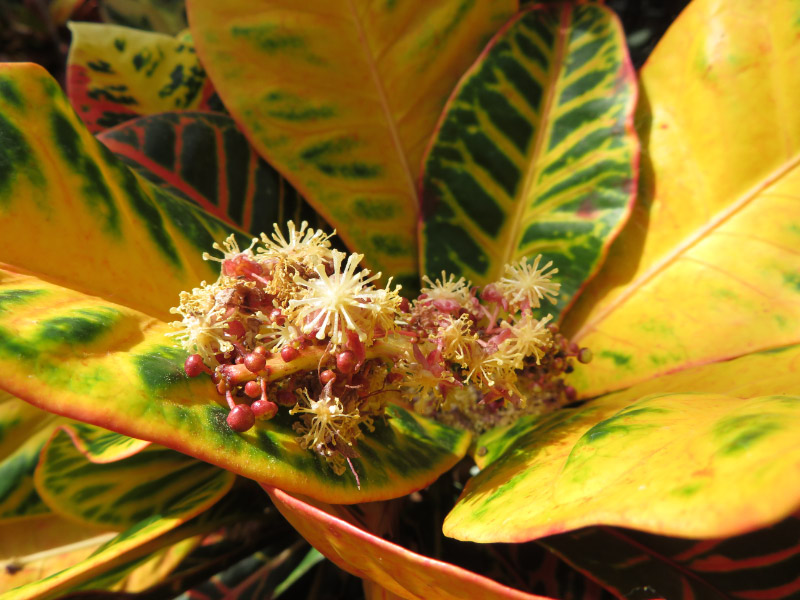
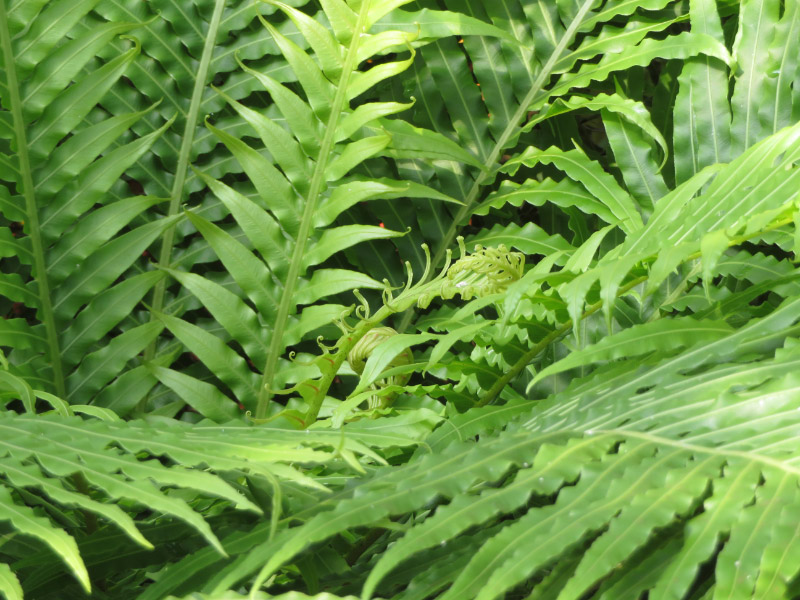
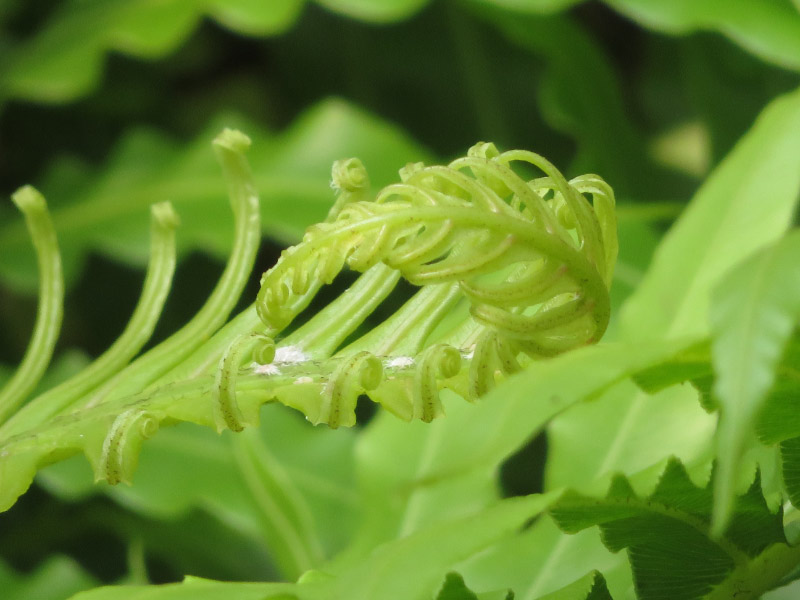
After my walk around the outdoor parts of Brookside Gardens, the warmth of the conservatories was much appreciated. Both are currently open although one will close to prepare for the Wings of Fancy Butterfly exhibit in early April. There were not many people about so I had the luxury of moving myself to the best location to capture the photos I wanted. There was lots of color from flowers like poppies, begonias, and orchids as well as the foliage of variegated croton (and they were blooming too!). Of course the greens were well as well since outside we are still mostly brown. I like the shapes of papyrus, water droplets on big leaves, and the unfurling ferns. I like conservatories in general but appreciate them the most on visits in the depths of winter.

Brookside Outdoors – March 2018

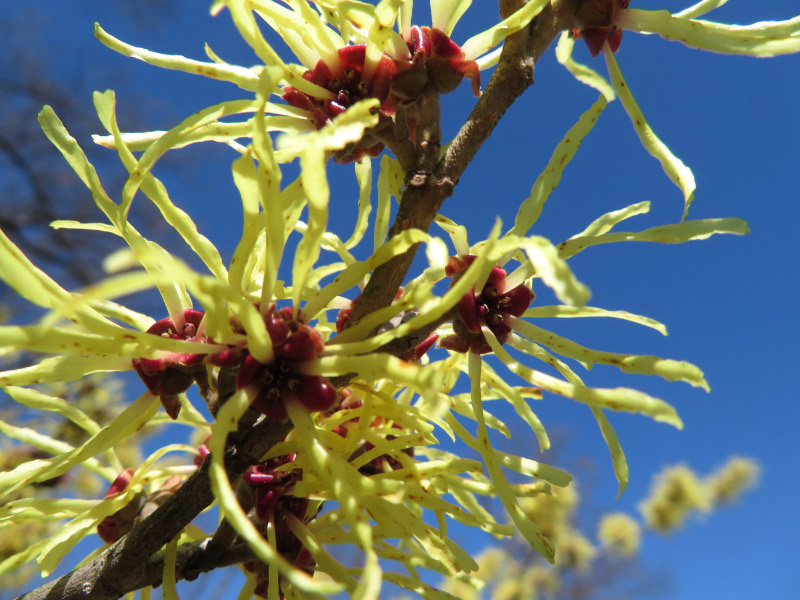
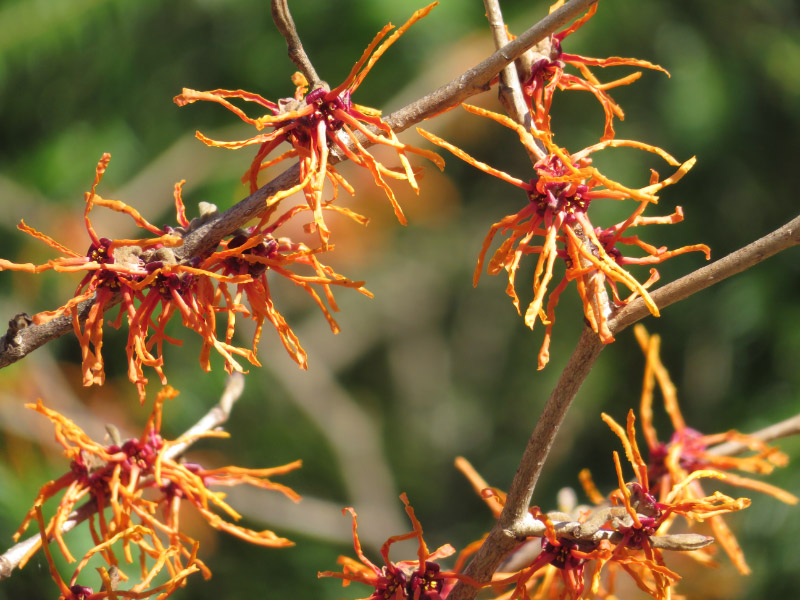
I walked (quickly) around Brookside Gardens earlier this week; it was sunny but cold! I saw some tiny daffodils blooming in a bed near the conservatories; the larger varieties are weeks away and the tulips are barely out of the ground. The witch hazels were what I wanted to see…and they did not disappoint. They provide a lot of color in the wooded sections of the gardens with the red centers and yellow streamers of the flowers.

There were early spring bulbs to see too. The snowdrops were probably the most numerous.

IMG_8914.jpg

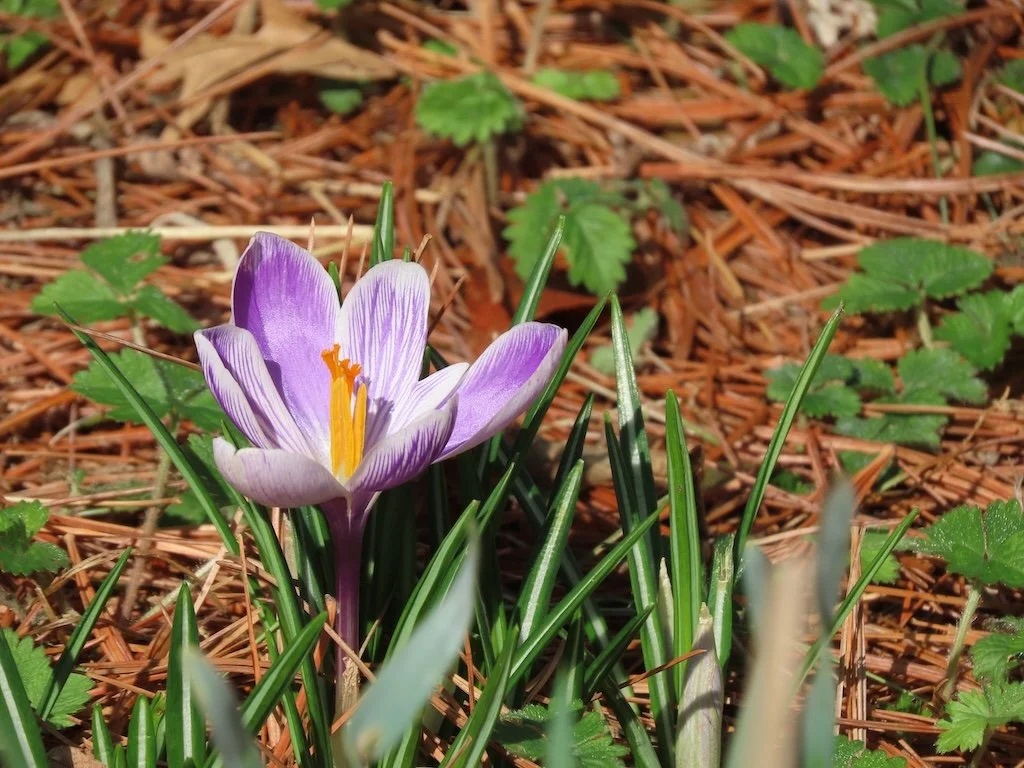
There were crocuses blooming as well.

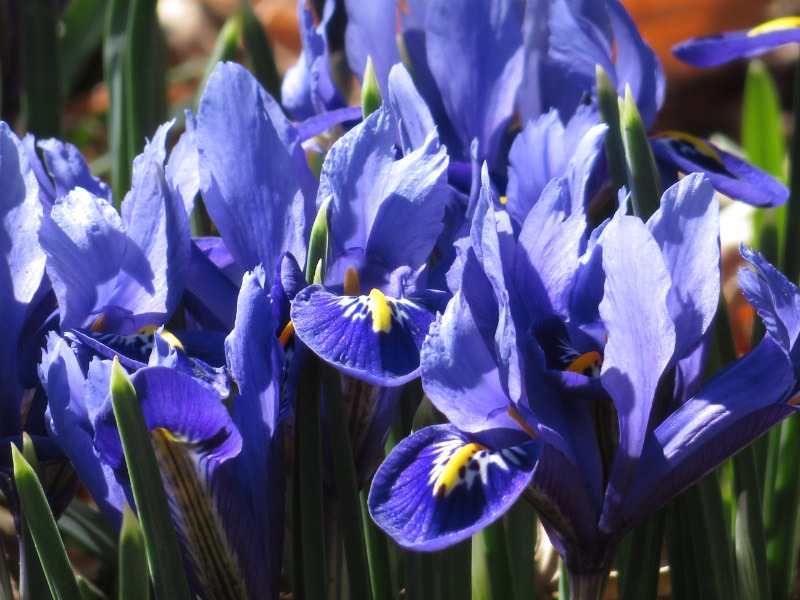
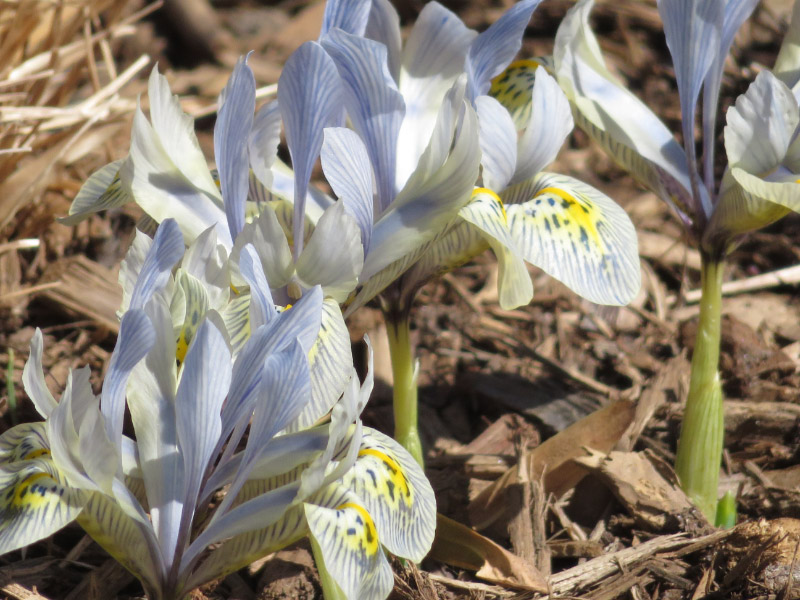
The dwarf irises were a pleasant surprise.  There were at least two colors. They are only a little larger than snowdrops.

Signs of Spring

The very first days of March and there are already two signs of spring outside my office window:

A robin looking for worms (not flocks of them yet but single birds…I’ve seen larger groups at both Belmont and Mt Pleasant already this years) and

2018 02 IMG_8777.jpg

The red maple blooming. I’m a little worried about the red maple because we are going to get some cold weather again in the next week or so. How much can these maple flowers withstand? It will be interesting to watch and see. Last year we had very few samaras (seeds of the maple) because some cold water caught the tree at a critical time. I’ll be looking for maple seedlings soon to pull up for display during the tree activity for pre-schoolers; hope there were other maples in the neighborhood that did produce seeds.

2018 02 IMG_8781.jpg

eBotanicalPrints – February 2018

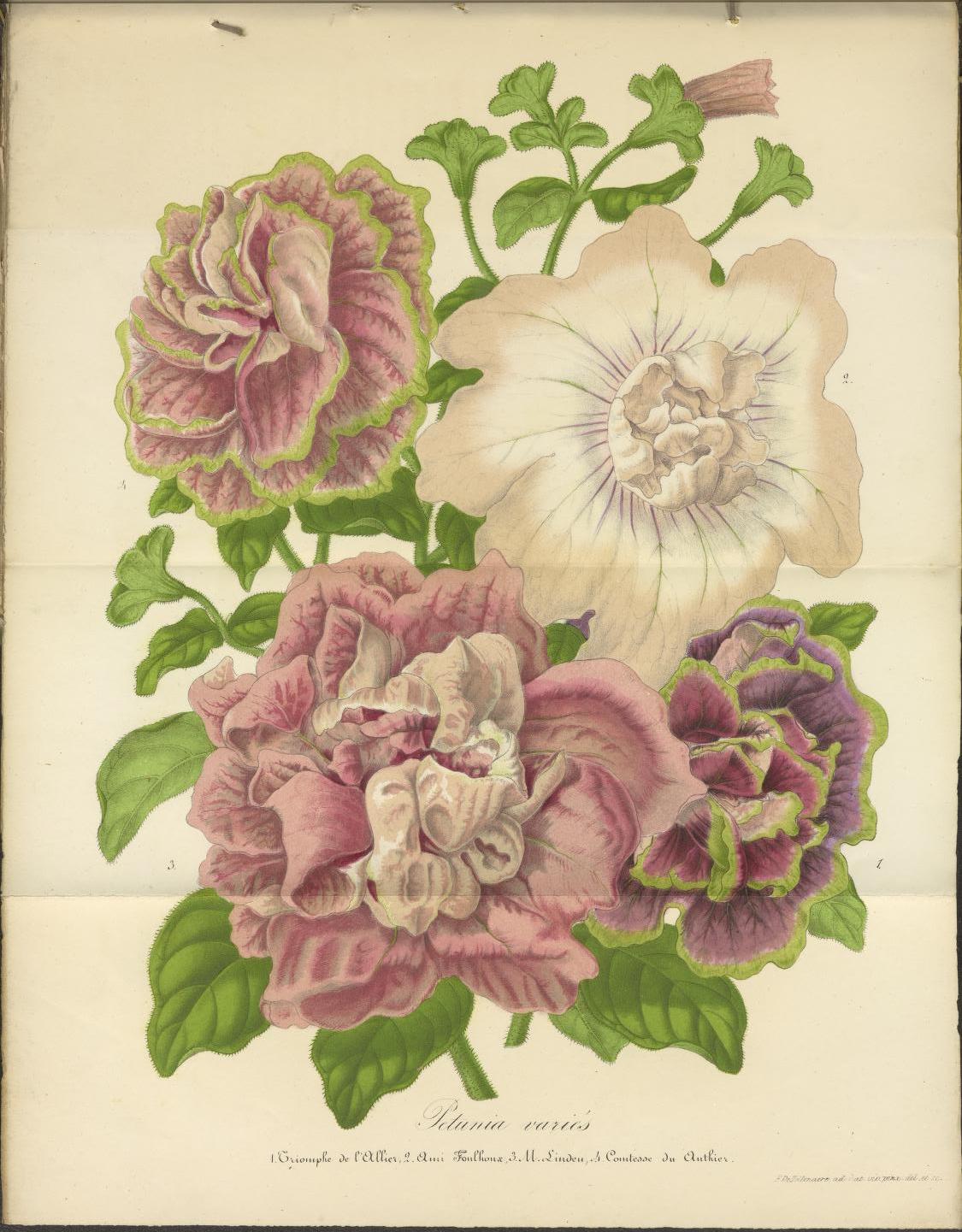
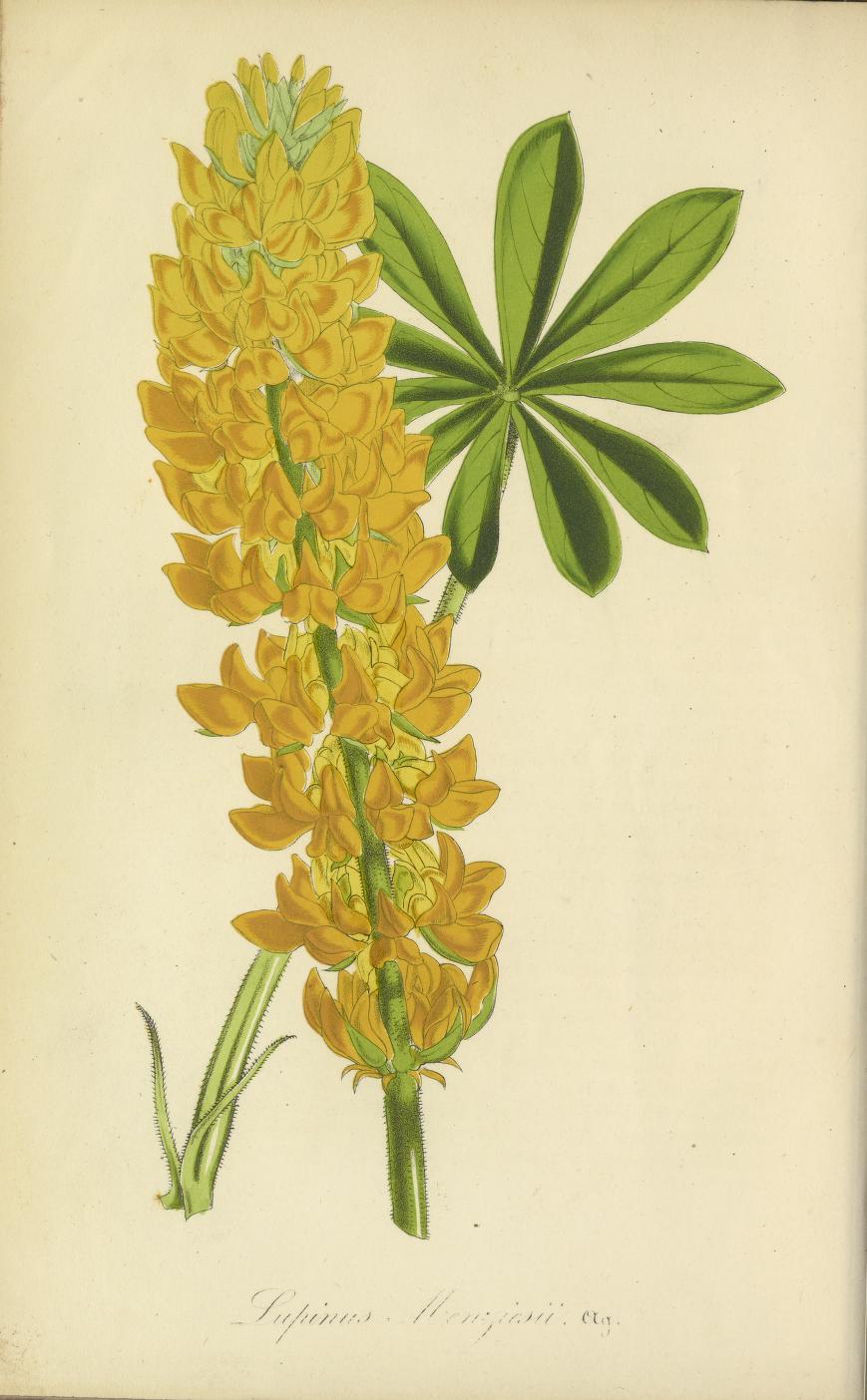
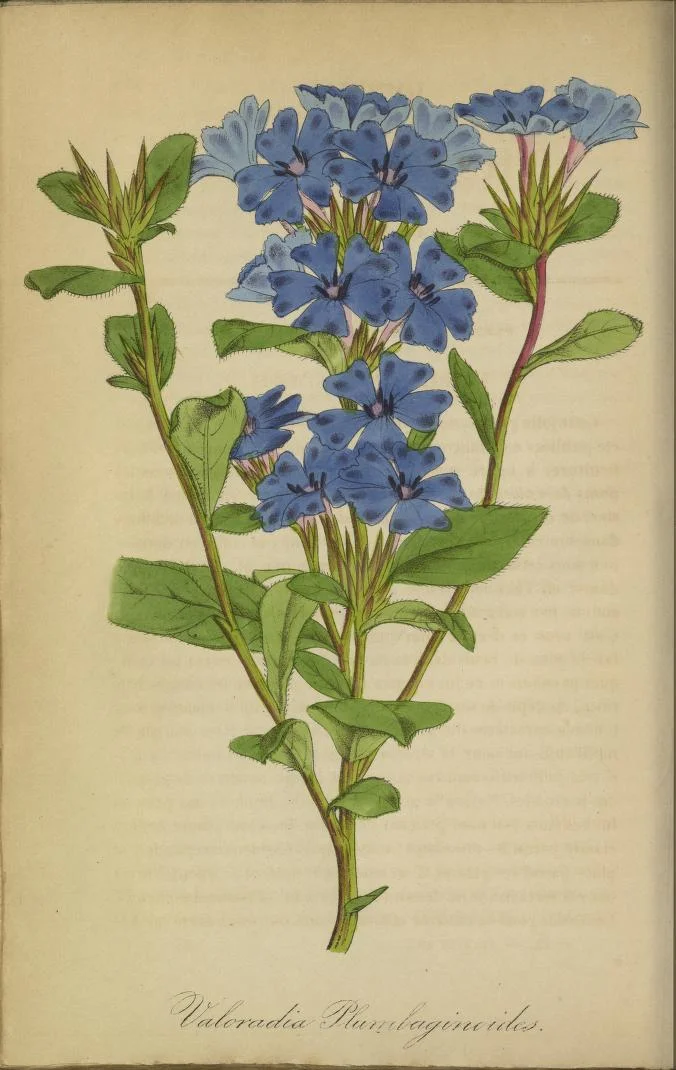
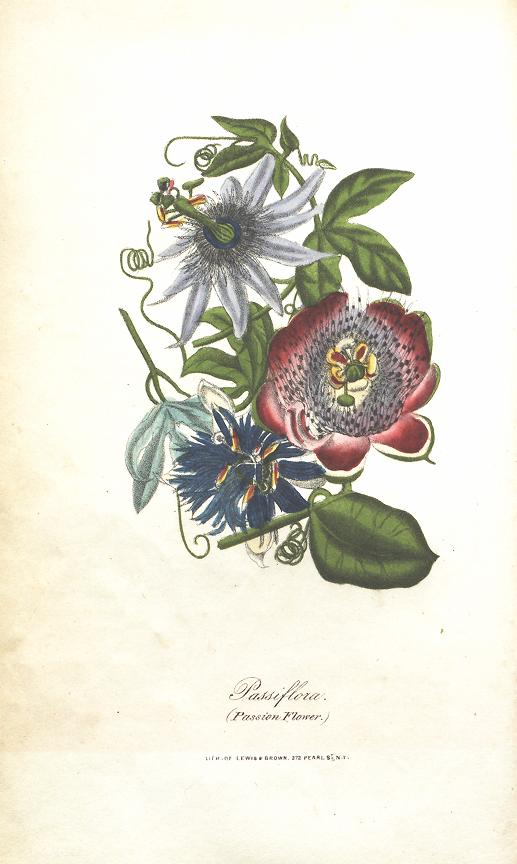
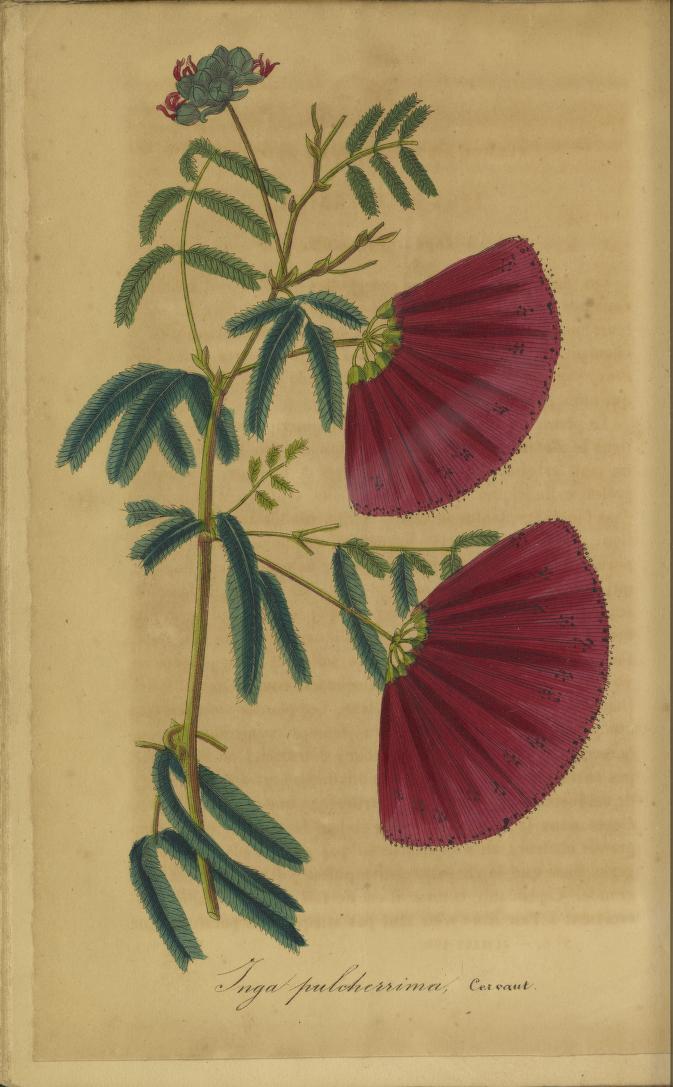
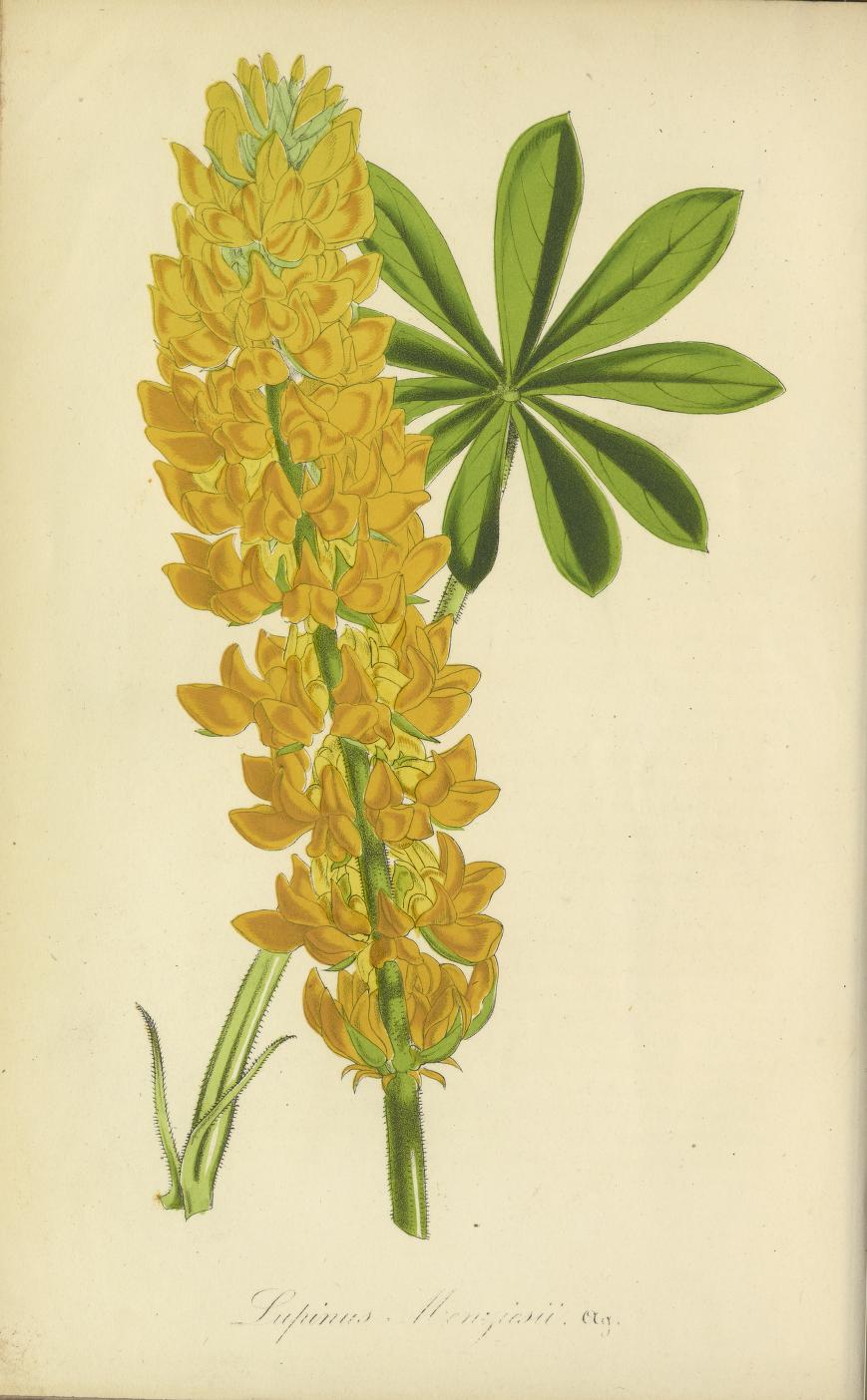
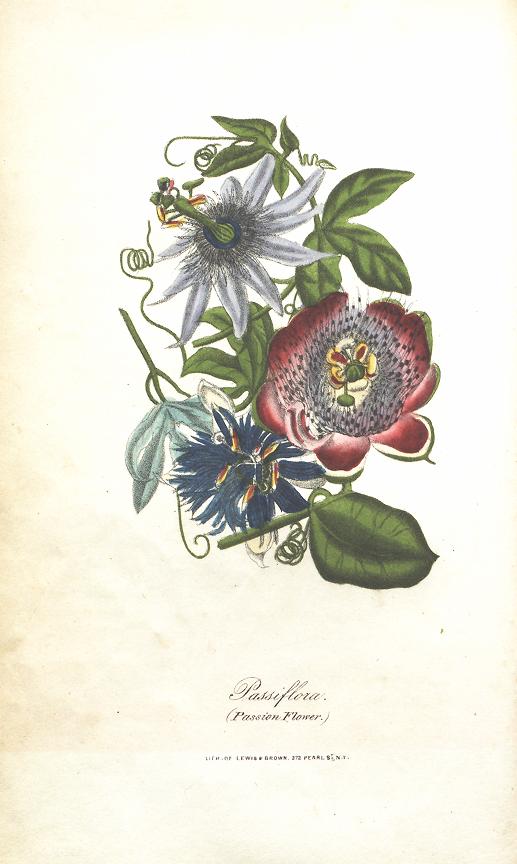
Two more years have been added to the eBotanicalPrints area of the site – those books that I discovered in 2011 and 2012. Look at the botanical blog to see what’s happened in the past month in slideshow form. There are now almost 1000 eBooks containing botanical prints with links to access the whole book and a sample image. The list is getting long enough that I am looking for other ways that I can display the lists -maybe a tabular format rather than lists. Hopefully I’ll work out a better way during March.

In the meantime – enjoy 24 books that I browsed last month. The sample images are below, and the titles are at the bottom of this post. Enjoy the colorful blooms in the prints!

Zooming – February 2018

I use the zoom on my camera a lot to get the picture I want. What’s not to like about a photograph of the moon that is better than I can see with my eyes!

2018 02 IMG_8315.jpg

These water droplets were on the top of a tall pine…and I took the picture from the comfort of my office!

2018 02 IMG_8395.jpg

I’ve posted a lot of the bird pictures but not this one. I like it because it shows more detail of the flicker’s feathers…..where the down fluffs to keep the bird warm on a cold day. Without the zoom, the feathers have a sleeker look.

2018 02 IMG_8420.jpg

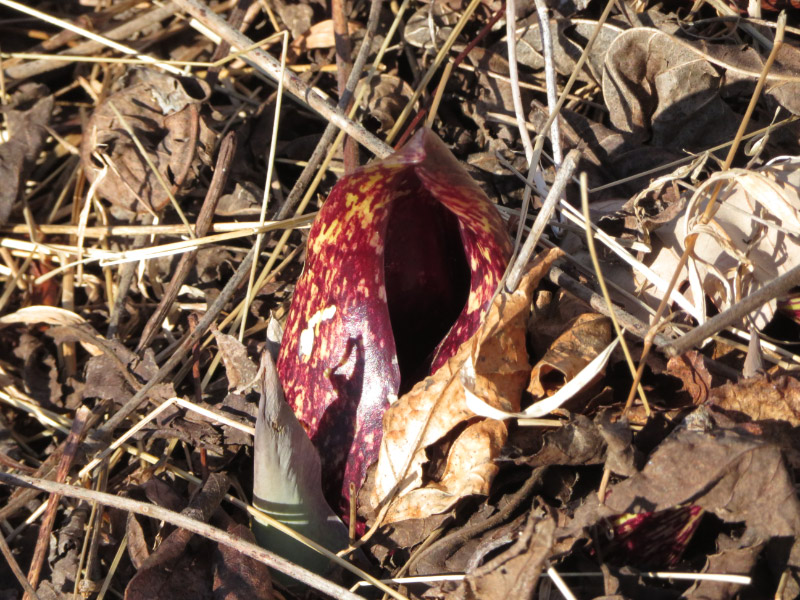
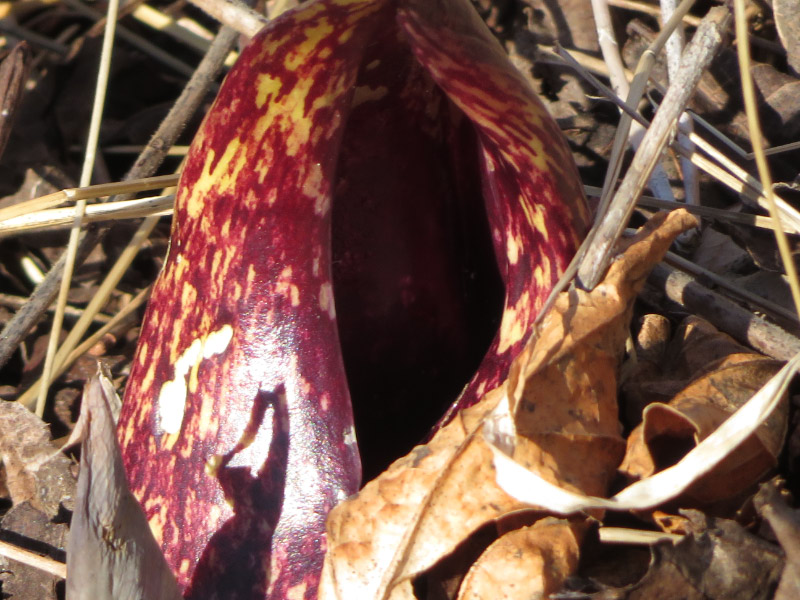
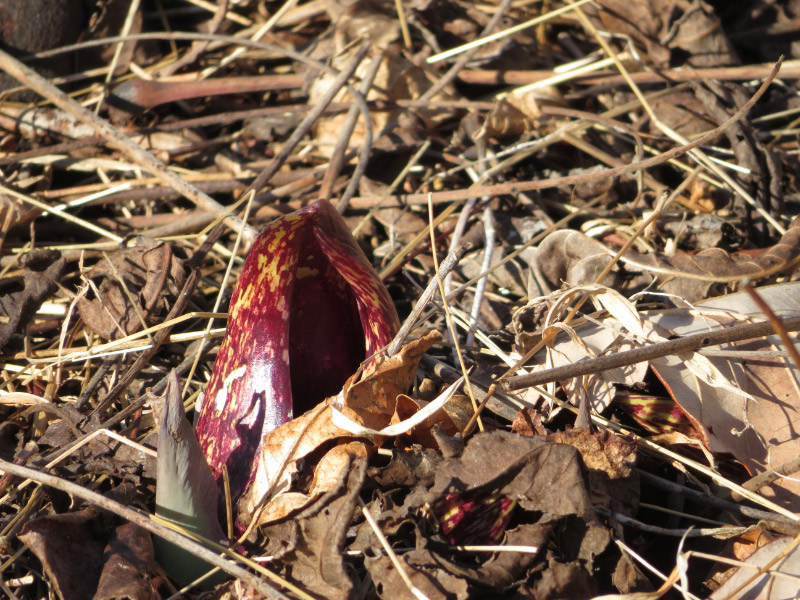
I appreciated using the zoom for the skunk cabbage since there was standing water or mud around them…and it was too cold to risk getting my feet wet if my boots leaked.

2018 02 IMG_8569.jpg

The ice crystals were so delicate I did not want to get close and risk breaking them before I could get the photo I wanted. The zoom also makes it easier to avoid working about casting a shadow.

2018 02 IMG_8577.jpg

Of course – the squirrel would have run away very quickly if I had been closer. As it was, the pose seems like something Beatrix Potter would have used for one of her characters!

2018 02 IMG_8692.jpg

Gleanings of the Week Ending February 24, 2018

The items below were ‘the cream’ of the articles and websites I found this past week. Click on the light green text to look at the article.

#ColorOurCollections & Europeana Colouring Book | Europeana Blog – I’d rather draw my own Zentangles rather starting with an existing picture. For those who want images already on the page - here is a free downloadable coloring book of historical images.

Top 25: Wild Birds on the Edge – National Geographic Blog – Endangered birds….many factors causing stressing these birds…no quick fix.

Explore Thurston Lava Tube At Hawai'i Volcanoes National Park By Flashlight  and The Nature Conservancy Transfers 222 Acres To Hawai'i Volcanoes National Park  - Reminded how much I enjoyed our trip to the big Island (and the national park there) a few years ago.

11 Chocolate Desserts That Are Totally Healthy – Dark chocolate…it’s wonderful that it is also good for you too – in moderation.

Long-term economic impact of cover crops: 29-year study finds cover crops offer benefits with no-till cotton systems -- ScienceDaily – Decreasing soil erosion….always a good thing.

Artists envisioned the future of work, and the results are pure fantasy - MIT Technology Review – What do you think? Some of these are (somewhat) logical extensions of existing technology and jobs.

Why Are You Seeing Robins in Winter? – Cool Green Science – I didn’t see any robins at my birdbath this winter, but we don’t have trees with berries that might be food for them. I did see some robins at Mt. Pleasant yesterday…a small group…and wondered if the warm weather we had earlier in the week (in the 70s) is bringing them in larger numbers to our area.

Saving a Crown Jewel – National Geographic – We spent some time at Santa Ana National Wildlife Refuge last November when we were at the Rio Grand Valley Birding Festival See my post here). The short video is worth watching. The wall that is being built through the refuge (destroying the refuge) is the proof of concept for the wall that some in our country want to build. It’s very sad.

BBC - Future - An effortless way to improve your memory – After reading this, I wondered if creating a Zentangle tile has the effect of a short rest period for me. I’ve noticed that it is easier for me to learn new material if I include breaks to make tiles!

Creative Ways to Boost Creativity – How many of these just come naturally to you?

Gleanings of the Week Ending February 17, 2018

The items below were ‘the cream’ of the articles and websites I found this past week. Click on the light green text to look at the article.

Who’s still smoking: Report highlights populations still at risk -- ScienceDaily – I rarely see people smoking these days. The overall smoking rates in the US has dropped from 42% in 1965 to 15% in 2015. The analysis of the types of individuals in that 15% reveals that there are populations vulnerable…and that novel interventions will be needed to further reduce smoking in the US.

Top 25 Wild Birds Against Spectacular Landscapes – National Geographic Blog – I’m thinking about birds even more than usual this weekend – participating in the Great Backyard Bird Count!

Being A Homebody Has A Surprising Environmental Upside | CleanTechnica – I know that I used less gasoline and don’t spend as much on clothes as I used to when I went into the office every day….evidently there are enough people that are working at home or retired that the energy savings is significant. Now to just make the energy we use at home skew further toward the renewable variety!

Magnesium makes chromosomes: A new chemical tool, MARIO, shows how free Mg2+ ions regulate chromosome shape -- ScienceDaily – Some work by Japanese researchers. They note at the end of this blurb that this new understanding about magnesium may be a piece to the puzzle of how cancer happens…and maybe treatment.

LASER SCANS REVEAL MAYA “MEGALOPOLIS” BELOW GUATEMALAN JUNGLE | National Geographic - National Geographic – more than 60,000 houses, palaces, elevated highways, and other human-made features….under the jungles of northern Guatemala. The civilization peaked some 1,200 years ago and was comparable to ancient Greece or China. There were probably 10-15 million people in the area too – far more than previously estimated. The LiDAR also revealed pits from looters.

Woodpeckers show signs of possible brain damage, but that might not be a bad thing -- ScienceDaily – Analysis of woodpecker brains from collections of the Field Museum and Harvard Museum of Natural History. The picture with the article is of a downy woodpecker…one kind of woodpecker we see in our area.

Mushrooms Are Good for You, But Are They Medicine? – The question is still open…but they taste good so why not enjoy them even if they aren’t medicine!

Another Kind of Migration: A Visit to Mexico’s Monarch Butterfly Biosphere Reserve – National Geographic Blog – I just found out recently that they’ve planted milkweed at all the schools in our county…and will be monitoring to make sure it thrives…a little action to help the Monarch butterflies as they come through our part of Maryland on their way to Canada.

Surreal Images of Frozen Niagara Falls at Night by Adam Klekotka – Winter eye candy.

Black Lung Study Finds Biggest Cluster Ever of Fatal Coal Miners’ Disease: NPR – So sad. It’s happening to younger miners than it used to; ‘improvements’ in mining equipment? This is probably another reason we should move to renewable energy as quickly as we can.

Skunk Cabbage – Take 2

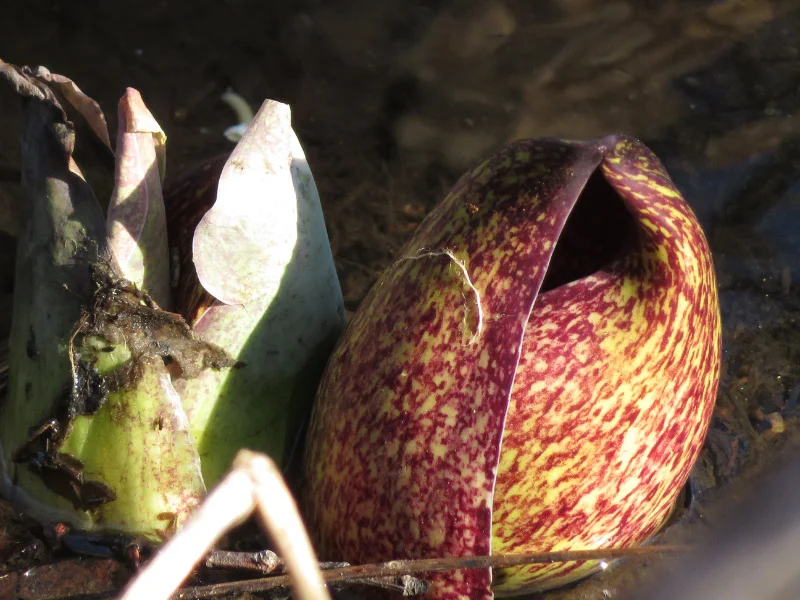
Yesterday I was at Howard County Conservancy’s Mt. Pleasant Farm and hiked down to take another look at the skunk cabbage. It had progressed a little since I saw it three weeks ago (post with pictures here) but it wasn’t a far along as it was on February 11th last year (post here). There were spathes (hood structure, wine with vertical lighter speckles) but I didn’t see any with visible spadix (looks like a golf ball inside the spathe).

When I first got to the location where I always see the skunk cabbage, I had a hard time spotting it at first. They like to grow near the water and this time a year, they can be some of the more colorful things around although one ‘color’ I spotted turned out to be a wet rock and oak leaf with the sun shining through – glowing. Then I started seeing them everywhere!

Sunk cabbage is one of the earliest ‘wild flowers’ and in some cases will pull itself deeper in the muck if the weather becomes really cold. With the amount of muck around some of them – I think our weather recently might have been slowing down their development – they had to deal with cold rather than bloom!

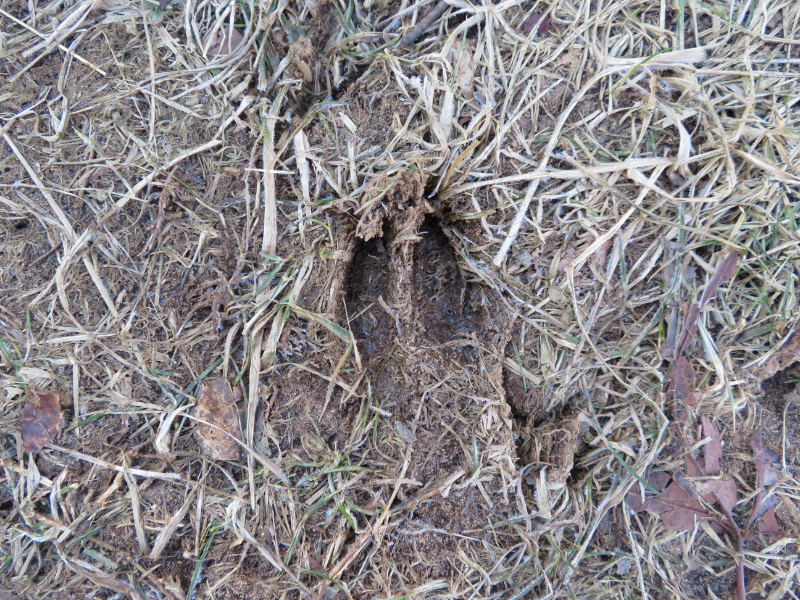
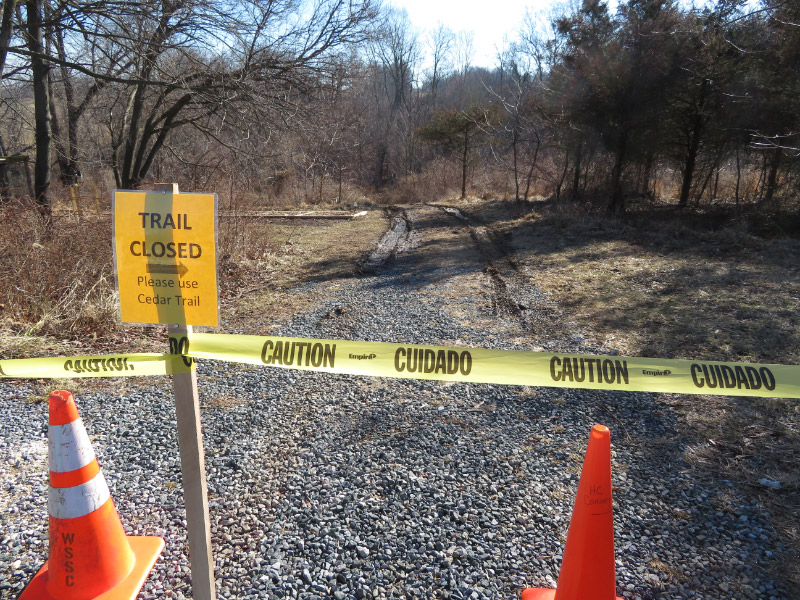
Earlier this week, it rained a lot and there were plenty of deer tracks on part of trail where it had been very muddy. Unfortunately, there were some deep ruts made by a vehicle that closed one of the trails…very sad that someone was so thoughtless, and it is not the first time it has happened. Hope the person is caught and prevented from doing it again.

Becoming a Volunteer

It’s been 6 years since I retired and started volunteering more regularly. I got off to a slow start during the first year – taking 18 months to settle on what I wanted to do as a volunteer and the organization. Being outdoors in nature and working with a variety of age groups turned out to be ‘calling;’ it helped that the Howard Country Conservancy provided focused training to give me the know how to do it – first with elementary school field trips and then to preschool through high school. The interactions with hiking groups is something I don’t think I will ever want to give up!

2017 06 IMG_0108.jpg

Over the years, I’ve ramped up the amount of time volunteering and increased my knowledge over the last 4 years to be more effective as a volunteer by

  • becoming a Maryland Master Naturalist,
  • taking a 2-day course on benthic macroinvertebrates,
  • attending an annual Maryland water monitoring conference, and
  • (currently) enjoying HoLLIE (Howard County Legacy Leadership Institute for the Environment).
20 17 06 IMG_0288.jpg

Last summer I added volunteering at Brookside Gardens (Wings of Fancy butterflies and model trains) in addition to the volunteering for Howard Country Conservancy programs. That filled in the volunteering lull in summer and December in prior years.

At this point, the only season of the year that I don’t have a lot of volunteer activity is the depths of winter! Right now – that seems like a good thing since the lull is allowing time to savor the HoLLIE days.