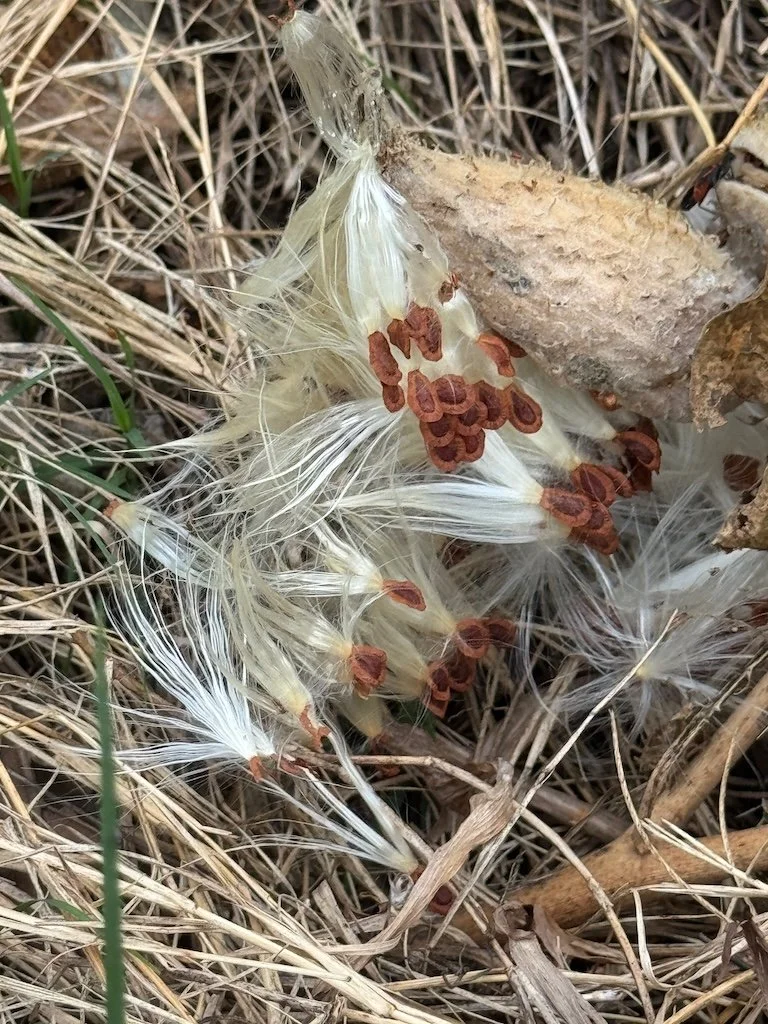
Coneflowers

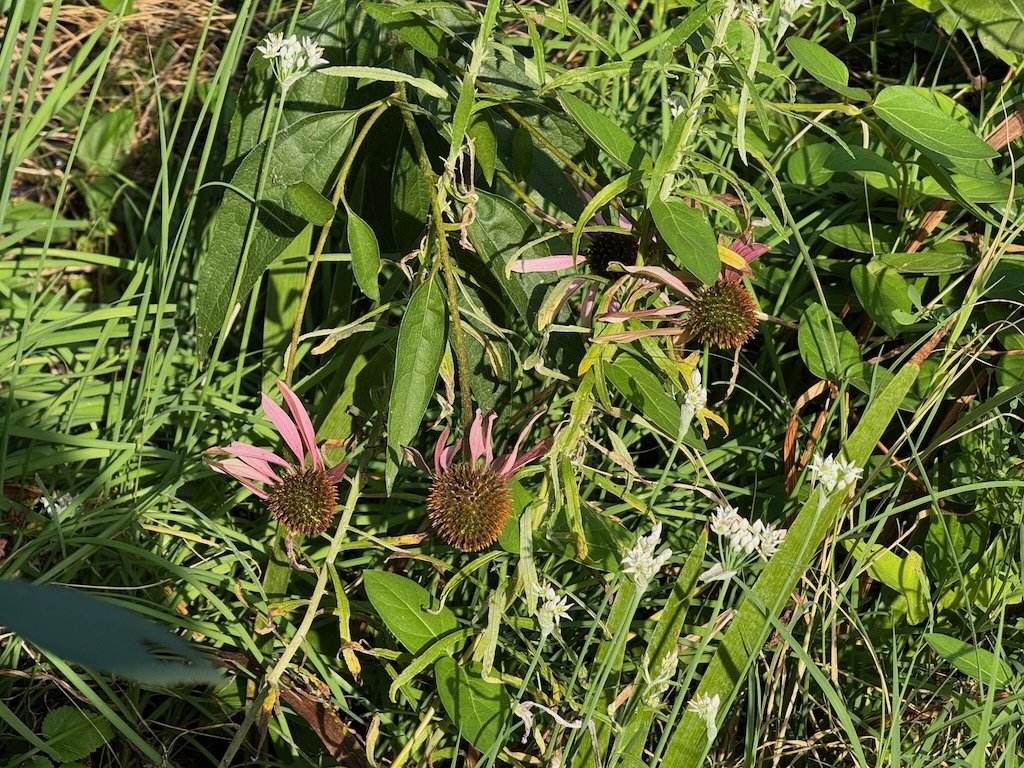
The coneflowers were full of color just a few weeks ago.
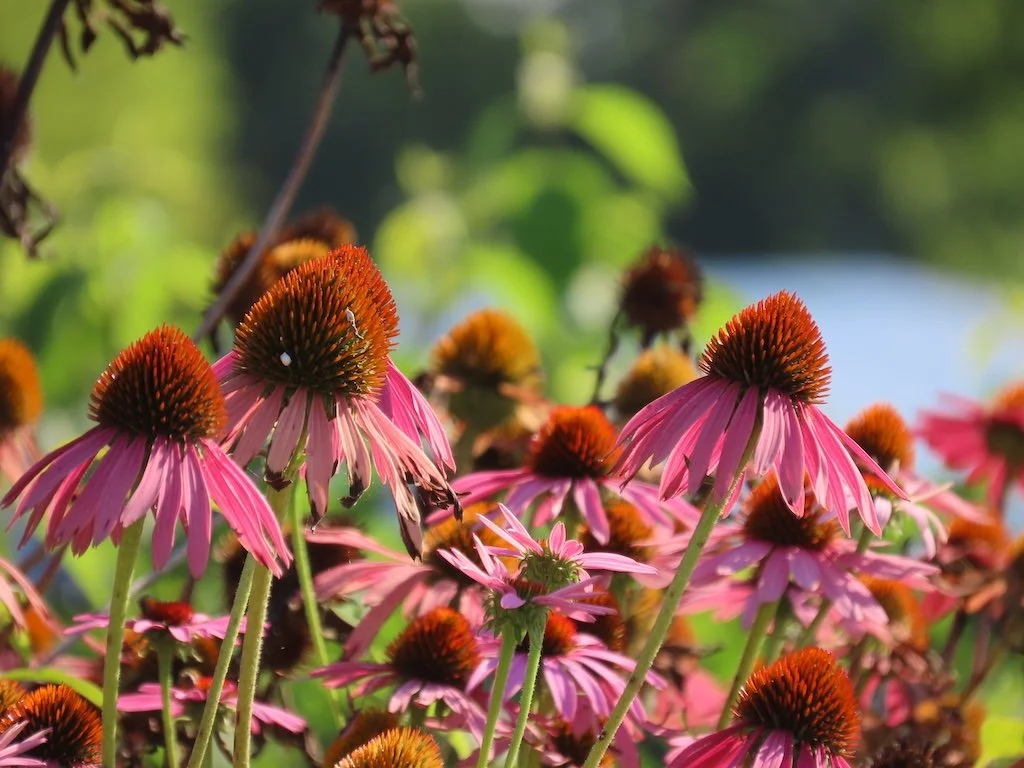
Now their petals are drying…the color fading.
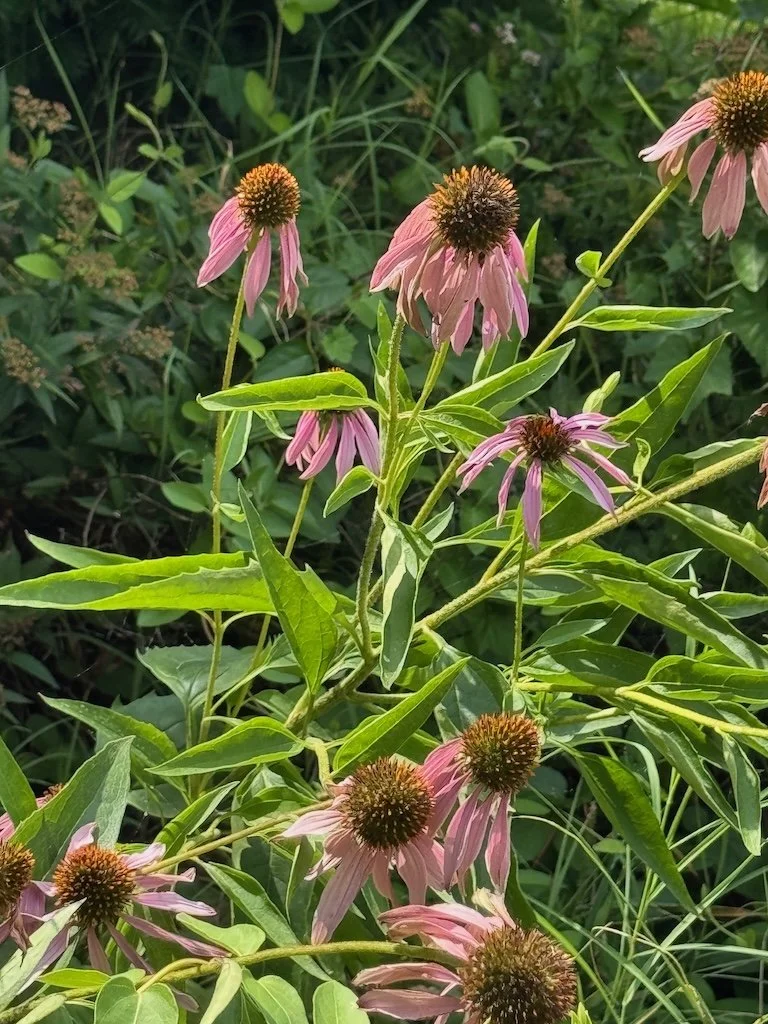
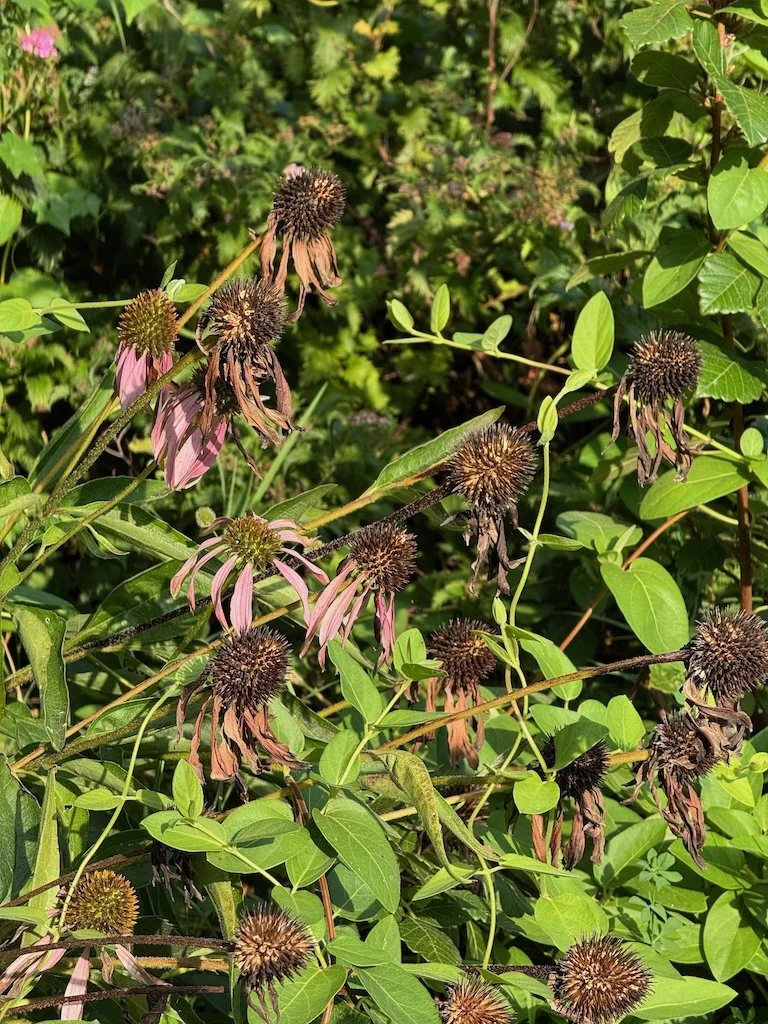
But there are the wonderful ‘cones’ of seeds for birds…and to make the planting denser next season.
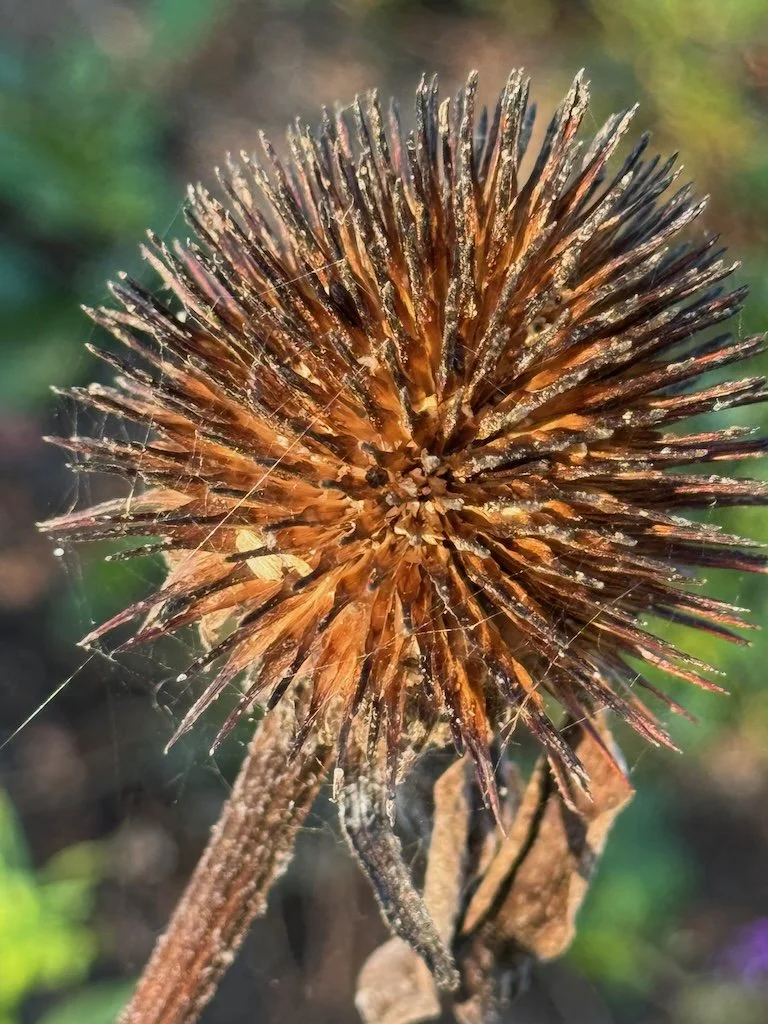
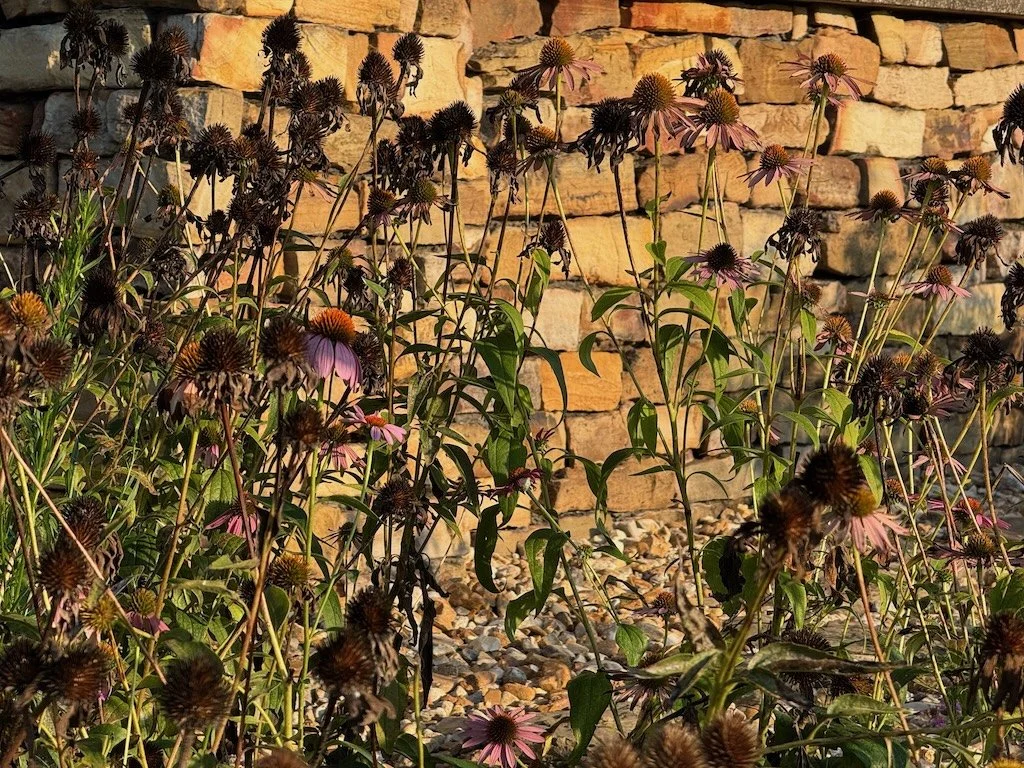
I have a group of cone flowers that are regulars in a backyard garden. I will cut some of stalks with seeds and stick them in the native plant garden in the front yard soon. Maybe the birds will eat some of the seeds…but they’ll drop enough of them to add to the garden plants next season!

Coneflowers do get tall, but so does the rattlesnake master and they would look good together - and maybe keep them all upright rather than falling over.
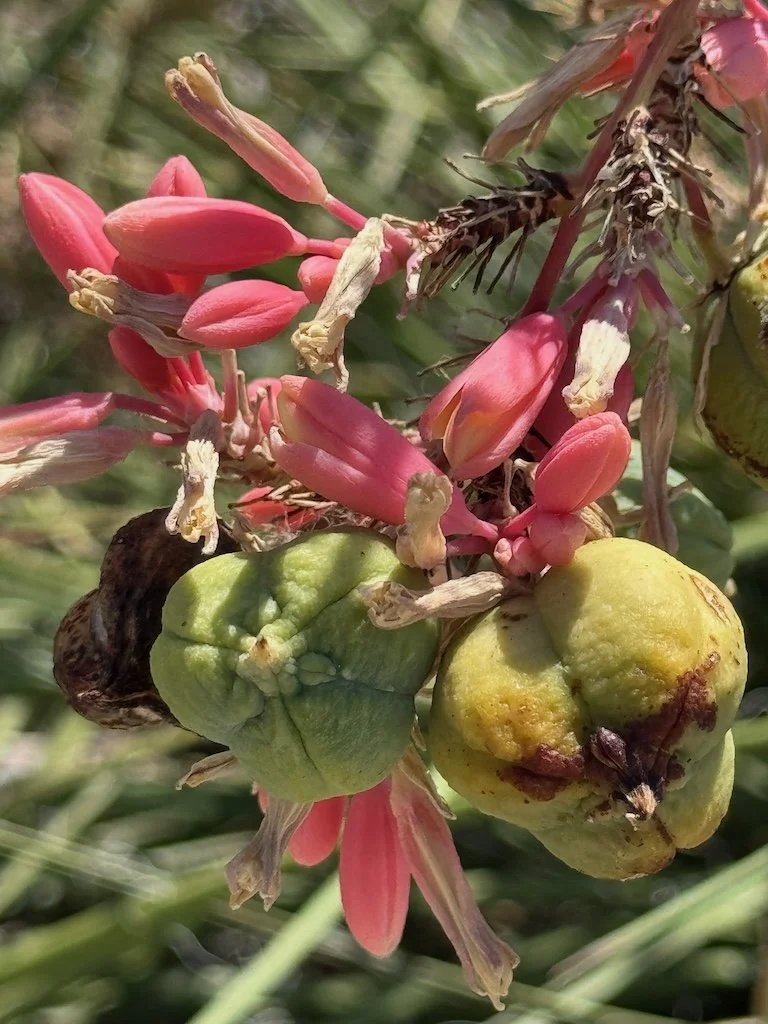
Rattlesnake Master as a Nectar Plant

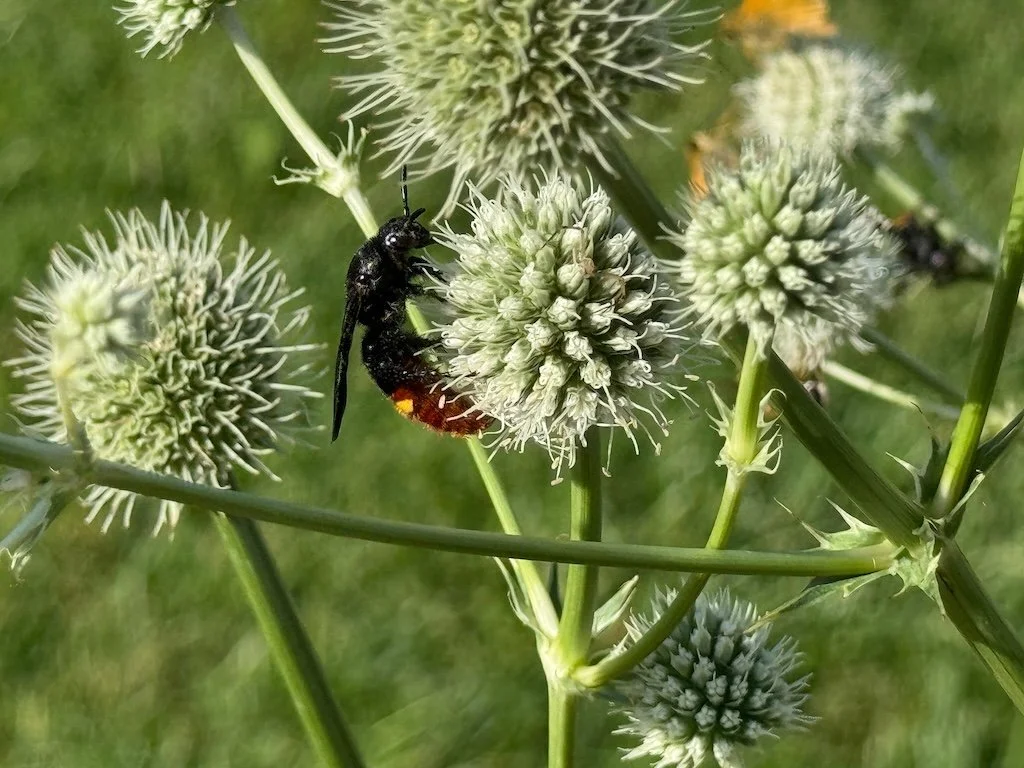
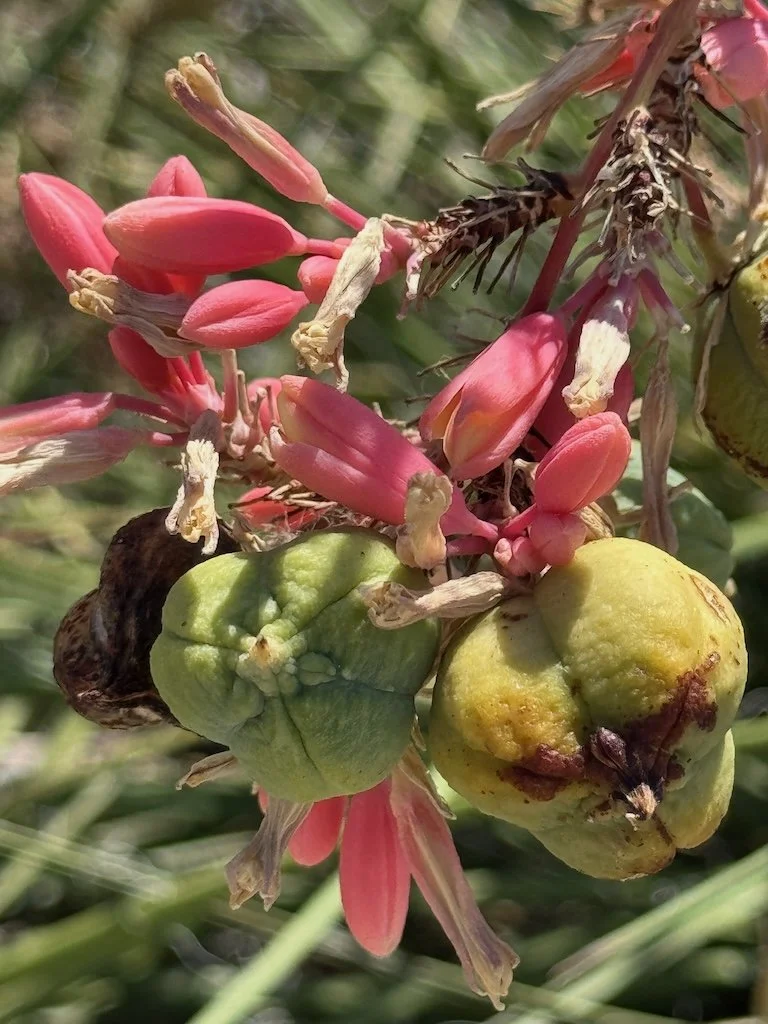
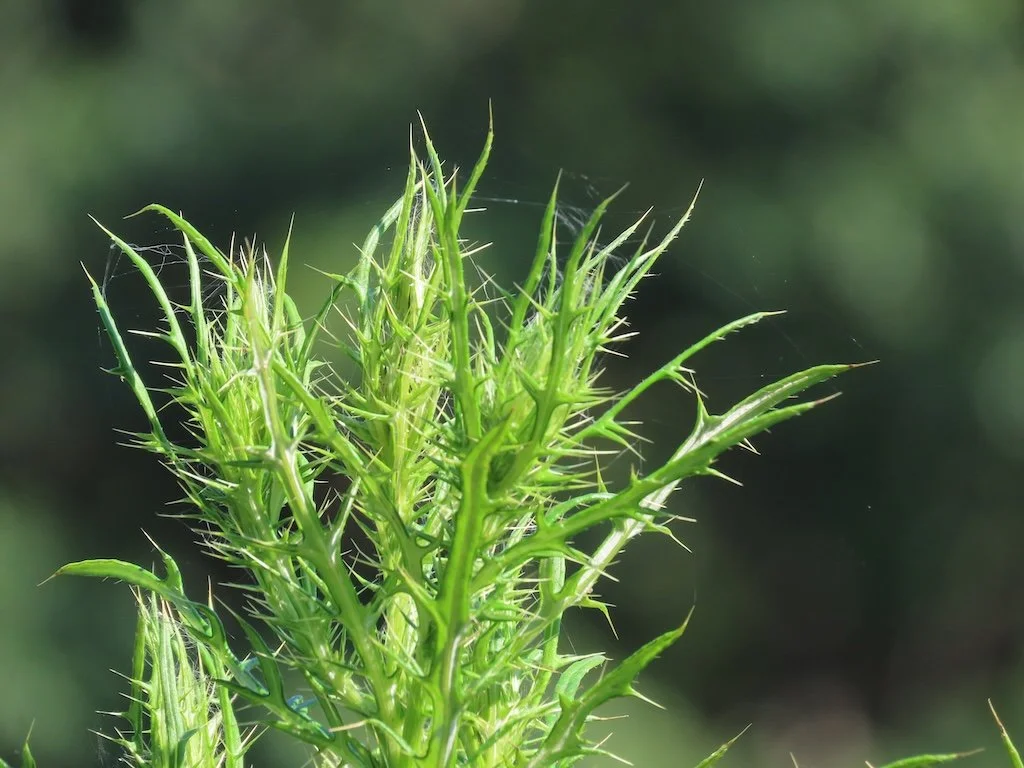
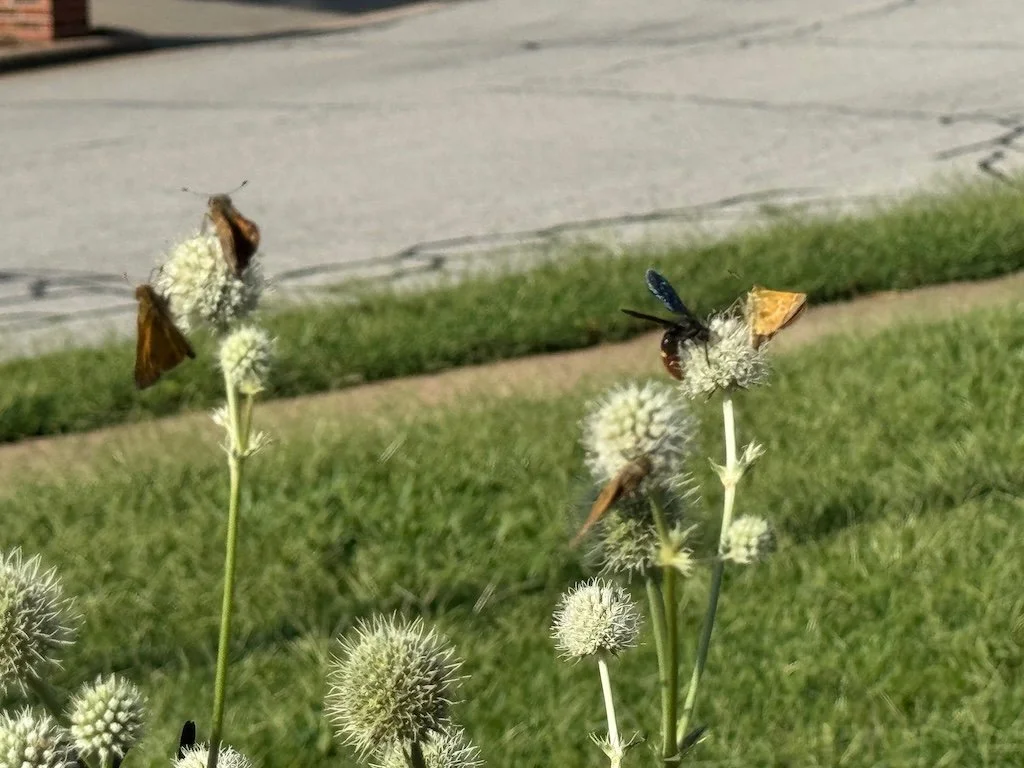
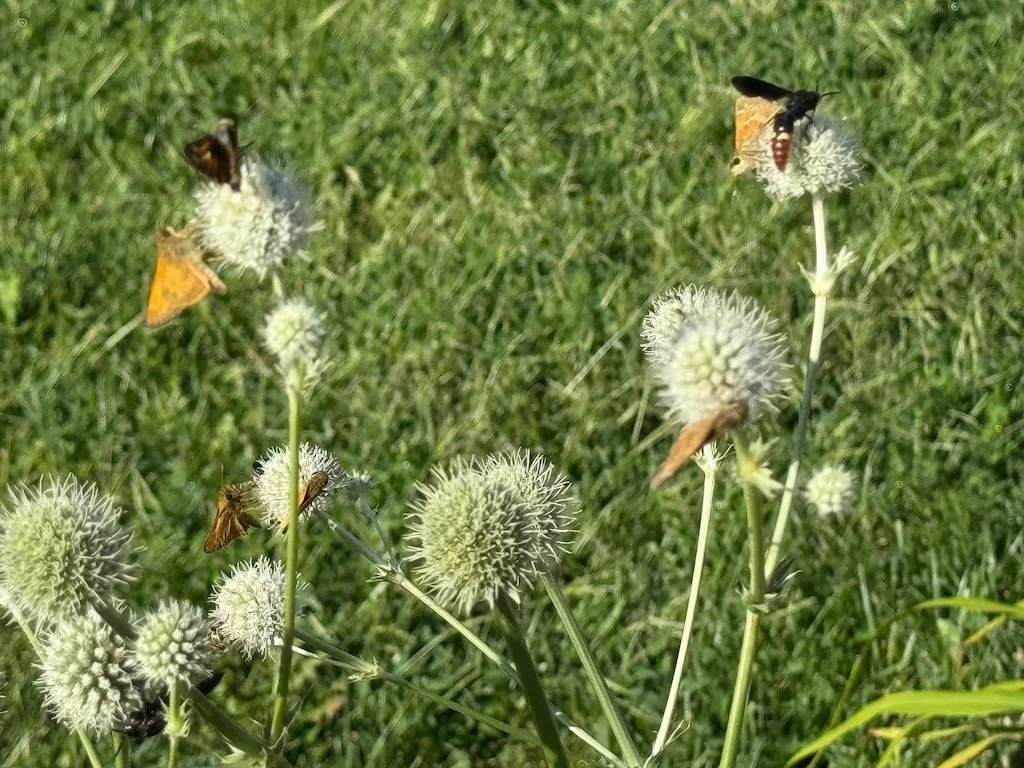
I hadn’t thought much about Rattlesnake Master being a plant for pollinators until I saw the insects on the plants! They were mostly skippers and scolia wasps. The plants look too prickly, but that doesn’t seem to deter the insects!

These are plants that were new last spring. The first bloom stalks tended to fall over because there were no other tall plants around to help support them. Now the stalks are in a clump and seem to stay upright. Next year there will be more stalks and it’s good to know that they will provide nectar for insects in the hottest part of the summer.

Rattlesnake Master is a prairie plant, and it is often planted for prairie restorations. It has certainly thrived during the first year of my native plant garden.

Missouri Evening Primrose Flower

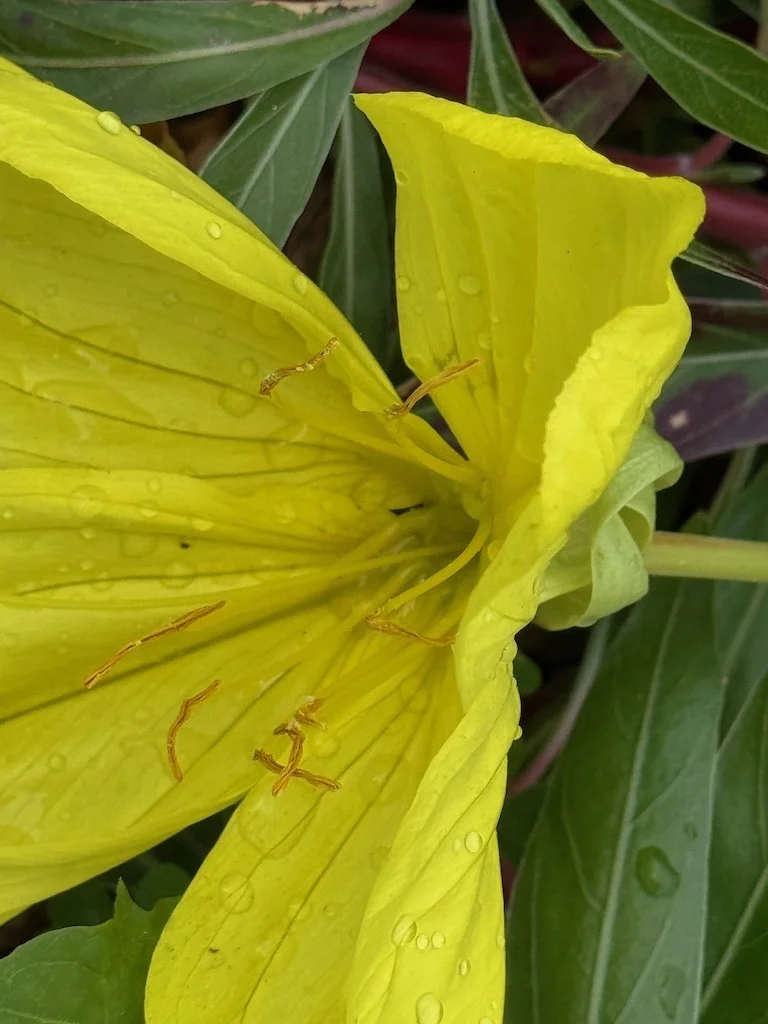
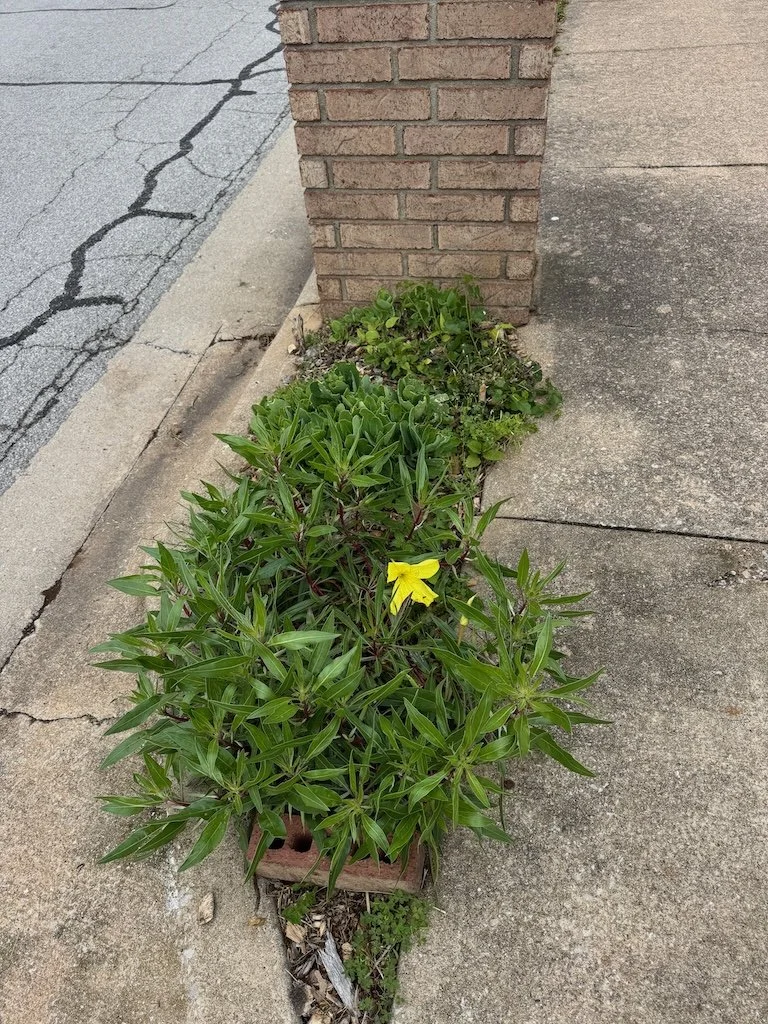
The Missouri Evening Primrose that I planted by my mailbox last year had its first bloom on May 5th. The plant is looking very robust, and I am hopefully it will bloom all summer long!

I have 6 new primrose plants that are in the new native plant garden in the middle of the front yard. They are very small this year. Maybe they will thrive and become the groundcover around the elderberries and wild indigos. I want something that grows robustly enough to crowd out other plants (non-native weeds particularly).