Gleanings of the Week Ending August 29, 2026

The items below were ‘the cream’ of the articles and websites I found this past week. Click on the light green text to look at the article.

08/15/2026 BBC  Future The controversial story of the North American raccoons wreaking havoc in Germany - One morning in April 1934, the records show, the animals were released from two crates to the south side of Lake Edersee near Vöhl, around 50km (30 miles) to the south-west of Kassel. This population grew and grew. Today, Kassel has been called the "raccoon capital of Europe", with an estimated urban population of around 30,000 of the animals.    

08/21/2026 Smithsonian Magazine An ‘Extremely Rare’ Half-Male, Half-Female Bird Temporarily Took Up Residence Outside of Chicago - An eye-catching bobolink with both male and female characteristics temporarily took up residence at a nature preserve just west of Chicago. The bobolink is what’s known as a “bilateral gynandromorph.” Because of a genetic anomaly, the right side of its body is male while the left side is female, with a straight vertical line dividing the two halves. It’s believed to be the first documented gynandromorphic bobolink. The bird behaved like a male, eventually wooing a mate and raising fledglings.

08/21/2026 Science Daily Archaeologists discover mysterious 400-year-old Indigenous pot in Florida - The pot was compact enough to fit in a palm, with a simple rim, a smooth dull gray surface, and no decoration. Its original purpose is unknown, as is the number of people who may have used it. What archaeologists do know is that the vessel survived for centuries underground

08/21/2026 Artnet Why Louis Comfort Tiffany Still Dazzles Collectors - Louis Comfort Tiffany‘s lamps are coveted and his stained glass is celebrated, but the artist behind the famous brand has remained stubbornly in the shadows. Two new exhibitions aim to throw the spotlight on his full talents.

08/21/2026 Clean Technica Sunrun Shifts Away from Affiliates to Direct Sales - Sunrun has been the #1 rooftop solar power installed in the United States for several years now.Sunrun installed 19,793 subscriber systems in the second quarter of this year, which is an amazingly high number. However, the bad news is that this was down 31% from Q2 2025. Yikes. On the plus side, the company had a higher percentage of its solar power systems get energy storage add-ons than ever before — a whopping 74%. That’s up from 70% in Q2 2025. Sunrun has surpassed 266,000 total storage systems installed, accounting for 4.6 GWh of capacity. That includes the 332 MWh installed last quarter.

08/19/2026 NASA Elephant Butte Reservoir Runs Low - Elephant Butte Reservoir, the largest reservoir in New Mexico, is at its lowest level since 1971. My husband and I took a birding field trip in a boat on the reservoir in November 2016; they told us it was low then…and I wonder what has happened to the birds (pelicans, grebes, coots, and cormorants) that won’t find much water when they return to the area this fall.

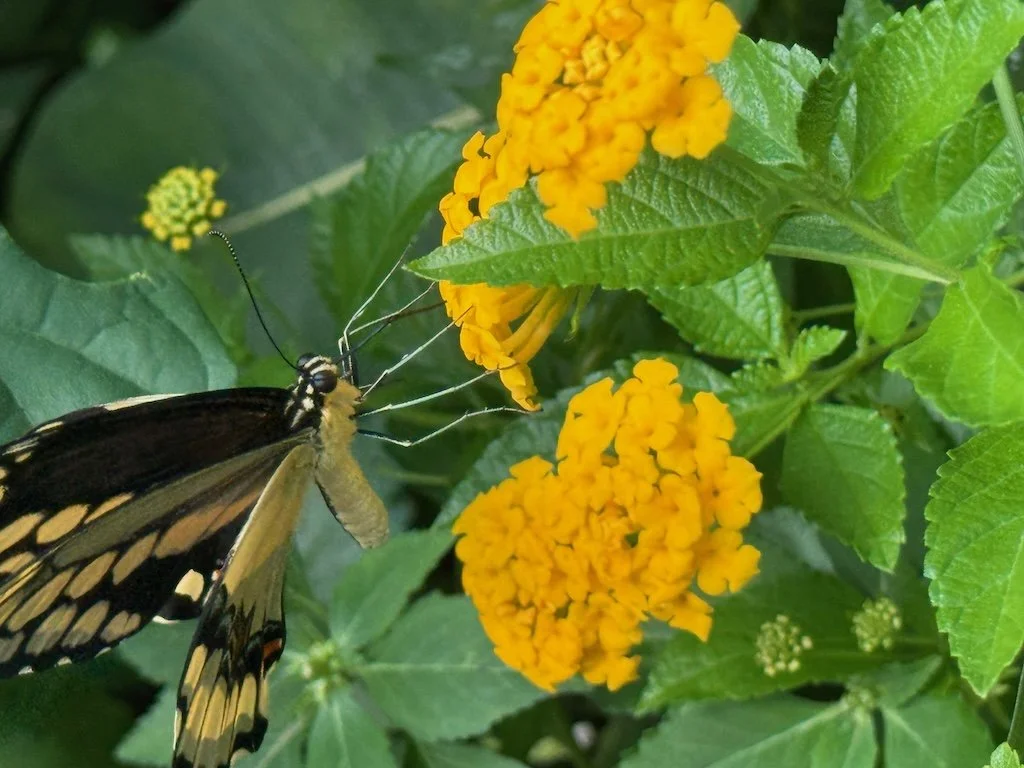
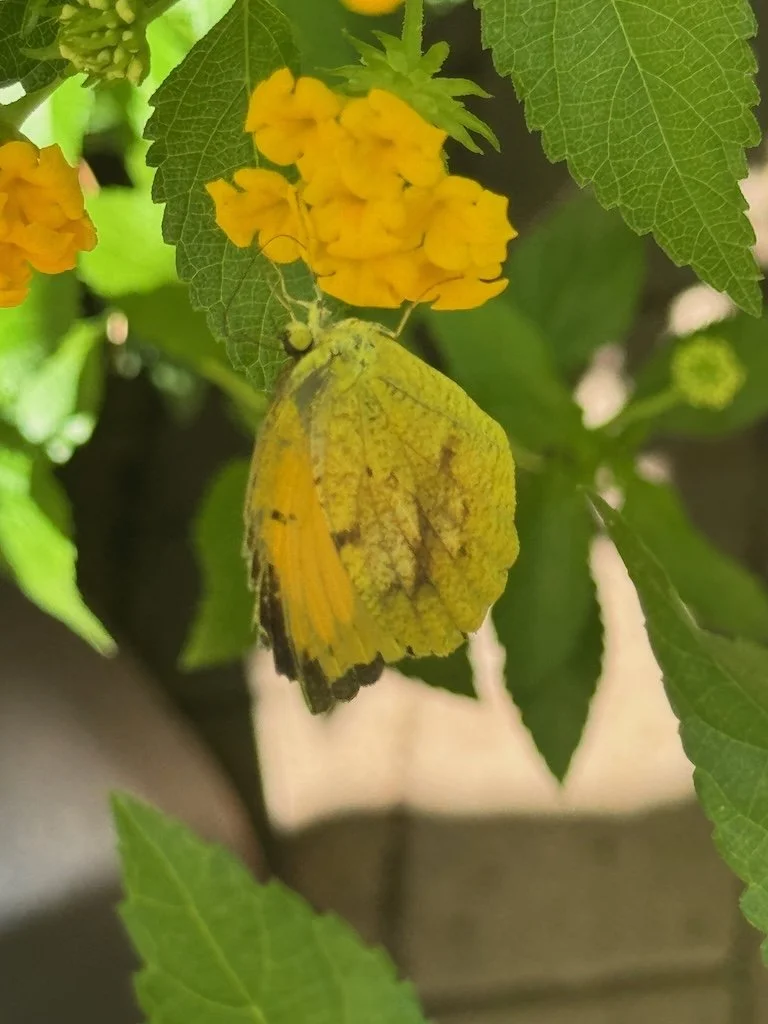
08/19/2026 The Prairie Ecologist The Notorious (and other) Visitors to Our New Prairie Garden – Lots to photograph in a native plant garden!

08/19/2026 Planetizen To guarantee residents fresh water, Tijuana looks to the sea - The project is expected to produce 2,200 liters of fresh water per second — about 190,000 cubic meters a day — and increase available freshwater in the region by 45%. Construction is set to begin on Aug. 18, one day after signing the contract but nearly three weeks after the project's intended start date of Aug. 1.  It is expected to be complete in 2029.

08/18/2026 Yale Environment 360 Collapse of Atlantic Currents Could Drive a Surge in Warming - A vast system of Atlantic currents appears to be weakening, and scientists say its collapse could lead to dramatic cooling in northern Europe. A new study suggests an additional risk: a surge in warming across the rest of the globe.

08/21/2026 BBC Future India is turning to ancient water systems as modern ones run dry - In recent years, India is increasingly looking to revive ancient water structures as a way to help address the country's looming water crisis. Baoris, or ancient stepwells – large scale tiers of carved stone with steps that descend into the water table, allowing access to groundwater – are the most striking. Thousands of disused subterranean stepwells, built from the 7th to the mid-19th Centuries, famously dot India's landscape. From New Delhi to Jodphur, dozens have been restored in recent years. Open traditional structures like stepwells do not escape evaporation completely, but by helping to move water beyond reach of the Sun into aquifers they allow it to stay both cool and reachable by any well or handpump nearby.
Gleanings of the Week Ending July 5, 2025

The items below were ‘the cream’ of the articles and websites I found this past week. Click on the light green text to look at the article.

See the Face of a 10,500-Year-Old Woman, Reconstructed by Archaeologists and Artists – Based on well-preserved ancient DNA.

Rare, Mind-Bending M.C. Escher Works Are Up for Auction - Escher was a skilled artist who seamlessly bridged the worlds of art, mathematics, and science in the mid-20th century. Today, his influence remains as important as ever, with a fascinating body of work that continues to mesmerize and inspire minds across the world.

As Wind and Solar Grow, China Ships More Coal Overseas - Analysts say the era of “more renewables, more coal” in China is over, with solar and wind now set to displace coal, rather than supplement it. Even under conservative assumptions coal generation in China could soon peak and enter structural decline.

Work, wages and apprenticeships: sifting for clues about the lives of girls in ancient Egypt - Elephantine, a town at Egypt’s southern frontier near modern-day Aswan, provides a unique window into the urban life of some girls who worked in textile workshops during the ancient Egyptian Middle Kingdom, which dates approximately 2030–1650 BCE. Girls received payment for their labor. It also suggests a structured apprenticeship system where young girls (and boys) worked alongside experienced craftswomen. Historians must always look beyond elite contexts to incorporate diverse evidence types – administrative documents, archaeological remains, and artistic representations – to construct a more complete picture of ancient lives.

Earth’s Clouds on the Move - Clouds are common on Earth, but they are ephemeral and challenging to study. Remote sensing has helped scientists tremendously by enabling consistent, global tracking of the elusive features, even over inaccessible areas like the poles and open ocean. Two published studies: 1) Where storm clouds form has changed. The implications for the climate are significant: This has added a large amount of warming to the system. 2) The shift in storm clouds increased the amount of energy absorbed by the oceans by about 0.37 watts per square meter per decade—a substantial amount on a planetary scale. Big question: What has caused the reduction in reflective storm clouds and whether the trend will continue.

Sinkhole Exposes Remnants of Medieval English Hospital - Walls hidden just beneath the city streets that once belonged to the twelfth- or thirteenth-century St. Leonard’s Hospital. The institution was built just after the Norman conquest and replaced the earlier St. Peter’s Hospital, which was founded by the Anglo-Saxon King Aethelstan. It was a place for caring for the unwell, elderly, and the condemned, but also served as an orphanage, helped feed the poor, and provided meals for the prisoners in York Castle. The hospital was destroyed during the Reformation under the reign of Henry VIII.

Lightning Strikes the Arctic: What Will It Mean for the Far North - A warmer world is expected to bring more thunderstorms, especially at higher latitudes. Scientists are now reporting a dramatic surge in lightning in the Far North and are scrambling to parse how this could affect wildfires, the chemistry of the atmosphere, and Arctic ecosystems.

Scavenger Animals Are in Trouble, and That Could Spell Bad News for Human Health - Scavengers are in trouble—and their decline could be harmful to human health. Half of the 17 obligate scavenger species included in the study are considered “vulnerable” or “critically endangered” by the IUCN. When they are reduced in numbers or disappear, some smaller, occasional scavengers are proliferating. These creatures, such as rodents and feral dogs, tend to transmit diseases to humans.

How do sleep trackers work, and are they worth it? A sleep scientist breaks it down - Most modern sleep trackers do a decent job of estimating your total sleep each night. Some are more accurate for sleep staging, but this level of detail isn’t essential for improving the basics of your sleep. Focus on improving your healthy sleep strategies and pay attention to how you feel during the day.

Is an apple a day really good for your health? - Eating an apple a day is great– but only if that is part of a diet rich in various other plant-based foods, since that is a key driver of good health.

Gleanings of the Week Ending February 1, 2025

The items below were ‘the cream’ of the articles and websites I found this past week. Click on the light green text to look at the article.

Warmer, Greener Arctic Becoming a Source of Heat-Trapping Gas - Roughly half of the region is growing greener, but only 12% of those greener areas are actually taking up more carbon.

More Than 100 Died When the S.S. Valencia Wrecked in the ‘Graveyard of the Pacific’ - Not long before midnight on a night with poor visibility in 1906, the Valencia struck a rocky reef off the west coast of Vancouver Island. The captain ordered the ship run aground, but it caught on rocks less than 400 feet from shore….and sank over the next 40 hours. The rough seas made it difficult of lifeboats and many capsized. 136 people died, 37 survived. Weather, waves, swift currents and a shifting sandbar made the area particularly hazardous, even for experienced captains. Lessons learned from the wreck of the Valencia are its most lasting legacy.

Menopause research is globally underfunded. It’s time to change that - The overwhelming majority of studies in the field of ageing do not consider menopause…and yet half the population will experience it. The disruptive nature of menopause and its health impacts have been known perhaps for millennia and should have been a topic for health funders for a long time. It is never too late to start.

How To: Go Snow Day Birding (with Merlin) – A good idea for a snowy day (maybe not if the temp is in the teens or single digits though).

Fighting Forest Pests With AI: A Hemlock Success Story – Fighting the hemlock woolly adelgid…increasing the odds of saving some trees. It’s too late for the ones behind where I used to live in Maryland. They succumbed to the pest years ago.

Incredible Winners of the 2024 Ocean Art Underwater Photography Contest – I like the ones that are good documentation of a species…and art at the same time.

In the Northeast, 50% of adult ticks carry Lyme disease carrying bacteria – Not good for public health

Inca Tunnel System Identified Under Cuzco – More than a mile of tunnels that reflect the streets and walkways in the Inca capital.

Archaeologists in Pompeii Discover Private Spa Where Dozens of Guests Bathed in Luxury 2,000 Years Ago – Found in a lavish home…big enough to host 30 people. Three rooms: calidarium (hot water), tepidarium (rub oil on skin and immerse in warm water), and apodyteriaum (changing room with mosaic floor). The spa was connected to a banquet room decorated with elaborate frescoes depicting characters from the Trojan war.

New study identifies how blood vessel dysfunction can worsen chronic disease - Specialized cells surrounding small blood vessels, known as perivascular cells, contribute to blood vessel dysfunction in aging, chronic diseases such as cancer, diabetes and fibrosis.

Gleanings of the Week Ending October 12, 2024

The items below were ‘the cream’ of the articles and websites I found this past week. Click on the light green text to look at the article.

Who Was Buried in Spain’s Megalithic Necropolis of Panoría? - More women than men were buried in Panoria, where human remains were interred in collective burials between 4,100 and 5,600 years ago.

On Navajo Lands, Ancient Ways Are Restoring the Parched Earth - Traditional rock and stick structures, similar to those used by Native peoples long before Europeans arrived on the continent, are not only delivering water to crops they are also restoring the watershed and those of neighbors, helping to sequester carbon, and reviving this high-desert ecosystem…. an opportunity to begin developing localized food economies.

Megadiverse flowering plant family on isolated islands – A high number of evolutionary events -- occurred in the aster family (daisies, sunflowers, and asters) within relatively short time periods on many islands worldwide.

Why is Mount Everest so big? New research highlights a rogue river – but deeper forces are at work - Everest is around 250m taller than the other great peaks of the Himalayas. It is also growing by about 2mm each year – roughly twice as fast as it has been growing on average over the long term. The Arun river’s course changed around 90,000 years ago, eroding away rock that was weighing Everest down – and the mountain has bounced up in response, by somewhere between 15 and 50m. However, the “fundamental cause” of the peak’s size is the tectonic processes that create mountains.

Researchers Grow an Extinct Plant From a 1,000-Year-Old Seed - Israeli researchers have grown the seed of a previously unknown species of flowering plant into a mature tree. In the late 1980s, archaeologists excavating caves in the northern Judean desert discovered a well-preserved but mysterious seed that had likely been carried there by animals. The seed could be dated to between 993 C.E. and 1202 C.E. and that it was a unique member of the commiphora family, a flowering plant known for its aromatic resins. Chemical analysis of the leaves shows an abundance of medical properties in the leaves, and its lack of fragrance matches descriptions of the tsori in the Bible.

Rare and Elusive Australian Bird, Once Thought Extinct for 100 Years, Discovered by Indigenous Rangers and Scientists – Night parrots are generally difficult to detect—a fact that has been long recorded in Indigenous culture. The elusive species creates tunnels and nests in dense spinifex bushes and emerges at night to forage for seeds.

5 things to know from this week’s big report on cannabis - A new report from the National Academies of Sciences, Engineering and Medicine finds the disconnect between the states and the federal government is leading to fragmented policies, and risks to the public. 5 takeaways:

  1. People consume cannabis more regularly than alcohol in the U.S.

  2. Weed and vapes can be super potent and that’s not always disclosed

  3. You can get psychoactive hemp products even in states where cannabis is illegal

  4. Research on cannabis is stifled

  5. Cannabis can be dangerous, but people hear more about its benefits than risks

Biodiversity Becoming a Top Priority - A survey of 300 landscape architects, designers, and landscape architecture educators in the U.S. found that 96 percent of landscape architects are familiar with the impacts of the biodiversity crisis. 45 percent have made biodiversity conservation a top priority of their practice and another 41 percent consider biodiversity as part of their organization’s environmental ethos.

Medical imaging breakthrough could transform cancer and arthritis diagnosis - A new hand-held scanner developed by University College London researchers can generate highly detailed 3D photoacoustic images in just seconds, paving the way for their use in a clinical setting for the first time and offering the potential for earlier disease diagnosis (cancer, cardiovascular disease, and arthritis). What a boon if this could become the new standard…avoiding waiting for an imaging appointment, having to sit still for a long time, and higher cost of current technology!

Incredible Winners of the 2024 Natural Landscape Photography Awards – Couldn’t resist this collection of beautiful images to finish off the gleanings for this week.

Gleanings of the Week Ending September 7, 2024

The items below were ‘the cream’ of the articles and websites I found this past week. Click on the light green text to look at the article.

Rare ‘Doomsday’ Oarfish Surfaces in California, Just the 20th Discovered in the State Since 1901 - Usually lives as far as 3,280 feet below the surface. Scientists conducted a necropsy, but they couldn’t discern a reason for the elusive fish’s death. Scientists aren’t totally sure why oarfish and other deep sea-dwelling creatures sometimes surface, but they suspect the animals may be disoriented, sick or injured.

Owl-Inspired “Bionic” Fan for EVs Reduces Fan Noise 50% While Improving Efficiency 10% - Making EVs even quieter!

Do you have knee pain from osteoarthritis? You might not need surgery. – Article written by researchers in Australia about the updated treatment guidelines for knee osteoarthritis that stress exercise, increasing physical activity, weight management, and pain medication (in moderation and not opioids). The links at the end of the article include an online exercise program specifically for knee osteoarthritis.

Frank Lloyd Wright’s Only Skyscraper Set to Close Amid Controversy – Price Tower in Bartlesville, Oklahoma. Built in 1956. Designated a National Historic Landmark in 2007.

Rebuilding the Genome of Woolly Mammoths - Typically, ancient DNA fragments yield short snippets of DNA and provide an incomplete picture of the genomic puzzle. However, the woolly mammoth skin sample showed promise. The team assembled the first 3D reconstruction of the woolly mammoth’s genome, which had 28 chromosomes; the order of genes was very similar to that of the Asian elephant. They discovered: the specimen was female; differences from modern elephants in the genes related to hair follicle development and, more broadly, hair maintenance; cooling and dehydration can preserve the molecules in their original locations.

Homelessness – From Our World in Data. Interesting…but frustrating too. I was glad that they emphasized when the data is not consistently collected…and the analysis gets very tricky.

Only One Country Is Making Progress on Electrifying Everything – Unfortunately it is not the US…it’s China. The country that electrifies most rapidly and builds the most renewables to power its electrified economy will be the most competitive economy globally.

As Arctic Thaws, New Evidence of Looming ‘Mercury Bomb’ - Scientists estimate that the amount of mercury in the atmosphere has grown sevenfold over the last 500 years, primarily from burning coal. Air currents are carrying airborne mercury toward the Arctic, where it is absorbed by plants, which then deposit the toxin in the soil. Over centuries, mercury has built up in the frozen ground, such that today, Arctic permafrost may hold more mercury than the atmosphere, the oceans, and every living organisms combined. As the region warms, melting permafrost could liberate this buried mercury.

Rare Fossils Give Clues to How Tardigrades Survived Mass Extinctions by Hitting the Snooze Button - Tardigrades are known for being some of the most resilient animals to exist, capable of surviving extreme temperatures, pressure, radiation and starvation—they can even withstand exposure to outer space. Only four known fossils of tardigrades have been found to date, and all of them are preserved in amber, or ancient tree resin; recently they were reanalyzed using confocal fluorescence microscopy. Cryptobiosis is the secret to tardigrades’ incredible resilience, and it appears to have evolved in two tardigrade linages (at least). In survival situations, these hardy creatures will expel the water from their bodies and suspend their metabolism almost completely allowing them to outlast unfavorable conditions of their environment.

Five ways the brain can age: 50,000 scans reveal possible patterns of damage - Results could lead to methods that detect the earliest stages of neurodegenerative disease. Dementia and its precursor, mild cognitive impairment, had links to three of the five patterns. Intriguingly, the researchers also found evidence that the patterns they identified could potentially be used to reveal the likelihood of more brain degeneration in the future. Other patterns were linked to conditions including Parkinson’s disease and Alzheimer’s disease, and one combination of three patterns was highly predictive of mortality.