Macro photography before hiking

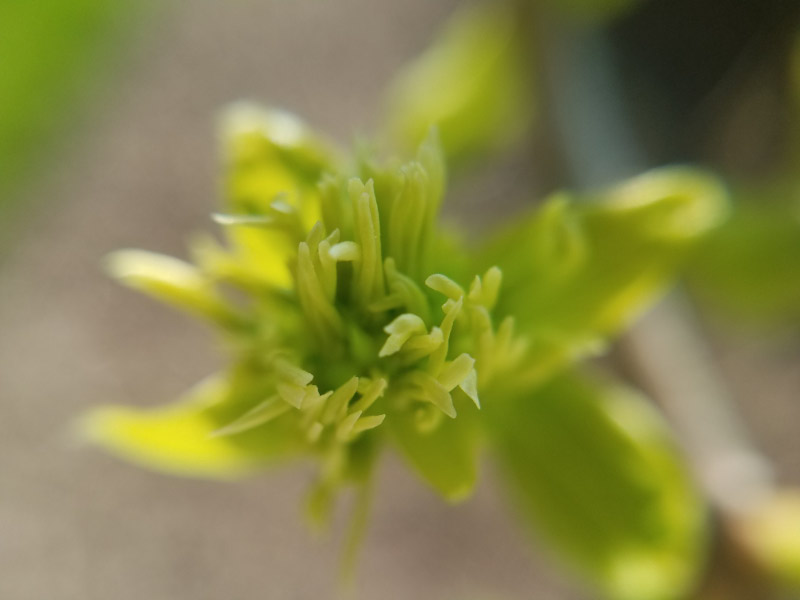
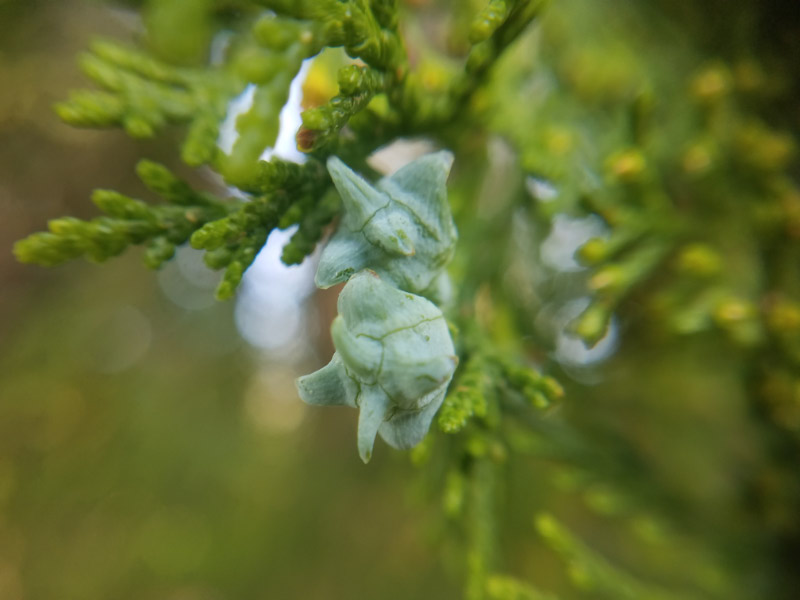
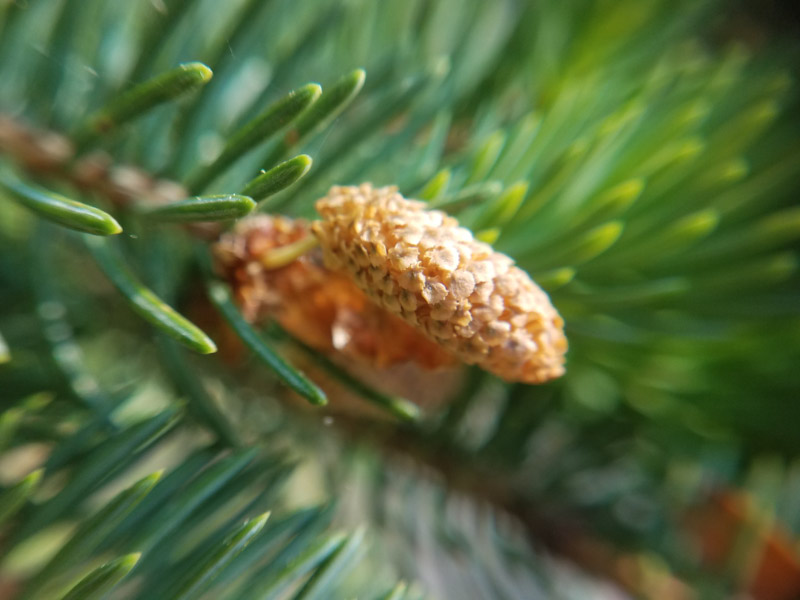
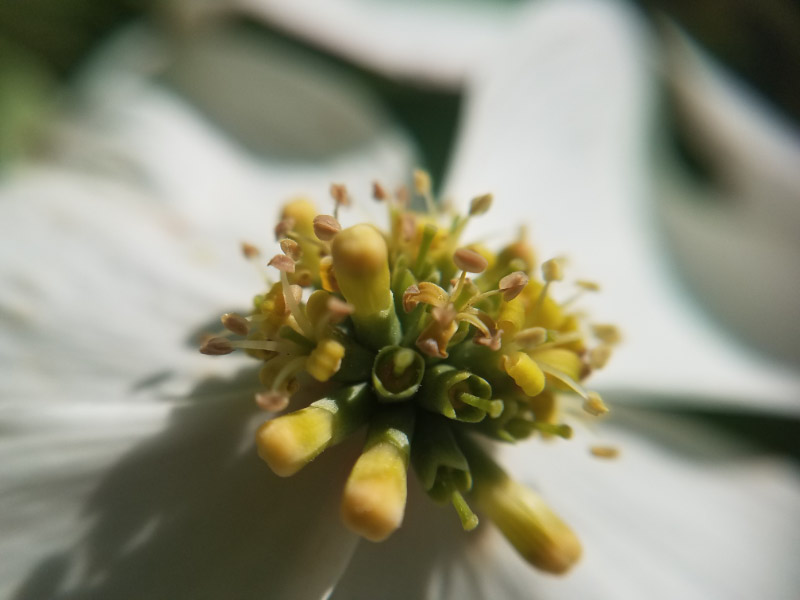
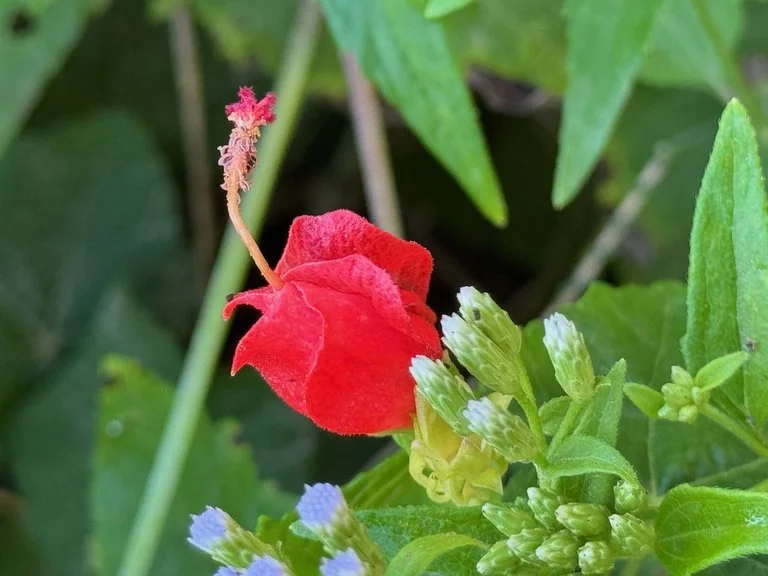
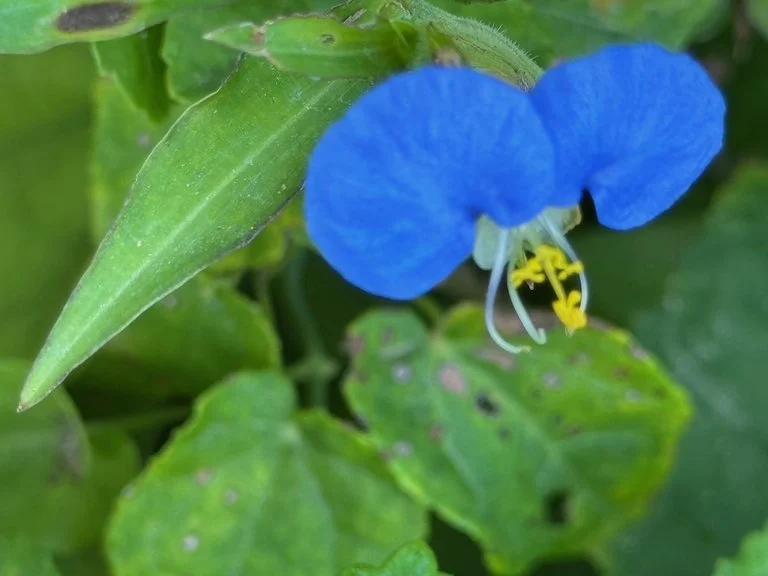
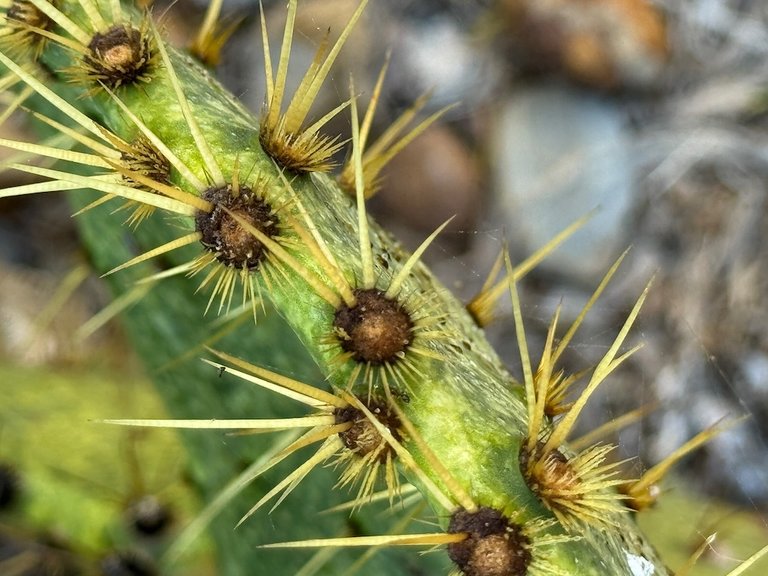
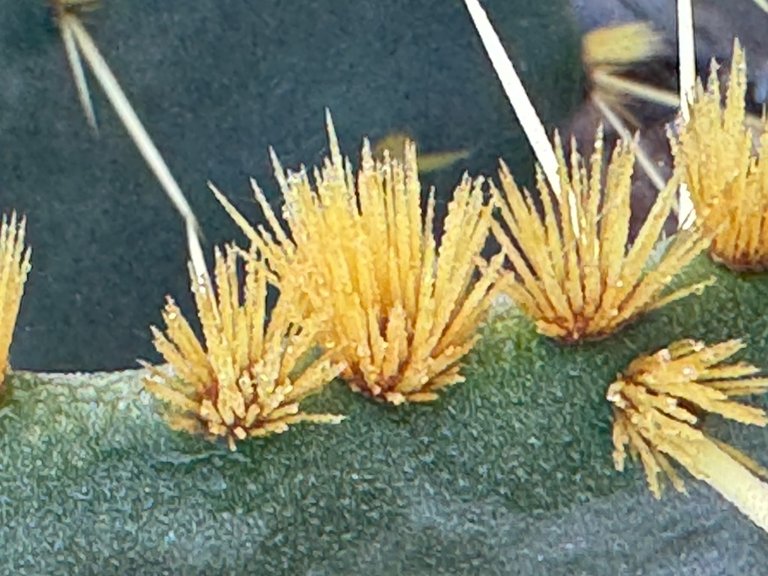
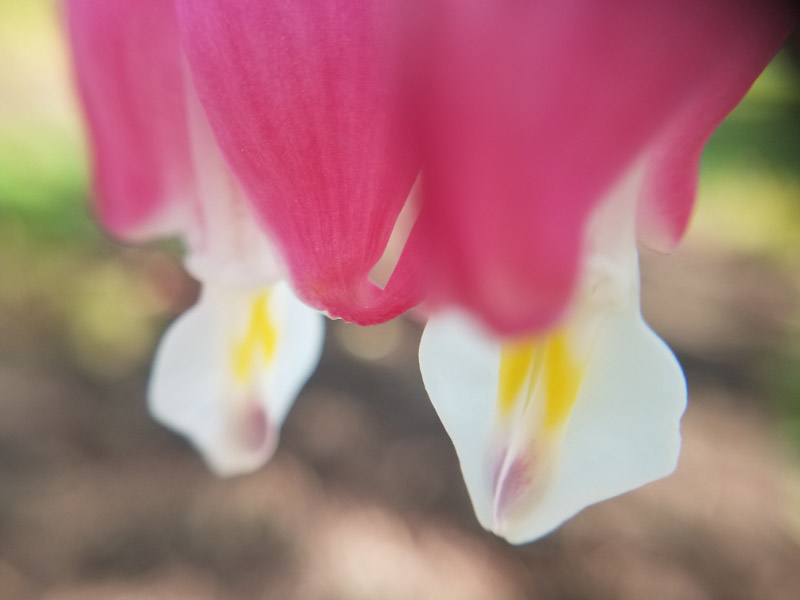
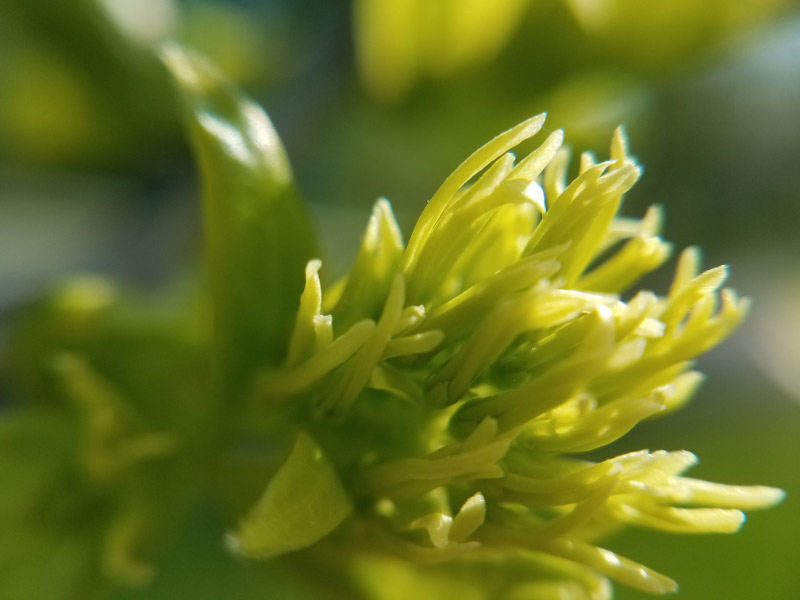
Last week I was at Howard County Conservancy’s Mt. Pleasant Farm for several field trips (kindergarteners and second graders). Before the field trips, I walked around the grounds and experimented with some more macro photography with my smartphone – using the same set up as I did at Brookside Gardens earlier (results from Brookside here).

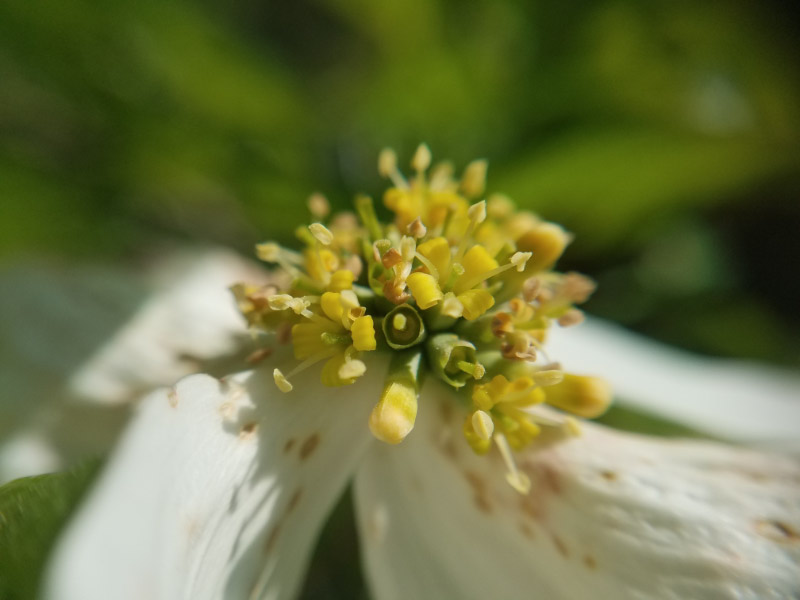
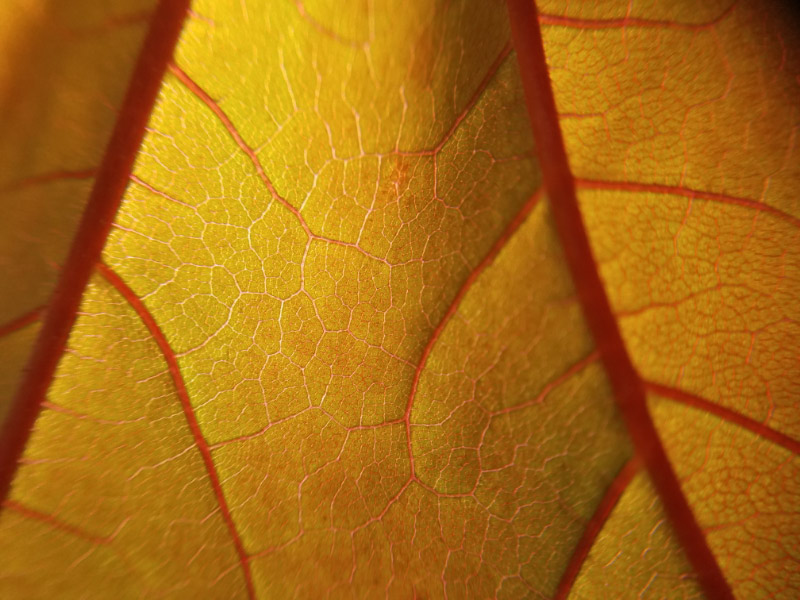
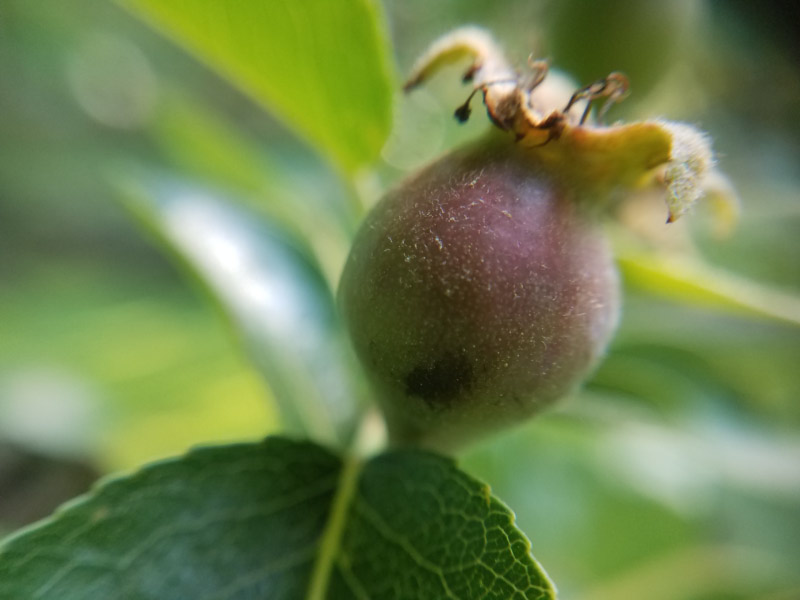
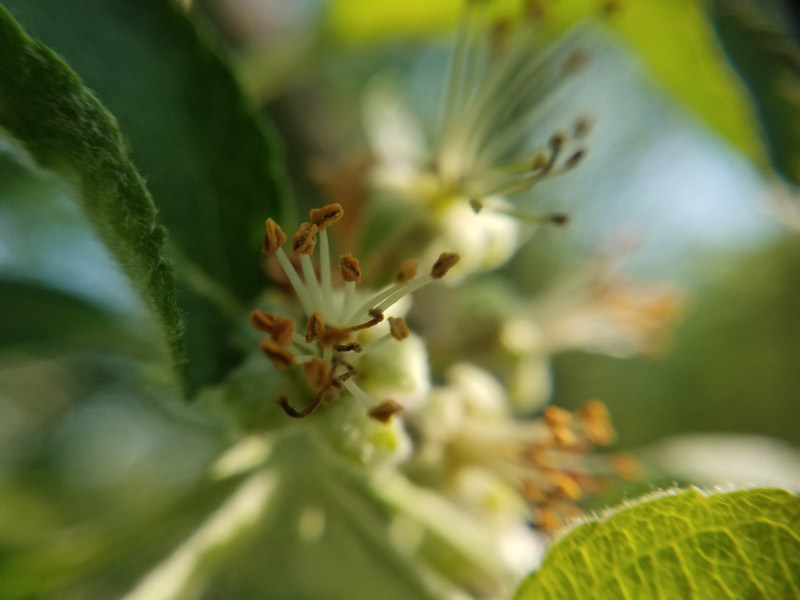
It is sometimes surprising how different something looks with the macro lens. The textures along with the small structures I wouldn’t see otherwise are what makes it so appealing to walk around taking pictures with the macro lens. My favorite in this group is the baby pear.
The highpoint of the hikes with the school groups happened during the kindergarten field trip. I had walked up to the front of the farm house with my first group of the day. We were talking about what might live in the big oak tree near the house. They answered squirrels and birds right away. I turned around to look at the tree – and noticed a black coil in a depression of the trunk about at the eye level of children! The sun was shining on it like a spotlight. I turned back to the children and told them that black rat snakes live in trees too – and there was one right on the trunk of tree (and I was glad we were not standing any closer than we were). The two parent chaperones took a step back. The children just watched as the snake started moving and crawled under the loose bark of the tree. What a fabulous drama to start a field trip!
Changes at the Grocery Store - a little history

When I first started doing my own grocery shopping back in the 1970s – the checkers still had to know the prices (no scanners), there was only one kind of bag and it was paper, and I paid cash or wrote a check.

Then the scanners came along and plastic bags although paper bags could be requested. At some point, paying for groceries with a credit card took over from checks. The credit card processing hand changed over the years…from the checker swiping it through a part of the register, to me swiping it through a device, and most recently, to me inserting the chip end of the card into the upgraded device. That finally step has eliminated the signature requirement.

I started using my own reusable bags about 8 years ago and now seldom get the plastic bags any more (and never from the grocery store). Sometimes my husband requests paper bags that we use for collecting paper to be recycled.

20180510_080457.jpg

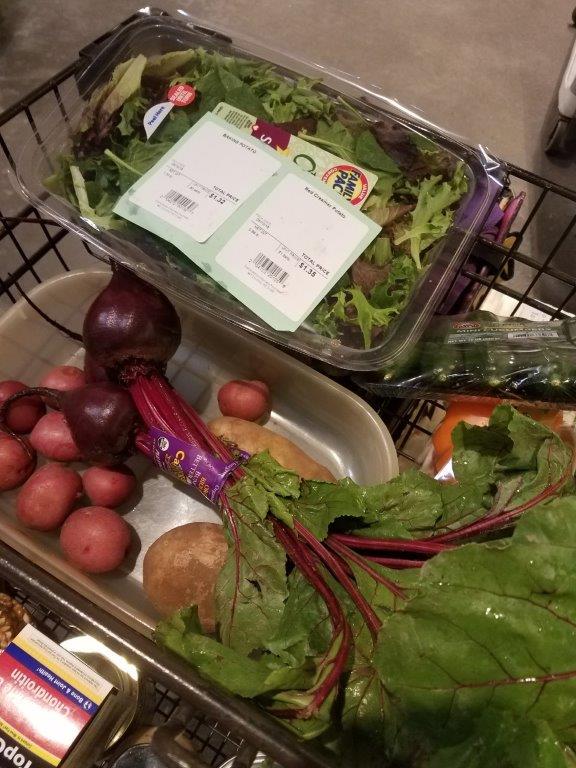
The last plastic bags I’ve eliminated are from the produce department; I’ve started taking a reusable plastic bin for those items – weighing them so the checker can easily scan the weight/price for those items. In a recent trip I eliminated 3 plastic bags; I always am pleased when I can take a simple action and reduce plastic use!

Of course, once the Community Supported Agriculture (CSA) season starts in June, my purchases from the grocery store produce department are dramatically reduced.

Blue Morpho Butterflies

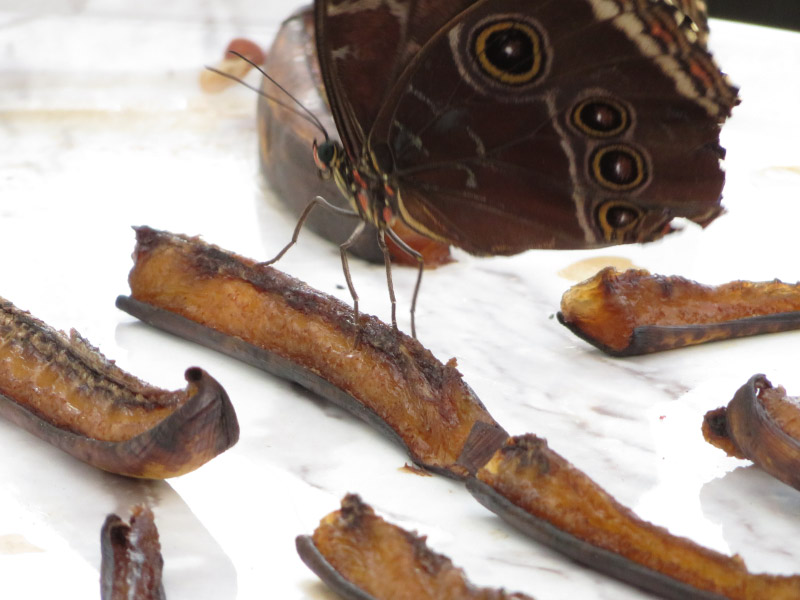
One of the most popular butterflies to photograph in Brookside Gardens’ Wings of Fancy  exhibit is the blue morpho. They flutter around within the conservatory. They feed on the rotten fruit.

2018 04 IMG_0284.jpg

The underside of their wings seems drab at first (and it is drab compared to the other side of the wing) but with magnification the pattern and colors are quite interesting. The palpi (the bristly structures that are between the eyes) have an orange stripe although the palpi seem to be easily broken off and there is orange along the outer edge of the wing. The eye spots are at least 3 colors.

2018 05 IMG_0328.jpg
2018 05 IMG_0552.jpg

They seem to like to look to the outside through the windows of the conservatory. Their wings are sometimes so battered that one can see the blue color where part of wing has broken away.

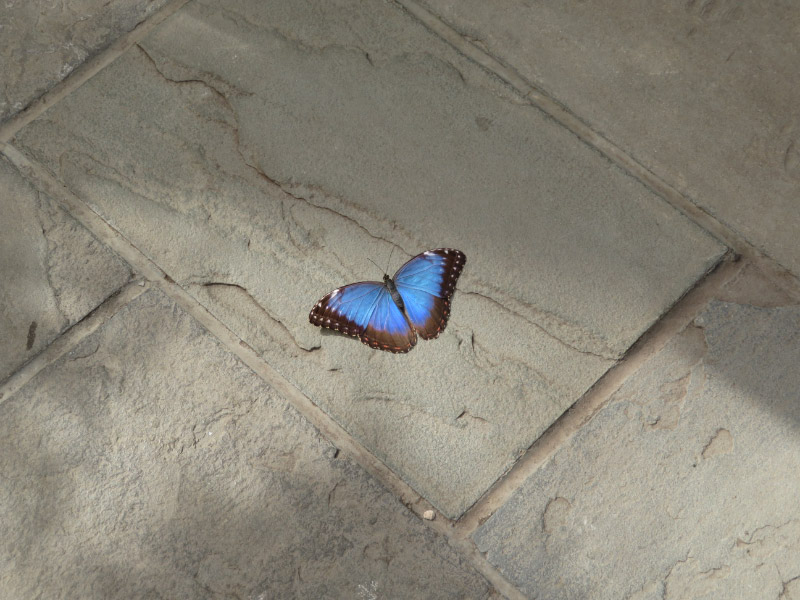
They sometimes like to rest on the floor – always a dangerous place for butterflies with people not always looking where they step. Most of the time they are resting with their wings closed.

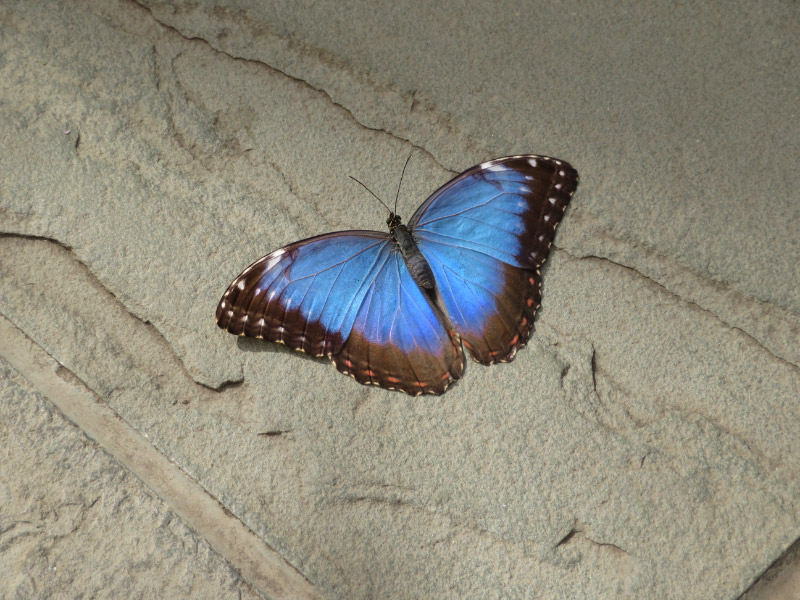
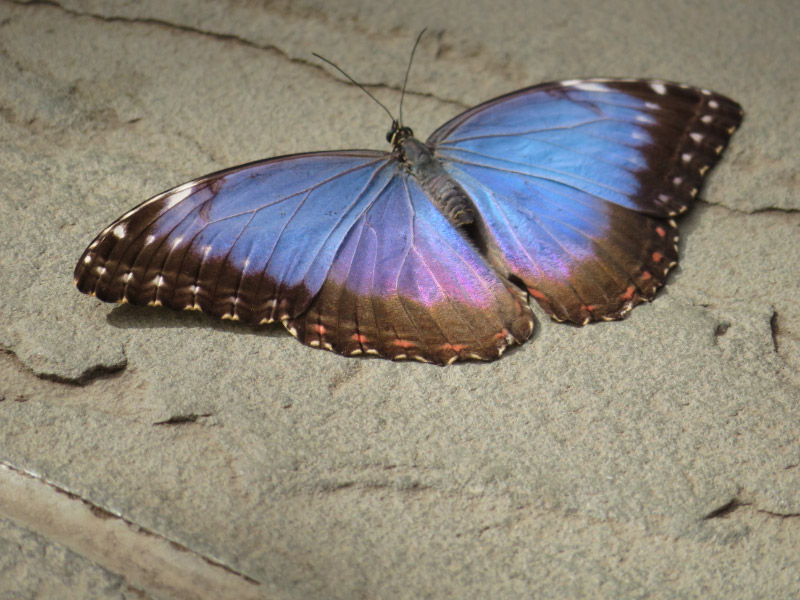
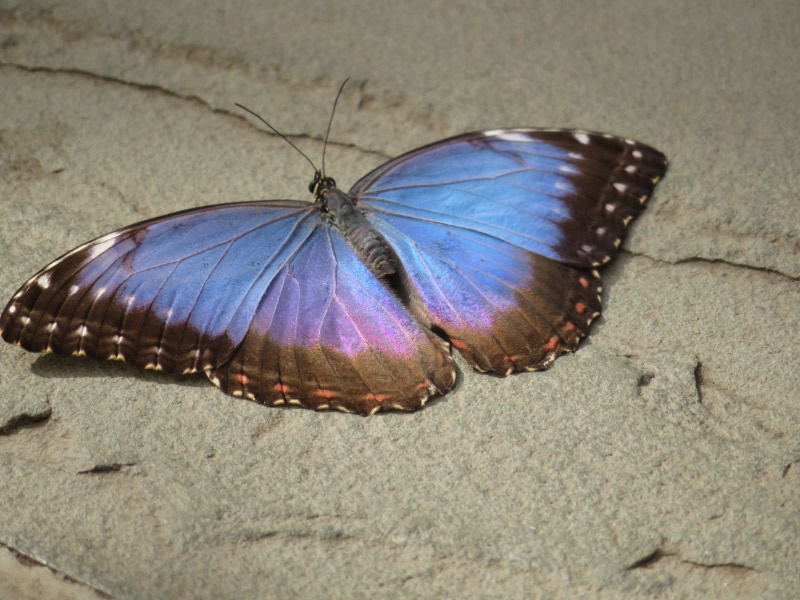
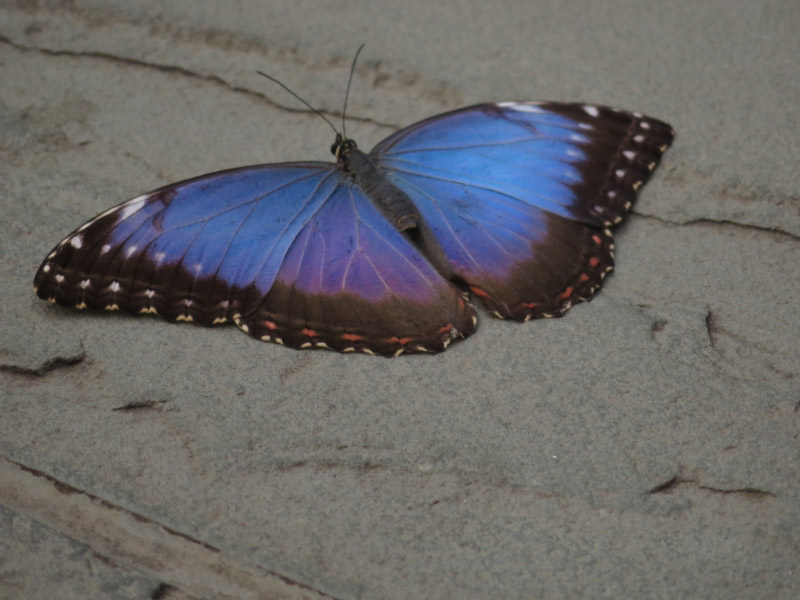
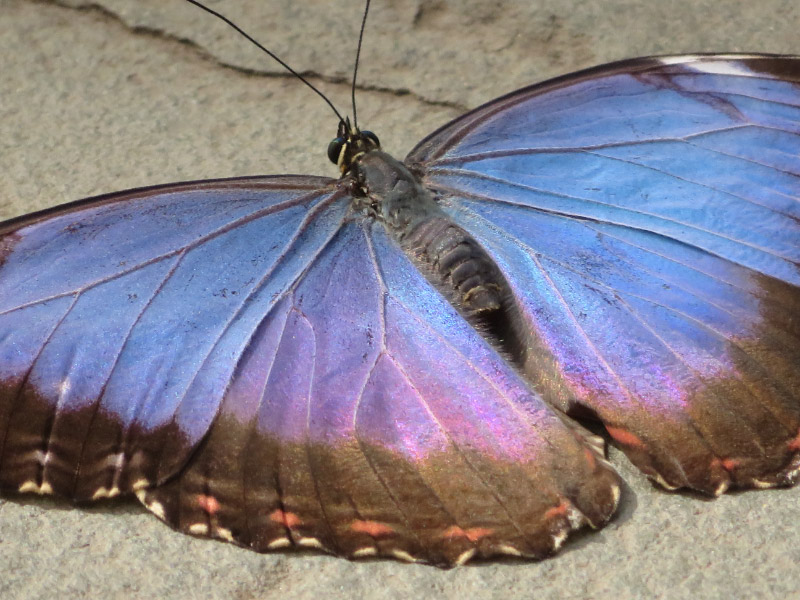
Then – the serendipity event happens – the blue morpho opens its wings and stays where it is long enough to be photographed! The color is made my physical means rather than pigment…and changes with the incidence of light. Do you see that sometimes the blue looks pink? This is the first time I was able to capture an image of the changeable color of the blue morpho.
Mourning Doves in the Spring

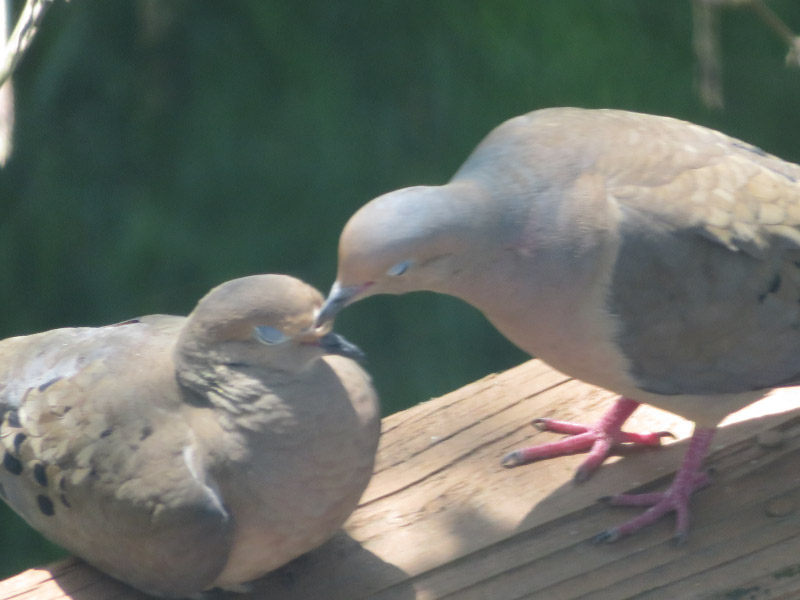
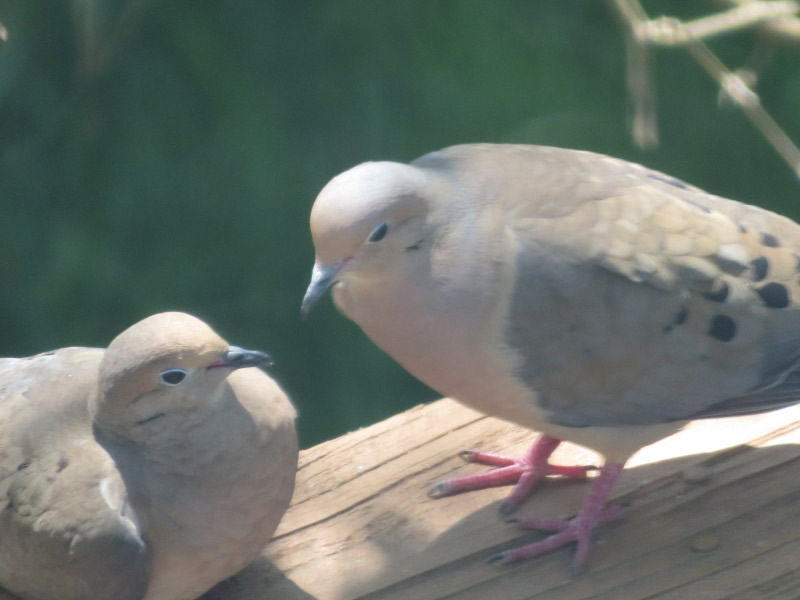
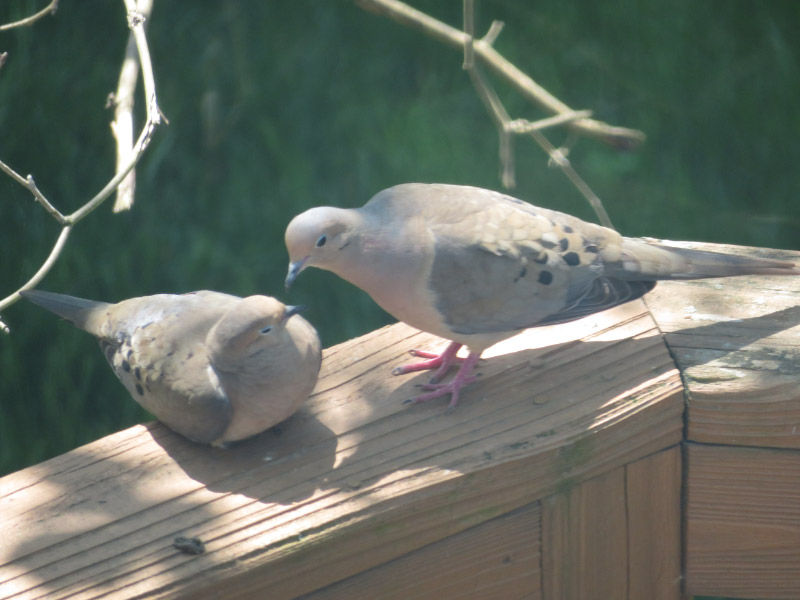
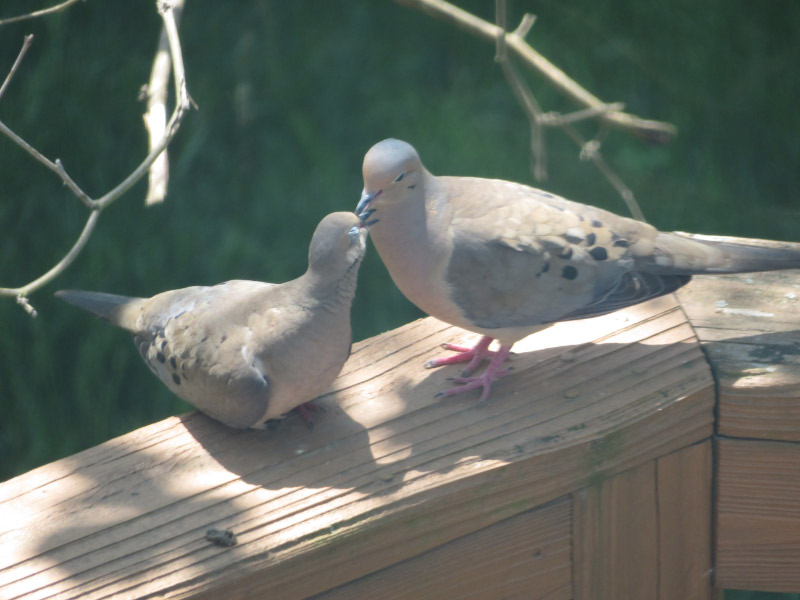
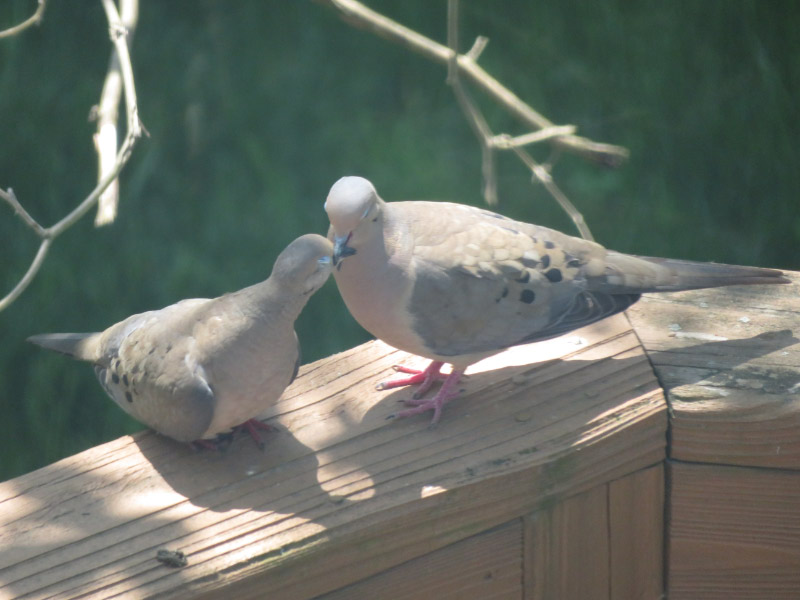
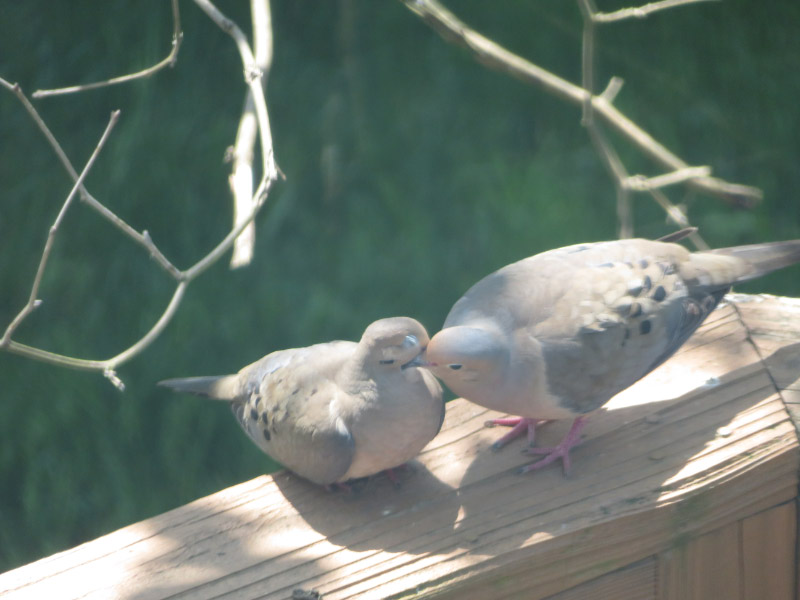
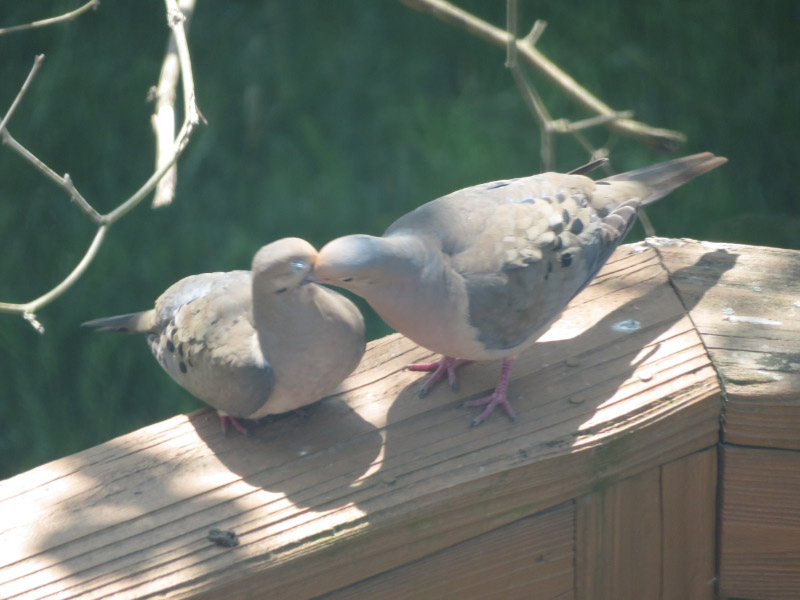
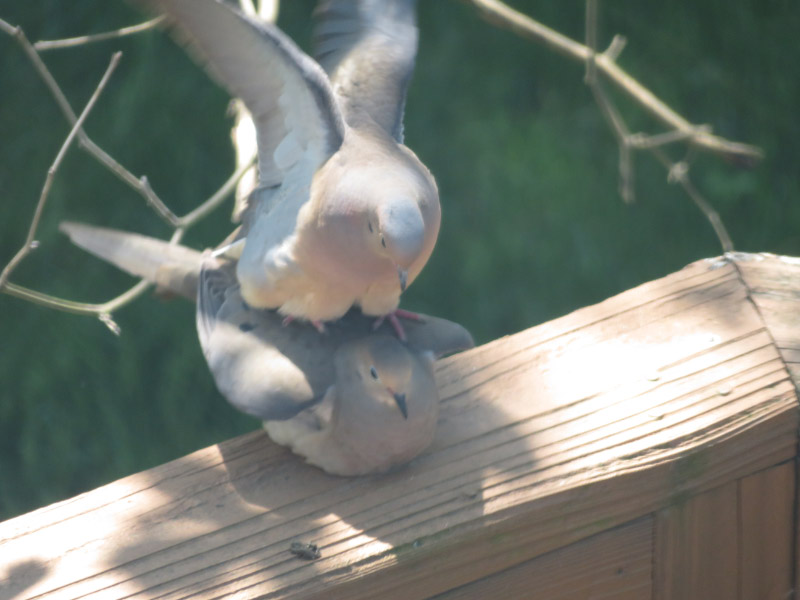
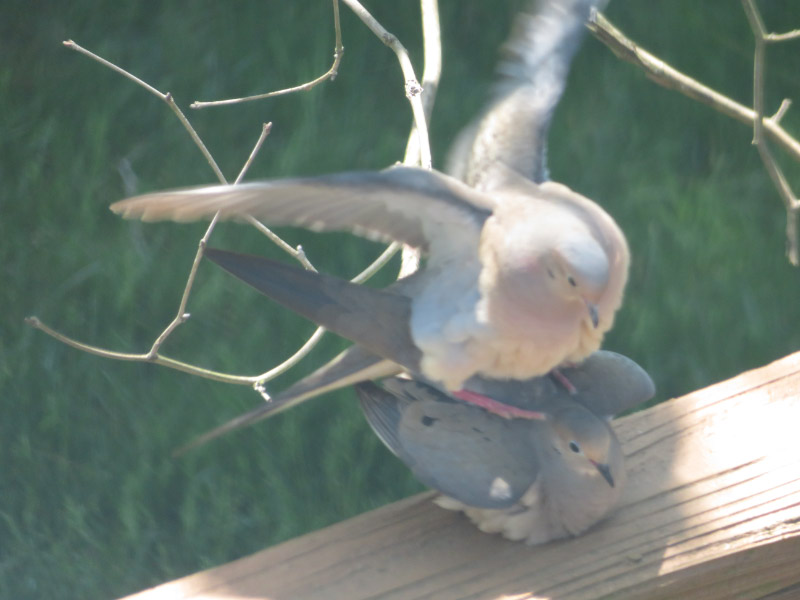
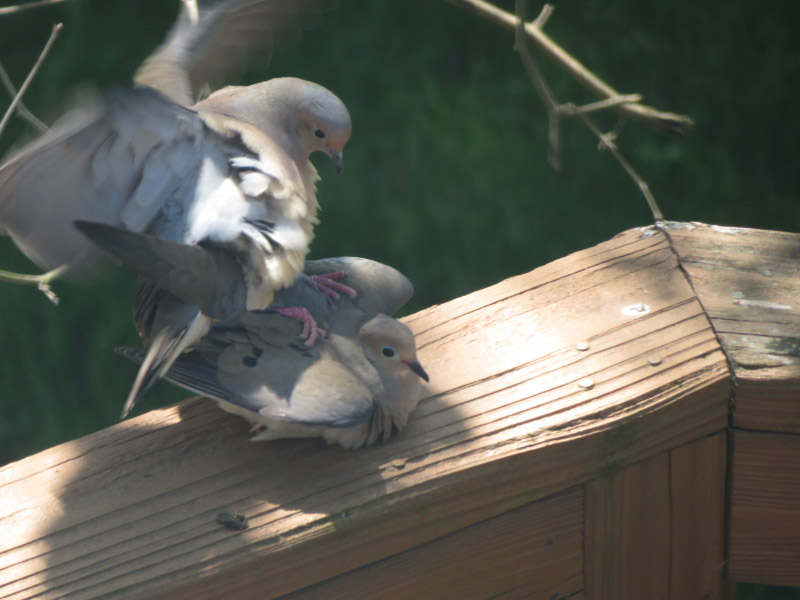
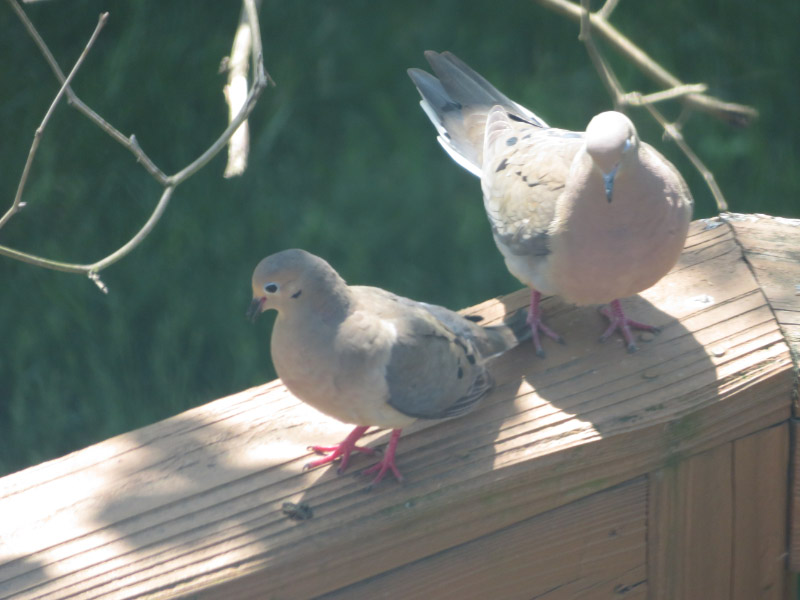
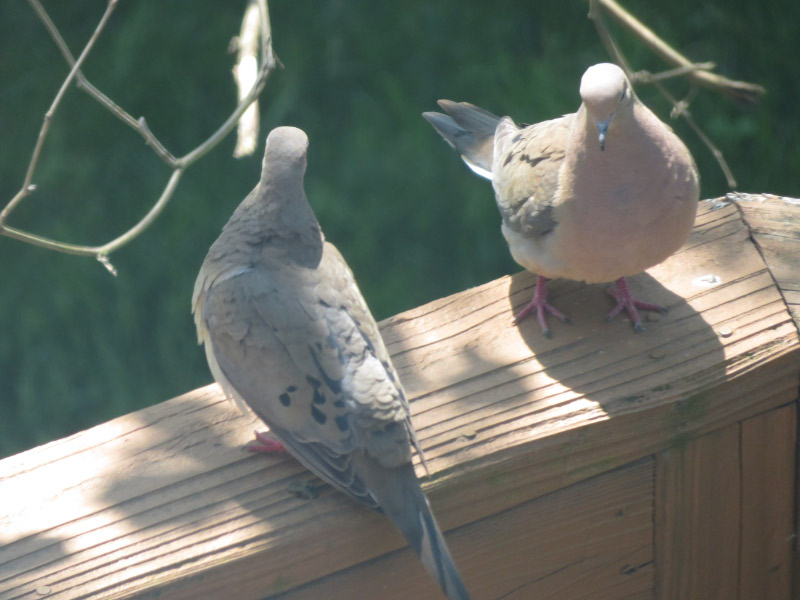
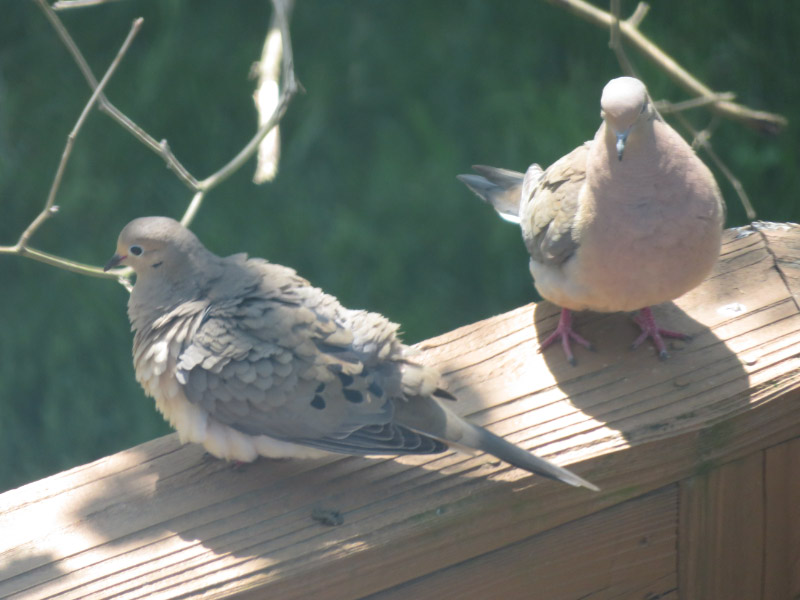
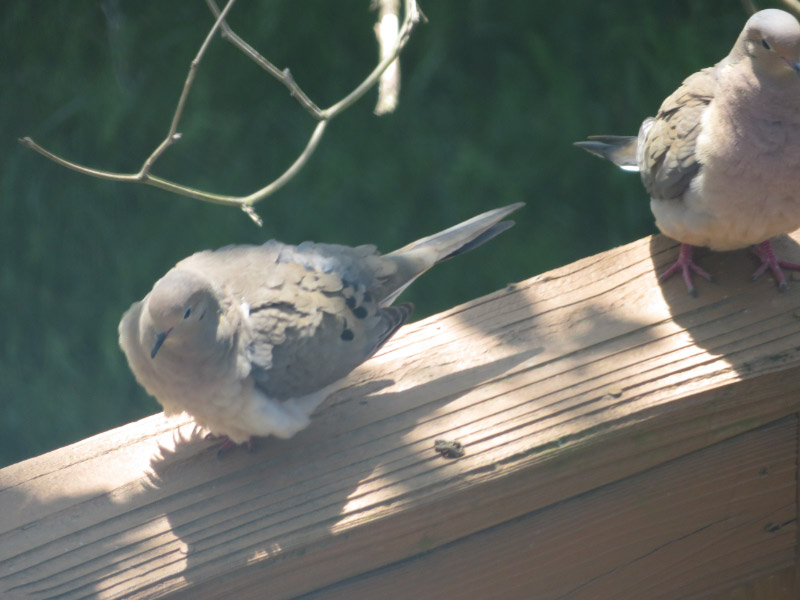
We have mourning doves that frequent our back deck all during the year but there seem to be more of them in the spring and summer. I love their gentle coo sounds. Sometimes they are a nuisance – building their nests in a gutter resulting in a clogged downspout in the next heavy rain.

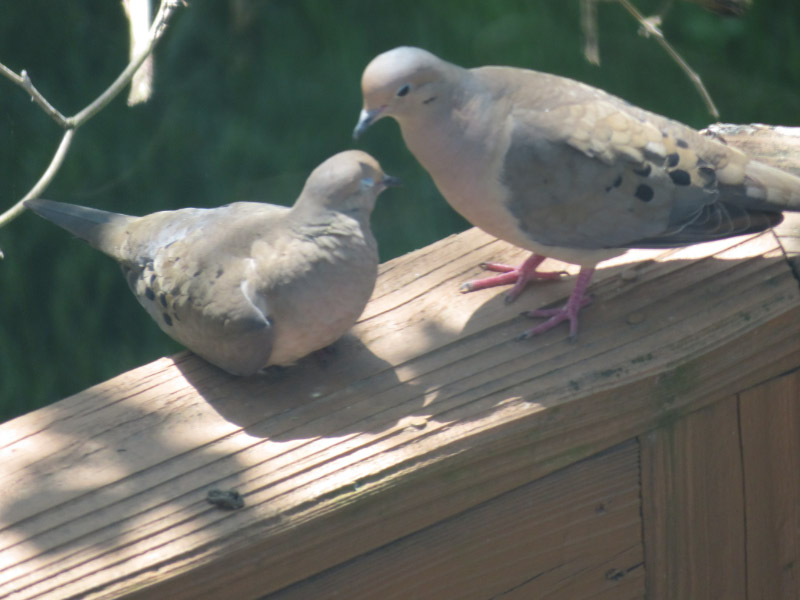
Back in 2016 it seemed like they were using our deck railing as a favorite courting/mating spot…and it’s happening again this year! I have been away from how so much recently that I was surprised to catch them in the act!

I wonder if the occasional red tailed and red shouldered hawks that we see are attracted to our area by the doves that seem so plentiful already (and are evidently prolific too).

Gleanings of the Week Ending May 12, 2018

The items below were ‘the cream’ of the articles and websites I found this past week. Click on the light green text to look at the article.

Why I Speak Up for Science – National Geographic – A short piece about the need for science in everyday life….why science is important for everyone.

From property damage to lost production: How natural disasters impact economics -- ScienceDaily – The economic impact is more than just a single point of property damage and lost production…there is a ripple effect that can increase the overall impact significantly over what insurance covers and it beomes a very complex problem to estimate.

European Union Bans All Outdoor Uses of Neonicotinoids - Yale E360 – Shouldn’t we in the US be at least this concerned about the health of bees and other pollinators? Why have we not done more to curtail the use of neonicotinoids?

Top 25 Urban Birds – National Geographic – Some birds are thriving in the cities of the world.

Common Eye Disorders Explained: Cataracts, Glaucoma, AMD | Berkeley Wellness – Prevention, signs and symptoms, treatment…well organized and easy to understand.

These daggers made from human bone were a deadly asset on the battlefield | Science | AAAS – They are from New Guinea….and decorated. Most of the time they were made from cassowary leg bones….but sometimes human thigh bones were used.

US gains in air quality are slowing down: New study indicates challenges of meeting ozone goals -- ScienceDaily – I live in an area that has an increasing number of ‘code red’ days (high ozone). This study indicates that emissions from cars and power plants are understood well enough…but not other sources and that is probably why the trend toward better air quality is slowing down.

BBC - Future - How prison changes people – Evidently the personality change that dominates is an inability to trust others….but there are other common changes as well. Prisons almost seem design to change personalities for the worse.

City upbringing, without pets, boosts vulnerability to mental illness -- ScienceDaily – We need to figure out how to make cities a healthy place for everyone --- including children.

BBC - Future - Why pristine lakes are filled with toxins – A study done on Lake Geneva revealed cadmium, mercury, lead…sometimes in high concentration…from decades of plastic build up in the lake. Other studies of the microplastics in the water (and in water that has been processed for drinking) and then beer and honey from the area. Lots more research is needed on the impact to wildlife in and around the lake.

Brookside Wings and Wine

Earlier this week we attended an evening event at Brookside Gardens that included wine tasting and appetizers in the non-butterfly end of the conservatory building….then watching the butterflies respond to the sun sinking to the horizon.

2018 05 IMG_0563.jpg

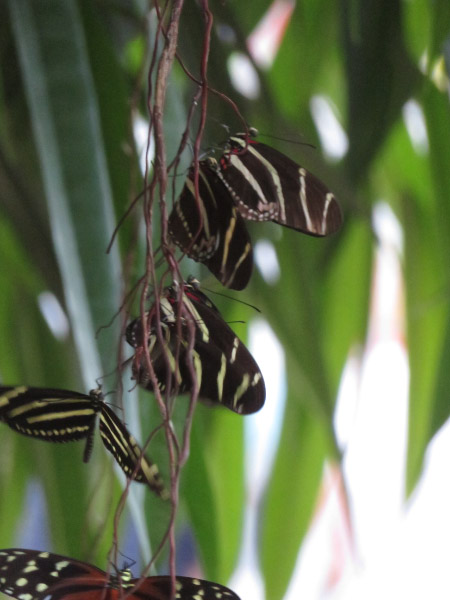
When we first entered, the conservatory seemed calmer. The zebra longwings – and other butterflies – were beginning to find a roosting place in the fichus tree.

Others were on the walls or ceiling of the conservatory. I’m sure there were many that found a place in the foliage where I didn’t notice them.

2018 05 IMG_0555.jpg

There were two flowers on the passionflower vine that is the food plant for a couple of the longwing butterflies; there were no butterflies around it.

2018 05 IMG_0542.jpg

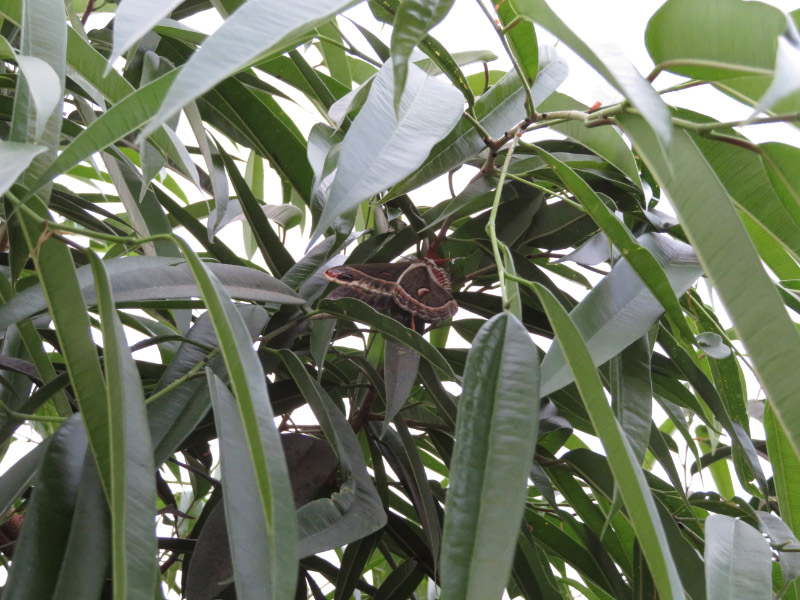
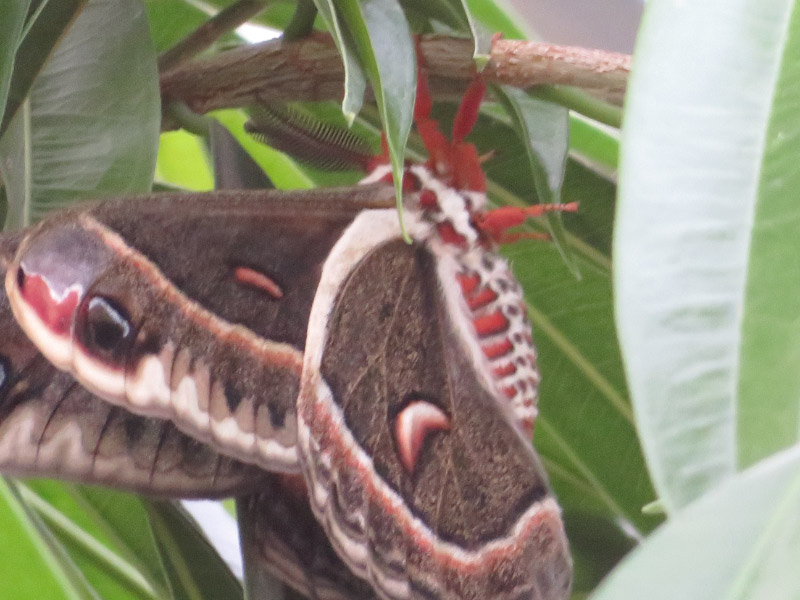
Just before sunset, the owl butterflies became more active – many dances through the air. I was waiting for the male cecropia moth that has emerged from its cocoon last Sunday to fly from where it had been hiding in the fichus tree all day. But it stayed where it was. These larger moths do not eat as adults so maybe there was no pheromone in the air of a female cecropia moth…and he didn’t feel the need to move!  I contented myself with a zoomed image of it through the foliage.

Clearwing Butterfly

Some butterflies do not have scales…or have very few of them. There are a few specimens in Brookside Gardens’ Wings of Fancy exhibit and I’m always thrilled to see them. I rarely spot them on my own and most of the time I’m busy with my volunteer job as a ‘flight attendant’ so I can’t take pictures. Recently I was walking around the exhibit – not volunteering – and I had my camera and a tripod. There was a school group visiting the exhibit and they’d spotted a clearwing!

2018 05 IMG_0367.jpg

The butterfly was focused on breakfast of nectar from some white flowers (the proboscis was not rolled up between flowers….the insect was hungry!) so was staying put long enough for pictures.

2018 05 IMG_0363.jpg

The ribs that provide the structure for the wings are more obvious when the wing is clear. In the case of this butterfly they are a metallic copper color. Sometime that color is reflected in the thin membrane that is the wing.

There do appear to be a few scales on this time of clearwing – on the upper edge of the wing…some white and copper color.

Seeing a clearwing is one of the things that makes a walk in the exhibit special.

Macro Photography with a Smartphone

Before my second shift at Brookside Garden’s Wings of Fancy exhibit, I spent a few minutes doing some macrophotography with my Smartphone. I ordered a clip-on macro lens from Amazon last fall to use to photograph macroinvertebrates but haven’t done a lot of other photography with it until now.

2018 05 IMG_0321.jpg

Brookside Gardens is a great place to experiment. There is so much in bloom right now including the buckeye near the conservatory. The flower has a very odd shape through the macro lens (it looks like it has Mickey Mouse ears!). Even the tips of evergreen shrubs become something unexpected.

20180505_083418.jpg

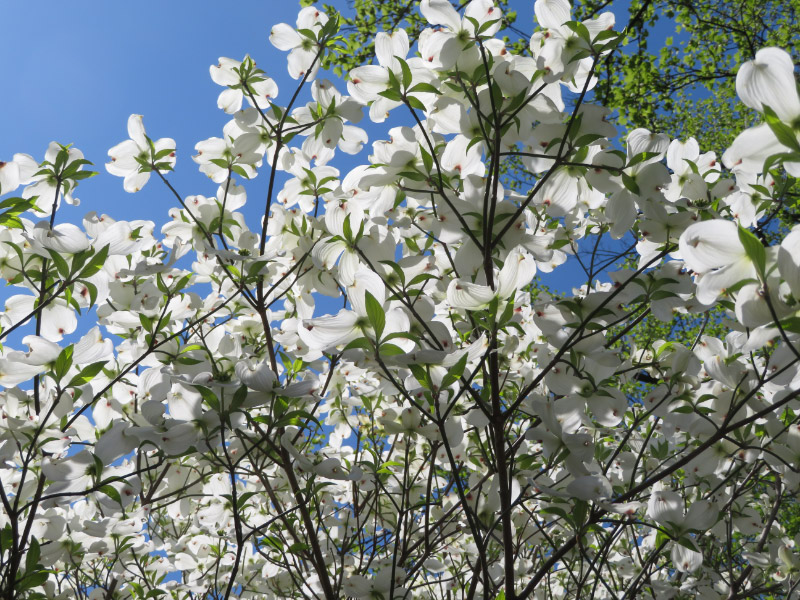
The center of the dogwood bloom is a riot of shapes. I’m going to photograph them again next time I go to see how it changes as the seeds start to develop.

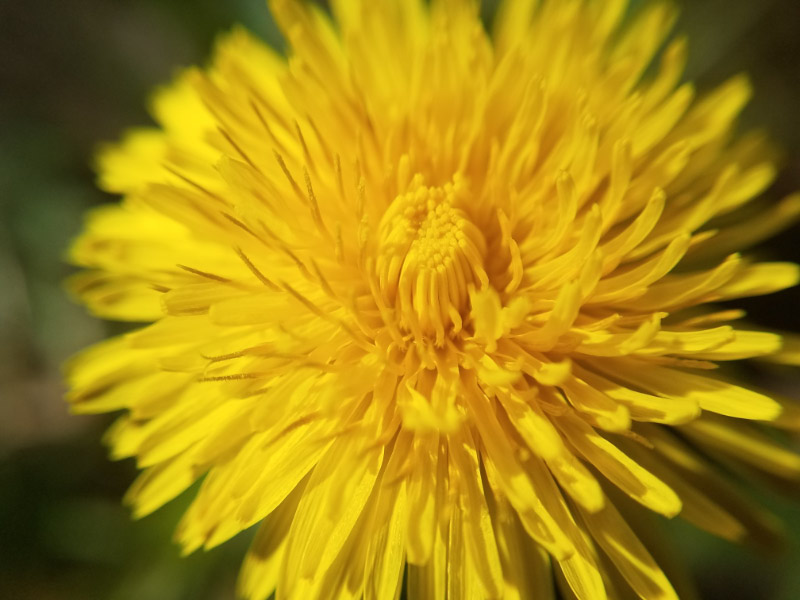
Dandelion seed puffs are recognizable.

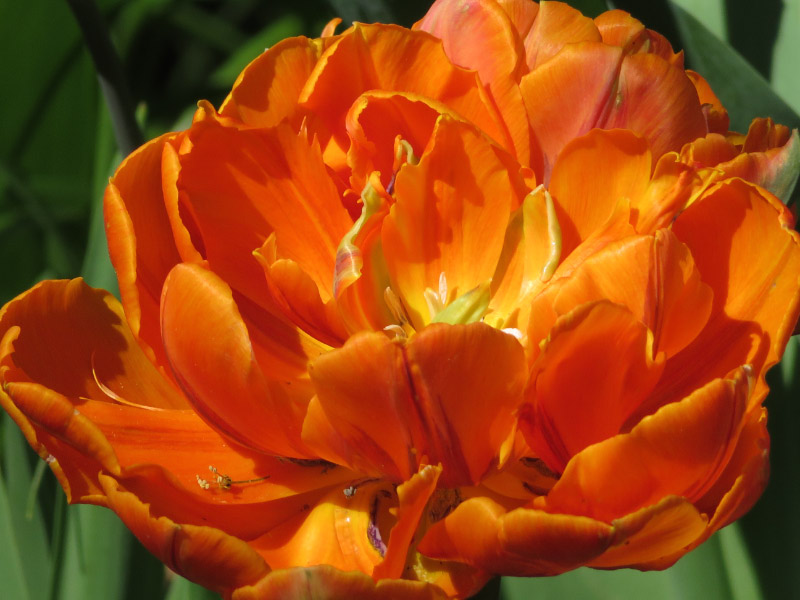
Just about any flowers are good subjects for macrophotography.

20180505_090052.jpg

I ran out of time in the garden. My shift was beginning. I got one last picture just before the first visitors came into the exhibit – a spicebush butterfly egg on spicebush leaf. It looks like a very tiny pearl.

Blooming Pathways

2018 05 IMG_0412.jpg

During the same walk where we saw tulips near the end of their time in the Brookside Gardens, We noticed a lot of other spring finery along the pathways.

I always look at the ginkgo tree near the conservatory; the leaves are unfurling, and the mail flowers are abundant. Multiple leaves come out from a single bud, so they look like clumps early in the season. As the leaves get larger the clumps overlap and are not as obvious.

2018 05 IMG_0398.jpg

 The azaleas are beginning to bloom. Bushes peak at different times. Some were still just buds last week. The flowers that are a mix of white and deep pink are probably my favorites.

2018 05 IMG_0402.jpg

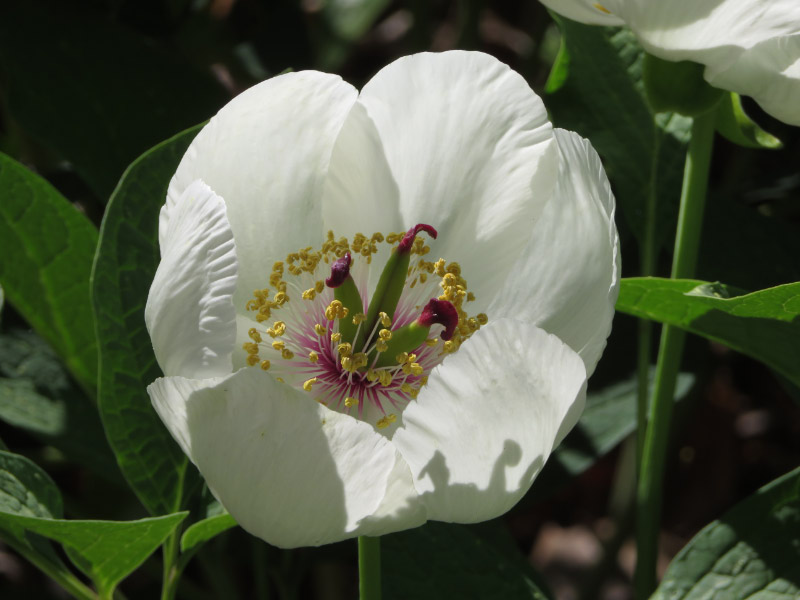
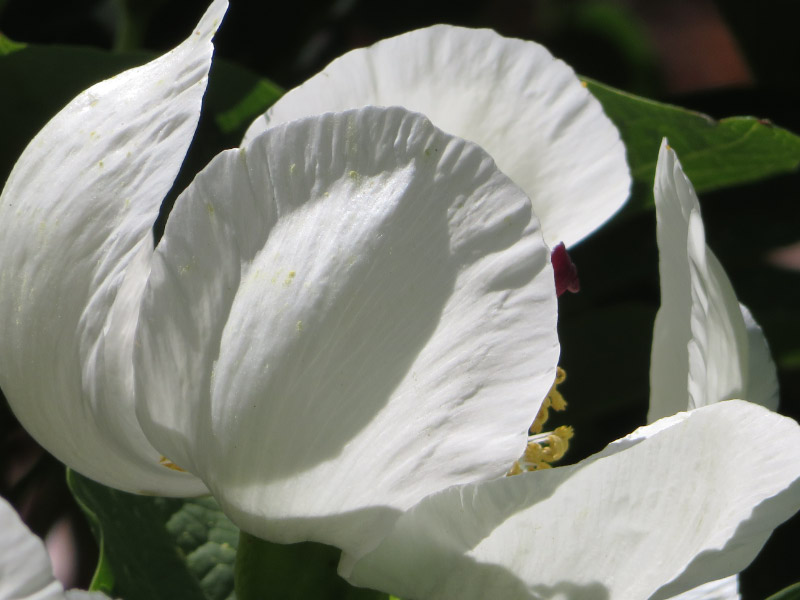
There was a peony near the path…. lovely from every angle.

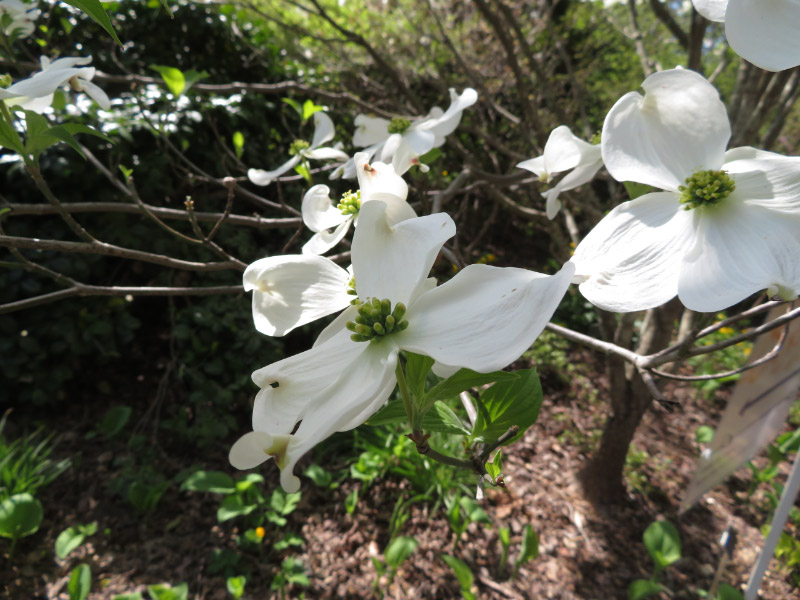
Dogwoods are blooming too. The tree is one of my favorites. We had a dogwood in our yard when we first moved to the east coast 35 years ago; that’s when I really learned about the tree…observing it throughout the year. The trees in our area now survived the disease that wiped out many of the trees about 10 years ago….and they are blooming robustly this year.

So -  the blooms will fade, and their will be even more abundant greens – all shades…deepening into the richness of summer.

Last Day for Tulips

Last week my husband and I walked around Brookside Gardens enjoying the tulips. Some of the early bloomers were past prime enough that the volunteer gardeners were taking the bulbs up from the beds. I will have to find out next time we go to the garden what replaces tulips.

2018 05 IMG_0435.jpg

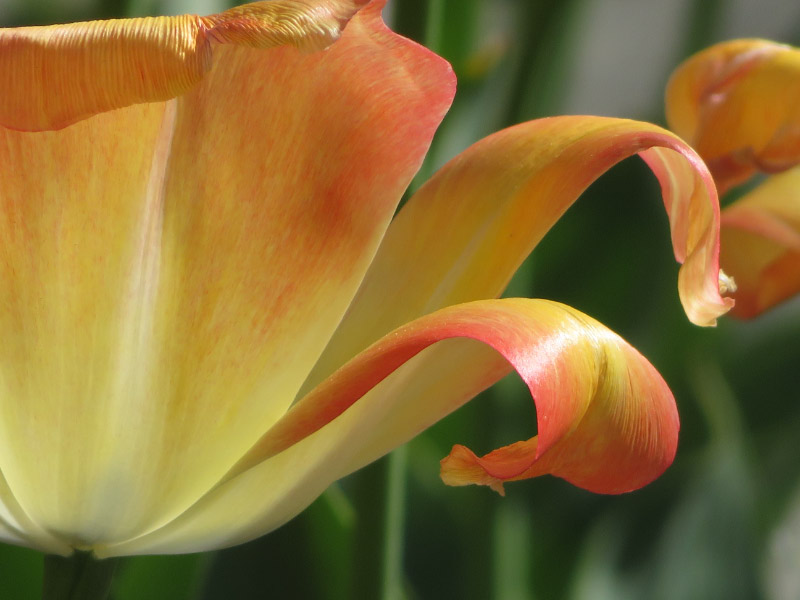
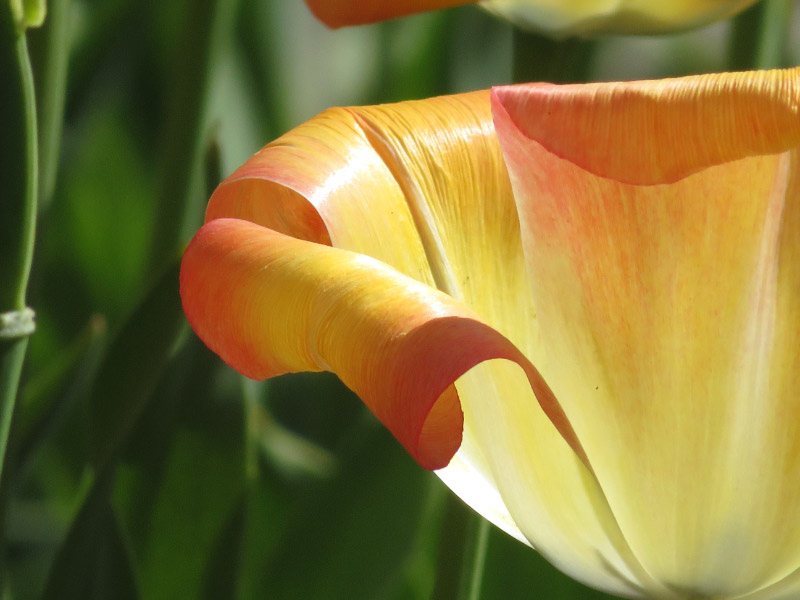
Some were widely open, and I enjoyed the curls and graceful curves of the waxy petals. My favorite tulips are the ones that are mostly yellow…tipped with orange. The colors remind me of sunrise and sunset.

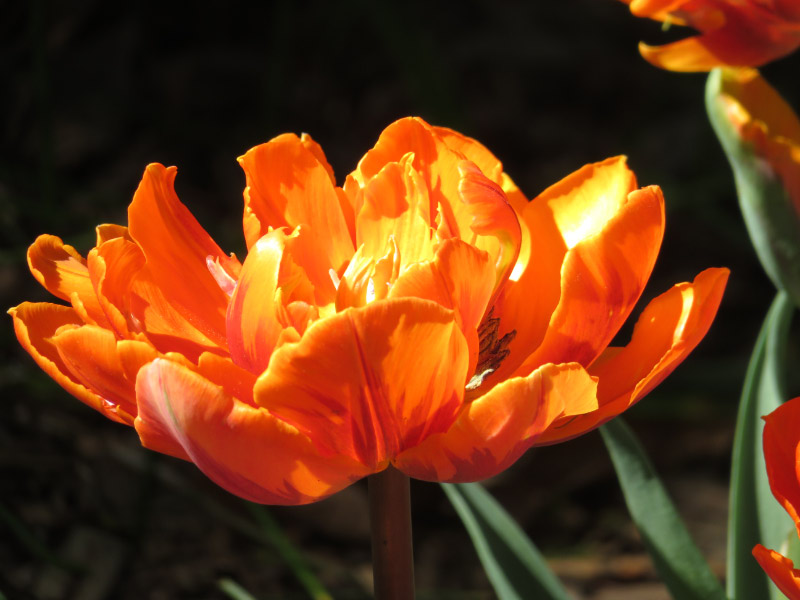
There were some hybrid tulips up near the visitor center that were catching the mid-morning sunlight. They had a stronger scent and I wondered if the original plants were more heavily scented that the hybrids that we plant now. Tulips have gone through extreme breeding; perhaps bloom shape, color and longevity are more important than the smell.

I enjoy them all as a fleeting vision of spring. We’re on to the next round of blooms.

eBotanical Prints – April 2018

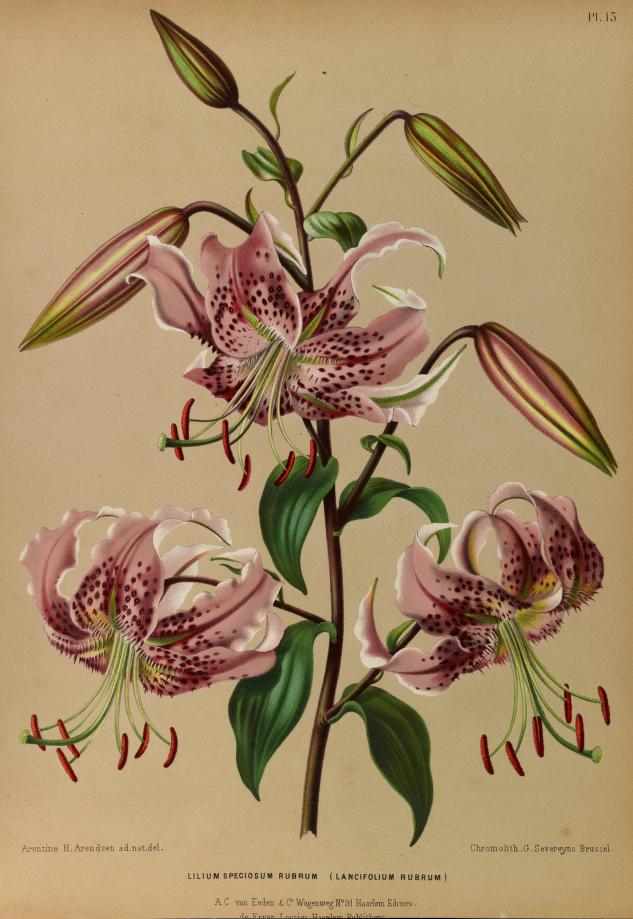
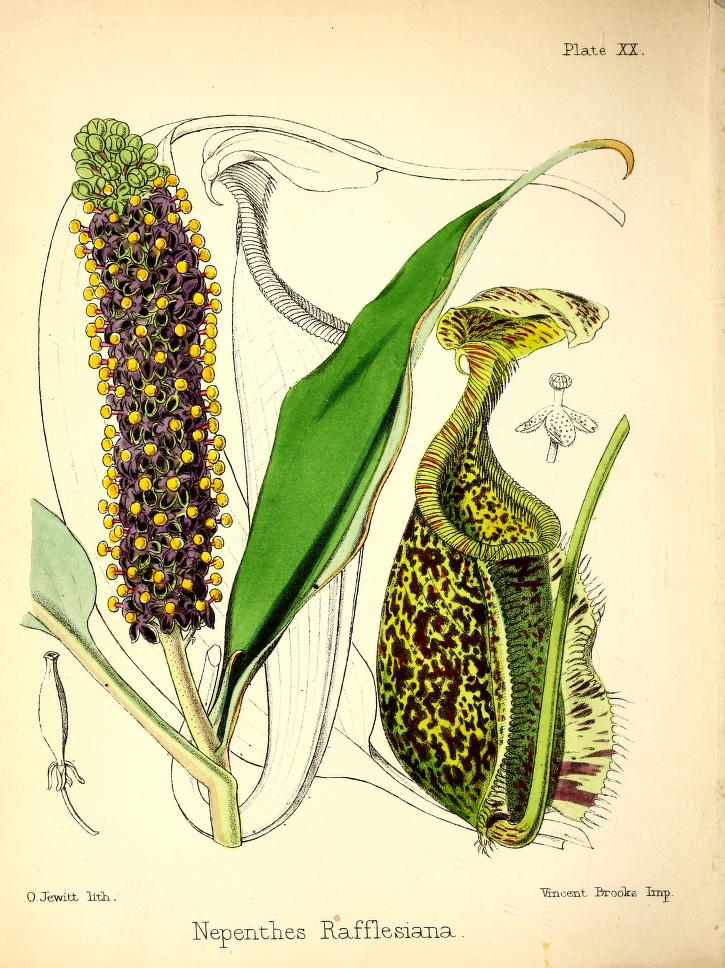
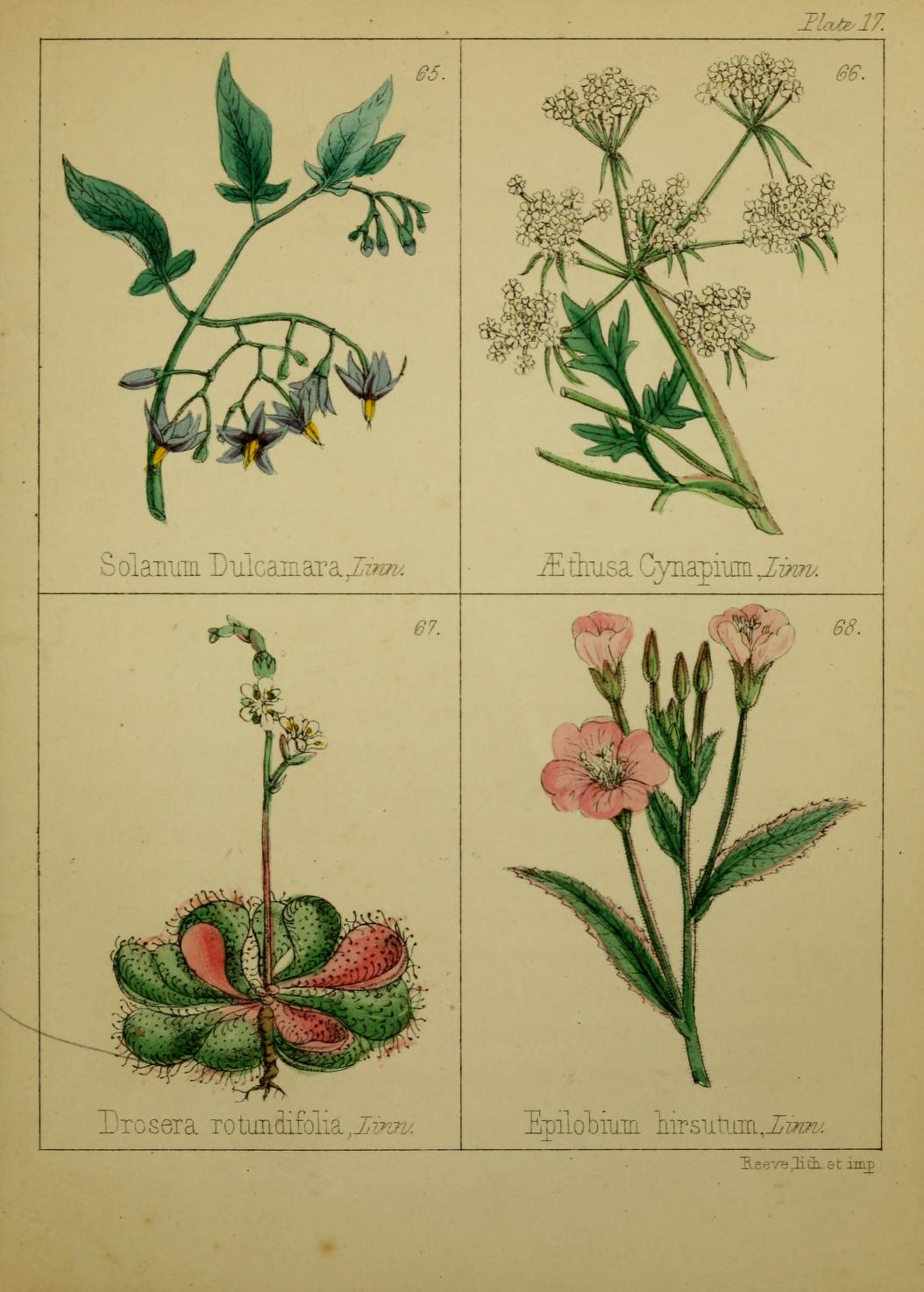
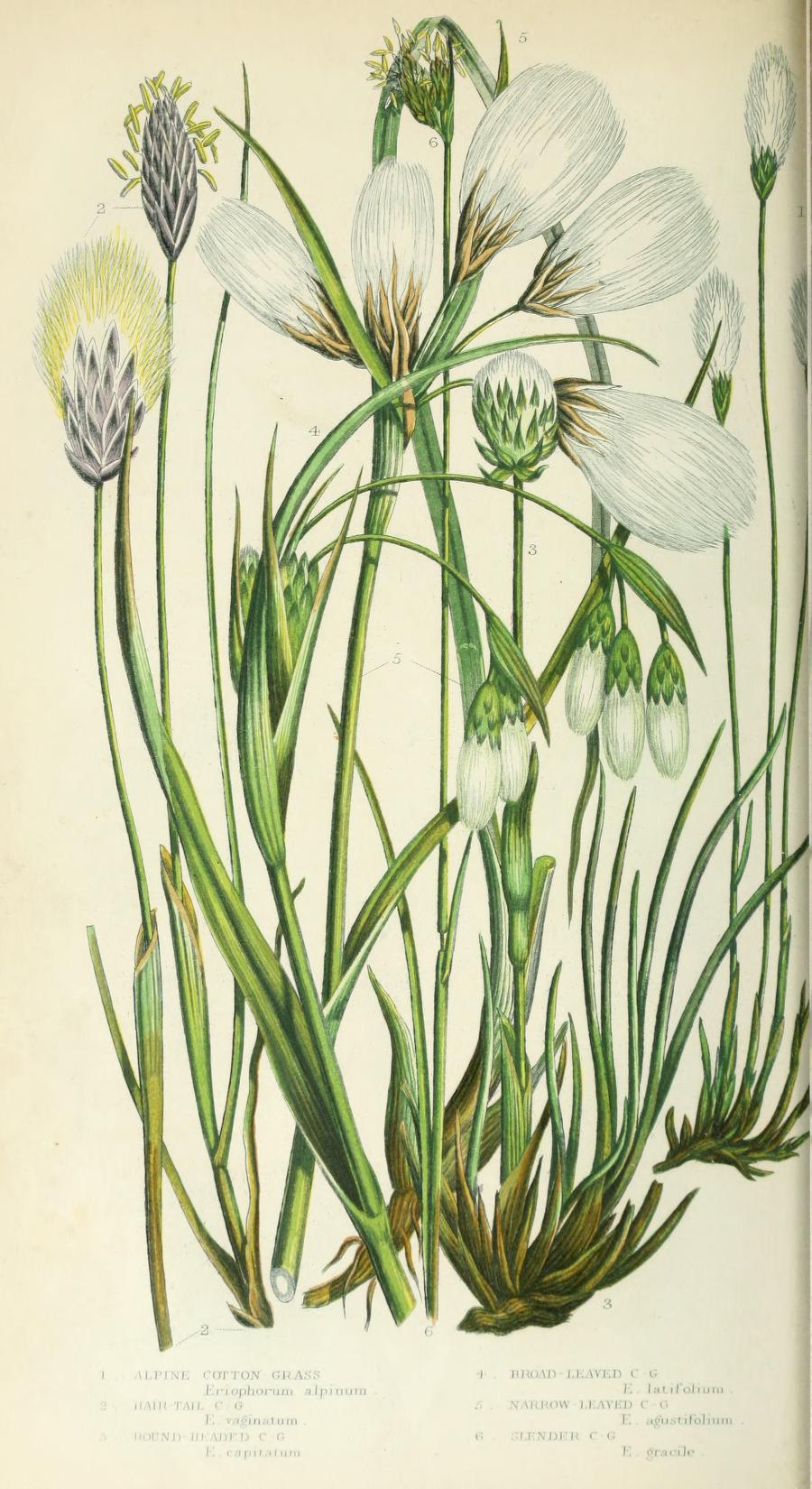
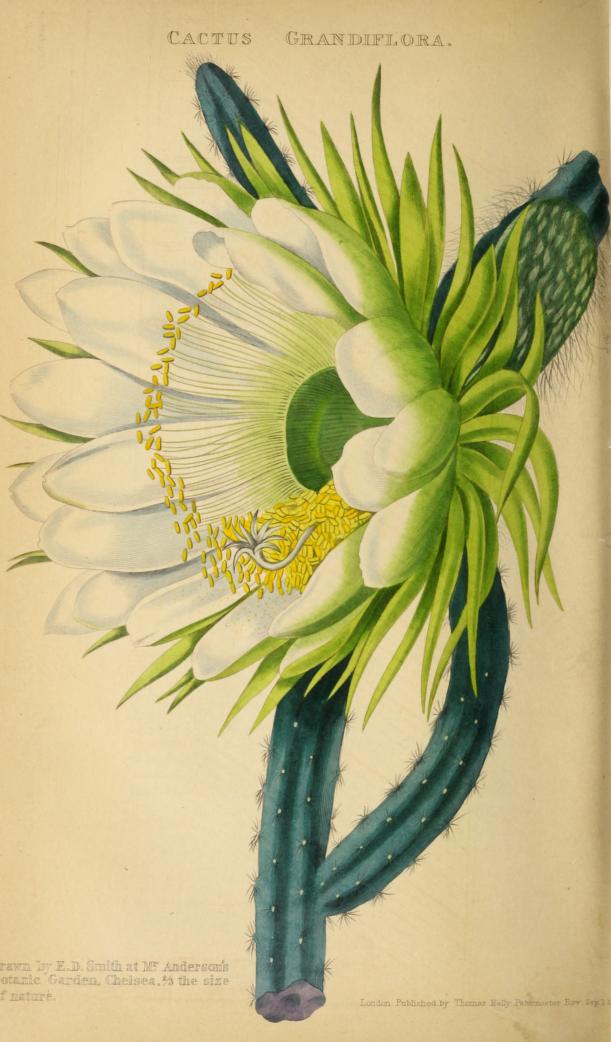
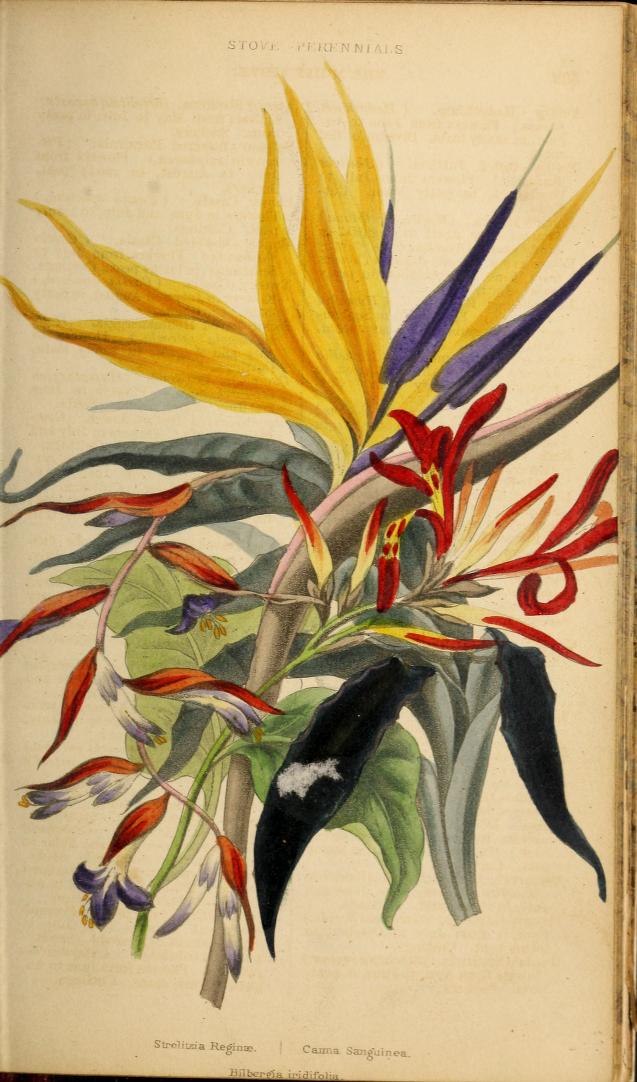
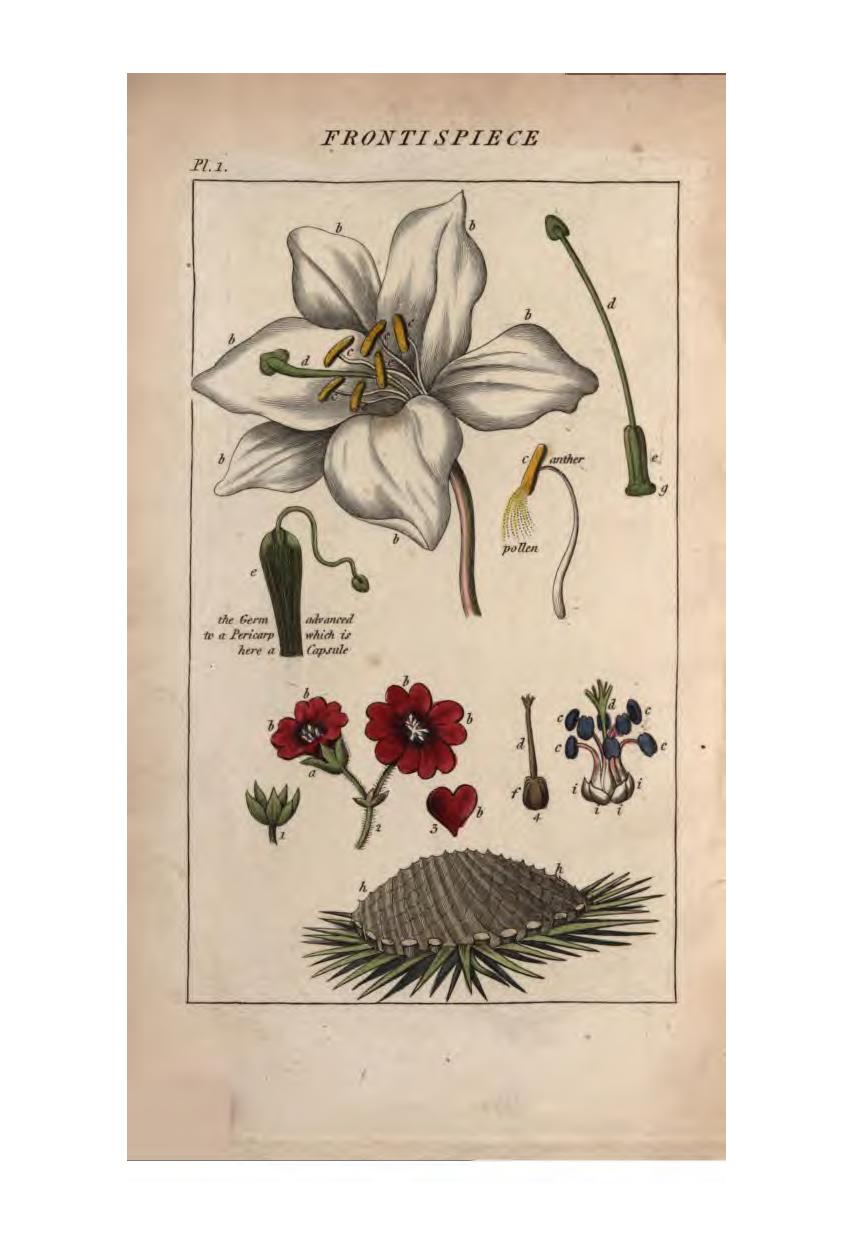
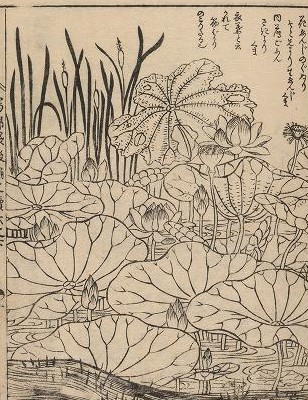
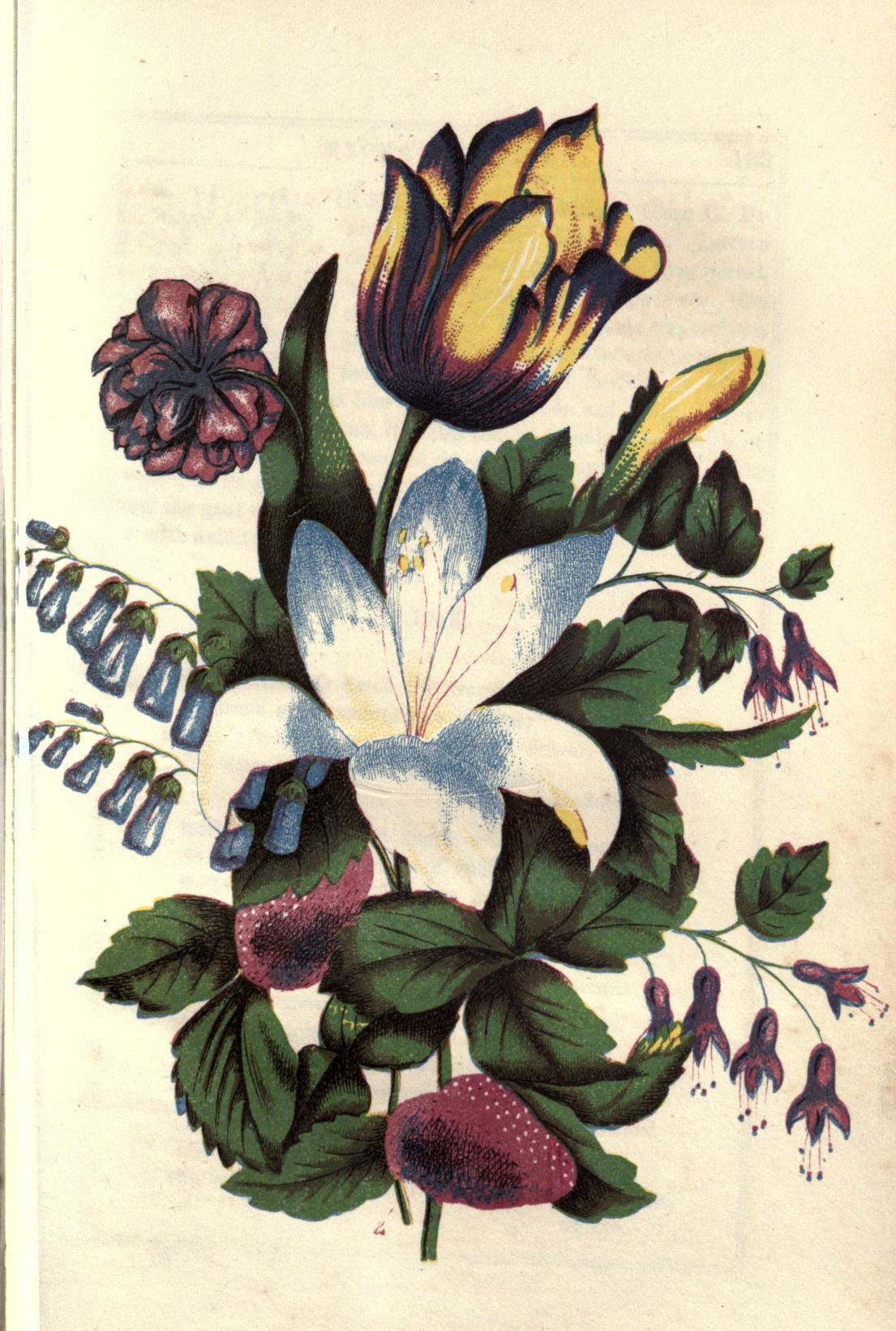
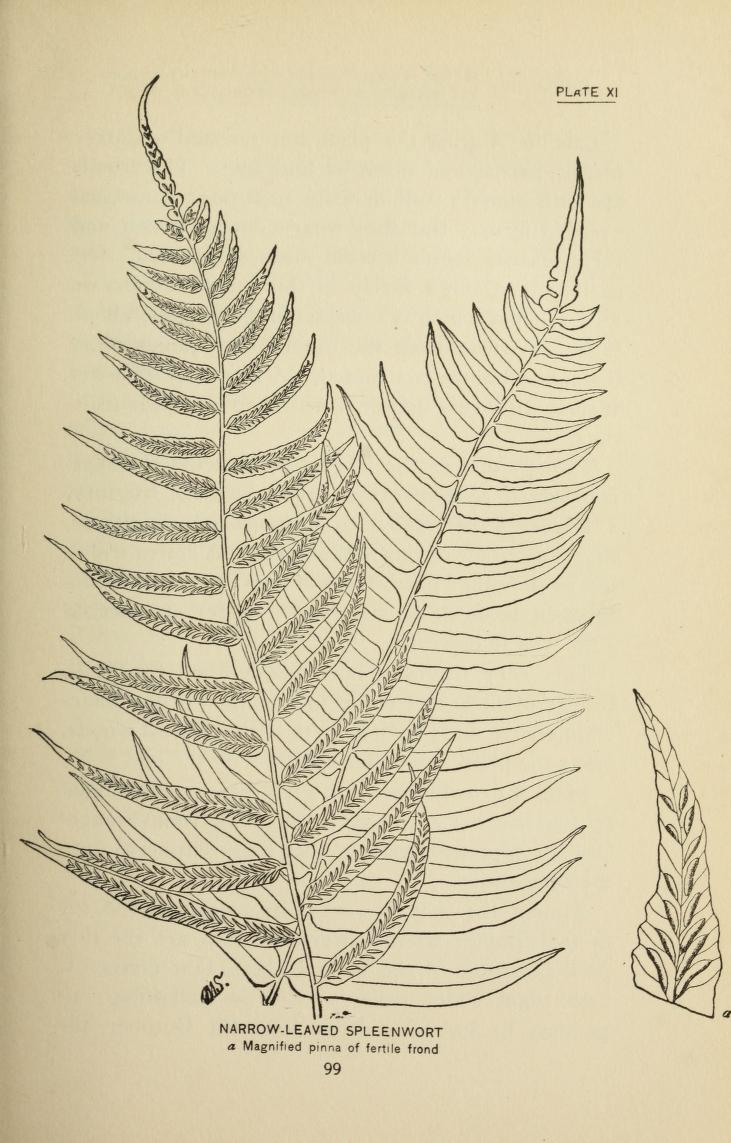
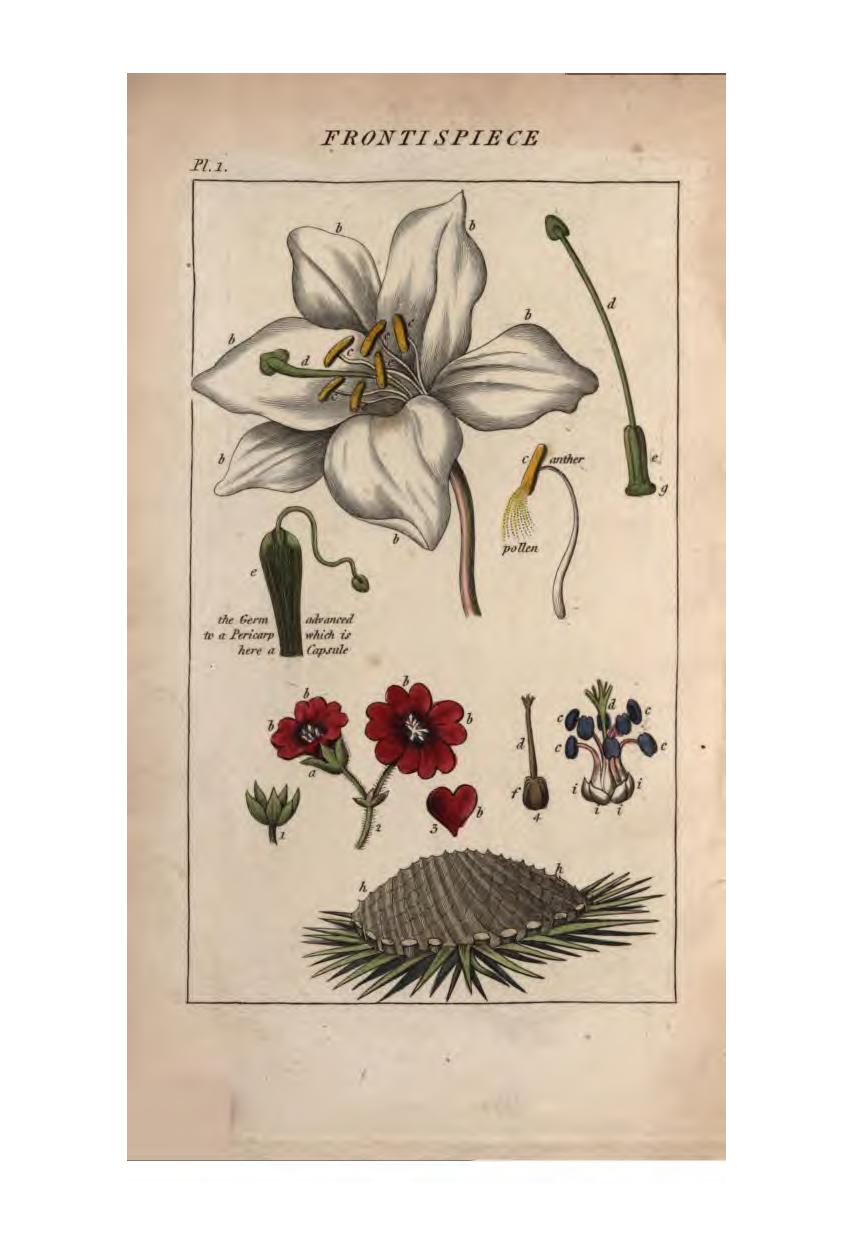
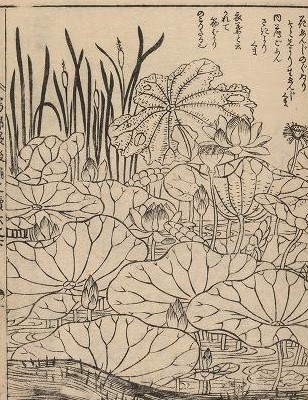
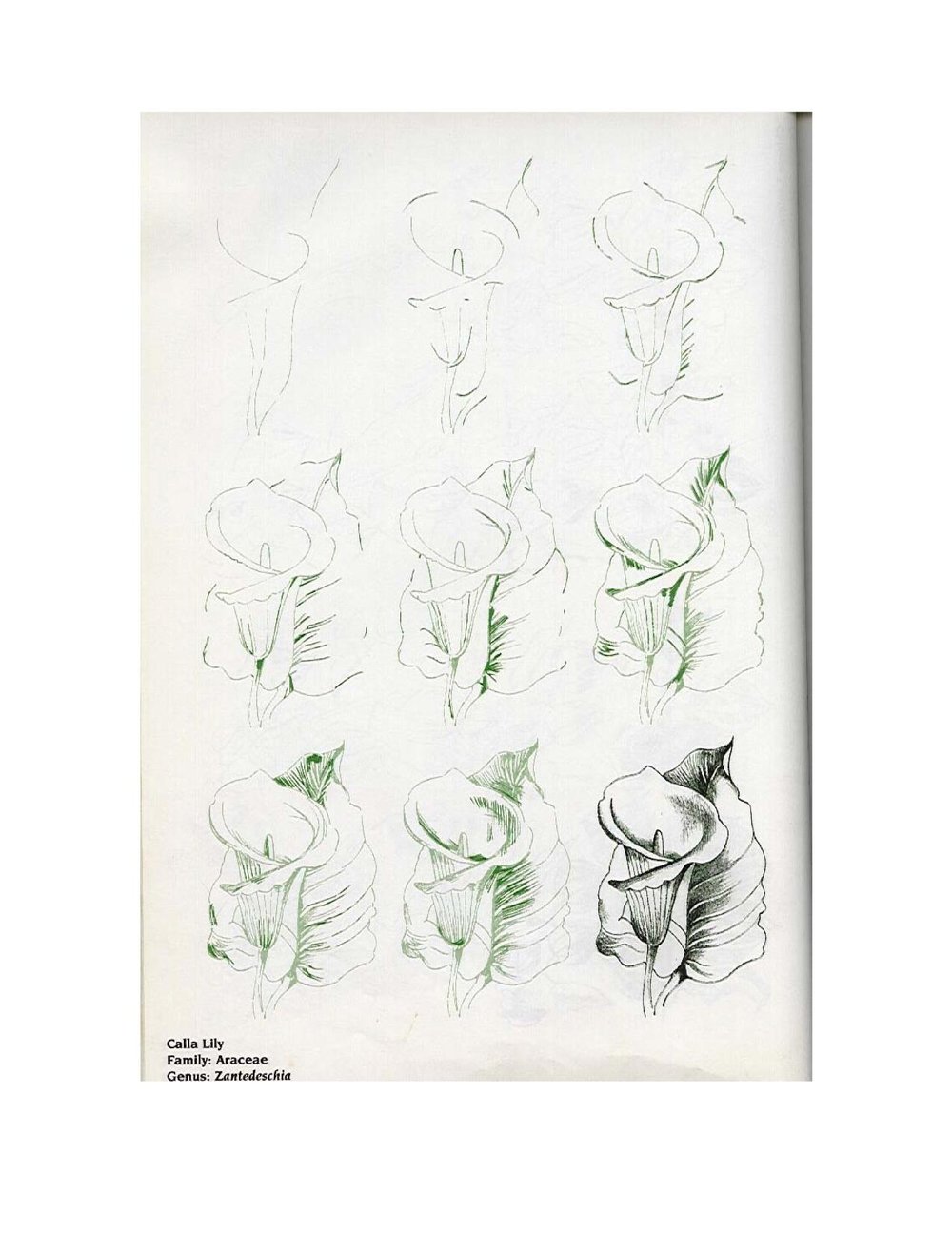
I am allowing myself one botanical print post in the main blog of this site each month. This is it for April – the books that contained botanical images that I read during the month. I’ll post about individual books in the eBotanicalPrints part of the site: Botanical blog. Also take a look at the botanical eBooks list to find links to over 1,000 eBooks available free from various sources.

I read 16 botanical eBooks in April and 15 sample images are shown below. The 16th book (about seed pods) is one that is still under copyright but is available for checkout from Internet Archive. The links to the books are below the sample images.

Gleanings of the Week Ending May 5, 2018

The items below were ‘the cream’ of the articles and websites I found this past week. Click on the light green text to look at the article.

Top 25 Birds Protected by the MBTA – National Geographic Blog – The Migratory Bird Treat Act was passed in 1918…and covers over 1000 species. Enjoy pictures of 25 of them!

Atlantic Ocean circulation at weakest point in more than 1,500 years -- ScienceDaily – Something else that could cause more rapid increase in sea level rise on the US East Coast.

Spring Sediment Swirls in the Great Lakes – Image from April 20th after a storm. The areas are the lakes are losing soil.

NASA planet hunter on its way to orbit: Transiting Exoplanet Survey Satellite successfully launched -- ScienceDaily – Hurray! TESS was launched on April 18th…and should be ready to begin work something in June.

Compound Interest - The chemistry of tulips and tulip fingers – After seeing the tulips display at Brookside…this article caught my attention. I didn’t notice if the gardeners taking up the bulbs were wearing gloves…or whether they were the right kind.

Dark chocolate consumption reduces stress and inflammation: Data represent first human trials examining the impact of dark chocolate consumption on cognition and other brain functions -- ScienceDaily – I like dark chocolate. It’s a good thing that it has positive health benefits but I would probably still eat it even it didn’t.

Which US Generation Has the Best Eco-Conscious Habits? A Survey+ | CleanTechnica – Boomers, Gen-Xers or millennials. It’s a clever way to highlight ways to become more eco-conscious.

On The Hunt For The Elusive Morel Mushroom In Ohio’s Appalachian Country: The Salt – Morel mushrooms are tasty….enough that people keep their spots secret and turn off their GPS locators when on the hunt!

These Are the Cities With the Worst Air Pollution | Smart News | Smithsonian and Compare Your Air | American Lung Association – Read the summary from the Smithsonian blog then go to the American Lung Association site to compare cities. Where I live gets and ‘F’ for Ozone.

Diseases from Ticks and Mosquitoes Have Tripled | The Scientist Magazine® - Lyme Disease and Zika have caused a lot of the increase.

Blemont’s Nature Place Space

I have been volunteering with the Howard Country Conservancy’s preschool programs at Belmont recently. The weather was a little cool for the first few weeks…but it’s warming up – a lot – this week.

2018 04 IMG_0217.jpg
2018 05 IMG_0315.jpg

The station I fill for most of the programs is about trees. We talk about trees growing from seeds and look at ones from trees around us like sycamore (pictured below), sweet gum, tulip poplar, and maple.

2018 04 IMG_0219.jpg

A new addition that the children enjoyed this week is a nature play space. There are still some features that will be added, but the preschoolers were excited to jump from stone to stone and to climb up onto the big log….all in the middle of the meadow where it was just warm enough for cabbage white butterflies to be moving about.

2018 05 IMG_0317.jpg

The joys of being outdoors in the springtime!

Backyard Walk – May 2018

Last month I posted about violets and spice bush. On an walk through the yard this week, I still say plenty of violets blooming and

2018 05 IMG_0311.jpg

The spice bush was beginning to unfurl leaves. I hope there will be some spicebush swallowtails around this summer to produce several generations of butterflies in our forest.

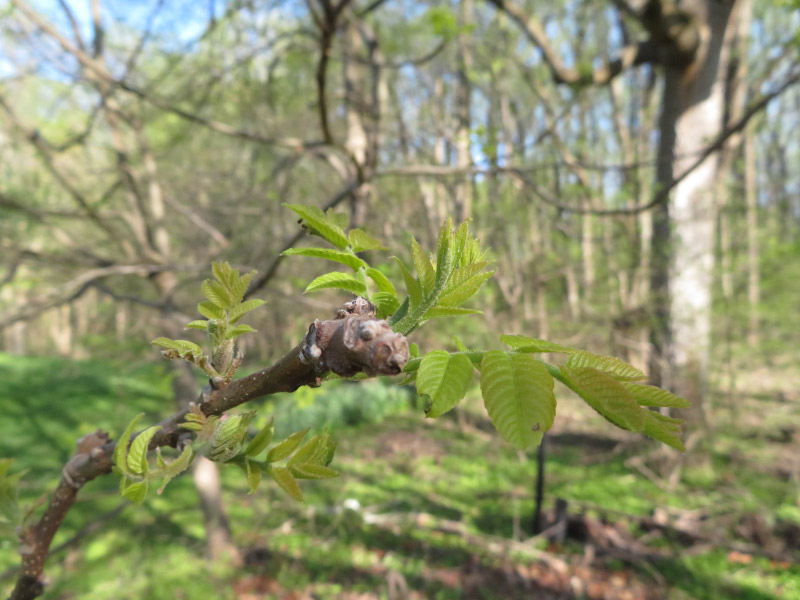
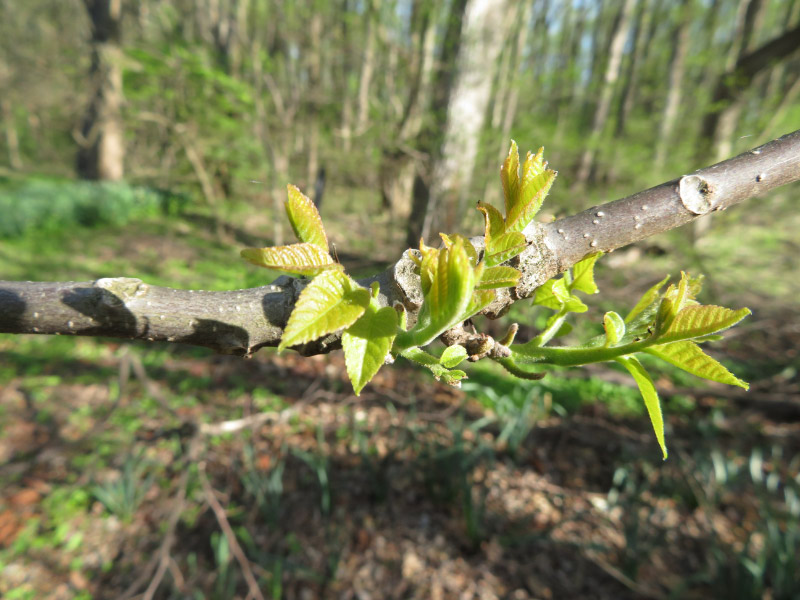
The maple seeds are drying and will swirl away from the tree soon. The black walnut is beginning to unfurl its leaves. There are multiple leaves that unfurl from the buds on the tips of the stems as well as along it. The bud scars from last year are often visible. The tree lags the tulip poplars leafing out.

The high point of the walk around the backyard was not actually in the yard…it was just into the woods: A Jack-in-the-Pulpit! There are so many invasive plants in the forest that I always am relieved when I find a native making it through another spring. I'll try to pick a good day to spray myself with insect repellent (to keep the ticks away) and walk back into the forest before the prickle bush gets too thick to look for more native wildflowers.

2018 05 IMG_0299.jpg

The sycamore buds have just pops…with leaves too tiny to be very interesting yet. I’ll save it for the June post.

Wings of Fancy – 1st shift

2018 04 IMG_0222.jpg

I had my first shift for this season’s Wings of Fancy shift at Brookside Gardens earlier this week. The exhibit is opening an hour earlier this year to take advantage of the morning temperatures. Visitors will appreciate that during the summer. Like last year – I took a short walk around the gardens before heading into the conservatory. The gardens are lush even with the variability of rain and temperatures so far this spring.

2018 04 IMG_0226.jpg

The azaleas are blooming but I decided to walk through the are where the tulips are blooming….lots of color on a spring morning. I walked fast because it was chilly at 8:30 AM (in the 40s and breezy).

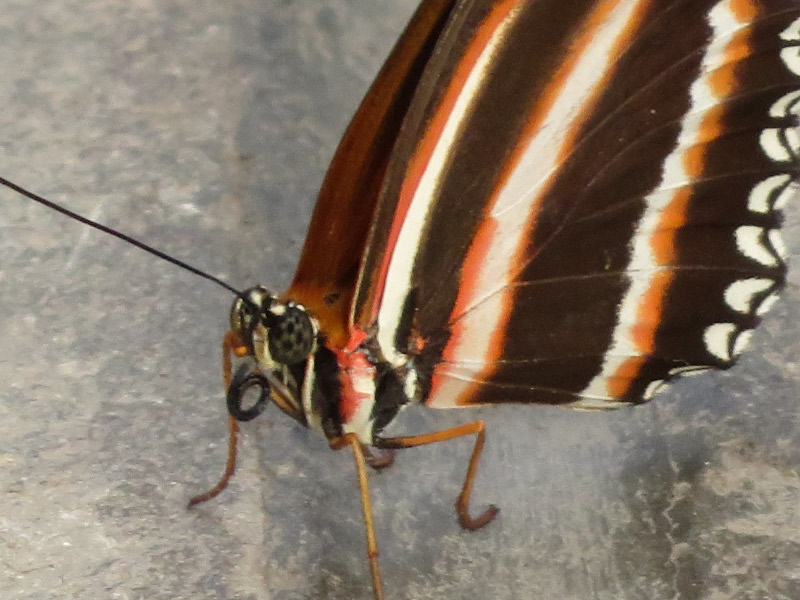
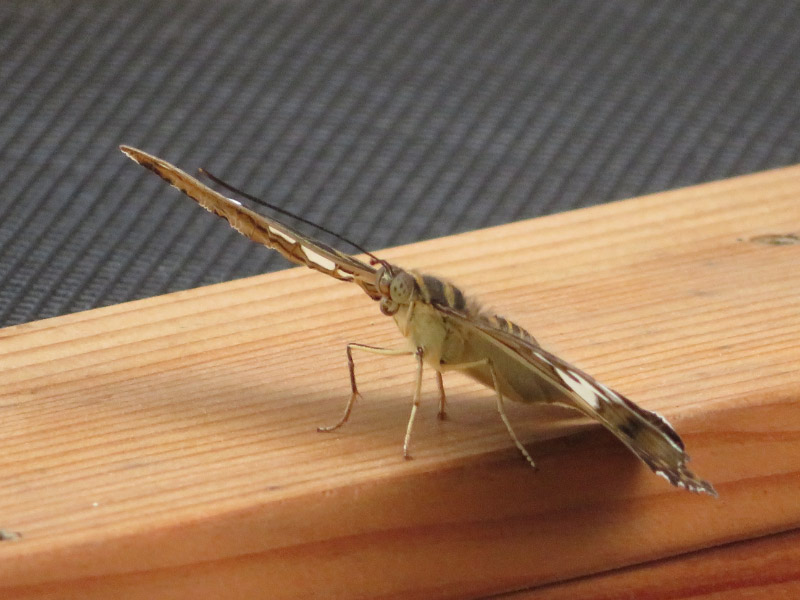
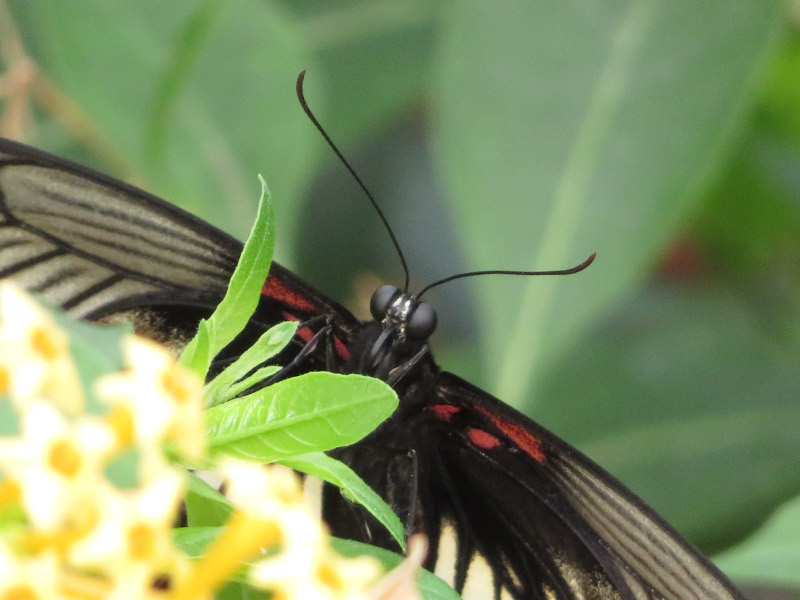
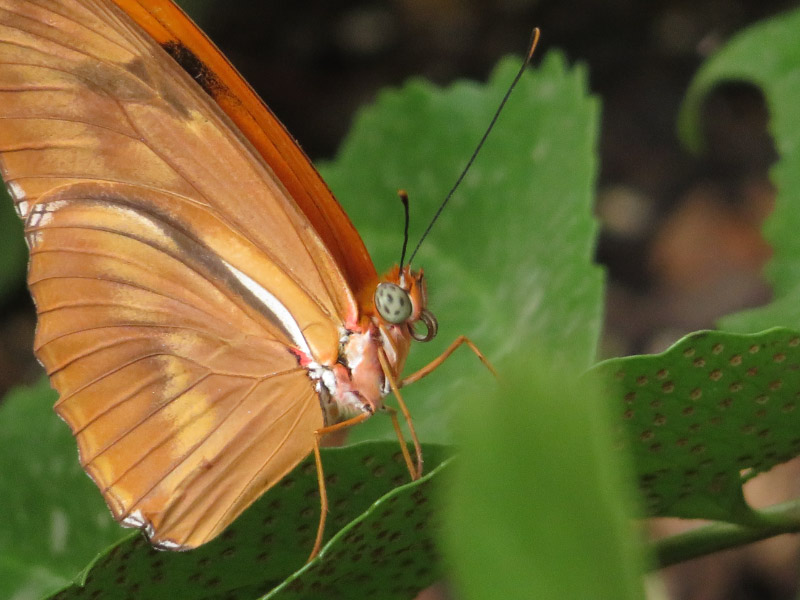
I was in the conservatory waiting for the first visitors and decided to take a few pictures. I was surprise what I was able to do in 10-15 minutes! My theme was heads – eyes, antennae, proboscis, and papillae. I’m sure they’ll be many other butterfly pictures this season (the exhibit runs until September 16), but I’m pleased with my first batch. Hopefully a reflection of the happy place the exhibit creates comes through too!

Zentangle® - April 2018

I’ve picked 30 Zentangle tiles I made in April; the first 9 are the traditional 3.5 x 3.5 inch tiles using Sharpie Ultra Fine Point pens that I made early in the month.

Then, I started using my new Apple iPad (6th Generation) Wi-Fi and Apple Pencil. When I went on my road trip to Texas, I didn’t even pack the tiles and pens; once I started using the iPad for Zentangle, I used it exclusively. The Procreate app has worked well for me and probably will work even better if I ever read the manual. I have enjoyed experimenting with the backgrounds and pens/pencils. It takes a bit to get the same level of eye/hand coordination and acclimate to the slickness of the glass screen. I’ve cheated occasionally by using the ‘undo’ function – not a norm for Zentangle. I’ve enjoyed this first month with the iPad and anticipate many more. It great to be digital all the way...not have the extra step to scan the tiles for posting.

--

The Zentangle® Method is an easy-to-learn, relaxing, and fun way to create beautiful images by drawing structured patterns. It was created by Rick Roberts and Maria Thomas. "Zentangle" is a registered trademark of Zentangle, Inc. Learn more at zentangle.com.

Photography through a Window – April 2018

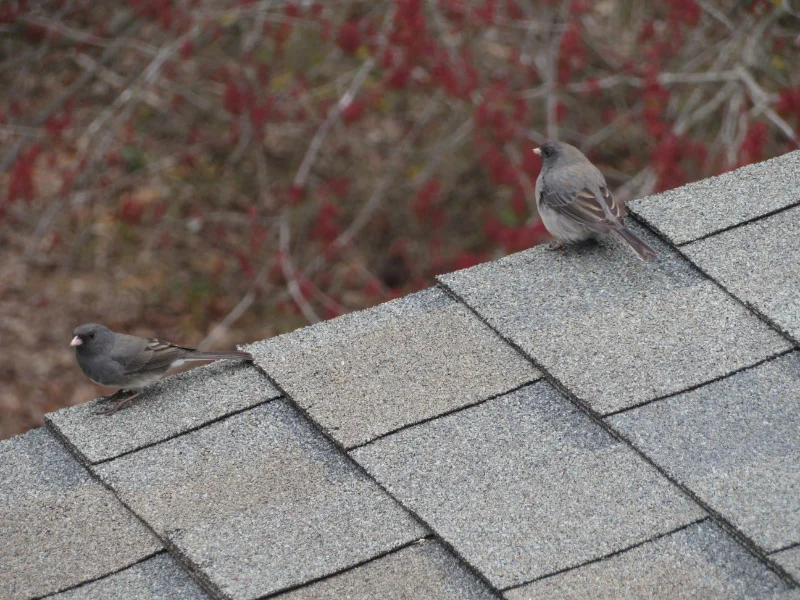
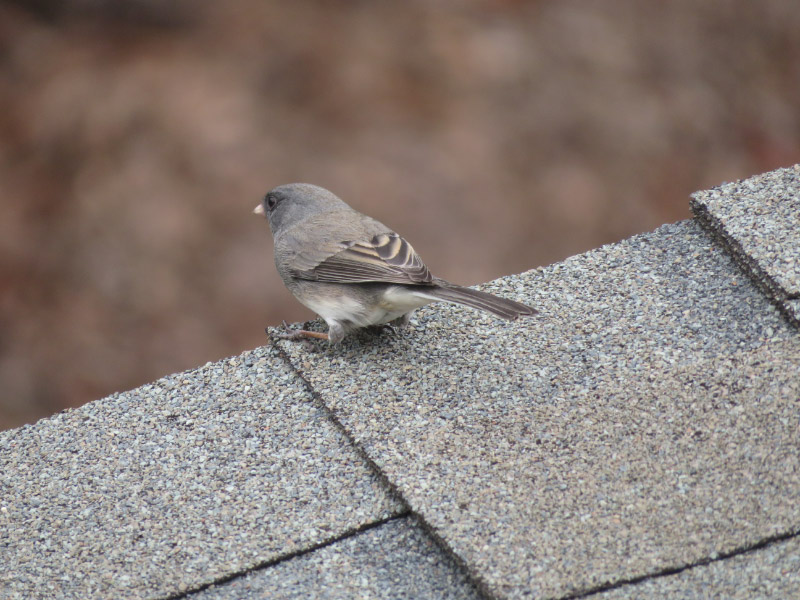
The juncos were in out backyard and frequent visitors to our feeder and birdbath at the beginning of the month…and then they left for their nesting grounds to north and west. We won’t see them here in Maryland until it gets cold again.

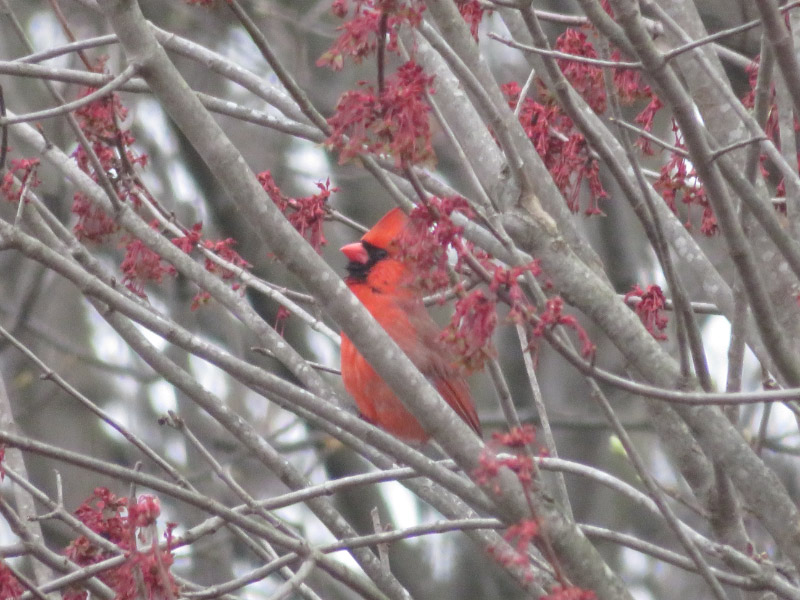
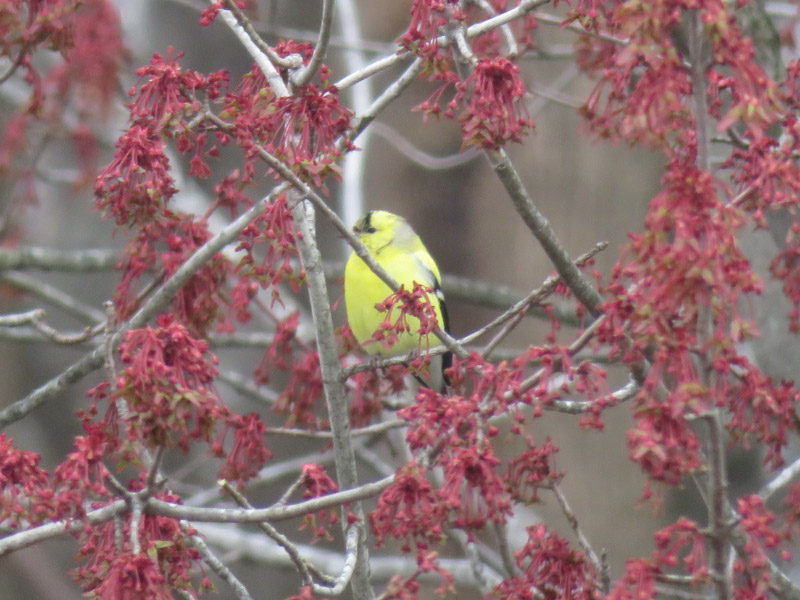
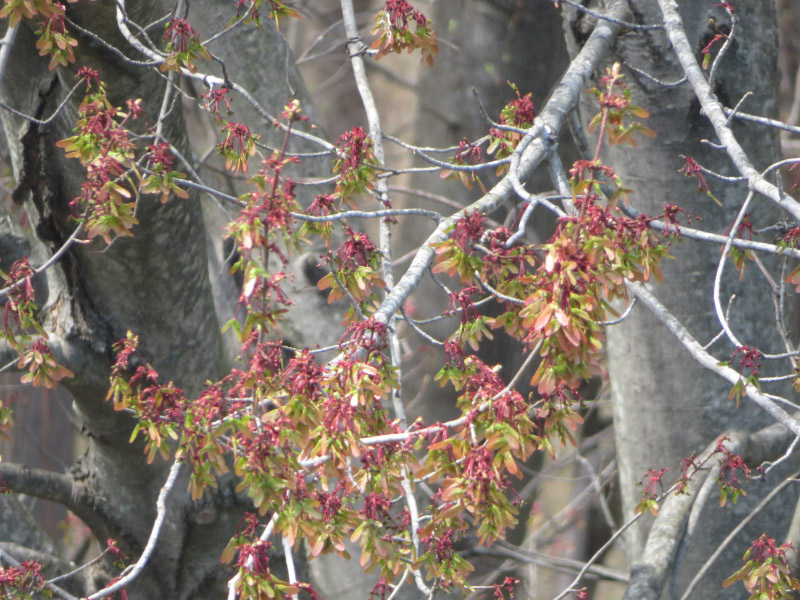
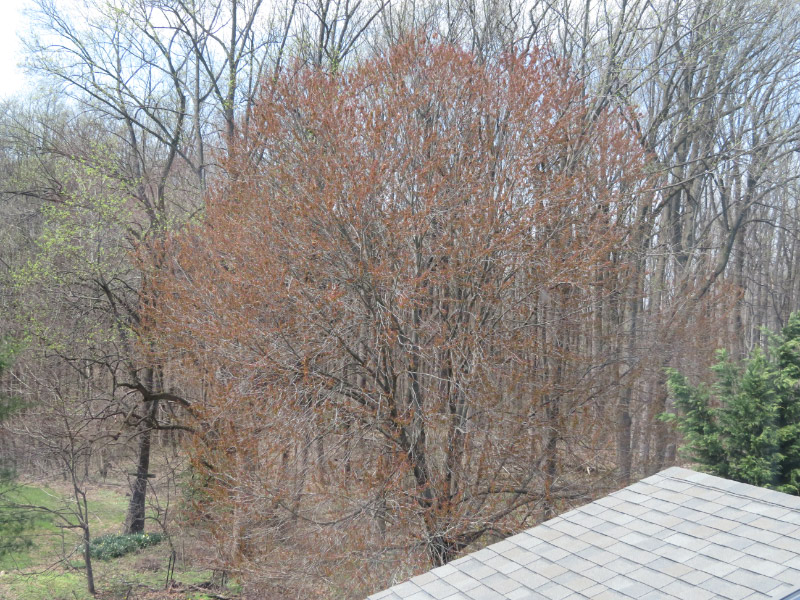
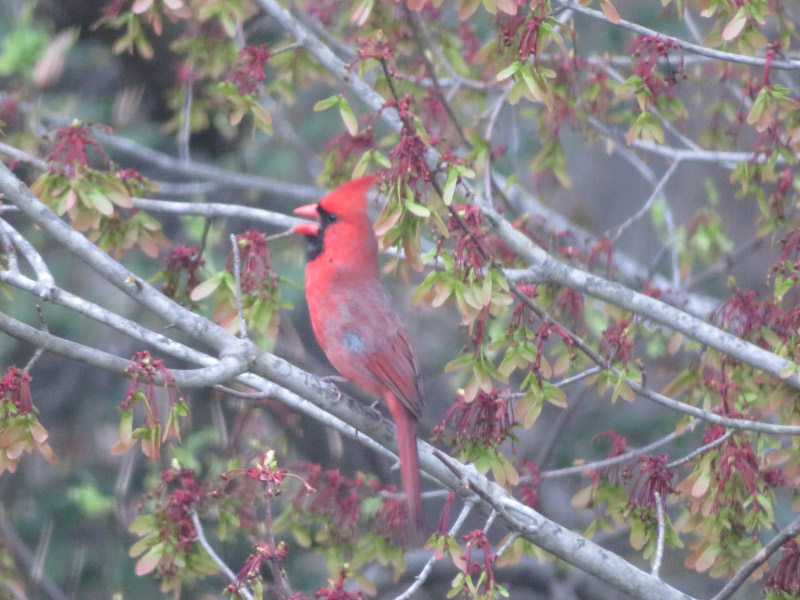
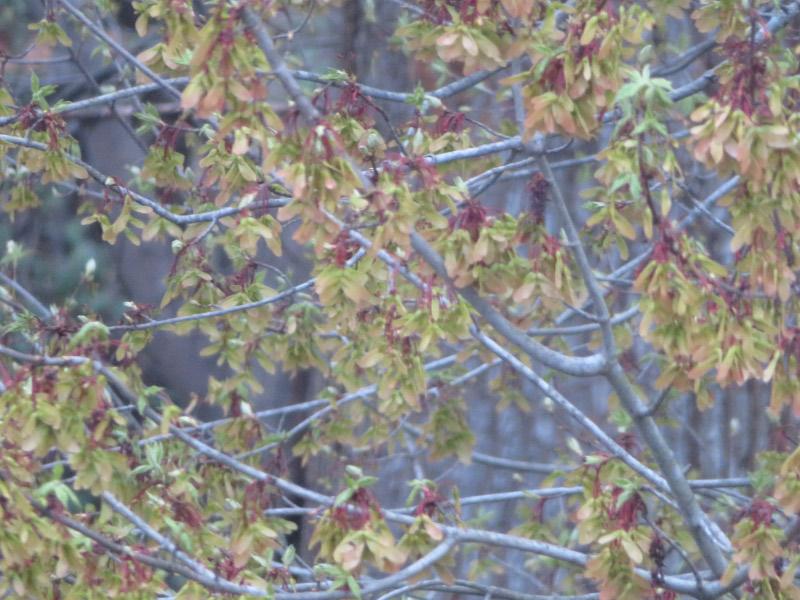
The big story of month for our backyard was more about trees than birds. The red maple bloomed and made seeds. I am watching for when the seeds helicopter away from the parent. Of course, some of our backyard birds (cardinals and goldfinches) were in tree for some of the pictures. They like to snack on the tender seeds.

The tulip poplar leaves are unfurling with the pods from last summer still holding a few seeds.

2018 04tIMG_9861.jpg

The sycamore is still looking very much like it has all winter; it is always one of the last to leave out.

2018 04s IMG_9853.jpg

The tree I haven’t photographed yet is the black walnut. I noticed last time I walked around that it had some leaves unfurling but it’s location requires that I walk to it rather than trying to photograph it through a window!

Zooming – April 2018

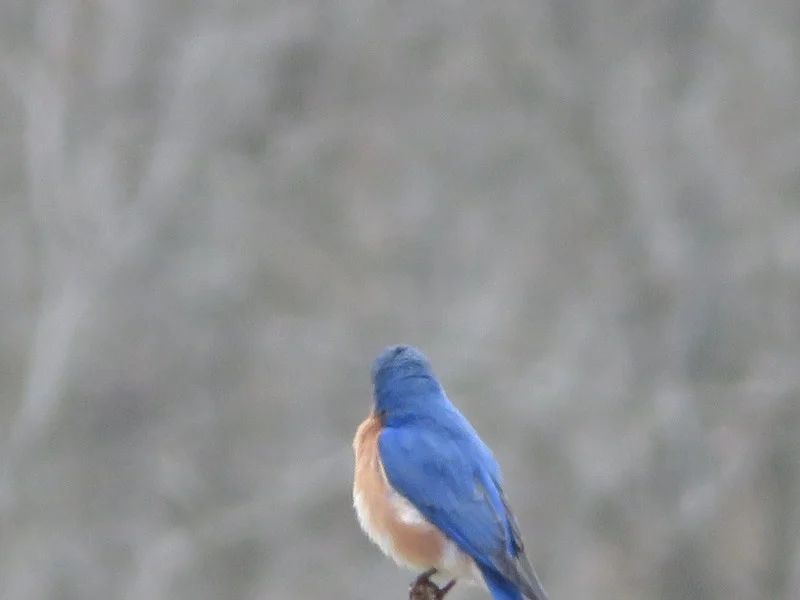
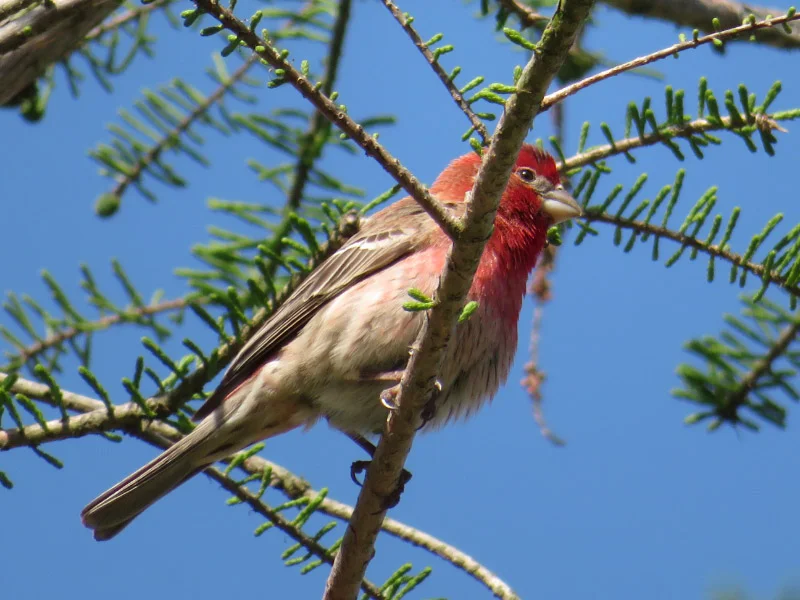
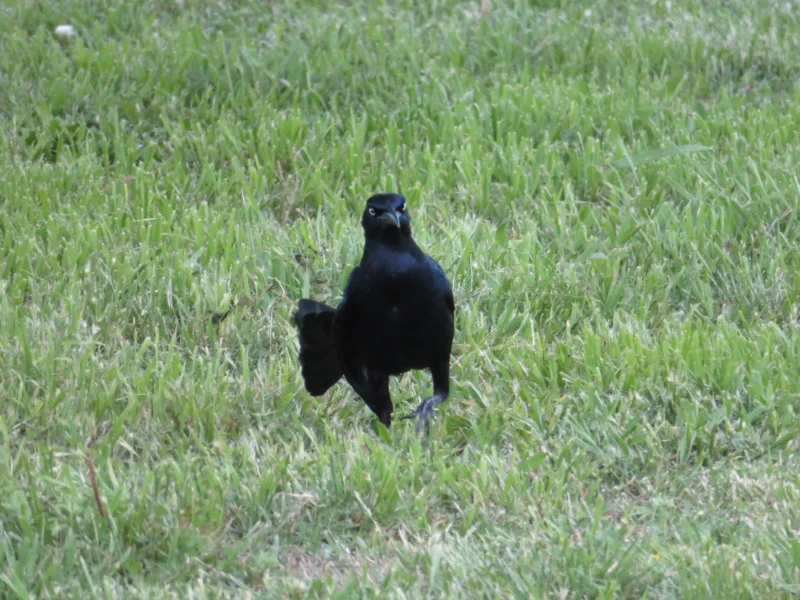
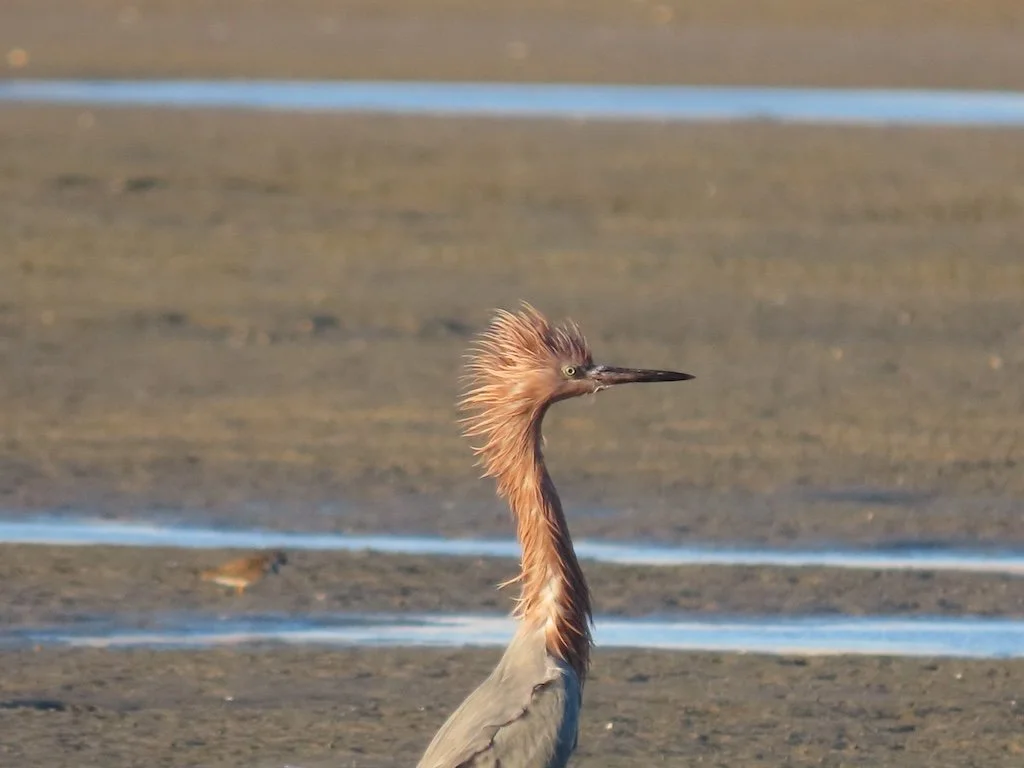
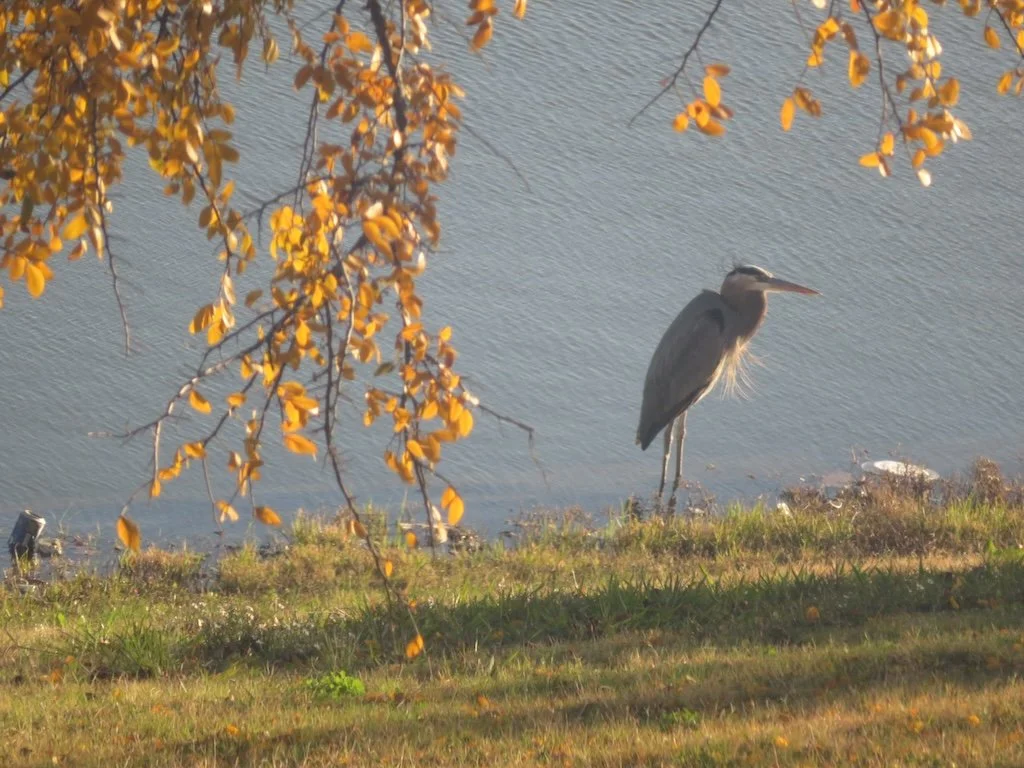
Zooming make the photograph in so many cases. I could never get the pictures of birds that I do without it…the birds would be long gone. This month the zoomed birds include: a great blue heron being very still, a bluebird showing his colors, a finch high in a tree at a Texas rest stop, a blow legged grackle, and ducklings.

I use the zoom for flowers to avoid stepping in flower beds – or mud – or simply because what I want to photograph is too high in the tree.

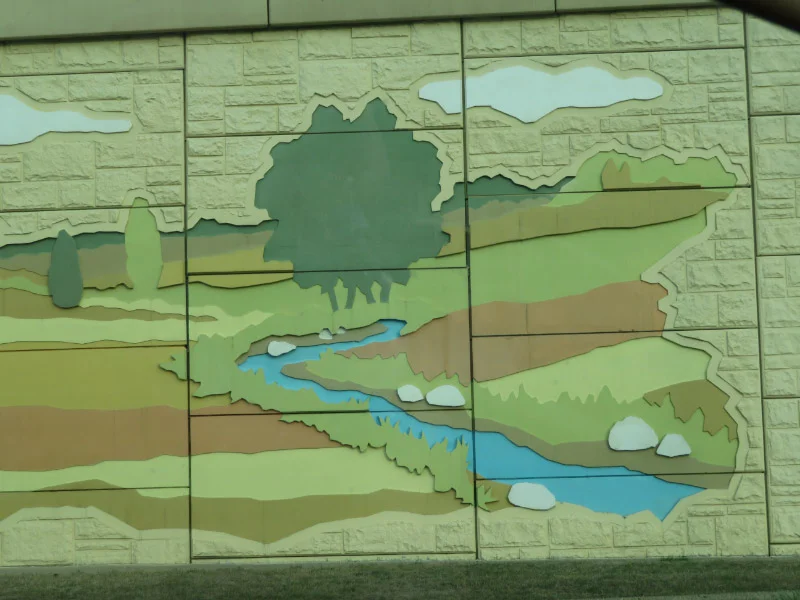
On road trips, the zoom helps with photography through the windshield (buildings and bridge abutment murals, for example)…and quickly framing a picture when I am hurrying to get back to the car and out of the weather.

The modern digital cameras with good optical zoom lenses…and image stabilization…a boon to photographers everywhere.

Gleanings of the Week Ending April 28, 2018

The items below were ‘the cream’ of the articles and websites I found this past week. Click on the light green text to look at the article.

Significant role for nitrate in the Arctic landscape -- ScienceDaily – There is much we need to learn about how the arctic ecosystems work today….and what will likely happen as they warm. The carbon and nitrogen cycles will speed up…but how does that translate to the types of plants that will grow there.

The Wild and Scenic Rivers Act at Fifty – Protection of some special places….rivers and the banks.

Artist Paints Imaginary Ecosystems Bursting with Colorful Flora and Fauna – Eye candy for the week! (The paintings are also inspiration for Zentangles.)

A is for Aerosol: Earth Matters – A little tutorial that includes satellite pictures of different kinds of aerosols like volcanic ash, sand/dust storms, fog/haze, smoke.

New NOAA Report Looks at National Coastal Flood Vulnerability – The whole report can be found here. Figure 6 (page 26 of the PDF…14 of the report) shows annual high tide floods days per year from 1950 onward. There is a color skew toward more days in the last decade for many areas. Another flood related article: Flood risk denial in US coastal communities -- ScienceDaily – research about how to move communities from denial to taking mitigation actions to reduce the risk to their community.

Without Birds, Lizards, and Other Vertebrate Pollinators, Plant Reproduction Could Decline by Two-Thirds - Yale E360 – Pollination drops an average of 63% when vertebrates (like lizards, birds, bats, mice) are kept away. Wow! Pollinators are not all insects.

When Going Gluten-Free Is Not Enough: New Tests Detect Hidden Exposure – It’s hard to live a gluten-free diet in the modern world…and that is what 3M people in America are trying to do. This article increased my awareness of how hard it it….and how many people are impacted by celiac disease.

The Sahara Desert Has Grown 10 Percent Since 1920 - Yale E360 – The expansion has happened mostly to the south…during the historically rainy summer months. This is one of the first studies to look at precipitation over the course of a century rather than a shorter time.

Influence of global warming on U.S. heat waves may be felt first in the West and Great Lakes regions | NOAA Climate.gov – Maryland is included in the ‘Great Lakes’ region based on the map; in this area more than half of all heat waves would be predominately due to global warming by the mid-2030s. In the west it happens even earlier (by the end of the 2020s). Lots of people live in those areas and the statistics currently tell us that more people in the US die each year of heat-related illness than any other weather disaster.

Sweet potato history casts doubt on early contact between Polynesia and the Americas -- ScienceDaily – DNA studies of sweet potatoes show something about history…and about its closest wild relative (good for the long-term viability of the domesticated crop).

Free eBooks – April 2018

It is so easy to find historical books that are available online – scanned with care and ‘free.’ I can remember a time when I went to libraries (often not finding the book I was looking for) and how expensive it could be to buy books. Now I find myself rarely spending money on books. There are such riches of books these day. The world of books has changed in my lifetime almost as monumentally as the advent of the printing press! Here are three picks from the books I found this month.

Ogata, Kori; Aikawa,Minwa. Korin gashiki. Kikuya Kihē, Kyōto, Bunka 15. 1818. Available from Smithsonian Libraries here. In the image I chose to clip from the book – I like the simplicity of the drawing of the cranes (and chicks). I also like the way water is drawn; it is easily used as a Zentangle pattern.

2018 04 ebook 04b 18 04.jpg
2018 04 ebook 26g 18 03.jpg

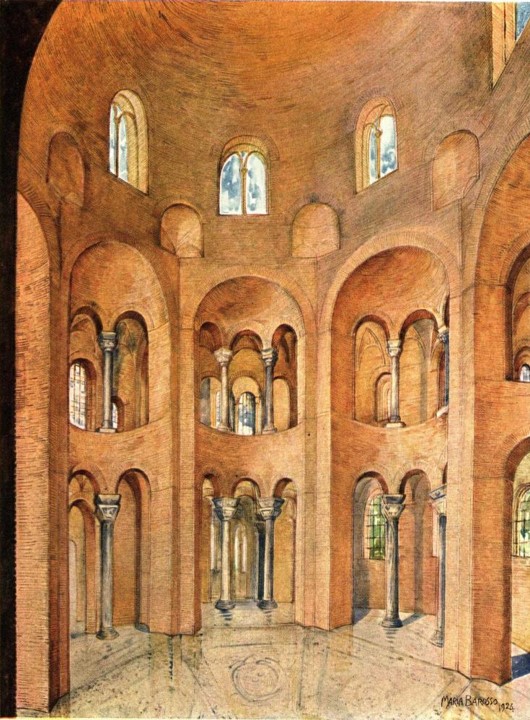
Mars, Gerhardt C. (editor). Brickwork of Italy: a brief review from ancient to modern times. Chicago: American Face Brick Association. 1925. Available from Internet Archive here. Somehow the mellow color of brick and the architecture in the illustrations in this book were very appealing.

2018 04 ebook 49g 18 04.jpg

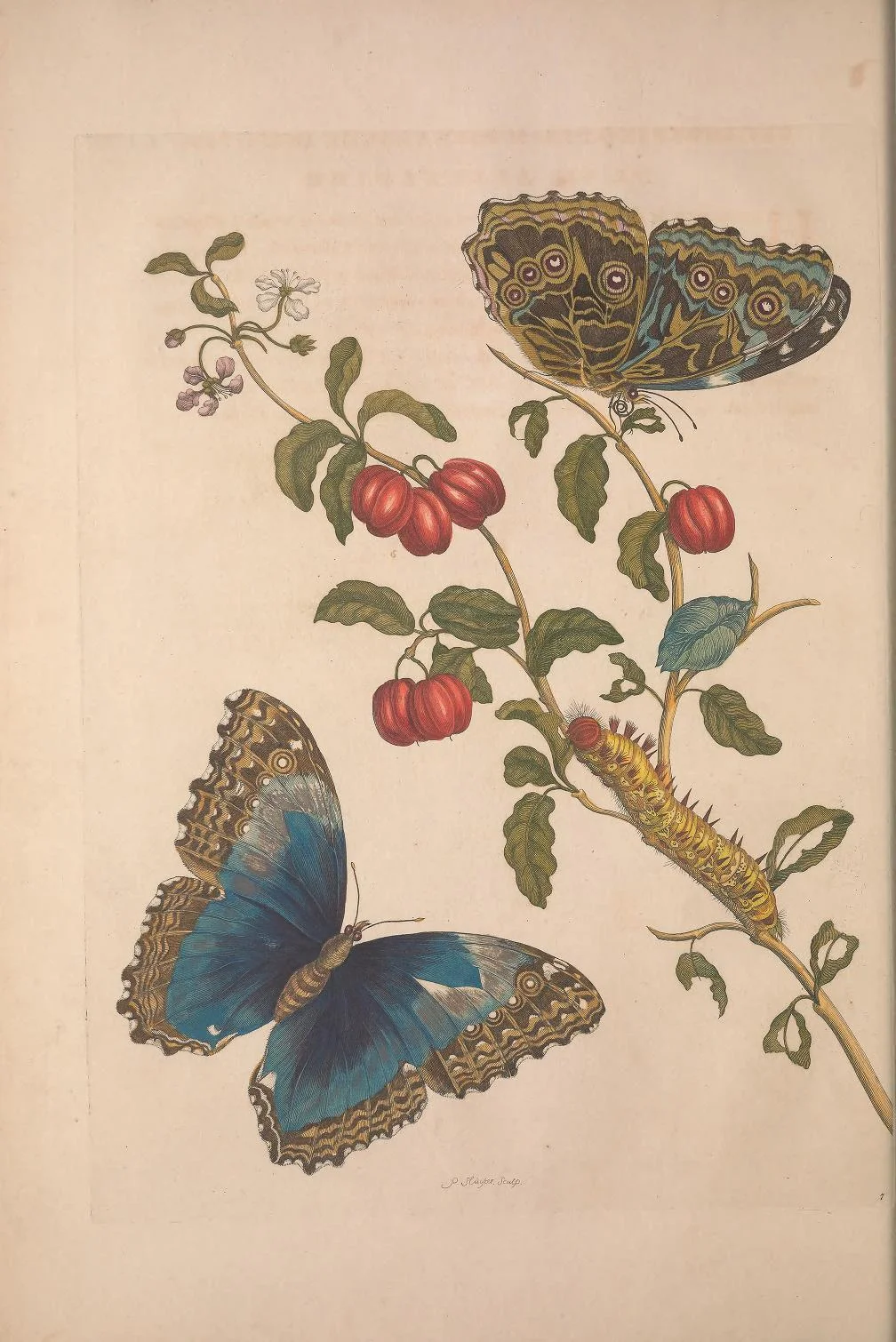
Merian, Maria Sibylla. Metamorphosis insectorum surinamensium. Amsterdam: 1705. Available on Internet Archive here. An early book about butterflies…and their caterpillars. Merian was a leading entomologist in the early 1700s…and was one of the first to publish color images of insects…particularly documenting metamorphosis of butterflies.