Ten Little Celebrations – April 2018

April has gone by very quickly…full of company and travel and the beginning of the spring volunteering blitz.

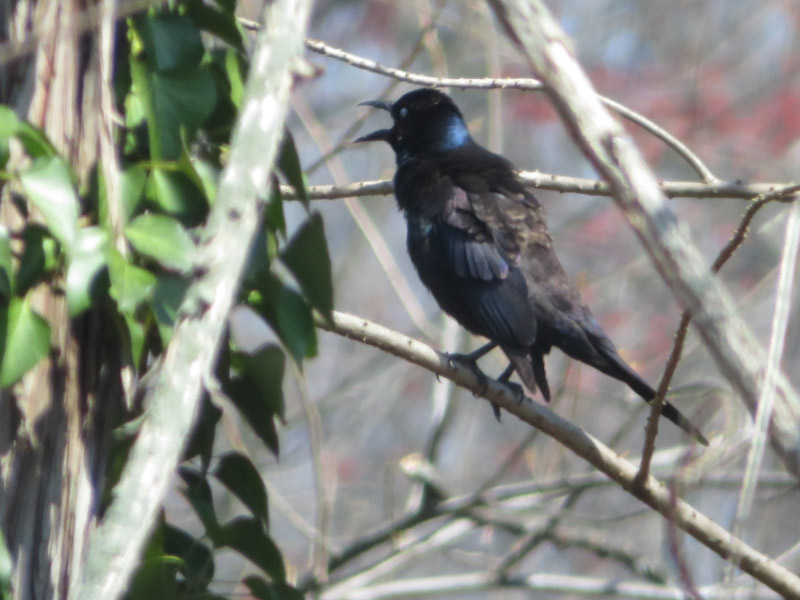
Six of the 10 little celebrations were experiences outdoors – typical celebrations of springtime everywhere:

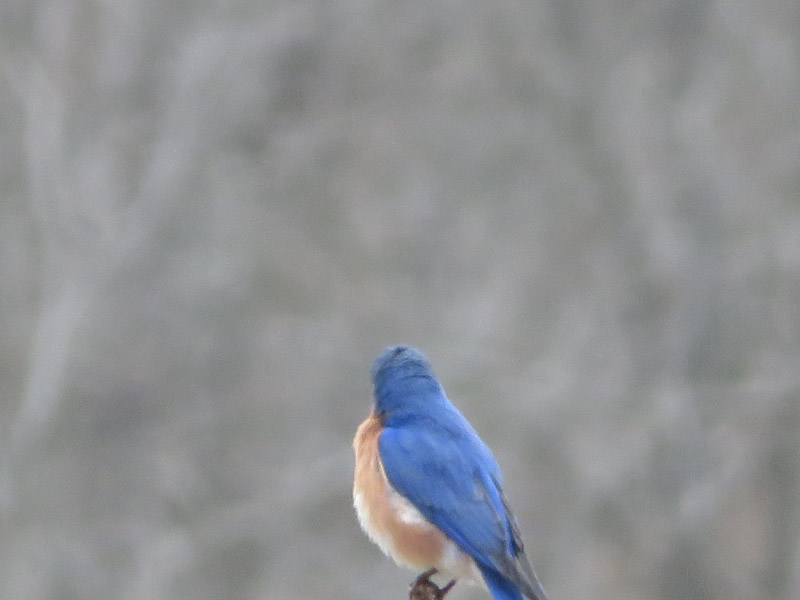
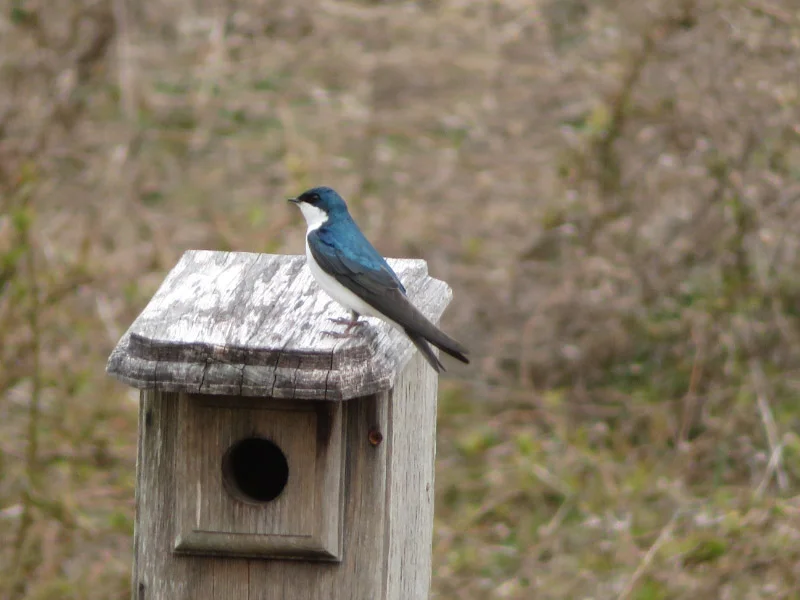
  • Blue birds and tree swallows were making their nests I the boxes at Mt. Pleasant in Maryland.
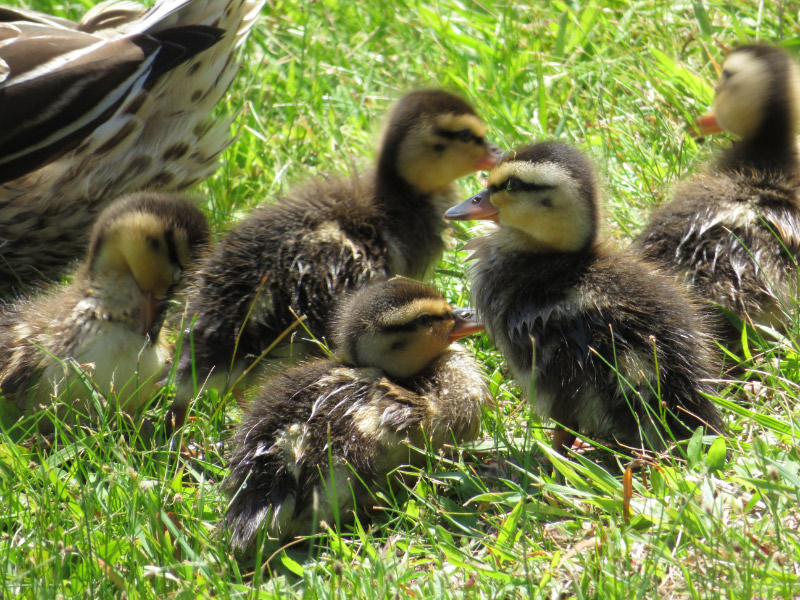
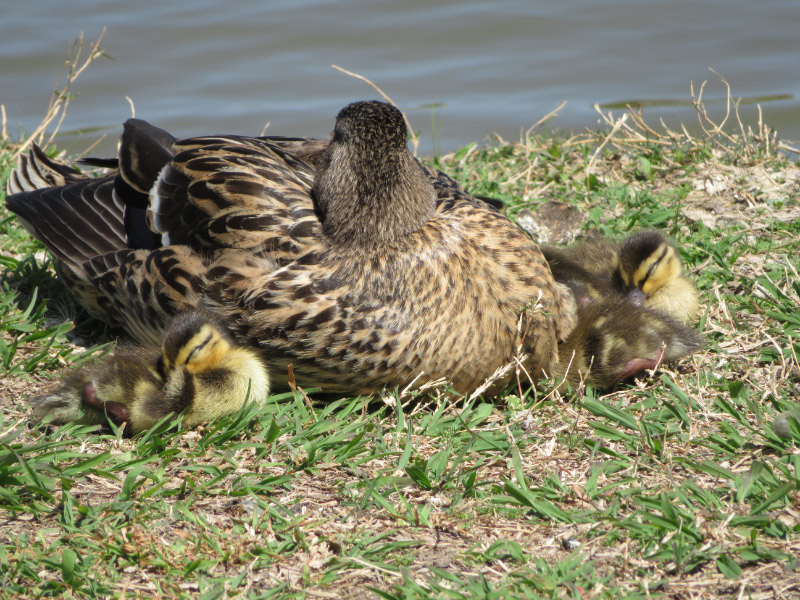
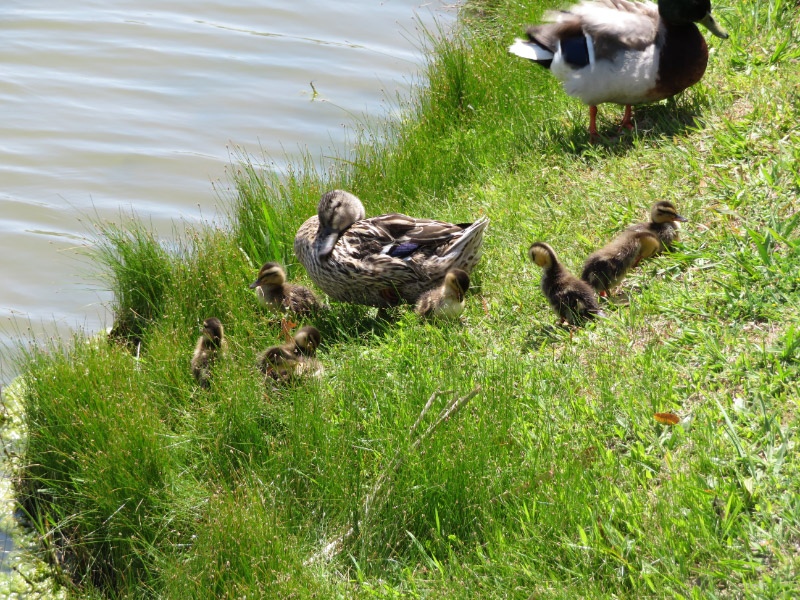
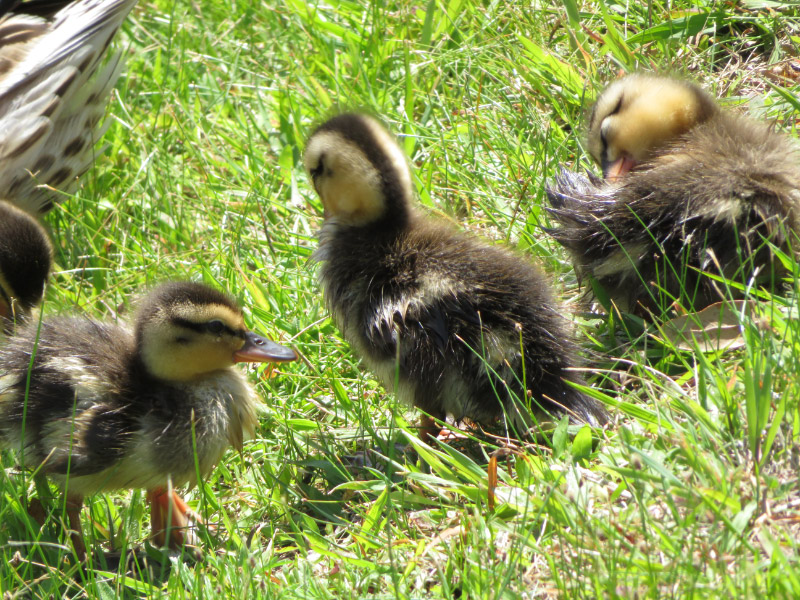
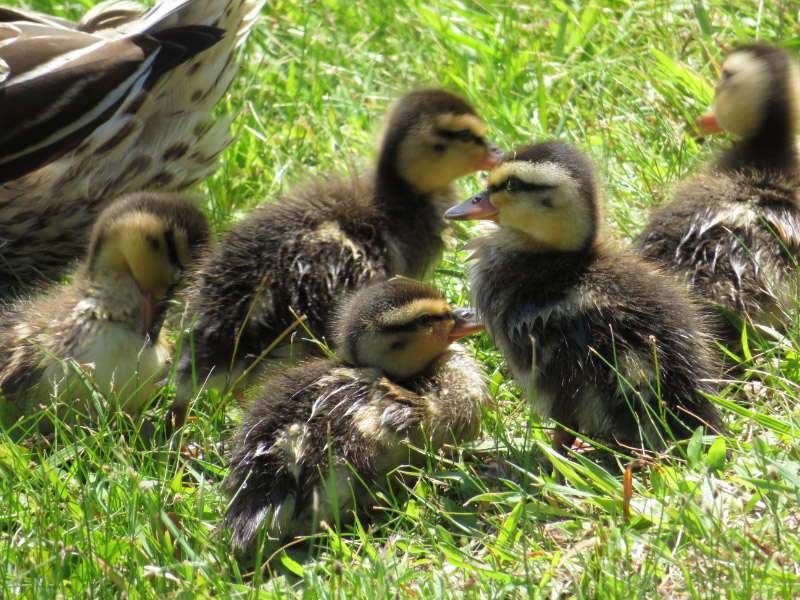
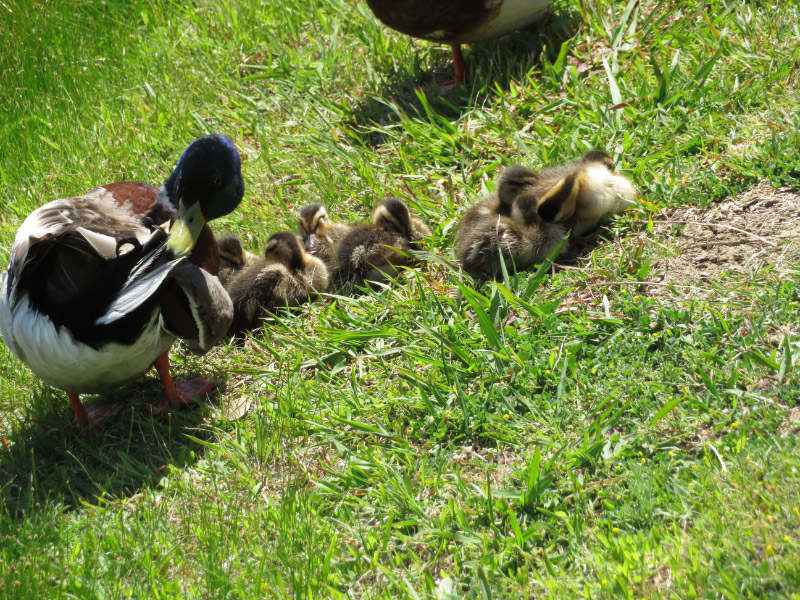
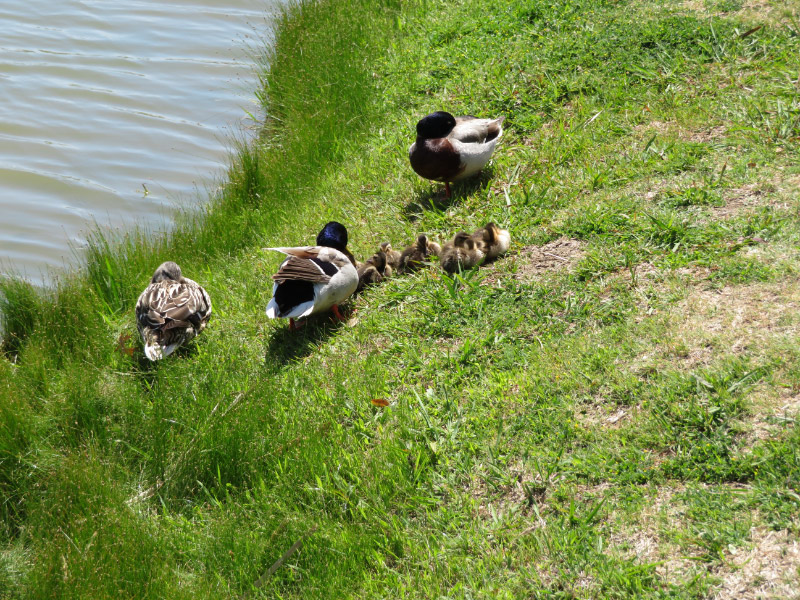
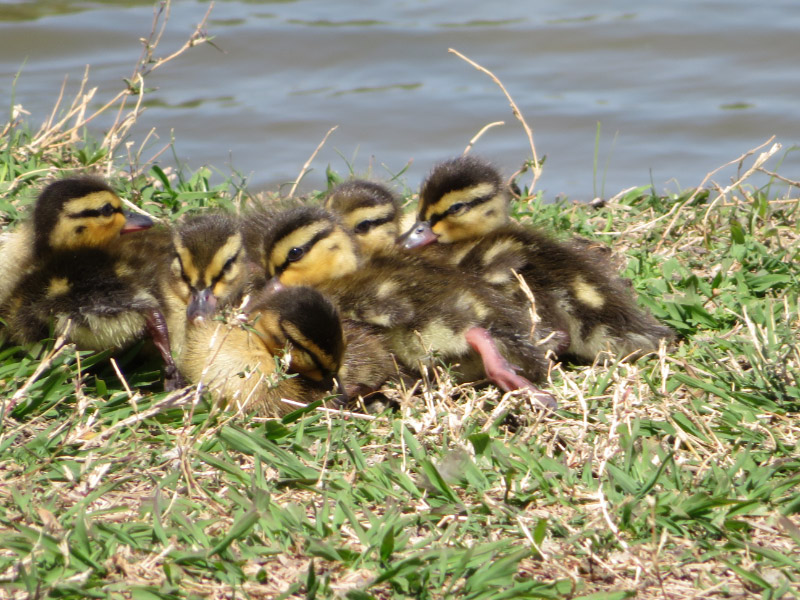
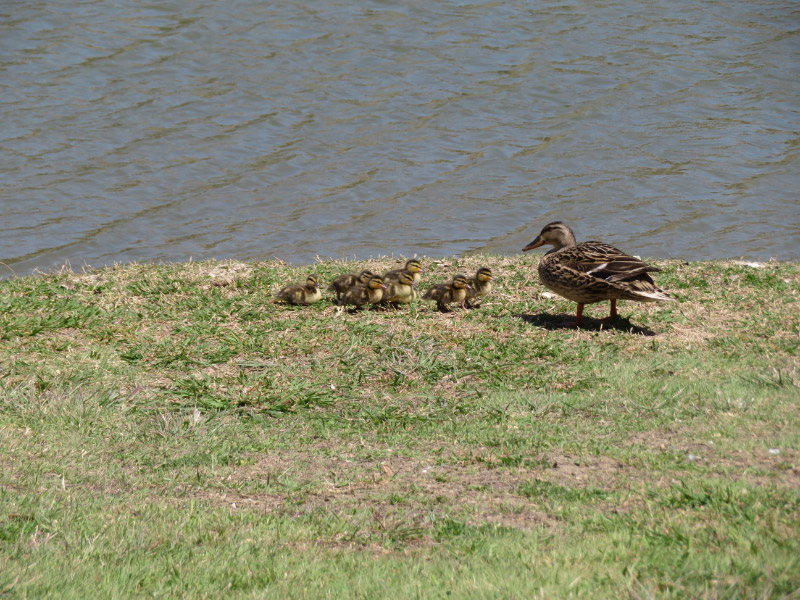
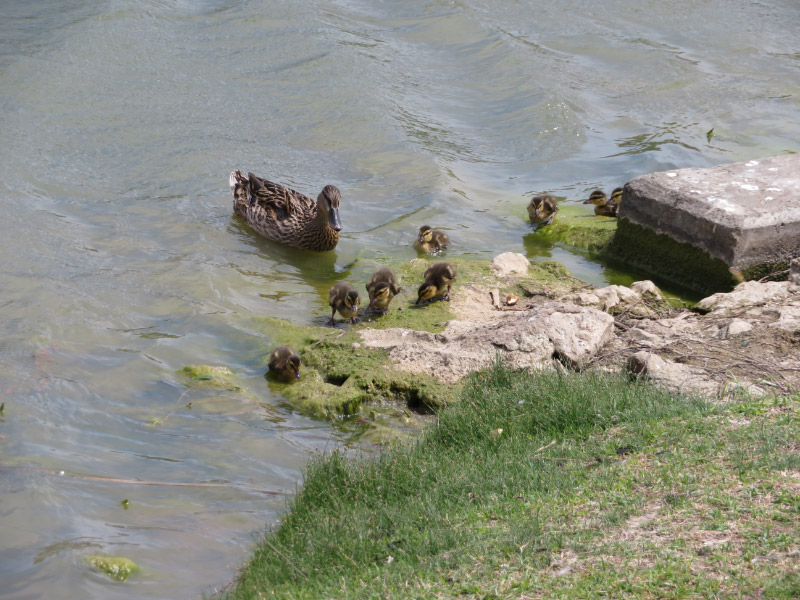
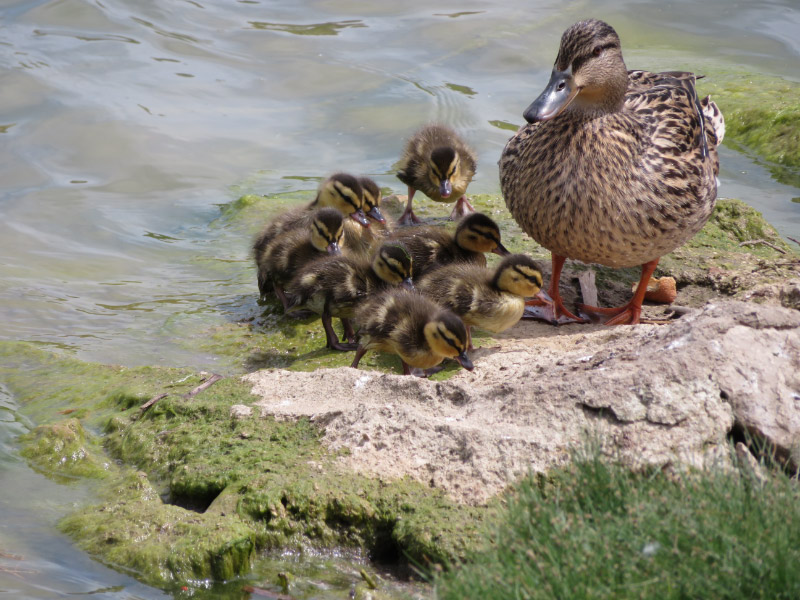
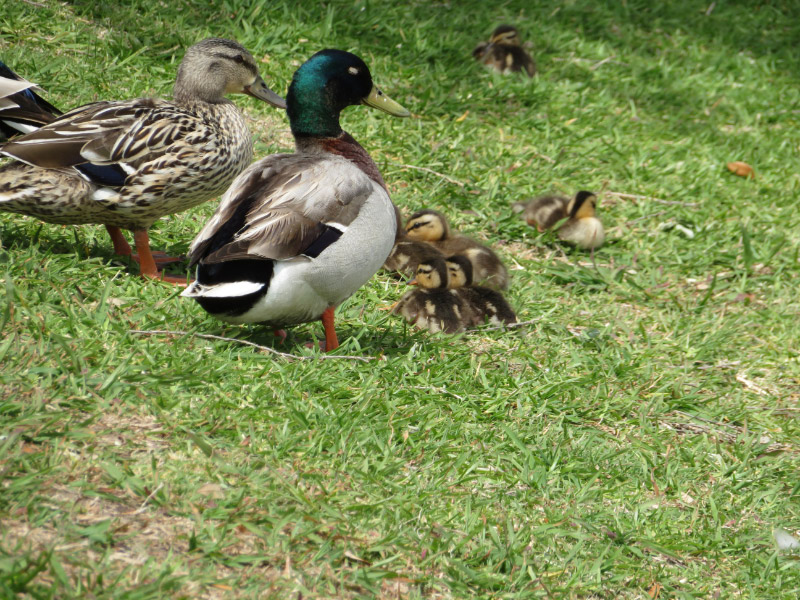
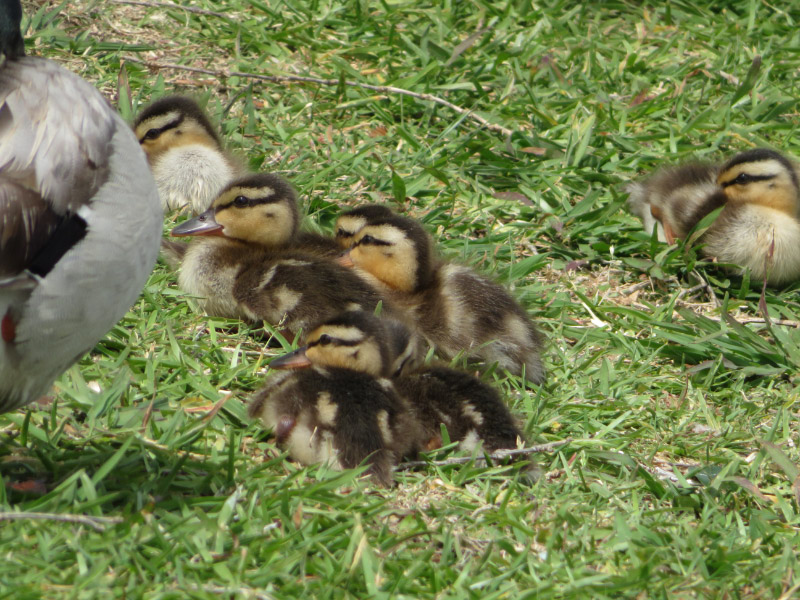
  • There were ducklings at Josey Ranch Lake in Carrollton, Texas.
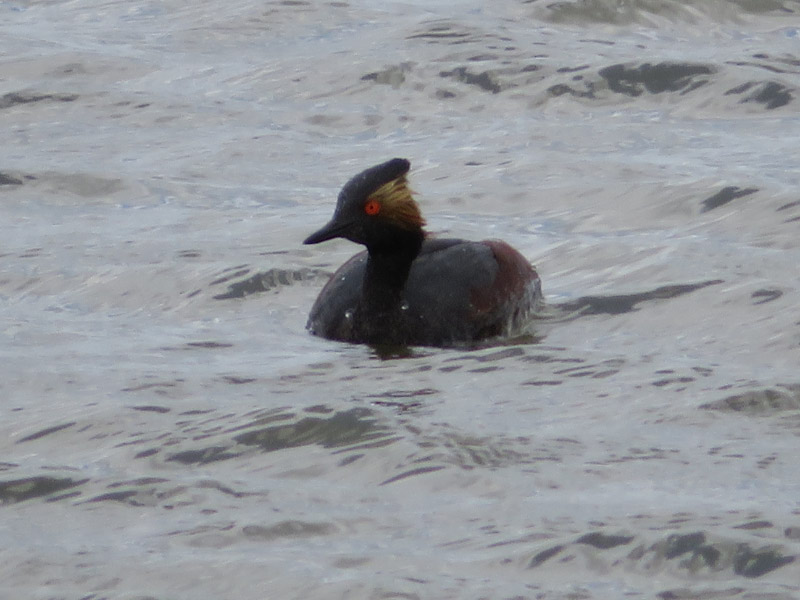
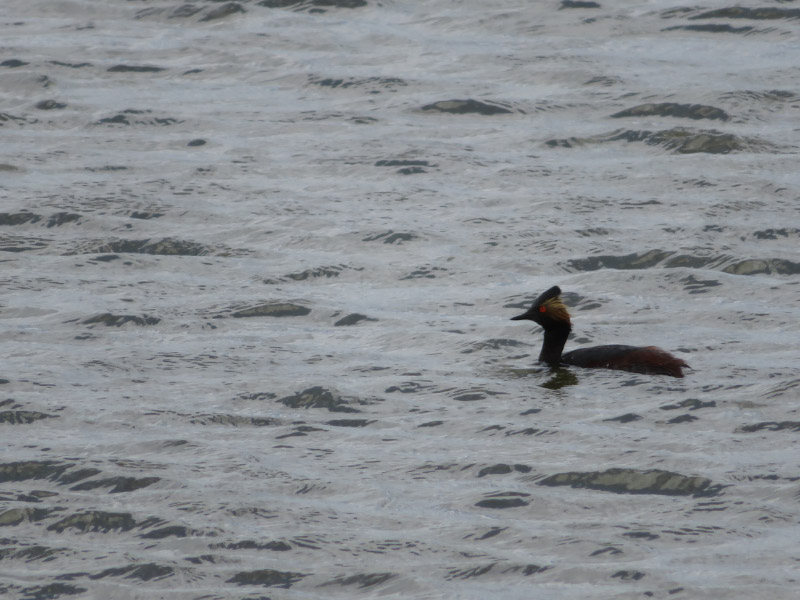
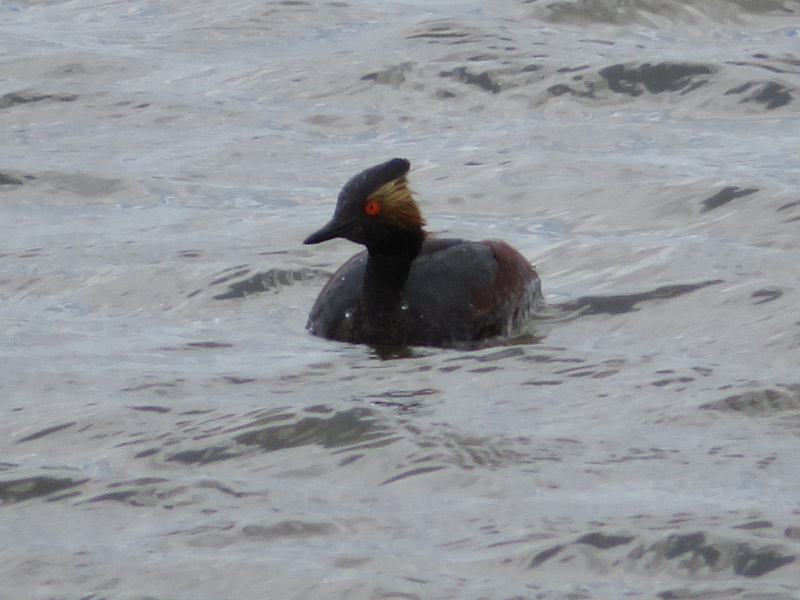
  • An eared grebe at Hagerman National Wildlife Refuge near Sherman, Texas.
  • Macroinvertebrates in the Middle Patuxent close to home.
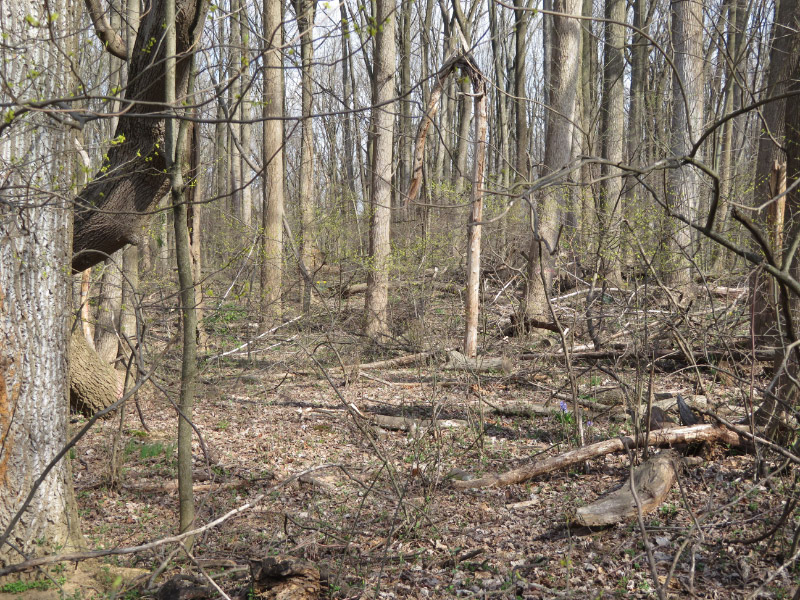
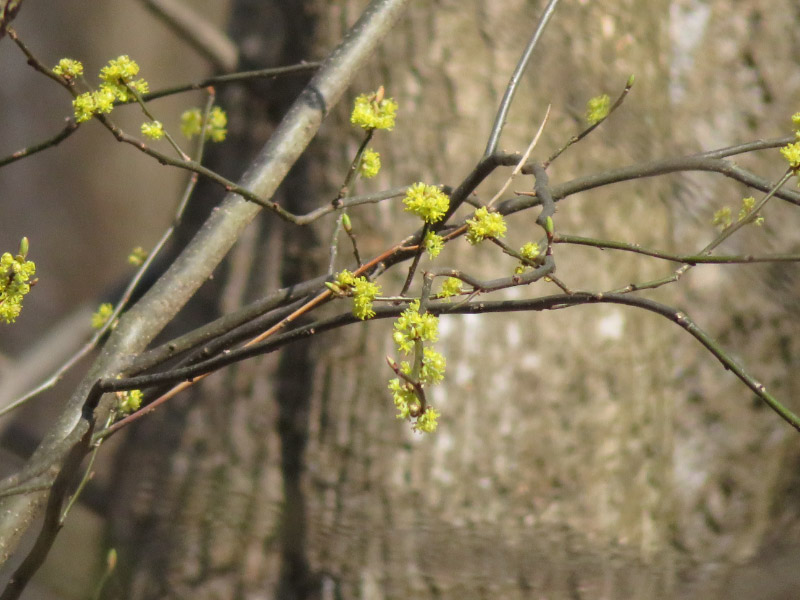
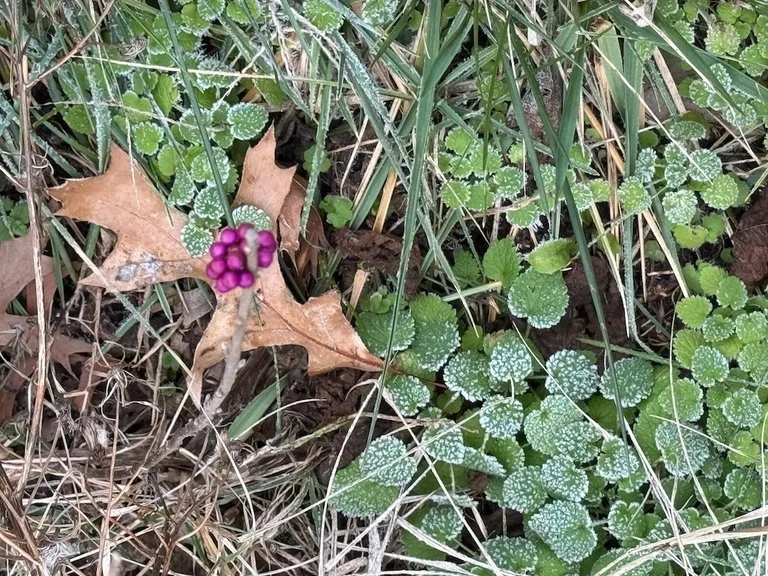
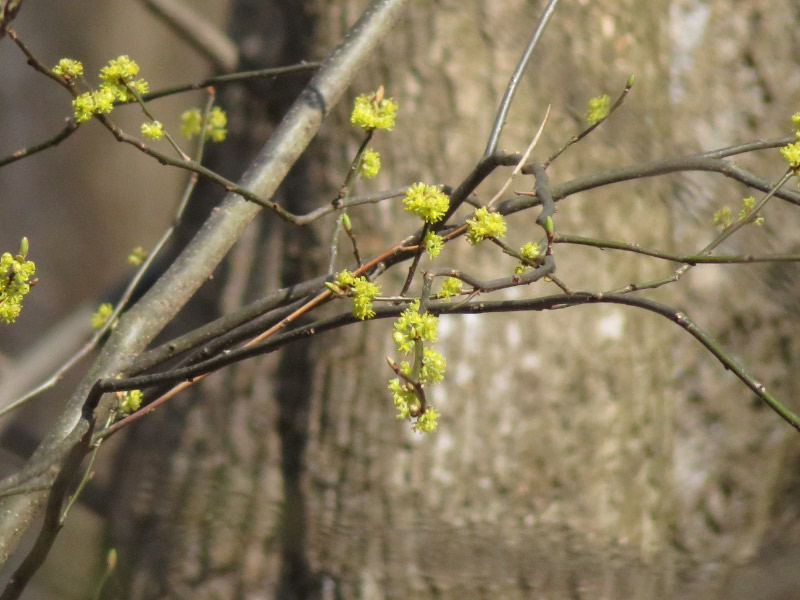
  • Spicebush in the forest behind my house and at Belmont Manor and Historic Park (both in Maryland).
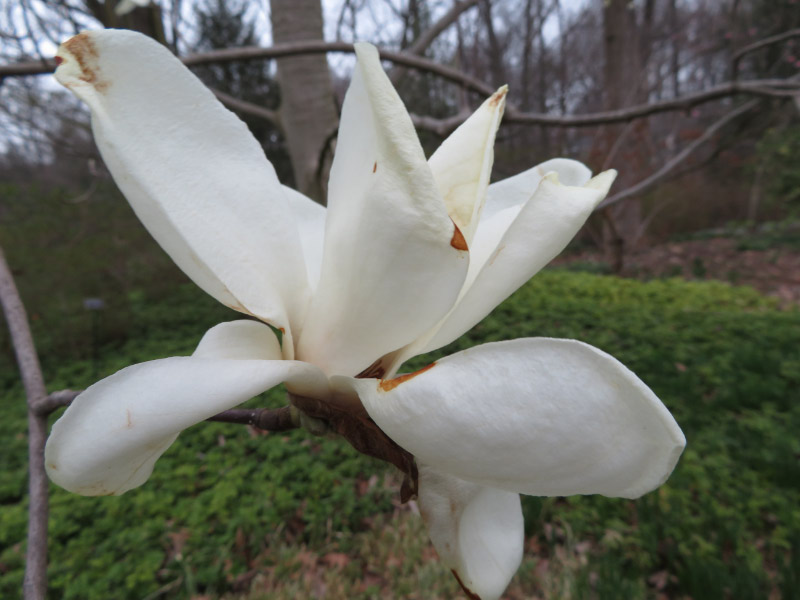
  • Deciduous Magnolias blooming at Brookside Gardens. Maryland got a freeze at the wrong time in 2017 and most of the blooms turned brown from the cold just as they were opening. It was a treat to see them again this year.
I celebrated the end of two long driving days between Maryland and Texas. Both were blustery and more traffic than expected. It felt good to be done!

My new iPad is something I celebrate every time I create another Zentangle with it! I a pleasantly surprised with how easy I made the transition from pen and paper tiles to digital.

I thoroughly enjoyed a meal at a Brazilian steakhouse – this time managing to savor the flavors and not overeating. I even topped off the meal with dessert!

Finally – the Watershed Summit where the high schools of the county presented their report cards to the county government for their steams and school yards – based on data they collected last fall. Each of the 13 high schools had 2 presenters. They all were so poised and organized. It was a double celebration: the environmental findings trending positive in most cases and the quality of the students in attendance. Both bode well for the future.

Hagerman National Wildlife Refuge in Spring

2018 04 IMG_0095.jpg

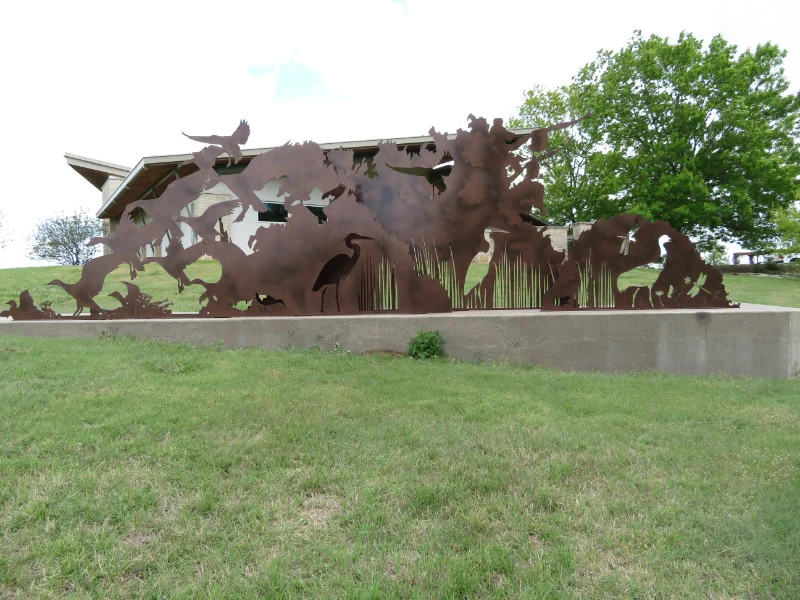
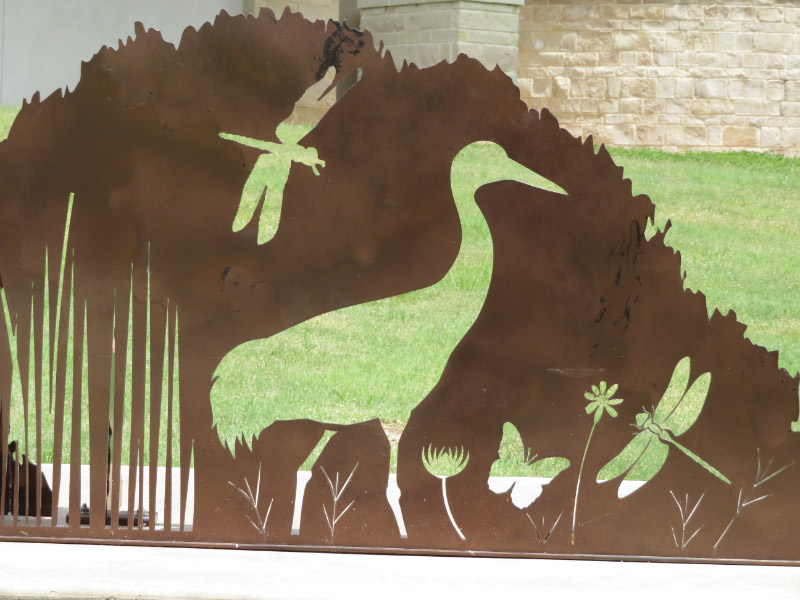
I visited Hagerman National Wildlife Refuge earlier this week. The day was too cold and too windy….but was the only one that fit it the schedule. I remembered to take pictures of the metal work near the visitor center.

2018 04 IMG_0106.jpg

In the garden near the front of the visitor center, I didn’t see any butterflies…but there were dried blooms from last season left on the trumpet vine growing on the arbor and a clump of bluebonnets (we’d seen larger patches as we drove to the refuge along the highway).

2018 04 IMG_0108.jpg

We decided to use our car and a moving blind and protection from the wind….making our way slowly around the wildlife drive of the refuge. There were not many birds but enough to make some photography attempts. The most unusual was a Eared Grebe in breeding plumage. Someone in the visitor center had commented about seeing a pair but we only saw one.

There were some American avocets a little too far away for a good picture on a cloudy day. They can be identified with the picture I took….and there is a Great Egret in the foreground.

2018 04 IMG_0117.jpg

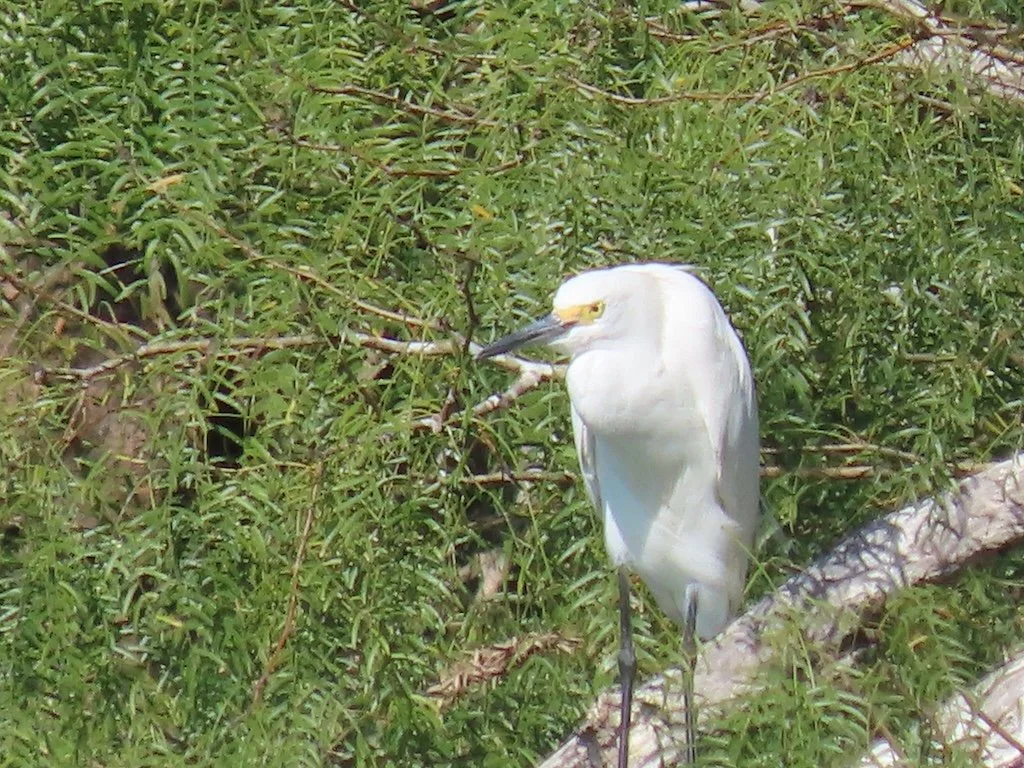
There were also Snowy Egrets (black bill and legs, yellow feet).

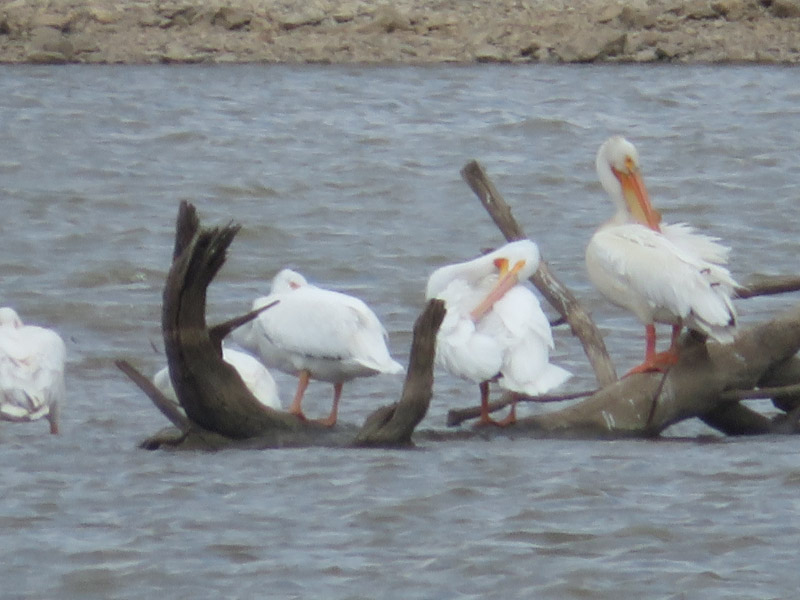
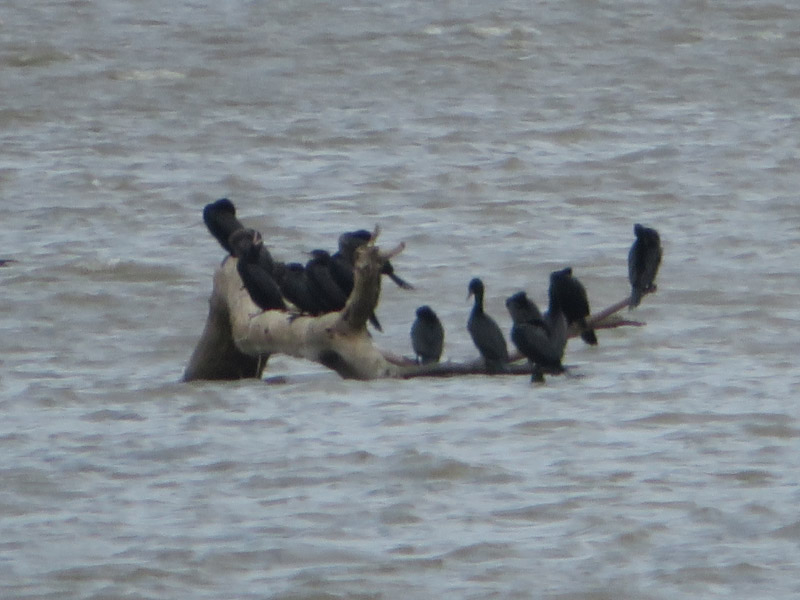
Very far out in the water on snags were American White Pelicans and Double Crested Cormorants.

The Greater Yellowlegs was closer and intent on finding some lunch.

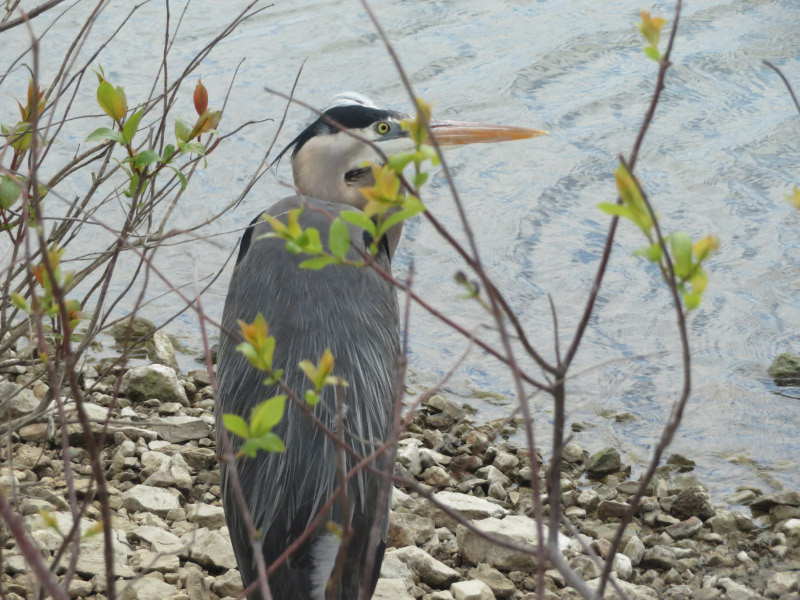
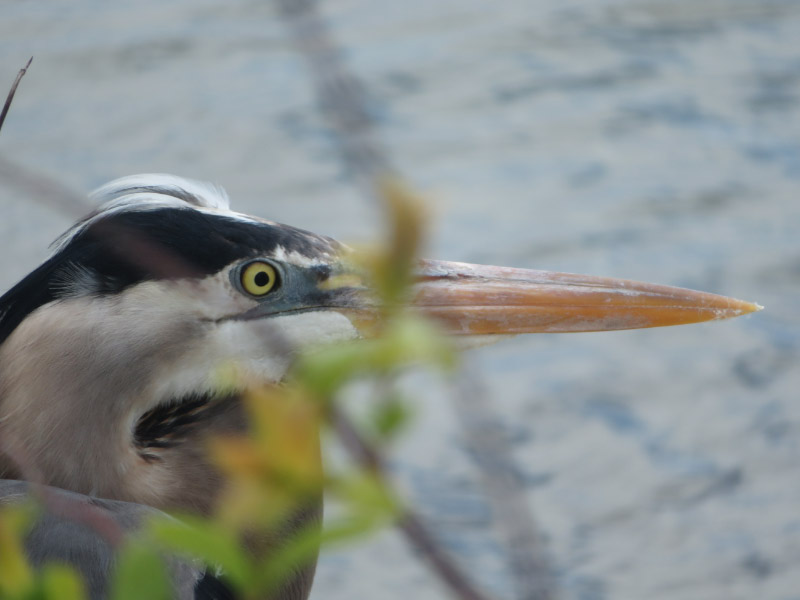
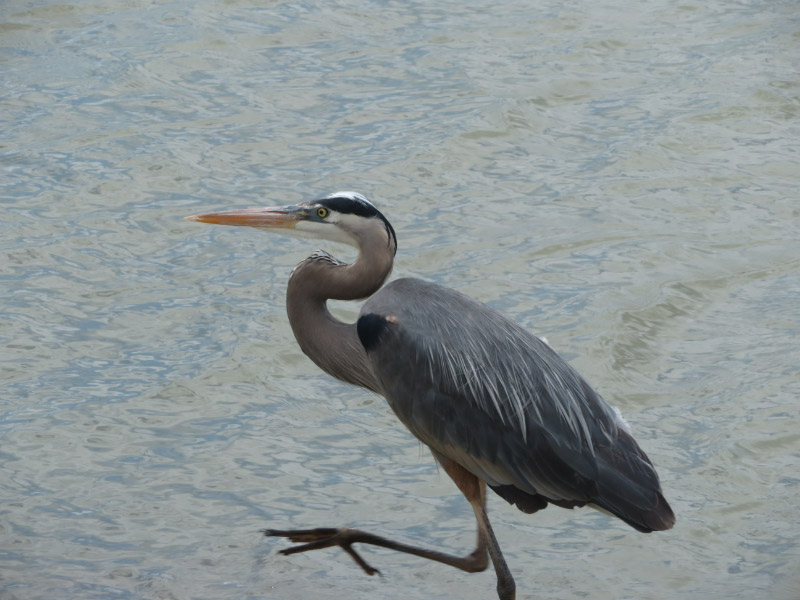
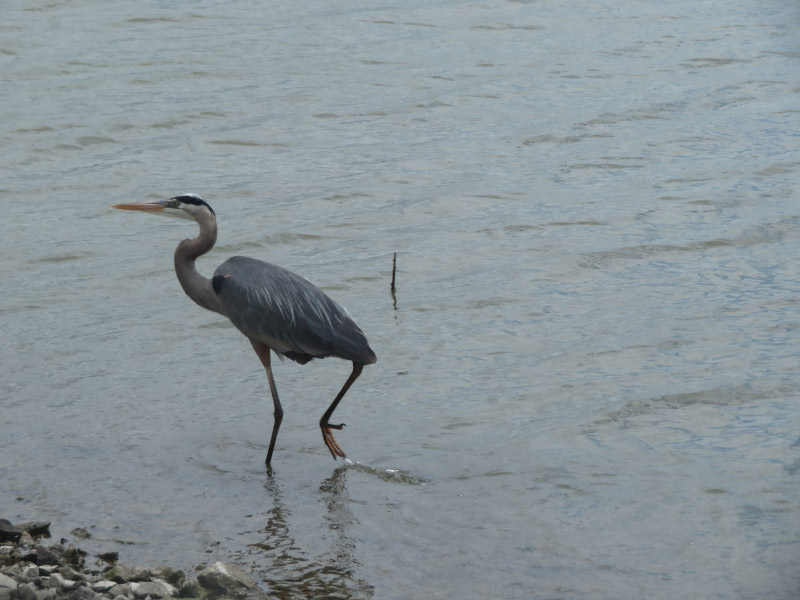
The Great Blue Herons were numerous and seemed to all have the blue topknot of mature birds.

We saw one turtle positioned for maximum sun (warmth) but there were probably more.

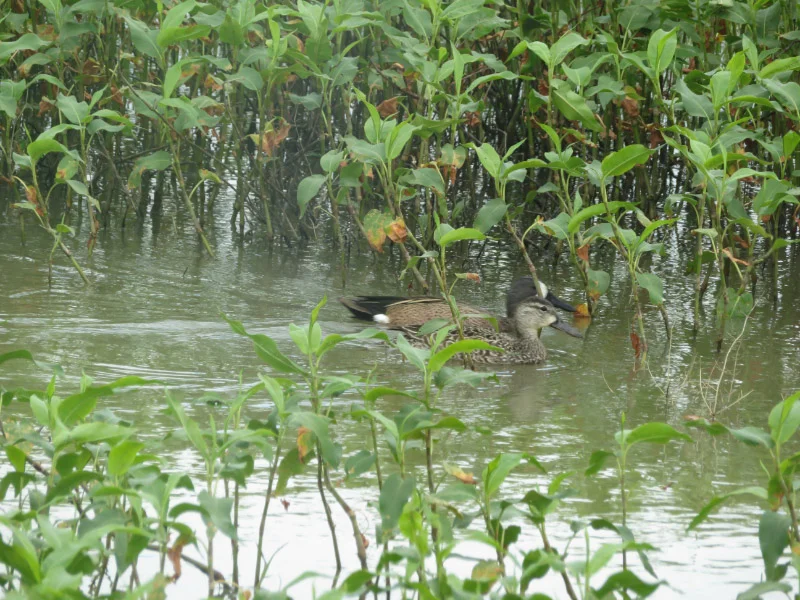
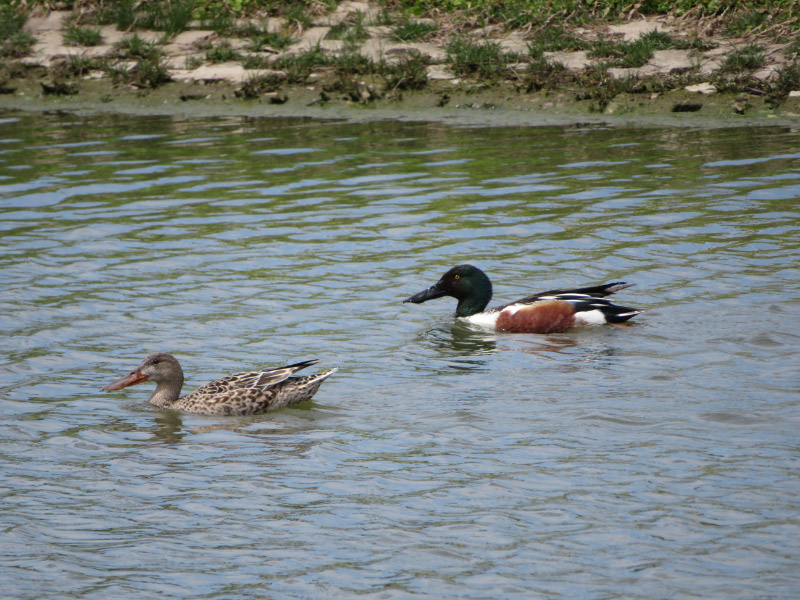
There were still some Northern Shovelers on the water; most of them have left for their breeding grounds in the north. A pair of Blue Winged Teals were hiding in the plants beside the road as we were leaving; they are close to their breeding grounds based on the allaboutbirds map…so might have just been making a last stop over.

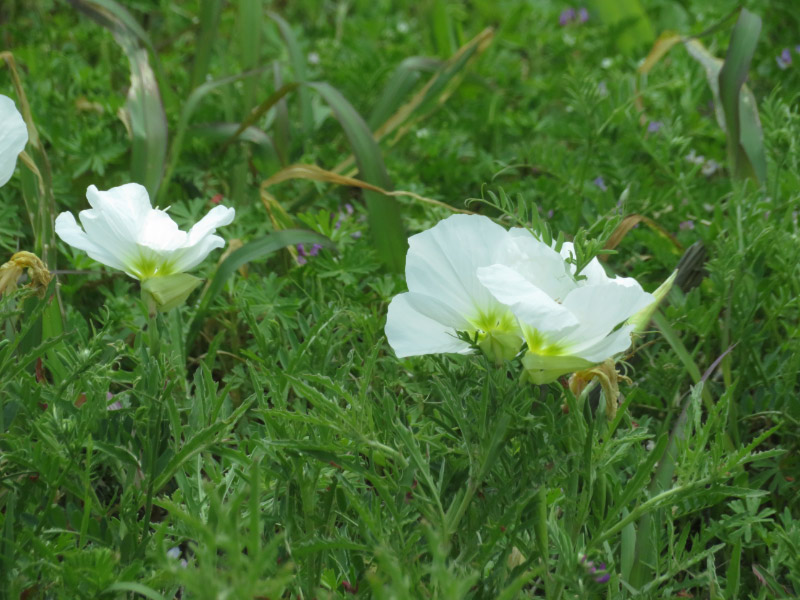
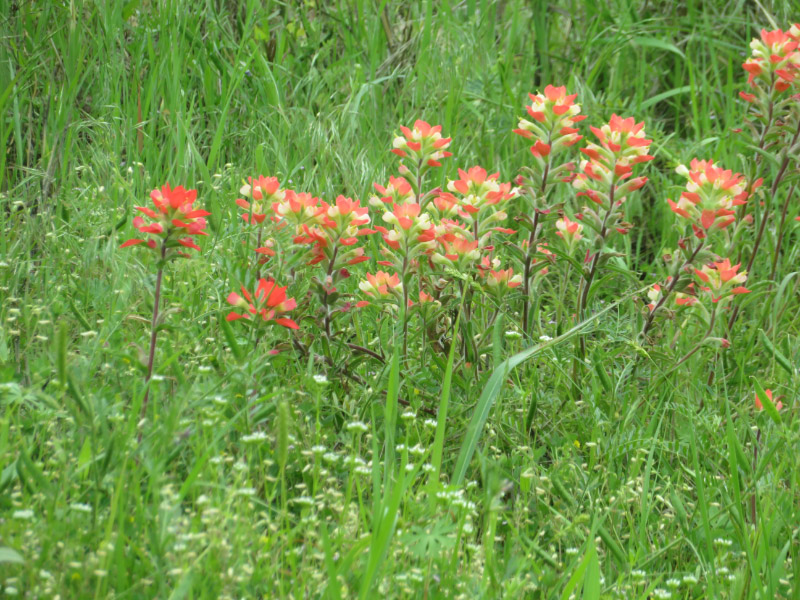
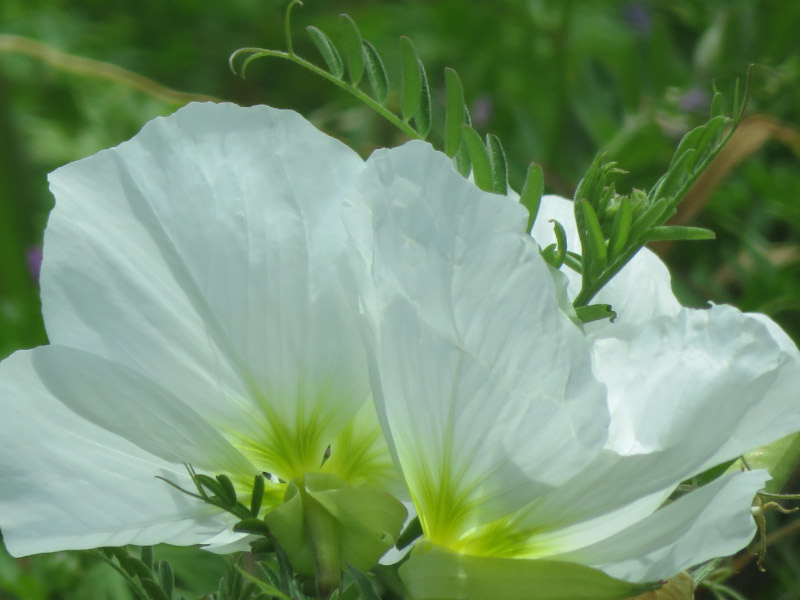
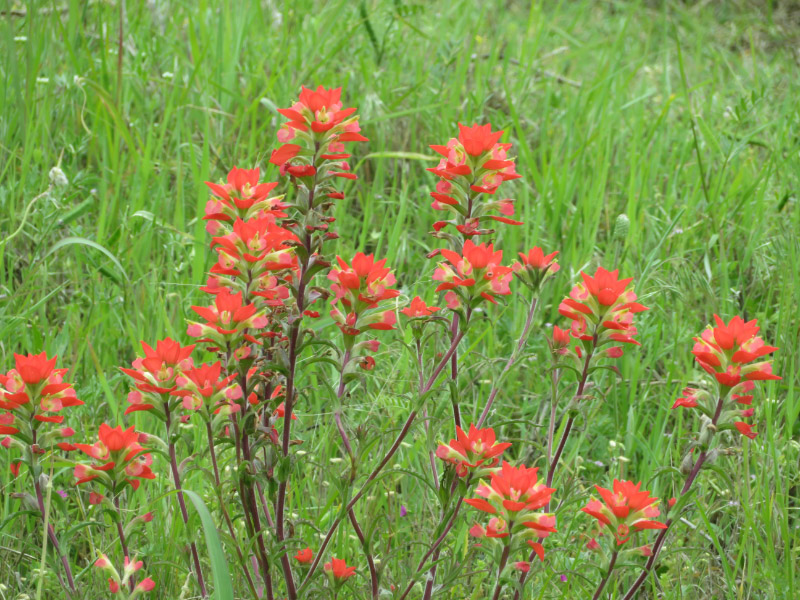
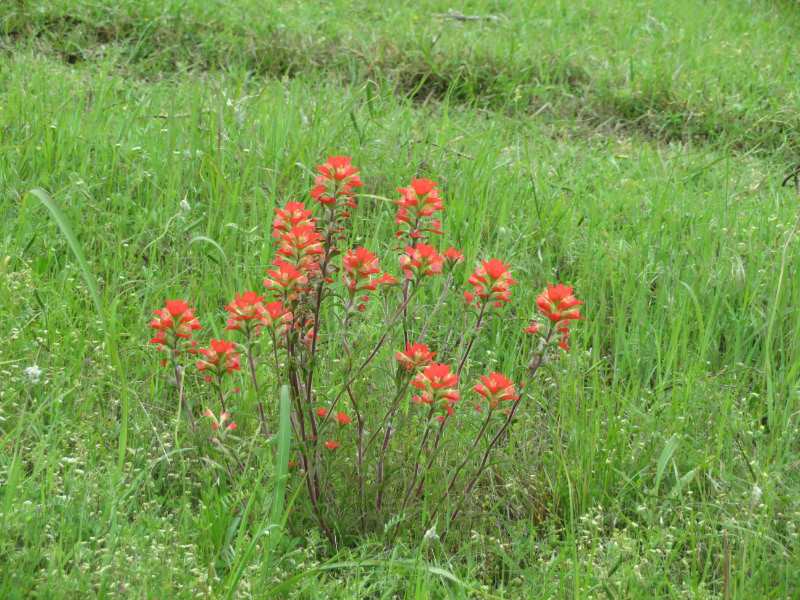
I took a few shots of wild flowers as we drove out of refuge….just rolled down the window and used the zoom!

Not bad for a cold, cloudy day!

Posts from my visit in November 2017: part 1, part 2.

Carrollton Texas Yard

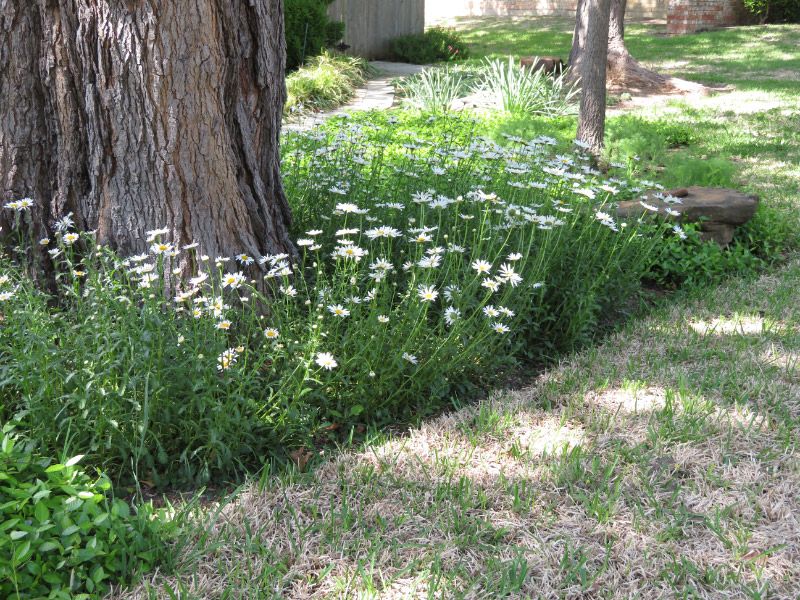
It’s a good time of year for gardens in Texas --- the weather has not gotten too hot. I like plantings around base of trees. They’ll go into the summer too.

2018 04 IMG_9936.jpg

The iris displays are at their peak right now. They still have a lot of buds so will be going strong for another week or two.

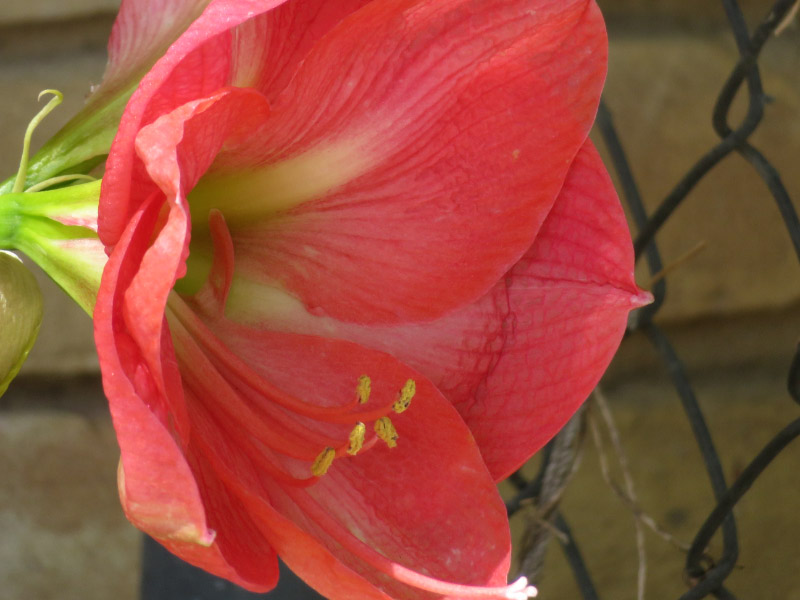
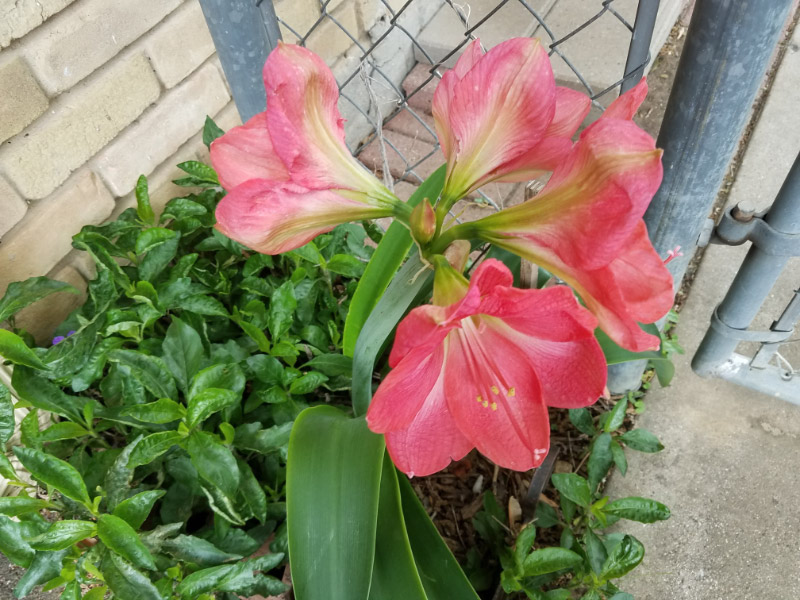
An amaryllis bulb keeps coming back every year is blooming as well beside a garden gate as well!

Spring is sprung!

Josey Ranch Park in Carrollton, Texas

The baby ducklings I posted about yesterday were the spring highlight for me at the part….but I was pleased with other sites too.

The buttercups in the grass…and the serendipity of catching a butterfly in flight between flowers.

IMG_0001.jpg

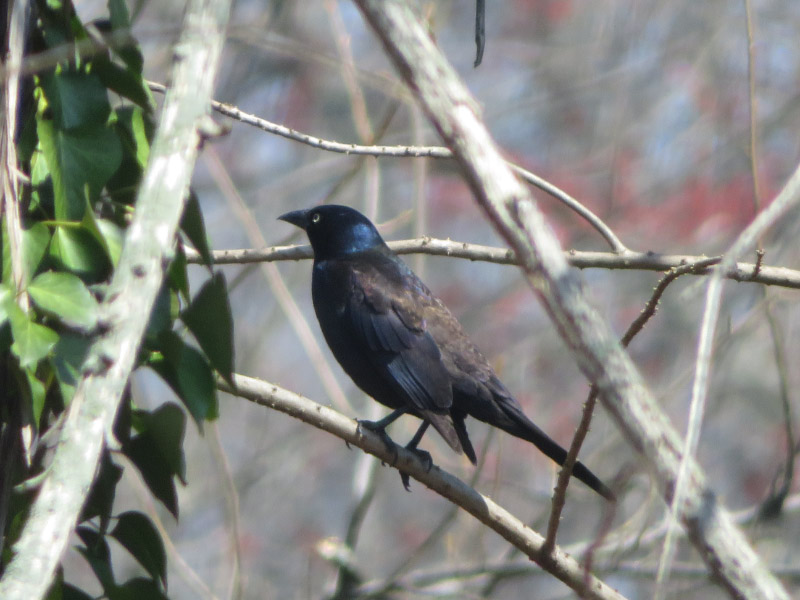
The male grackles were facing off…asserting their dominance.

IMG_0005.jpg

There was a scissor-tailed flycatcher that posed on a post for picture.

IMG_0015.jpg

I hadn’t realized how similar they looked to mockingbirds that are also in the area….except for the vary long tail.

IMG_0072.jpg

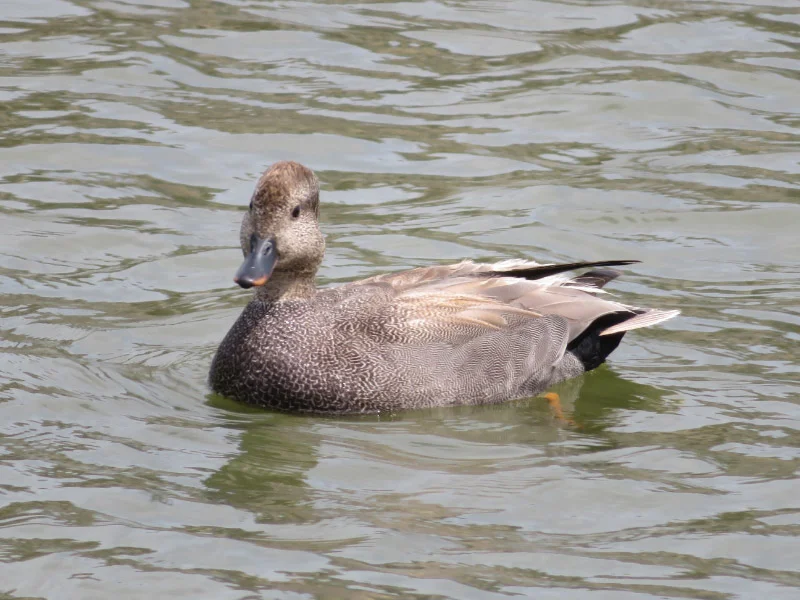
I saw two pairs of ducks (other than the mallards) that are probably getting ready to leave for their breeding ground further north: gadwalls (photo is of the male)

And northern shovelers. Both were probably more numerous in the area a few weeks ago.

IMG_0017.jpg

There was a squirrel that did not look happy for me to walking nearby as

IMG_0029.jpg

An American coot that didn’t seem to know I was there at all.

IMG_0025.jpg

My round-trip walk was about 2 miles…good exercise…and a good outing for some photography.

Ducklings

There were two cohorts of Mallard ducklings at Josey Ranch lake in Carrollton TX last week. I walked saw them on two different days – one group had 7 ducklings and the other 8. There are some larger turtles in the lake that might be a threat while the ducklings are so small – but the parents (sometimes with extra helpers) were attentive and keeping the ducklings in the shallow water away from deeper water where the turtle could pull them under.

Most of the time the ducklings stayed together. There were several instances that it appeared that the female was making sure all of them were still with her! There seemed to be more males that females around the lake and all the adults seemed to be near where ducklings were.

Enjoy the ducklings – one of the sure signs of spring!

Gleanings of the Week Ending April 21, 2018

The items below were ‘the cream’ of the articles and websites I found this past week. Click on the light green text to look at the article.

Adventure Photographer Captures Majestic Scenes of the Natural World – Starting out this group of gleanings with some eye candy!

Arctic sea ice extent at 2018 winter maximum was second smallest on record | NOAA Climate.gov – It will be interesting to see what happens to the Arctic this summer since there was less ice this winter.

With a Green Makeover, Philadelphia Is Tackling Its Stormwater Problem - Yale E360 – This article discusses what Philadelphia is doing…also what Philadelphia has learned from other cities. Dealing with stormwater has become a challenge in many urban (or suburban) environments….and rain gardens, green roofs, wetlands, and other techniques are leading to more sustainable solutions.

More Reason to Leave the Car Behind When Visiting the Columbia River Gorge - News | Planetizen – Have to keep this in mind for a vacation to the Northwest.

A North American Climate Boundary Has Shifted 140 Miles East Due to Global Warming - Yale E360 – Quite a few of my family members live in the Dallas area…and they are now on the dry side of the boundary!

Basking sharks gather in large groups off northeast US coast: Group sightings are fairly rare -- ScienceDaily – Opportunist data gathering…maybe someday it will be clearer why they happen with the second largest fish in the world.

Google X Spinoff Dandelion Raises $4.5 Million To Explore Residential Geothermal – Residential Geothermal primed to become mainsteam?

Birding For People Who Do Not Like Lists – Cool Green Science – This is me…a birder that does not like lists. I’m just thrilled to watch them…trying to get good photographs of them.

More than 50 new Nasca Lines, found with the help of GlobalXplorer and citizen archaeologists | TED Blog – citizen scientists searching satellite images.

Top 25 Wild Bird Brood Parasites – National Geographic Blog – I never can resist the collections of bird photographs….even these that are brood parasites.

Road Trip to Texas – Part 2

20180417_063909.jpg

The next morning, we were up and having breakfast shortly after it the service opened at 6 AM. It was a cold start to the day – a frosty morning in Dickson Tennessee. The sun was just coming up through the trees we loaded the car and headed out about 6:30. We’d were already on central time so would not benefit from a time change on this leg of our trek.

The first rest stop was about an hour later. I cheered when the vending machines had my favorite caffeine drink (diet Pepsi). The day was still chilly but not frosty. The rose bushes at the rest stop were full of buds.

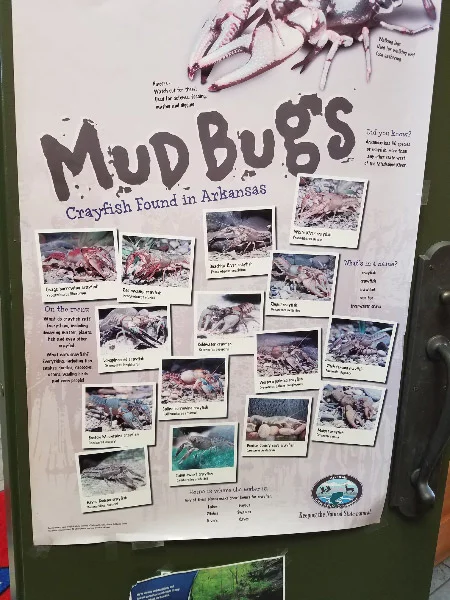
Our next stop was the welcome center after we crossed into Arkansas. It was a newer facility with some interesting architecture and posters; my favorite poster was the one of ‘mud bugs.’

We had a long wait on the highway that added more than an hour to our drive; a truck had lost part of its load and a crane had to be brought in to move it off the roadway. When we went by all the traffic was slowly funneled by on a shoulder. We recovered with a barbeque lunch near just before we got to Little Rock.

Then it was on to Texarkana and the welcome center for Texas. It’s a little tricky to exit the highway for the place…it was large with relatively few people around.

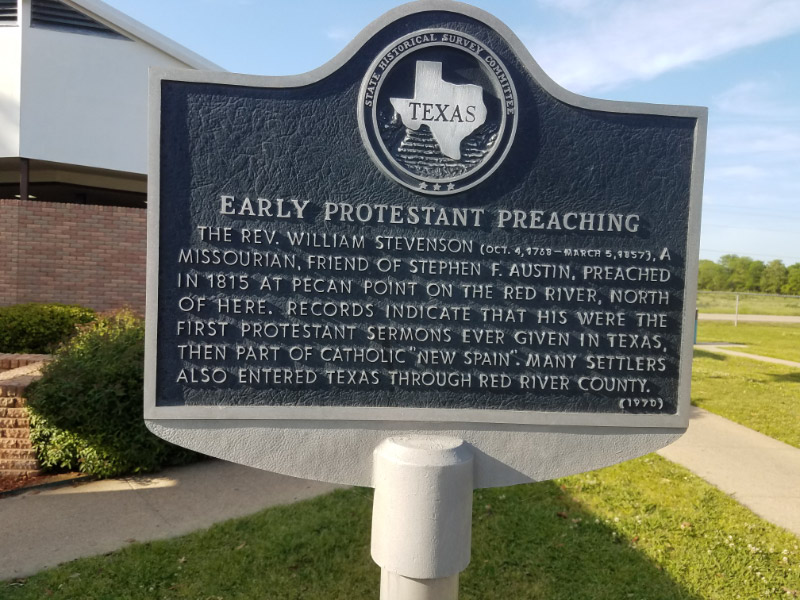
The next stop was the old-style Texas rest stop with tile mosaics unique to the place. The surprise of the stop was the historical marker; my sister recognized the name from her genealogy work!

The last stop of the trek was just before we entered the Dallas traffic…wanted to make sure we were in good shape for the final push to our destination.

20180417_190236.jpg

Road Trip to Texas – Part 1

I drove from Maryland to Texas with my sister earlier this week….a 2 day trek. We left my house about 6:30 AM and headed west on I70 rather the dealing with the traffic around Washington DC. I am getting very familiar with the South Mountain rest stop since this is the route to the Pittsburgh and State College as well. This trip – it was in the low 40s and wet. The daffodils were blooming.

We got to I81 and headed south through West Virginia and then into Virginia. The welcome center in Virginia is a green facility….and has the big LOVE in front too.

The next stop was as an older Virginia rest stop but is one of my favorite with a terrace for picnic tables. We talked fast to get some exercise…and because it was too cold to dawdle.

The next stop was for gasoline. The flowers in the wooden pot were past prime but I appreciated them anyway. The Prius was doing well although the wind was beginning to pick up and I was aware that I was gripping the wheel a bit too hard.

We had food for lunch in the car so used the stops for walking around. There were daffodils again at the next stop.

20180416_134210.jpg

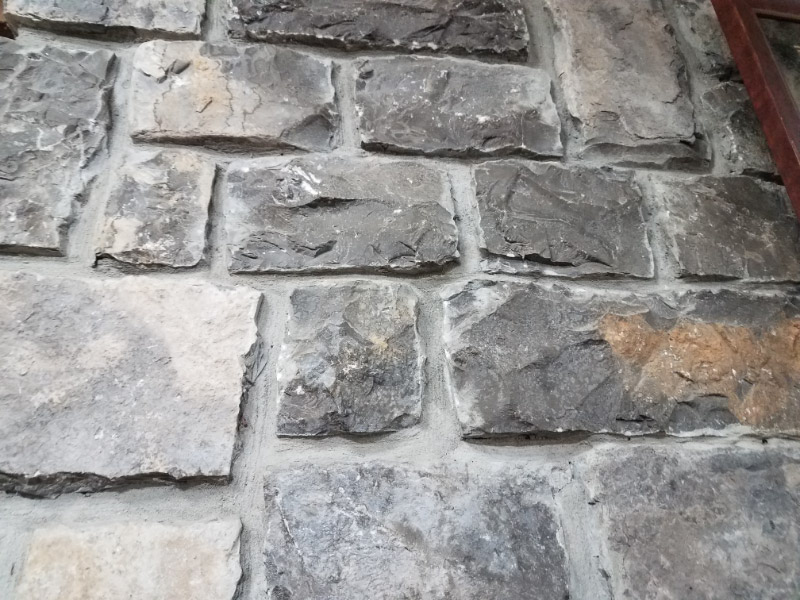
Finally, we got to Tennessee. The rest stops along the interstate have a log cabin side and rock cabin side. I like the rock side since they are rock from the immediate area.

20180416_154938.jpg

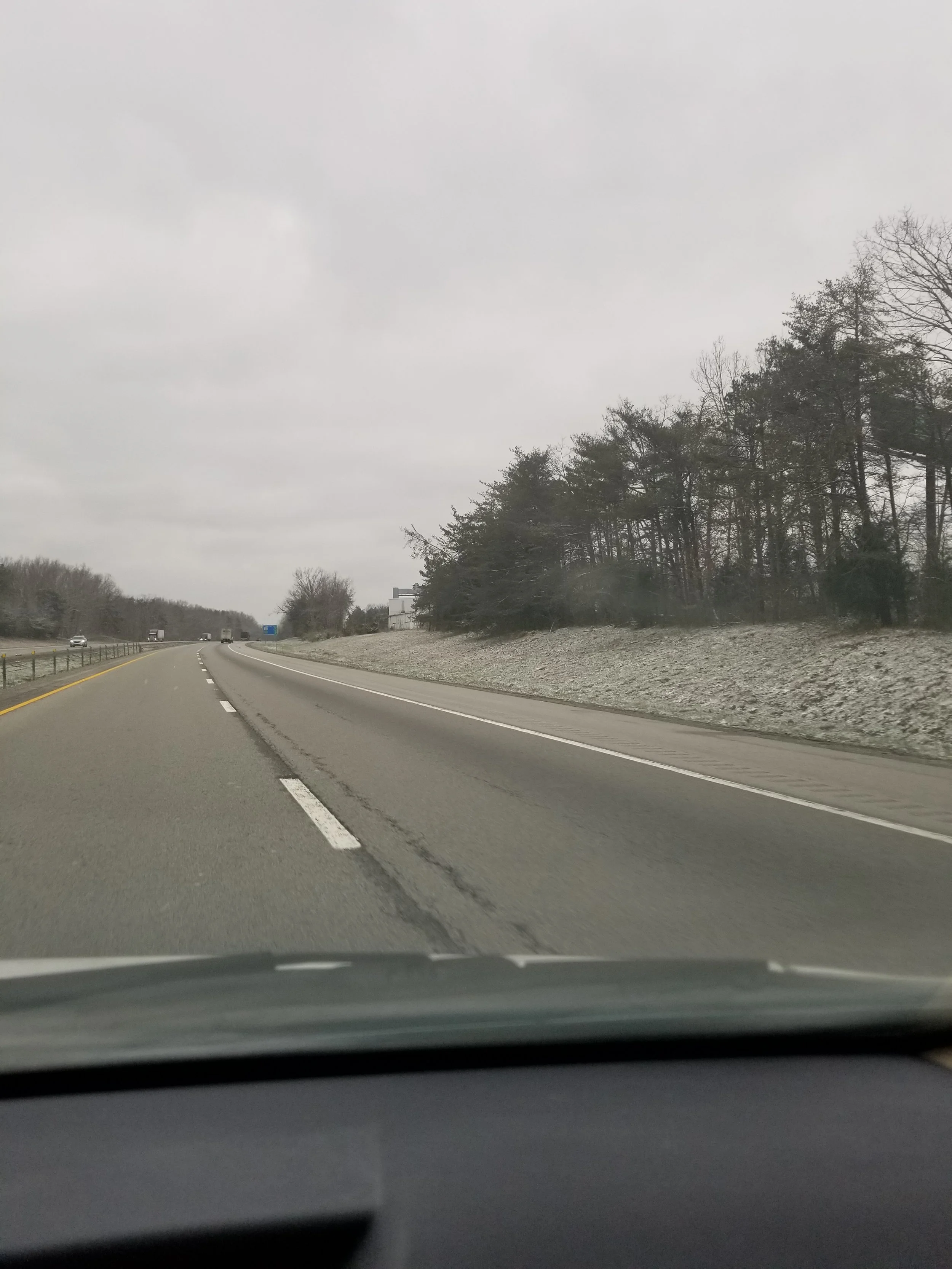
We were making fast stops because the temperature was dropping. There was a dusting of snow along the highway between Knoxville and Nashville! The wind was gusting and made it feel very cold.

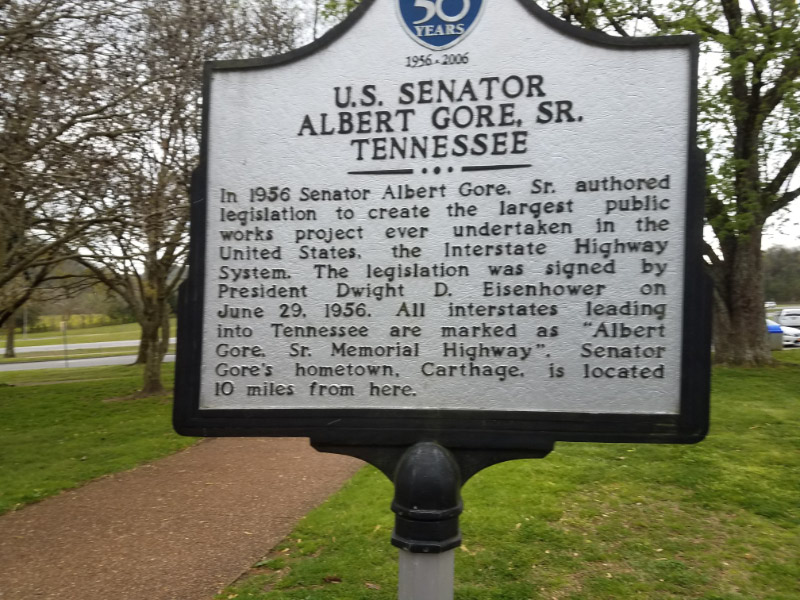
The last stop before we got to the hotel in Dickson, TN had a different kind of rock and a historical marker for Senator Albert Gore Sr…and the interstate highway system.

Tomorrow I’ll post about the second day of the road trip.

Washington DC in Traffic

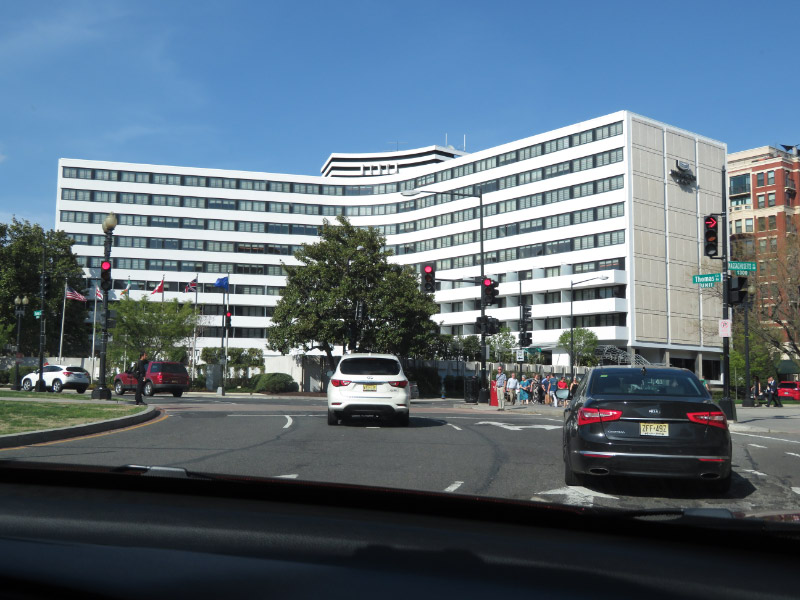
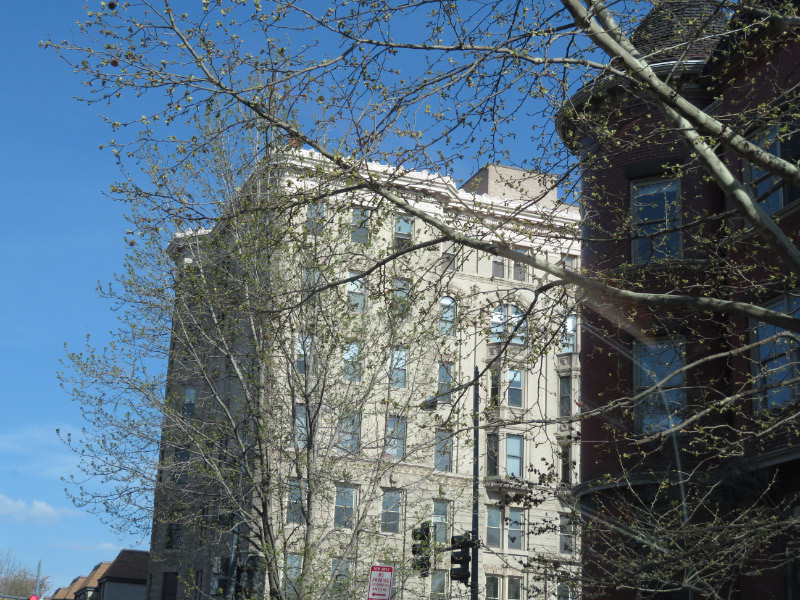
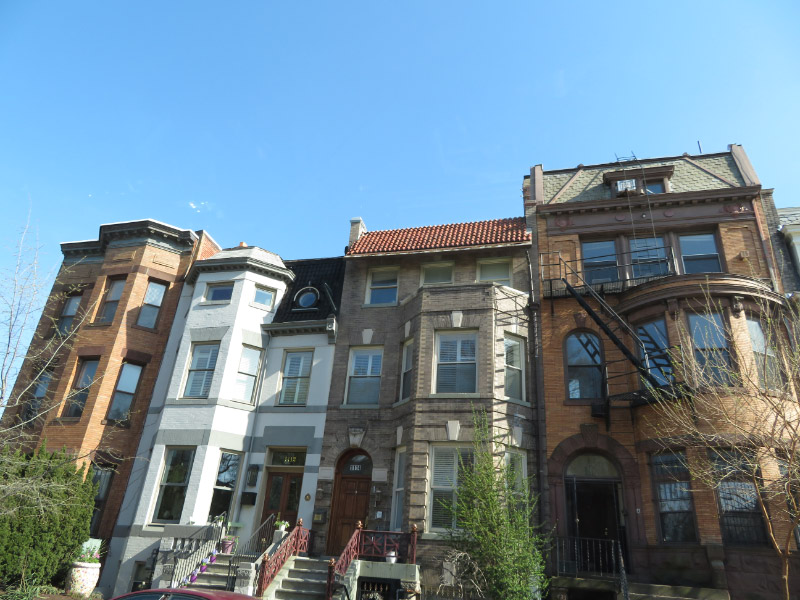
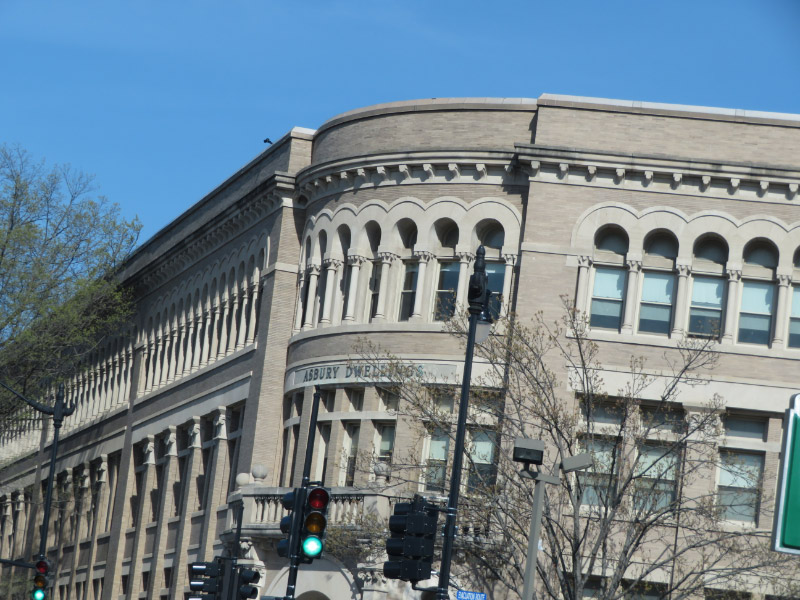
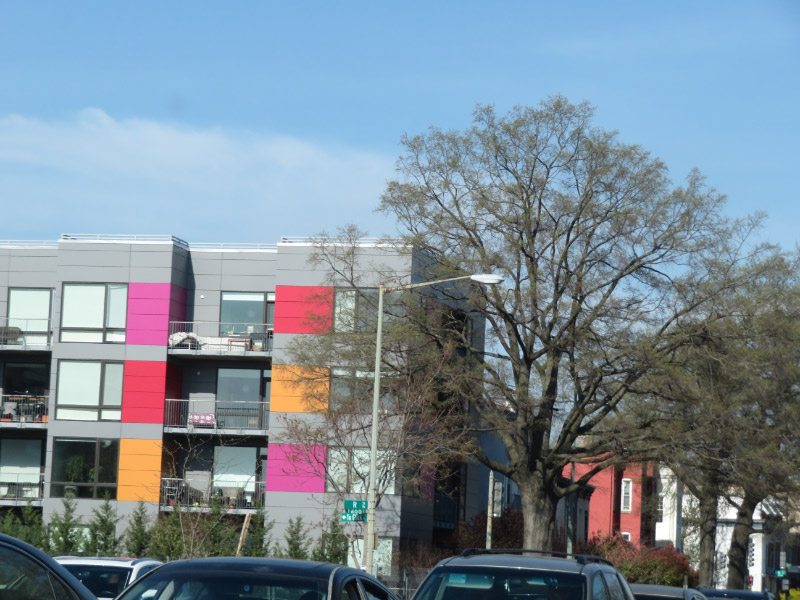
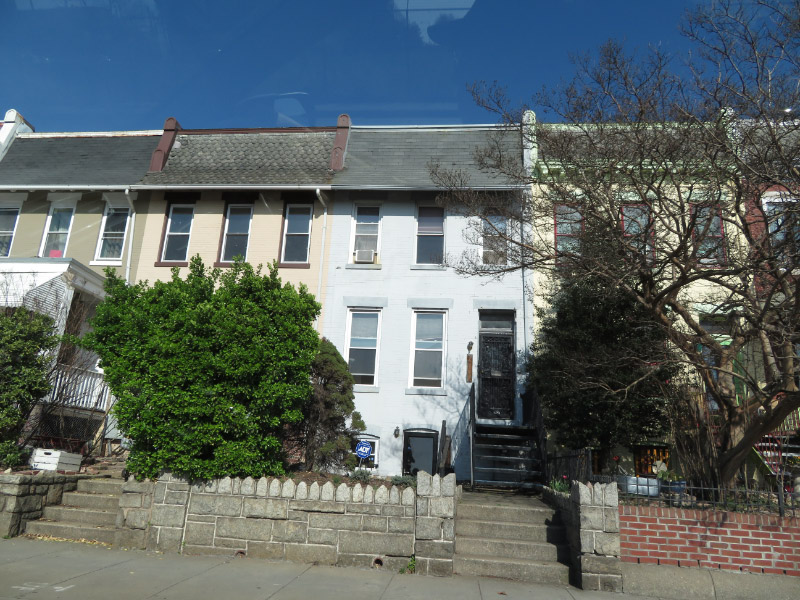
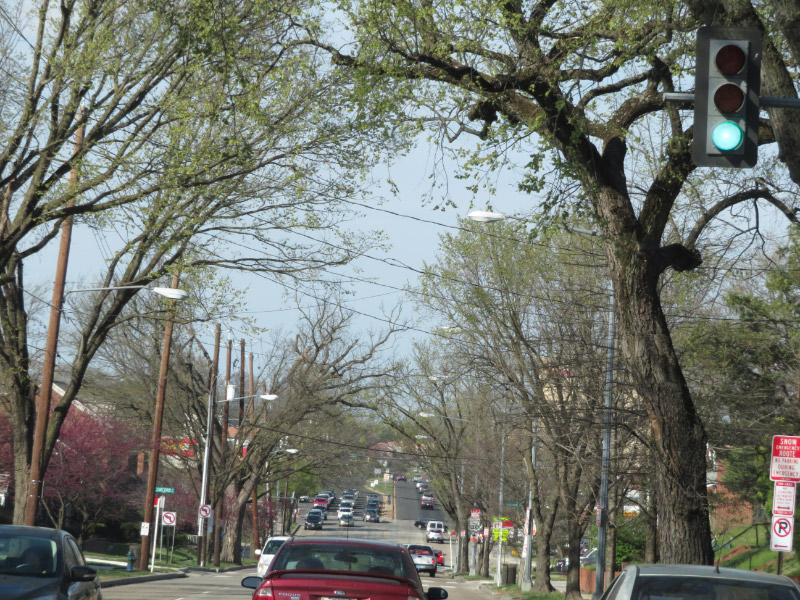
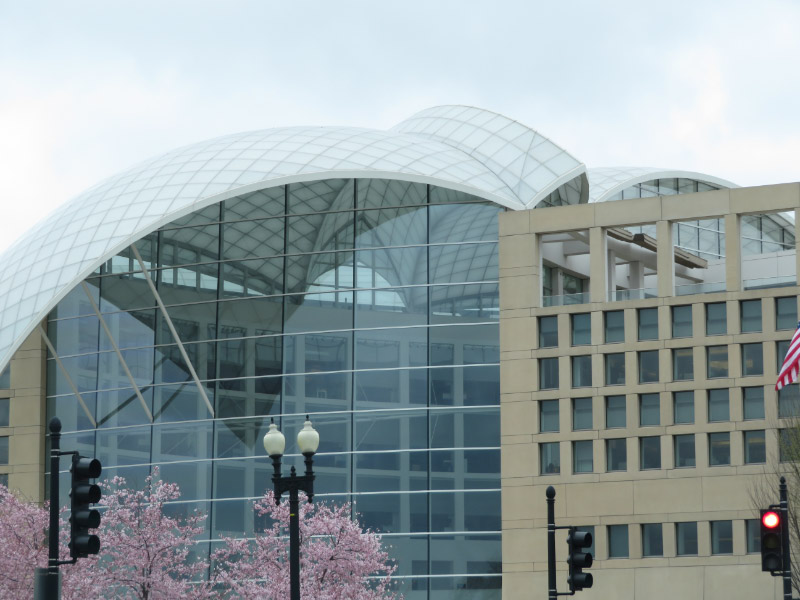
We have been in and out of Washington DC 3 times over the past couple of weeks for sightseeing and getting a guest delivered to/from her hotel. We don’t make the trek very often, so we notice the uptick in traffic every time we go; it’s stressful.  I was glad my husband was driving rather than me both because of the heavy traffic – even during non-rush hours – and because I could take pictures of what we were passing by. With all the stops, there were plenty of opportunities! If the car is moving – I always take pictures through the windshield but can use the side windows if the car is stopped. Enjoy the slideshow below that I captured as we made our way through Washington DC.

New Housing Development

2018 04 IMG_9872.jpg

I have lived in the same house for over 20 years and the area across the street from the neighborhood has always been a agricultural field.

2018 04 IMG_9873.jpg

There were some changes over the years: the field was planted with soybeans or corn or wheat – we always tried to observe the sprouts growing into seedlings as we went by to discover which it would be. The margins changed when herbicides came into popular use. Crop stubble was left, and tillage was reduced over the years – never leaving the soil bare for long or at all. And now – the process to develop the land into a residential neighborhood has started.

2018 04 IMG_9874.jpg

The development is in the initial phase with civil engineers doing studies and developing a sketch plan. Last week there was a ‘pre-submission community meeting’ (part of the county’s Development Review Process) that was crowded…people standing all around the edges of the room because the seats were full. It was my first experience at this kind of meeting and I was glad I got there early enough to get a seat. There was a lot of tension in the room with a lot of questions about the impact on already clogged roads and overcrowded schools. I am on the mailing list to get the responses to the issues raised within the next 30 days. I’m also sign up to the community Facebook page so that I can learn from others in the community that know more about how to maneuver within the process to protect the interest of the already existing neighborhoods…if this new development proceeds.

One of the new things I learned in the meeting was that the traffic issues on the roads now are largely due to a development that did not complete as planned and provide an entrance/exit to a major through street; instead the development only uses the narrow 2 lane roads in place prior to the development which were not designed for the volume of traffic they now carry. No wonder the people that have been following the issues for years are openly distrustful of the process and the developers rather than starting out in ‘trust but verify’ mode.

It’s positive that there are so many people engaged at this point…that the big issues have been surfaced. This is becoming my close-to-home HoLLIE-like project!

Ready for Butterflies

Last week, I went to the hour-long class for volunteers for Brookside Gardens Wings of Fancy. It was a refresher about how to handle the containment of the butterflies in the conservatory and the stations within the exhibit. The exhibit opens on April 18th and opens one hour earlier than it did last year – taking advantage of the cooler temperatures in the morning during the hot summer. The exhibit was under construction during our training, but it was already obvious that Wings of Fancy is going to be as wonderful as it has been in past years.

As I walked out to the parking lot, I noticed that the skunk cabbage blooms are finished, and the green leaves are all around the bald cypress…which is still bald.

2018 04 IMG_9783.jpg

There were grackles all through the woods near the parking lot…making a lot of noise on the spring day. They use their whole body to make their call!

Backyard Walk – April 2018

We had some warmer days late last week and I walked around our backyard to photograph it’s status. The violets are blooming. Sometimes the scent of them wafts through the air. They like the areas where there is lots of leaf mulch.

2018 04 IMG_9834.jpg

The red maple has bloomed, and the samaras (seeds) are forming. Our tree is in further along that the one at Belmont; the microclimate where it is growing is warmer probably.

Do you see the yellow haze under the trees in our forest? That’s spicebush. I think almost all the understory trees are that plant. The others have been killed so heavily browsed by the deer that they haven’t survived. I’m going to make an effort to inspect the spicebush this summer….hoping to find the caterpillars of the spicebush swallowtail butterflies. I am pleased that we have so many food plants for them.

Gleanings of the Week Ending April 14, 2018

The items below were ‘the cream’ of the articles and websites I found this past week. Click on the light green text to look at the article.

Solar Power Works in Many Places You Might Not Expect | CleanTechnica – Solar power is not just for sunny, hot areas! Sometimes assumptions we make early on about a technology are hard to overcome.

The secret world of babies – Techniques for improving our understanding of how baby’s develop their sense of the world…and some cute baby pictures.

How 'Bad Medicine' Dismisses and Misdiagnoses Women's Symptoms – Gender bias in medicine

Wild Birds of the Night – National Geographic -  Lot’s of owls in this group

Business Lessons from A Radical Industrialist (#CleanTechnica Occasional #Bookclub) | CleanTechnica – Ray Anderson’s carpet company set a goal back in the 1990s to have no net impact of the environment. They are on track to achieve that by 2020! As I looked at the summary in this blog post and took a look at the company website, I found myself wishing they made residential carpeting…not just industrial carpeting.

Sunset Crater Volcano and Capulin Volcano – I always enjoying seeing articles about places I’ve visited. I’ve been to Sunset Crater more recently (back in February 2015). Capulin Volcano was the first interesting stop along our route from the Dallas area (where we lived 35 years ago) and Colorado!

An Alternative to Burial and Cremation for Corpse Disposal | WIRED – Maybe there should be other options to cremation and burial….the ‘greener’ the better.

Six Ways to Help Bees and Beesponsible : The National Wildlife Federation -  Good ideas to add to your spring gardening.

How a Black Bear Wakes Up from a Long Winter’s Nap – Cool Green Science – Tis the season!

Pulling valuable metals from e-waste makes financial sense -- ScienceDaily – I hope it gets easier to get e-waste into a place that the value metals are extracted. In our community, it does not go in the regular recycle stream…it either is taken back to the store (traded in) or to a central collection point. We have a group of it now to load up and take.

Hurray for Spring Field Trips!

This week I volunteered for school field trips with the Howard County Conservancy – three mornings in a row. The first two were 5th graders at Belmont. I did two hikes with groups of about 10 students and their chaperone on both days. The school buses arrived on time and both groups wanted to head to the forest.

2018 04 IMG_9774.jpg

Along the way to stopped to see a pecan tree and a southern magnolia with lots of seed pods around its base. The students measured and described nuts, husks, pods and leaves…and then it we moved to the forest where we found millipedes and a tiny red mite. The spicebush was in bloom. It’s an understory tree so the students could take a close look at the flowers, see the stoma in the bark (white dots) and smell the ‘spice.’ They were thrilled that the trees are surviving in the forest behind Belmont…and that means there will be food for the swallowtail butterfly caterpillars as the days warm and the leaves emerge.

2018 04 IMG_9800.jpg

There was a bird in a high tree as we started the hike back from lunch. We thought it was a crow…and then it flew and ‘cawed’ to confirm.

2018 04 IMG_9805.jpg

As we waited to regroup in the field we compared seeds of sycamores and sweet gums…and picked out the sycamores in the distance along the drive into Belmont.

2018 04 IMG_9771.jpg

I took pictures of the lilacs planted in symmetrical plantings in front of the manor hour as I walked back to my car after the last hikes. The buds for the flowers were not numerous and I wondered if a recent frost had damaged them.

2018 04 IMG_9815.jpg

The third field trip of the week was for 3rd graders and was at Mt. Pleasant Farm. The students arrived in school buses and the normal chaos ensued to divide into groups.

The topic was ‘habitats and home’ which is always a great topic for a hike but particularly in the spring. The hike included observing blue birds and tree swallows jockeying for the bird houses along the trail. My group stood on a little hillock to observe the action. The tree swallows seemed to have staked a claim but weren’t building their nest there yet.

I completely missed the wood frog orgy in the little pool in the Honor’s Garden this year. It evidently happened on some warm days we had back in February! There are a lot of tadpoles in the pool now and were part of the lesson for the students during the non-hiking part of the morning.

2018 04 IMG_9813.jpg

Three days – six hikes….Hurray for spring field trips!

iPad Adventure – Part 1

Way back in the late 1970s, my husband and I used an Apple II when we were graduate students. I’ve used other kinds of PCs and tablets since, but my husband bought a new iPad recently and encouraged me to try it and the Apple pencil to make a Zentangle. This was my first attempt – not something I will save in any collection.

2018 04 6a.jpg
20180411_071446.jpg

It will take some practice to get proficient but the technology is enticing….I made the leap. My husband ordered a case for me and we went to Best Buy to buy the device (two purchases: the iPad (6th Generation) Wi-Fi and Pencil). I made a place set up in my office to charge it.

I am pleasantly surprised that the apps I use all the time were easy to install and use on the iPad:

  • Firefox (Set up with bookmarks synced with my PC. I’m already reading some Internet Archive books on the iPad)
  • Email and calendar synced with my other devices
  • Kindle for reading
  • Our Groceries for sharing shopping lists with my family
20180411_071439.jpg

I ordered a sleeve for the pencil and found an old gel pen case my daughter bought years ago that holds the pencil and cables neatly coiled for when I’m ‘on the move.’

I also ordered a case for a stylus although I’m not sure how frequently I will use it; using a stylus does reduce the fingerprint density on the screen. The pencil will fit in it without the sleeve, but I like the feel of the sleeve when I’m drawing; the pencil will probably be in the sleeve all the time.

20180411_153658.jpg

My learning curve over the next month or so will be use learn to use Procreate, the app I’ve chosen to use for Zentangles, and I’ve started looking through the User Guide for the device/operating system.

Cherry and Plum Blossoms

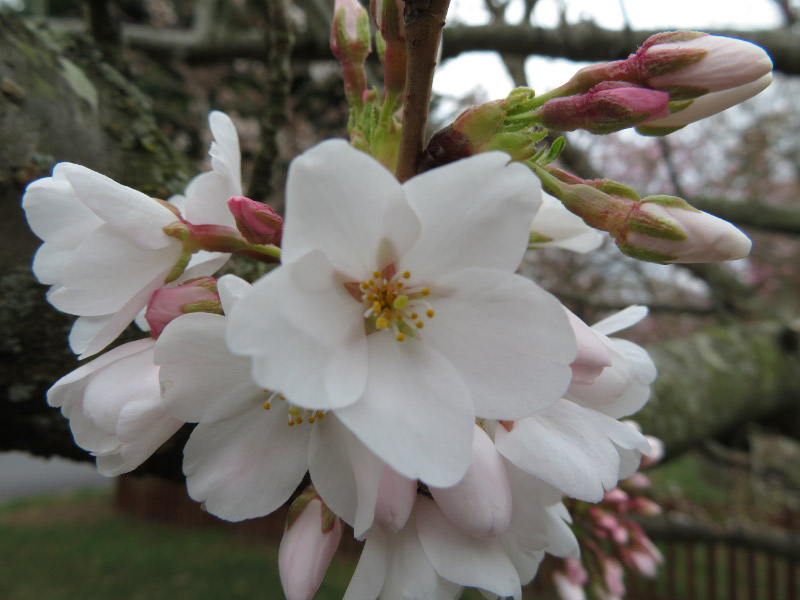
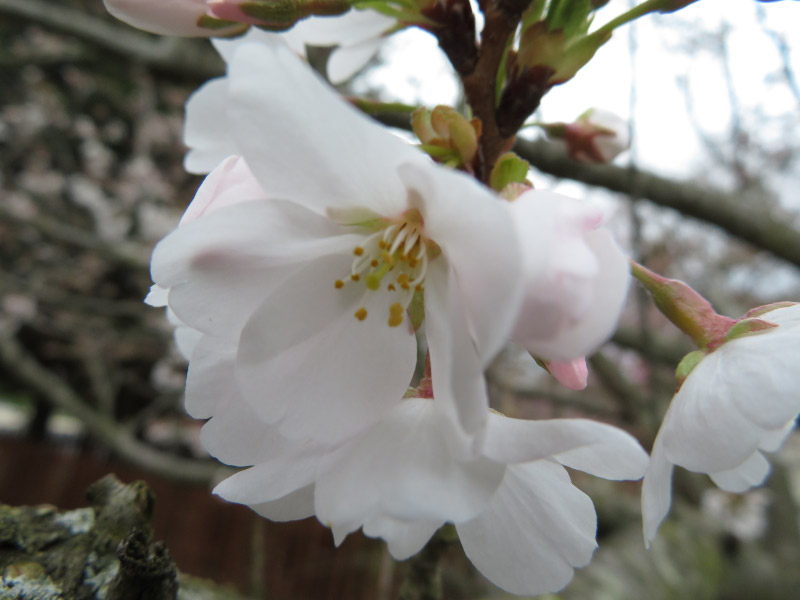
We have a cherry and plum tree in our front yard…and they are both blooming at the same time this year. In past year the plum has been almost finished before the cherry tree peaks. The up and down temperatures this year has acted to synchronize their blooming.

2018 04 IMG_9751.jpg

The cherry tree still has some buds. It always surprises me that the buds look so pink but the petal are almost white.

The cherry tree is an older tree and has more lichen growing on it.

The plum has pink buds and the color is retained in the open flowers.

2018 04 IMG_9762.jpg

The leaves of the tree are red too so there is no greenery around the plum blossoms.

These trees are the best part of our spring front yard!

In the Middle Patuxent River

Last weekend I participated in the quarterly water quality monitoring of the Middle Patuxent River at Robinson Nature Center. The temperature was in the mid-40s it felt warmer with the sun shining and the river level less breezy that the top of the nearby hills. We hiked down taking a short cut through the forest and crossed the river.

20180408_132240.jpg

The crossing was a little tricky for those of is with boots (Me and several others) rather than waders but we made it across with only one person getting water in one of her boots. There is a whale-shaped rock that is a landmark for where the quarterly surveys take place.

We used D-nets and tubs to collect macroinvertebrates from leaf wads and riffles. The leaf wad my partner and I worked on had lots of little critters, a very large crane fly larvae and a frog. Everything went into the tub except the frog which we put back into the river (not a macroinvertebrate….and not easily contained anyway). After collecting for over an hour we headed back across the river to the lab with buckets to search through of macroinvertebrates to identify.

20180408_141036 clip.jpg

Back in the lab we emptied the buckets into smaller plastic bins and started separating the macroinvertebrates into ice cube trays for identification. We were after diversity and numbers of macroinvertebrates, so we were sifting through everything very carefully. I used a macro lens attached to my cell phone camera to get a few pictures.

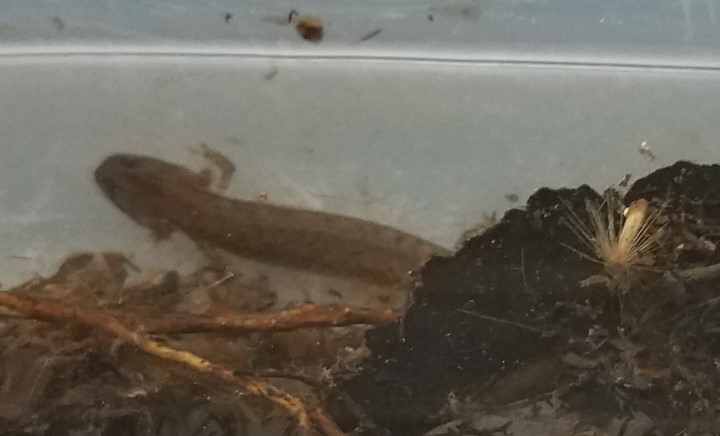
There were a few things that were not macroinvertebrates but they were in the sample which were generally bigger than the macroinvertebrates and moved around a lot – a little distracting while we were searching. Several of us had salamanders (me included) and one person has some small fish!

20180408_141255 clip.jpg

Our team lead completed the form to submit for the monitoring session; the river scored about the same as the last sampling in January which is better than 85% of other Maryland water sources. Hurray for the river!

NASA Visitor Center

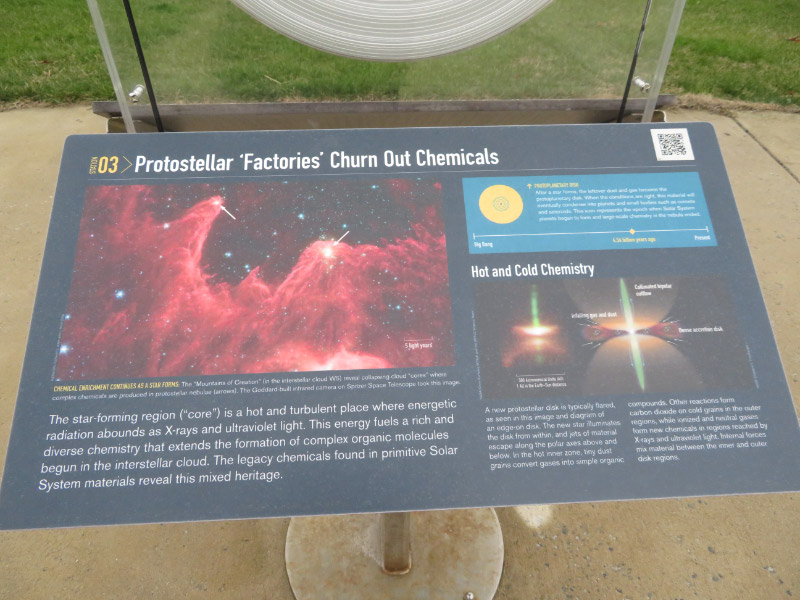
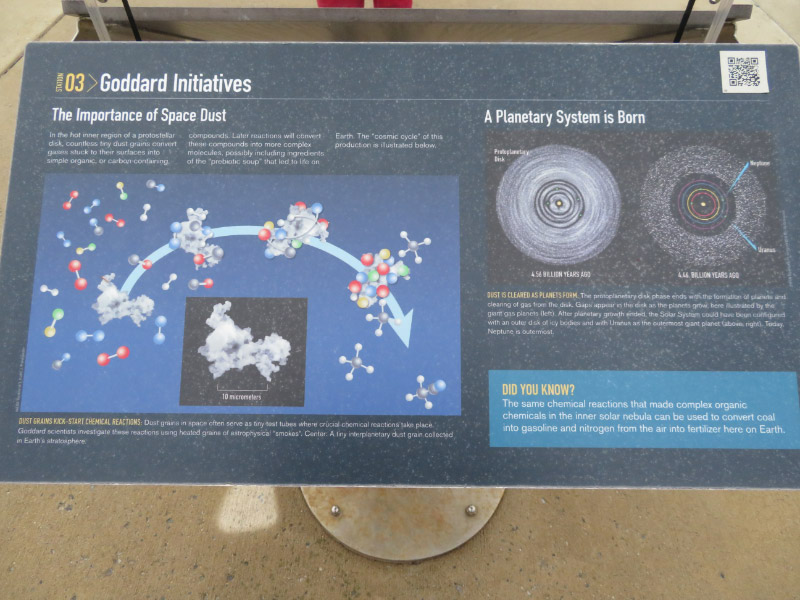
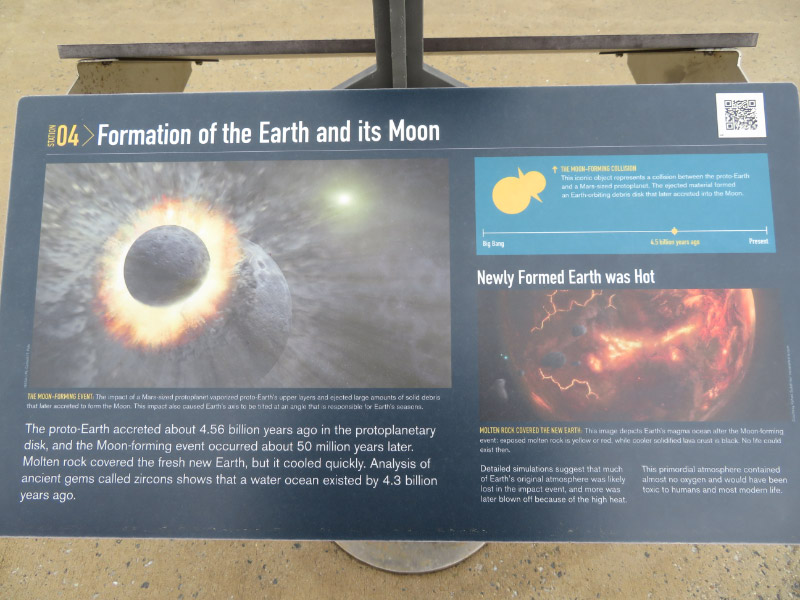
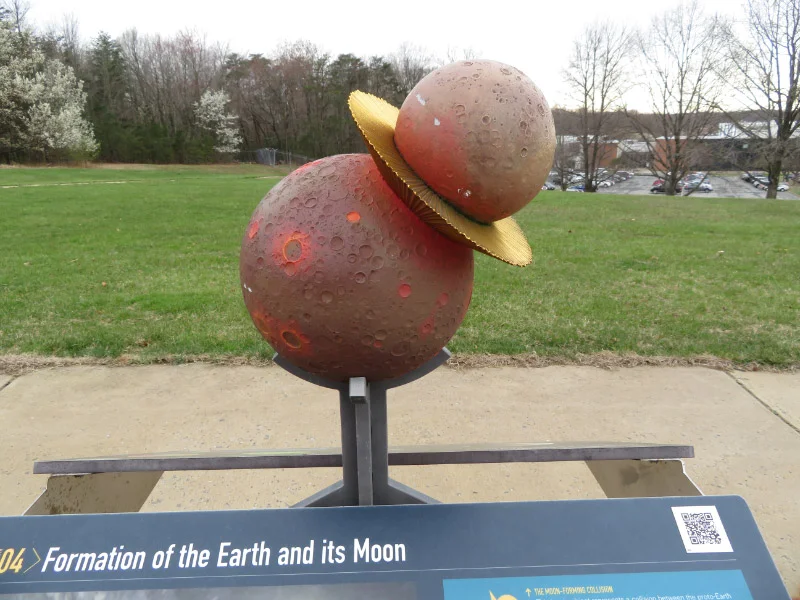
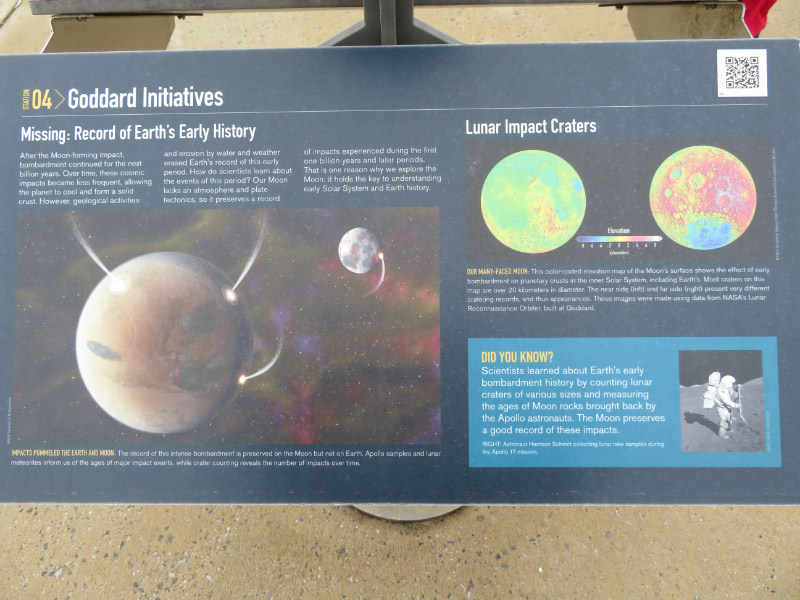
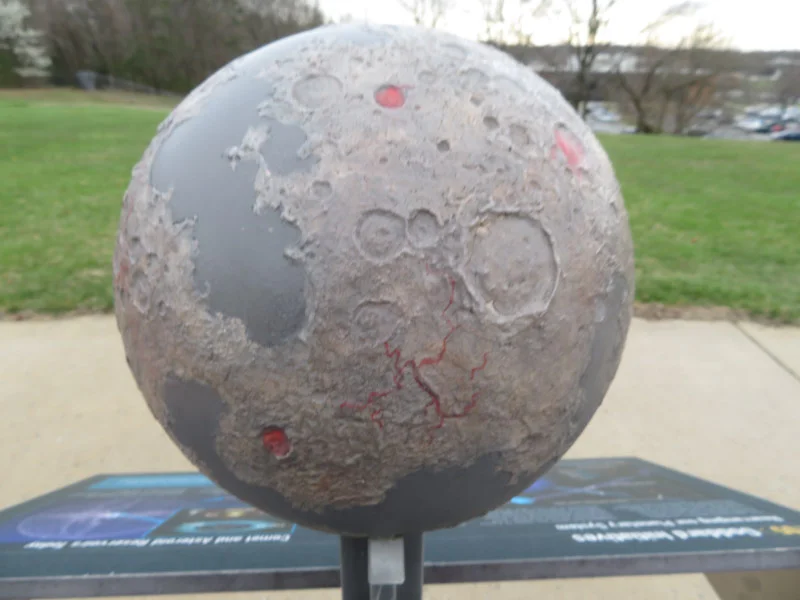
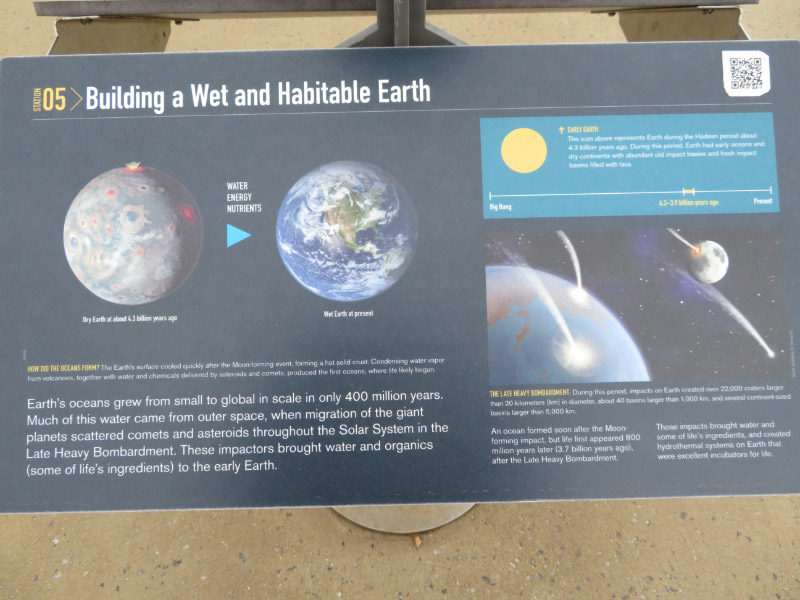
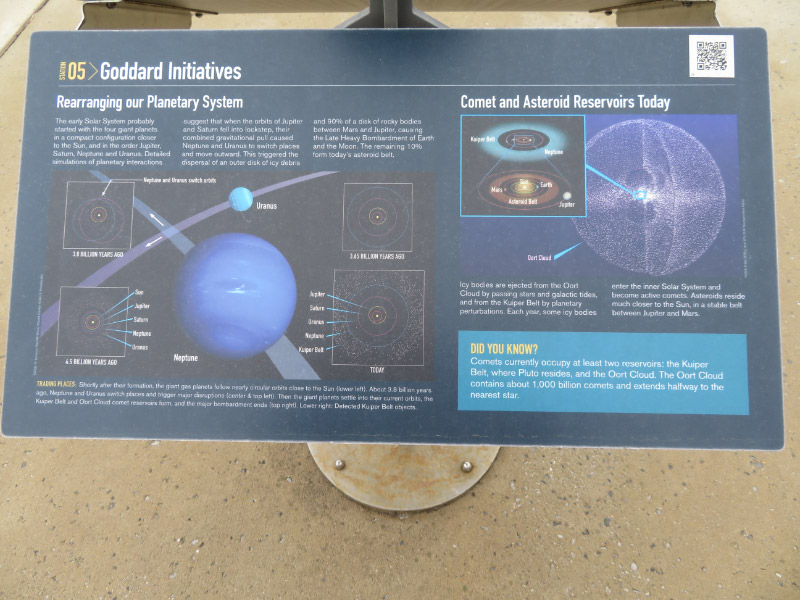
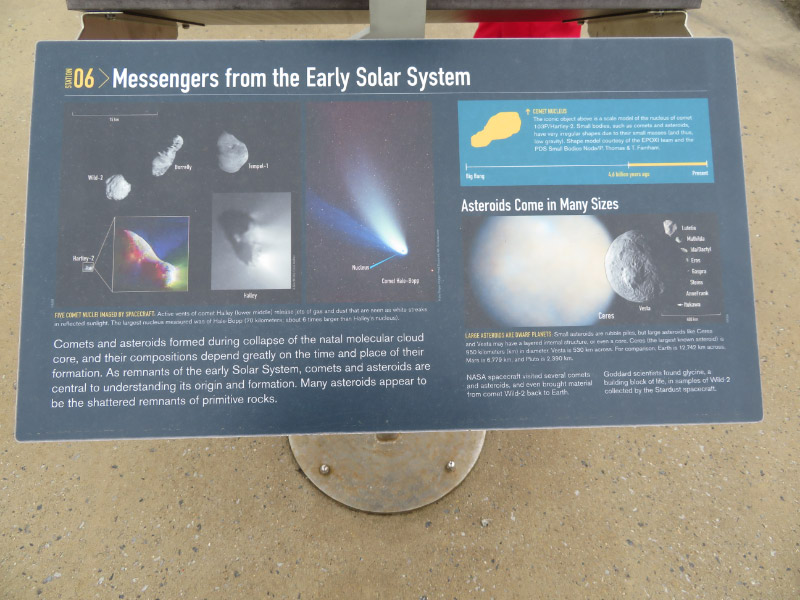
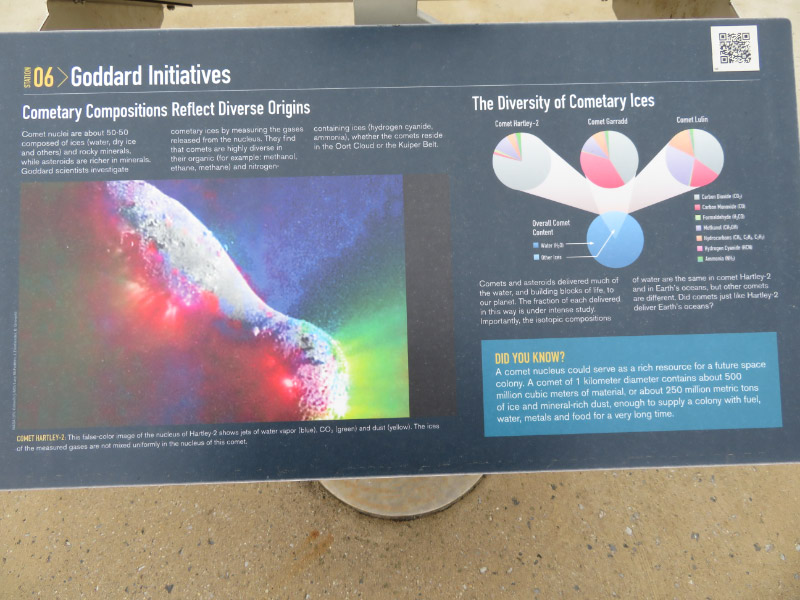
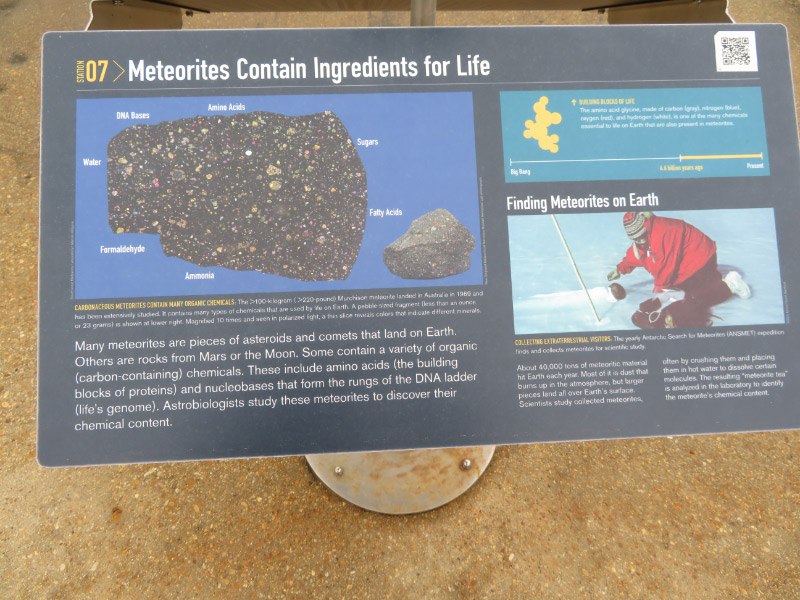
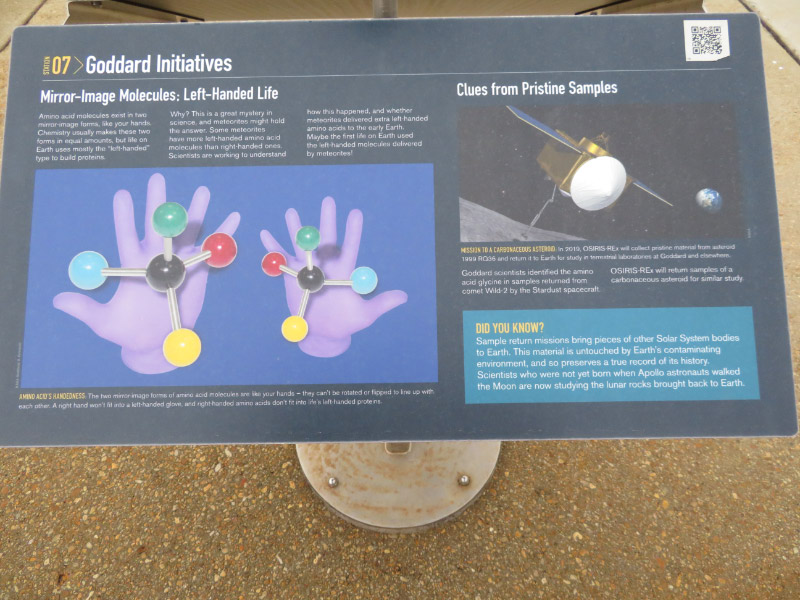
Back in the early days of HoLLIE classes, we met in the parking lot of the NASA Goddard Visitor Center before going to our class; it was before it opened so I wanted to go back to see the visitor center exhibits. Last week – it happened. It was a cloudy morning with rain in the forecast. The center opens at 10 and I was there a few minutes afterward. There were only a couple of other early visitors.

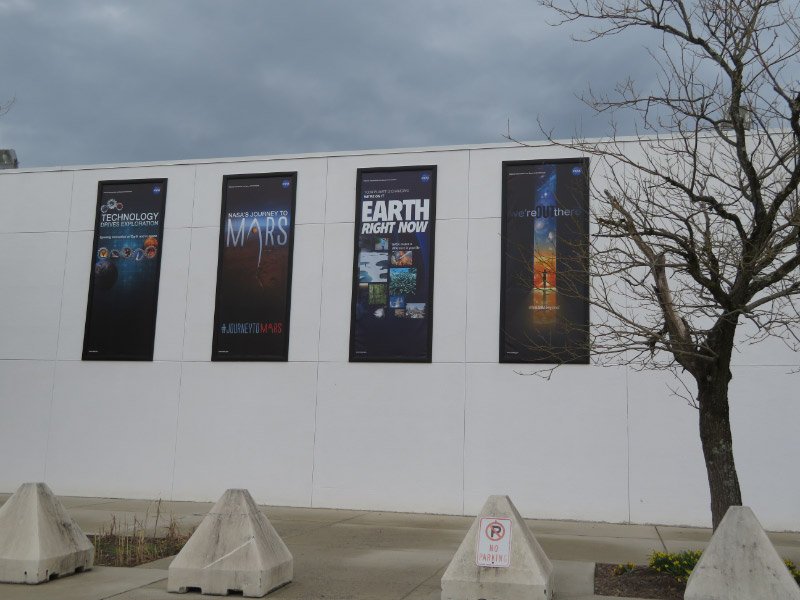
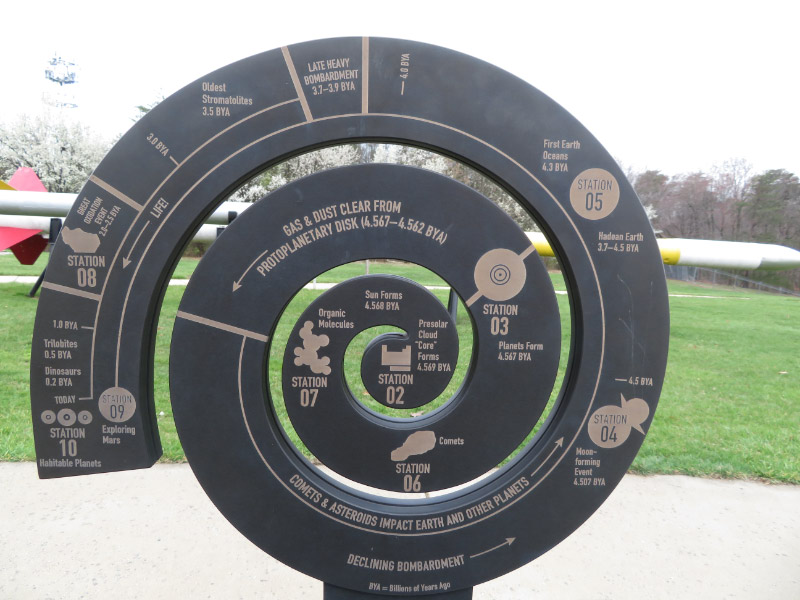
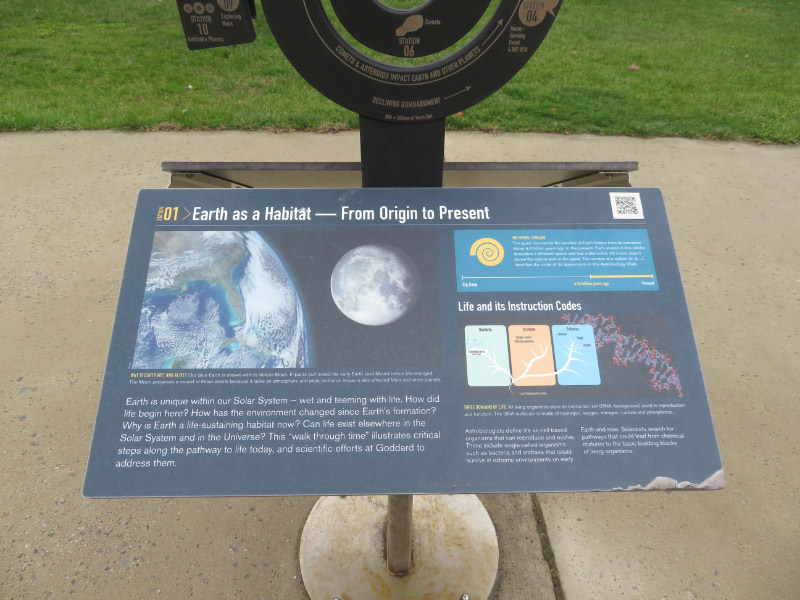
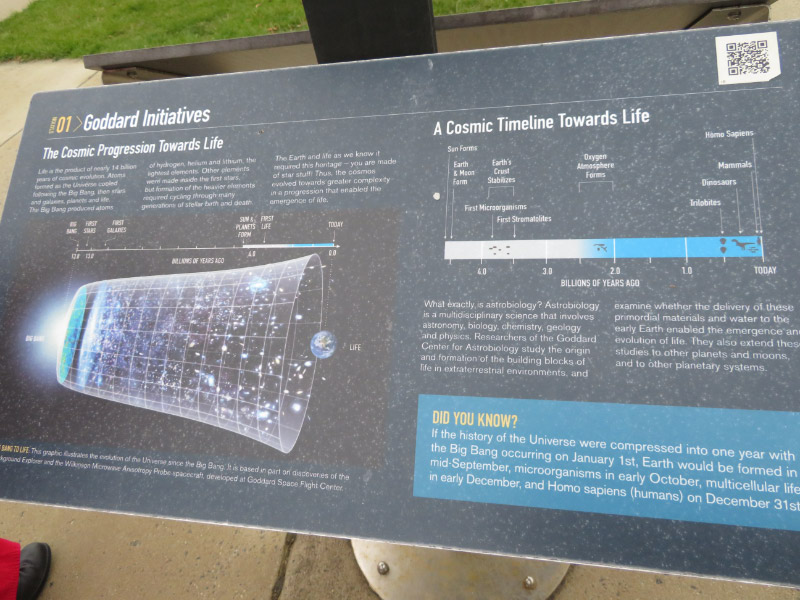
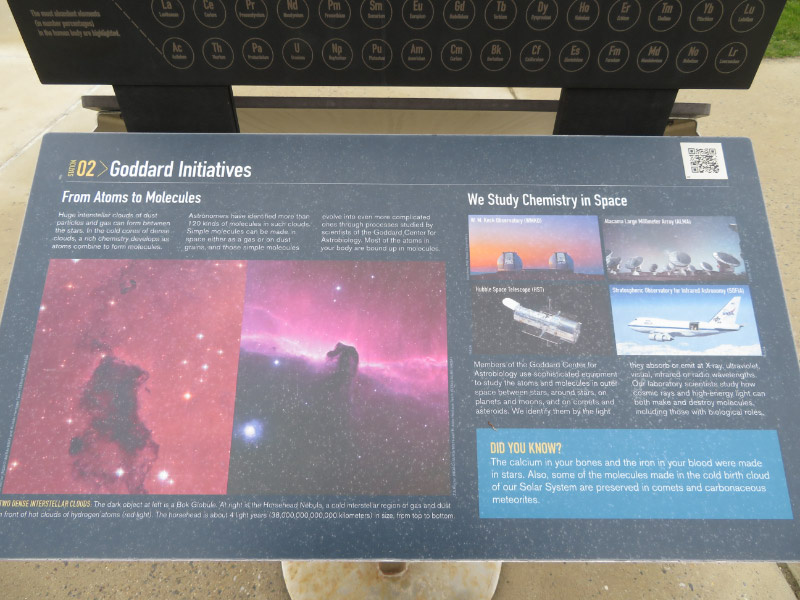
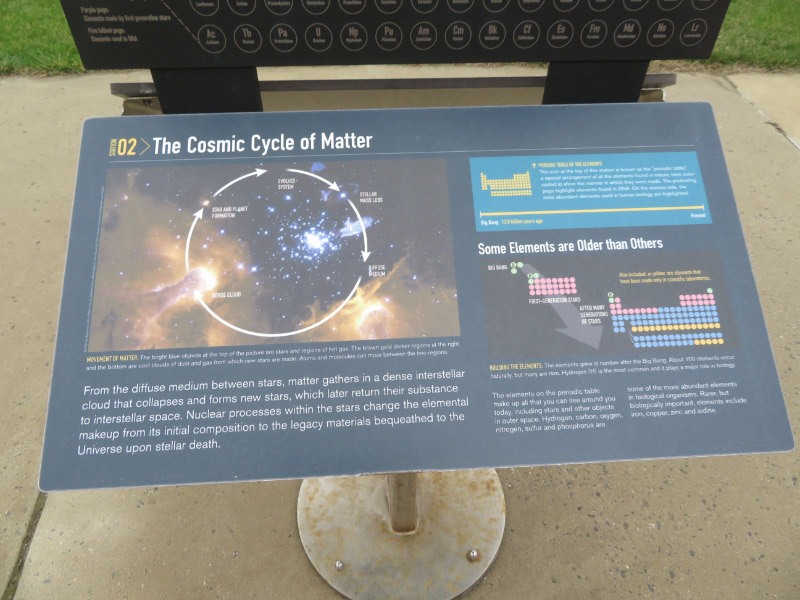
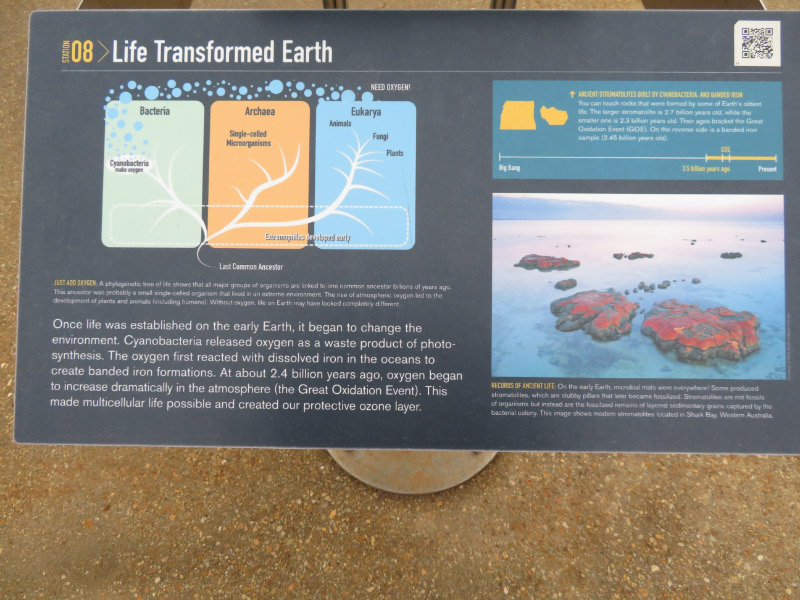
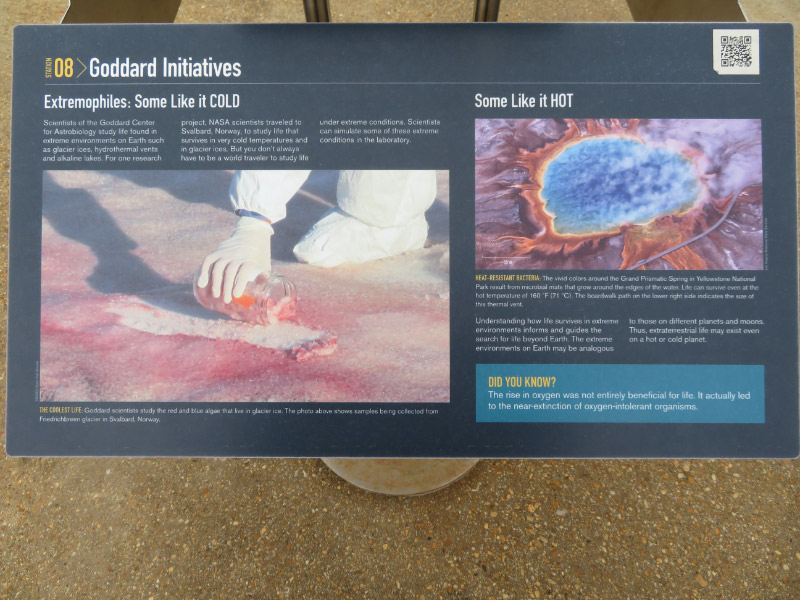
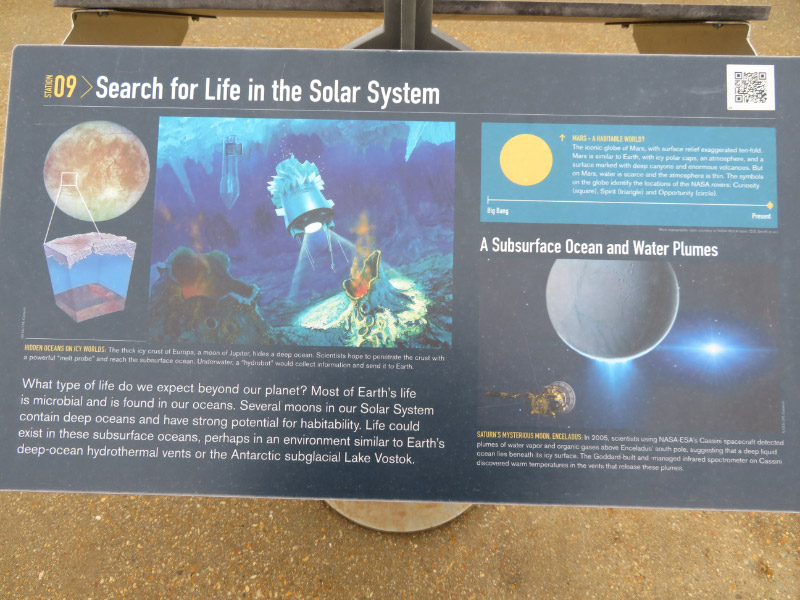
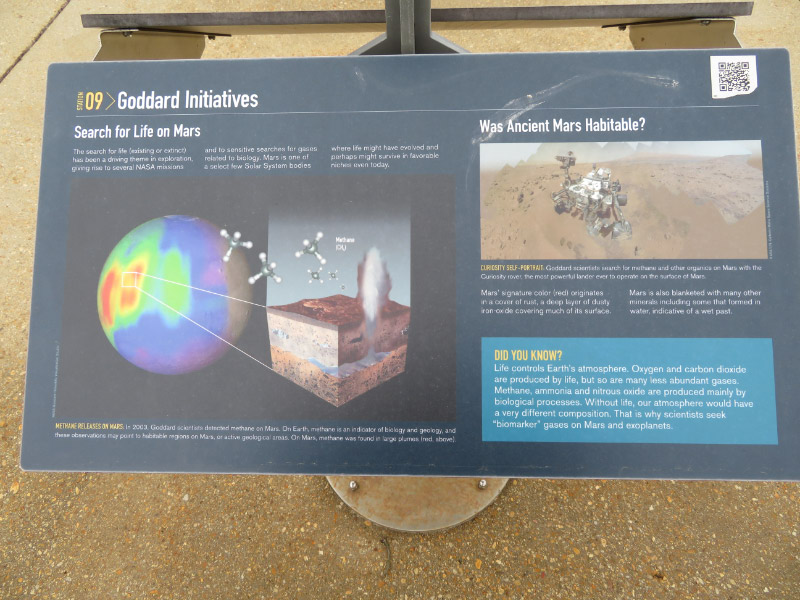
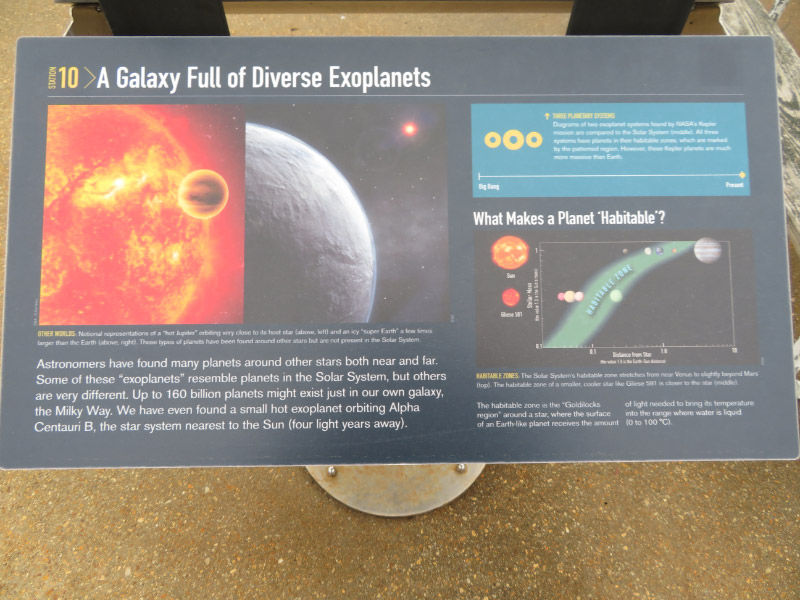
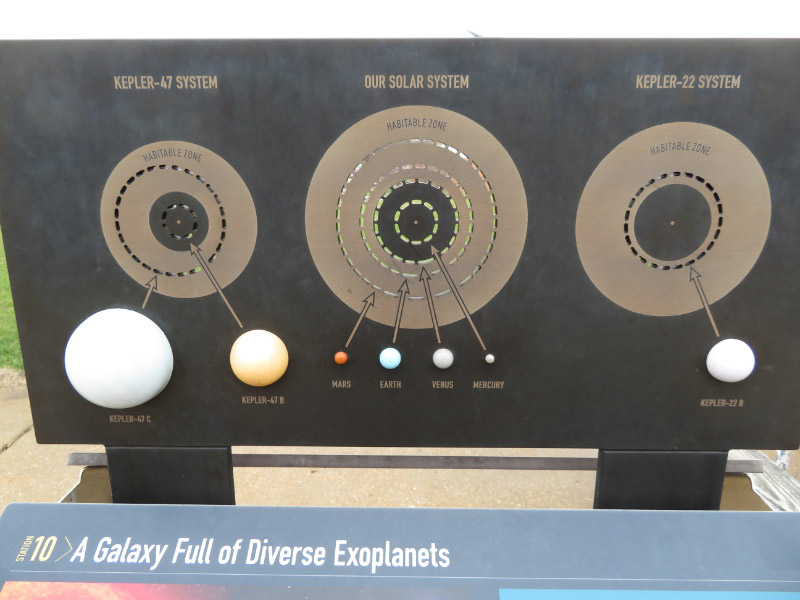
I decided to do the outdoor Goddard Rocket Garden and Astobiology Walk first – since I wasn’t sure the weather would stay dry. Did you know that grooved pavement used for airport runways and other pavements was the result of a NASA Wallops Island study from the 1960s?

IMG_9625.jpg

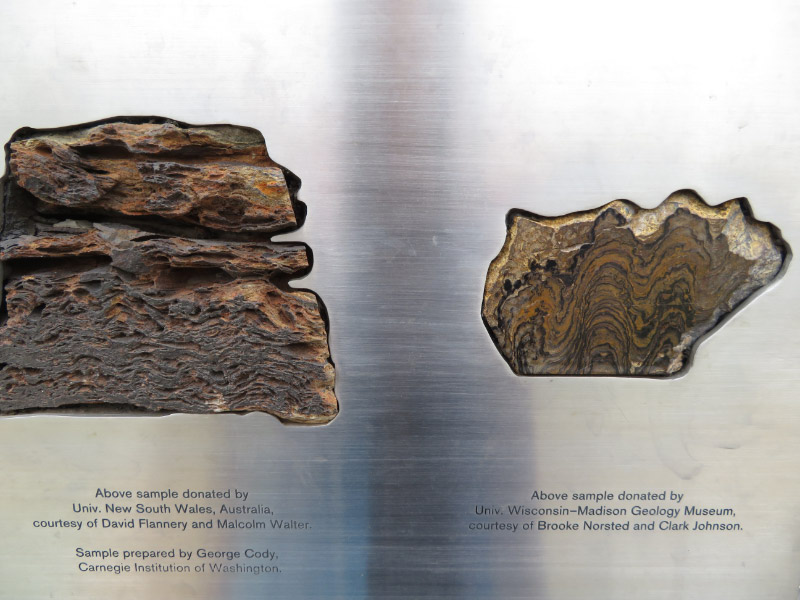
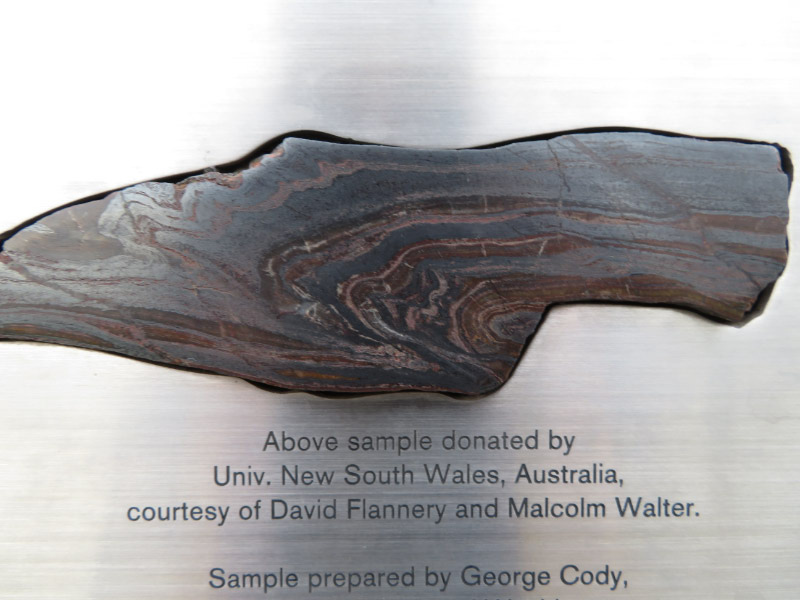
I took a lot of pictures of the astrobiology walk and made a slide show of them below (use the arrows to go through at your own speed).

My favorite displays were the two showing banded iron specimens.

Inside – there was a full-side mechanical prototype of the Lunar Reconnaissance Orbiter (LRO). We saw the operational control room for the mission during the HoLLIE class. It’s quite a thrill to know that the mission is ongoing – knowing that my daughter was an undergraduate at Cornell when LRO reached the moon and she helped with some of the initial image calibration since she had developed calibration skills in her part-time job calibrating images from the Mars rover.

There was also an exhibit of the new James Web Space Telescope – comparing its mirror with the one on the Hubble Space Telescope.

There was also a fun exhibit with two cameras and monitors. One was an infrared camera. It picked up the residual heat from ones feet on the carpet as one walked away from its field of view!

I bought a Cassini Grand Finale t-shirt for my daughter at the gift store; she used some data from Cassini for a couple of papers while she was an undergraduate. Hurray for good experiences!

Fishmobile

20180406_133551.jpg

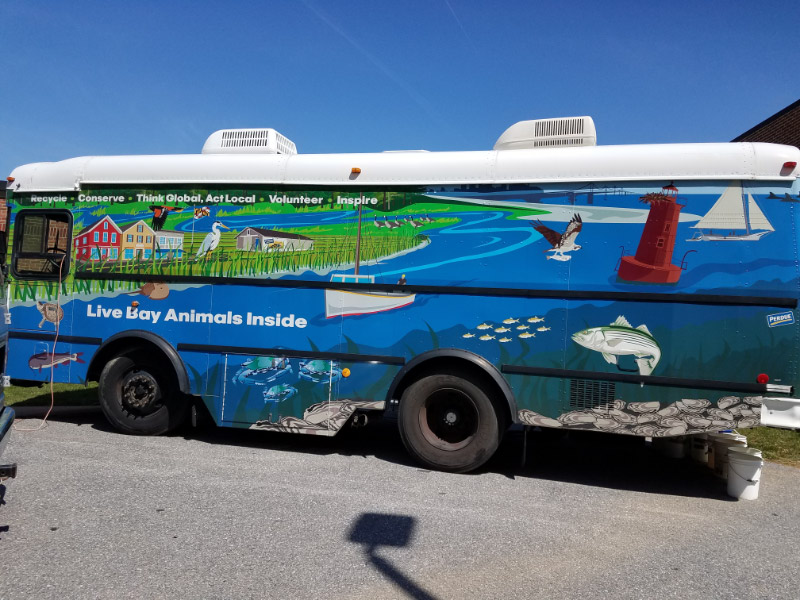
Last week, I volunteered when the Phillips Wharf Environmental Center’s Fishmobile visited an elementary school in Carroll County, Maryland.

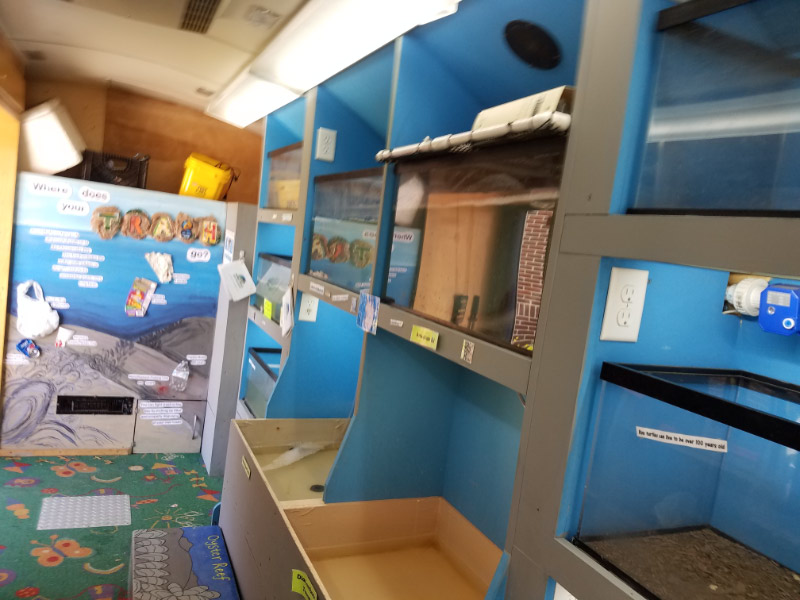
The Fishmobile is a bus fitted with aquarium tanks for live exhibits of animals from the Chesapeake Bay and bookcases/walls of related materials. It’s a field trip that comes to the school! Groups of 10-12 students take about 15 minutes in the bus to see everything…spending another 15 minutes outside getting more details about horseshoe crabs. There were 4 classes of 4th graders that came through in 2 hours!

I managed to take pictures of some of the animals in the Fishmobile before the students arrived. There were small horseshoe crabs – the smallest being a little larger than a quarter. They were active all over the bottom of their tank.

20180406_133203.jpg

The oyster toadfish was not happy after the first few groups and retreated to the back of the tank. I was glad I got a picture of him.

20180406_133213.jpg

The lined seahorse was one that was harder to photograph. It was a good discussion starter since the seahorse depends on the grasses in the bay and is becoming more numerous now that they are recovering. I was impressed that the 4th graders were aware of the grasses even if they didn’t know about the seahorses.

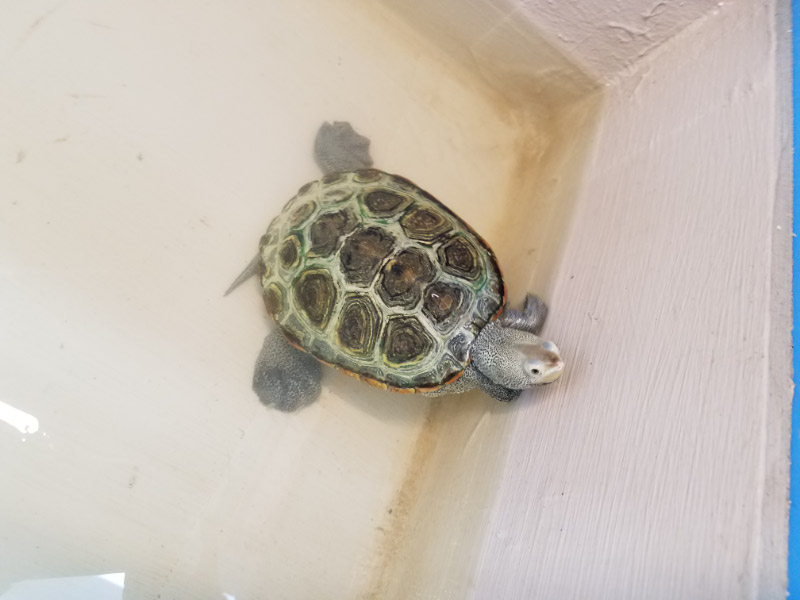
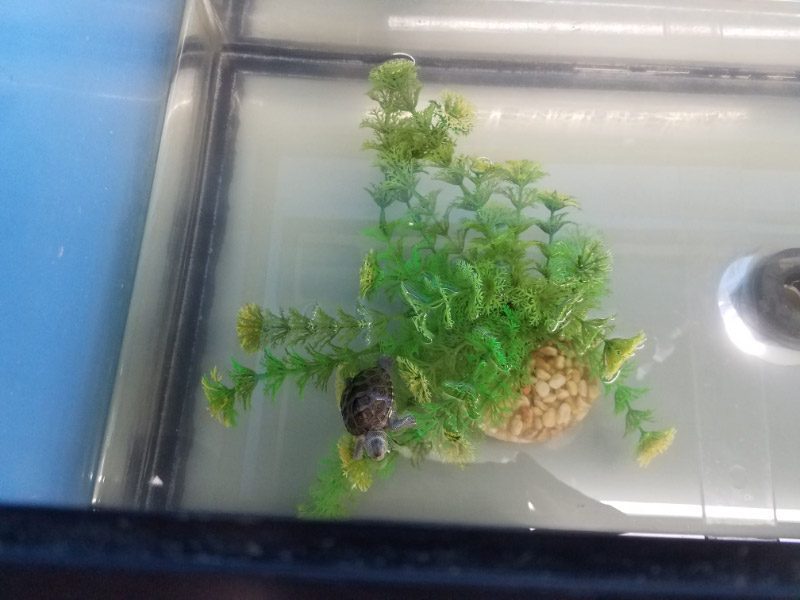
The only animal in the Fishmobile that the students could touch was the diamondback terrapin. They were told to use 2 fingers gently on his back…because he can bite! He evidently is very accustomed to handling…and he has a name: Larry. There was a baby diamondback terrapin (hatched last fall) in a neighboring tank that didn’t move around very much.

There was also a small box turtle and a mystery box with a box turtle shell. We prompted the students that tried the mystery box to feel whether the shell was flat or domed…and then to look at all the turtles on display to identify what kind of shell was in the mystery box.

20180406_133315.jpg

The fish that had a name linked to history was the hogchoker. It is a flounder like fish that lives in the grassy areas of the bay. When the colonists collected the grasses to fee to their pigs, sometimes this fish was harvested with the grasses….and choked the pig that tired to eat it. That’s how it got its name.

20180406_133404.jpg

The bookcases had jaws from a modern shark…and a fossil tooth, a dolphin skull, and the molt of a horseshoe crab. There was a wall of various kinds of trash with estimates of how long it took to degrade. Plastic water bottles and fishing line take 100s of years!

Gleanings of the Week Ending April 7, 2018

The items below were ‘the cream’ of the articles and websites I found this past week. Click on the light green text to look at the article.

How Do We Carry Our Shopping Home Now? | CleanTechnica – I’ve been using my collection of reusable bags for years. Some of them are over 10 years old and still in great shape. Occasionally, I still get a Lightweight Plastic Bag (or a newspaper in plastic, or other plastic bag packaging) which I take back to the bag recycling bin at my grocery store. I’m always sad when I set a grocery cart full of stuff in the plastic bags…hope none of them escape into the environment.
A Harlequin Duck’s Long Cross-Country Migration – Cool Green Science – A bird banded in Glacier National Park migrated to Long Island! Zoom lenses on cameras and binoculars make it possible to record banding info from a distance.
BBC - Future - The small Scottish isle leading the world in electricity – Eigg has an off-grid electric system powered by wind, water, and solar…they average 90-95% renewable energy. The time of year they tend to need back up generators is in the spring.

Implications of access to high-quality fruits and vegetables: Quality has potential to impact consumer selection and consumption in rural areas -- ScienceDaily – There has been a lot of discussion about food deserts in big cities – places that lack affordable, high-quality food. It appears that food deserts occur in rural areas as well.

Top 25 Endemic Wild Birds – National Geographic – The weekly bird photography fix! The chickadee we see frequently in our areas of the Mid-Atlantic of the US is endemic to our part of the world (and is one of the 25 pictured).

New Beginnings: Cherry Blossoms and Helen Taft's Landscape Diplomacy – Some years we manage to see the peak of the cherry blossoms around the tidal basin in Washington DC….but every year we enjoy the cherry tree in our front year. It is always at least a week later than the ones in DC.

US electricity use drops, renewables push fossil fuels out of the mix | Ars Technica – Total electrical generation was down 1.5 percent in 2017. Coal and natural gas declines were more than that with renewable energy projects coming online. Energy efficiency has made a difference! Another article reported that some utilities are planning for the uptick in electric vehicles to cause the trend in electricity generation to turn upward again. Right now – it seems like people that buy electric cars are often the same people that install solar panels; that could result in no uptick to the draw from the electric utility.

The Life Issue | WIRED – A collection of thought provoking articles about ‘what it means to live in an age of improvisation.’ I started with the articles about the 55-infinity age group.

Microscopic Images of Seeds • Insteading – hmm…maybe I’ll take a magnified look at seeds before I plant them in my flower beds.

Meditate regularly for an improved attention span in old age – Nice to know that something enjoyable immediately is also good for the long term too!