Gleanings of the Week Ending March 17, 2018

The items below were ‘the cream’ of the articles and websites I found this past week. Click on the light green text to look at the article.

A Day in The Park: Cuyahoga Valley National Park | National Parks Traveler – I’ve been to the park but only saw a small part of it. Next time I need to be more organized!

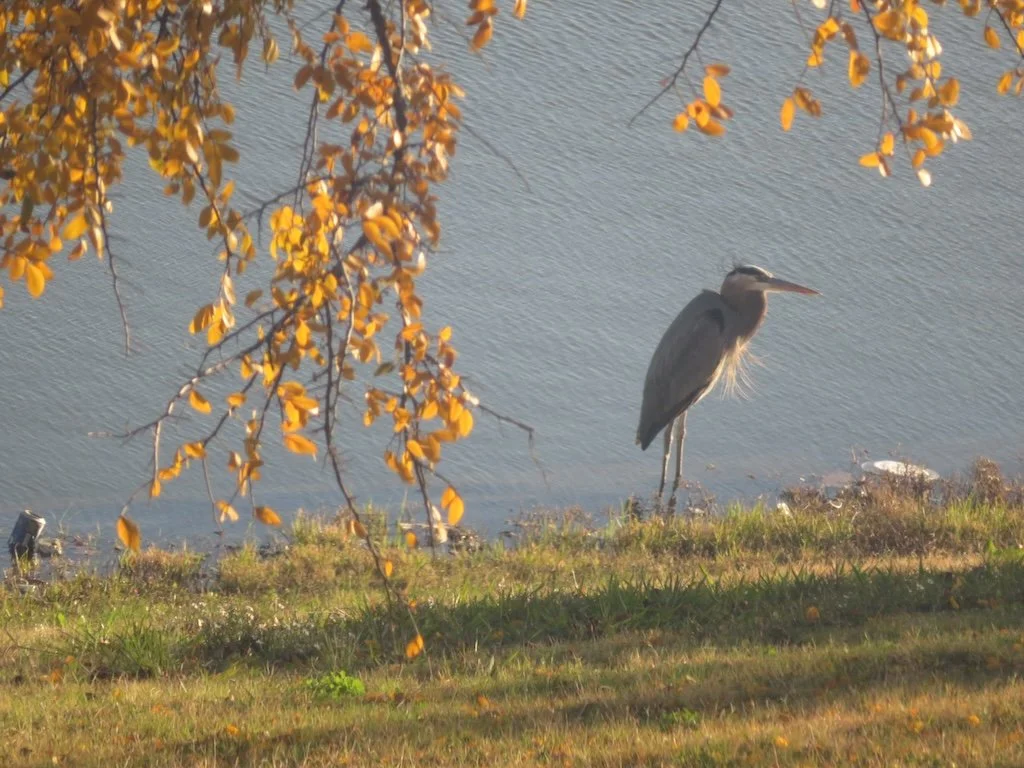
Top 25 Wild Waterbirds – National Geographic Blog – Some of these birds were familiar….some unfamiliar and living far away from the US!

BBC - Future - The quest to tackle the rubbish dump in orbit – There is getting to be a lot of junk up there!

Flood risk from American rivers is greatly underestimated -- ScienceDaily – A high resolution model that maps flood risk across the whole continent and includes small streams shows 41 million Americans at risk from flooding rivers rather than 13 million estimated by FEMA (their maps only include 60% of the continent and does not include smaller streams). Seems like anyone buying a house would be keen to know if there was a flood risk for the property and FEMA maps are giving a false sense of security. Here’s the link to the full paper: Estimates of present and future flood risk in the conterminous United States - IOPscience

Recycled carbon fiber improves permeable pavement: Technique reduces waste, improves strength and durability -- ScienceDaily – From Washington State University…in partnership with Boeing

Incredible Pictures of the Caterpillars of New England – I’m going to keep a sharper lookout for caterpillars in our area this summer….get subjects for photography because they don’t move very fast!

Spring Break Goes Wild(life) – Cool Green Science – Lots of places to go in the spring – other than a southern beach.

High-Fiber Diet Shifts Gut Microbes, Lowering Blood Sugar in Diabetics -  If this pans out, they need to get it out to doctors treating patients with type 2 diabetes rather than focusing on all the new (and somewhat expensive) drugs that can have side effects.

The Metamorphosis of Butterflies – A 5-minute video from TED-Ed.

A Place for Pollinators: Bees and Butterflies call National Monuments Home – At Grand Staircase-Escalante National Monument, a 4-year study found 650 unique bee species from 54 genre of native bees, 3 of which were new to the state of Utah. We need pollinators like native bees for the rest the ecosystem to continue! We should strive to keep the special places (not pockets) of species diversity to not only to sustain our planet…but to help it regenerate. The people alive today are the stewards of the future Earth.

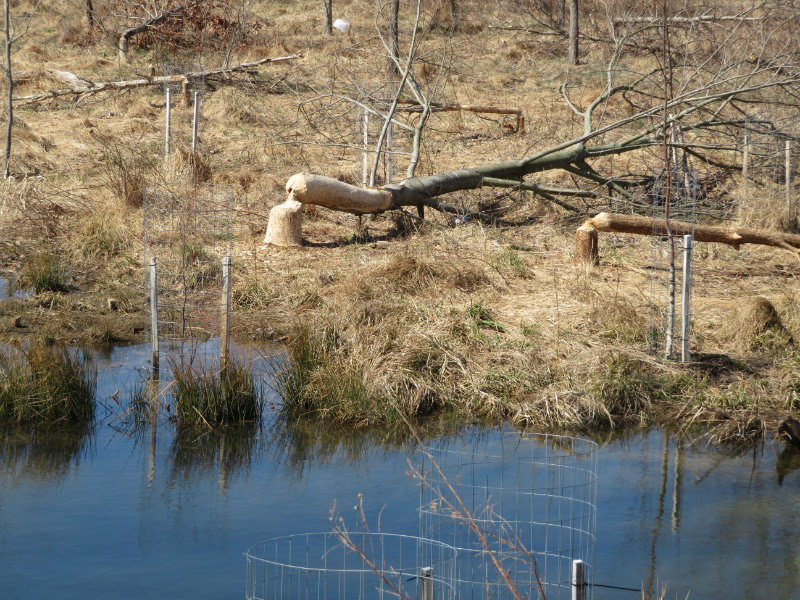
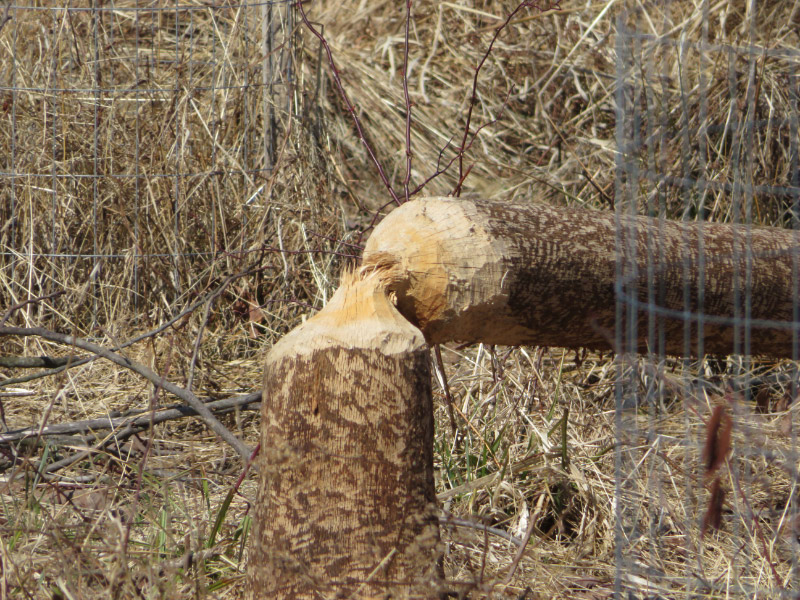
Signs of a Beaver

2018 03 IMG_9120.jpg

I was at Howard County Conservancy’s Mt. Pleasant Farm earlier this week for some training and we walked down to the Davis Branch. There are two areas along the stream that we use for the 7th grade program.

After learning what would be done at each of those we hiked a little further along on the part of the stream that was restored last year – to see the area that the beaver has started to explore. The indication is some trees that have been downed in typical beaver fashion. The one with the bark stripped looks like a beech tree (beavers eat the inner bark of trees and beeches are one that they like!).

There was a mound of debris across part of the trickling stream and I wondered if it was from our recent wind storms or the beginning of a beaver dam. This will be a place I’ll walk down to see when I come to Mt Pleasant this spring!

Tree status – Mid- March

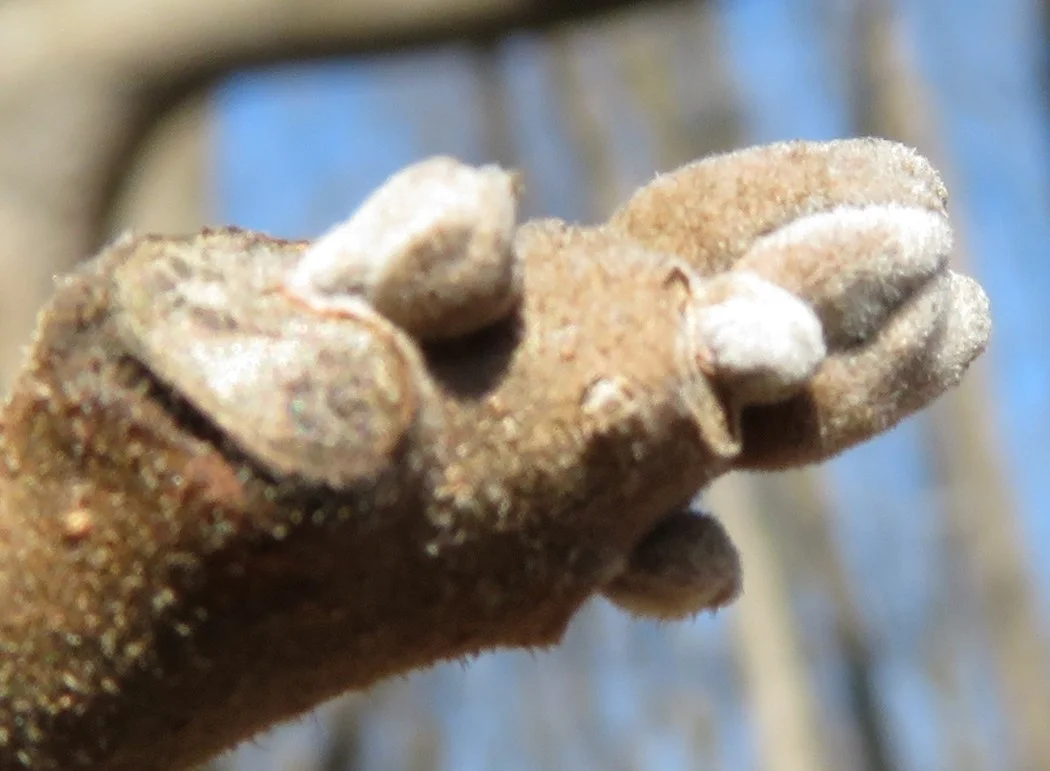
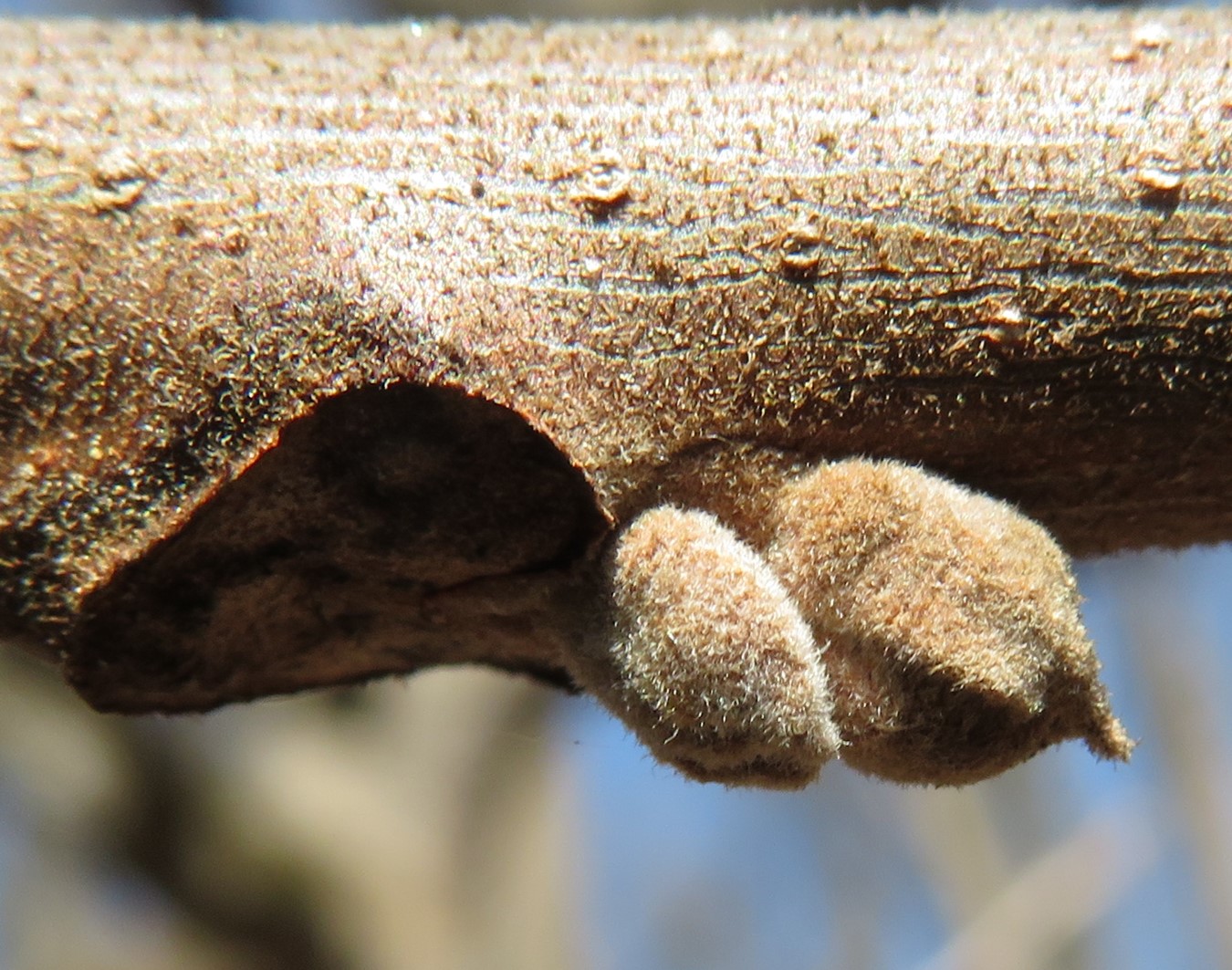
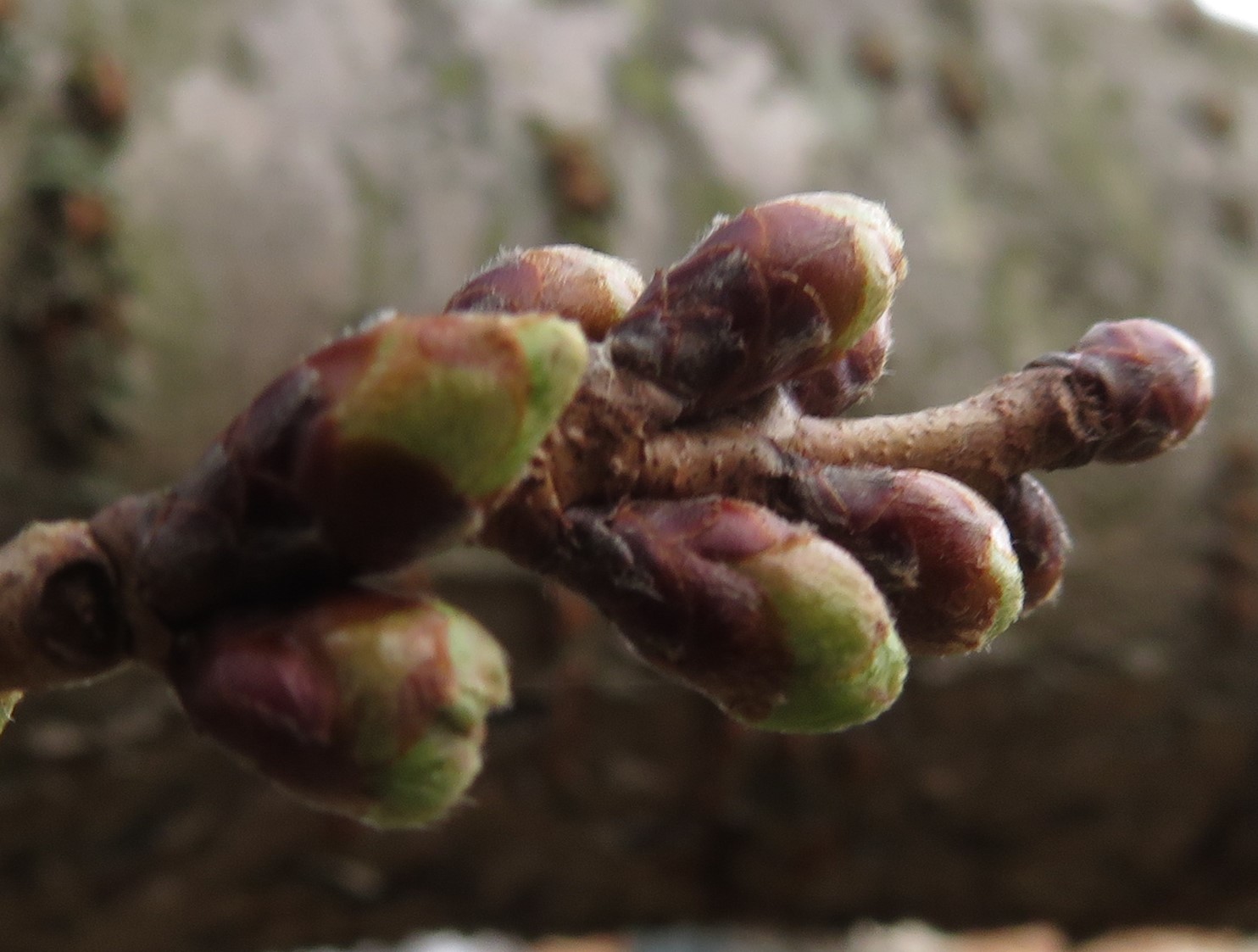
I took some close-up pictures of three trees in our yard this week. The black walnut has obvious buds but they aren’t opening yet. The scars from last year’s growth are shallow craters below the buds for spring 2018 growth.

2018 03 IMG_9068 clip.jpg

The plum tree has bright pink buds. The blooms will be pink and probably coming soon. This is the first tree that blooms in our yard.

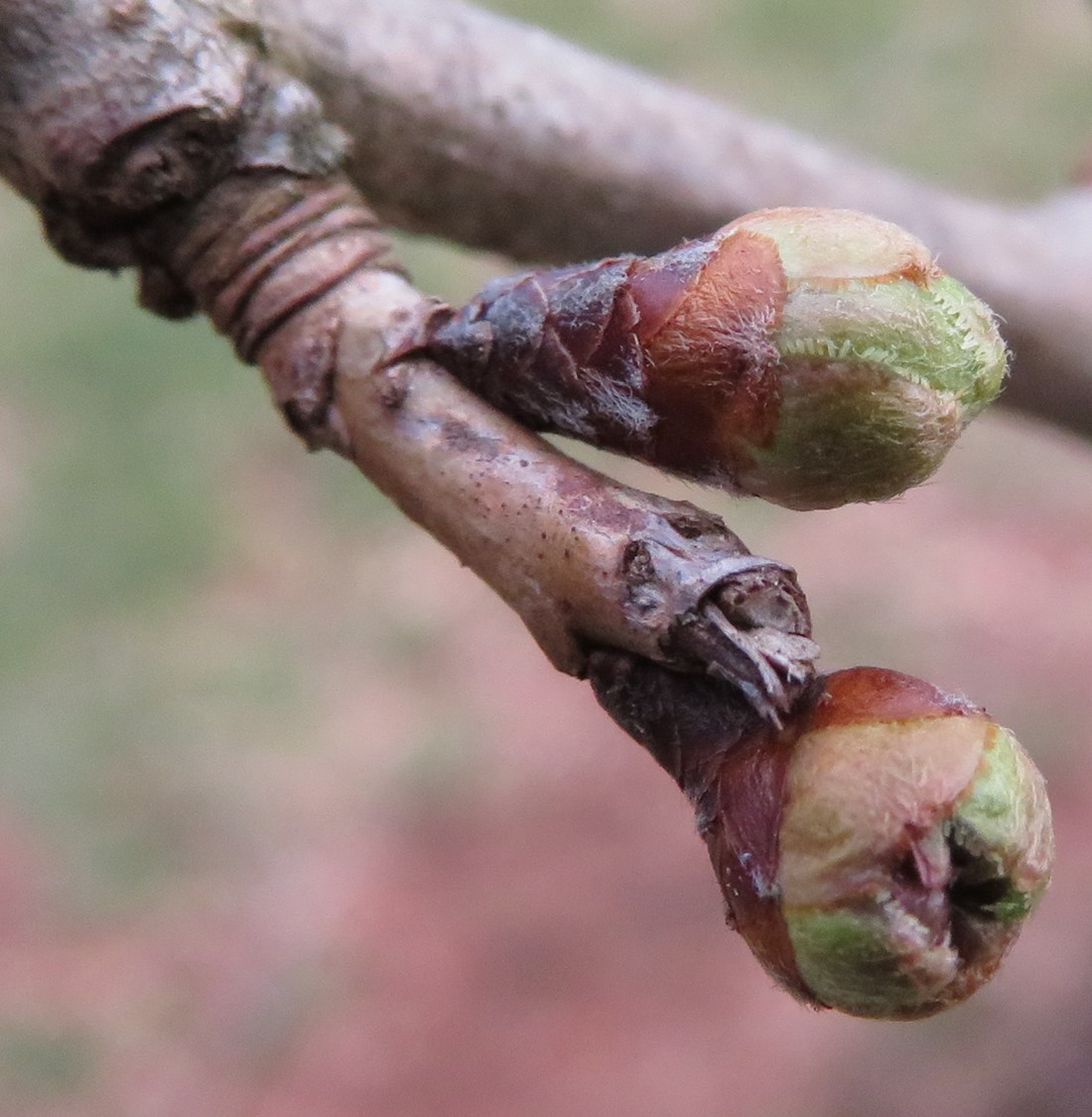
The cherry is the second tree to bloom. The buds have begun to spit open. Our tree lags the ones in downtown Washington DC which are predicted to reach peak bloom this year around the end of March. Our weather has kept having cold nights with some warm days so the bloom is proceeding slowly after appearing to be starting early.

Spirals

2013 03 IMG_9064.jpg

Years ago, we found a large shell on a beach (somewhere on the Atlantic…I’m not sure where). It was already showing its spiral interior. I put it in the front flower bed and noticed its whiteness standing out among the brown leaves/seeds from last fall and the cold-battered leaves of some new growth. I don’t remember the pores being as deep on the outer surfaces. That texture is quite a contrast with the smooth interiors. I’ve always liked spirals. Are they a representation of time – back to the past or forward to the future? Or are they a journey to the unknown?

Finding this spiral was a reminder of a pleasant vacation…and a little serendipity to enjoy on a winter day.

20180313_081044.jpg

I was thinking about spirals so much that my next Zentangle included a lot of them!

Neighborhood Walk

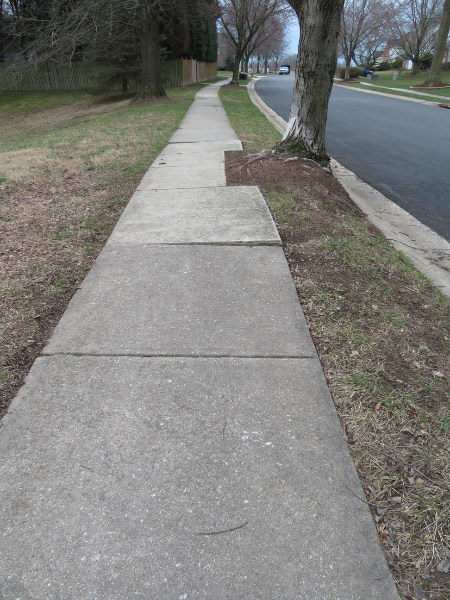
I took a walk in the neighborhood yesterday – needing an invigorating winter walk to help move my internal clock to daylight savings time. It takes several days for me to settle into the new ‘normal’ and I always wish we could just be on the same time all the time. I bundled up in layers and wore my hiking boots. I stayed very comfortable except for my legs and hands; I’ll remember my snow pants and hand warmers next time I am walking the neighborhood when it is barely above freezing. There were a few photographic opportunities: a spray of crepe myrtle seed pods that has blow from some nearby trees,

2018 03 IMG_9100.jpg

A sidewalk that was already impacted by tree roots (it was replaced in the last couple of year – the repair did not last very long),

And a cardinal (silhouette) singing high in a tree.

2018 03 IMG_9108.jpg

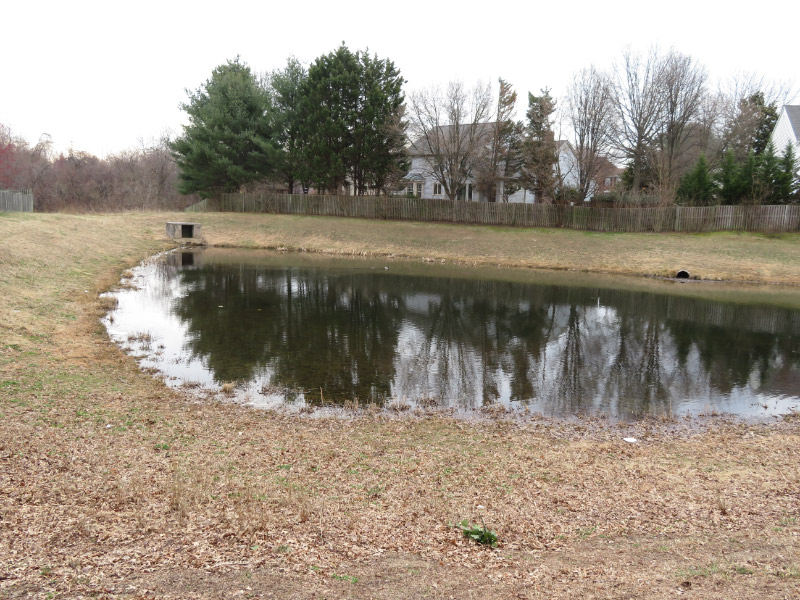
My destination was the storm water pond for the neighborhood. It does have grass growing on the slopes – a good thing – but had no habitat the red wing blackbirds like it did before all the vegetation around the edges was cleared.

2018 03 IMG_9084.jpg

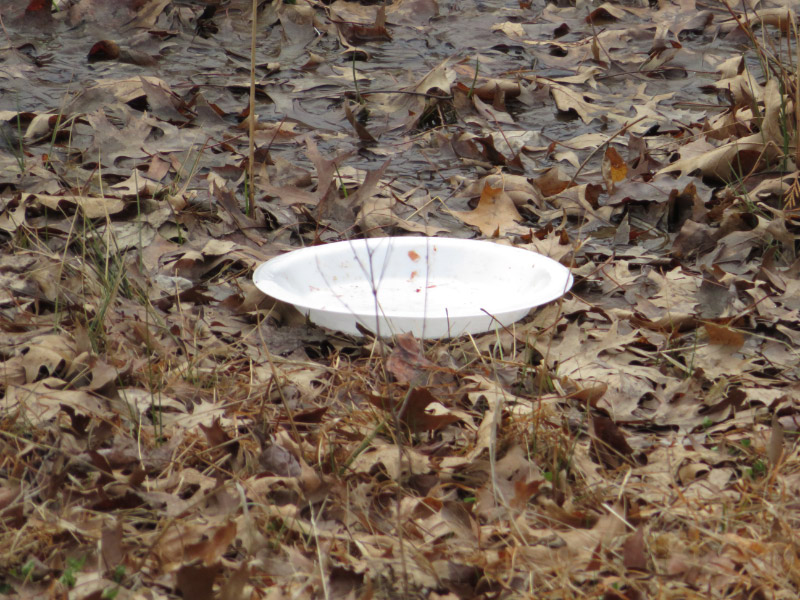
Trash was visible around the edges. Next time I’ll bring a pole to bring the pieces far enough onto land so I don’t have to wade into the pond to collect it.

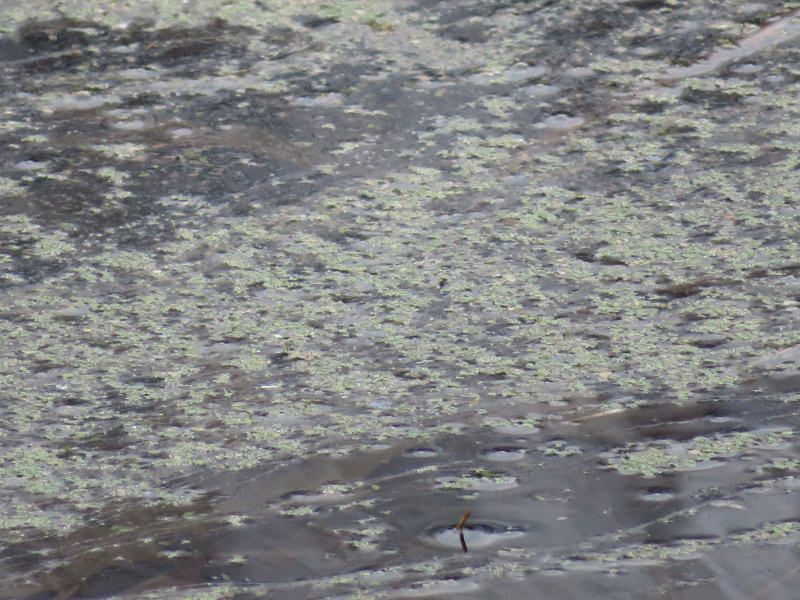
There is already algae beginning to grow on one end of the pond. Maybe the pond always had the scummy surface but the vegetation around the edge was thick enough that we didn’t see it. The run off must overload the water with nutrients.

On the plus side, there was a mallard pair exploring the pond. I wondered if the pond is big enough to support a nest and ducklings. There isn’t a lot of shelter around the pond but there is an overgrown area behind the pond that might work.

2018 03 IMG_9083.jpg

HoLLIE – Week 6

The Week 6 of HoLLIE (Howard County Legacy Leadership Institute for the Environment) class focused on The Chesapeake Bay Watershed and Environmental Advocacy. As my norm, I arrived early so I could enjoy the sunny (but cold) morning at Belmont before the before class. I stopped at one of the pullout spaces on the narrow drive to photograph the stumps from the recent tree removals (and there are more to come). The first picture is looking away from the Manor House; the second shows the Manor House in the distance.

I took pictures of the two stumps from the trees already cut down. Someone had carved in one of them. Aargh! It’s sad when a tree is cut down and the carving struck me as disrespectful to the tree and the place.

After I got to settled into my place in the carriage house, I trooped over the butterfly meadow where I saw the bright yellow grass late last week. It was still there, and I liked the snow and blocks in the picture with it.

2018 03 IMG_9039.jpg

The little walks outside were a good start to the day that was sedentary otherwise. Our speakers were from the Chesapeake Bay Foundation, Land Trust Alliance (re the Chesapeake Bay), and Patuxent River Riverkeeper in the morning. In the afternoon we heard about sustainability and what individuals in our area can do toward the goal of moving toward sustainable lifestyle…and beyond to regenerative. The last segment of the day was a short lecture on effective environmental advocacy that included a practice use of the planning template from the lecture….learning enhanced by attempting to apply the technique.

Next week we’ll be outdoors in the last segment of the day. I’m already watching the forecast for the day; as of now – the forecast is cold and a bit breezy…but no rain.

Previous HoLLIE posts: Week 1, Week 2, week 3, week 4, week 5

Blooming Maple

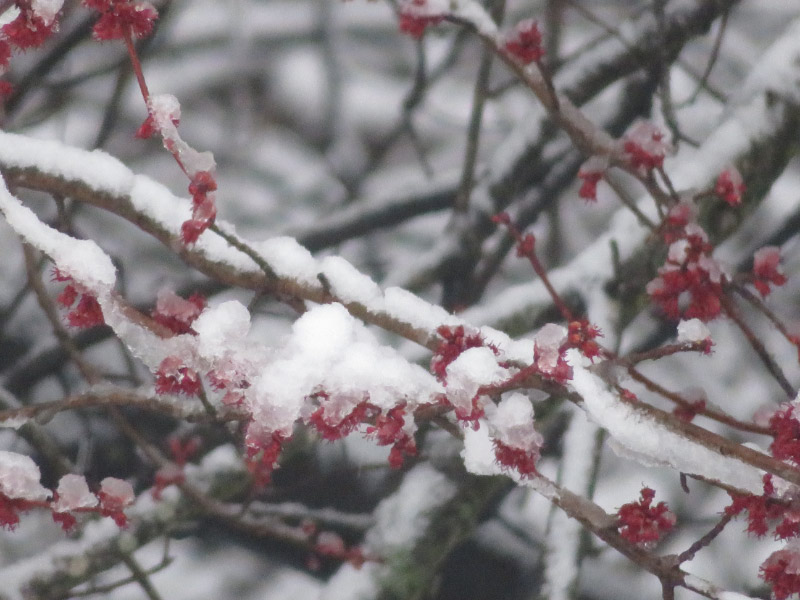
The red maple in our backyard is blooming and has been since earlier this month. I photographed it from my window on the 3rd (with a dove looking back toward my window. Maybe it sensed it was being watched.),

2018 03 IMG_8874.jpg

With snow on the 7th (there were doves in the tree again…fluffed to keep warm.  I wondered if the weather was going to damage the flowers, but it didn’t get below freezing for very long.)

And yesterday (when the flowers looked even more numerous than before).

2018 03 IMG_9041.jpg

I went outside yesterday to get a closeup of the flowers.

2018 03 IMG_9045 clip.jpg

The red maple is probably one of my favorite trees in the spring because it blooms before just about everything except the earliest of bulbs…and it’s the only red in the scene!

Gleanings of the Week Ending March 10, 2018

The items below were ‘the cream’ of the articles and websites I found this past week. Click on the light green text to look at the article.

Look at What the Coastal Storms Have Done to the Chesapeake Bay - AGU Blogosphere – We had high winds in our area a week ago and it was worse (even higher winds and more precipitation) north of us. Trees feel, power outages prevalent, and some rail cars fell from a bridge as they crossed the Susquehanna River. The suspended matter in the rivers around the Chesapeake Bay were dramatically high…and it moved fast (lots of difference between March 4 and March 5). Wow!

New Perspectives on Bogotá’s Architecture Thanks to Drone Photography – I liked the first picture the best: the building footprint and the rooftop gardens…the trees below.

Forecasting diseases one image at a time – National Geographic Blog – Los Alamos working on predictive models of disease outbreaks in populations suplementing traditional data sources (with lag times in data availability) with non-traditional sources that are available more quickly to enable more timely response to disease outbreaks.

Are flamingos returning to Florida? -- ScienceDaily – Florida had flamingos in the 1800s but by 1900 they had been eliminated (killed for their plumage). Since 1950 they have been increasing in numbers and this study indicates that they are not just escapees from captive flocks. Most are birds from the Caribbean or Mexico that have repopulated Florida.

Can You Ever Have Too Many Turkeys? – Cool Green Science – Turkeys in Oregon – not native to the area but thriving – and an experience with the citizen science project to count them.

The Pileated Woodpecker in Winter – Cool Green Science – We have some pileated woodpeckers that make their rounds in the forest behind our house. They are indeed easier to see in the winter time than any other time of the year.

Welcome to the Age of Climate Migration - Rolling Stone – People are already moving from areas that are flooding more frequently. This appears to be an early indicator of economic consequences for climate change denial.

The Strange and Magnificent Nudibranchs of the Cape – National Geographic Blog – Marine slugs look so different from life we are used to seeing…they could be from another planet…but they are here on earth. Enjoy the pictures in this blog post.

Low magnesium levels make vitamin D ineffective: Up to 50 percent of US population is magnesium deficient -- ScienceDaily – Yet another reason to eat those leafy greens…or take a magnesium supplement.

Recovery: Evicting Rabbits – Cool Green Science – Ridding some islands of non-native rabbits so native flora and fauna can recover (penguins, birds, lots of plants)…with the help of a Labrador retriever wearing rubber booties!

Thoughts from Belmont

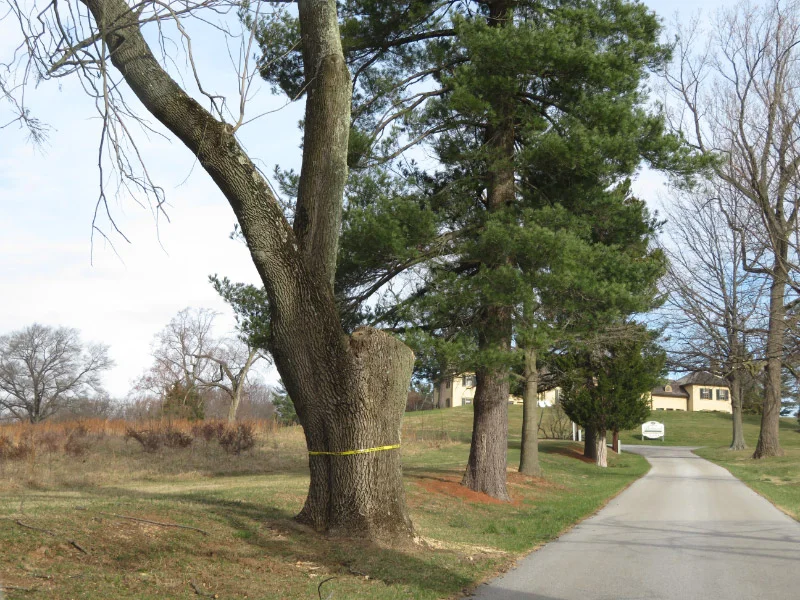
I’ve spent more time at Belmont this week because of some extra classes held there. Three thoughts: 1) On the road into the park I thought about the pine trees cut a few years ago because they were damaged by pine bark beetles and now the ash trees being marked with yellow tape for removal because of the emerald ash borer. They are big trees along the drive toward the Manor House…will leave some large holes.

2018 03 IMG_8977.jpg

) Looking down the road from the front of the manor house, I thought about the way it slopes down hill for about a mile – I coast all the way down to Rockburn Branch when I leave. It traverses the boundary between the Piedmont and Coastal Plain. Maryland’s highest elevation is in the far west of the state…and it slopes down to the sea through two mountain ranges (Alleghenies and Appalachians) to the Piedmont and then the coastal plain to the sea. Belmont is a place to see one of those transitions. Water in Piedmont streams and rivers babbles along…and moves more slowly once it gets to the coastal plain.

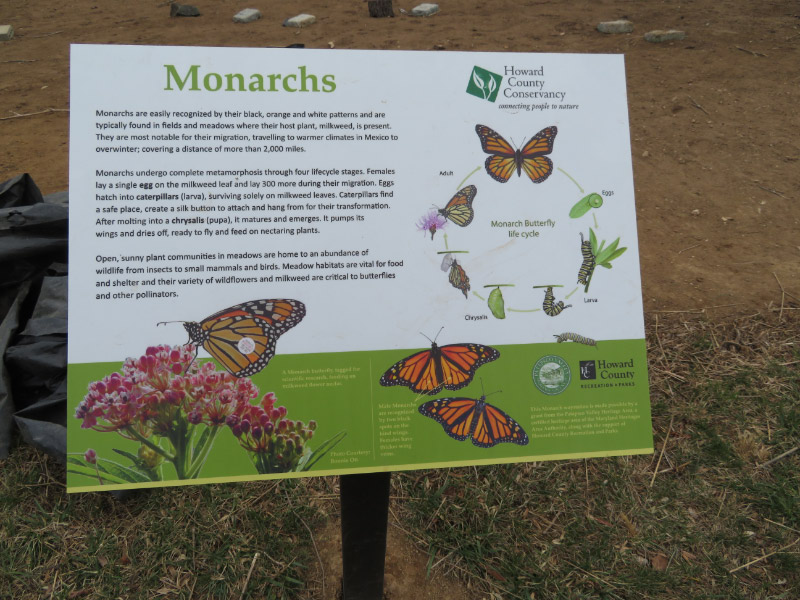
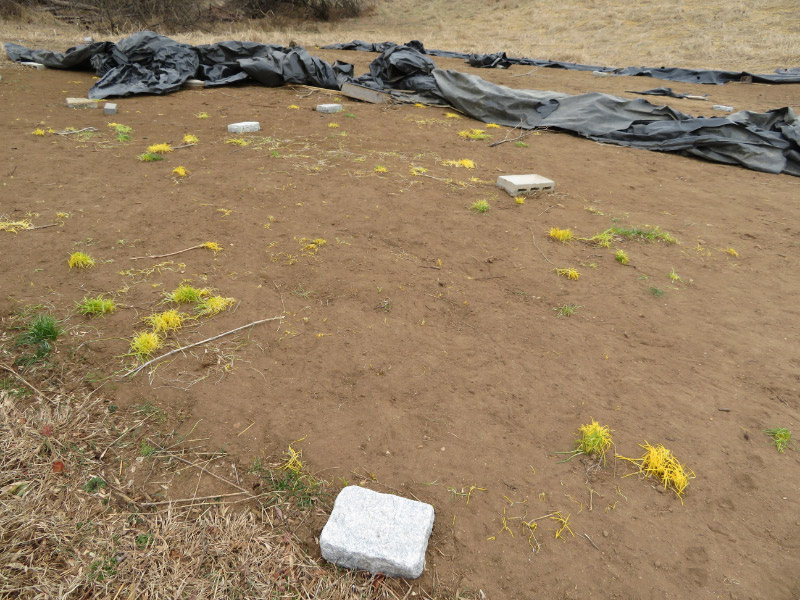
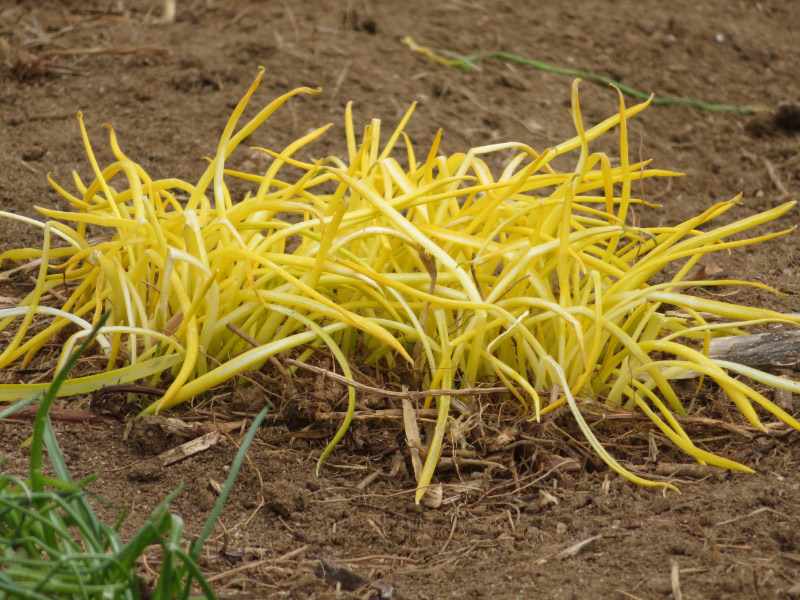
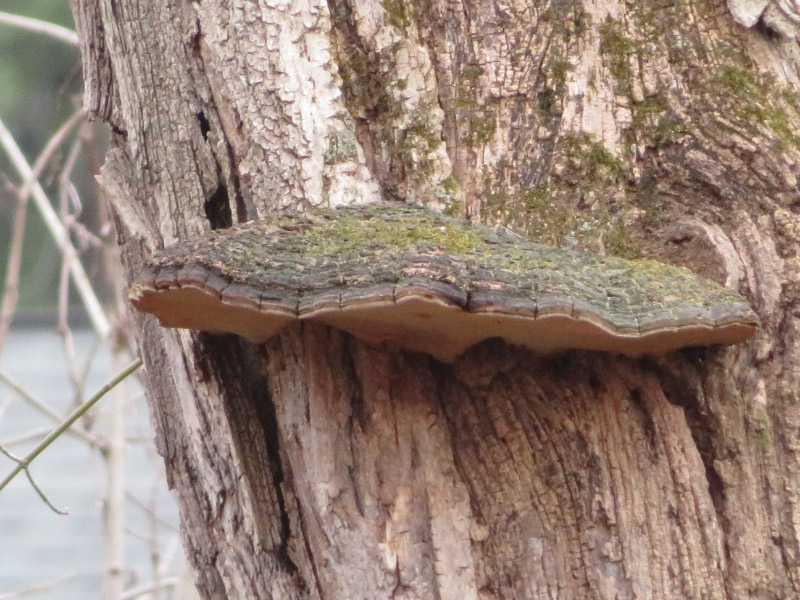
3) There is a butterfly meadow being created near the Carriage House nature center. Right now, it is dirt that has been covered with plastic to kill grass and unwanted plants…ready for planting of milkweed and other plants that provide food for the butterflies and caterpillars. The big sheets of plastic had not blown entirely way in our recent winds but hadn’t stayed spread out as intended either. There were some bright yellow plants in the dirt. On closer inspection they were grass…with the (yellow) xanthophyll pigments lasting longer than the (green) chlorophyll pigments when it tried to grow under the plastic! The grass will be pulled before the meadow plant seeds are sowed. I also noticed a relatively large (and old) shelf function on a dead tree in the brambles behind the butterfly meadow project. There were lots of birds back in that area too…but not easily visible on the cloudy day.

Brookside Conservatories – March 2018

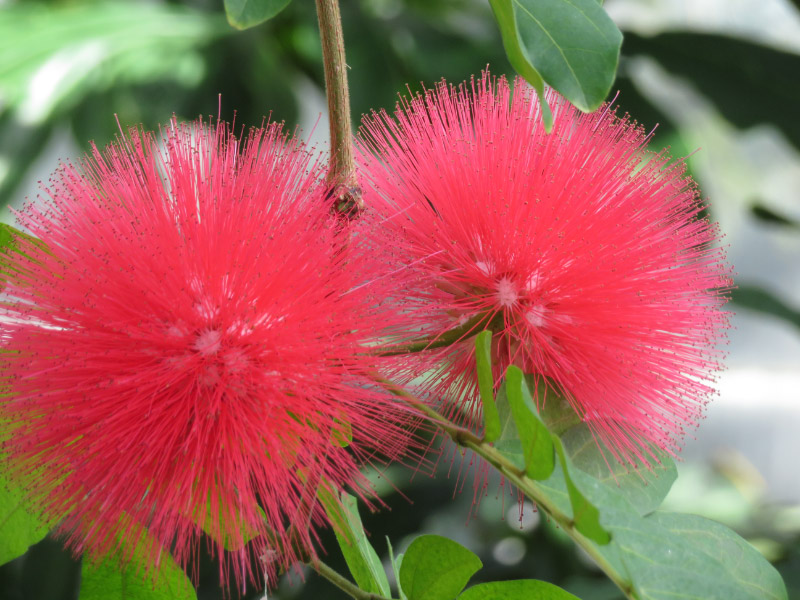
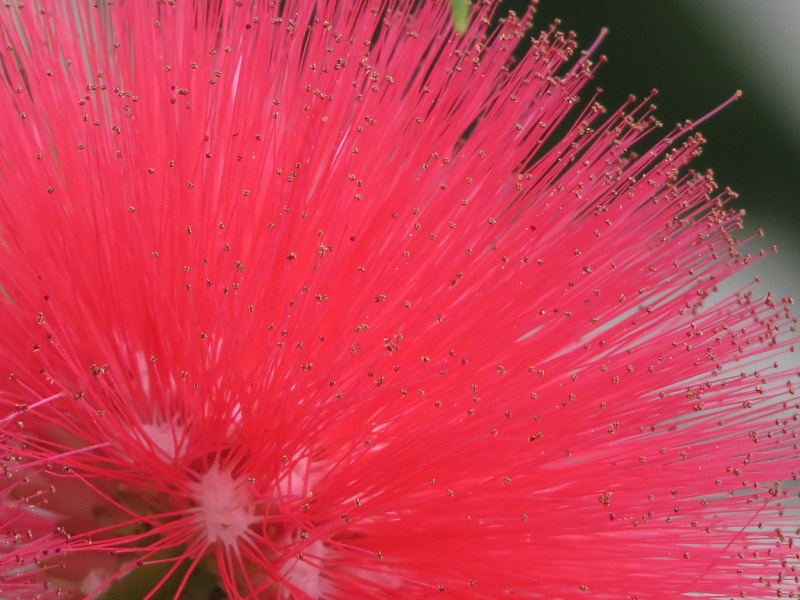
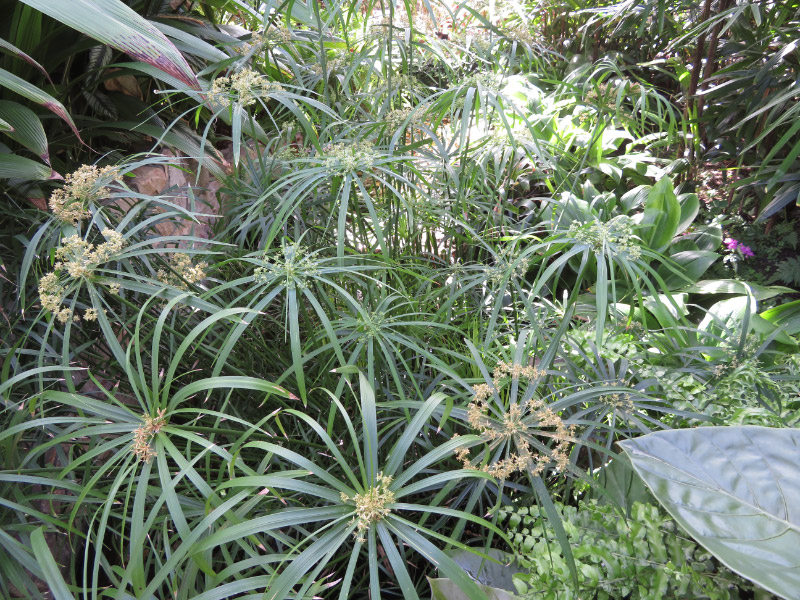
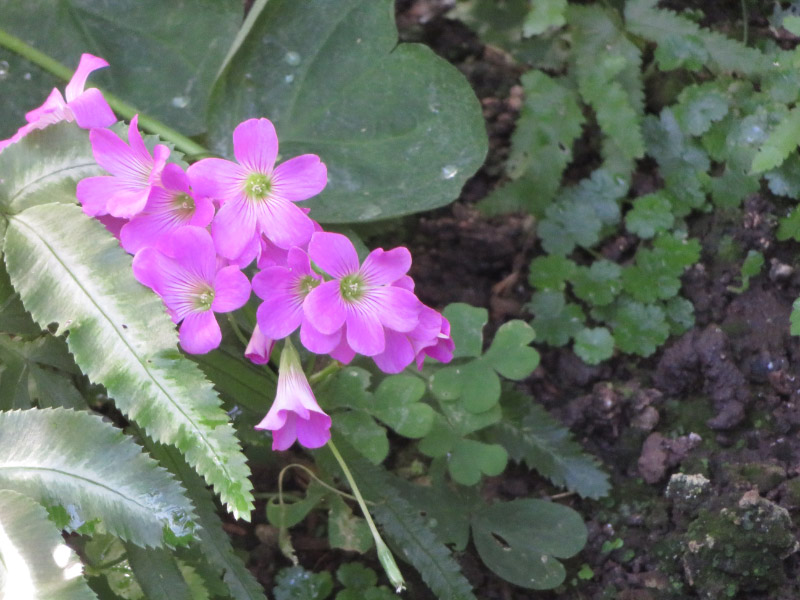
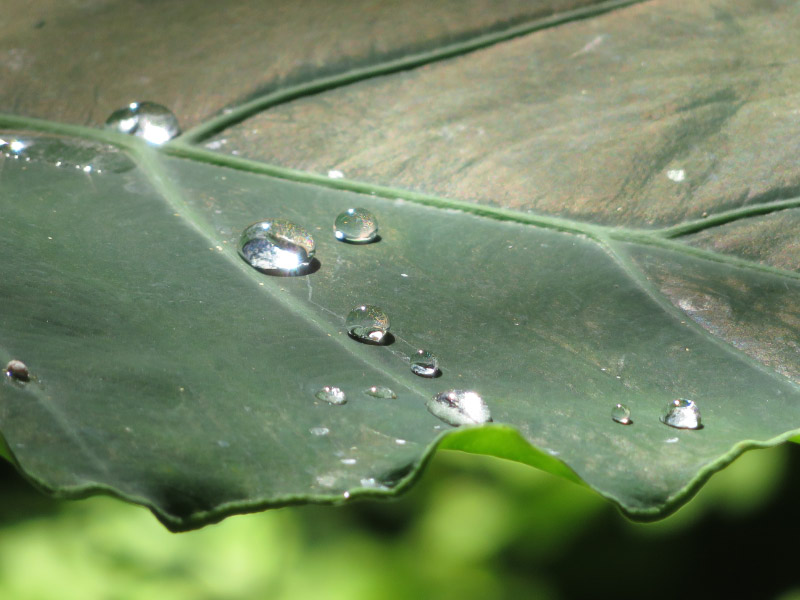
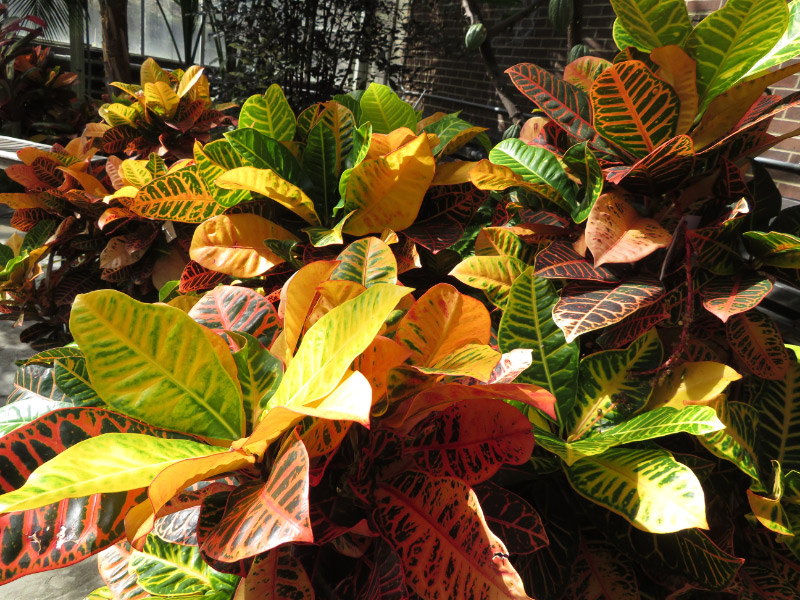
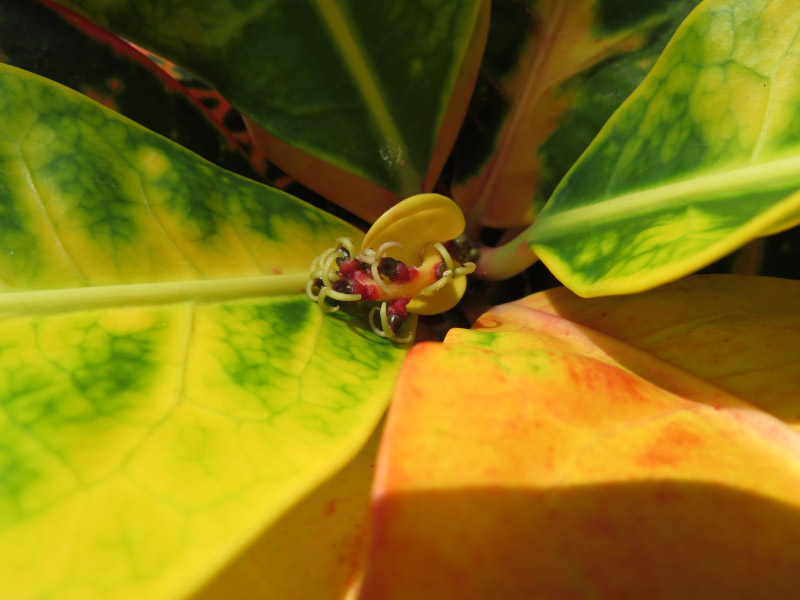
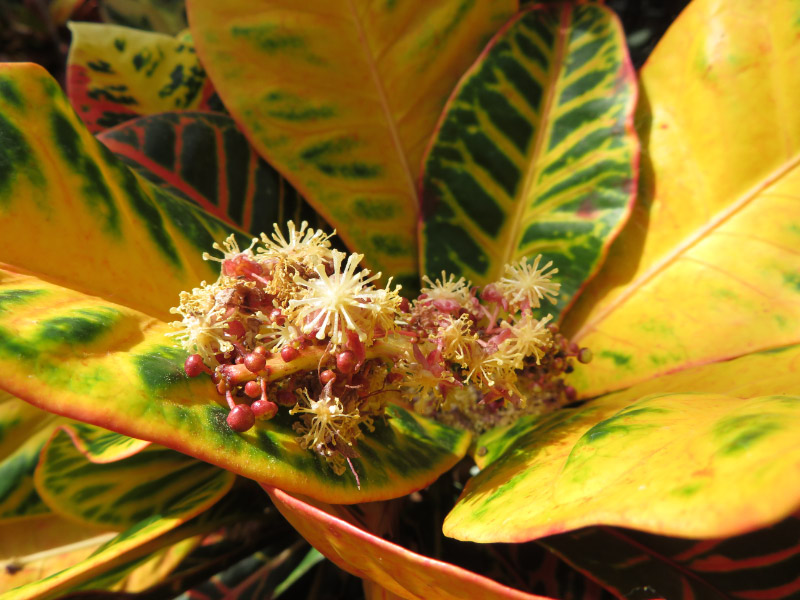
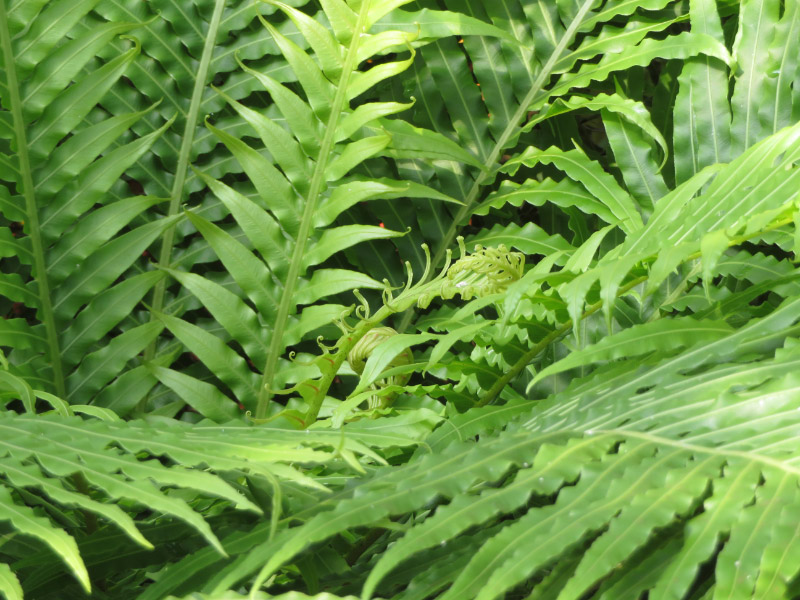
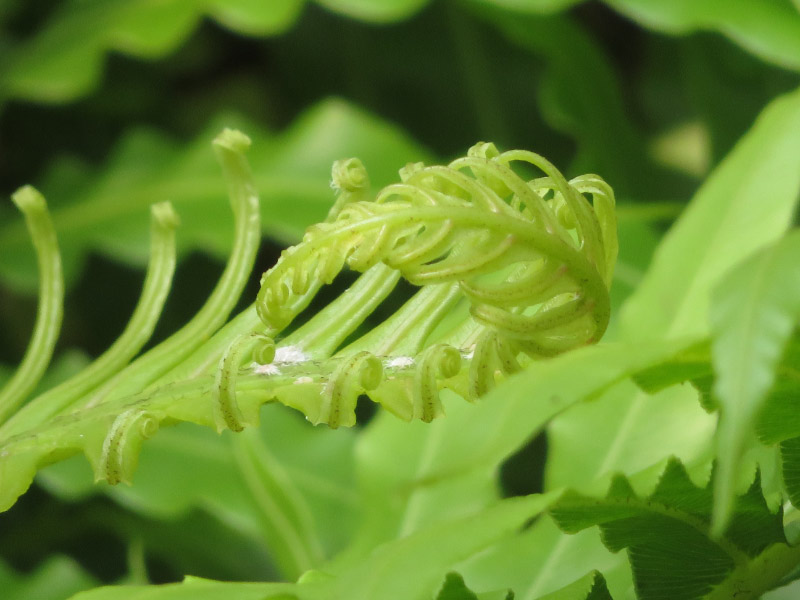
After my walk around the outdoor parts of Brookside Gardens, the warmth of the conservatories was much appreciated. Both are currently open although one will close to prepare for the Wings of Fancy Butterfly exhibit in early April. There were not many people about so I had the luxury of moving myself to the best location to capture the photos I wanted. There was lots of color from flowers like poppies, begonias, and orchids as well as the foliage of variegated croton (and they were blooming too!). Of course the greens were well as well since outside we are still mostly brown. I like the shapes of papyrus, water droplets on big leaves, and the unfurling ferns. I like conservatories in general but appreciate them the most on visits in the depths of winter.

Brookside Outdoors – March 2018

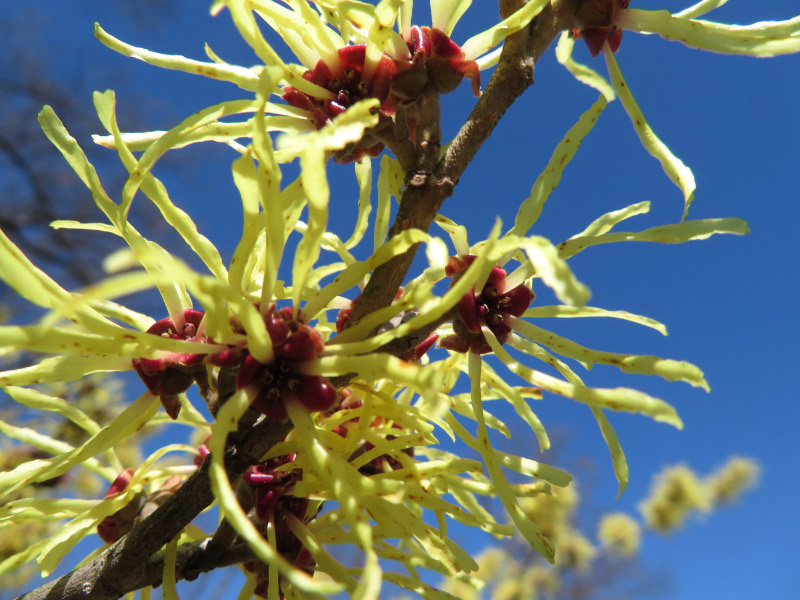
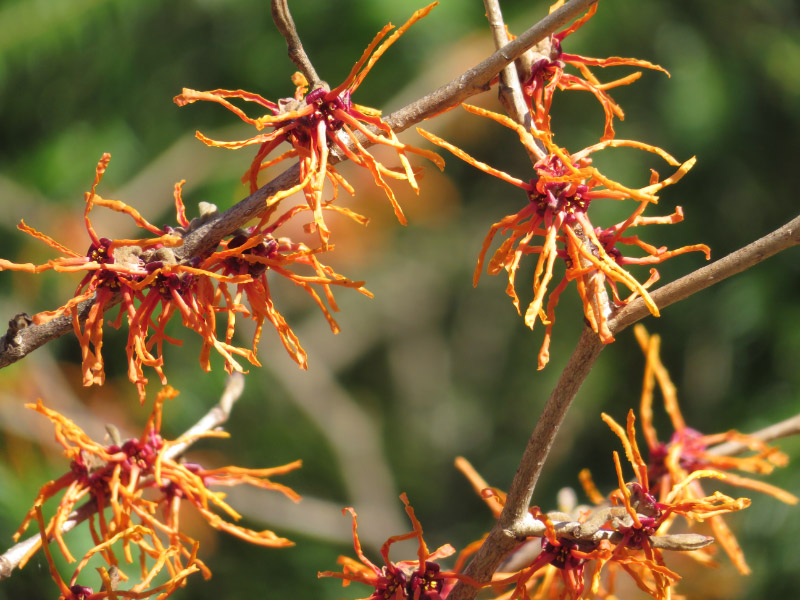
I walked (quickly) around Brookside Gardens earlier this week; it was sunny but cold! I saw some tiny daffodils blooming in a bed near the conservatories; the larger varieties are weeks away and the tulips are barely out of the ground. The witch hazels were what I wanted to see…and they did not disappoint. They provide a lot of color in the wooded sections of the gardens with the red centers and yellow streamers of the flowers.

There were early spring bulbs to see too. The snowdrops were probably the most numerous.

IMG_8914.jpg

There were crocuses blooming as well.

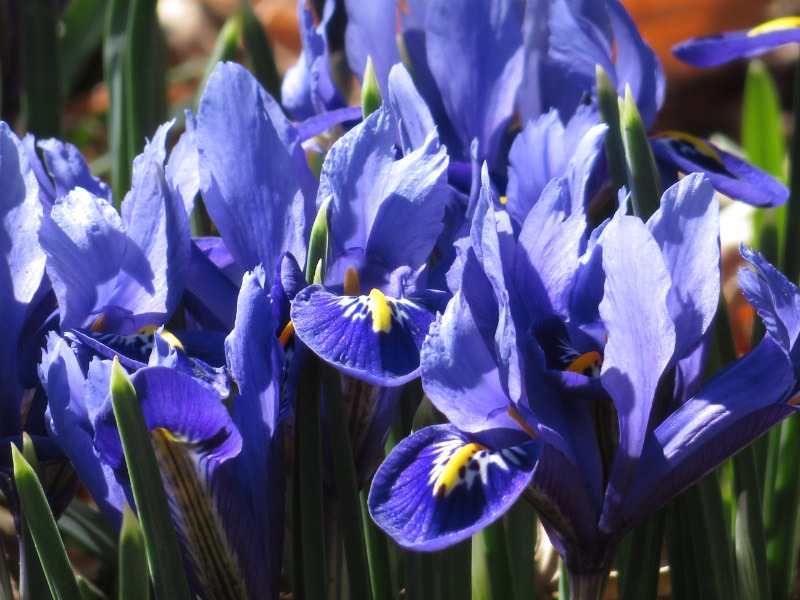
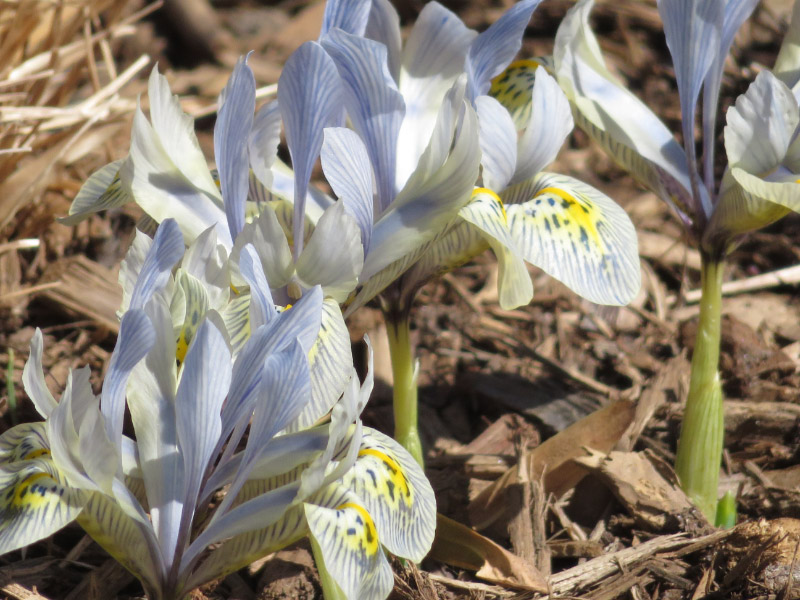
The dwarf irises were a pleasant surprise.  There were at least two colors. They are only a little larger than snowdrops.

Noticing a Squirrel

On morning I was walking fast in the damp cold between the nature center at Howard County Conservancy’s Nature Center and my car. I snapped a picture of the drive – complete with puddles.

2018 02 IMG_8774.jpg

There was something moving in the mulch beside the road. I noticed the movement first and then realized that it was lighter than I expected a squirrel to be…but the zoom of the camera confirmed – it was a squirrel.

2018 02 IMG_8770.jpg

I wondered if it’s lighter color would make it harder for it to survive. It did seem to stand out in the winter scene – not good if a predator notices.

HoLLIE – Week 5

The Week 5 of HoLLIE (Howard County Legacy Leadership Institute for the Environment) class focused on farming in our area of Maryland, conversations that change hearts/minds/behavior, and protecting watersheds from storm water.

The day started out cool and damp…with lots of birds moving about and making noises. I took a short walk around Belmont, but the birds were not still enough for photography (and the light was not very good. I did get some silhouettes of pigeons in the sweet gum.

2018 03 IMG_8785.jpg

I had better luck with buds on trees

seedpods from last summer,

and the bark on the river birch.

Then it was back indoors for class.

The farms in our area are generally small and generally must specialize to be successful. The country is down to 3 dairy farmers and will probably lose one of them this year. We were encouraged to ‘buy local’ and I felt good that I already have signed up for the 2018 version of the Gorman Farm CSA (community supported agriculture).

By the end of the day – we were all hoping the rain would hold off for our field trip to see different ways Columbia, MD ‘slows the flow’ of storm water runoff. It remained cloudy...but no rain! We stopped at a bioretention area near Wilde Lake to handle the runoff from a large barn so that it does not dig a trench on it’s way to the lake (carrying the slope sediment with it). It was an attractive depression the grasses and other plants with interesting seed pods (this time of year).

2018 03 IMG_8828.jpg
2018 03 IMG_8829.jpg

The next stop was a stream restoration where a series of stepwise pools has been constructed that will slow water letting it soak in  with the series of pools or drop sediment before it moves on town to Lake Elkhorn. The project is completed except for plantings.

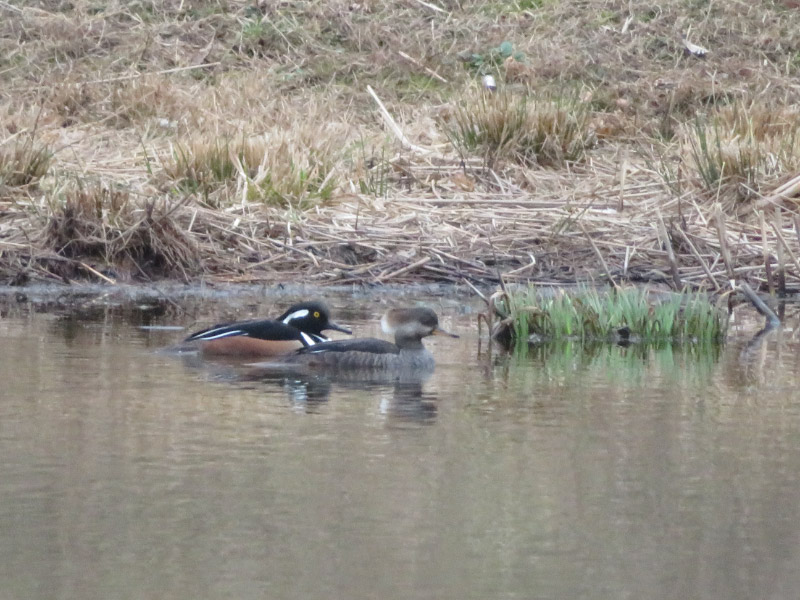
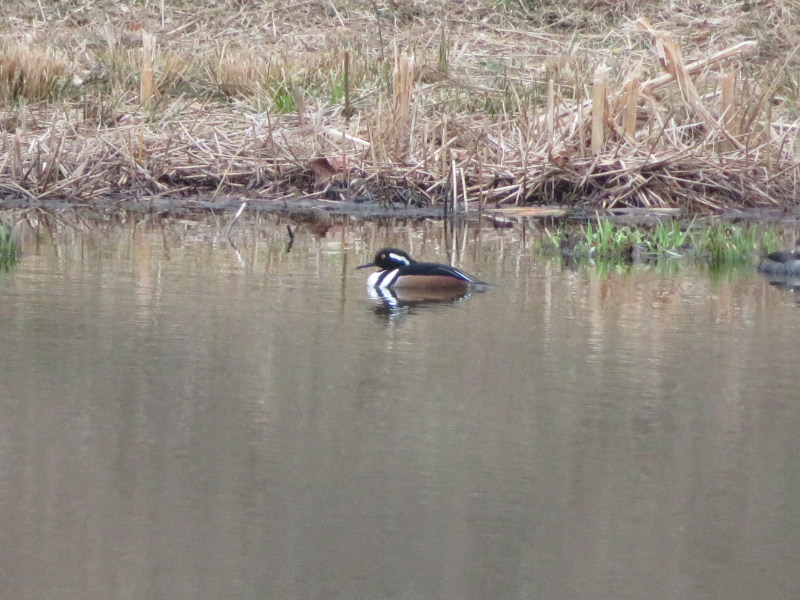
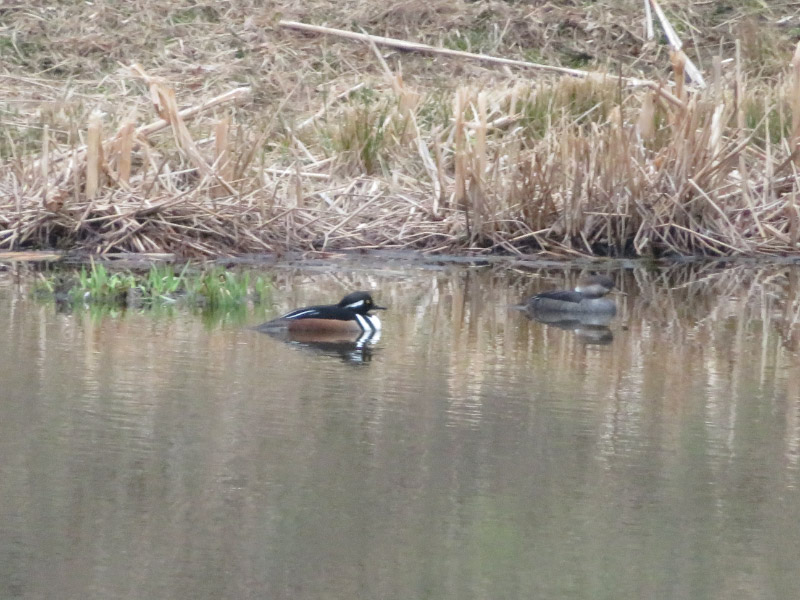
The last stop was an inline bioretention facility, Homespun pond, and a nearby residential rain garden. I listened but was busy photographing what turned out to be a male and female hooded merganser on the far side of the pond!

It was another good class day!

Previous HoLLIE posts: Week 1, Week 2, week 3, week 4

Signs of Spring

The very first days of March and there are already two signs of spring outside my office window:

A robin looking for worms (not flocks of them yet but single birds…I’ve seen larger groups at both Belmont and Mt Pleasant already this years) and

2018 02 IMG_8777.jpg

The red maple blooming. I’m a little worried about the red maple because we are going to get some cold weather again in the next week or so. How much can these maple flowers withstand? It will be interesting to watch and see. Last year we had very few samaras (seeds of the maple) because some cold water caught the tree at a critical time. I’ll be looking for maple seedlings soon to pull up for display during the tree activity for pre-schoolers; hope there were other maples in the neighborhood that did produce seeds.

2018 02 IMG_8781.jpg

Gleanings of the Week Ending March 3, 2018

The items below were ‘the cream’ of the articles and websites I found this past week. Click on the light green text to look at the article.

BBC - Future - Spice: Why some of us like it hot – A little interesting history…not sure it really gets to the question about why some of us like it hot though.

Life-Size Camel Carvings Found in the Saudi Desert | Smart News | Smithsonian – I saw this story in several of my feeds…this one had the best pictures.

As Ice Sheets Melt Faster, Sea Level Rise Is Accelerating Every Year - Yale E360 – It’s hard to translate stories like this into what will happen to specific areas and it seems like that is what is critical for coastal areas that need to plan for rising sea level. Planners in Annapolis MD are using the flood they had from Hurricane Isabel in 2003 to help people realize what the situation will be like in 2050 (the projection is that the flooding will be about like that 2003 flood very frequently because of sea level rise, enough that the city will be forever changed).

BBC - Future - Five myths about loneliness – Some ideas about loneliness. If you time and interest…do the survey (link is toward the bottom of the page) to participate in the BBC Loneliness experiment.

Photography in the National Parks: Don't Forget About Those Little Things -  I like the closer up shots of little things --- and there are good ones in almost every natural area, not just National Parks.

This Map Shows What Climate Change Could Mean for Your Region – There is an article around the map…but the map is the graphic to look at. There are more areas with economic costs than benefits in the US.

Transforming patient health care and well-being through lighting -- ScienceDaily – I’ve always wondered about the fluorescent lights often used in hospital settings…wondering how the sleep cycles of patients could be normal at all. I’m glad lighting is finally getting more attention.

Wild Birds with a Splash of Colour – National Geographic Blog – Eye candy for this week. Somehow bird pictures are always a favorite for me.

Thousands of Photographs Created These Hyper-Real Portraits of Historic Buildings | Smart News | Smithsonian – If you are in New York City before April 7 you can see the gallery show…if not – get a glimpse of Brunetti’s work looking at the 4 images with this blog post from the Smithsonian.

New Study Shows Flood Risks Across the U.S. are Underestimated (in a Big Way) – Cool Green Science – I wonder how long it will be before the FEMA maps are updated. It seems like people purchasing houses would like to be aware of the flood risk before they made their purchase.

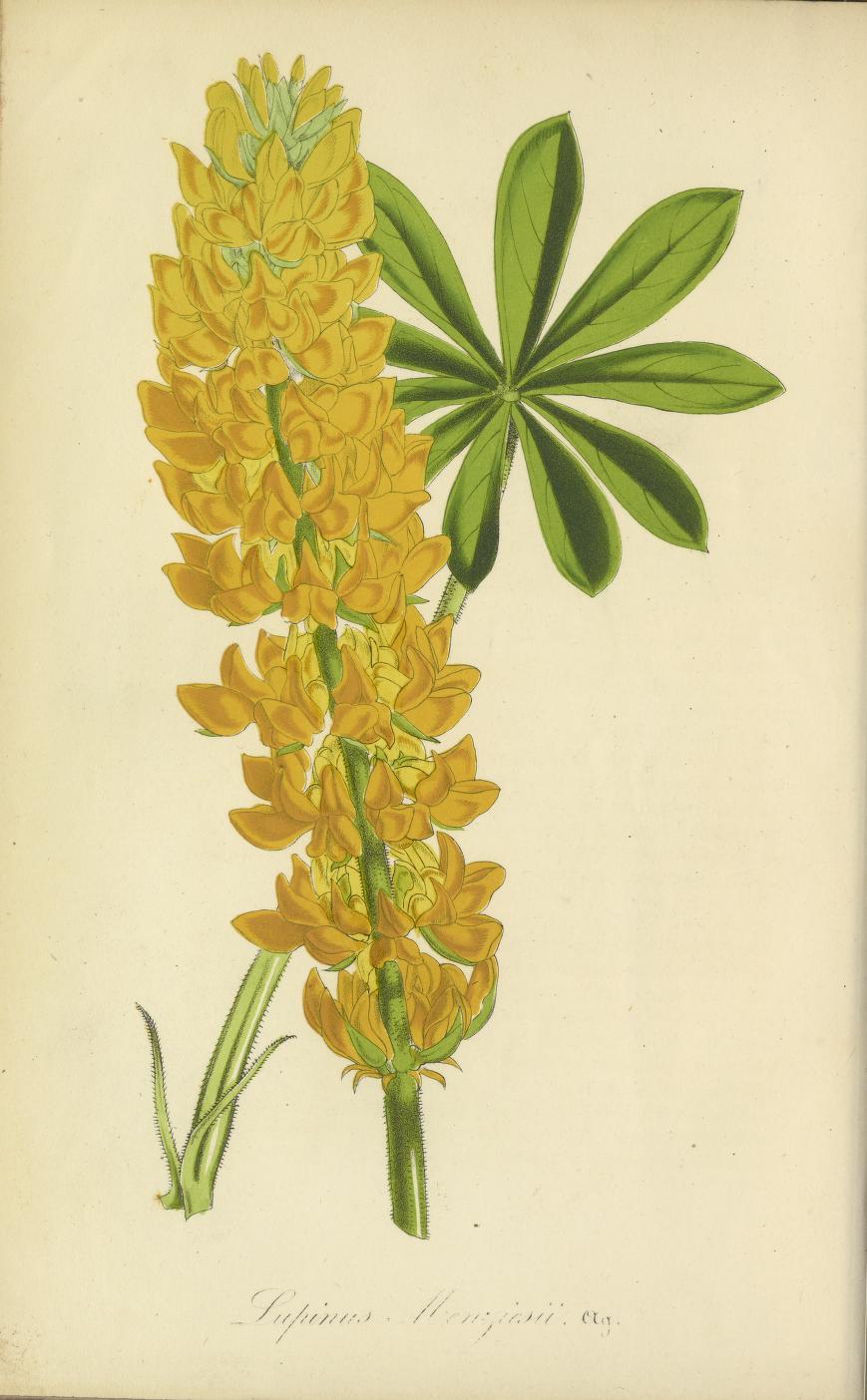
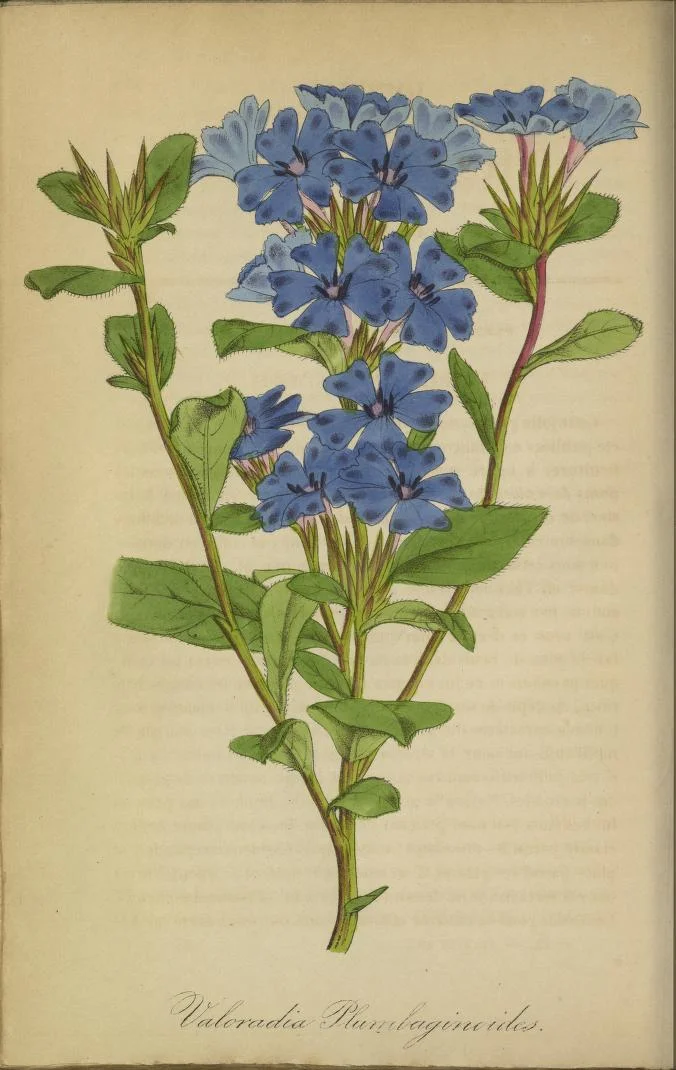
eBotanicalPrints – February 2018

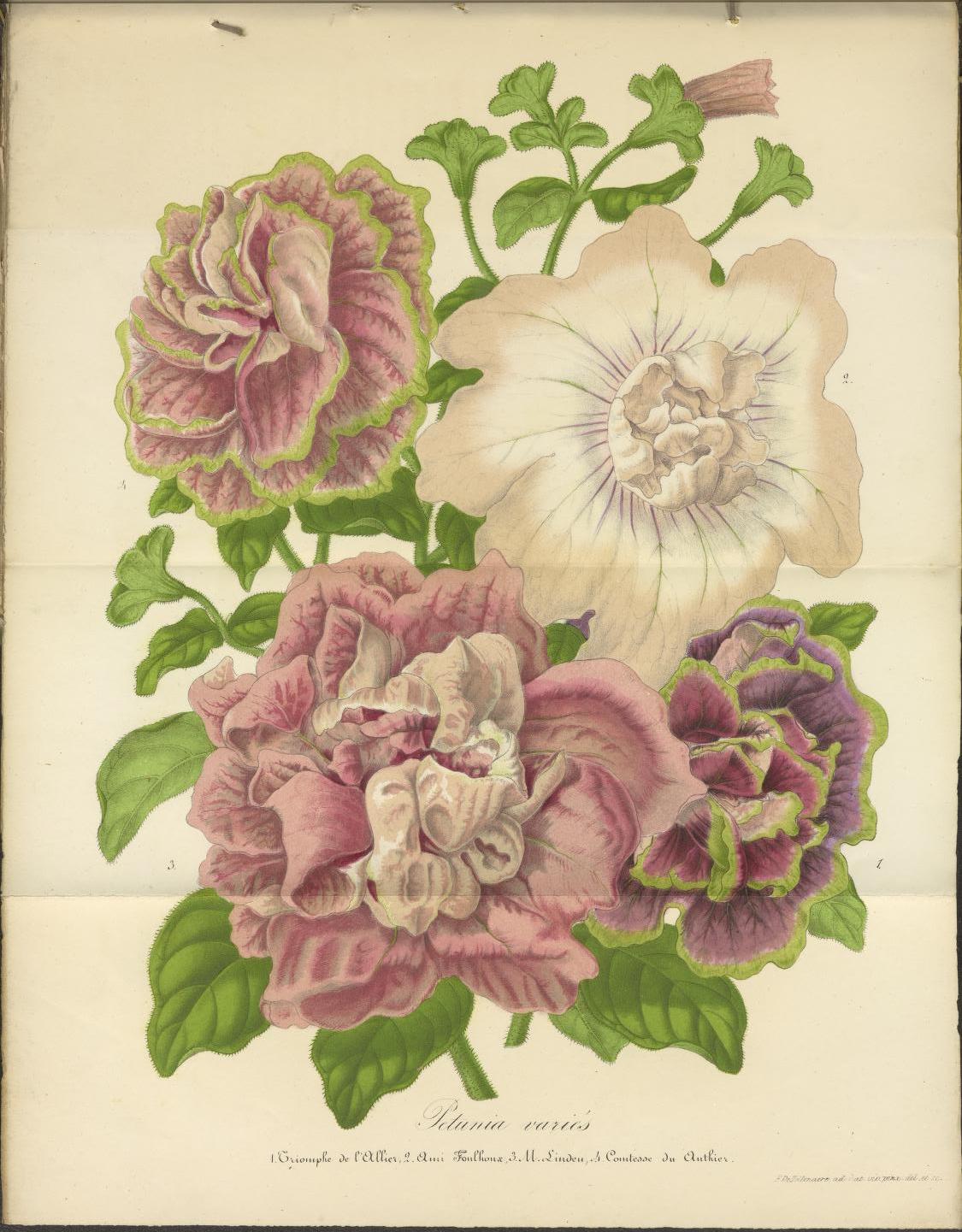
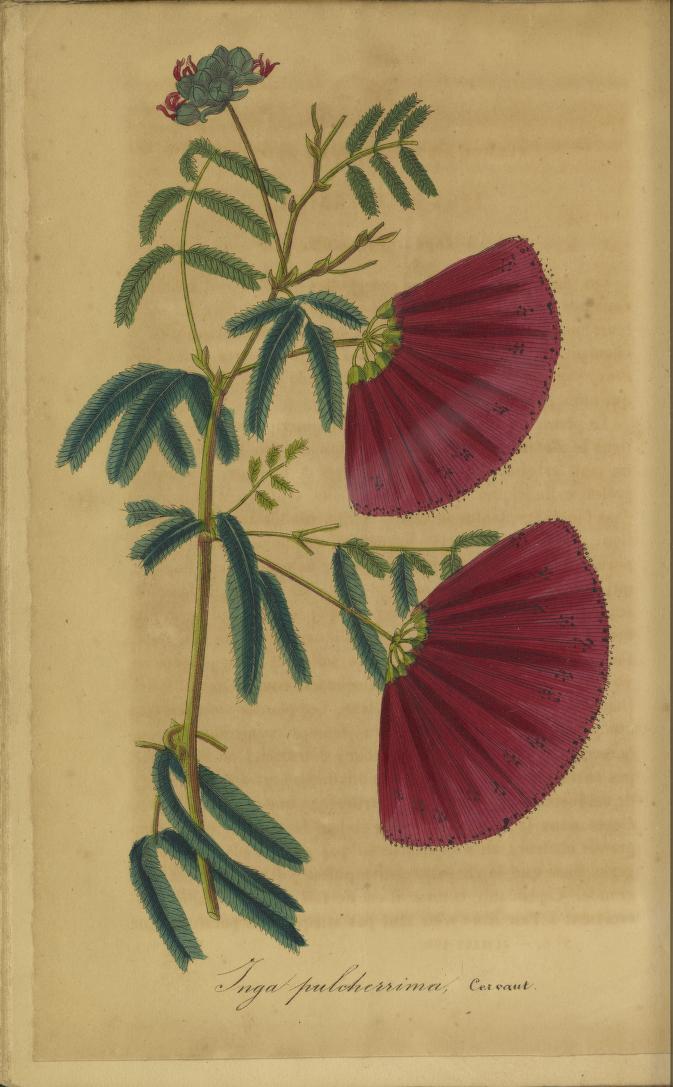
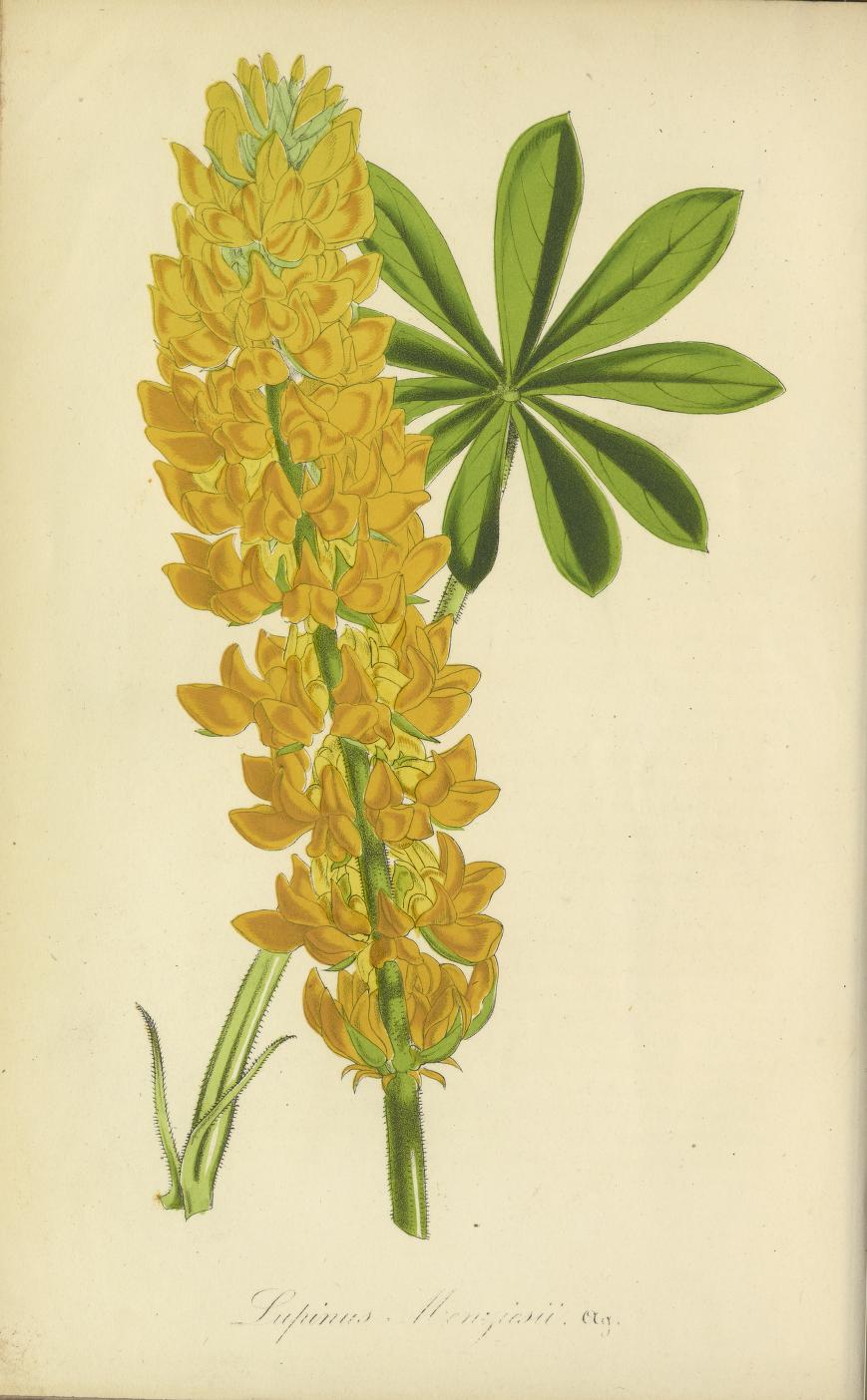
Two more years have been added to the eBotanicalPrints area of the site – those books that I discovered in 2011 and 2012. Look at the botanical blog to see what’s happened in the past month in slideshow form. There are now almost 1000 eBooks containing botanical prints with links to access the whole book and a sample image. The list is getting long enough that I am looking for other ways that I can display the lists -maybe a tabular format rather than lists. Hopefully I’ll work out a better way during March.

In the meantime – enjoy 24 books that I browsed last month. The sample images are below, and the titles are at the bottom of this post. Enjoy the colorful blooms in the prints!
Zentangle® – February 2018

60 tiles in 28 days…that is the Zentangle count for February. I picked 28 to display below. During the month, I kept cutting blank tiles from folders of various kinds that I find while I am cleaning out office supplies….boxing up the blanks and comfortable that I’ll use all of them eventually. I am enjoying the new pens this month; it’s wonderful to not have skips!

--

The Zentangle® Method is an easy-to-learn, relaxing, and fun way to create beautiful images by drawing structured patterns. It was created by Rick Roberts and Maria Thomas. "Zentangle" is a registered trademark of Zentangle, Inc. Learn more at zentangle.com.

3 Free eBooks – February 2018

I’m saving the wonderful botanical print books I viewed in February for a post on botanical prints…so the three books featured today are from the rest of my online reading in February.

Mochizuki, Gyokusen. Gyokusen shūgajō. Tonaka Jihe, Kyoto-shi, Meiji 24. 1891. Available from the Smithsonian Libraries site here.  I liked the soft colors and the depictions of familiar things. The dragonfly on grassy stems was my favorite.

2018 02 ebook1.jpg
2018 02 ebook2.jpg

Mori, Yuzan. Hamonshu. Yamada Geisodo, Kyoto-shi, Meiji 36. 1903. Three volumes are available from the Smithsonian Libraries site here. These books are all about depicting water. I got a lot of ideas for Zentangle patterns from these volumes

2018 02 ebook3.jpg

.Ladies Realm – an illustrated monthly magazine. Published by Hutchinson and Co. London. The volumes from the late 1800s to 1913 are available on Hathi Trust here.  This period was one of transition. There was a lot of change in fashion and technology and what women were reading. At first there were a lot of pictures of the royal family and other aristocrats….and lots of pages devoted to fashion from Paris. As time when on, there was more fiction, more ‘how to’ articles, and by the 25th volume (1908-1909) an article showing pictures of London at night.

Ten Little Celebrations – February 2018

February 2018 has been busier than usual for me than in previous years since ‘graduation’ from my career (that does sound better than ‘retirement’!). The activity that caused that was the day long HoLLIE (Howard County Legacy Leadership Institute for the Environment) classes once a week. I celebrated 1) after the first one – realizing what a rich learning experience the institute was going to be – and after 2) after the second week when we are at Goddard learning about how and what satellites help us understand the Earth…and having the serendipity add on to the class seeing the big rock with dinosaur and early mammal tracks. I could have counted all 4 days as ‘celebrations’ but decided to choose some other items to add variety to this post.

20180208_073546.jpg

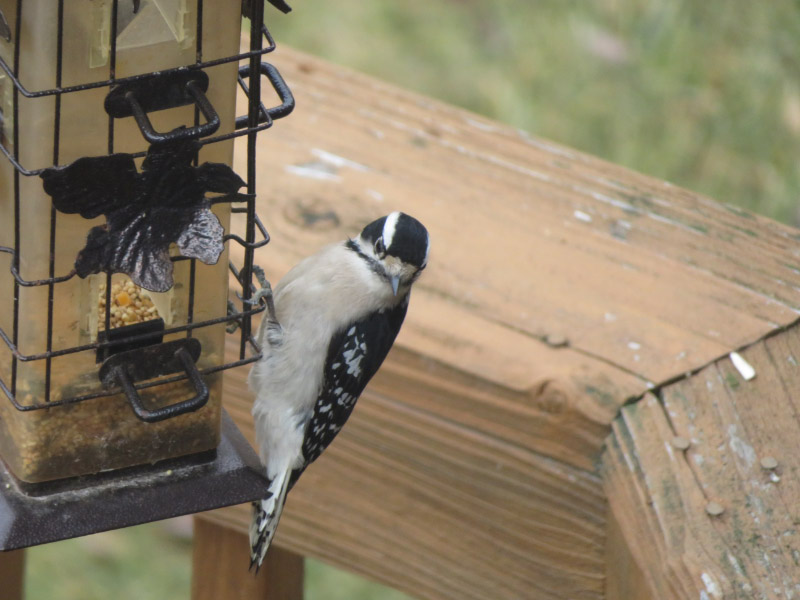
I celebrated seeing 3) 2 kinds of woodpeckers within about 10 minutes from my office window: pileated and downy and 4) the springtime tussling of male cardinals in the maple tree while the female looked on and stayed out of the way (a sign that winter in waning already).

The old crock pot being replaced by 5) an Instant Pot was a little celebration (because of immediate success using it) and continuing.

Usually I don’t find anything to celebrate in the news…but the 6) successful launch of the Falcon Heavy was something to celebrate. It’s great that there is a heavy lift capability available - a capability we need to further our exploration of space.

Several things came together this month – focusing my attention on how much I’ve enjoyed being a 7) Maryland Master Naturalist…I celebrated the 4-year journey.

I vicariously shared some of my daughter’s experiences this month – 8) celebrating her post doc – teaching – and ‘what next’ search. It’s invigorating to understand how full her life is --- how much we still share so easily.
The weather after mid-month has turned very mild here in Maryland. Earlier I celebrated 9) enough snow to be pretty and that I had 10) no commitments and could stay home on the day it turned icy.

HoLLIE – week 4

The Week 4 of HoLLIE (Howard County Legacy Leadership Institute for the Environment) class day was held at Belmont Manor and Historic Park. There are 8 weeks to this institute so its now half over. Time flies…

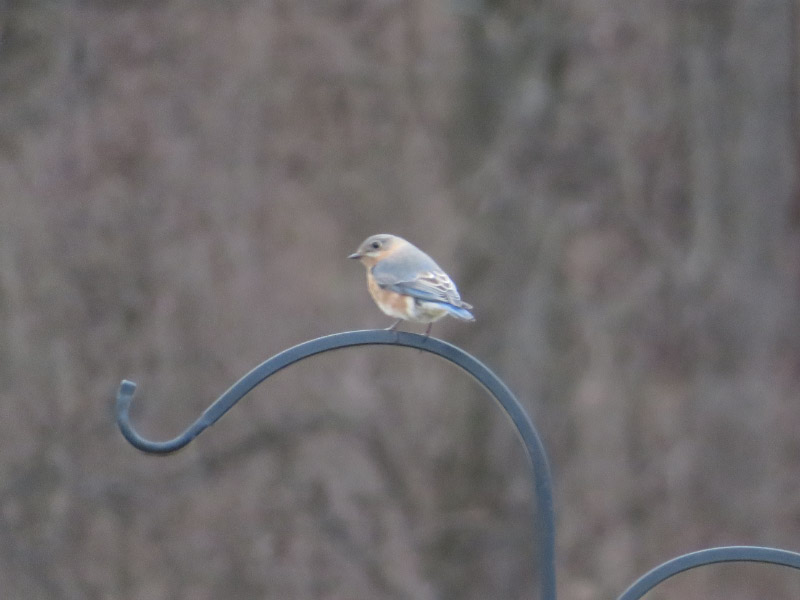
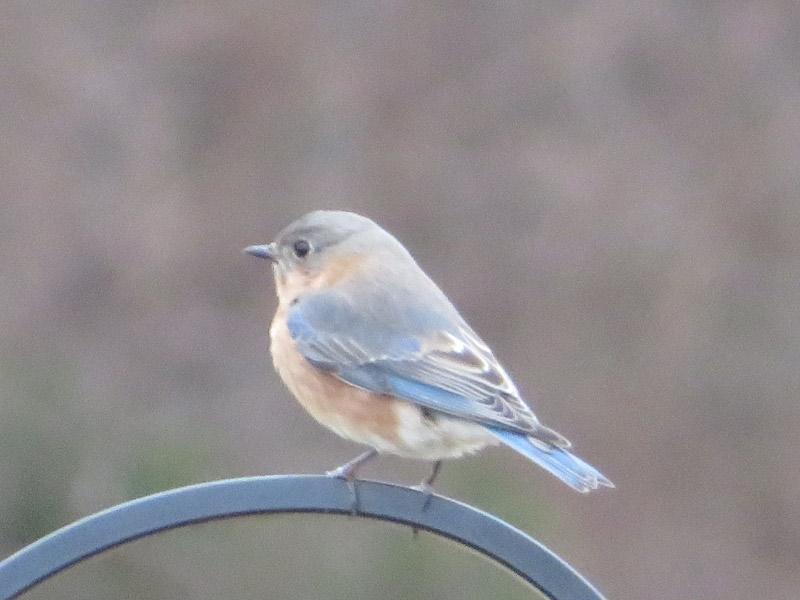
I arrived early since it was my class to bring snacks and I wanted to have them unpacked before other students arrived. While I waited a few minutes for the most convenient door to be unlocked, I noticed a small bird on one of the hooks used occasionally for bird feeders. I managed to get out my camera and use the zoom to see what it was. A bluebird! What an excellent way to start out the day.

The theme for the day – which will carry over to week 5 - was “Earth System Science with Humans in the Equation”. The agenda for the day included a morning focused on government approach to environmental policy (international, national and local) followed by an afternoon hearing about volunteering and a group of organizations needing volunteers in our area. As usual – I took copious notes.

The most important aspect of these classes is probably what actions I take afterward. After this one – I’ve volunteered with the school district for programs like what I’ve done with the Howard County Conservancy and wrote off two emails to my representatives in the state legislature about pending legislation. I also followed up looking at websites mentioned in the lectures or in the materials provided by the organizations that spoke. This was a lot more than an academic series of talks!

Previous HoLLIE posts: Week 1, Week 2, week 3