3 Free eBooks – August 2020

The Internet Archive is such a great resource. I’ve been thinking recently about how frustrating it was when I was growing up – getting to the library…finding something in the card catalog then discovering that it wasn’t available. Or going to the ‘Books in Print’ reference and finding a reference to a book that I wanted to get…but then finding the library didn’t have it and didn’t have an easy way to get it. Periodicals were in thick bound volumes….if the library had the publication. Somehow my hours at the library were more frustrating than enlightening. I became aware early on that ‘research’ in the library was not as productive as I wanted it to be. Now we have access to so much via a simple search on the internet; the more challenging problem is checking the validity of the references found.

The items I find on Internet Archive are general books that are dated…but reflect a perspective of the time they were written/created. I tend to look more at the images than read the text….but what a rich experience that level of browsing can be!

Grindon, Leo H. Lancashire – brief historical and descriptive notes. London: Seeley and Co. 1892. Available from Internet Archive here. I gleaned images from the book that depict children…an immigrant mother hunched over her baby, children out and about in wet or cold weather, a dinner hour where a younger girl appears to be barefoot and without a shawl/scarf, and then children working in a cotton factory and glass-blowing. The late 1800s were a time when some children started working early in their teens and worked long hours….enough that it impacted their health (i.e. rickets, lung problems).

Holland, Clive. Things seen in Japan. London: Seeley and Co. 1911. Available from Internet Archive here. Again – I selected pictures that include children. In the first one I noticed the shoes – placed on the ground under the bench…and what about the other child on the bench a little further away. The ‘big sisters’ in the other picture look a little tired…and how did the photographer know that the babies were all ‘little brothers’?

Sakai Hoitsu (Japanese, 1761-1828). The slideshow of this artist’s work is available from Internet Archive here. Do you recognize the deciduous magnolia?

62 20 08 (6).jpg

Unique Activities for Yesterday:

20200824_082358.jpg

Watermelon symmetry. I cut the watermelon crosswise and noticed the 6 spirals…3 sets of 2 back-to-back spirals. Even familiar foods can surprise us! Maybe this could be a prompt for a hexagonal Zentangle pattern. Some paintings of watermelons before modern plant breeding show the 6 segments more clearly.

Gleanings of the Week Ending August 22, 2020

The items below were ‘the cream’ of the articles and websites I found this past week. Click on the light green text to look at the article.

Scientists Awaken Deep Sea Bacteria After 100 Million Years | The Scientist Magazine® - Learning more about the durability of microbes in extreme conditions….and thinking about how we look for life elsewhere.

How Ancient Monsoons and Tectonic Shifts Shaped This Flowering Mountain Hotspot | Smart News | Smithsonian Magazine – China’s Hengduan Mountains….a lot of rhododendrons and delphiniums

Idol of the Painted Temple - Archaeology Magazine – Pachacamac in Southern Peru…a place venerated even before the Inca Empire

5,000 Pythons Reportedly Removed from Everglades Ecosystem – A lot of pythons…but still more need to be removed.

How lockdown may have changed your personality - BBC Future – It might not have changed very much or permanently for most people. Most of us are resiliently adapting to lockdown…we’ll bounce back or continue the aspects we developed during this ‘timeout’ that are positive.

Alaska’s Vegetation is Changing Dramatically – The impact is still to be determined but rapid changes are rarely good for ecosystems….they decline because they can’t adjust fast enough to the rate of change.

Bees' buzz is more powerful for pollination, than for defense or flight -- ScienceDaily – There is not just one kind of buzz! And some bees (like honey bees) don’t buzz flowers at all.

Top 25 Birds of the Week: Raptors  - The birds of prey…some are powerful looking, some are cute, some a ugly…but that’s just overlaying our stereotyping onto birds like we do with other people.

Why Plastic Waste is an ideal building material – We need a strategy to upcycle all the waste plastic that is accumulating since we don’t seem to be able to wean ourselves from plastic packaging at all.

Grand Canyon's Prehistoric Past Appears In 313-Million-Year-Old Tracks -  Sandstone rockfalls….near the trail…first spotted by a Norwegian geology professor on a field trip to the Grand Canyon with his students.

Unique Activities for Yesterday:

Clothes dryer working. Our 20-year-old clothes dryer has a new heating element and the dust/lint has been cleaned out from around the innards. The first loads we did were towels!

Doe and 2 fawns in our back yard. My husband noticed the deer in our back yard in the afternoon. They stayed around long enough for me to get some pictures. In past years we’ve had a doe and 2 fawns in our yard more frequently. This year their main path back into the forest must be through another yard because we haven’t seen them as often…and so it is a special day when we do.
2020 08 IMG_1477.jpg

The fawns are good size now, but their spots are still noticeable…not quite as well defined as earlier in the season.

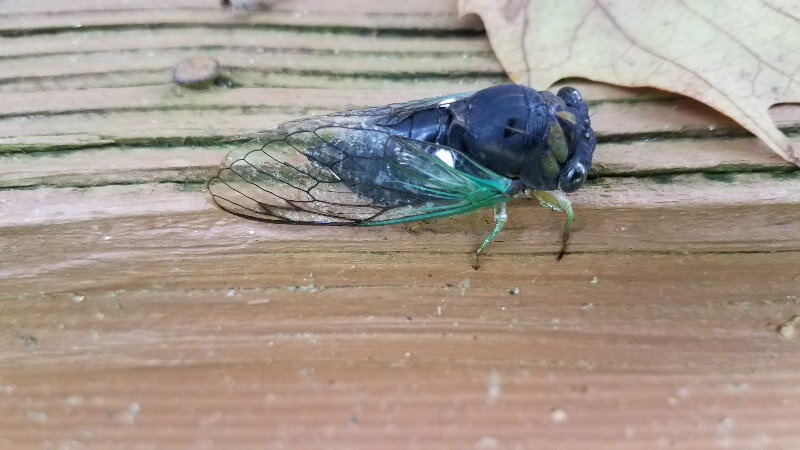
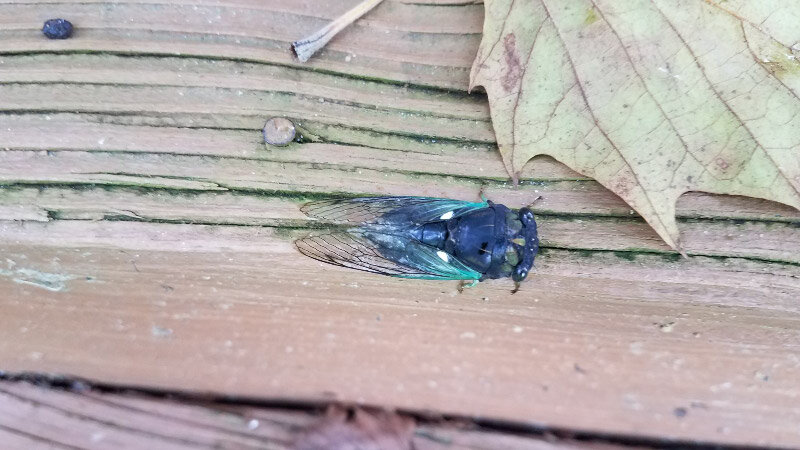
Cicada!

I found a cicada on a sycamore leaf in our yard and carried it to the steps of our deck before continuing to trim the low branches of the tree. By the time I came back to photograph the insect it was walking around the steps…no longer on its ‘sit upon’ leaf. Fortunately, is stayed around long enough for a few pictures.

Comparing the pictures to various species of cicada’s in Maryland, I think it is probably a swamp/morning cicada. I’ve seen this type before in our area…and its supposedly widespread in the eastern US.

Hearing cicadas somehow reminds me of my childhood trips in the summer to my grandparents’ house where we spend a lot of time outdoors – under the shade of the big trees (elms mostly….that were dying or dead by the time I was in my late teens). I don’t remember seeing cicadas then but remember the sound. The sounds are still more evident so seeing one (and being able to photograph it) makes the day a special one.

Unique Activities for Yesterday:

Yard work…it never seems to be completely done. I’ve come to appreciate the wheelbarrow as a metric and a step (and back) saver. Tree trimming fills it up fast. I was focused on cutting branches that were growing low enough to be in our way we mow the grass. This was my first 2-wheelbarrows full yard work hours!

I took a few pictures in between loads. There seemed to be a lot of small mushrooms in the grass that were all in about the same stage of development.

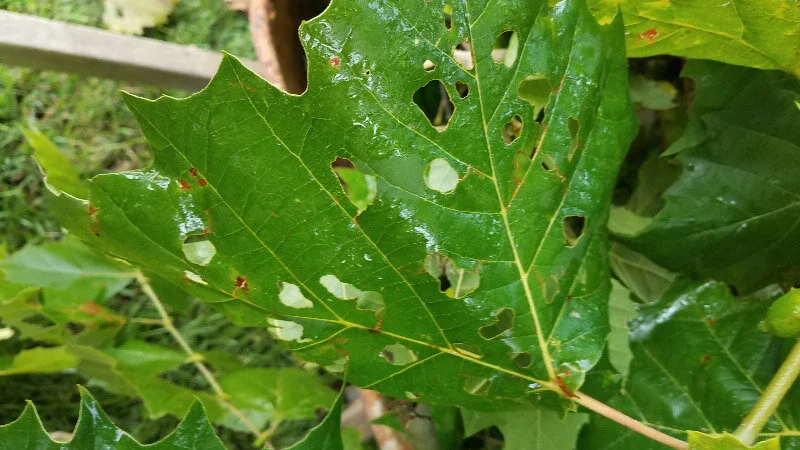
I couldn’t resist photographing the sycamore leaves…the ones with holes and the ones that were still tiny enough to be unmarked. The tree is already beginning to show some signs of fall; it is late to leaf out in the spring and early to begin changing color…before ‘fall’ starts for other trees.

20200817_085620.jpg

There are chives growing in the chaos garden! I’ll have to remember to cut some next time I want to add flavor to a salad.

30 Years Ago – August 1990

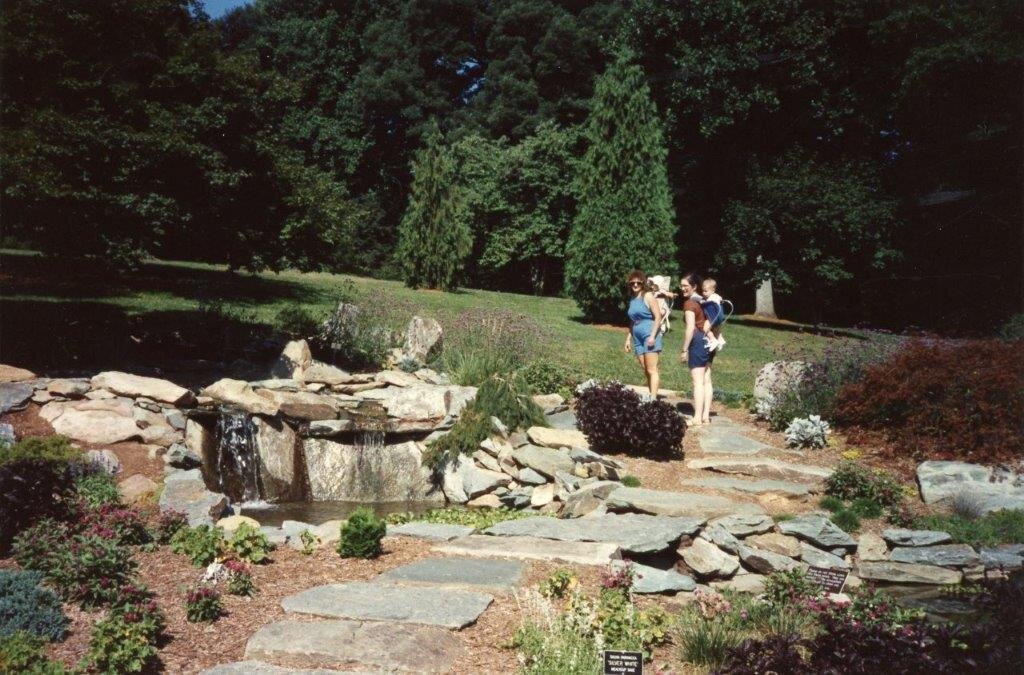
30 years ago – in August 1990 – my daughter and her cousin were getting close to being a year old. My sister’s family traveled from Texas to Maryland so that the girls could spend time together. Both babies were cruising…but not walking yet. We planned outings that they seemed to enjoy. At the Smithsonian’s Air and Space museum the babies interacted with each other as well as their surroundings. They were wheeled around in strollers.
1990 08 img093.jpg

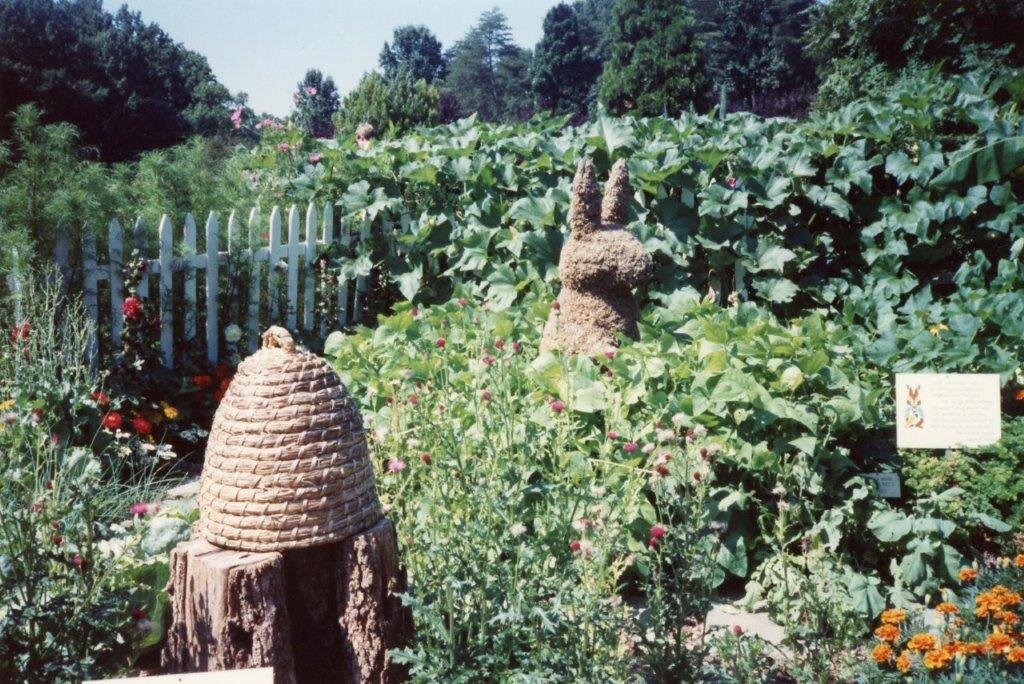
At Brookside, they rode in back packs – taking in the sights and sounds of the gardens.

They enjoyed homemade elephant shaped cookies for a special treat.

After our company left, it was still a busy month with me getting ready to go back to full time work. We bought a new car for me – a Honda Accord – that we owned for long enough that my daughter remembers it.

My parents in Texas were in the process of moving to a new house…trying to get it done before my mother started the school year (teaching middle school).

As I looked at the pictures and read my notes about the month – it was obvious that we were adjusting…getting more acclimated to what it was going to be like with me putting in more hours at work. It still was not easy. I was missing spending as much time with my daughter and my husband was figuring out ways he could help more. We were both experimenting with new routines…but realizing that we’d made positive changes since July.

Unique Activities for Yesterday:

Sweet Potato Sprout. I found a sweet potato sprouting in my pantry…and broke off the sprout before cooking the potato. The first picture is the way it looked on the day I put it in water….2 days later it has roots! I am going to wait until it has a green leaf before planting it out in a cleared place in the front flower bed. It won’t have enough time to make sweet potatoes before frost, but I should get some tender salad greens (leaves and soft stems)!

Gleanings of the Week Ending August 15, 2020

The items below were ‘the cream’ of the articles and websites I found this past week. Click on the light green text to look at the article.

Top 25 birds of the week: #Spectacular - Wild Bird Revolution and Top 25 birds of the week: #August - Wild Bird Revolution – A double dose of bird pictures for this week!

A New Look at Ancient Nubia - Archaeology Magazine – South of Egypt….evidence of sophisticated culture centuries before the pharaohs extended their rule to the area.

New fabric could help keep you cool in the summer, even without A/C -- ScienceDaily – Interesting. But are there some negatives to ‘nanofibrous membranes’? Could they be worse pollutants than microplastics if we aren’t careful with them?

Photography in The National Parks: Gearing Up, Staying Safe, And Getting Back Out There with My Cameras at Crater Lake National Park  - I’m still not confident enough to try a road trip to a national park when I am still carefully timing my trips to the grocery store! I’d have to purchase a lot more masks than I have now --- and develop a strategy for ‘rest’ stops along the way.   
Older adults coped with pandemic best, study reveals -- ScienceDaily – This study seems intuitive to me. My husband and I are in the over 65 crowd and post-career. We miss volunteering and traveling…but we are not anxious about a job or childcare or facing financial catastrophe. 2020 is a going to be an odd year for us…but not a bad one. It’s not hard to laugh about not knowing when we’ll get a haircut!

Activities Discovered for Some Inactive Drug Ingredients | The Scientist Magazine® - There is more than the drug in the capsule….and it’s hard to know how many ‘side effects’ to drugs are actually a reaction to something that was supposed to be inert – but isn’t for everyone.

The Weird, Wondrous and Vulnerable American Horseshoe Crab – Cool Green Science – Blue bloods…and ancient…. Can they survive their interaction with humans?

Forty percent of dementia cases could be prevented or delayed by targeting 12 risk factors throughout life -- ScienceDaily – There 9 risk factors identified in 2017 (less education in early life; mid-life hearing loss/hypertension/obesity; later life smoking/depression/social isolation/physical inactivity/diabetes) and now there are 3 being added: excessive alcohol intake, head injury in mid-life, and air pollution in later life.

Forest Photos Captured in Different Seasons Shows the Beauty of Change – Interesting idea of a long-term photography project. I’ll have to start scouting some places easy for me to get to.

Childhood connection to nature has many benefits but is not universally positive, finds review: A connection to nature is complex, as well as positive emotions, it can generate negative emotions linked to issues like climate change -- ScienceDaily – But those negative emotions can lead to actions toward a more livable world….which would net to a positive in the long run.

Unique Activities for Yesterday:

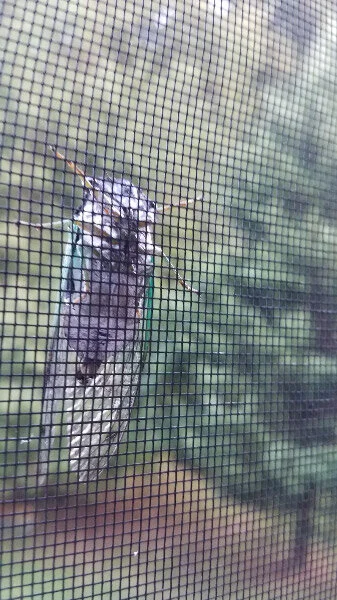
Cicada on the Screen. There don’t seem to be as many cicadas around this year. I hear one occasionally…but no answering song. I hope they are finding mates but would be more confident if there were the usual overlapping songs. There was one on the screen of our covered deck in the early morning. It must have spent the night there and it was not quite warm enough for it to be singing. Later in the day it was gone.

Paintings of Flowers Indoors

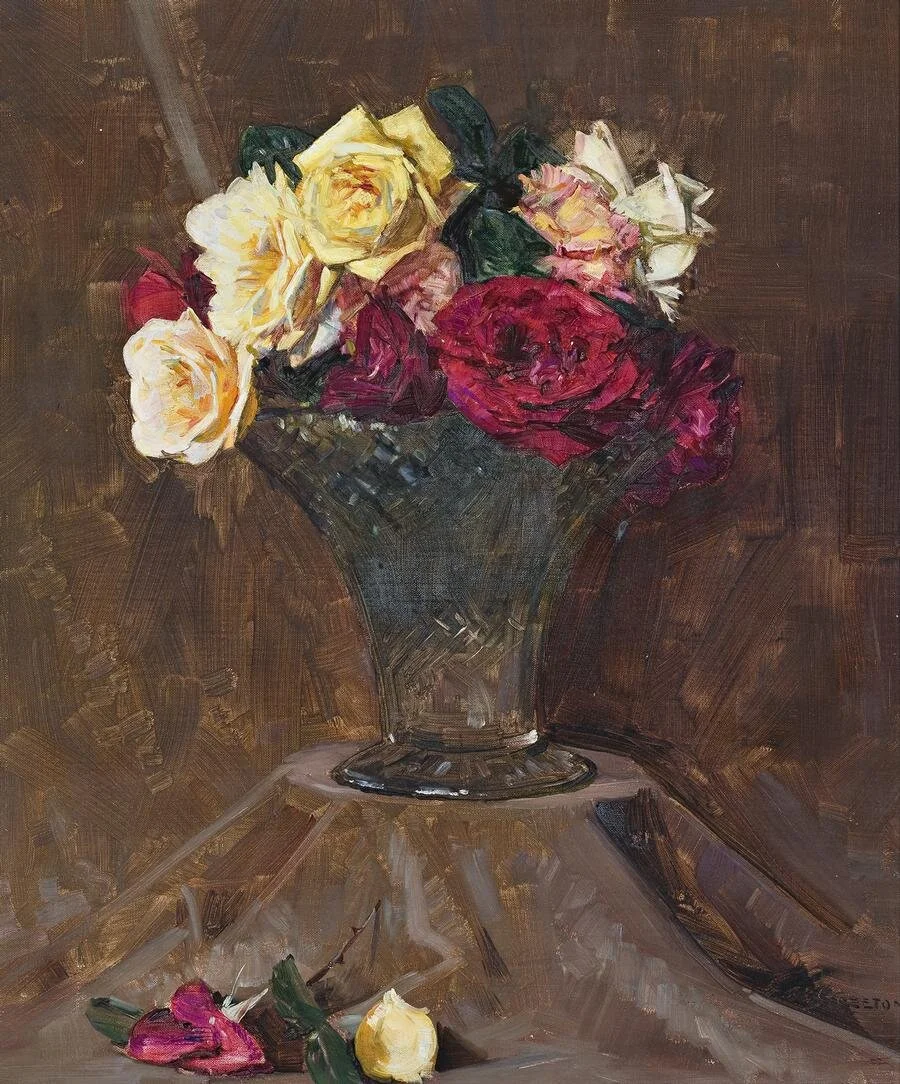
I’ve been continuing my trek through painting slideshows on Internet Archive this month and picked painting of flowers brought indoors for this blog post. The artists painted more that just pictures like these but these types of pictures always appeal to me: the flowers themselves, the different kinds of containers, the other parts of the scene (if any), the different styles of the artists…..

The artist name/link goes to the slideshow to see more of their work. Enjoy these images…and take a look at the other paintings from these artists.

Wayne Thiebaud ( American, 1920 - )

05 20 08 (22).jpg
30 20 08 (19).jpg

5 Months in COVID-19 Pandemic

August 12th will be the 5th month since the WHO declared the COVID-19 pandemic. I started a monthly post taking stock of the impact on day to day life last month (see July post here). In this month we had 2 household maintenance appointments which we handled by requiring masks and then wiping down surfaces after the maintenance person left. The first one was seasonal check of the air conditioning/heating that we had delayed from late May. The equipment was inspected, and we got a new filter installed.  The second one was the repair of the clothes dryer…which will be next Saturday. If it is the heater element is should be a quick repair.

Maryland has a relatively low rate of infections…but not enough to open schools (they are virtual…hopefully the prep that has happened this summer pays off)…there is still a mask mandate too. I am glad that when I go to the grocery store and the Community Supported Agriculture pick up – everyone is wearing a mask. It is concerning that the state has had a slight uptick in COVID-19 hospitalizations recently.

Every time there is an opportunity in the community or for volunteering (and there have not been very many of them) – my husband and I talk about it and have – so far – decided against. Our social interactions on limited to each other and virtual.

During this 5th month, I enjoyed quite a few webinars on a variety of topics (regenerative landscaping, moths, bats, pandemic and climate change, NOAA sanctuaries, microplastics, the power of individual choice) and watching the recently released 2nd season of The Umbrella Academy.

I’ve recently increased my outdoor time from 1 hour per day to 2 hours….generally from 6:30 – 8:30 AM. We’ll see how long that continues. There is a lot to do around the yard; maybe I’ll finally get it in shape during the 6th month of the pandemic!

Unique Activities for Yesterday:

22 20 08 (9).JPG

Escher prints on Internet Archive. There is a collection of 279 images by Maurits Cornelis Escher on Internet Archive. I’ve been intrigued by his work for a long time; this is the largest number of prints I’ve seen in one place! It includes one that I bought as a poster and framed: a fish in a flooded forest. The butterflies/moths were new to me….a clever geometric shape with natural forms.

22 20 08 (19).jpg
20200808_170920.jpg

Office bouquet. The flowers I cut at the CSA this week are holding up well. I am noticing that they are using a lot of water. I’ve already put more water in the vase twice.

Gleanings of the Week Ending August 8, 2020

The items below were ‘the cream’ of the articles and websites I found this past week. Click on the light green text to look at the article.

Performance of the Year | The Prairie Ecologist – Video of an Eastern Hognose Snake pretending to be dangerous.

Millennia-Old Rock Art in Israel Offers Window into Lost Culture | Smart News | Smithsonian Magazine – Monuments 4,000 years old…dolmens. There are more than 400 in the same area. A survey of them started 2012 after the first rock art engravings were discovered (14 trident-like shapes on the ceiling of a large dolmen).

Backyard Birding in Central India to Beat Lockdown – Backyard birding - something that is happening around the world during the pandemic!

Granite tors evidence of ice-free Alaska - The Field - AGU Blogosphere – Tors mark the Pleistocene pathway that was free of glaciers for plants and animals during the ice age.

Great, Warm Lakes – This is an article from a month ago…I’m just getting around to reading it. The surface temperatures were warmer than usual as of July…in some of the lakes there are areas warmer by more than 4 degrees C (including most of Lake Michigan)!

Restoration of Sicily’s Temple of Zeus Continues - Archaeology Magazine  - A 26-foot-tall sculpture of Atlas dated to the 5th century BC…and there might have been as many as 40 such statues.

Winners of International Photo Contest Celebrate the Art of Movement – Capturing a moment…freezing motion.

Blood-thinner with no bleeding side-effects is here – Still work to be done….the current formulation is filtered out by the kidneys very quickly. It has applicability in artificial lungs (used to bridge the time between lung failure and lung transplantation) currently.

Poor Everglades Nesting Season A Result of Climate Change and Untimely Storms – It appears that 2020 isn’t a good year for roseate spoonbills and wood storks in Florida.

This Medieval Potion Kills Stubborn Bacteria – “Bald’s eyesalve” – garlic, onion, wine, cow bile. It appears to be effective at combating antibiotic resistant bacterial strains…biofilms that are particularly challenging to kill…including diabetic foot infections.

Unique Activities for Yesterday:

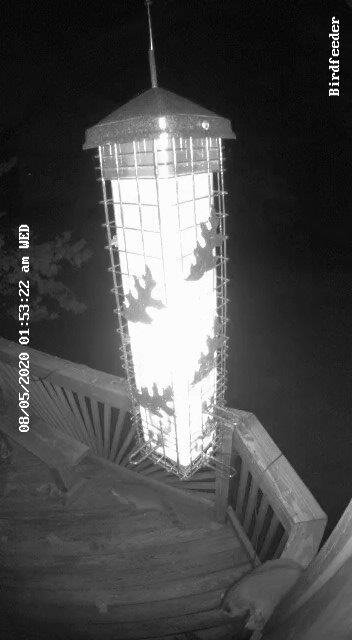
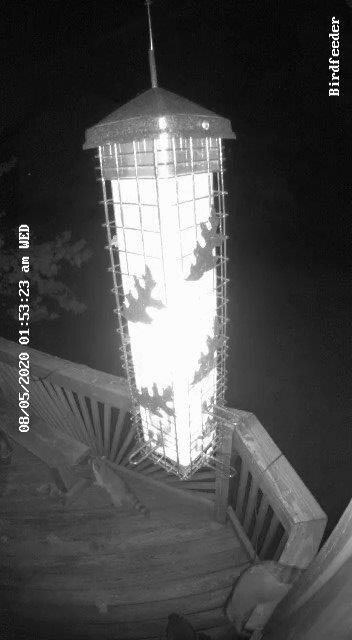
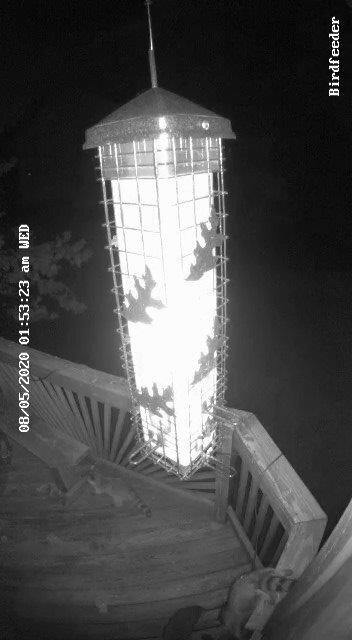
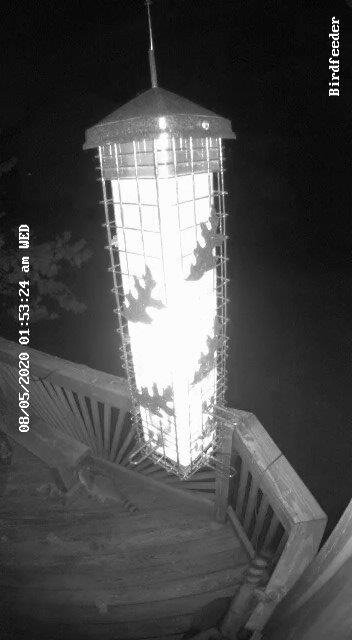
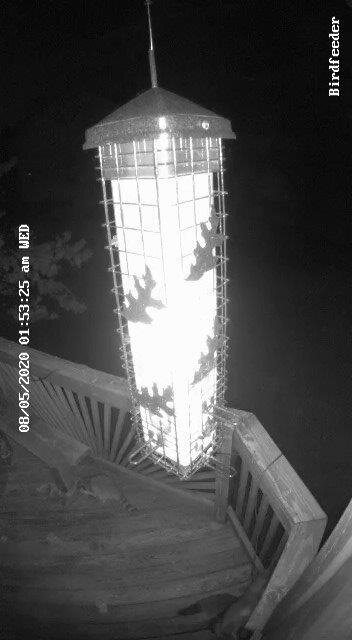
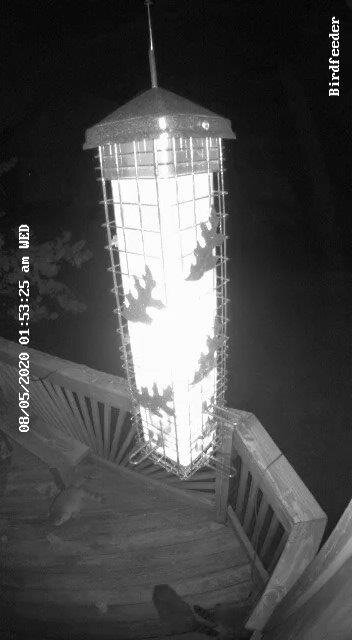
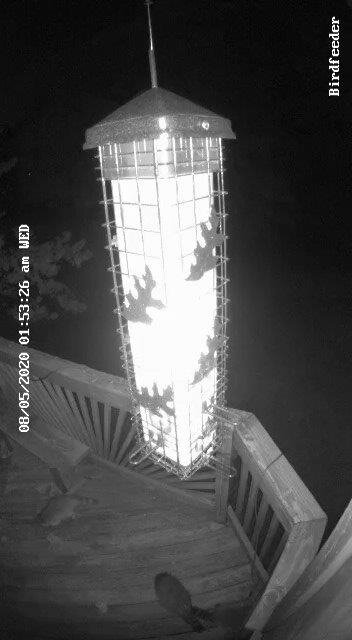
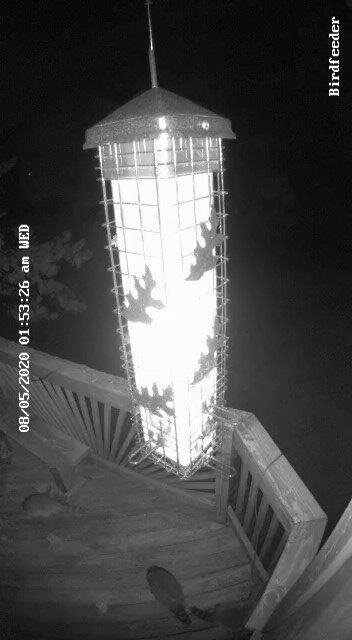
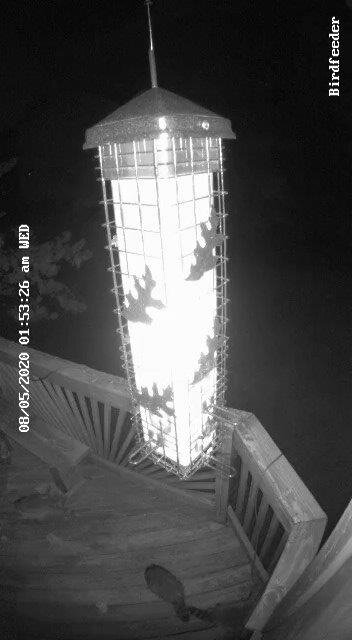
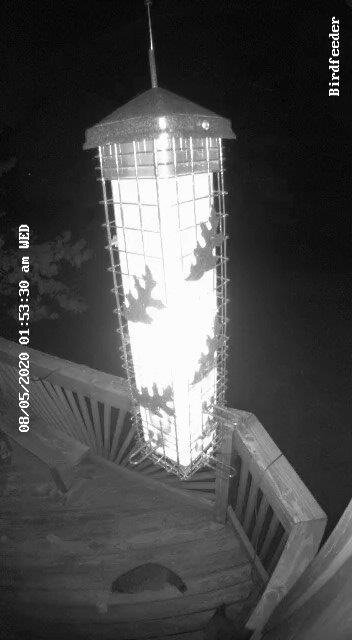
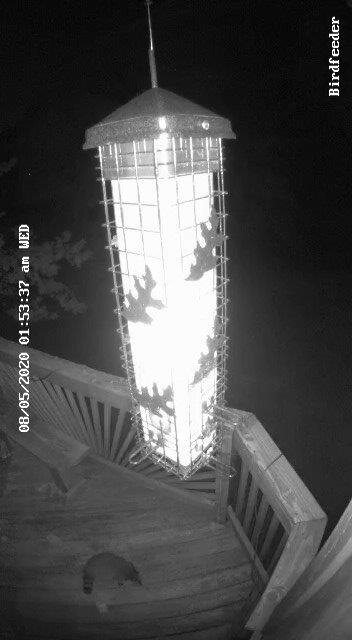
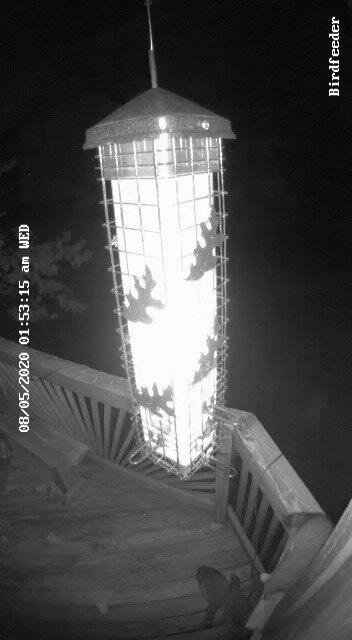
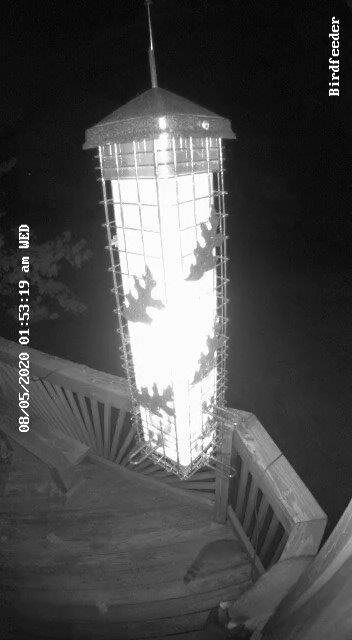
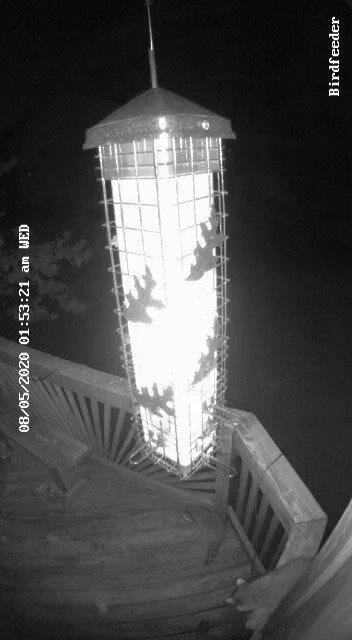
3 racoons. Our birdfeeder camera made a video of some visitors to our deck just before 2 AM on Wednesday, 8/5: three racoons! They looked smaller than the female that came several times earlier in the summer. Perhaps they were her young….out foraging on their own (maybe she was nearby). They were no more successful than she was getting seed from our squirrel proof birdfeeder! The action started with one up on the deck railing under the feeder and another 2 directly below on the deck floor. The one on the railing comes down almost on top of one that was on the deck floor. The one that was on the deck railing stayed in the video the longest…thoroughly searching under the feeder after going down to the deck floor.

2020 08 IMG_1223 (2).jpg

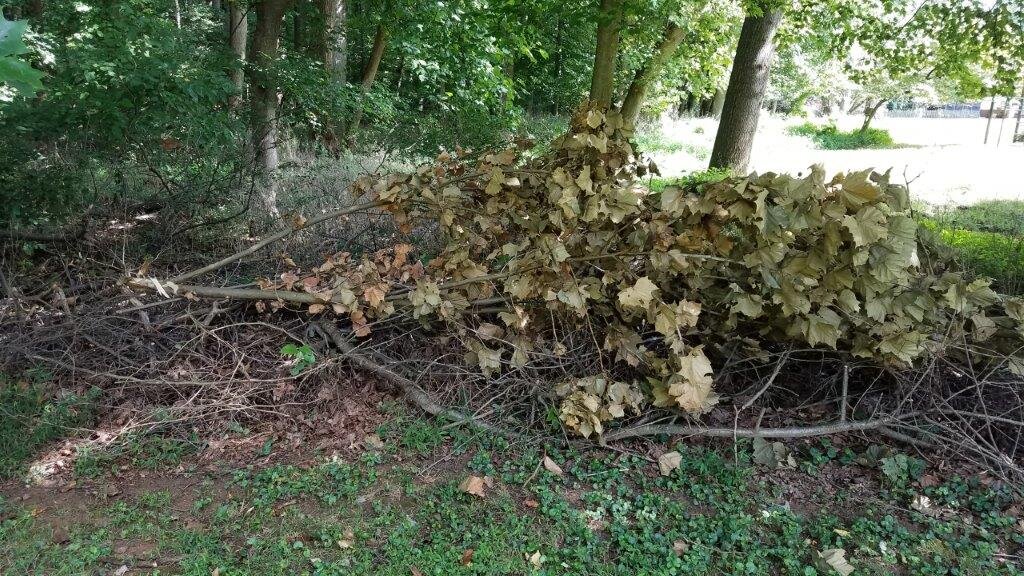
Sycamore branch. Back on August 2nd I posted about a dead branch in our Sycamore tree (picture on the left). My husband discovered the branch on the ground near the base of the tree when he went out to use the weed eater and it took both of us to pulled it to our brush pile at the edge of the forest. It came down without bringing a lot of other branches with it….a little sooner than I expected but probably brought on by the thunderstorms that have been sweeping through the past few days.

20200807_100249.jpg

Yellow wooly bear. My sister sent me a picture of a caterpillar from her garden in Carrollton, Texas. It appears to be a yellow wooly bear that becomes a Virginian Tiger Moth. Evidently, they are common but neither one of us had seen one before.

gina_part-2000000000041291_.jpg

Flowers End

Cut flowers only last a week or two. Sometimes they dry and retain a more subtle beauty. They are fragile. I’m going to make up a dry vase of flowers that have made it to this state. They could last the rest of the season.

2020 08 IMG_1246 (1).jpg

Others collapsed when their stem stops transporting enough water to keep the flower upright.

2020 08 IMG_1246 (2).jpg

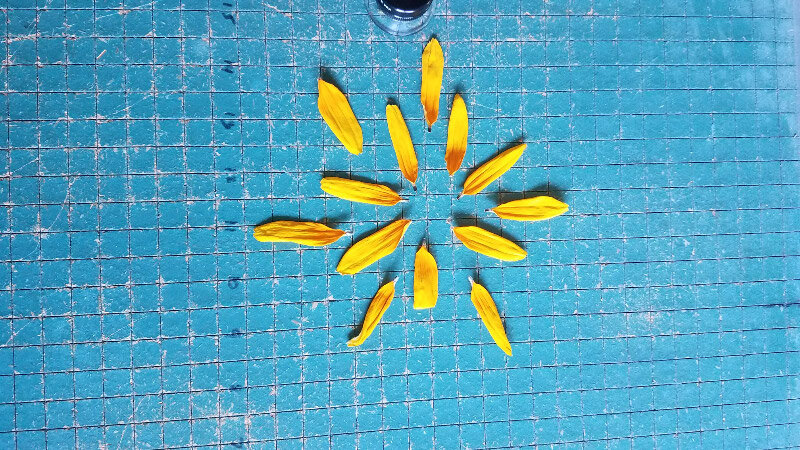
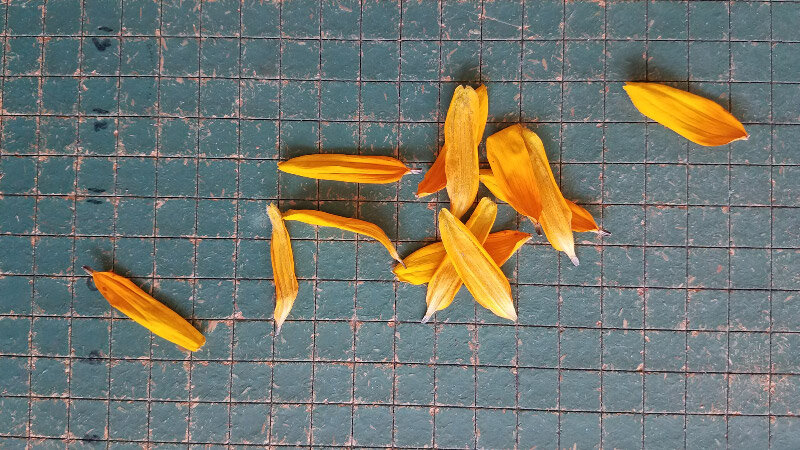
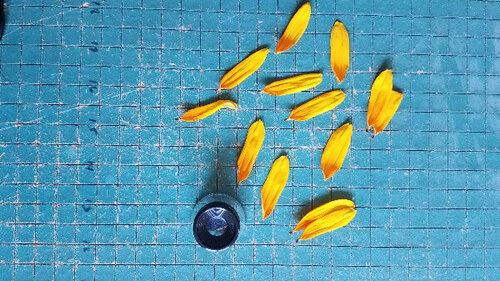
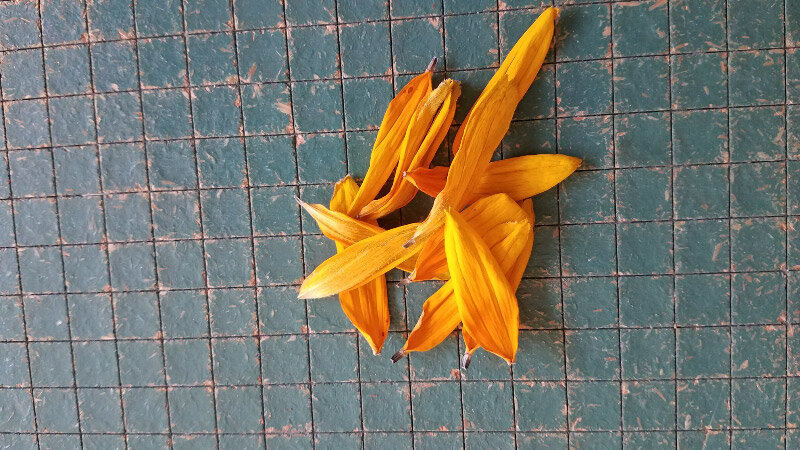
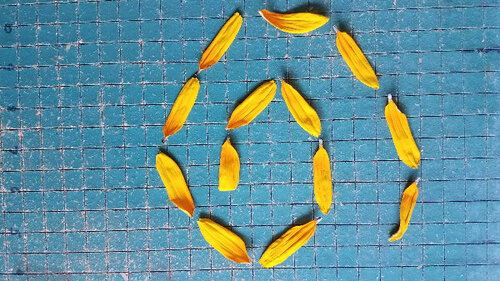
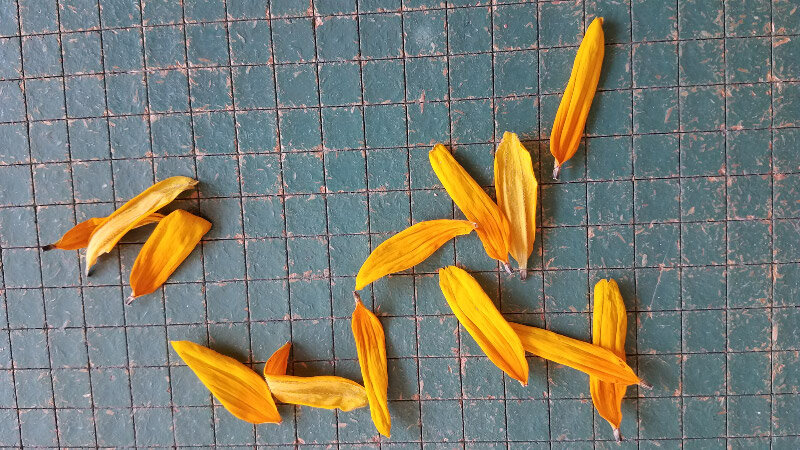
I decided to photograph the petals of this flower – in various configurations. The grid is the paper cutter base (I use it to cut Zentangle tiles from light weight cardboard or card stock); the markings are ½ inch.

I got more than I had bargained for when I discovered a small insect on the flower as I took the petals apart. The jeweler’s loupe was close, so I took some pictures of the insect using that magnification…also on the paper cutter base. It appears to be covered with pollen!

These flowers will never produce seeds – which might have been a possibility if they’d stayed on the plant. The ones that don’t dry will go in the compost now…the ones that go into the dry flower arrangement will be enjoyed a little longer.

Unique Activities for Yesterday:

Ohara Koson art. Internet Archive has a collection of 185 of his prints available here. I picked several of my favorites from the collection to include here as samples. He was a Japanese artist active in the late 1800s/early 1900s. A little art….every day.

The Umbrella Academy. My husband and I are enjoying the new season of the series. We limit ourselves to 2 episodes per day to make the activity last a little longer…add it to the variety of our days rather than binging on it all at once.

2020 08 IMG_1242.jpg

Sunset. I finally looked at pictures taken recently in my camera…and found pictures I took of the sunset the day before the tropical storm came through. Noticing something beautiful toward the end of a day always makes the rest of my day seem better too. A good crescendo isn’t alone, it makes what comes before special too!

A Wanderer in…

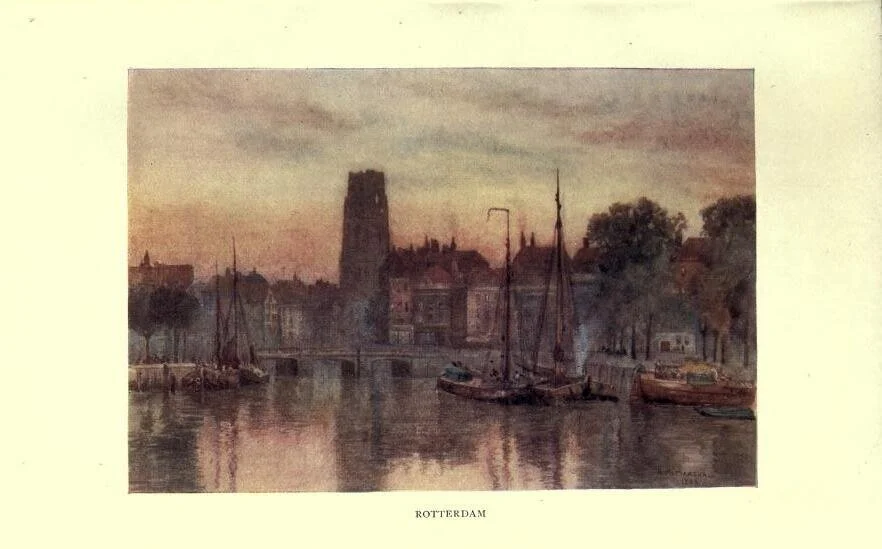
I found a series of books with titles beginning “A Wanderer in…” by Edward Verrall Lucas published in the early 1900s and enjoyed the photos/ colored plates; Internet Archive has digitized versions of 6 books (5 places):

01z9a 20 08.jpg
86 20 07 (9).jpg
92 20 07 (4).jpg

London (1913 and 1916)

94 20 07 (1).jpg

Various artists produced the colored illustrations…sometimes with no attribution in the book. These were commercial books intended to capture the look and feel of the places – highlighting distinguishing features. Some of those features are still in views we associate with the cities today.

When I read books from the early 1900s, I always think about my grandparents growing up during those years. They were mostly in Oklahoma – far away from these places. Only one of them finished high school. I wondered how much world history/geography she learned in high school. How many books did they have? Did any of the books that saw have photos and colored prints like these?

Unique Activities for Yesterday:

Tropical Storm Isaias. Lots of rain but not as much thunder as originally forecast. I spent my usual early morning hour on the covered deck. It was raining the whole time with birds and frogs making noises in the still dim light. The rain became music…getting quiet…then louder. Complex. The forest sounds of water on leaves and branches different than the sound of rain on the roof of the deck. For most of the hour, there was no breeze at all. Then just a flutter for a few seconds that caused as cascade of droplets from tree leaves and the long-tubed wind chime to move. Here are the two Zentangle tiles I made…along with enjoying my morning caffeine and doing some reading.

Gleanings of the Week Ending August 1, 2020

The items below were ‘the cream’ of the articles and websites I found this past week. Click on the light green text to look at the article.

Identifying sources of deadly air pollution in the United States -- ScienceDaily – Focusing on fine particulates associated with heart attacks, strokes, lung cancer, and other diseases…about half comes from burning fossil fuels; the other half is from animal agriculture, dust from construction and roads, and burning wood for heating/cooking. Ammonia is one pollutant that is not regulated as much as the others and yet it causes a 5th of all deaths caused by fine particulates. It could be reduced with targeted manure management and improving formulations of cleaning supplies, paints, and inks, etc.

Free Technology for Teachers: 500+ Icebreaker Questions – These could also be used as writing prompts…they are good for a bit of self-exploration…useful even if you are not in as many groups right now.

Aztec Palace and House Built by Hernán Cortés Unearthed in Mexico City | Smart News | Smithsonian Magazine – History through layers of stone floors.

Biosignatures may reveal a wealth of new data locked inside old fossils -- ScienceDaily – Not DNA…chemical analysis (using non-destructive Raman spectral analysis) of products of degraded proteins, lipids, and sugars in fossils. Results group into 3 types of biosignatures: biomineralization, tissue, and phylogenic.

Infographic: What Social Isolation Can Mean for the Brain | The Scientist Magazine® - I wondered if the brain structural observations were a cause or effect (or neither). Does the observation that people who are lonely have smaller amygdalae because that are isolated or because they were born that way and it wouldn’t matter if there were a lot of people interacting with them…they would always feel lonely/isolated.

Top 25 birds of the week: July 2020 - Wild Bird Revolution – Always beautiful birds.

Innovative Birds Face a Lower Risk of Extinction | The Scientist Magazine® - Birds that are dropping nuts on roads, stealing burning candles to eat the wick, using bread to lure fish, and pecking open sugar packets…..coming up with new behaviors to cope with new aspects of their environment.

A Silk Road Renaissance - Archaeology Magazine – Many more commodities than silk on the ‘silk’ road: jade, glass, spices, metalwork, ceramic….and missionaries. And the Sogdians were the people that made it work from the 5th to 8th centuries. Panjakent, in modern Tajikistan, has been excavated since the 1940s; many murals have been found depicting myths, fables and everyday life of the Sogdians. In 755 a failed Sogdian coup against the Chinese emperor and thereafter incursion of Arabs from their west caused the culture to fade.

New Research Reveals Surprising Origins of Egypt's Hyksos Dynasty | Smart News | Smithsonian Magazine – Based on chemical analysis of skeletons from the Hyksos capital, the dynasty was likely the result of an immigrant uprising rather than a hostile outside invasion!

Weird and Unbelievable Facts About Earwigs – Entomological trivia…always fun.

Unique Activities for Yesterday:

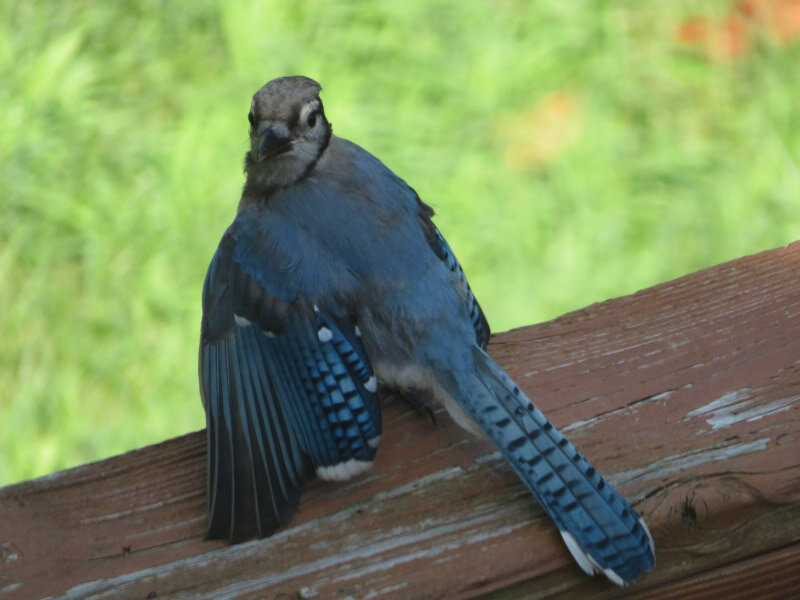
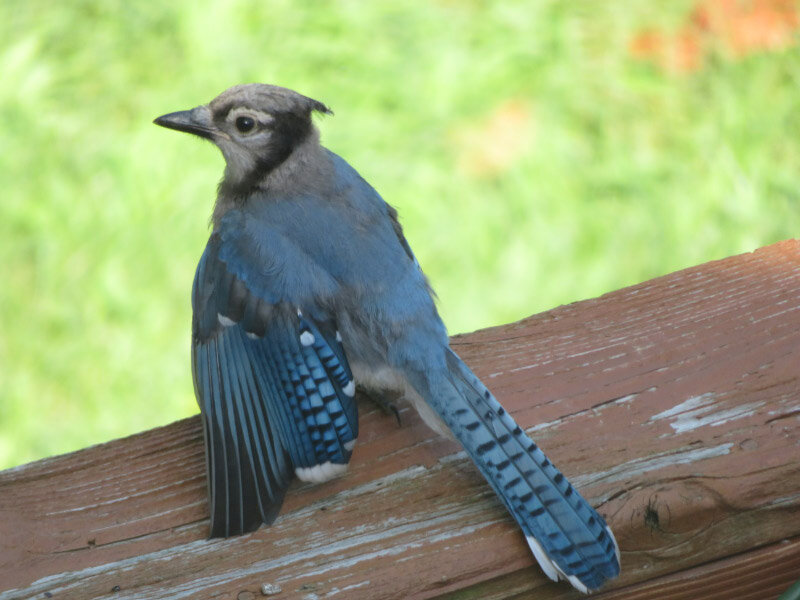
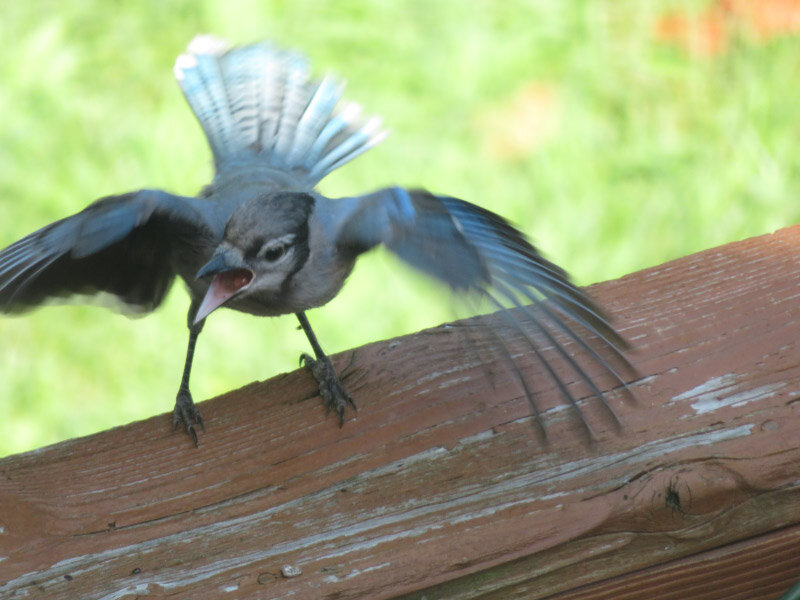
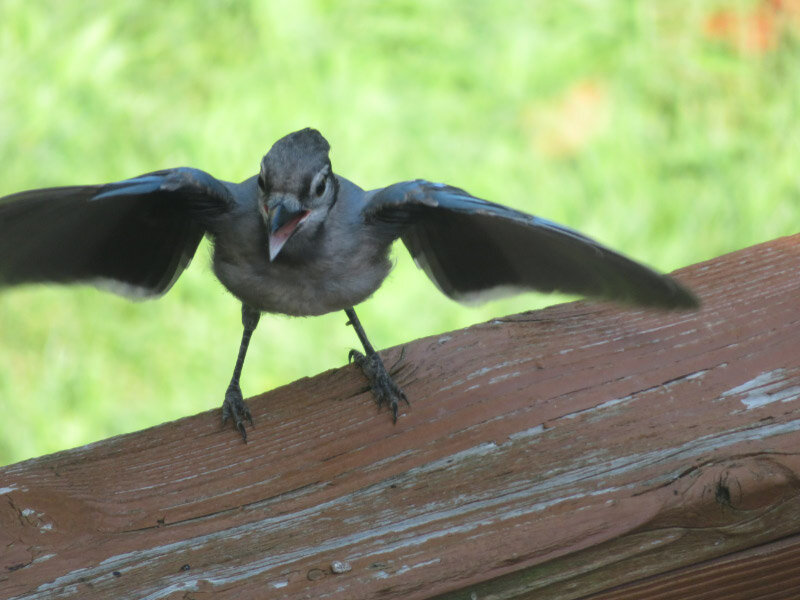
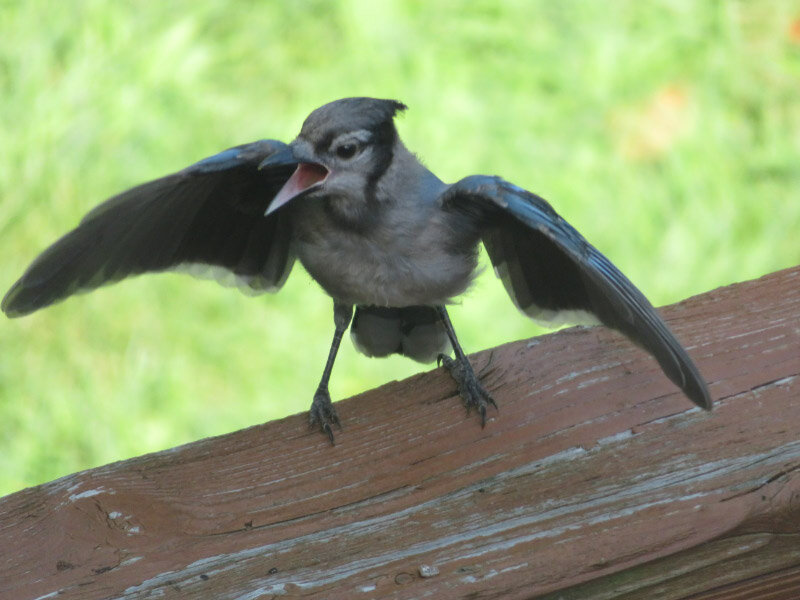
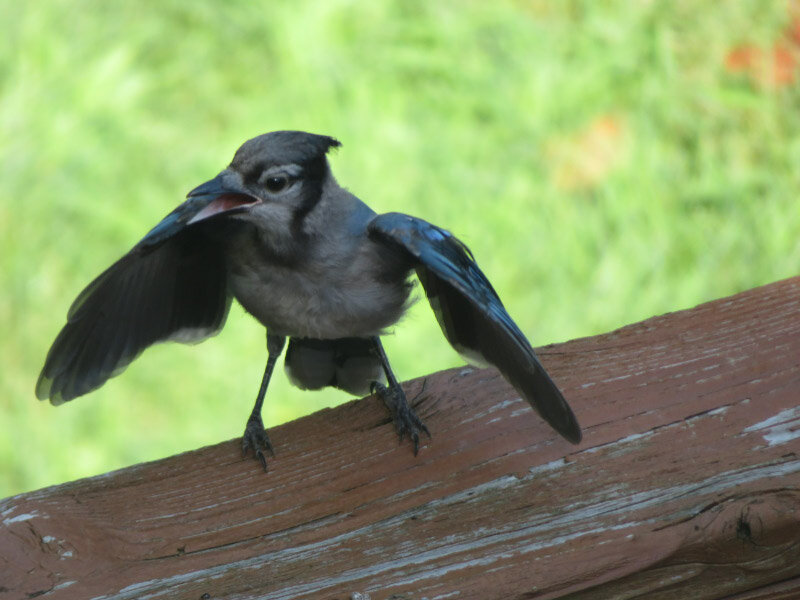
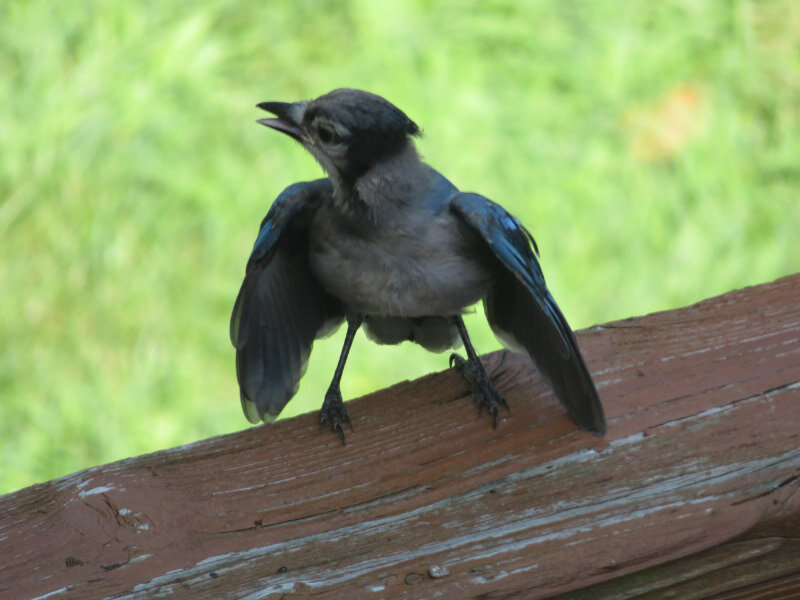
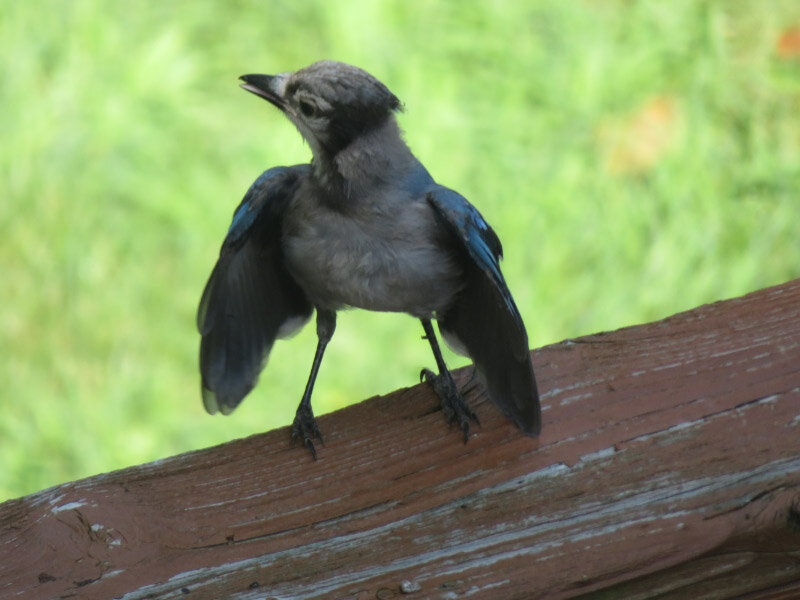
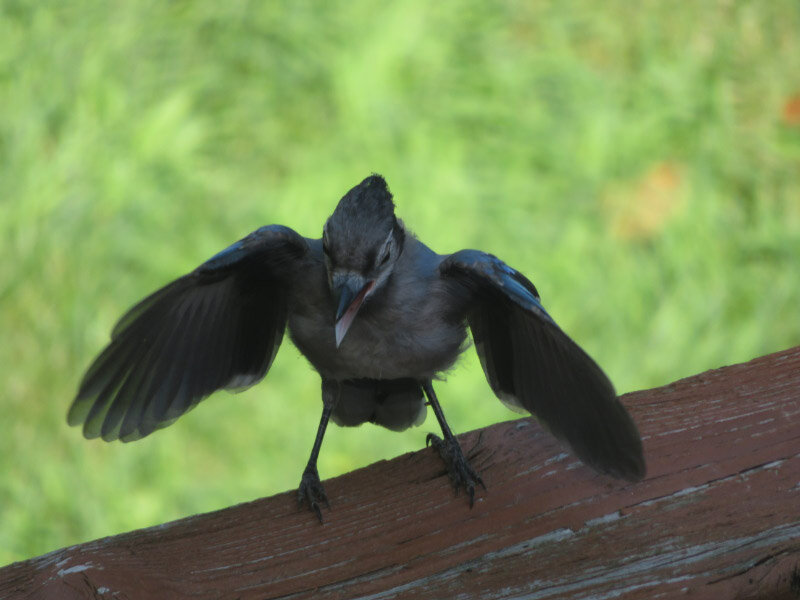
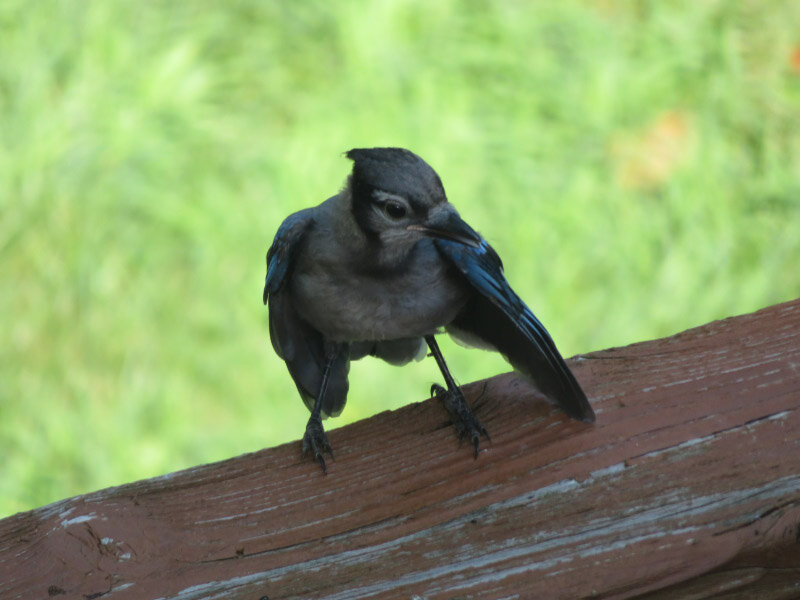
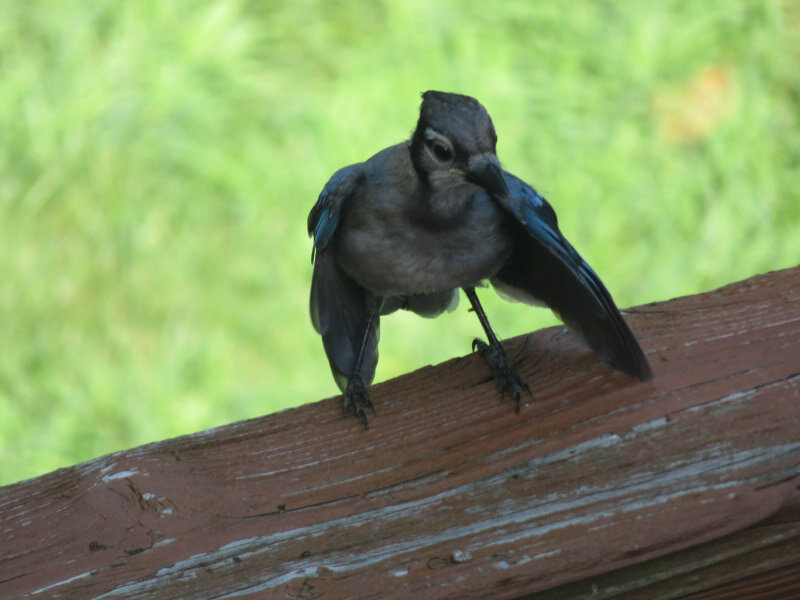
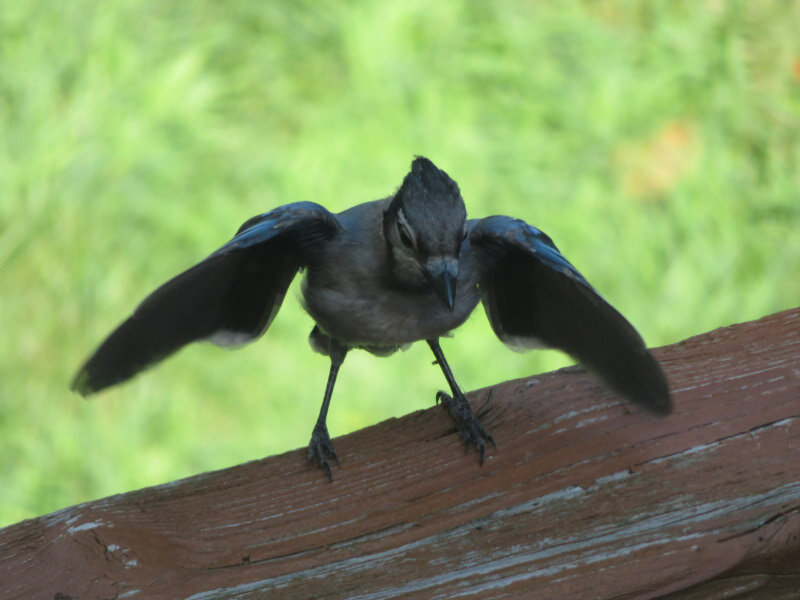
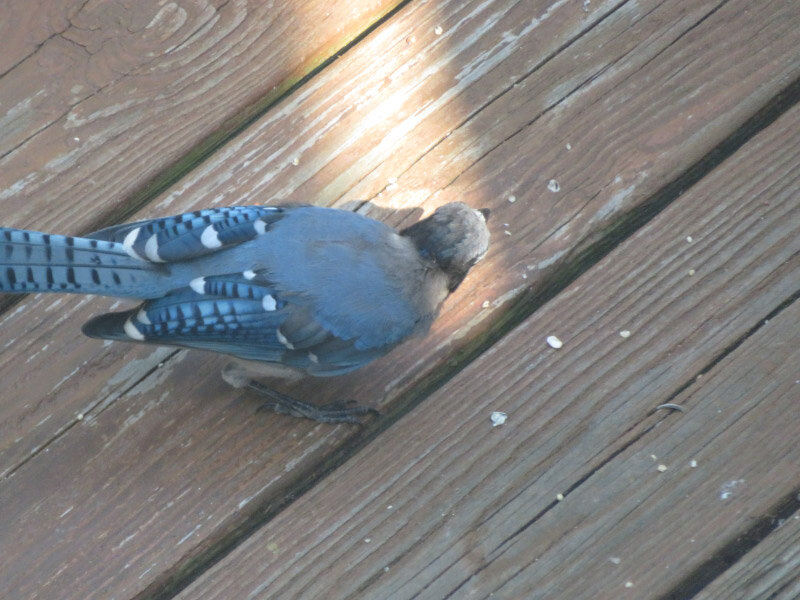
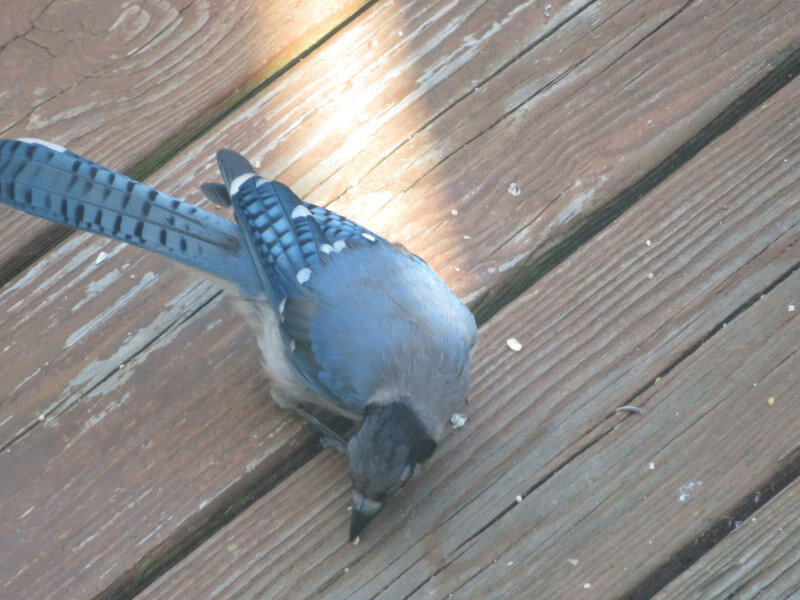
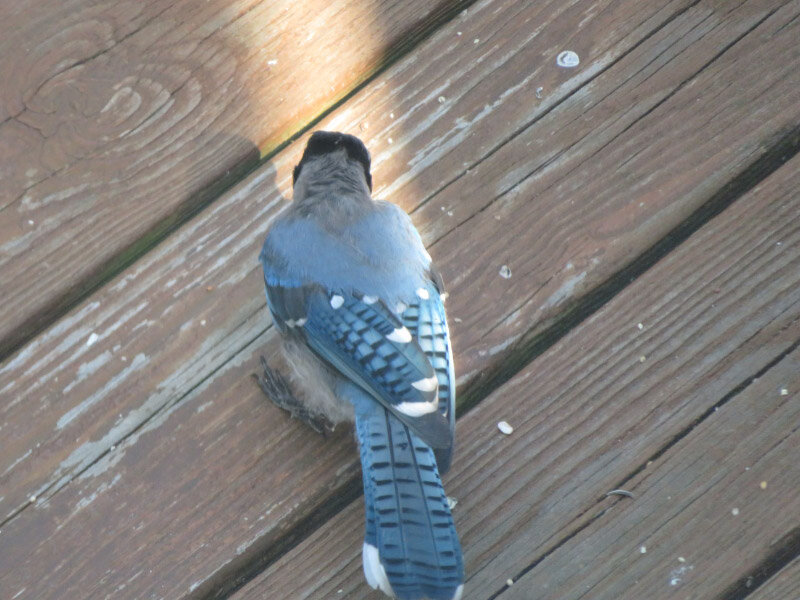
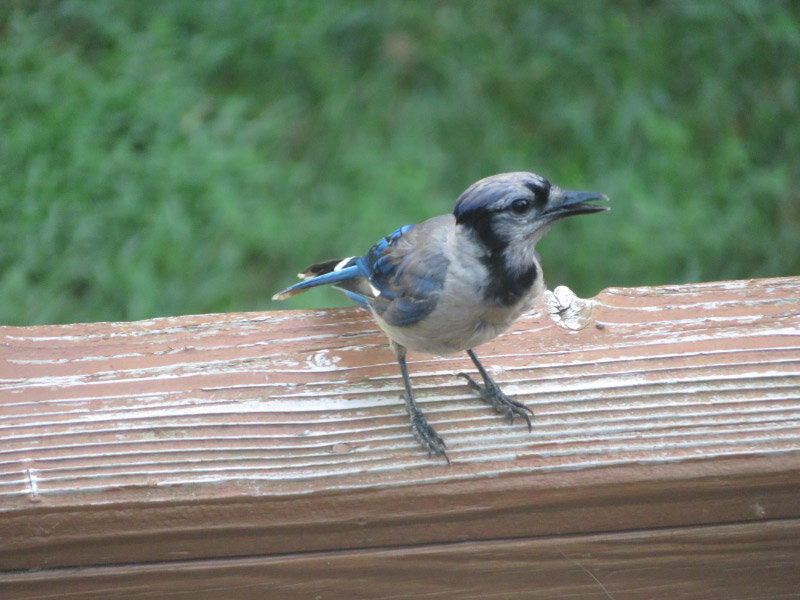
Blue Jay Behavior.  There was a blue jay on the deck railing making noise….fluttering its wings…making eye contact with 3 or 4 other blue jays around at the time. Those other jays seemed to ignore the ruckus and flew away. Then the bird flew down to the floor of the deck to look for seeds. Maybe it was a fledgling wanting to be fed by the adults…but the adults were forcing the young bird to find its own food? I’m not sure…but I enjoyed witnessing the minute or so of action…whatever it was about. Maybe it was the same jay that tried to get seed from our bird feeder a few days ago (and failed).

6 Free eBooks by Ludwig Borchardt – July 2020

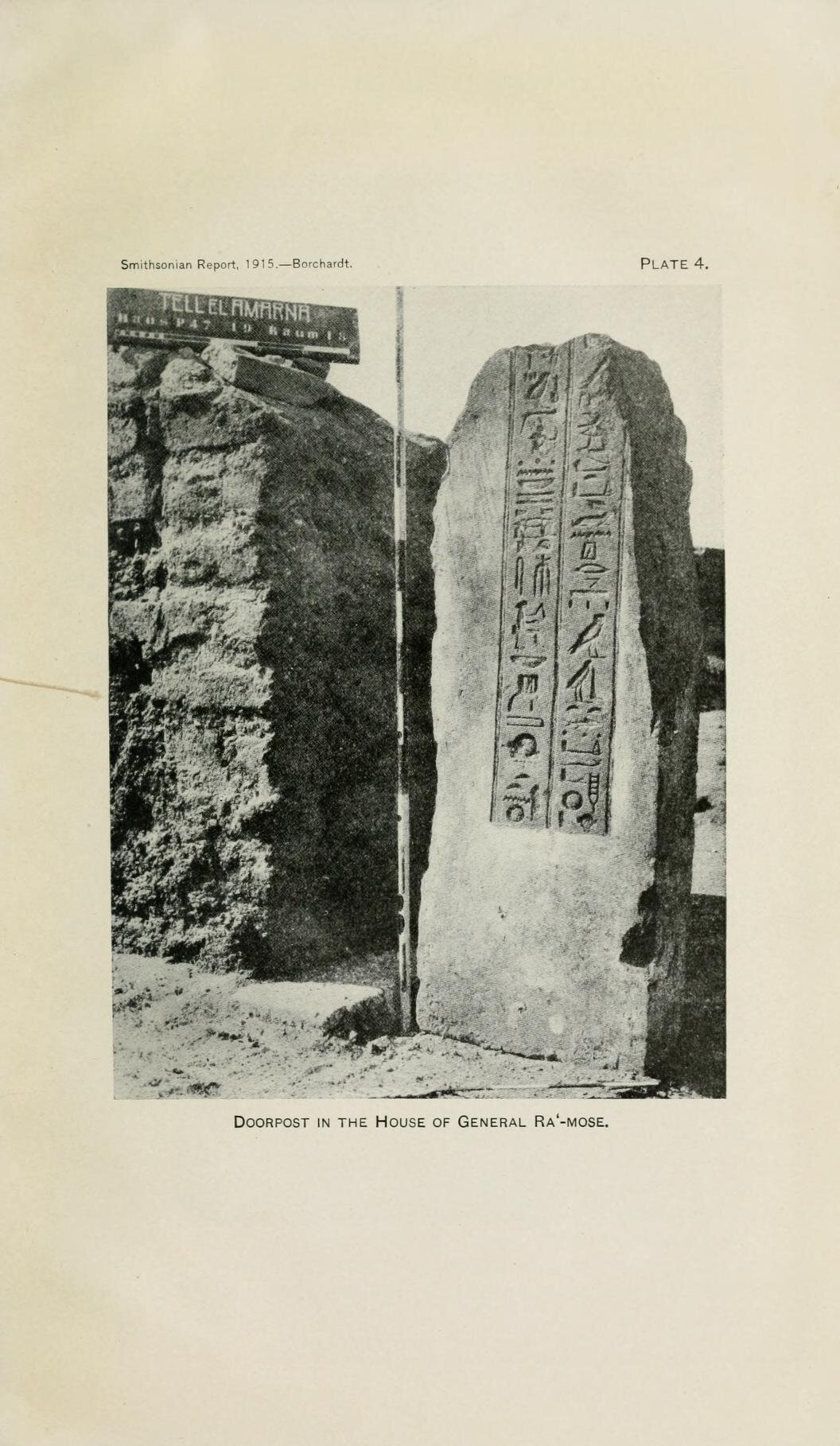
Ludwig Borchardt was an Egyptologist in the early 1900s – best known for finding the bust of Nefertiti at Amarna. I browsed through 6 books published by Borchardt that are freely available on Internet Archive and decided to feature them for my July eBooks post.

Porträts der Königin Nofret-ete aus den Grabungen 1912/13 in Tell el-Amarna (1923) includes pictures of the famous bust

The others (with sample images for each) are:

45 20 07 (26).jpg
51 20 07 (80).jpg

Unique Activities for Yesterday:

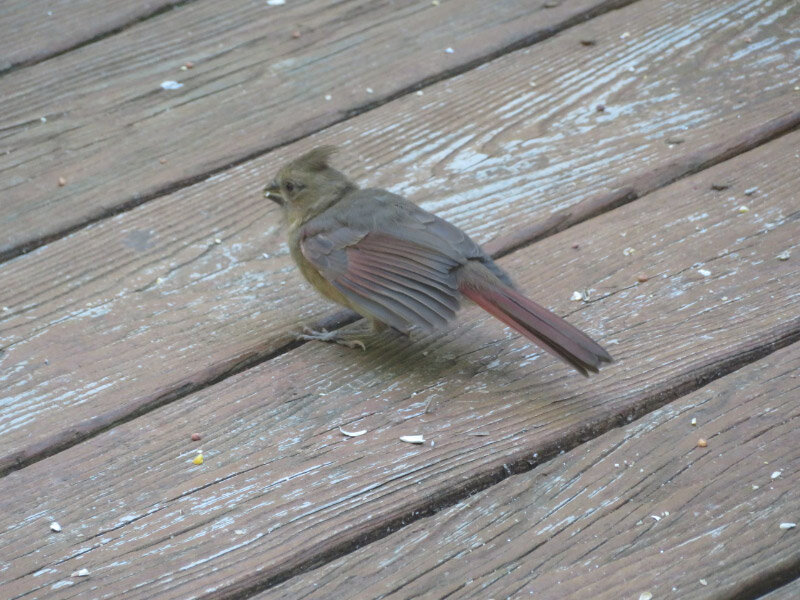
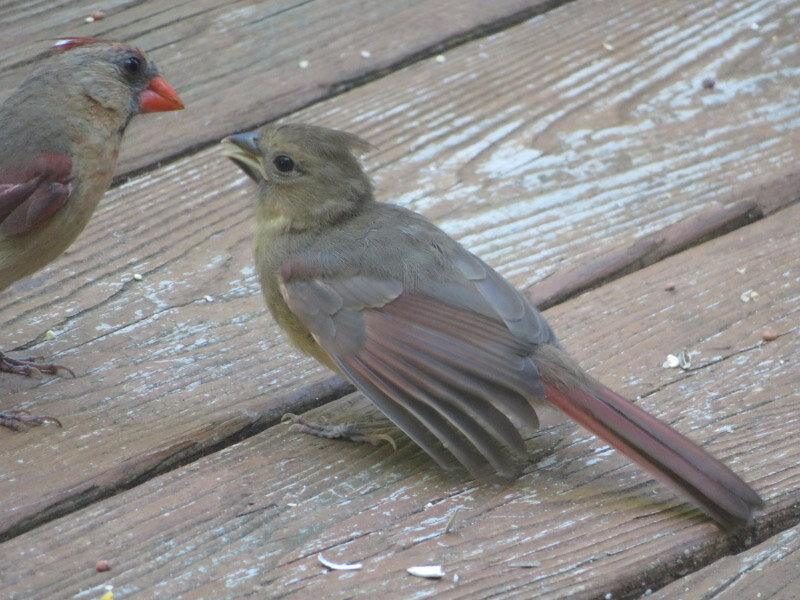
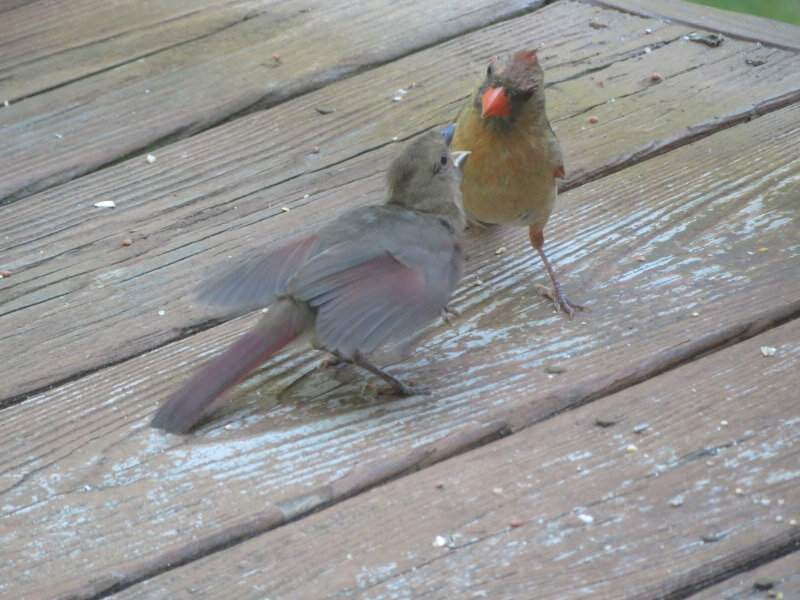
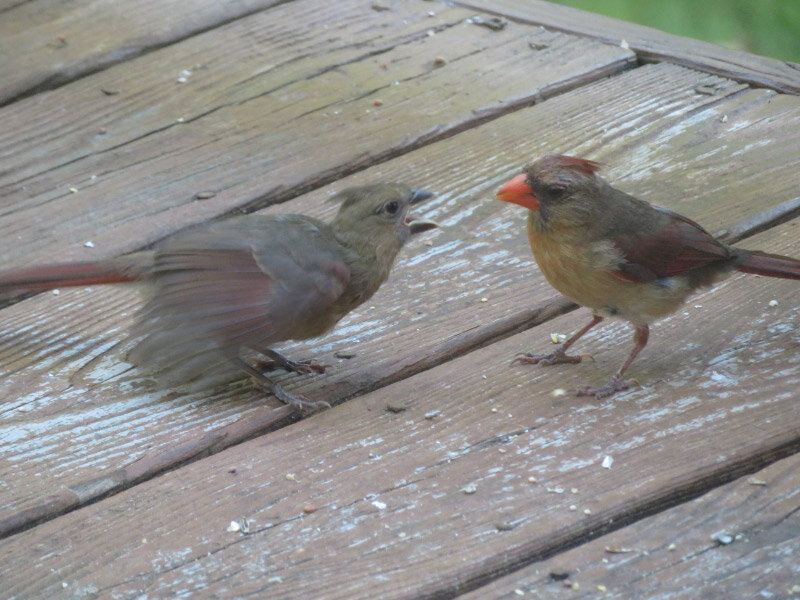
Northern Cardinal fledgling and Blue Jay at the feeder. Two events I noticed in passing on our deck:

1) A female cardinal bringing a fledgling to the deck for a snack. The young birds was still begging the mother for food and getting fed…but also finding a few seeds on its own.

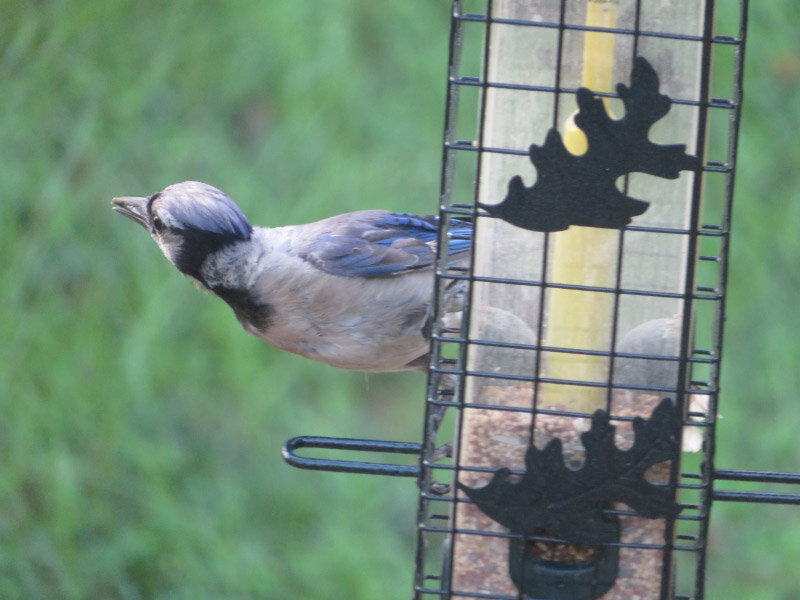
2) Blue jays are frequent visitors to our deck but usually to the bird bath or deck railing. This time the bird went to the feeder. It was heavy enough that it closed off the seed holes partially. I don’t think it was able to get any seeds before it flew off.

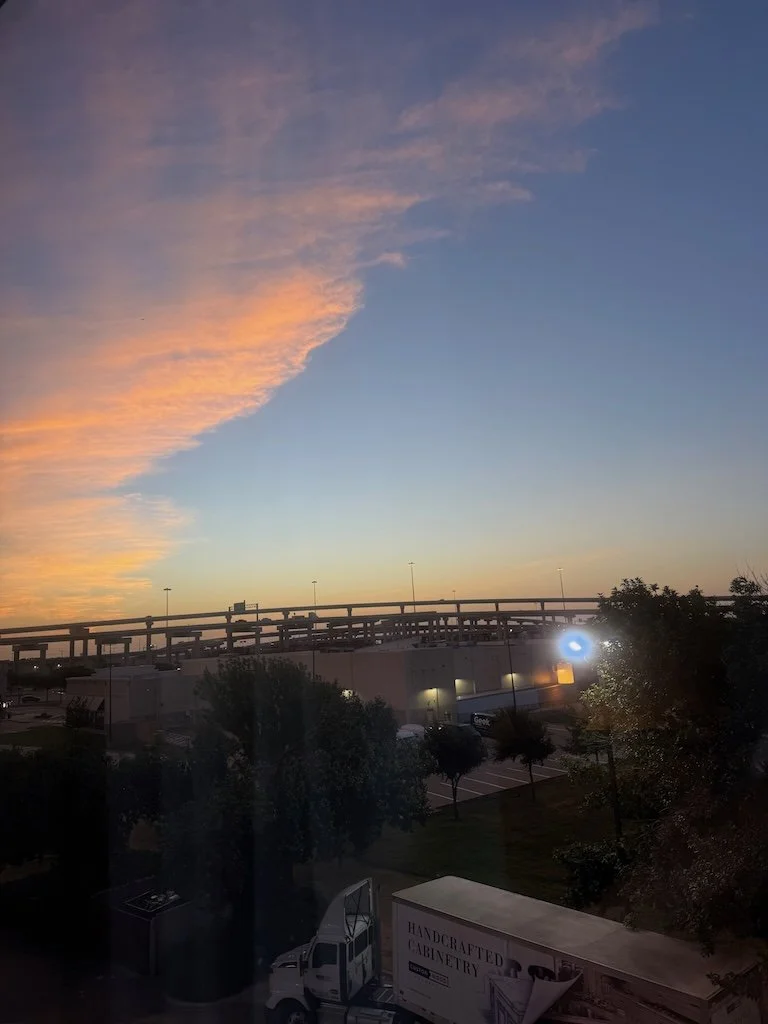
Sunset. I was walking around as I talked to my daughter on the phone and noticed the wonderful color outside through a small opening in some drapes. I went to a better vantage point and discovered that the sunset was very colorful…and the timing was perfect. I managed to juggle my phone and a better camera to get a picture. A great finale to the day!

2020 07 IMG_1113 (9).jpg

Gleanings of the Week Ending July 25, 2020

The items below were ‘the cream’ of the articles and websites I found this past week. Click on the light green text to look at the article.

Native Americans Crossed the Pacific Long Before Europeans | The Scientist Magazine® - Using DNA to find more definitive answers.

Forest Surprise: A Wolf Story – West of Flagstaff ---- probably a Mexican grey wolf male…trying to find a new territory and exploring a restored forest appealing.

See Archaeological Treasures Unearthed by U.K. Residents During Lockdown | Smart News | Smithsonian Magazine – The uptick in gardening and yard work leads to finding things in or on the ground…and then people having plenty of time to find out more about what the objects are. Something positive happening during the pandemic.

You Can Now Explore All 48,000 Panels of the AIDS Memorial Quilt Online | Smart News | Smithsonian Magazine – I was glad to see this online version of the quilt is available – complete with search and zoom. I found the square for a person that I’d worked with in the 1970s and saw him at IBM sponsored conferences in the 1980s. Our early career crowd was scattered all over the country by the time he died in 1993.

Eleven Awesome Owls from Around the World – Good pictures and a short summary characterizing each bird.

Turmeric could have antiviral properties -- ScienceDaily – It’s already one of the supplements I take…as an anti-inflammatory. This study points to it being anti-viral as well.

Stain Solutions | U of I Extension – A good reference although in recent years the laundry detergents and cold water often get stains out.

Top 25 birds of the week: Wild Birds - Wild Bird Revolution – Enjoy the beautiful birds!

Solar Will Kick Most of Texas's Remaining Coal Fleet Offline – Good news for air quality in Texas. Evidently the growth of utility-scale PV production is rapid changing the Electric Reliability Council of Texas (ERCOT) market.

Infographic: How Breastfeeding Protects Mothers | The Scientist Magazine® - Research about the mechanism behind the observation that women that breastfeed their children have reduced long term risk of developing type 2 diabetes.

Unique Activities for Yesterday:

83 20 07.jpg

Circular voids. I am starting a series of Zentangle tiles that have circular voids in otherwise dense tangles. I got the idea from some Mordecai Ardon paintings (slideshow on Internet Archive here) like Fatal Eclipse shown at the right. My first two tiles are below.

Compost bin. Between rain showers – I put on the boots I have for river field trips and got all my containers of kitchen scraps and spent flower stalks (mostly day lilies) out to the compost bin. It took 4 trips! There have been more things recently that produced more kitchen scraps than usual: fresh corn on the cob, cantaloupe, cabbage cores, and tough onion/leek tops. I’ve learned to save cucumber skins for use in smoothies so those get eaten these days and veggies like beets and carrots just get a thorough scrubbing rather than being peeled. I put all the new scraps on one side of the bin and then turned the other side over on top of it. I should deteriorate very rapidly.

20200724_090613.jpg

Fresh flowers in the house. There are now small bouquets from the CSA cutting garden in my office and on the kitchen table. The one below is the one in my office. I like having flowers in my field of view! It’s a way I show kindness to myself.

20200724_092335.jpg

4 Months in COVID-19 Pandemic

July 11th was the 4th month since the WHO declared the COVID-19 Pandemic. I’m taking stock of what I have done over the course of those months.

In March – there was a significant shift in our perception of the virus. I gave up on trying to find a time I could go to the grocery store safely and was getting my groceries delivered by the end of the month. My last volunteer gig was just before 3/11; a daylong seminar my husband and I had registered for was cancelled. By the end of the month we were sheltering in place. We couldn’t find toilet paper, disinfectant, or hand sanitizer anywhere and were glad that we had a supply that would last if we were careful. —> Locking down

In April –my husband did a few contactless curbside pickups at Target; otherwise, everything was delivered to our front porch.  We got toilet paper in our delivery one time during the month. —> Stay at home as much as possible

In May – it was more of the same. My husband added PetSmart and Loews to his contactless curbside pickups.  The only time I got in my car during April was to return a large accumulation of plastic grocery bags to the outside collection bin at the grocery store; it was my test run away from the house and wearing a mask. Hand sanitizer came in one of our grocery deliveries. We attended a virtual birding festival. —> Stay at home as much as possible

In June – I started doing my own grocery shopping again: wearing a mask and going just after the store opened in the morning…every other week rather than weekly…lots of hand sanitizer in the store and when I got back to my car. The Community Supported Agriculture pickup was every week: outdoors, wearing a mask…hand sanitizer. Toilet paper became reliably available in the store. I attended a virtual Climate Change Education Conference and the Climate and Sustainability webinars started (would continue for the rest of the summer). —> + grocery store and CSA

In July – It was more of the same. My husband went out several evenings to photograph the comet with a better horizon that he has at our house. It was outdoors; he wore a mask but not everyone else at the location did…and was generally social distanced. I started doing some hour-long scenic drives to begin using up the gas in the car that is over 6 months old; I was generally in the car…got out to take a picture at each stop along my route (outdoors and few if any other people around). Both of us keep a supply of clean masks in the car. The store finally had some disinfectant wipes. Hand sanitizer reliably available in store. Enjoying naturalist related webinars as I find them. —> + low risk outings like scenic drives

Overall – I think we can cope the way we are for however long is required. There are activities that I miss but not enough to initiate any risky behavior. The cases are ticking up in Maryland this week…and we could make some changes for August. I’m considering what the criteria would be for me going back to getting groceries delivered.

Unique Activities for Yesterday:

Neowise. My husband provided an image of the comet that he produced from a series of pictures he took at Howard County Conservancy’s Mt. Pleasant Farm last week.

Sequator-062-111 HD-2.jpg

Gleanings of the Week Ending July 18, 2020

The items below were ‘the cream’ of the articles and websites I found this past week. Click on the light green text to look at the article.

Listening to Silence: Why We Must Protect the World’s Quiet Places - Yale E360 – I realized after 9/11 that most of the modern world sounds at my house are from transportation: planes/helicopters and cars/trucks with occasional yard equipment. While we had a stay-at-home order with this pandemic, it became noticeable as well. There are still times when those noises are subdued or gone. I notice the bird songs in the early morning…when the other sounds don’t intrude. As we skew more toward electric ground transportation….the noise level will notch downward. I enjoy the natural sounds a lot more than our man-made ones.

Declining eyesight improved by looking at deep red light -- ScienceDaily – I wonder if this is something doctors will start prescribing!

Why your organs might reach 100 even if you don't - BBC Future – A summary of some current research areas re aging. There are a lot of different approaches with the primary goal of most being to extend healthy lifespan.  Even if different organs age at different rates…they are interrelated to the body they comprise.

Maryland offshore wind farm could become stop-over for migrating sturgeon, striped bass -- ScienceDaily – I live in Maryland….so this story grabbed my attention. Will the offshore windfarm become a rest stop for fish? And they will offer a convenient infrastructure for researchers to collect data.

Where Will Climate Migrants Go? – THE DIRT – It’s something to think about now. Some coastal cities are already experiencing more flooding even without unusual storm events…and people that can move will probably do so. Will climate trends weigh in decisions about where they move? The article talks about cities and towns in the Midwest that have experienced declining population becoming ‘receiver’ locations. I wondered if people that have discovered that they can work from home during the pandemic – and can continue to do so – will be freer to move to these new locations and still have the same employer! Otherwise there is the challenge of how to sync moving to a new place with a new job.

The chemistry of cats: Allergies, catnip and urine – Compound Interest – Evidently male cats produce higher levels of allergen and have smellier urine…unless they have been neutered.

Ways to keep buildings cool with improved super white paints -- ScienceDaily – White roofs should probably become the norm….it will be hot enough without the added heat island effect caused by a lot of man-made structures with dark roofs.

How humans are altering the tides of the oceans - BBC Future – It’s happening around the world. Dredging river channels and filling in coastal wetlands cause shifts in how tides interact with the land. And then there is sea level rise too. Some places cited in the article that have experienced dramatic change: Cape Fear River in North Carolina (tidal range at Wilmington has doubled since 1880) and the same is true for St. Johns River/Jacksonville Florida. Sacramento’s tides disappeared in the late 1800s because of silt but dredging brought them back and the Thames tidal range was 2 meters during Roman times and 8 meters by the Victorian age.

Meet the Mountain Chickadee – We have mostly Carolina Chickadees where I live in Maryland…this is their relative in the western US (mountains).

Ancient Maya reservoirs contained toxic pollution: Mercury, algae made water undrinkable in heart of city -- ScienceDaily – Mercury from pigments used on Mayan building. Cyanobacteria blooms that made the water smelly and toxic. Not pleasant for a city center!

Unique Activities for Yesterday:

Regenerative Landscaping lecture (via zoom). The lecture was about an hour and my big take away was about the huge environment cost of lawns…and the many dimensions of that cost. The one I hadn’t thought much about before was from the California Air Resources Board fact sheet on Small engines in California (small engines being spark-ignition engines in things like lawn mowers). Their fact sheet says: “In the early 2020s, however, total smog-forming emissions from small engines are projected to exceed those from passenger cars in the South Coast Air Basin because passenger car emissions will continue to decrease. By 2031, small engine emissions will be more than twice those from passenger cars.” For comparison – they show 1 hour of lawn mowing emits as much smog-forming pollution as driving a Toyota Camry 300 miles! This must be an issue in all areas where there is a lot of mowed turf grass – kike most suburbs. There are multiple ways to address the problem and the one discussed in the meeting was transitioning to less lawn or lawn that does not need to be mowed as frequently (or at all). Another way would be to transition to electric mowers and other yard equipment. Right now – the only gasoline powered equipment I have is the mower. I’d been thinking about an electric mower because I don’t like the noise and smell of our current machine. So - this overall air quality issue is just one more reason to do it.

Enjoyed a slideshow of Armand Guillaumin (1841 – 1927) paintings available on Internet Archive here. He was a French impressionist painter and lithographer.

59 20 07 (3).jpg

Bird Feeder Camera Snippets

Every week – I download the videos accumulated on the bird feeder camera and note any of special interest. Here are some recent finds:

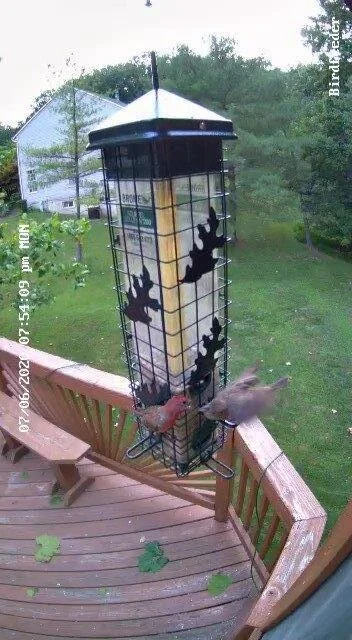
On 7/6: A male finch appeared to be feeding a fledgling. The young bird found balancing on the perch somewhat challenging and kept flapping its wings to say in place. It also couldn’t seem to figure out how to get seed directly.

On 7/8: There was a squirrel that tried to get seed from the feeder. The springs worked to shut off the seed holes, so the acrobatics were for naught.

On 7/9: The bird feeder camera captured the goldfinches which I also photographed with my camera (included in the 7/10 blog post). It was interesting to see the different angle of the action. The bird feeder camera didn’t start recording until the house finch was already gone.

Unique Activities for Yesterday:

Last of the day lilies from the flower bed. The deer got more of the day lily buds than I did. I cut the last stalk that survived because it was tangled in the branches of a nearby bush. The buds should open nicely in the vase on our breakfast table. They will be dark orange…. descendants of the bulbs by mother-in-law bought about 30 years ago.

20200712_095023.jpg

The two stems I cut a few days ago are blooming in the vase upstairs in my office. There are still several buds developing…should keep my office in fresh flowers for 3-4 more days.

Once the day lilies are gone, the front flowerbed is going to be all green. I thought I’d have black eyed susans but the deer have eat all the buds this year already! I’ll rely on the CSA cutting garden for the rest of the summer.

20200712_074851.jpg

New Masks

I bought 3 new masks since I want to have plenty to last me between laundry days….and it’s hot enough that I might want a fresh one if I’m out in the afternoon for very long. I ordered them from Society6.

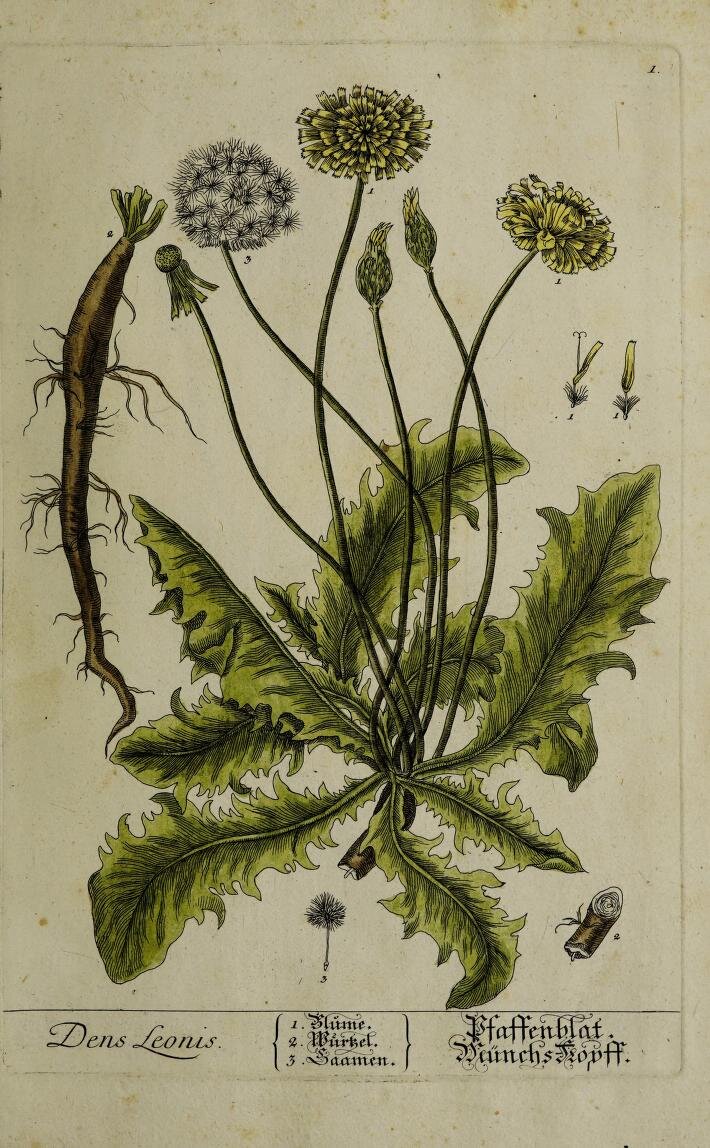
These masks are heritage type prints – from books I was familiar with. The poppy and dandelion are from Elizabeth Blackwell’s A Curious Herbal (available from Internet Archive here). I browsed through it back in 2009.

The solar eclipse one is from Etienne Leopold Trouvelot’s Astronomical Drawings (available from Internet Archive here). I browsed the images in 2019.

20200704_070456.jpg

These masks are a little different than the 2 I already am using so I’ll wear one for an hour or so around the house to make sure it is comfortable enough for the time it takes to pickup my CSA share (and cut some flowers/herbs in the cutting garden) and buy groceries. I am going to keep a Ziploc of fresh masks in the car for the foreseeable future.

Unique Activities for Yesterday:

Tweaking the office. I am back to using my bouncy Swopper chair in front of my computer. It seems I am becoming pickier about how my office ‘fits’ my needs with being at home so much of the time. My back is happy today!

Breakfast picnic. I cut up the cantaloupe in chunks and cooked scrambled eggs. My husband cooked hash browns and bacon. And we ate the big breakfast out on our deck. It was the most pleasant temperature of the day. We were fortified enough to mow the yard about 30 minutes later….and that was the extent of our time outdoors until dusk when I went out to cut some day lilies that were blooming in the front flowerbed; I’ll enjoy them in a vase rather than taking the chance of the deer eating the flowers and buds.

20200704_093734.jpg

Gleanings of the Week Ending July 4, 2020

The items below were ‘the cream’ of the articles and websites I found this past week. Click on the light green text to look at the article.

Utah’s arches continue to whisper their secrets - GeoSpace - AGU Blogosphere – A study to measure arches to hone 3-D models from the Geohazards Research Group at Universe of Utah. The 30 second video of the model showing how Moonshine Arch moves is worth viewing.

Will the world be quieter after the pandemic? - BBC Future – I know I appreciate having a quieter environment; it’s an aspect of the pandemic that has been positive. The quiet is one of the things I like about my Prius Prime when it is in EV mode. Maybe some of the new norm will involve choices to maintain, as much as we can, the quiet.

Exposure to air pollution impairs cellular energy metabolism -- ScienceDaily – A study from Finland – exploring how particulates impact the olfactory mucosa (a neural tissue located at the upper part of the nasal cavity…the first line of defense against inhaled agents). As I read the article, I wondered if this is the tissue impacted my COVID-19 in people that lose their sense of smell when infected….and also, does wearing a mask filter enough particles to give the tissue a break from other air pollutants.

Renovations Reveal Rare Maya Murals Hidden in Guatemalan Home | Smart News | Smithsonian Magazine – From a colonial home in a mountain village.

Bird feeding helps females more than males -- ScienceDaily – The female cardinals are at my bird feeder much more frequently that the males in both winter and summer. This study doesn’t really point to a reason for that. I’ve always thought that other than the males dominance getting food first….the females might need more food at certain times….when they are laying eggs, for example.

London Foxes Show Early Signs of Self-Domestication | Smart News | Smithsonian Magazine – “Domestication syndrome” – shorter snout and smaller brain.

Painted Vault Revealed at Villa Near Pompeii - Archaeology Magazine – There are new discoveries because they are excavating a part that has not been studied before.

Marine Biologist Braves Cold Water to Photograph Little Known Sea Creatures – Creatures of the ocean….many so delicate they can’t be studied in a lab. Alexander Semenov is a marine biologist and photographer working like a 19th century naturalist, but with 21st century technologies.

Plot Brewing To Blanket US In Solar Panels + Pollinator-Friendly Plants – A beginning…. building hope via steps in the right direction. This article coincided with the MACCEC conference earlier this week. I ended the week more optimistic that the ball is in motion for many ‘drawdown’ actions.

Fish Eggs Can Survive a Journey Through Both Ends of a Duck – The study in this article was done with common carp and Prussian carp…. but what about other invasive species. If most types of fish eggs can survive the duck’s gut - it is bad news for efforts to stop the spread of invasive fish species.

Unique Activities for Yesterday:

Thinking about the first women in my family that could have voted. Women have had the right to vote in the US since 1920 – we’re celebrating 100 years this year. My sister and I have been talking about our great-grandmothers (and maybe the great-great grandmothers too). It’s interesting to think about what it was like in 1920 in our family; they were all citizens by then…although one side of the family were immigrants or children of immigrants.

We wondered if their relationship to immigration and obtaining citizenship would have made it more likely that they would have voted. One of them was divorced with her children teenagers or older; she was educated in Europe before she immigrated. Did her oldest son go with her to vote? The other great-grandmother might have voted as well; she had 3 daughters in 1920 with the youngest being 8 years old (there would be one more after 1920) and they lived on a farm…but went into town often enough. My grandparents from that side of the family always voted, so there’s a reasonable chance that their mothers did to.

One of the things I learned during the recent conversations, is that the grandparents on the other side of the family hosted the local polling place in their garage in the 1940s! That’s an indication that voting was important to them and that could have been passed down from their parents.  One of those great-grandmothers ran a boarding house (around 1920) so she was aware of things going on in town and would have had easier access to the polling place. She insisted that her daughter finish high school a few years later which might indicate that she was attune to the changing role of women more broadly.

I like to think that maybe all 4 of my great-grandmothers voted in 1920…their first opportunity to do so.

Gleanings for Week Ending June 27, 2020

The items below were ‘the cream’ of the articles and websites I found this past week. Click on the light green text to look at the article.

What if all viruses disappeared? - BBC Future – We are more aware of pathogenic viruses….but there are a lot more that are not pathogenic to humans….and are often beneficial (directly and indirectly).

Scythian Warrior's Genome Analyzed - Archaeology Magazine – Surprise! Discovered in 1988 and assumed to be a young warrior based on the weapons in the grave. DNA revealed it was a girl and was younger than 14 years old.

90 Percent of U.S. Could Be Powered by Renewables by 2035 - Yale E360 – Technically feasible…but do we have the determination as a country to do what we need to do for future generations?

Repetitive negative thinking linked to dementia risk -- ScienceDaily – But can training/therapy to reduce negative thinking reduce the risk? Whether it does or doesn’t – it seems that people who perceive the positives in their lives are more satisfied/happy….so teaching strategies to enhance that kind of thinking is probably worth it.

How Iceland is undoing carbon emissions for good - BBC Future – Examples of how Iceland is pushing the technical envelope for carbon capture even in heavy industry.

What Makes Some People More Resilient Than Others - The New York Times – Tools most common in resilient people: realistic optimism, a moral compass, religious or spiritual beliefs, cognitive and emotional flexibility, social connectedness.

Memory consolidation during REM sleep: Researchers identify neurons responsible for memory consolidation during REM sleep -- ScienceDaily – I remember the babies I’ve known well having frequent REM sleep….they are doing a lot of memory consolidation!

Top 25 birds of the week: Camouflage – They are easy to spot in these zoomed pictures….in the field, their camouflage is highly effective.

Urine test reveals quality of your diet -- and whether it's the best fit for your body – Interesting work. Maybe in the future we’ll get feedback from the toilet about the ‘health’ of our diet as easily as we get feedback about heart rate and sleep quality from wearable devises now.

The Winnowing of the Wilson’s Snipe – A bird that could fit in the camouflage group…but this bird is special – it makes sound with specialized tail feathers!

Unique activities for yesterday:

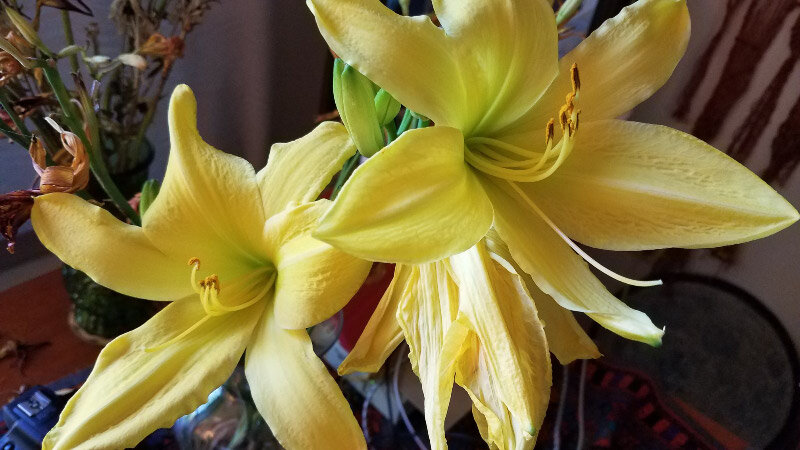
Three kinds of day lilies. I have three different kinds of day lilies blooming right now. I love having the flowers in my office and something new opening every day!

Ice maker repair. My husband ordered a replacement part for our ice maker once we started having water overflowing the unit and accumulating in the freezer. He’d done some research online and it seemed likely that the new part would fix the problem. It came and after a few days of the box sitting around to decontaminate, we pulled out the refrigerator to install it (using the opportunity to clean the floor too). This is the type of thing we would have called for repair service pre-pandemic. There are areas where we’ve become a lot more resourceful in recent months and I wonder if we’ll continue that trend post-pandemic.

3 Free eBooks – June 2020

So many materials available online…

The three I am featuring this month are a bit different. The first two are slideshows available on Internet Archive. It was hard to choose just two; check here for 300 or so of them. Each of the slide shows is accompanied by a brief biography of the artist.

57 20 06 (1).jpg

Hussein Amin Bicar (1913 - 2002) – Egyptian. I enjoyed both the modern and the ancient depictions. I chose one of the modern images for the sample.

Josef Sudek (1896 - 1974) – Czech photographer. As I looked at the pictures – I thought about what made them most appealing to me and decided that there were multiple reasons:

  • The way the photographer captured unusual light and arrangement of places.

  • The historical aspect (I assumed that many of the damaged buildings were the aftermath of World War II).

  • The pictures of office clutter. I’ve known people that had similar piles of accumulated ‘stuff’!

Another reason I liked this artist: Half of my ancestors were Czech; the families immigrated to the US in the later 1800s. The life span of Sudek was like my Czech heritage grandfather’s (1896-1974 and 1901-1976). My grandfather was younger by just enough that he did not fight in World War I; Sudek did and was severely injured (an arm was amputated). What a difference in the way they experienced World War II! My grandfather was farming in eastern Oklahoma; Sudek lived through the Nazi’s in Prague and then Soviet domination of the country. Sudek lived most of his life in a European city: Prague; my grandfather lived on a farm, a small city, then the suburbs of a large city in Oklahoma and Texas. In 1960, my grandfather was injured in an accident (a leg was amputated). As I read the short biography of Sudek, I felt that in the last decade of their life, they would have enjoyed knowing each other.

I selected the sample picture because it was an unusual collection for a still life. The peacock feathers reminded me of the peacocks my non-Czech grandparents kept. The shells are something collected in travels by people that ordinarily live far from the sea (i.e. Prague or Oklahoma).

100 20 06 (16).jpg

The other eBook I chose this month was autobiographical…with names changed which I guess turns it into a novel. It was known as autobiographical when it was published so is usually discussed from that perspective.

Scott, Evelyn. Escapade. New York: Thomas Seltzer. 1923. Available at Internet Archive here. The parts that resonated the most with me were the author’s description of her pregnancy and the immediate aftermath. Her writing about her emotions and physical situation are so vivid. Her experience is often more intense because of the upheaval in her life early in the novel (eloping, moving from the US to London to Brazil) and then subsequent poverty and isolation. A brief biography of Evelyn Scott can be found here.

Unique activities for yesterday:

IMG_0394.jpg

Bright heart of the forest. When I first went into my office at 6:10 AM, the sunshine was bright on a tulip poplar tree trunk that normally does not stand out in the shade of the forest. The glow lasted for a few minutes before fading as the sun continued its rise. It was a good start to the day to see the tree appear as if lighted from within.

Zucchini muffins. I used up some summer squash by making muffins at mid-morning. It’s an easy process using the food processor to do the shredding. I chose a recipe for Zucchini Spice Cake from a Moosewood Restaurant cookbook…brought back memories of the restaurant in Ithaca when my daughter was working on her undergraduate degree at Cornell.

Finishing the deck drapery project. My husband and I put up additional hooks to hold all the deck drapery panels and I made tie backs for them. We were both hot and tired when we finished because the day was so hot and humid. It was not better by dinner, so we waited to have an outdoor dinner for another day.

20200625_124421.jpg