Gleanings of the Week Ending September 29, 2018

The Amazing Ancient Fishes of Africa – Cool Green Science – Lungfish, butterfly fish, bichir, bonytongue…most of them are air breathers!

Thinking beyond yourself can make you more open to healthy lifestyle choices -- ScienceDaily – Maybe we need to psyche ourselves to make better choices!

Japan's Hayabusa2 Spacecraft Successfully Deploys Landers to Asteroid Ryugu's Surface and Bouncing robots land on asteroid 180m miles away amid mission to fetch sample for Earth • The Register  – Exciting stuff from a rover on an asteroid! And the return mission in 2020 will be exciting too.

Molecule with anti-aging effects on vascular system identified -- ScienceDaily – A ketone body was identified that is produced during fasting or calorie restriction. It appears to delay vascular aging.

Free Technology for Teachers: A Good Resource for Learning About the Science of Food – 14 short videos about food research.

Scientists investigate how DEET confuses countless critters -- ScienceDaily – Evidently DEET interferes with organisms’ response to odors thus confusing the organism rather than repelling it!

Top 25 Wild Bird Photographs of the Week: Birds with Yellow Plumage – National Geographic Blog – I always enjoy the bird photographs

BBC - Future - How to use seawater to grow food – in the desert - An experiment in Jordan to farm with solar powered desalination of Red Sea water for greenhouses cooled as part of the desalination process. Jordan currently imports a high percentage of its food…if this type of farming can be cost effective the country might be able to feed itself and even export some foods.

How leaves talk to roots -- ScienceDaily – When I was in college taking biology courses in the 1970s – micro RNA was not in our vocabulary!

Well-Preserved Roman Road Uncovered in the Netherlands - Archaeology Magazine (more details at https://www.dutchnews.nl/news/2018/09/roman-road-artifacts-found-during-digging-for-a-new-motorway/ ) – New finds like this are always a little surprising…things that were there for a very long time but covered over by a few feet of soil.
Gleanings of the Week Ending September 22, 2018

The items below were ‘the cream’ of the articles and websites I found this past week. Click on the light green text to look at the article.

Curiosity rover surveys a mystery under dusty Martian skies -- ScienceDaily – What makes Vera Rubin Ridge so hard?

The Environment's New Clothes: Biodegradable Textiles Grown from Live Organisms - Scientific American – ‘Growing clothes’ that are sustainable – very different form the current fashion industry.

Change your diet to save both water and your health -- ScienceDaily – Research that looked at the water footprint (the volume of freshwater to produce goods) relative to types of diets. It turns out that many of the foods that take a lot of water to produce also are overconsumed – in the EU where the study was done and maybe even mores o in the US.

How the People of Pompeii Really Died - The Atlantic – New technology looked at bones and teeth of the 19th century plaster casts from Pompeii. Two surprises: they had good teeth, and many died of head injures rather than suffocation.

A Great Brown Storm Is Raging on Jupiter – It’s not like the red spot. They come and go and Jupiter. This time NASA’s Juno spacecraft is there to monitor its progress and show more of its structure.

One big reason why women drop out of doctoral STEM programs: The fewer women in entering class, the less likely they'll stay -- ScienceDaily – This study ruled out grades and funding as the main reason….the academic climate for women is not only harder to measure, it’s also harder to change.

First evidence that soot from polluted air is reaching placenta -- ScienceDaily – There is a health cost for burning fossil fuels…and it begins to impact us before we are born. Previous research had linked air pollution with premature birth, low birth weight, infant mortality, and childhood respiratory problems. This research was focused on determining if the particles in the lung – breathed by the mother -  can circulate through the blood to the placenta.

Top 25 Wild Bird Photographs of the Week: Gamebirds – National Geographic – Peacocks are considered game birds!

Total of 21 new parasitoid wasps following the first ever revision of their genus -- ScienceDaily – The first revision since 1893…and using specimens from 20 natural history museums.

Something Blue | The Prairie Ecologist – Blue sage…insect magnet.

Gleanings of the Week Ending September 15, 2018

The items below were ‘the cream’ of the articles and websites I found this past week. Click on the light green text to look at the article.

BBC - Future - How China’s giant solar farms are transforming world energy – Giant solar farms that, when viewed from the air form Giant Pandas. All over the world…but in China particularly…there are more and more enormous solar farms. It’s good for the immediate future but there are still issues with what happens when the solar panels need to be recycled (i.e. in 30 or so years).

New research shows how children want their food served -- ScienceDaily – I didn’t find this a challenge…my daughter always enjoyed her food. It seems more likely to be challenging in places like school cafeterias or other institutional settings.

Photos Show the Icy Glacier Landscape of Northeast Greenland – Life lurking in the ice waters. It’s a difficult place to dive.

Landscape Plants Rated by Deer Resistance (Rutgers NJAES) – Maryland is not that far from New Jersey so this list works for us – although I wish they would mark the plants native to North America. I’d rather plant natives.

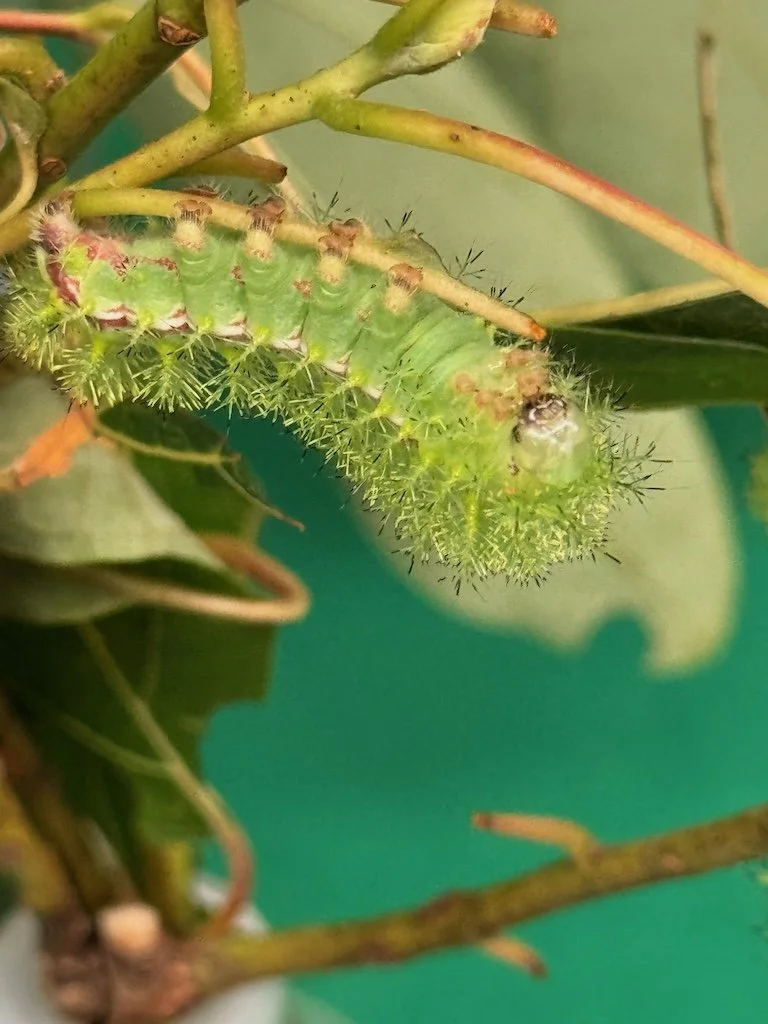
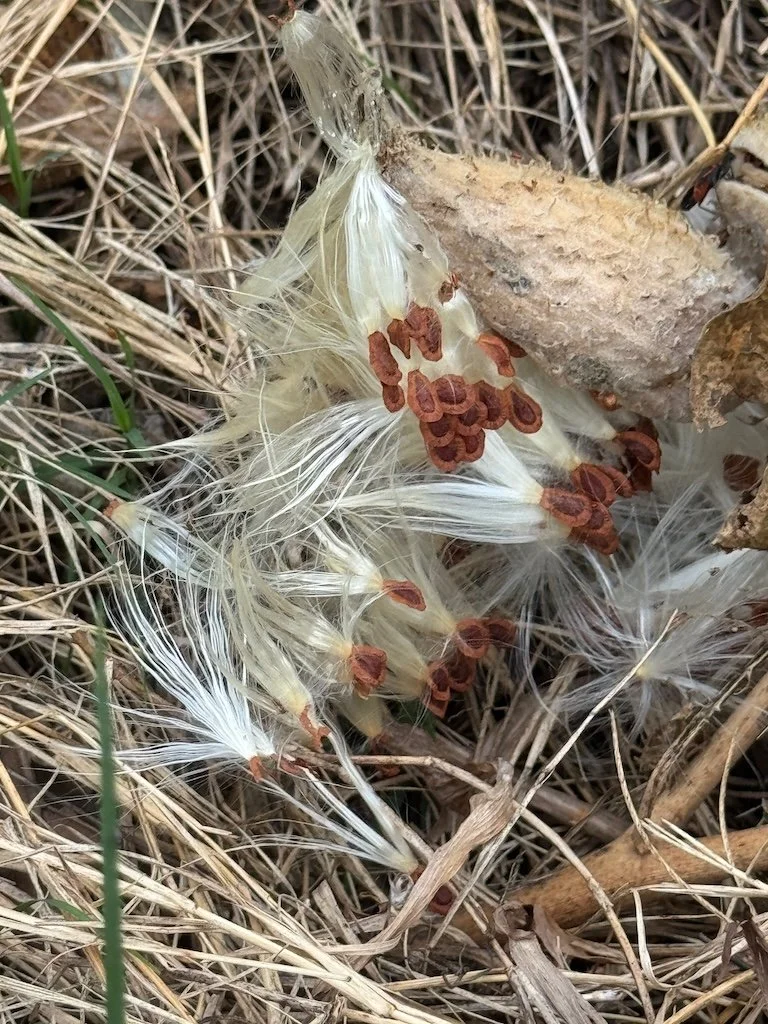
How This Popular Garden Plant May Spread Parasites That Harm Monarchs | Smart News | Smithsonian – Aargh!!!! We need to be sure we are not planting tropical milkweed in areas where it is not native….the orange butterfly weed – which is also a milkweed – is native across most of North America and a good plant to have in the garden for Monarch butterfly caterpillars.

New color-generation mechanism discovered in ‘rainbow’ weevil -- ScienceDaily – The researches from Yale propose that this mechanism might be useful for screen displays to enable the same true image from any angle and to reduce signal loss in optical fibers.

What Ötzi the Iceman’s Tattoos Reveal About Copper Age Medical Practices | Smart News | Smithsonian – There have been papers coming out about additional discoveries from the remains found in the Alps in 1991 over the years --- there was a lot we could learn and new technologies have come along to enable more than anyone thought about at first.

Night-time habits of captive flamingos -- ScienceDaily – The forage and roam! Evidently, they are more active at night in the wild as well. During the day they tend to rest and preen…that’s when courtship displays happen as well.
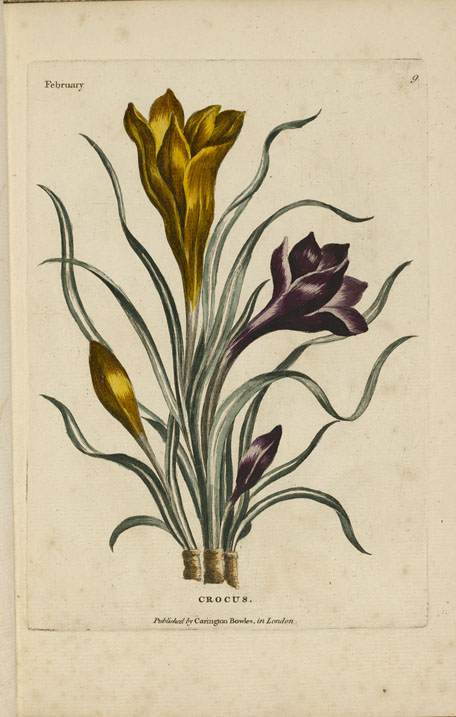
Muscle Clocks Play a Role in Regulating Metabolism | The Scientist Magazine® - Circadian rhythms are not just from the brain! There are timekeepers throughout the body. The peripheral clock in muscles was confirmed in 2007 and it turns out that it is important to glucose metabolism. There is still a lot to learn about all the body’s timekeepers!

BBC - Future - Are hot springs the future of farming? – Maybe there is not one strategy that is the ‘future of farming’ – but this is an interesting idea that we may see in places where it can be done effectively.

Gleanings of the Week Ending September 8, 2018

The items below were ‘the cream’ of the articles and websites I found this past week. Click on the light green text to look at the article.

Top 25 Wild Bird Photographs of the Week: The LBJs and Top 25 Wild Birds Photographs of the Week: The Cranes and Top 25 Wild Birds Photographs of the Week: Birds in Flowers – Birds and more birds…starting the gleanings off with images of fast moving wildlife!

Natural refrigerant replacements could reduce energy costs and conserve the environment: Implementing replacements of CFCs and HCFCs could help UN signatories to uphold international agreements on carbon emissions. -- ScienceDaily – One of the ways new technology could help sustain the planet.

BBC - Future - How to drink from the enormous lakes in the air – I was intrigued by the variety of ways to collect water from the air coming out of labs and into production. Some are for very poor and rural areas…but others might be popular for home owners that currently buy bottled water because they don’t trust their municipal water supply.

Cake Art Features Realistic Flowers Made from Buttercream Frosting – The decadence of it all….I’m not a big cake eater, but if I was this type of cake would be what I wanted for my birthday!

Ancient farmers spared us from glaciers but profoundly changed Earth’s climate -- ScienceDaily – The advent of farming altered the climate enough to avoid the beginning of an ice age as the Industrial Revolution when the burning of fossil fuels caused the further uptick we are today.  A quote from the article: “we have maybe stopped the major cycle of Earth’s climate and we are stuck in a warmer and warmer and warmer interglacial.”

Two studies that suggest that some common medical practices may not be as worthwhile as previously thought: Widespread use of statins in healthy older people to prevent heart disease not recommended in new study: Any protective effect was limited to those with type 2 diabetes aged between 75 and 84 -- ScienceDaily and Experts advise against routine testing for prostate cancer: But for those men who seek counsel from their physicians, shared decision making is essential -- ScienceDaily

Photo of the Week – September 6 | The Prairie Ecologist – The August installment of the author’s square meter photography project. The two praying mantis shots (Aargh…non-natives European and Asian).

BBC - Future - Five memory hacks to make you smarter – A post well-timed for the start of school!

Roman Basin Recovered from Germanic Grave in Holland - Archaeology Magazine – It is made of bronze and was found in pieces that were put back together. It’s an appealing shape…which the article would have given more information about its size.

Today’s College Students Aren’t Who You Think They Are: NPR – It’s good to see this. I’ve been hearing anecdotal reports from my daughter about college students at the universities where she has been/is. It’s good to see that her observations are wide-spread…that it’s the ‘new normal’ and services provided by institutes need to evolve to support these students.

Longwood Gardens – Part IV

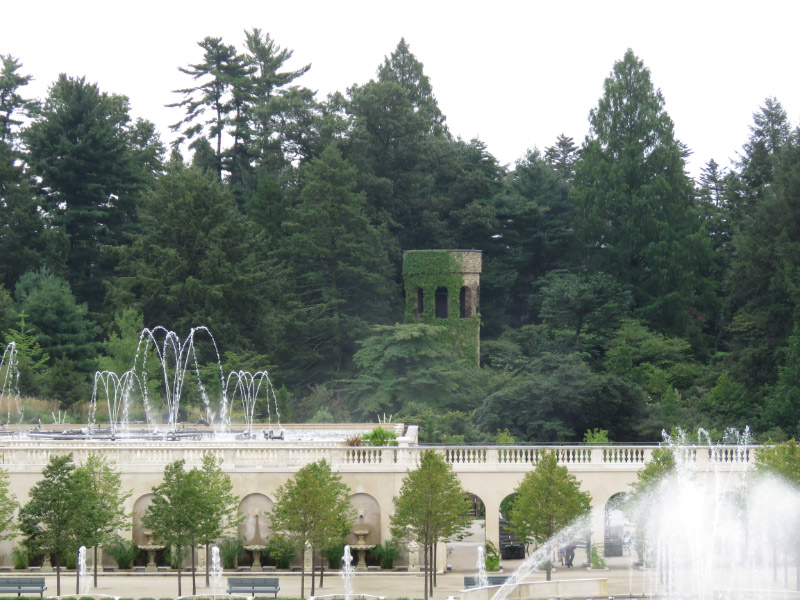
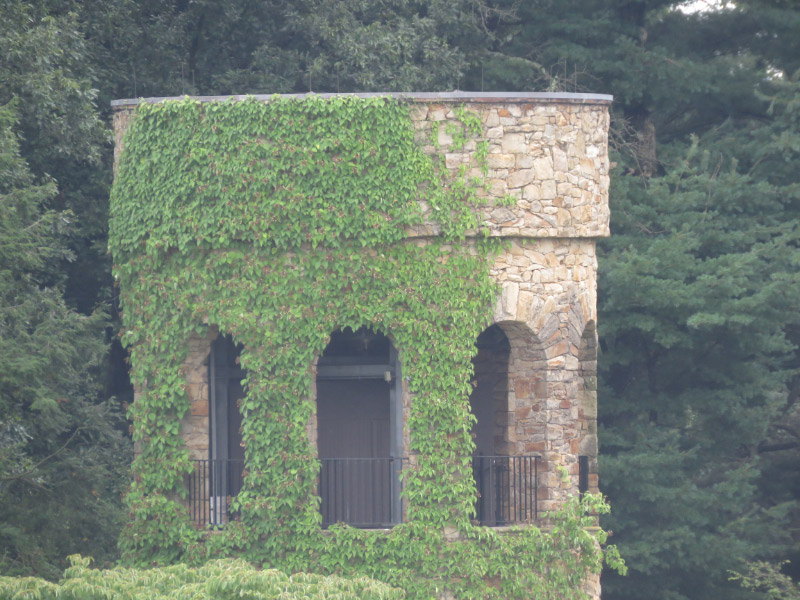
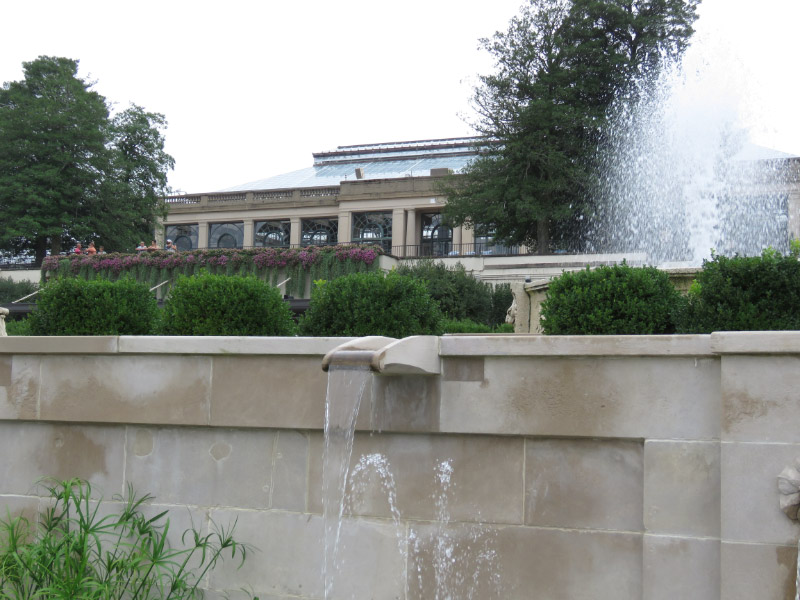
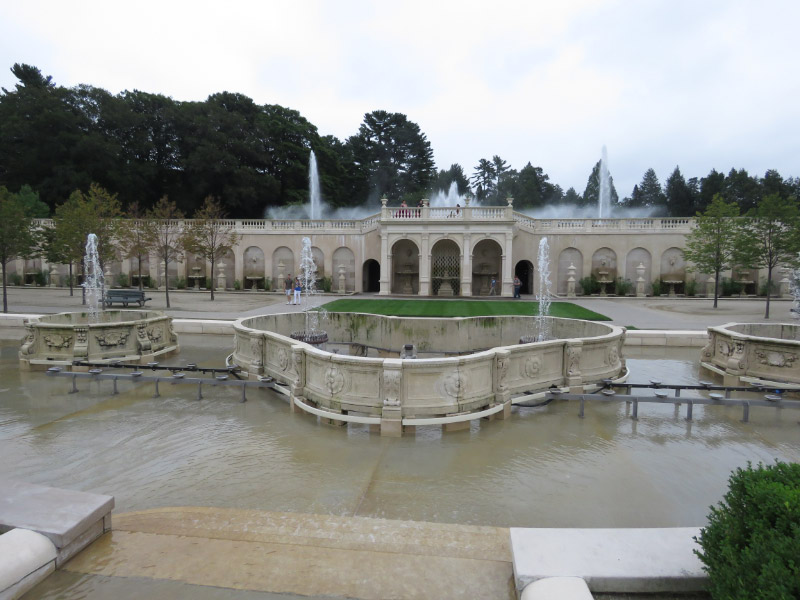
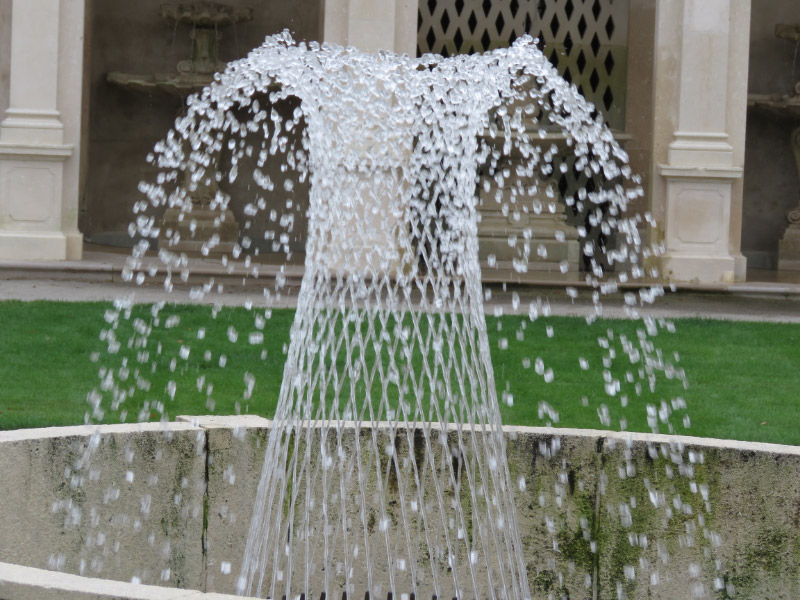
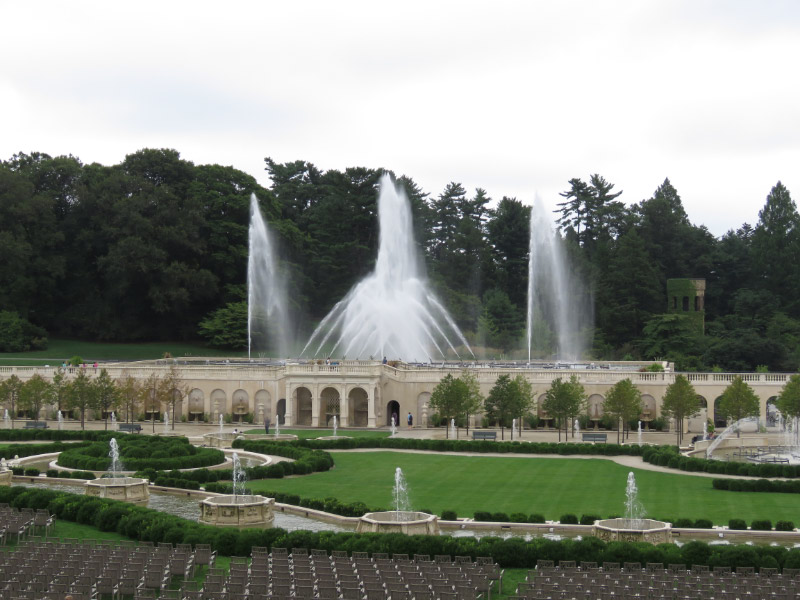
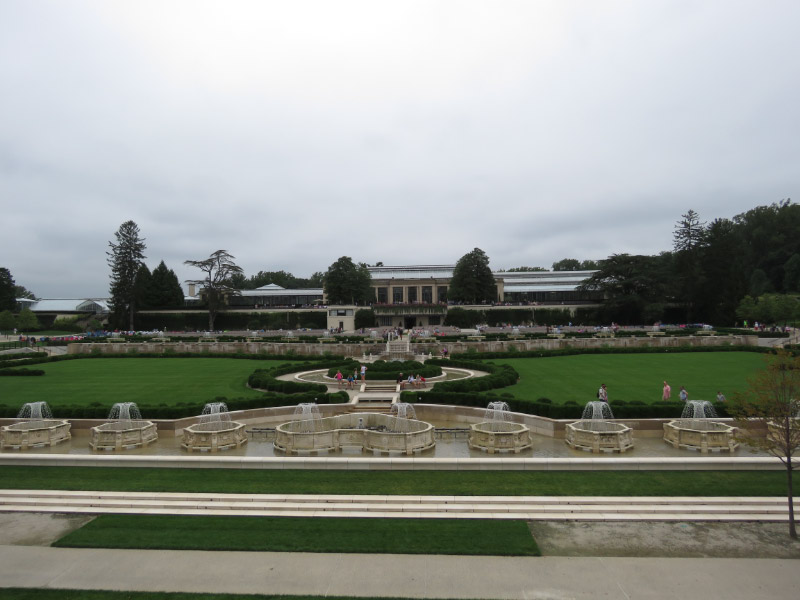
Of course – there is a lot more of Longwood Gardens outside that in the conservatory. We walked out of the conservatory a few minutes before the 11:15 presentation of ‘Fountains Then and Now’ – and found seats in the front row on the terrace in front of the conservatory. Last time we had visited the gardens, the fountains were being renovated so we savored that a lot of what we remembered is still there plus there are high jets of water from air canons and nozzles that move to make arcs of water than move with the music. Afterwards we walked down to see the fountains closer and looked back toward the conservatory from the terrace of the big fountain. Under that terrace they now have some history of the fountain machinery….a little bit about how they got the water pressure needed originally and today. Part of the gardens (the Tower and Eye of Water) was closed off in preparation for the fireworks that were schedule for the evening (sold out long before we decided to visit) so the only perspective I got of the tower was from afar.

Then it was time for lunch. The air temperature was much hotter when we emerged from the café. We enjoyed the dahlias – and bees.

2018 09 IMG_4209.jpg

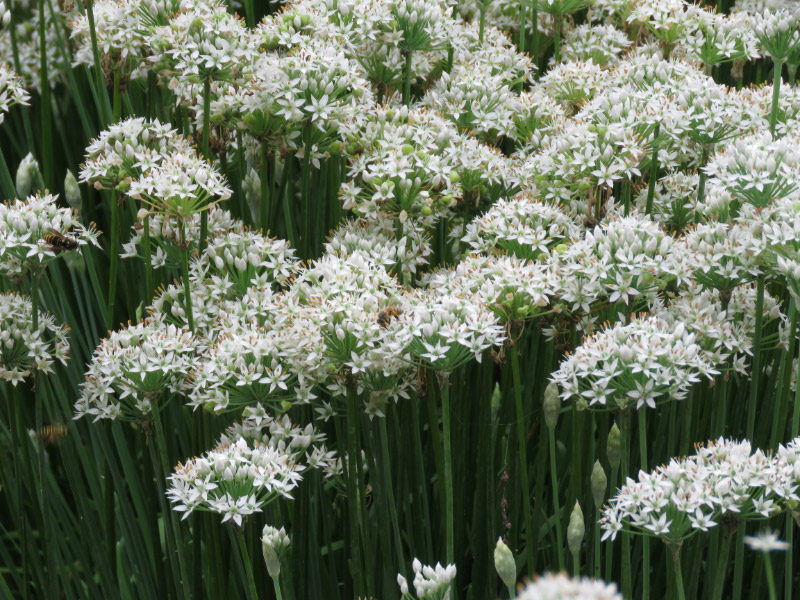
The garlic chives in the demonstration garden were popular with the bees as well.
There was a funnel spider with a web full of water droplets.
2018 09 IMG_4221.jpg

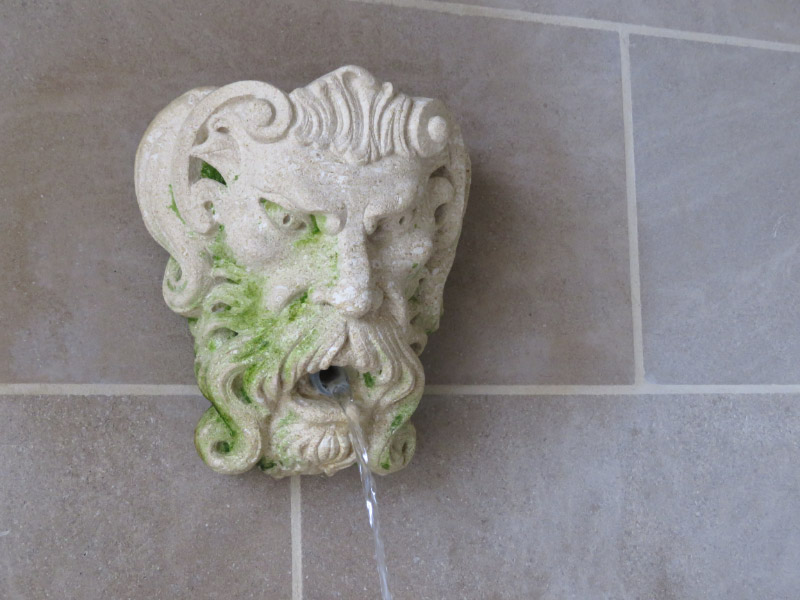
We walked past the fountains again to the formal garden rooms. I noticed some stone walls and realized that they probably told the geology story of the place.

2018 09 IMG_4234.jpg

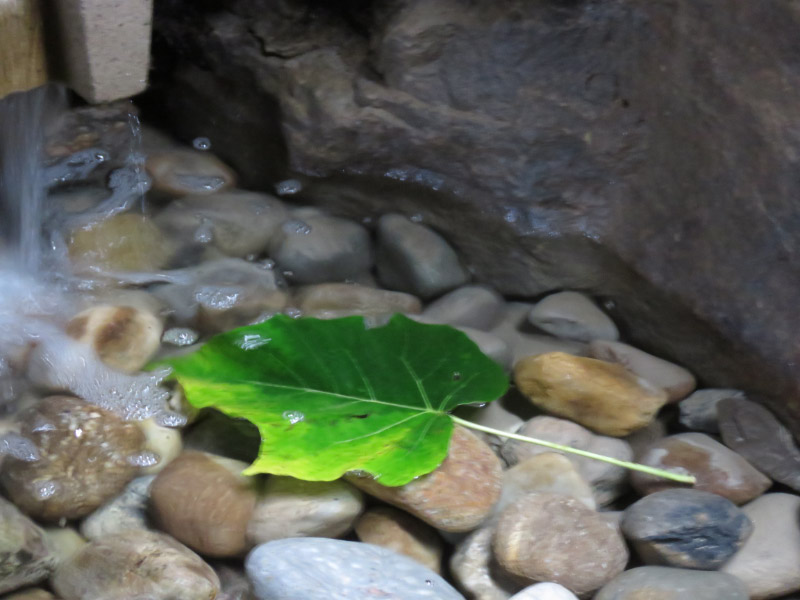
I always like the stairs with water in the Italian Garden…but it was so hot – with no breeze - by the time we were there that the shade and water did not restore draining energy.

2018 09 IMG_4248.jpg

We walked along a boardwalk in the meadow full of joe pye weed and goldenrod on the way back to the visitor center. We cooled off walking around the gift store before starting the drive home.

2018 09 IMG_4255.jpg

Gleanings of the Week Ending September 1, 2018

The items below were ‘the cream’ of the articles and websites I found this past week. Click on the light green text to look at the article.

Poor sleep triggers viral loneliness and social rejection: Lack of sleep generates social anxiety that infects those around us -- ScienceDaily – Yet another reason that getting enough sleep is important to us as individuals and society at large.

The Armchair Photography Guide to Canyonlands National Park – Island in The Sky | National Parks Traveler – So many of the pictures had snow! It would be good to go when it was not terrifically hot….so any time but summer and even better close to the beginning or end of winter (a little now…not enough to be hazardous).

Stunning Underwater Photos of Microscopic Plankton by Ryo Minemizu – Beautiful, small life.

In Eastern US, adult trees adapt and acclimate to local climate: Tree cores reveal flexibility, more work needed to understand mechanisms -- ScienceDaily – 14 species of trees were analyzed using tree cores from 1940-1980….shouldn’t we look at more recent tree cores too?

Bed Bugs: When Biodiversity Bites – Cool Green Science – Informative….maybe I should check for bedbugs more consistently when I travel. I shouldn’t keep relying on ‘luck’ to avoid a very bad experience.

A Record Year for Measles Cases in Europe | The Scientist Magazine® - When I was a child, the measles vaccines didn’t exist yet. It was awful. Everyone got sick with them and, for some, there were lasting consequences. I was fortunate and survived without lasting damage except for missing enough school that I never quite understood certain volumetric measurements because I completely missed when it was taught.

Which country has the most expensive education? - Are the comparisons really apples and apples…or are there some pears and oranges thrown in? It is about educations but there are a lot of variables beside cost. All countries and parents and teachers struggle with how to make education relevant to students for now and into the future.

Air Pollution Linked to Decline in Cognitive Performance – The study was done in China but I wondered if it was true in other areas of the world with high levels of air pollution (like India). The US could be vulnerable if we relax our clean air standards.

NASA’s OSIRIS-REx begins asteroid operations campaign – We were in Florida in September 2016 for the launch…so I always notice the updates about its progress.

50% of Industrial Climate Change Emissions Tied to Fossil Fuel Companies – An interview with the two authors of a recently released report: Decarbonization Pathways for Mines.

3 Free eBooks – August 2018

So many great books available all the time…and free. Reading used to be a much more expensive activity!

2018 08 ebook1.jpg

Brongniart, Adolphe. Histoire des végétaux fossiles, ou, Recherches botaniques et géologiques sur les végétaux renfermés dans les diverses couches du globe. A Paris et a Amsterdam: Chez G. Dufour et Ed. d’Ocagne. 1828. Available from Internet Archive here. This book includes many illustrations of plant fossils – imprints on rocks. It’s written in French – but the illustrations are the reason it’s worth a look. It was probably one of the first paleobotany books ever written. The author produced the book in his late 20s…must have had access to a sizable collection.

2018 08 ebook2.jpg

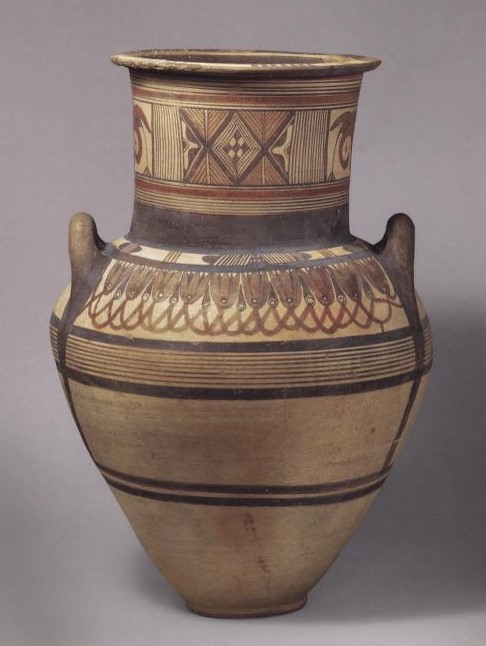
Karageorghis, Vassos. Ancient Art from Cyprus - The Cesnola Collection in The Metropolitan Museum of Art. New York: Harry N. Abrams, Inc. 2000. Available from Internet Archive here. This is a more recent book (I am glad that many copyright holders that have out-of-print books are making them available this way). The color illustrations are wonderful. I particularly like utilitarian objects.

2018 08 ebook3.jpg

Aruz, Joan and Wallenfels, Ronald (editors). Art of the first cities: the third millennium B.C. from the Mediterranean to the Indus. New Haven and London: Yale University Press. 2003. Available from Internet Archive here. Another relatively recent book. Would you have guessed the necklace was from the 3rd millennium BC?

Gleanings of the Week Ending August 4, 2018

The items below were ‘the cream’ of the articles and websites I found this past week. Click on the light green text to look at the article.

Babcock Ranch in Florida Is to Sustainable Living What Tesla Is to Sustainable Transportation | CleanTechnica – This is how new development meshes with sustainability. We need to figure out how to retrofit existing communities toward sustainability too.

Interview: Adventurous Photographer Shares His Experiences Shooting Lava – I don’t have a desire to photograph active volcanoes with flowing lava….but I enjoy photographs taken by others.

US opioid prescribing rates by congressional district -- ScienceDaily – Opioid addiction is such a sad outcome in the US medical system…and it doesn’t seem like we are making progress even with the recognition that we have a problem.

Think everyone died young in ancient societies? Think again | Aeon Ideas – Even before the advent of modern medicine – there were people that lived to be very old. One of my great grandmothers lived into her 90s and all my grandparents survived their childhoods before vaccines. But many people didn’t. Epidemics like flu, typhoid, yellow fever and bubonic plague killed many people in the areas where they struck….but some people survived.

New battery could store wind and solar electricity affordably and at room temperature -- ScienceDaily – Lots of research on batteries and other forms of energy storage now….required if wind and solar power can supply 100% of our energy needs. I almost brought of ‘the grid’ but I’m not sure that a grid is going to dominate the future of our energy needs…it might…or might not.

Truth, Disrupted – An article from Harvard Business Review about false (not fake) news.

Researchers are one step closer to developing eye drops to treat common sight loss condition -- ScienceDaily – Good news…if this development lives up to the early results.

Top 25 birds with a sugar rush – Have to include some eye candy….and birds…in every gleanings post!

Unique Assemblage of Stone Tools Unearthed in Texas - Archaeology Magazine – The age of the assemblage is older that Clovis-style tools. The variety of colors and shapes of the stone (picture) is appealing too.

Researchers explore popular food trends in nutritional review: Evidence suggests beneficial outcomes from legumes, mushrooms, coffee and tea -- ScienceDaily – The most surprising result from this research: “The verdict on dairy as part of a heart-healthy diet is still out, and if consumed, full-fat dairy should be avoided.”

4 Free eBooks – July 2018

Last month I have 4 eBooks to highlight and the same is true for this months – so I gave up and changed the title from 3 to 4. I had a lot of books to choose from…went for a bit of variety.

Yōfu gajō (v. 1). Kyōto-shi: Yamada Unsōdō. Published originally in the Meiji period, 1868-1912. Available from Smithsonian Libraries here.  I liked the scenery in this volume – muted colors except for the red that pops. In the image below – do you think it is a Japanese maple? This was one of the last books in the collection of Japanese books available from this site; if you want to take a look at the whole collection – do so from the Japanese Illustrated Books from the Edo And Meiji Period page.

2018 0731 ebook1.jpg

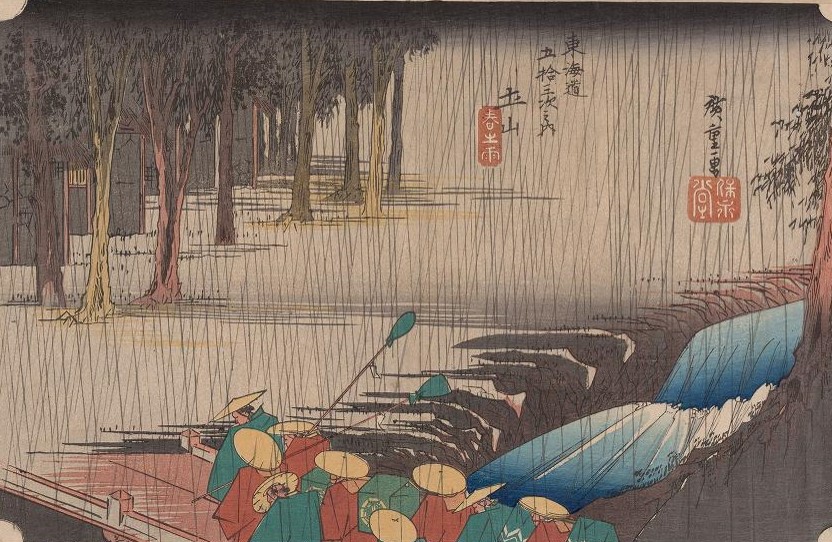
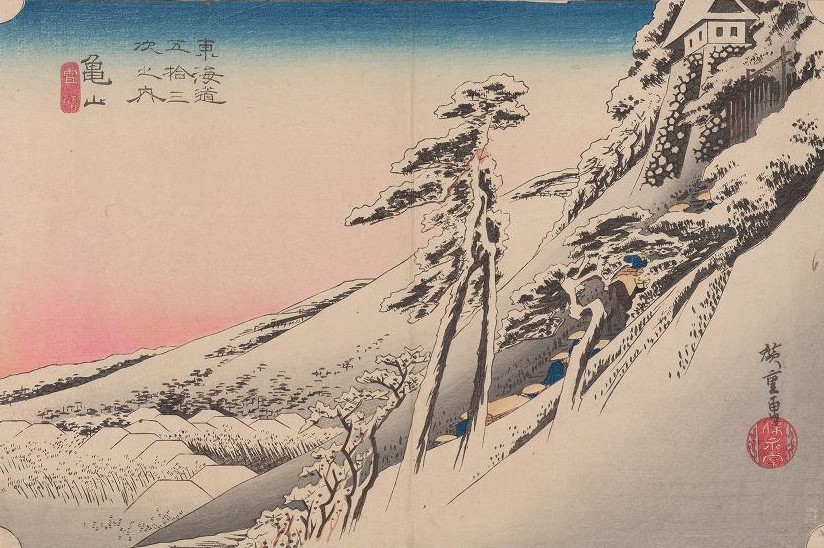
Andō, Hiroshige. Tokaido gojusantsugi. Published originally in the Edo Period, 1600-1868. Available from Smithsonian Libraries here. I couldn’t resist two images from this book – rain and snow. I think the snow is my favorite because of the pink….maybe sunrise?

Catlow, Agnes. Drops of water : their marvelous and beautiful inhabitants displayed by the microscope. London: Reeve and Benham. 1851. Available from Internet Archive here. The book was published just before or early in the Victorian surge in microscopy and became one of her most successful books. She was also one of the early science writers that wrote science books for young students.

2018 0731 ebook3.jpg

The Craftsman. New York: United Crafts. A magazine founded and edited by the American furniture designer Gustav Stickley and published from October 1901 to December 1916. All issues are available from the University of Wisconsin Library’s Digital Library for the Decorative Arts and Material Culture here. I am working my way through the issues a year at a time. I’m up to 1907 as of yesterday.

2018 0731 ebook4.jpg

There are lots of ideas that would work in modern situations….like hanging curtains far enough away from a window to allow chairs to be in front of the windows without having any curtains at all in the way of the light. I can imagine sitting in the chairs on a sunny winter day with sun streaming in…closing the curtains so that the area gets cozy warm…reading or writing on my laptop or creating a Zentangle.

Gleanings of the Week Ending July 28, 2018

The items below were ‘the cream’ of the articles and websites I found this past week. Click on the light green text to look at the article.

Go Orchids: North American Orchid Conservation Center – A great site for learning about orchids…mentioned in my second post about the class I attended at the Smithsonian Environmental Research Center.

In praise of drawing - The Painters Keys – This is post originally written in 2006 but still very applicable today. I looked more at Internet Archive for some of the ‘how to draw’ books that were mentioned in the article; it’s amazing that in a 40-year period in the 1800s so many were published. A more recent post – from a science education perspective – was published in 2015: Rediscovering the forgotten benefits of drawing. I am contemplating taking a ‘next step’ from Zentangles to realistic drawings.

Time-Lapse Videos Capture Echinopsis Cacti in Bloom – Eye candy videos…beautiful.

Free Technology for Teachers: 7 TED-Ed Food Science Lessons – We could all learn a little more about the food we consume….educate ourselves to eat wisely.

Research Dollars Go Farther at Less-Prestigious Institutions: Study | The Scientist Magazine® - Interesting finding. I wonder if it will change how some organizations that award research dollars make decisions in the future.

Material formed from crab shells and trees could replace flexible plastic packaging -- ScienceDaily – This type of technology gives me hope. Recycling can’t do everything. We have to reduce the non-compostable materials in our packaging…have a net decrease in what has to be (expensively) recycled and/or go to the landfill.

Recovery: America’s Giant Squirrel Back from the Brink – Cool Green Science – I’ve seen signs about the Delmarva Fox Squirrel when we have gone to Blackwater National Wildlife Refuge but have never seen one. It’s good to hear a environmental improvement story!

As usual – I can’t resist the ’25 birds’ posts from National Geographic. Here are two that have come out recently: Top 25 Bird Interactions and Top 25: Wild Birds with Spectacular Catches

BBC - Future - The complicated truth about a cat’s purr – We all like to think that when our cat purrs that it is a sound of happiness…but is it?

Compound Interest - Volcanic eruptions: the chemistry of lava and volcanic gases and Compound Interest - The chemistry of spinach: the iron myth and ‘spinach teeth’ – Two posts from Andy Brunning. In the first one – click on the graphic and the larger version of the infographic will appear....a timely post with the volcanic event in Hawaii this summer.

eBotanical Prints – June 2018

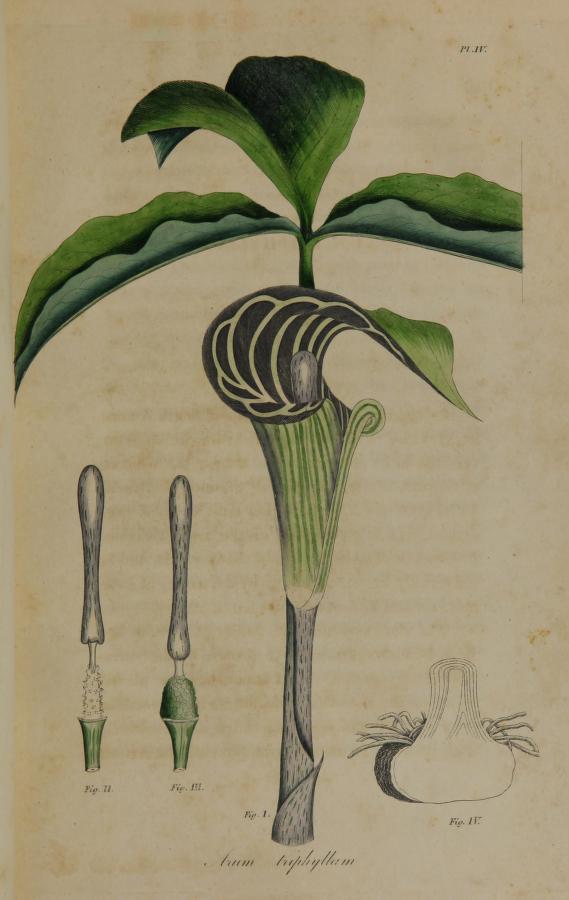
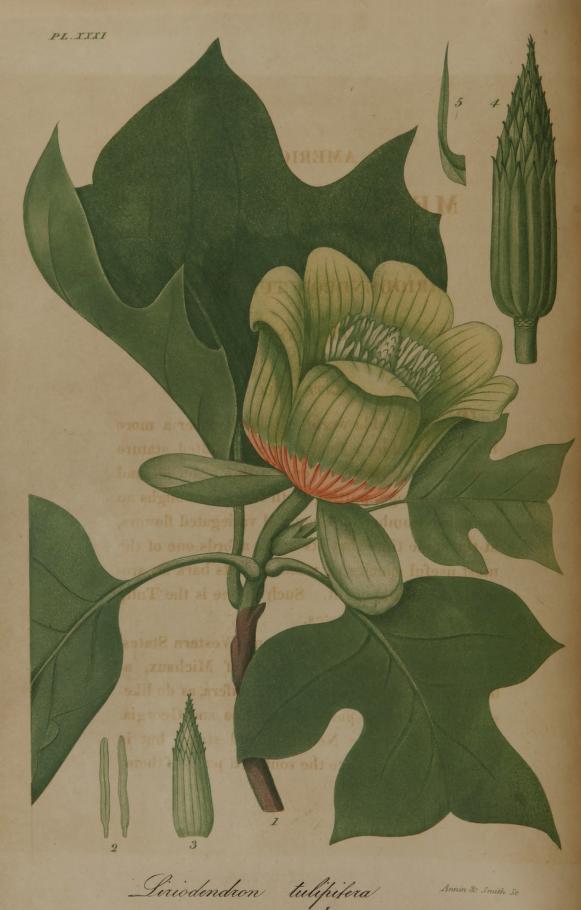
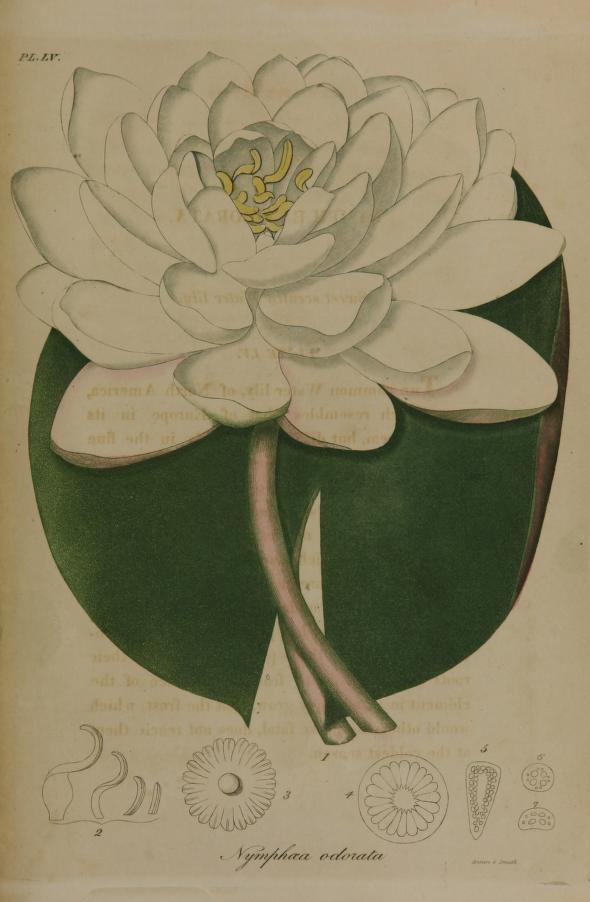
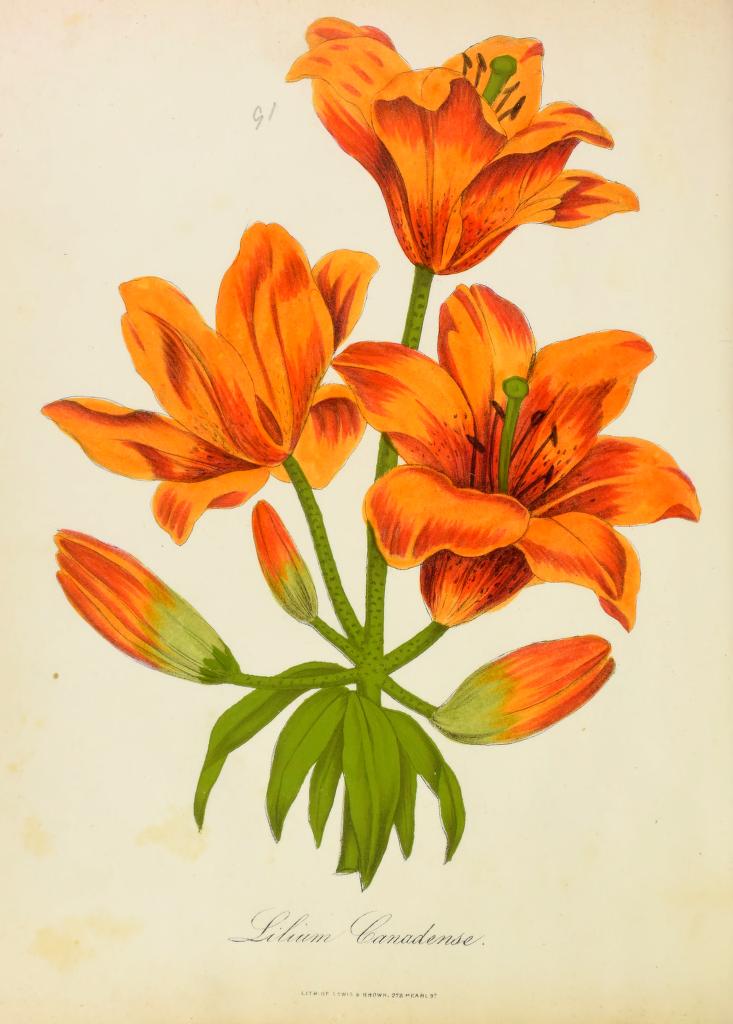
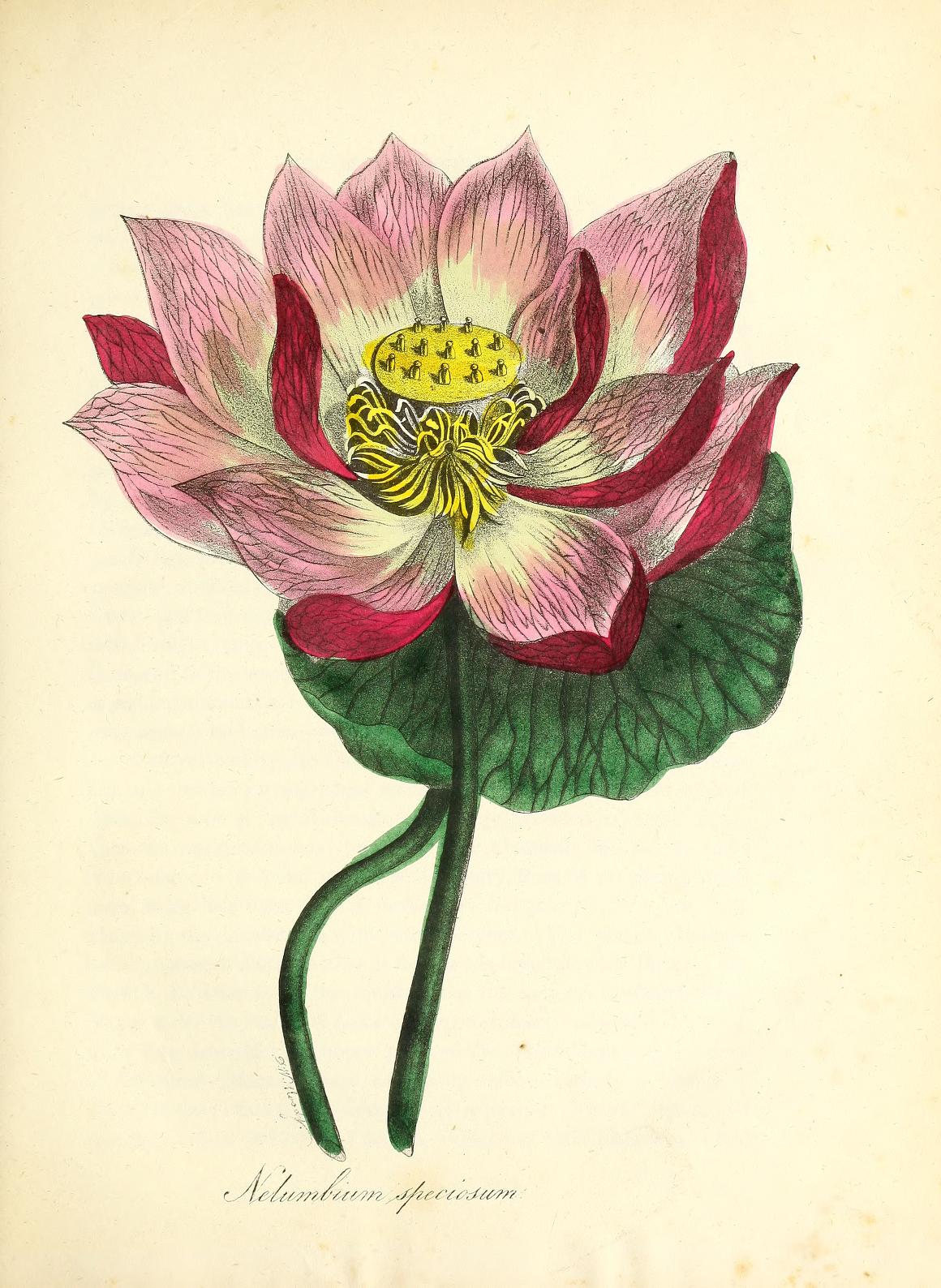
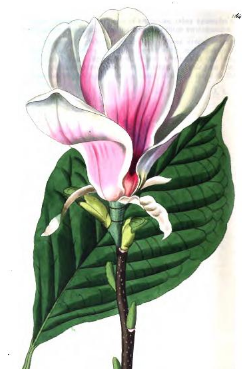
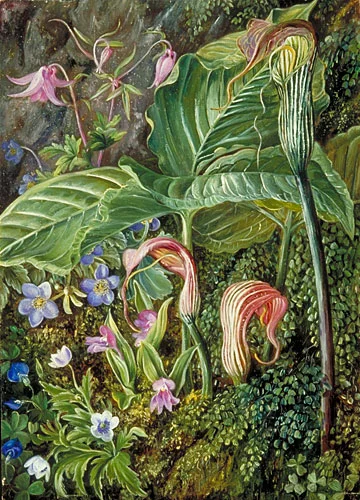
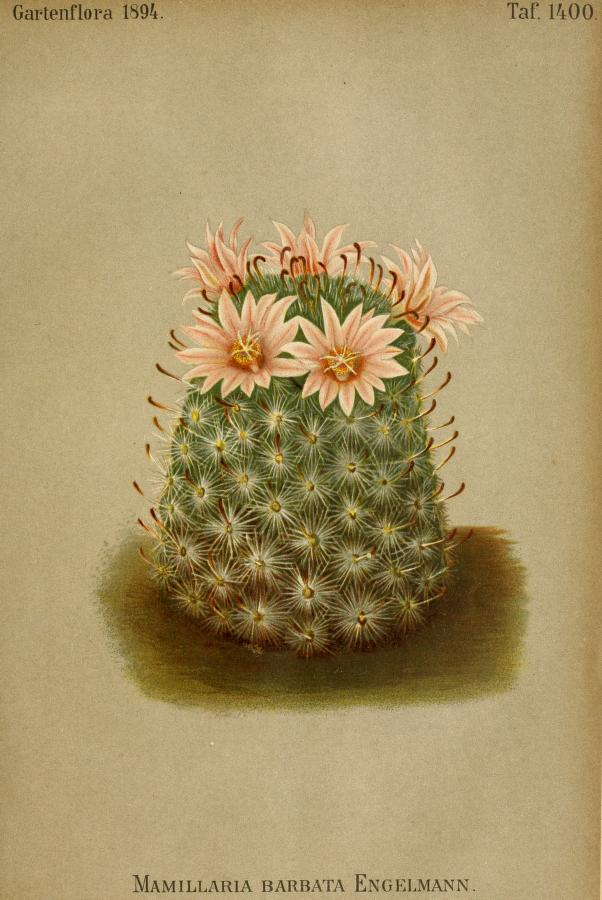
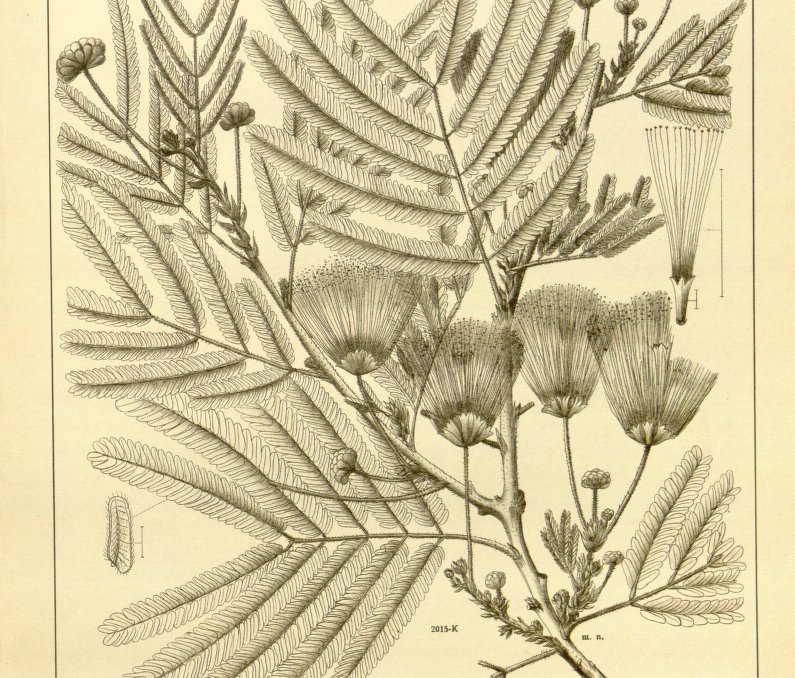
June was a light month for botanical print books – only 10 in the entire month. Even so – I was surprised at how many favorite flowers were included in these books. There were the seasonal ones for June in our area: water lilies and lotuses (like at Kenilworth), and day lilies. The blooms are at their peak in July but the buds are huge in June!

And then there were the jack-in-the-pulpit and tulip poplar flowers that are done by June…are April and May flowers here.

Enjoy the June Botanical print slide show. After the show is a list of the books with links to their locations and a sample image from each (which also was seen in the slide show). At the bottom of the  slide show is a list of the most recent blog posts about individual botanical print books; I haven’t done many  recently but intent to start writing again and providing more details about individual books.

Gleanings of the Week Ending July 21, 2018

The items below were ‘the cream’ of the articles and websites I found this past week. Click on the light green text to look at the article.

Some visual feasts: Peep the Stunning Winners of the Audubon Society’s Photo Contest | Smart News | Smithsonian and National Park Service Releases Iconic Paintings of Parks and Stunning Drone Photos of Venice Show Unique View of the City  and Winners of the 2018 National Geographic Travel Photographer of the Year  – Starting out the gleanings list this week with images!

Fossil Fuels Account for Lowest Share of U.S. Energy Consumption in More than a Century - Yale E360 – Hurray for some positive news about trends and the environment…but there is still a tremendous effort needed to shift toward a sustainable future for our planet.

Air pollution contributes significantly to diabetes globally: Even low pollution levels can pose health risk -- ScienceDaily – Clean air is something every living thing needs for a healthy life – even humans.

New Website Unearths Amsterdam’s History Via 700,000 Artifacts Spanning 5,000 Years | Smart News | Smithsonian – If you can’t travel…there are lots of ways to look artifacts via the web. This is one of them and includes bits and pieces of just about everything.

Rivers and Streams Compose Much More of Earth’s Surface Than Thought | The Scientist Magazine® - The results of a study using NASA’s Landsat images.

BBC - Future - How your age affects your appetite – Food is fuel…and a social/cultural experience. How well does your experience of food link with your age?

Net-zero emissions energy systems | Science – A scholarly article about what it will take to achieve net-zero emissions…what existing technologies can do and what still needs a lot of development.

Germany’s "Stonehenge" Reveals Evidence of Human Sacrifice | Smart News | Smithsonian – Maybe Neolithic circles were more common that originally thought and they weren’t always made of stone. This one was wood and was torn down about 2050 BCE.

Opinion: Rise of the Robot Radiologists | The Scientist Magazine® - A white color job that might give way to artificial intelligence…soon. If it does – will it help slow the rise of medical costs?

Mummification Workshop Excavated in Egypt - Archaeology Magazine and Mummification Workshop and Trove of Burial Relics Found in Egypt | Smart News | Smithsonian – Two sources for the same story…different perspectives/details.

Gleanings of the Week Ending July 7, 2018

The items below were ‘the cream’ of the articles and websites I found this past week. Click on the light green text to look at the article.

BBC - Future - How we could survive on an asteroid – Harder than colonizing a planet…but mining asteroids from a colony on the moon or mars might be more feasible. Interesting to think about; it’s not full out science fiction at this point.

Stunning Data From The Bottom of the World: Antarctic Ice Loss Triples - Dan's Wild Wild Science Journal - AGU Blogosphere – The melting is mostly from warmer ocean waters melting submerged glaciers that have moved into the ocean.

Take a 3D Tour Through Frank Lloyd Wright's Taliesin West | Smart News | Smithsonian – I always like to see an article a place that I have visited…savor the memory. This post includes the link to the 3dlab site…lots of room to explore in a way that is the next best think to being there.

Illnesses from Mosquitoes and Ticks on the Rise | Berkeley Wellness – In our area Lyme disease (from ticks) is the one we worry about the most but there might be others that are going to become more problematic. Maryland has more mosquitos that usual right now…unpleasant and maybe unhealthy.

Red Meat Allergies Caused by Tick Bites are on the Rise – Aargh! I hadn’t heard of this one before.

Feeding the gods: Hundreds of skulls reveal massive scale of human sacrifice in Aztec capital | Science | AAAS – A short video and article about structures recently excavated that include skulls of human sacrifice victims as described by Spanish conquistadors.

China’s Plastic Ban Will Flood Us with Trash | Smart News | Smithsonian – Now that China isn’t accepting the plastic we throw in recycling – where is it going? Are our landfills going to be even more massive? Ideally recycling would get better (and done closer to where the material entered the system) rather than worse.

Petrified Forest National Park Becomes World’s Newest International Dark Sky Park – I’ve visited this park several times…and now it’s a dark sky site. It’s a long way from Maryland but maybe we’ll eventually get there for a star party!

Why Europe’s astronauts are learning Chinese – China is taking the steps to be the third big player in space….and Europe is planning to cooperate with them just as it does with the US and Russia.

3 Free eBooks – June 2018

I picked 4 books instead of 3 in June because of the first two were about the same place – New York – and I thought they were interesting history.

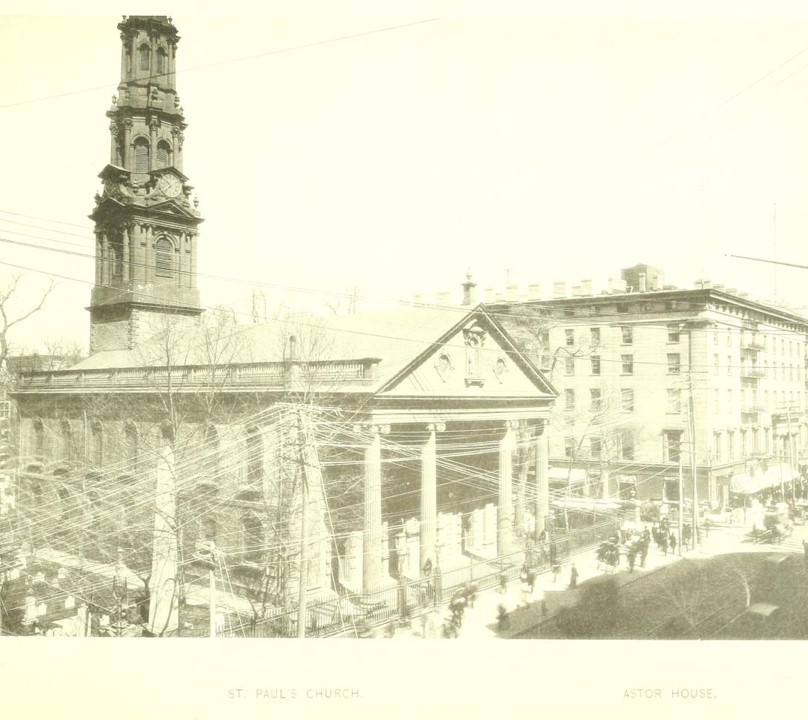
Wittemann, Adolph. Select New York. New York: A. Wittemann. 1889. Available from Internet Archive here. This book includes photographs of New York and almost all of them include a tangle of electrical wires…at the beginning of the electrification of the city when there was a lot of chaos and little standardization.

2018 07 ebook1.jpg

Wittmann, Adolph. New York: An Album of Photographs. Brooklyn: Wittemann. 1900. Available from Internet Archive here. The photographs have been tinted and there are no wires at all. Were the electrical conduits underground by 1900 or did the publisher manage to take them out of the photographs?

2018 07 ebook2.jpg
2018 07 ebook3.jpg

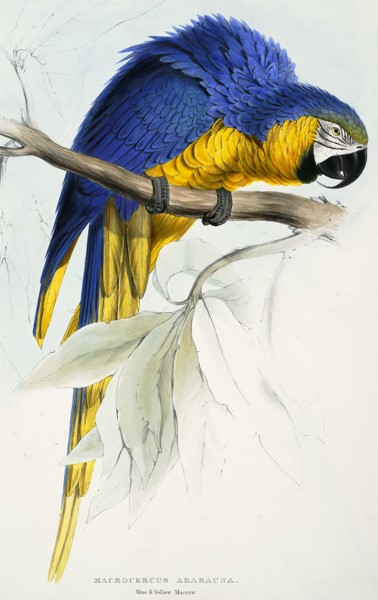
Lear, Edward. Illustrations of the family of Psittacidae, or parrots: the greater part of them species hitherto unfigured, containing forty-two lithographic plates, drawn from life, and on stone. London, England: E. Lear. 1832. Available from the Digital Library for the Decorative Arts and Material Culture here. I was surprised to find this book of parrot illustrations…but the same man that wrote the poem ‘The Owl and the Pussycat’ I remember from my childhood!

2018 07 ebook4.jpg

Wantanabe, Seitei. Seitei kachō gafu v. 2. Okura Mogabe, Toyko, Meije 23. 1890. Available from Smithsonian Libraries here. I enjoyed the Japanese artwork…like the type of nature photography I like to do. I wanted to be in the place seeing a bird walking in a wetland – perhaps it was early morning.

Gleanings of the Week Ending June 30, 2018

The items below were ‘the cream’ of the articles and websites I found this past week. Click on the light green text to look at the article.

The Mysterious Demise of Africa’s Oldest Trees - Yale E360 – Baobab trees that are over 1000 years old are dying quickly…and there is not yet a definitive explanation.

History and Seaports in Charleston : Image of the Day – I visited Charlestown a few years ago on vacation…this picture from the International Space Station brought back memories and provided a different perspective of the place.

Top 25 Birds of Europe – National Geographic Blog – Last week it was Africa…this week it’s Europe.

New study examines impacts of fracking on water supplies worldwide - GeoSpace - AGU Blogosphere – Maps make it easy to look at complex data in a visual way. My take away from these maps of water supply and shale basin areas is that Texas has a lot of shale in areas that are already under water stress….fresh water is already being consumed unsustainably.

BBC - Future - Why non-smokers are getting lung cancer – I’ve wondered about non-smokers and lung cancer. The numbers are not huge…but they are often diagnosed late and are, therefore, more deadly.

Seventeenth-Century Danish Latrines Analyzed - Archaeology Magazine – Diet and parasites from more than 300 years ago.

Move Over, Monarchs: Another Butterfly Makes a Longer One-Way Migration - Yale E360 – Painted Lady Butterflies from southern Europe migrate across the Mediterranean through the Sahara to tropical Africa!

Discover Landscape Architecture Activity Books – THE DIRT – There are activity books for younger students and then teens/adults. I am reading the adult version and then will try to apply some of the activities when I travel…encourage new appreciation of the as-built landscape architecture of the places I visit.

2018 Lotus And Water Lily Festival At Kenilworth Aquatic Gardens – My husband and I don’t go to the festival but we do go the Kenilworth several times in July…expect lotus and water lily (and dragon fly) posts soon!

Lives before and after Stonehenge: An osteobiographical study of four prehistoric burials recently excavated from the Stonehenge World Heritage Site – Lifestyle rather than ethnicity seems to determine burial practices in this instance.

Gleanings of the Week Ending June 23, 2018

The items below were ‘the cream’ of the articles and websites I found this past week. Click on the light green text to look at the article.

Civil War Battlefield ‘Limb Pit’ Reveals Work of Combat Surgeons – History from bones…a different perspective on the Civil War.

Seeing Through the Eyes of Your Camera | The Prairie Ecologist – A little photography tutorial….it’s great to understand your camera well enough to (sometimes) see more than you easily can with your eyes!

Forensic dentistry and how teeth are used to identify a person – Emerging technologies are making it realistic to identify a person from a single tooth.

What Americans Told Us About Online Shopping Says A Lot About Amazon : NPR – Shopping has changed so much….I like the change too.

Carbon Bubble About To Burst, Leaving Trillions In Stranded Assets Behind, Claims New Research | CleanTechnica – A thought provoking article about the inevitable transition from fossil fuels…and the value of these assets.

A new material capable of the adsorption of organic pollutants in water: The organomica C18-Mica-4 eliminates between 70 and 100 percent of these toxic compounds in less than 24 hours -- ScienceDaily – There are a lot of pollutants that the old style water treatment does not remove. I’m glad there is active research on increasing what can be removed from waste (industrial and sewage) water before it is released from the treatment facility.

 2017 set a new record for renewable power, but emissions are still rising — Quartz – I hope we can turn a corner soon – stabilize and then reduce emissions. Otherwise the future is a very different world. Many will not fare very well.

Age-related diseases may be a negative outcome of human evolution – In 1957, evolutionary biologist George Williams proposed a theory: adaptations that made species more fit in the early years of life likely made them more vulnerable to diseases in the post-reproductive years. This article is about some recent work investigating this theory in relation to brain development in humans.

Photography in the National Parks: Adding a Sunburst to your Sunshine – Getting up to photograph sunrise…some ideas to add pizzazz.

Top 25 Birds of Africa – I can’t resist including a ’25 birds’ post in the gleanings for the week.

Gleanings of the Week Ending June 16, 2018

The items below were ‘the cream’ of the articles and websites I found this past week. Click on the light green text to look at the article.

Reading habits in the past | Europeana Blog – When I travel, I tend to do most of my reading on my phone (light weight, easy to carry, and ambient light does not have to be good). It’s a recent development for me. This blog post goes back further in history.

Man against machine: AI is better than dermatologists at diagnosing skin cancer -- ScienceDaily – There are still limitations to the AI but it might be close to a tipping point to begin transitioning into system. It seems like it would be most in demand for screening where there were not highly trained dermatologists available….as long as the imaging technology was not tremendously expensive or hard to use.

BBC - Future - Is it really healthier to live in the countryside? – I thought it would be…but it’s complicated because so many factors contribute to ‘health.’

Mapping Modern Threats to Ancient Chacoan Sites : Image of the Day – Posts about places I’ve visited always get my attention. A study using satellite data and projections for population growth/oil and gas exploration in the area shows that 44 of the 123 known Chaco sites included in the study are threatened by development. Of those, 19 are already protected by the National Park Service.

Paper Art Details Similarities Between Human Microbiome and Coral Reef – Nature inspired art!

Researchers Grow Veggies in Space | The Scientist Magazine® - Progress in a technology required for longer space missions…and then colonies on other planets.

Schoolyard Habitats Provide Resiliency in Houston Independent School District : The National Wildlife Federation Blog – Schools in Maryland have similar projects. I hope the monarchs have shown up in Houston…I haven’t seen any in Maryland yet this year.

US Still Subsidizing Fossil Fuels To Tune Of $27 Billion | CleanTechnica – This post included more detail on what subsidies are…how the US compares to other developed countries.

Thank A Rare Fungus For The Sustainable Solar Cell Of The Future | CleanTechnica – It’s a beautiful color…if it really works, it won’t be ‘rare’ for long. It will be come a commercially grown fungus!

Bright warning colors on poison dart frogs also act as camouflage -- ScienceDaily – Learning a bit more about these little frogs.

Frederick County MD Gardens Open Day – Part 2

The next garden we visited on The Garden Conservancy’s Open Day last Saturday was Surreybrooke in Middletown, MD. Surreybrooke was a working nursery complete with hoop  houses…also the home of the owners for the past 4 decades. We walked through the succulent hoop house to get to the more private gardens around the house. I liked the lushness and color of the succulents they had.

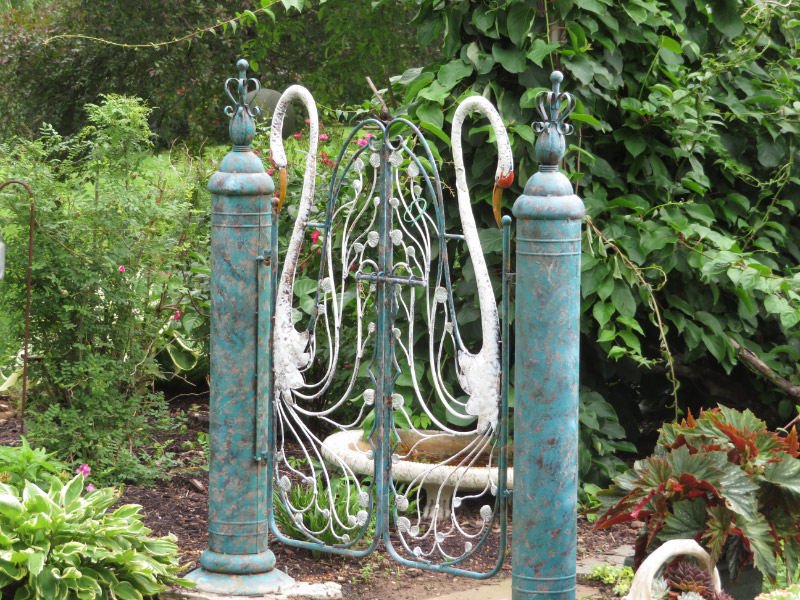
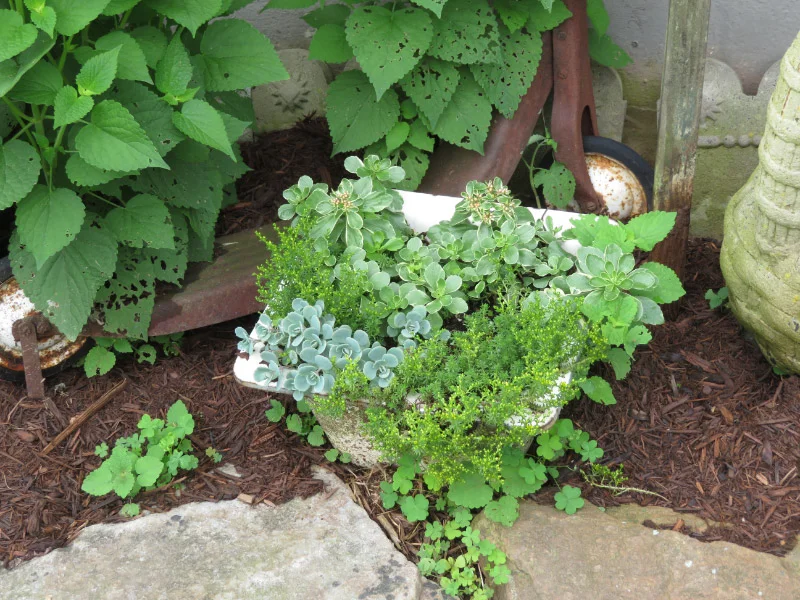
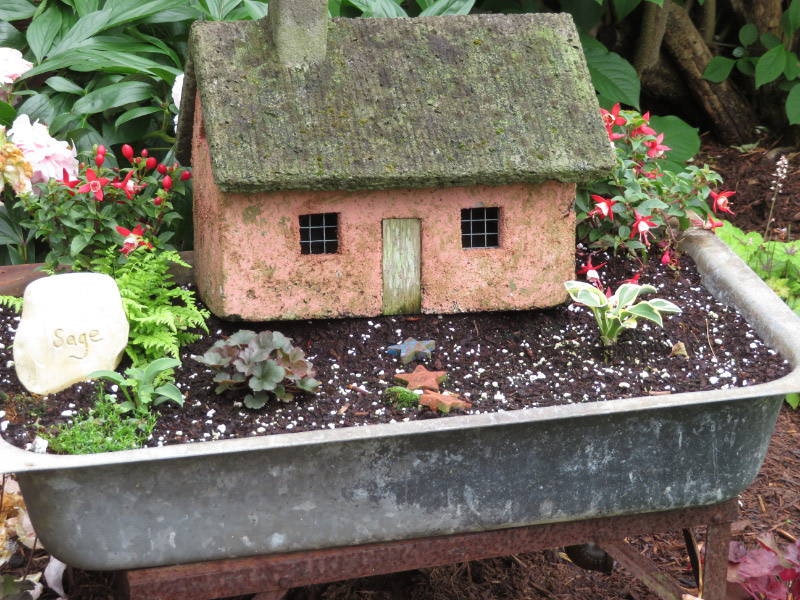
Garden art was everywhere in the plantings – a swan gate, miniature houses surrounded by plants, birdhouses, and many kinds of plant containers.

2018 06 IMG_1100.jpg

The owners have collected and moved old buildings such as the spring house – I love the ruggedness of the logs and the variety of chinking.

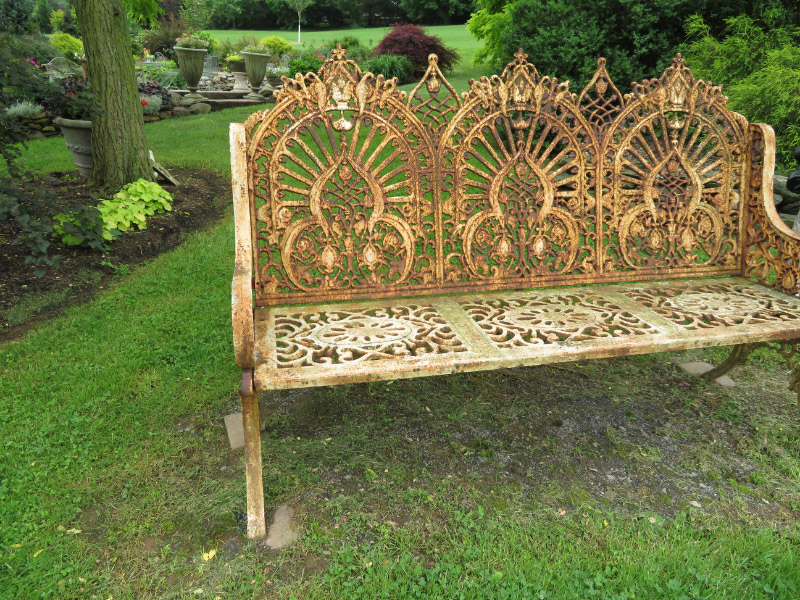
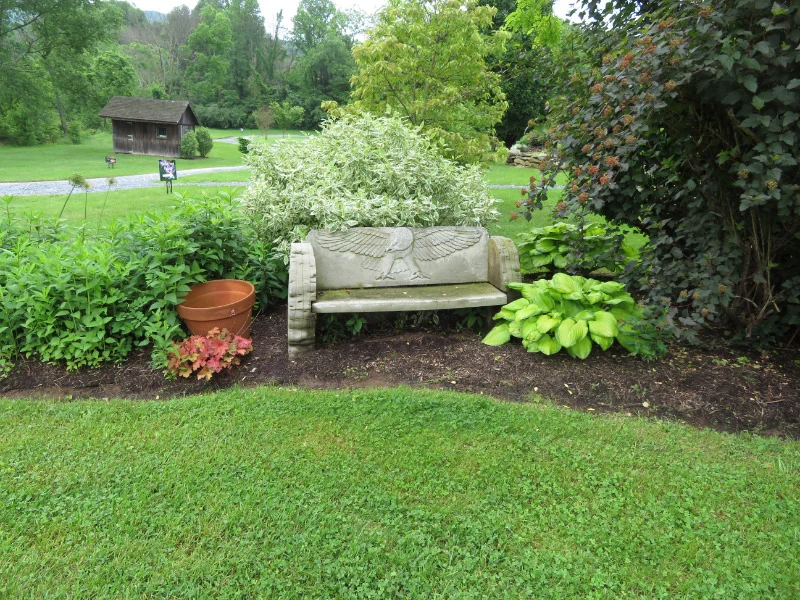
There were benches of a variety of materials, vintage, and design.

The grounds were soggy from the recent rain so stepping stones were much appreciated.

2018 06 IMG_1126.jpg

The high point for me at this garden was the Children’s Garden. There was a tree house with stairs not quite wide enough for an adult…and garden art among lush plantings. The toad houses and child-sized benches were functional…

The rest were whimsical.

The hedgehog stepping stones led to an outhouse….that still looked functional!

2018 06 IMG_1159.jpg

14 eBooks about Niagara Falls

2018 05 n1846.jpg

In May, I found lots of books about Niagara Falls on Internet Archive and I’m featuring 14 of them in this post. They are free – easily viewed online with the lines I’ve provided. The books are from a Canadian collection of books (Brock University) and range from 1843 to 1922. There were three from the 1840s – showing that it was a tourist destination early on. (1843, 1845, 1846)

There were already boats going to the base of the fall by the 1850s. (1852)

2018 05 n1852.jpg
2018 05 n1860.jpg

A book from 1860 provided a panoramic view of the Niagara River (with the falls at the top).

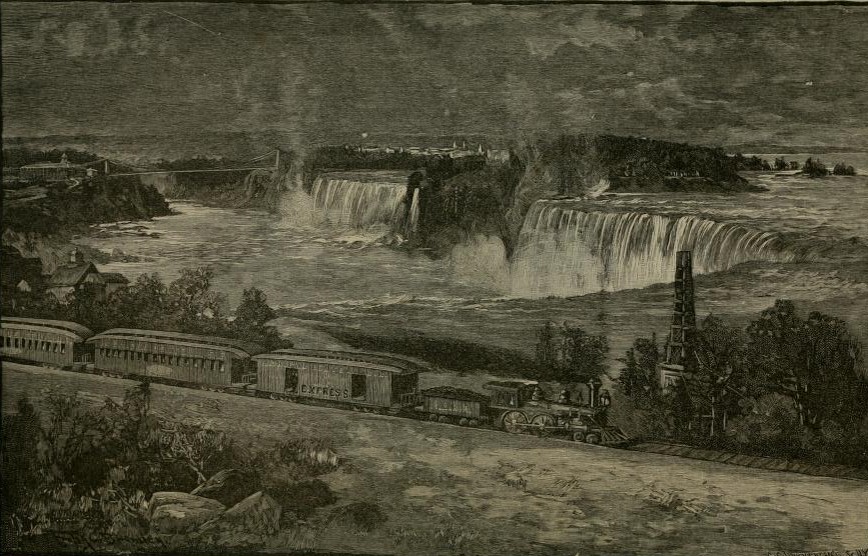
There were trains to be place by the 1880s (1884, 1888)

2018 05 n1884b.jpg

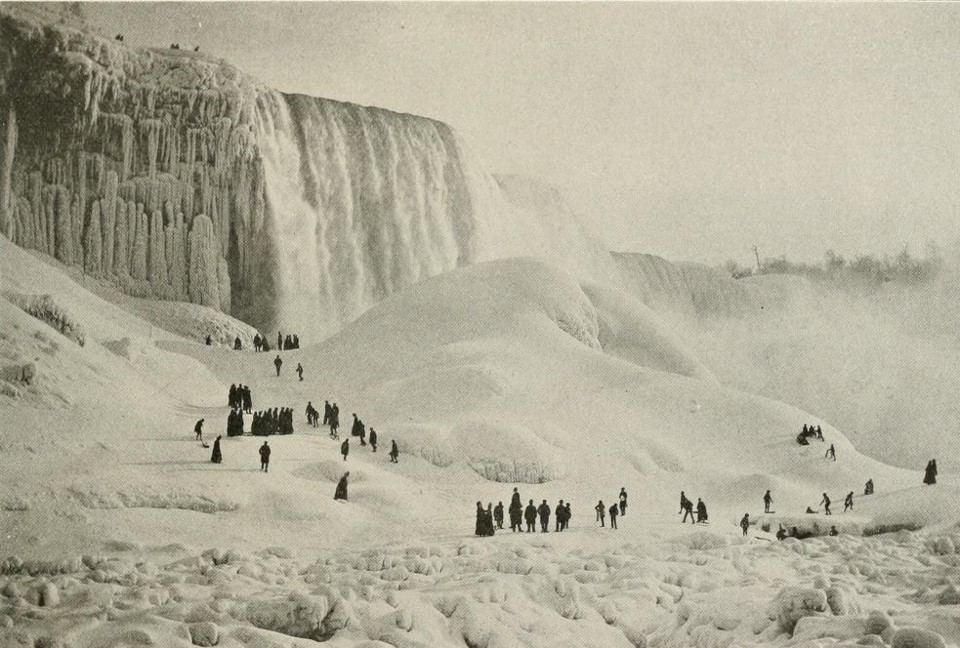
And there were visitors even in the winter by then too. (1884)

That continued into the 1890s. (1997, 1998)

In the first decade of the 1900s the boats were still popular….but there was a cable car too. (1900, 1901, 1910)

The last page of a book copyrighted in 1922 included an annotated map of the falls area that had been created in 1893.

2018 05 n1922.jpg

Gleanings of the Week Ending May 26, 2018

The items below were ‘the cream’ of the articles and websites I found this past week. Click on the light green text to look at the article.

The Secret Science of Shell Seeking – Shells and Sanibel, Florida. Hopefully the sea will not become so acidic that shellfish become less numerous over time.

Old sea ice continues disappearing from the Arctic Ocean | NOAA Climate.gov – Quite a difference in the amount of old sea ice between 1984 and 2018. It’s tough to be a polar bear or any other creature that depends on sea ice.

The secret to honing kid’s language and literacy -- ScienceDaily – Children need enough sleep, playing games, and time without distractions in the background as well as having books read to them…to encourage language and literacy development.

Compound Interest - The chemistry behind how dishwashers clean – The post didn’t address why glass becomes etched by dishwashers over time…so I was a little disappointed. Otherwise, seemed to cover the bases.

Twin Satellites Map 14 Years of Freshwater Changes: Image of the Day – Analysis of observations from multiple satellites to determine where freshwater is changing on Earth. One of the sources of data was GRACE (Gravity Recovery and Climate Experiment) that collected data through 2017. The follow-on was launched this past week (on May 22) - Meet NASA’s New Dynamic Duo: A Pair of Climate Change-Tracking Satellites | Smart News | Smithsonian

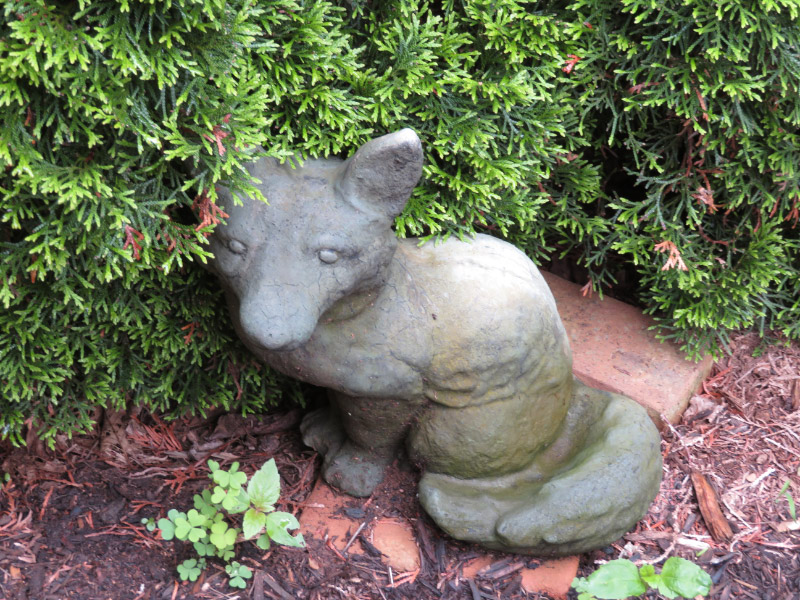
Fox Photos Capture the Diverse Personalities of the Wild Animals – We occasional see fox around – entering or leaving the forest behind our house. I’ve never managed to photograph one.

BBC - Future - Pain bias: The health inequality rarely discussed – I’m glad I am healthy….but wonder what will happen if I ever do need medical attention. This post is part of series from BBC Future about how men and women experience the medical system differently.

Climate change broadens threat of emerald ash borer -- ScienceDaily – Here in Maryland, our ash trees are dying now. Many have been cut down this year.

Buyer beware: Some water-filter pitchers much better at toxin removal: Study finds some purifiers remove twice the microcystins from risky water -- ScienceDaily – Evidently the slower filters (and often more expensive) do a better job.

Thomas Jefferson and the telegraph: highlights of the U.S. weather observer program | NOAA Climate.gov – A little history of weather observations in the US….the earliest being in the 1640s. Thomas Jefferson bought his first thermometer about the time he wrote the Declaration of Independence and his barometer about the time he signed it….and maintained records until 1816. George Washington also took regular observations….the last entry being the day before he died.