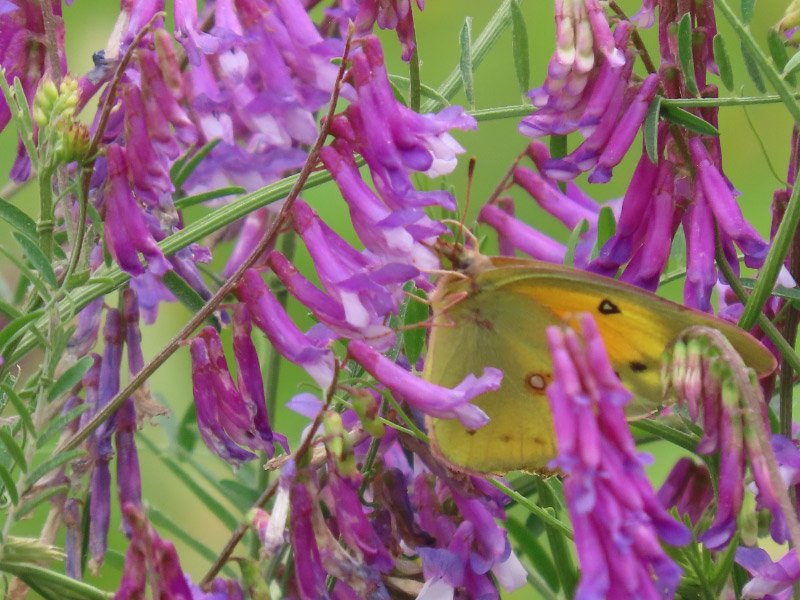
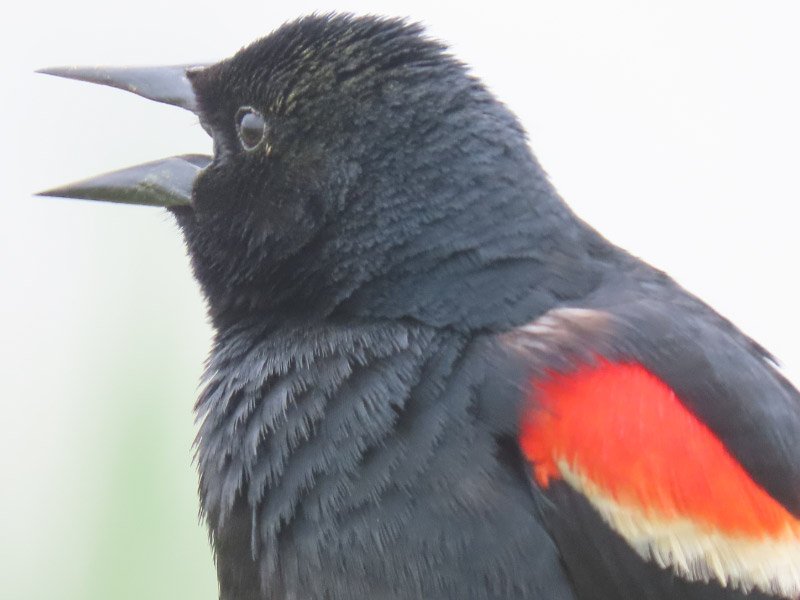
Barn Swallows

The barn swallow nest under our deck earlier this summer failed (not sure what happened) but the second nest built above the deck on a brick wall visible through the glass paneled door to the deck appears to be successful. We avoid going out on the deck since the whole flock of swallows gets agitated and dive bombs into the area to protect the nest. Sometimes they get upset even if we go out on the floor below or are out in the back yard. My husband has set up a tripod and is capturing their antics through the glass door!

The adult birds come to feed their young. Note how the adult’s tail is used to stabilize its perch on the nest surface. The young are scruffy looking but feathers are beginning to appear.

Only 4 days later and the nest is overflowing with the 4 babies. They are beginning to look more like the adults…less down, more feathers. And they are always hungry.

My husband is already talking about what we will do once the young fledge and the nest is no longer occupied. There is a pile of bird poop below the nest…that will be the first to go…and then we’ll remove the nest itself. (reference: https://www.fws.gov/story/nuisance-swallows)

Macro in the Garden

My garden plot has done reasonably well for its 1st season. I am letting all the wildflowers bloom and make seeds. The bulbs will hopefully be more robust next year too. The plot has been a joy to see at every stage – a reward for my efforts to plant and keep watered.

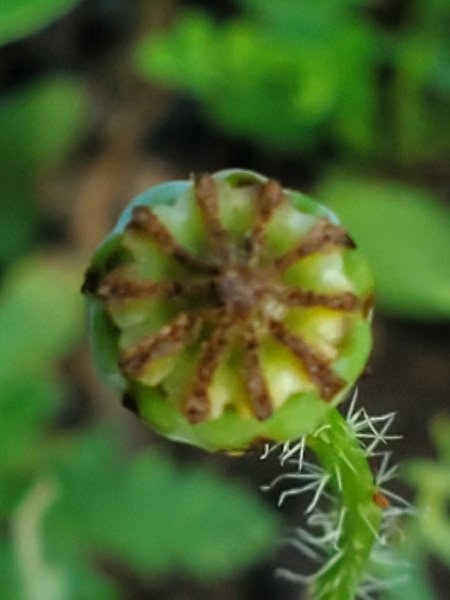
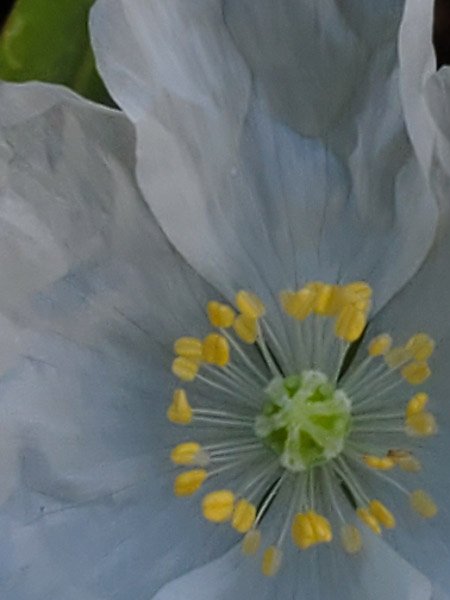
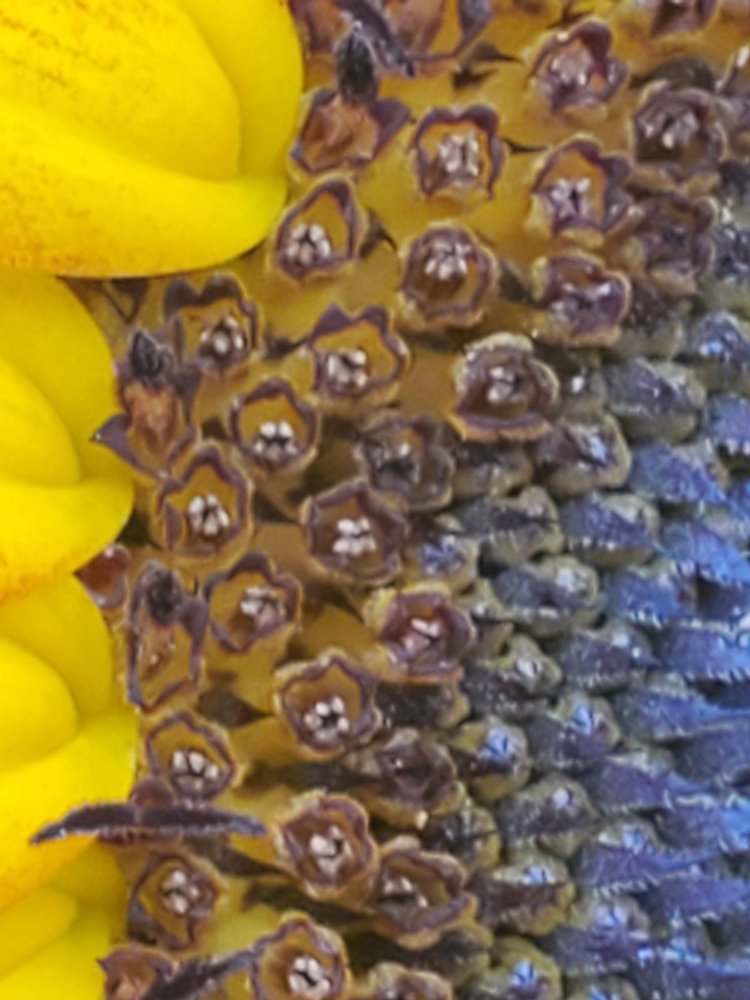
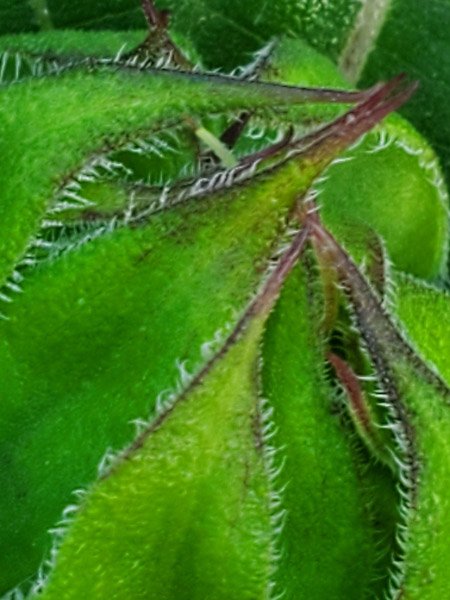
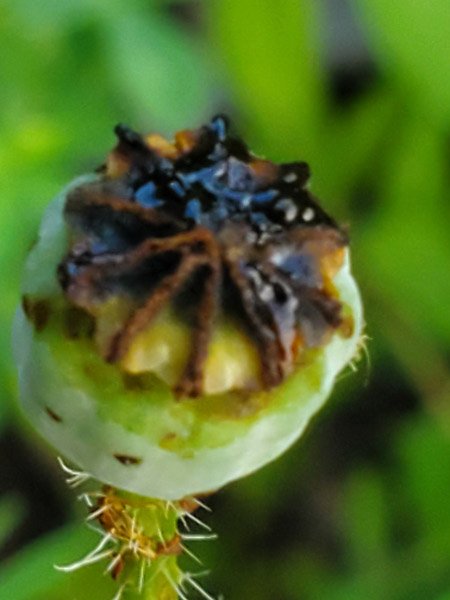
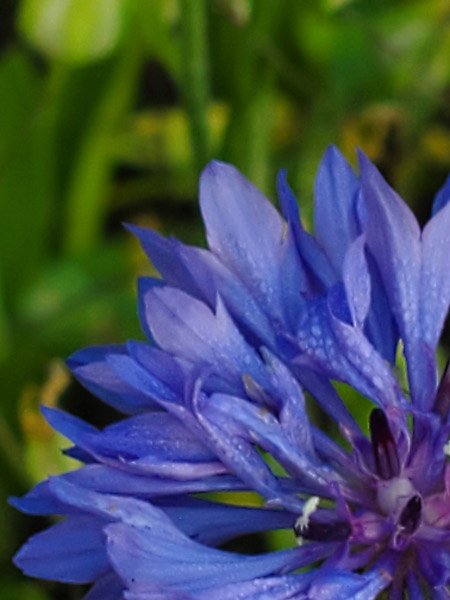
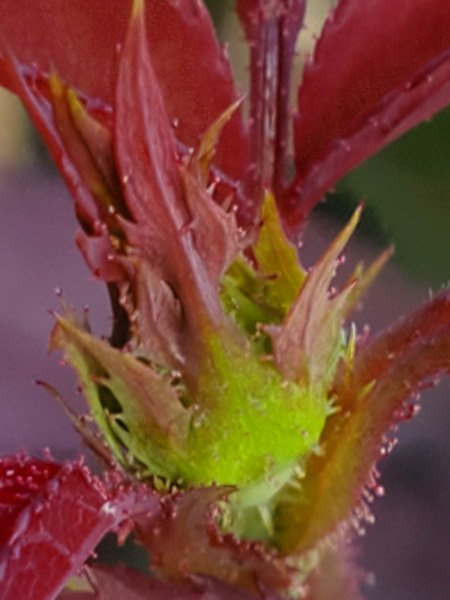
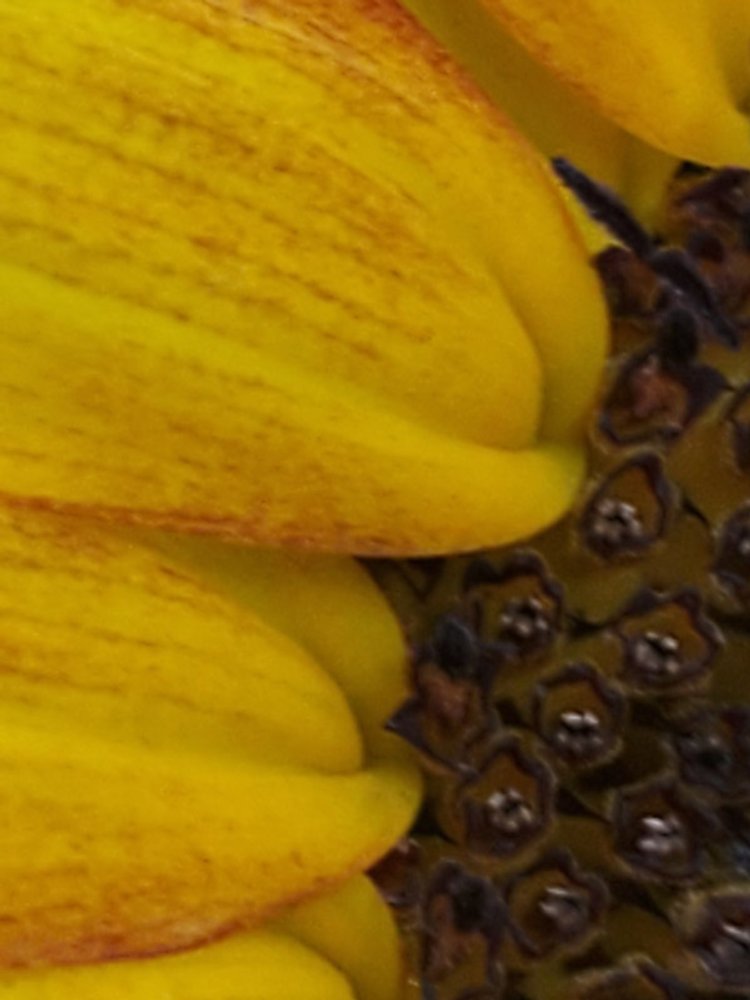
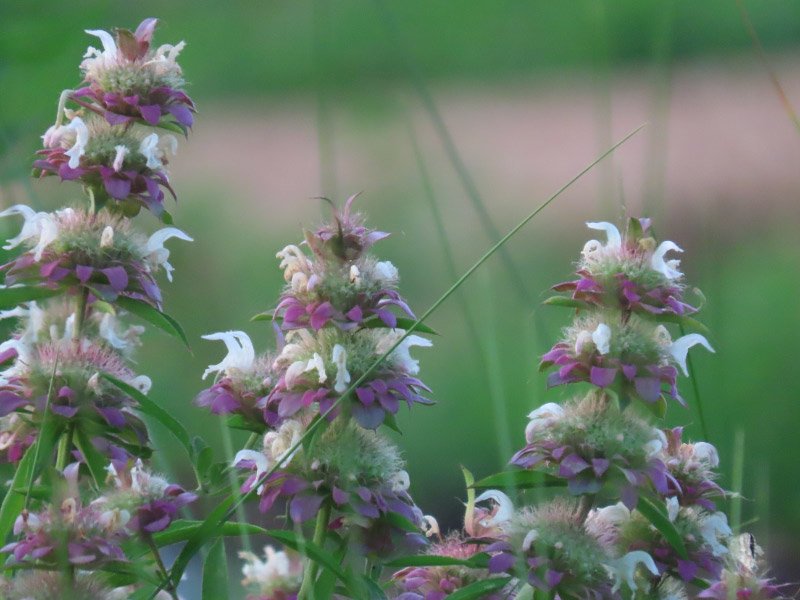
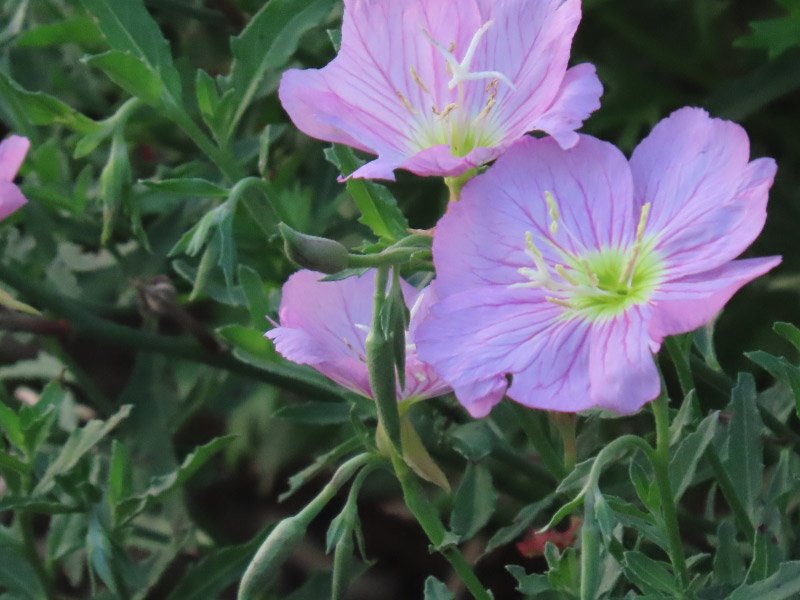
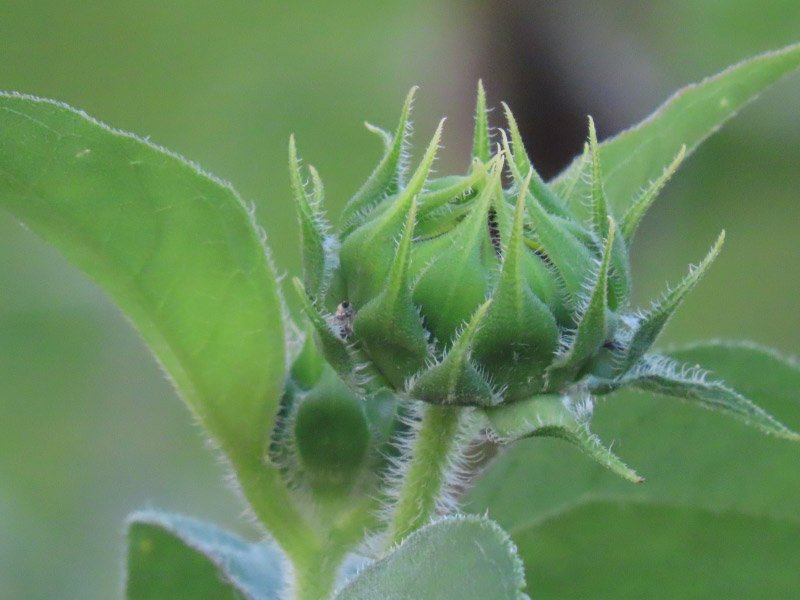
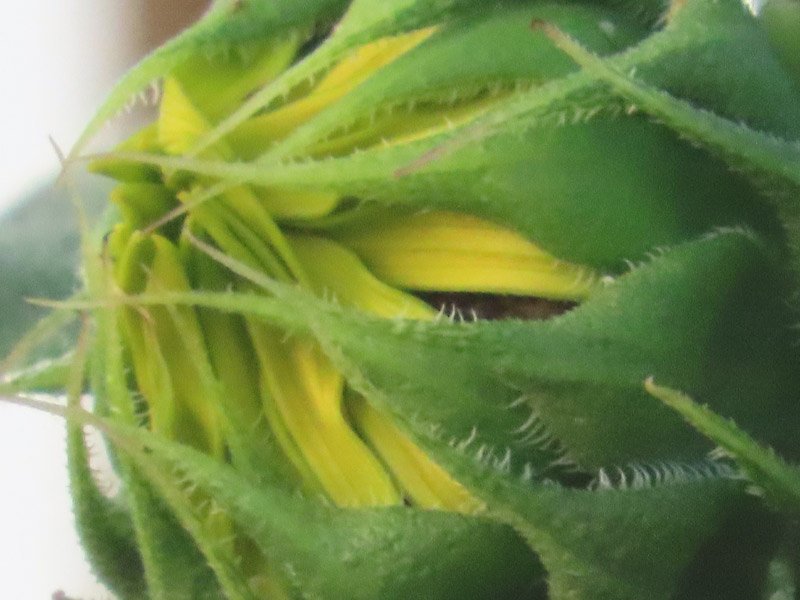
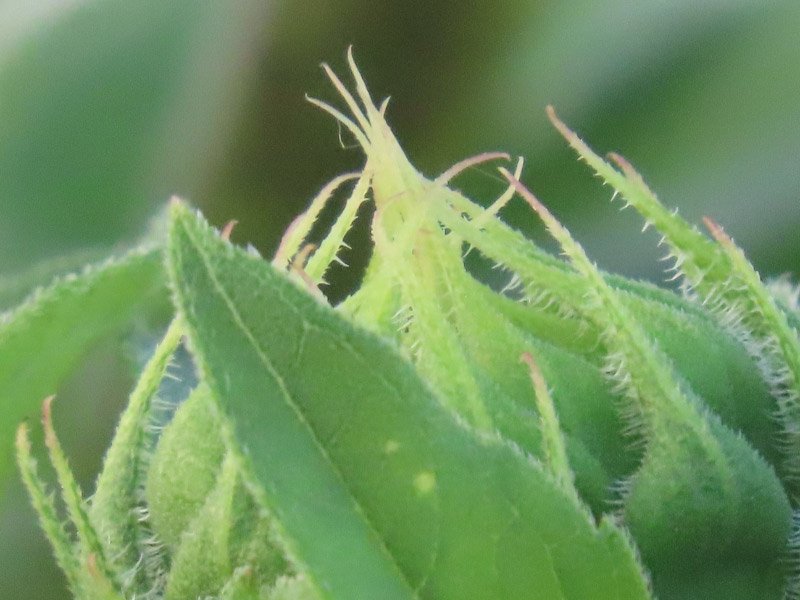
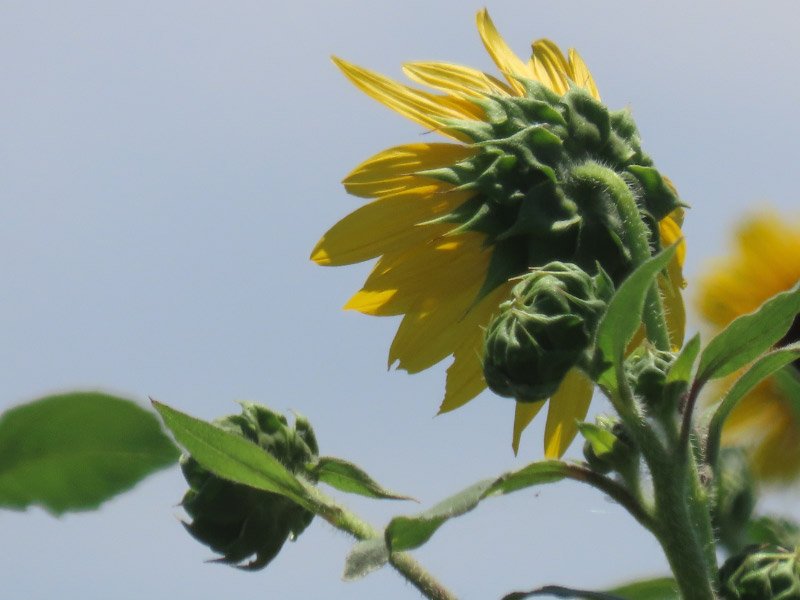
The added benefit is the variety of plants for macro photography (using Samsung Galaxy S10e phone). My goal is to make the rounds at least once a month since the plants change throughout the season. The highlights this month are the poppies making seeds and the sunflower just beginning the process. The red leaves are a rosebush next to the patch of wildflowers and bulbs.

Next to the wildflower garden, I have a vine of miniature pumpkins. There are three that are getting  bigger every day.

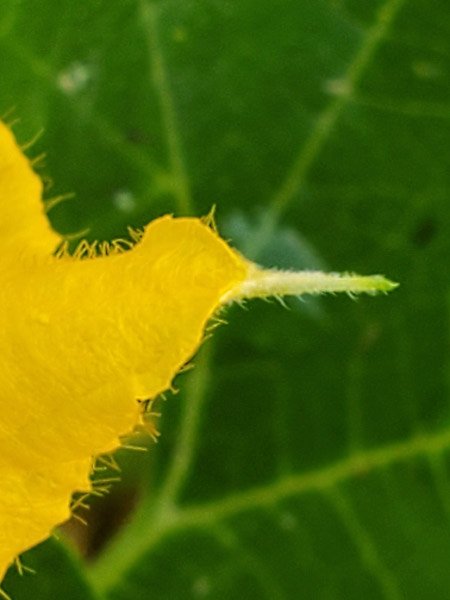
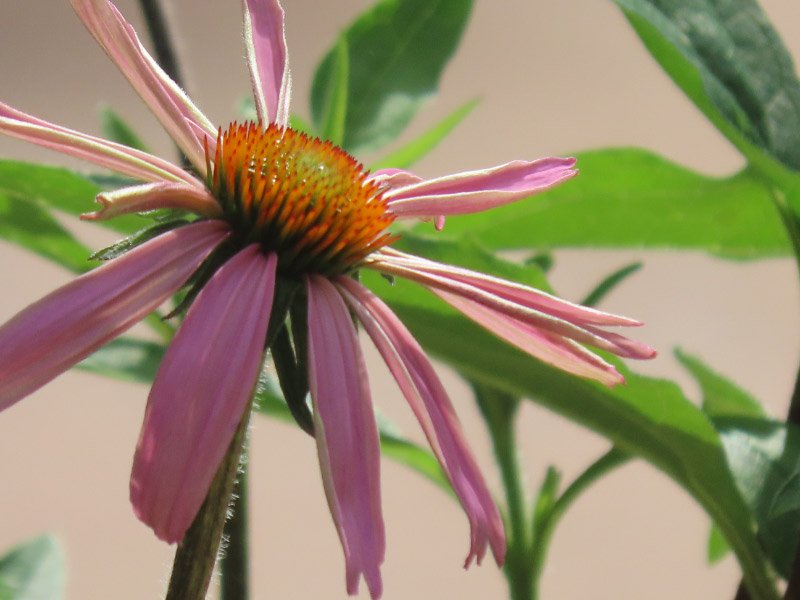
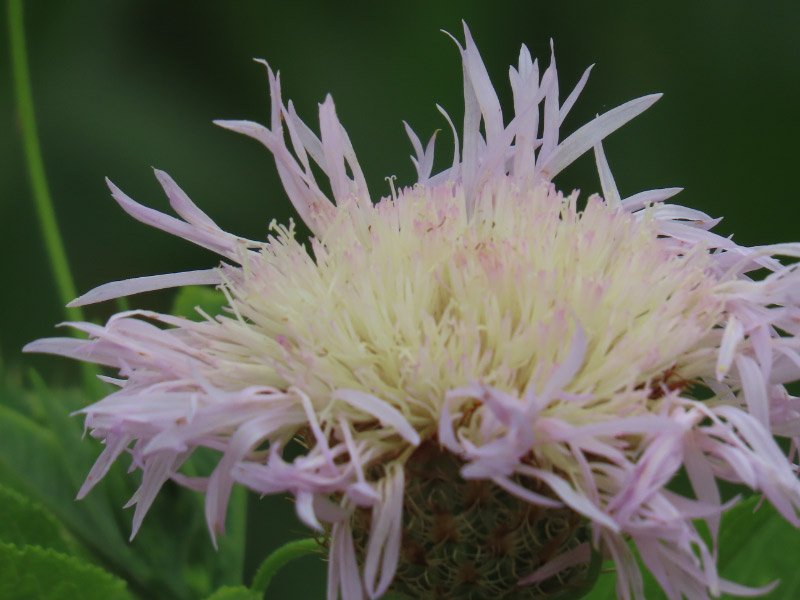
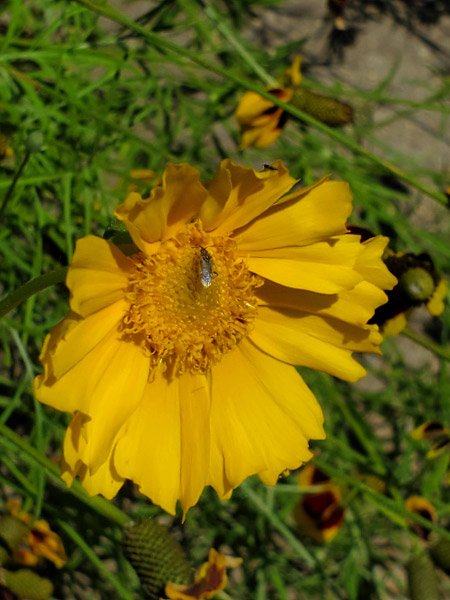
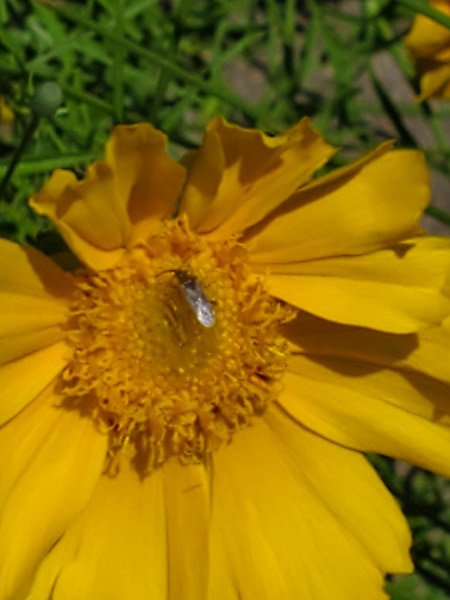
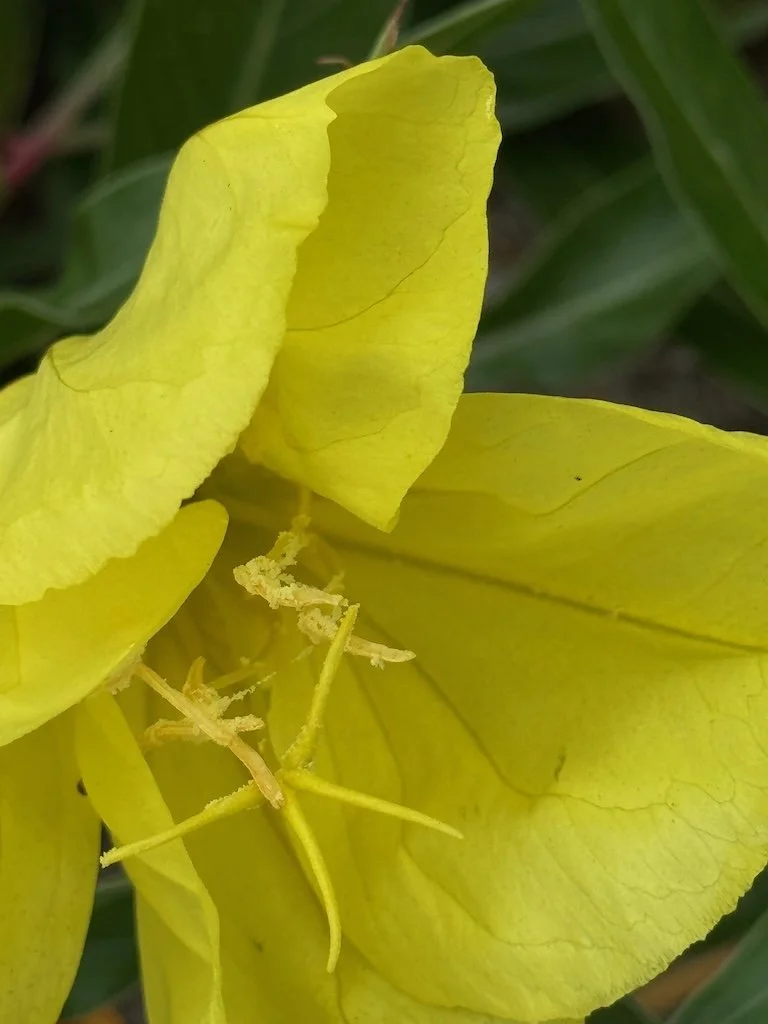
I noticed that the petals of the showy flowers have spikes at the tip that shortens as the petals unfurl. When I first started looking at the flower, I noticed some small insects were there. I wondered if they were pollinators; then a black carpenter bee came, and I switched to video mode. Clearly the carpenter bee was the pollinator!

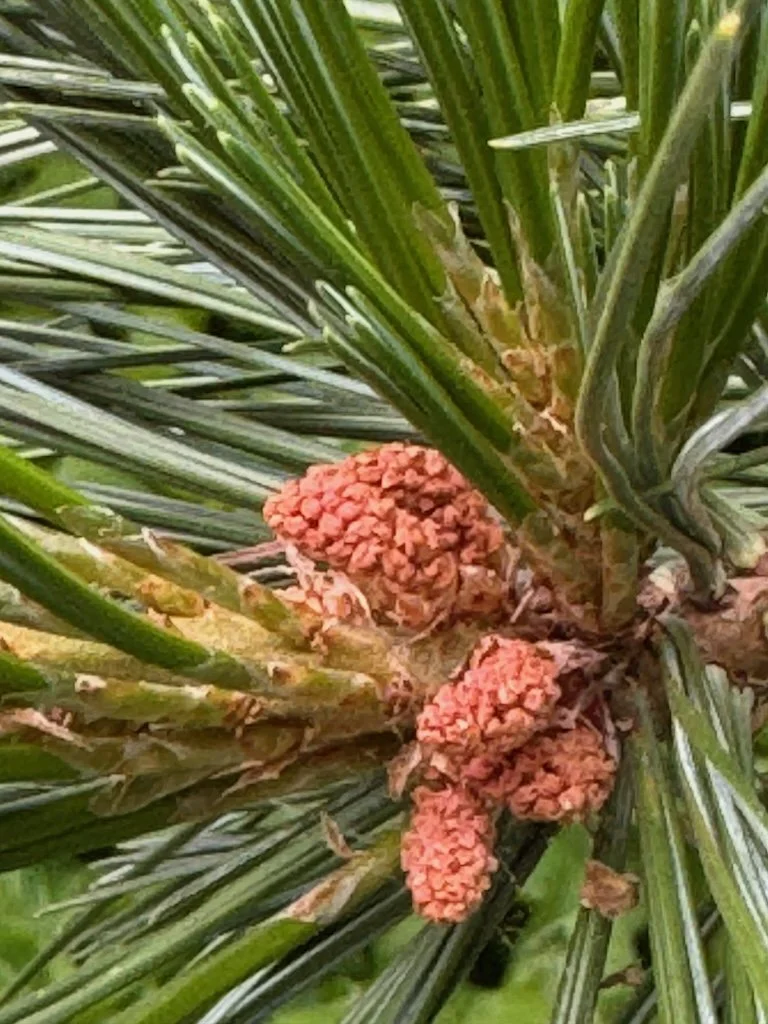
In the front yard – there were three types of mushrooms growing where the large tree was cut down well before we saw our house; I know it was there because of the depression and general bumpiness caused by the decaying roots. The most numerous mushrooms this time were white blobs pushing up out of the grass.

In closer looks – they remind me of toasted marshmallows!

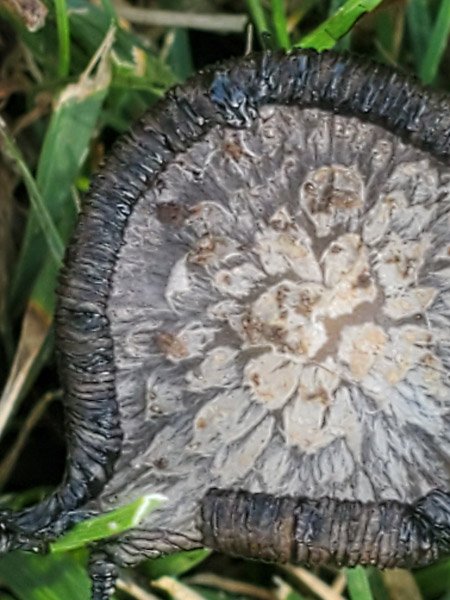
The second type was darker and still had rolled edges. They had previously been the most numerous kind I’d seen in the area…but not this time. I wondered if there is a fungi succession when it came to tree stumps/roots.

The third type was a single specimen….more delicate looking than the others. I see it elsewhere in the yard.

 The macro world….easier to observe with my phone in hand!

Our Missouri Neighborhood – July 2023

July has been hot…though not as hot as Texas. I’ve appreciated being home. The month started dry but then suddenly we got 2 inches of rain in 2 days after teasing with clouds and forecasts for rain that didn’t materialize. We have a good vantage point for the sunset over the neighborhood pool house from our patio.  

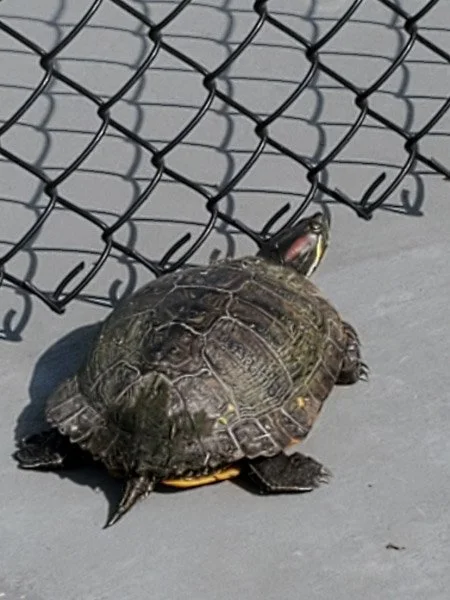
I saw a large red-eared slider on the move across the neighbor’s yard behind our house; it appeared to be moving in the general direction of the ponds. By the time I got out of the house with my phone for the picture, the turtle was at the tennis court…and quickly discovered the fence barrier. I noticed that the back of the turtle appeared wet; I wondered if it (she?) had been laying eggs – maybe in some damp, mulchy place. I assume the turtle managed to get back to the pond; I didn’t stick around in the heat of midafternoon.

About a week later I walked out into the eastern side of our yard to photograph the sunrise from two perspectives over neighbors’ houses.

More recently I took a morning walk around the ponds. We have more Purple Loosestrife that ever this year at the edge of the ponds….which is not a good thing since the state says it is “a noxious weed in Missouri and should be removed as quickly as possible.” Maybe it takes some finesse to remove it with propagating it? I hope eventually we’ll eradicate it and plant something native – like buttonbush (one of my favorites).

Note that the second picture (above) is near the willow tree…the one that had grown around a stake. There seem to be more plants around the base of the willow this year than I noticed last year.

Asian honeysuckle – another non-native invasive plant – is also growing in clumps around the pond. I wonder if there are children that pull the flowers to taste the nectar? I remember doing that as a child…and taught my daughter to do it too!

There are maple seedlings that are growing in the areas that don’t get mowed and a small clover hill that is full of blooms even with the occasional mowing.

I tried an artsy picture of the sun glint on the water silhouetting the shore vegetation. It looks like a picture that could have been taken at night!

Bullfrogs are some of the more recognizable sounds at the pond. It is harder to see them. This one was under one of the loosestrifes. I heard another one not far away while I was photographing this one.

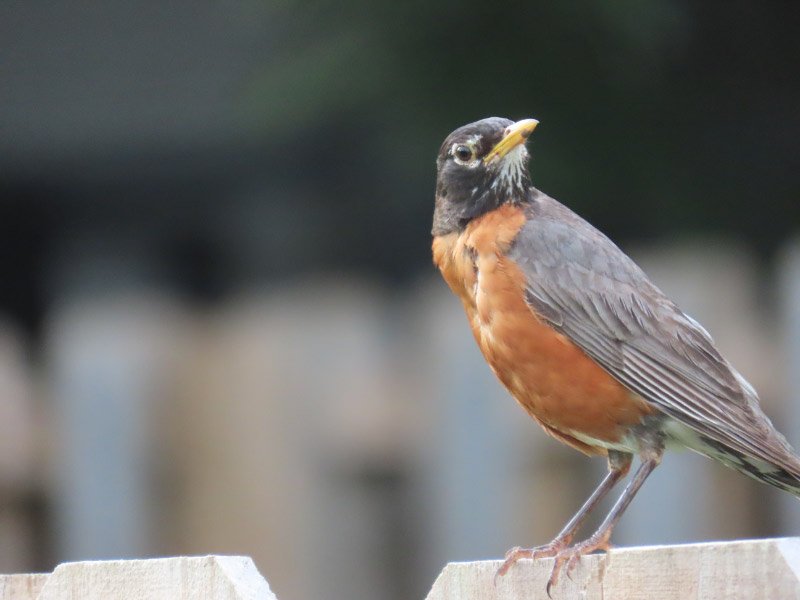
As I headed back to our gate, I saw a robin on our fence…observing me!

July is a great month to be outdoors in the morning…but the afternoons have been stifling – good time to be indoors with air conditioning.

Gleanings of the Week Ending July 22, 2023

The items below were ‘the cream’ of the articles and websites I found this past week. Click on the light green text to look at the article.

The ground is deforming, and buildings aren’t ready – Underground climate change in urban areas where heat islands underground cause enough expansions and contractions to damage building foundations…particularly in older buildings.

How noise pollution impacts nature – A study out of Vail, Colorado, showed that increased trail use by hikers and mountain bikers disturbed elk so much the cows birthed fewer calves. Another out of Grand Teton National Park showed that backcountry skiers scared bighorn sheep during winter when food was scarce, with potentially lethal consequences.

Hospital understaffing and poor work conditions associated with physician and nurse burnout and intent to leave - The study from the University of Pennsylvania School of Nursing found that physicians and nurses, even at hospitals known to be good places to work, experienced adverse outcomes during the pandemic and want hospital management to make significant improvements in their work environments and in patient safety. The solutions to high hospital clinician burnout and turnover, they say, are organizational improvements that provide safe workloads and better work-life balance NOT resilience training for clinicians to better cope with adverse working conditions.

The simple ways cities can adapt to heatwaves – Heat monitoring and planning is become more important for cities…the climate emergency in cities is a health emergency.

New biodegradable plastics are compostable in your backyard – New plastic made from blue-green cyanobacteria that isstronger and stiffer than previous plastics from the same raw ingredient. They can be recycled…but also degrade rapidly in the environment.

Giant Hand Axes Discovered in England Point to Prehistoric Humans’ ‘Strength and Skill’ – More than 300,000 years old perhaps from an interglacial period. Early Neanderthal people inhabited Britain then…and maybe other archaic human species too.

Germs, genes and soil: tales of pathogens past – DNA sequencers and powerful computational tools…applied to ancient microbes…probing their role in human history. This article describes how the work is done, ethical considerations…using examples of what has been accomplished so far. The field of archaeogenetics is just beginning.

Back from the Dead: New Hope for Resurrecting Extinct Plants – There is a global effort to digitize herbaria specimens which had helped identify holdings of extinct plants…sometimes finding seeds. And then the challenge is how to best attempt to grow old seeds.

Pain risk varies significantly across states – Pain due to arthritis varies geographically in the US – with the moderate to severe pain being 23% in West Virginia vs 7% in Minnesota.  There is also a difference between people that did not complete high school…and those who obtained at least a bachelor’s degree – with the delta being greatest in West Virginia, Arkansas, and Alabama. There is a need to focus on the macro-level policies (i.e. generally at the state level) while continuing current individual interventions.

The Acropolis Adopts Crowd Control Measures for the First Time – The post-pandemic travel surge is overwhelming at some places – including the Acropolis!

Lake Springfield Meadow – July 2023

Earlier this month, my husband and I headed over to the Lake Springfield boathouse for some photography of the meadow.

Before we walked to the meadow, we looked around the boathouse itself. The American lotus is blooming in the shallow water near the boathouse,

The plantings of native flowers in the beds around the structure, and

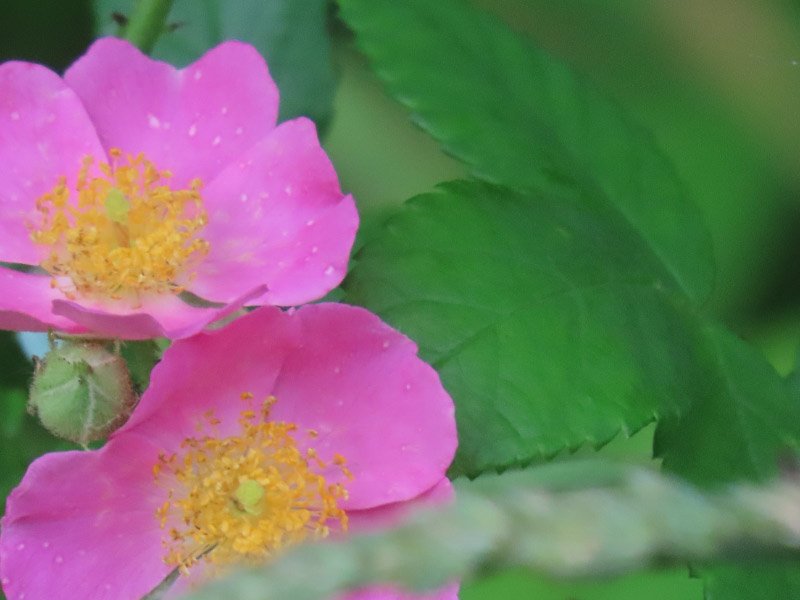
A non-native, invasive rose is growing at the edge of the forest.

The Purple Martin houses are still full and there appeared to be a young one in the grass…still being fed by the adults but also beginning to fly about as well.

Summer flowers are beginning to bloom profusely in the meadow.

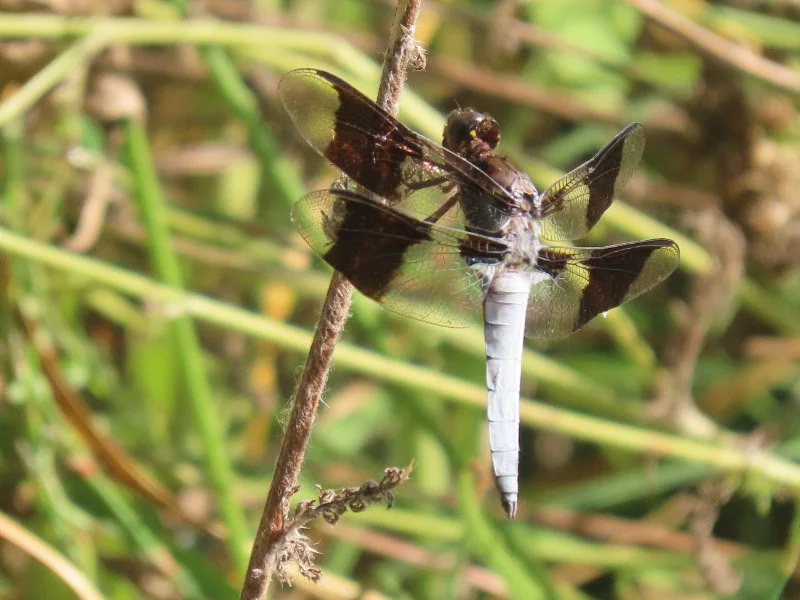
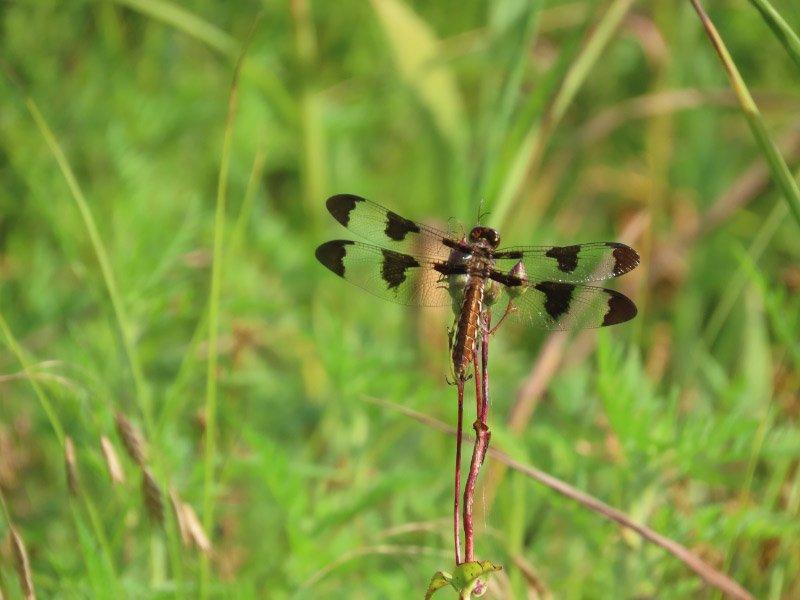
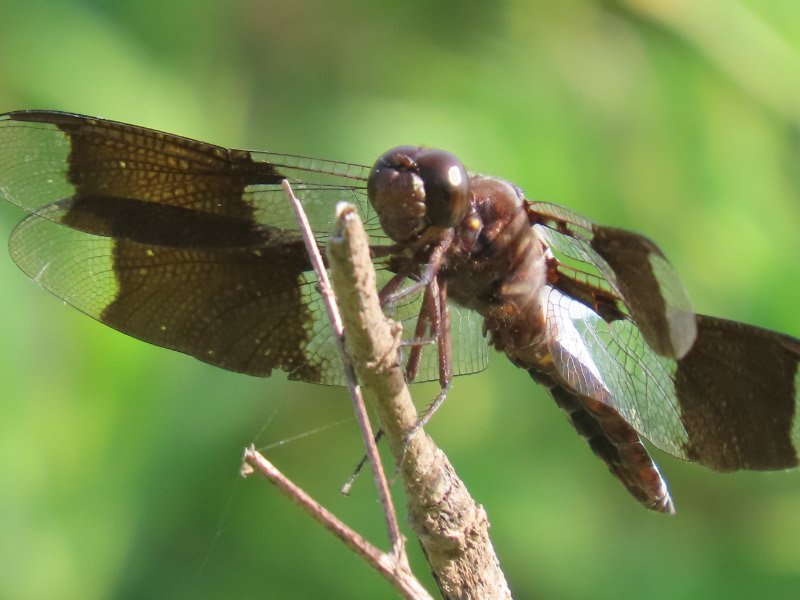
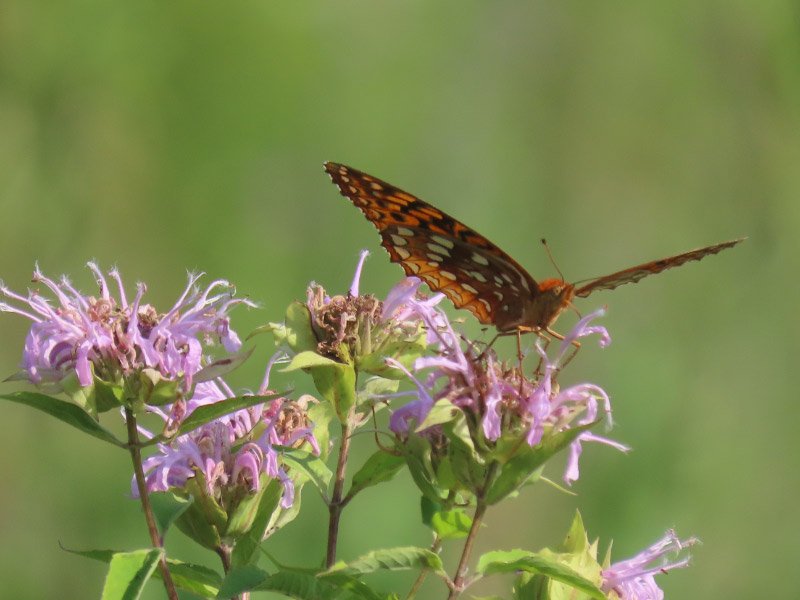
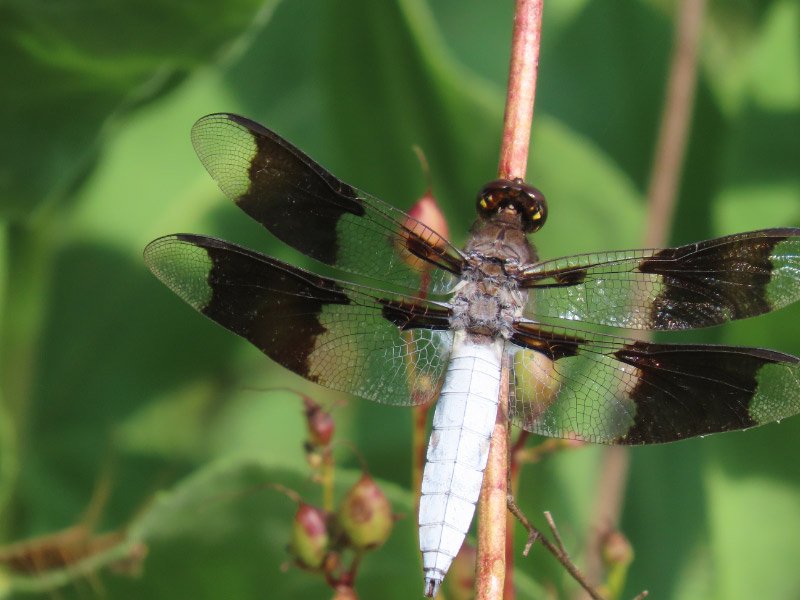
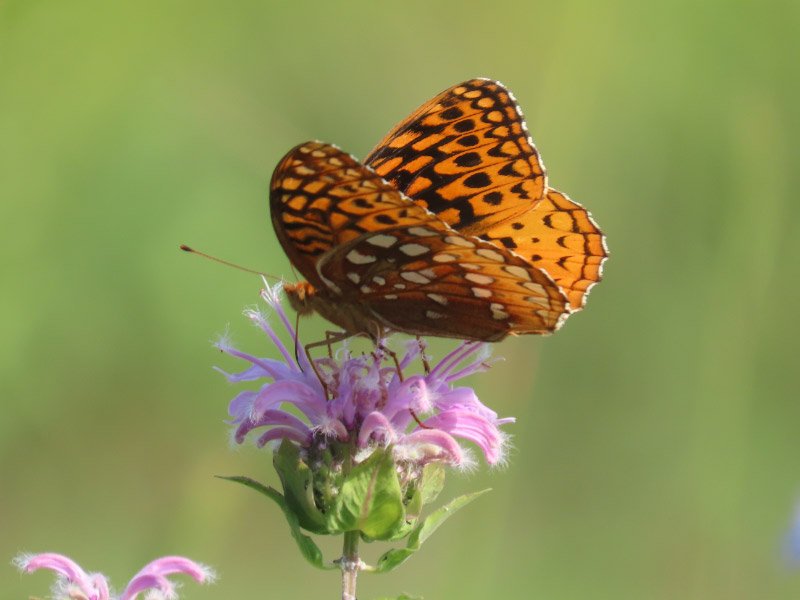
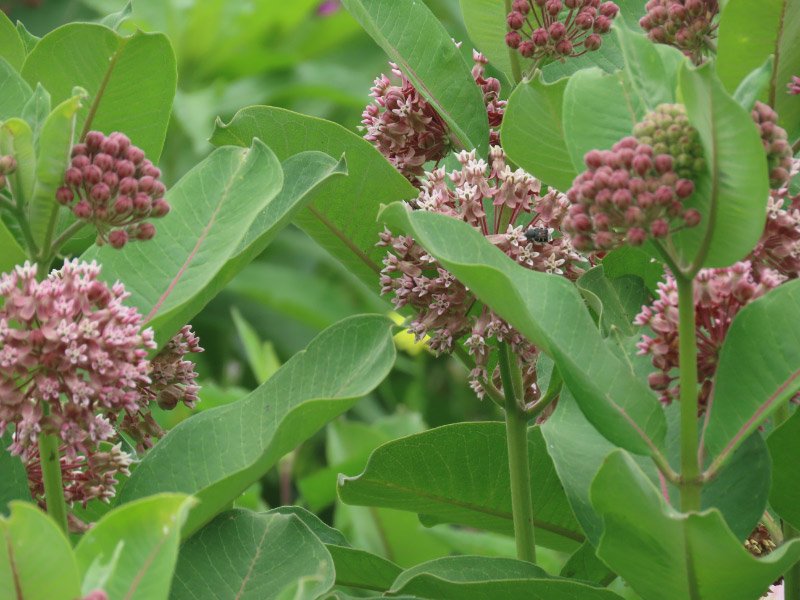
There are lots of insects in the meadow too; they present a little more challenge to photograph. This month I photographed bees, butterflies, and dragonflies. The dragonflies and butterflies were intentional; I waited until they were posed. Milkweed in bloom is impossible to photograph without bees; I am including the picture that had two well positioned bees – selected from many images where they weren’t. I couldn’t resist the bumble bee butt image…a zoomed picture of a flower that a bee just happened to be flying over!

As usual, the meadow is an active place and there is always something to photograph. In August, I’ll be looking for grasshoppers!

St. Louis Zoo

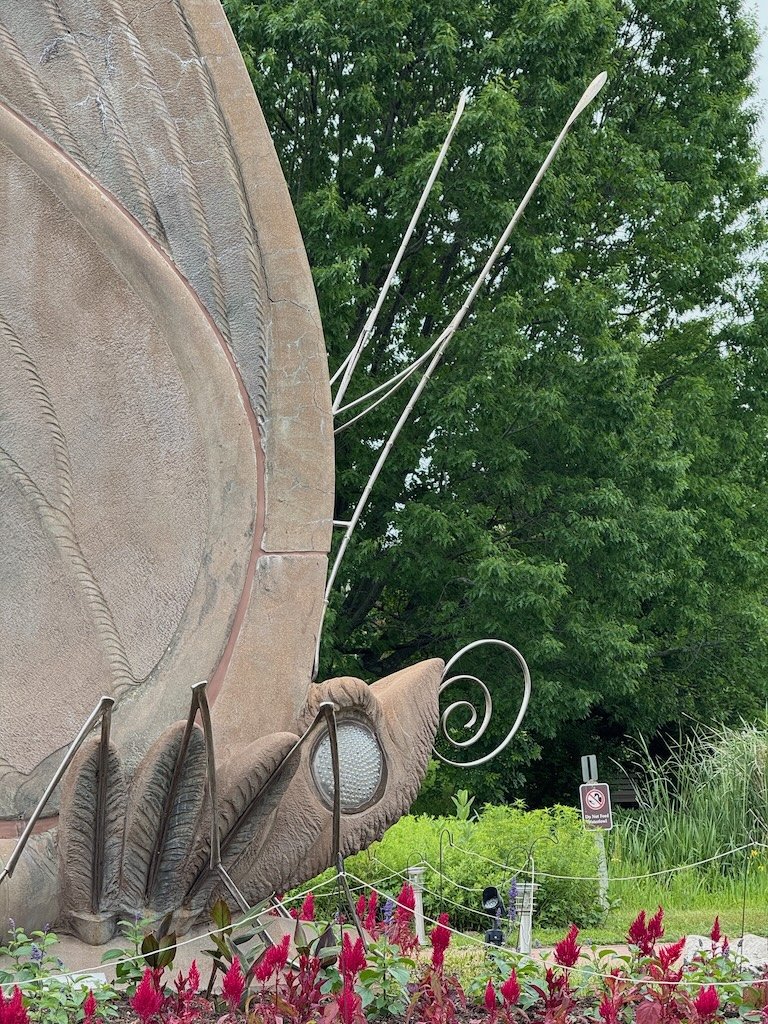
After our visit to the Jewel Box, we spent the rest of the day at the St. Louis Zoo. We parked in the south parking lot and noticed the animal sculptures as we made our way to the bridge that leads to the zoo entrance.

The giant tortoises were out and the smallest one was moving about. I noticed one of the larger ones had a hole in its shell; was this tortoise shot at some point in its long life?

The Reptile House was one of our early stops beginning a big loop around the zoo (starting up hill first). The lizard peeking out of a tree in its habitat was one of my favorites.

At one of our first breaks, there were large catalpa trees with the long seed pods still green. It was good to see healthy catalpa trees again; my maternal grandparents had catalpas around their home and business in the 1960s --- seeing the trees triggered fond memories.

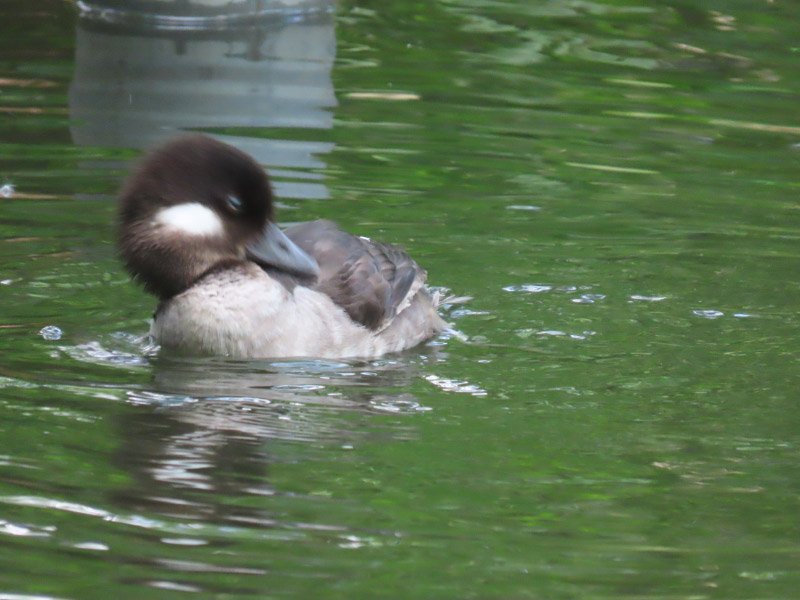
The Flight Cage is the oldest part of the zoo; it was built for the 1904 World’s Fair. There were quite a few birds in the large mesh-enclosed area.

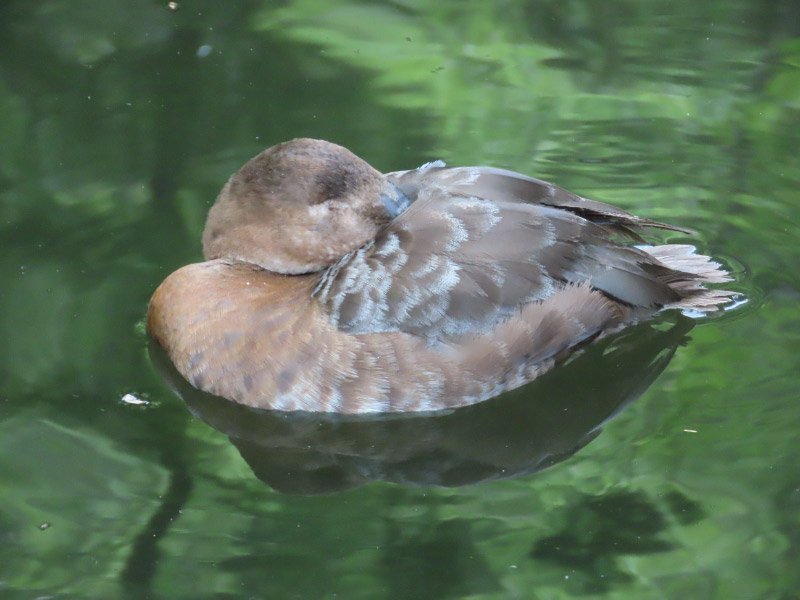
One of my favorites was a wood duck. Was the eye injured or is that just the way a wood duck eye looks when it is closed/half open?

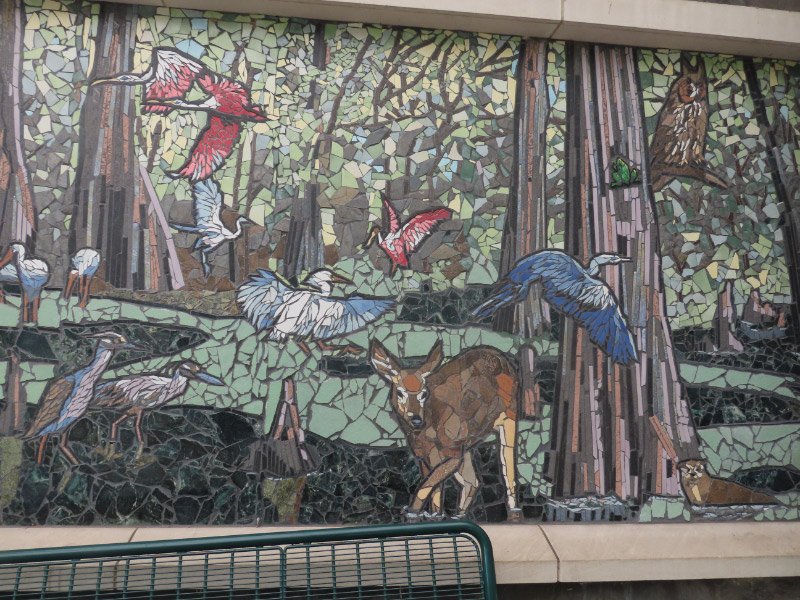
Leaving the flight cage – there are mosaics of natural areas.

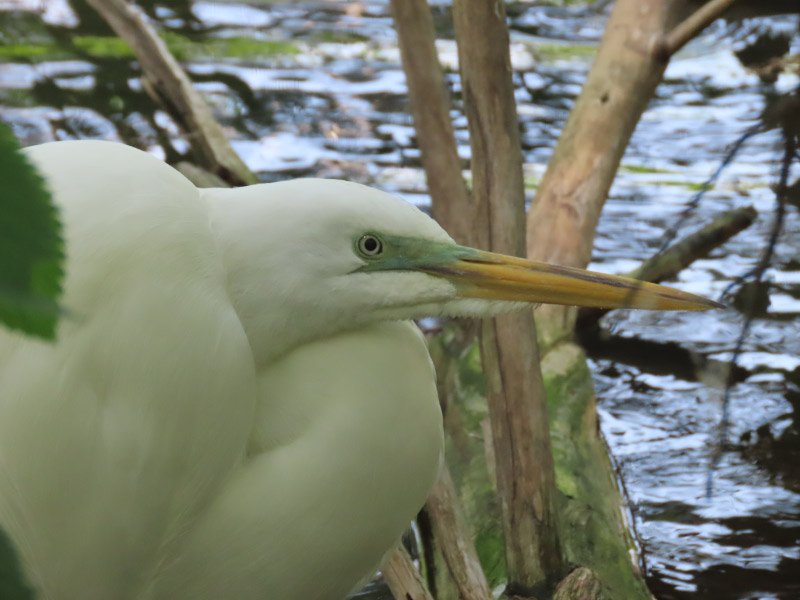
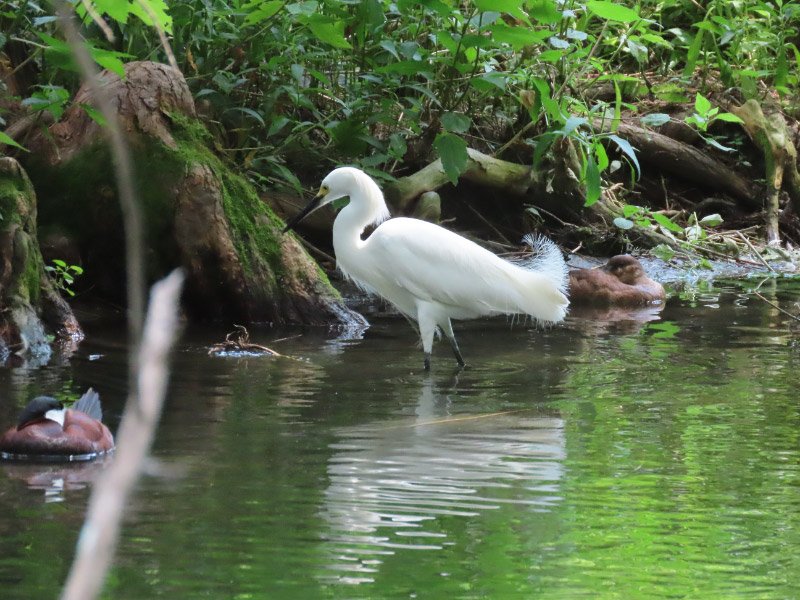
Cranes were in habitats with other animals. I enjoyed getting different views of the one bird as it was feeding.

In the big apes area, my camera’s zoom managed to get a gorilla in the back of the habitat…looking serious and scratching his brow.

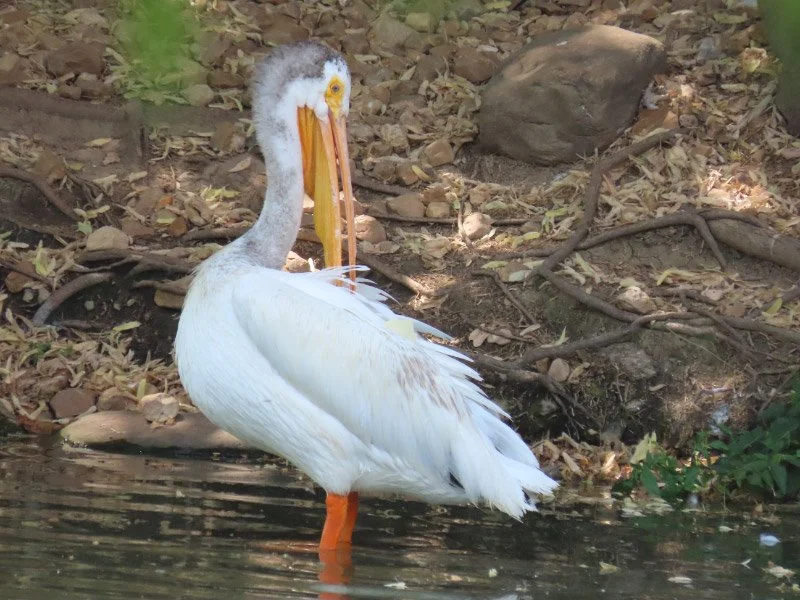
Flamingos and other water birds enjoy lakes with islands at the zoo…visible but able to get further away from noisy crowds. The pelicans are rescued birds (i.e. are birds that have a significant enough injury that they couldn’t survive in the wild).

I enjoyed the ways the zoo uses nature themes in their structures….and that they have solar panels too!

There is a carousel. It looked to be well-maintained but not busy when we were there (hence the pictures).

Of course – there is also ‘wildlife’ in the zoo that just finds the zoo a good place to be!

We enjoyed the people watching as much as the animals at the zoo. Some children obviously were locals familiar with the zoo and enthusiastically making their way to their favorite exhibits…couples with babies in strollers (with visions of the time their child would be old enough to make requests)…families clearly on vacation…older people – sometimes with grandchildren, sometimes as couples or small groups using the zoo as an interesting (and safe) place to walk.

It was a hot day and by about 3 PM we were ready for a cool down. We retreated to our hotel for a few hours before walking to a Lebanese restaurant for an early dinner. It was a day well spent.

Gleanings of the Week Ending July 15, 2023

The items below were ‘the cream’ of the articles and websites I found this past week. Click on the light green text to look at the article.

See the Rancid, Blooming Corpse Flowers Attracting Hundreds in California – Seeing pictures is good enough for me!

Global diet study challenges advice to limit high-fat dairy foods – Some dietary advice is more impactful that others. New studies show that dairy, particularly whole fat, may protect against high blood pressure and metabolic syndrome.

Dust From the Drying Great Salt Lake Is Wreaking Havoc on Utah’s Snow – Dust makes the snow less white…which means it warms more quickly and melts!

Early Medieval Ivory Pocket Ring Analyzed – The ring was found in the grave of a wealthy Anglo-Saxon woman near Sheffield, England…and it was made from the tusk of an African elephant!

Parts of a Munich synagogue demolished by Nazis are found in a river 85 years later – The site of the synagogue is a parking lot and department store now. About 150 tons of stone columns and a tablet bearing the Ten Commandments were found about 7-8 miles from the site in a river. The synagogue had been built in the late 1800s and had more than 1,500 seats. It was destroyed in 1938.

Cosmetic chemical concerns – Not an exhaustive list/explanation, but worth browsing…there are others that seem to be concerning too (such as sulfates) that manufacturers are saying their products are eliminating.

Astro-tourism – chasing eclipses, meteor showers and elusive dark skies from Earth – We did a trek to Nebraska for the 2017 eclipse…have enjoyed Staunton River State Park Chaos Star Parties. My husband has been to Greenbank and Cherry Springs State Park for similar amateur astronomer events. It would be great if there were more such events but there are fewer people interested (and able to afford the equipment) than birders. Hopefully some of the dark sky sites will enlarge their offerings beyond outreach events for individuals that would like places to set up their own equipment. On the plus side – there are solar eclipses come up!

Native Bees Yield Hardier Flowers Than Honey Bees, Research Finds – When pollinated by native bees, plants produce more diverse offspring….and diversity is increasingly important as our climate changes.

Frogs as pollinators – A previously undocumented interaction…and an example that there are still aspects of the natural world to be discovered.

Older adults who remain more active have a better quality of life, study finds – Not really a new idea…but a study that tried to quantify the impact.

In Beaver World eBook

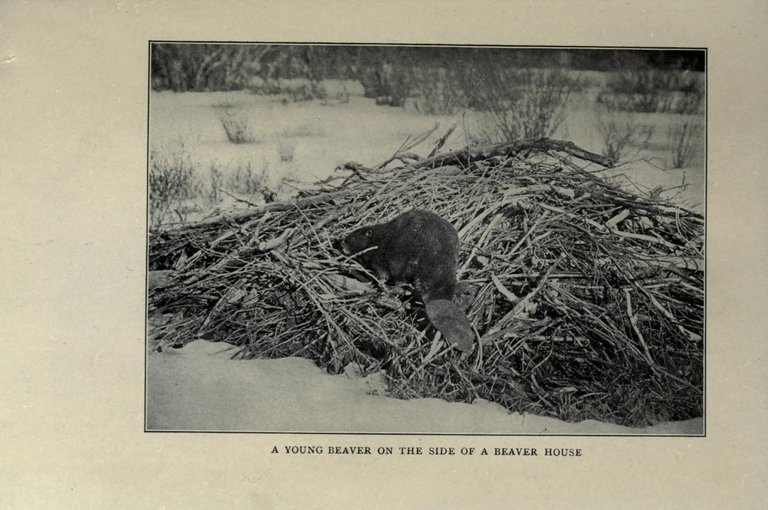
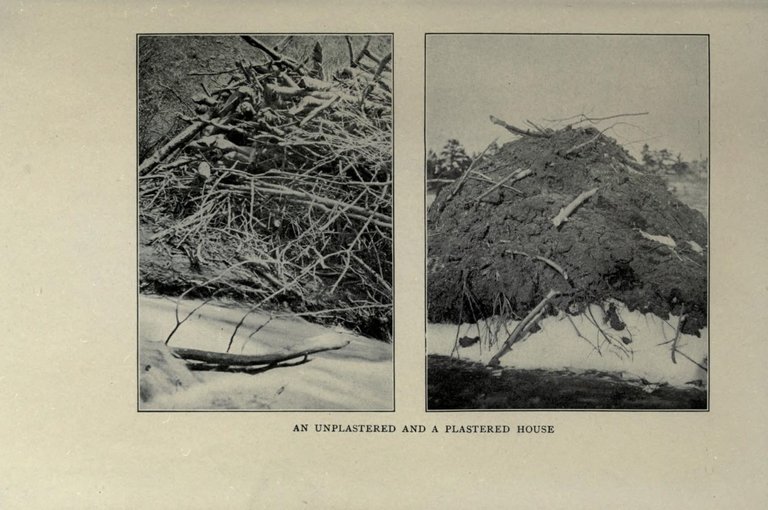
In Beaver World was published by Enos A. Mills in 1913 and it is available on Internet Archive. I enjoyed the pictures and drawings….his observations about beavers he observed extensively near his home in Colorado. I’ve included several sample images from the book below.

Enos Mills was, according to the Wikipedia article about him, the main figure behind the creation of Rocky Mountain National Park in 1915. He gave speeches, published books on nature and hired/trained nature guides. He encouraged people of all ages to get outside and into nature. His methods of nature interpretation are still taught to students in the field of interpretation. He died relatively young (52 years) in 1922….his legacy a national park and his books.

Missouri Botanical Garden – June 2023 (2)

There are aspects of the Missouri Botanical Garden that are not plants….but are part of the garden experience.

There are benches at handy intervals; it always seemed easy to find one in the shade! Maybe I will make a project of photographing more of the benches during some future visit.

The ceiling in the Sachs Museum is worth the few steps inside…check out whatever is being exhibited there too.

There is a statue of Henry Shaw, founder of the Missouri Botanical Garden near his mausoleum. He set out to create a major and lasting institution more than 150 years ago. He died in 1889 and the garden has continued to thrive in all the directions he initiated…has expanded in ways he could not have imagined. My first experience with the garden was via their Botanicus site where the Missouri Botanical Garden has been digitizing botanical books and making them available since 1995; I found the site in 2009 and have been browsing their books (mostly via the Internet Archive interface). Visiting the garden is something I have wanted to do for a long time.

The Japanese Rock Garden areas around the water feature have smooth curves created with a rake…and there are Japanese lanterns too. A Great Blue Heron flew to a large rock in the center of the water feature and began to preen; the Canada goose in the background is doing the same.

In the Chinese Garden there are mosaics made with small stones as well as the traditional lions at the entrance.

I liked the bench around a tree. It reminded me of the one at Longwood Gardens when my daughter was young; we used it as a resting place where she could easily get up to run into the mists when the big fountains came on (it was a warm day); and then it was gone as part of the fountain renovation. I savored that memory sitting on this bench half the country away from Longwood (near Philadelphia).

There are small sculptures of wildlife too: wood ducks in the forest, butterflies in the butterfly garden….

Geese and racoons as part of fountains.

A purple martin house looked almost full.

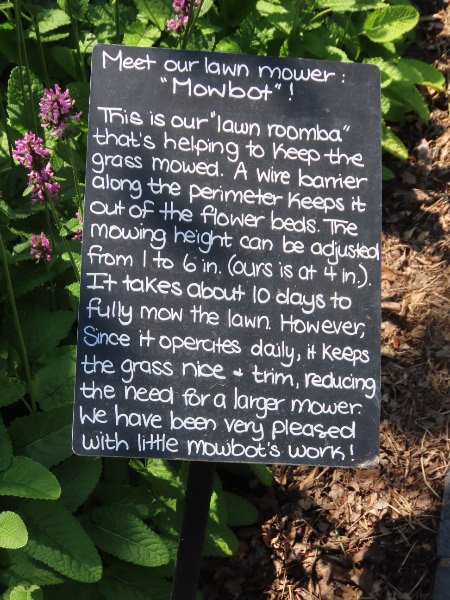
One of the green areas had a ‘Mowbot’ to keep it trimmed.

At the end – I took pictures of the floor in the visitor center…familiar leaf shapes: horse chestnut, tulip poplar, sweet gum.

Looking back, it was a good ‘first visit’ – but I already want to go again!

Gleanings of the Week Ending July 8, 2023

The items below were ‘the cream’ of the articles and websites I found this past week. Click on the light green text to look at the article.

Air Pollution Causes 1 In 6 Human Deaths – Deaths from modern pollution risk factors, which are the unintended consequence of industrialization and urbanization, have risen by 7% since 2015 and by over 66% since 2000. Unfortunately, little real progress against pollution can be identified overall, particularly in the low-income and middle-income countries, where pollution is most severe. It is increasingly clear that pollution is a planetary threat, and that its drivers, its dispersion, and its effects on health transcend local boundaries and demand a global response.

Opioids no more effective than placebo for acute back and neck pain – The study was done in Australia but, hopefully, will lead to stepping away from opioids for back/neck pain. How many became addicted to opioids via doctors writing prescriptions trying to relieve their patient’s back pain?

Antimicrobial Resistance: The Silent Pandemic – The first accounts of antimicrobial resistance (AMR) occurred 2 years after Alexander Fleming warned about it in his 1945 Nobel speech. AMR is now responsible for nearly 700,000 deaths worldwide each year, and it is projected to kill 10 million per year by 2050.

Early Women Were Hunters, Not Just Gatherers – My favorite statement from the article: “Grandmas were the best hunters in the village.”

Overdose deaths involving street xylazine surged years earlier than reported – Drug death data is gathered and analyzed slowly…not so long ago, it appeared that illicit xylazine use was still largely concentrated in the mid-Atlantic states and the Northeast….but it is not showing up in street samples all across the US and surging in the South and West. US drug deaths hit a new record last year with roughly 110,000 fatal overdoses nationwide from fentanyl and increasingly complex street drug cocktails.

U.S. Wind and Solar Overtake Coal for the First Time - In the first five months of 2023, wind and solar produced 252 terawatt-hours, while coal produced 249 terawatt-hours, according to preliminary government figures. The decline in coal is happening faster than anyone anticipated.

Largest-ever atlas of normal breast cells brings unprecedented insights into mammary biology – 12 major cell types, 58 biological states…differences based on ethnicity, age, and the menopause status of healthy women.

Why our voices change with age – Lots of reasons the sounds we make can change. One habit suggested from the article that I am considering: “Singing or reading out loud daily can give the vocal cords sufficient exercise to slow their decline.”

Cedar Breaks Wildflower Festival Starts Friday – Hmmm…maybe I should look for wildflower festivals (along with birding) when I plan our vacations.

Meltwater is hydro-fracking Greenland’s ice sheet through millions of hairline cracks – destabilizing its internal structure - Earth’s remaining ice sheets in Greenland and Antarctica are far more vulnerable to climate warming than models predict, and that the ice sheets may be destabilizing from inside. Recent studies have shown that:

New Mexico Dreaming

My daughter had a conference in Albuquerque, NM in June…took advantage of a tour to the Very Large Array (astronomical radio observatory) offered. She sent two pictures.

And started a whole sequence of thoughts about traveling to New Mexico again. The last few times (pre-COVID) were for Festival of the Cranes at Bosque del Apache National Wildlife Refuge in the fall/early winter; they included a lot of birding field trips around Socorro, NM plus tours of the VLA. Prior to that we made vacations that featured Sandia Peak, Chaco Culture National Historical Park, El Malpais National Conservation Area, and Bandelier National Monument. As early as the 1970s, we took road trips from Texas to New Mexico….to Santa Fe, Taos, Los Alamos, Albuquerque.

Now we live close enough to enjoy a road trip to the state. I’m contemplating a loop that would start with an almost straight drive from Missouri across Oklahoma to Albuquerque…and come back through Dallas. Between the long drives…a lot of shorter drives to see areas we’ve been to before and maybe some that we haven’t too! We’ll wait for the temperatures to cool down…and maybe for the birding festival event…to make the trip.

Josey Ranch Pocket Prairie – June 2023

My original plan was to walk around the Pocket Prairie and take macro pictures with my phone. It was a good thing my bridge camera (Canon Powershot SX70 HS) since the morning was very breezy…too much for getting close shots with the phone. The optical zoom on the bridge camera was the only option.

The trash cans near the picnic table are Carrollton themed! Are they new this season? I don’t remember them from before.

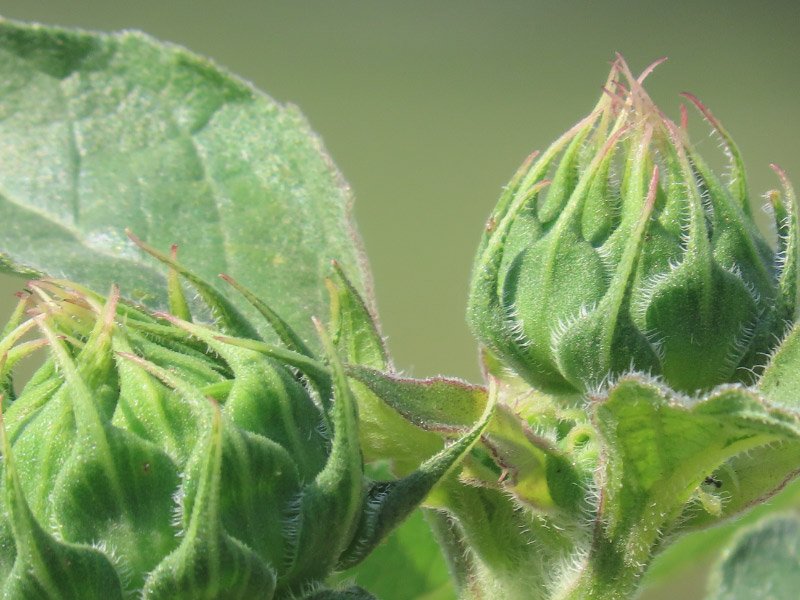
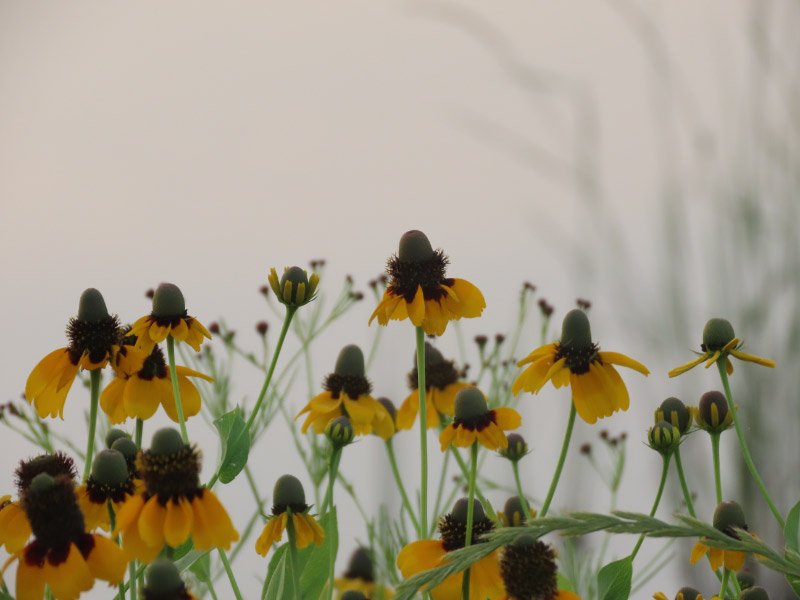
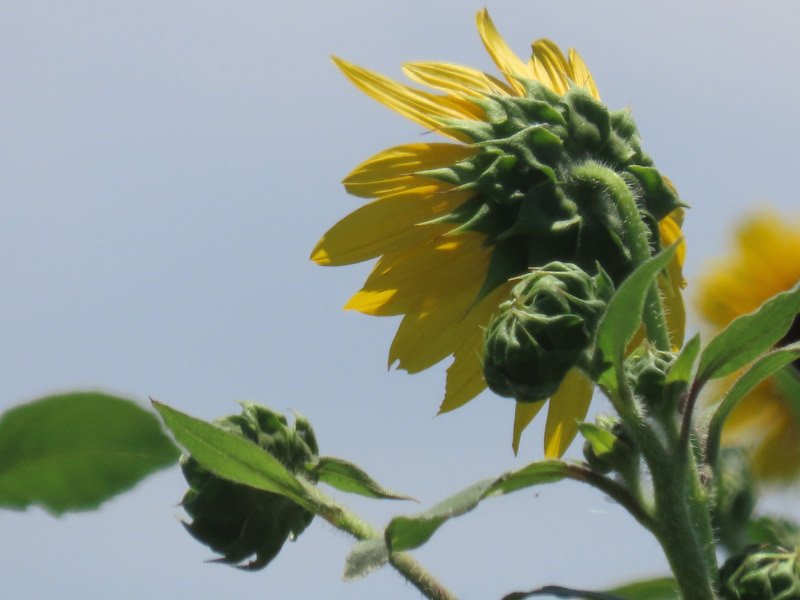
The prairie area is full of May flowers setting seed and then the full summer flowers in bloom. I particularly enjoy the sunflowers (buds and flowers).

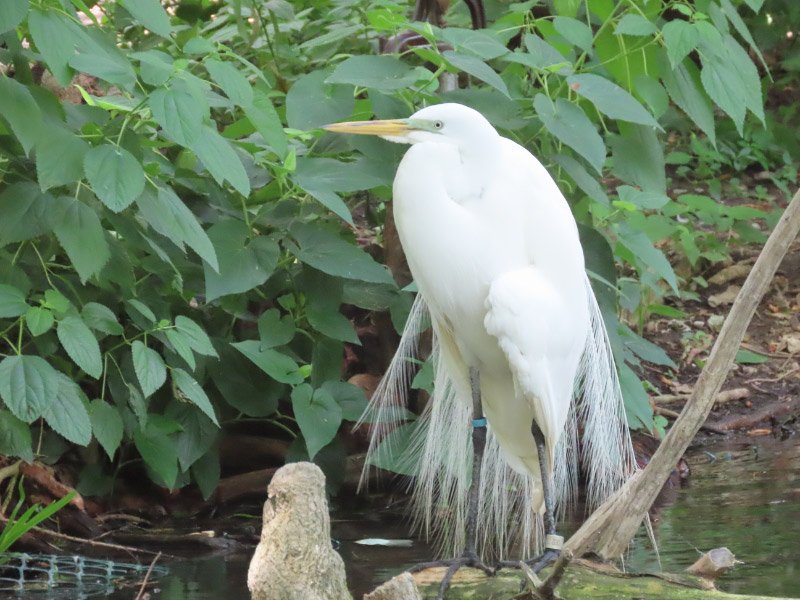
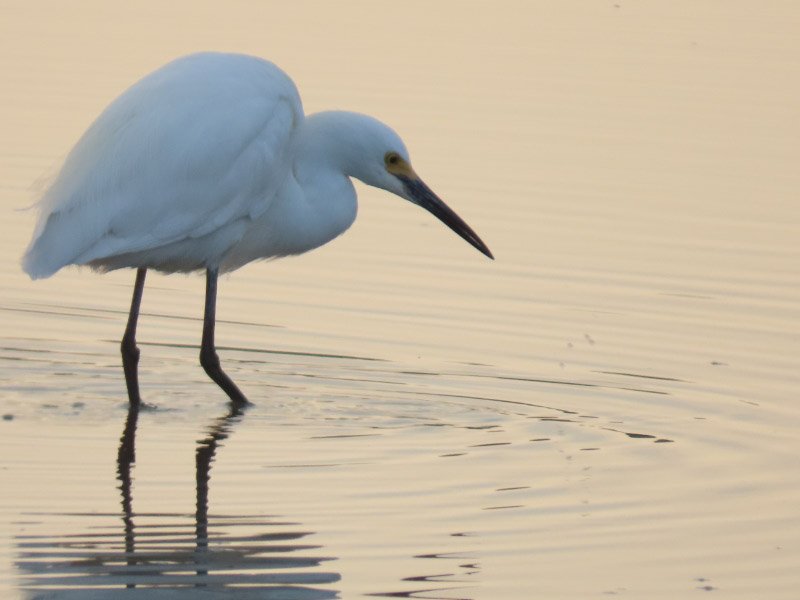
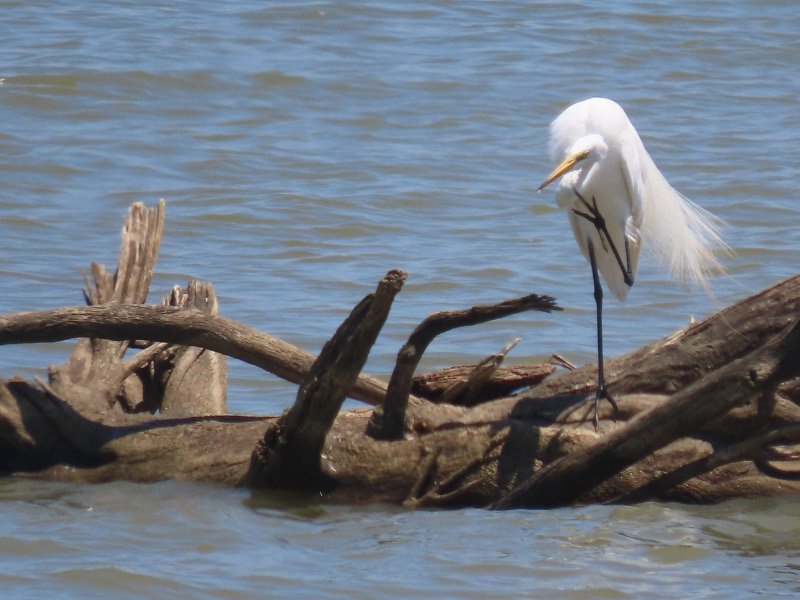
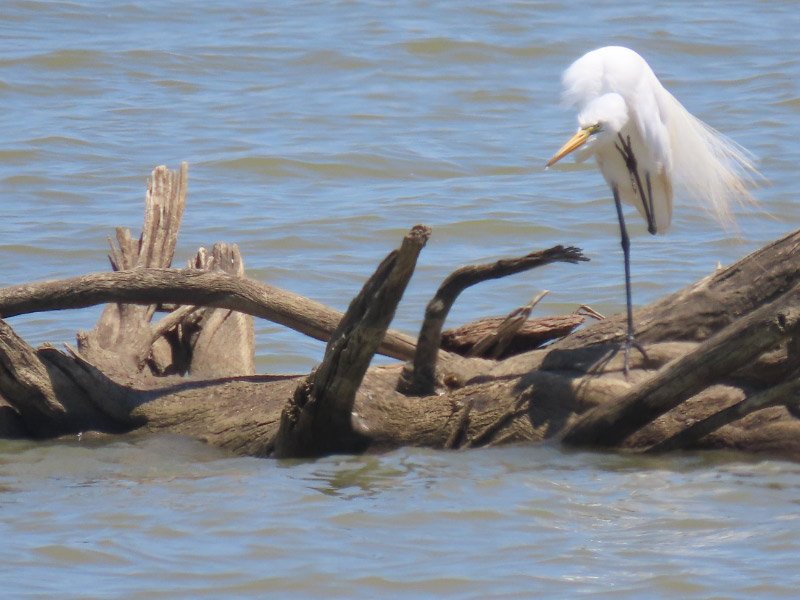
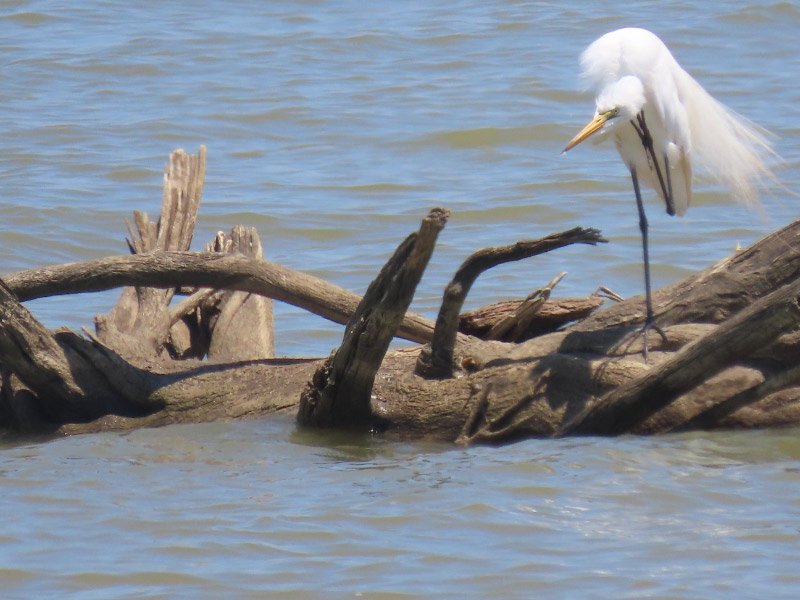
Across the pond from the Pocket Prairie – a Great Egret was looking for breakfast.

Maybe the morning I go in July will be less breezy and the macro plan will work….and there might be more insects too!

Gleanings of the Week Ending July 1, 2023

The items below were ‘the cream’ of the articles and websites I found this past week. Click on the light green text to look at the article.

How technology helped archaeologists dig deeper – Tools that tell us a lot more than excavation can: chemical and genetic analysis, lidar. This article uses new archaeological data from several cities (New York, Cahokia, Rome, Pompei, Angkor Wat)…pointing out that new analyses reveal that they were often full of immigrants that built the city and there were places those people lived nearby that often were not noticed by excavators! Archaeology is now able to tell us more about how ordinary people lived – not just the elite.

The white roofs cooling women's homes in Indian slums – Maybe white roofs will become a trend in lots of places…reduce the heat island effect that cities must struggle to overcome as the planet gets warmer.

Vienna is the most livable city in the world – It has stability, robust health care and education systems and strong infrastructure, among other factors. There are no cities in the US in the top 10; Honolulu, Hawaii is 25th on the list and the top city located in the US. There are 3 in the top 10 located in Canada: Vancouver, Calgary, and Toronto. 

That's no pizza: A wall painting found in Pompeii doesn't depict Italy's iconic dish – Tomatoes and mozzarella were not available 2,000 years ago when the fresco was created! Tomatoes came from the Americas a few centuries ago and mozzarella was invented in Naples in the 1700s.

This Ancient Maya City Was Hidden in the Jungle for More Than 1,000 Years – Found during a survey with light detection and ranging (lidar) scans in the Balamku ecological reserve on the Yucatan Peninsula. The site is on high ground surrounded by extensive wetlands. The ruins have been named Ocotun (‘stone column’ in Yucatec Mayan) in honor of the many columns found at the site.

Is fast fashion making us sick? – Fashion can be rife with toxic chemicals such as formaldehyde and chromium…and the US has done little to protect consumers from these toxins in clothes. Researchers are correlating declining fertility rate and the rise in autoimmune diagnoses in the US with chemicals found in our clothes.

Winners of the 2023 Audubon Photography Awards Celebrate the Beauty of Birds – Eye candy images of the natural world.

Surgeons must tackle three global health challenges to save lives – Assuming that a new device or approach is always better - not a good assumption but a common one that surgeon make!

The perilous life of the solitary pangolin – Learn about this African animal…their situation in the wild…and how things have changed over the past decade.

Winners of the 2023 BigPicture Natural World Photography Competition embrace our world’s biodiversity – Images telling stories.

Zooming – June 2023

So many photographic opportunities in June…close to home and in Texas. There were more biting insects around so staying on paths was all-the-more important; almost every image I took used the zoom on my bridge camera (Canon Powershot SX70 HS). Enjoy the slide show!

The pictures include:

  • A sunny day visit to the Springfield (Missouri) Botanical Gardens,

  • An afternoon and then (a week later) morning visit to Hagerman National Wildlife Refuge (near Sherman, TX), and

  • A morning at Josey Ranch Pocket Prairie (in Carrollton, TX).

Ten Little Celebrations – June 2023

Every day brings multiple little celebrations…I choose one to log for the day and then select 10 each month to savor in this post.

One year anniversary for our Missoure home. June 2022 is when we moved to Missouri. We’ve settled into the house and I’ve confirmed that my favorite room in the house is my office…just as it was in the Maryland house. The house itself and being closer to family have confirmed again and again that we made a good decision to move when did! So we are celebrating the anniversary.

Dishwasher and sprinkler system working. Of course, every house needs maintenance…in June both our dishwasher and sprinkler system had problems (dishwasher leaked water and the sprinkler system developed a broken head/pipe after the grinding of the pine stump). Fortunately, both were easily fixed (rather than an expensive replacement) and we celebrated that they are functioning again.

Internet/TV/phones working. Shortly after I got to my parents’ home in Carrollton, their internet and TV and phones failed. We had a painful 4 days….celebrated when the tech finally came and replaced their outside box (it was at least 18 years old!).

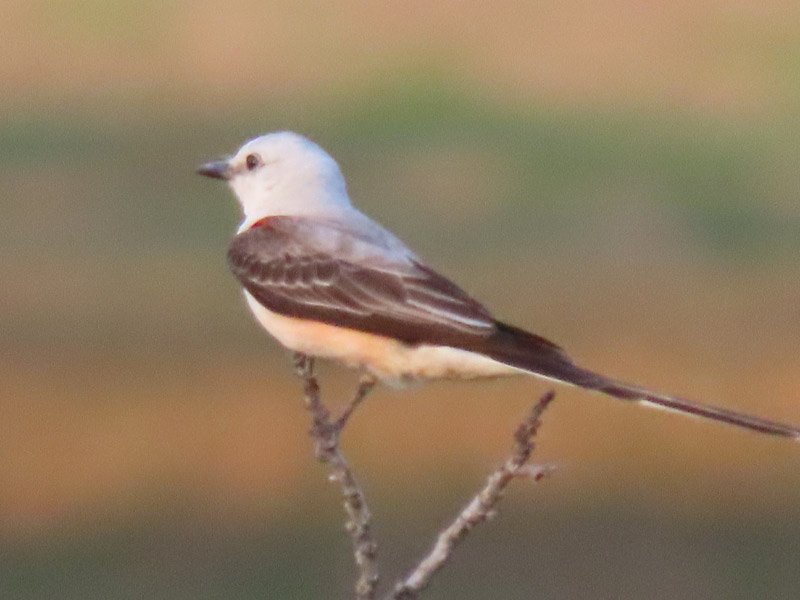
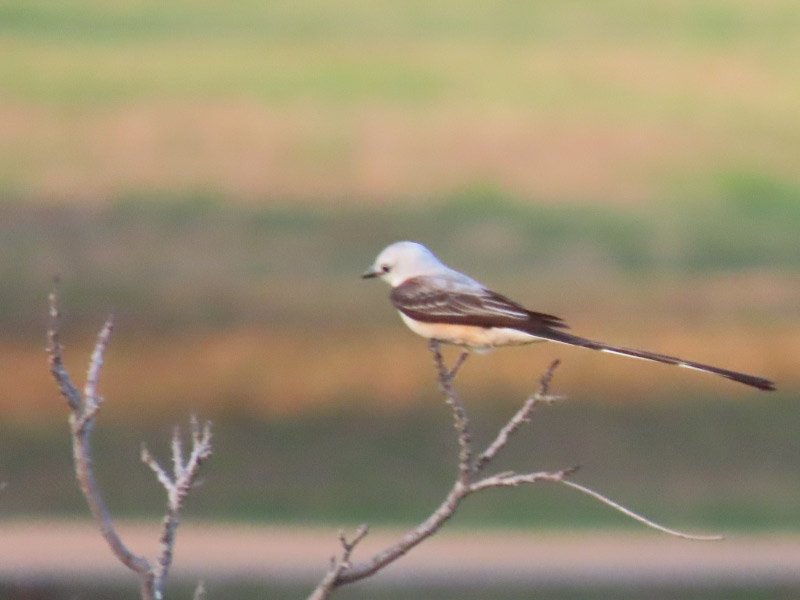
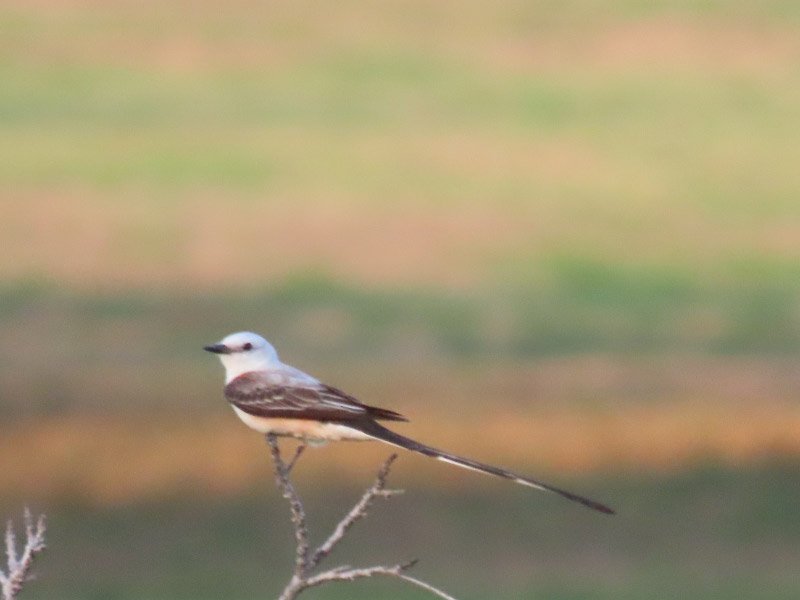
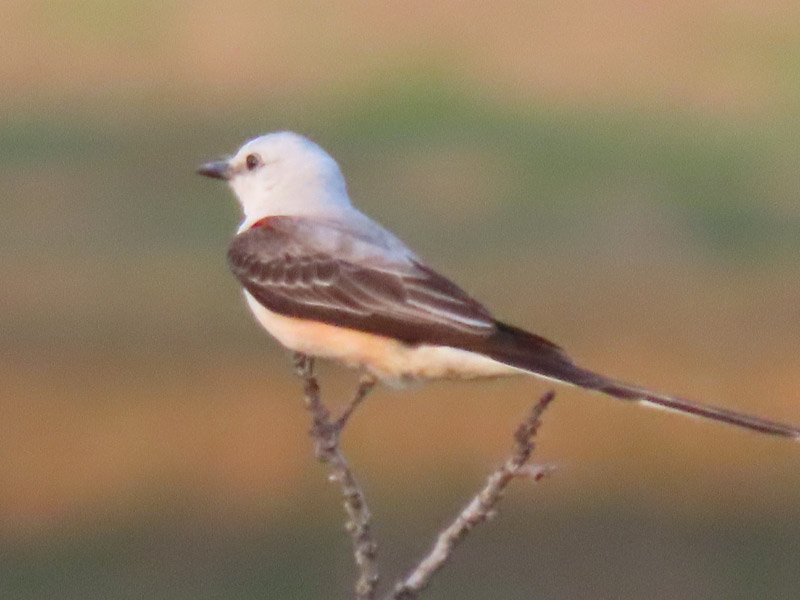
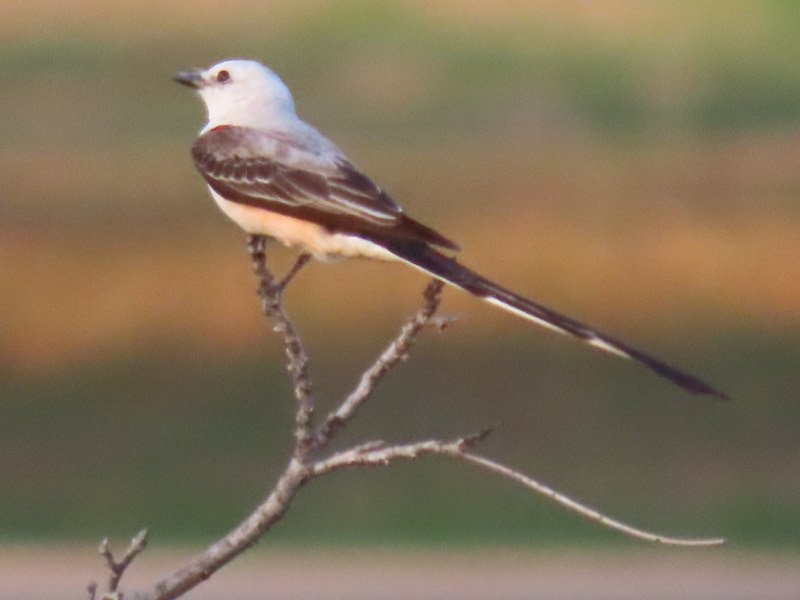
Scissor-tail at Josey Ranch. Celebrated when I saw a scissor-tailed flycatcher while I was out of my car with camera in hand!

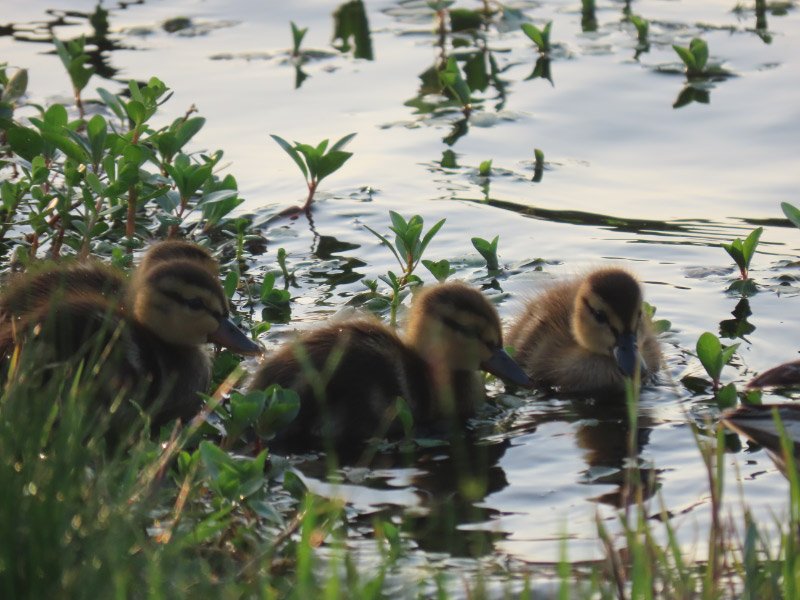
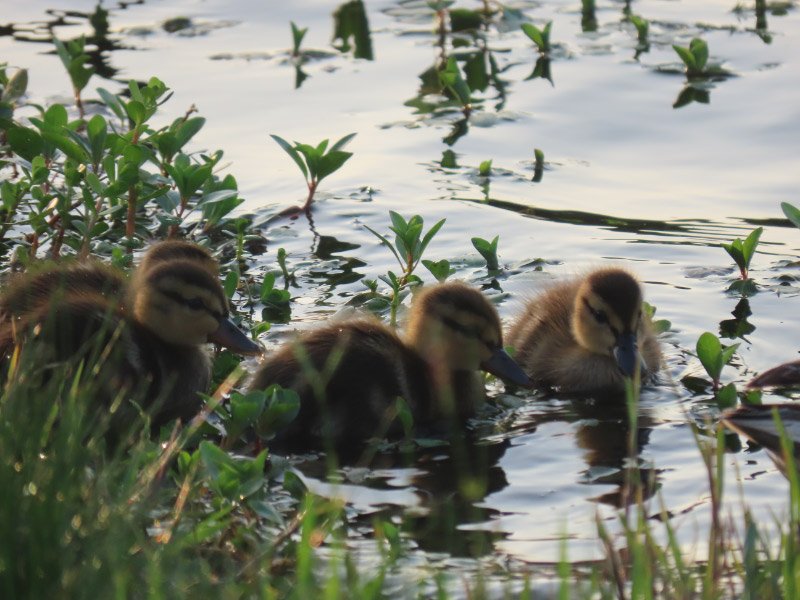
Ducklings at Josey Ranch. Celebrated seeing newly hatched ducklings with a mom trying to protect them from turtles!

Seeing beautyberry flowering. I had previously only noticed beautyberry plants after they had their purple berries. This June I celebrated knowing where the plants grew so I could see the flowers.

Trimming all the dead parts out of crape myrtle and rose buses. It was a daunting task because it seemed like there was so much to trim. It got a little better when I discovered that my gauntlet gloves worked (not thorn pricks from the roses) and that the dead twigs/branches would burn easily. I celebrated when the task was completed…felt like I had accomplished a lot in getting my yard looking better for the summer.

Buying a fragrant sumac (native plant sale). I celebrated my first native plant addition to my landscaping…there will be more through the years.

Homemade marinade with balsamic vinegar. Celebrating trying a new recipe and realizing that I will never need to buy bottle mariade again!

Road trip to St. Louis. Celebrating another road trip with my daughter! Blog posts coming up re our adventure.

Ducklings

On the same morning as I photographed the Scissor-tailed Flycatcher at the Josey Ranch Pocket Prairie, I noticed some almost grown Mallard ducks on the nearby pond with their mom. There may have been more than four in the brood originally, but 4 surviving past the stage where turtles can drown them is wonderful to see. They looked good in the morning light.

On the shore I saw a female duck in some taller grass. She looked very alert…and soon I saw why.

Ducklings! They must have been the second wave of young this season. The little ones were very active and heading toward the water.

I took a video – observing the mother trying to keep the ducklings close to the shore…probably aware of the turtles lurking in the pond. It was a breezy day, and the ducklings didn’t always stay in a tight group! It is surprising how quickly they move….how they can maneuver through the tall grass and bob in water shallow enough that the mother is standing. There were 5 of them. I’ll look again for the group in late July which I will be back in the Josey Ranch (Carrollton TX) area.

Scissor-tailed Flycatcher

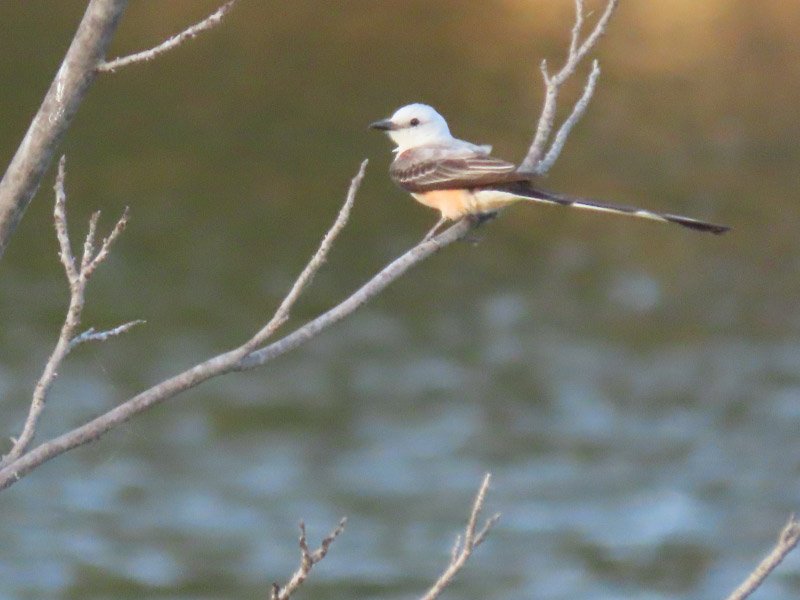
I saw scissor-tailed flycatchers flying along the roadside in my April and May road trips between Missouri and Texas. The bird is easily identified because of its long tail. I saw several in Oklahoma at first – to be expected since it is the the state bird. Then I saw several on the May morning I visited Hagerman. I could never photograph them because I was driving. I finally got lucky in June and spotted one getting breakfast the morning I went to the Josey Ranch Pocket Prairie in June.

The bird was sitting on a snag…periodically leaving to swoop over the grass…then would return to the snag. It was a breezy day and the long tail seemed to me a bit of a disadvantage; the movements of the bird to catch insects in flight were very dramatic. It was great to simply stand and watch the bird. Being able to finally photograph the bird was the highpoint of my morning!

Hagerman National Wildlife Refuge – June 2023

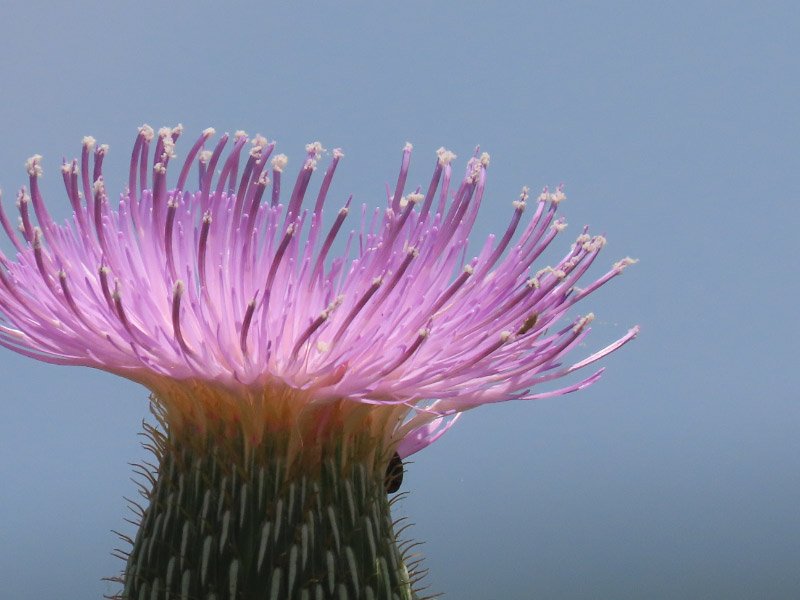
It was hotter and dustier than May on the afternoon I was at Hagerman…a stop on the road trip between my home and Carrollton TX. The riot of wildflowers of May has shifted toward thistles and sunflowers and lotus…with the May flowers producing seed.

There were three types of egrets I saw: cattle and snowy…

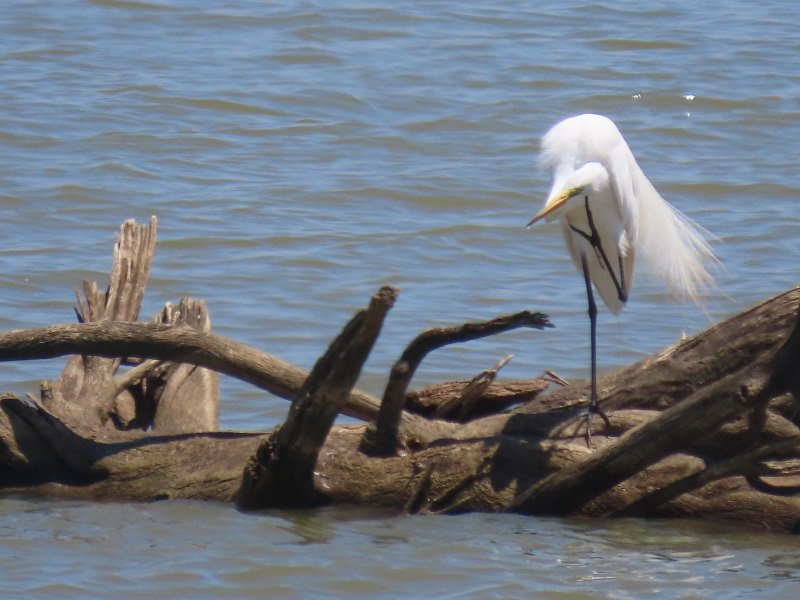
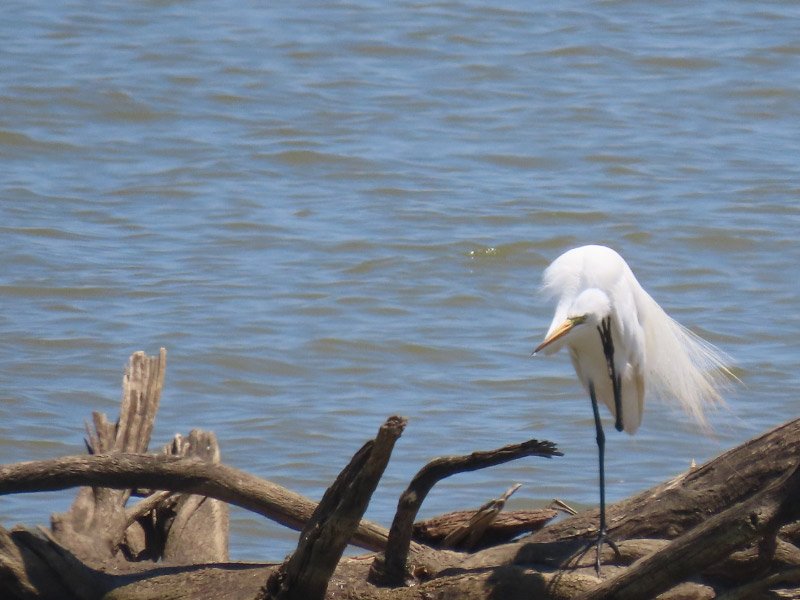
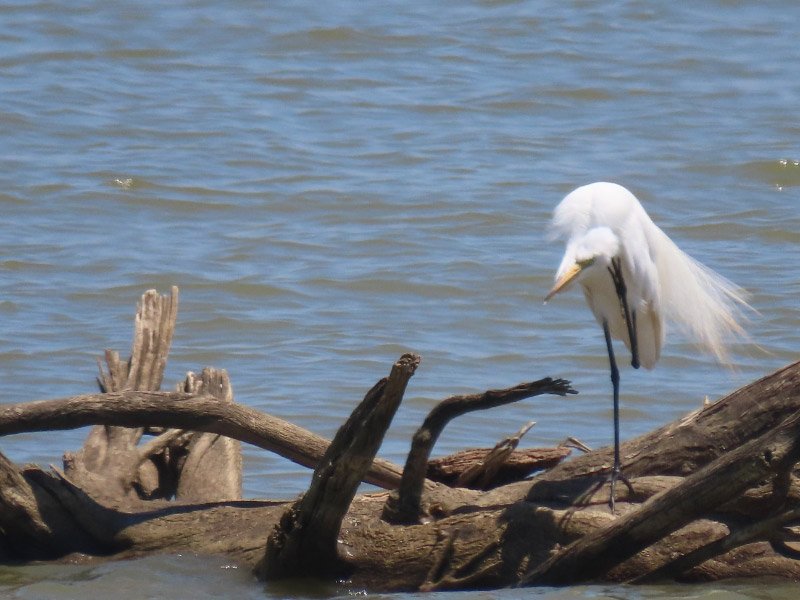
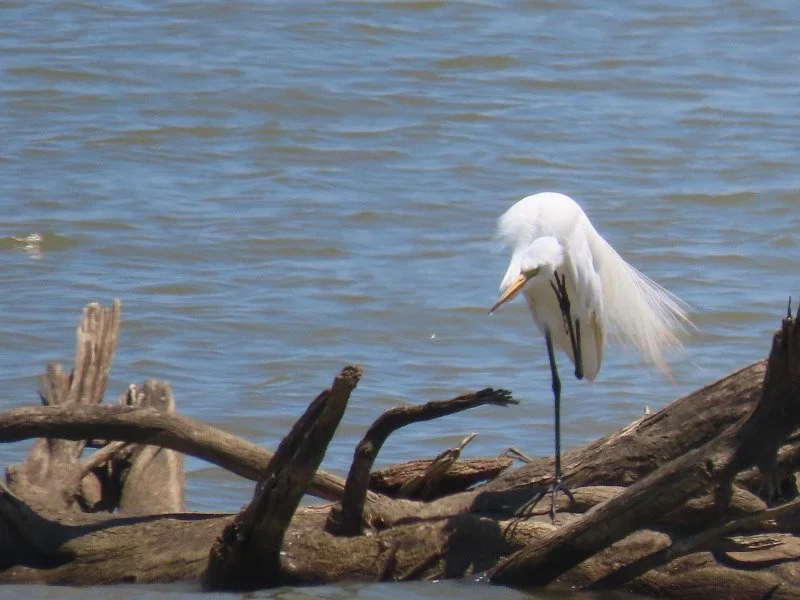
And then a great egret on a snag - scratching.

The black vultures were on the ground. They didn’t appear to be around feeding. They were just in a group at the edge of one of the ponds…socializing.

The butterfly garden near the visitor center has a wider variety of flowers still blooming.

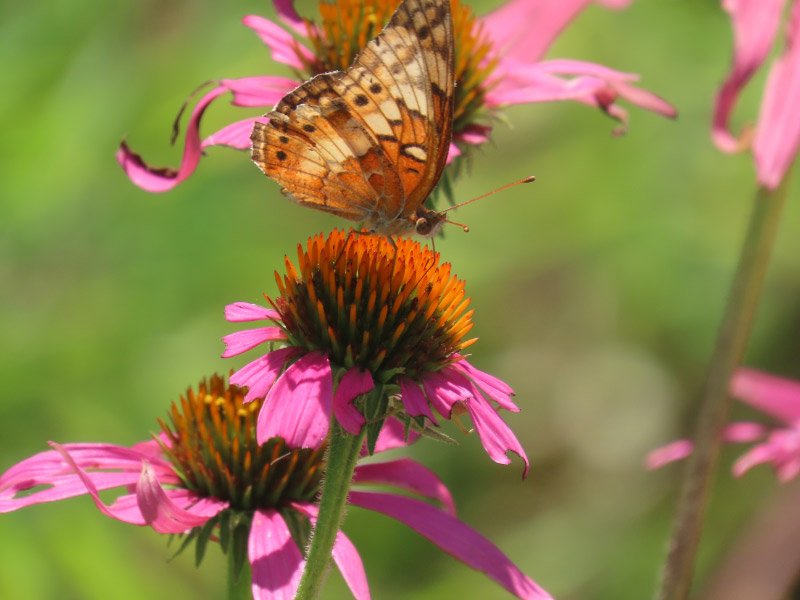
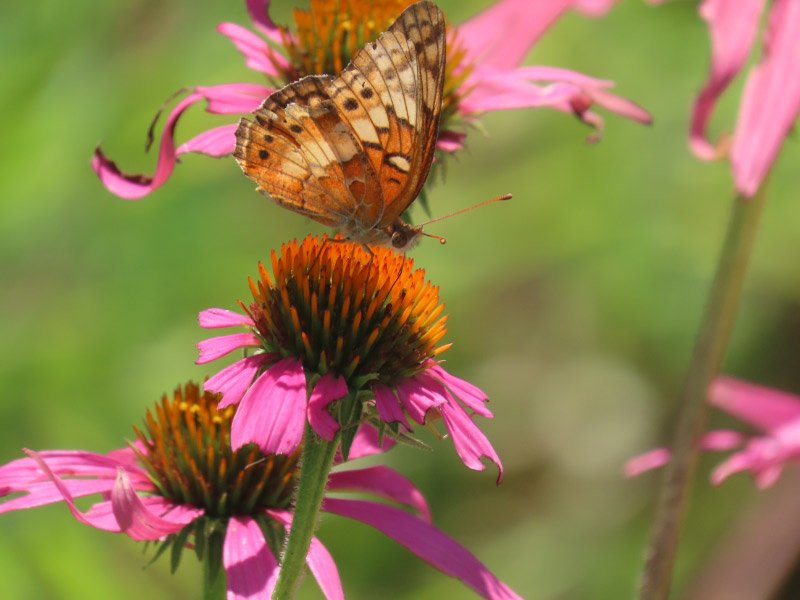
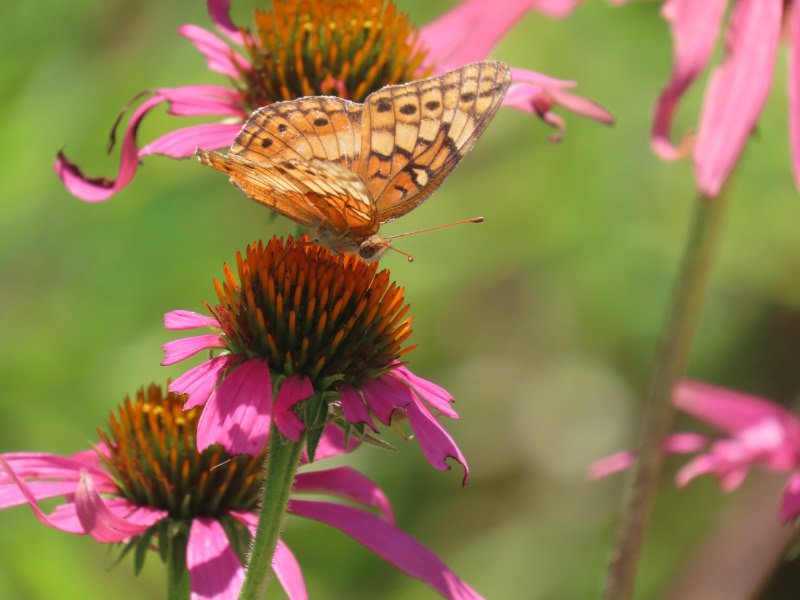
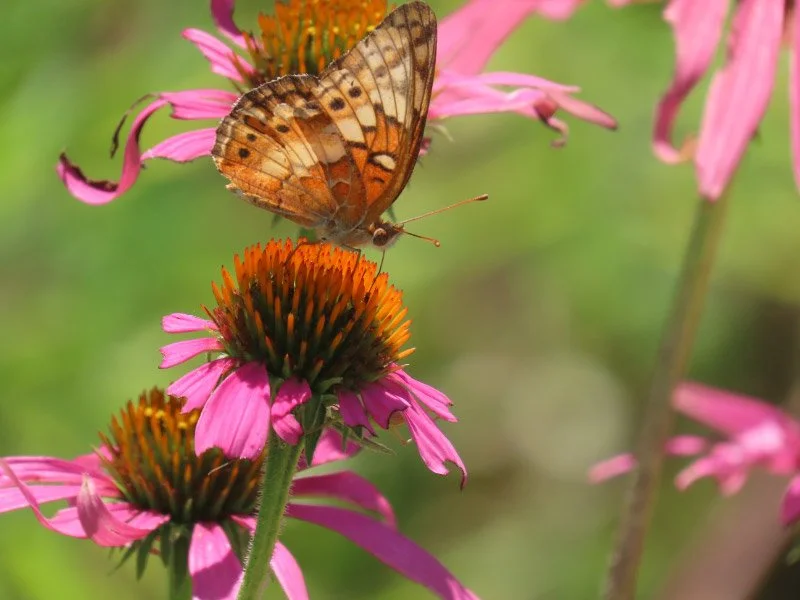
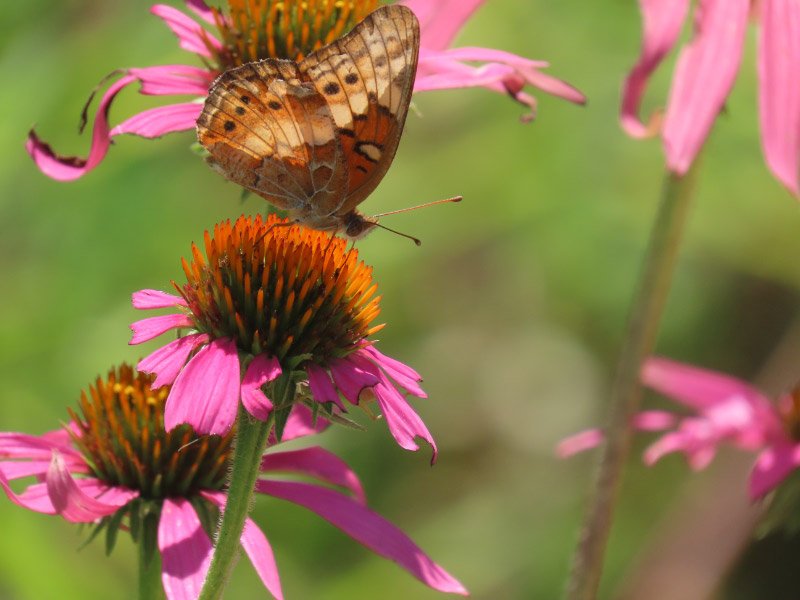
And they were attracting butterflies. I watched one getting nectar from a cone flower.

There were several other kinds around too…and I saw one butterfly laying eggs on a plant that didn’t have any flowers (must have been the plant that the caterpillars like to eat). I had a pleasant conversation with a woman as we both enjoyed the garden; she was about my age, had bought a butterfly kit for a granddaughter (the caterpillar had successfully developed into a butterfly that was released), and was part of the rotation caring for her elderly father in his home…a wonderful chance encounter that made the road trip unique!

There were bees in the butterfly garden too. One was taking a break on a bench…an easy picture!

Gleanings of the Week Ending June 24, 2023

The items below were ‘the cream’ of the articles and websites I found this past week. Click on the light green text to look at the article.

A New Day for the Ancestors’; Mounds - Archaeology Magazine – An Ohio Supreme Court ruling in December 2022 increases access to the earthworks. Soon, the mounds will cease to be part of the golf course at Moundbuilders Country Club!

How ‘tornado alley’ is changing - BBC Future – Tornado Alley is widening. Large tornado outbreaks have become most common in Alabama, Tennessee, and Kentucky rather than Texas and Oklahoma where the term ‘tornado alley’ was invented in the 1950s.

Knit One, Purl Two - Archaeology Magazine – Patterned silk stockings from the 17th century. Volunteers in the Netherlands tried to recreate them. It turned out to be exhausting and highly complex….and required hundreds of hours!

Rooftop Solar Grew Nearly 50 Percent Globally Last Year - Yale E360 – Great progress…the challenge remaining is to be able to use it when we need it. Upgrading electricity and storage infrastructure must keep pace.

50 Years of the Endangered Species Act: A Gulf Coast Success Story • The National Wildlife Federation Blog – The story of the recovery of the Brown Pelican. Now they are easy to see again!

The Fastest-Warming Continent, Europe Has Already Heated by More Than 2 Degrees C - Yale E360 – In 2022 Europe experienced 16,000 heat related deaths and $2 billion weather-related economic damages. With climate change, it is warming faster than any other inhabited continent.

What the Largest-Ever Study of Primate DNA Reveals About Ourselves | Smart News| Smithsonian Magazine – Evidently most primate species have more genetic diversity than humans do. However – primates at risk of going extinct are not helped by that diversity; their trajectory toward extinction is happening too rapidly.

Photography In the National Parks: Photo Documentation – Some tips on how to take pictures that help others recognize a special place/feature, understand a concept, or grasp the mechanics of how something happens.
Divers Are About to Pull a 3,000-Year-Old Shipwreck from the Depths | Smart News| Smithsonian Magazine – Pieces of wood…hand-sewn together. 23 feet of the 39 feet vessel are in very good condition.

Denison, Texas Travel Center – June 2023

The Beautyberry was blooming at the Texas travel center on US 75 (entering the state from Oklahoma). I searched for the flowers since I knew the plants were growing there…remembering the purple berries I’d seen last fall. The buds and flowers are very small…easy to overlook among the foliage. This is a plant I will check every month to observe how the berries develop!

Some of the wildflowers that were blooming last month have already started to make seeds but there are new rounds of flowers.

It was hotter and, as I walked along the sidewalk with plants leaning into the walkway, I felt like there were biting insects around my ankles! I took pictures quickly – noticed insects on some of the flowers.

I headed back to the car to continue my road trip to Hagerman National Wildlife Refuge and Carrollton.