Missouri Master Naturalist Conference Keynote

The keynote speaker at the Missouri Master Naturalist state conference was Phil Valko – the Assistant Vice Chancellor for Sustainability at Washington University. He was an engaging speaker…starting his talk with a Missouri nature trivia quiz (number of springs and caves, etc.) and conservation history.

The major topic of the talk was sustainability at Washington University. I had already noticed the number of native plants in the areas of the campus I encountered during the conference. It was great news that they had successfully reduced the campus energy use and emissions while increasing the campus space! They have electrified their fleet and have solar panels on their charging facility.

The campus as its own thrift store to promote reuse – particularly during student move in and out at the university.

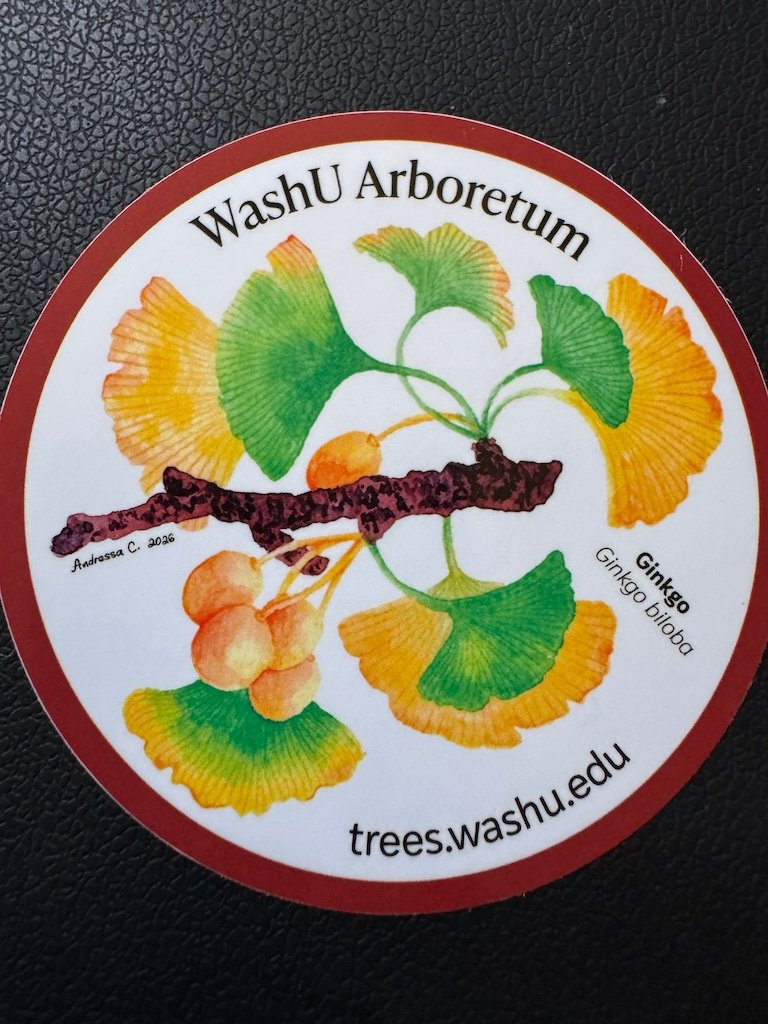
The campus also is an arboretum. It has 133 of the 153 trees native to Missouri and 63 of the 113 shrubs! The arboretum also has many non-natives….and the current logo for the arboretum features the ginkgo.
Washington University created a mobile app (Project Clean Grid) that displays a specific type of grid emissions data called marginal emissions that focus on the real-world impacts of using electricity – which power plants actually respond when you use more or less electricity and how much carbon they emit. By avoiding the dirtiest times (red and orange), high-carbon power plants run a little less. Shifting your usage to the cleanest times (green) makes use of lower-carbon power sources in your region and can even result in more renewable energy flowing onto the grid in regions with significant amounts of clean energy. I downloaded the app and have started to be more aware of the grid where I live.

Macro Photography in Bosque del Apache Desert Arboretum

The Bosque del Apache National Wildlife Refuge’s Desert Arboretum is near the visitor center…and was the location of our first formal activity of the Festival of the Cranes last week: macro photography.

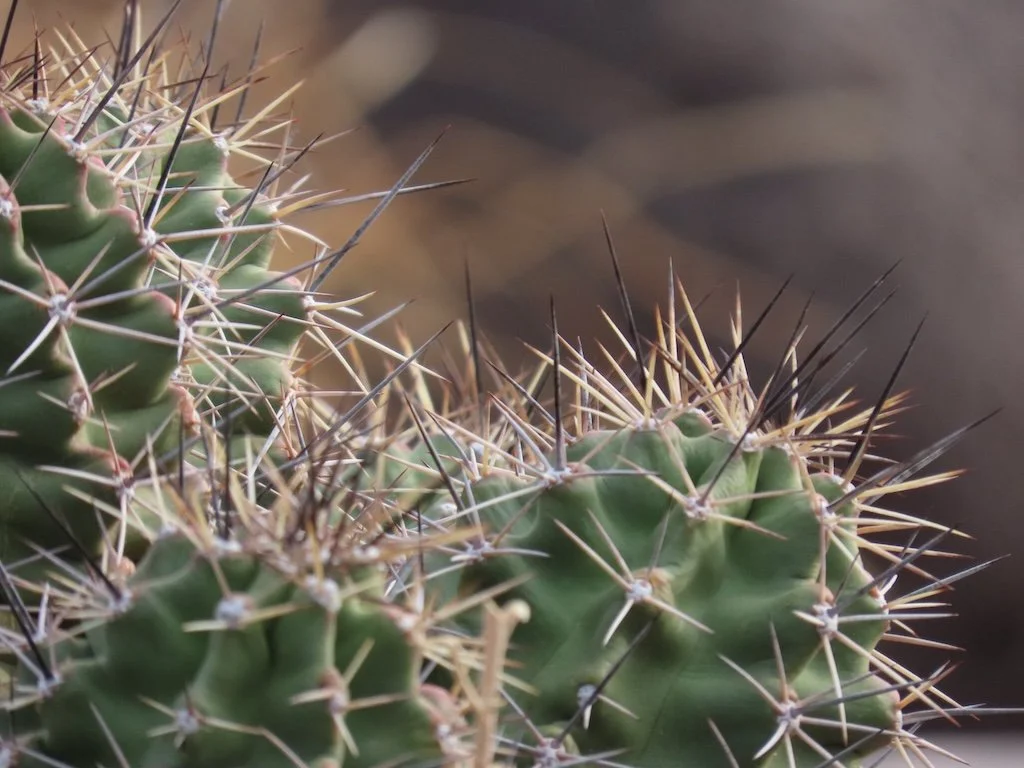
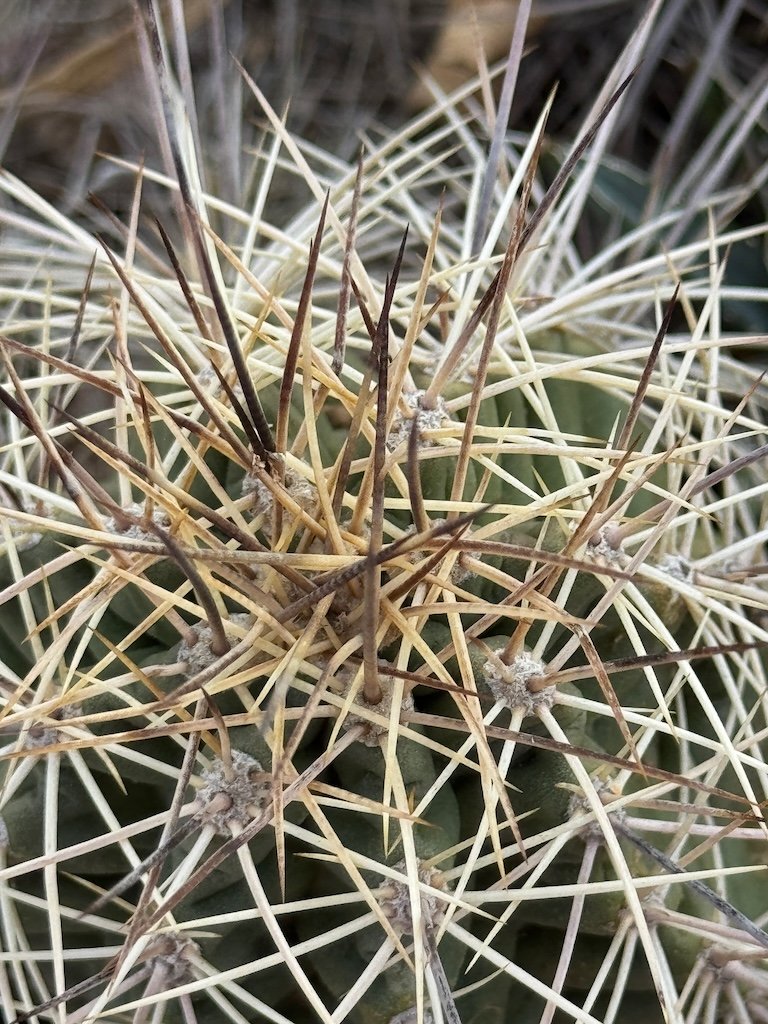
I started out with my bridge camera (Canon Powershot SX70 HS) and a tripod. I learned very quickly that the tripod was too heavy and unwieldy for me. I struggled to get myself positioned without stepping into the beds to get close enough to the plants. The macro lens that I’d added to the camera did not work well enough for me either,  so I reverted to hand held and using the zoom from just far enough away to allow the camera to focus. I photographed cactus spines, screwbean mesquite…white crowned sparrows.

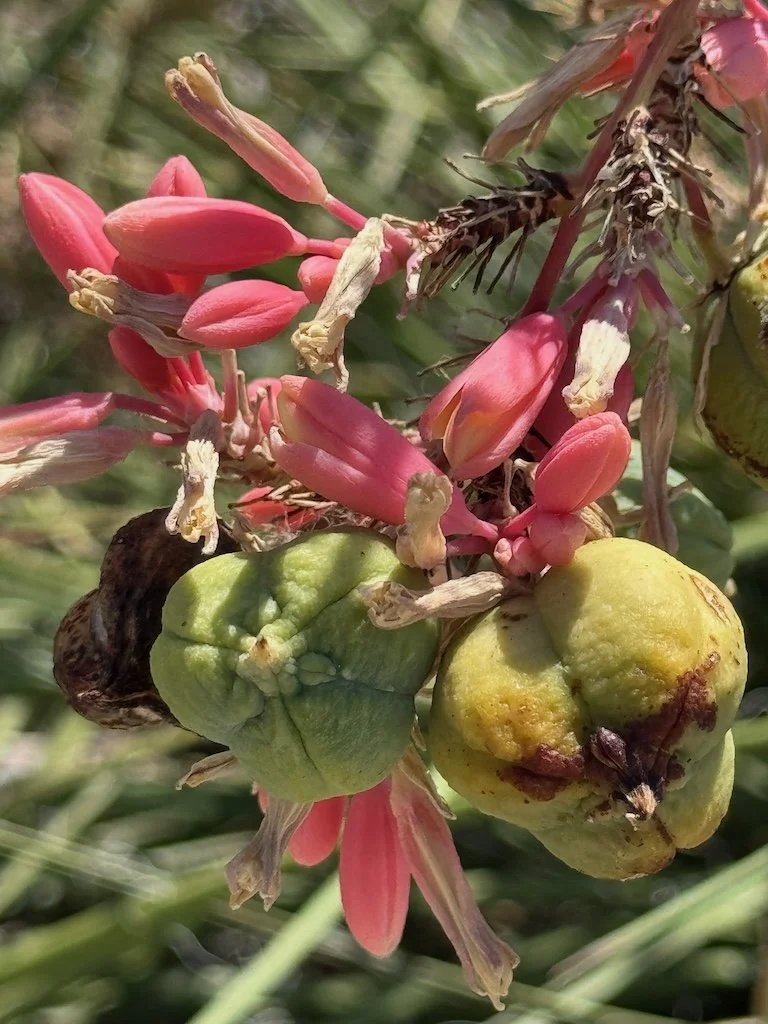
I had the best results with my phone (iPhone 15 Pro Max). Cactus fruits and spines dominated but I also managed to photograph some creosote bush seed pods and some bark. I challenged myself to pay closer attention to focus and background along with overall composition.

The session would have been more enjoyable had a opted to bring my collapsible stool so I would not have been standing the whole time (my back was painful by the end)….a lesson learned that I will (hopefully) remember for next time.  
Previous Festival of the Cranes posts

eBotanical Prints – March 2021

I finished browsing the rest of the Arnoldia volumes (from the Arnold Arboretum) available via Internet Archive in March; there are 24 of them. Sometimes the volumes are a single issue…sometimes groups of issues (not always divided on year boundaries). I am looking forward to the variety of botanical prints that are not from a series in April!
The whole list of 2,108 eBooks can be accessed here.

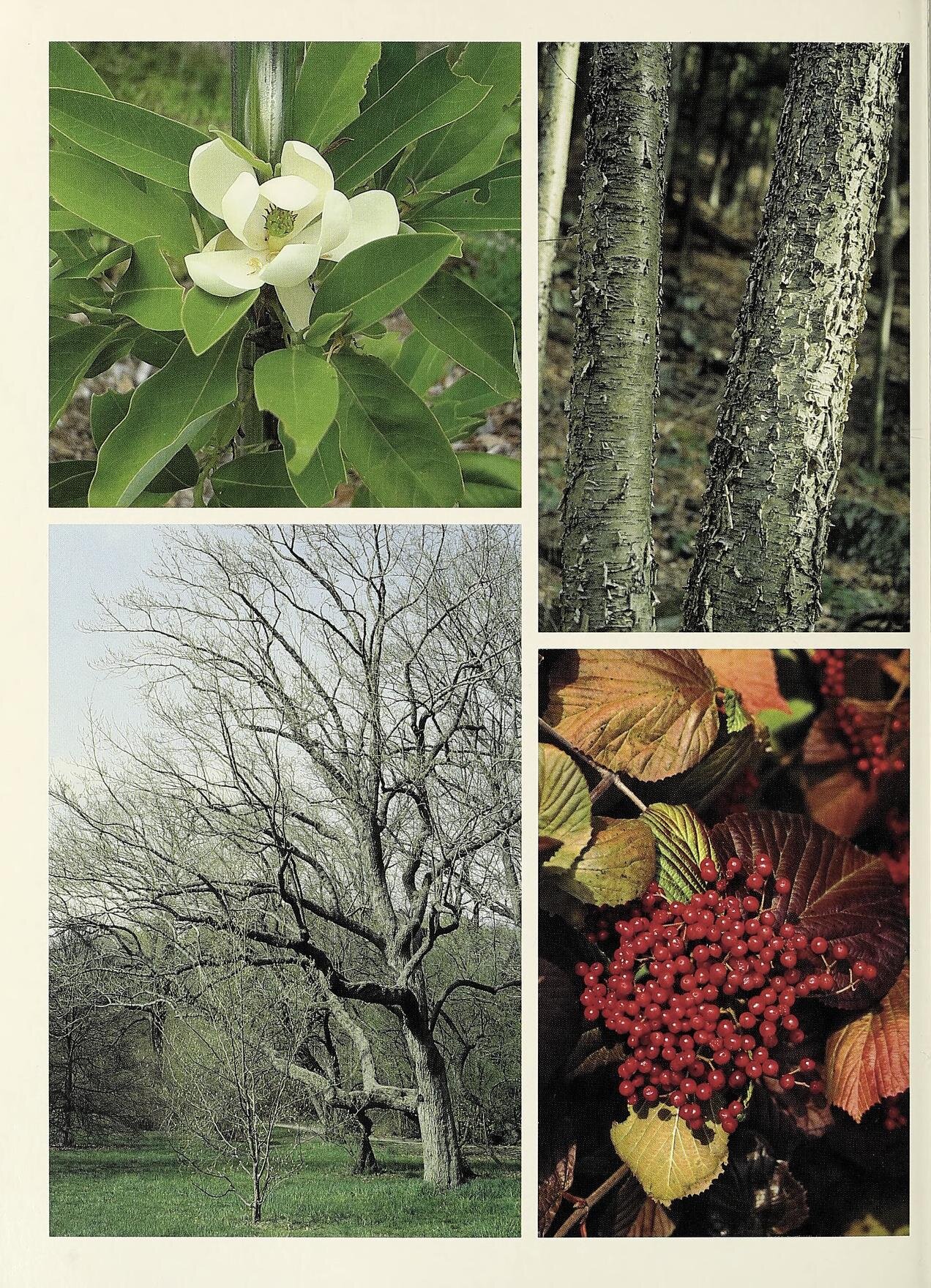
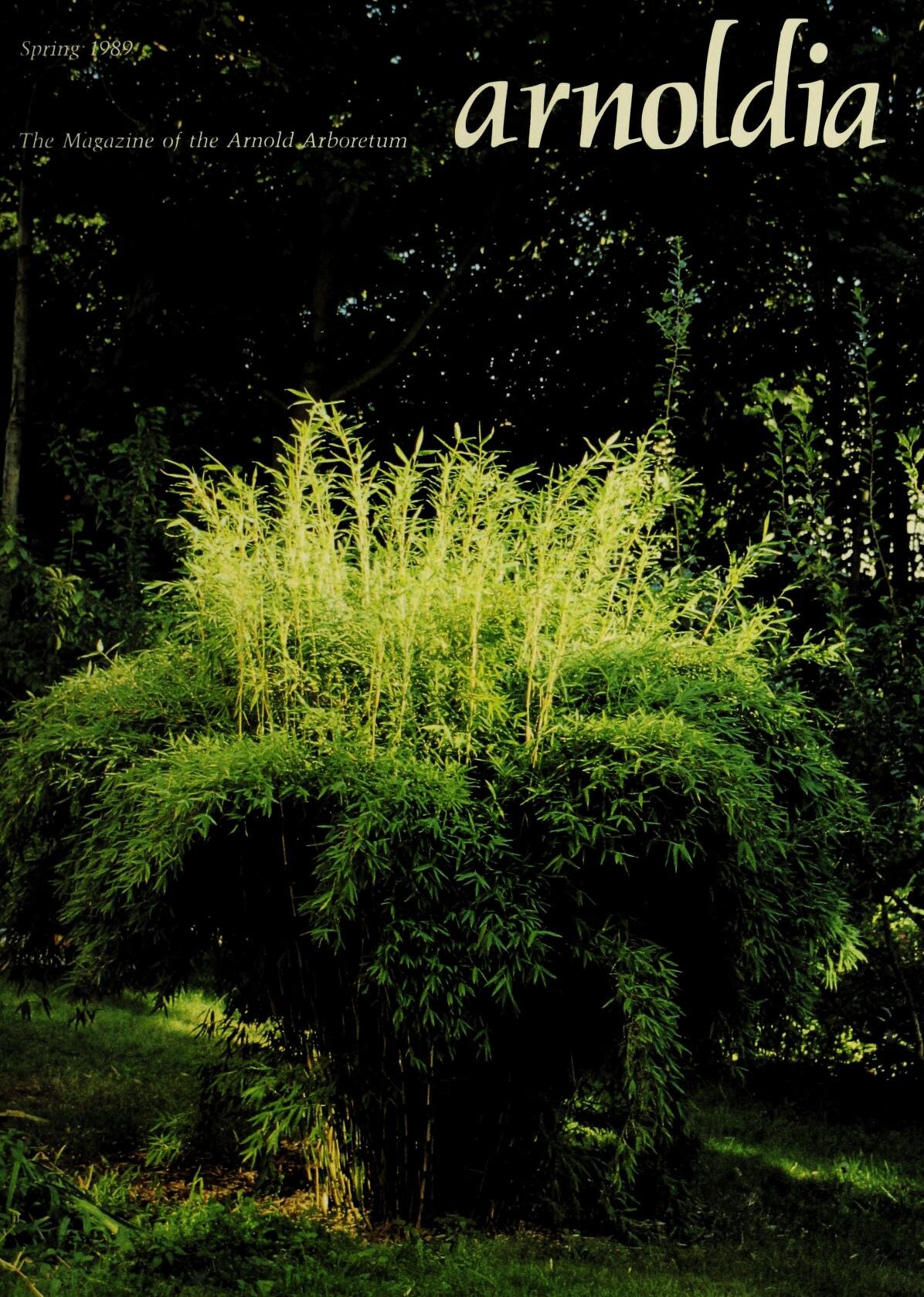
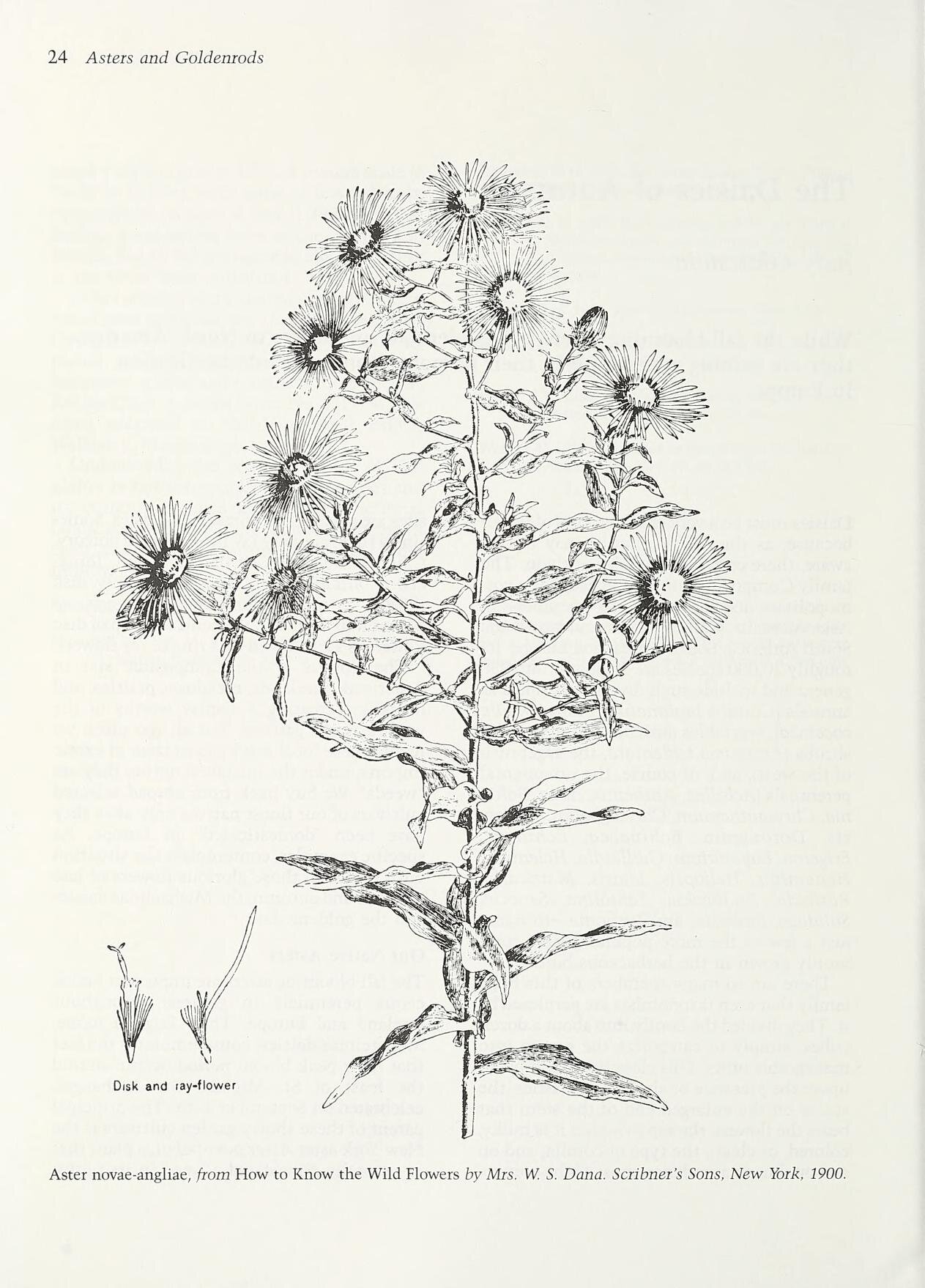
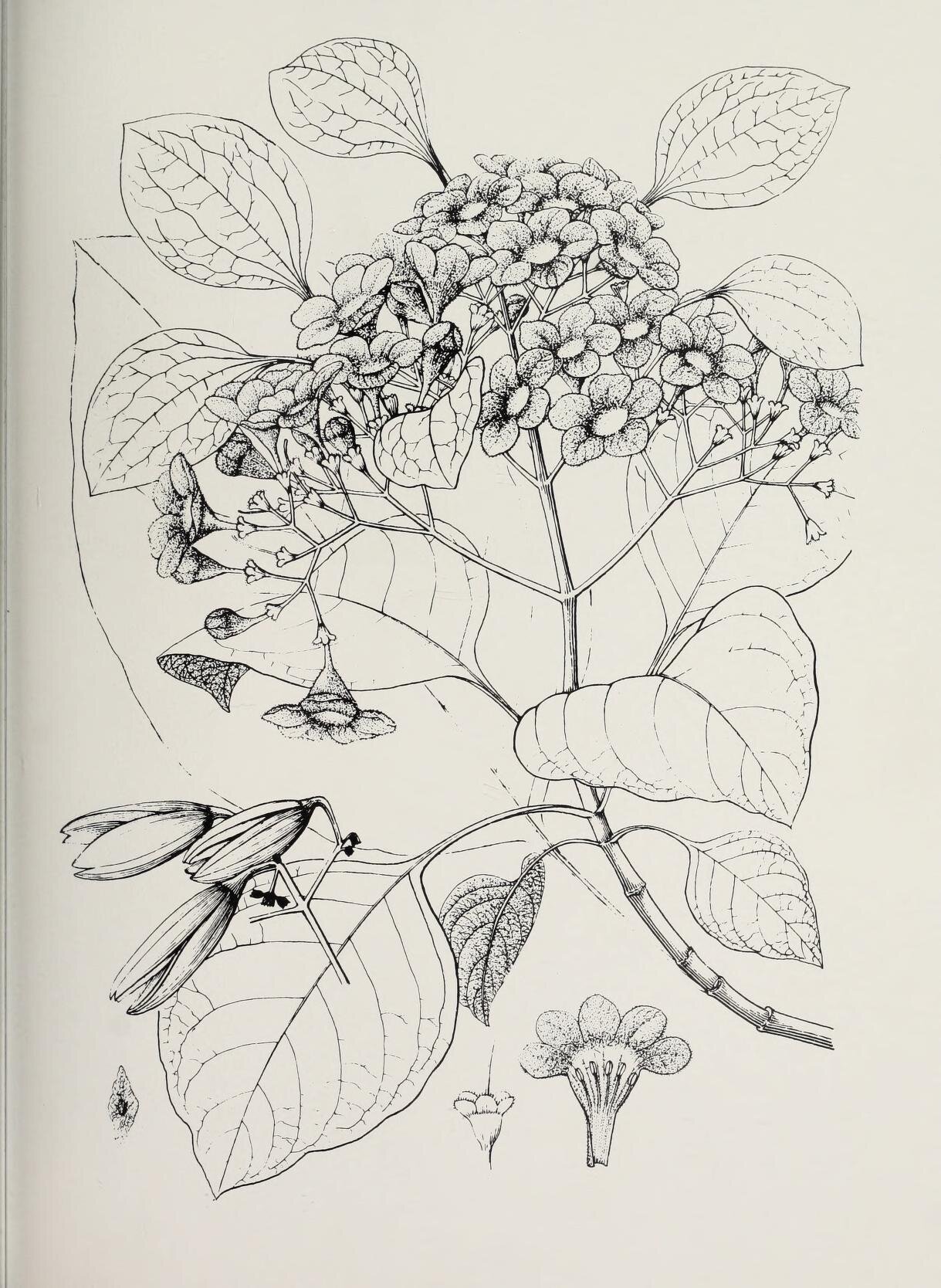
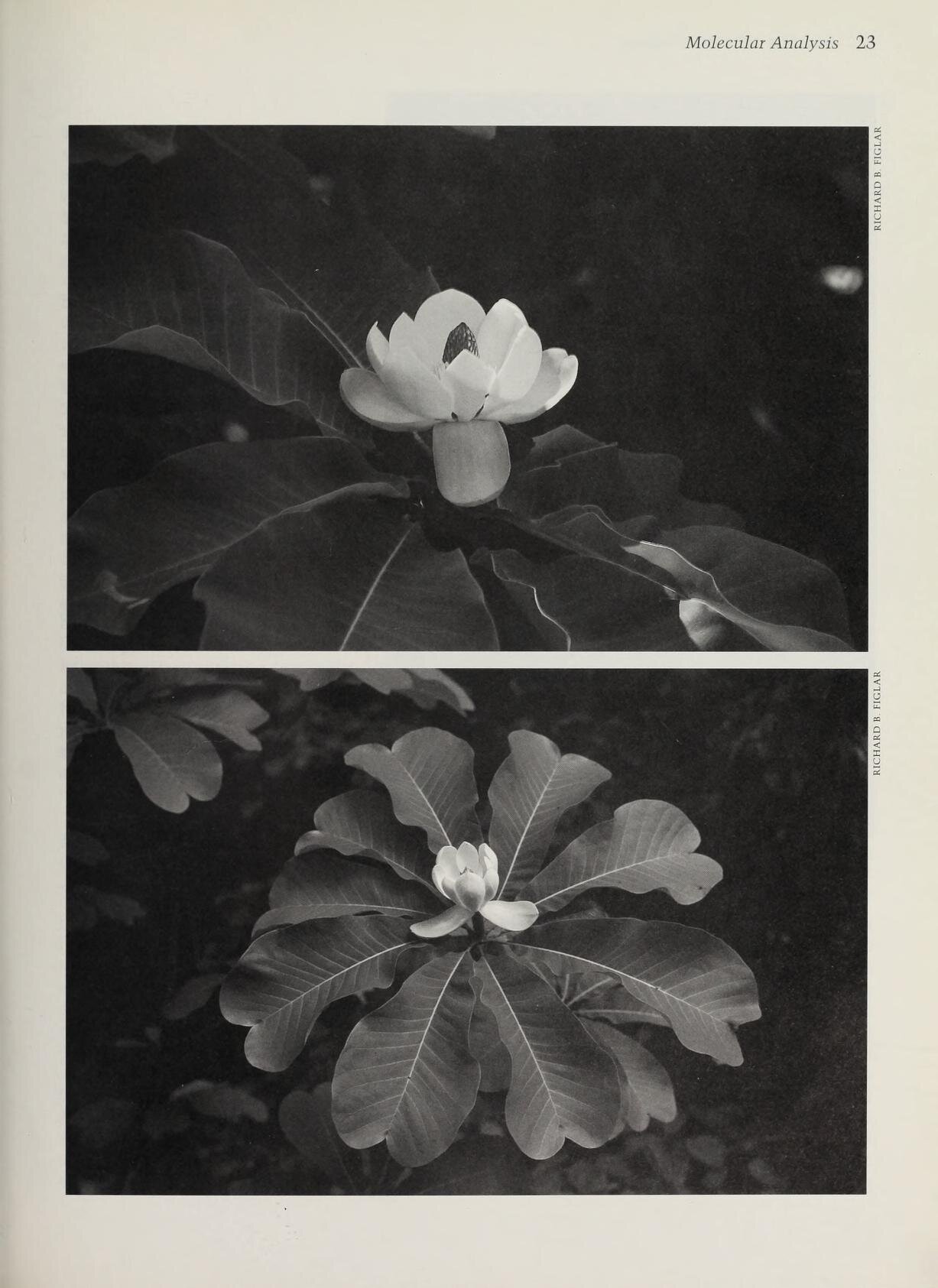
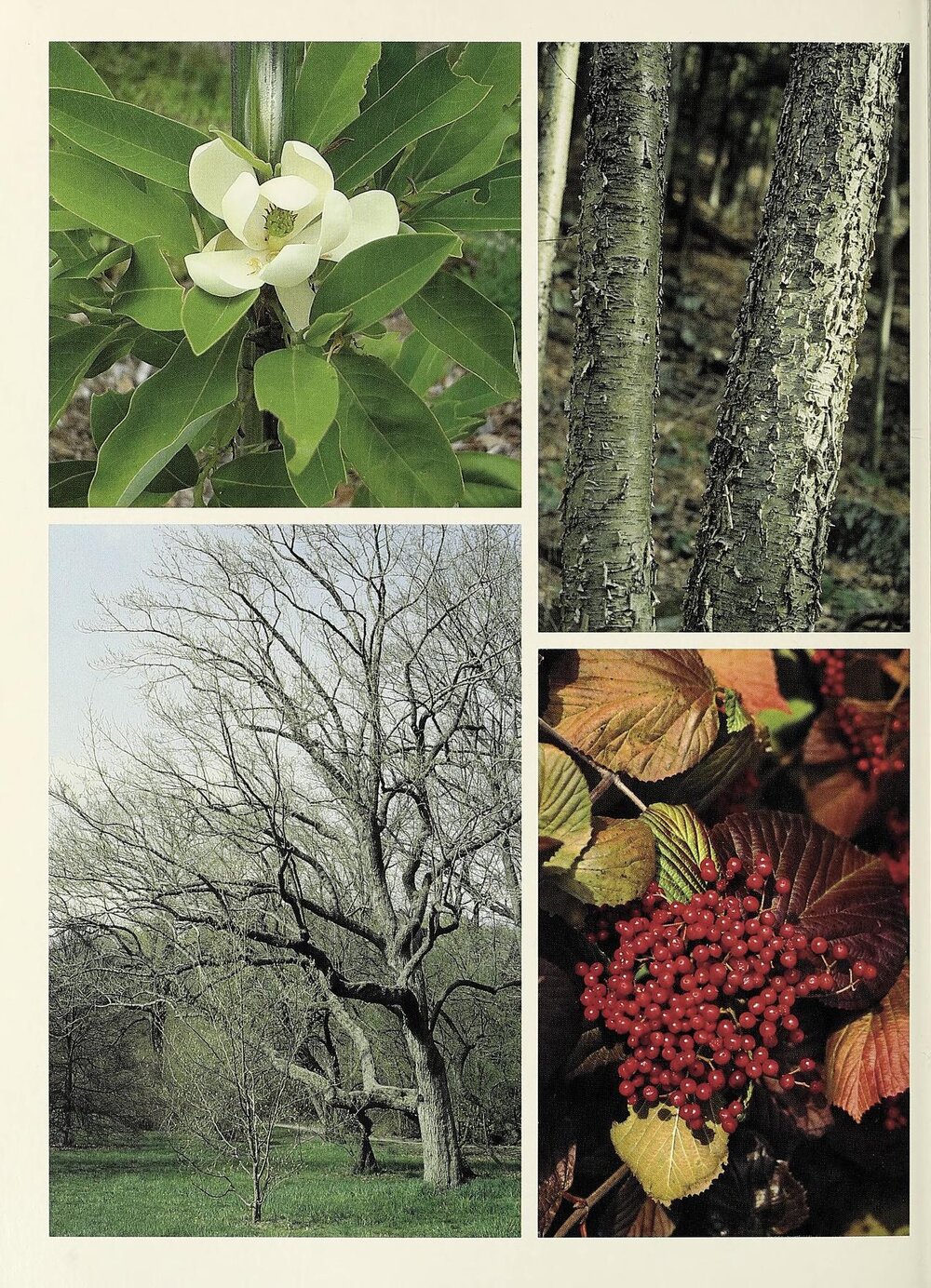
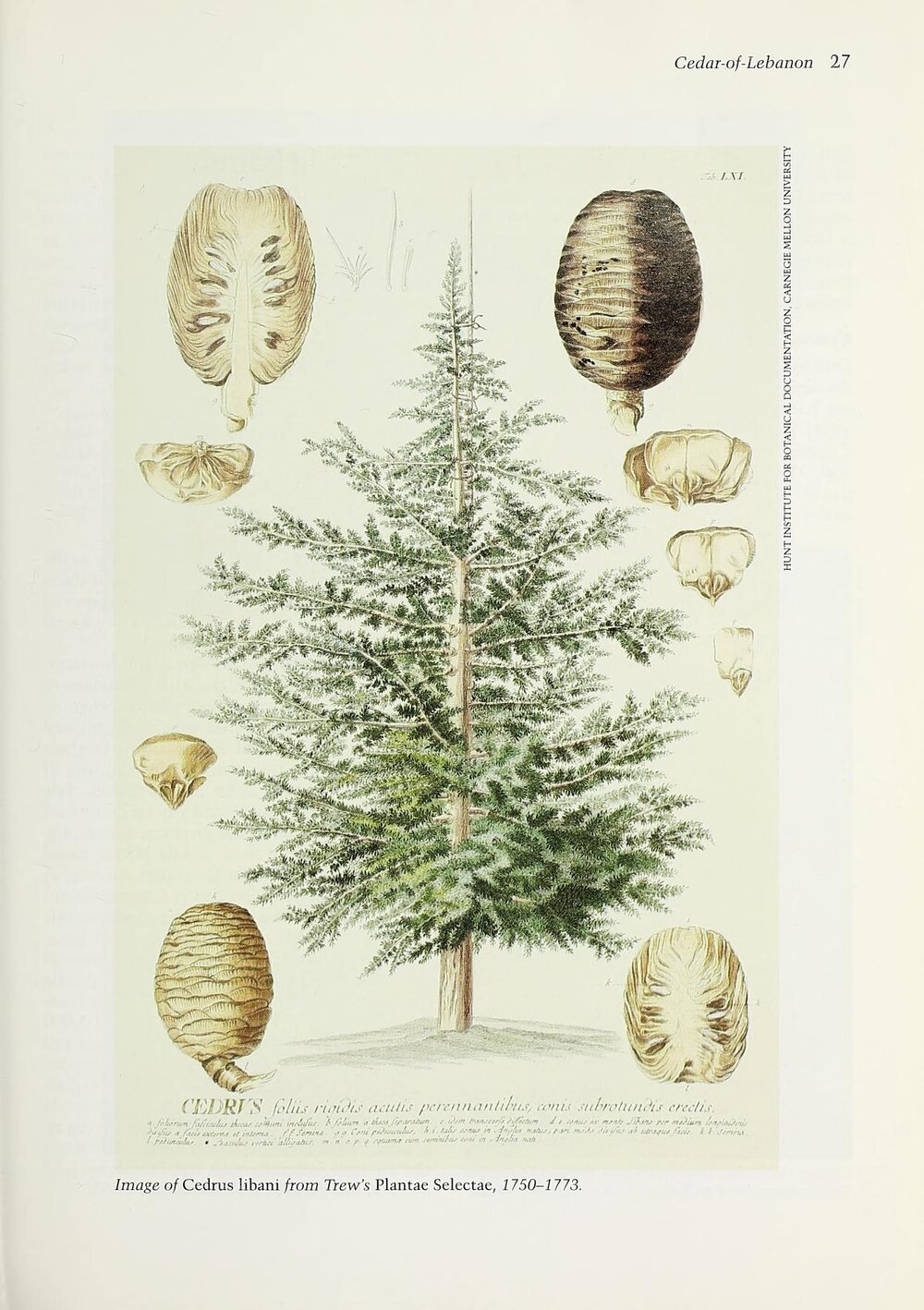
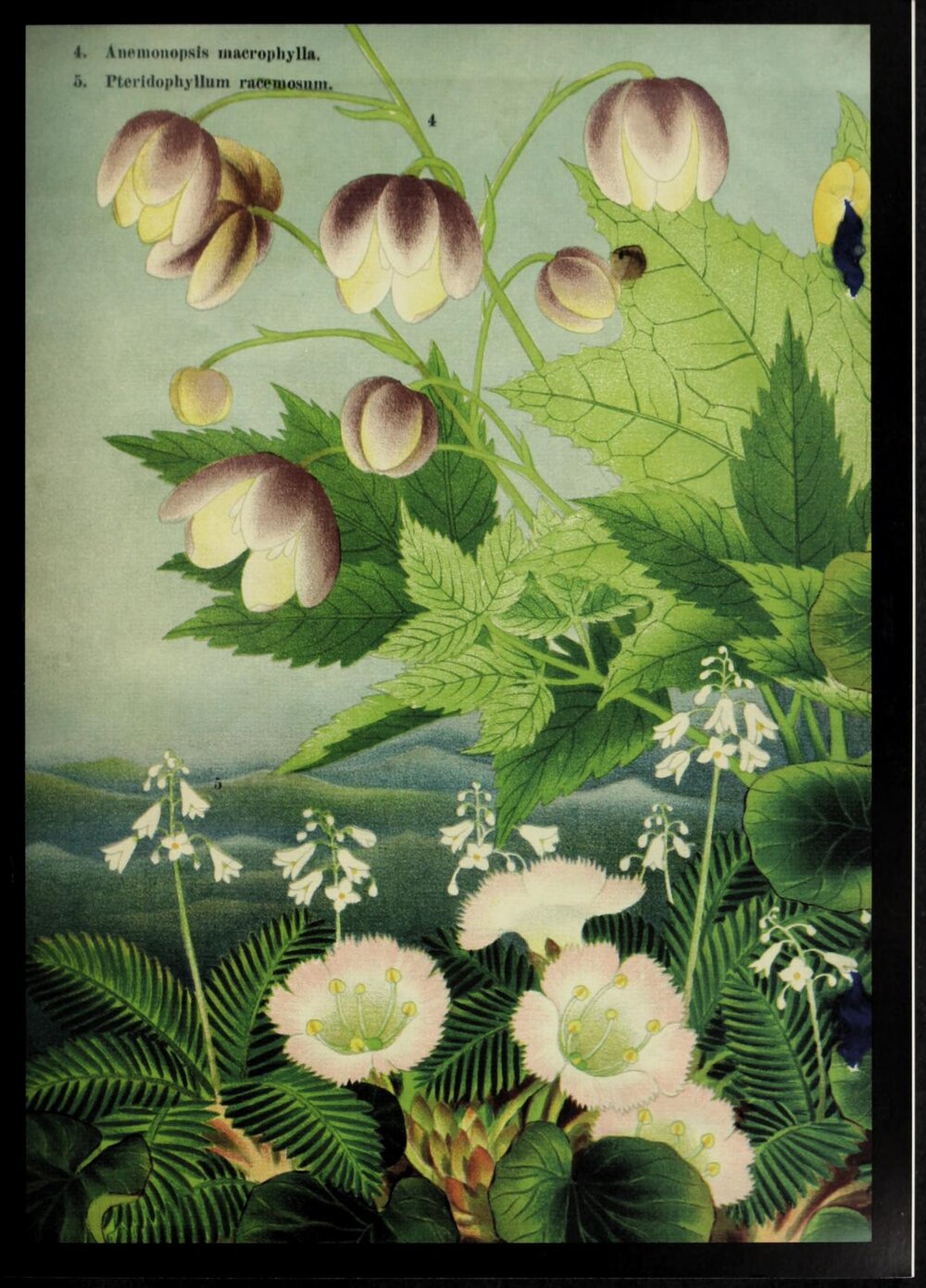
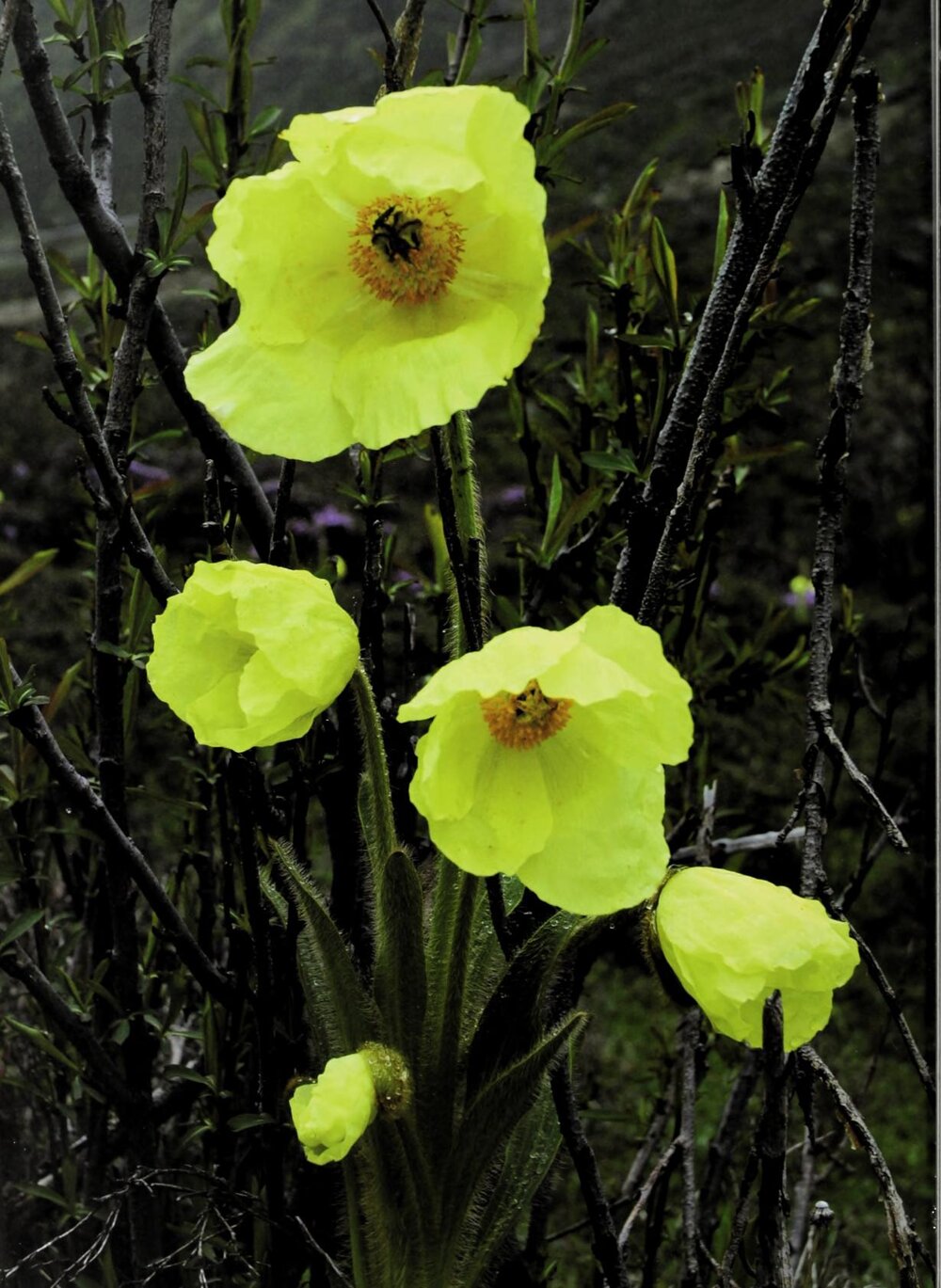
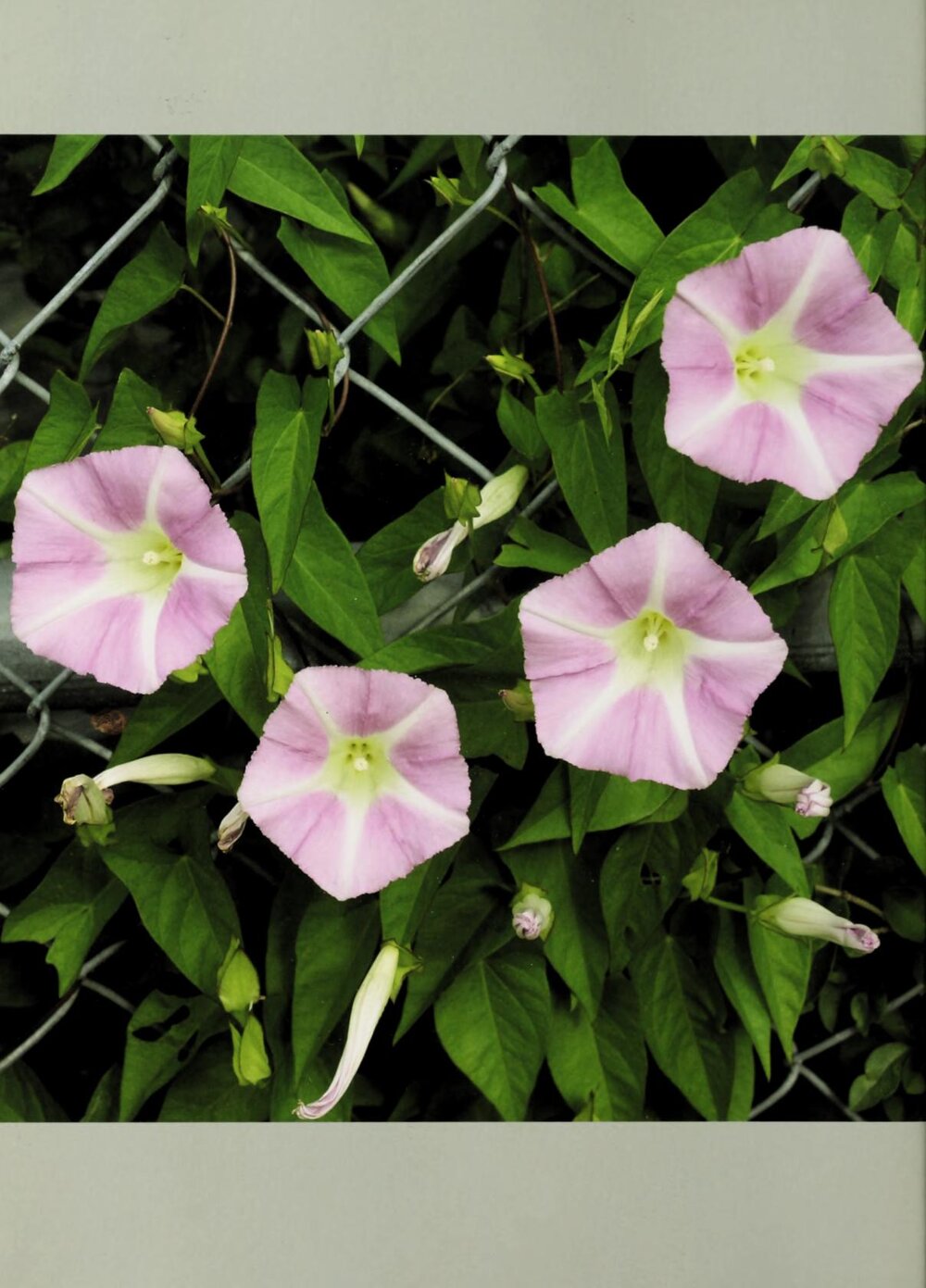
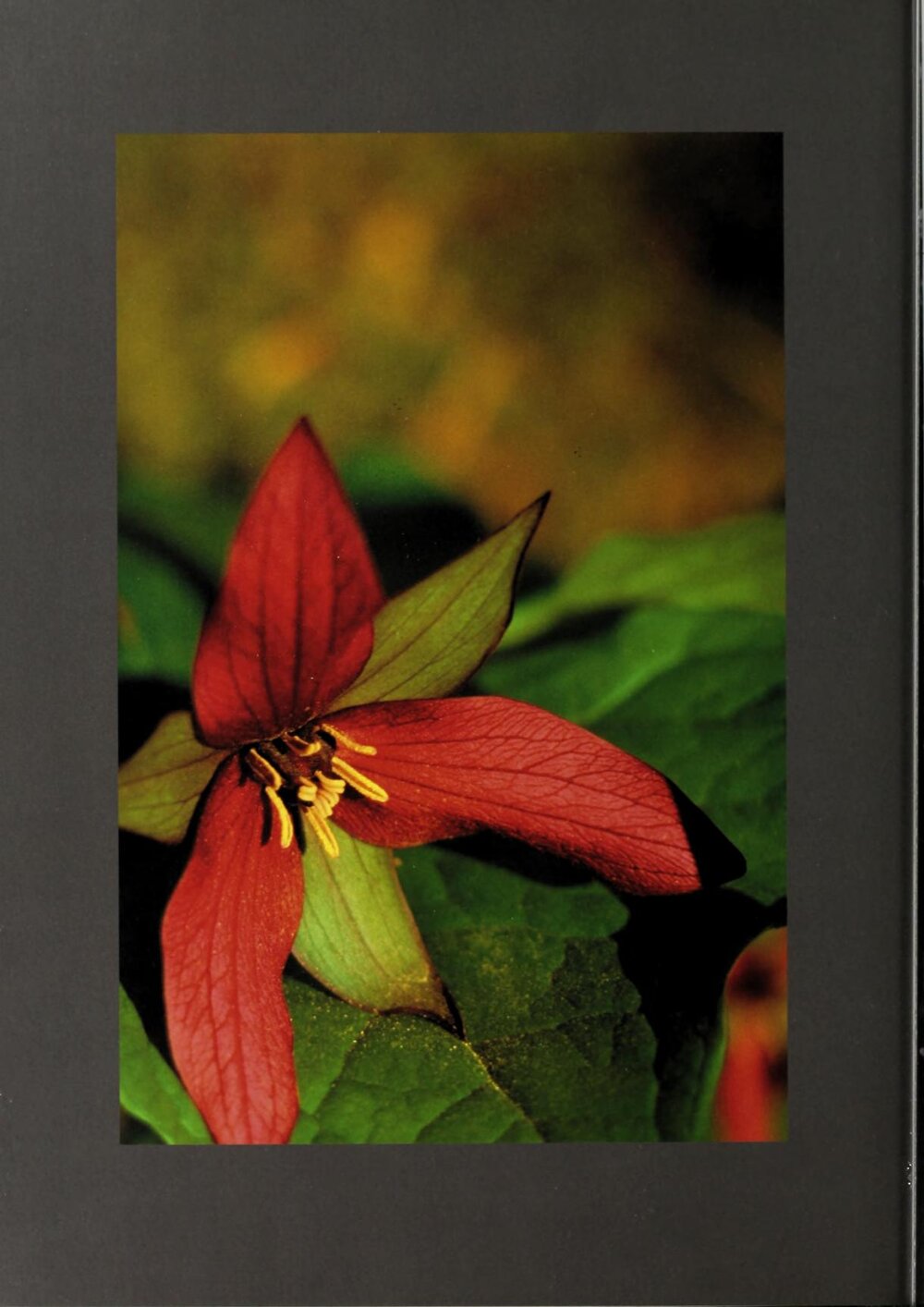
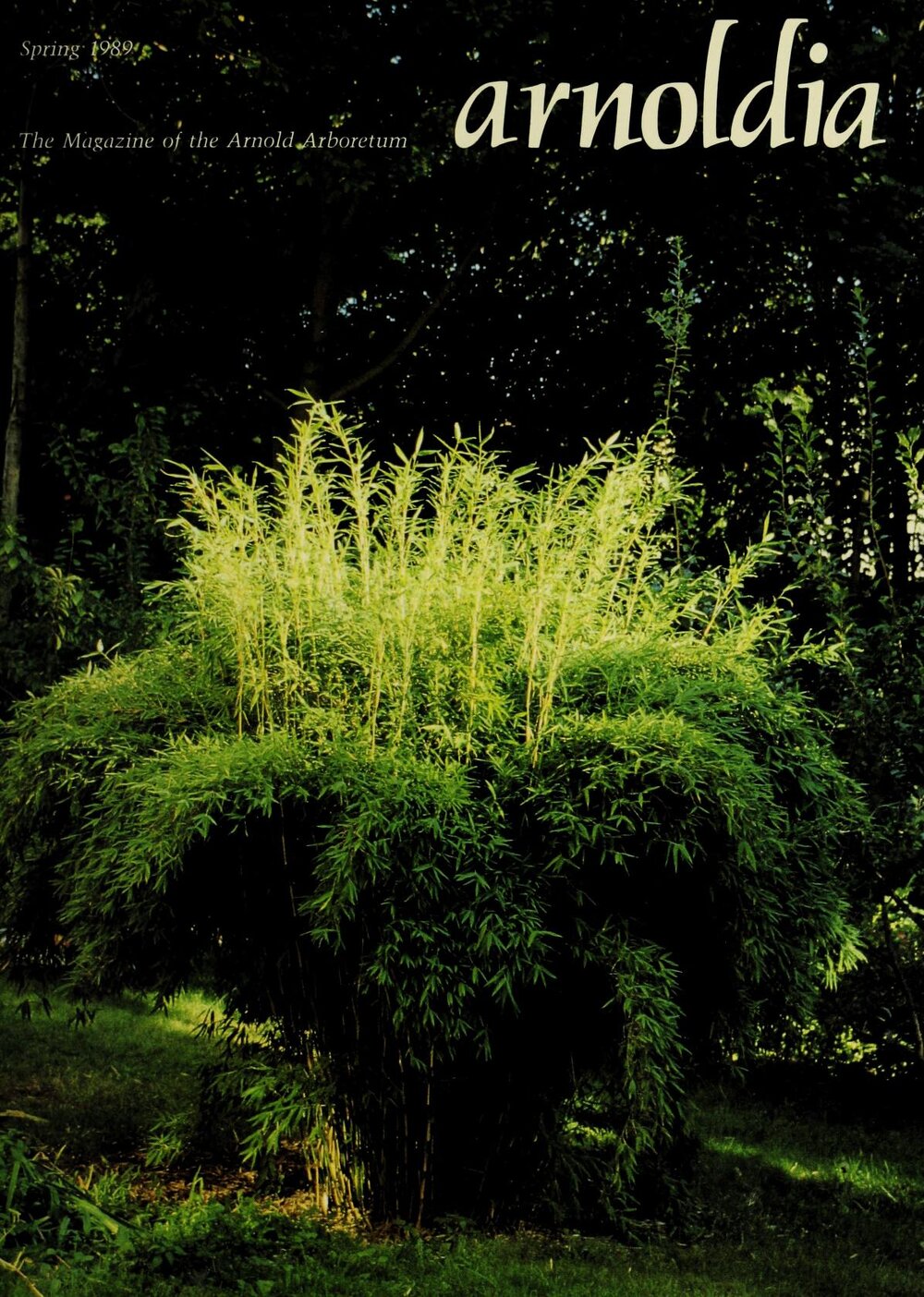
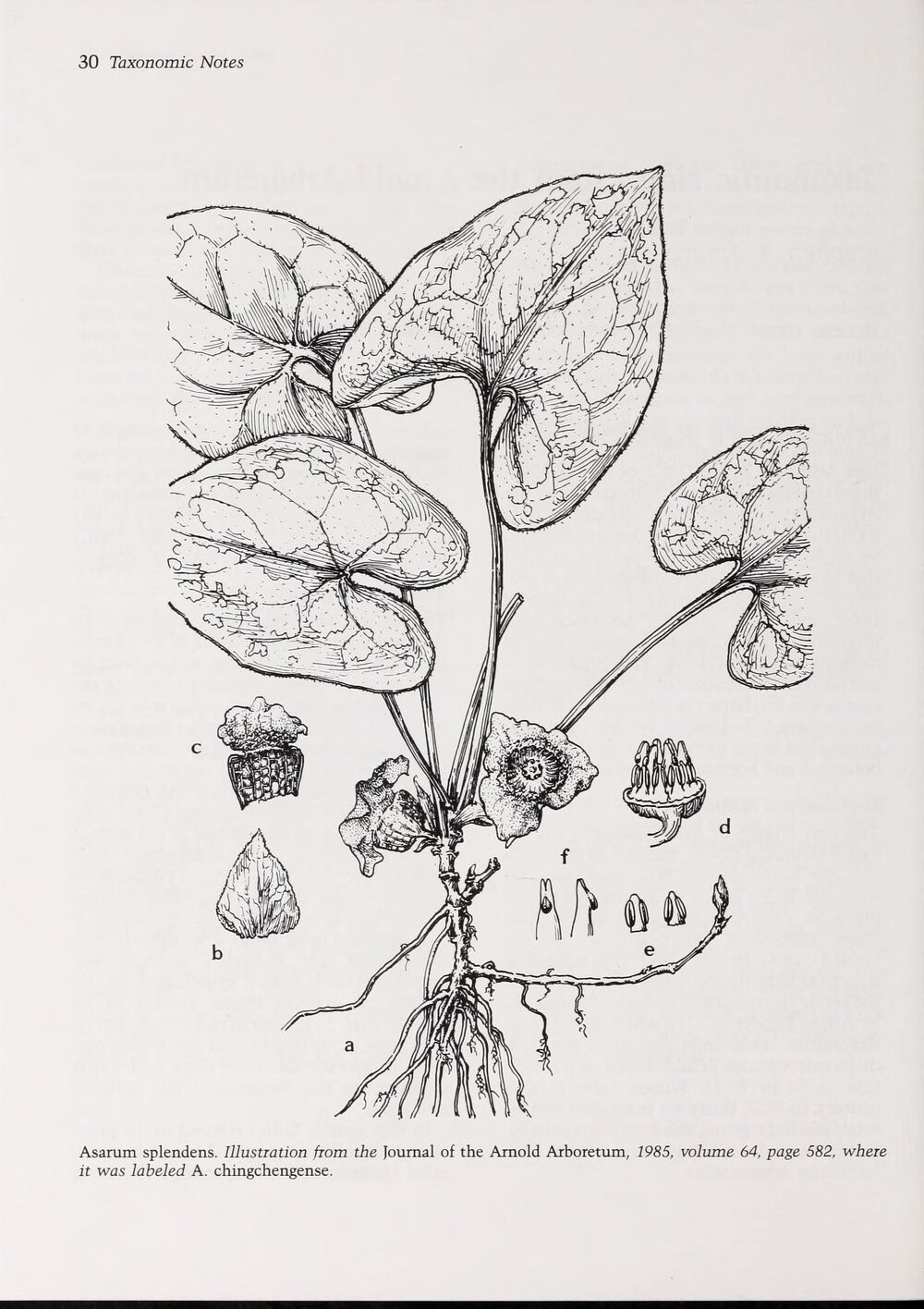
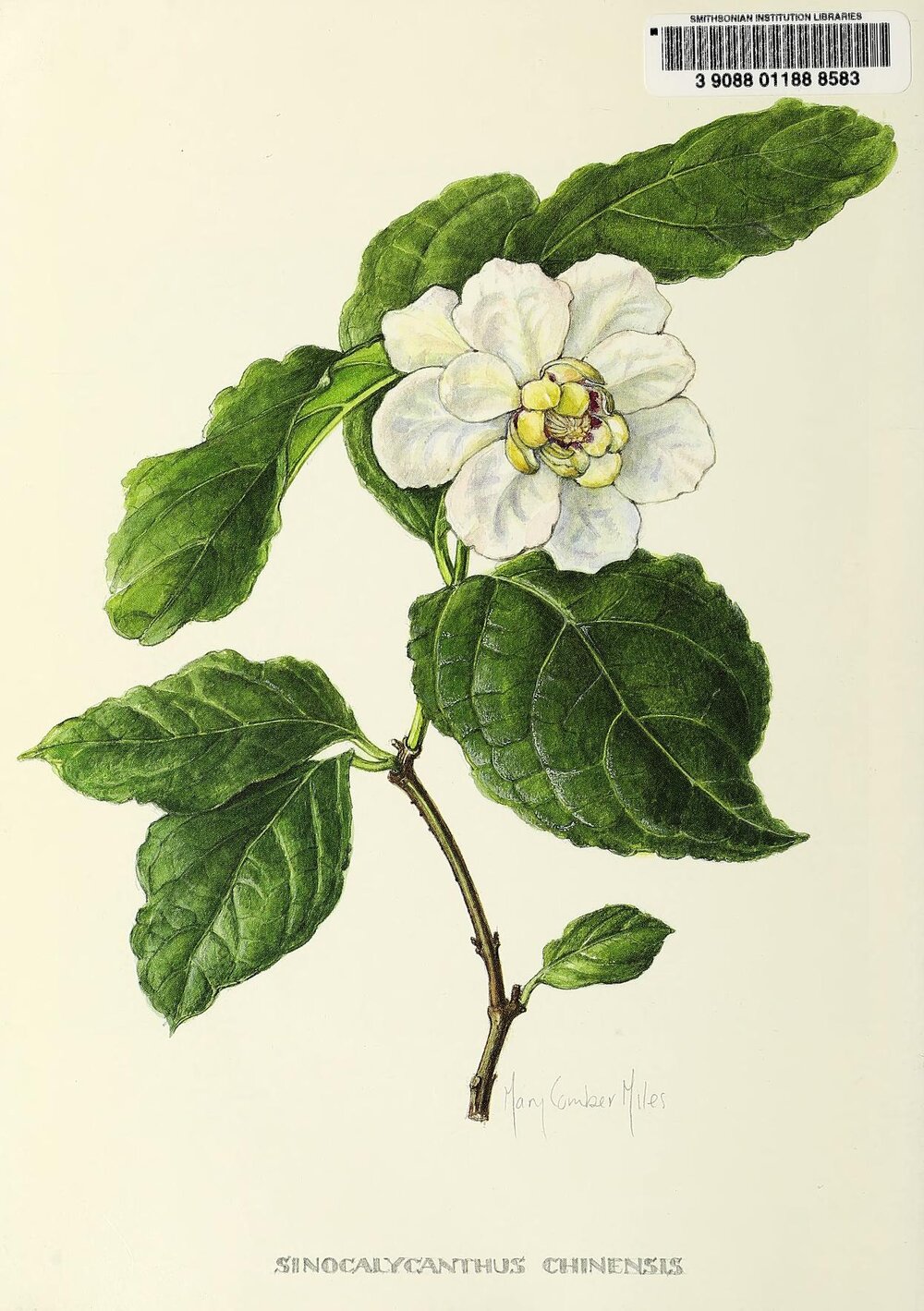
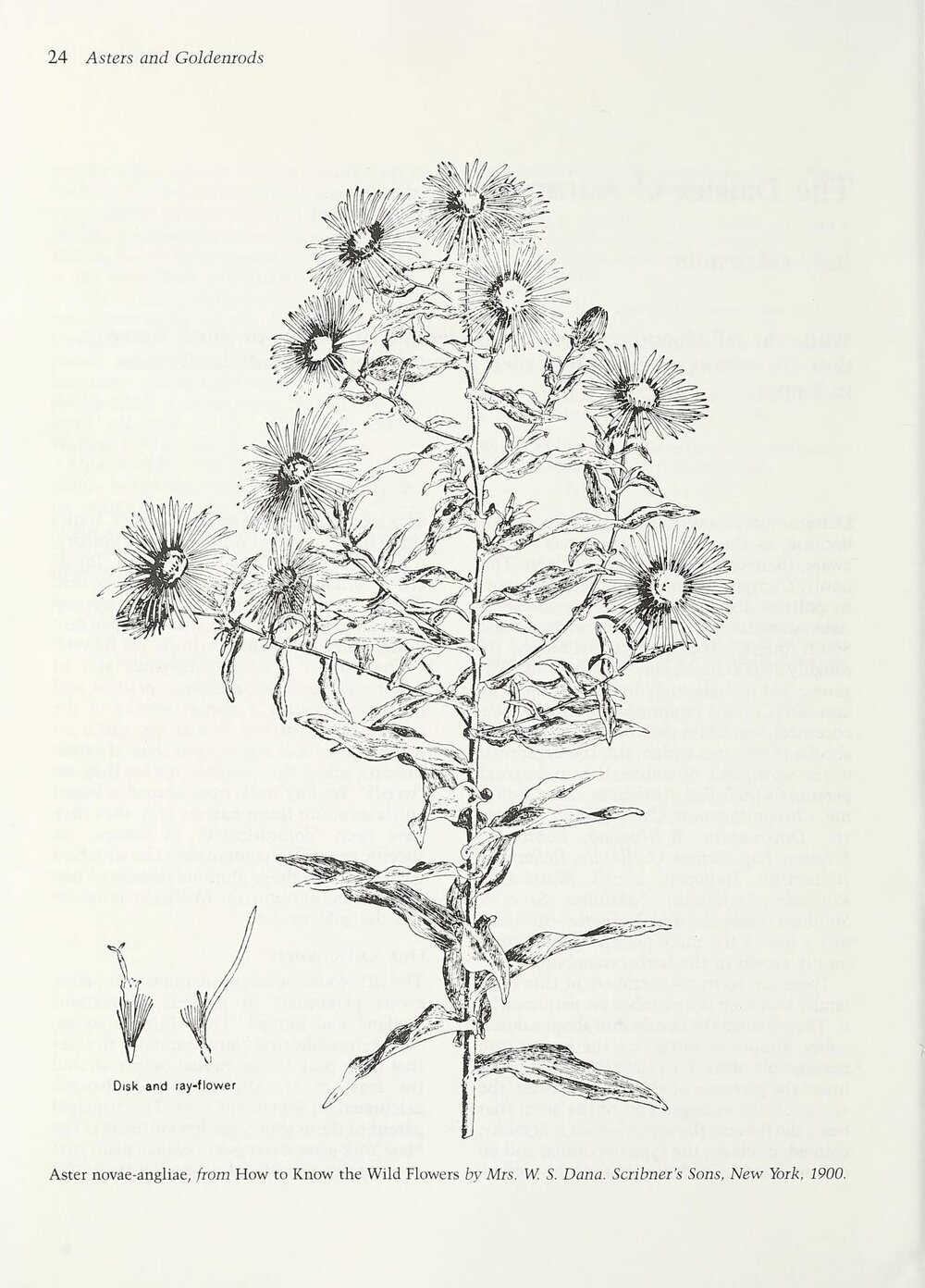
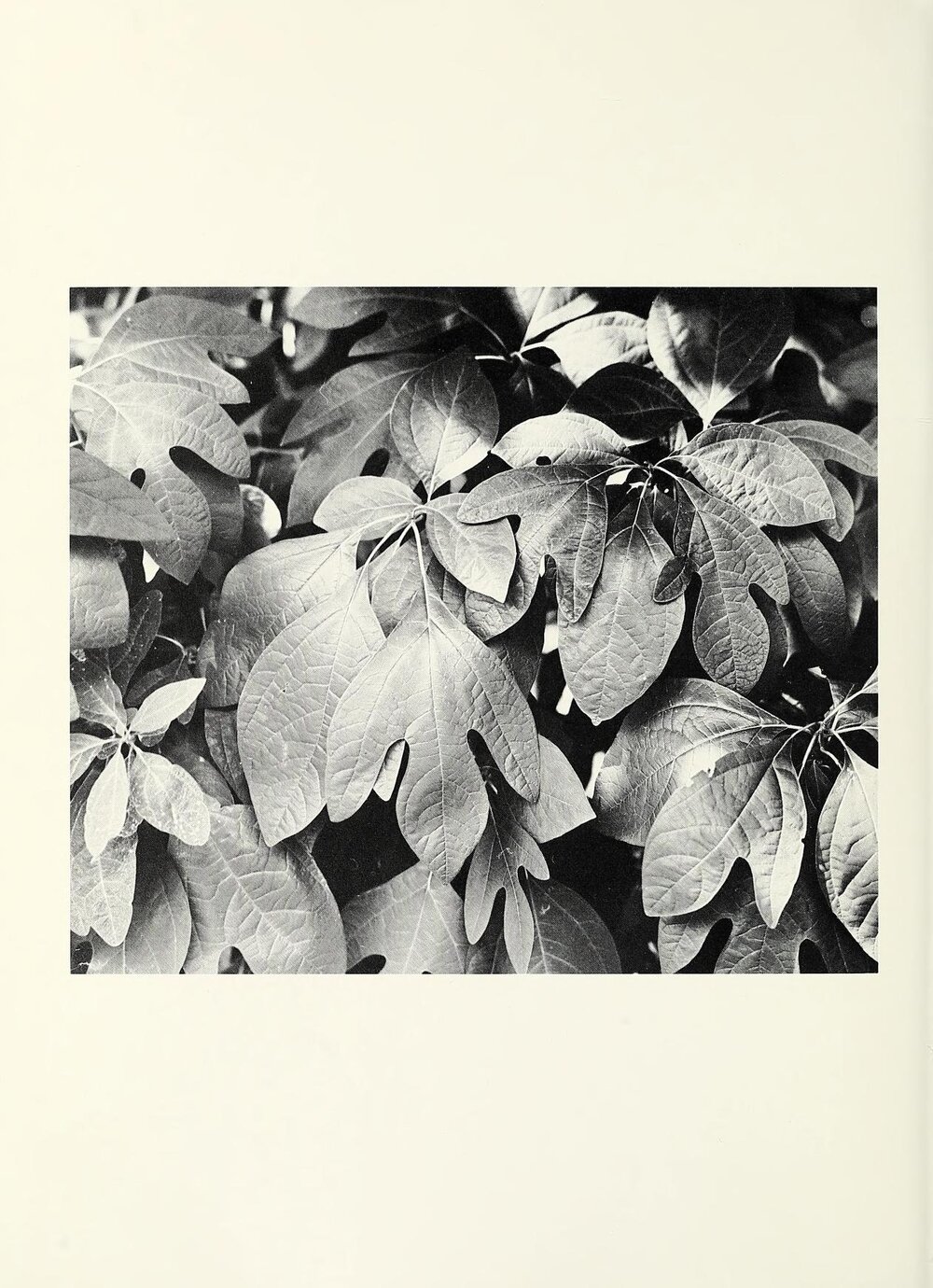
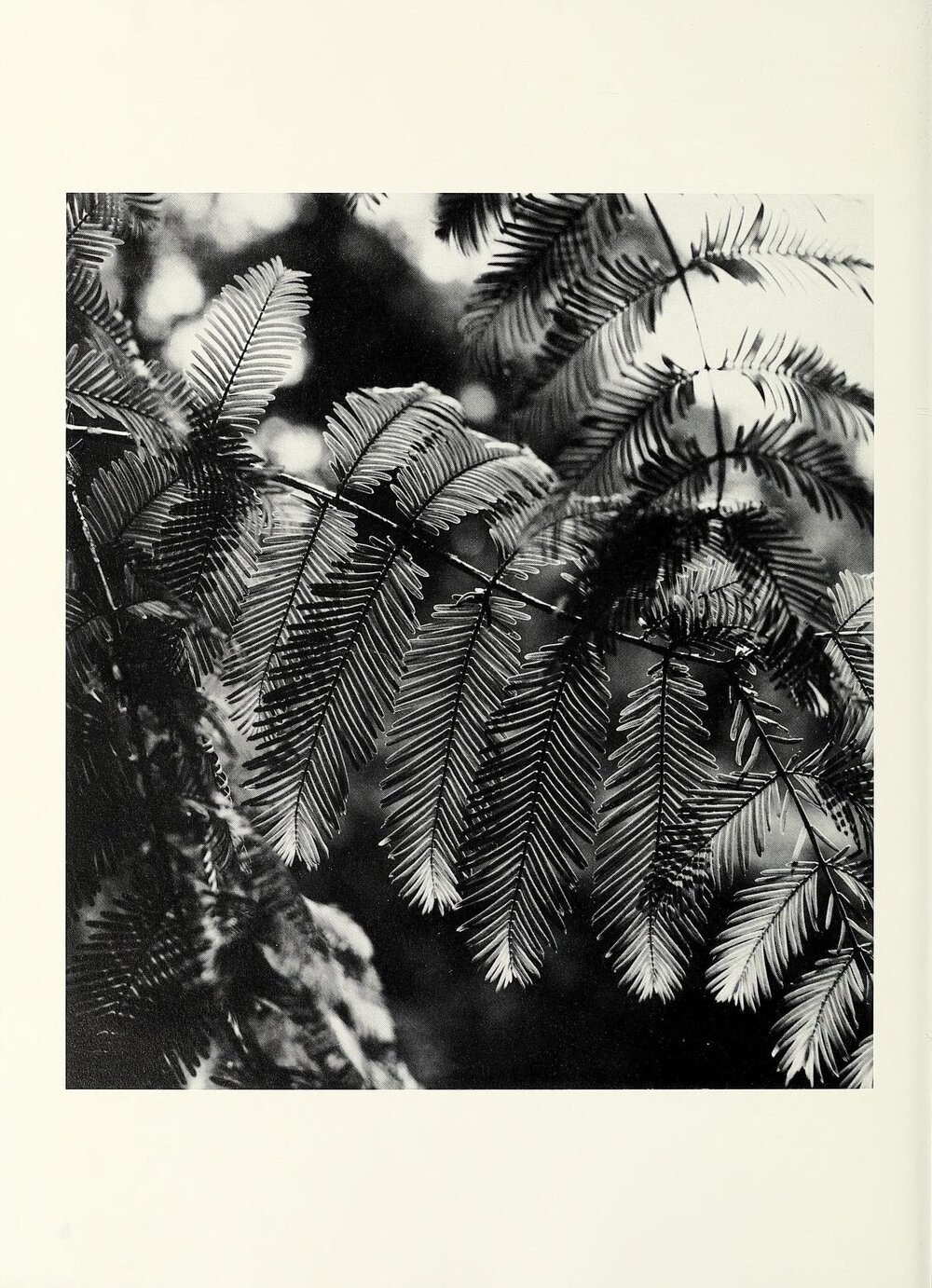
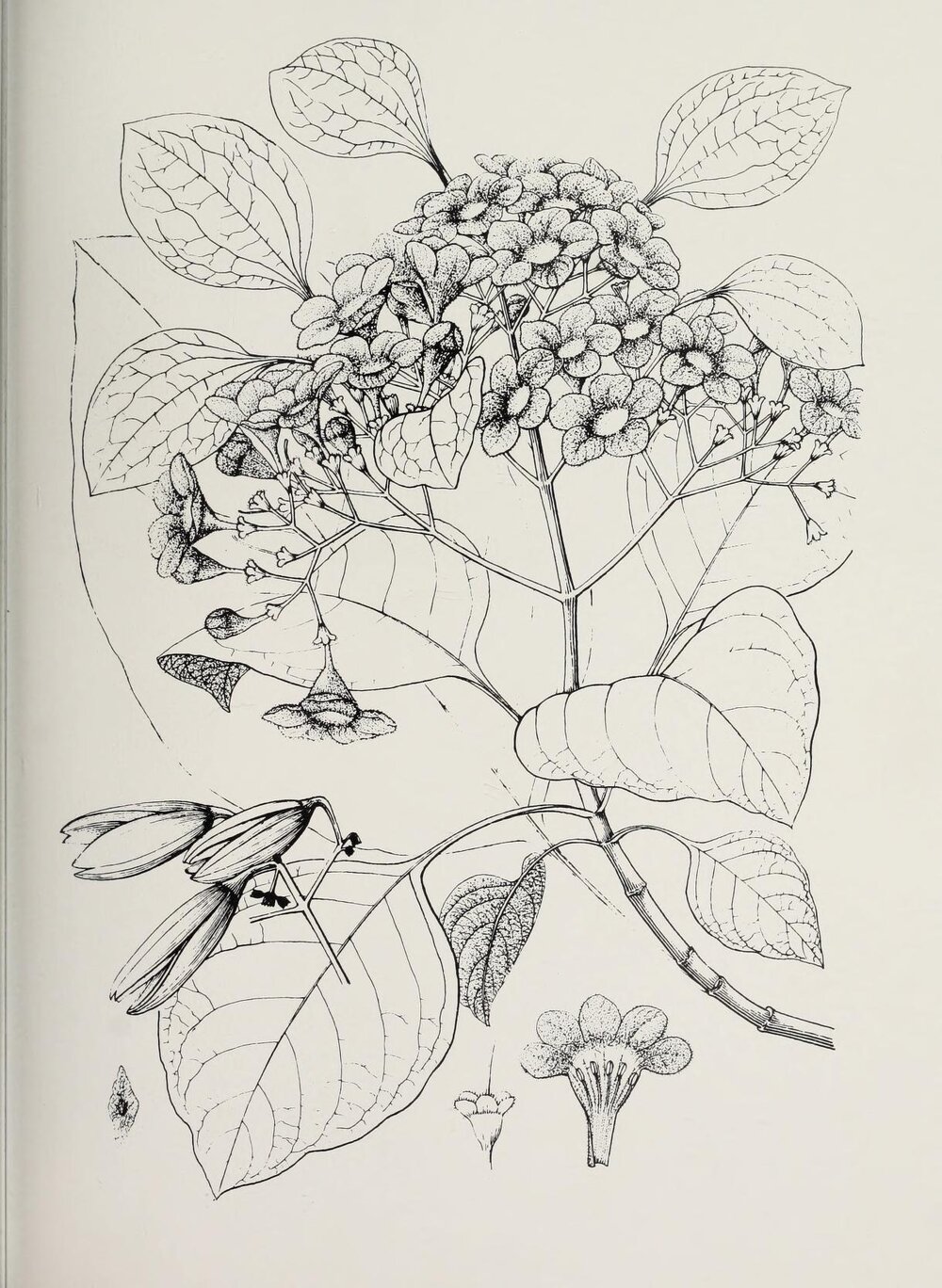
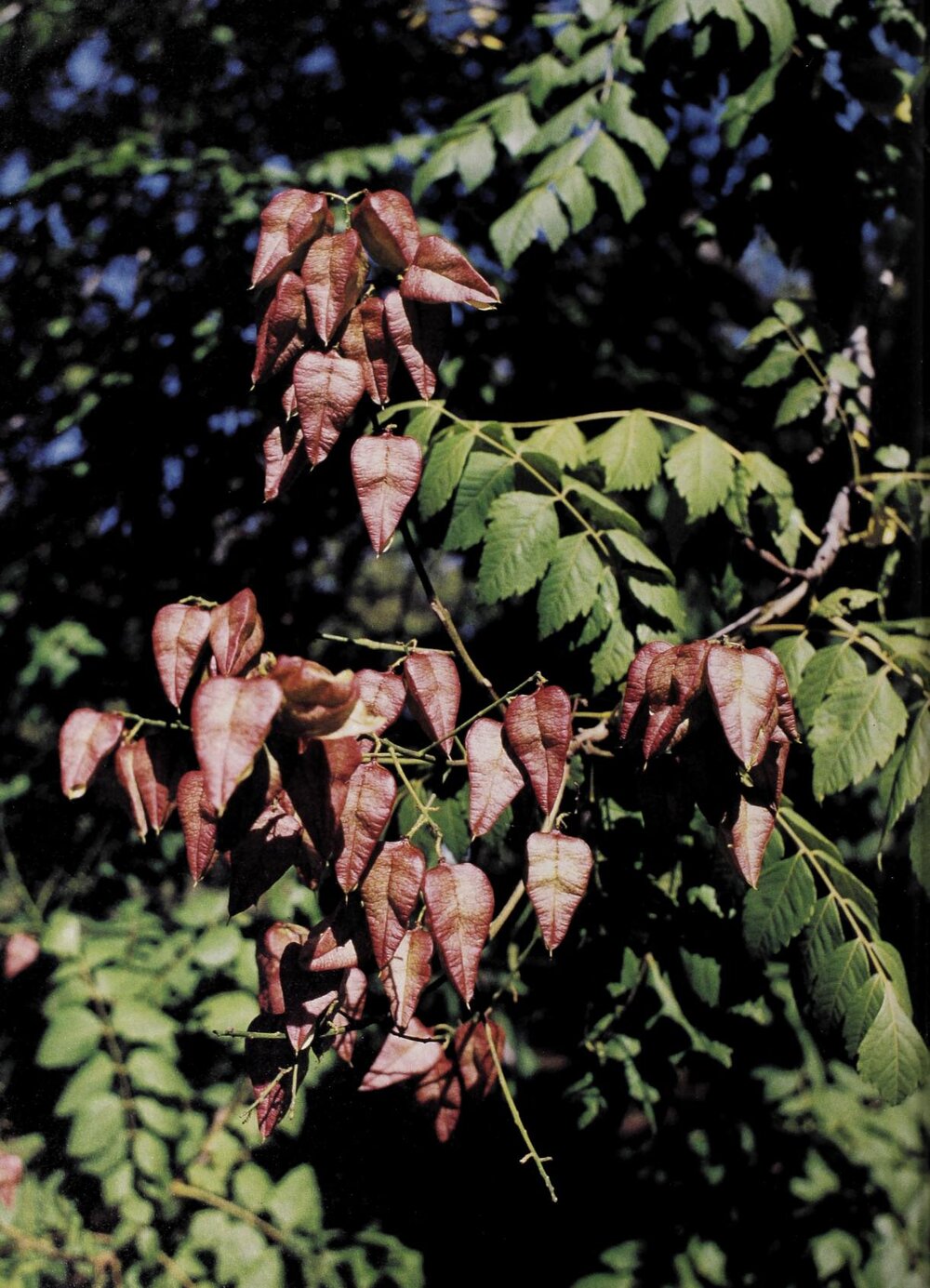
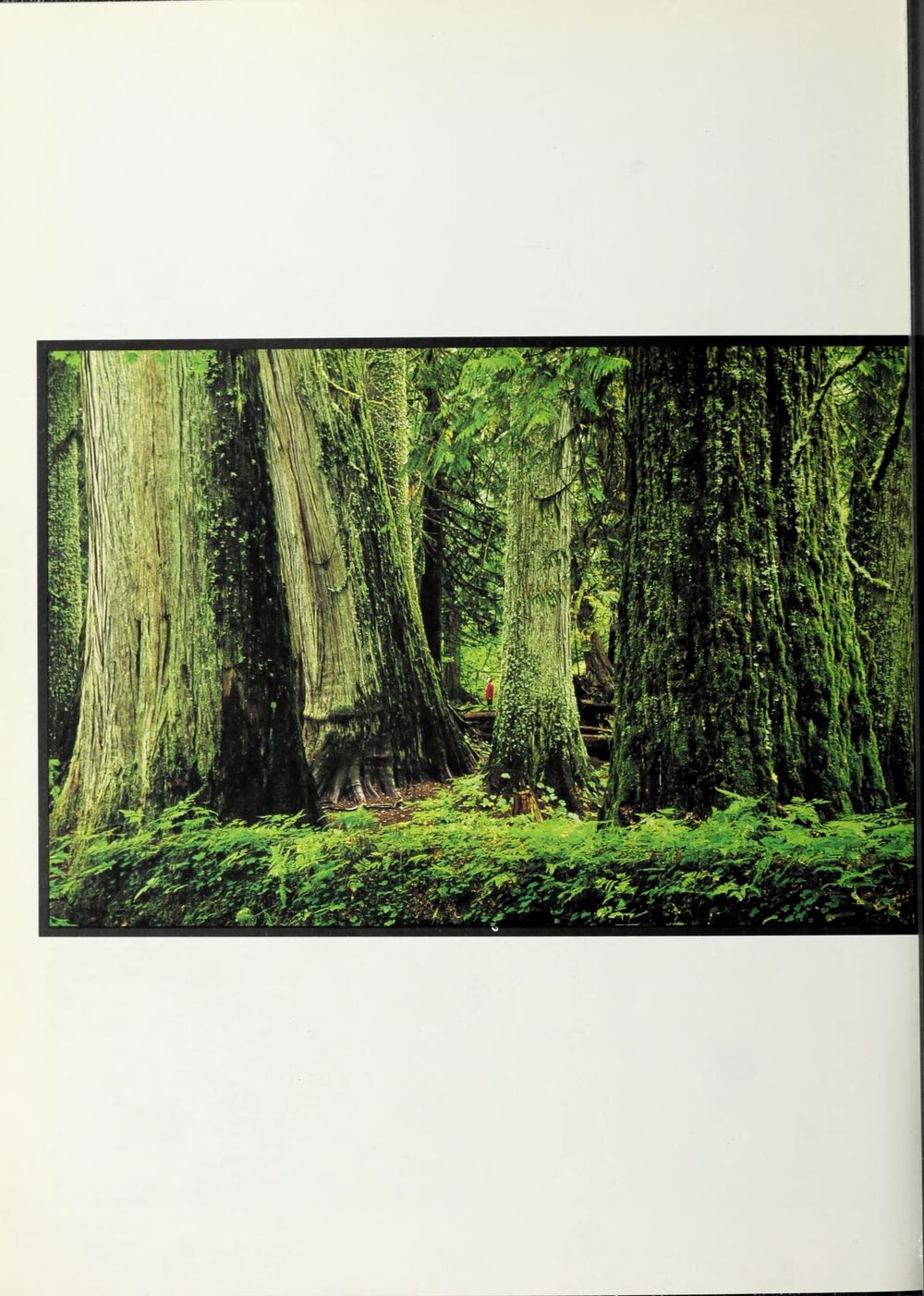
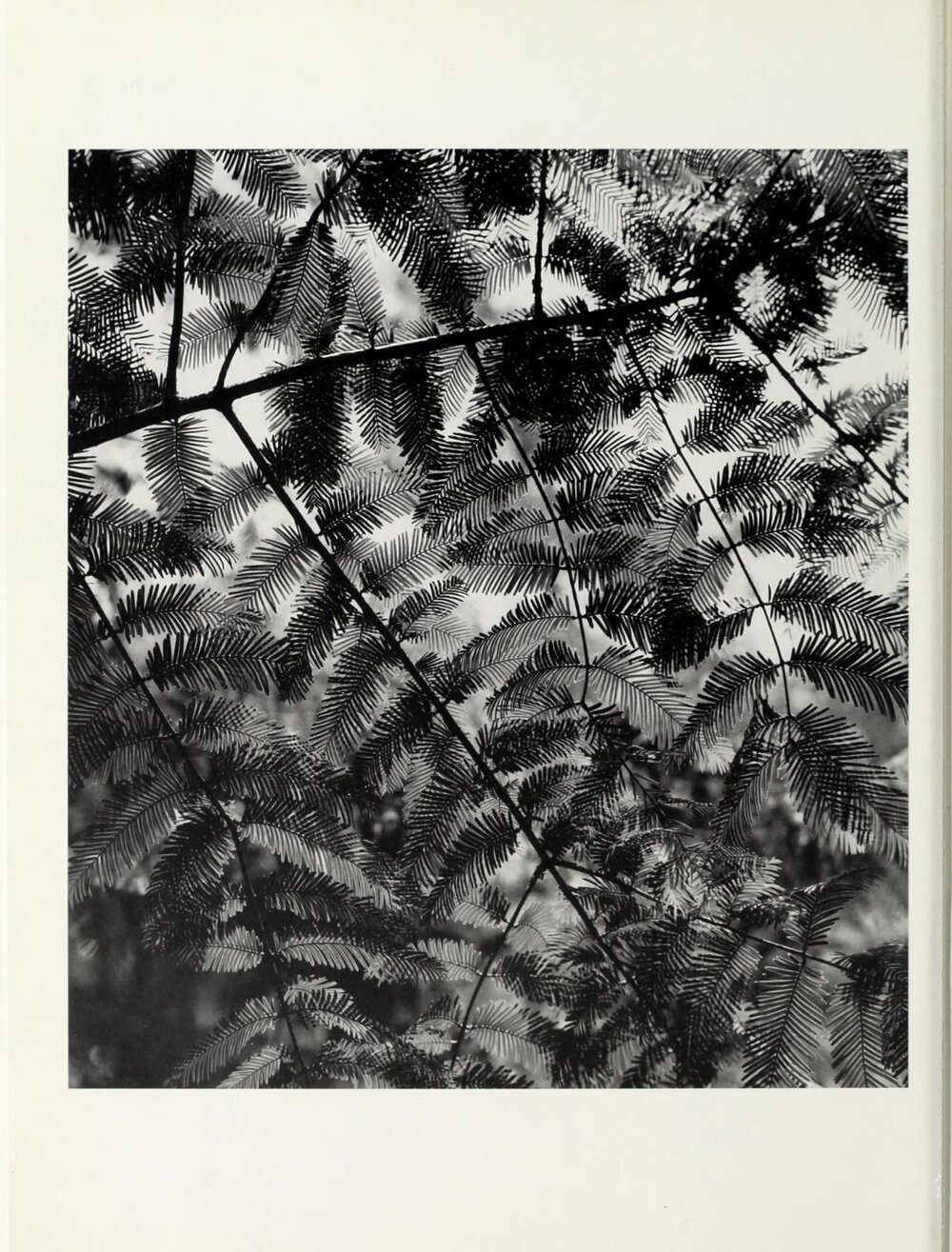
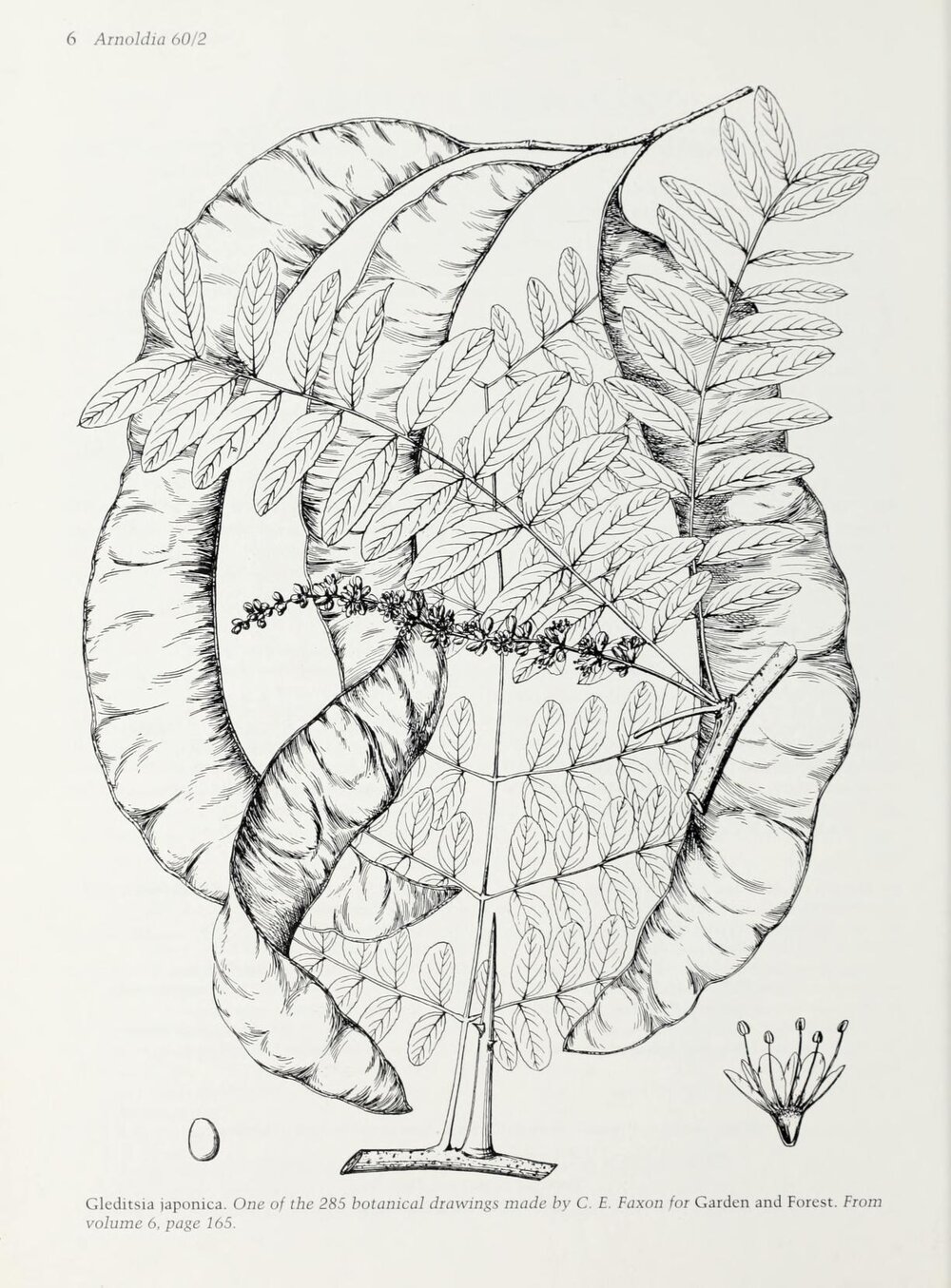
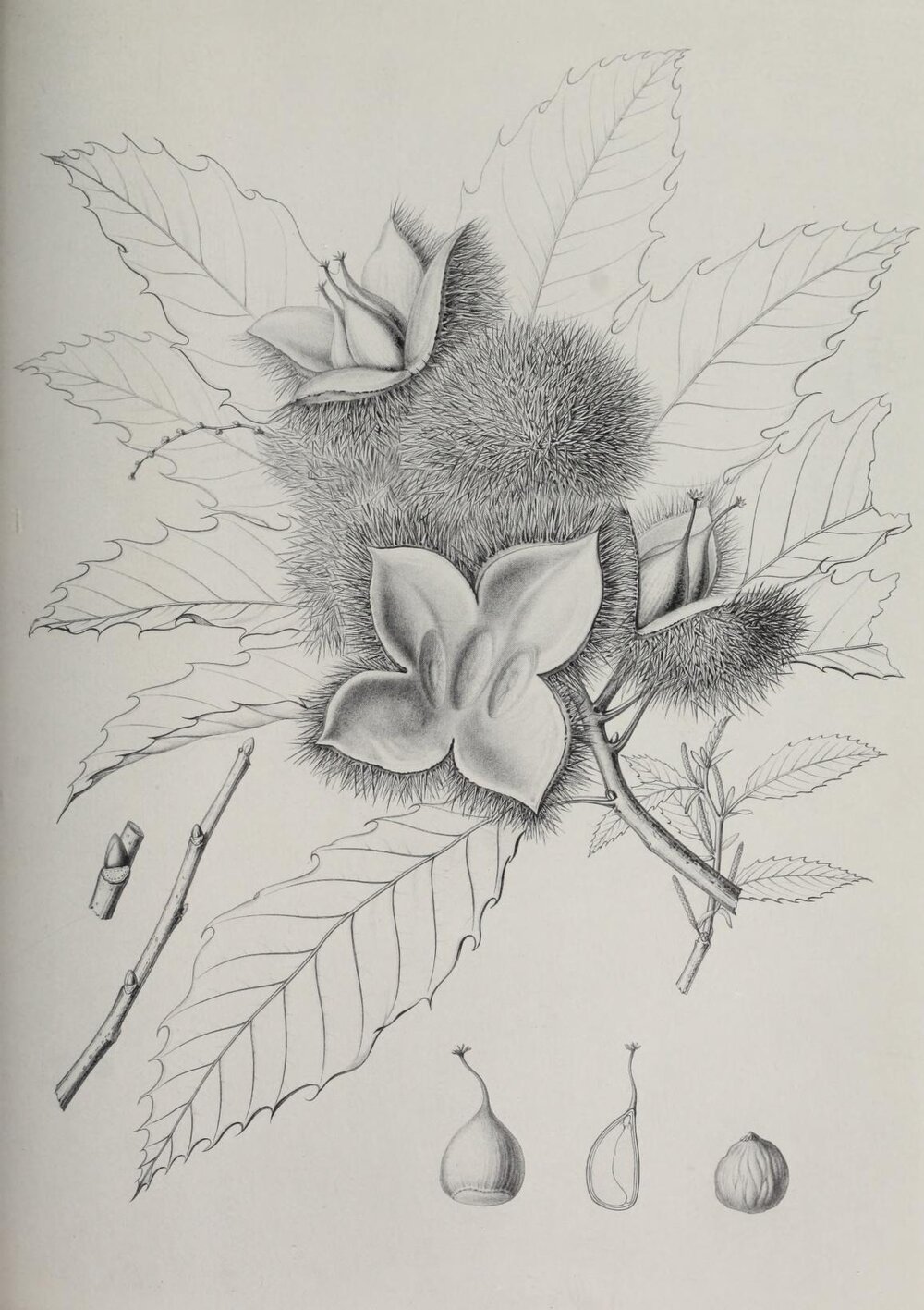
Click an any sample images below to get an enlarged version. Note that Arnoldia sometimes includes articles on historical botanical illustrations…sometimes includes traditional botanical drawings…and a lot of photography. Enjoy the March eBotanical Prints!

Arnoldia -  v.63:no.4 (2005) * Arnold Arboretum * sample image * 2005

Arnoldia -  v.65-66 (2007-2009) * Arnold Arboretum * sample image * 2009

Arnoldia -  v.64:(2005-2006) * Arnold Arboretum * sample image * 2006

Arnoldia -  v.67:(2009-2010) * Arnold Arboretum * sample image * 2010

Arnoldia -  v.68:(2010-2011) * Arnold Arboretum * sample image * 2011

Arnoldia -  v.69:(2011-2012) * Arnold Arboretum * sample image * 2012

Arnoldia -  v.70:(2012-2013) * Arnold Arboretum * sample image * 2013

Arnoldia -  v.49:(1989) * Arnold Arboretum * sample image * 1989

Arnoldia -  v.50:(1990) * Arnold Arboretum * sample image * 1990

Arnoldia -  v.51 no. 1:(1991) * Arnold Arboretum * sample image * 1991

Arnoldia -  v.51 no. 2:(1991) * Arnold Arboretum * sample image * 1991

Arnoldia -  v.51 no. 3:(1991) * Arnold Arboretum * sample image * 1991

Arnoldia -  v.51 no. 4:(1991) * Arnold Arboretum * sample image * 1991

Arnoldia -  v.52:(1992) * Arnold Arboretum * sample image * 1992

Arnoldia -  v.53:(1993) * Arnold Arboretum * sample image * 1993

Arnoldia -  v.54:(1994) * Arnold Arboretum * sample image * 1994

Arnoldia -  v.55:(1995) * Arnold Arboretum * sample image * 1995

Arnoldia -  v.56:(1996) * Arnold Arboretum * sample image * 1996

Arnoldia -  v.57:(1997) * Arnold Arboretum * sample image * 1997

Arnoldia -  v.58:(1998) * Arnold Arboretum * sample image * 1998

Arnoldia -  v.58-59:(1998-1999) * Arnold Arboretum * sample image * 1999

Arnoldia -  v.59:(1999) * Arnold Arboretum * sample image * 1999

Arnoldia -  v.60:(2000) * Arnold Arboretum * sample image * 2000

Arnoldia -  v.61:(2001) * Arnold Arboretum * sample image * 2001