A Student Again

The paper coasters and pencils in my room at the Biltmore Providence had the slogan ‘we are all students’ and it fit the week for me. I loved being a student. The middle two days (of the 4 day class) were intense and I was very ready to sleep by the end of the day. I woke up at my usual early time each day and saw the sunrise from the hotel room.

2019 04 IMG_3857.jpg
20190405_080442.jpg

Over the course of the class, we created 24 Zentangle® tiles which eventually were attached inside our student journal.

My favorite tile creation of the week was a voice guided Zentangle meditation – not just the tile itself (I like all the tiles I create) but the way it was done. There was none of the usual visual demonstration of the pattern. It requires a lot more descriptive language from the instructor…and good listening skills from the students. I’m not confident that all patterns could be learned in this kind of session – but it was very easy to slip into meditation with this presentation of the Zentangle Method. The mosaic we made afterward (a tile from each student created during the voice guided session) had even more variety than other tiles from the class.

20190403_103117.jpg
20190405_080718.jpg

Here is the one I created. I photographed it after I retrieved it from the mosaic and put it into my journal.

--

The Zentangle® Method is an easy-to-learn, relaxing, and fun way to create beautiful images by drawing structured patterns. It was created by Rick Roberts and Maria Thomas. "Zentangle" is a registered trademark of Zentangle, Inc. Learn more at zentangle.com.

Biltmore Providence

20190331_135451.jpg

The Certified Zentangle® Trainer class was held in the Biltmore Providence (recently renamed to Graduate Providence). The high ceiling and glass/brass elevator in the lobby are vintage 1920s when the hotel first opened.

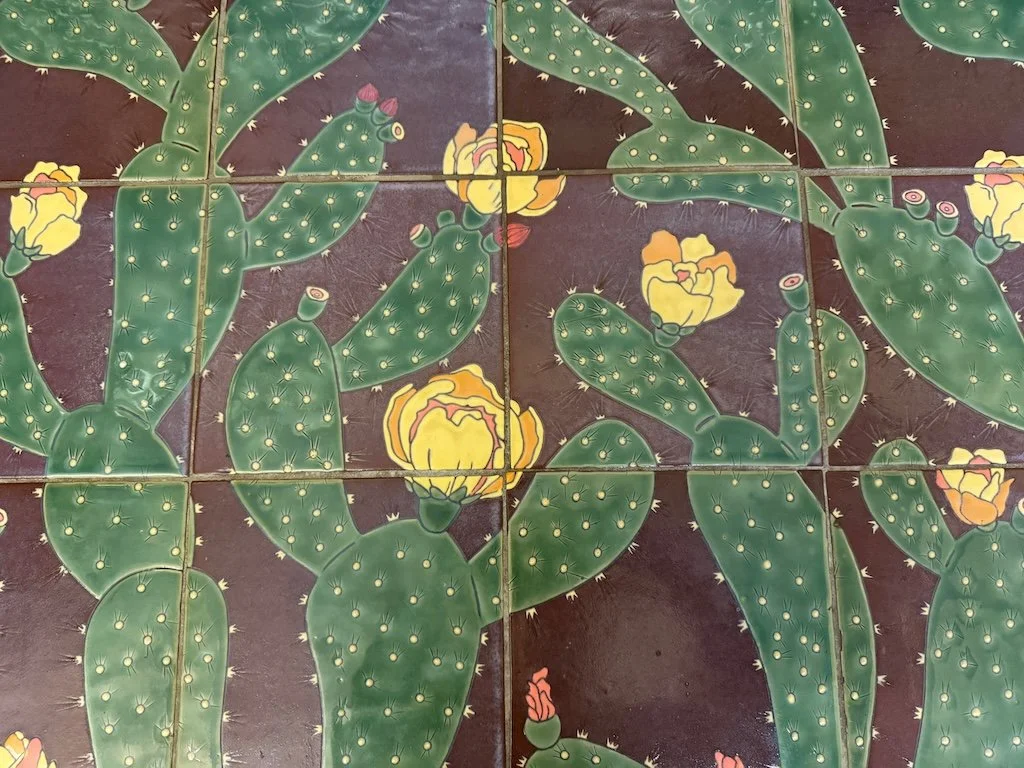
I started seeing patterns in lots of places in the hotel. In the room, it was the wallpaper on the upper part of the bathroom walls (shells with sparkle), the bathroom floor tiles, and the carpet.

20190401_140407.jpg

On the floor where the class was held (ballroom and snack area) there were fixtures and fabrics…some the original vintage of the hotel and some very recent. I felt I was immersed in a pattern rich place – but there are many places that turn out to be pattern rich when we look closely.

--

The Zentangle® Method is an easy-to-learn, relaxing, and fun way to create beautiful images by drawing structured patterns. It was created by Rick Roberts and Maria Thomas. "Zentangle" is a registered trademark of Zentangle, Inc. Learn more at zentangle.com.

On the Train to Providence…and Home Again

Last week, I went to the Certified Zentangle®  Trainer (CZT) class in Providence RI. I decided to take the train since the hotel in Providence was within walking distance of the train station…and I had never taken more than a day trip on the train. The class started in late afternoon and the train from the Baltimore Washington International Airport train station was about 7 hours. I left in the early morning. It was a little daunting when my husband dropped me off in the dark at a station under construction (or renovation…not sure…most of it was not open). I was glad it was not a cold morning. There were no Amtrak personnel around that I noticed but there were enough experienced train riders to reassure me that I was in the right place. I also learned about the quiet car…what luxury. The sunrise (blur) happened not long after the trek began.

The gentle rocking of the train and the quiet was very calming…so different than an airport. The seats were larger than an airplane seat – and therefore more comfortable. Overall everything was roomier than an airplane. There was never a wait for a bathroom. A lot of people got off at New York and I moved to a window seat – still in the quiet car. I tried taking some pictures from the train window. Many of the views were of cities (construction, debris and trash, industrial areas) and forests.

2019 03 IMG_3818.jpg

As I got off the train in Providence, my seatmate – a native of Providence - pointed me in the right direction for the hotel and Google maps on my phone picked up the directions shortly after I started walking. It was gently downhill! I realized that several days later it would have to maneuver up the hill.

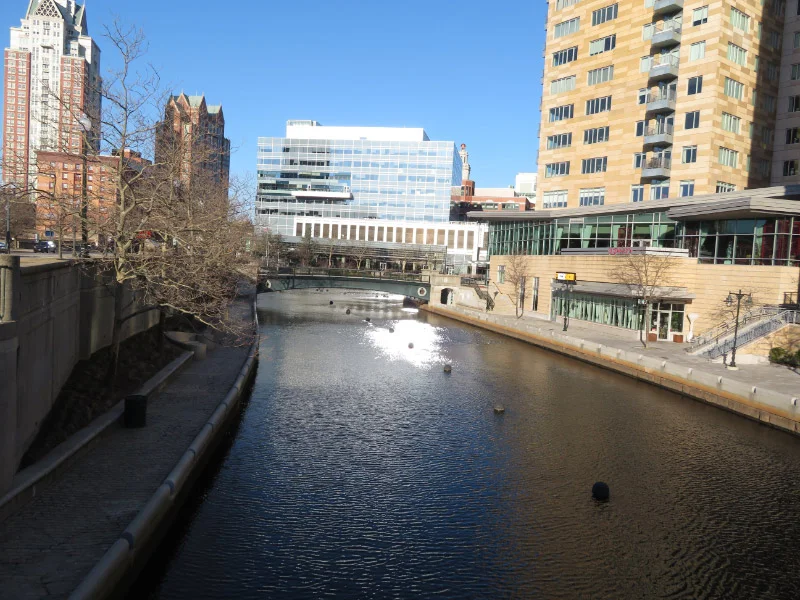
That is what happened on the morning I left. I got some ‘active minutes’ on the walk to the train station and took more pictures as I got tired – crossing the Providence River

2019 04 IMG_3888.jpg

And the landscaping in front of the train station. The landscaping seemed new and I wondered how long it had been since the station has been renovated. Hopefully the one at BWI will be improved by the construction that is happening now.

2019 04 IMG_3891.jpg

The station in Providence was closer to what I expected – a large indoor area where there were wooden benches (like pews) for sitting around an open area…some places to get food. My train did not leave until almost 9. There were marques that were like ones in airports that directed people to the right track a little before the train arrived. I took the elevator down rather than the stairs since I had luggage that was OK rolling…but not carrying.

And then I was on the train for 7 hours – enjoying a good book and journaling the events of the week. Overall the train was a good experience and I found myself wishing that it was possible to take trains to more places I travel.

More posts about my Providence experience in the next few days…

--

The Zentangle® Method is an easy-to-learn, relaxing, and fun way to create beautiful images by drawing structured patterns. It was created by Rick Roberts and Maria Thomas. "Zentangle" is a registered trademark of Zentangle, Inc. Learn more at zentangle.com.

US National Arboretum in Early Spring

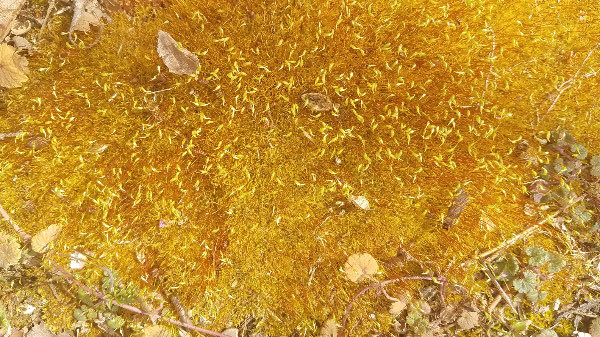
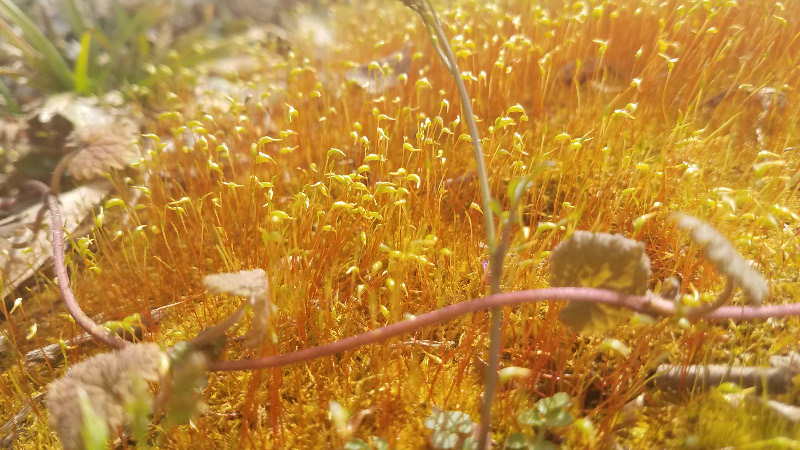
Last weekend we went to the US National Arboretum to see cherry blossoms. We entered the New York Avenue Gate and parked in the big lot just inside….with cherry trees in sight. We walked over to the trees. I got side tracked by some golden moss with spore capsules…had to take pictures from overhead and then from ground level. It was growing under the cherry trees.

2019 03 IMG_5483.jpg

The days before we went had been windy and I found some blooms on the ground – little jewels in the dried leaves and moss.

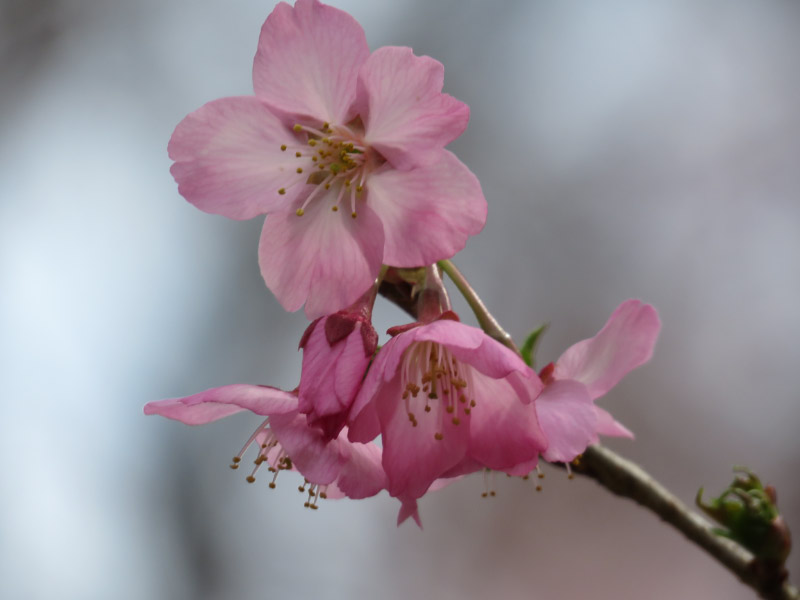
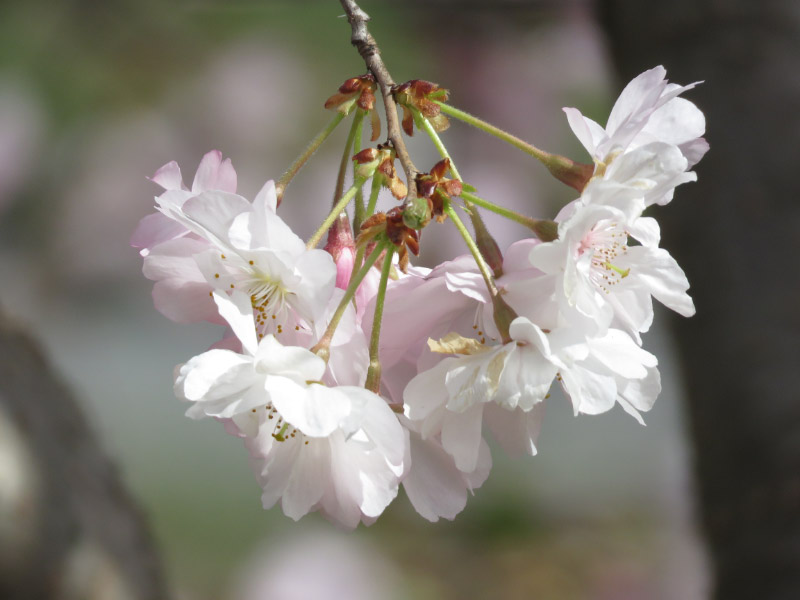
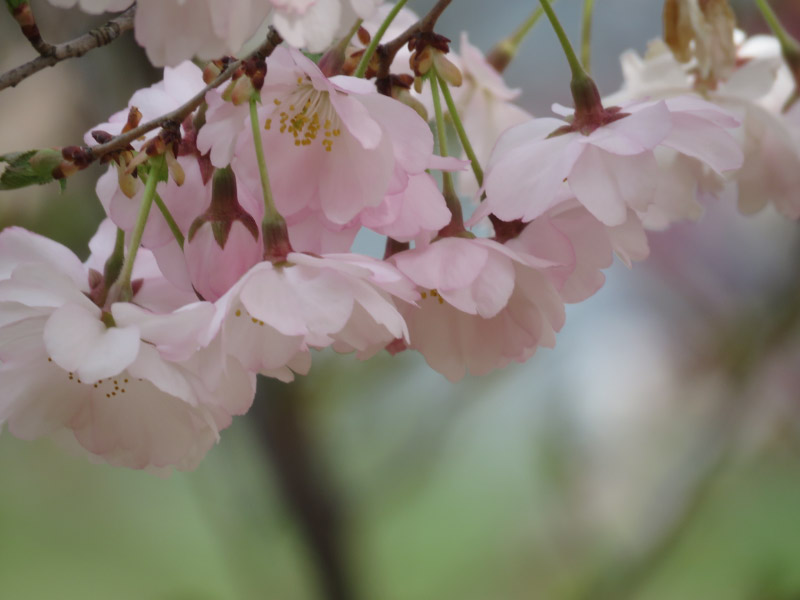
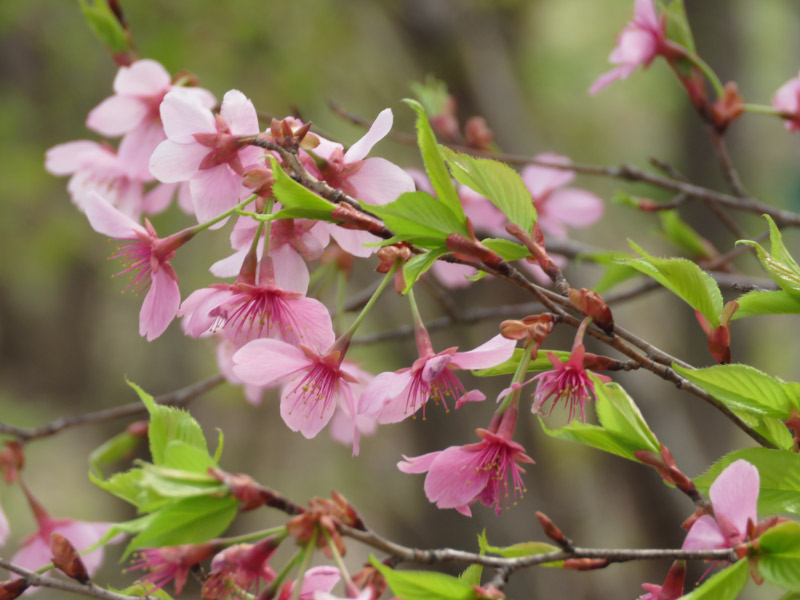
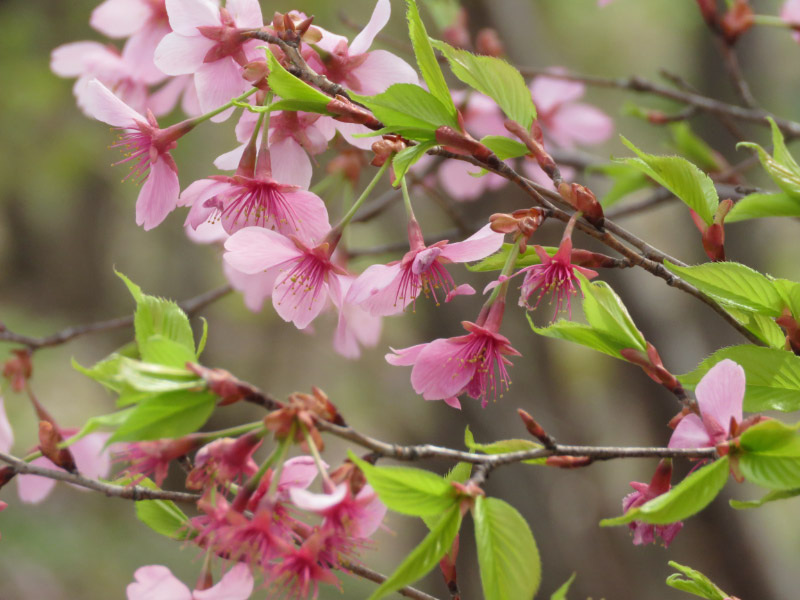
I zoomed to get some close-up pictures of flowers on the trees – all shades of pink to white.

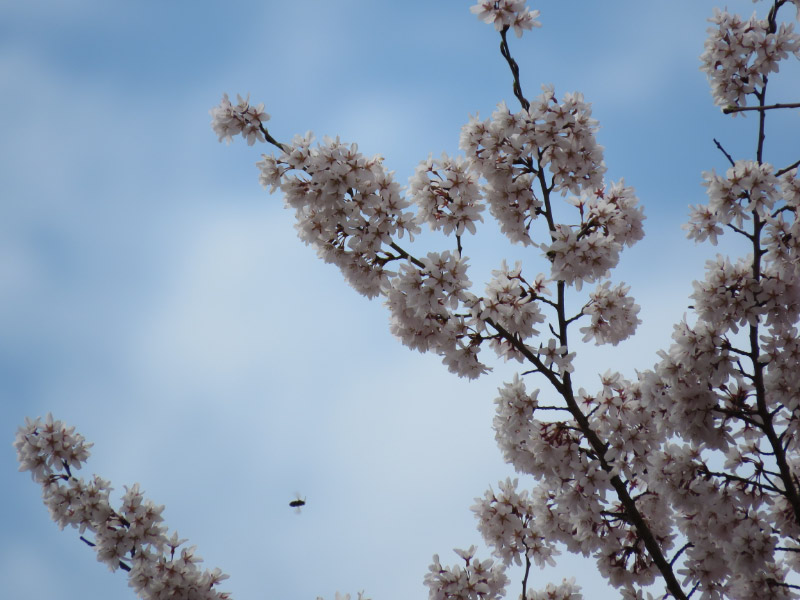
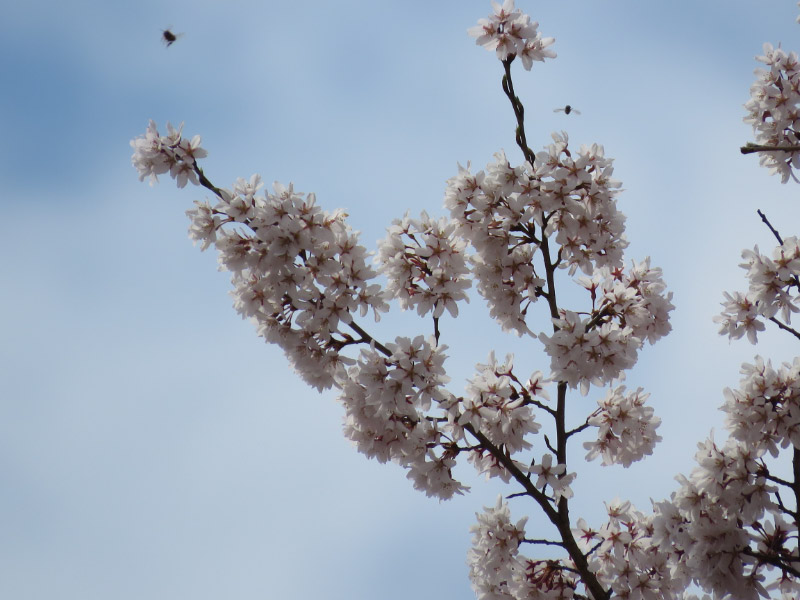
As I took some pictures of the high branches of one tree, I noticed a lot of bees. I was photographing hand held so had to be content with just knowing the dots in the pictures were insects!

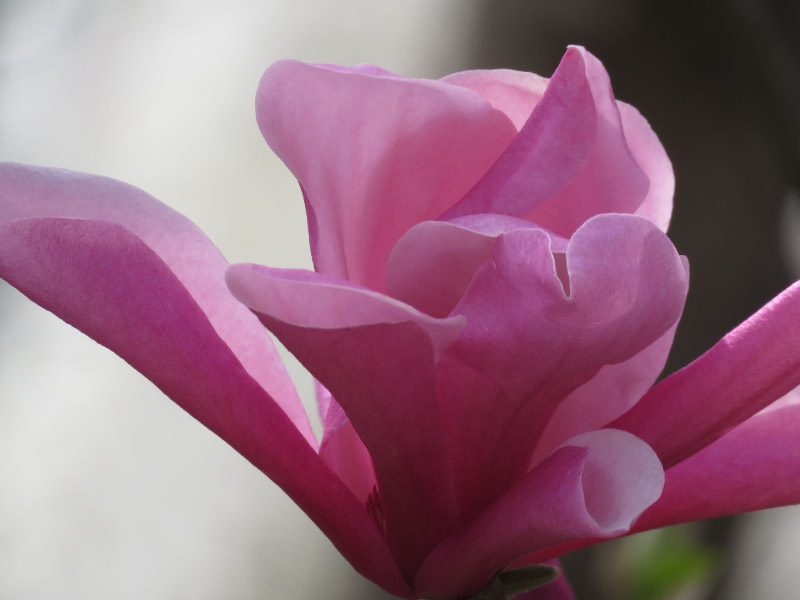
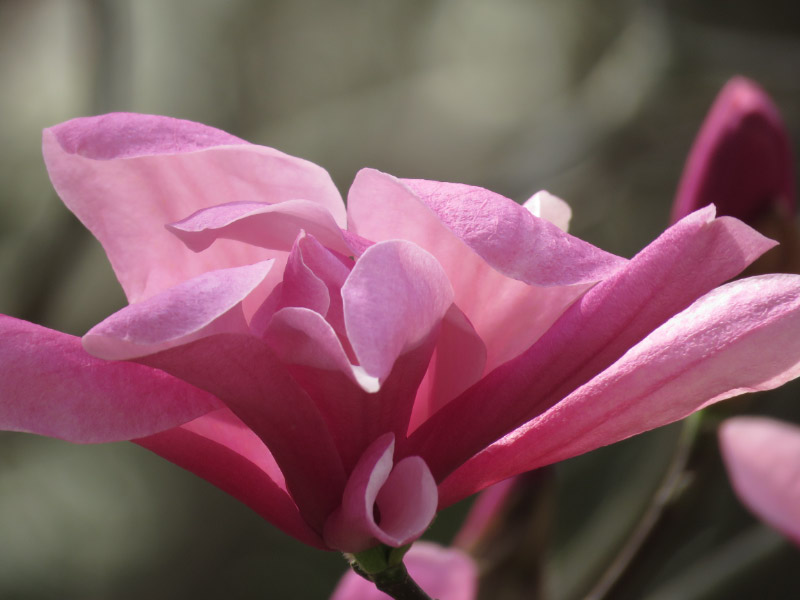
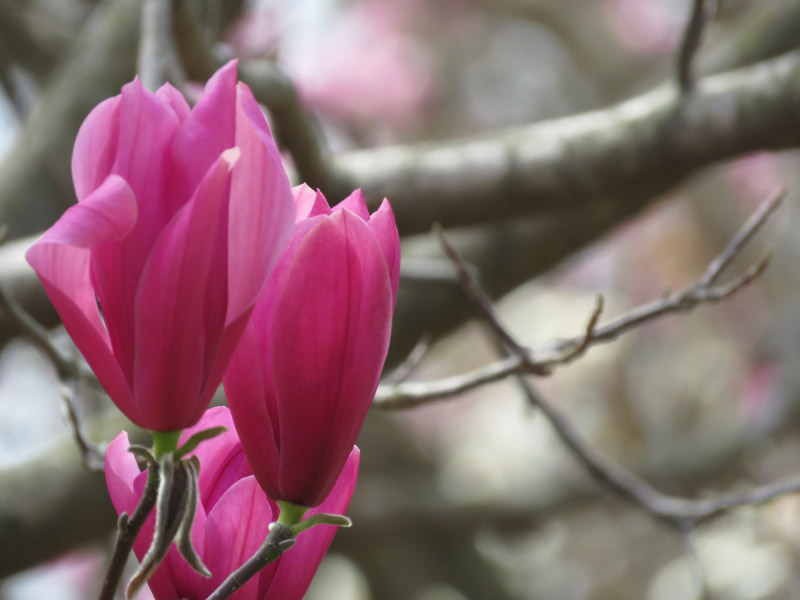
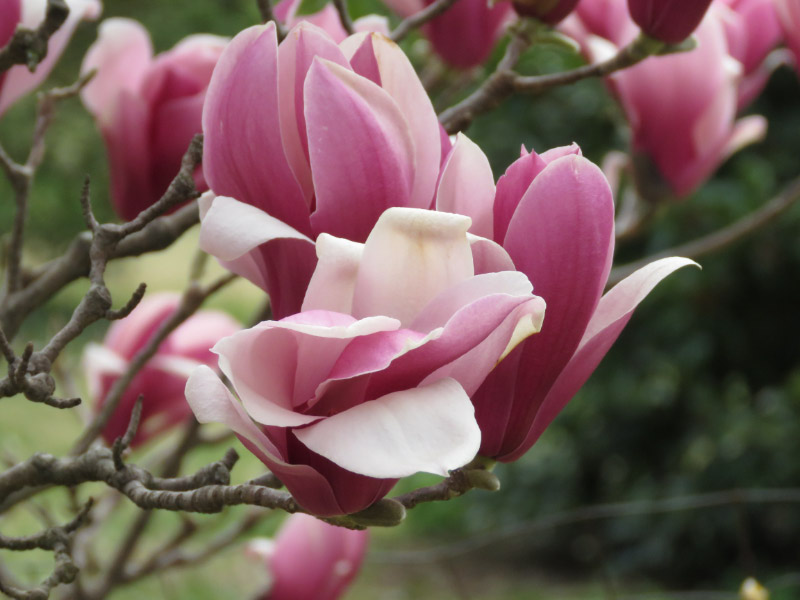
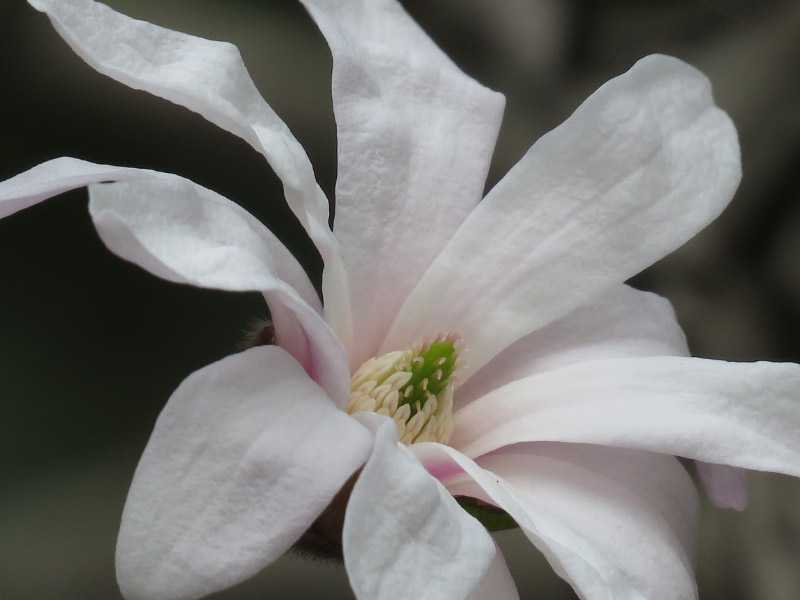
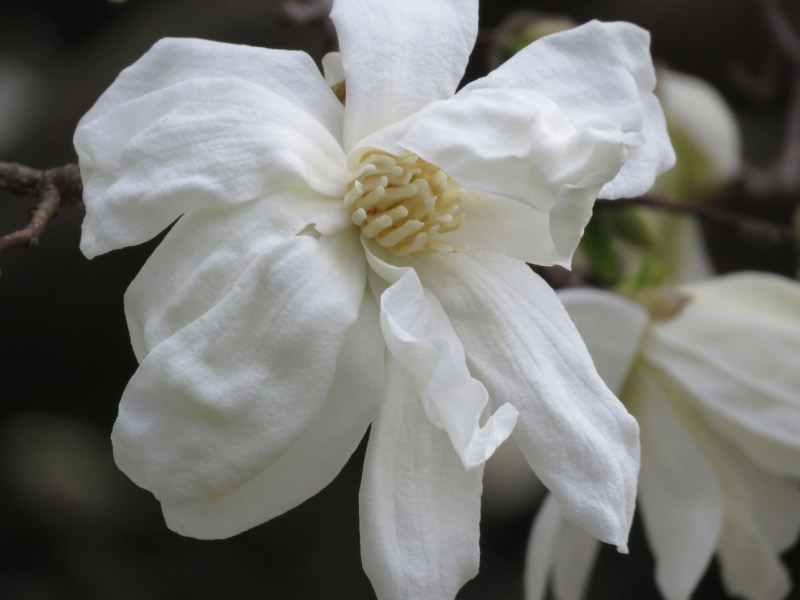
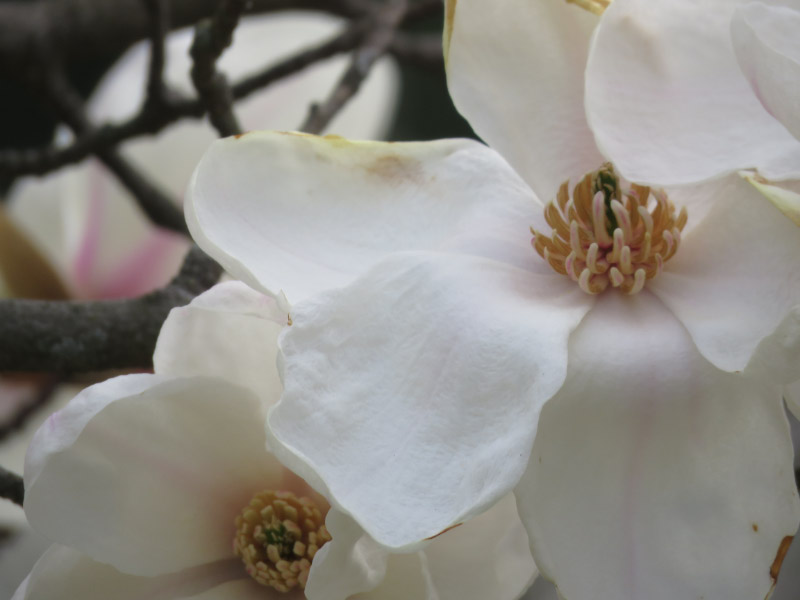
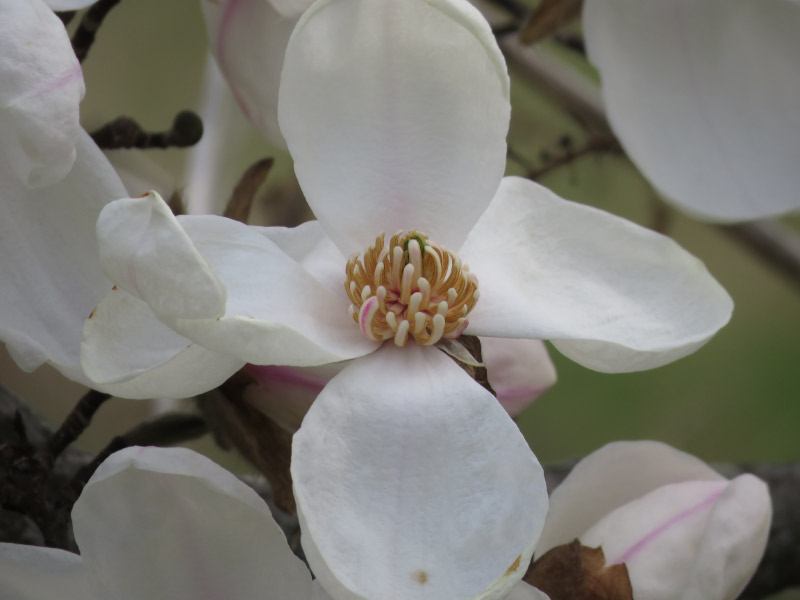
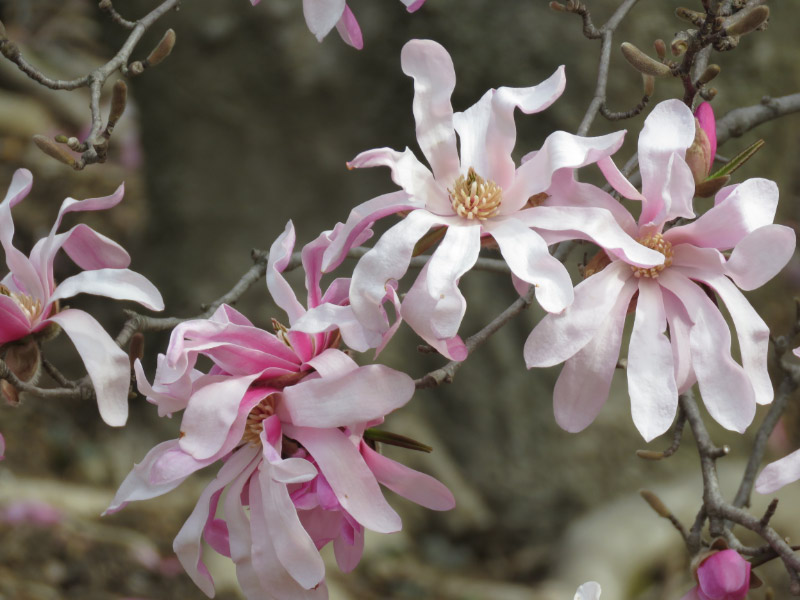
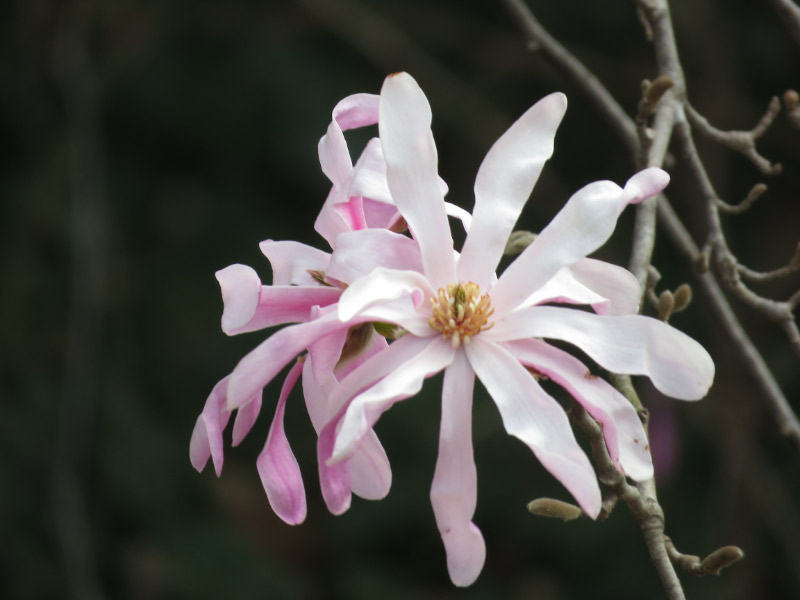
We got back in the car and continued further into the arboretum. There were a lot of cars parking along the side of the road and we could see trees that were blooming ahead. We thought maybe it was more cherry trees. But no – it was deciduous magnolias! They were probably at their peak and gorgeous. People where photographing young children under the trees and held up next to the flowers. There were several different kinds of deciduous magnolias in bloom. My favorites were the deepest pink ones that I saw at the very beginning.

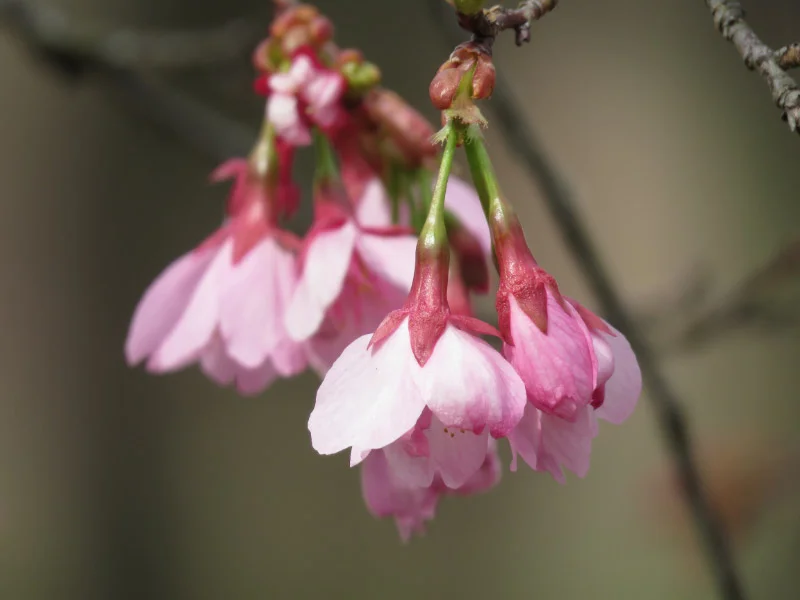
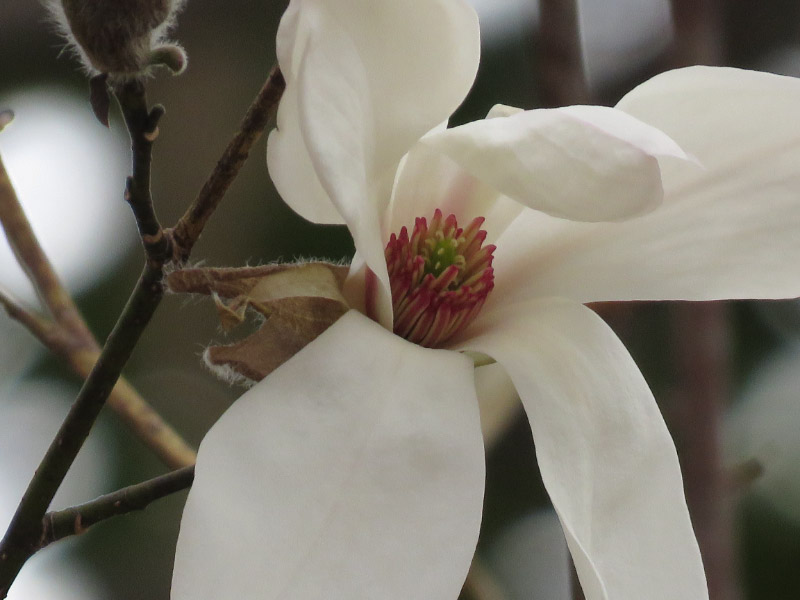
I zoomed in on two buds. Note that the outer covering is very fuzzy. Then there is a covering that looks like brown paper….and then the petals.

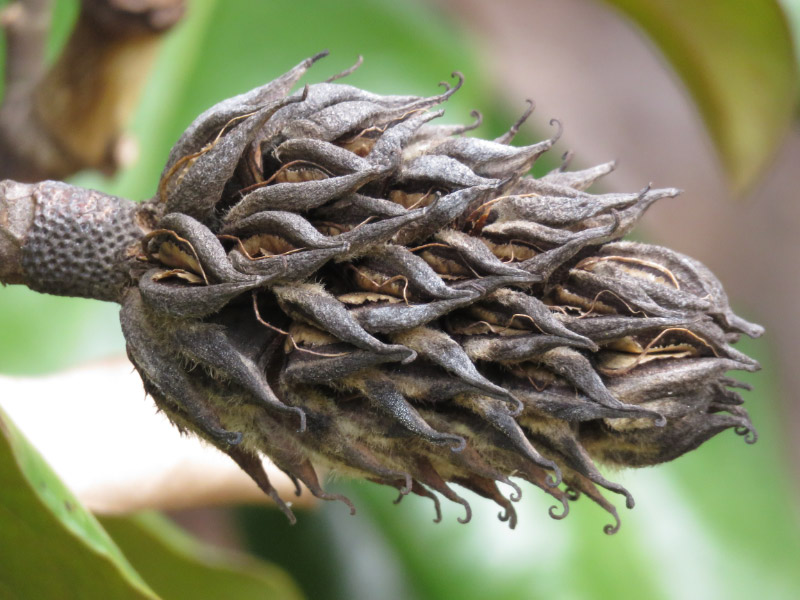
Evergreen (southern) magnolias are in the grove as well. They will be beautiful this summer. Right now, the empty pods from last summer are dried (on the tree or the ground under it) – and a study of complexity. I didn’t see a single red seed that had survived the winter in a pod!

2019 03 IMG_5577.jpg

Gleanings of the Week Ending April 6, 2019

The items below were ‘the cream’ of the articles and websites I found this past week. Click on the light green text to look at the article.

BBC - Future - What happens when we run out of food? – Even in the US, nearly 12% of households re classed as being food insecure; more than 6.5 million children go without adequate food. And the whole food system can be disrupted very easily by war and very bad government all around the world.

Refugee women have healthier pregnancies than US women -- why? An unhealthy US culture: For African refugee women, acculturation may negatively impact health -- ScienceDaily – I was surprised that the researchers did not explore the idea that maybe the value of early pre-natal care is overrated for people that are generally healthy when they get pregnant since the refugee women tended to not start pre-natal care until their 2nd trimester.

Top 25 Wild Bird Photographs of the Week: Migration – National Geographic Society  - Birds are migrating through our area…we’re seeing more robins…and the juncos will leave soon to go further north. These pictures feature birds from around the world…that are migrating.

Hospital disinfectants should be regulated like antibiotics new study suggests – It’s not just antibiotics that drive antimicrobial resistance…it’s disinfectants (particularly in hospitals) too.

BBC - Future - The unexpected magic of mushrooms – New items made from fungus...replacing some kinds of plastics. It’s good that fungi are so plentiful on the planet – exceeding the biomass of all animals.

An Island Apart – Acadia National Park’s Isle ad Haut. A very different experience from Mount Desert Island

Beautiful cherry blossoms photos – Our cherry tree is in bloom right now. I guess cherry trees are enjoyed around the world very year about this time. There is a picture of the cherry trees around the tidal basin in Washington DC included in the pictures.

Green tea cuts obesity, health risks in mice: Follow-up study in people underway -- ScienceDaily – More research needed…. but I am enjoying green tea already (my favorite is a blend with mint).

Make A Home for Wildlife – Cool Green Science – Some ideas for creating an oasis for wildlife --- it doesn’t take much to help pollinators or birds!

Why did Flamingos flock to Mumbai in record numbers this winter? – 120,000 flamingoes…that’s a lot of birds!

Patuxent Research Refuge

I attended the Patuxent River Conference last week. The conference was informative – lots of up-to-date information about the river. One of the branches of the river (the Middle Patuxent) is through the forest – downhill – from my house. The conference venue was the Patuxent Research Refuge and there was opportunity to look around the visitor center and onto a nearby trail. It has been awhile since I had visited the place and the visitor center was in better condition that I remembered.

IMG_3793.jpg

The displays in the visitor center had been updated. The one I found most poignant was the whopping crane display. The Patuxent Research Refuge tried for years to raise whooping cranes to establish a new migratory flock but this year the effort was stopped. The whopping crane we saw down in Florida during the Space Coast Birding and Wildlife Festival (see my post here) began its life at this refuge.

IMG_3782.jpg
IMG_3788.jpg

During the morning break – a mockingbird sat in a nearby tree. It had quite a repertoire of songs.

I remember the timber wolf sculpture in front of the visitor center but the colorful screening on the front windows of the visitor center was new to me.

The refuge biologist let a hike during the last session of the day. A prescribed burn had been done on some of the areas around the visitor center to clear out biomass…keep the area grassland habitat rather than forest.

IMG_3799.jpg

We hiked over the causeway and into the forest. The Refuge is doing an inventory of the forest trees and taking core samples to determine the age. One of the corers got stuck in an oak and they are still trying to get it out!

IMG_3801.jpg

The trees are not leafed out…but some are easy to identify. Beech trees are easy any time of year.

IMG_3808.jpg

A lot of the pines at the refuge were planted about the same time and are dying off together too. There are quite a few that have fallen over. But there are still a lot of trees that fill in the canopy. This will be a very shady area when the trees leaf out.

IMG_3810.jpg

It was a good day for a conference and a visit to the refuge!

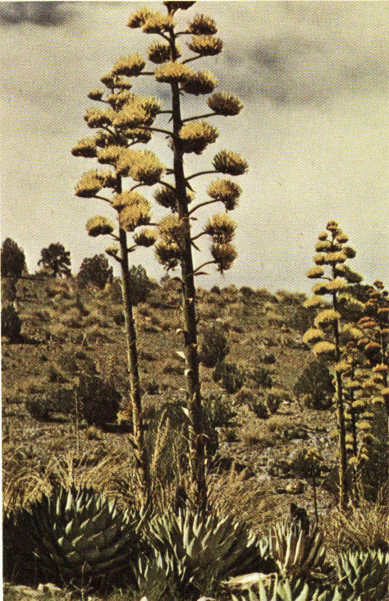
100 Desert Wildflowers in Natural Color

Dodge, Natt N. 100 Desert Wildflowers in Natural Color. Southwest Monuments Association. 1963. Available from the Project Gutenberg here.

Natt Noyes Dodge (1900-1982) was the regional naturalist for the Southwest Region of the National Park Service from 1935 to 1963. He was also an author and photographer – both of which are shown in this book along with his knowledge of the region. The version available from Project Gutenberg is from the third printing in 1967 which was a revision from the original in 1963.

I’m glad that the copyright holder has allowed this book to be available online....easy to enjoy the photos of desert wildflowers.

I had bought several of Dodge’s books is national parks when traveling to New Mexico, Arizona and Colorado from our home in Dallas in the 1970s, but I didn’t have this one.

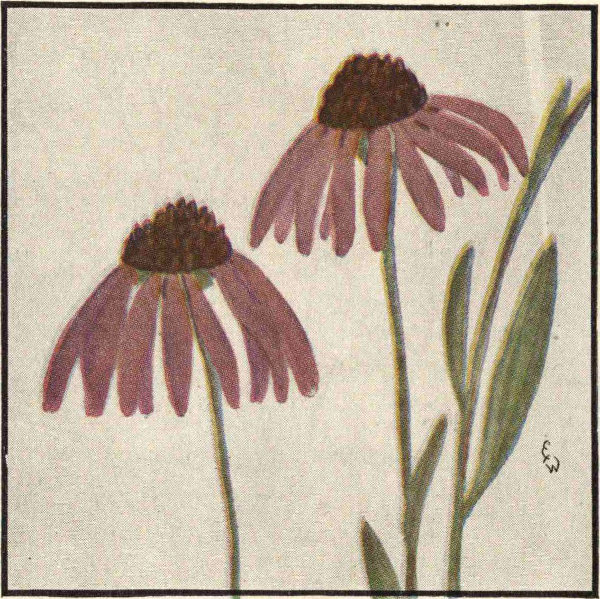
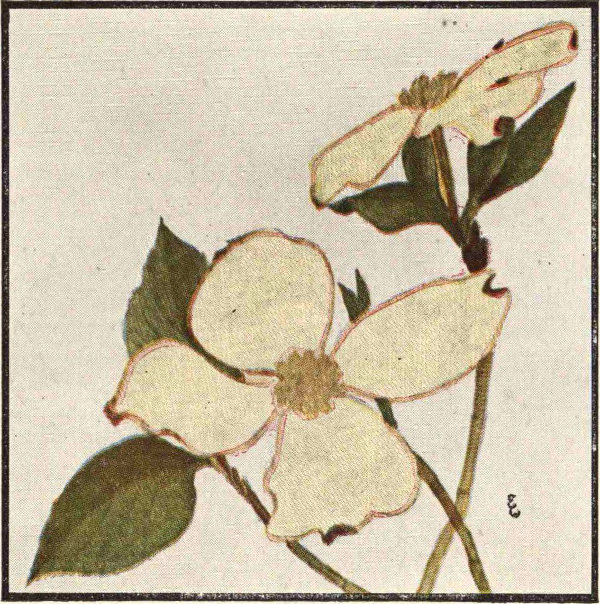
Texas Wildflowers in Natural Colors

Whitehouse, Eula. Texas Wildflowers in Natural Colors. 1936. Available from Project Gutenberg here.

This was my favorite botanical book for March….and maybe beyond that too. Eula Whitehouse lived from 1892-1974 and spent the latter part of her career in Dallas – working at Southern Methodist University from 1946 until her retirement; her books and collections are the core of what became BRIT (Botanical Research Institute of Texas). She assisted in organizing the Dallas County Audubon Society in 1954.

The book was self-published first in 1936 and remains a favorite among many Texas botanists. It was published privately and distributed through the Texas Book Store in Austin and then, in 1948, through Cokesbury Bookstore in Dallas. The version available online at Project Gutenberg shows both dates. I’ve included a few sample images below.

I grew up in Texas and found myself wondering why the nature day camps I attended during my elementary and middle school summers didn’t use her book as a reference as we tried to learn about the wildflowers we saw around us.

Eula Whitehouse published a study on the evolution, or succession, of plant communities at Enchanted Rock (in Texas) as part of her doctoral research at the University of Texas in the 1930s. In the late 1970s, Lady Bird Johnson urged The Nature Conservancy to purchase Enchanted Rock to be set aside for posterity. I like that there is a linkage via Enchanted Rock between Eula Whitehouse and Lady Bird Johnson – two women that were deeply involved in preserving wildflowers of Texas.

For more information about Eula Whitehouse, see pages at BRIT and Texas State Historical Association.

Conowingo – March 2019

My husband and I made the trek up to Conowingo Dam last weekend. The water was high and laden with silt (although not quite as high as the last time we were there).

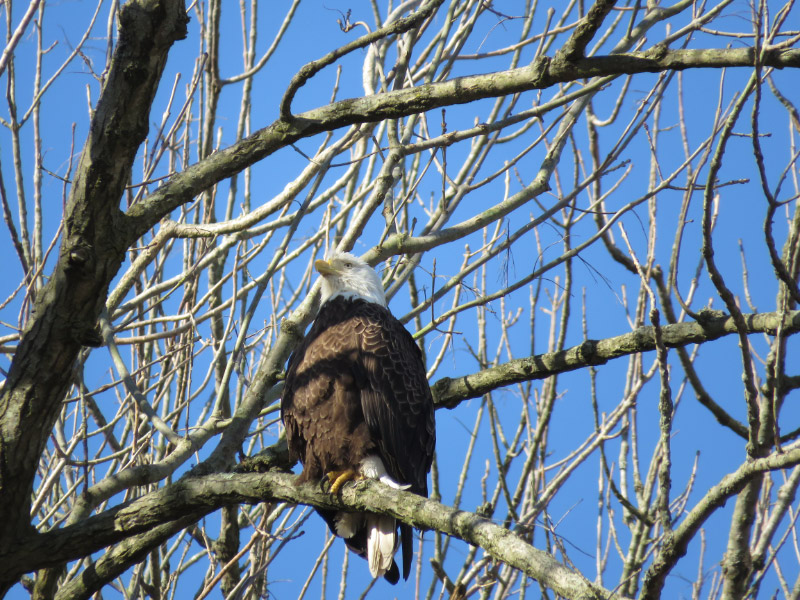
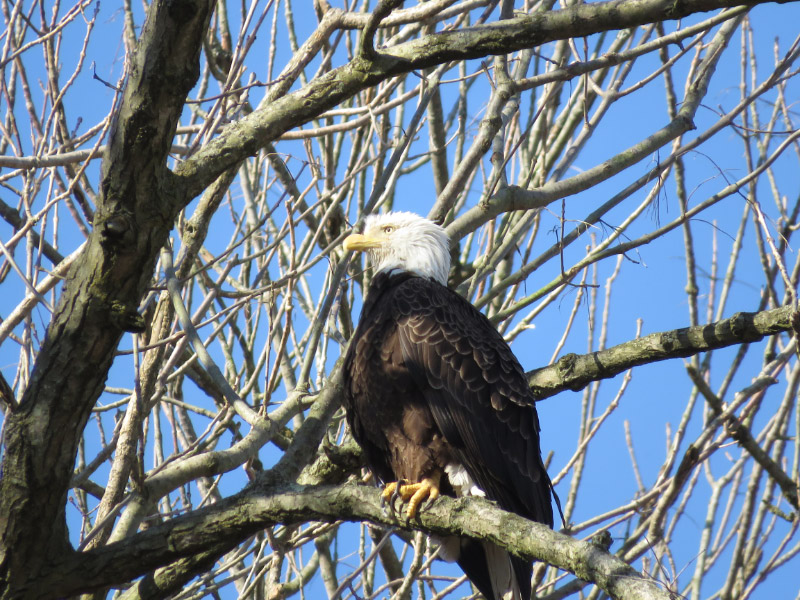
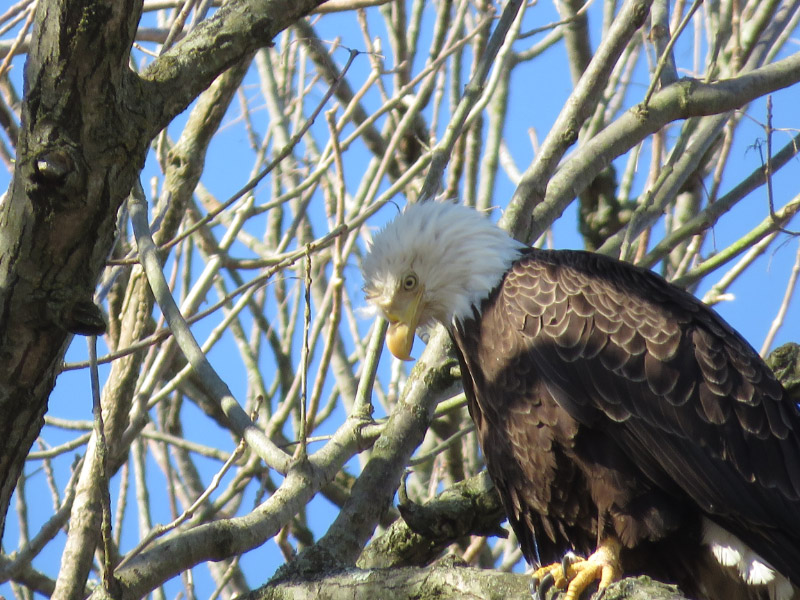
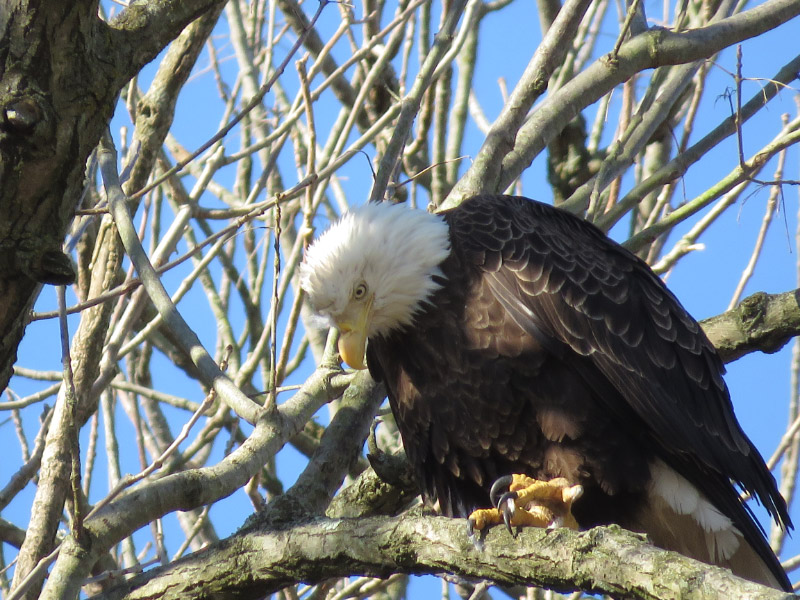
The trip was a success as soon as we got there: a bald eagle was preening in a tree next to the parking lot. I took some traditional portraits.

Then I zoomed in on the talons.

2019 03 IMG_5259.jpg

At one point the eagle did a little dance on the branch (watch the feet)!

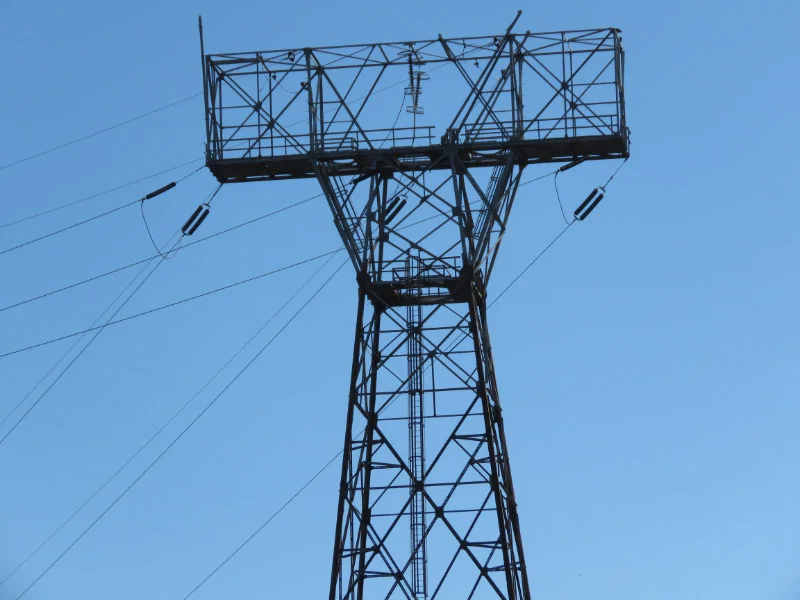
One of the other photographers told me about the nest up in the right tower across the river from the wharf where we were. It is on the narrow platform below the top of the tower. I zoomed in and saw sticks that are probably one side of the nest but no birds coming or going.

2019 03 IMG_5412.jpg

There were cormorants fishing in the rapidly moving water although I didn’t see any successful catches.

2019 03 IMG_5363.jpg

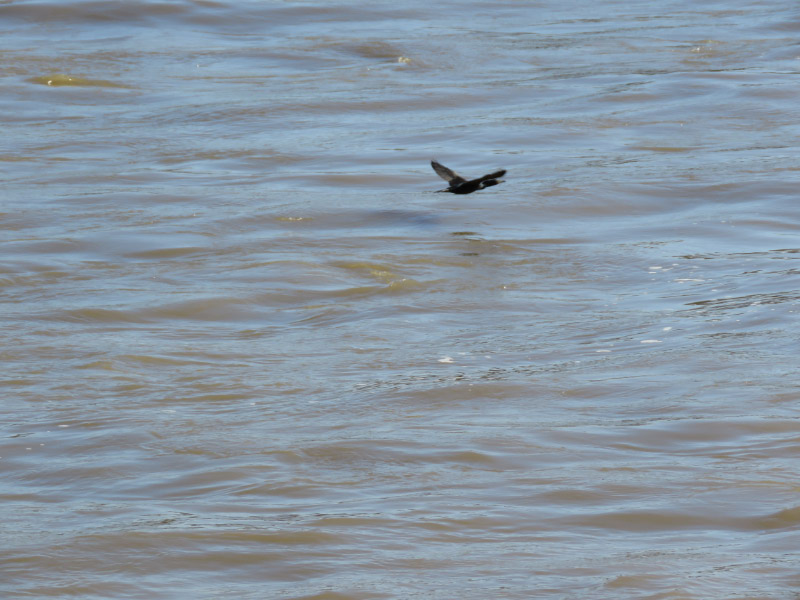
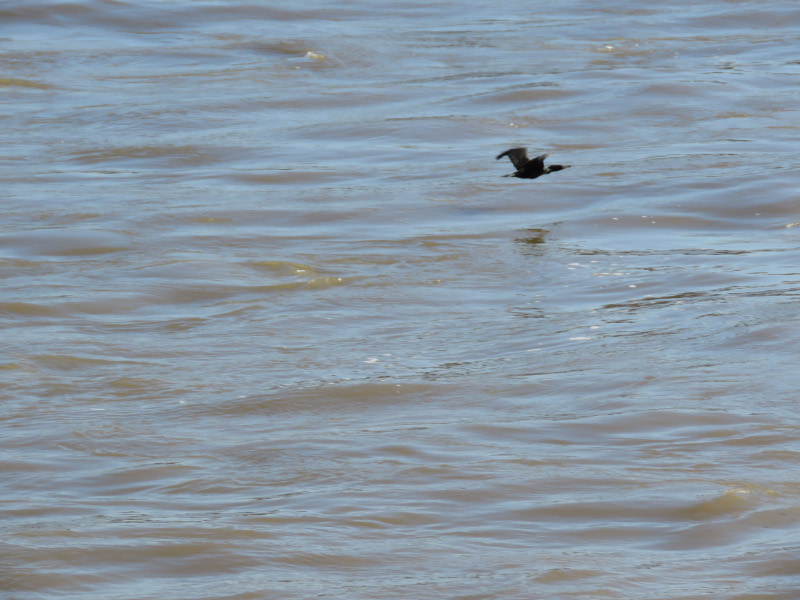
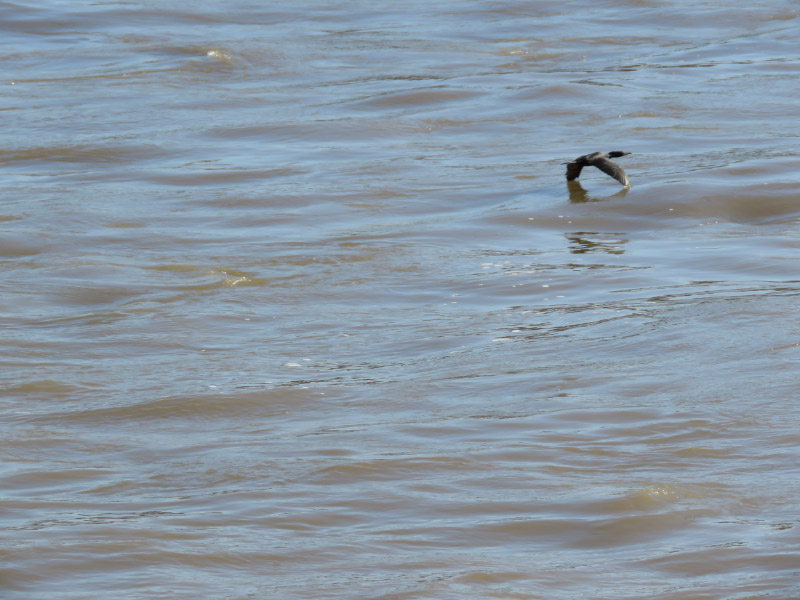
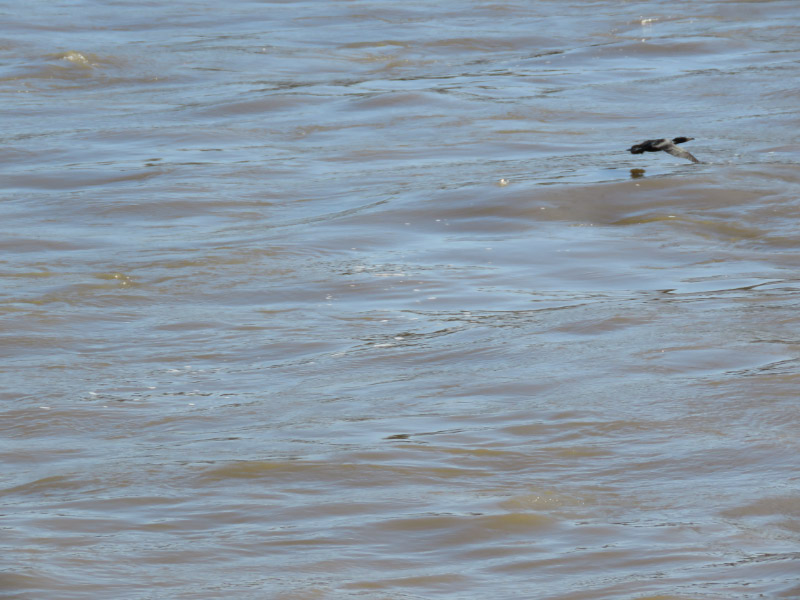
I did manage a sequence of a cormorant flying low over the water.

Overall it was a good spring outing – warm enough that we didn’t need out coats!

Gleanings of the Week Ending March 30, 2019

The items below were ‘the cream’ of the articles and websites I found this past week. Click on the light green text to look at the article.

Spring Outlook: Historic, widespread flooding to continue through May | National Oceanic and Atmospheric Administration – Check out the map about 1/3 of the way through the article. It looks like quite a few areas along the Missouri and Mississippi Rivers are going to have moderate or major flooding through May. Almost the whole eastern part of the US is going to have some flooding during that period.

How Chromosomes X and Y Got Their Names, 1891 | The Scientist Magazine® - A little history. It all begins in the late 1800s.

C. R. PERCIVAL’S MICROSCOPE SLIDE COLLECTION | Ingenium – Browse through some of the images made of slides created in the early/mid 1900s. Click on the larger image to get a magnifier that can be moved over the image.

Food Trends 2019: Fermented Foods, Blueberries, Coconut Products, and More | Berkeley Wellness – How many of these are you already eating?

What oil leaves behind in 2.5 billion gallons of water every day in US -- ScienceDaily – Wouldn’t it be nice to not have oil polluted water injected underground…and sometimes into aquafers? Water is already in short supply in some areas of the country (mostly in the west). We need technologies to never contaminate water in a way that it cannot be consumed by plants and animals…and ourselves.

In Germany, Consumers Embrace a Shift to Home Batteries - Yale E360 – Half of the orders for rooftop solar panels are sold with a battery storage system too in Germany. I wonder when the US will catch up.

Butterfly numbers down by two thirds: High-intensity agriculture reduces number of butterfly species in adjacent areas -- ScienceDaily – It’s not just butterfly numbers that are down either. Agriculture research needs to hone practices that are productive in the short term…and the long term. In other words – all agriculture needs to become sustainable for humanity and the rest of the organisms that inhabit the Earth.

Nitrogen pollution's path to streams weaves through more forests (and faster) than suspected -- ScienceDaily – Nitrate is one of the abiotic tests we do for water quality assessment with high school students. This is a new finding to think about and incorporate in to the analysis of readings after heavy rains. The nitrogen might be moving so fast that the forest can’t absorb it!

Missouri Making Hyperloop Plans - News | Planetizen – A hyperloop between Kansas City and St. Louis! What a boon to the two cities and probably easier to build since there is not the heavy population between the two cities like the route that was originally talked about in California.

China Isn't Recycling Tons of U.S. Plastic Trash Anymore: Goats and Soda: NPR – We’re going to have to show some innovation in dealing with plastics – mostly single use – that we dutifully put in our recycle bins and assumed they would be recycled. Now a lot of them are going to landfills or polluting our waterways.  With a little thought, my family has reduced some….but the next step is tough. Some products we need are only available packaged in plastic.

Mt. Pleasant – March 2019

I was at Howard County Conservancy’s Mt. Pleasant on a sunny cold morning last week – and took a few pictures. There were two things that have always been there and almost always on my walk from parking to the nature center that I don’t think I have photographed before: 1) The old tractor that has been in the same place for so long that it is sinking into the soil under it (or silt is running down the slope to the wagon shed and accumulating around the tires).

2) The hook closure on the blacksmith’s shed….probably made by the blacksmith!

2019 03 IMG_5155.jpg

The flowerpot people were dressed for spring…but looked a little bedraggled. The March winds have probably made some adjustments.

2019 03 IMG_5157.jpg

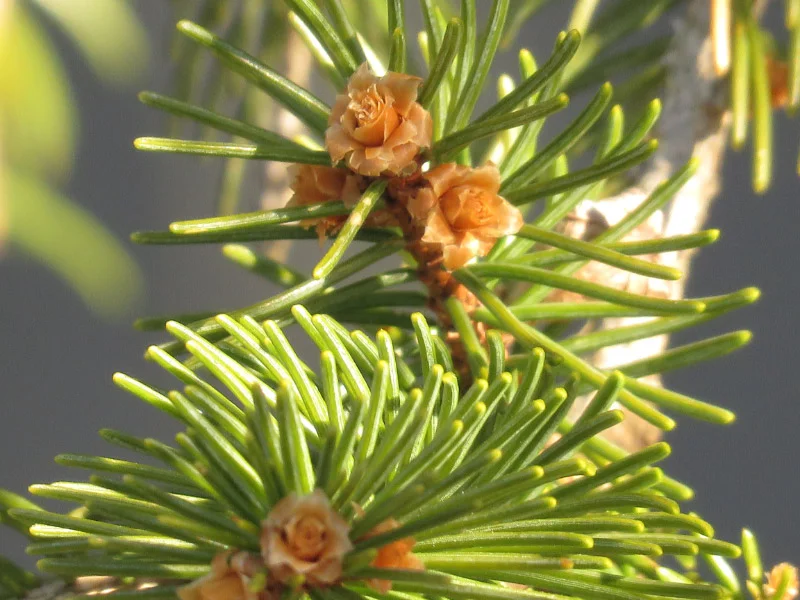
I took a picture of a pine on the way to a stop in the Honors Garden. The pines are still the main greenery around.

2019 03 IMG_5160.jpg

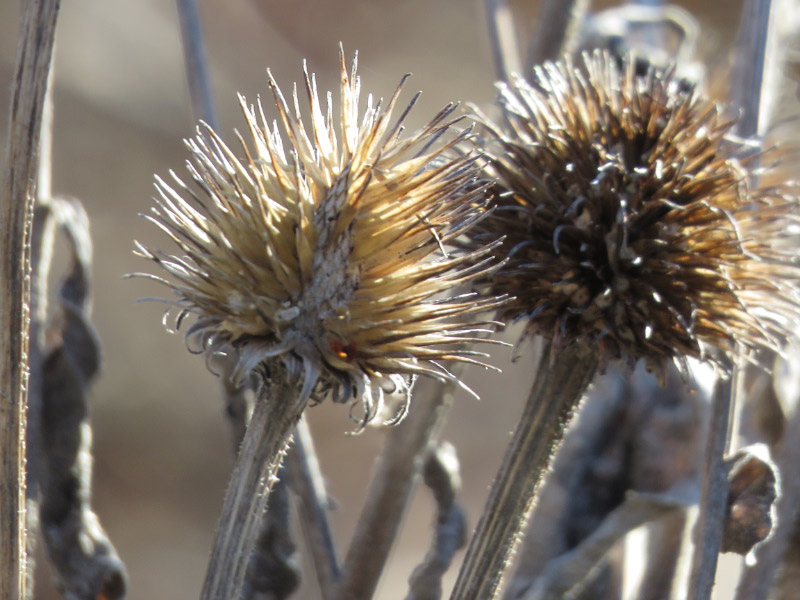
In the Honors Garden, the sun was highlighting last season’s cone flower seedpods.

2019 03 IMG_5173.jpg

But the reason I was in the Honors Garden was to check out the little pond. As I walked up a frog swam rapidly through the water to a new hiding place. It was too cold for a lot more activity.

2019 03 IMG_5163.jpg

This little pond is a favorite of the local Wood Frogs and they have been busy. There were egg masses in the water….soon to be tadpoles if they are not too far out of the water and freeze before they can develop. I posted about the frogs here back in March 2016….but it was a warmer day and I noticed the frogs more than the eggs.

2019 03 IMG_5170.jpg

I continued to the Nature Center for the training session scheduled for the day.

Gleanings of the Week Ending March 23, 2019

The items below were ‘the cream’ of the articles and websites I found this past week. Click on the light green text to look at the article.

Salt Could Play a Role in Allergies | The Scientist Magazine® - Atopic dermatitis has increased more than 2-fold since the 1970s….and researchers do not attribute the increase to greater awareness or diagnosis. Now comes the observation that people with lesioned skin from atopic dermatitis (but not psoriasis) had a 30-fold higher salt level in their lesions than in their unlesioned skin or skin from healthy controls. The connection to diet is speculative at this point…but we do have higher salt in our diet now that most people had in the 1970s.

In Siberia, Toxic Black Snow Reveals the Toll of Coal Mining | Smart News | Smithsonian – Yuck! Pollutions from open-air coal pits…in the extreme. Another reason, I’m glad we’re moving away from coal powered electricity generation. I wondered if the people living in the area of black snow develop terrible lung problems.  

See the best pictures from Bill Ingalls, NASA's official photographer – 30 years of photography

What makes joints pop and crack and is it a sign of disease? – A little lesson in joint anatomy

Piling Up: How China’s Ban on Importing Waste Has Stalled Global Recycling - Yale E360 – China’s plastic imports have plummeted by 99%, mixed paper has dropped by a 33%. Recycled aluminum and glass are less affected by the ban. So now we are sending plastics to landfills, incinerators or littering the environment. Communities across the US have curtailed or halted their recycling programs. That hasn’t happened (yet) where I live in Maryland. We must learn to produce less recycle (waste) and process it more locally…not ship is someplace else in the world.

Meet the Bizarre American Bittern – Cool Green Science – It’s a type of heron that makes a strange sound (listen to the recording in this post). It is so well camouflaged that you are more likely to hear it than see it!

Photography in The National Parks: Capturing the Grandness of The Grand Tetons – Reminds me that this is a National Park I want to see again. Last time we went, I wasn’t doing any photography yet.

Top 25 Wild Bird Photographs of the Week: Interactions – National Geographic Society – Pictures that are more than just a bird.

Prehistoric Microbes Inhabit an Oasis in the Northern Mexican Desert | The Scientist Magazine® - Fish, diatoms, and bacteria in lagoons in the Chihuahua Desert and cannot be found anywhere else on Earth. More than 5,000 species of bacteria and archaea have been documented.

Owls against owls in a challenge for survival: Researchers forecast interactions between two owl species and the quality of their habitat in the Pacific Northwest -- ScienceDaily – I learned at the Festival of the Cranes (New Mexico) last fall about Barred Owls moving into Northern Spotted Owl (NSO) territory….and winning the competition. That further reduces the NSO populations which is already endangered because of over-logging of the old growth forests.

Gleanings of the Week Ending March 9, 2019

The items below were ‘the cream’ of the articles and websites I found this past week. Click on the light green text to look at the article.

Top 25 Wild Bird Photographs of the Week: January and Top 25 Wild Bird Photographs of the Week: February and Top 25 Wild Bird Photographs of the Week: Feathers and Top 25 Wild Bird Photographs of the Week: Forest Birds – From National Geographic. There are multiples this week since I seemed to have a backlog in my gleanings holding area. Enjoy the colorful, graceful images.

'Upcycling' plastic bottles could give them a more useful second life -- ScienceDaily – Now that many countries that used to take our recycle waste have stopped accepting it, we are suddenly facing the problem of what to do with ‘recyclables’ closer to home. Making materials that have higher value is one way to keep more of it from ending up in landfills.

Soundscapes of Arizona’s Aravaipa Canyon – Cool Green Science – Listen to some nature audio…if it’s too cold to get outside and into the wild right now! These would make great backdrops to a meditation practice.

Image of the Day: Prickly Legs | The Scientist Magazine® - Froghoppers gain traction for jumping by piercing plant surfaces with their spiny legs! (Note: froghopper nymphs are spittlebugs!)

Photography in The National Parks: A Winter Shutdown Stay in Olympic National Park – I want to go! This is a national park I haven’t visited.

What kind of bug is a bug? | The Prairie Ecologist – A little entomology lesson.

Alaska in Flux: Slumping Coastlines – A comparison of a coastline between 1992 and 2018 …showing land slumping in to the Beaufort Sea. An airport is closer to the water now than in 1992.There is also a map showing that quite a bit of Alaska is wetter that is was in 1984. Lots of changes in the Alaska land.

Work Underway to Return the Shine to Thomas Jefferson Memorial – The Jefferson Memorial is probably my favorite in DC. I’m glad it’s getting the renovation it needs to look good into the future.

14 keys to a healthy diet | Berkeley Wellness – A little update based on most recent recommendations (for example, dietary cholesterol is not something to worry about since it has little effect on most people’s blood cholesterol).

Infographic: How Ginger Remodels the Microbiome | The Scientist Magazine® - I like ginger and am including it more consistently in my diet. It’s another food to boost gut health!

Brookside Gardens Conservatory– February 2019

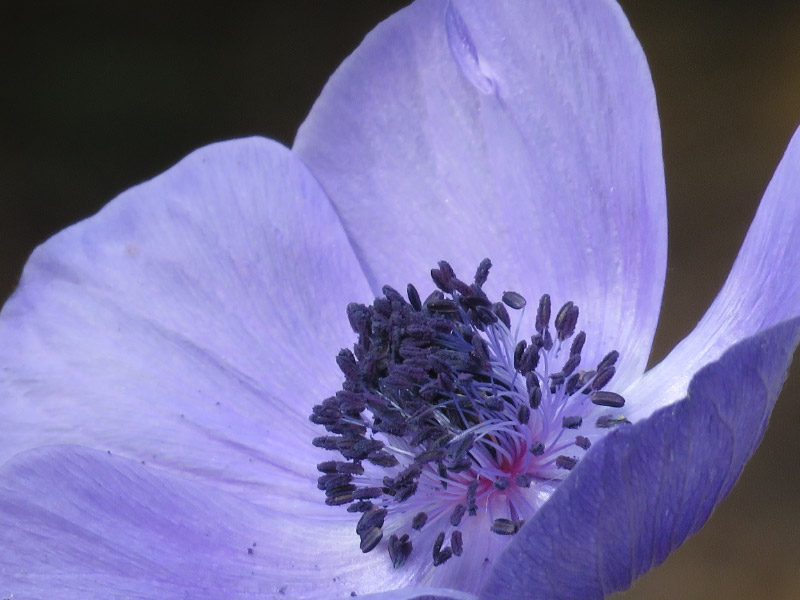
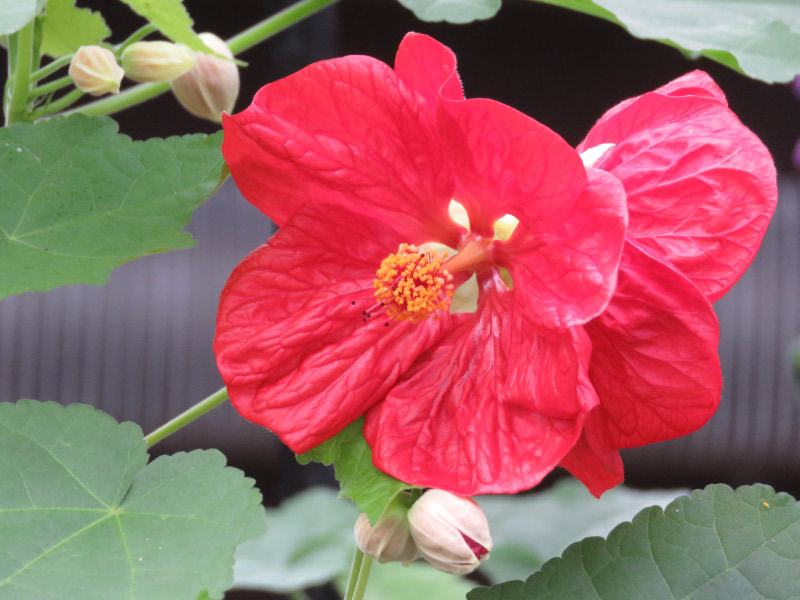
The Brookside Gardens conservatory was much warmer than outside – one of the immediate pleasures of stepping inside on a winter’s day. And then all the beautiful flowers that are all around draw attention. I did some quick photography using the zoom rather than taking the time to get closer to the flowers. I find that it’s faster and I like the results of the blurry or dark backgrounds. My favorite picture of the morning was shades of purple against a black background…curves and creases.

2019 02 a IMG_4716.jpg

The flowers in the conservatory are always colorful and even more appreciated in winter when the outside is so brown and black. In the conservatory there are always pinks and oranges and yellows and reds…with green framing.

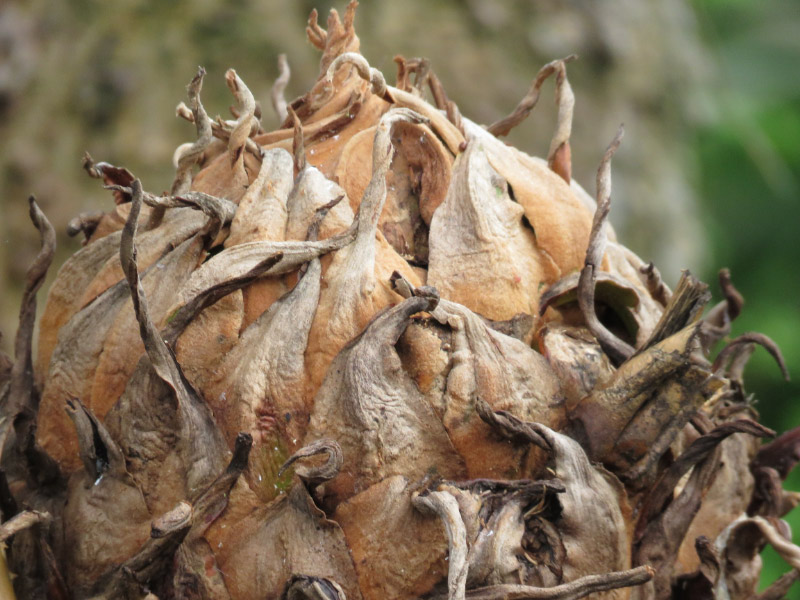
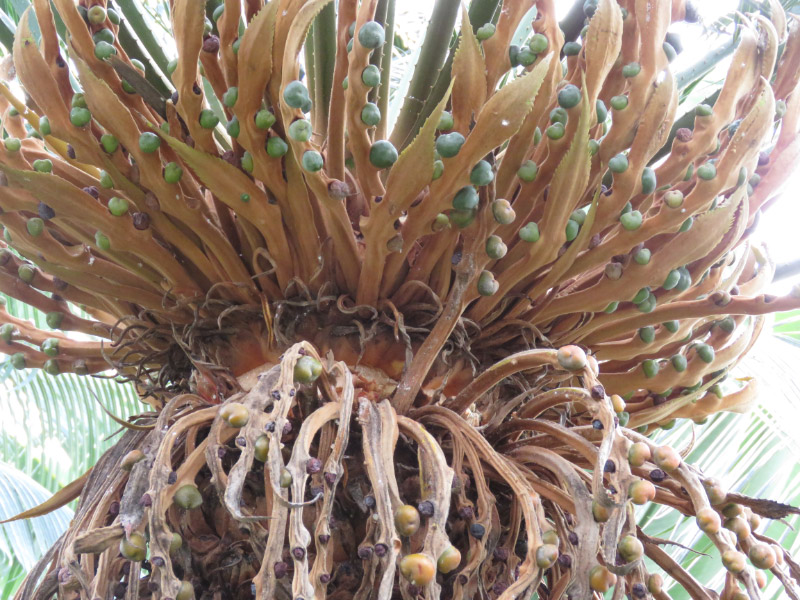
I couldn’t resist documenting the cycads near the door back toward the gift store as we were leaving. There wasn’t as much vegetation around the plants, so the structures were more visible than usual. When I see cycads, I always think of dinosaurs since this type of plant was around that long ago…and somehow survived whatever killed off the dinosaurs.

Brookside Gardens – February 2019

My husband and I opted to walk the outside part of Brookside Gardens first on a cold day in February – planning to warm up in the conservatory before we headed back home. We didn’t make it all the way around the gardens (too cold) but there was plenty to see in the part we did manage.

There were dried flower heads from last summer – wonderful texture in their light browns. There is a fragility to their beauty too.

IMG_4686.jpg

There were several kinds of witch hazel – probably the most colorful deciduous tree this time of year.

The cold damaged ferns often look more artsy to me than all green ferns. Their color is more varied.

IMG_4699.jpg
IMG_4707.jpg

And then there are the small bulbs of spring blooming. I was surprised I didn’t see any crocus.

And then we headed into the warm conservatory; that’s the topic for tomorrow’s post.

Signs of Spring

Last week, a kindergarten class was the first field trip of the ‘spring’ at Howard County Conservancy’s Mt. Pleasant Farm. The temperature was in the 30s and there was a little breeze – very wintery feeling. The children and I had our coats zipped, hoods up, and gloves on. We hiked and looked for signs of spring….and remnants of other seasons.

We saw daffodils coming up and snow drops blooming…signs of spring. We looked at holly with its shiny green leaves and red berries which is often symbolic of winter. One holly was leaning over the snow drop bed.

20190228_140315.jpg

We saw evidence of squirrels around: lots of opened black walnut shells which had been their food all during the winter. We searched the trees for squirrel nests but decided that the strong winds recently must have blown the nests away.

There were some trees that had been cut down recently. We noted that the centers had been rotting which was probably why they had been cut. The largest stump was near the farm house and the children crowded onto it for their teacher to take a field trip picture!

20190227_111451.jpg

The children were surprised to see the witch hazel in bloom and learning that it normally blooms in late winter. They saw the brown leaves on the ground and still clinging to the branches of the tree – correctly identifying them as the leaves from last summer/fall.

There was a winter jasmine with buds of all sizes – and a single flower. It was another sign of spring on the way. They were surprised at the different sizes of buds and identified the ones that were about ready to open.

In the old orchard, we looked at the buds on the apple trees and the pear tree – deciding that the pear tree would probably bloom first based on way the buds looked.

By the end of the hike – they were ready for a little warm up in the nature center then back outdoors for a focused lesson starting with looking for animal tracks in the muddy areas.

It was a good start to the ramp up of spring field trips!

Skunk Cabbage

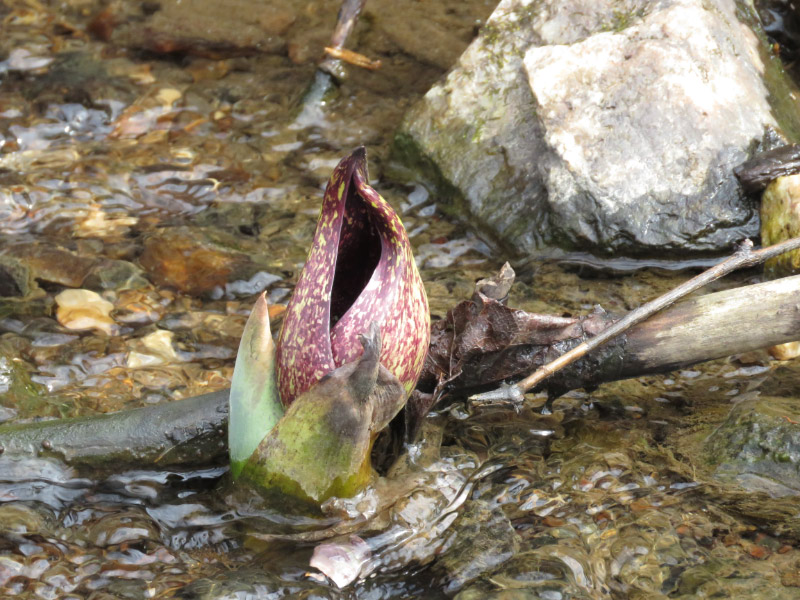
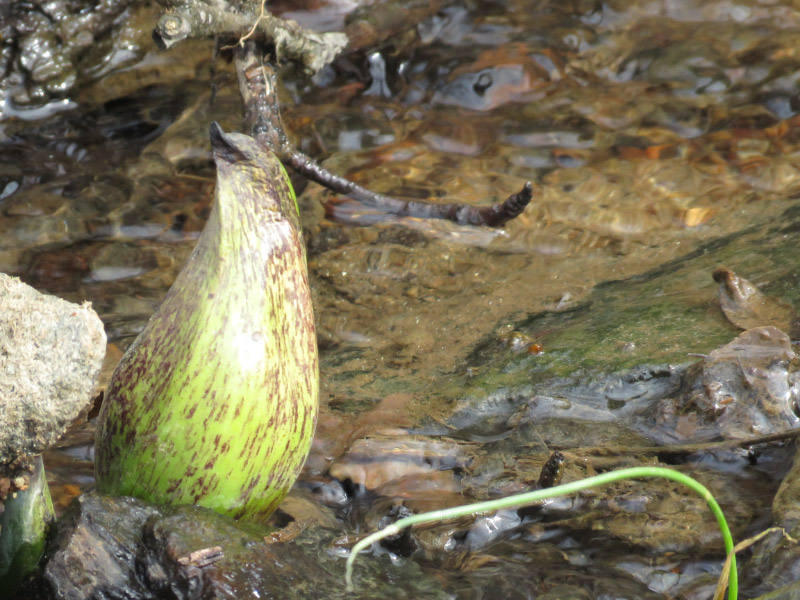
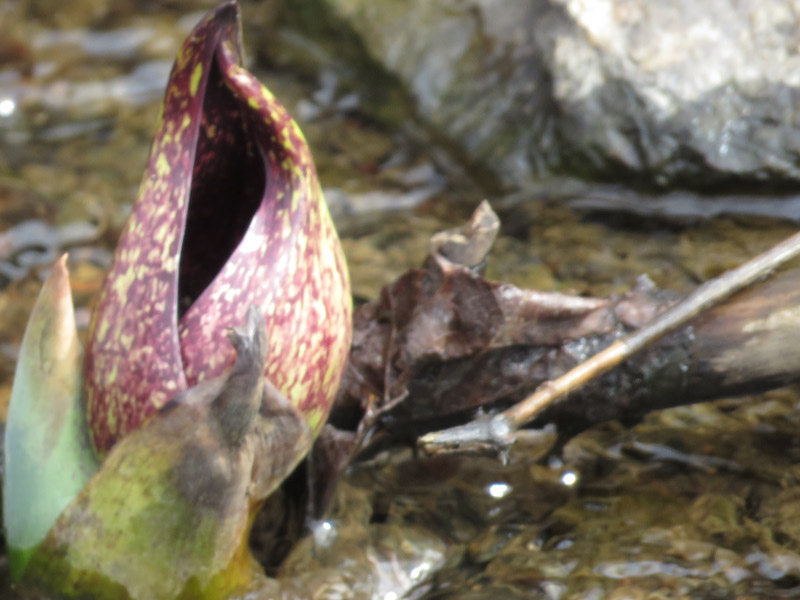
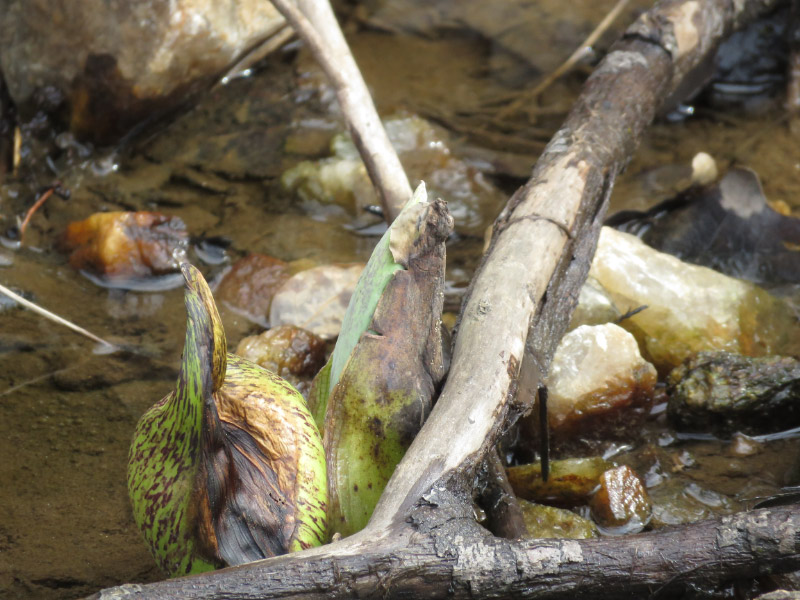
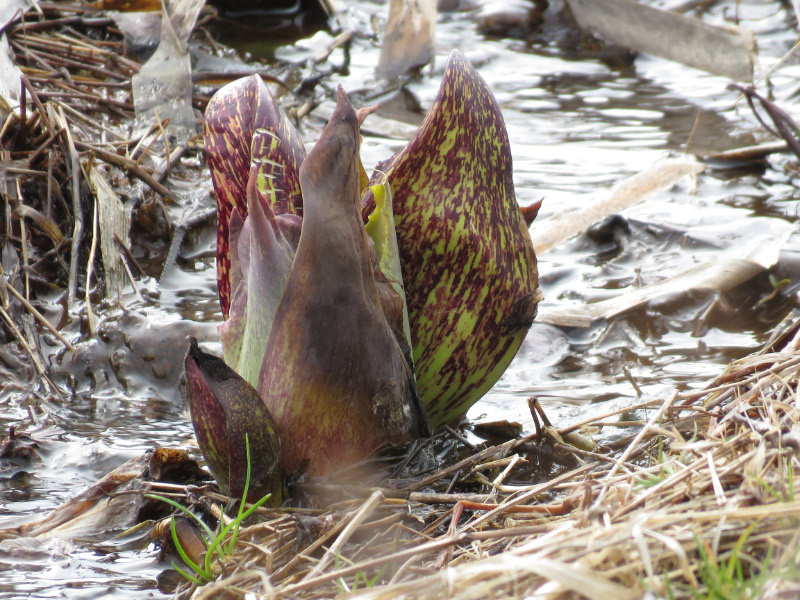
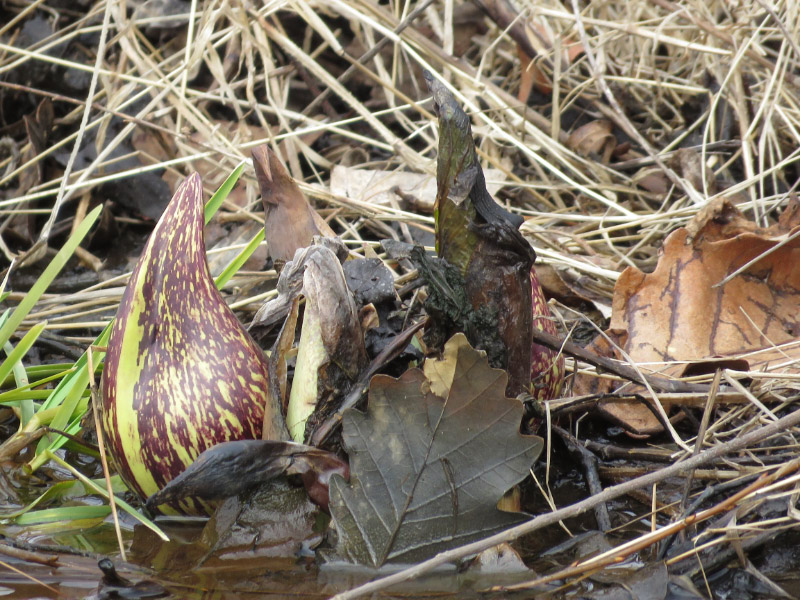
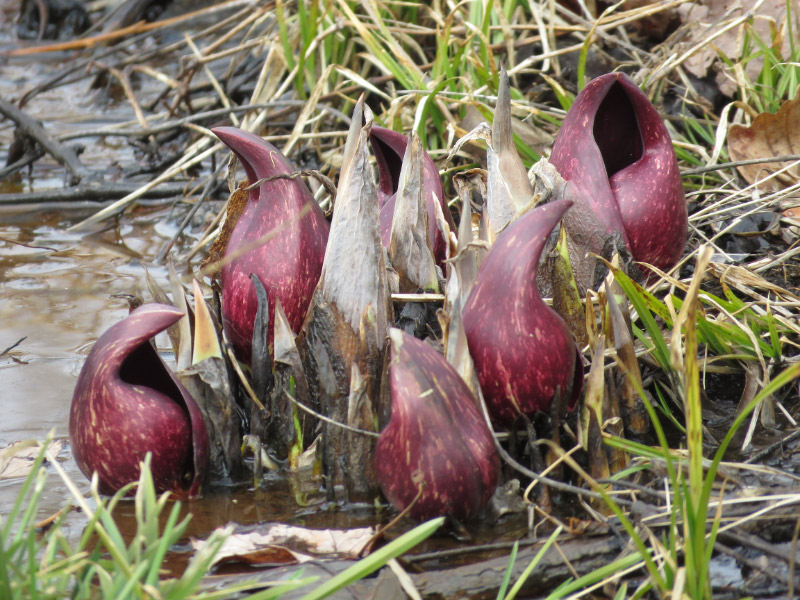
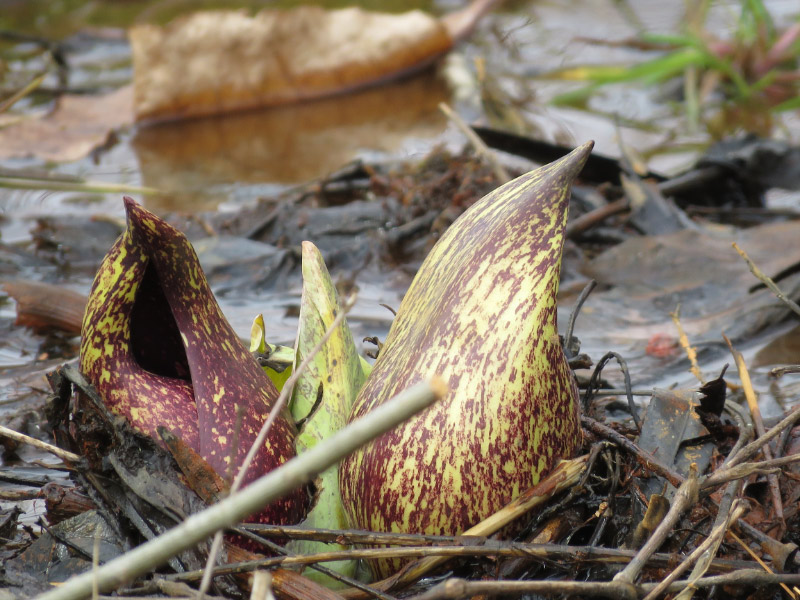
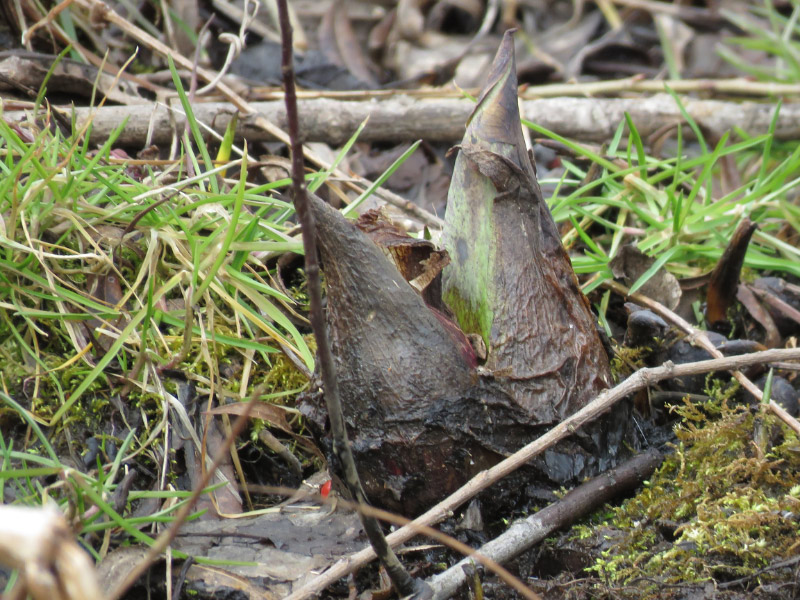
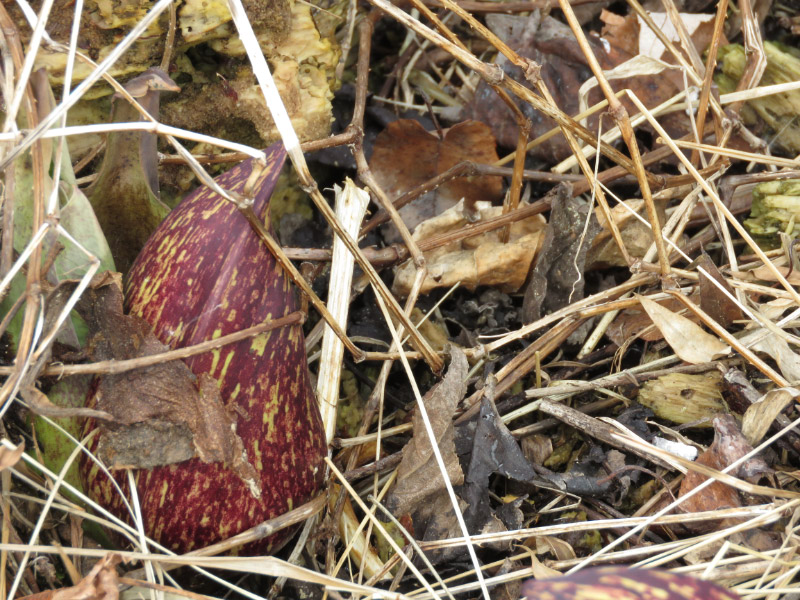
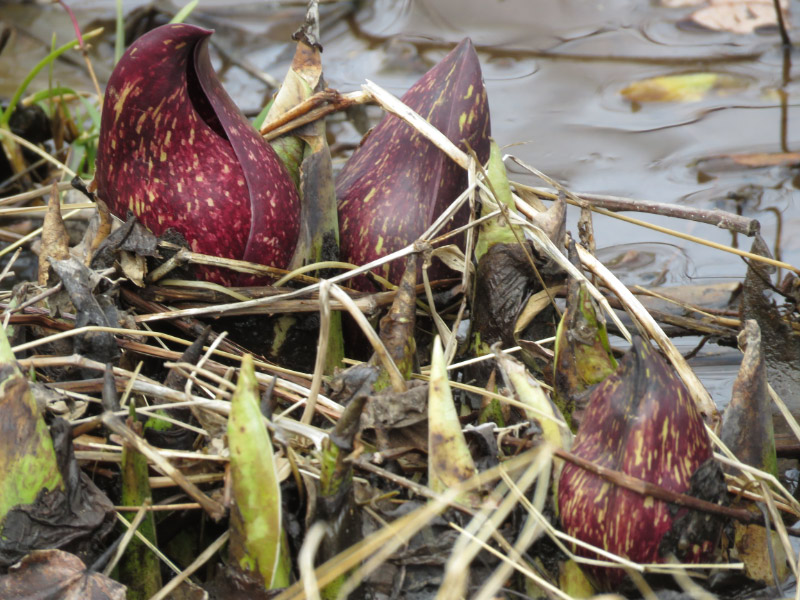
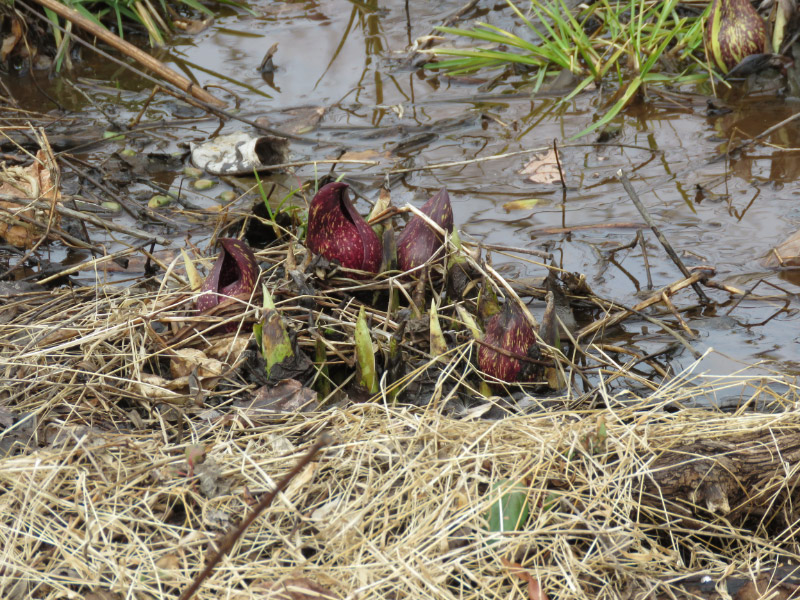
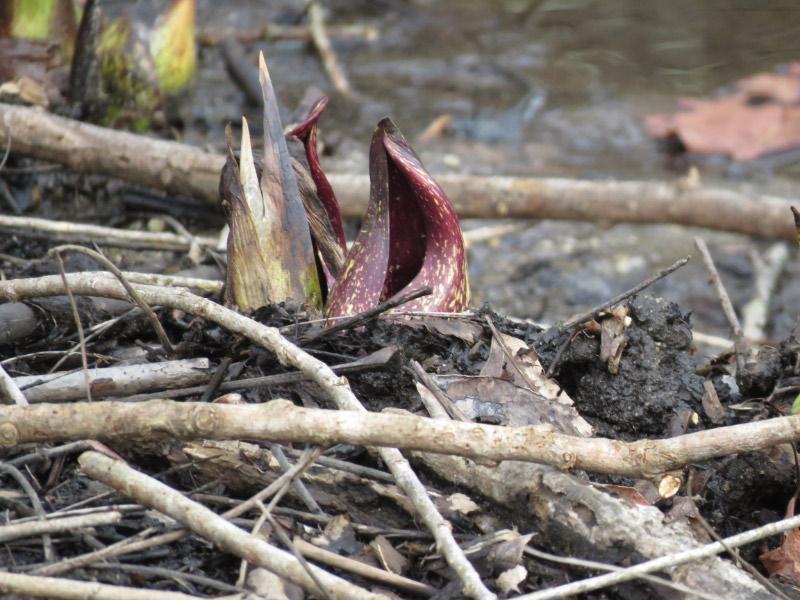
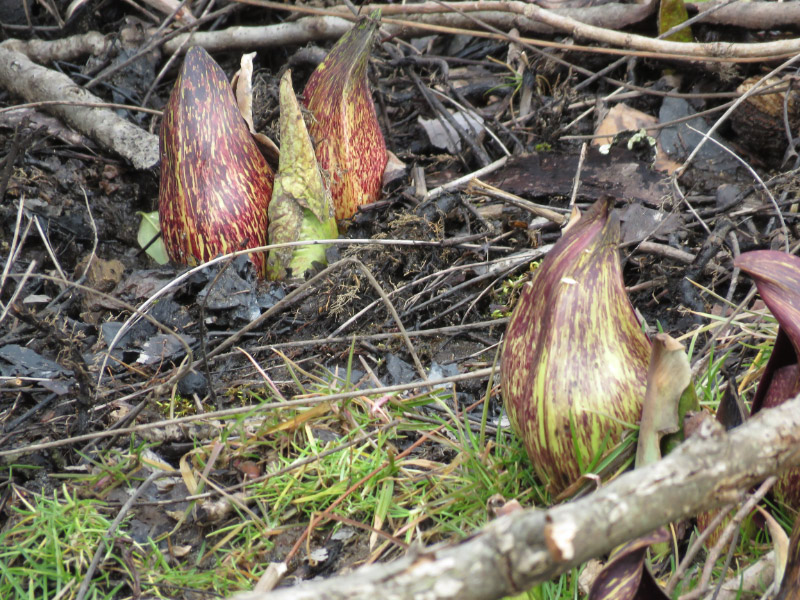
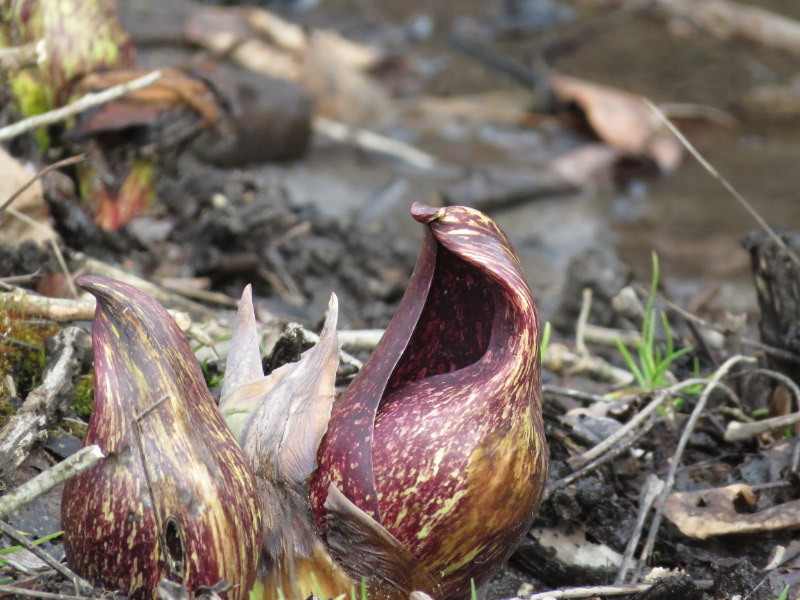
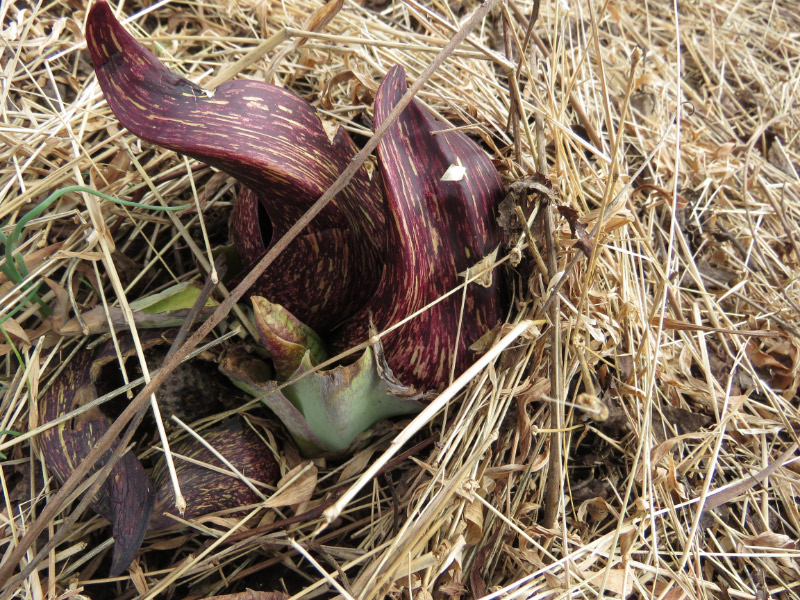
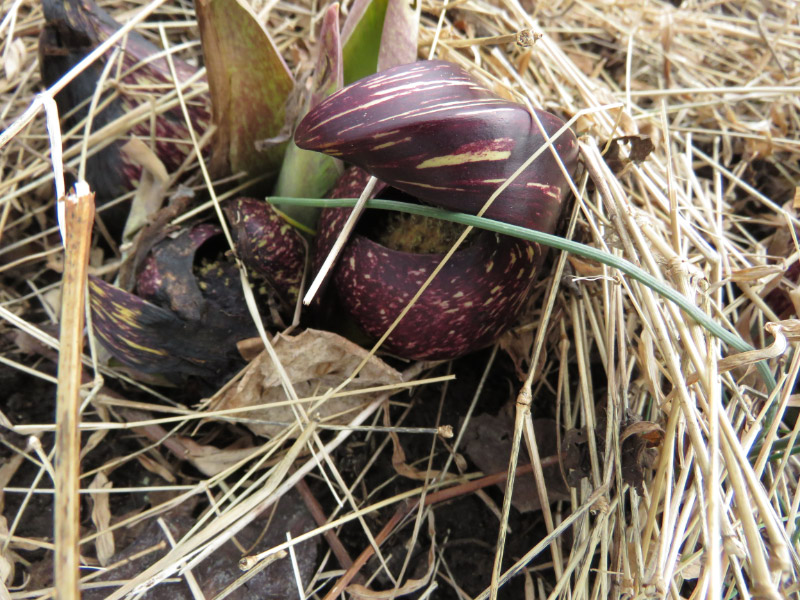
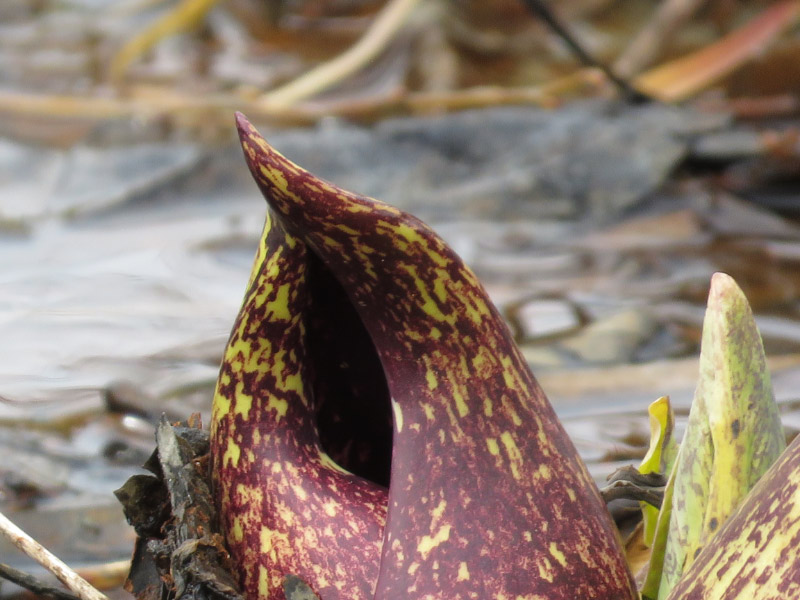
Every winter, I hike the trail to a wet area at Howard County Conservancy’s Mt. Pleasant Farm to see the Skunk Cabbage coming up. I was a little later than usual this year, but it’s been a cold February and the skunk cabbage was still blooming last week. I found all stages of its early development after slogging through the muddy trail to get to the location. Some of the plants appear damaged (outer part black or brown) but the center might still be alive and able to continue development. Most were near or in water; it’s been a very wet winter and these plants like to be wet. They come back year after year from a rhizome; this stand appears to be about the same size as previous years which caused me to wonder if the plants are producing any viable seeds.

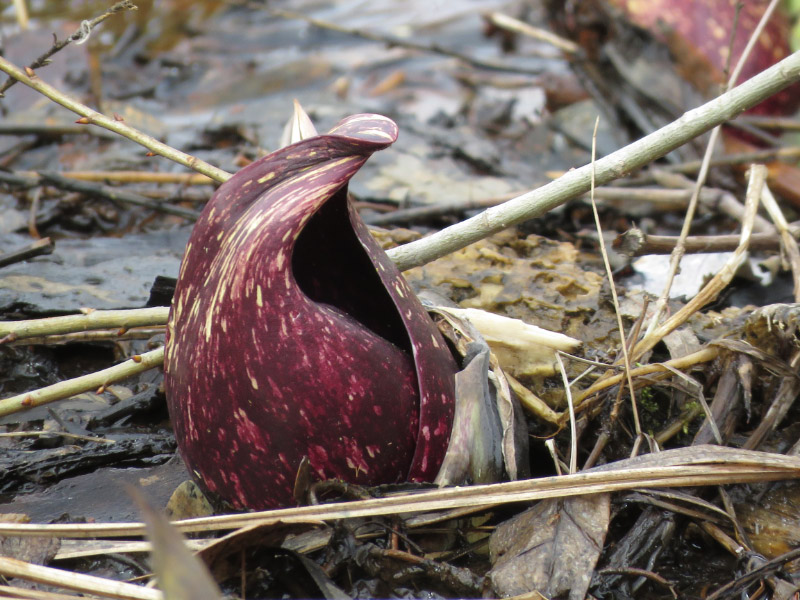
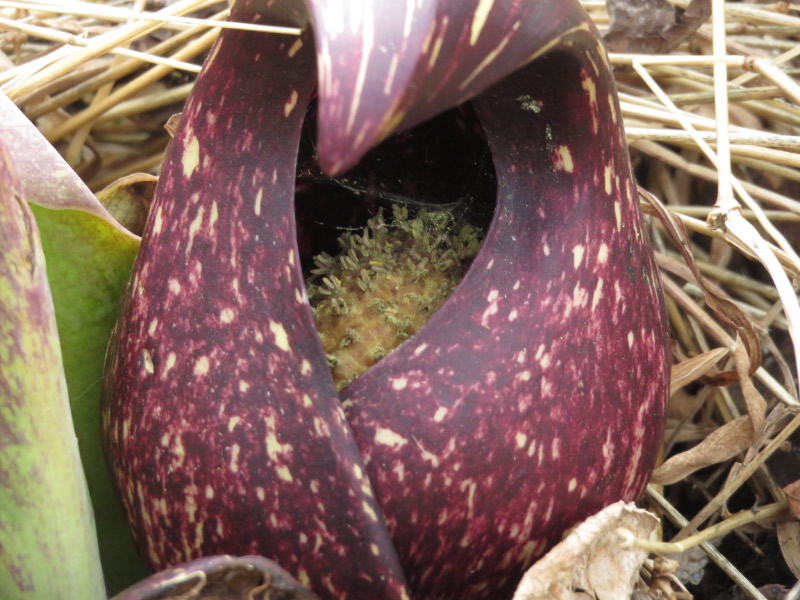
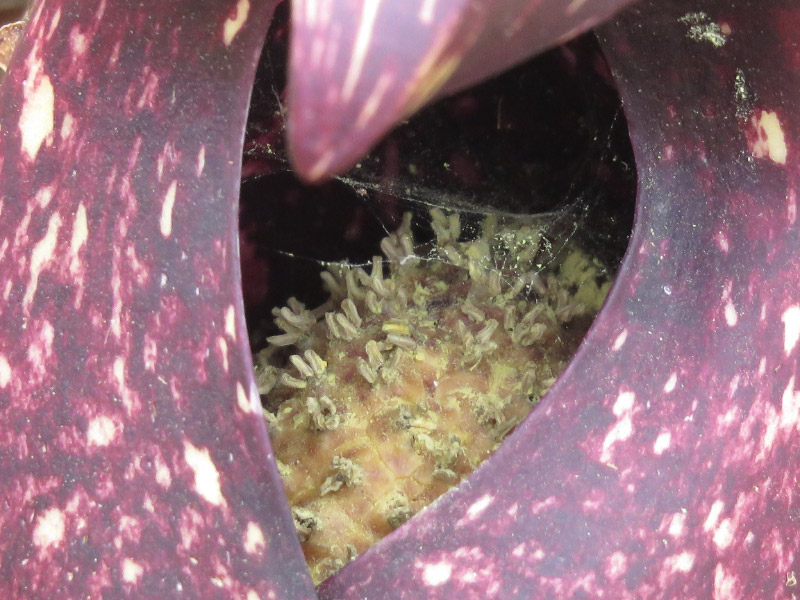
The best picture of the morning was a bloom (like a golf ball (spadix) inside a purplish hood (spathe)). I’d read that the inside of the spathe is warmer than the surrounding air and may be attractive to insects/spiders. Sure enough – there appears to be a spider web inside this spathe!

Rainy Morning at Merritt Island National Wildlife Refuge

The last morning of the Space Coast Birding and Wildlife Festival was rainy. We’d signed up for a field trip about birding by ear and habitat at Merritt Island National Wildlife Refuge. It was one of the few field trips that was not cancelled entirely but it was changed considerably by the weather. We talked through the topic of using other than markings for bird identification – songs, habitat, silhouettes, behavior…and then did the best we could to observe some birds. We didn’t do any hiking…just observed what we could from the visitor center and from within the car along the wildlife loop. Still – it wasn’t a bad morning for seeing birds. The visitor center has feeders that attract Painted Buntings this time of year. What a treat to see these brightly colored small birds!

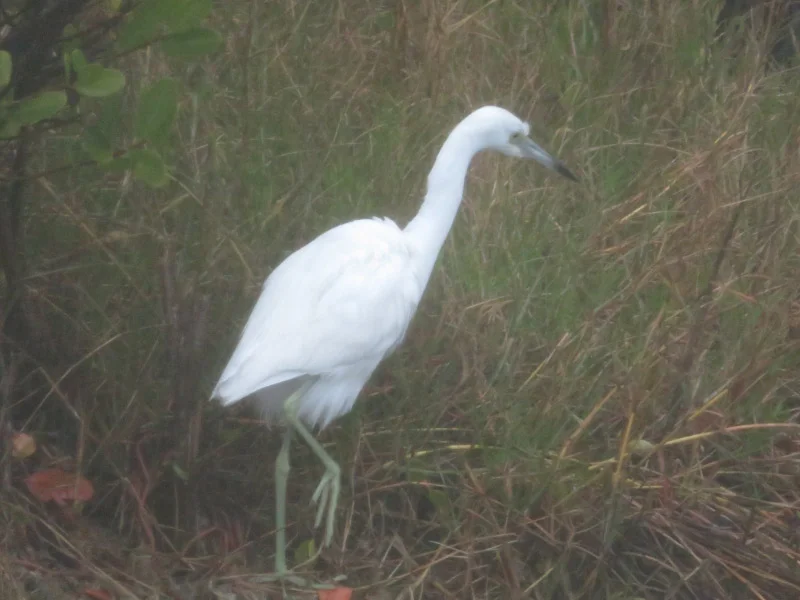
Then it was out to the wildlife loop to look at water birds. The first one we saw was a smallish white bird at the edge of the water. In was in the right habitat for a heron or egret…about the size of a cattle egret but in the wrong habitat since they are usually in fields. It was a juvenile Little Blue Heron with green legs and a washed out looking face….definitely not a Snowy Egret.

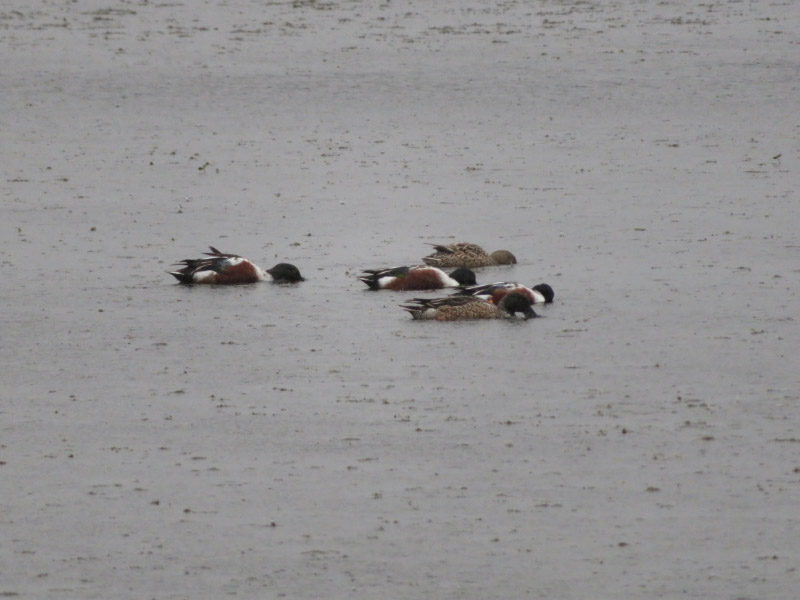
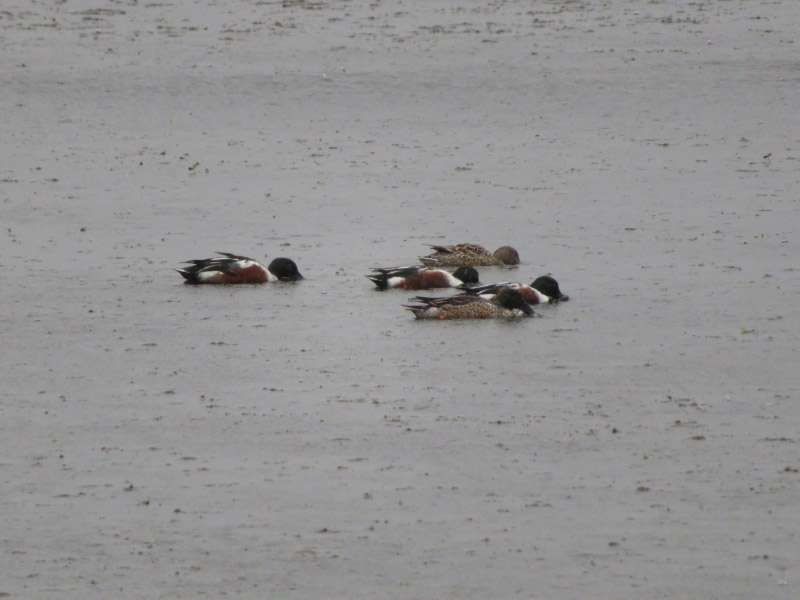
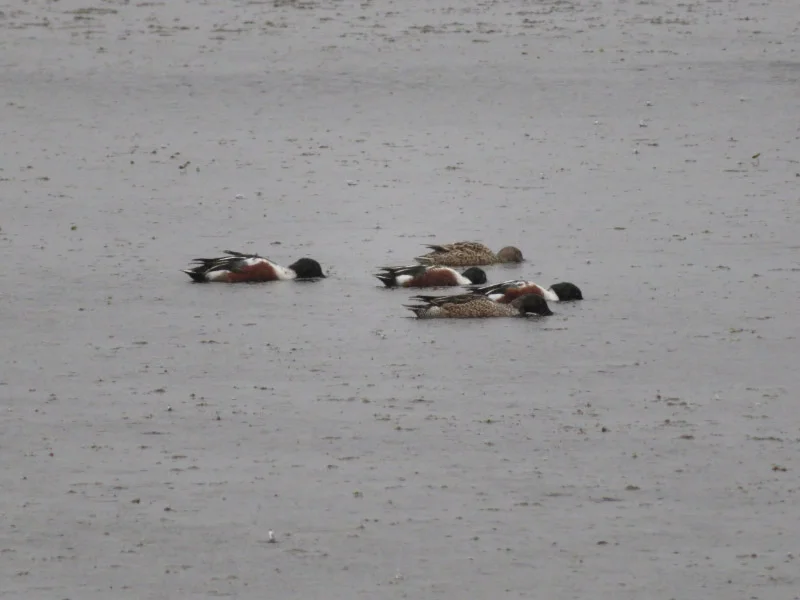
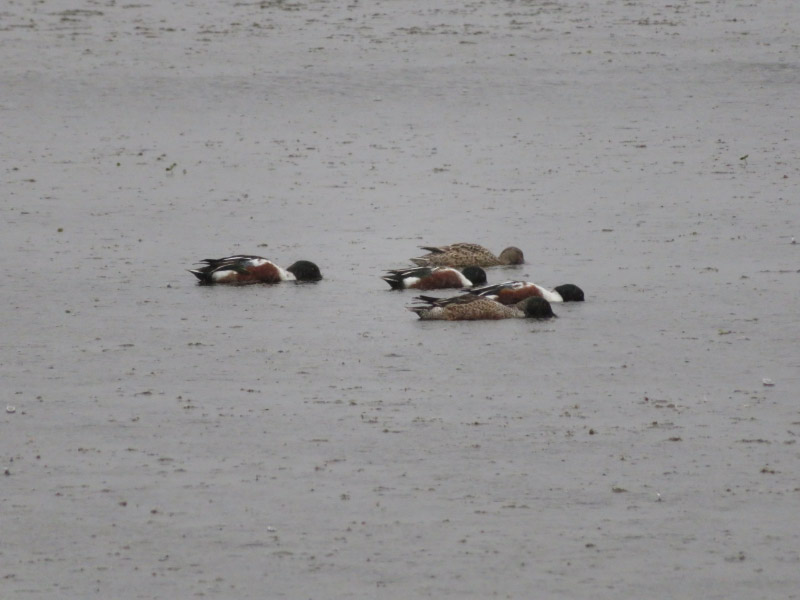
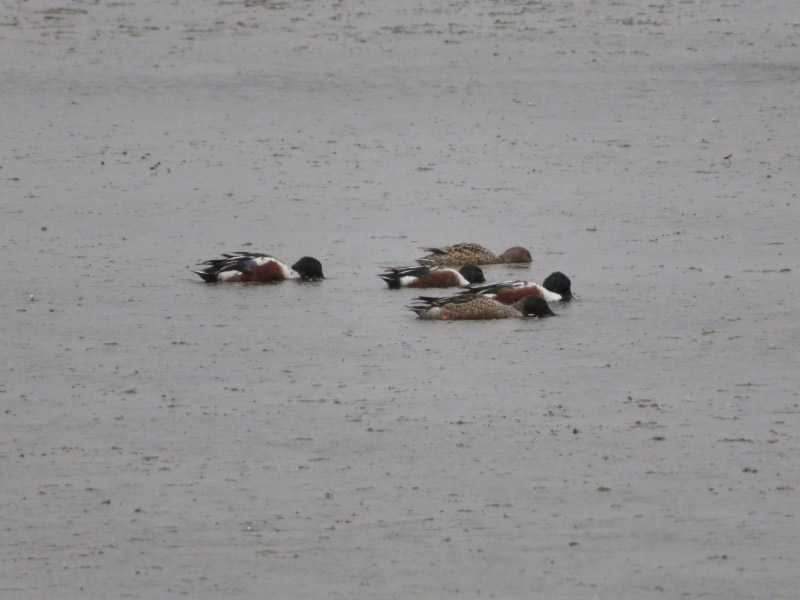
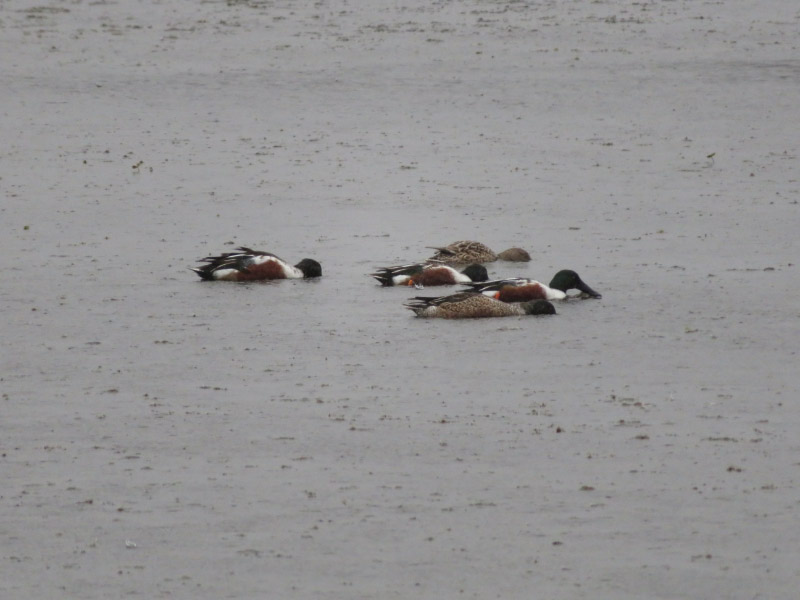
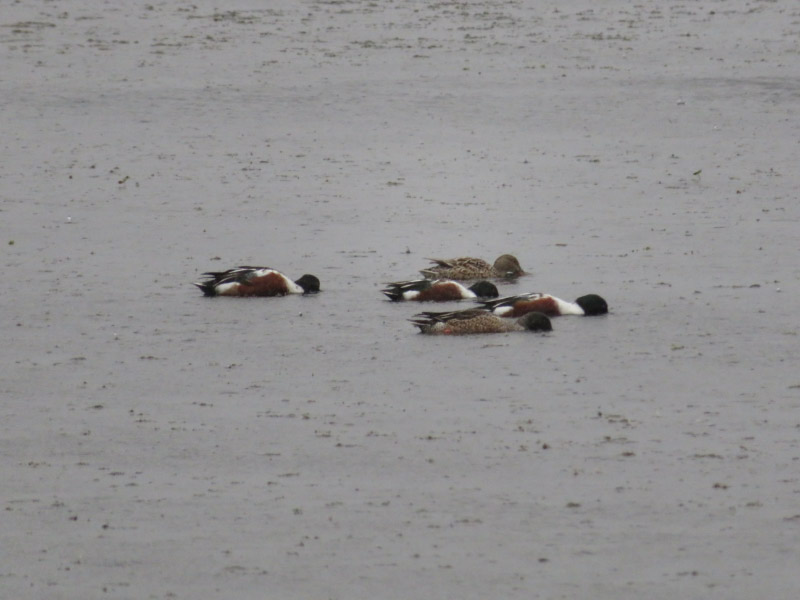
There was a group of Northern Shovelers feeding – living up to the ‘shoveler’ name.

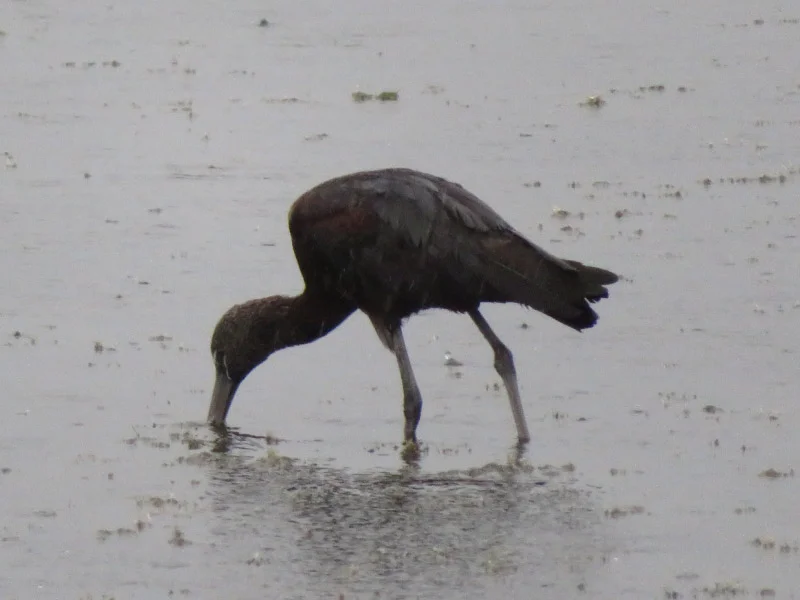
Glossy Ibis were feeding in the shallows and mud.

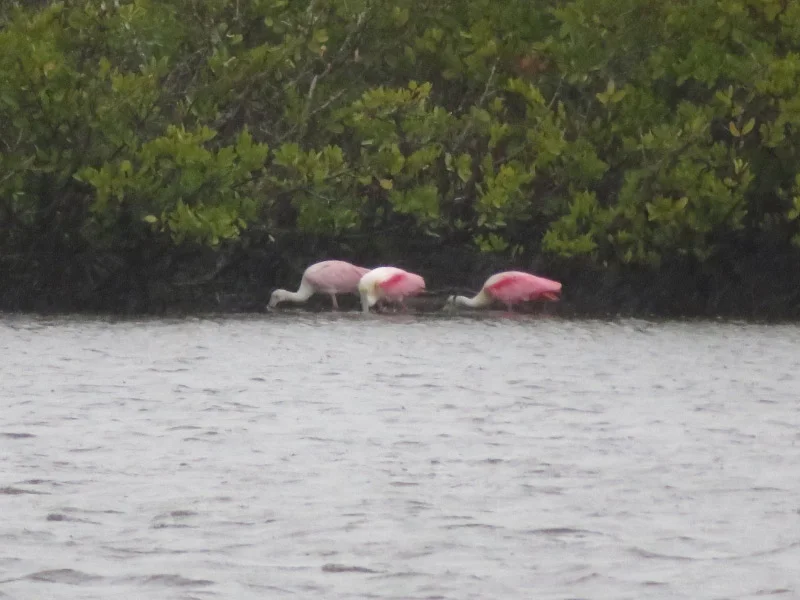
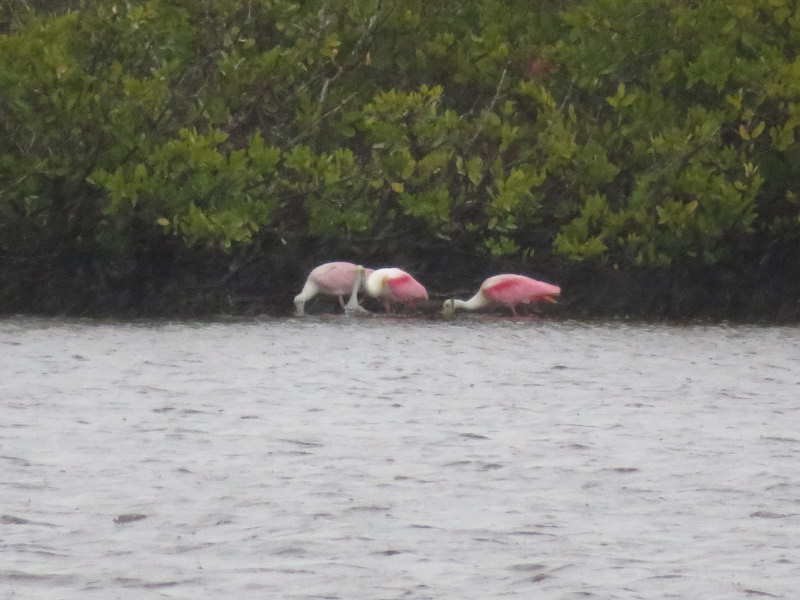
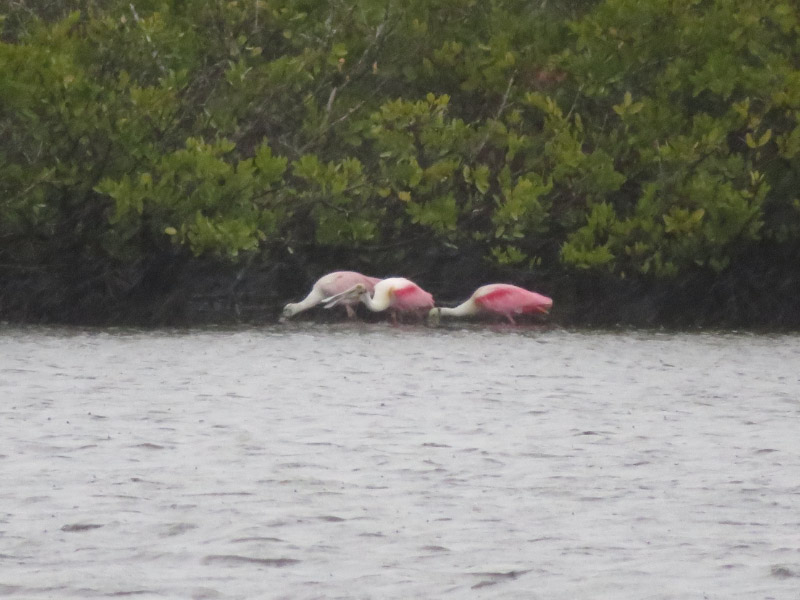
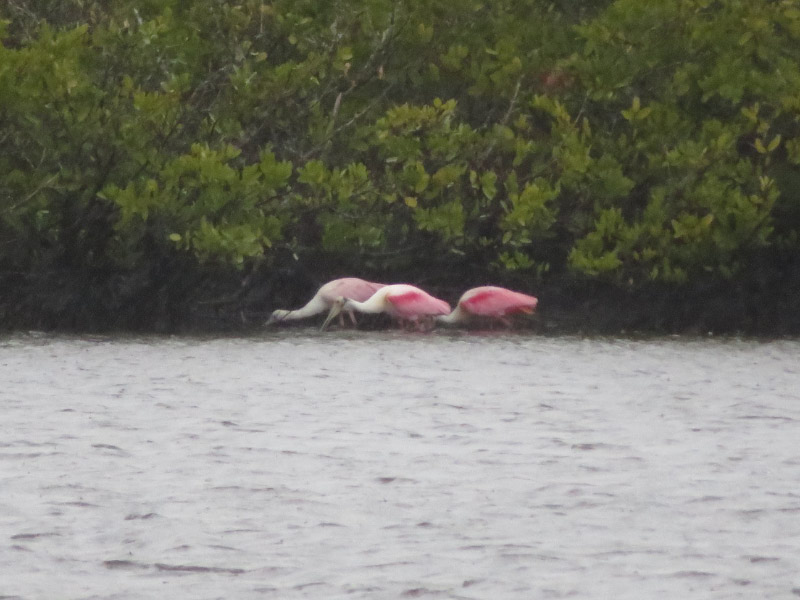
There were some Roseate Spoonbills feeding almost out of range of my camera. Watch the one in the center in this sequence.

There were was a mixed group of birds: Roseate SpoonBills, American Avocets, and a Great Egret. That area near that shore must have been rich pickings.

IMG_3710.jpg

A little further along the shower there was a group of American White Pelicans in the water. The group might have been working together to herd fish into the shallows – easy feeding.

Last but not least - a Tricolored Heron made an appearance. It too was looking for breakfast in the shallows.

IMG_3728.jpg

Overall – it was not a bad ending for the festival. It would have been better had it not be raining…and even better if the sun had come out. We picked up some snacks intended for some trips that were cancelled and headed back to the hotel to pack for the trek home the next day. Both my husband and I enjoyed the festival and I’m sure we’ll do it again – leaving more time between field trips (and before/after the festival) to do some photography at our own pace. It’s a rich area for birding and more comfortable in the winter than it is in the summer.

Another Florida Beach

After lunch at Dixie Crossroads, we headed over to a beach close to Titusville: Cherie Down Park in Cape Canaveral. It was a breezy cloudy day….a little cold. There were people fishing from the beach. At first it didn’t seem like there were very many birds. In some ways that made it easier to photograph the ones that were there.

The Sanderling at the water’s edge was the first bird I noticed.

The Ruddy Turnstone kept moving about. I’m not sure whether I photographed the same bird twice or it was two birds.

A Ring-billed Gull surveyed the beach from a pile of sand in the beach replenishment project area.

2019 01 IMG_3938.jpg

Further away a Lesser Black-Backed Gull and Herring Gull were doing the same.

2019 01 IMG_4116.jpg

A Pigeon posed with fluffed feathers…protection against the cold wind.

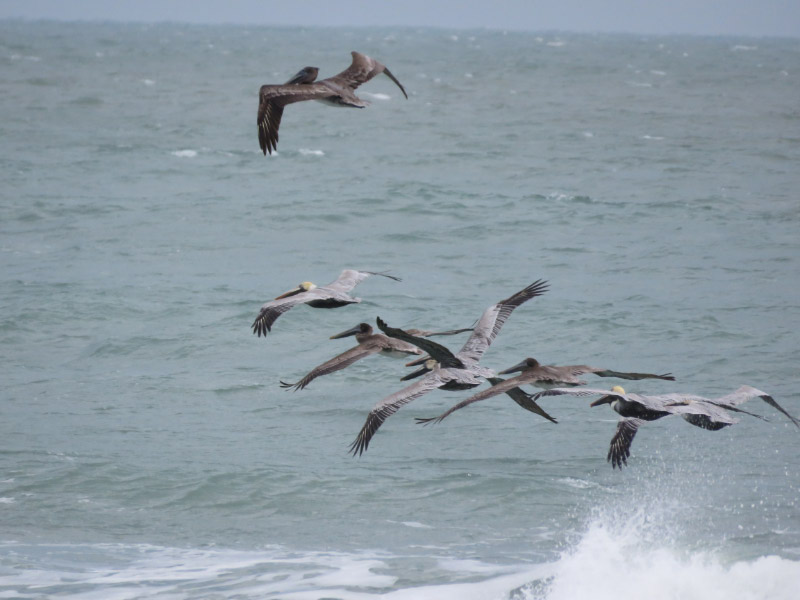
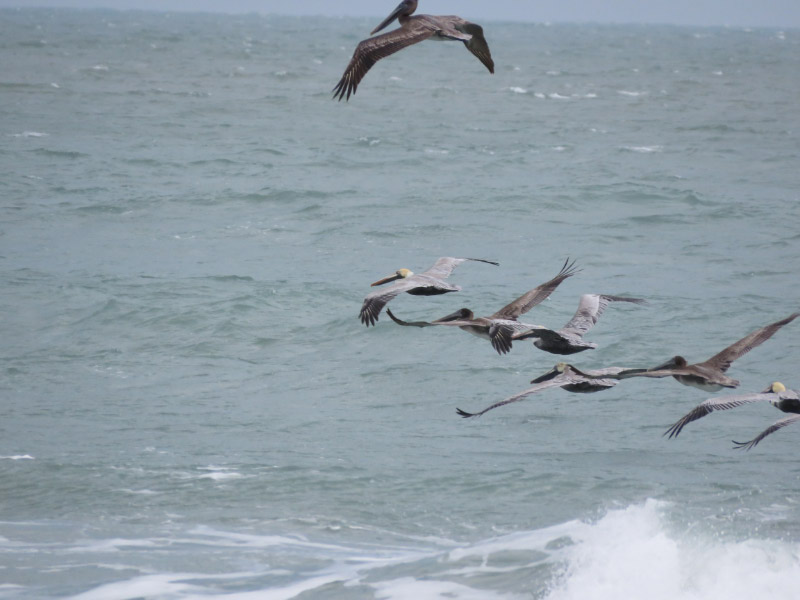
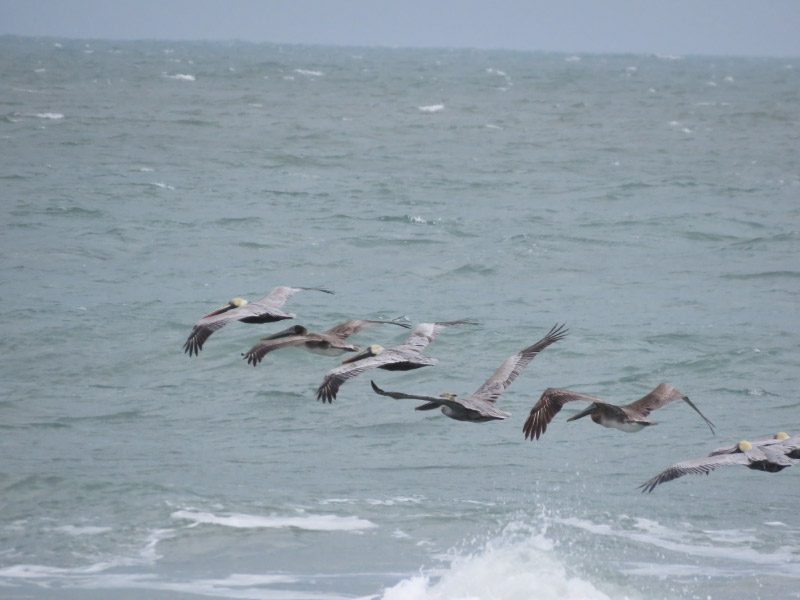
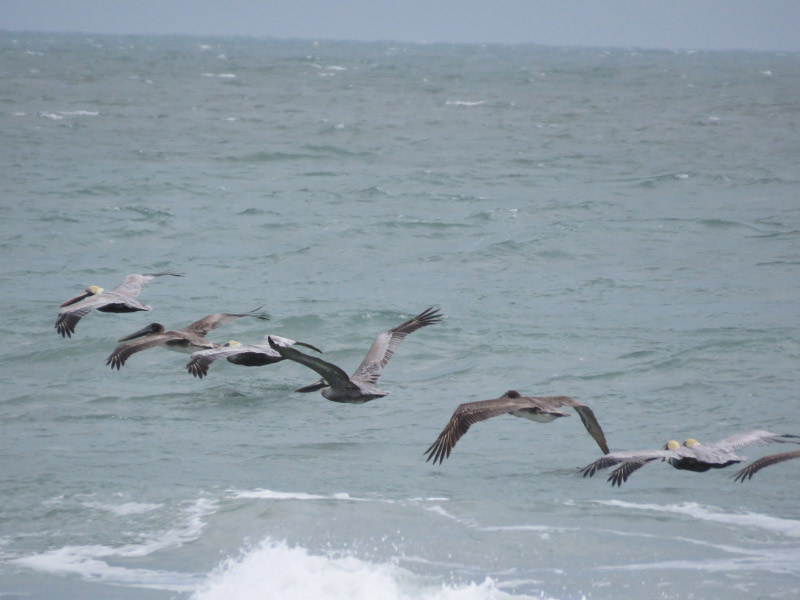
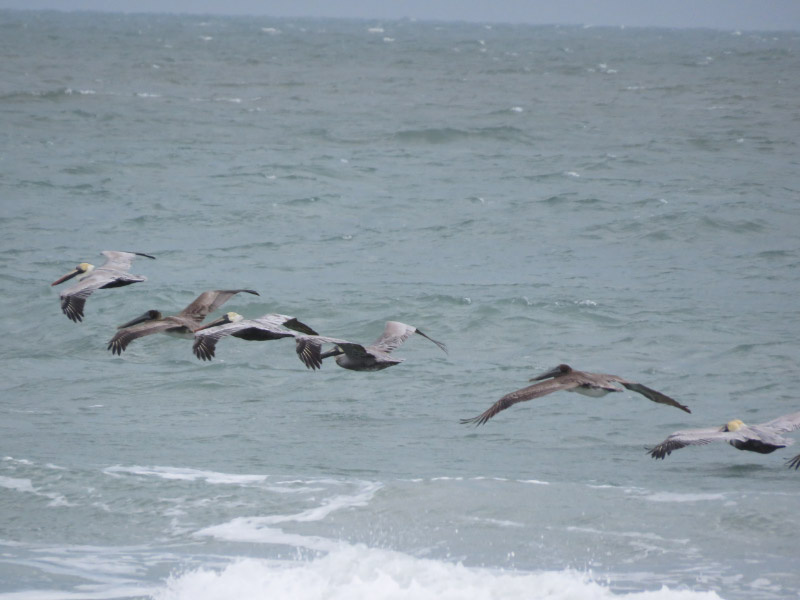
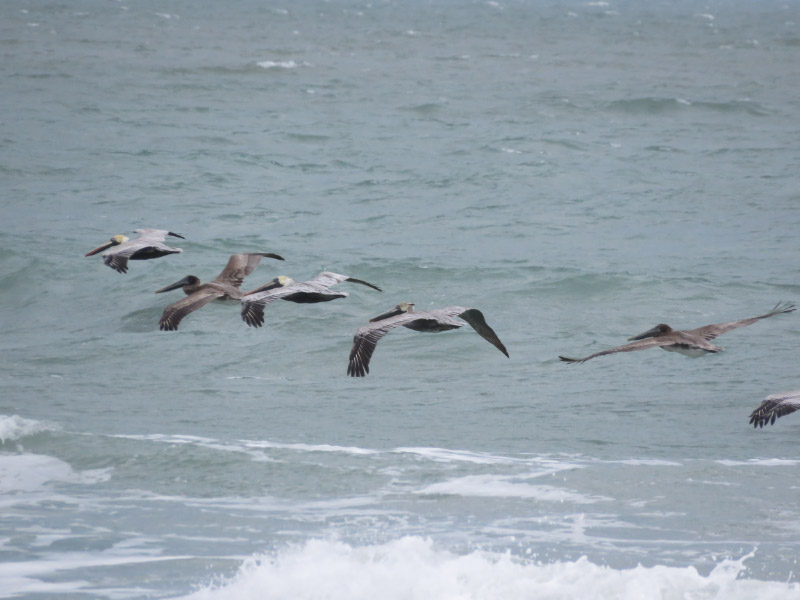
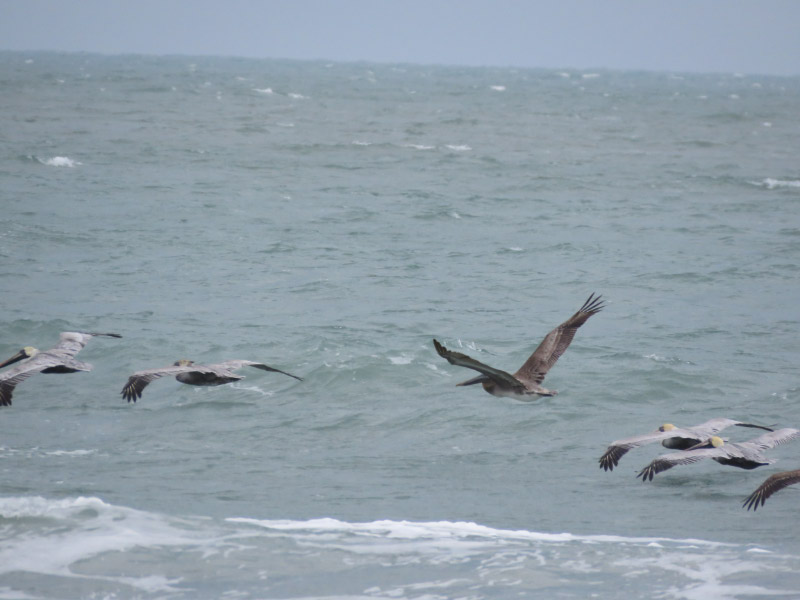
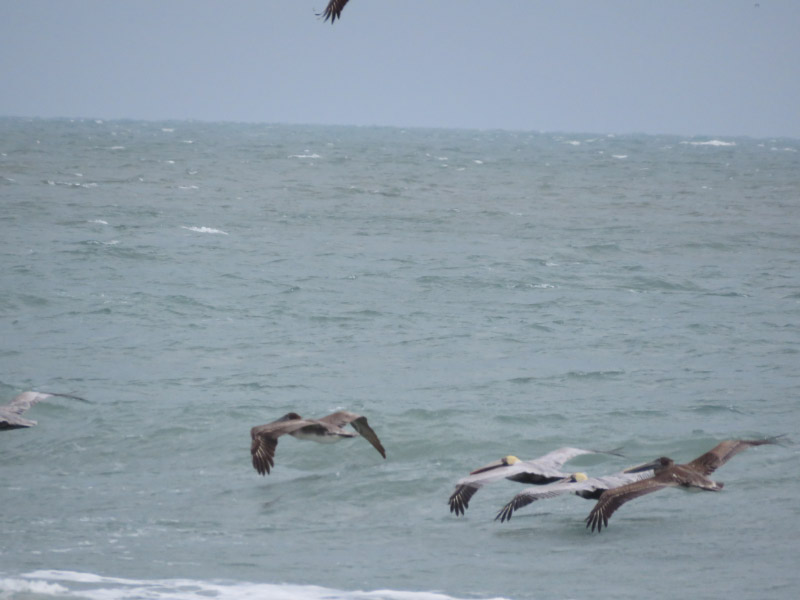
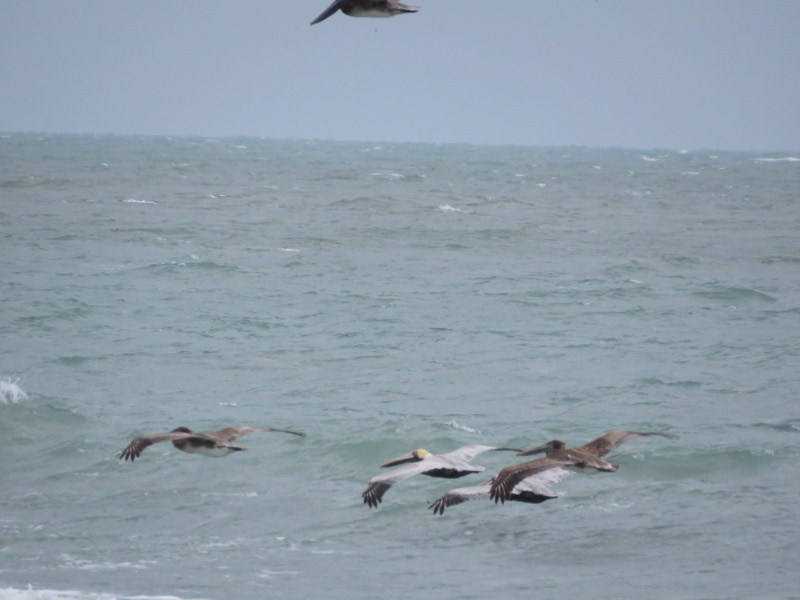
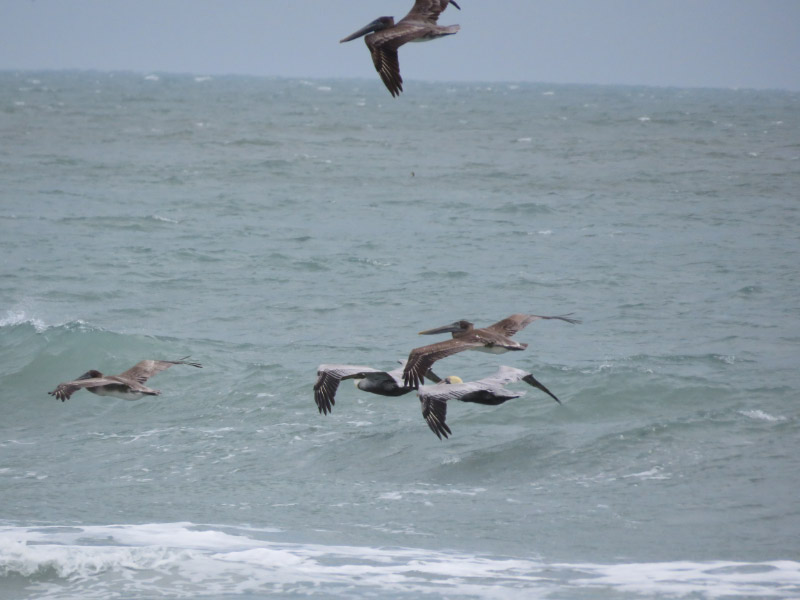
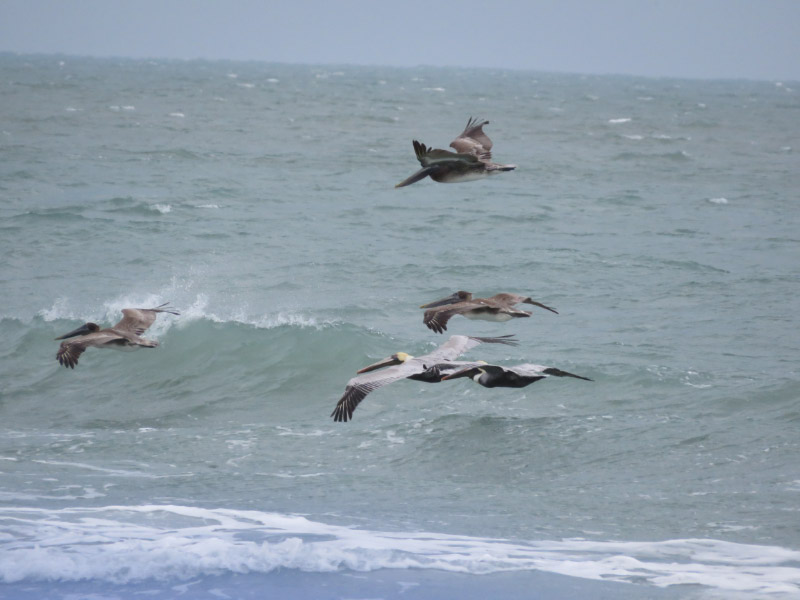
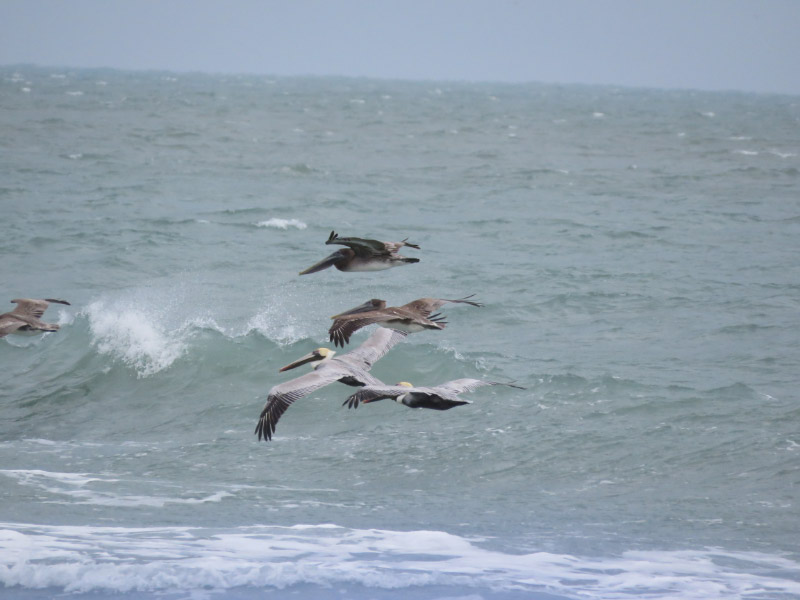
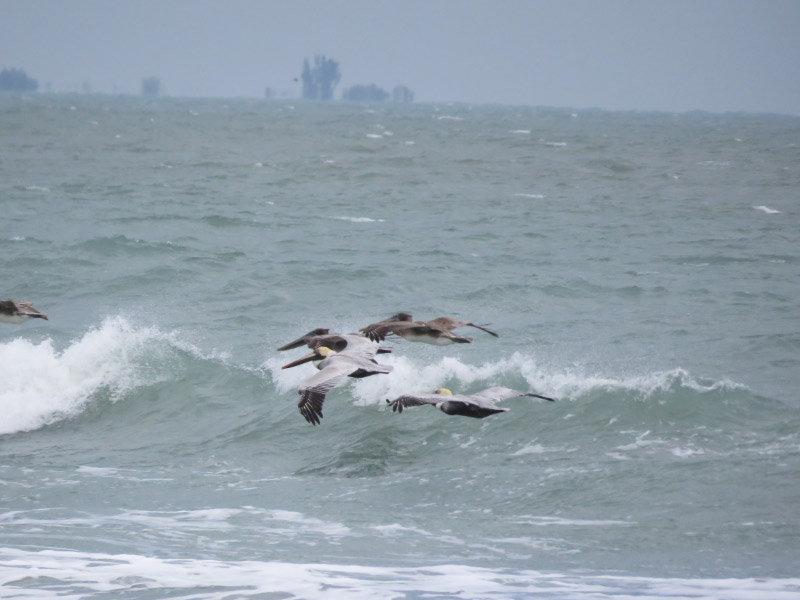
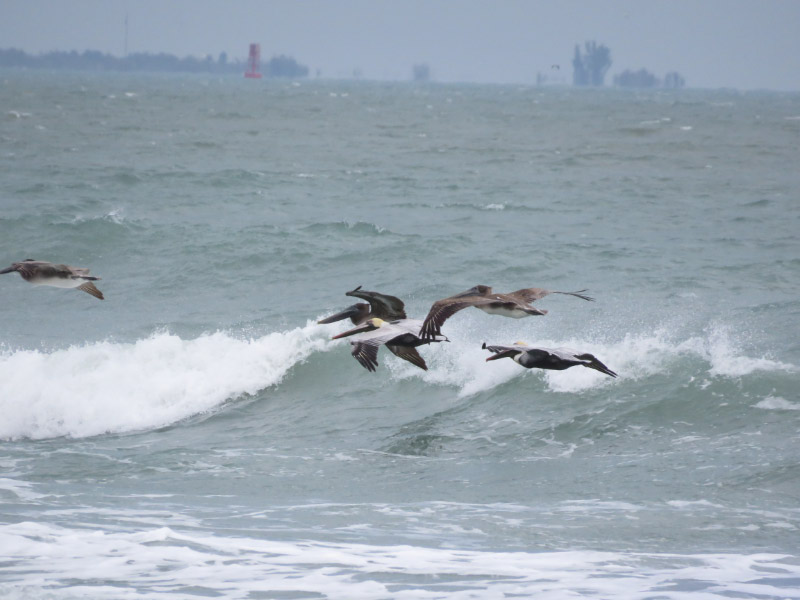
Lots of Brown Pelicans flew by.

2019 01 IMG_4050.jpg

I managed to catch a sequence of a group as it went by. The ones with white heads are the mature birds…the brown heads are juveniles.

A Willet walked along the water’s edge.

Just before we left a group of Black Skimmer’s flew by…a good high point for the last of the field trip.

2019 01 IMG_4132.jpg

Birding Near Titusville

After the long field trip to Central Florida, the next day we had a shorter one to hot spots around Titusville. It felt a lot easier getting to a 6:30 AM bus than the 5 AM bus the previous day. The first stop was Hatbill Park…just as the sun was coming up.

2019 01 IMG_3552.jpg

The Grackles were the first birds we noticed…because they were noisily welcoming the day.

2019 01 IMG_3549.jpg

As the light got better there were other birds to notice: a Little Blue Heron fishing in the shallows.

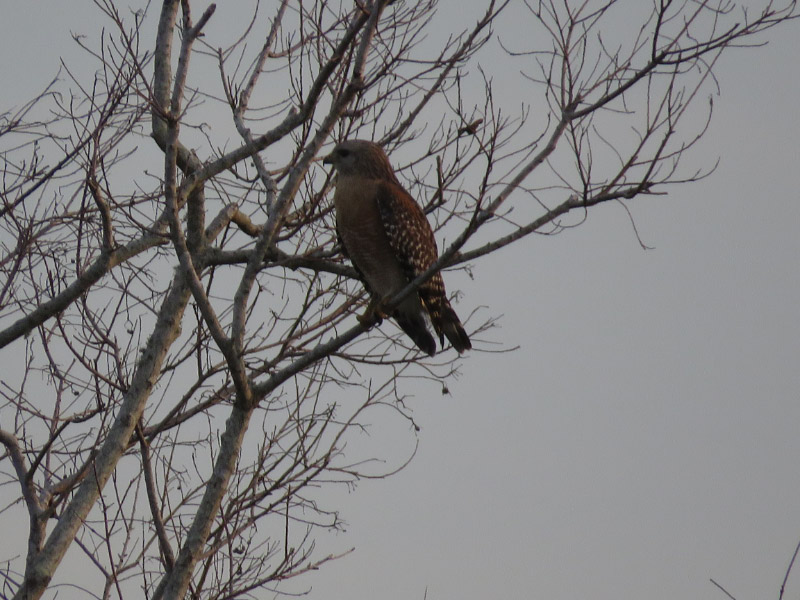
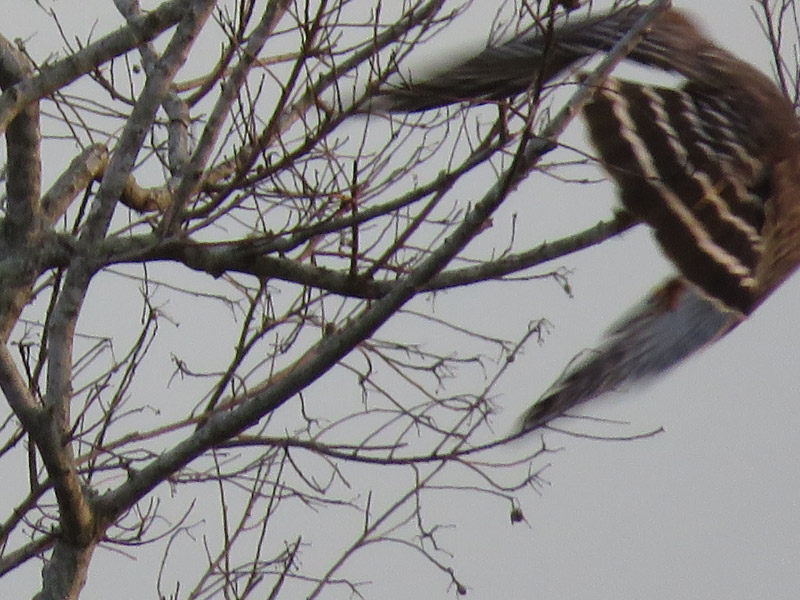
A Red-shouldered Hawk almost too far away to photograph but showing its very distinctive tail as it flew away.

There was an Eastern Phoebe and

2019 01 IMG_3685.jpg

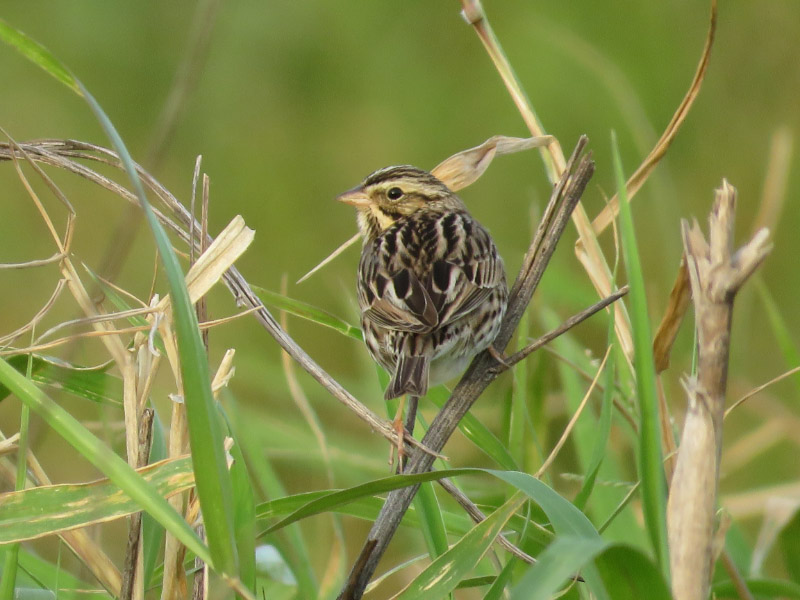
Savannah Sparrow to represent smaller birds.

Some Brown Pelicans flew over the lake.

2019 01 IMG_3702.jpg

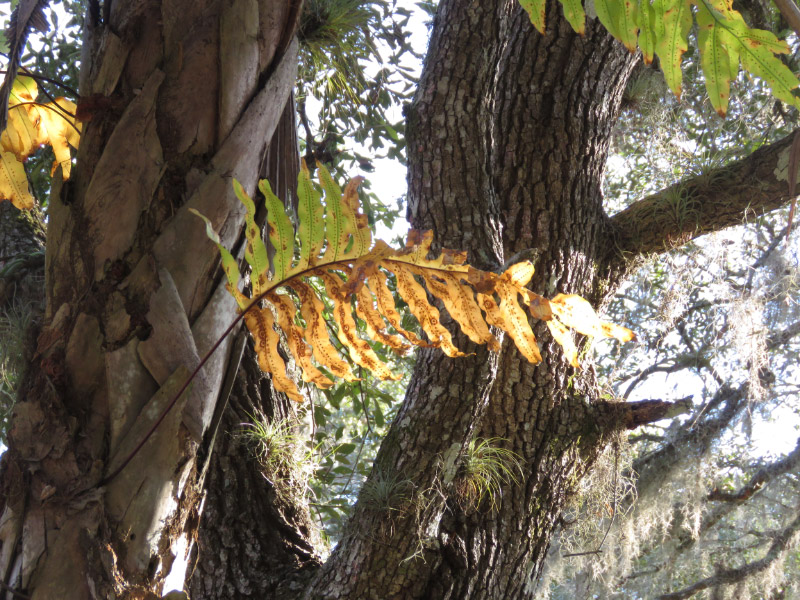
We headed off to or next stop – a walk back into the woods. There were very large Live Oaks with Spanish moss, resurrection fern, and ghost orchids and

Quite a few American Robins. Some robins stick around in Maryland but some push southward and accumulate in Florida.

2019 01 IMG_3749.jpg

There was a Red-Bellied Woodpecker that showed himself at just about every angle. They do have a little red on their bellies!

Florida has red maples just as we do in Maryland although the ones in Florida had formed their samaras months in advance of our trees.

2019 01 IMG_3776.jpg

Ball Moss – a relative of Spanish moss (both Bromeliads rather than mosses) – was growing in some of the trees. It looks tidy rather than raggedy like the Spanish Moss.

2019 01 IMG_3778.jpg

The Sabal Palmettos had ferns growing in their boots (the stubs of branches along the trunk). One of the other field trip participants identified it as a gold foot fern.

An Eastern Phoebe sat around long enough to be photographed here too.

2019 01 IMG_3805.jpg

One stop was a neighborhood pond that has a population of resident Black-Bellied Whistling Ducks. They were noisy. Hopefully they quiet down at dusk.

2019 01 IMG_3813.jpg
2019 01 IMG_3818.jpg

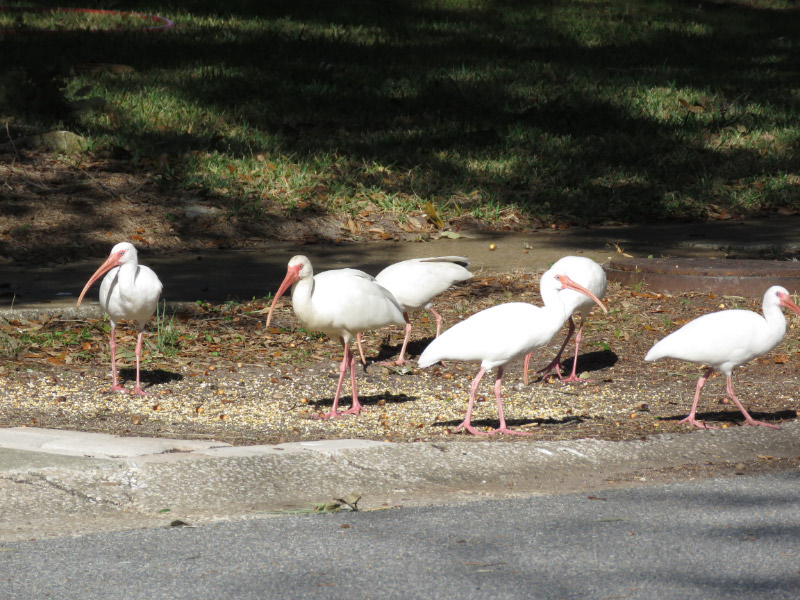
There were White Ibis in the pond as well. They seemed even more acclimated to people.

The next stop was a neighborhood park where there was a resident pair of Sandhill Cranes.

20190126_123310.jpg

Then we headed off to Dixie Crossroads (restaurant) for lunch. I took a picture of the mural as I came out of the restaurant – it featured a lot of the birds we had been seeing.

The post tomorrow will be about what we saw after lunch.