Gleanings of the Week Ending December 26, 2020

The items below were ‘the cream’ of the articles and websites I found this past week. Click on the light green text to look at the article.

35 Beautiful Winter Scenes to Get You in the Holiday Spirit – We had our first snow a little over a week ago…our Christmas was windy and rainy….I enjoyed these snowy pictures from around the world to get me back into the ‘winter wonderland’ mood.

Time capsule for 2020: the 37 objects that defined the year – This prompted me to think about what objects represent the year for me…maybe just a top 10 though rather than 37!

Top 10 Discoveries of the decade – From Archeology magazine

NOAA Research’s top 5 stories from 2020 – NOAA models track smoke movement – and locust swarms; scientists explore the impact of the COVID-19 response on the environment; carbon dioxide continues to rise; Dungeness crab larvae are already showing effects of ocean acidification; and a new roadmap for tracking ocean and Great Lake acidification

Top 11 Clean Energy Developments in 2020 – Some good news….nice to find these in a year that was dominated by bad – sad – horrific news (pandemic, fires, hurricanes, cultural/political strife).

Glucosamine may reduce overall death rates as effectively as regular exercise, study suggests -- ScienceDaily – It’s a correlation finding…not cause/effect. But the correlation was found by assessing data from over 16 thousand people over 40 years of age.

In boost for renewables, grid-scale battery storage is on the rise – Another good news story.

Photography in the National Parks: Winter Wonderlands – More wintery pictures of beautiful places.

Stonehenge's Continental Cousin - Archaeology Magazine – Archaeology in a German potato field! Evidence of concentric rings of oak posts, graves, pits filled with sacrifices, a village of long houses near the circle, alignment with sunrise on days halfway the solstices and equinoxes….no fortification.

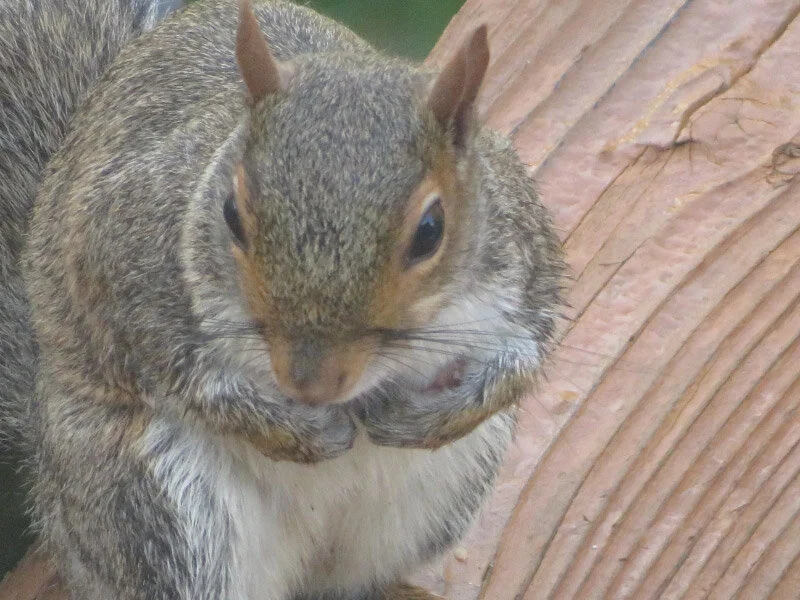
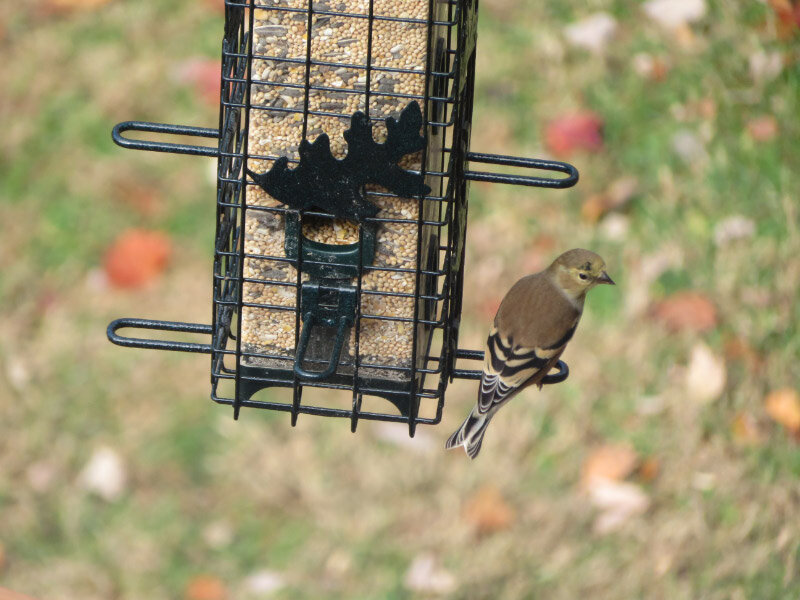
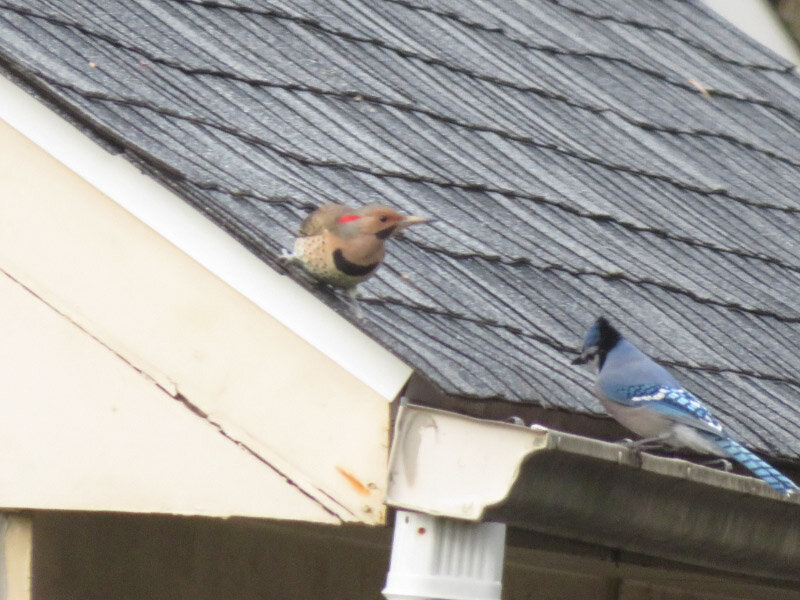
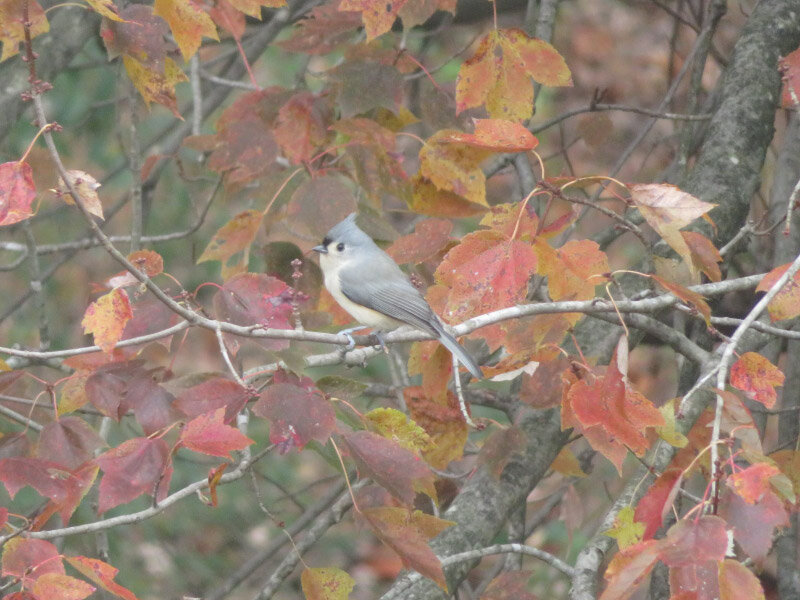
Top 25 birds of the week: Bird Camouflage – Ending this gleaning list with birds. There lots of birds that blend into their environment!

Gleanings of the Week Ending December 19, 2020

The items below were ‘the cream’ of the articles and websites I found this past week. Click on the light green text to look at the article.

How Has Photography's Relationship With Nature Evolved Over the Past 200 Years? | Smart News | Smithsonian Magazine – A little history…that I used as a prompt to look for some of the works on Internet Archive. I’ll post about what I found for Kazumas Ogawa in a post next week.

Infographic: Deciphering Diet from Blood and Urine Samples | The Scientist Magazine® - Full article also available and more interesting that the infographic! The approach is still not perfected…but it may eventually help us get to personalized nutrition plans without as much trial and error that is required now.

Connection between gut bacteria and vitamin D levels -- ScienceDaily – Lots more needed to understand Vitamin D. This study indicated that blood tests for Vitamin D might not be useful at all since they don’t measure active Vitamin D….and active vitamin D is what correlates to gut bacteria…and potentially bone health. “Maybe it’s not how much vitamin D you supplement with, but how you encourage your body to use it.”

Get a Bird's-Eye View of UNESCO World Heritage Sites Across the Globe – Some beautiful places…from overhead.

How Non-Native Plants Are Contributing to a Global Insect Decline - Yale E360 – Insect declines….then birds. Lots of reasons to focus on planting natives a much as we can. I’m glad the forest behind my house is full of native trees and that I’ve replaced 2 bushs in the front of my house with natives. The challenge is to control the small but prolific invasive plants growing on the forest floor and into our yard enough for non-natives to survive. There used to be native jack-in-the-pulpits in our forest until several years ago.

How do we separate the factual from the possible? New research shows how our brain responds to both -- ScienceDaily – This article was frustrating. The study found that factual language is something our brains respond to. That’s not the issue at this moment in our nation’s history. The problem is the use of factual language about something not factual! Maybe this article is why we need to be more worried about public discourse/pronouncements.

It's One Hot Place Deep Down On The Floor Of Yellowstone Lake – About studies at Yellowstone Lake…the sensors and what they are revealing.

Shuttering fossil fuel power plants may cost less than expected -- ScienceDaily – Interesting…but I hope we’ll retire them all well before 2035 with the cost of renewals coming down so quickly. It will make economic sense to just do it!
Keeping Black Bears Wild And People Safe – This article is about black bears in Smokey Mountains National Park and the BearWise program more broadly. We do have Black Bears in Maryland and they occasionally show up in our area; there was one that showed up at our nearby elementary school a few years ago – caused a school lockdown until it wondered off.

Meet the Dipper, the Songbird That Swims – Evidently they are easier to spot in Colorado during the winter when they are concentrated long streams that remain unfrozen…but they are in the Rockies all year round…Dippers are elevation migrants (higher in the summer….lower in the winter). Maybe some post-pandemic trip we’ll look for them!
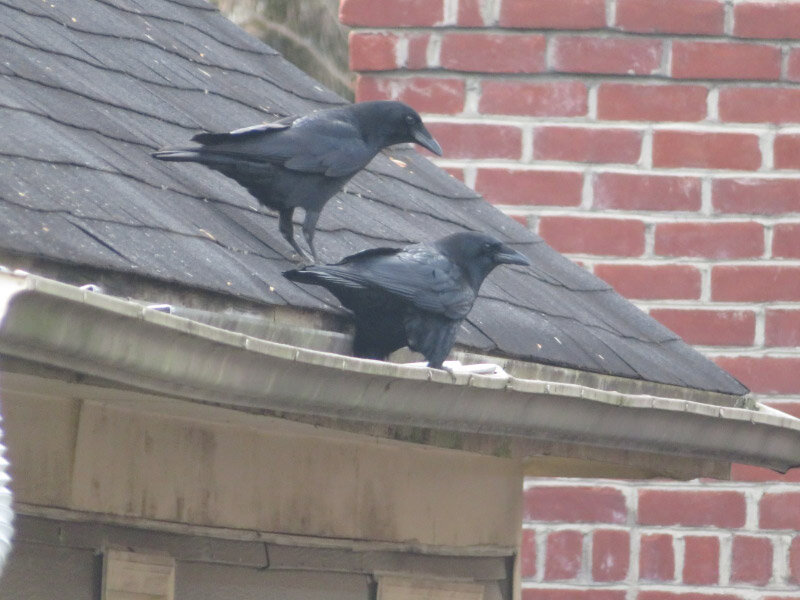
9 Months in COVID-19 Pandemic

The first vaccine for COVID-19 was approved in the US by the FDA on the 9-month anniversary of the WHO declaring the world wide pandemic. The rollout will take months but there is more hope now….if we can just get through the months until enough people get vaccinated to provide herd immunity. The US is not in a good situation right now with hospitals filling up, larger than ever numbers of people testing positive, and deaths per day about the same as 9/11/2001 – the trauma of that death rate repeated again and again instead of one day. Even a month ago, I thought there were more effective treatments that had been developed since last spring, but it now seems that either they don’t exist or they are in such short supply that they don’t make a difference. Even worse – the best treatments only seem to be available to favorites of the President…implying (or confirming) the corruption of at least part of the medical system in the US.

The psyche of everyone in the country is impacted by the pandemic – made worse by the leadership of the country, particularly at the Federal level and trickling down to some states. There is a lack of caring in American society that still surprises me. I limit the time I spend watching/reading news…stay more with stats and public health recommendations to guide the actions I take relative to the pandemic.

  • I have elongated my time between trips to the grocery store to every 3 weeks (rather than every 2 weeks like I did over the summer and fall or every week I did pre-pandemic). It takes more planning but is preferrable than going back to grocery delivery. I like to choose my purchases directly!

  • My husband and I celebrated Thanksgiving on our own at home and are planning to do the same for all the upcoming holidays. Special foods are still part of the celebration but we cook for 2 (or enjoy a lot of leftovers). I am intentionally trying some new recipes for desserts. We also do telephone calls/Zoom sessions with family on the special days.

  • We are getting take out every week or so. We haven’t eaten in a restaurant since back in February. It’s impossible to know how good the air circulation/filtration is in an enclosed area where 6 feet distance may not be adequate….and one cannot wear a mask while eating. Many municipalities/counties in Maryland are going back to take-out only because of the dramatic rise in cases over the past few weeks (although the rise might be more because of behavior around the Thanksgiving holiday than restaurants); whatever the cause - the likelihood of asymptomatic people in our community has increased and there is a need to respond to that to help avoid hospitals overflowing/starting to ration care.

  • My husband is still planning to do some amateur astronomy sessions with the local club…outdoors and masked and telescopes set up at least 6 feet apart….if the weather cooperates. He did some solar astronomy on his own from our driveway and backyard in November. The club meetings have been via zoom for months.

Over the past month, we enjoyed

20201128_090811.jpg

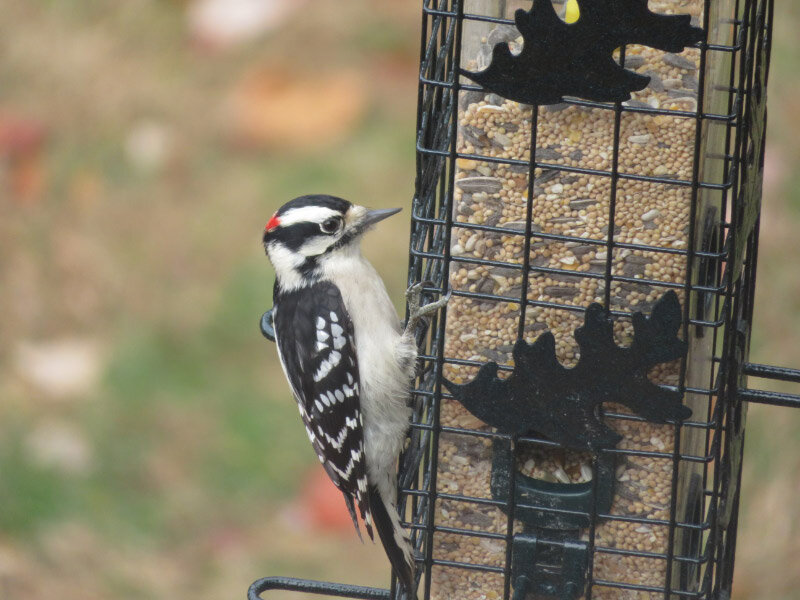
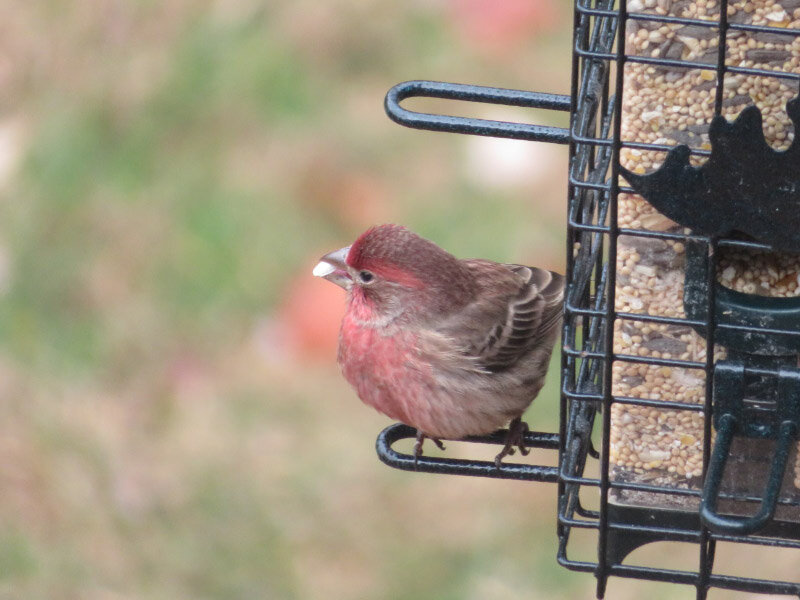
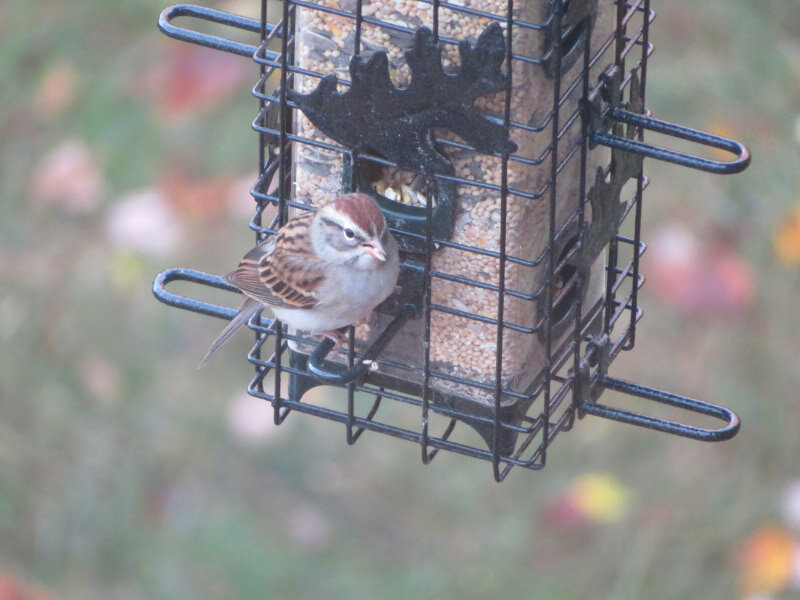
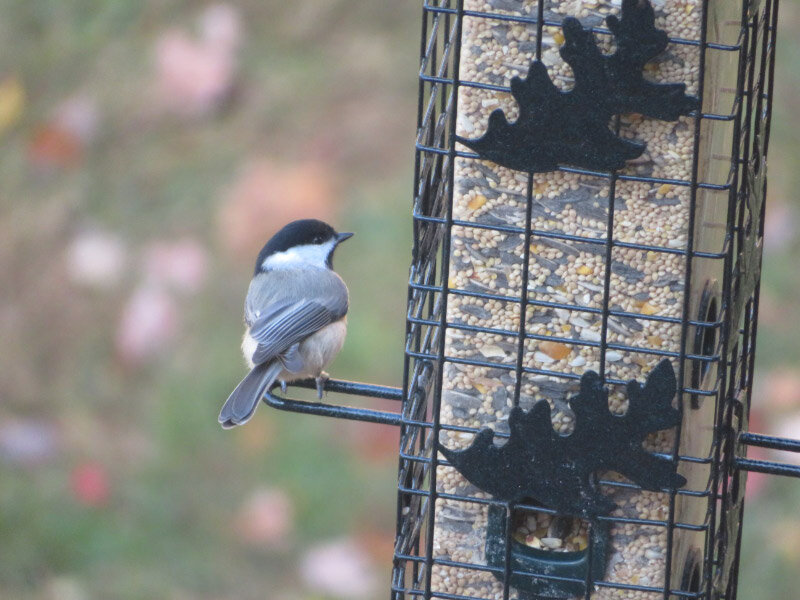
I am looking forward to cooking holiday desserts, watching a virtual Holiday House Tour being produced by my county and a session on Wild Birds in Winter from our state Department of Natural Resources, and filling up the porch with items for a charity to pick up…and continuing day to day activities that give me joy like Zentangle tile creation, photographing birds and wildlife from my office window, finding good books to browse, and writing a blog post….taking a walk in the neighborhood or watching the trees gently moving in the winter wind from my office window.

I am looking forward to cooking holiday desserts, watching a virtual Holiday House Tour being produced by my county and a session on Wild Birds in Winter from our state Department of Natural Resources, and filling up the porch with items for a charity to pick up…and continuing day to day activities that give me joy like Zentangle tile creation, photographing birds and wildlife from my office window, finding good books to browse, and writing a blog post….taking a walk in the neighborhood or watching the trees gently moving in the winter wind from my office window.

Over the next month, we might get a better sense of when we will be able to get the vaccine. My plan is to get it as soon as I am eligible. Once I’m protected by it and my parents are in the same state…a road trip to Texas will be my first post-pandemic travel.

At the 9 month mark – I am more hopeful for 2021….but very focused on staying hyper vigilant – doing everything we know to do to avoid getting COVID-19 until we are protected by the vaccine.

Gleanings of the Week Ending December 12, 2020

The items below were ‘the cream’ of the articles and websites I found this past week. Click on the light green text to look at the article.

Massive Arecibo Telescope Collapses in Puerto Rico | Smart News | Smithsonian Magazine – Very sad. It was already being decommissioned which was wrenching….but then the collapse meant that even the instruments that might have been usable elsewhere were destroyed. My husband spent some time at Arecibo during his graduate school studies in the 1970s.

What do slight arm movements reveal about our breathing and health? -- ScienceDaily – Evidently it works best during sleep when there is not a lot of other movement other than breathing!

Hegra, an Ancient City in Saudi Arabia Untouched for Millennia, Makes Its Public Debut | Travel | Smithsonian Magazine – Undisturbed for 2,000 years…once an international trade hub although most of the surviving structures are tombs…a few hundred miles to the south of Petra

Proterra Sells Its 1,000th Electric Bus and New Electric School Buses In Virginia & Massachusetts – Electric buses are very appealing…I’ve always hated the sooty exhaust from diesel buses. Buses operate in situations where many people (and children) are in close proximity, so removing buses as a source of city and school pollution would be a good step forward.

Glyphosate may affect human gut microbiota -- ScienceDaily – A bioinformatics tool to predict if a microbe is sensitive to glyphosate – in the soil…in the digestive system of animals. The compound, widely used as a herbicide, biochemically targets plants but the same pathway is also in bacteria.

Opinion: The Biological Function of Dreams | The Scientist Magazine® - Learning more about sleep…and REM sleep in particular.

The mystery of Siberia’s exploding craters - BBC Future – Gas emission craters. Studies have revealed a 3-5 year life cycle: a mound forms…rising several meters, the gas underneath explodes. They tend to form in areas where there is a thick layer of ice over permafrost…with some areas of unfrozen ground surrounded by permafrost…and very deep deposits of gas and oil. The big challenge has been to identify the source of the gas that builds up – because after the explosion it is already gone.

Forest fires, cars, power plants join list of risk factors for Alzheimer's disease: Airborne pollution implicated in amyloid plaques, UCSF-led study shows -- ScienceDaily and Air pollution spikes linked to lower test scores for Salt Lake County third graders -- ScienceDaily – Studies that show the impact of air pollution on humans….other reasons to step up the pace of the shift away from fossil fuels. Thinking positively – actions to address climate change tend to improve air quality.

Mistletoe: A Natural and Human History – A plant associated with the season! And there are other species of mistletoe from around the world.

Top 25 birds of the week: December 2020! - Wild Bird Revolution – Beautiful birds….at the end of the gleanings list for this week.

Gleanings of the Week Ending December 5, 2020

The items below were ‘the cream’ of the articles and websites I found this past week. Click on the light green text to look at the article.

Climate change presents new challenges for the drinking water supply -- ScienceDaily – Studying the Rappbode Reservoir in Germany and applying models….helping to predict what happens with warmer temperatures and increased drought…and what tweaks in reservoir management can mitigate.

The Lanterna of Genoa, the oldest lighthouse in Europe – The current Lighthouse of Genoa was built in 1543. The article includes some pictures of the technology used in the lighthouse from the 19th and 20th centuries.

Pollution and pandemics: A dangerous mix: Research finds that as one goes, so goes the other -- to a point -- ScienceDaily – Studying the relationship between along term ambient particles with a diameter of 2.5 micrometers or less and the spread of COVID-19….using air quality data and COVID-19 case across the country. There is a correlation – more pollution….higher COVID-19 transmission. Also: "We found black carbon acts as a kind of catalyst. When there is soot present, PM2.5 has more of an acute effect on lung health, and therefore on R0." This is an example of how air quality degradation has adverse health consequences.

Leila Jeffreys' Elegant Bird Portraits Show Feathery "High Society" and Photographer Tim Flach Captures Emotive Portraits of Fascinating Birds – I prefer birds in the wild…but sometimes portraits show the bird with more detail…certainly with less distraction. These two series were quite different but full photogenic birds.

Two centuries of Monarch butterflies show evolution of wing length -- ScienceDaily – Looking through museum collections and island populations of Monarchs, the researchers discovered how migration selects for longer, larger forewings….non-migrants have smaller wings! And they have determined that the effect is due to genetics rather than the rearing environment.

Photography In The National Parks: Birdy, Birdy In The Sky – Almost half the gleanings this week are about birds. I think this is my favorite. National Parks…great places for photography and birds add some action in the scene!

Top 25 birds of the week: Coastal birds – Some I’ve seen (particularly the ones in this group that were photographed in New Jersey). Others are totally new – like the Great Stone-curlew found in coastal areas of southern Asia…striking head pattern…and eye.

Tens of thousands of 12,000-year-old rock paintings found in Columbia – Found in an area previously inaccessible to researchers due to Columbia’s 50-year civil war. Made with red ocher.

Vitamin D regulates calcium in intestine differently than previously thought – Still new discoveries to be made about how our bodies work…how complex and interconnected the chemistry is….a system of systems.

Newly Discovered Underground Rivers Could Be Potential Solution for Hawai’i’s Drought – The potential for water wells off the coast of islands…supplementing fresh water available on the land to support the population living there.

Shopping for 3 weeks of groceries

How different is it to shop for 3 weeks rather than 2? I decided to try it to further reduce the potential of exposure to COVID-19 at the grocery store. Previously I was shopping every 2 weeks and had become very accustomed to the precautions: going early in the morning on a weekday when there are very few other shoppers, wearing a mask as every one else is, using the hand sanitizer at the door, wiping down the cart with a wipe the store provides, and staying well away from other people. I did the first shopping-for-3-weeks yesterday.

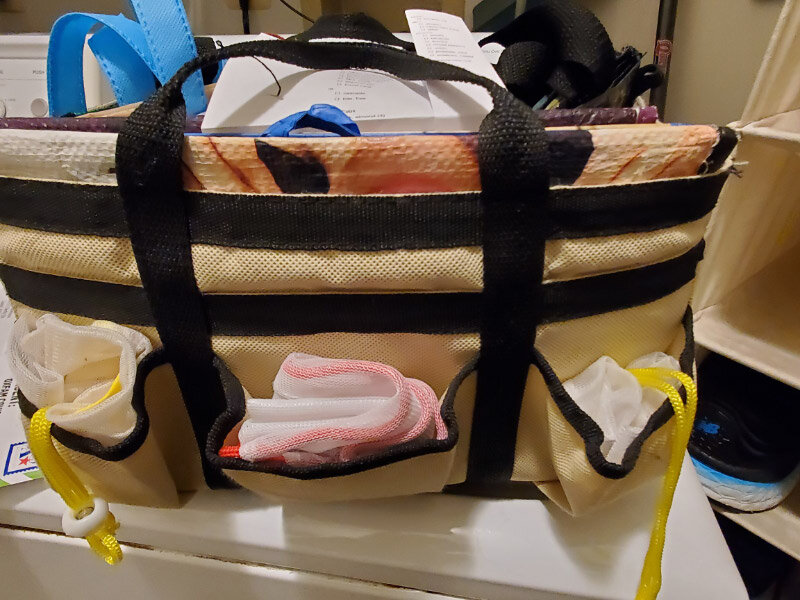
I planned ahead as usual – printed the list so I could keep my phone on the Scan app in the store (allows me to scan my items as I shop…checkout very quickly), got my bag of bags organized with produce bags and reusable bags, and attached my fully charged phone to a lanyard so that both hands would be free but with the phone easy to grab for scanning.

20201203_060955.jpg

I had a piece of dark chocolate for provide caffeine/energy and was out the door by 6:20 AM. In noticed a little color at the horizon and a bright planet/star (my husband told me it was probably Venus) in the sky turning from black to dark blue. When I got to the store there was at least one other person in their car, masking up and carrying reusable bags into the store to shop. There were not very many cars around; I generally think there are more staff than customers in the store at that hour.

The shopping was mostly uneventful although there were some troubles:

The kind of almond milk I like was available, but it was in the very back of the slot and on the bottom shelf. I had to get down on my hands and knees on the concrete floor to reach back for it…painful in the moment but I have recovered.

The butterscotch chips were sold out. I’ll leave it on the list for next time since I want to make a holiday goodie with them.

The only kind of Organic hamburger meat they had was the 80% rather than the more lean I usually buy. I thought I would get the lean non-organic but they only had 80% there too. I bought the organic and we’ll have to pour off the extra fat…not something we are used to doing.

The cart was very full. I filled up the shelf under the main cart with larger boxes and realized that if I needed to buy toilet paper or paper towels, I would have to get those items at the end and balance them on top of everything else. This time I didn’t need to do that, but I did have one bag hanging from a hook off the side of the basket.

20201203_073214.jpg

The back of the car was full. The bag with the fresh flowers went in the front passenger seat floorboard.

20201203_074730.jpg

When I got home, my husband helped carry everything in…complaining that I pack the bags too heavy! And then we both washed our hands thoroughly…and I rewarded myself with my serving of pumpkin roll that I had purchased.

Overall – as long as I find the critical items on my list, I can shop every three weeks and reduce my exposure….until we are vaccinated. Maybe I’ll get used to the bit of extra planning and fitting everything I need into the cart. I might continue shopping every 2 weeks post-pandemic even though I had shopped weekly for many years. Some pandemic habits might stick.

20201203_122338.jpg

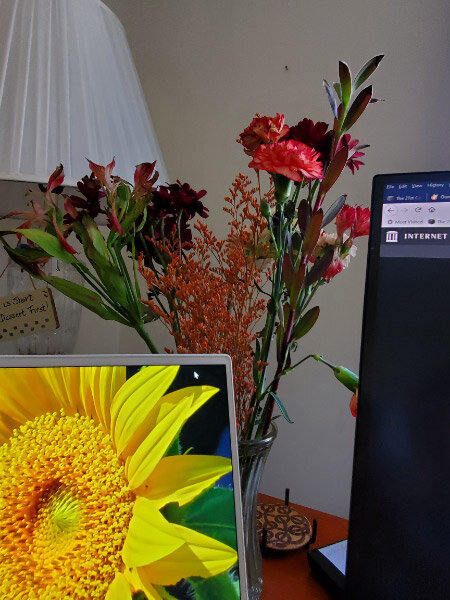
Note: I brought the bouquet of fresh flowers from two weeks ago up to my office (behind my laptop….left the just-purchased ones in vase on the breakfast table.

Gleanings of the Week Ending November 27, 2020

The items below were ‘the cream’ of the articles and websites I found this past week. Click on the light green text to look at the article.

Iridescence - from archaeological glass to Art Nouveau – A little history of iridescent glass…how the effect is produced.

Photographer Captures Beauty of Starling Murmurations Across Europe – Awesome coordination of birds in flight. The starlings are not numerous enough in the US to create murmurations like this….but we did see flocks of tree swallows wintering in Florida that did.

New study reveals United States a top source of plastic pollution in coastal environments -- ScienceDaily and Plastic pollution is everywhere. Study reveals how it travels -- ScienceDaily – Plastic everywhere. We need to find a way to stop the waste.

Top 25 birds of the week: Plumage! - Wild Bird Revolution – Shots of color (I appreciated them more because it is a very cloudy day as I write this).

Into The Badlands Of El Morro and El Malpais National Monuments – Two places in New Mexico that I’ve visited several times…appreciated the pictures…reminder of how special these places are.

Which particulate air pollution poses the greatest health risk? -- ScienceDaily – Evidently the oxidative potential of particulate matter is key….wood combustion and metal emissions from brake and tire wear have higher oxidative potential, for example.

How to cut carbon out of your heating - BBC Future – A comparison of different types of heating…and other elements of carbon production related to heating where we live.

Wind & Solar Are Cheaper Than Everything, Lazard Reports – Great trend….now the market forces should push harder toward cleaner electrical generation.

The strange and surprising ways wild animals prepare for winter – The story starts out with bears but quickly moves on to animals not as well known for their winter preparations: moles, honey ants, chickadees, and snakes.

These Four-Foot Lizards Will Eat Anything—and They're Invading the Southeastern U.S. | Smart News | Smithsonian Magazine – The tegus, native to South America, and brought to the US as pets. They have roamed wild in southern Florida for a decade…and now are spotted around the southeastern US. It loves to eat eggs and thus is a threat to native species like quail, turkeys, alligators, and tortoises. The race is on to try to stop the invasion of this reptile.

Gleanings of the Week Ending November 21, 2020

The items below were ‘the cream’ of the articles and websites I found this past week. Click on the light green text to look at the article.

Photography In The National Parks: The Redwood Forests Are Made For Vertical Shots – Botany (redwoods), photography (including two short videos), natural places…a great way to start the day or boost my mood any time.

Tarantulas: Color, Cancer and Cramps – I remember a tarantula on the sliding glass door of our house in Wichita Falls, TX when I was in my early teens…at eye level. Fortunately, it was on the outside and I was inside. It was about the side of the palm of my hand. This article talks about research on tarantulas; they are probably more interesting than scary!

The cheap pen that changed writing forever - BBC Future – A little history for the week. The ballpoint pen was unveiled on October 29, 1945 in the US. However – the first patent for a ballpoint pen was back in 1888. Laszlo Biro developed a practical ball point pen by perfecting the ink (different than ink used in fountain pens) and got a patent in 1938 in Britain but World War II came along, and he fled to Argentina. His pen was released in Argentina in 1943, but the pen was little-known outside of South America. Find out more from the article.

Biophilic Cities For An Urban Century – During the pandemic, I have appreciated where I live for its proximity to nature; I live at the edge of a forest and the 30 year old development has larger trees in the yards too. Turning our cities from gray to green would be different but there are reasons to make the choice to do it. The authors consider urban economics, environmental health, and ecology…and propose that going forward that we should actively design for biophilic cities. If cities were more like the first picture in this article (and all those cars below were electric) – they would be much more pleasant places to live!

Top 25 birds of the week: Wild Birds! – Can’t resist….I always enjoy the collection of bird photos every week…so include it in the gleanings list.

Slideshow: How Ecologists Study the World’s Apex Predators – Projects from around the world studying the impact of predators…using a variety of techniques.

New solar panel design could lead to wider use of renewable energy: Designing solar panels in checkerboard lines increases their ability to absorb light by 125%, a new study says -- ScienceDaily and Solar Panels + Agriculture: You Ain’t Seen Nothing Yet – Two articles about solar panels….we’ve seen more of them in the past few years…there are a lot of indicators that it’s only the beginning of the upward trend gaining momentum.

The Craters on Earth – They mapped 200 sites – high resolution topographic maps and satellite images…geological descriptions and photographs…details of each impact event. I followed the links and found that publication is available for pre-order here; the page provides the table of contents and additional sample images.

How Cowbirds raise their young, without raising their young – We had a group of cowbirds at our feeder one day this week. They seemed to be moving through rather than staying. There were some last spring as well, but I didn’t notice any cowbird chicks coming to the feeder like I have in previous years.

Plastic-eating enzyme 'cocktail' heralds new hope for plastic waste -- ScienceDaily – It appears that we are getting closer to a cost effective was to endlessly recycle plastic – which would dramatically reduce the need to produce plastic from fossil fuels. It’s also a good example of the benefit of collaborative research – international…multiple specialties…sophisticated (and rare) equipment.

Unique Activities for Yesterday:

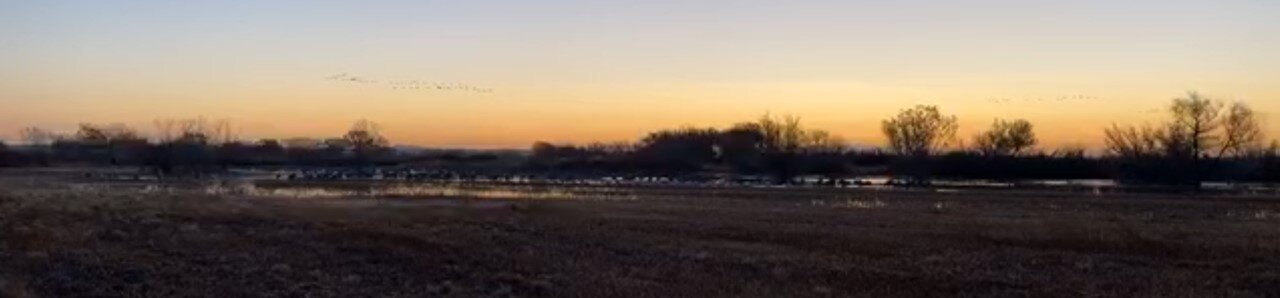
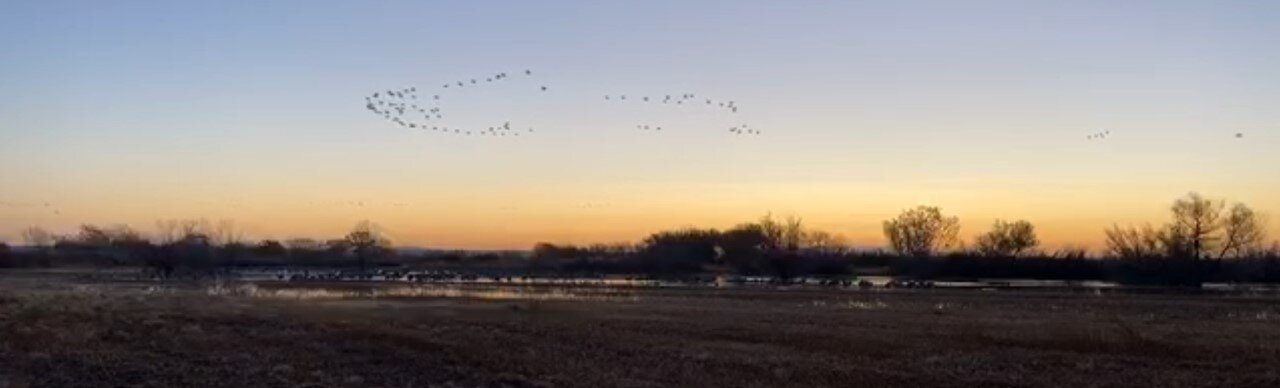
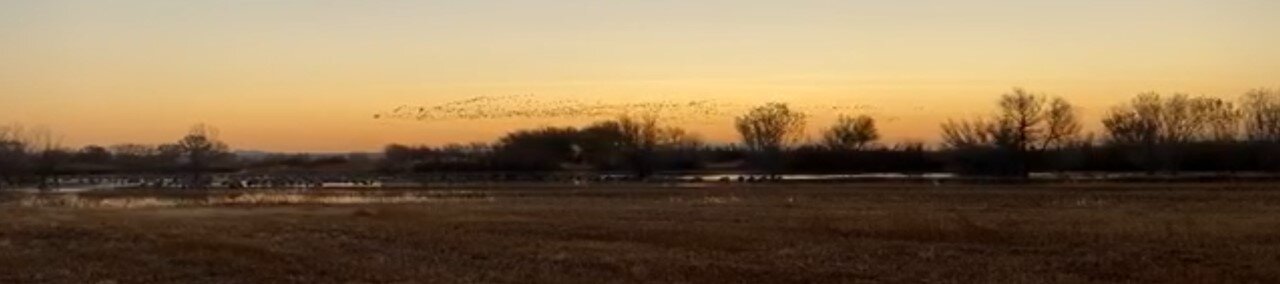
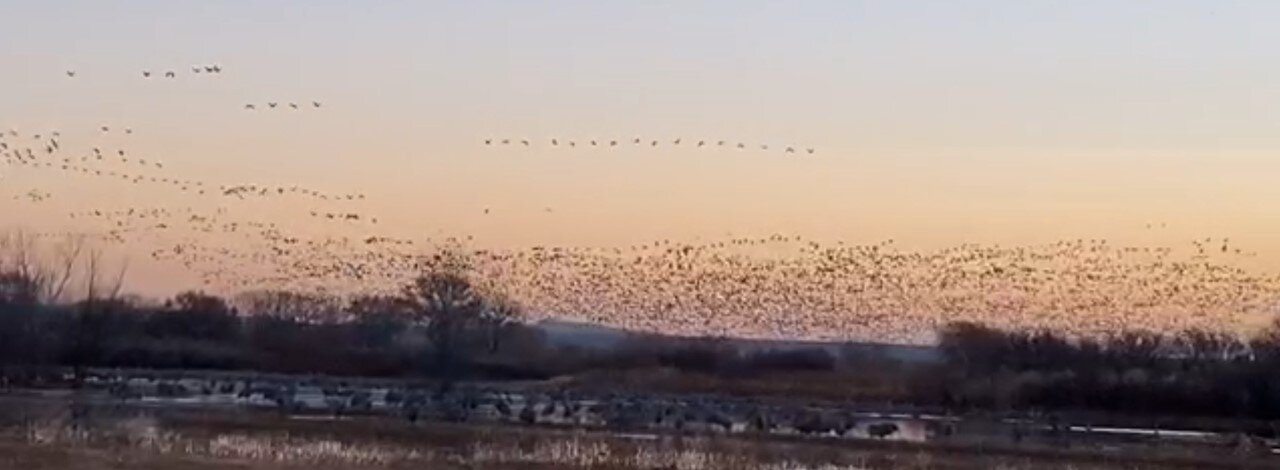
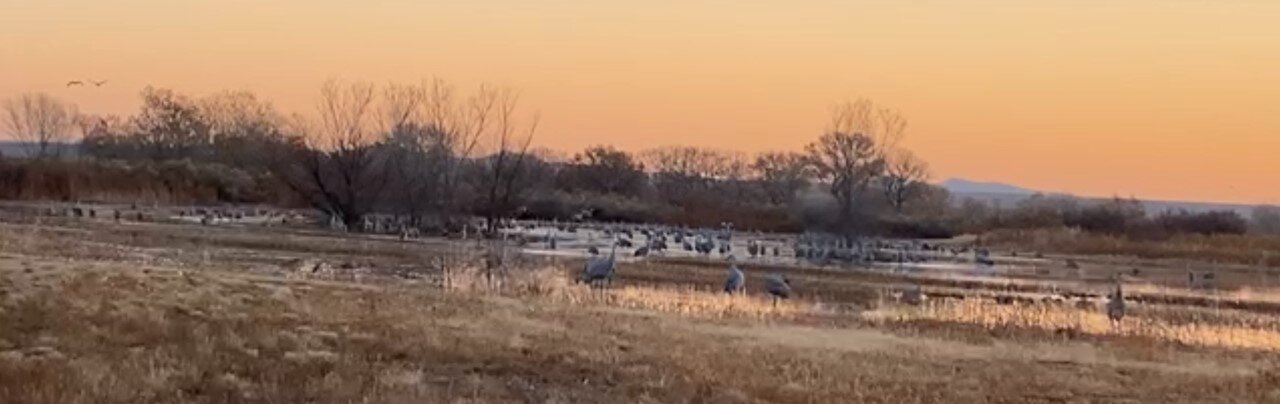
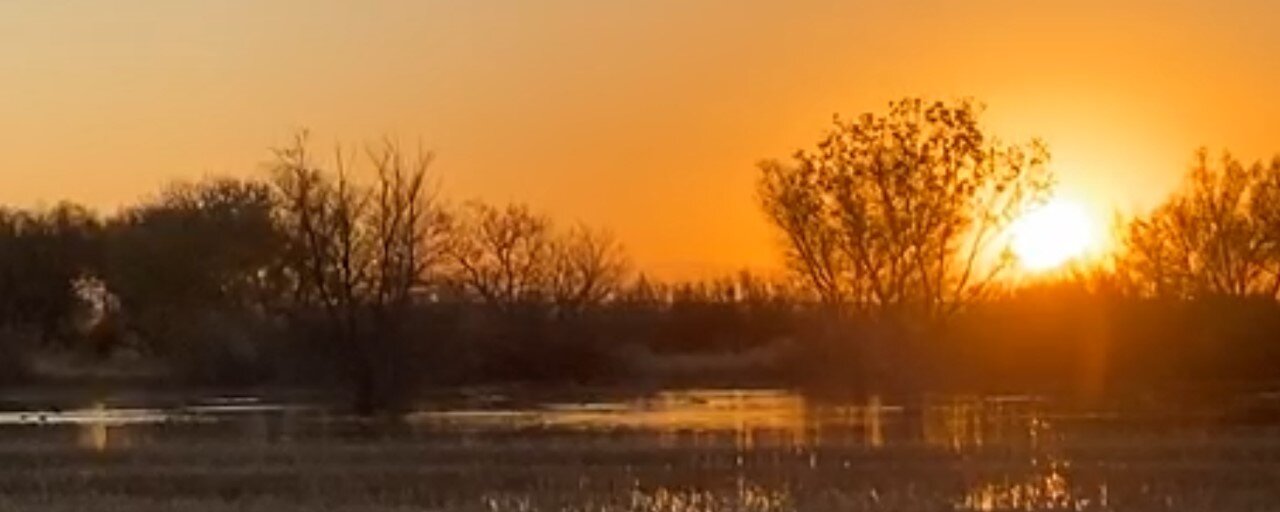
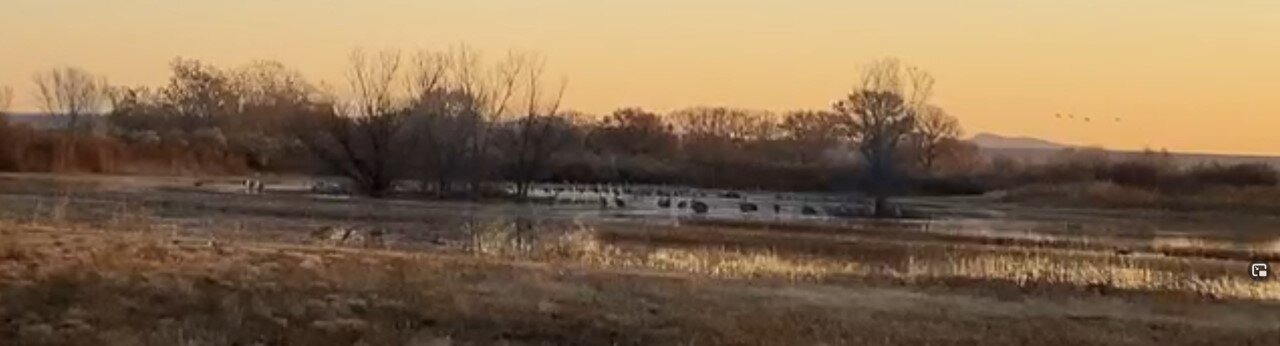
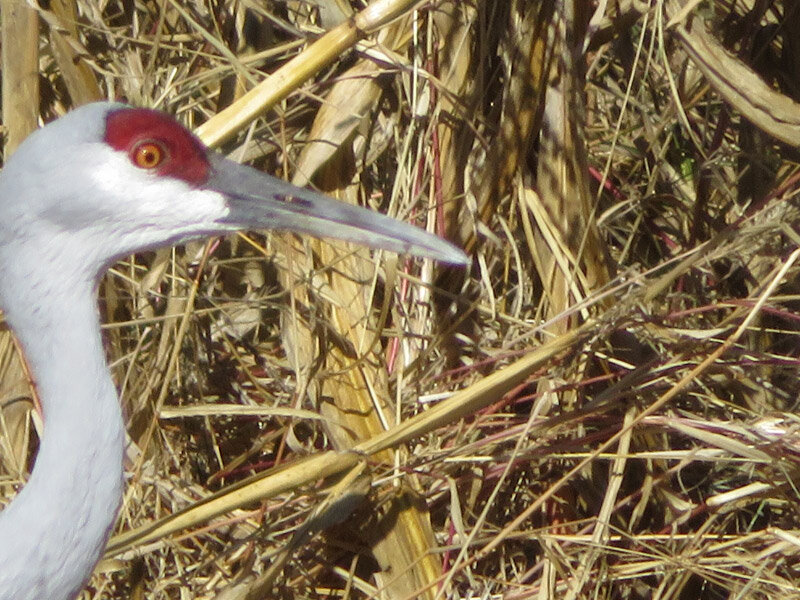
Bosque del Apache Sandhill Cranes. We are enjoying the Bosque del Apache Crane Fiesta. It started out with a live video of the morning fly-out of the cranes. The recording is now available on the Facebook page of the refuge….remember to turn on your speakers to listen to the birds and enjoy the sunrise (it starts out before sunrise and runs for more than an hour)!

We’ve been to the area twice in November for the Festival of the Cranes and we always enjoy photographing the cranes (and snow geese) each morning. I simulated it by taking screen snaps as I watched the live video. Enjoy my little slideshow…but watch the video from the refuge’s Facebook to get the full effect!
Gleanings of the Week Ending November 14, 2020

The items below were ‘the cream’ of the articles and websites I found this past week. Click on the light green text to look at the article.

Mapping out rest stops for migrating birds: New metric can help determine when birds fly over a site or stop to refuel or rest -- ScienceDaily – Stopover-to-passage ratio during migration research involves analysis of weather radar data collected since the 1990s…teasing out bird movement from precipitation! Results so far have included some surprises (and there are probably more to come as more of the historical data is processed and the processing becomes more and more sophisticated).
This Crocodile Dad Gives Over 100 of His Kids a Lift – A large species (gharial) with a narrow snout…in India.

Top 25 birds of the week: November 2020 – Birds from around the world….so much beauty in the natural world to see…and try to protect.

Top Solar States Per Capita 2012 vs. 2020 — CleanTechnica Report and US Energy Dept. Aims For Affordable Solar Power – Two posts about solar power. The first article shows the growth since 2012. In states where there wasn’t much growth, I wondered if the utilities in the state or the state government posed barriers to solar power. It seems like the whole country  should be in the mode of getting out of the way or encouraging renewal energy. The second article was about community solar programs from DOE with a mission to ‘bring affordable solar power to every household in the US by 2025’ – a worthy goal but is there enough money in the pipe to do it? This is not a technical problem as much as ‘are we ready to just do it.’

Lullabies in any language relax babies -- ScienceDaily and Baby Bottles Can Shed Millions of Microplastic Particles: Study | The Scientist Magazine® - I’ve been thinking recently about how much things have changed since my daughter was a baby over 30 years ago. I had a lullaby tape (in English) that I played for her in the evenings (although when she got old enough to choose – she wanted soundtracks from Disney movies as often as the lullabies). Now – we’d have digital music playing (rathe than cassette tapes) and maybe there would be lullabies in different languages too. The second article is about some worrisome research and I hope that pediatricians are keeping up and advising parents on best approaches.

When Domestic Birds Go Wild – Chickens, turkeys, ducks, swans, guinea fowl, peacocks, ornamental pheasants, doves and pigeons, emus, and parrots.

Picturing Earth: Astronaut Photography In Focus – A video – just under 70 minutes….with good imagery and discussion.

The return of Europe’s largest beasts - BBC Future – Bison, wolves, and elk…will the agricultural sector of Europe learn to cope with the big herbivores…and a predator?

As Waters Warm, Ocean Heatwaves Are Growing More Severe - Yale E360 – It’s easier for us to notice the heatwaves on land…but the ocean is taking the bulk of the increased heat on the planet and research on marine heatwaves is just beginning. The precise definition of the phenomenon was only proposed in 2016.  

See the World in Detail Thanks to the Close Up Photographer of the Year – Ending the gleanings list this week with some eye candy….enjoy the visual treat.

8 months in COVID-19 Pandemic

It’s a challenge to stay vigilant with masks…handwashing…distancing from other people – but even more important now with the cases spiking all over the country. Maryland is back to numbers we haven’t seen since June and the trend looks like it will go higher. The metrics that were established to open restaurants and bars are now indicating that the capacity needs to be reduced…and the governor did that this week.

My husband and I got our first haircut of the pandemic in mid-October; our logic was to get it before the anticipated increase in cases as people began spending more time indoors….anticipating that our next haircut would be after we are vaccinated. Our timing was good based on what is happening now…just 3 weeks later.

The CSA ended the third week in October. That was my only weekly errand away from the house and it was one I enjoyed. I am considering some kind of outdoor foray that I can do every week --- someplace not far from home…but a change of scenery once a week. The end of the CSA impacts my grocery shopping as well. I’ve already started buying more produce; it will increase as I clear out the veggies I froze over the course of the summer. I’ll still be shopping every other week rather than my pre-pandemic weekly habit; I’ve discovered that every other week works well for me.

20201021_150044.jpg

After the CSA ended and I didn’t have a dusty gravel road to traverse, I got my car washed (drive thru) --- it’s a joy to have a clean car. It’s good for the winter now. I also bought gas – the first tank since January. So now I am back to charging the car and doing my driving as an EV. It was low risk since everything was self-service and I wore a mask just in case someone else pulled into the slot next to me; and used hand sanitizer after I got gas…and after I put the code in for the car wash. My car is probably set with fuel and maintenance until after the vaccination is available.

I had a porch full of stuff to donate. It feels good to get rid of items we no longer need. We also made a trip to the county landfill for some larger trash items and hazardous waste (large fluorescent bulbs). The charities and county facility are probably at lower capacity but functional at this point. Their processes for protecting their employees and the public are established.

20201014_074852.jpg

My husband and his doctor have changed his prescriptions from mail delivery to pickup at a local pharmacy based on the challenges with timely delivery from the postal service in our area. I’m not sure if this is related to the pandemic at all…but it is all happening at the same time. There are layers of anxiety that sometimes are separate…but tend to meld together over time, stretching our ability to cope with more and more and more.

We made a field trip to Howard County Conservancy’s Mt Pleasant for birding. It was outdoors, small group, distanced, mostly masked. It was OK…but now that the cases in our state are spiking, we might not do something like that again. We can still go to places like that but just on our own.

2020 11 IMG_6292 (3).jpg

There were joys of virtual events over the past month. My favorite was the Hawaii Island Festival of Birds. It was good for the moment…and gave me ideas about the future…things I want to do post-pandemic.

It’s fall. We thought we would take some fall foliage drives but we missed the peak so the main fall activity has been mowing leaves in our yard! Still – the continuity of the natural cycle is something that buoys my spirits.

Right now, I am aware that there are multiple anxieties beyond the pandemic. After 8 months – the pandemic is the one I am coping with the best; I know how to reduce my risk and I have developed habits that are easy to maintain because they incorporate activities in my every day activities that are joyful…it is easily sustainable until the vaccine is available.

My hope for the next few weeks is that several of the other anxieties will reduce dramatically (since I have not discovered good ways to cope with them – who would have guessed that the transition from one US President to the next would be so fraught) and that we’ll be settling in for Thanksgiving and then Christmas with lots of virtual interactions with far flung family and the usual good food/decorations…savoring home and health…looking forward to a post-pandemic sometime in 2021.

9th Anniversary for my Blog

I started my blog on November 11th, 2011.

The very first post was about making Pumpkin Gingerbread Muffins. Maybe I’ll make the recipe again this year. Brookside Gardens and Longwood Gardens had wonderful displays for fall gourds and squashes that year. I was doing some photography then, but a good portion of the blog posts weren’t illustrated. Now the majority of posts have a illustrations and sometimes the topic is the illustrations themselves.

2011 11 IMG_3308.JPG

Travel has continued to be a blog topic all along…which has made this year different from all the preceding ones; it’s been a year dominated by being ‘at home.’ The most frequent destinations in previous years were where my family lives – the Dallas, TX area for my sisters and parents….and then a sequence of places for my daughter: Tucson, AZ for grad school, Pittsburgh and State College, PA for post doc, and Springfield, MO for faculty position. During some of the years I travelled with my sister…to South Carolina, Tennessee, and Rhode Island. My husband and I discovered Birding Festivals as a travel focus beginning in 2016 with Bosque Del Apache’s Festival of the Cranes. As soon as the pandemic wanes (probably with the wide availability of a vaccine), we’ll be traveling again and the blog will pick up that thread again.

2016 11 IMG_1902.jpg

Books have also been a blog topic all along. The trend has been toward eBooks which are now about all I read. The botanical eBooks list has grown to over 2,000 volumes at this point and is still growing! I’ve become more interested in images of all kinds – photographs, paintings, etching, sketches – and I appreciate viewing them online rather than in a museum or physical book; I like to take my time, sometimes enlarge a particular portion of the image, view them on just about any device and almost anywhere!

I have made pattern-like doodles for as long as I can remember, and they have been part of the blog posts for most of the 9 years. Now they follow the Zentangle tile process – most of the time. I’ve diverged in several ways and that will change over time. At present I am making tiles in black ink with the idea of coloring them….adding white highlights as the last step. I am not using a pencil at all (for strings or for shading).

Gleanings have also been in the blog for most of the 9 years. My feeds have changed slightly but are still skewed toward science related topics. One trend I noticed is that the solutions to address climate change have matured over the past 9 years. There are a lot of effective technologies available to choose from (see Project Drawdown) – which add some hope to an otherwise dystopian future for the Earth and humanity.

My outdoor volunteering ramped up over the 9 years and I enjoyed writing about it…then that aspect of life came crashing down with the pandemic. I am hopeful about it starting again sometime in 2021. Giving back to the community, interacting with schools on field trips and people visiting Brookside’s butterfly exhibit is a joy I’ve missed in 2020.

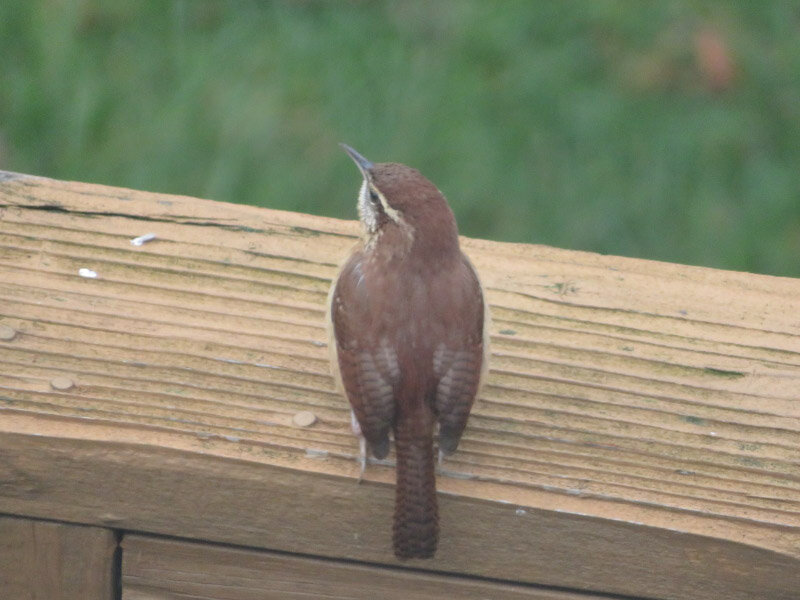
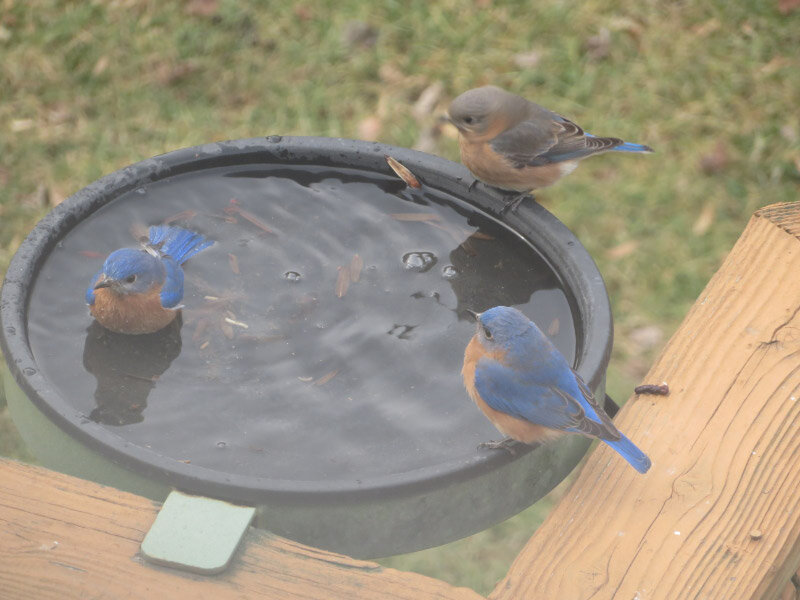
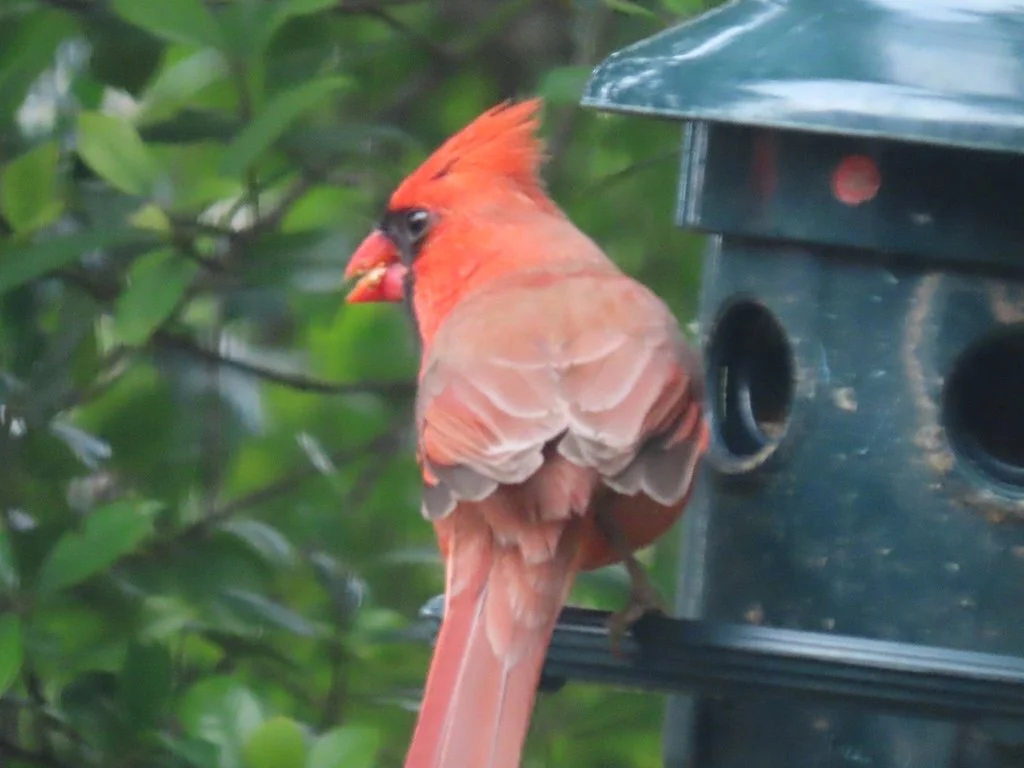
I’ve been in my same home office for the entire 9 years and the view through the window is always fabulous – out to the bird feeder/bath on our deck and back into the forest. The view is inspiring and pictures I take through the window often make it into blog posts. Probably my favorite sequence is of bluebirds bathing from back in February 2018. I collected a sequence of ‘through the window’ pictures from 2012 through 2019 for the slideshow below. The feeder was added in 2015 which was a big attraction for November birds. I also noticed that the zoom on my cameras improved over the time period!

The very first post about little celebrations was back in August 2012 and then I started the listing of 10 each month in September 2012. Noting the joys of life is one of the ways I keep myself optimistic…which I’ve needed more than usual in 2020. Stream through the ‘celebration’ posts via this link.

The blog continues on….documenting my post-career journey. These pandemic and political upheaval months of 2020 have probably been the most unusual – and anxious - of my life; I am looking forward to the new year and documenting the events that unfold – finding celebrations.

Gleanings of the Week Ending November 7, 2020

The items below were ‘the cream’ of the articles and websites I found this past week. Click on the light green text to look at the article.

Taking the measure of sea level rise - ocean altimetry, land motion, ice height, gravimetry – NASA missions that measure some aspect of sea level rise…there is a lot to work to measure and analyze – to better understand that is happening.

Health Care Facilities Maintain Indoor Air Quality Through Smoke and Wildfires | U.S. Climate Resilience Toolkit – Some of the HEPA filters purchased for the pandemic were available and were used to keep hospitals operational in areas where the outside air was smokey. Are we going to need this type of filters in our homes as well – for air quality more than the pandemic?

Top 25 birds of the week: Seabirds – Beautiful birds…from all around the world.

From Palmyra to the Pacific: Realigning a Rainforest – Cool Green Science – An atoll 1000 miles southeast of Hawaii…marred by human intervention…now owned by The Nature Conservancy…inspiring the creation of the Pacific Remote Islands Marine National Monument in 2008. Restoration is ongoing to maximize Palmyra’s resilience to climate change: eradicating black rats, realigning native rainforest (not restoring because what was there originally is unknown), and reintroducing native bird species.

Red maples doing better in the city -- ScienceDaily – Hurray for red maples. The study was done in Philadelphia which is a couple of hours from where I live….and I have a health red maple in my back yard!

Deformed Beaks: What We Know About An Alarming Bird Disease  - Avian Keratin Disorder (AKD) which might be caused by a poecivirus. The birds in the article are from Alaska but some are species we have hear in Maryland too. Hopefully, this is not a disease that will become widespread.

Top US States for Percentage of Electricity from Solar – Even states that aren’t normally viewed as ‘high sun’ are near the top of the list! This chart will probably change a lot over the next few years as more and more utility companies and individuals transition to renewables. Government can help but it is quickly becoming the more cost-effective path forward…market forces will drive the transition.

Scientists Discover New Human Salivary Glands | The Scientist Magazine® - Tubarial glands…what a surprise that they haven’t been discovered previously!

Floating gardens: More than just a pretty place -- ScienceDaily – It is a small experiment…but there was measurable nitrate reduction by the garden….maybe it is something that could be scaled to reduce accumulation of nitrate (from agricultural and yard runoff) that causes algal blooms.

Largest Arctic Expedition Ever Comes to a Close | Smart News | Smithsonian Magazine – The Polarstern, a German research vessel, is back in port after spending a year drifting with the ice floe across the Arctic. It will take 2 years to fully process all the data collected but the initial assessment of the Arctic environment is summarized as grim: ice gone in places it should be meters thick.

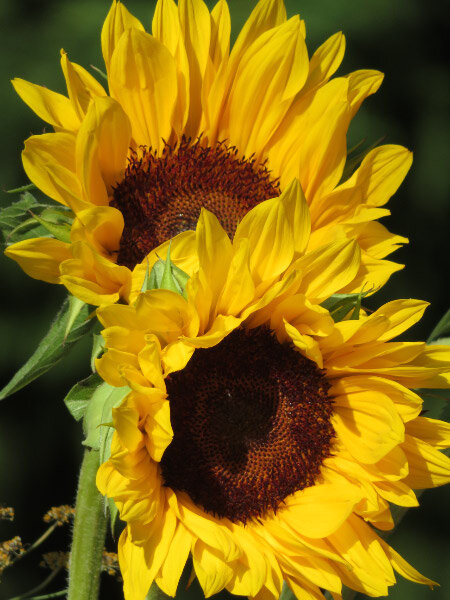
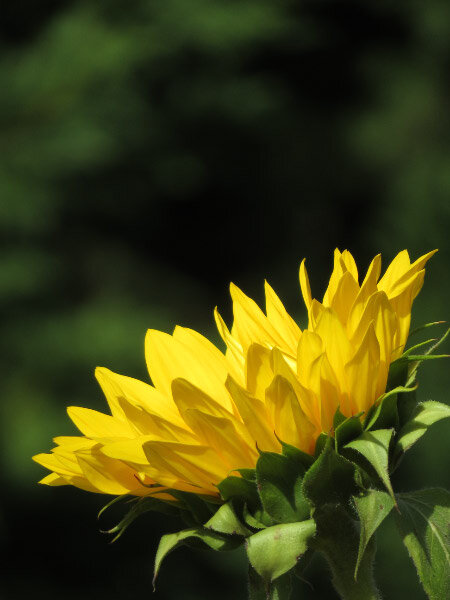
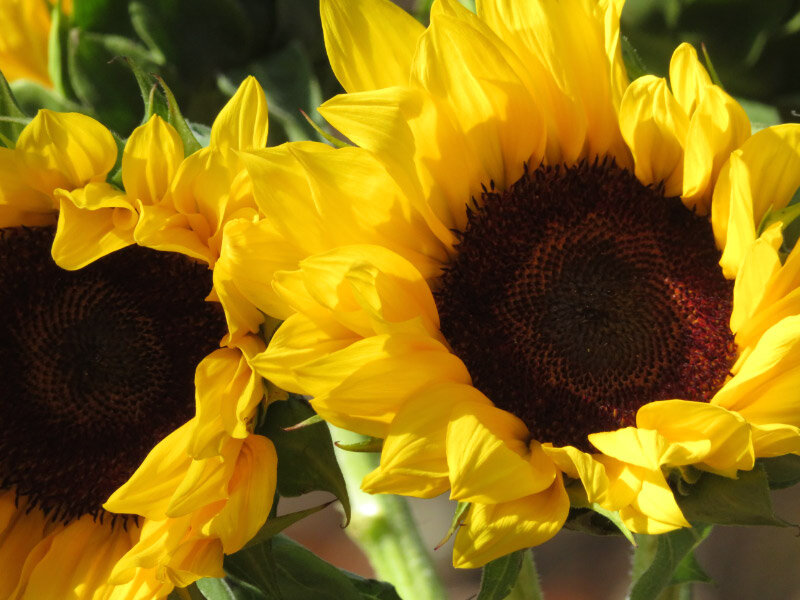
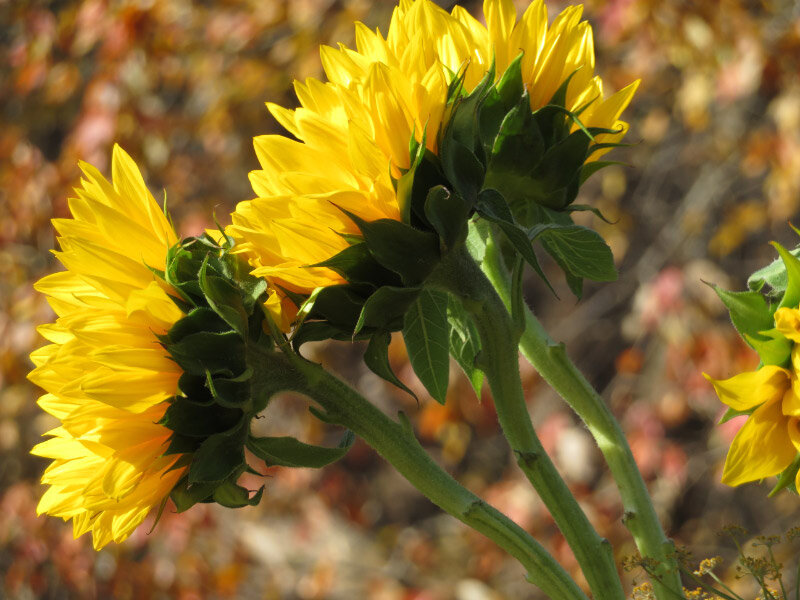
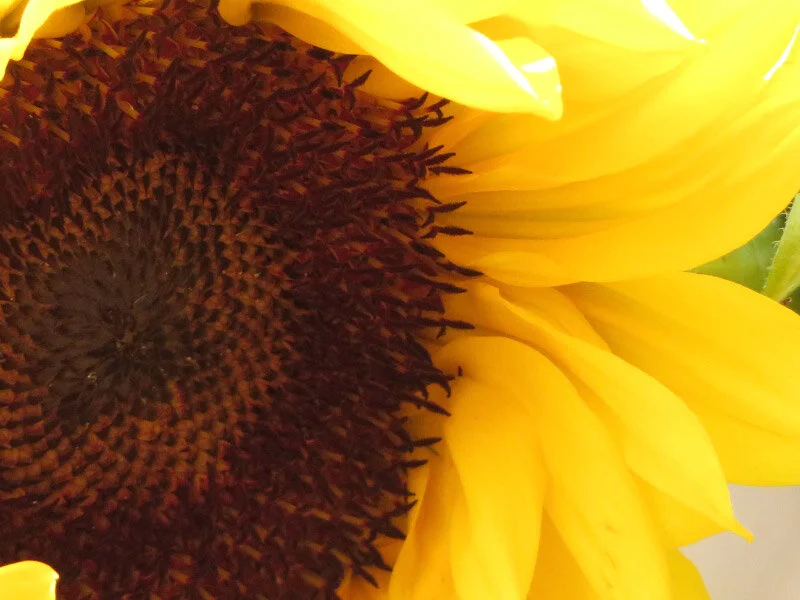
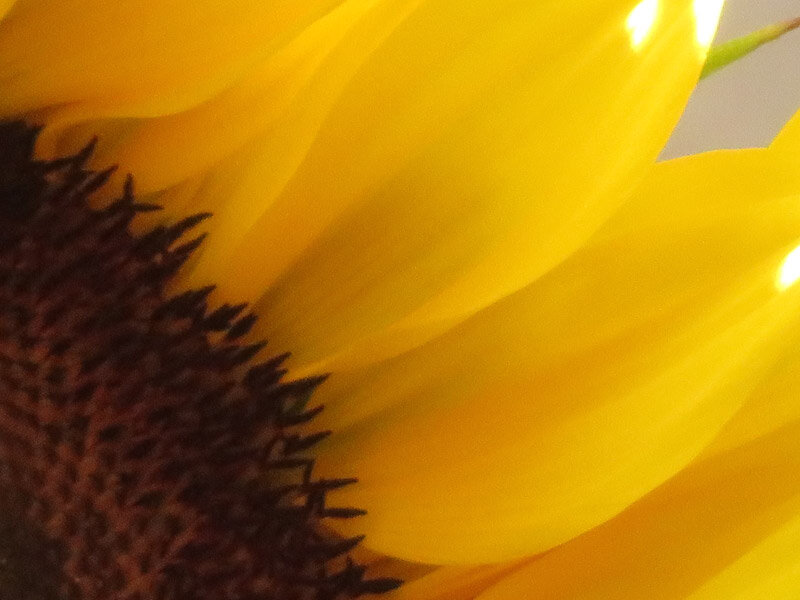
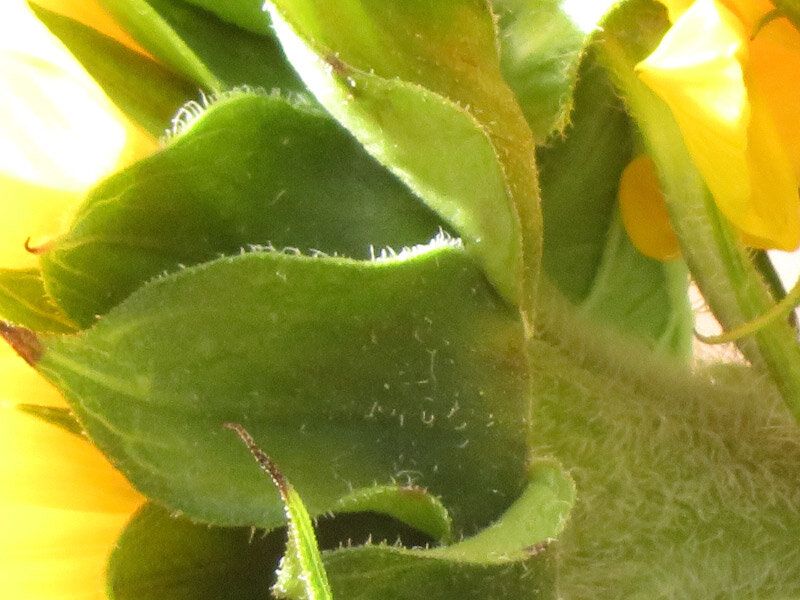
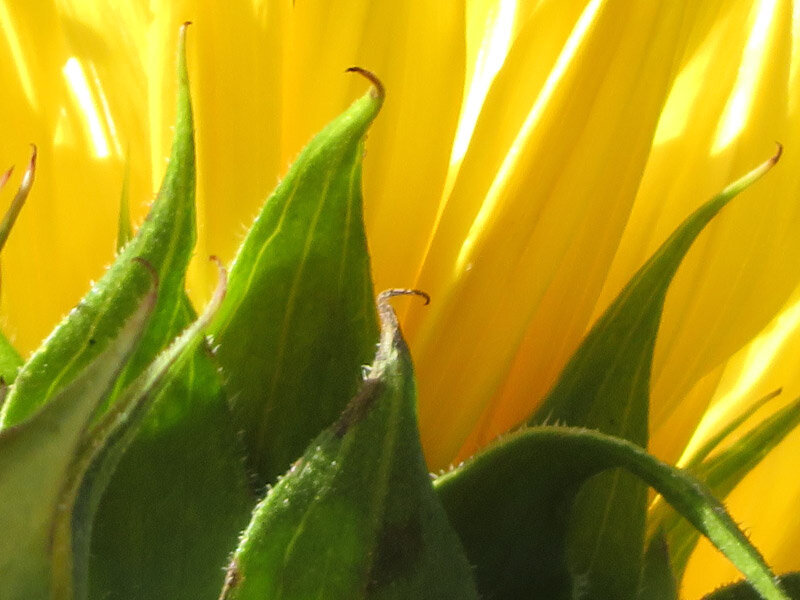
Sunflowers

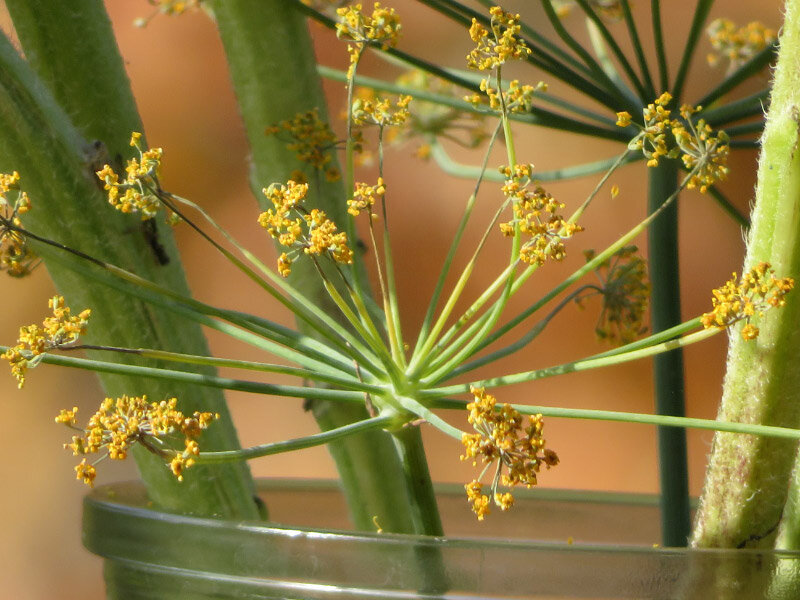
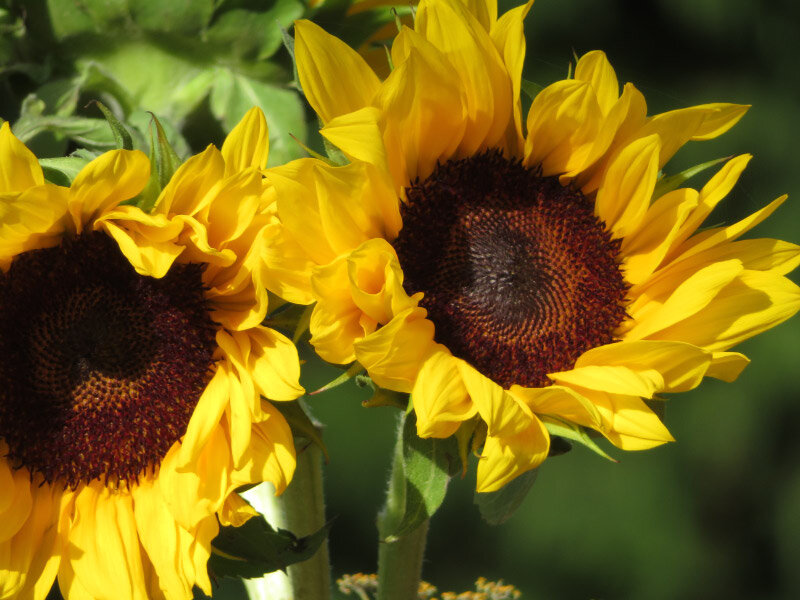
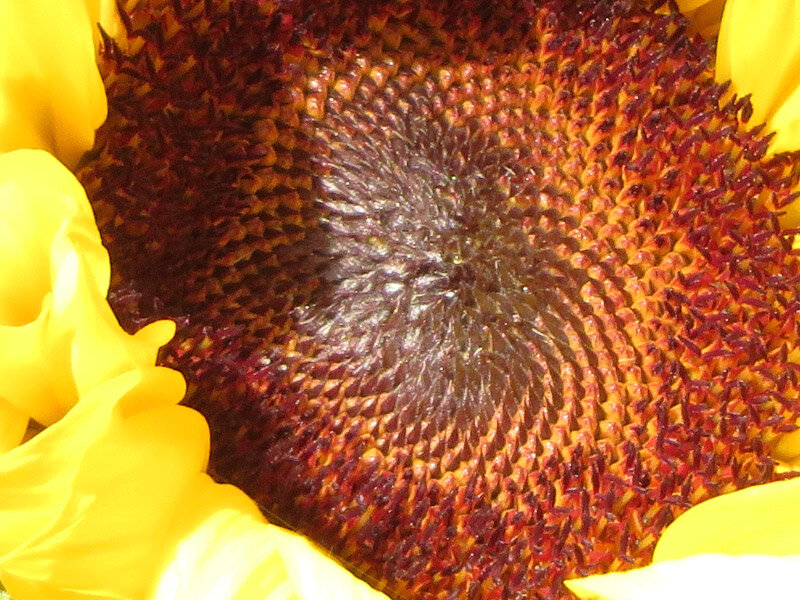
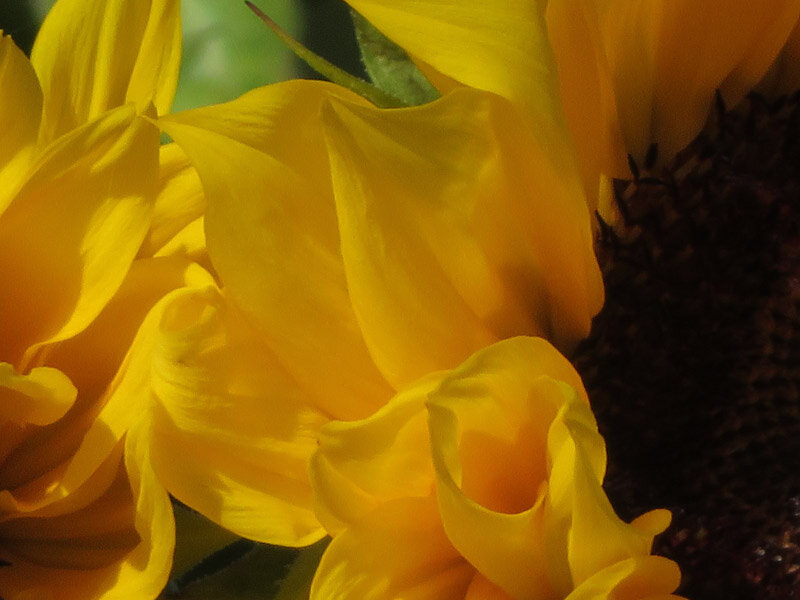
I needed cheering up….so I bought some sunflowers from the grocery shopping. The stems were very long so I cut them a bit when I got them home and put them with the last of the anise/fennel flowers from the CSA (all that is left of those cut flowers). And then they were ready for a photo shoot out on the deck in the sunshine. Hope the photos brighten your day as much as the flowers themselves (and the photography activity) did for me….and I still have the flowers on the island in my kitchen to enjoy for the next week or so.

Gleanings of the Week Ending October 31, 2020

The items below were ‘the cream’ of the articles and websites I found this past week. Click on the light green text to look at the article.

What’s That Cloud? Your Guide to Cloudspotting – A little tutorial. Maybe a prompt to do some cloud photography too.

This white paint keeps surfaces cooler than surroundings, even under direct sunlight -- ScienceDaily – I remember being at White Sands National Park on a hot day and walking on the sand barefoot (i.e. the sand was not hot!). Hopefully the architectural norms will begin to shift toward white roofs and then durable paints/shingles will be readily available to make it affordable. The heat islands of cities would be reduced…which could be helpful now and an increasing benefit as climate change continues.

Google Maps Gets More Electric-Car Friendly – Android Auto (not the phone app) adding features.

Top 25 birds of the week: Land-birds - Wild Bird Revolution – Enjoy bird images!

NASA's OSIRIS-REx spacecraft successfully touches asteroid -- ScienceDaily – We went down to Florida for the launch back in 2016 so I try to at least scan articles with updates. The sample is now safely stored away and will be heading back to Earth…arriving in 2023.

Why older people are harder to vaccinate - BBC Future – What vaccines can do…what they might not do. For example – did you know that the flu vaccine reduces disease but does not do much to reduce transmission because a vaccinated person can still shed virus particles?

Black Witch Moths: A Night-Time Trick or Treat – Because it’s Halloween….it will be a very quiet one this year with the regular form of trick-or-treating called off in our area.

The rats evicted from paradise - BBC Future – A positive result for humans correcting a problem we caused….only able to succeed because of the resilience of nature (and because we corrected before it was too late for recovery).

Flowers Are Changing Color in Response to Climate Change | Smart News | Smithsonian Magazine – Adjusting UV pigmentation to protect themselves (rising temperatures/thinning ozone)…maybe confusing pollinators.

Nature Nerd Trivia: Wild Canids – Dog relatives from around the world.

Unique Activities for Yesterday:

Firsts for the season at our deck. We saw our first Dark-eye Junco for the season. A small flock has spent the winter in our area – frequently visiting our feeder – for many years. We think they go to the Appalachians/Alleghenies for the rest of the year rather than the far north.

2020 10 IMG_2644.jpg

I finally managed to get a picture of a Red-breasted Nuthatch enjoying the seed spilled under our feeder. There were other times recently that I thought I saw one but was never fast enough with my camera.

2020 10 IMG_2638.jpg

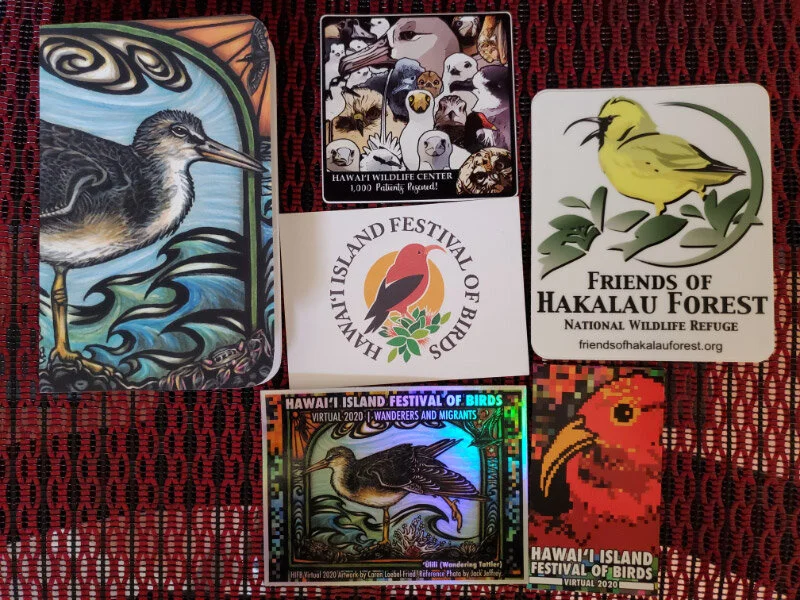
Hawai’i Island Festival of Birds Swag pack arrived. It took more than 10 days for the small envelope to get from Hawai’i to Maryland. I don’t know for sure how long it took because there was no postmark. I will use the field notebook (upper left, a nice fit for one of my photo vest pockets) and the magnet (lower right) is already on our refrigerator to remind us of the virtual festival…and we’ll sign up to go to the festival when it is held ‘in person’!

20201030_115626.jpg

Gleanings of the Week Ending October 23, 2020

The items below were ‘the cream’ of the articles and websites I found this past week. Click on the light green text to look at the article.

Painless paper patch test for glucose levels uses microneedles -- ScienceDaily – A technology (microneedles) looking for a problem to solve (prediabetic testing). So far - it’s just a lab exercise but they were readying for human trials. They didn’t explain why it was focused on pre-diabetic testing and not for diabetics.

Top 25 birds of the week: Non-migratory – Beautiful birds…always a visual treat.

These are some of America’s most beautiful urban parks – The one in Greenville, SC looked very non-urban!

Food mechanics recipe to serve up healthy food that lasts -- ScienceDaily – Basic research in plant-tissue response to heat and drought…preserving food through drying.

Doing Something About Global Warming Is Cheaper Than Doing Nothing – I selected a series of gleaning for this week that are focused on various aspects of climate change – with a mix of perspectives. This is the first one. For the pure capitalists…this one makes the argument for action in their terms. This first article came out back in September…so it is a little dated…but still makes some good points.

The daring plan to save the Arctic ice with glass - BBC Future – Do we want to consider Geoengineering?

40% of O'ahu, Hawai'i beaches could be lost by mid-century -- ScienceDaily – Sea level rise…and our response to it.

6 Graphics Explain The Climate Feedback Loop Fueling US Fires – Some good graphics about the fires on the west coast of the US. In recent days, fires in Colorado have been added to the news. At a time when forests sequestration of carbon is important for the health of the planet….the fires are reversing that benefit.

Natural Debate: Do Forests Grow Better With Our Help or Without? - Yale E360 – Hurray for natural regeneration – unless the land is too degraded for that to be possible…then our help is needed.

The Best Places for Solar Power If You Want to Clean The US Grid – Where investing in solar power would do the most toward reducing grid emissions…by state.

Unique Activities for Yesterday:

A busy morning. The only extra activity I’d planned yesterday morning was to get my car washed since the dirt road into the CSA is history for the year. The car is cleaner (at least on the outside) than it has been for months! The weather was so great when I got back that I swept the leaves from the driveway, street gutter, and deck onto the yard so that the mower would mulch them when my husband mowed later in the day. When I got back inside – I noticed my husband had called from the vet parking lot saying his battery was too low to start his car (and the vet had resolved the cat’s bleeding claw issue)….so I was off to help that car situation. We managed to get home just in time to cook lunch. The level of activity was greater than any recent morning (months and months of mornings!) …and I felt a little discombobulated! I’ve begun to enjoy the pace of pandemic life!

Hawai’i Island Festival of Birds

Wow – 5 days of the virtual Hawai’i Island Festival of Birds. Like the other virtual festivals we’ve seen….I want to go to the Hawai’i festival some year…the sooner the better! When we travelled to the big island in 2015, it was before we’d been to any birding festivals and I took only a few (poor) pictures of birds.

When we go back – I’ll be more prepared after having the experience of this virtual festival. My cameras (and photographic skills) are better than in 2015 too.

The sessions were pre-recorded and not as lengthy some of the other festivals. This was the only festival where native names and language (Hawaiian) were an integral part of the festival.

I listened to all the sessions…even the ones that were readings of books for children about Hawaiian birds….and I learned something from them all.

Day 1 was the longest because I also watch the two virtual field trip sessions:

  • An interview with the authors/photographer for the Field Guide to the Birds of Hawai’i…how it was put together and introducing a topic woven throughout the conference - the extinctions of native birds and actions to help the surviving species

  • Natural history and status of Hawaii’s seabirds….the impact of sea level rise on Midway Atoll where 91% of seabirds nest in Hawaii…and translocation projects to higher islands (islands within islands to keep mammalian predators out of nesting areas). Pacific Rim Conservation

  •  A Virtual Tour of Hakalau Forest National Wildlife Refuge…only place in Hawaii where native forest birds are stable and increasing…We’d get a guide or go with a tour group from the festival when we go. Birds are hard to see in the forest!

  • A Virtual Tour of Kaulana Manu Nature Trail … newly opened…off the saddle road on the big island. There is good signage and it’s something we could do on our own. There was a decontamination station for cleaning boots; there is a fungus that causes Rapid Ohi’a Death…a tree that many native birds depend on.

  • The status of eBird, Merlin, and Community Science in Hawaii….I need to remember to load Merlin’s Hawaii pack before we go!

  • Choosing the best binocular for You!...some binoculars have a short enough minimum focus distance that they can be used for butterfly watching; I quickly decided that, for me, I’d rather use my camera’s zoom to get close images of butterflies rather than watching them through binoculars. But – I did hear about Insect Shield Scarves…which might be something to have for warm weather birding!

Day 2:

  • Marvelous Moli…The albatross…The speaker wrote a book – Holy Moli….If we want to see them on nests we’ll have to go to Kauai. Maybe the festival will have a field trip for that.

  • Kolea…Pacific Golden Plover…learned a lot about how tagging has evolved over the years and how sophisticated tagging has shown how long and exact their migration is. The book by the speaker found here.

  • Hula and storytelling….listening and watching…like a meditation

  • Albatross of Kauai, the story of Kaloakulua…a particular Laysan Albratross from 2013/2014 season

Day 3:

  • Papahanaumokuakea Marine National Monument…a big place…not sure how we would ever be able to visit

  • Garbage guts…a children’s book about plastic garbage in the sea and a Laysan albatross

  • Tracking the endangered ‘Akiapola’au…with transmitters and receivers in the Pu’u maka’ala Natural Area Reserve. I remembered that my daughter and I walked around part of that reserve in 2015. I didn’t photograph any birds, but I did take one of my favorite pictures of the whole trip just as we left the fenced area heading back to the car – a camellia among tree fern fronds

2015 12 IMG_7720.jpg

Day 4:

  • Albatross…doing nest counts….they live very long lives (there is a female that was tagged in 1956 on Midway Atoll that is still producing healthy chicks there!)…World Albatross Day was June 19, 2020

  • A Perfect Day for an Albatross (book)… the author talked about producing the book and demonstrated her block print technique before the book was read by 2 educators at Kauai

  • Manu, the Boy who Loved Birds (book)…author talking with the publisher and the expert that helped with the book…and then a reading of the book…thinking about recent extinctions and what we can do to help surviving species in Hawaii

Day 5

  • Hawaii Wildlife Center…bird assistance/hospital and conservation programs…I learned that warm water is required if birds need to be washed because their normal temperature is higher than ours and if they are injured/oily/emaciated, they will go into shock if washed with room temperature water!

  • Manu-o-Ku (white tern) nesting in Honolulu…what happens when the chick falls out of the nest? Most of the time, volunteers are called and it’s put back in the nest or in the tree close to the nest…and the parents welcome it back!

  • No Ka Manu Hea Keia Nuku? (To which bird does this beak belong) (book) – In Hawaiian and about Hawaiian birds! It was a great finale to the Festival.

And after all the joy of the videos, I won a drawing for a festival swag pack that will be coming in the mail! The virtual festival was a great addition to our mid-October during this pandemic year!

Gleanings of the Week Ending October 17, 2020

The items below were ‘the cream’ of the articles and websites I found this past week. Click on the light green text to look at the article.

Top 25 birds of the week: October 2020 – Starting out the weekly gleanings with birds.

Linking calorie restriction, body temperature and healthspan -- ScienceDaily – Interesting research. I went off on a tangent thinking about “up to half of what we eat every day is turned into energy simply to maintain our core body temperature.” Many people in the developed world spend the majority of time in temperature-controlled buildings or homes…and that means we probably expend a lot less calories warming or cooling ourselves than we did prior to efficient heating and cooling systems. Just one more way we are changing our environment in a way that will tweak our future evolution.

The super-adaptable chimps that can withstand climate change - BBC Future – I didn’t realize how many different habitats chimpanzees are found in…and that the ones that live in environments with greater seasonal change have more varied behaviors to respond to those changes than chimps that live in an environment that doesn’t change much.

Environmental Education Goes Virtual: Creating Meaningful Learning Opportunities at Home: The National Wildlife Federation Blog – So many good online resources…they’ve been developed over years but are probably getting a lot more use during this pandemic year.

It's Tarantula Season At Bandelier National Monument – I’ve not been to Bandelier during tarantula season! The last time I was there was in March 2005 and that was before I started taking a lot of pictures….this article reminded me that I want to go again. Maybe we’ll plan to go in the fall and be on the look out for the male tarantulas trying to find a mate. Here are a couple of pictures my husband took when we visited in 1980!

Are we living at the 'hinge of history'? - BBC Future – It’s difficult not to look at current trends and think the future will be a dystopian one with or without seeing this as a ‘hinge.’ The last paragraph was the best of the article: “So, while we do not know if our time will be the most influential or not, we can say with more certainty that we have increasing power to shape the lives and well-being of billions of people living tomorrow – for better and for worse. It will be for future historians to judge how wisely we used that influence.”

Why is America Running out of water? – Shortages are not everywhere…but there are places in the US that are already problematic…and there are a lot of people living in those areas.

Raptor Rescue: When Bird Injuries Warrant Rehab – This article was a good summary of things I’ve heard about before re injured birds.

Unusual climate conditions influenced WWI mortality and subsequent influenza pandemic -- ScienceDaily – Something new about the 1918 flu…torrential rains and unusually cold temperatures kept Mallard ducks from their normal migration…and thus spread the virus more broadly in the battlefields of the Western Front.

What 'net-zero carbon' really means for cities - BBC Future – Using London as an example: no/fewer cars and all transport EV, less concrete…more timber, buildings reused/retrofit, green roofs and walls, renewable energy, reduced waste through recycling and energy production, urban farms. It’s technology that exists now…and already is being applied…ramped up, of course.

Mowing Leaves

It’s that time of year – our yard needs mowing more because the leaves need to be chopped up than the grass is high. Right now, the oak and sycamore are the ones dropping leaves. I wait for a day when the leaves are dry then make a pass around the places that have the most leaves. In the front of the house – I rake the leaves that are in the gutter up onto the grass before I start. I’m always pleased with the results. Our yard was in better shape this year because I did this same thing last fall – letting the soil benefit by keeping the leaf mulch from the trees growing in our yard.

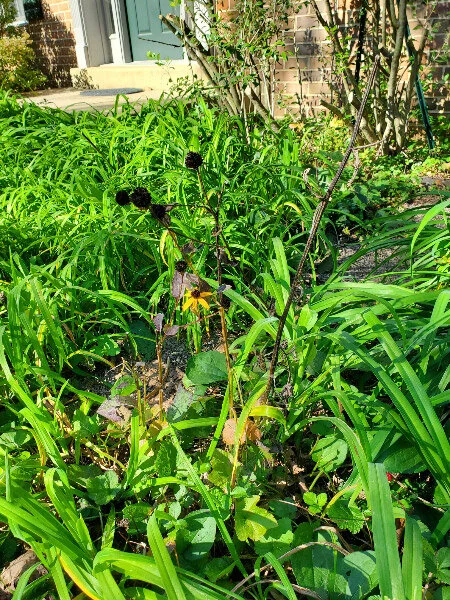
The front flower bed is still green from the day lily leaves….and a few fading black eyed susans. I am not clearing it since the critters that need the cover for overwintering may already be in place.

20201008_102700.jpg

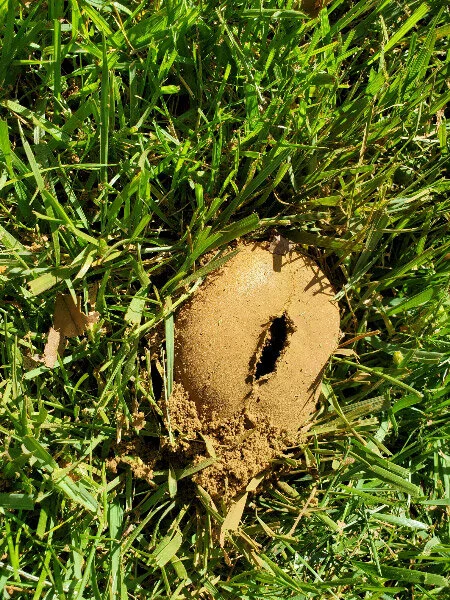
While I was mowing the sycamore leaves, I ran over a puff ball! I didn’t see it until there was a big puff of brown dust. At first, I thought something was wrong with the mower! I must have come along whenthe puffball was primed to blow. The sycamore leaves are not quite as big this year as they get some years since late frost last spring killed a lot of the leaves that would have become the largest ones on the tree had they survived. Still – the leaves are substantial enough both in terms of size and thickness - that they make a the mower sound a little different when they are chopped. They tend to last too long on the grass if they aren’t mulched into small pieces.

20201008_110946.jpg

I’ll probably have a few more leaf mowing rounds before the end of the season…probably one more for the oak and sycamore then the tulip poplar and red maple. By Thanksgiving – the yard will be in winter mode.

Unique Activities for Yesterday:

A porch full of stuff. Pickups of donations have started again in our area. I had a porch full. My husband kept the cat away from the open front door while I put all the bags out before 8 AM. The donation staging corner of the living room is now available to accumulate another load!

20201014_074852.jpg

Gleanings of the Week Ending October 10, 2020

The items below were ‘the cream’ of the articles and websites I found this past week. Click on the light green text to look at the article.

The mystery of why some vaccines are doubly beneficial - BBC Future – Vaccines have ‘non-specific effects’ that provide benefits beyond keeping individuals from catching a disease. The examples in the article include studies of the measles vaccine in West Africa and the BCG vaccine for tuberculosis.

Meet the Goat Antelopes: Strange, Large Mammals of the Mountains – I remember seeing mountain goats with young in South Dakota in June 1997. My young daughter wanted to climb rocks like the goats! This article is about similar animals from all around the world.

Researchers Say Restricted Human Access At Cape Hatteras National Seashore Benefits Birds – Hurray for management of beaches to allow these birds to successfully raise their young!

The Medieval Archaeological Heritage Of Eastern Andalusia – 10 centuries of Medieval history in one place.

Read All About It: What's New In Home Energy Storage Research – An overview of the state-of-the-art in home energy storage…and important component in the transition to renewable energy.

The surprising dangers of cooking and cleaning - BBC Future – Thinking more about what we put into the air inside our home these days. The houses are better sealed and central heat/air means we don’t open our windows as frequently (if at all).

Record Flooding Threatens Millennia-Old Pyramids in Sudan | Smart News | Smithsonian Magazine – A part of Ancient Egyptian history in danger…flooding and then looting too.

Top 25 birds of the week: Colours - Wild Bird Revolution  - Can’t pass up the bird photos!

Macro Photos Take Us Inside the Enchanted World of Insects – Highlighting insects now…they are full of surprises. And are challenging to photograph too.

The World's Largest Chocolate Museum Debuts in Switzerland | Smart News | Smithsonian Magazine – 65,000 square feet of the Lindt Home of Chocolate….includes a production line. There is an animated video in the post since very few of us will get there anytime soon. We can buy Lindt chocolate though.

Gleanings of the Week Ending September 26, 2020

The items below were ‘the cream’ of the articles and websites I found this past week. Click on the light green text to look at the article.

Closing the Racial Inequality Gaps – Citi Global Perspectives & Solutions – The report (summarized by NPR in Cost of Racism: US Economy Lost $16 Trillion Because of Discrimination, Bank Says) details the analysis  done by Citi that calculates the economic impact of racism….and thus puts a value on proposed government and individual actions to close racial gaps.

Top 25 Birds of the Week: Birds in Flight and Bird Interactions – Double the bird photos this week!

Infographic: Dialing Down the Glitz | The Scientist Magazine® - The mechanism that makes dramatic sexual dimorphism in some finches.

How vitamin C could help over 50s retain muscle mass -- ScienceDaily – Another reason to eat Vitamin C rich foods (and take a supplement when that is not possible).

A guide to natural sweeteners – in C&EN – Compound Interest – A good summary of the chemistry behind natural sweeteners. I am enjoying the stevia leaves I am getting from the CSA’s cutting garden right now – building up my supply a little every week of dried leaves and stems to enjoy even after the cutting garden ends for the year.

Schooling is critical for cognitive health throughout life -- ScienceDaily – Boosting cognitive skills early in life not only expands career opportunities and provides progressively higher salaries…it also pushes back the point at which age-related dementia begins to impact a person’s ability to care for themselves. Education is a good long-term investment for everyone.

Study Tracks Geographical Gene Flow and Ancestry in the US | The Scientist Magazine® - Beginning to get deeper genetic studies that might translate to better understanding of risk of disease across sub-populations within the US.

Scientists use fruit peel to turn old batteries into new -- ScienceDaily – Recycling metals from lithium-ion batteries with food waste…an example of the types of processes we need to develop for a circular economy (zero waste).

Hike in Walnut Canyon – A short video of a special place. I first visited in 1971 in the winter. It was memorable. Maybe I’ll go again after the pandemic is over; it’s high enough elevation I’ll make sure I am acclimated before I hike the trail to see the cliff dwellings up close.

The Undoing of US Climate Policy: The Emissions Impact of Trump-Era Rollbacks – Many young people see climate change as a high priority for the government to address….so do I. This research shows that the actions of the last few years have moved the US in the wrong direction. I usually prefer to focus on solutions and what individuals can do….but the government has a roll to play and, right now, it is moving opposite of the way needed.

Unique Activities for Yesterday:

Letter sweater. I found my 50-year-old letter sweater (academic…not sports) from high school when I cleaned out the coat closet. It still fits! It’s a little chilly today and I am wearing it. I took the letter off years ago but the flap in the pocket has my name embroidered on it. One of the buttons aged differently than the others – looks reddish rather than black. I’ll wear it as a basic black cardigan (with the odd button) in the fall and winter. I made a small pile of some other things in the closet to give away. My pile is big enough now that I am scheduling a pickup from my front porch!

20200925_083449.jpg