Finding Puzzles

My parents have seemingly gotten more adept at finishing puzzles this spring. For the past decade they have been enjoying working on jigsaw puzzles on a high table in their garden room; they can work standing or sitting…and enjoy the view of their garden/birdfeeder outside the windows. There is always a partially assembled puzzle on the table. They began to get frustrated this year; the 1000-piece puzzles were taking too long so they asked that we skew the mix toward 500-piece puzzles. Now that my sisters and I have done that – they need more of puzzles! They are completing more than one per week even with their increased activity this time of year outdoors and away from the puzzles.

Last time I was in Carrollton, they were completely out of puzzles they had not assembled previously.  I bought 8 and they are still working on those but I am being proactive – buying 8 more. I happened to find them on sale at CVS and used all the coupons I had…so the price was good. And I like the pictures. One of my sisters will pick up the baton for the next round…but we must pick of the pace of our acquisitions a little. The puzzles are a great way to add some mental challenge to their daily routine!

My sister is saving a lot of the puzzles – storing them in her attic – for when she gets older. Maybe my sisters and I will enjoy them when we are in our 80s and 90s!

Wouldn’t it be great if libraries could organize to checkout puzzles just like they do books?

Springfield’s Artsfest

Last weekend we enjoyed the Springfield, Missouri Artsfest. My daughter has enjoyed it in years past and I’ve been on the receiving end of some of her purchases; we missed it by about a month last year when we moved to the area in June. So – we anticipated a great spring outing this year.

The day we went was forecasted to get to the high 80s, so we chose to go in the morning before it got too warm. There were enough people around to make it a festival but not too many to impede browsing the arts. Artsfest is held on a street with older houses that are now businesses and (Missouri State University) student housing. Food trucks and canopies for artists lined the street (that had obviously been closed to traffic). It was a great opportunity to buy local!

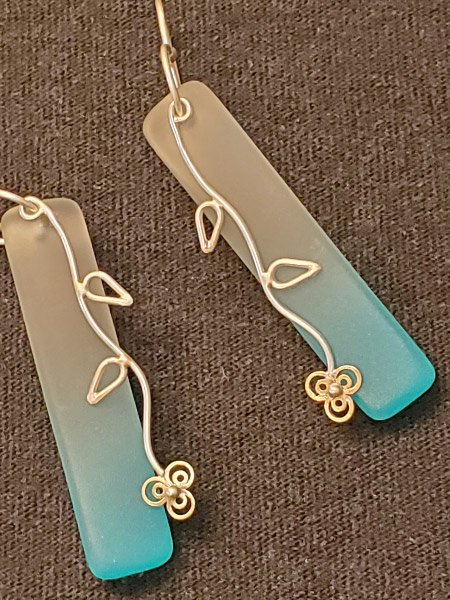
We wandered all the way down the row enjoying the artists on the right side then worked our way back as we looked at items on the other side. I bought some earrings for myself right away…before my daughter reminded me that she intended to buy my Mother’s Day present at the fest!

She bought the next pair from an artist that upcycles glass; the glass I the ones I bought is from a jam jar!

My husband bought a turned wood plate for my daughter and son-in-law (they seemed very drawn to it…we were happy to indulge them)!

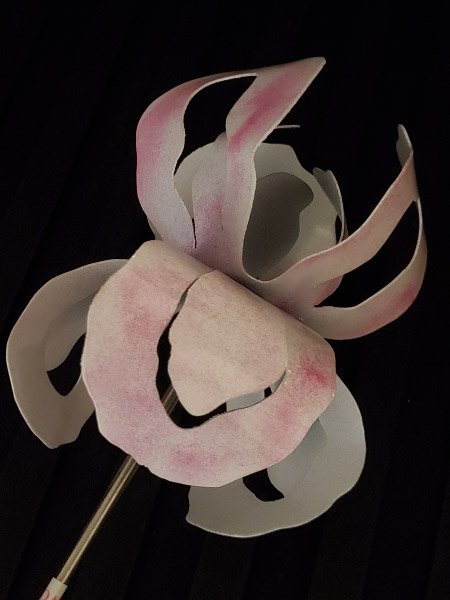
I found am stainless steel yard ornament that I plan to give to my mother next time I go to Carrollton. I chose to get one with pink speckles to pick up the color of the oxalis and hydrangea in her garden.

After a little more than an hour at the Artsfest, we made the decision to find a restaurant rather than getting something from the myriad of food trucks and sitting on a curb to eat it! Overall – an excellent outing!

Later in the day, the Allen, Texas mall shooting occurred. It put a damper on the joy of the day. We are reminded again and again that mass shootings are unpredictable…can happen anywhere (evidently more frequently in the US than anywhere else in the world, and more frequently when there are few/no limits on guns). Thoughts, prayers, and more guns aren’t reversing the trend. If something does not change dramatically, we will eventually modify the way we live to make ourselves less vulnerable (i.e. not gather in larger groups, order items to be delivered rather than shop or go to an Artsfest, interact differently (or not at all) with anyone we don’t know)….a dystopian vision for the future.

Gleanings of the Week Ending May 13, 2023

The items below were ‘the cream’ of the articles and websites I found this past week. Click on the light green text to look at the article.

The chemistry of the coronation crowns – Not included in other reporting of the coronation in the UK…

Surging Brain Activity in Dying People May Be a Sign of Near-Death Experiences – An observation that surges of gamma waves occurred in the brain of two comatose patients when they were taken off life support and their heart stopped. Not enough evidence yet to know if this is a mechanism that happens more frequently at death…but it is an intriguing possibility.

A special omega-3 fatty acid lipid will change how we look at the developing and aging brain – Perhaps something that will develop into a treatment to help sustain myelin sheaths of our nerves better as we get older.

The puzzle of Neanderthal aesthetics – More evidence that Neanderthals might have been capable of the kind of complex symbolic concepts and behaviors that characterize our own species.

A Brighter Future for Attwater’s Prairie Chickens – Native to the coastal plains for Texas and Louisiana. Overhunting (commercial markets and shooting contests), land development, fire ant invasion…by the 1990s, fewer than 100 birds remained in the wild. Captive breeding began with some success. Hurricane Harvey wiped out nearly 90% of the wild population in 2017. Landowners have enlarged the habitat available to the birds…and there are now at about 250 wild birds.

Busts Provide New Insight into Spain’s Tartessos People – Carved of stone…dated to 5th century BC. Not much is known about the people except that they were goldsmiths.

Supreme Court Slaps Down Fossil Fuel Companies — Five Times! – Good news….the power of litigation as a tool for climate action can continue to move forward.

People who think positively about aging are more likely to recover memory – There is a power in positive thinking!

What causes the scum on tea? – Calcium and bicarbonate ions are the culprits. Adding lemon juice can be the cure!

Six ways to lower your carbon emissions quickly – The easiest one for me is to not fly; my husband and I haven’t flown for the past few years (since before COVID-19)!

Mound City Glass (historical catalog)

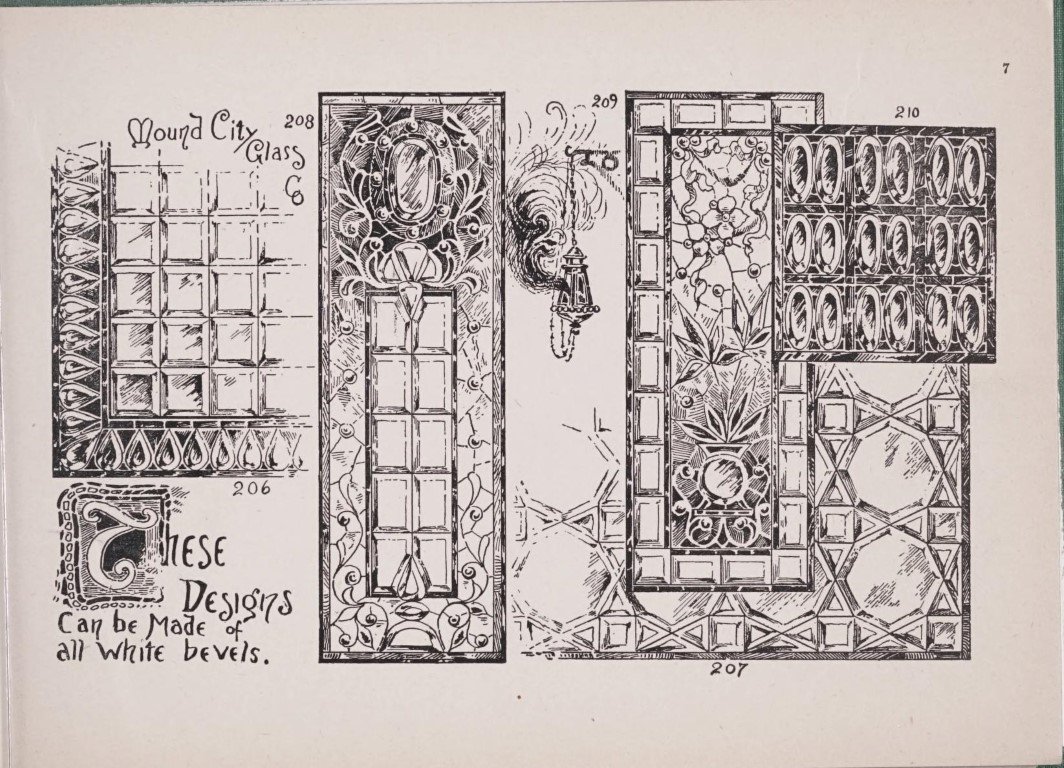
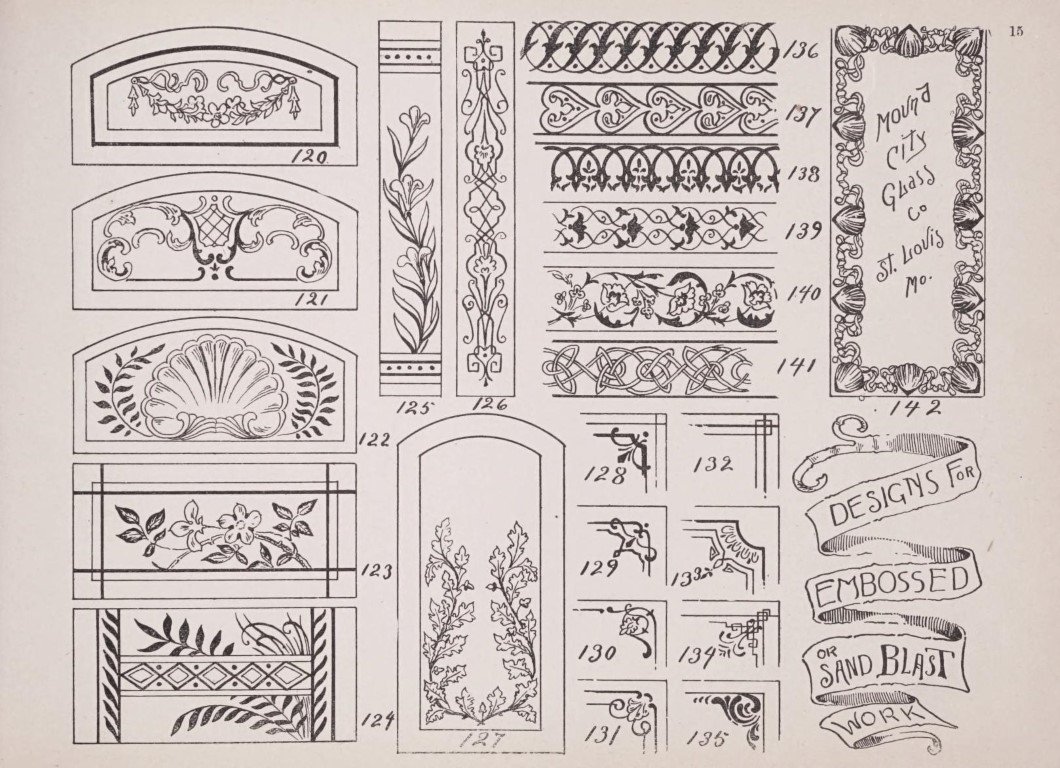
The 1889 catalog of the Mound City Glass Company in St. Louis, Missouri showcases ornamental glass offerings. They did beveling, sand blasting and embossing….as well as having a stock of plate glass.

Catalogue from the Mound City Glass Co.

 Old catalogs reflect the availability and popularity of wares…become a historical record of consumerism of the period. In the late 1800s, the country had a wide range of housing from sod structures to the first skyscrapers. People needed windows to provide light inside those structures so improvements in plate glass production during the 1800s was welcomed. The type of glass produced by the Mound City Glass company must have been popular for anyone with enough money to purchase it…letting light in along with providing a decorative element.

There isn’t much information about the company other than the catalog. The address on the catalog was in downtown St. Louis…maybe the offices/showroom rather than where the glass work was done.  I assume that the ‘mound city’ in the name came from Cahokia mounds which are on the eastern side of the Mississippi across from St. Louis. There are places in Kansas, Missouri, Illinois, and South Dakota named Mound City; the one in Missouri is on the other side of the state - north of Kansas City close to the Missouri River; the one in Illinois is in far southern Illinois on the Ohio River which is their border with Kentucky; it doesn’t seem likely that either one would have been the location of the original manufacturing facility.

Blue Angels Cruise

We made reservations for a Dolphin Cruise before we left home…but were notified that there were not enough people for the cruise so we were rescheduled for the same time the following day which happened to be the time the Blue Angles practiced!

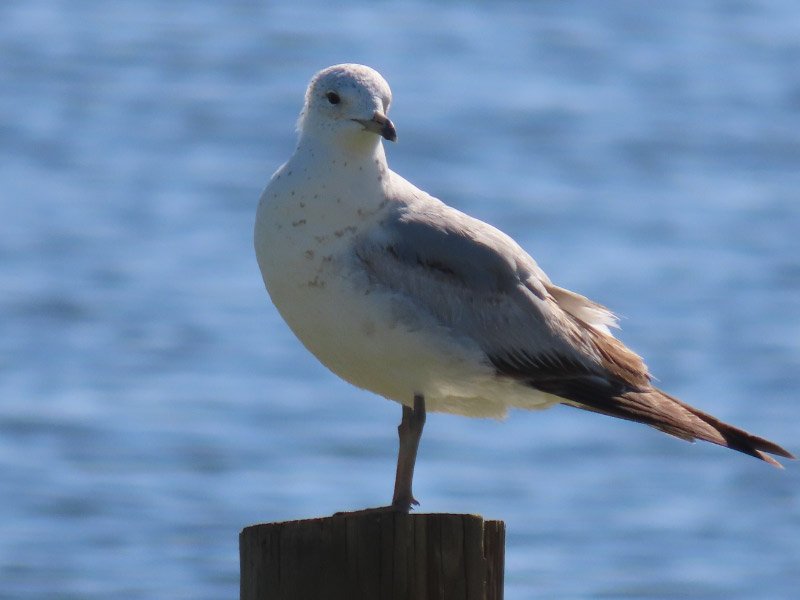
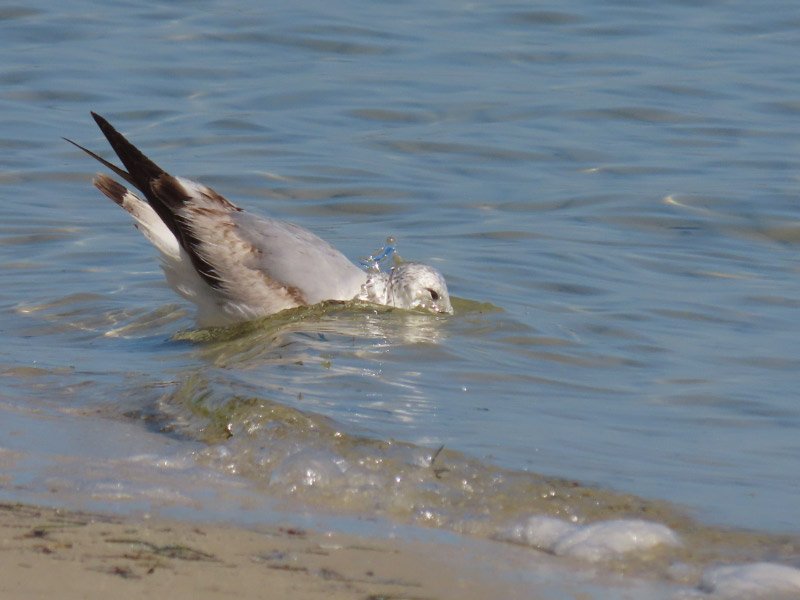
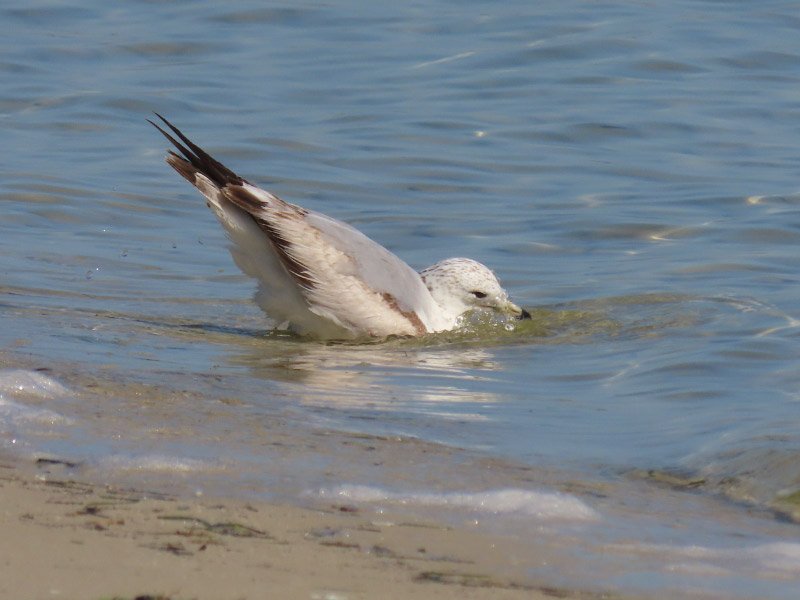
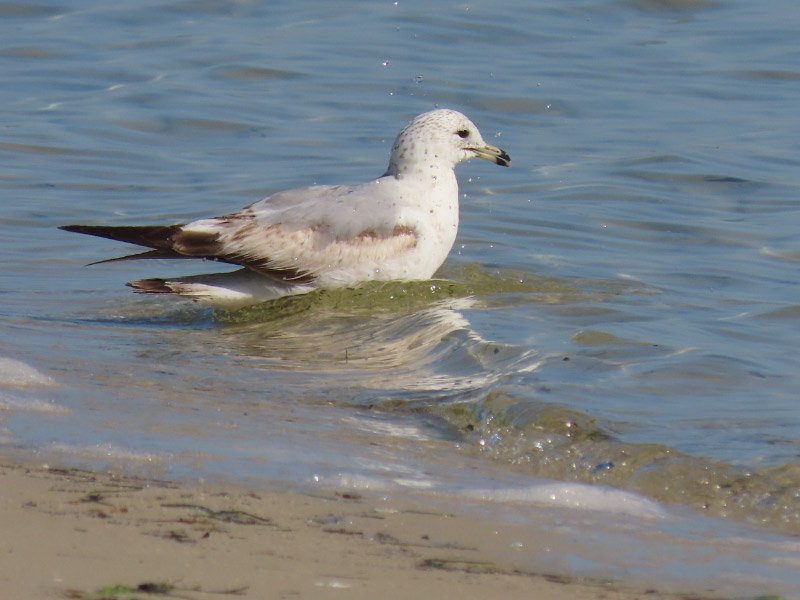
It was a coolish April morning – sunny. We were boarding at Quietwater Beach (in the Pensacola Beach community). I took pictures of birds before the boat arrived: A immature ring-billed gull (past its second winter),

Laughing gulls (the last two on the pier as we were walking down it to get to the boat that had arrived!),

A Royal tern,

And a sandpiper (maybe a sanderling).

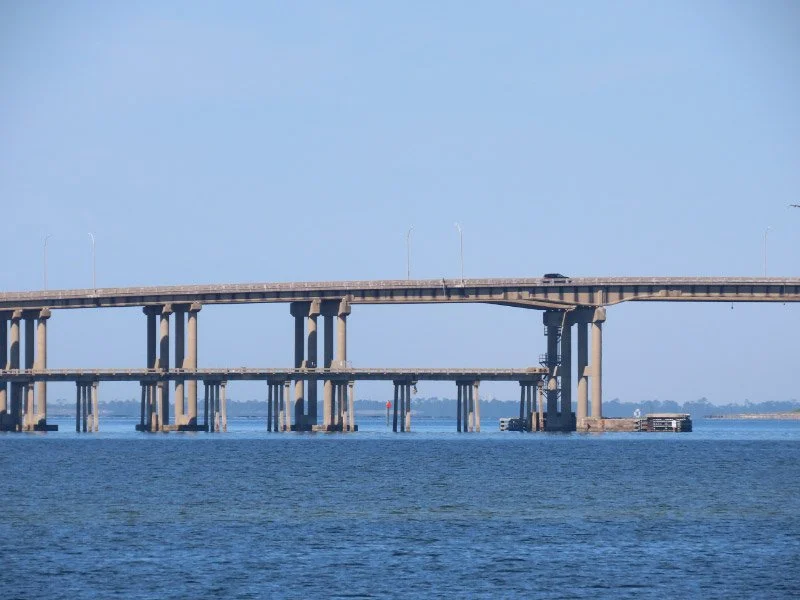
The boat headed out going under the Pensacola Beach Bridge. The older bridge minus its central section (lower than the new one) was retained as a fishing pier. I looked for bird nests in the structures but didn’t see any.

The boat headed toward the Fort Pickens (on the barrier island) and the Navel Air Station (on the mainland)…past seaside developments.

The Coast Guard Station and lighthouse (mainland) and Fort Pickens (barrier island) were recognizable landmarks from the water when the boat reached the viewing area.

Soon the Blue Angles C-130 known as ‘Fat Albert’ appeared to begin the show.

I noticed that the lighthouse had people on the viewing deck! They would have a unique view of the Blue Angels!

The F/A-18 Super Hornets of the Blue Angels appeared. There were 5 planes in all but most of the patterns were done with 3 or 4 planes.

Evidently the lighthouse is the landmark for many of the stunts. It must have been loud and a bit scary for the people on the viewing deck of the lighthouse.

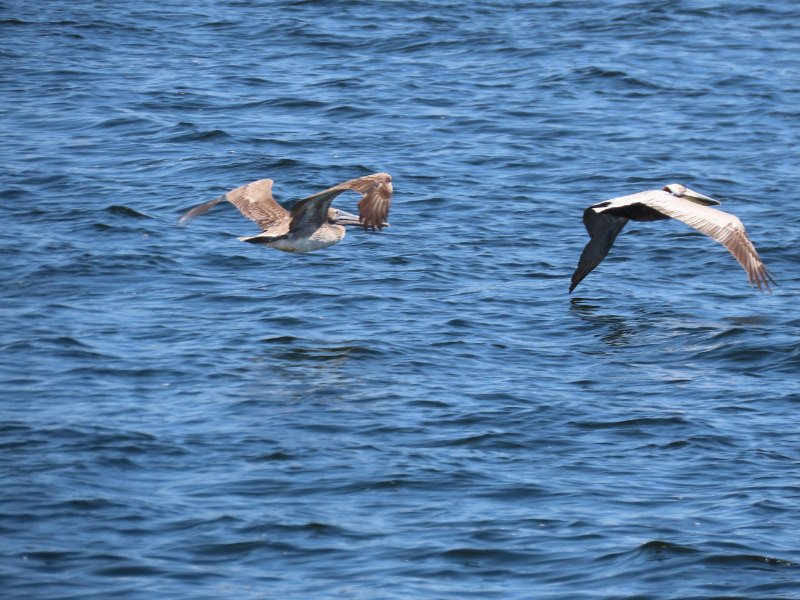
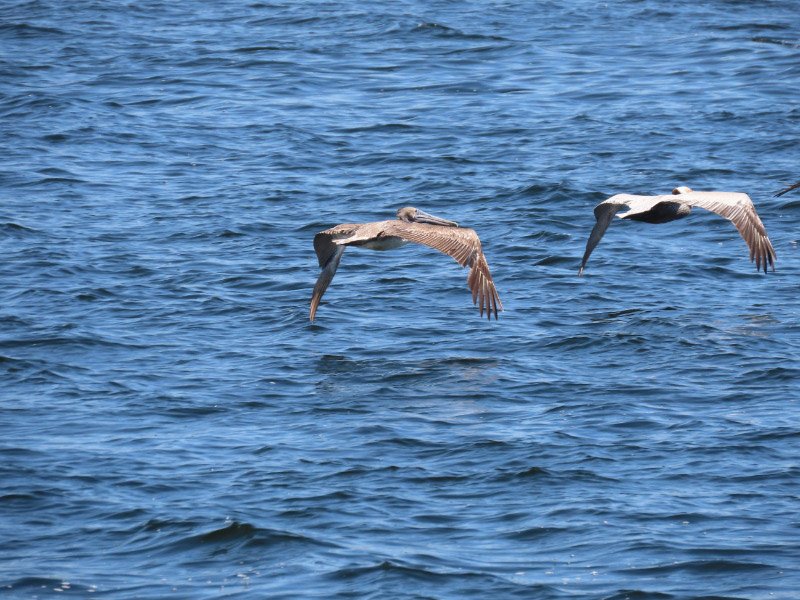
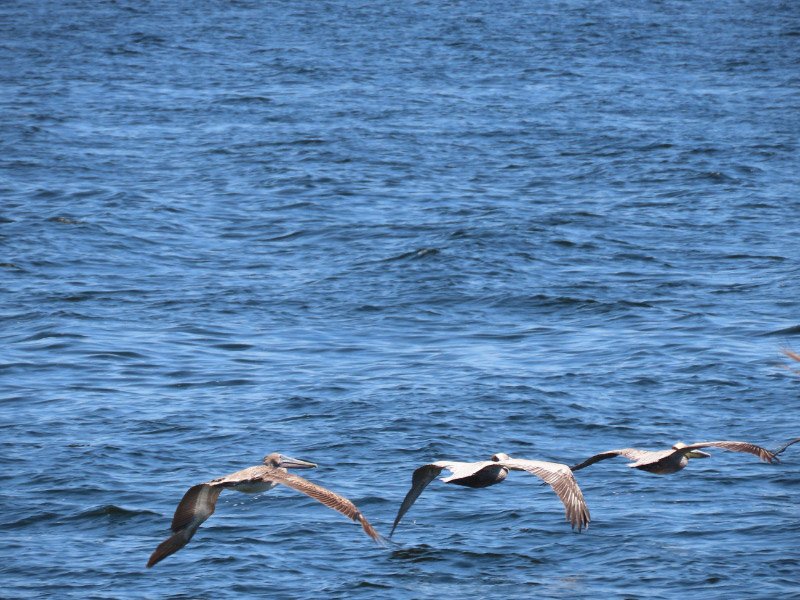
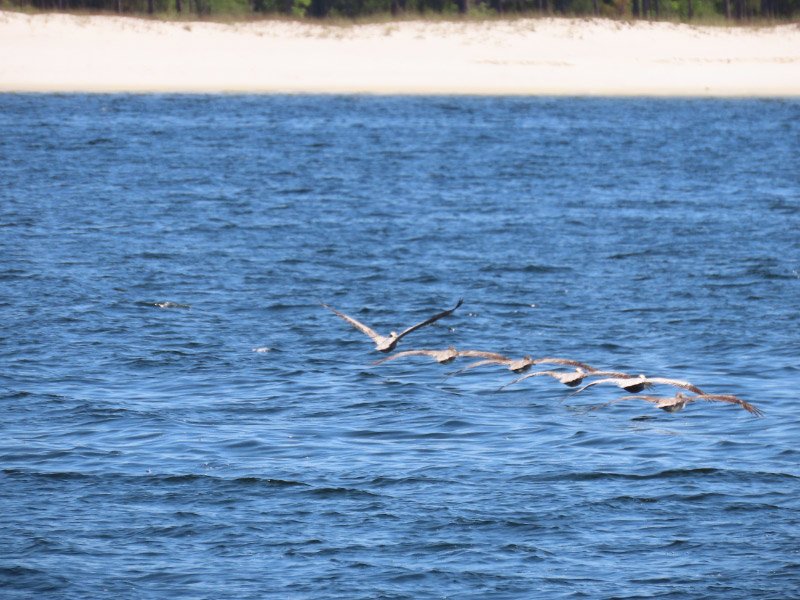
 The brown pelicans flew low over the water while the Blue Angles practiced above.

And then it was over and everything was quite again.

We made the return trip under the bridge. The only dolphins we saw were the ones painted on the sides of storage tanks.

As we crossed under the bridge, I took two pictures….I was surprised to see the damaged support beam at the end of the old bridge!

Overall – it was an excellent morning to be on the water. The passengers were a wide range of ages. One little girl fell asleep on the top deck and her mother simply moved into position to shade her while she slept! A family with an elder in a wheelchair and a baby probably about 6 months old enjoyed the trip but the elder, grandfather, and child also snoozed for part of the trip. A group of women from Tennessee were talkative and took pictures of each other and the views from the boat; they were keen on restaurants. Everyone enjoyed the Blue Angels practice!

Gleanings of the Week Ending May 6, 2023

The items below were ‘the cream’ of the articles and websites I found this past week. Click on the light green text to look at the article.

Digesta: An overlooked source of Ice Age carbs – Partially digested vegetable matter from large herbivores (such as bison) might have provided carbohydrates and other macro nutrients reducing the burden of ‘gathering’ for a time after an animal was slaughtered. Perhaps during migration, it was the dominant source of carbohydrates in a situation with reduced accessibility of plants. And maybe women participated in hunting to a larger extent than previously thought; ‘grave goods’ in burials found that perhaps 30-50% of all large-game hunters in the Americans during the late glacial era may have been female!

Anemia found to be common in ancient mummified Egyptian children – CT scans were done on 21 child mummies (between ages 1-14 at death) to study the skeleton inside the wrapped remains. 7 of the children had pathological enlargement of the cranial vault, typically associated with anemia. The study also found a child that died less than a year after birth of thalassemia (the body could not produce hemoglobin).

Bathing through the ages: 1300 – 1848 – 14th and 15th century bathhouses provided services beyond bathing (lancing abscesses, pulling teeth, steam rooms, mineral baths, cupping, herbal concoctions); they helped shape the public health services of larger cities as they grew, and health conditions deteriorated. By the 16th century, bathhouses started to disappear as Europe was ravished by plague, smallpox, and syphilis. But – by the 1800s, sanitation reformers were arguing that making bathing facilities available to the poorest classes of society offered an ‘affordable and immediate way’ of improving public cleanliness and health. Bathhouses, along with waterworks and sewage systems, laid the foundation for the UK Health Act of 1848.

Glass or Plastic: which is better for the environment? – There is not a clear-cut answer. I will lean toward glass because of its non-toxicity….but I also realize we need to improve the ways we use it (less single use) and recycle it (better sorting and improved processing that avoids melting it twice),

Greener batteries – Batteries with Organic Electrode Materials (OEMs) are one alternative that is being researched…in this case using azobenzene by a research team at a Chinese University. Hopefully there are researchers around the world also focused on producing greener batteries.

Protein powders: When should you use them? – I think of protein powder as an ultra-processed food….a food I only want to use if I can’t manage to get enough protein from unprocessed or lightly processed foods in my diet. It is not something I want to use every day!

Long Reviled as ‘Ugly,’ Sea Lampreys Finally Get Some Respect – Not so long ago…lampreys were an organism that seemed destined for extinction because we only saw it as a predator that wiped out the Great Lakes lake-trout fishery. Now, the consensus is that, in their natural habitat, marine lampreys are “keystone species” supporting vast aquatic and terrestrial ecosystems. They provide food for insects, crayfish, fish, turtles, minks, otters, vultures, herons, loons, ospreys, eagles, and hundreds of other predators and scavengers. Lamprey larvae, embedded in the stream bed, maintain water quality by filter feeding; and they attract spawning adults from the sea by releasing pheromones. Because adults die after spawning, they infuse sterile headwaters with nutrients from the sea. When marine lampreys build their communal nests, they clear silt from the river bottom, providing spawning habitat for countless native fish, especially trout and salmon. Wow!

The Pacific Garbage Patch Is Home to Coastal Species—in the Middle of the Ocean – A surprise for researchers…they found shrimp-like arthropods, sea anemones and mollusks, Pacific oysters, orange-striped anemones and ragworms. Crustaceans were taking care of eggs and anemones were cloning themselves. This does not make the Garbage Patch acceptable!

Photography In the National Parks: Same Spot, Different Time / Season / Weather – Spots in Yellowstone, Mount Rainier, and Olympic National Parks.

Greater fat stores and cholesterol increase with brain volume, but beyond a certain point they are associated with faster brain aging – People in wealthy countries have largely grown accustomed to eating more and exercising less -- habits that are associated with decreased brain volumes and faster cognitive decline. This study looks at indigenous people (two tribes in Bolivia that live along tributaries of the Amazon). The tribe that was closer to our subsistence ancestors had the lowest rates of hear disease and minimal dementia; in this group - BMI, adiposity and higher levels of "bad" cholesterol were associated with bigger brain volumes in older adults!

Fort Pickens

We visited the Fort Pickens area of Gulf Islands National Seashore twice during our visit to Pensacola. We looked at the fishing pier area first --- searching for birds. Brown pelicans were searching for breakfast…not minding the fishermen on the pier nearby. They are probably in the area year-round.

Some of the structures were derelict. Water and salt are hard on concrete.

Several immature red-breasted mergansers were also finding food in the surf. They might continue north even though they are not breeding this year.

Willets and a great blue heron were wading in the surf.

Immature Bonaparte’s Gulls were on the beach…resting.

Looking toward the mainland from the Fort (on a barrier island), a lighthouse is visible. It is on the Naval Air Station which limits tours to people with military IDs.

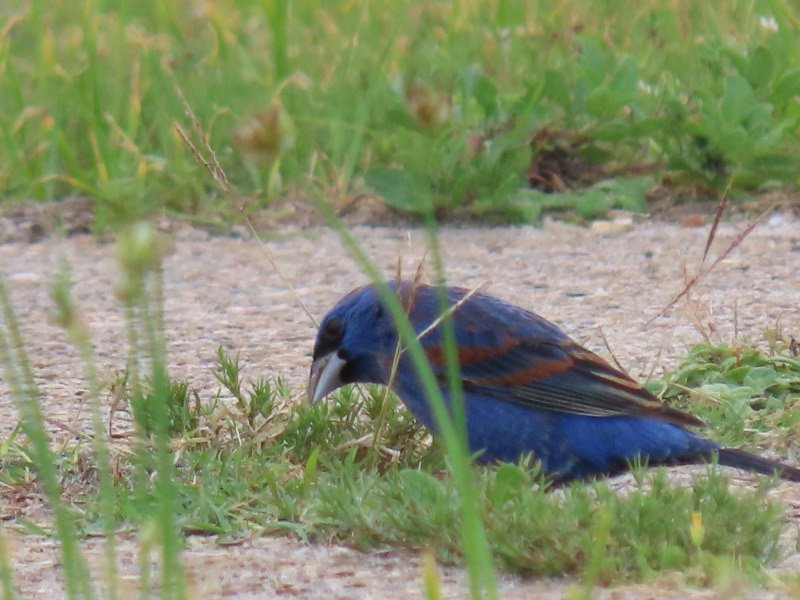
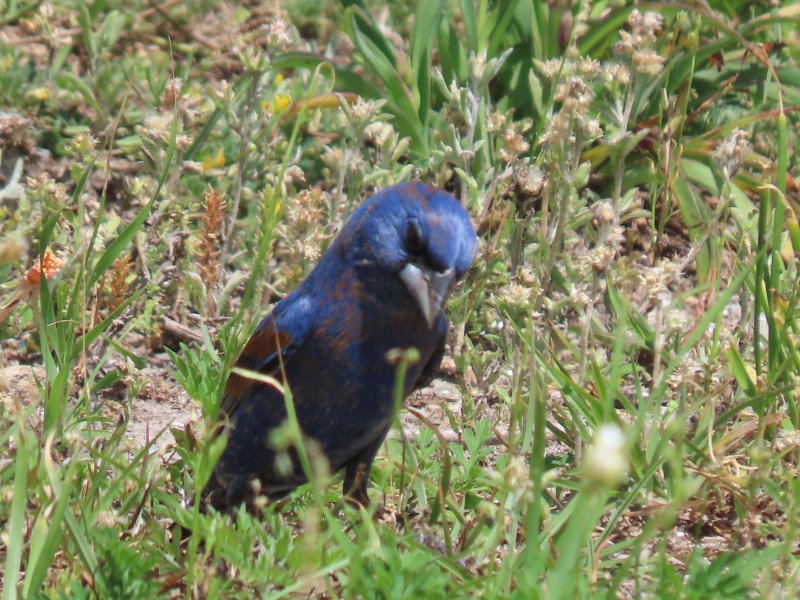
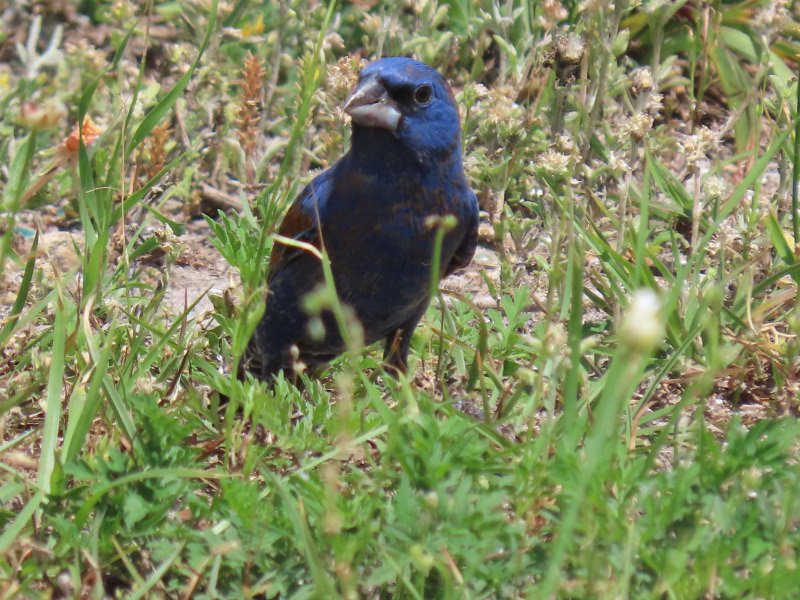
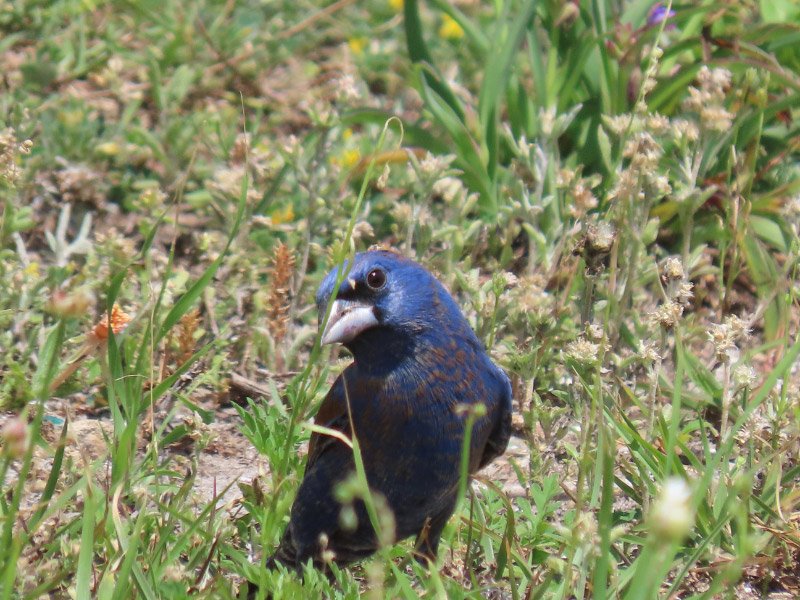
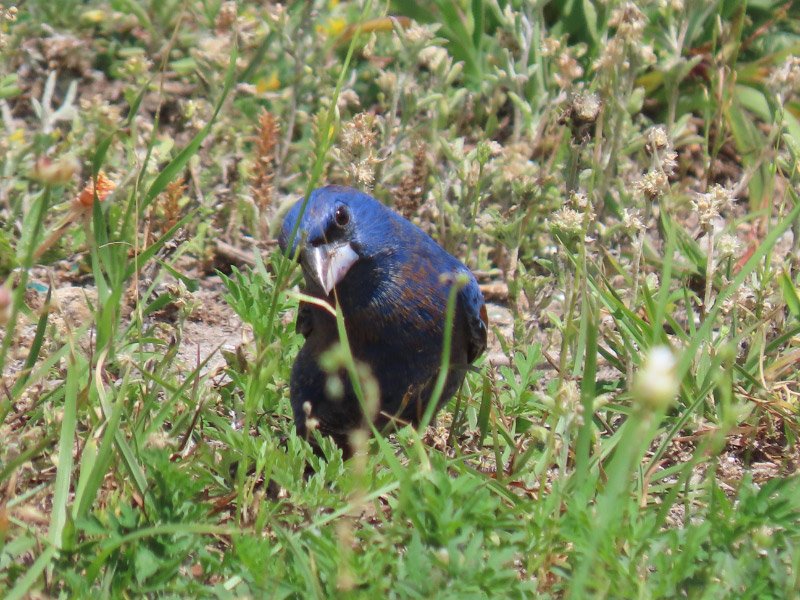
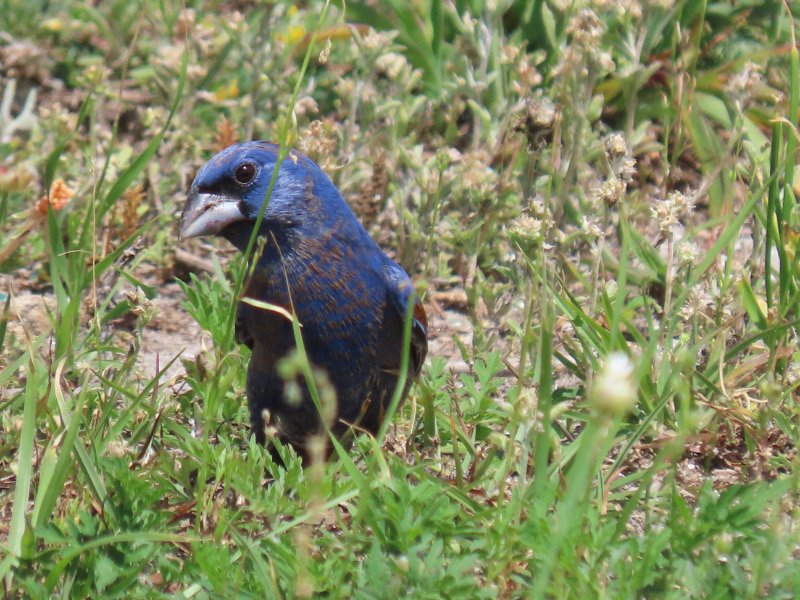
We heard and saw small birds in the grass near the historical buildings/discovery center. Looking closer we saw that they were blue grosbeaks! They were probably refueling before they continued their migration northward.

Two osprey were building a nest at the top of a chimney nearby.

On the drive away from Fort Pickens after our first visit, we spotted a mature bald eagle in a tall pine. I’d spotted a large nest as we had driven toward the Fort….so we were looking closely for the bird!

We joined a ranger-led walking tour of the fort to learn a little about its history. Fort Pickens was built after the War of 1812 and before the Civil War….built with slave labor (many were skilled laborers specializing in brick structures).  It was the largest brick structure on the Gulf of Mexico after it was finished and was a deterrent to conflict for a time. Its only active use was during the Civil War; it stayed in Union hands for the duration. Much of the brickwork has survived. The Fort was modified for other purposes over the years…with part of the structure used to store land mines! It served as a prison for Geronimo before he was sent to Fort Sill (in Oklahoma). Today – plants grow on the structure and in areas that were once busy with military preparations. The tour was a bit long (1.5 hours); I enjoyed the first hour but was tired for the last half hour.

Vacation to Pensacola, FL

Our trip from home (Nixa, MO) to Pensacola, FL in April was our most substantial post-pandemic vacation…three days in a place we had not visited before bracketed by long driving days. We thought we were used to long drives because of all the trips between Maryland and Missouri last spring associated with our move, but the non-Interstate roads and long rural expanses going to Pensacola made it a harder drive. The only rest stops were welcome centers when we crossed state lines; we made stops at fast food places and gas stations but sometimes they were further apart than we prefer.

It was scenic…with roadcuts and forests, rivers and fields. In Arkansas there seemed to be a lot of farmers plowing…kicking up dust; I’d seen so many no-till fields in recent years that the plowing struck me as a retro strategy (and one that obviously depleted topsoil). In Mississippi, we noticed a community with blue roofs; as we got closer, we realized the blue was from tarps and there were big stacks of fallen trees nearby; a police car monitored the comings and goings from the community. By the time we got to Alabama we were tired…glad we were getting close to our destination.

Our previous visits to Florida had been primarily to the Atlantic coast and Orlando. Pensacola had a deep South vibe. The military presence (current and historical) also influenced our perception of the area. We wanted to see the Gulf Islands National Seashore and several other natural areas – for birds and plants. We stayed at a hotel with a small kitchen…took advantage of the breakfast they provided and snacked in our room in the evening after having a substantial lunch while we were out and about during the day. There was a magnolia blooming near our room.

Overall – the trip was OK but not spectacular. We learned about ourselves as much as about the area:

  • A google maps time of 11.5-12 hours is too much for us to do in a day – particularly if the route is not mostly Interstates.

  • Spring is a great time for road trips….fall will be too. Summer is often too hot and winter weather can be problematic.

  • Birding festivals give us the discipline to get up and out early…into places that are harder to find on our own in an unfamiliar area of the country. We’ll register for a festival to structure our next trip.

I’ll be posting about our Pensacola vacation in the upcoming days….stay tuned.

Ten Little Celebrations – April 2023

Glorious spring…cool mornings and very pleasant afternoons…flowers…travel. So much to celebrate.

Springfield Botanical Garden and Mizumoto Japanese Stroll Garden. Visiting gardens is one of my favorite spring activities! There is so much to see and celebrate as the gardens come back from winter…blooms abound.

Finding a lost ring in a gardening glove.  I celebrated finding a ring I thought I had lost in the tip of a gardening glove finger. It must have some off with the glove and then pushed to the tip when I put on the glove the next time. It was lost for over a month before I finally realized there was something in the end of glove finger!

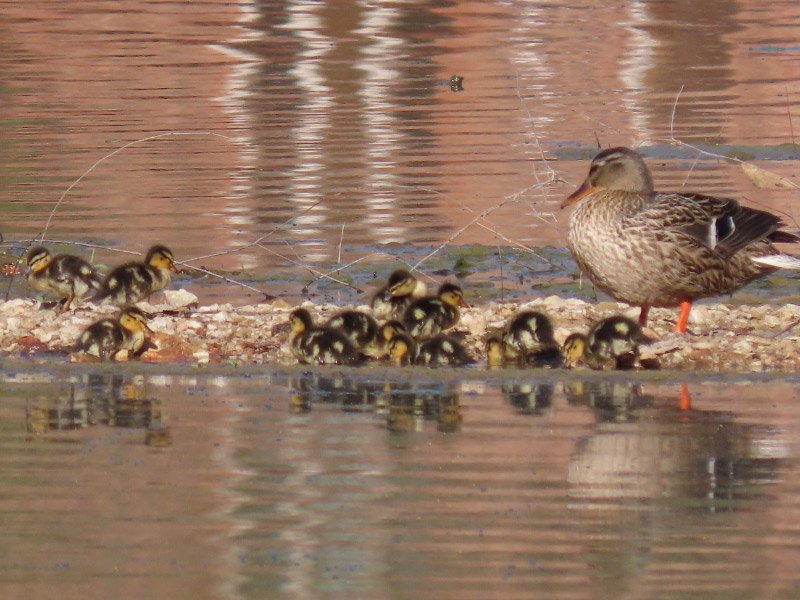
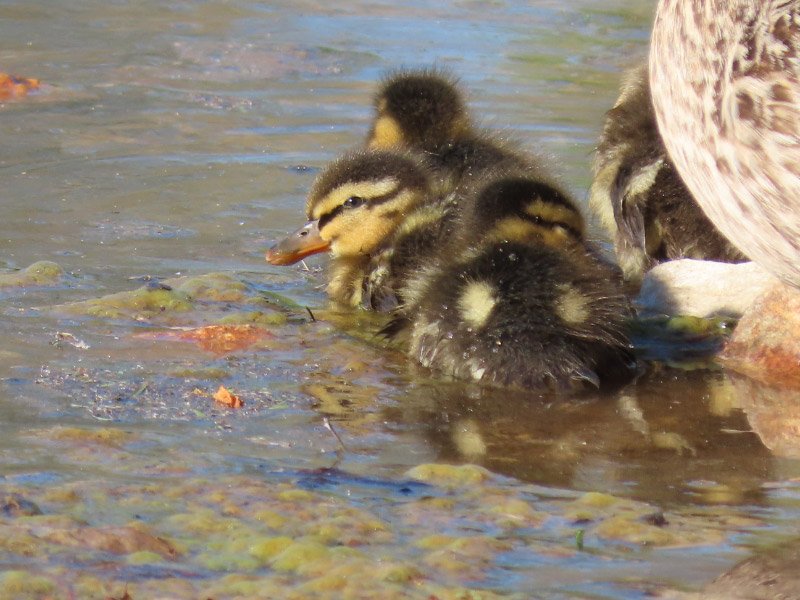
Ducklings on the neighborhood pond. Another sign of spring – baby birds. The ducklings were all staying close to their parent…still tiny enough to be vulnerable to turtle predation.

Getting to Pensacola FL. We took our first multi-day vacation since before the pandemic. The drive to Pensacola took us longer than we anticipated but we made it. More posts about our adventures in the week ahead. We both celebrated when we got to the hotel after 13 hours on the road.

Indigo buntings. A small flock of indigo buntings was enjoying the grass/weed area near some buildings in Gulf Islands National Seashore….more than I had ever seen at one time! Celebrated noticing the small birds with vibrant coloring.

Home again. It always feels good to come home again after being away. It happened twice in April: once when I can back from Texas and the again when I returned from Florida. Celebrating being at home.

Mowing the yard. I celebrated that the new yard and new mower are going to be a positive learning experience during the growing season – the yard looks great and the work is helping me build up my stamina, get some ‘intensity minutes’ into my routine.

Forsythia with composting mulch. The idea to pull some none flowering weeds as mulch under the forsythia where there was bare soil has worked beautifully. I celebrated finding a place in the yard to put cut/pulled vegetation rather than taking it to the recycling facility.

Great day to put out mulch around trees in the front yard. After mowing the front yard the first time, I realized the trees needed mulch under them to make mowing eaiser. I celebrated that we had great weather on the day we bought the mulch and were able to complete mulching the trees in the front yard…and celebrated again every subsequent mowing.

Great day to put out mulch around trees in the front yard. After mowing the front yard the first time, I realized the trees needed mulch under them to make mowing eaiser. I celebrated that we had great weather on the day we bought the mulch and were able to complete mulching the trees in the front yard…and celebrated again every subsequent mowing.

Planting bulbs around the red maples. I realized that the mulch around the trees made it easier to plant bulbs too. I planted some summer blooming flowers – lilies and butterfly weed and gladiolas. I celebrated that it was so easy to do…and will be celebrating again when the plants bloom this summer.

Gleanings of the Week Ending April 29, 2023

The items below were ‘the cream’ of the articles and websites I found this past week. Click on the light green text to look at the article.

Cold is beneficial for healthy aging, at least in animals – Research with nematodes and cultivated human cells. Both carried genes for ALS and Huntington’s disease. Cold actively removed protein clumps…preventing protein aggregation that is pathological for those diseases. The protease activator that caused the change was discovered…and the impact of temperature explored. Interestingly – “human body temperature has steadily declined by 0.03 degrees Celsius per decade since the Industrial Revolution, suggesting a possible link to the progressive increase in human life expectancy over the last 160 years.”

See Colorful Paintings of the Zodiac Signs from an Ancient Egyptian Temple – Ceiling paintings in a Ptolemaic temple…suggesting Greeks brought the zodiac tradition to Egypt.

 Nearly 1,000 Acres Added to New River Gorge National Park and Preserve – The acres are in the Preserve part of the park. I have visited the park only once…passing through on one of my many trips between Maryland and Missouri. There is a lot to explore there!

Vehicle Exhaust Filters Do Not Remove “Ultrafine” Pollution – Aargh! No wonder there are so many yellow and red air quality days in our cities caused by particulates.

What it really takes for Asia to get to net zero – Home to 5 of the 10 largest emitters: China, India, Indonesia, Japan, and South Korea. An article posted ahead of the BBC’s Sustainability Summit in Singapore. "The perception of higher cost for sustainability practices remains," says An (chief sustainability officer of City Developments Limited in Singapore). "But companies are starting to wake up to the fact that achieving climate goals is an "investment, not a cost."

Thread-like pumps can be woven into clothes – My first thought was maybe these will be commonplace in clothes – enabling us to work outdoors even on very hot days.

Sabertooth cat skull newly discovered in Iowa reveals details about this Ice Age predator – Almost as iconic as dinosaurs when it comes to childhood curiosity about extinct animals. One piece of trivia about modern cats: 40% of lion skulls in a study had survived head trauma to hunt another day. One of the ‘sabers’ of the Iowa Sabertooth was broken not that long before it died…might have even caused its death. Prey fights back…the predator does not always ‘win.’

Europe's unique trials in food 'social security' – Two projects: Montpellier, France and Brussels, Belgium. Run by collectives. The idea that quality, nutritious and organic food should be accessible to everyone.  Each citizen receives a monthly allowance enabling them to buy food meeting certain environmental and ethical criteria. The trials are running for 12 months. The big challenge is changing the way society thinks about food.

The Beauty of Bugs – The picture at the beginning of the article jogged my memory – of the necklace made from insect exoskeletons I saw at the Edge of Cedars State Park Museum when I visited Utah in 2013! I posted about it and took a picture back then…and am pleased to learn more about it and the possible implication it might have re the Basketmaker II culture.

Scientists discover a way Earth’s atmosphere cleans itself – It’s surprising that we don’t know more about how the Earth’s atmosphere works!

Japanese Pottery

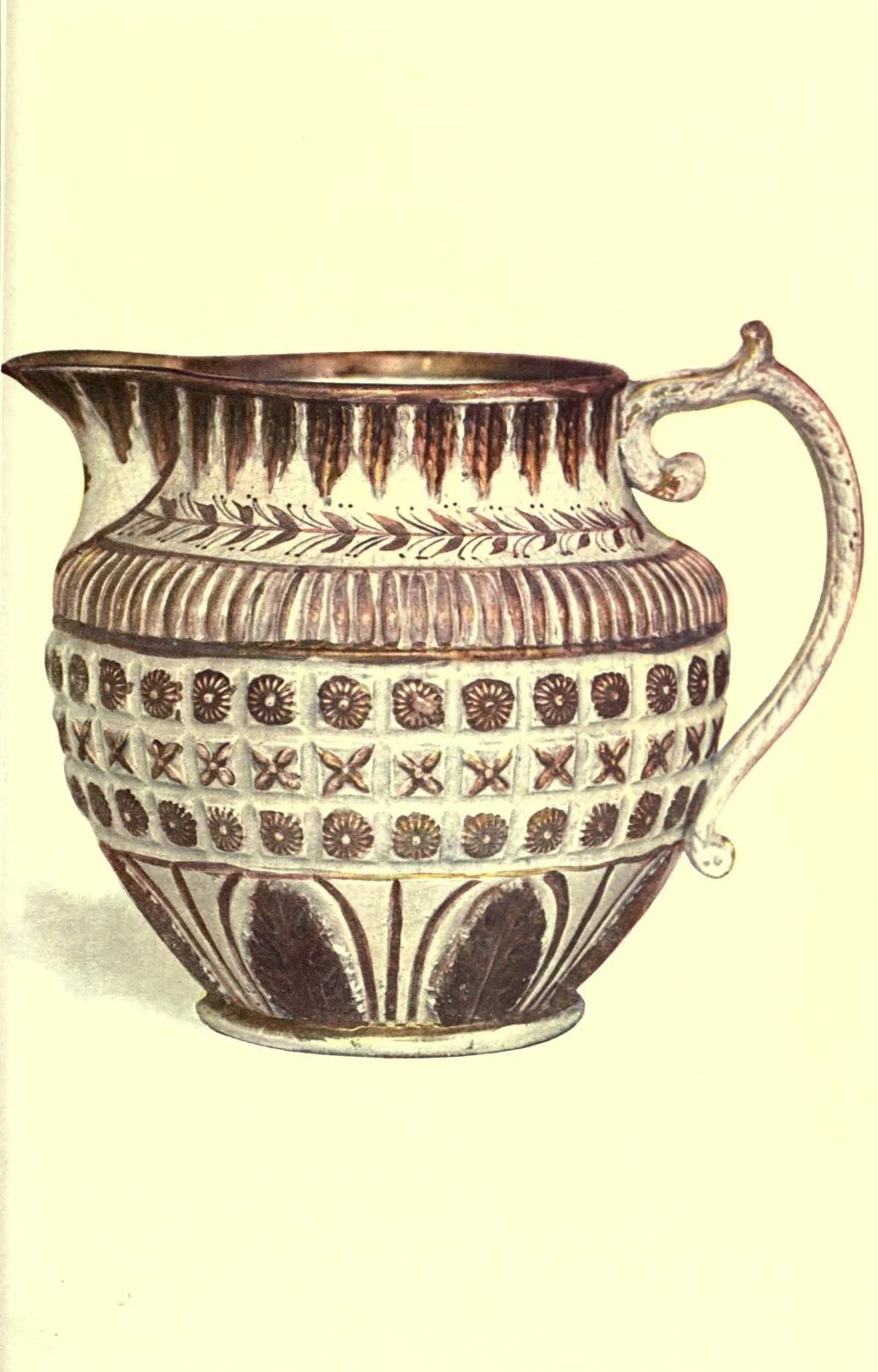
James Lord Bowes was a wealthy Liverpool (UK) wool broker that became an authority on Japan and its art. He published his 3-volume work about Japanese Pottery in 1890, the year he also opened the first museum in the western world dedicated to Japanese art. The books are available as eBooks from Internet Archive. Their publication in 1890 makes them historical…and they were, from the being, about art. Enjoy them from both perspectives!

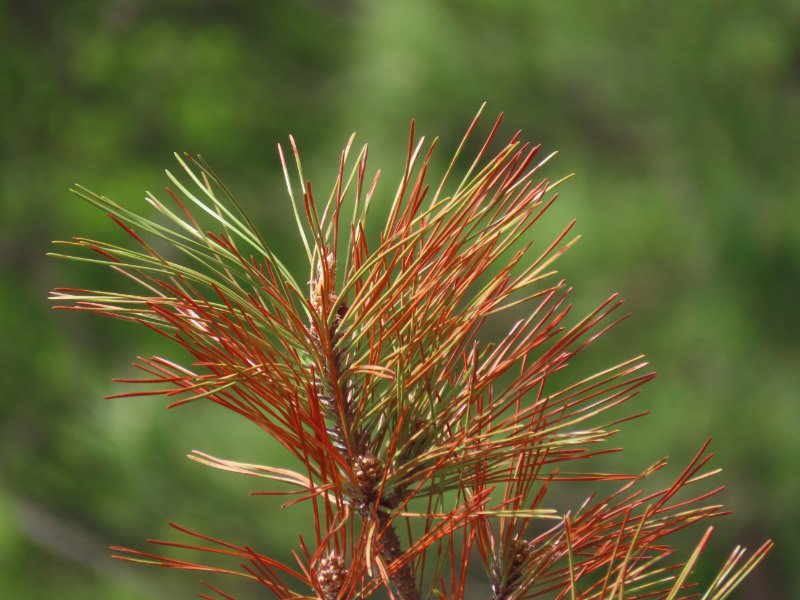
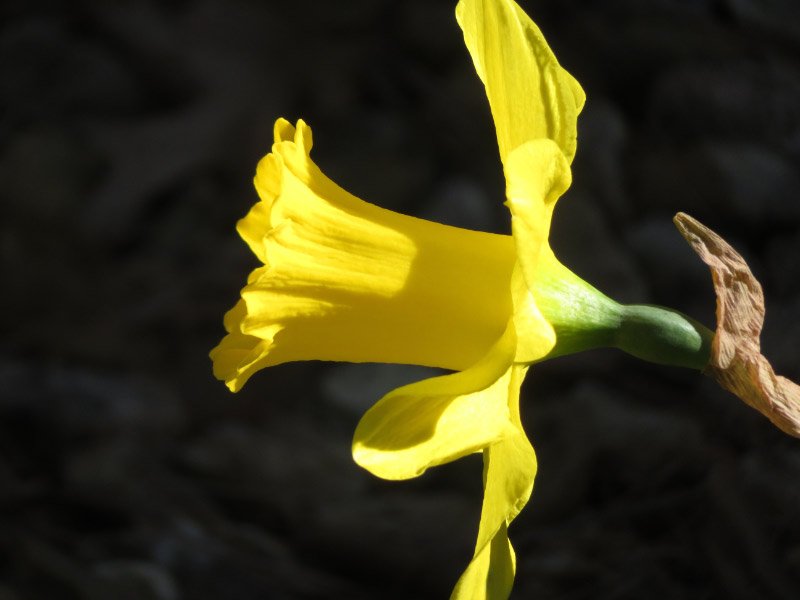
Zooming – April 2023

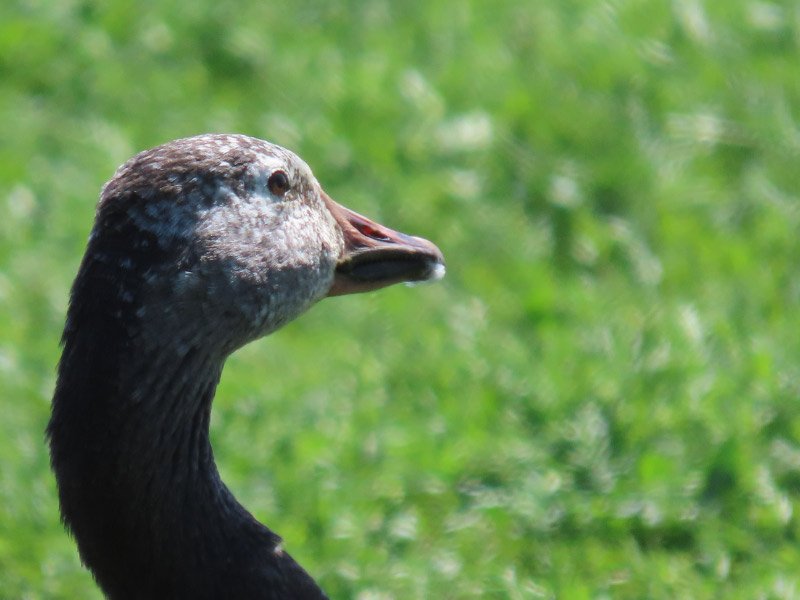
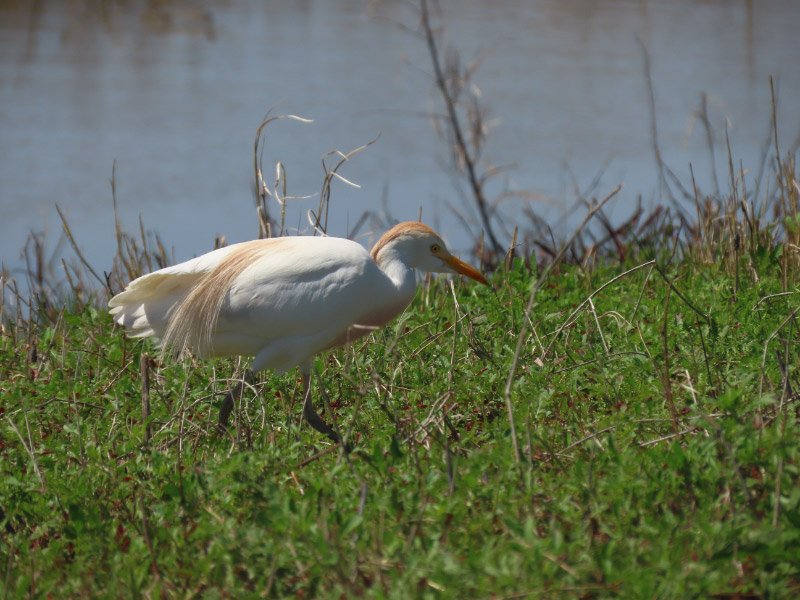
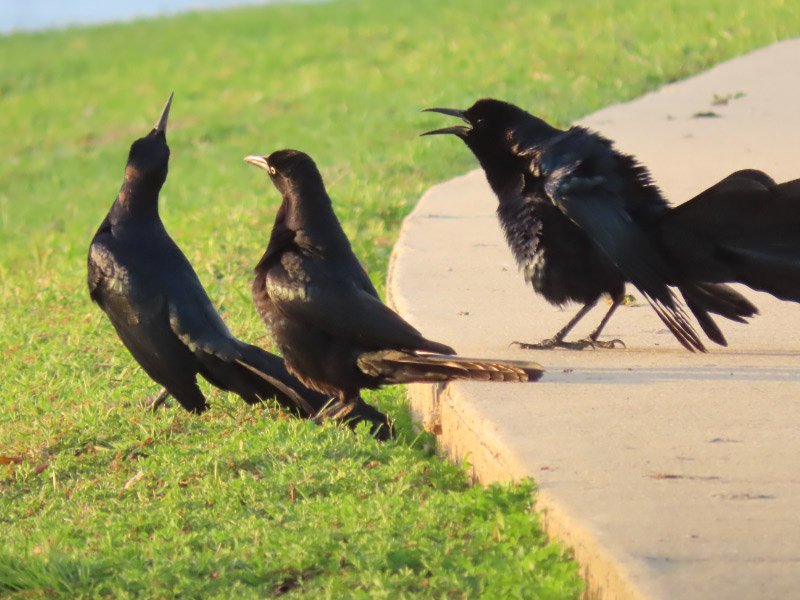
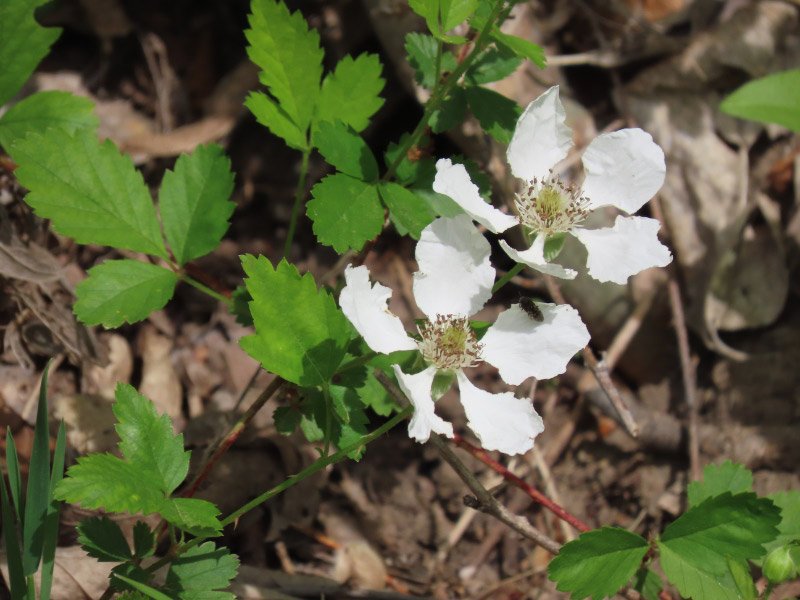
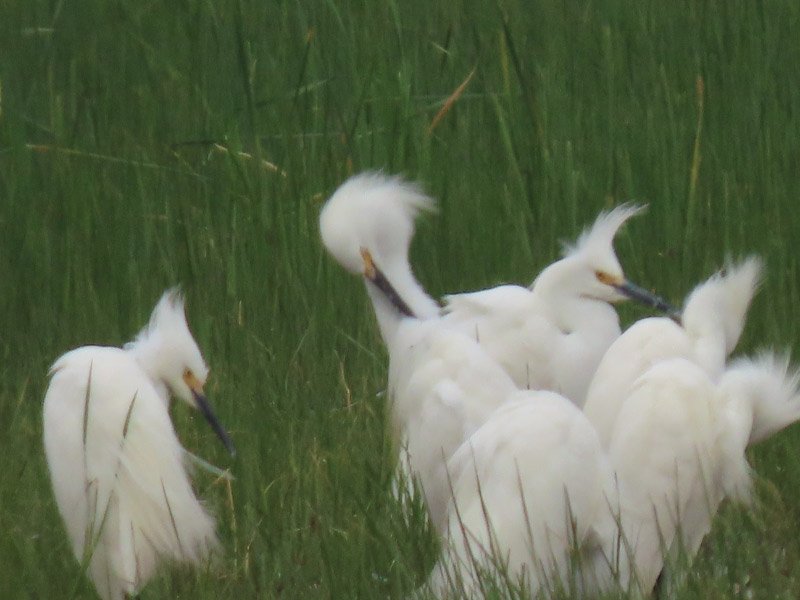
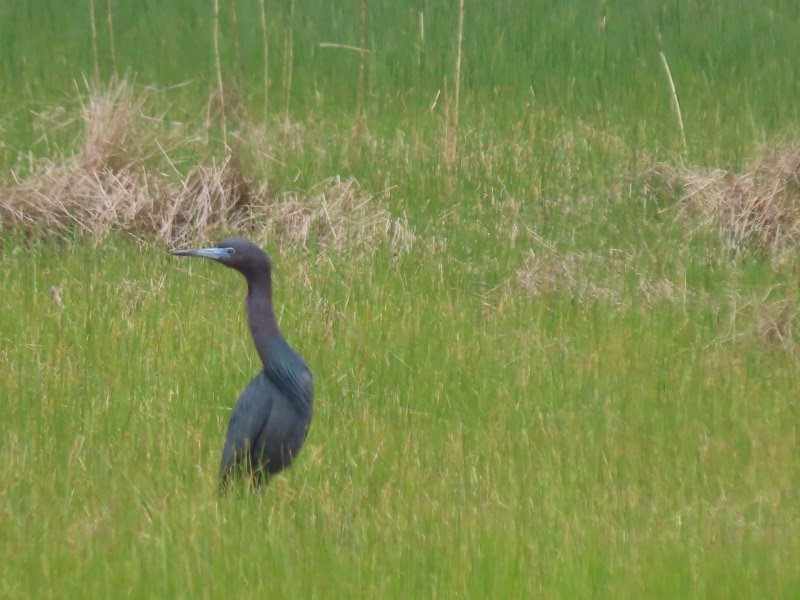
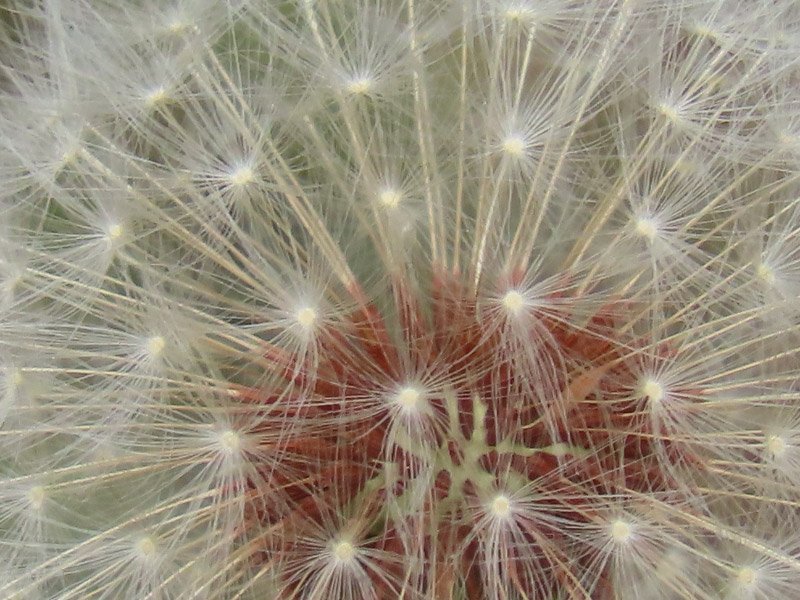
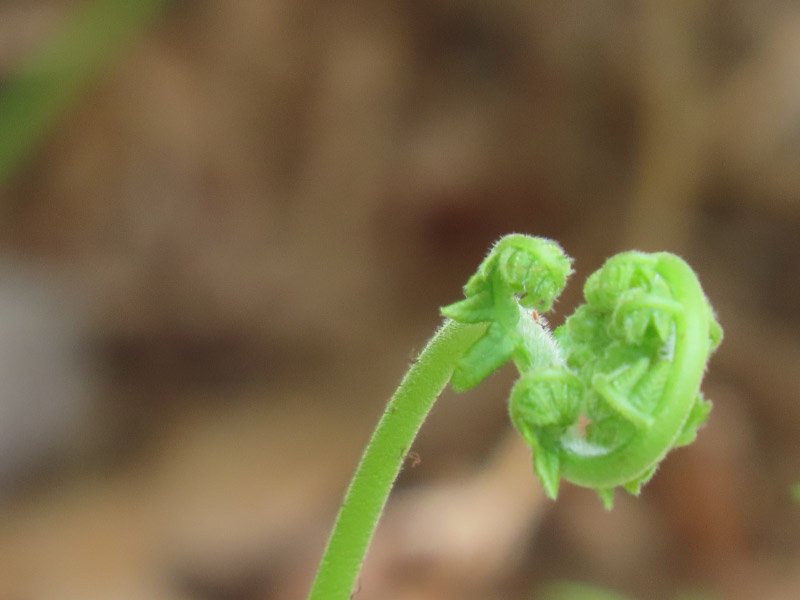
The zoom capability of my bridge camera (Canon PowerShot SX70 HS) is used in almost every picture I take! I rarely carry binoculars anymore since I’d rather have the option of taking a picture once I find the subject…and I am keen to minimize the weight of gear I carry around.

The locations for the zoomed images selected for this month are Nixa MO, Hagerman National Wildlife Refuge (near Sherman TX), Carrollton TX, Coppell TX, and Springfield TX.

My favorite subject this month was ducklings! I was thrilled to find them in my neighborhood pond when they were only a few days old.

Enjoy my views of April 2023!

Gleanings of the Week Ending April 22, 2023

The items below were ‘the cream’ of the articles and websites I found this past week. Click on the light green text to look at the article.

Home Electrification Incentives in the Inflation Reduction Act – Now to decide what to do first….

How mobile phones have changed our brains – Some research about the impact phones have on our focus.

Drug overdose fatalities among U.S. older adults has quadrupled over 20 years, research finds – Overdose is a problem across the lifespan. Most deaths are unintentional.

Macro Photography Captures the Delicate Dance of Mantises in Malaysia – Wonders of the insect world. We have mantises in North America…but not as colorful as these Malaysian species.

A Plateau in the Heart of Texas – The Edwards Plateau…one of the geologic features of Texas that makes for scenic drives.

The Shaman’s Secrets – A 9,000-year-old burial of 2 people (one adult, one very young child) with 100s of ritual objects. The grave was first excavated in the 1930s…and assumptions were made…the adult was a man, blond hair, blue eyes. But modern analysis tells a different and more complete story.

Winter Rains Bring Mushroom Boom in California – Extra rain….and there are a lot more mushrooms!

Protecting Nēnē, The Threatened State Bird of Hawai'i – We didn’t see in nēnē when we went to Volcanoes National Park in 2015….it was good to see pictures of them.

Want to Improve Your Outdoor Recreation? Try Birding. – Yes! It has certainly been true for my husband and me. There are so many good resources about birding (festivals, birding trails, apps)!

A must-see sunset spectacle at Monument Valley – Wow! We visited in 2013 at midday. Next time I’ll plan to go in late March or mid-September…and stay until sunset.

Older adults with dementia but without close family: Who are they? And who cares for them? – Thought provoking.

William Burton and Pottery

William Burton was a chemist that worked at the Wedgewood Company and then Pilkington’s Lancastrian Pottery & Tiles. There are 4 books available on Internet Archive that he authored about pottery featured in this ‘book of the week post.’ It seems he was interested in more than the chemistry of pottery; he was also attuned to all the aspects of creating it…and enjoyed the beauty of the finished product too.

He does not have a Wikipedia entry of his own…but there is a paragraph about him in the Pilkington’s article. He evidentially was manager of the company – employing many artists and commissioning work from other artists of the time.

Porcelain, a sketch of its nature, art, and manufacture (1906)

A history and description of English earthenware and stoneware (to the beginning of the 19th century) (1904)

Josiah Wedgwood and his pottery (1922)

A history and description of the old French faïence, with an account of the revival of faïence painting in France (1903)

Tree Mulching Project

When we first moved to Missouri last summer, we hired a crew to mow/weed eat/edge our yard. This season I am doing it. The first time I mowed (with our new battery powered mower…a big improvement over the gasoline powered one we had in Maryland), it was obvious that the job would be easier if the trees had mulch around them – an area large enough to avoid any low branches. The front yard has three trees: 2 red maples and an Asian dogwood. The red maples are relatively young trees so the mulched area did not need to be large. The dogwood had a lot of lower branches that I wanted to keep – hence a larger circle of mulch.

The first step was define the circle I would cover with mulch with very short grass; it was a good project for me to learn to use our new weed eater (also batter powered).

My husband helped me pour bags of mulch and I spread it around with a rake. The red maples took 1.5 bags each and the dogwood took 3 bags.

My follow up plan is to plant some daylilies and butterfly weed in the mulch areas around the red maples. The base of the young trees in sunny because are relatively skinny trees; the plants should do well. I enjoyed the ‘ruff’ of daylilies I had around the base of our oak tree in Maryland, and I hope eventually that will happen around these red maples. The plants might make it easier to extend the mulch circles as the trees grow since they reproduce rapidly. There aren’t deer wondering through our Missouri neighborhood eating buds like candy (like happened in Maryland); I’m looking forward to having flowers!

Gleanings of the Week Ending April 15, 2023

The items below were ‘the cream’ of the articles and websites I found this past week. Click on the light green text to look at the article.

Cyprus’s copper deposits created one of the most important trade hubs in the Bronze Age – Cyprus was part of the first period of international trade in the Mediterranean. It was the largest copper producer around the area. Imports found via excavation included item from close countries like Greece and Egypt; items from distant places like Sardinia, the Baltic Sea region, Afghanistan, and India have also been found. Aside from copper, pottery produced in Cyprus at that time was exported and had been found in excavations around the Mediterranean and beyond.

Green Winter: Europe Learns to Live Without Russian Energy – “In a year when planetary emissions edged upward, Europe is now on track to comfortably outpace its pledge to generate 40 percent of its total energy from renewable sources by 2030.” Impressive.

Australia’s extinct giant eagle was big enough to snack koalas from trees – Likely one of Australia’s top predators during the Pleistocene.

Why East Antarctica is a 'sleeping giant' of sea level rise – The eastern part of Antarctica was thought to be resistant to global warming. In 2012, the East Antarctic ice sheet gained mass overall. But recently, it appears that some ice shelves are melting and might be at risk to collapse. The ice shelves in front of glaciers act as a safety band that keep the glaciers for speeding up and reaching the ocean. Scary comment from the article – “Most of the uncertainty about how much and how fast future sea levels will rise comes from how the East Antarctic Ice Sheet is going to behave.”

Arctic climate modelling too conservative – And about the other pole…researchers at the University of Gothenburg argue that the rate of warming will be faster than projected….and climate models need to reflect the processes occurring there.

In Eastern U.S., Climate Change Has Extended Forest Growing Season by a Month - Scientists tracked American elm, black walnut, white oak, and four other species in northwest Ohio, comparing their data to records collected by an Ohio farmer (Thomas Mikesell) from 1883-1912.

In these cheatgrass-infested hills – Often the natural places closest to where we live…are degraded in some way. That doesn’t mean that we can’t enjoy the natural world that we find there.

Federal Agencies Directed to Develop Policies for Migratory Corridors – Birds and butterflies and fish and big game.

Ski Resorts in the Western U.S. Will Stay Open Into the Spring and Summer – Something positive about record-breaking snowfall.

As Enforcement Lags, Toxic Coal Ash Keeps Polluting U.S. Water – Coal ash in the environment and polluting ground water. Even as we migrate toward renewables…the toxic legacy of burning coal is going to last a very long time.

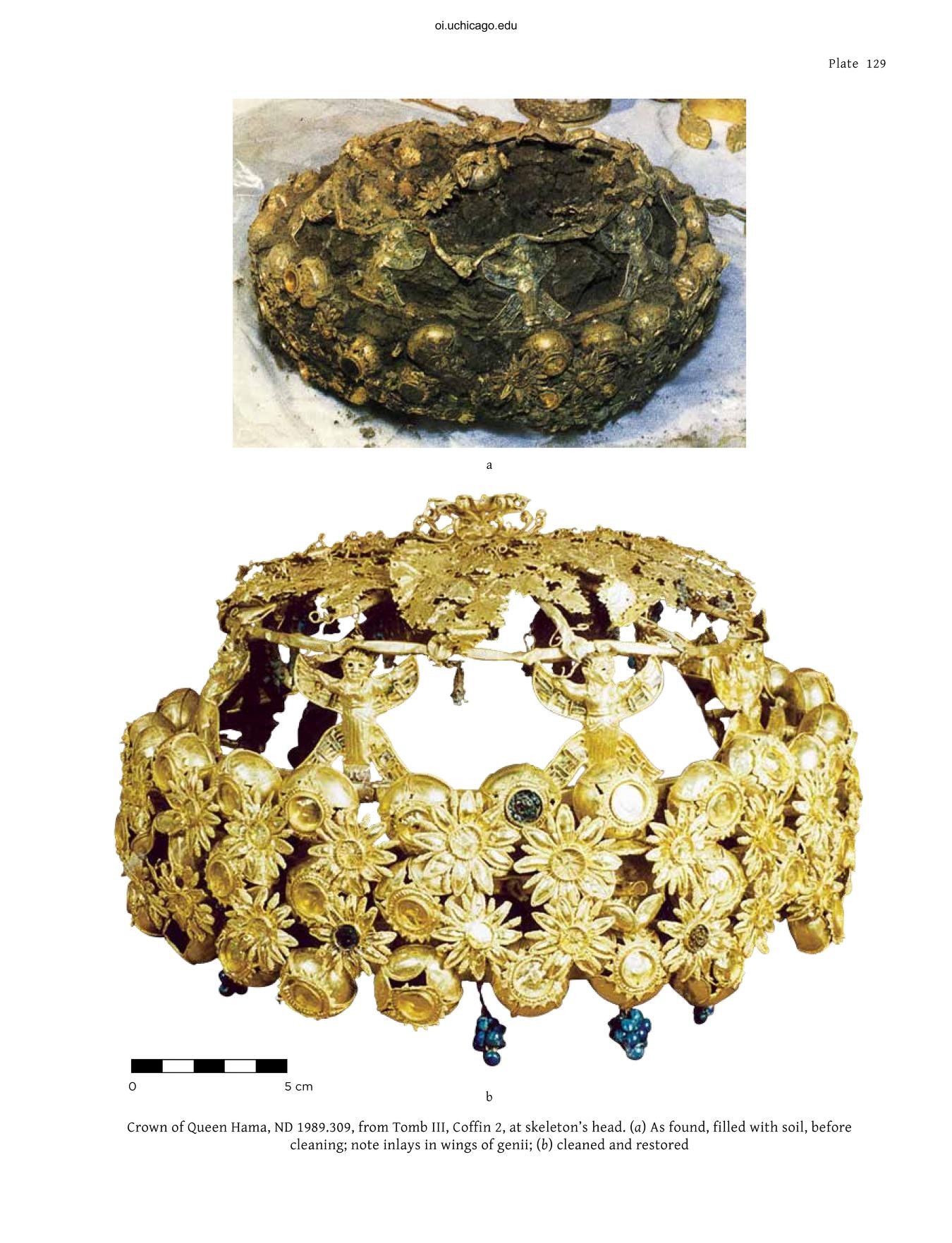
Nimrud: The Queens’ Tombs

The 4 tombs were discovered in the late 1980s in Iraq. The war that started during the excavation caused security issues that rushed the excavation of the last 2 tombs…and then the turmoil of the war caused the site and the institutions where artifacts were stored to be looted. A bank where the most valuable finds were held was bombed twice (in 1991 and 2003); the vault survived both bombings but the 2nd bombing caused enough damage that flooding then destroyed some of the objects. Much of Nimrud itself was destroyed by ISIL in 2015. There have been few international publications and no exhibitions.

So – the book was all new news to me; it was very much like looking at a catalog of King Tut’s tomb…but an entirely different culture (and gender). The book was published by the Iraqi State Board of Antiquities and Heritage and the Oriental Institute of the University of Chicago in 2016. Hopefully enough artifacts have survived to be exhibited at some point.

Nimrud - the Queen's Tombs by Muzahim Mahmoud Hussein, edited by McGuire Gibson and translated by Mark Altaweel (2016)

There are many wonderful images in the book. I selected 4 samples, but the book is well worth browsing in its entirety. The last image – the crown of Queen Hama – as found and after cleaning….bothered me. They said that the crown was filled with soil but elsewhere said that it was found atop her head. I wonder if there is any of that soil saved…whether it was the decomposed head of the queen rather than simply ‘soil.’ It reminded me that sometime archaeology – even when done with all the best practices and intended to help us under the past – is still very close to ‘grave robbing.’

Gleanings of the Week Ending April 8, 2023

The items below were ‘the cream’ of the articles and websites I found this past week. Click on the light green text to look at the article.

Avi Kwa Ame, Sacred Land in Nevada, to Be Preserved as a National Monument – Good! Another place to see when we make a trip in the west.

Volvo Delivers Its 1st Electric Heavy-Duty Truck in Africa – The truck is being used for collecting waste in Rabat, Morocco. Morocco is also home to the world’s biggest concentrated solar power facility.

A 90-year-old tortoise named Mr. Pickles just became a father of 3. It's a big 'dill' – Radiated tortoise native to Madagascar and critically endangered…at the Houston Zoo.

One of Europe’s last free-flowing rivers declared a National Park – Albania’s Vjosa River. Europe is also removing dams along other river just as we are in the US…but rivers that have been controlled by barriers will never be the way they were before the dam.

Clinics on wheels bring doctors and dentists to health care deserts – It’s a step forward and might work well for preventative or chronic care…but what happens in cases where the need is more urgent…like broken bones, having a baby, the aftermath of a car accident?

Technology over the long run: zoom out to see how dramatically the world can change within a lifetime – A graphic from ‘Our World in Data’ – worth the look. See the big developments they selected occuring during your lifetime….and when technologies we take for granted came along.

Take a Virtual Tour of the ‘Doomsday’ Seed Vault – Its doors are only opened a few times each year for new seed entries. The seeds come from countries from all over the world and are kept at -18 degrees Celsius. The most recent withdrawal was to re-establish a seedbank that had been destroyed in Aleppo during the Syrian Civil War.

Urban Trees Could Cut Summer Heat Deaths by a Third – Increasing tree cover to 30% could reduce premature deaths from urban heat islands by 40%. Sounds like a good idea of heath…and makes the cities more appealing too. Other actions can help too: green roofs/walls, light colored roofs/walls/landscape pavers, and replacing impervious surfaces with plants and soils.

Fresh produce contaminated with toxic BPA-like chemicals found in food labels – A Canadian study found that the chemicals migrate from labels in packaging materials into the food!

Common sweetener suppresses mouse immune system — in high doses – An artificial sweetener (sucralose) that might become a drug to reduce or replace immunosuppressive drugs that often have a lot of unpleasant side effects (if humans react to it the same as mice).

eBotanical Prints – March 2023

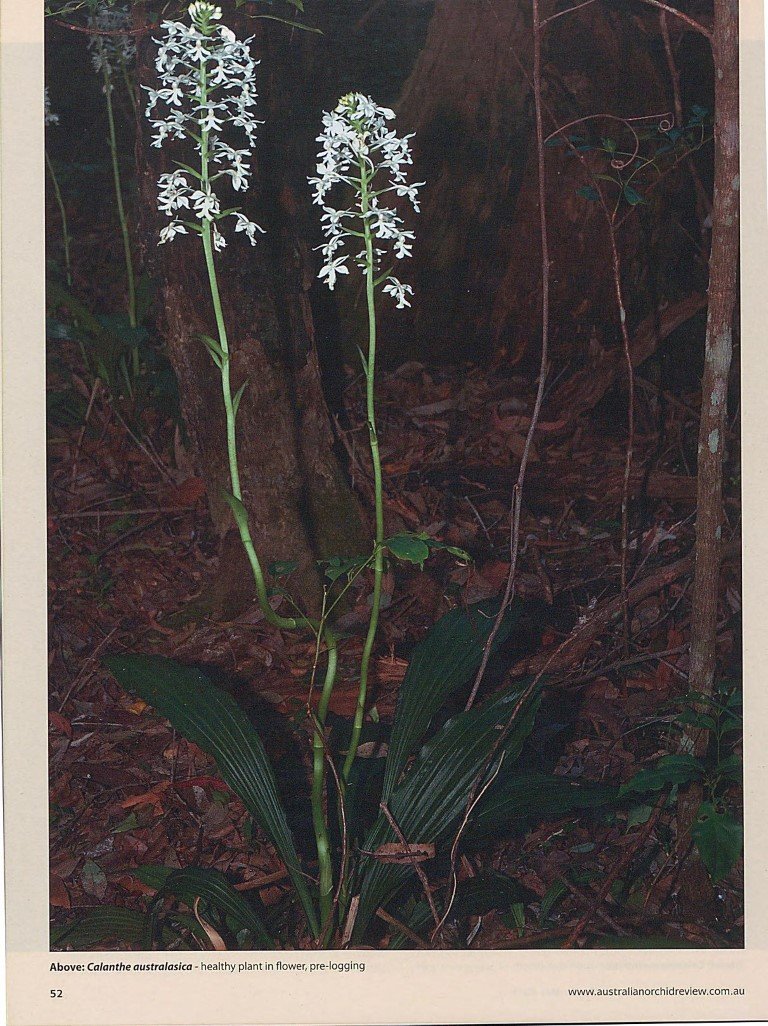
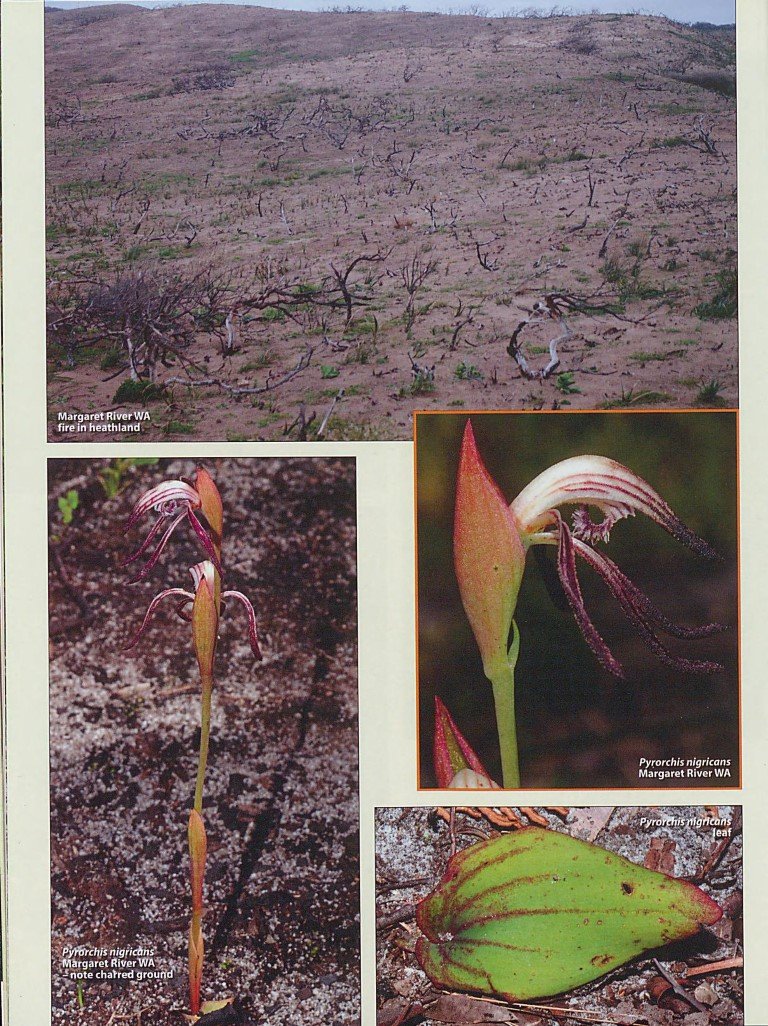
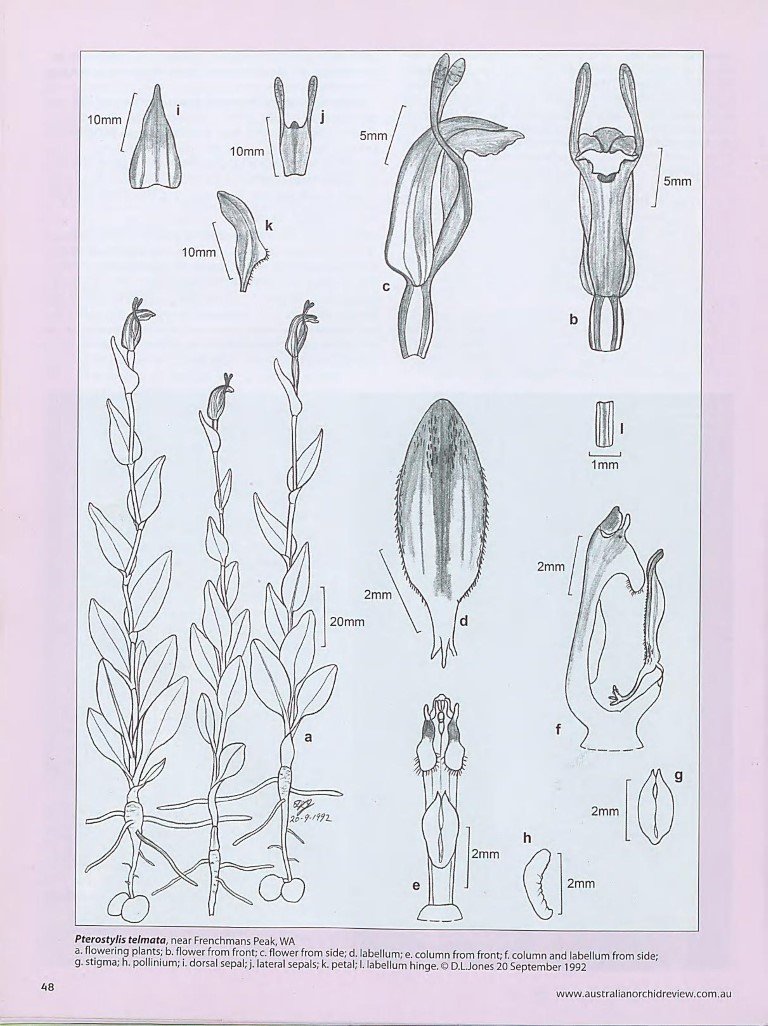
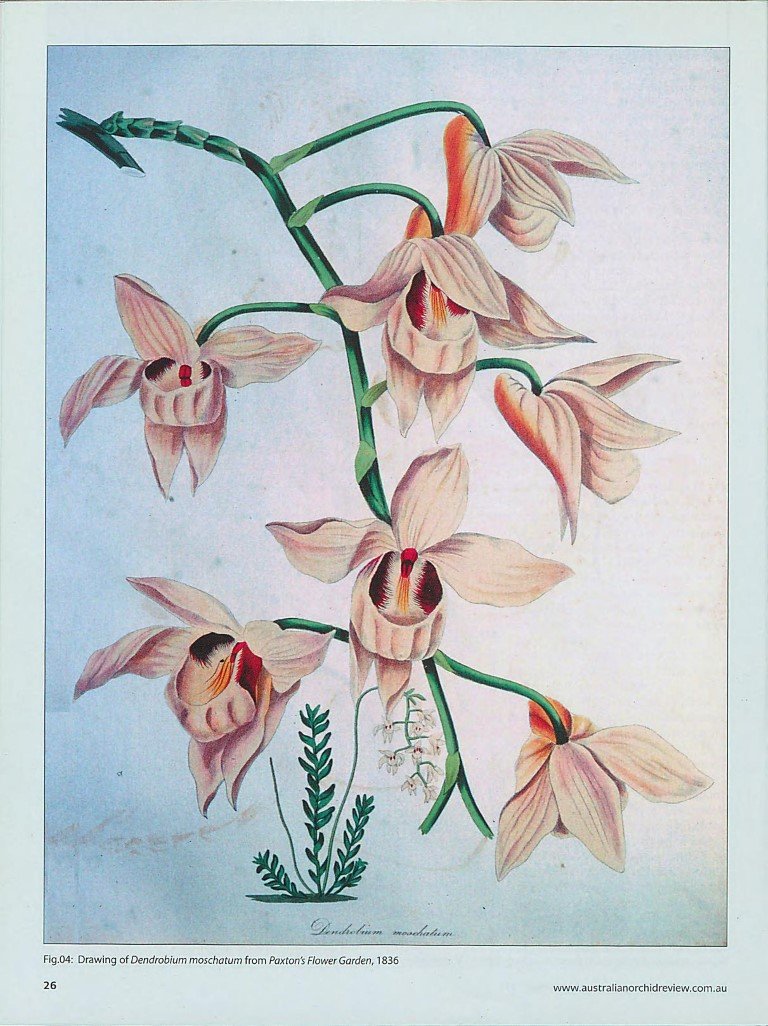
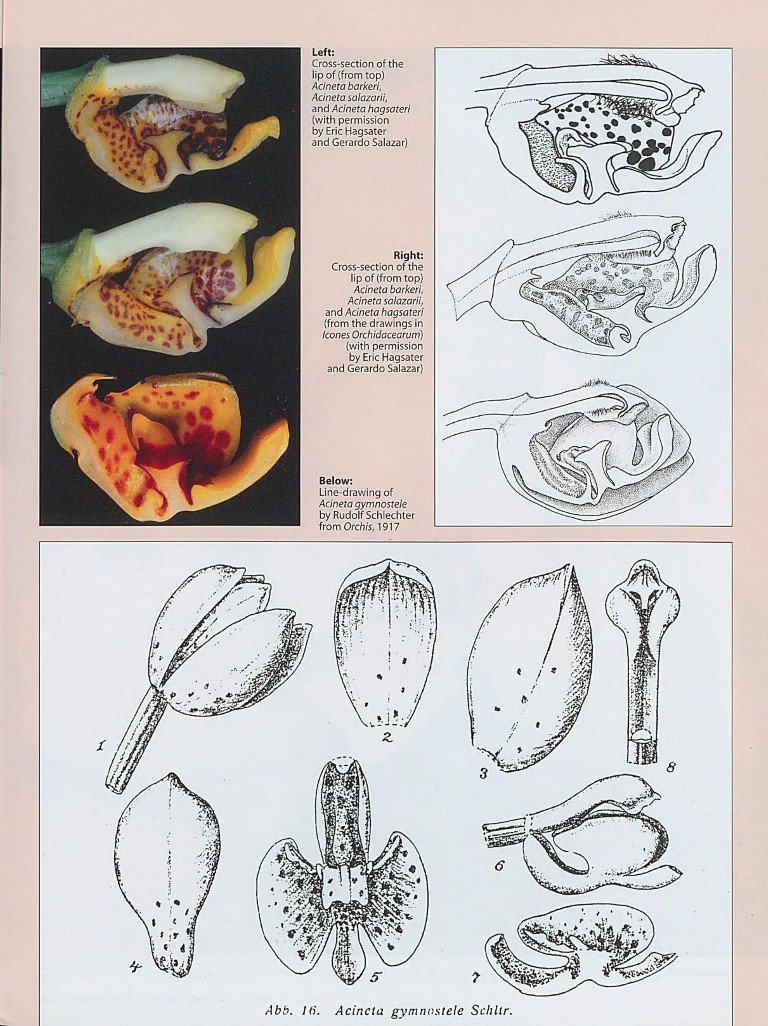
Twenty more books were added to the botanical print collection this month and most are about orchids: 19 volumes of the Australian Orchid Review from 2012 to 2015. I picked sample images that demonstrated the publications’ photography and drawings. I’ll continue browsing more volumes in April! The very first volume on the list is the only one not from Internet Archive; it is a recently published book - Pollinator-Friendly Parks - that I am using as a reference as I reduce the ‘turf’ in my yard. It is available free from the Xerces Society.

The whole list of 2,592 botanical eBooks can be accessed here. The list for the March 2023 books with links to the volumes and sample images is at the bottom of this post.

Click on any sample images in the mosaic below to get an enlarged version. Enjoy the March 2023 eBotanical Prints!
Pollinator-Friendly Parks * Frischie, Stephanie; Code, Aimee; Shepherd, Matt; Black, Scott; Hoyle, Sarah; Selvaggio, Sharon; Laws, Angela; Dunham, Rachel; Vaughan, Mace * sample image * 2021

Australian Orchid Review 2015 (February - March) * Orchid Society of New South Wales * sample image * 2015

Australian Orchid Review 2015 (April - May) * Orchid Society of New South Wales * sample image * 2015

Australian Orchid Review 2015 (June - July) * Orchid Society of New South Wales * sample image * 2015

Australian Orchid Review 2015 (August - September) * Orchid Society of New South Wales * sample image * 2015

Australian Orchid Review 2015 (October - November) * Orchid Society of New South Wales * sample image * 2015

Australian Orchid Review 2015 - 2016 (December - January) * Orchid Society of New South Wales * sample image * 2016

Australian Orchid Review 2014 (April - May) * Orchid Society of New South Wales * sample image * 2014

Australian Orchid Review 2014 (June - July) * Orchid Society of New South Wales * sample image * 2014

Australian Orchid Review 2014 (August - September) * Orchid Society of New South Wales * sample image * 2014

Australian Orchid Review 2014 (October - November) * Orchid Society of New South Wales * sample image * 2014

Australian Orchid Review 2014 - 2015 (December - January) * Orchid Society of New South Wales * sample image * 2015

Australian Orchid Review 2013 (February - March) * Orchid Society of New South Wales * sample image * 2013

Australian Orchid Review 2013 (April - May) * Orchid Society of New South Wales * sample image * 2013

Australian Orchid Review 2013 (June - July) * Orchid Society of New South Wales * sample image * 2013

Australian Orchid Review 2013 (August - September) * Orchid Society of New South Wales * sample image * 2013

Australian Orchid Review 2013 (October - November) * Orchid Society of New South Wales * sample image * 2013

Australian Orchid Review 2013 - 2014 (December - January) * Orchid Society of New South Wales * sample image * 2014

Australian Orchid Review 2012 (February - March) * Orchid Society of New South Wales * sample image * 2012

Australian Orchid Review 2012 (April - May) * Orchid Society of New South Wales * sample image * 2012

Gleanings of the Week Ending April 1, 2023

The items below were ‘the cream’ of the articles and websites I found this past week. Click on the light green text to look at the article.

Climate change threatens spring wildflowers by speeding up the time when trees leaf out above them – Evidently the trees and wildflowers in eastern North America are the ones getting the most out of sync.

The mystery of Alice in Wonderland syndrome (AIWS) – AIWS (or Todd’s syndrome) affects the way people perceive the world around them and can distort the way they experience their own bodies and the space it occupies. There are 40 types of visual distortions that characteristic of the syndrome. It was formally described as a distinct syndrome in 1955. Up to 30% of adolescents reported mild or transient experiences. Cough medicines and illicit hallucinogenic substances are also known to trigger it.  Sometimes medical conditions like strokes or brain tumors can cause the syndrome as can infections.

Chinook salmon fishing season canceled off coasts of Oregon, California – Dwindling numbers of Chinook salmon in the states’ largest rivers following years of drought.

In Florida, an invasive snail is helping save an endangered bird – We heard about this during a birding trip to central Florida pre-pandemic. It probably is one of the few examples when an invasive species has produced a positive outcome.

Garbage to Guts: The Slow-Churn of Plastic Waste – Lots of microplastics in the world…and they are in our food chain. Ongoing exposure decreases beneficial gut bacteria and increases pathogenic species. A lot more research needs to be done since, right now, we don’t know very much about impacts of microplastics – not just to the overall environment but to our own bodies.

 With Heat from Heat Pumps, US Energy Requirements Could Plummet By 60% - Thinking about heat….and the ‘rejected energy’ (mostly heat) in our current energy consumption. The idea is to use heat pumps to dramatically reduce ‘rejected energy’ in future energy consumption.

Entire populations of Antarctic seabirds fail to breed due to extreme, climate-change-related snowstorms – Evidently the December 2021 - January 2022 breeding season for south polar skua, Antarctic petrel, and snow petrel was so disrupted that there were almost no young produced.

Why don’t humans have fur – Interesting…but we really don’t know. The genetic research associated with the question could have practical application for people that need to stimulate hair growth (like after chemotherapy or balding).

2021 Was A Very Good Year for Nesting Wading Birds In The Everglades – Hurray! Some good happening in the Everglades. There are so many stories about the impact of invasive species (like Burmese pythons) that this is welcome news.

Meet the sargassum belt, a 5,000-mile-long snake of seaweed circling Florida - In the open sea, sargassum can soak up carbon dioxide and serve as a critical habitat for fish, crabs, shrimp, turtles, and birds…all positive. But when sargassum gets close to shore it can smother coral reefs, alter the water’s pH…and then onshore it begins to rot within 24 hours releasing irritants like hydrogen sulfide which smells like rotten eggs or manure and can cause respiratory problems. And it often contains significant amounts of arsenic so not a great addition to a compost pile. The mass of sargassum has been increasing since 2011 --- probably in response to elevated nutrients (runoff from fertilizer, burning biomass, increasing wastewater from cities, etc.) we have released into the ocean. Sargassum has come ashore in Yucatan and Key West recently.