Gleanings of the Week Ending January 5, 2019

The items below were ‘the cream’ of the articles and websites I found this past week. Click on the light green text to look at the article.

Ambitious VR Experience Restores 7,000 Roman Buildings, Monuments to Their Former Glory | Smart News | Smithsonian – Is this the way we’ll experience buildings that are ‘lost’ in the future?

Most Top Burger Chains Flunk Fast Food Antibiotics Scorecard | NRDC – We don’t often go to burger chains any more. After this report – maybe the best choice would get chicken rather than beef.

Hundreds of Supplements Spiked with Pharmaceuticals | The Scientist Magazine® - Not good at all. The pharmaceuticals are undisclosed and some of the pharmaceuticals are those that have been withdrawn or were never approved. Advice: use single-ingredient supplements…and not buy supplements that are riding a fad.

7 surprising ways your body changes with age | Berkeley Wellness – I’ve noticed my feet are wider based on the way shoes fit. The others might be harder to see since they happen so slowly.

Twenty-Five Useful Thinking Tools | Scott H Young – Describing thinking tools my using professions where they appear to dominate. I hope that all the professions use multiple tools in their day to day work…even if there is one that is used most frequently.

Your guide to enjoying winter birds – It’s been so wet this year that we don’t have birds coming to our heated bird bath like we did last year. I put the bird feeder up a few days ago. Maybe we’ll start seeing more visitors.

Scientists Find Large Amounts of Methane Being Released from Icelandic Glacier - Yale E360 – A previous unknown source of methane…glaciers that are melting and happen to be covering active volcanoes and geothermal systems are probably all releasing methane. The gas is produced by microbial activity. This extra methane is not factored into current climate change models.

The Best of 2018 from the Prairie Ecologist (part 1) (part 2) – Lots of great prairie pictures.

New butterfly named for pioneering 17th-century entomologist Maria Sibylla Merian -- ScienceDaily – I enjoyed here books on Internet Archive in 2018 (find them here).

Why 536 was ‘the worst year to be alive’ – History backed up with ice core data.
Gleanings of the Week Ending December 29, 2018

The items below were ‘the cream’ of the articles and websites I found this past week. Click on the light green text to look at the article.

From High Above, A New Way of Seeing Our Urban Planet - Yale E360 – Cities – growing and growing. It is mind boggling that urban population has grown from 751 million in 1950 to 4,200 million today.

How changing labs revealed a chemical reaction key to cataract formation: Researchers studying eye lens find a new function for a protein previously thought to be inert -- ScienceDaily – Learning more about the chemistry behind cataract formation….not a treatment yet but better understanding can be the path toward slowing or more targeted treatment of cataracts.

Curious Kids: What are some of the challenges to Mars travel? – A series from The Conversation (in Australia) for children…but interesting to adults too. Kids ask the best questions!

A DOZEN WAYS FAMILIES CAN #OPTOUTSIDE EVERY DAY OF THE YEAR | Children & Nature Network – I’m on a role with the child focused gleanings right now…I would add to the list: find easy access natural spaces (near where you work or live) and visit them as often as possible.

VIDEO: We Hope Your Day Is As Great As This Snow-Loving Panda’s: NPR – Pandas are such a visual treat. This is Bei Bei at the Smithsonian’s National Zoo back in November.  My husband and I missed the snow (we were in New Mexico).

Top 25 Wild Bird Photographs of the Week: Owls – National Geographic Blog – 2018 was my first sighting of barn owls in the wild…awesome.

Ragweed Is on The Move – National Geographic Blog – Not such a big change in the south….in Kansas City the season is prolonged by 23 days. For those people allergic to ragweed…that is a miserable trend.

Some health related posts: Blood pressure: Early treatment advised by US guidelines has no survival benefits -- ScienceDaily and Your heart hates air pollution; portable filters could help -- ScienceDaily – At least the second one was actionable; I now have a portable filter in my bedroom and I think it is reducing my cat allergy – maybe more.

Aerial photos of U.S. national parks from space – I love national parks. Everyone I have been to has had something spectacular to offer. It’s sad that they are all mostly closed (if the bathrooms and visitor centers are not open….they are closed) for this week (partial government shutdown).

How do different light bulbs work? – in C&EN | Compound Interest – Light bulbs have changed a lot during my lifetime. Hopefully now we are on track to have bulbs that are closer to the natural sunlight spectrum so that the light does not cause eye or sleep problems.

YE thinking: Blog Evolution

2011 12 blog snap.jpg

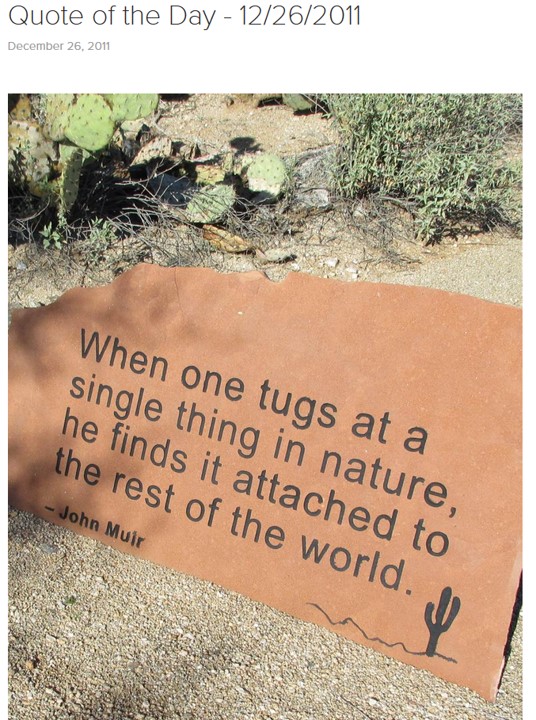
My first blog post was back in November 2011. I recently went back to look at some of the older posts and did the mental exercise of noting what has changed…what has stayed the same. Some of the early posts started out with quotes like this one from the day after Christmas 2011. There was more text than pictures in those early posts.

The 10 characteristics of a matriarch…and me…haven’t changed. I’m more settled in all of them now than I was 7 years ago:

  1. Past the drive to make a living. The prime drive to establish oneself in the world and make an acceptable home is probably from ages 22-55. It can vary but there comes a point in life where the focus on a career shifts to something else much more integrated with everything else life has to offer because the hard work has paid off and the prospect of doing something completely different can take precedence.

  2. Children are living independently. Until ones children are living independently, you are a mother rather than a matriarch!

  3. Healthy and full of energy. Matriarchs have retained their health through lifestyle choices and care for themselves. They often appear younger than they are because of their attitude toward life and their energy pursuing whatever interests them.

  4. Understands herself better than earlier in her life. The changes that occur as children become independent and the long term career ends (usually intentionally) forces a period of contemplation about what is truly important for the next phase of life. The answers don’t particularly surprise our matriarch…she views the time to think about it to be the tremendous luxury of the in-between days.

  5. Self-actualized decisions. As a teenager and adult, she may have followed the advice of her parents or mentors or managers. All that was good. Now she is much more in the mode of making her own decisions with inputs from others not being quite as important as they were earlier in her life.

  6. Post-menopausal (i.e. past child bearing). The joy of not having a monthly rhythm…feeling great all the time!

  7. Knows how to live within her means. Whatever her financial situation, she knows exactly how to make ends meet and sustain her home. After all – she plans to live to be 100.

  8. Assertive. She is nice about it, but she is savvy and does not let people take advantage of her unfairly.

  9. Lots of self-discipline. She gets up fairly early in the morning because she is enthusiastic about getting started on the activities of her day. Her rhythms of communication with the people she loves are consistent and thoughtful. The interests she develops are wide ranging and shared as she develops relationships with like-minded others.

  10. Married. She is known for her long duration relationships….most notably a spouse…although it could be friends as well. If she is widowed she does not live in the past but she may not feel it necessary to form a new relationship that cannot rise to the same level of shared history.

I would add at a couple more characteristic based on my last 7 years:

  1. Giving back. Matriarchs are always looking for ways they can be a positive influence in their community and the broader world through volunteering time (and/or money).

  2. For the long term. At some point, taking a more strategic view of the world becomes easier. That translates into living my life thoughtful of what will continue after I am gone. It is the way of savoring the present cognizant of the impact on the future of people and the world.

The weekly gleanings posts appeared almost from the beginning but my picks have shifted a bit toward more visual and science rather than technology.

20181031_003107764_iOS.jpg

I started a monthly doodle post in 2012 then there was a lull after mid-2013 until I took a Zentangle class in January 2015 and started the month Zentangle post. Behind the scenes prep for the post changed over time from taking photos to scanning then to digital tiles on the iPad using the Apple Pencil beginning last spring.

Coursera came along not that long at a good time for me and I enjoyed courses that I’d not been able to take back in my college days. My posts about them started in 2014 and continued for at least 3 years. Now I am more focused on conferences and travelling than online courses…although I might go back to them at some point.

Photography has become a bigger hobby to me over the past 7 years and the blog is a major outlet for my images. When I travel – it’s always with a camera readily accessible. And then I have the illustrations for what I want to write about and a reminder of experience too.

Travel has always been good fodder from blog posts:

  • 2011: road trip from Maryland to Arizona

  • 2012: road trip to Shenandoah National Park in April, Tennessee parks in June, state parks in southern New York in October, Dallas in December

  • 2013:  Arizona in March, South Carolina in April, Norfolk and Richmond in May, Arizona in June, Utah in October, Florida in November

  • 2014: Dallas in March, southern New York parks in May, Newport RI in late September, Chincoteague VA in November

  • 2015: Tucson AZ in January, North Carolina wildlife refuges in April, Dallas in July and again in September, Staunton River State Park (Virginia) for star party in October, Hawaii in December

  • 2016: Tucson AZ in January, eastern shore MD wildlife refuges in March, Dallas in April, Florida in September, Staunton River State Park (Virginia) for star party in October, Festival of the Cranes in NM

  • 2017: Cross country from Maryland to Arizona with a stop in Dallas for my daughter’s conference,  Dallas in March, Pittsburgh in March, Delmarva Birding in April,  Dallas in May, Road trip from Tucson to Pittsburgh in June, road trip from Nebraska for solar eclipse in August,  Staunton River State Park (Virginia) for star party in October, TX for Rio Grande Valley Birding Festival in November, Pittsburgh in December

  • 2018: Dallas in April, Dallas in June, State College in August, Festival of the Cranes in NM, Dallas in December

2018 11 IMG_7491.jpg

I’m sure the blog will continue to change – nothing stays the same and we shouldn’t want it to.  

3 Free eBooks – December 2018

I always am challenged to pick just three books from the eBooks I’ve found during the month. There is a lot of variety in my selections this month….from archeology to typewriter art to a story book. Enjoy!

Savill, Mervyn. Pre-Inca Art and Culture. London: Macgibbon & Kee. 1960. Available at Internet Archive here. There are many books that are from the Archaeology Survey of India that are now available on Internet Archive. This one is from 1960. Some of the art looks very exotic but these three busts of rulers look very human indeed.

23j 18 12.jpg

Riddell, Alan. Typewriter Art. London Magazine Editions. 1975. Available Internet Archive here. I can remember making banners on continuous feed printers in the 1970s! I don’t think I ever made anything as elaborate as this cityscape, but this book brought back the memory.

44g 18 12.jpg

Olfers, Sibylee von. The Story of the Root-Children. 1906. The English version was published by Floris Books, Edinburgh in 1990 and the 5th impression is available from Internet Archive here. The illustrations are interesting. Wikipedia has a short biography of the author. She was a German art teacher and nun that created her picture books for her younger sister in the early 1900s. I wish all of her books were available on Internet Archive…even if they were the German editions…since I am most interested in her illustrations.

Gleanings of the Week Ending December 22, 2018

The items below were ‘the cream’ of the articles and websites I found this past week. Click on the light green text to look at the article.

2018 National Geographic Photo Contest | National Geographic – Galleries of great photography.

Maps Give Detailed Look at Dramatic Land Use Change Over Two Decades - Yale E360 – Land use changes…widespread environmental degradation…between 1992 and 2015.

Himera: One of the greatest archaeological discoveries of recent decades emerges from oblivion - The Archaeology News Network – More than 12,000 almost untouched burials – many from a battle fought between Greeks and Carthaginians in 480 BC. The Greeks were victorious in the first battle but the second battle in 409 BC was won by the Carthaginians and they razed the city.

We broke down what climate change will do, region by region | Grist – No part of the US will be unscathed.

Top 25 Wild Bird Photographs of the Week: Herons, Egrets and Bitterns – National Geographic Blog – Enjoy some bird pictures. Herons and egrets are my favorites to photograph.

How tree rings tell time and climate history | NOAA Climate.gov – A nice summary of tree ring dating…and an example using Mesa Verde.

Amazing Sands from Around the World – Cool Green Science – I’ve seen the Olivine Sand and Black Sand beaches in Hawai’i (on a very windy day….posted about it here). I’d like to see the star sand in Japan.

Grand Canyon National Park Celebrates Centennial Year at Grand Canyon and Around Arizona – 2019 is a milestone anniversary for the park; lots of events to celebrate this national treasure.

Only 12 percent of American adults are metabolically healthy, study finds: Trends help sound alarm for efforts to lower associated risk of types 2 diabetes, heart disease and other complications -- ScienceDaily – Not a good statistic since the long term risks of diabetes, cardiovascular disease and other serious health issues are higher for those that are not metabolically healthy.

Rethinking Raw Milk, 1918 | The Scientist Magazine® - Alice Evans and the path toward avoiding milk borne diseases. Her work was published in 1918. Draft ordinances for states and localities to implement pasteurization requirements for milk to be consumed by humans were written in 1924. The first federal pasteurization law was passed in 1947…saving lives and millions of dollars in public health costs.

Gleanings of the Week Ending December 15, 2018

The items below were ‘the cream’ of the articles and websites I found this past week. Click on the light green text to look at the article.

Stunning Abstract Aerial Photos of Namibia's Desert Landscape – A part of the earth with almost no vegetation. There are parts of the US that would be just as stark.

Anopheles mosquitoes could spread Mayaro virus in US, other diverse regions -- ScienceDaily – Another mosquito born disease that may increase in North America as the climate warms. There are already mosquitoes capable of transmitting it here – Andopheles species.

Bad molars? The origins of wisdom teeth – I’ve always wondered why so many people must have their wisdom teeth out. All 4 of mine were pulled when I was 19 because they were impacted. It turns out that eating a crunch/chewy diet when we are young may help the jaw grow long enough to accommodate these late molars. Wish I would have known that; I might have fed my daughter a bit differently. Too late now.

Climate Smart Farming CSF Climate Change in Your County and Climate Smart Farming – Cornell Institute for Climate Smart Solutions – The first link is a county by county look at the history of temperature and precipitation in the Northeast. The second it about the research being done to help farmers plan for extreme weather events…that have become more common in recent years.

How tracking people moving together through time creates powerful data – A discussion of how cohort data is helping us understand health and disease. The example used in the article is the Framingham Heart Study.

Air Pollution from California Wildfires 60 Times Above Safe Limit - Yale E360 – Air quality is impacted by fires. In areas where the frequency of fires is increasing, fire may overtake all other kinds of air pollution for a time.

Can Tourism Save the Ocellated Turkey? – Cool Green Science – What an unusual looking bird! It’s a tropical turkey (Mexico, Belize and Guatemala) that behaves like the North American Wild Turkey.

Top 25 Wild Bird Photographs of the Week: November – National Geographic Blog – And more birds.

Forage Wild Nuts for Your Holiday Feast – Cool Green Science – Nuts native in our forests. Too bad the American Chestnuts are no longer plentiful…maybe some of the recent hybrids will survive to repopulate our forests.

BBC - Future - A 'samurai' swordsmith is designing a space probe – Creating corers to use for sampling an asteroid using metallurgy learned making samurai swords.

December on the Trolley Trail

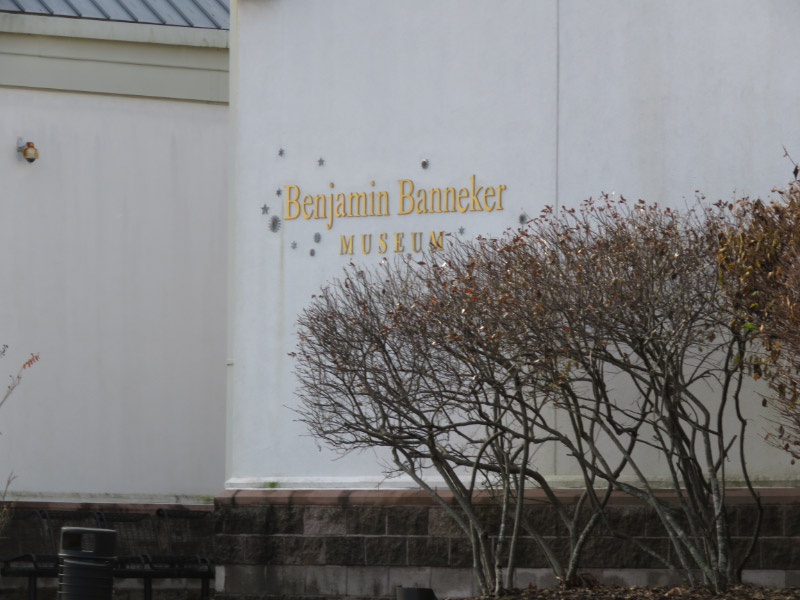
The Howard County Conservancy organized a winter hike for its volunteers last week on the Trolley Trail (Trolley Trail #9 near Ellicott City/Benjamin Banneker Historical Park and Museum). We were celebrating the end of another fall field trip season. About 40 people met in the Banneker parking lot and headed out.

2018 12 IMG_0046.jpg

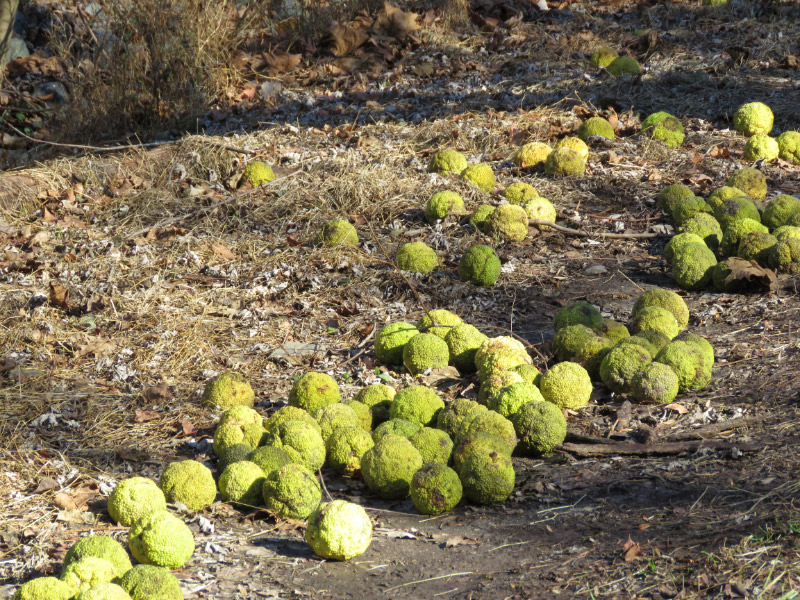
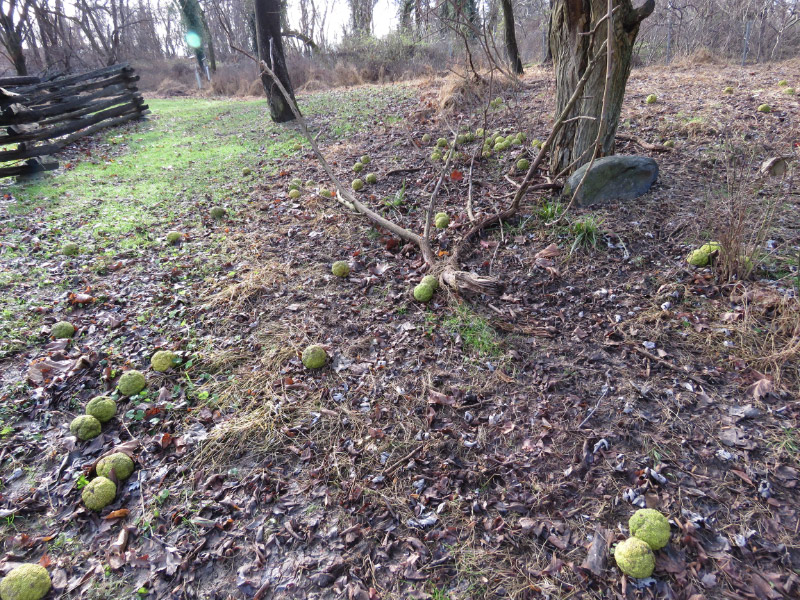
The connecting trail from Banneker to the Trolley Trail was through the forest and very muddy. There was an Osage orange tree that had dropped its fruit recently. Most of the fruit look pristine. When I got home, I did some research and discovered that the fruit is not eaten except sometimes by squirrels. One theory is that the fruit was eaten by large mammals that are now extinct (ground sloth, mammoth, mastodon) and that these animals would have spread the seed. Now the tree is propagated by people for its wood and as windbreaks.

We headed north on the Trolley Trail first. I didn’t take many pictures because I was so busy trying to keep up with the group. It was the same the last time I was on the Trolley Trail in 2015 with my Master Naturalist class (posted about it here).

There was some stream restoration (and maybe something else since there is infrastructure like sewer lines in the streambed) that was active next to the trail.  The stream did look more scoured than the last time we were in the area.

2018 12 IMG_0064.jpg

We reached the end of the trail at the north and retraced our steps…passing the trails to Banneker to continue south on the Trolley Trail.

We got to the part of the trail that was damaged in the last flood. Repair work was not complete, so we stopped before getting down to Ellicott City; I turned around and took a picture back along the trail. The asphalt of the trail was damaged by the flood; the asphalt edges were uneven, and pieces were missing.

2018 12 IMG_0071.jpg

There were bright green Christmas fens on the cliff to the right

2018 12 IMG_0074.jpg

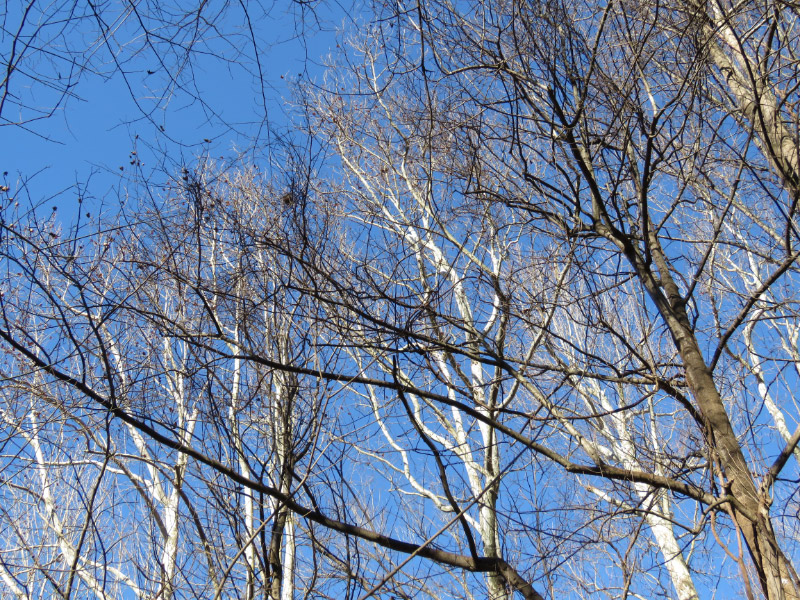
A little further back up the hill, winter trees looked good against the sky. It’s easy to pick out the sycamores this time of year.

2018 12 IMG_0081.jpg

A waterfall was scenic rather than roaring. I thought more about what it must have been like during the flood to sweep away asphalt a little further down.

2018 12 IMG_0085.jpg

We’ve gotten so much rain this fall/early winter that the moss is thick and bright green – like a carpet.

We made the muddy trek back up to Banneker to retrieve our cars…and head for lunch with healthy appetites.

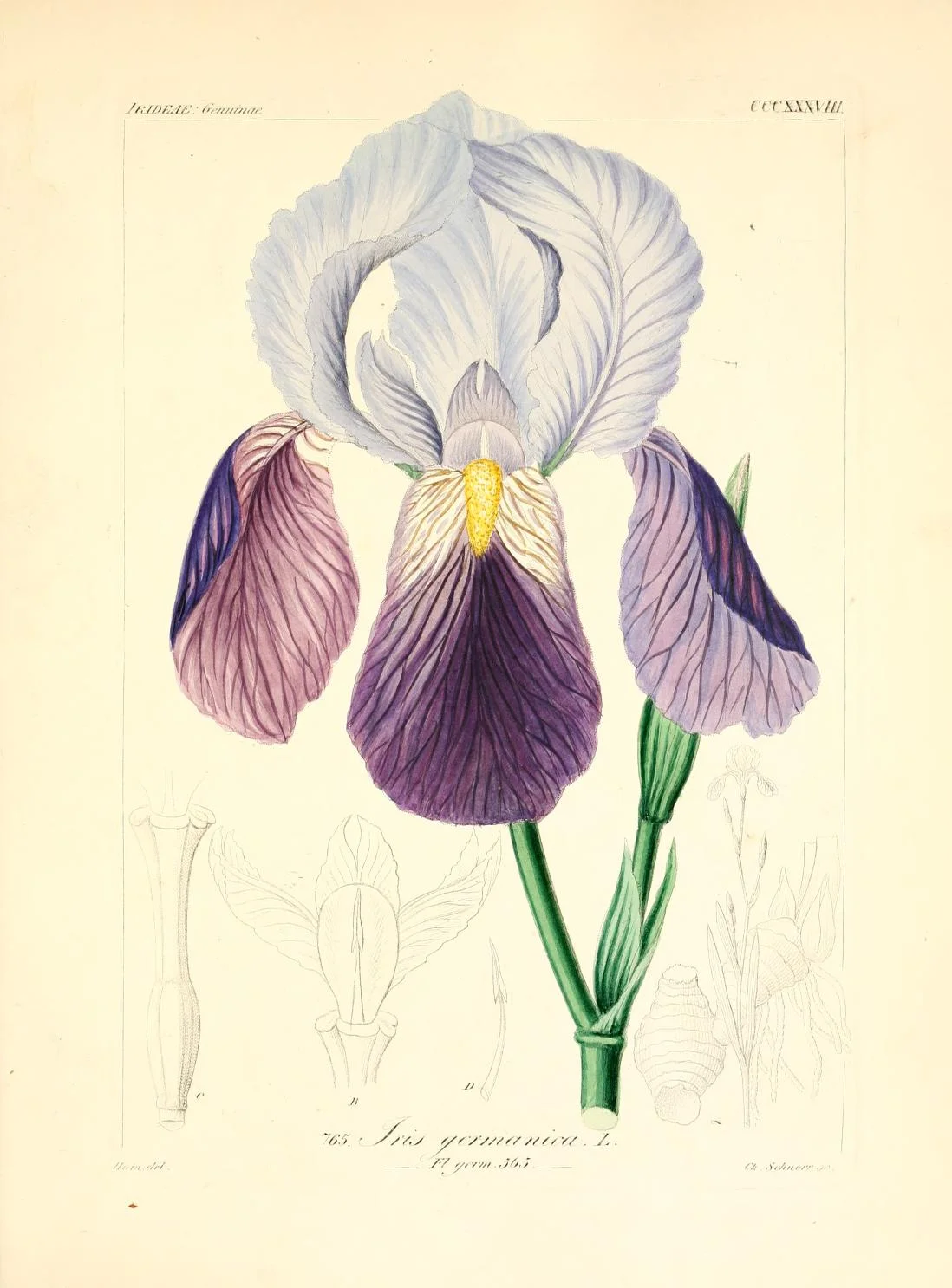
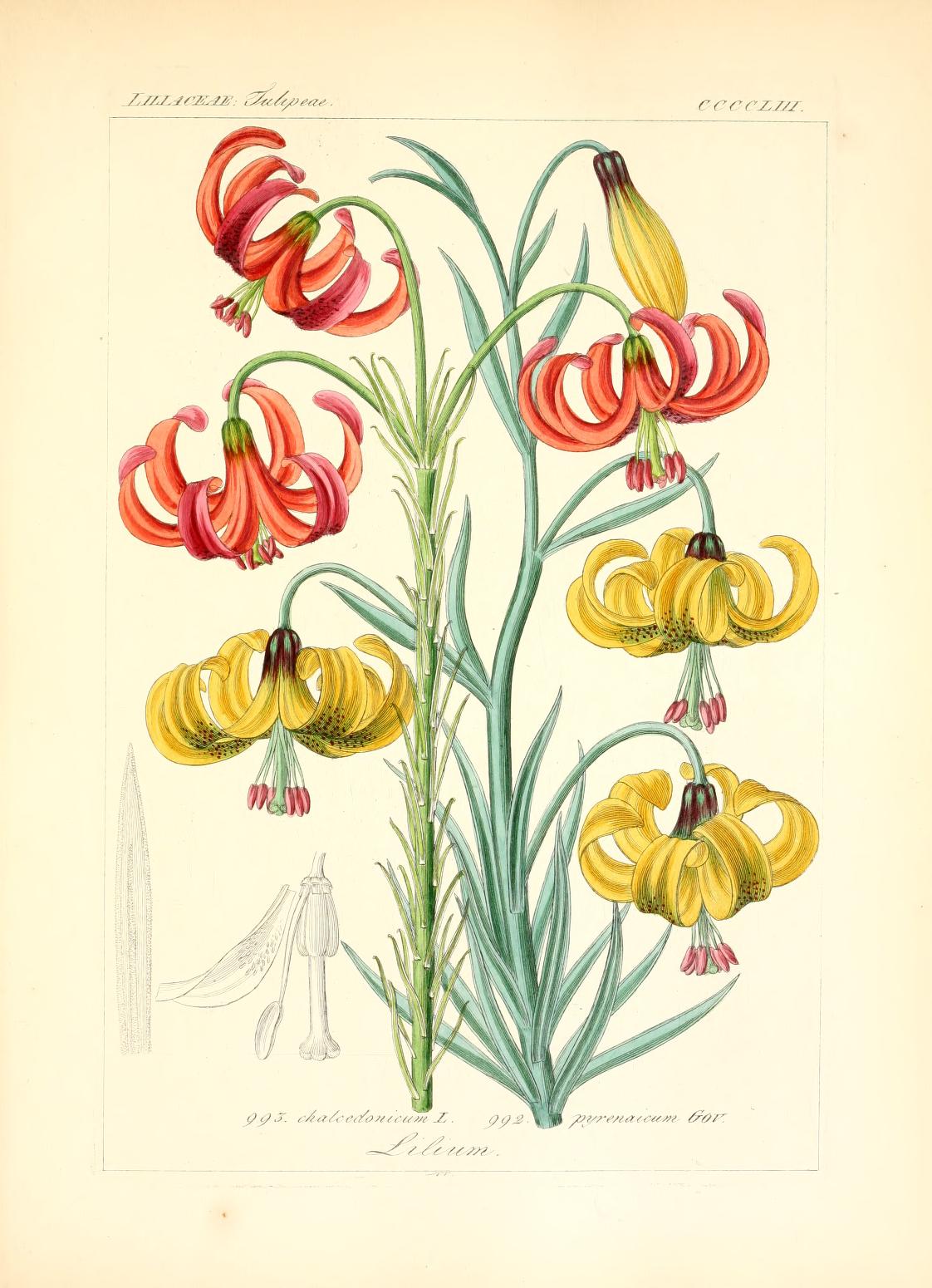
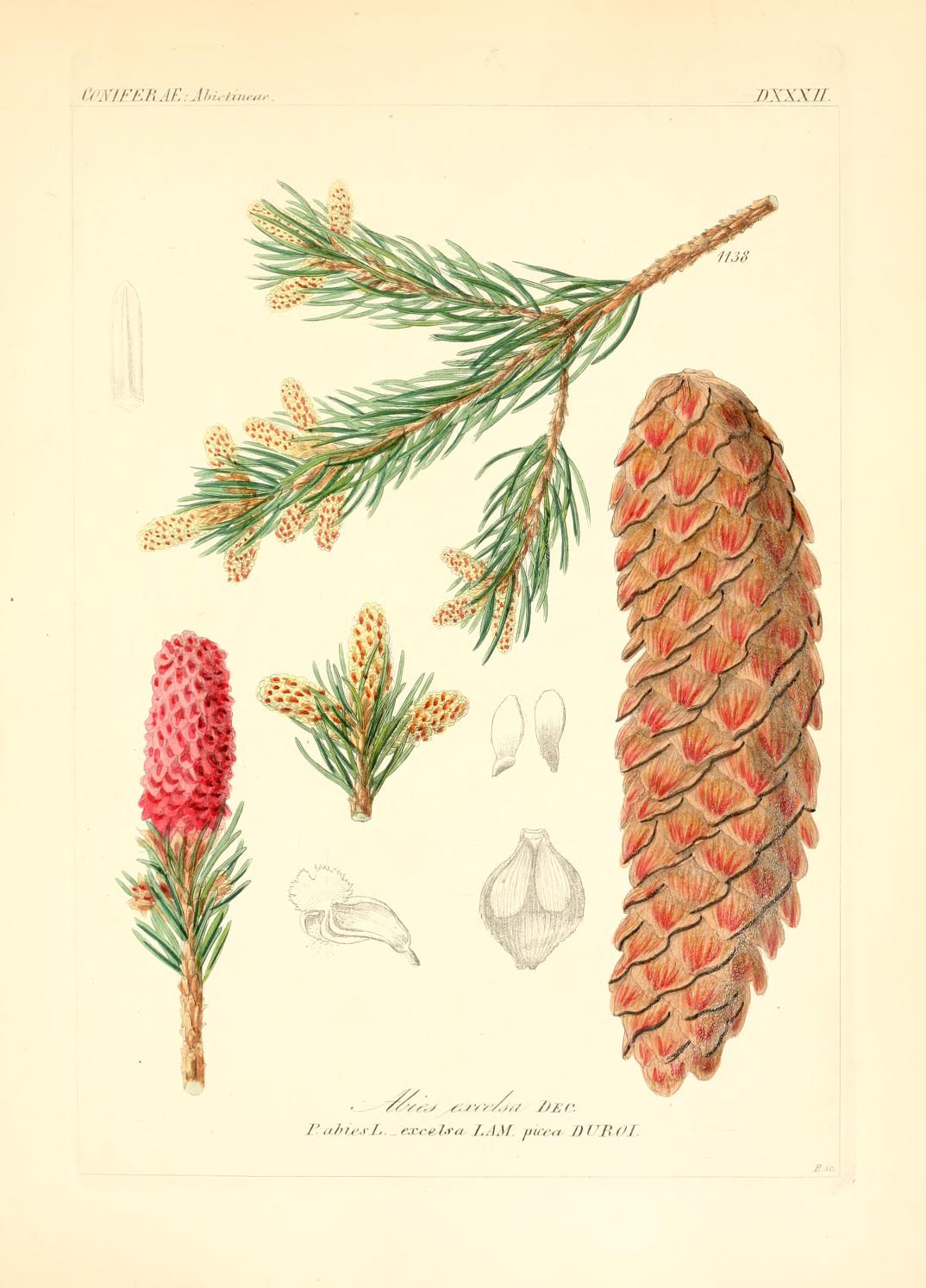
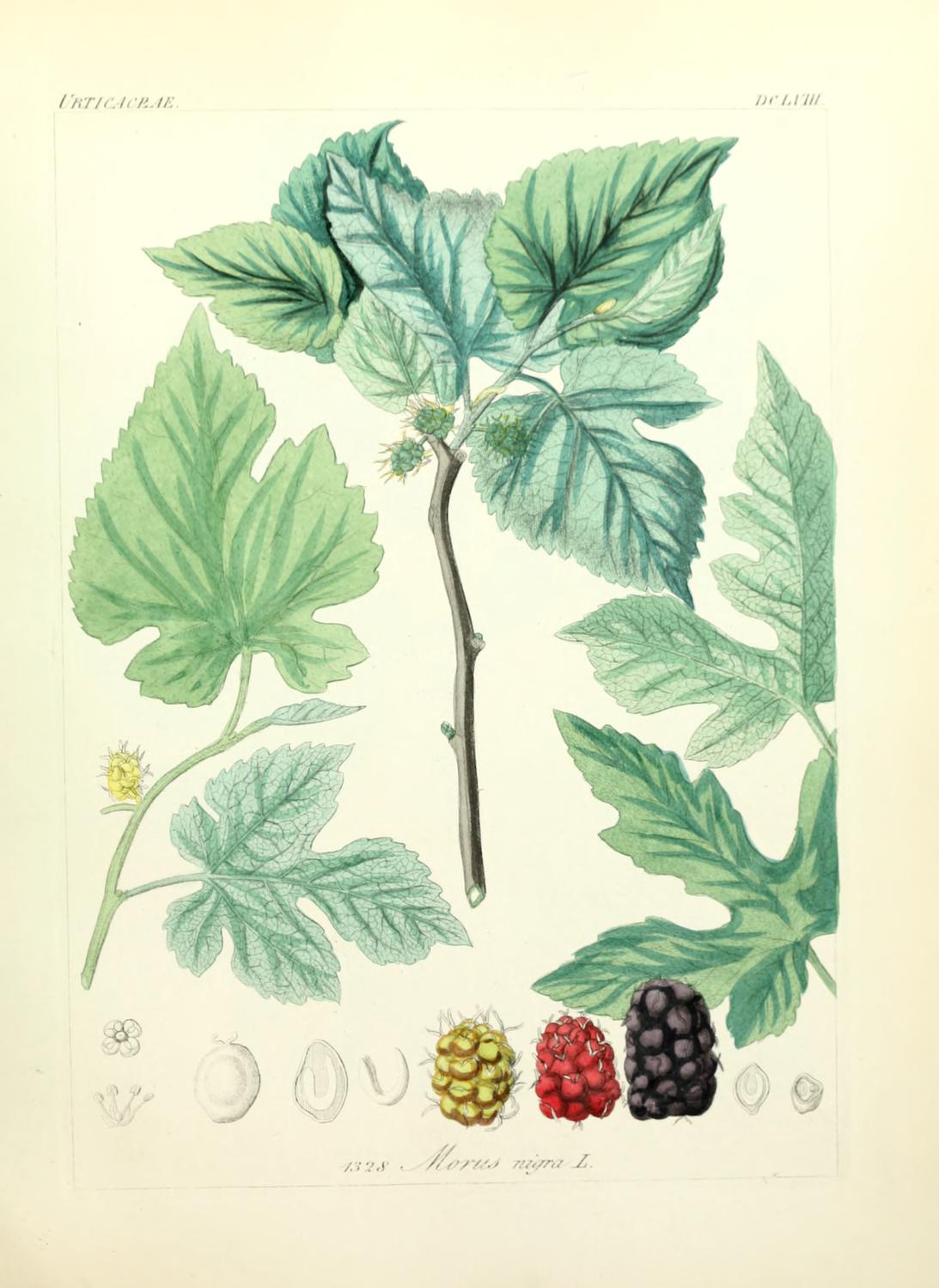
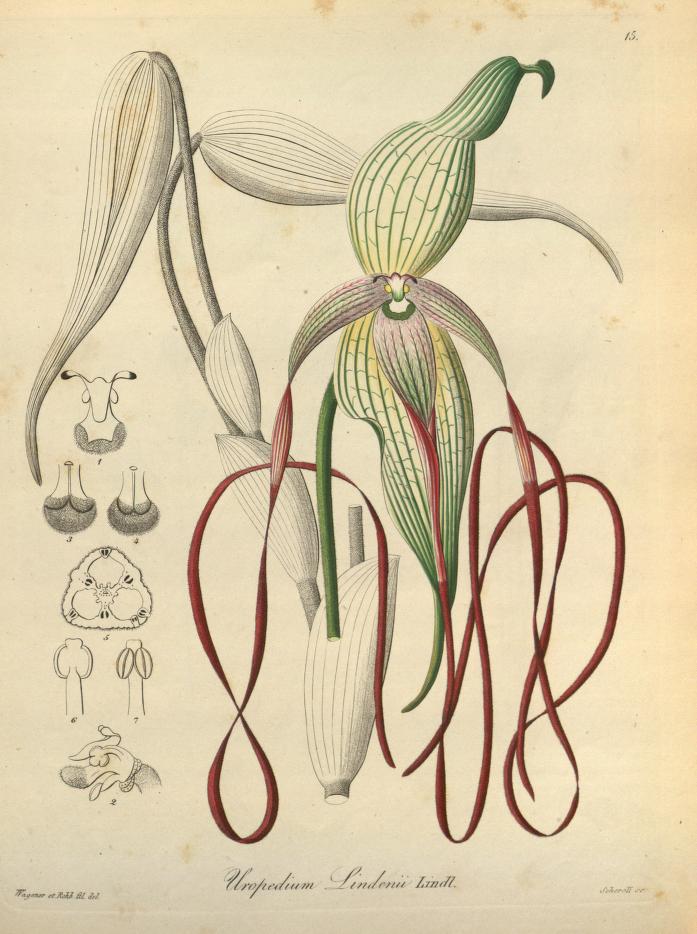
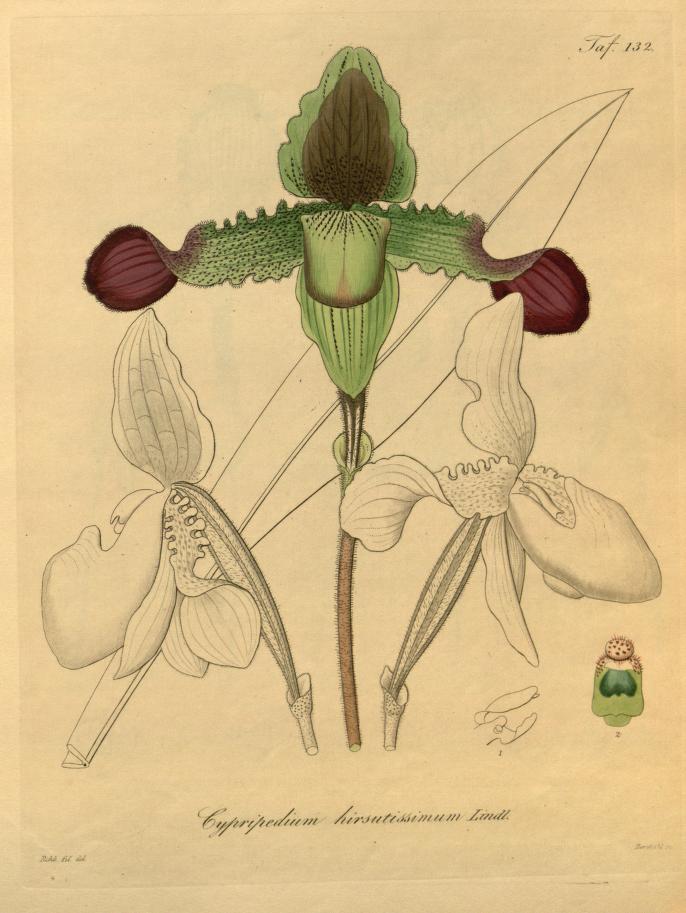
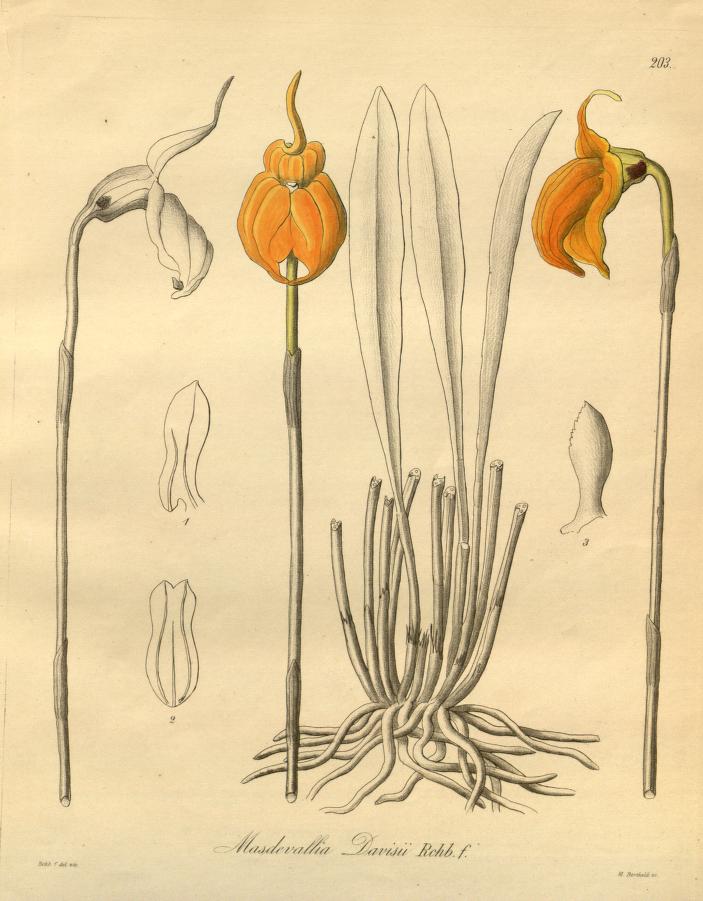
Reichenbachs’ Icones florae Germanicae et Helveticae

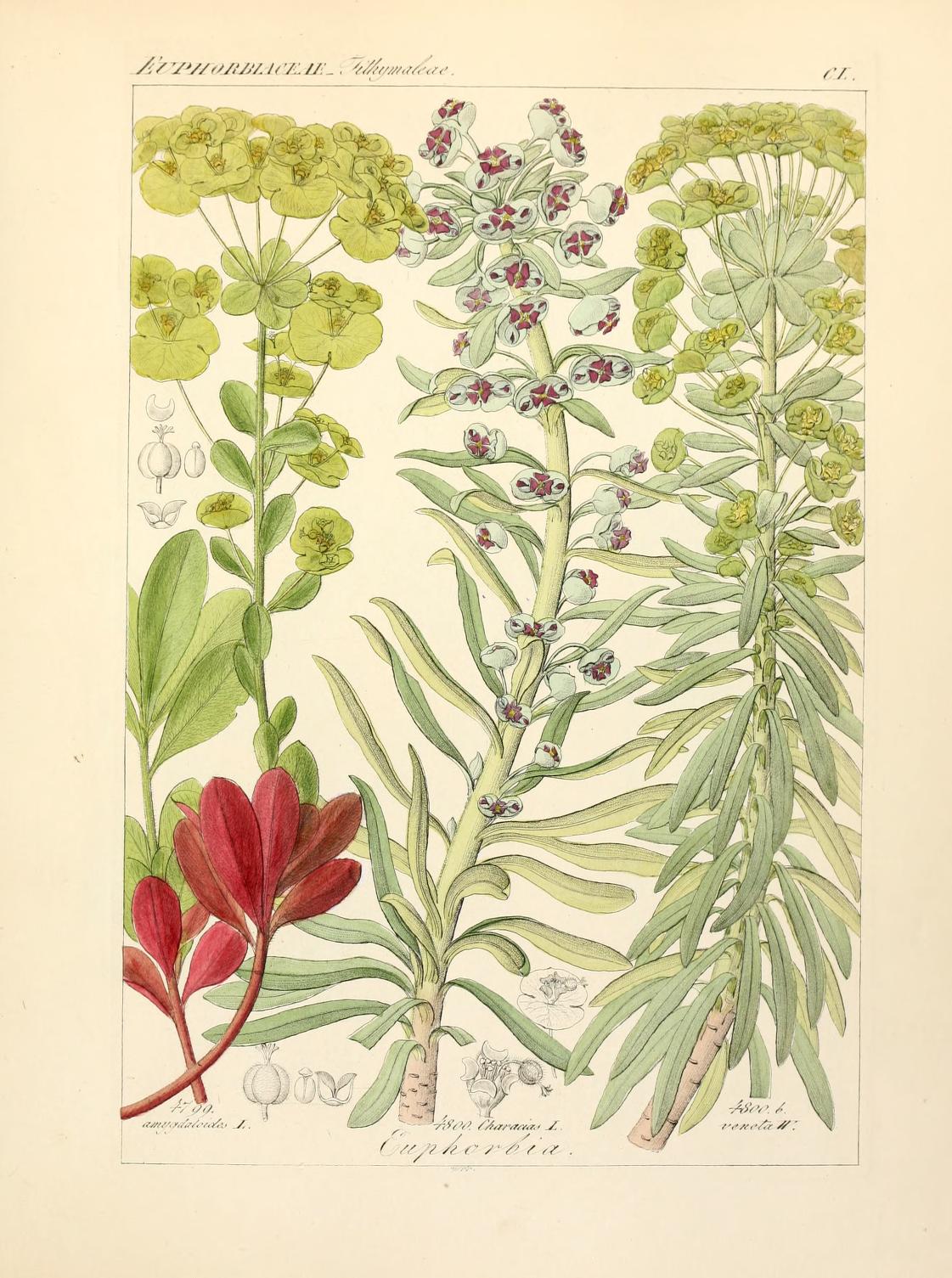
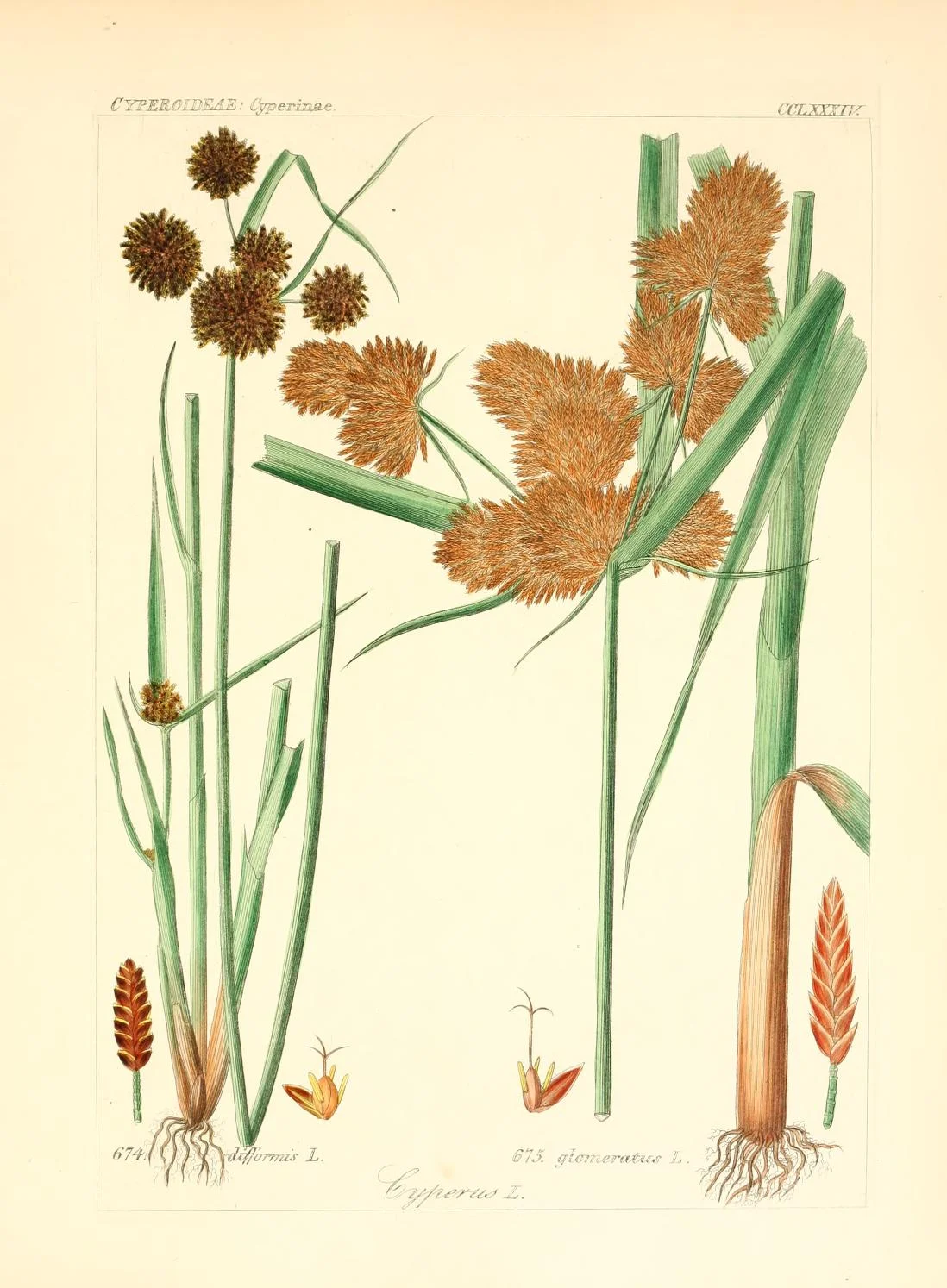
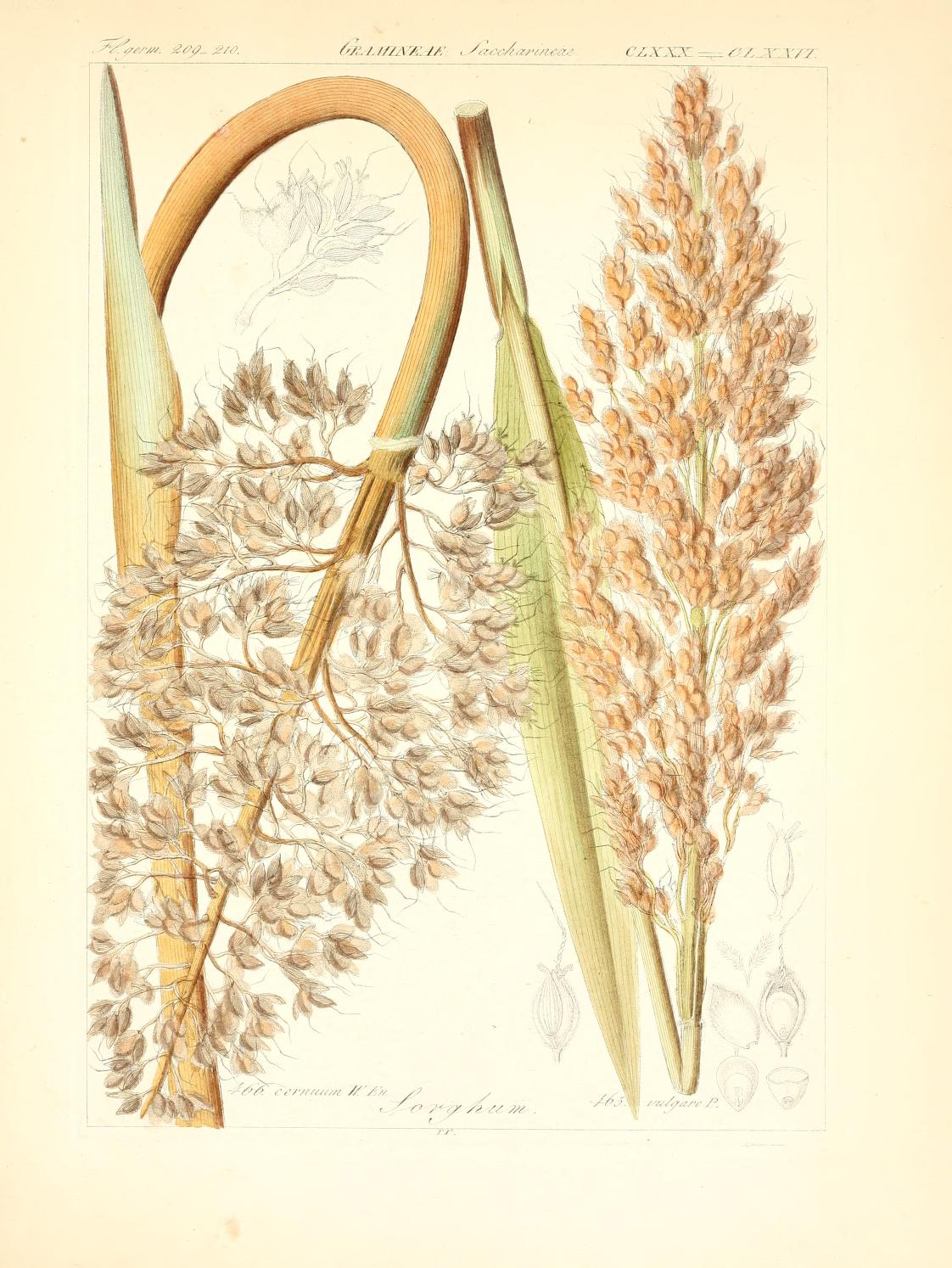
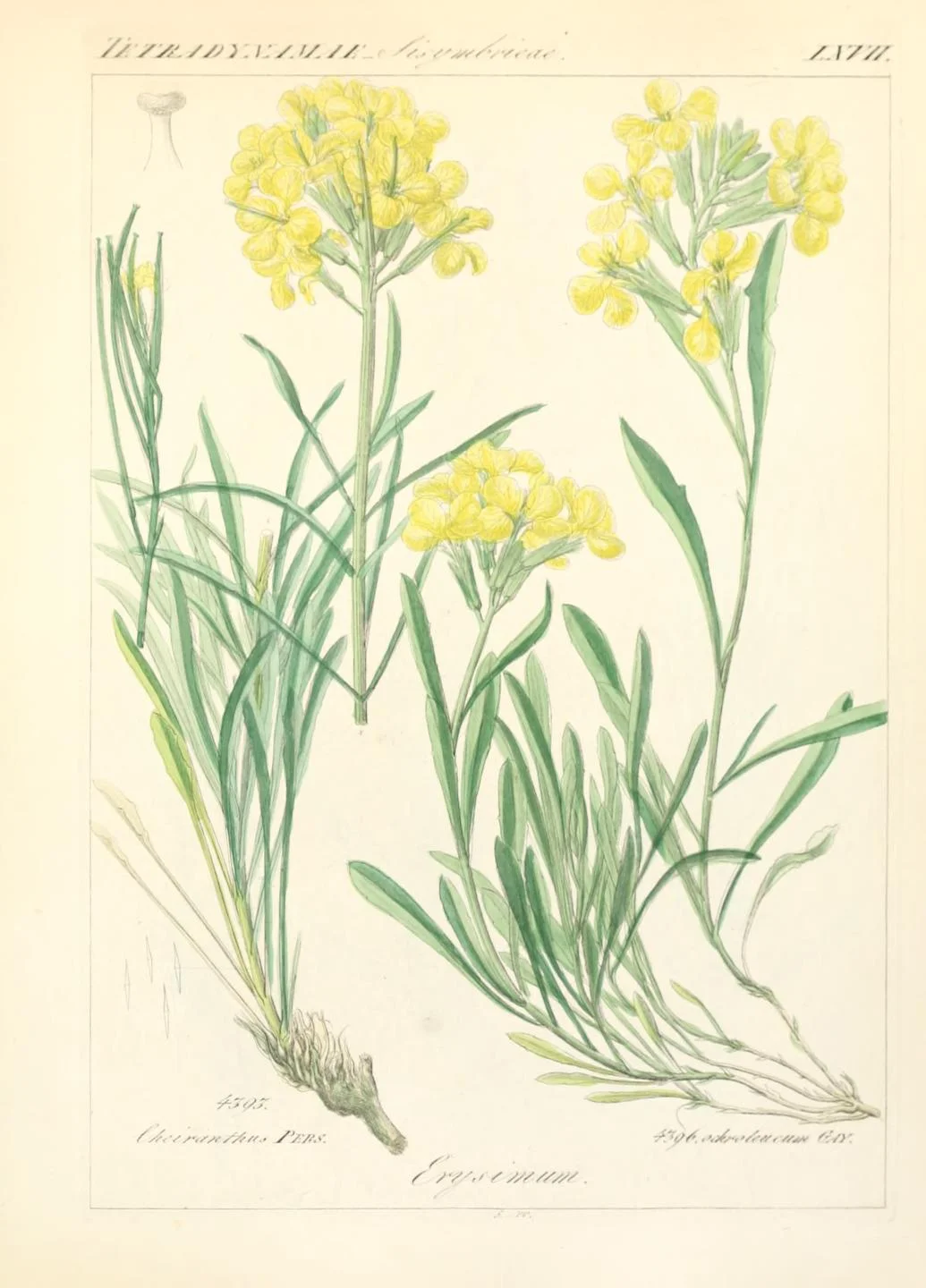
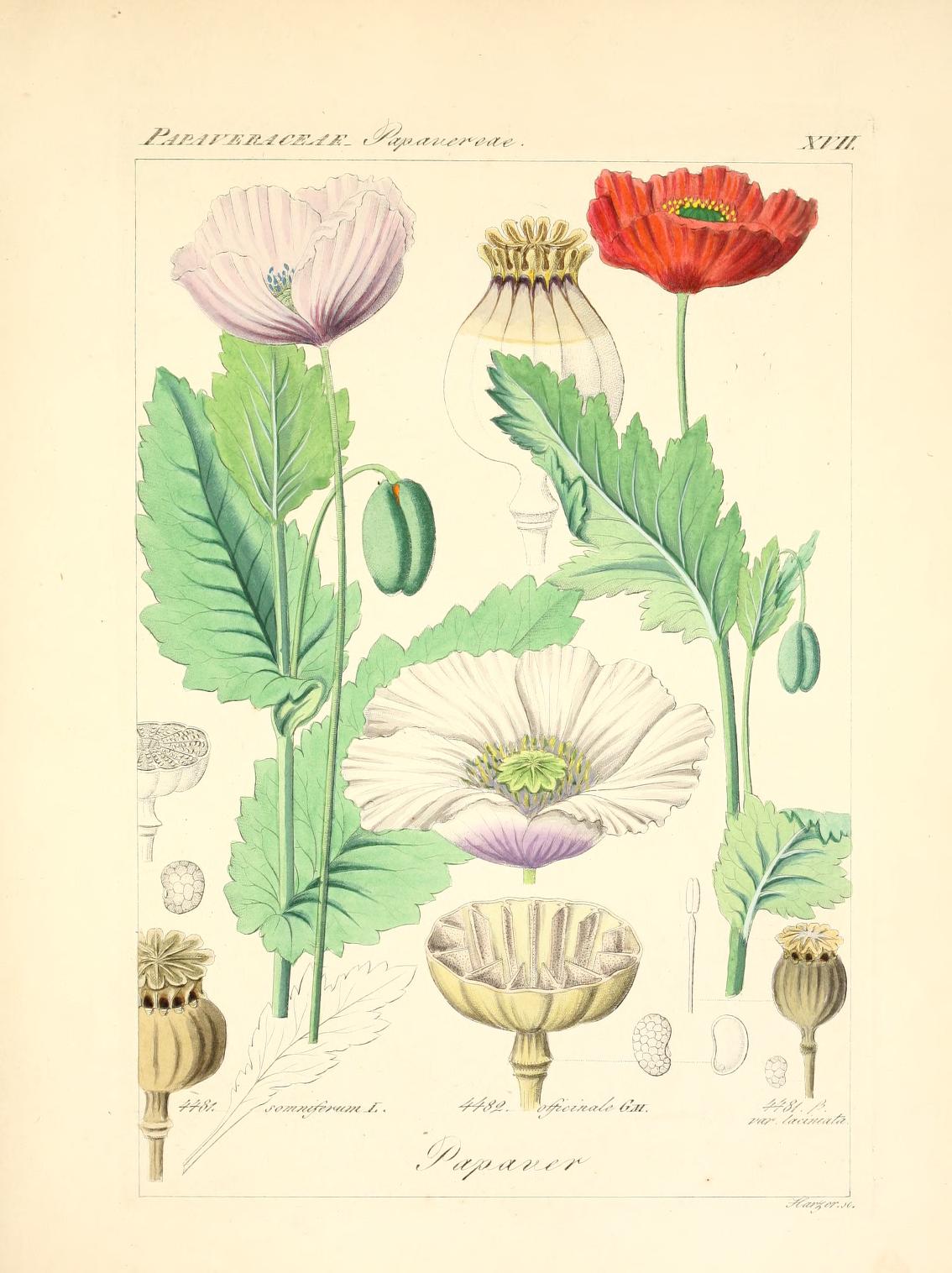
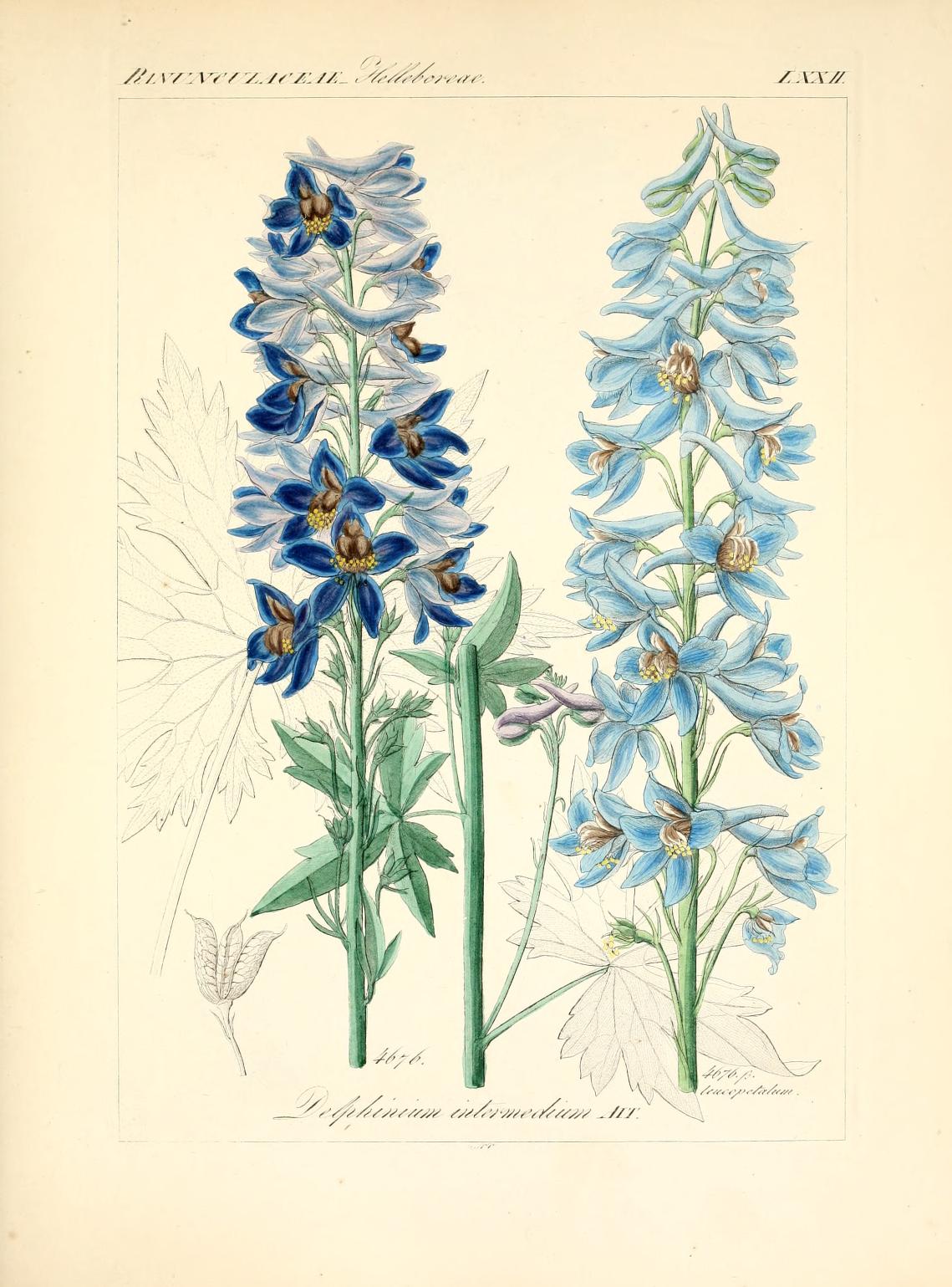
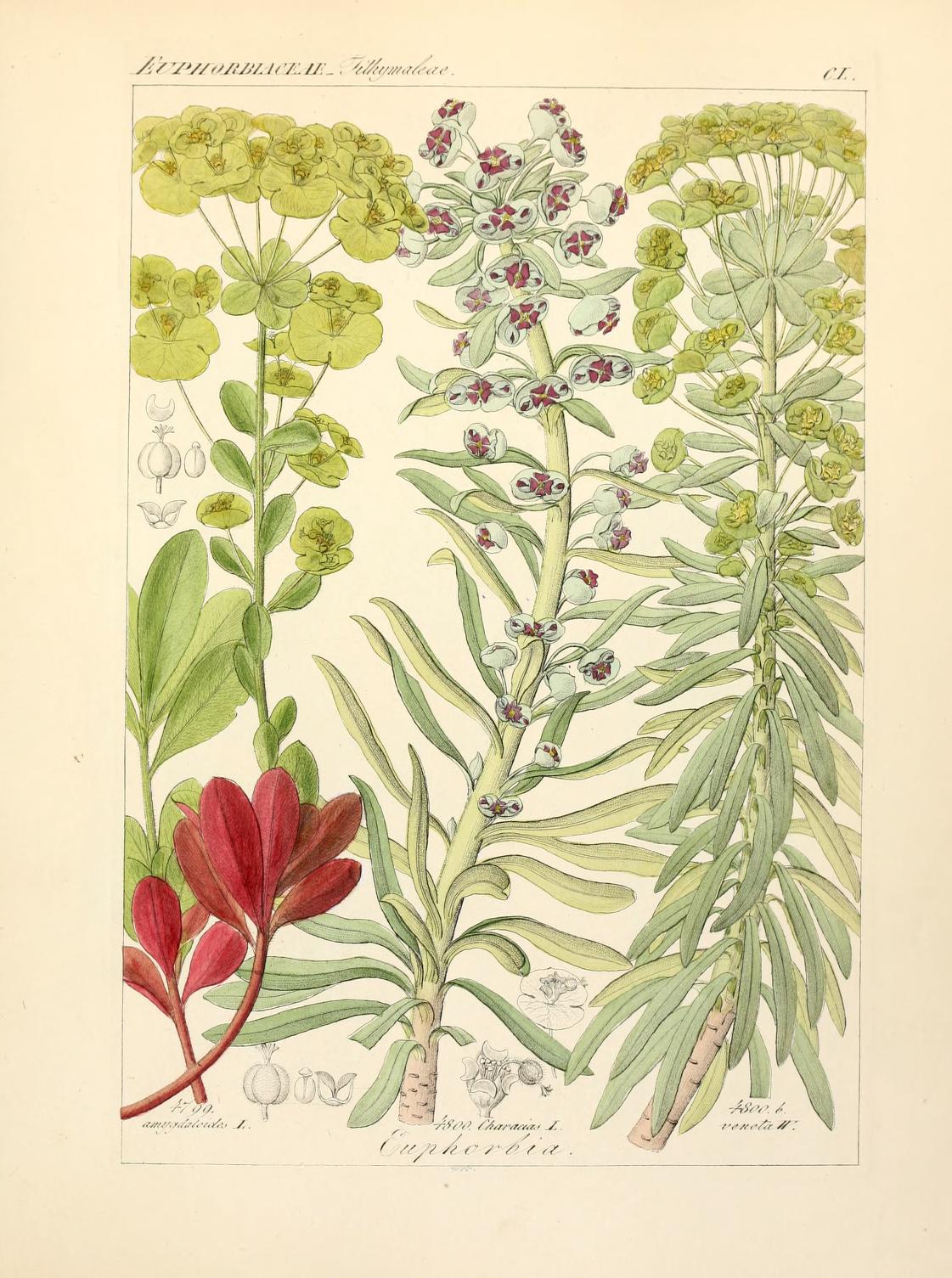
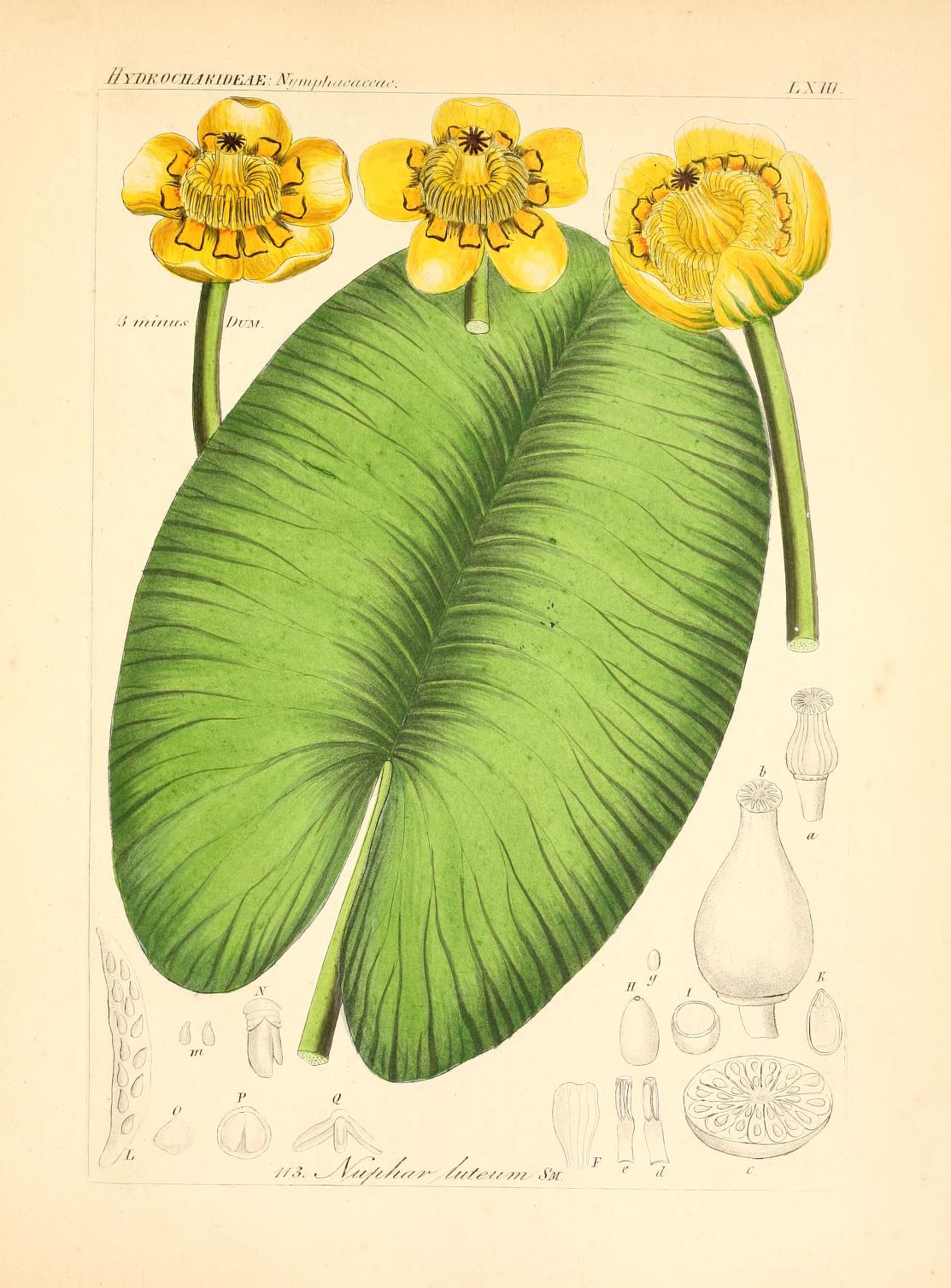
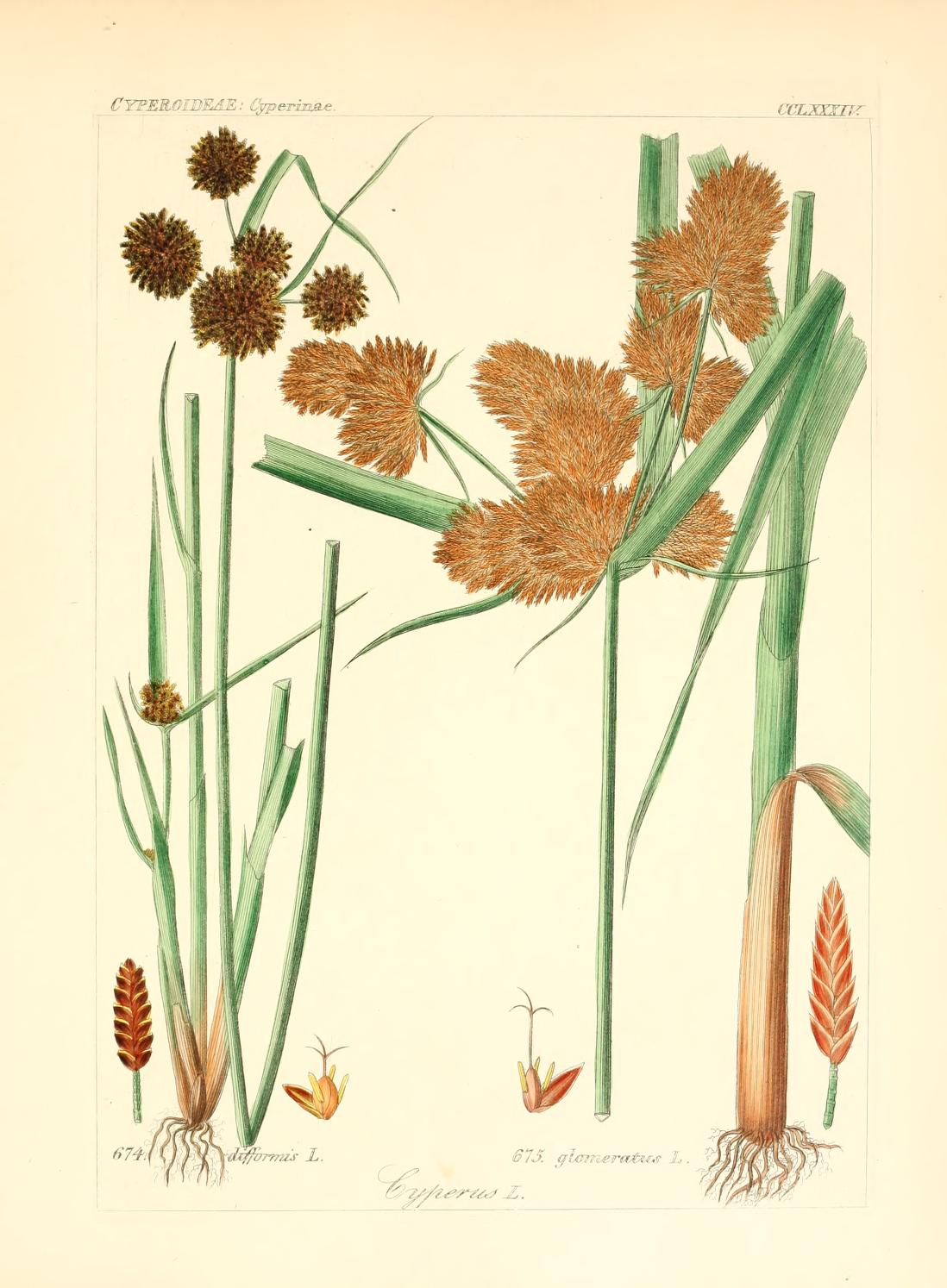
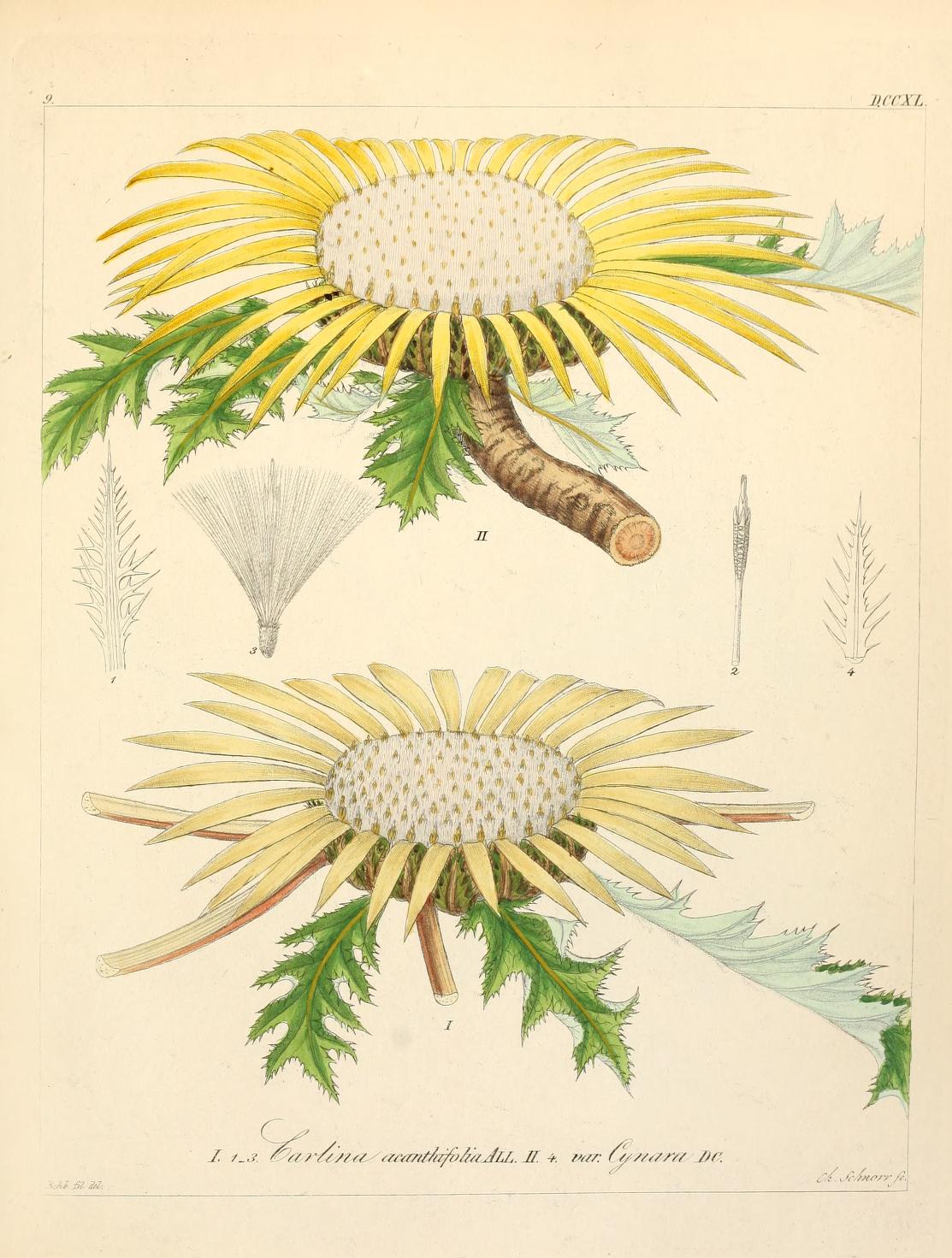
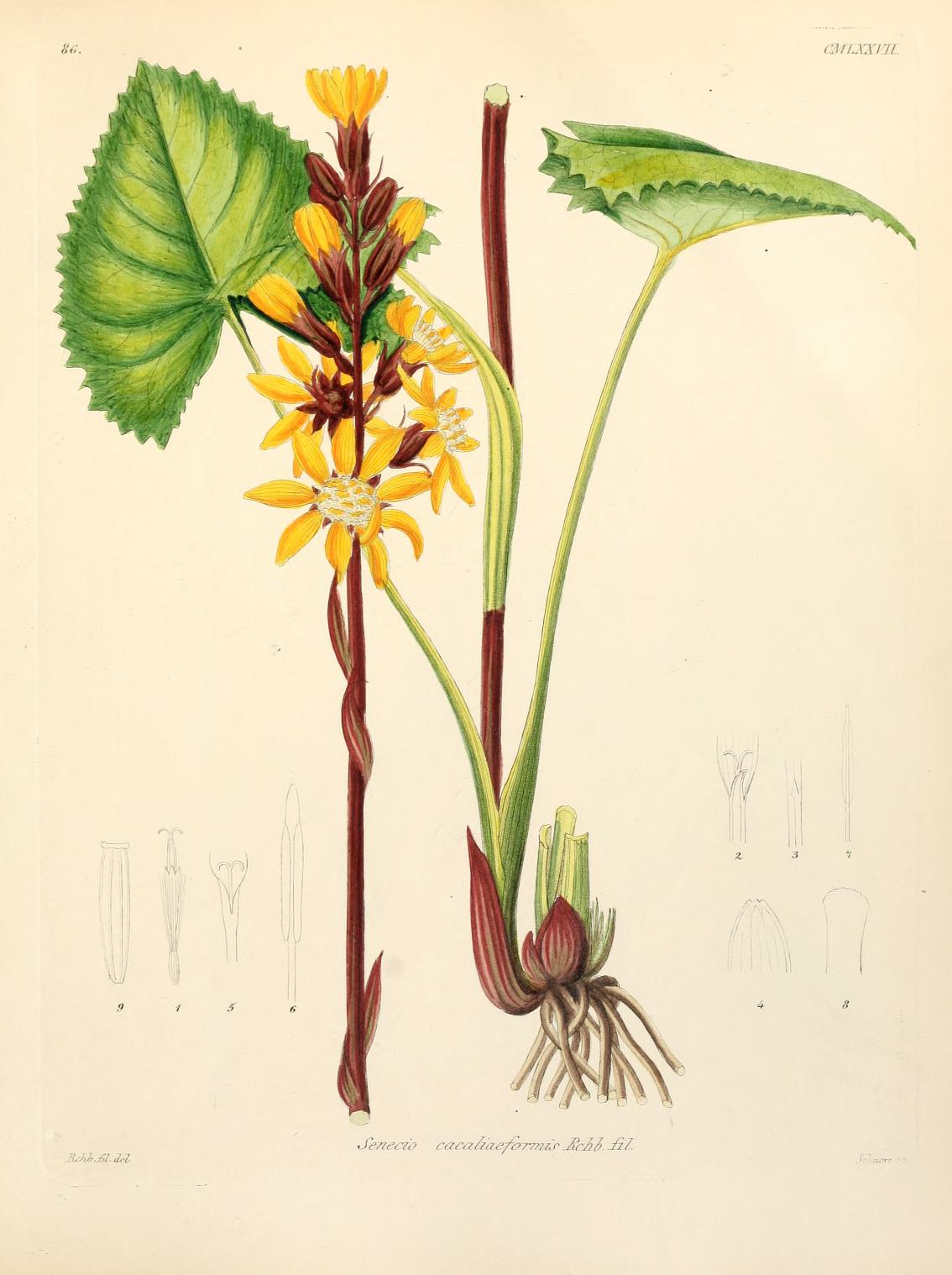
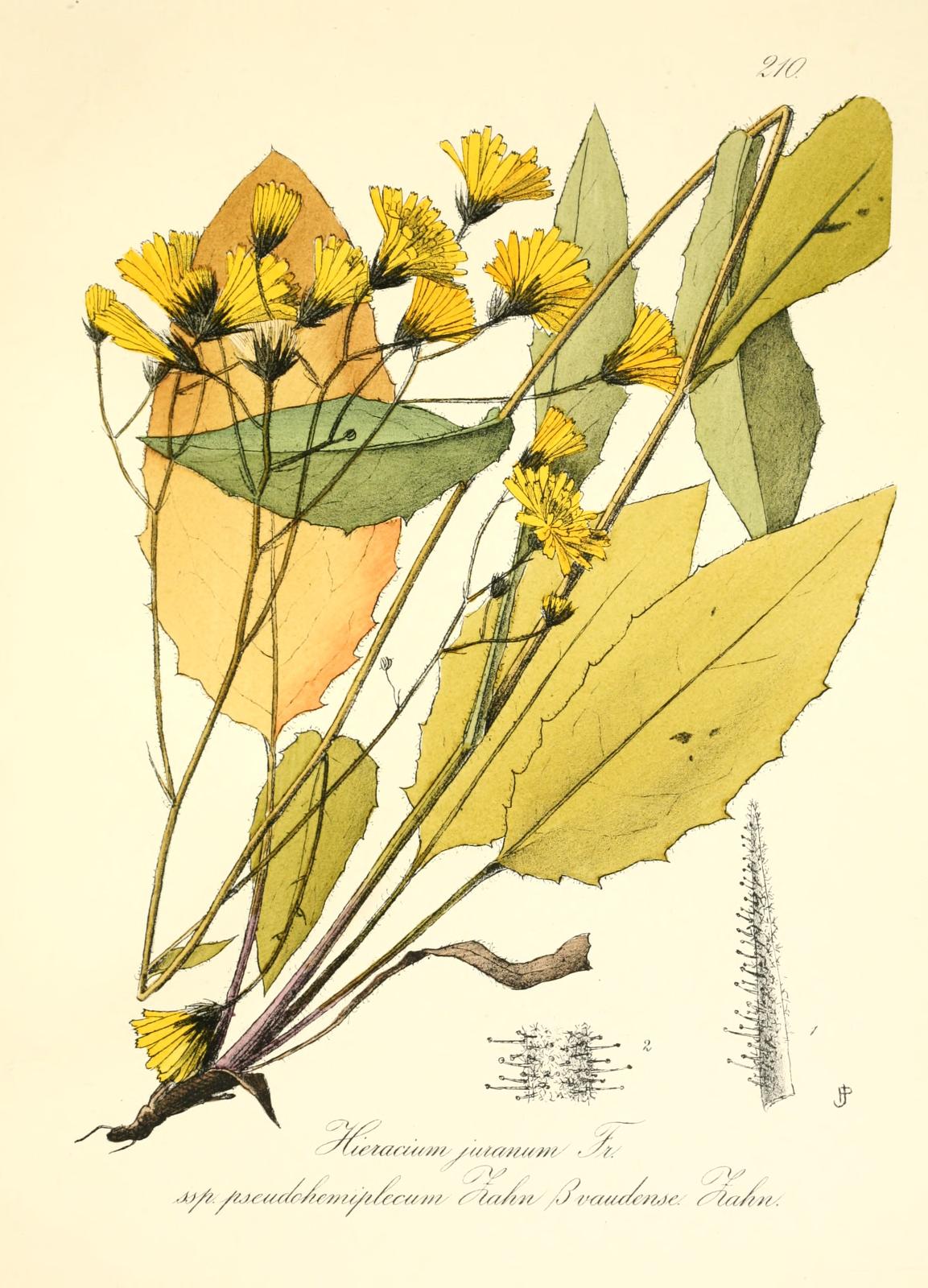
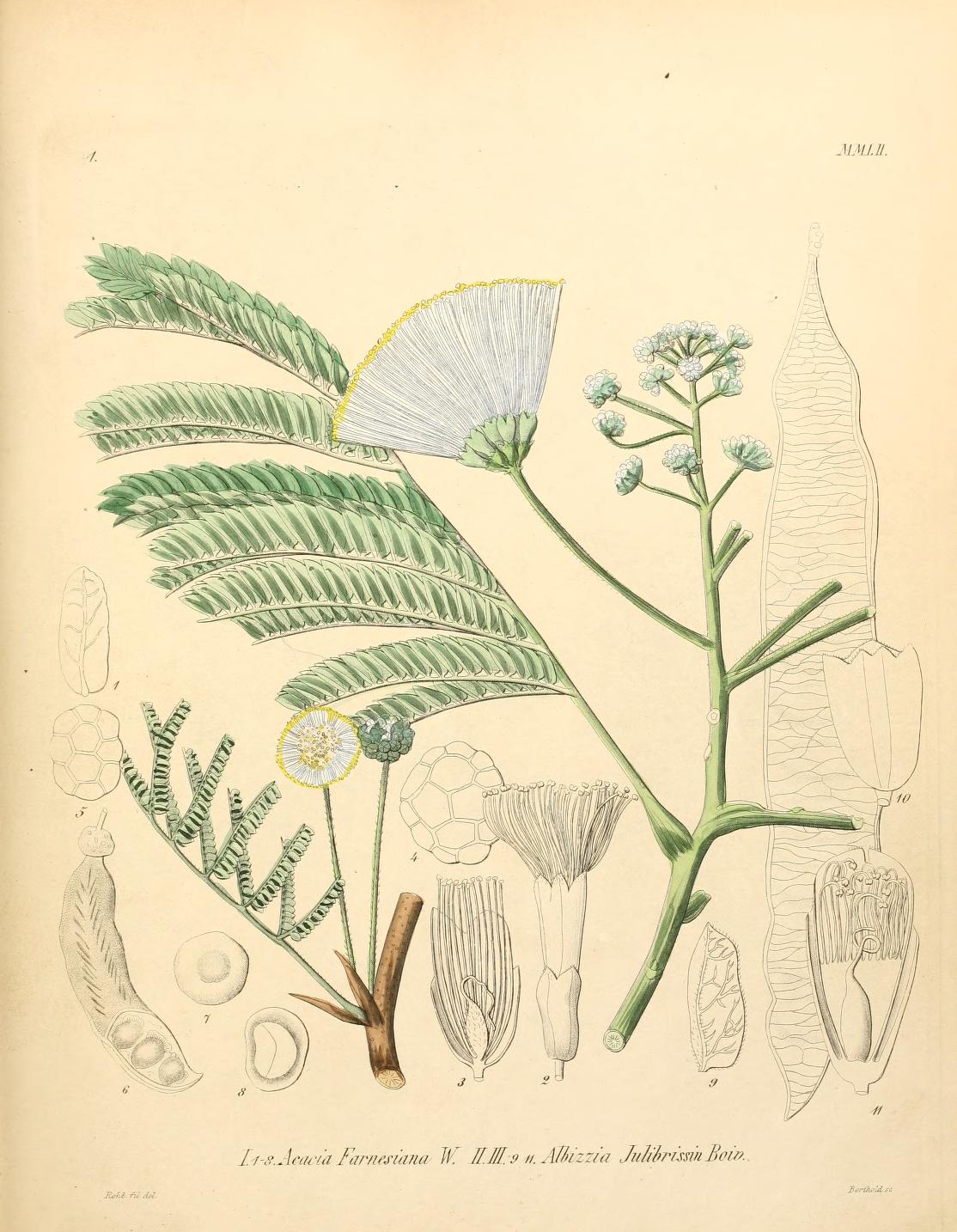
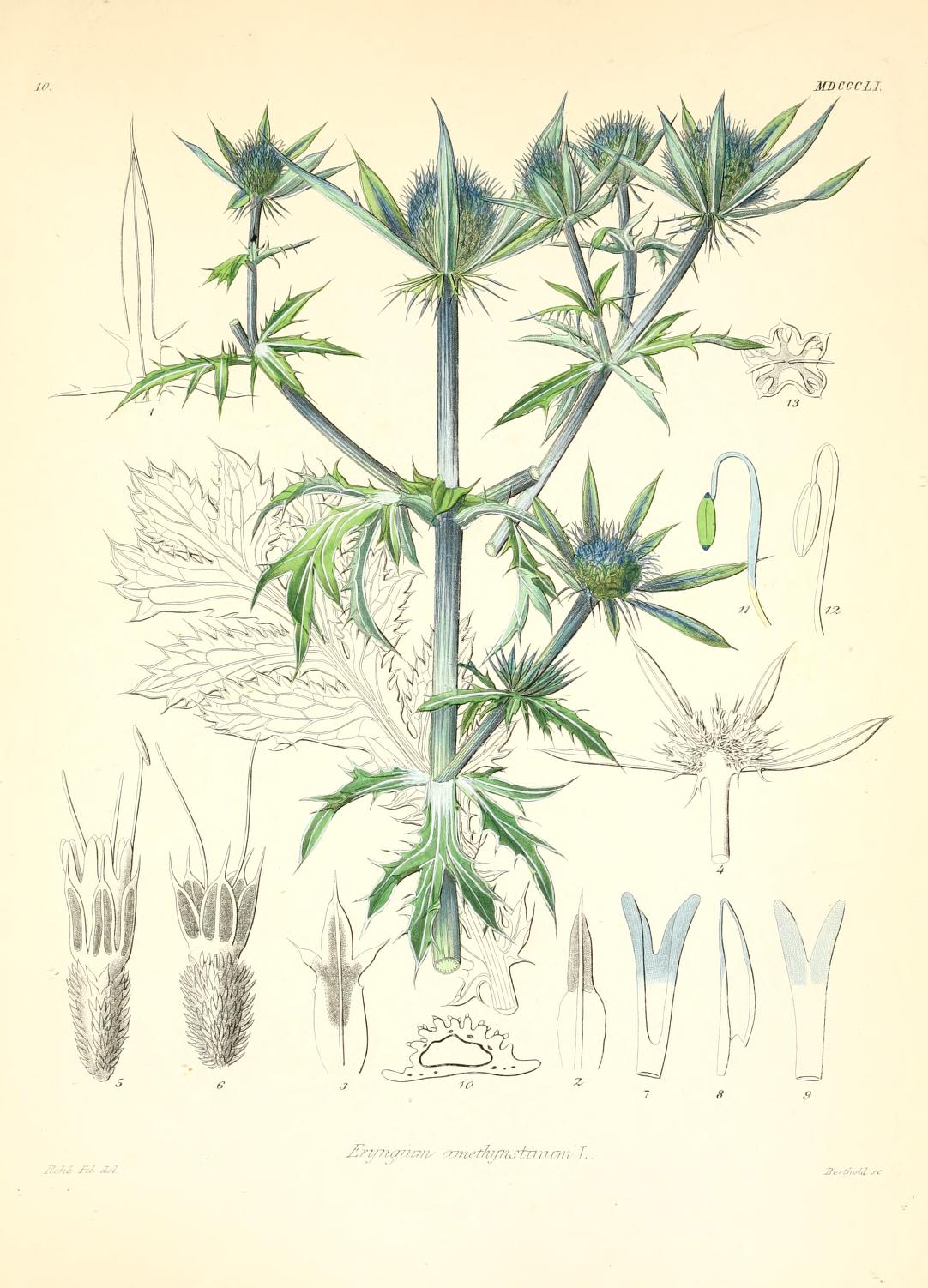
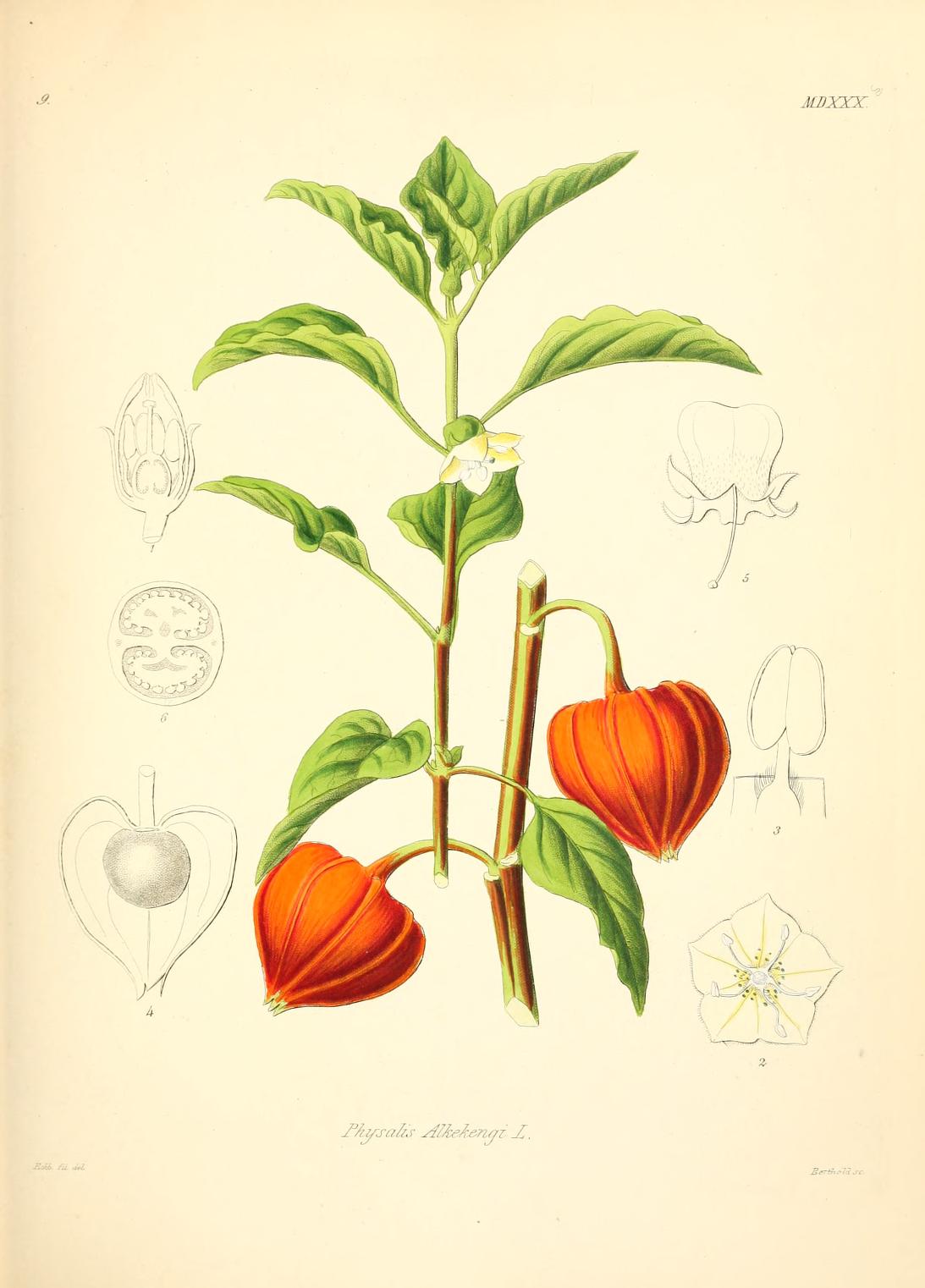
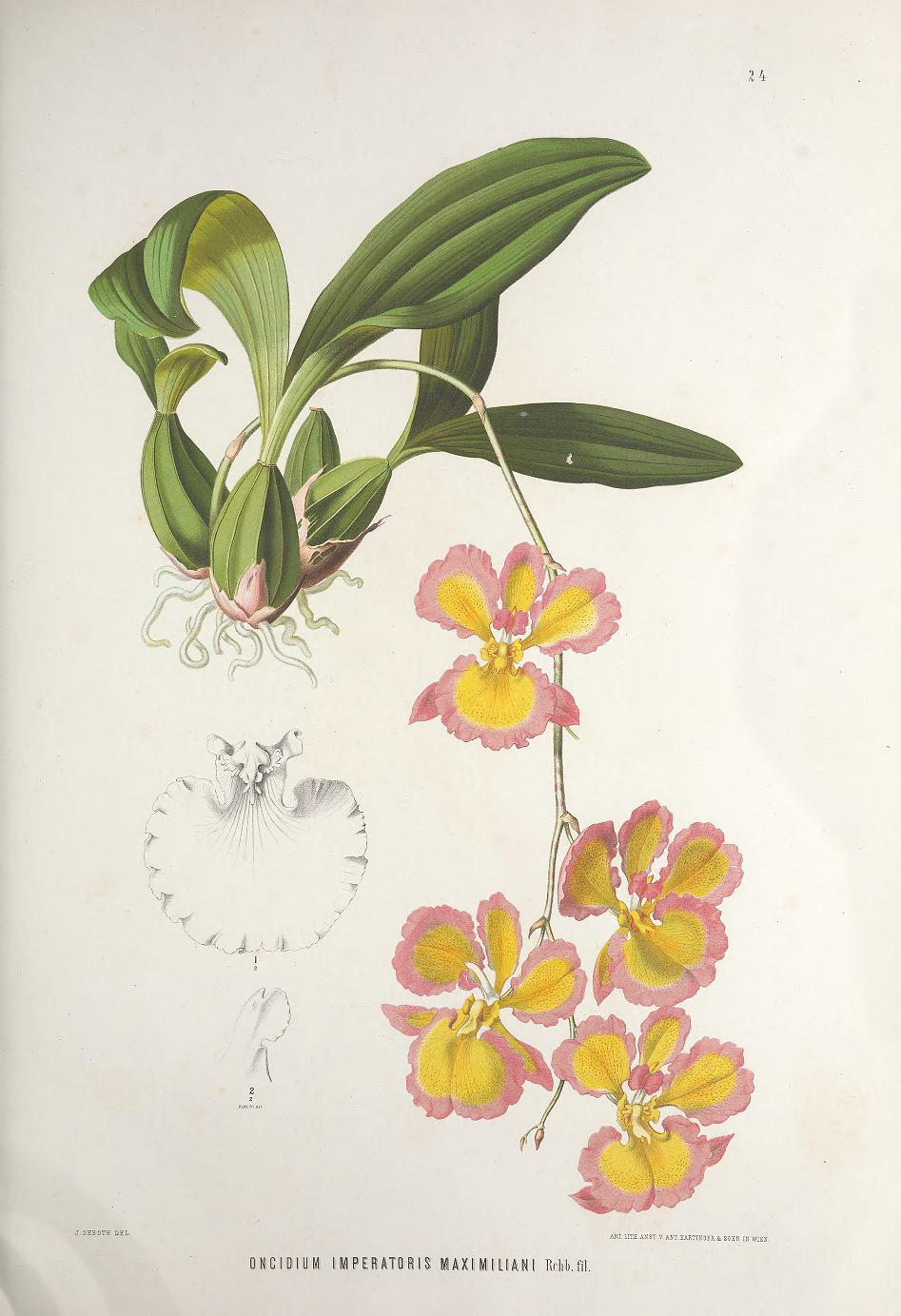
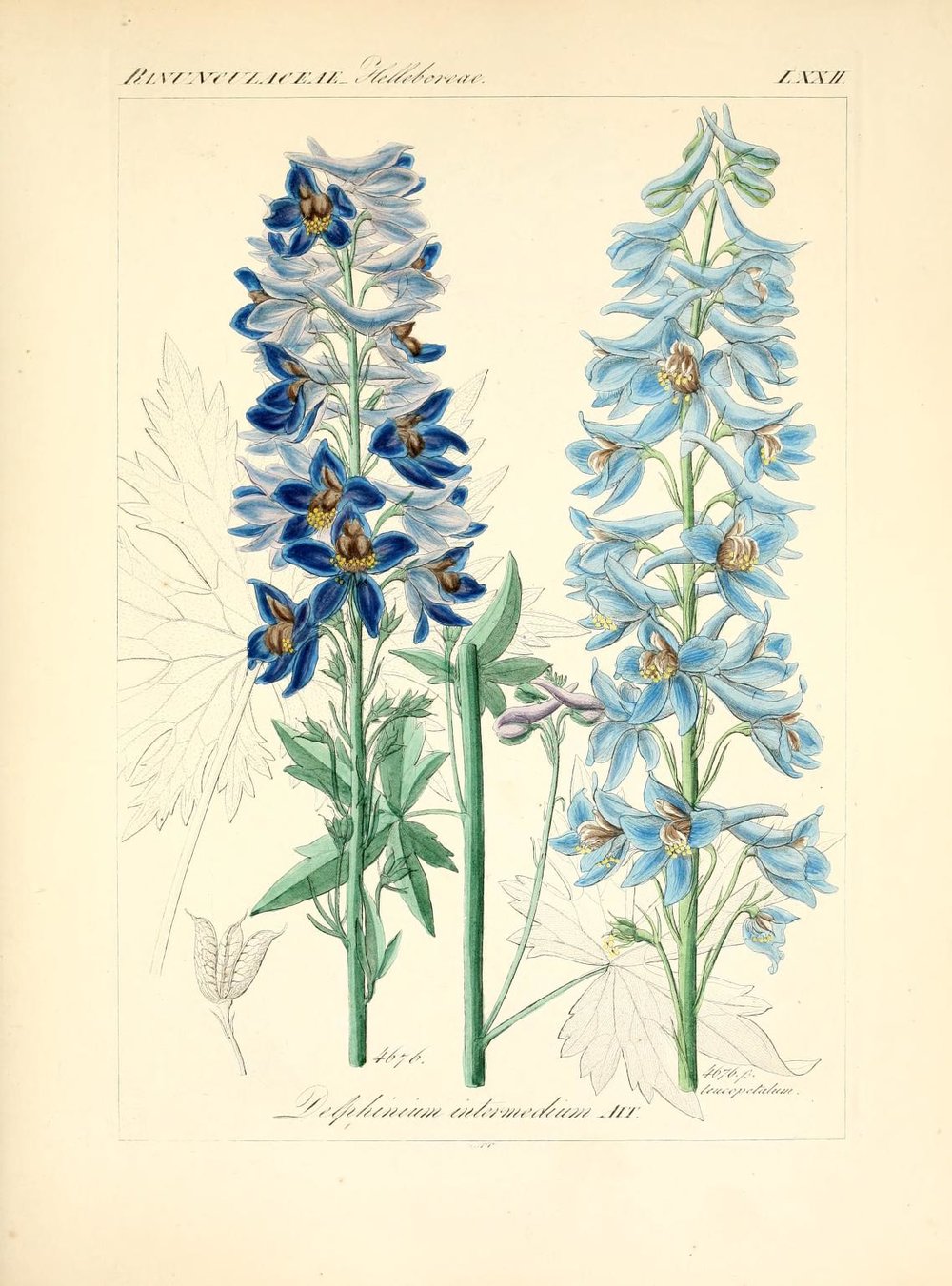
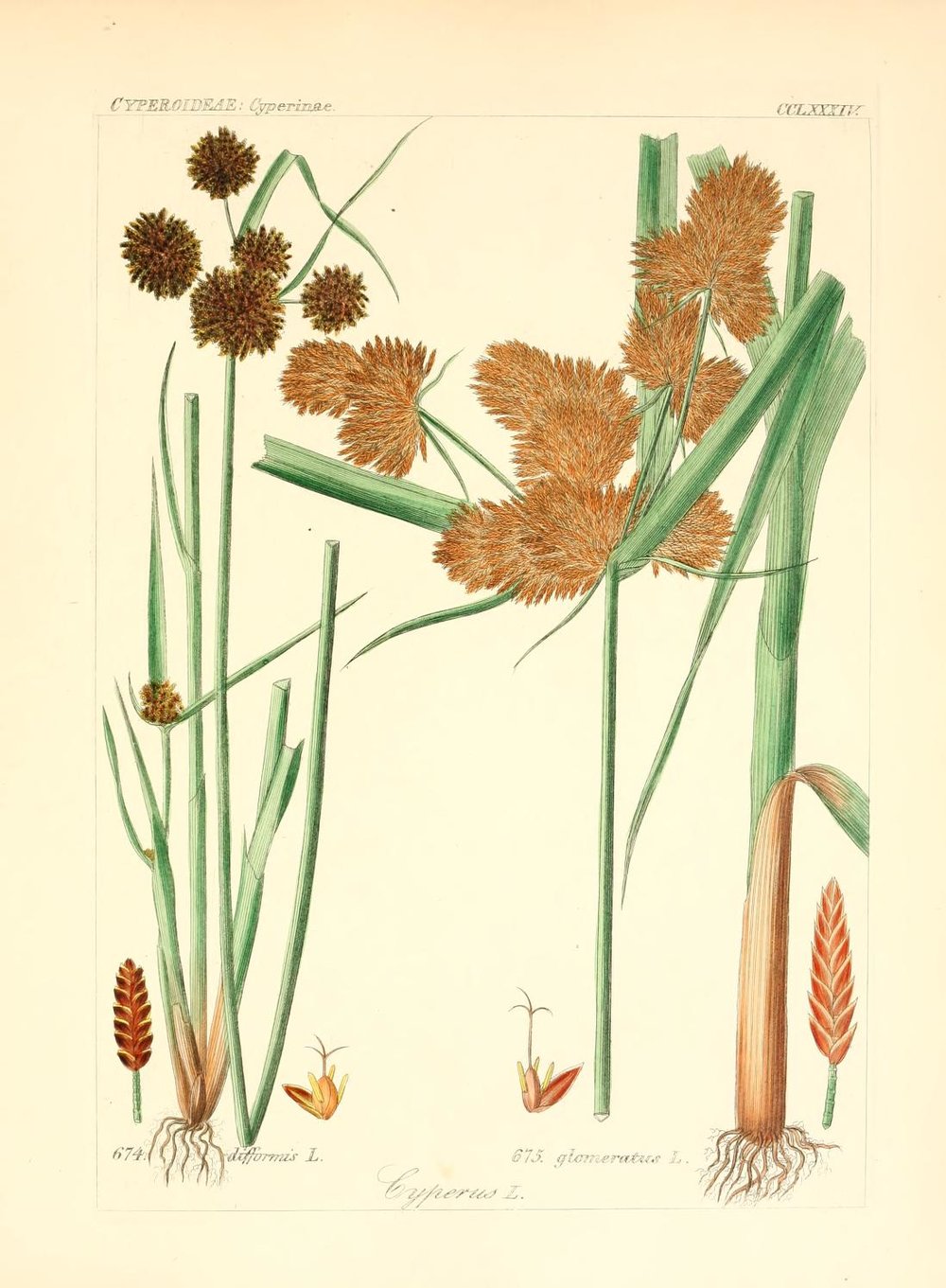
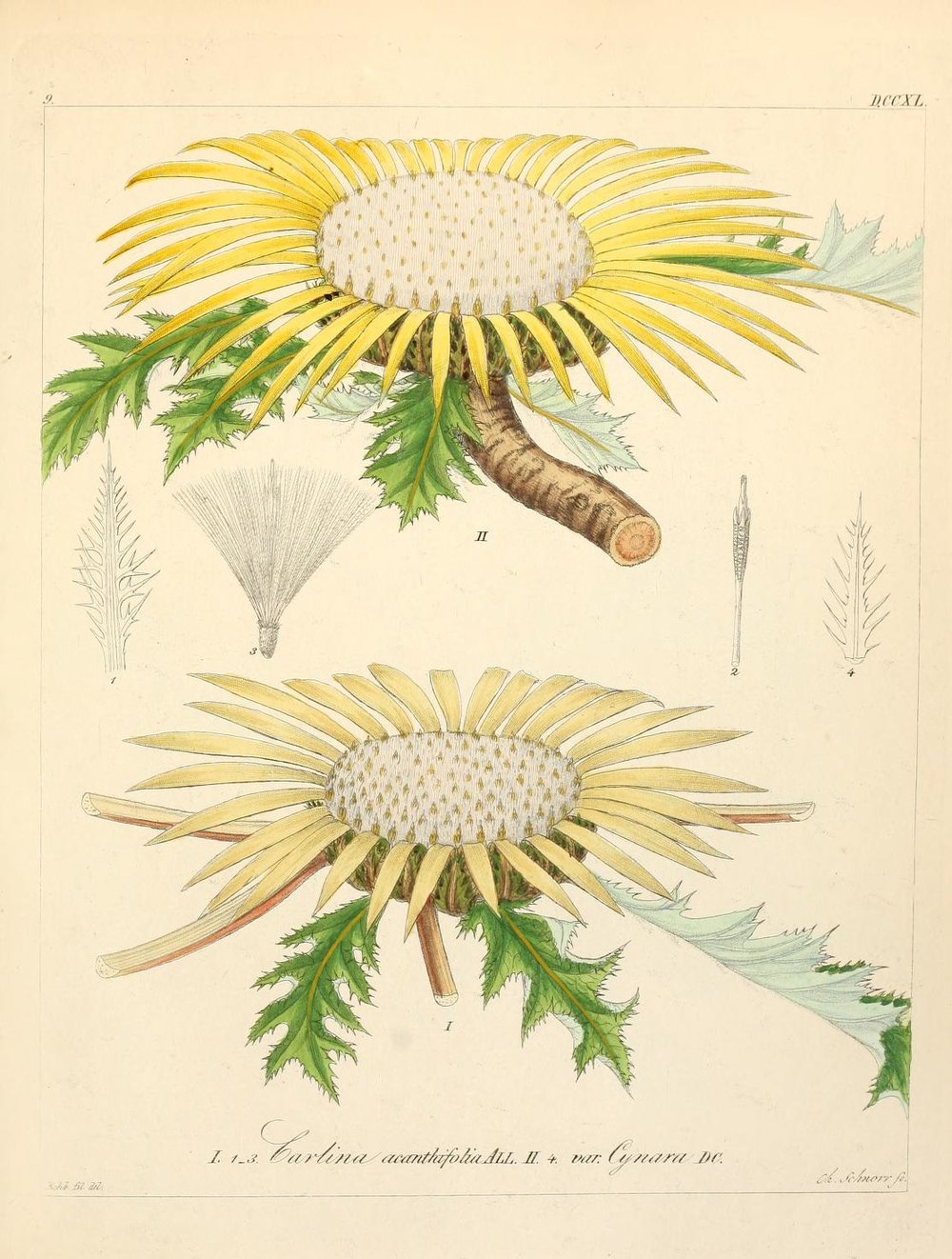
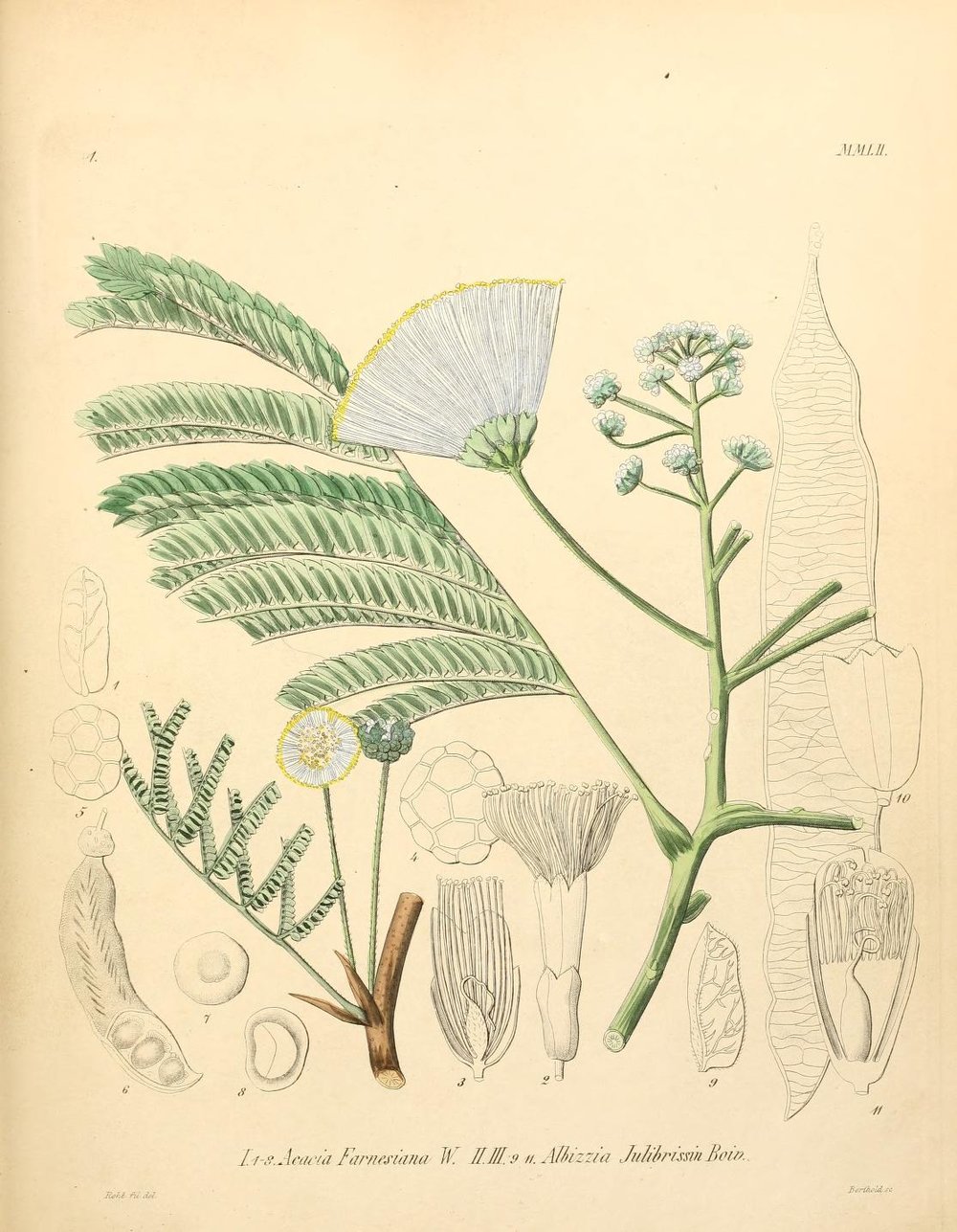
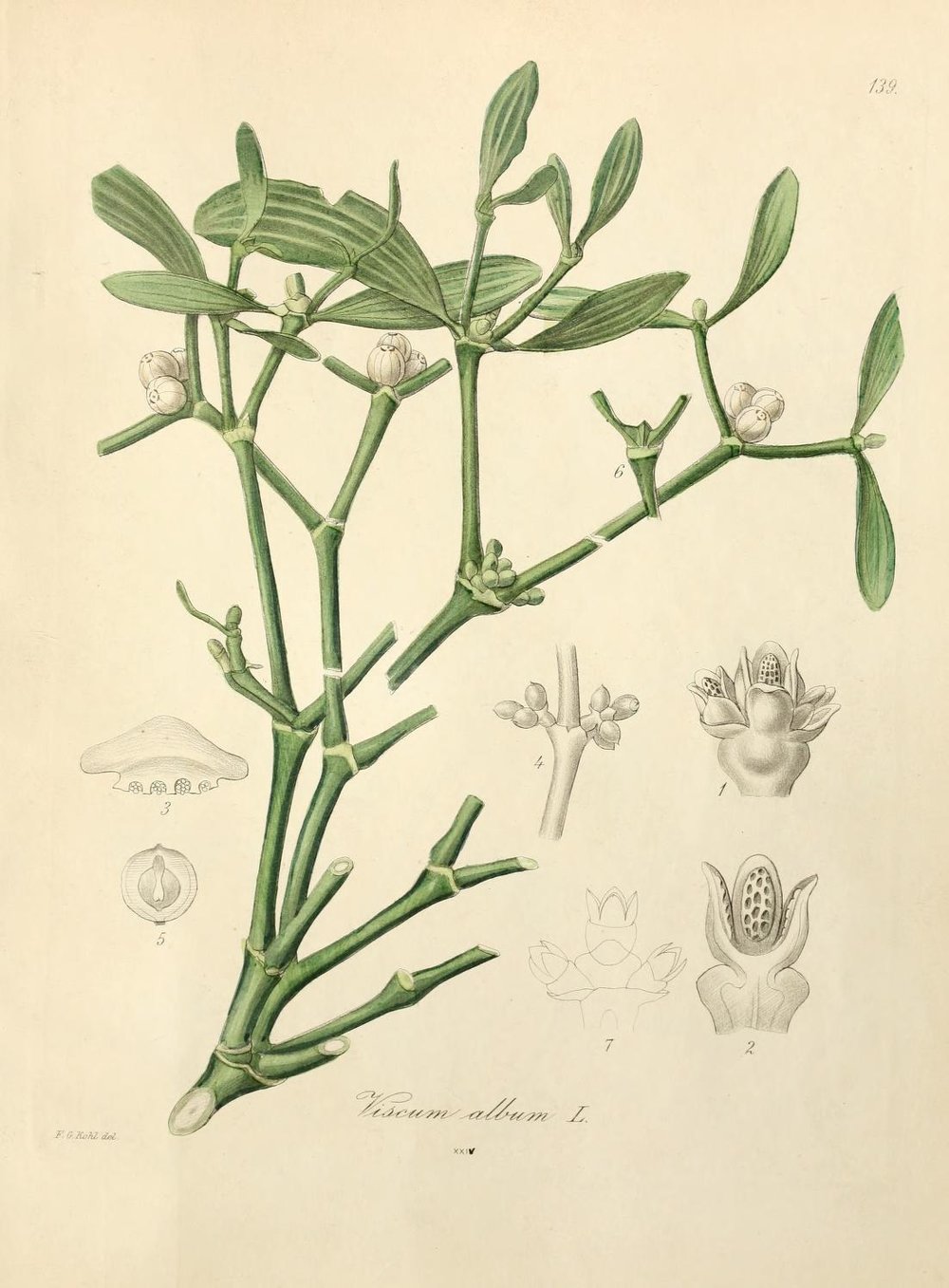
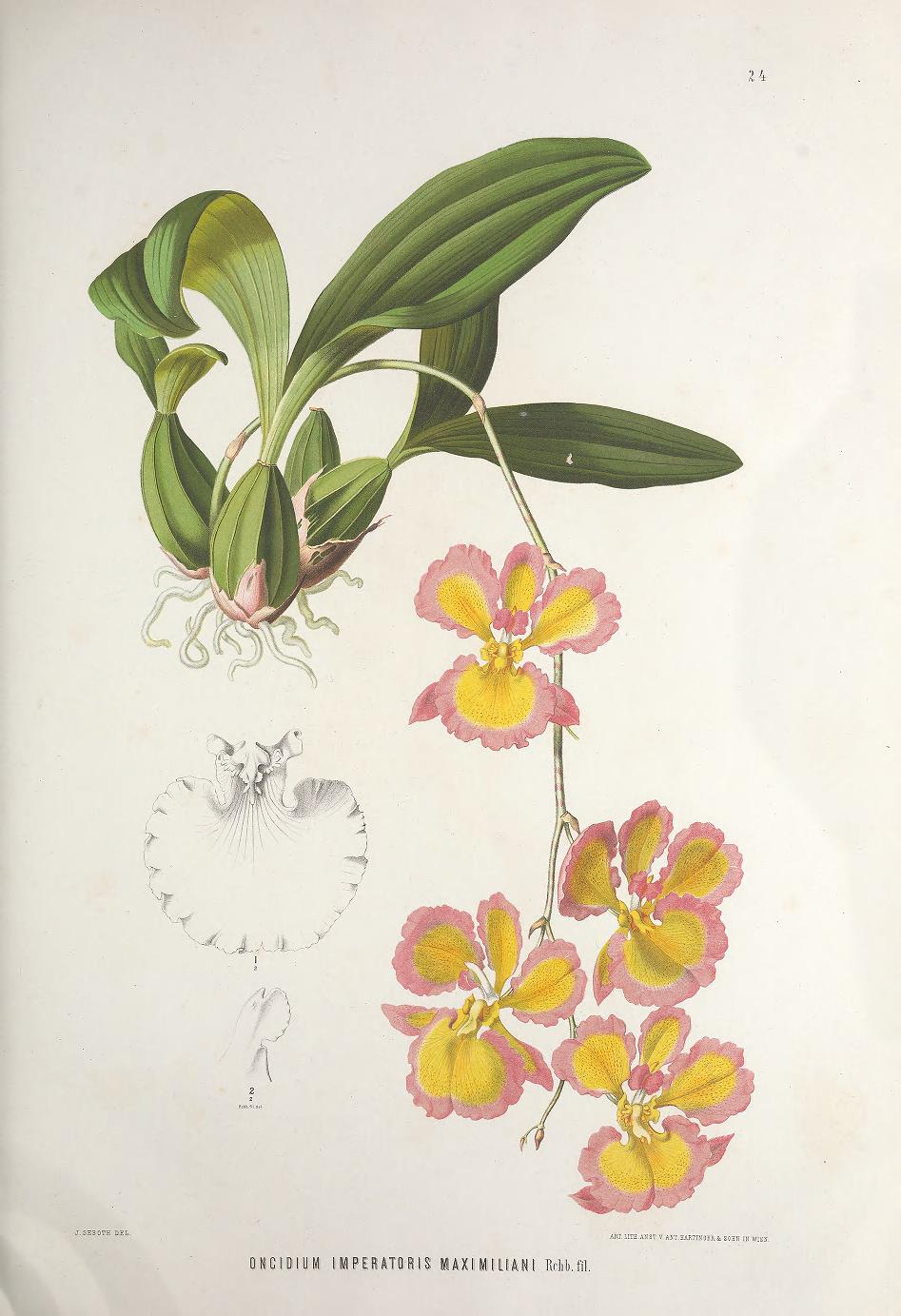
A father and son - Ludwig and Heinrich Gustav Reichenbach – produced 24 volumes of the Icones florae Germanicae et Helveticae of which Internet Archive has 20 available here. The father is better known for his glass sea creatures and Henrich Gustav Reichenbach is better known for his work on orchids. Still – the illustrations in these volumes are colorful and more like traditional botanical prints in the 1800s – with the central plant in color and plant parts drawn in available space around that depiction.

The colors look a little faded….but that may have been the way they were originally. They still are enough to perk up a cold winter day.

Gustav Hegi’s Alpenflora

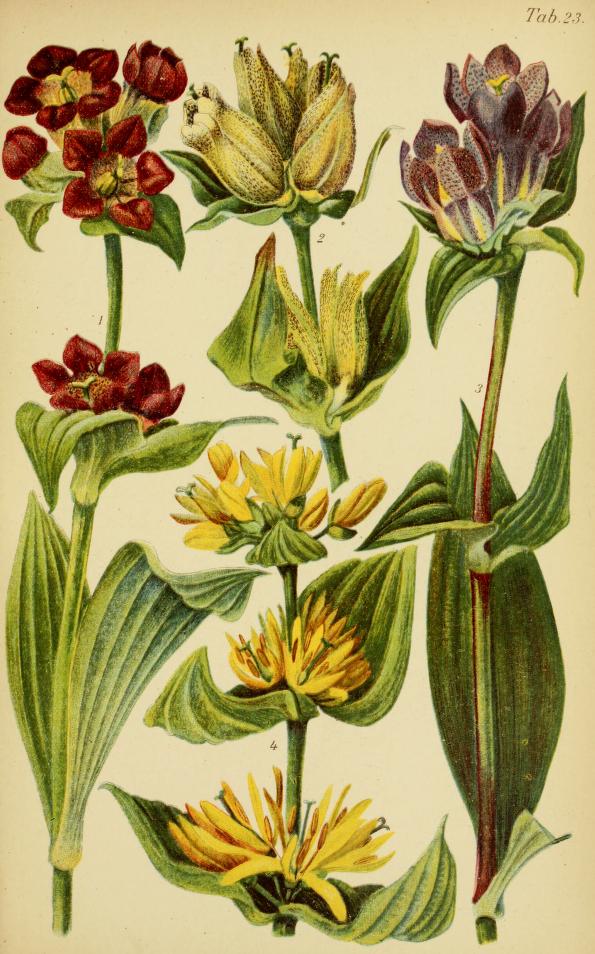
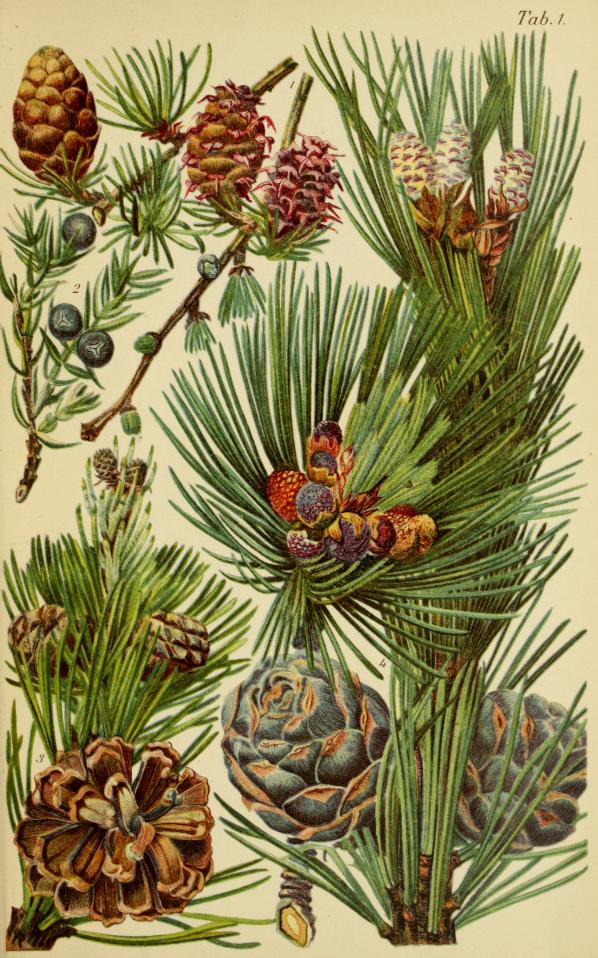
Gustav Hegi was a Swiss botanist that worked in Germany for most of his career. He is best known for editing Illustrierte Flora von Mittel-Europa from 1908 – 1931 (he died in 1932) writing approximately a third of the content during those years. I started with his earlier work – Alpenflora – which is available from the Internet Archive here. The first edition was published in 1905; the edition available on Internet Archive is from 1922.

The botanical illustrations are grouped on the pages. My favorite is probably the one for pines…but the groups of flowers are appealing too – not as bouquets but how the author made use of the whole page to maximize the plants he could document.

The colors on this scanned copy appear to be very good. It’s a good book to enjoy on a winter day.

eBotanical Prints – November 2018

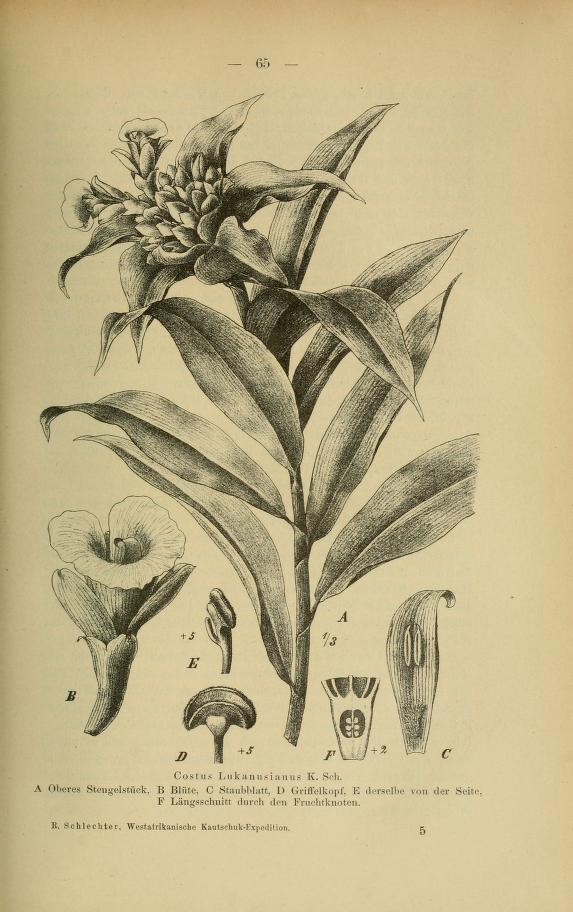
It was another big month for botanical print books….27 added to the big list (here) and listed in this post.

I’ll write a little more about some of the books in later posts. Today’s post is a slide show of the 27 sample images and then the list of books. There are over 1500 books in the big list of digital eBooks available online free of charge. All the books for this month are from the Internet Archive.

Westafrikanische Kautschuk-Expedition, 1899/1900 * Schlechter, Rudolf * sample image * 1900

Alpenflora; die verbreitetsten Alpenpflanzen von Bayern, Österreich und der Schweiz * Hegi, Gustav * sample image * 1922

Icones florae Germanicae et Helveticae V1 * Reichenbach, Heinrich Gottlieb Ludwig; Reichenbach, Heinrich Gustav * sample image * 1850

Icones florae Germanicae et Helveticae V2 * Reichenbach, Heinrich Gottlieb Ludwig; Reichenbach, Heinrich Gustav * sample image * 1838

Icones florae Germanicae et Helveticae V3 * Reichenbach, Heinrich Gottlieb Ludwig; Reichenbach, Heinrich Gustav * sample image * 1839

Icones florae Germanicae et Helveticae V4 * Reichenbach, Heinrich Gottlieb Ludwig; Reichenbach, Heinrich Gustav * sample image * 1840

Icones florae Germanicae et Helveticae V5 * Reichenbach, Heinrich Gottlieb Ludwig; Reichenbach, Heinrich Gustav * sample image * 1841

Icones florae Germanicae et Helveticae V6 * Reichenbach, Heinrich Gottlieb Ludwig; Reichenbach, Heinrich Gustav * sample image * 1844

Icones florae Germanicae et Helveticae V7 * Reichenbach, Heinrich Gottlieb Ludwig; Reichenbach, Heinrich Gustav * sample image * 1845

Icones florae Germanicae et Helveticae V8 * Reichenbach, Heinrich Gottlieb Ludwig; Reichenbach, Heinrich Gustav * sample image * 1846

Icones florae Germanicae et Helveticae V9 * Reichenbach, Heinrich Gottlieb Ludwig; Reichenbach, Heinrich Gustav * sample image * 1847

Icones florae Germanicae et Helveticae V10 * Reichenbach, Heinrich Gottlieb Ludwig; Reichenbach, Heinrich Gustav * sample image * 1848

Icones florae Germanicae et Helveticae V11 * Reichenbach, Heinrich Gottlieb Ludwig; Reichenbach, Heinrich Gustav * sample image * 1849

Icones florae Germanicae et Helveticae V12 * Reichenbach, Heinrich Gottlieb Ludwig; Reichenbach, Heinrich Gustav * sample image * 1850

Icones florae Germanicae et Helveticae V15 * Reichenbach, Heinrich Gottlieb Ludwig; Reichenbach, Heinrich Gustav * sample image * 1853

Icones florae Germanicae et Helveticae V16 * Reichenbach, Heinrich Gottlieb Ludwig; Reichenbach, Heinrich Gustav * sample image * 1854

Icones florae Germanicae et Helveticae V19 * Reichenbach, Heinrich Gottlieb Ludwig; Reichenbach, Heinrich Gustav * sample image * 1904

Icones florae Germanicae et Helveticae V20 * Reichenbach, Heinrich Gottlieb Ludwig; Reichenbach, Heinrich Gustav * sample image * 1903

Icones florae Germanicae et Helveticae V21 * Reichenbach, Heinrich Gottlieb Ludwig; Reichenbach, Heinrich Gustav * sample image * 1867

Icones florae Germanicae et Helveticae V22 * Reichenbach, Heinrich Gottlieb Ludwig; Reichenbach, Heinrich Gustav * sample image * 1862

Icones florae Germanicae et Helveticae V23 * Reichenbach, Heinrich Gottlieb Ludwig; Reichenbach, Heinrich Gustav * sample image * 1899

Icones florae Germanicae et Helveticae V24 * Reichenbach, Heinrich Gottlieb Ludwig; Reichenbach, Heinrich Gustav * sample image * 1899

Xenia orchidacea  V1 * Reichenbach, Heinrich Gustav * sample image * 1858

Xenia orchidacea  V2 * Reichenbach, Heinrich Gustav * sample image * 1874

Xenia orchidacea  V3 * Reichenbach, Heinrich Gustav * sample image * 1900

Refugium botanicum V4 * Saunders, William Wilson, Reichbach, Heinrich Gustav, Baker, John Gilbert * sample image * 1871

Botanische Ergebnisse * Wawra, Heinrich, ritter von Fernsee; Krempelhuber, August von; Reichenbach, Henrich Gustav, Seboth, J. * sample image * 1866

Gleanings of the Week Ending December 1, 2018

The items below were ‘the cream’ of the articles and websites I found this past week. Click on the light green text to look at the article.

How to feed a cat: Consensus statement to the veterinary community: Reducing stress-related eating problems -- ScienceDaily – Puzzle feeders and putting food in different places….make meal time more interesting!

Examining Grad Student Mental Health | The Scientist Magazine® - There are a lot of stressors during graduate school….and many students become depressed or develop other mental health issues. Students, faculty and university administrators are noticing that more needs to be done to help grad students through the challenges of this phase of their education.

Why Fall Color Has Been So Meh in Parts of the U.S. This Year | Smart News | Smithsonian – This article came out a few weeks ago….just getting around to putting in the gleanings. The explanation of why our area had such a lack luster fall is interesting and it might become the norm as the area gets wetter and warmer.

BBC - Earth News - Legless frogs mystery solved – Predatory dragonfly nymphs eat legs of tadpoles! This is an article from 2009…but it was news to me. We find dragonfly nymphs in almost all the streams and rivers around where I live…but I haven’t seen any legless frogs.

2 Solar Ovens Reviewed | CleanTechnica – I wonder how many people living in their RV or travel trailer make use of this type of oven to minimize propane and/or electricity usage.

Large-Scale Tar Production May Have Fueled Viking Expansion - Archaeology Magazine – Tar to waterproof ships. I was reminded of the ‘Connections’ series that often showed how a key technologic advance enabled something historically significant.

Yellowstone streams recovering thanks to wolf reintroduction -- ScienceDaily – The willows are growing taller along the banks of streams, making the banks more stable…since the wolfs are back and impacting elk browsing.

Gaudí's El Capricho, an Early Gem Located in North Spain – It’s hard to see it as a place that people would really live!

How invasive earthworm feces is altering US soils -- ScienceDaily – Asian jumping worms are changing the soils of the Midwest and East Coast of the US….and not for the better.

Why did Tutankhamun have a dagger made from a meteorite? – When Tutankhamun died, iron was rarer than gold. The Egyptians did not know how to process iron from ores…but they did know that iron meteorites came from the sky which might have made the material symbolic for them. Objects made from it would have been reserved for high-status people.

Ten Little Celebrations – November 2018

2018 11 IMG_4717.jpg

At the beginning of November, we had a short burst of color before the leaves fell off the trees. I celebrated a glorious fall day…wishing the season had not been so short this year.

HoLLIE (Howard County Legacy Leadership Institute for the Environment) graduation was this month after accumulating enough volunteer hours since finishing the class last spring.

And then came the Festival of the Cranes with so many little celebrations:

2018 11 IMG_6733.jpg

Seeing sandhill cranes in flight – being close enough to their fly out to hear the first few high-power flaps of their wings.

Seeing two barn owls circle above the field where I was standing. It was a first for me….so beautiful and ghost-like.

2018 11 IMG_3153.jpg

Sevilleta National Wildlife Refuge. It was my first visit to the place and it’s hard to choose the high point maybe it was the screwbean mesquite the herd of pronghorn playing a running game with our caravan or seeing a shrike with a meal.

2018 11 IMG_8364.jpg

Hooded Mergansers. It was not the first time I had seen the birds (there were some on a local (Maryland) pond we visited during our 5th HoLLIE class). But they were not displaying like the birds we saw during the Festival of the Cranes.

Bosque del Apache National Wildlife Refuge. What an amazing place….and great hosts to the Festival of the Cranes. I am already planning to go again! There are so many sights and sounds to celebrate here.

2018 11 IMG_7753.jpg

Home again. I celebrate returning every time I am away for longer than a couple days.

Bald Eagle seen from my office window. The morning we left to drive to Pennsylvania for Thanksgiving, a bald eagle flew over the forest behind our house while I was shutting down my laptop for the road trip. It continued over our house. Since I saw a pair of eagles soaring a nearby shopping center recently, I think perhaps their nest is somewhere in the forest along the Middle Patuxent River near us. What a way to start the Thanksgiving holiday!

Thanksgiving….celebrating the day…realizing how much I am thankful for.

New Mexico Earrings

There are still more Festival of the Cranes posts to come, but I am taking a break for a few days to do post on other topics….and to do a little history of our travels to New Mexico via my earring collection.

I have some New Mexico earrings from as far back as the 1970s but I’m going to focus this post on the ones I’ve collected this century.

2018 11 1 IMG_0019.jpg

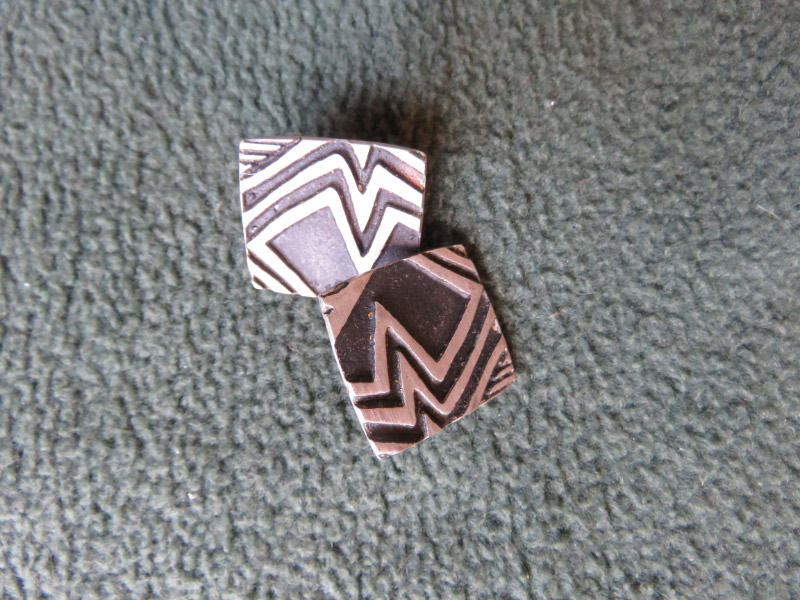
I bought the pair of black and silver M design (like a pottery shard) at Bandelier National Monument in 2005. My husband, daughter, and I had met my parents in Albuquerque and used that as a base to see north central New Mexico: Santa Fe, Bandelier, Petroglyphs, and Chaco Canyon.

2018 11 2 IMG_0016.jpg

On a road trip between Dallas and Tucson, we stopped at White Sands National Monument in 2013. I posted about the barn swallows and yuccas!

2018 11 3 IMG_0020.jpg

During our first experience with Festival of the Cranes back in 2016, I bought some radio telescope earrings at the Very Large Array Radio Telescope,

2018 11 4IMG_0026.jpg

Two pairs of earrings including some stylized cranes at Vertu, the local artist store in Socorro,

2018 11 5 IMG_0023.jpg

And three more pair in the Albuquerque airport.

2018 11 6 IMG_0017.jpg

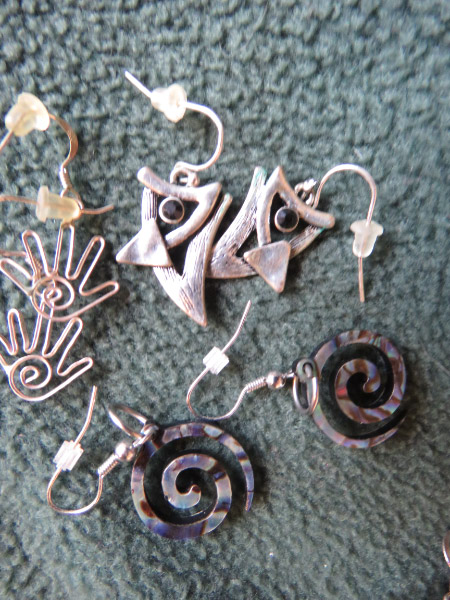
I bought four pair of earrings this year during our second experience at Festival of the Cranes. Starting at 12 o’clock position: there are the polished stones purchased at Vertu (they are thin enough to not be heavy), the dragonfly in cattails at the Sevilleta National Wildlife Refuge gift shop , the bird flying over water and mountains from a shop on Socorro’s square, and the mosaic type earrings at the Bosque del Apache National Wildlife Refuge made by an artist from the Santo Domingo Pueblo.

Overall – I don’t remember the years all that well (I must look back at notes), but I easily remember where I bought them. Earrings are still the best keepsake for me to buy, pack, and enjoy – savoring the memory from the time I bought them every time I see them.

Gleanings of the Week Ending November 24, 2018

The items below were ‘the cream’ of the articles and websites I found this past week. Click on the light green text to look at the article.

Drug pollution concentrates in stream bugs, passes to predators in water and on land: Animals that eat insects in or near streams at risk of being dosed with pharmaceuticals -- ScienceDaily – Wow – the existence of macroinvertebrates in our local rivers is an indicator of water quality (the focus of the field trips with high schooler’s I’ve been doing in recent years) but those same macroinvertebrates are probably getting a healthy dose of pharmaceuticals from the water…the fish that eat them act as concentrators….and some of those fish are eaten by people.  I hope reserarchers in the US are doing similar studies to the one described in this article. It would also be good if pharmaceutical companies would develop drugs that were not excreted in a still active form.

Top 25 Wild Bird Photographs of the Week: Flocks – National Geographic Blog and Top 25 Wild Bird Photographs of the Week: Seed Eating Birds – National Geographic Blog – Two bird photograph collections for this week’s gleanings. Enjoy!

RIP Kepler: NASA’s exoplanet-hunting space telescope is finally dead - MIT Technology Review – The Kepler mission that discovered 2,662 exoplanets in our galaxy finally ran out of fuel. There is already a new satellite picking up the mission and the James Webb Space Telescope will launch in 2021.

Premature Birth Report Cards | March of Dimes – Only one state gets an ‘A’ – and many areas of the country are getting worse when it comes to premature births.

High levels of previously unsuspected pollutant uncovered in homes, environment -- ScienceDaily – An organophosphate that is known to be toxic was a surprise find in household dust…more study needed on its impact on humans that live with it at that level. The chemical is used as a flame retardant or plasticizer in consumer products…and may also form as other chemicals degrade.

Wildlife Populations Have Shrunk by 60 Percent Since 1970 | The Scientist Magazine® - The impact of less and less space for habitat for any species other than those directly related to humans.

BBC - Future - Why the flu of 1918 was so deadly – There have been flu strains that have been just as contagious as the 1918 strain…but none as deadly.

Infographic: What Makes a Brain Smart? | The Scientist Magazine® - There are several models that are being studied.

11 Wildly Colored Moths to Brighten Your Day – Cool Green Science – Most of our moths are in cocoons for the winter. There are several of these that I’ve seen on Maryland…will be looking for them next spring.

Owls help scientists unlock secret of how the brain pays attention -- ScienceDaily – A study using barn owls to figure out how the brain chooses what most deserves attentions.

3 Free eBooks – November 2018

It is so easy to find books online these days. More institutions are scanning their older collections and Internet Archive is the access hub for accessing many of those scanned collections. Many books that would have been hard to find because they are out-of-print are now available in digital form.

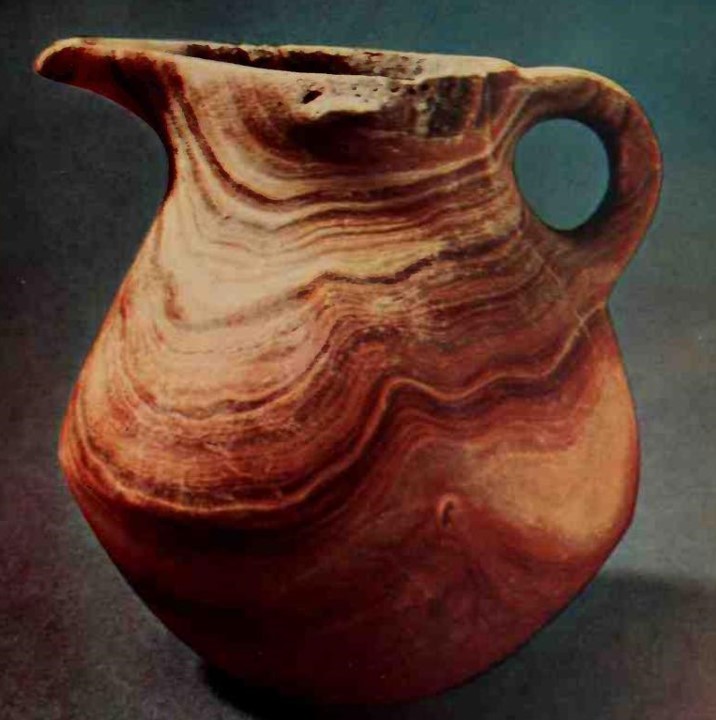
Matz, Friedrich. Art of the World: Art of Crete and Early Greece, The prelude to Greek Art. New York: Crown Publishers. 1962. Available from Internet Archive here. A little dated (lots has been discovered and/or figured out since the 1960s), but the pictures are great. I loved the small stone jug. The text said it was probably stalactite. It was found in eastern Crete.

2018 11 ebook1.jpg

--

We are traveling back from New Mexico today…having enjoyed our second foray to the Festival of the Cranes at Bosque del Apache National Wildlife Refuge. Keeping with that theme – there are two books on my favorites list for this month that are related:

Johnsgard, Paul A. Sandhill and whooping cranes: ancient voices over America’s wetlands. Lincoln: University of Nebraska Press. 2011. Available for checkout from Internet Archive here.

2018 11 ebook3.jpg

ERIC. Wildlife of New Mexico: A Coloring Book. 1986. Available from Internet Archive here. There are 31 animals pictured along with a map of their range when the book was published in the 1980s. The javelina must have expanded its range since it is now seen in the refuge which in south central New Mexico. But the highlight of the festival – always – is the sandhill cranes.

Gleanings of the Week Ending November 17, 2018

The items below were ‘the cream’ of the articles and websites I found this past week. Click on the light green text to look at the article.

1.8 Million Clean Energy Workers Employed in Top 50 American Metro Areas | CleanTechnica – Jobs that are future leaning rather than in anchor industries like fossil fuels.

USDA Approves Edible Cotton | The Scientist Magazine® - Edible? I wonder if many people will have digestive problems with the seeds even if they are approved for human consumption.

The rise of sponges in Anthropocene reef ecosystems – Coral is impacted by higher temperatures and acidification more than sponges and there are already some ‘reefs’ that are dominated by sponges rather than coral. These reefs function differently and are expected to become more prevalent.

Study explores infant body position and learning -- ScienceDaily – I am always fascinated about studies with babies…observational but trying to be objective.

$31 Billion Hurricane Protection Plan Proposed for Texas - News | Planetizen – A hefty price tag…and who will pay for it? Would it work for very much of the area if they had another Hurricane like Harvey?

A Day in The Park: Hot Springs National Park – I visited this park years ago…before many of the more recent renovations. Maybe it’s time to see visit again.

'Wildlife Photographer of the Year' awards: Here are the best animal photos of 2018 – Great photography…nature…art. My favorite was the last one – the treehopper guarding her family.

Passive Radiative Cooling Moves Out of The Lab & Into the Real World | CleanTechnica – Cooling without consuming massive amounts of electricity….but is it really ‘out of the lab’ yet.

The Armchair Photography Guide to Bryce Canyon National Park – Part 2, Inspiration Point to Rainbow Point – There seem to be several articles in my feeds that are prompting thought of future travel. This is another place I’d like to go. The last time I was in Utah, the Federal government was closed so the national parks were not open!

Infographic: Exercise’s Effects on the Brain – Understanding the molecular mechanisms that connect exercise to cognitive benefits.

Indigenous Flowers of the Hawaiian Islands

Isabella McHutcheson Sinclair was born in Scotland but emigrated to New Zealand as a child and then married into the Sinclair family that owned land in Hawai’i. She published her Indigenous Flowers of the Hawaiian Islands in 1885 as Mrs. Francis Sinclair. It’s available from Internet Archive here.

Her book was the first book published with color images of Hawaiian flowering plants. She painted the flowers she saw and interviewed native Hawaiians to glean what they new about then plants. I selected 4 of the 44 plates to include in this post.

As I looked at the images, I wondered how many of the plants still exist…which ones were brought by the Polynesian colonists and not actually indigenous.

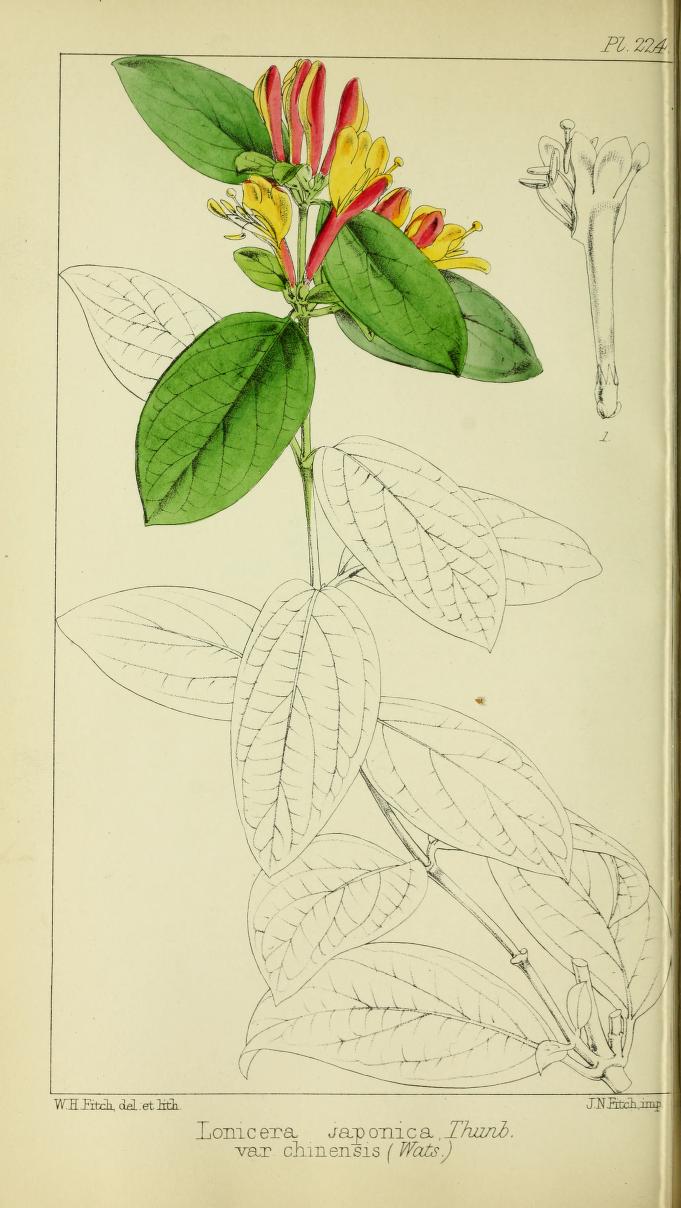
Louis van Houtte Botanical Books

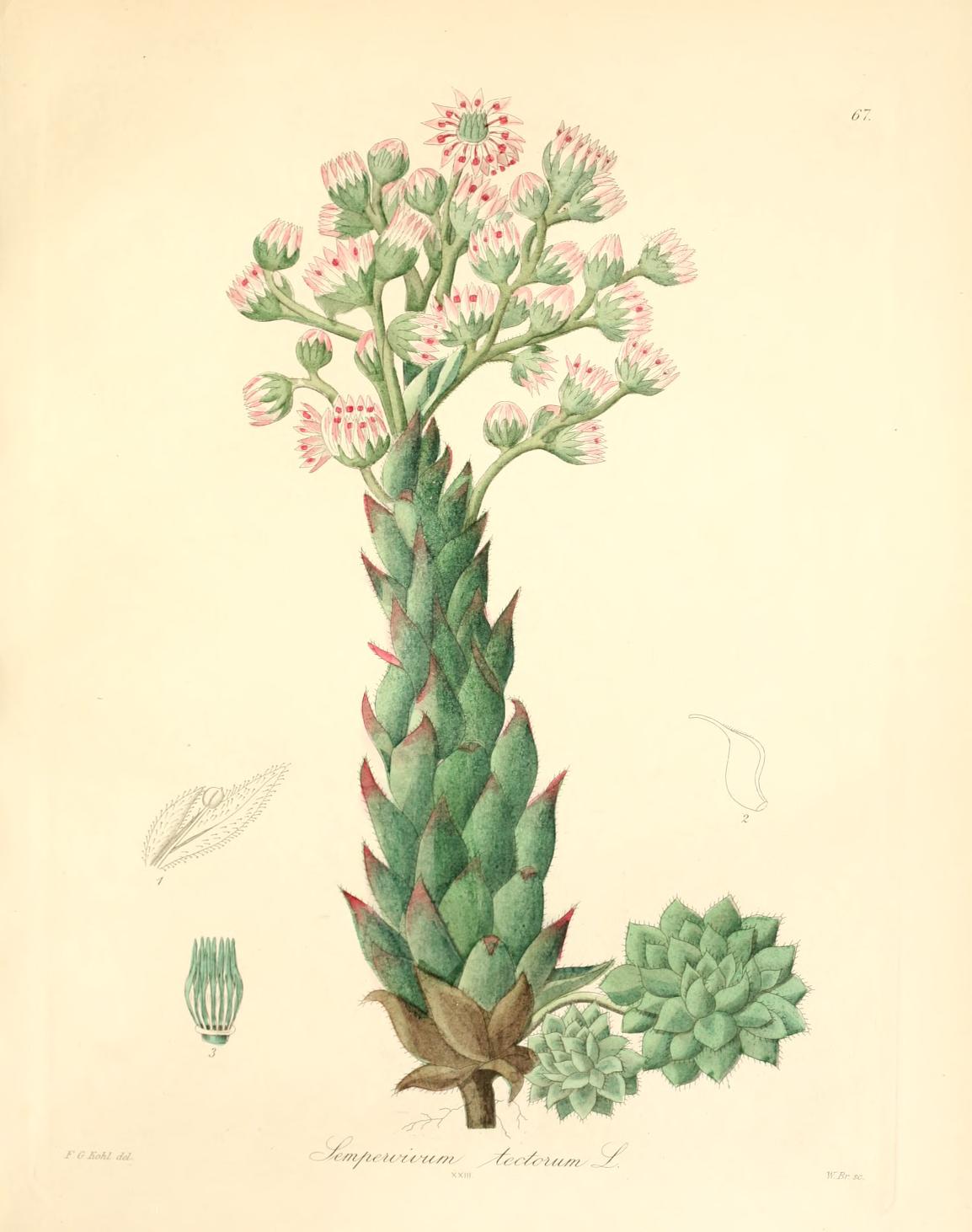
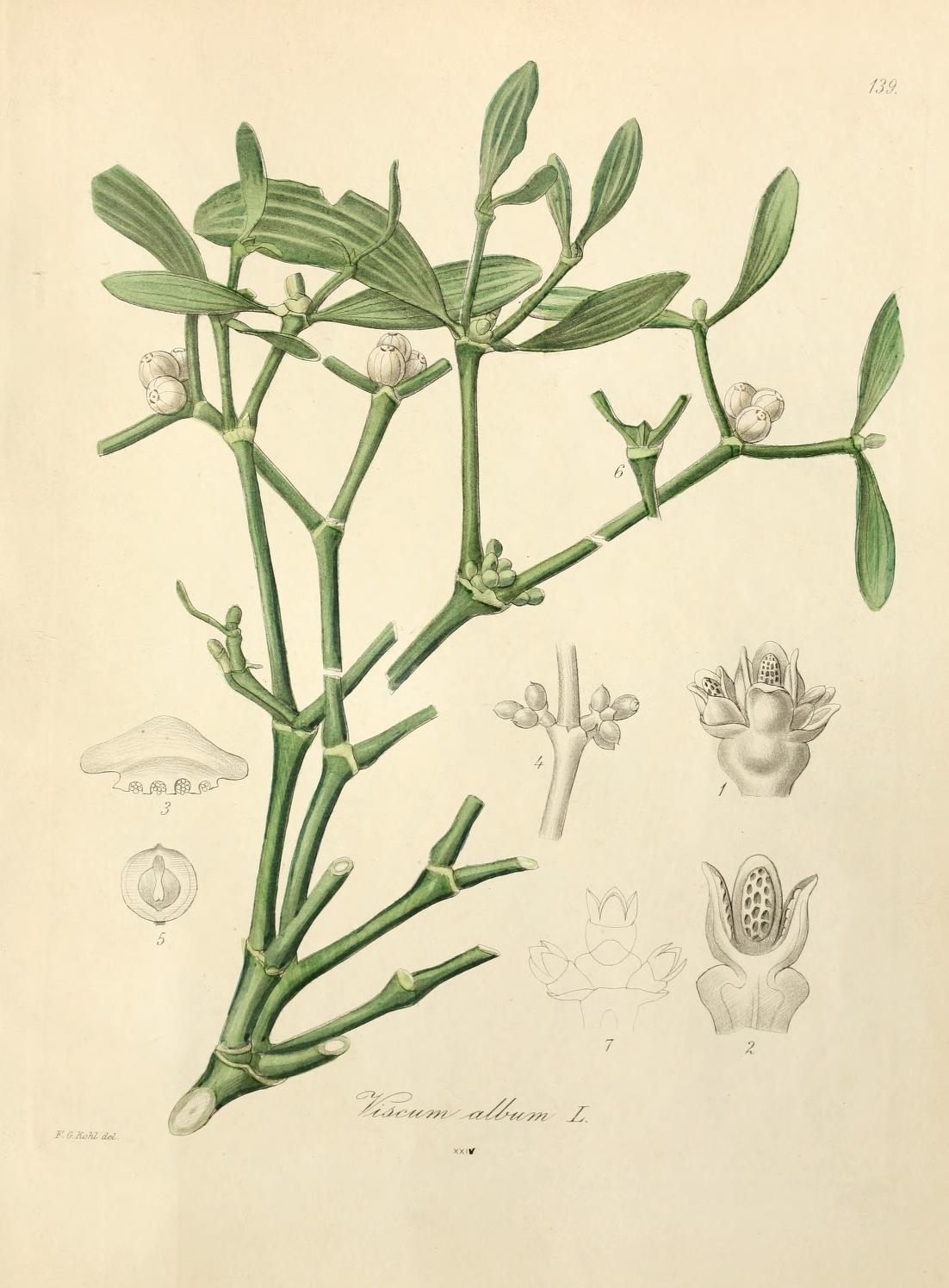
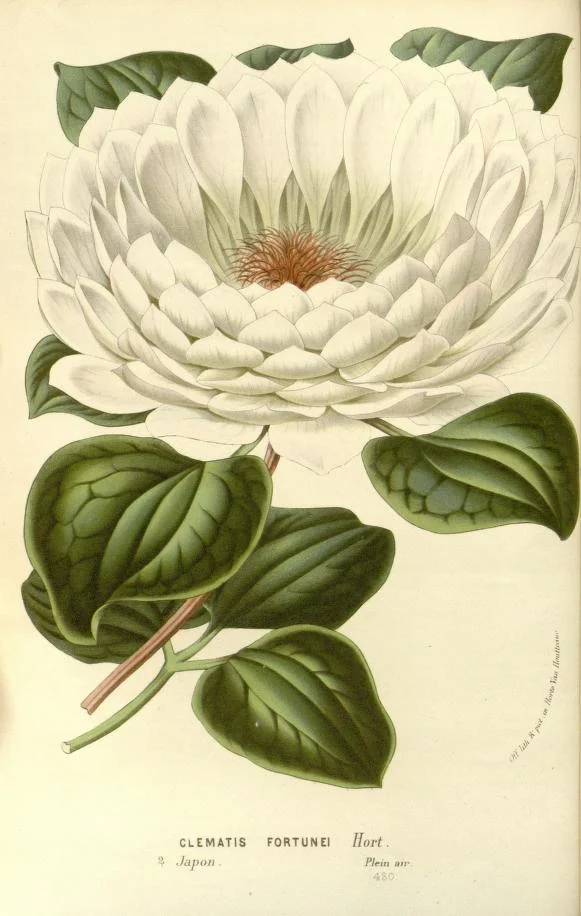
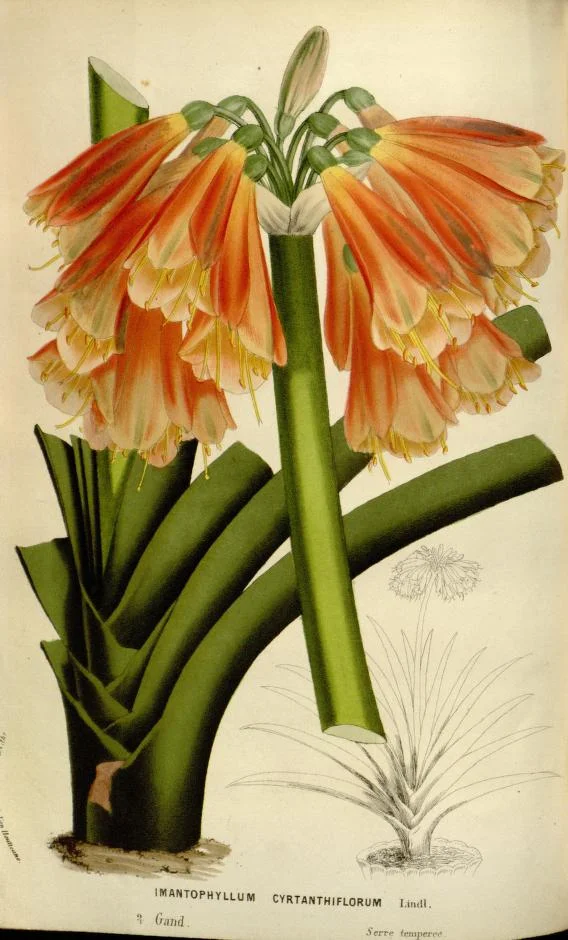
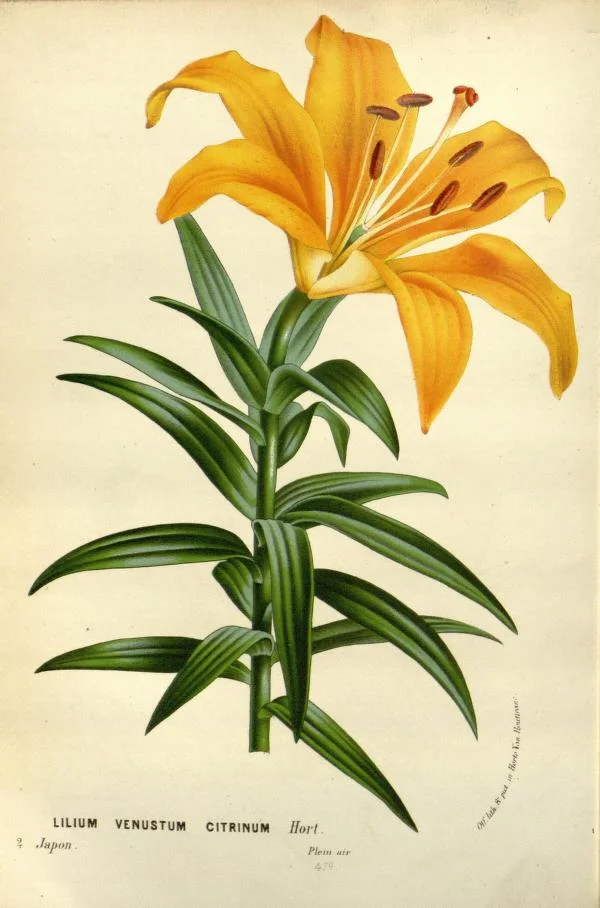
Louis van Houtte was a Belgian horticulturist. The 23 volumes of Flore des Serres et des Jardins de l'Europe which he is known for are available via Internet Archive here. There are over 2,000 colored plates. Many of the specimens were evidently from his nursery which was the most successful nursery in Europe at that time, so the books were references and catalogs for his business. The books were published between 1845 and 1883. It must have taken a lot of dedication to produce this body of work and run a business as well. Several volumes were published after he died so he must have had a dedicated group of people established to continue the work.

It took me over a month to get all the way through the volumes. I selected an image from each book and am showcasing them below.

The botanical prints from the 1800s are one of the highlights of the century and I am pleased to be finding new eBooks full of the colorful and educational prints.

Gleanings of the Week Ending November 10, 2018

The items below were ‘the cream’ of the articles and websites I found this past week. Click on the light green text to look at the article.

Uncapped Wells Have Been Leaking Oil into the Gulf of Mexico for 14 Years - Yale E360 – Why can’t the oil companies do a better job of preventing leaks…or, at least, stopping leaks if they occur? Don’t they have the technology to address this issue?

With Shorter Winters, Plants Bloom Early and Die Young – National Geographic – Green springs…but the plants don’t sustain the green through the drier summers. Not good for our yards and our farms…and us.

Photo of the Week – October 19, 2018 – The Prairie Ecologist – Fluffy seeds from the prairie…including common milkweed,

Image of the Day: Clubbing | The Scientist Magazine® - Peacock Mantis Shrimp have a spring-like structure that enables them to beat the life out of their prey.

Beautifully Painted Shrine Emerges from the Ashes of Pompeii | Smart News | Smithsonian – Much of Pompeii that we know from tourist books was excavated before modern methods…and sometimes ‘restored’ in a way that we don’t know exactly what it looked like when originally uncovered. New excavation can provide clues about older excavations as well as the particulars of the newly uncovered walls.

Substantial changes in air pollution across China during 2015 to 2017 -- ScienceDaily – Particulates are down but ozone is up….so good and bad trends.

BBC - Future - The flu that transformed the 20th Century – The 1918 flu epidemic…100 years ago this year. There is still research on the virus and what happened…some surprises in the findings.

This Humongous Fungus Is as Massive as Three Blue Whales | Smart News | Smithsonian – 91 acres, 110 tons, and about 1,500 years old. And this is not the biggest one discovered…it was the first that was well documented.

Top 25 Wild Bird Photographs of the Week: Black plumage – National Geographic – I always like to include birds in my gleanings. I was surprised that there were no crows or ravens or starlings in this collection of birds with black plumage.

The Winners of the 2018 Astronomy Photographer of the Year Contest Are Out of This World – Three are some pictures from the 2017 solar eclipse in this collection.

Gleanings of the Week Ending November 3, 2018

The items below were ‘the cream’ of the articles and websites I found this past week. Click on the light green text to look at the article.

Planned intermittent fasting may help reverse type 2 diabetes, suggest doctors: And cut out need for insulin while controlling blood glucose -- ScienceDaily – There needs to be follow up study…but if this works, maybe it should be some everyone with type 2 diabetes tries.

10 States Now Get At Least 20 Percent of Their Electricity from Solar and Wind - Yale E360 – Progress! Hopefully other states will join the club and go beyond 30%. During some months in 2017, Iowa and Kansas, wind accounted for over 50% of in-state electricity generation.

Largest ever genetic study of blood pressure -- ScienceDaily – So much for find a root cause for high blood pressure. There are lots of genes and there is overlap with life-style exposures to things like fruit, water, tea, caffeine, alcohol, and salt. It’s complicated!

Too much vitamin A may increase risk of bone fractures -- ScienceDaily – Another study about the danger of getting ‘too much’ via vitamin supplements.

Top 25 Wild Bird Photographs of the Week: Courtship Displays – National Geographic Blog – The treat of bird photos!

Redrawing the Map: How the World’s Climate Zones Are Shifting - Yale E360 – Interesting summary…hardiness zones on the move, Tornado Alley is shifting, the tropics are getting bigger, the Sahara desert is bigger, the 100th meridian has shifted eastward by 140 miles.

The Enchanting History of Notre Dame Cathedral's Famous Gargoyles and Grotesques – The stone carvings are pitted…but the sculptures are still awesome.

BBC - Future - How a daily 10-minute exercise could boost your happiness – The 10-minute exercise is jot down the answer to 6 questions each day: 1) What experiences, however mundane, gave you pleasure? 2) What praise and feedback did you receive? 3) What were the moments of pure good fortune? 4) What were your achievements, however small? 5) What made you feel grateful? 6) How did you express kindness? It’s a good way to end the day on a positive note!

U.S. Air Pollution Deaths Nearly Halved Over Two Decades - Yale E360 – A good trend but there were still 71,000 deaths in 2010 attributed to air pollution – more than traffic accidents and gun shootings combined. Air pollution remains a public health issue.

The chemistry of Venus flytraps in C&EN – I’ve always been fascinated by carnivorous plants. This infographic describes how it take two hairs to trigger the closing of the trap…that it only takes 0.1 seconds to close…and then up to 5 days to digest the insect.