Lunch in Sherman TX

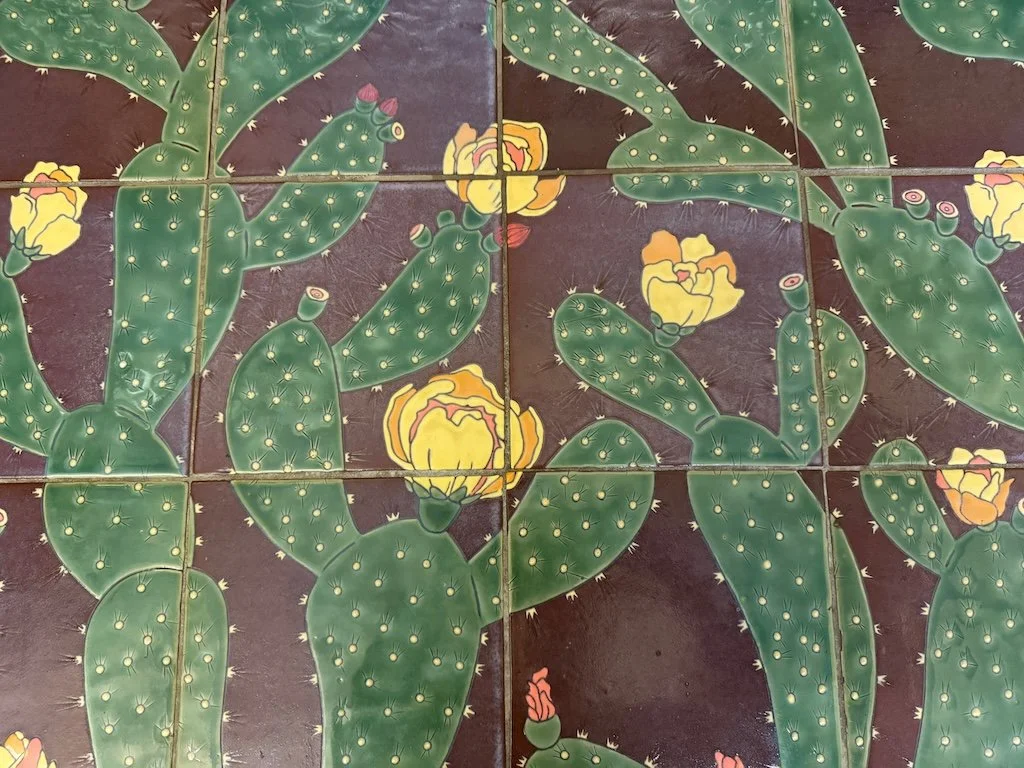
While I was Texas, we made a trip to Sherman to visit my sister and lunched in downtown Sherman. We parked on Courthouse Square and then walked about a block to the restaurant – past some wall art on one of the old buildings. I liked the colors and curves.

20190423_115156(0).jpg
20190423_133107.jpg

The building the restaurant was in (Fulbelli’s) was in from the 1870s and has been restored for use by small shops and eateries. The light wells bring light from above down through the building – as intended when the building was initially built before electric lighting. The restaurant is on the second floor and we were taken up (and back down) on the antique elevator by an attendant – an adventure in elevator history!

20190423_133117.jpg

After lunch we browsed through the hallways (Sherman history pictures on the walls) and small shops.

I found some interesting earrings made by a local artist from leather and metallic paint. I’m going to try wearing them to my next Wings of Fancy shift…see if the blue morphos are attracted to them. The blue looks the same in certain light, but it tends to shift toward green in certain light and the blue morphos shift toward pink; they are both a structural color probably but not the same.

20190503_074214.jpg

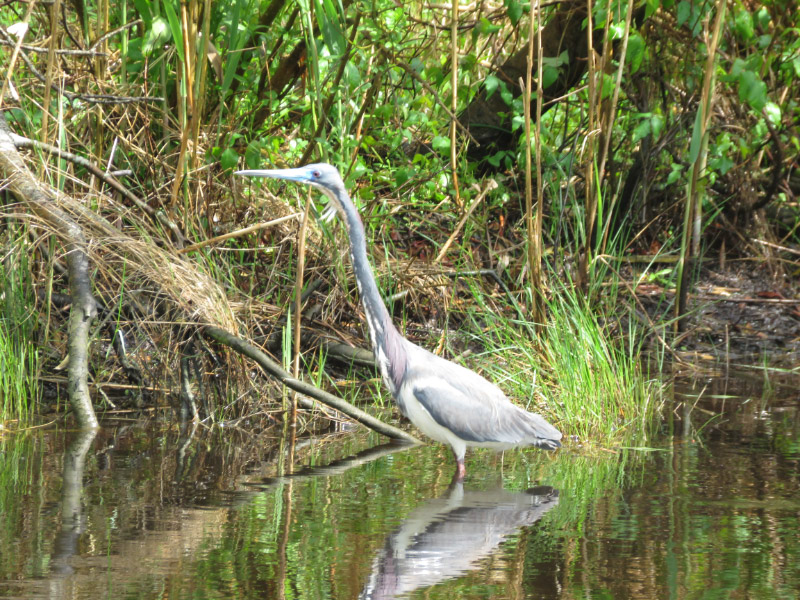
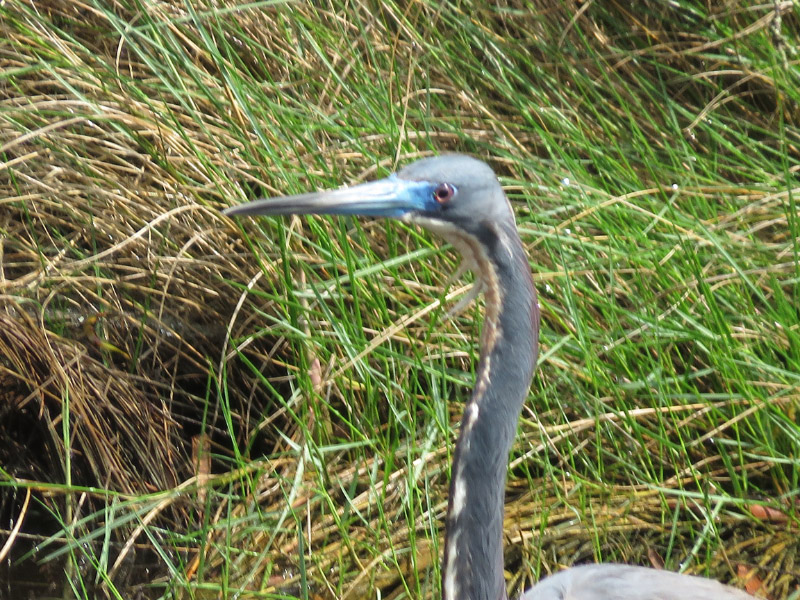
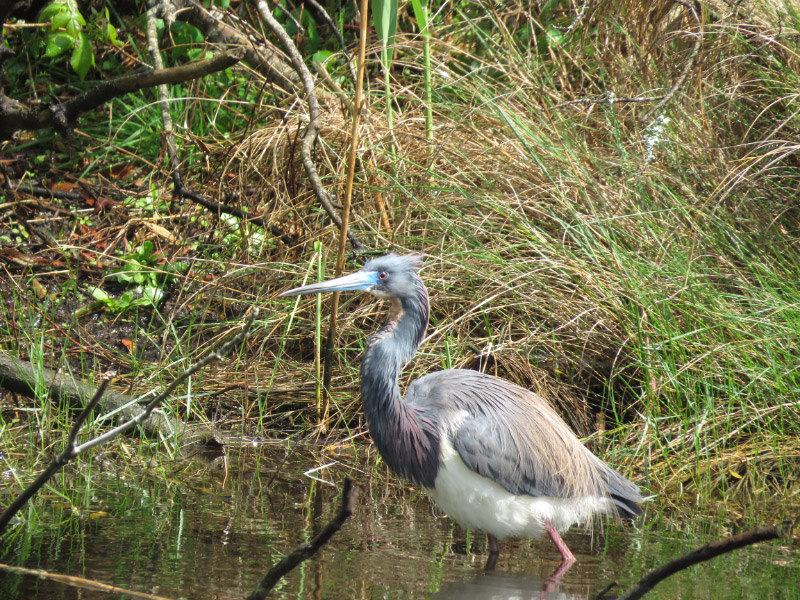
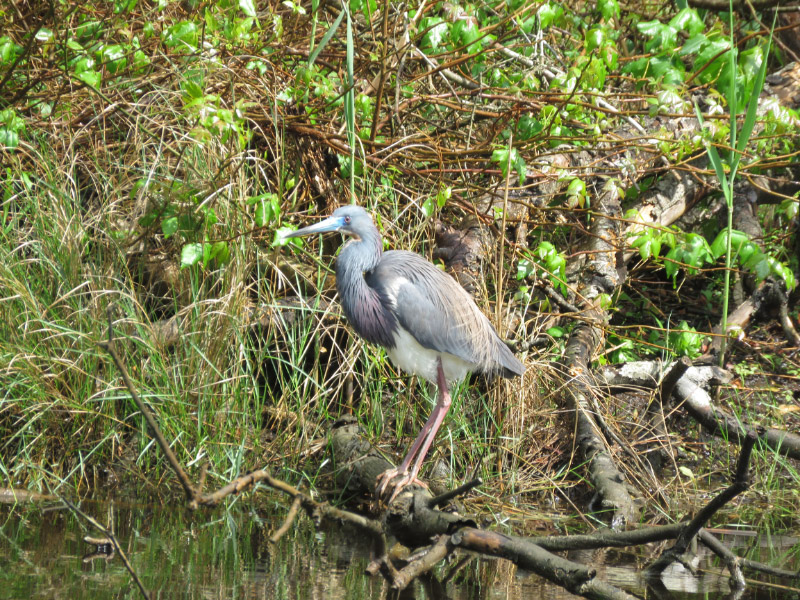
Tricolored Heron at Chincoteague

We didn’t see as many herons at Chincoteague National Wildlife Refuge (see previous post here) as we have in years past. Maybe they were hunkered down in the rain or way from the wind. It was not ideal weather while we were there. The one we did see was not as common as some of the others: a tricolored heron.

It is distinguished from the Little Blue Heron by its white underparts and white on its neck. And it’s smaller than the Great Blue Heron.

This bird was feeding in a waterway with high banks…somewhat protected from the wind. I was pleased with the way the feathers were ruffled and smoothed as I watched the bird move about – oblivious to us in our car (used as a blind).

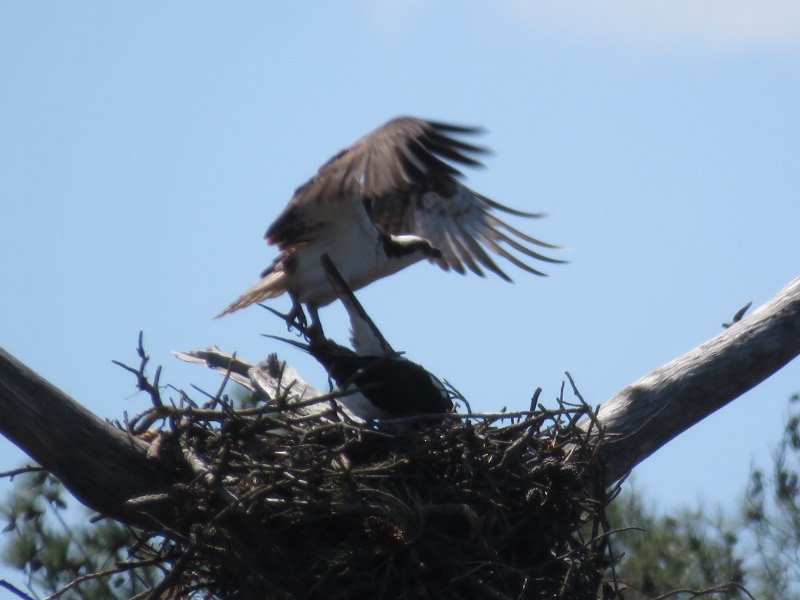
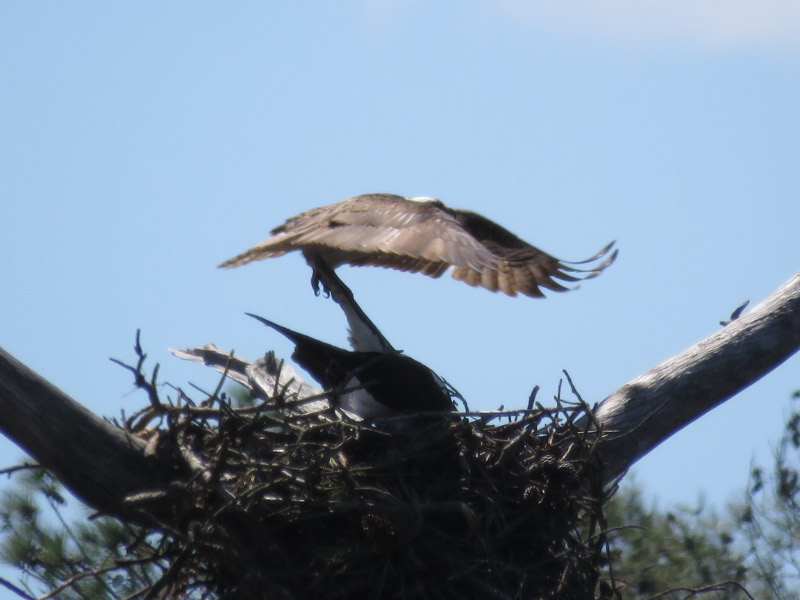
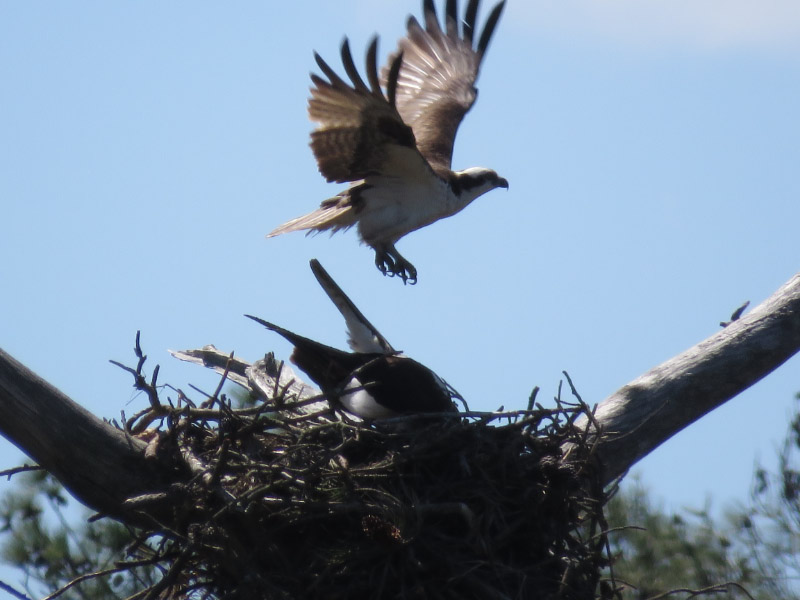
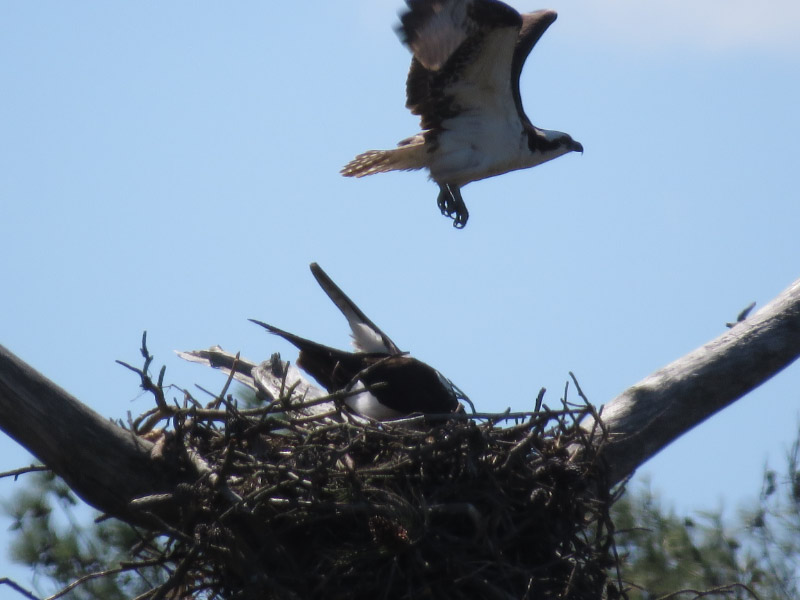
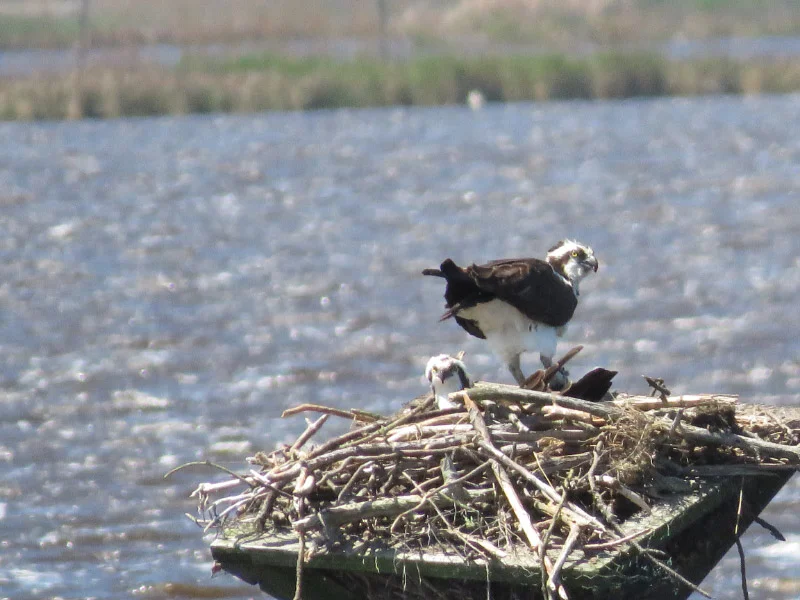
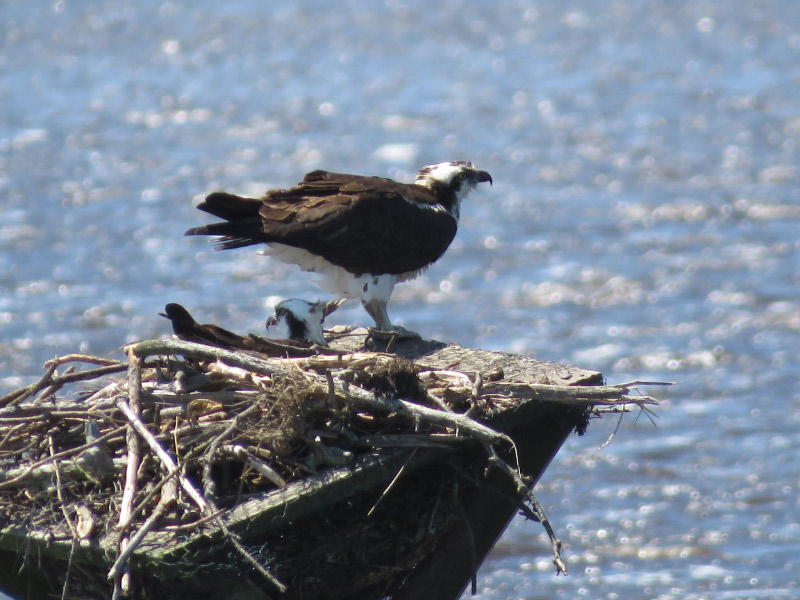
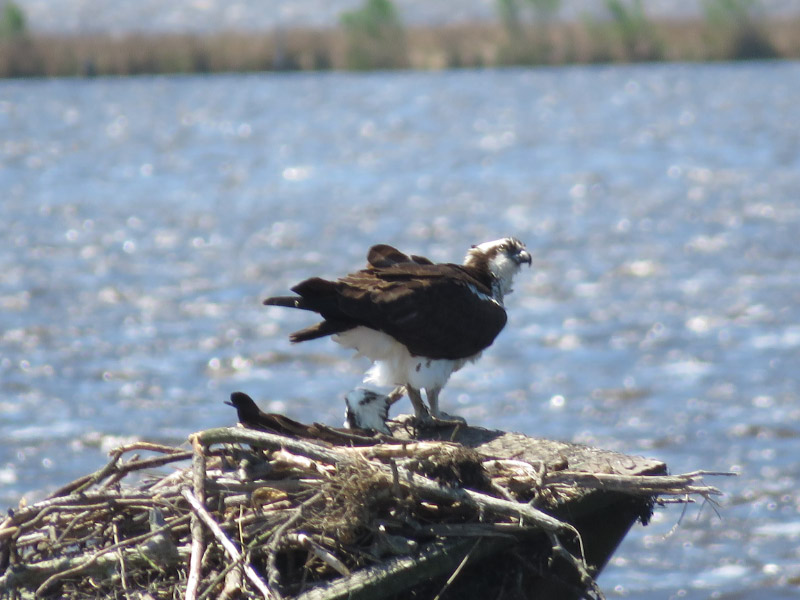
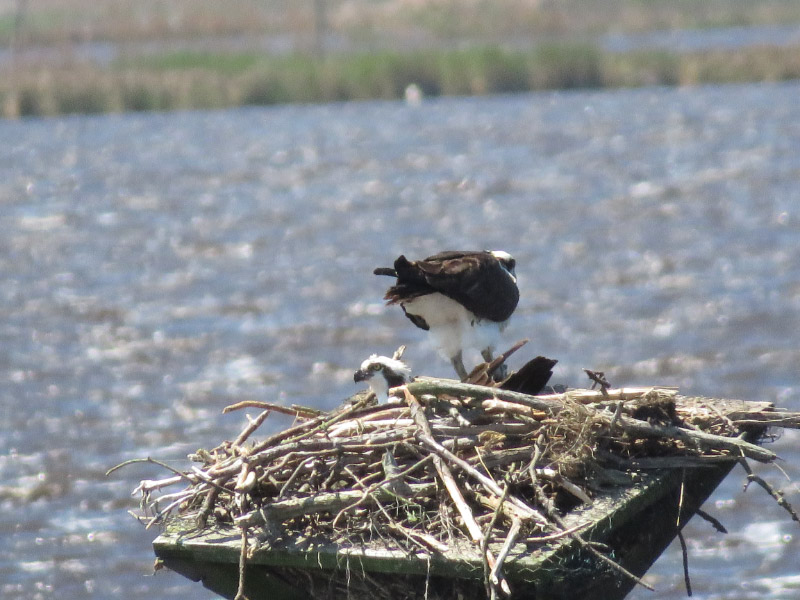
Blackwater Osprey Drama

We saw more Osprey at Blackwater National Wildlife Refuge than we did bald eagles (see previous post for the bald eagle pictures).

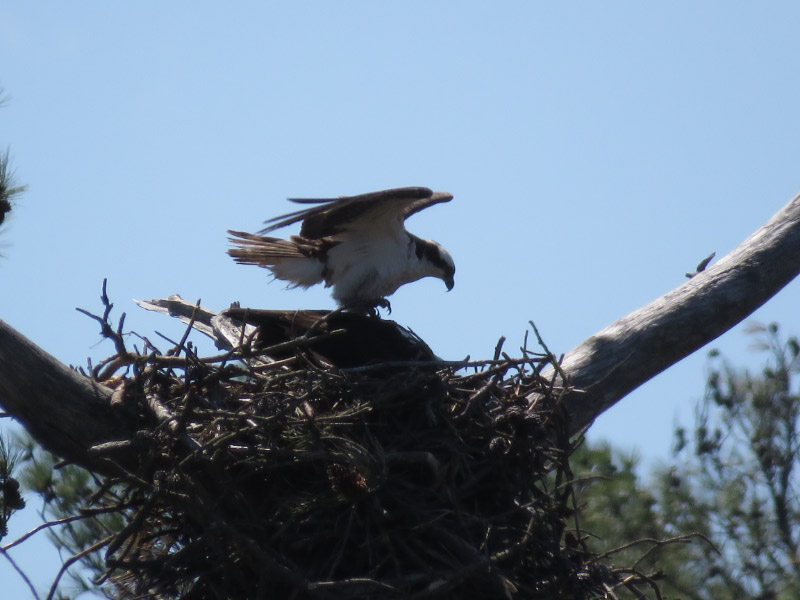
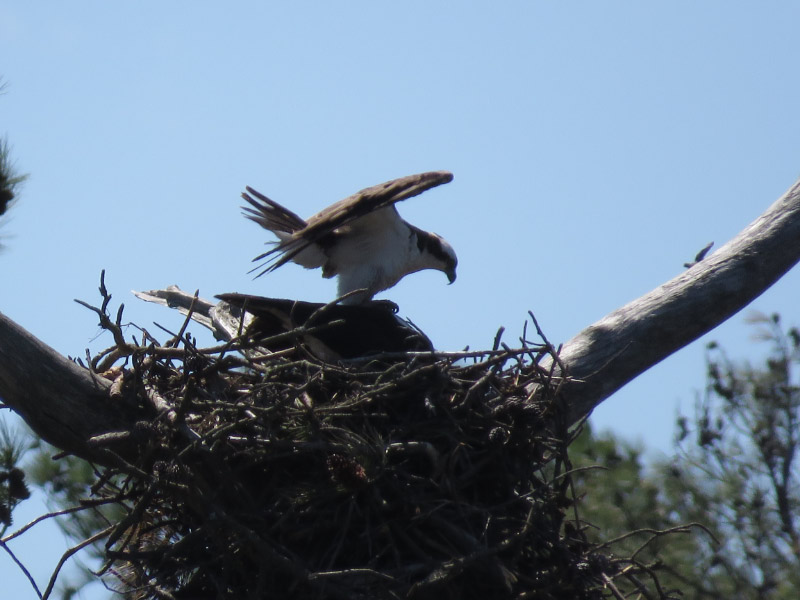
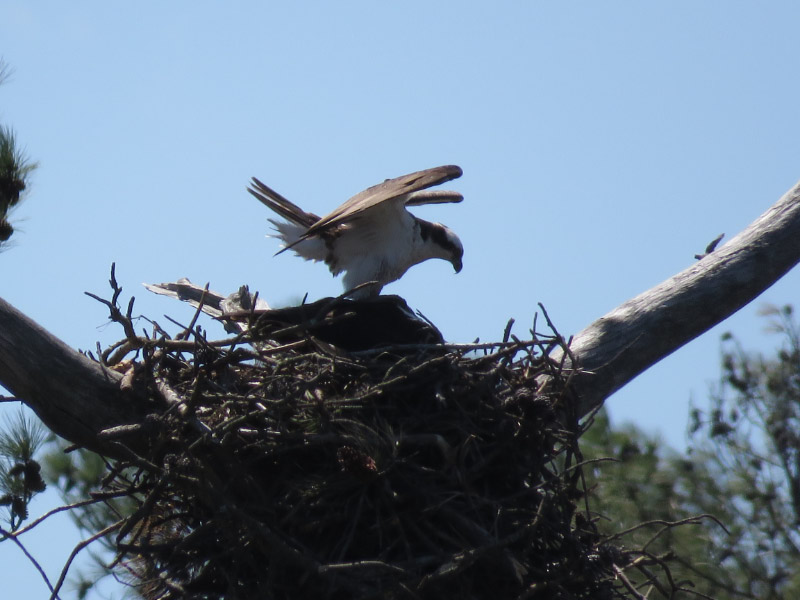
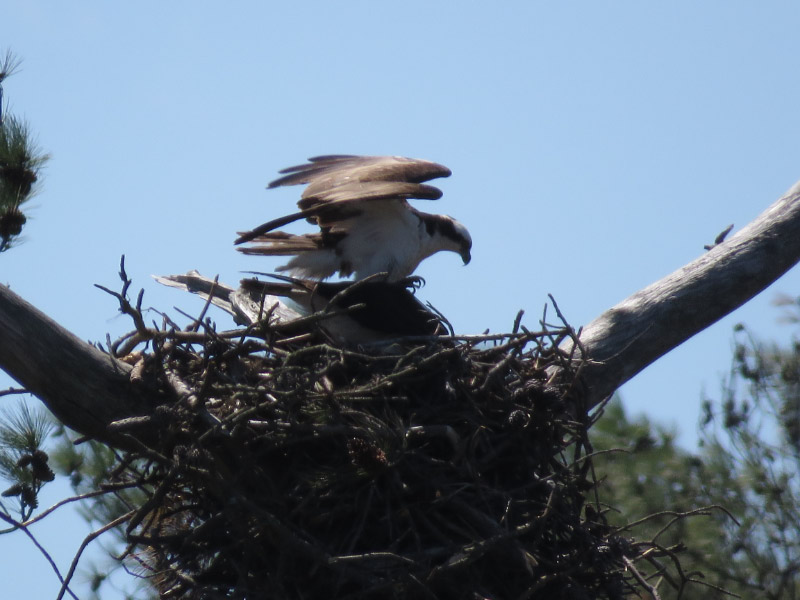
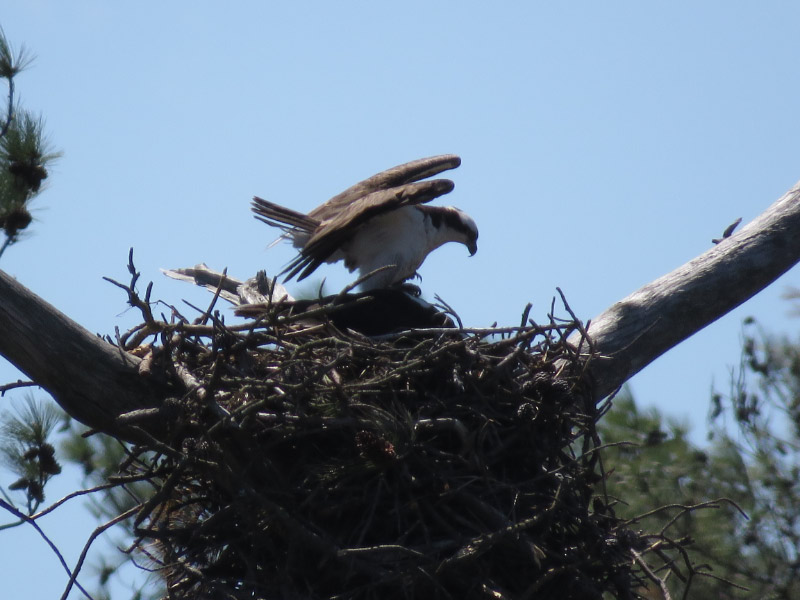
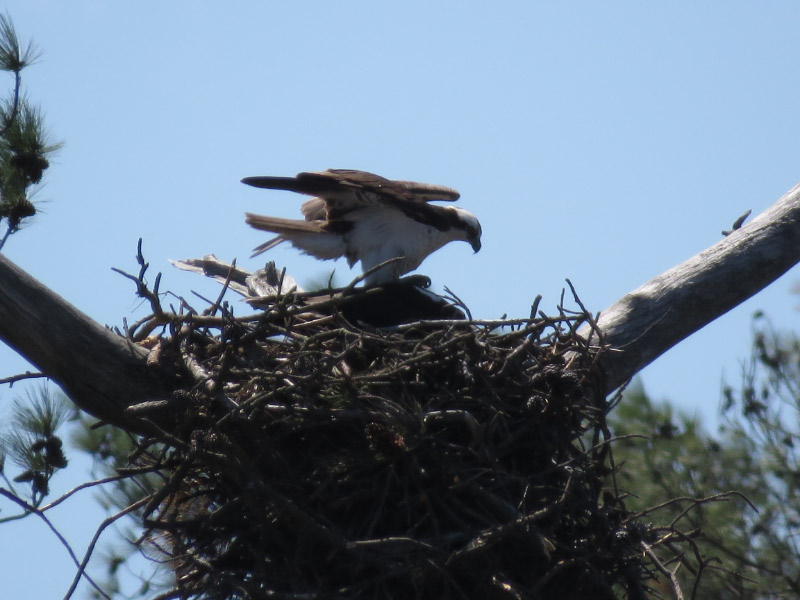
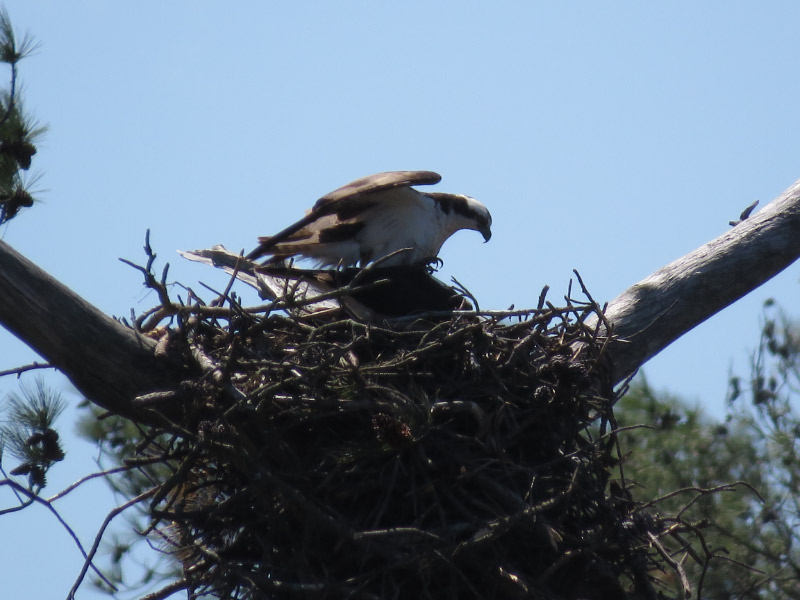
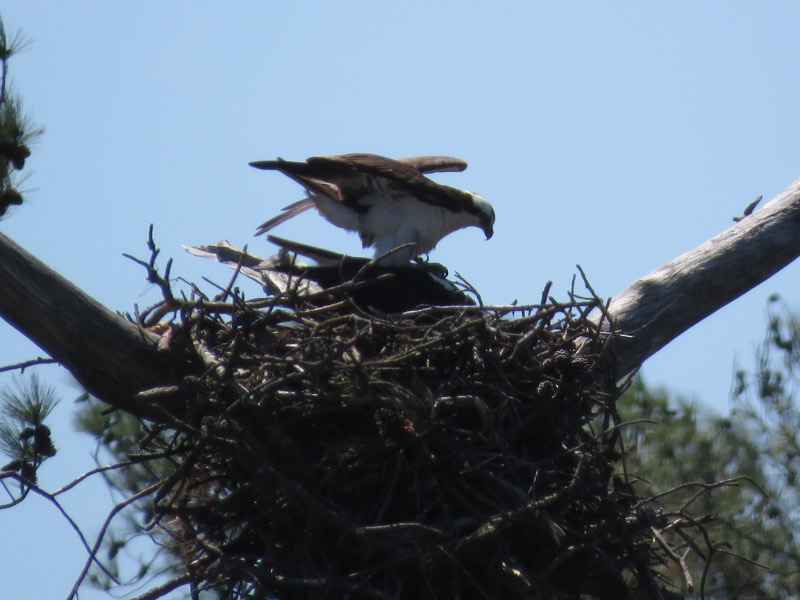
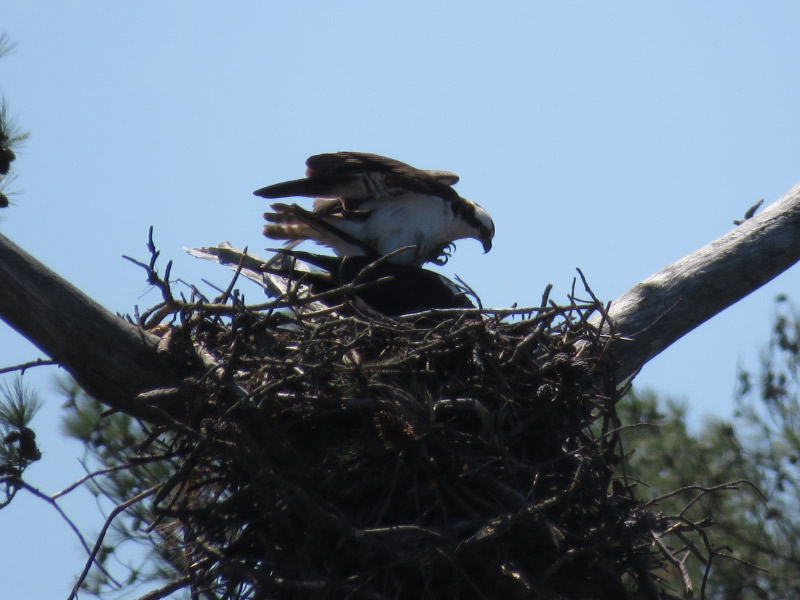
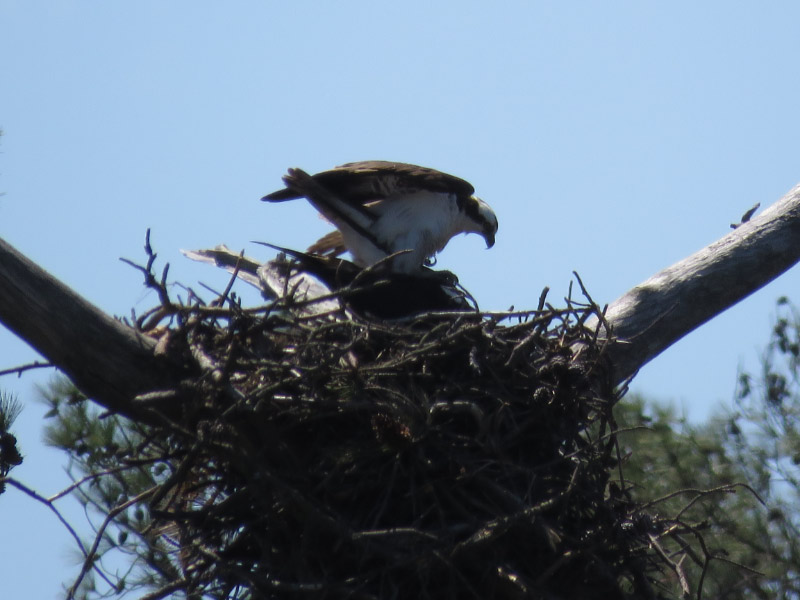
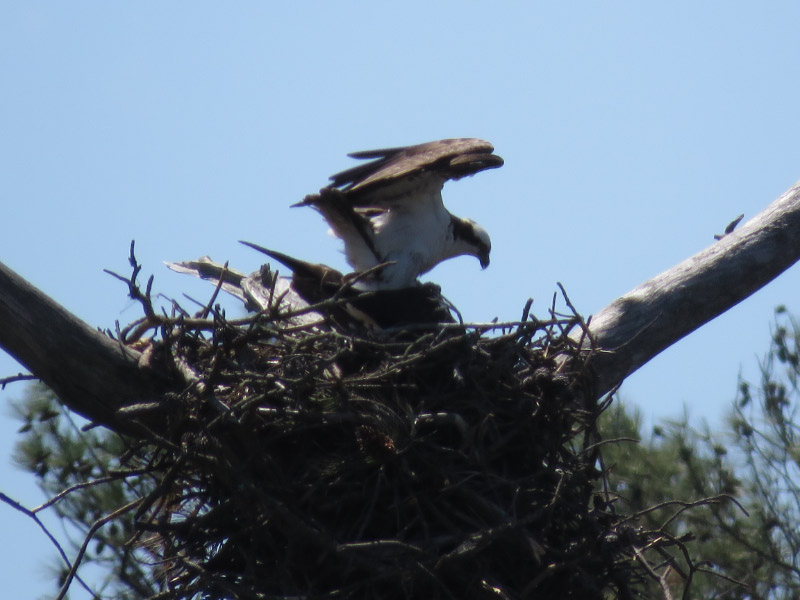
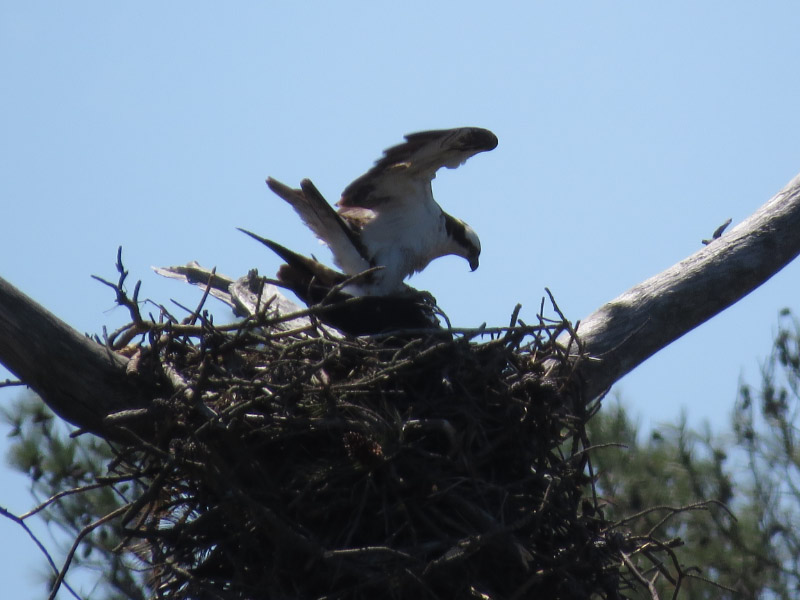
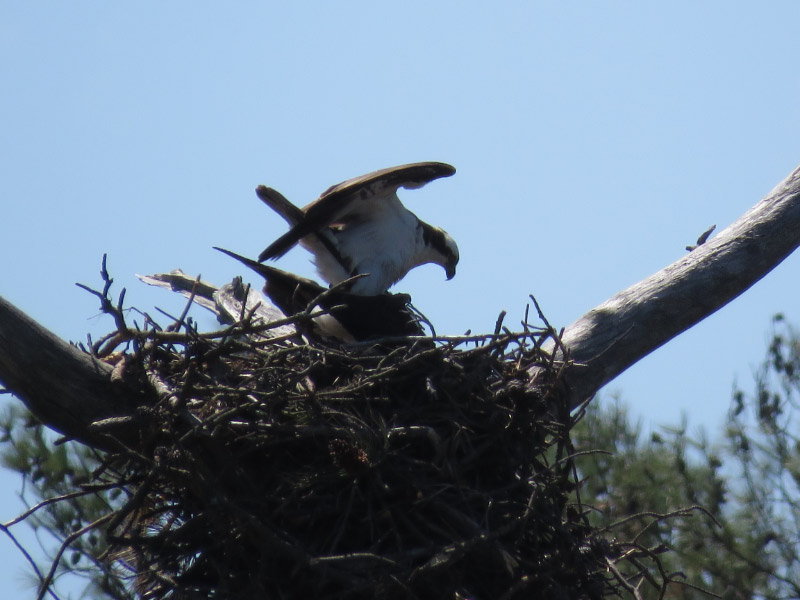
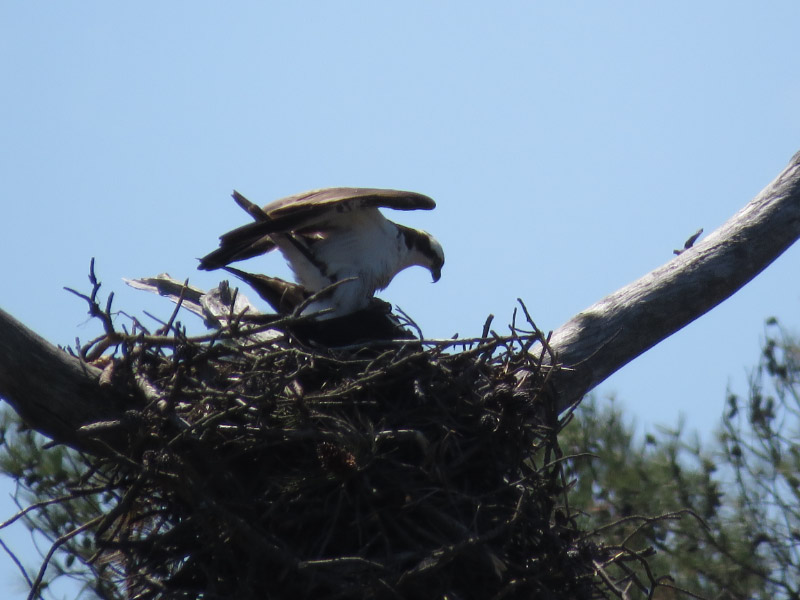
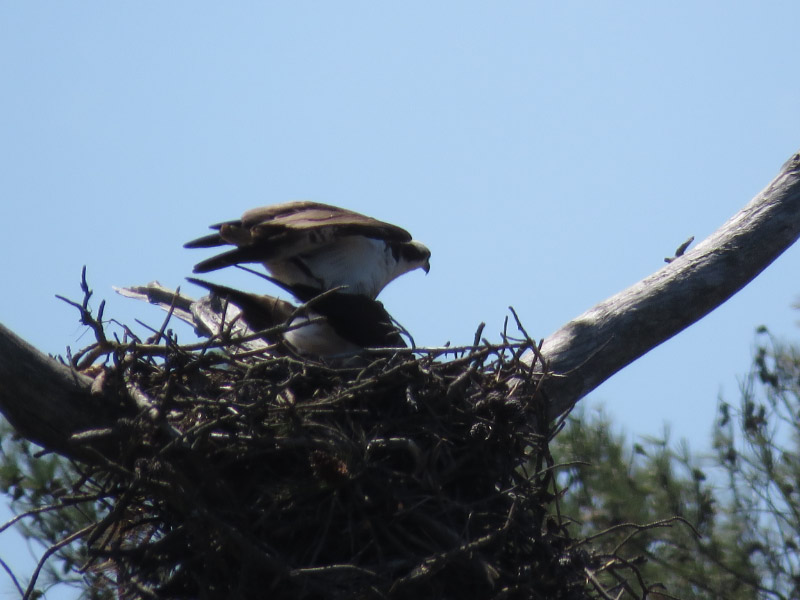
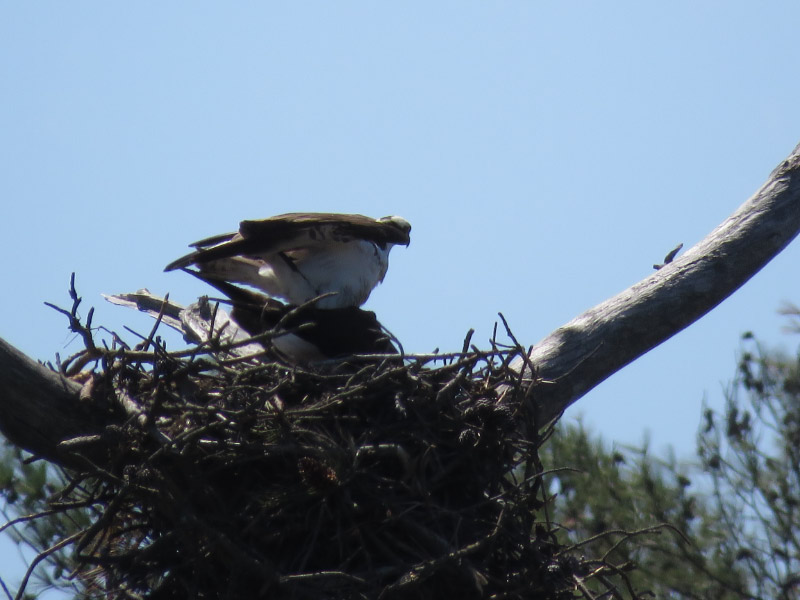
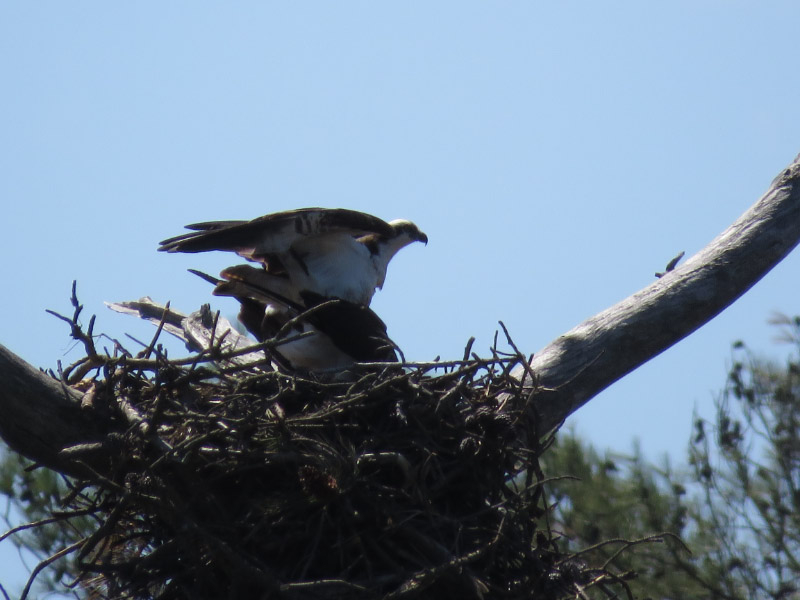
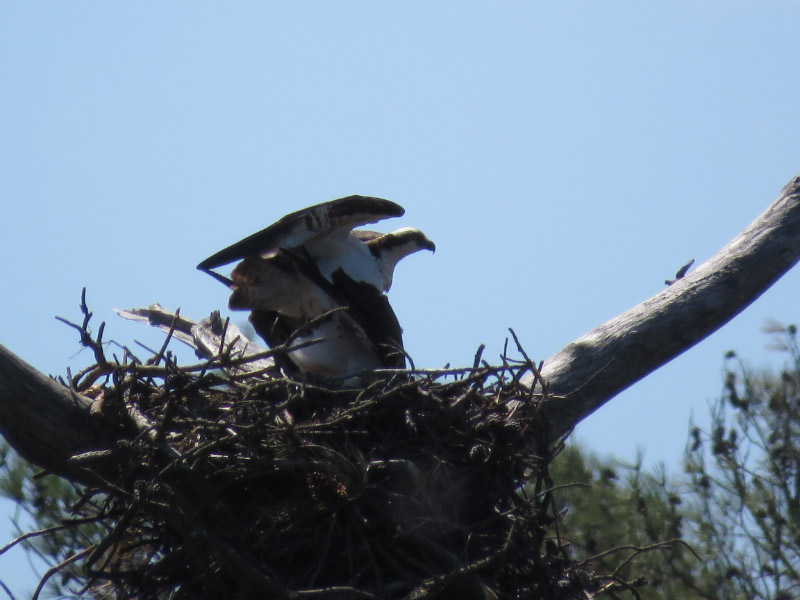
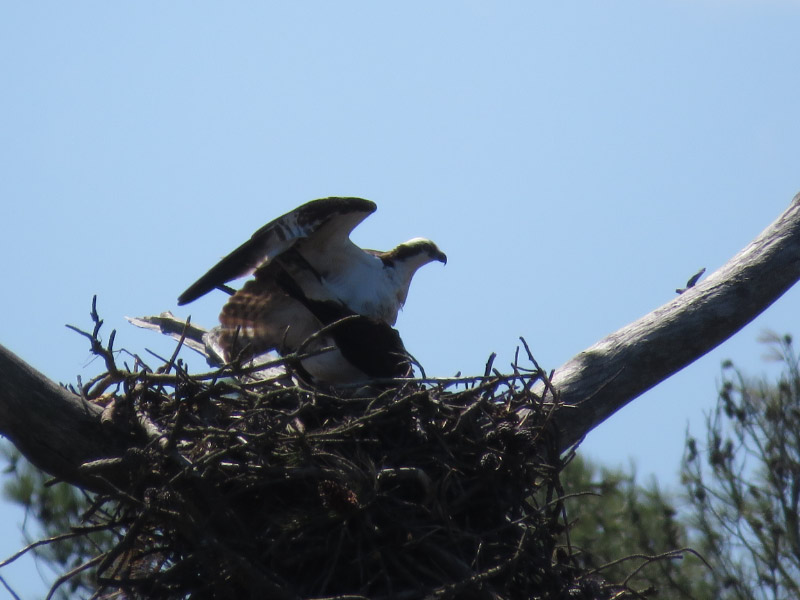
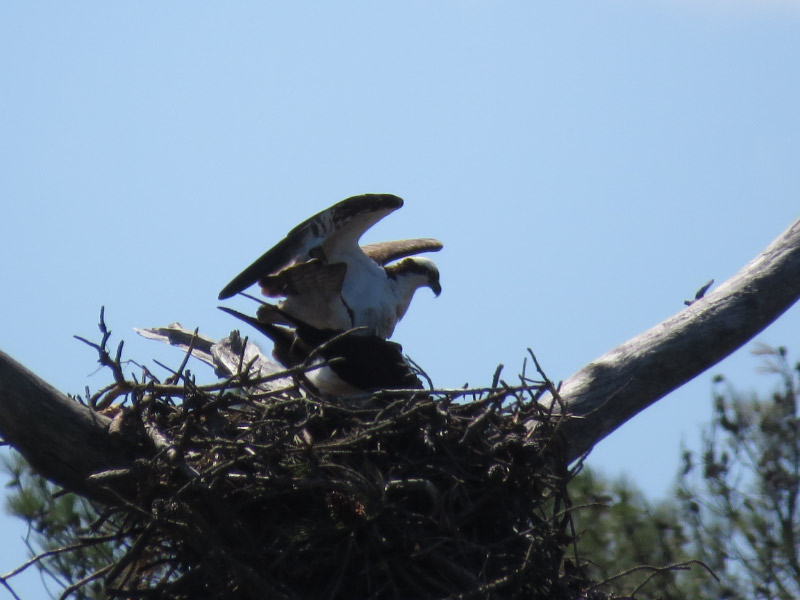
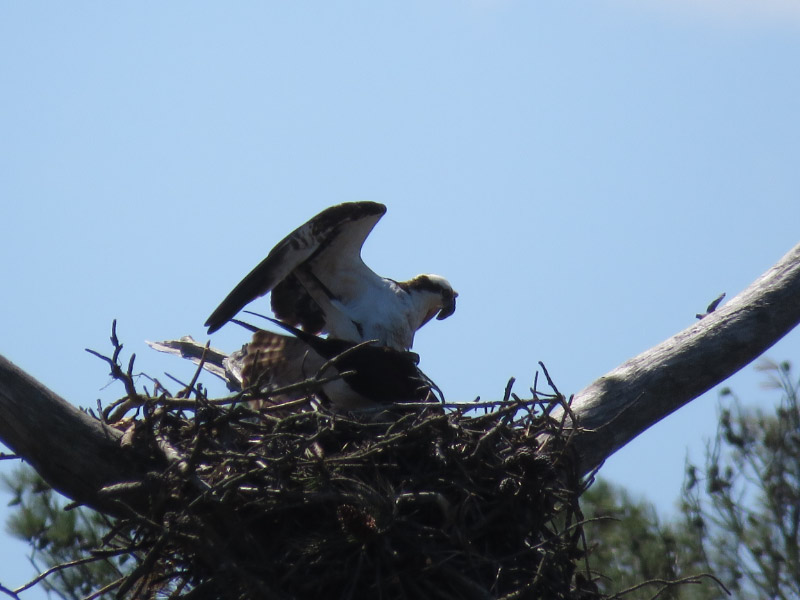
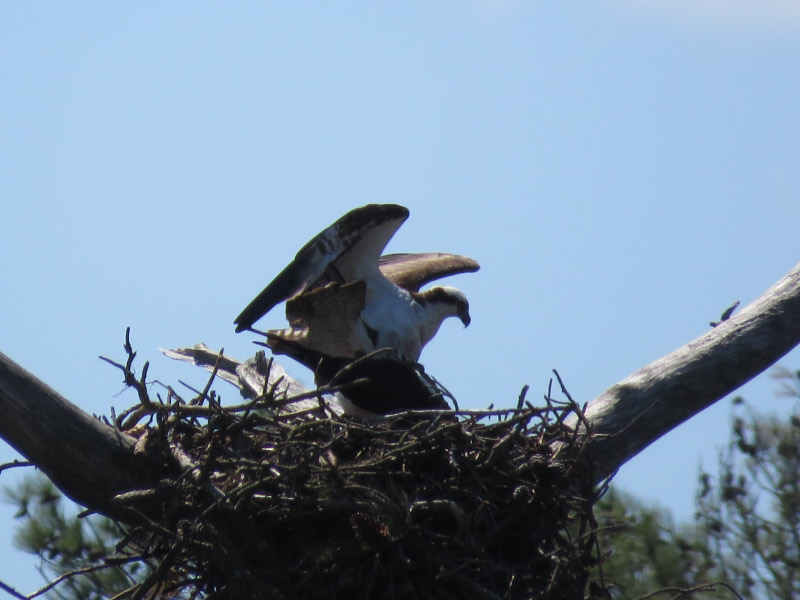
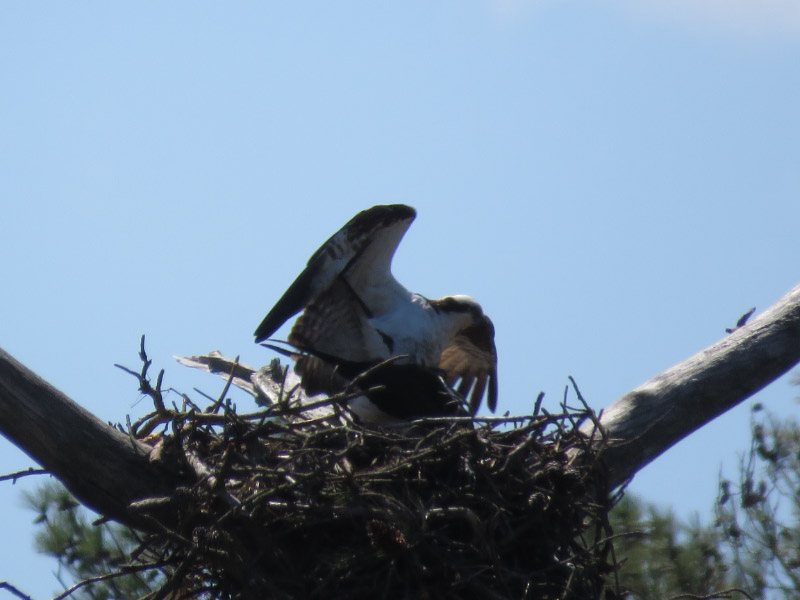
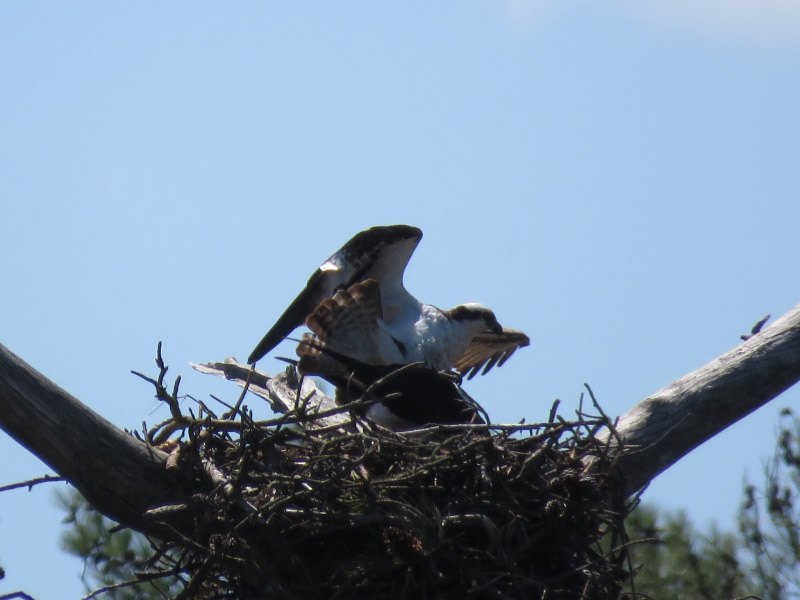
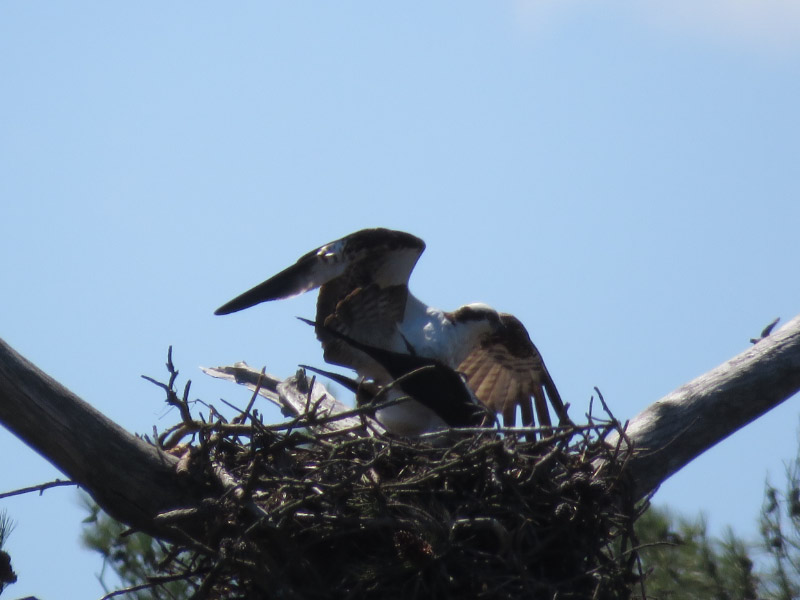
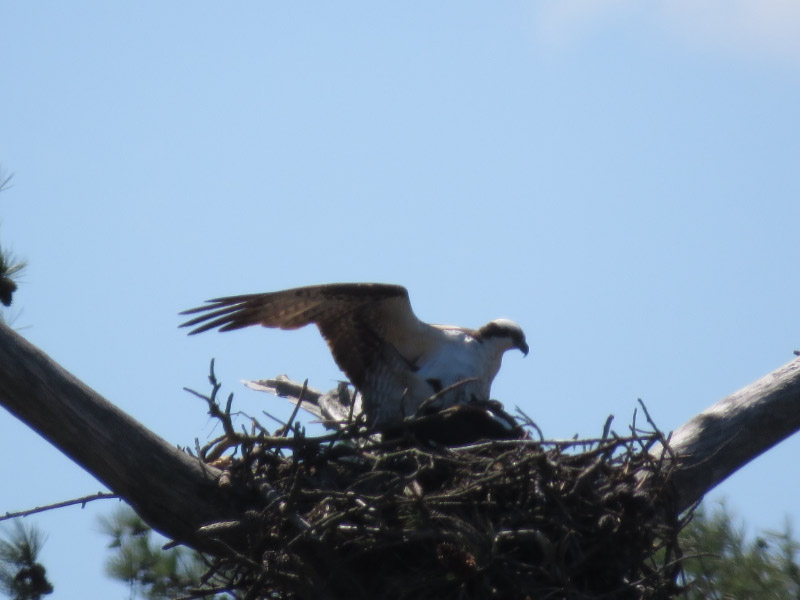
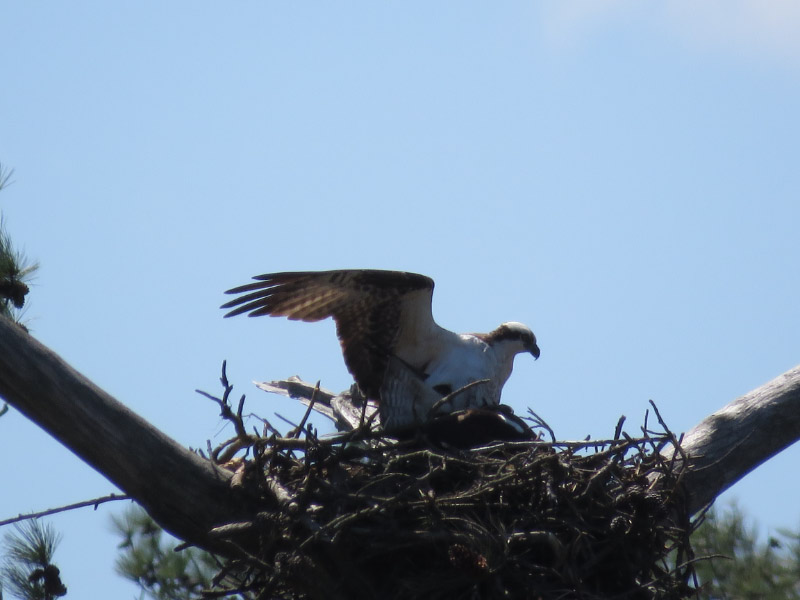
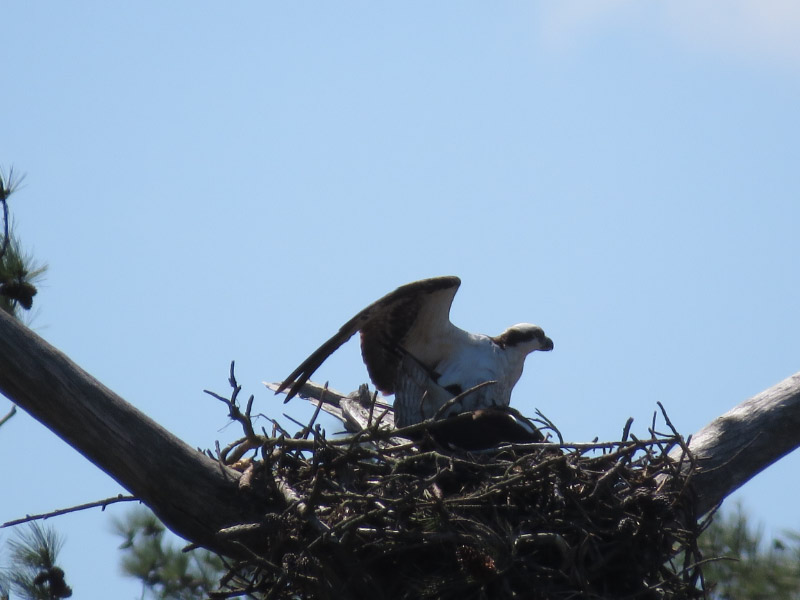
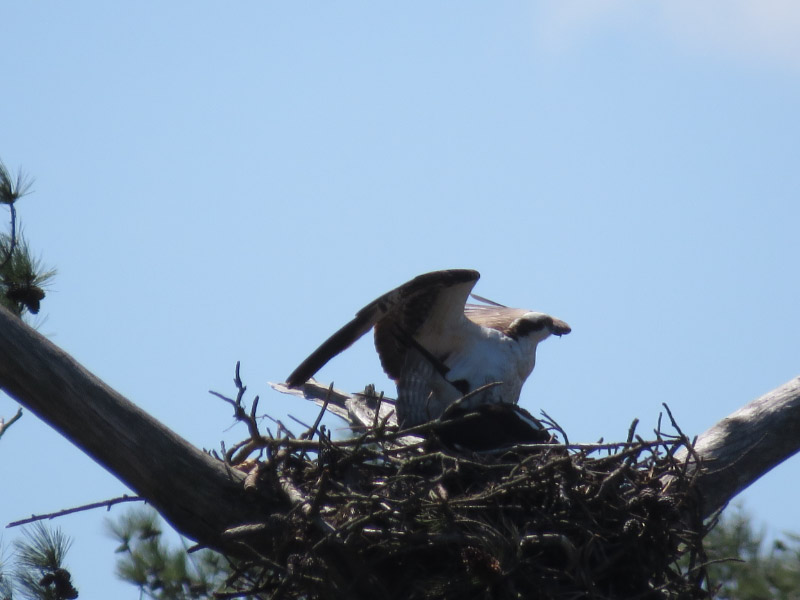
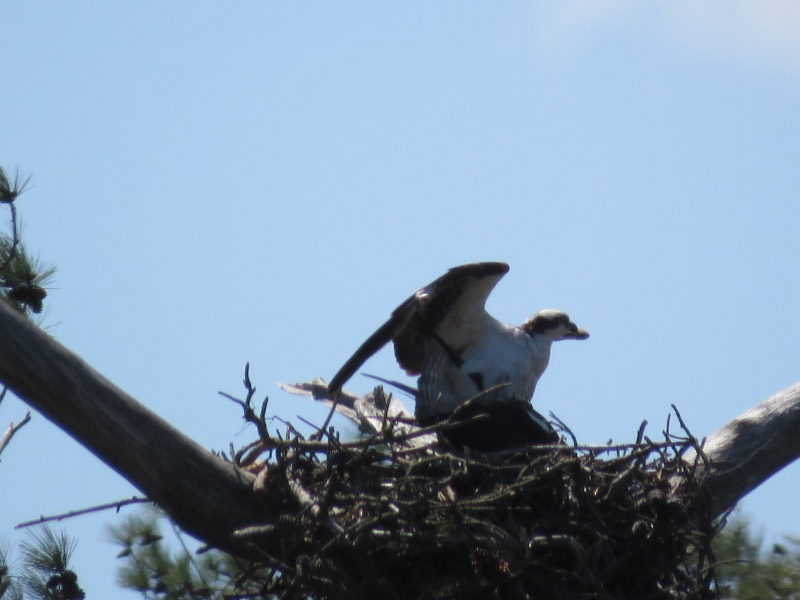
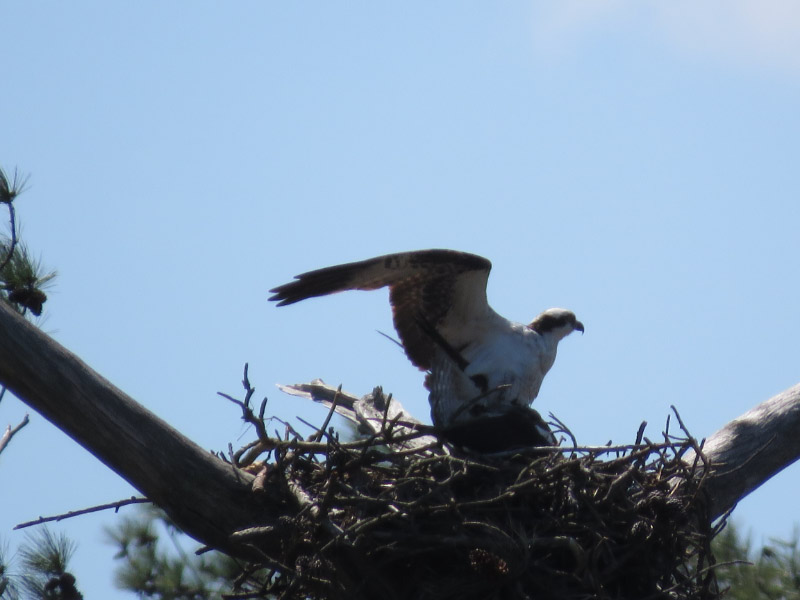
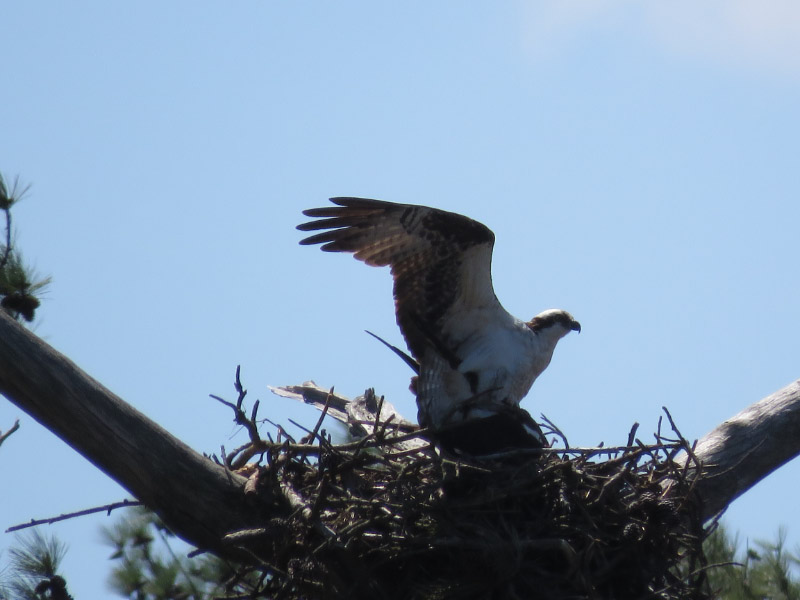
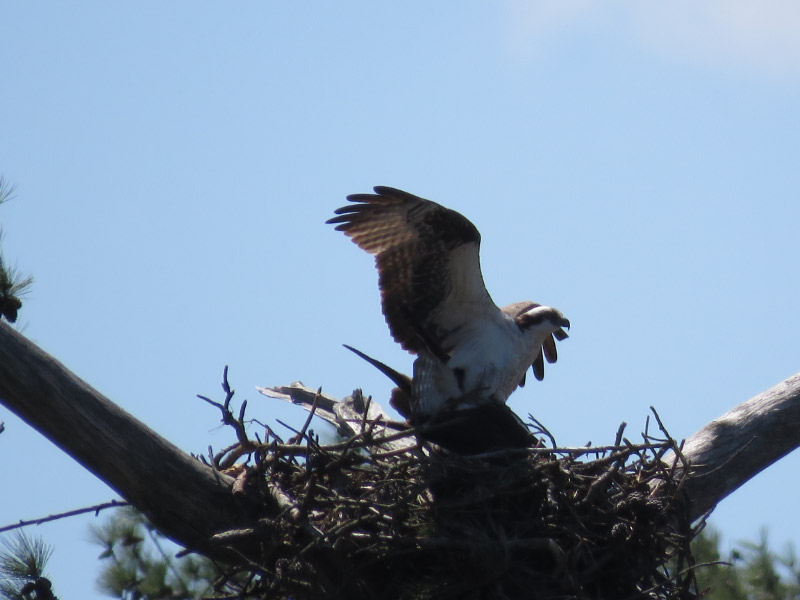
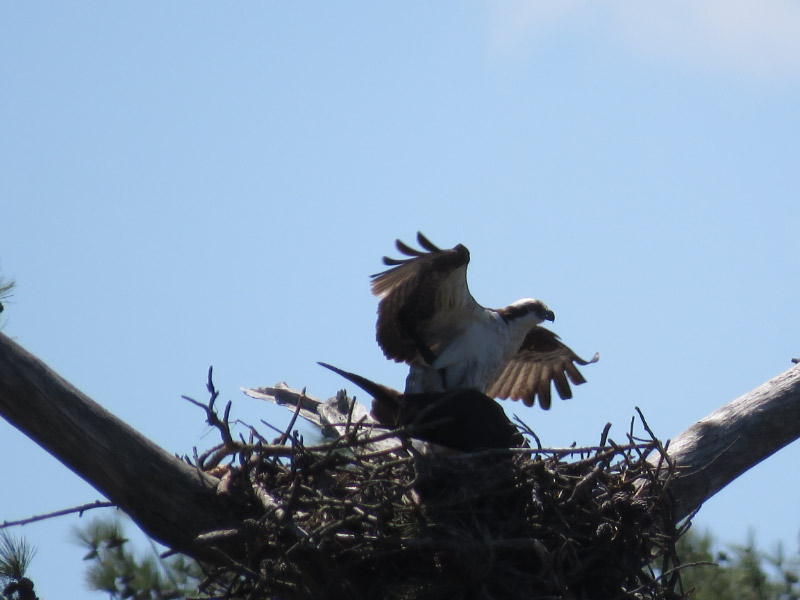
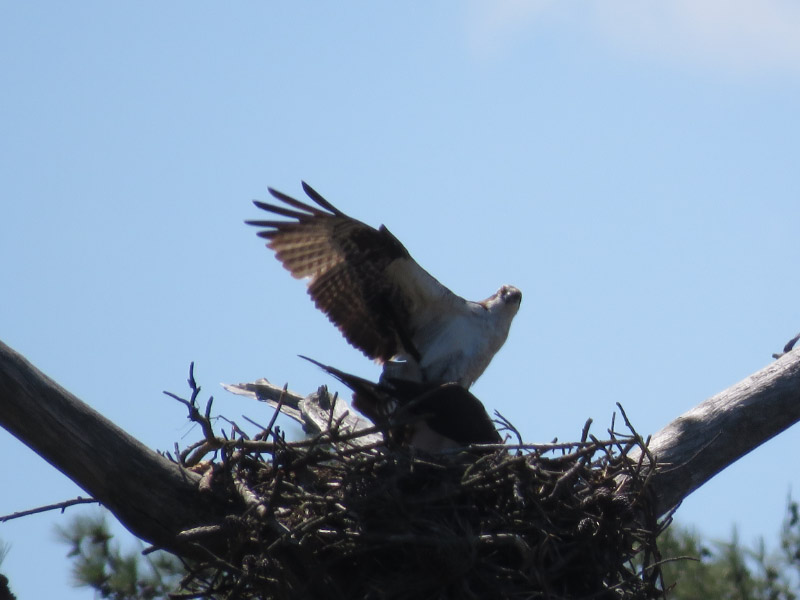
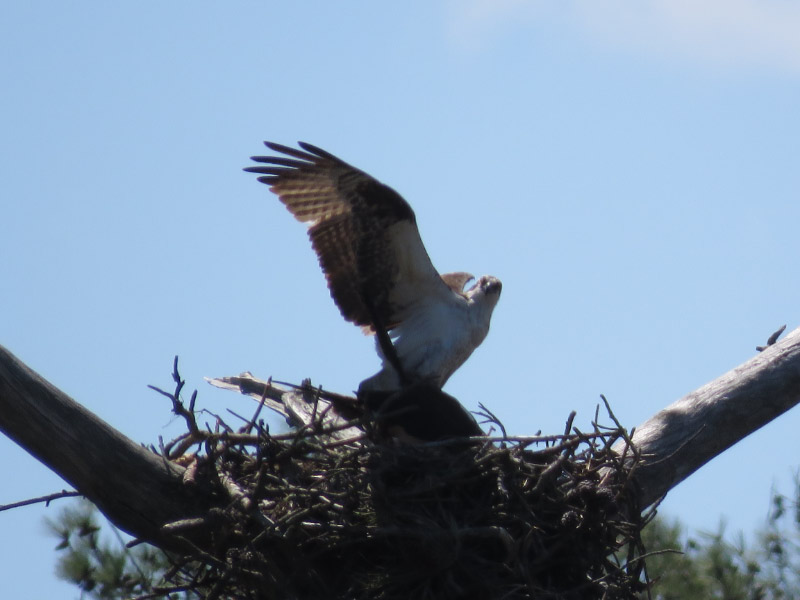
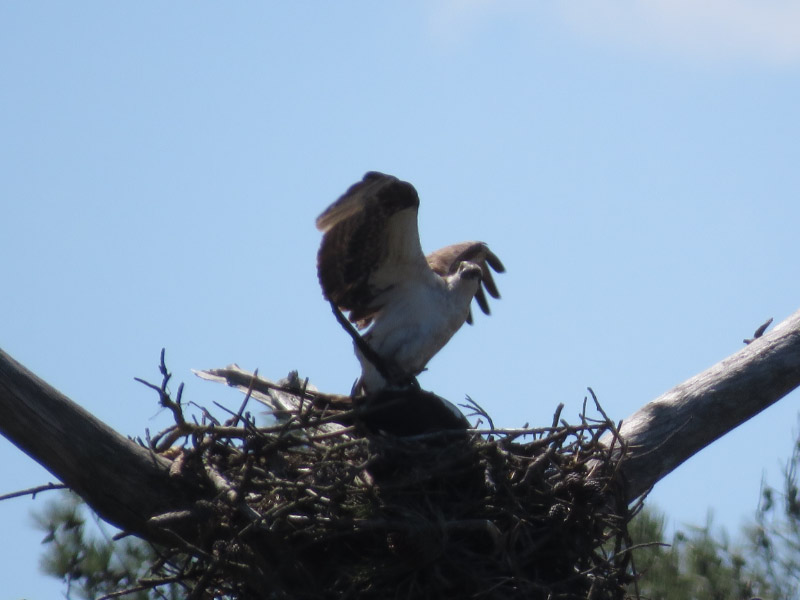
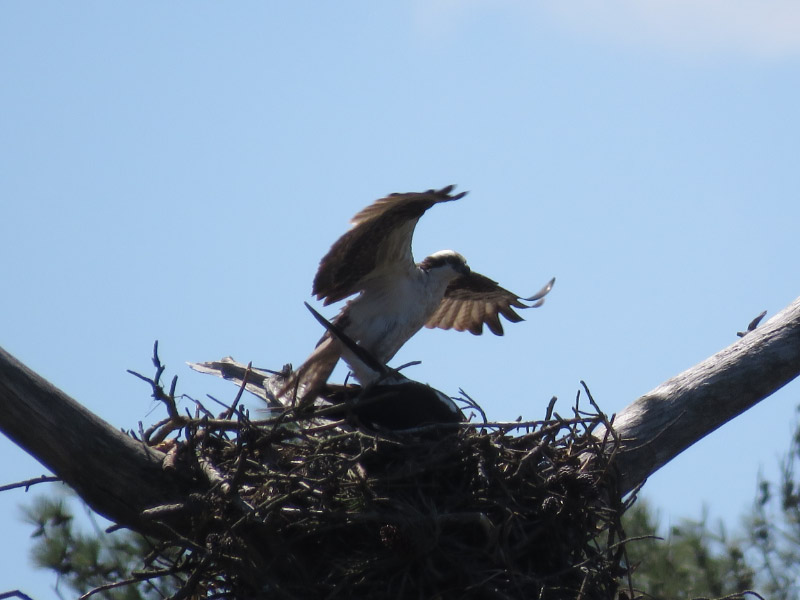
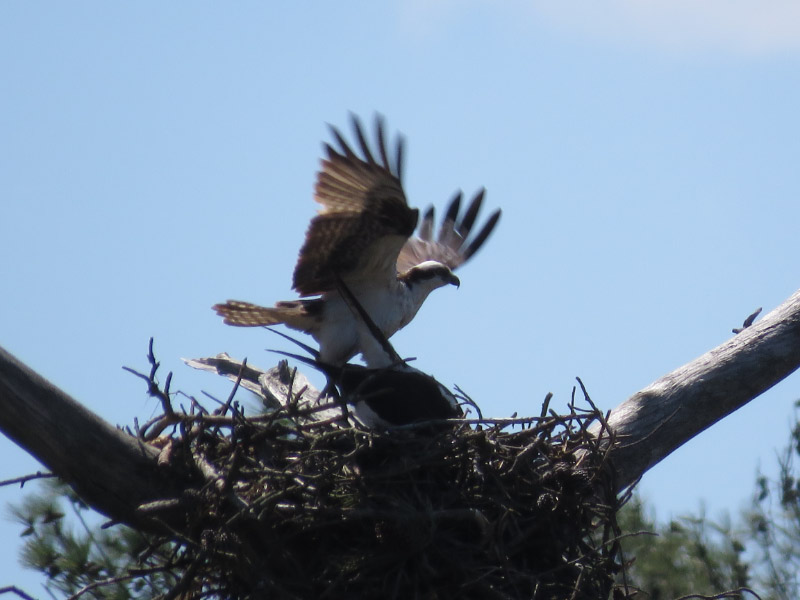
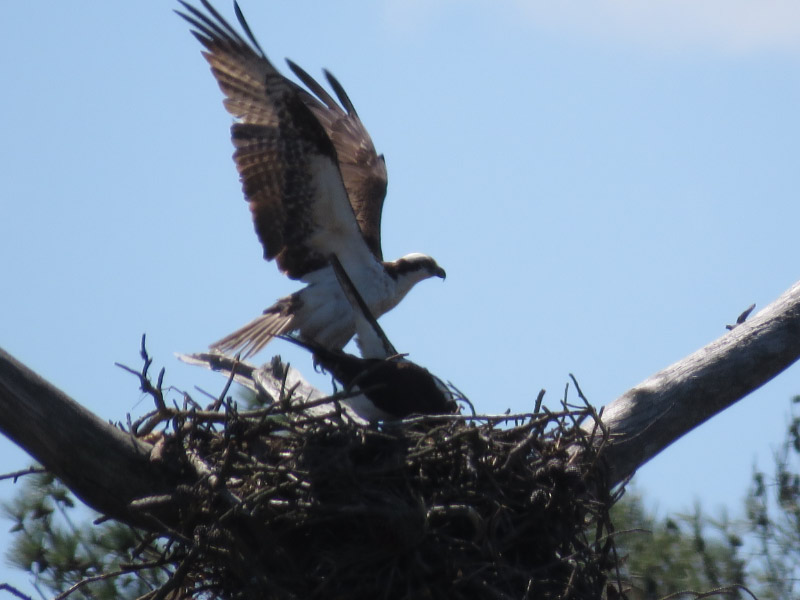
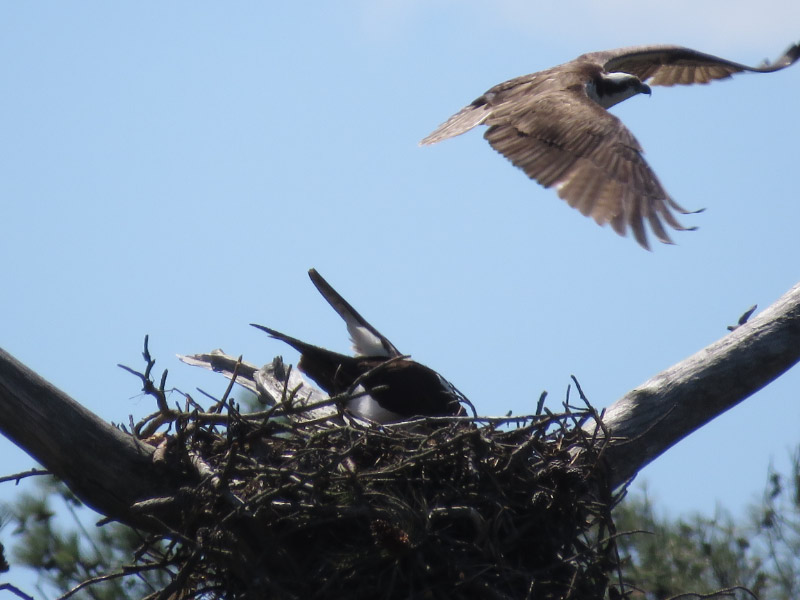
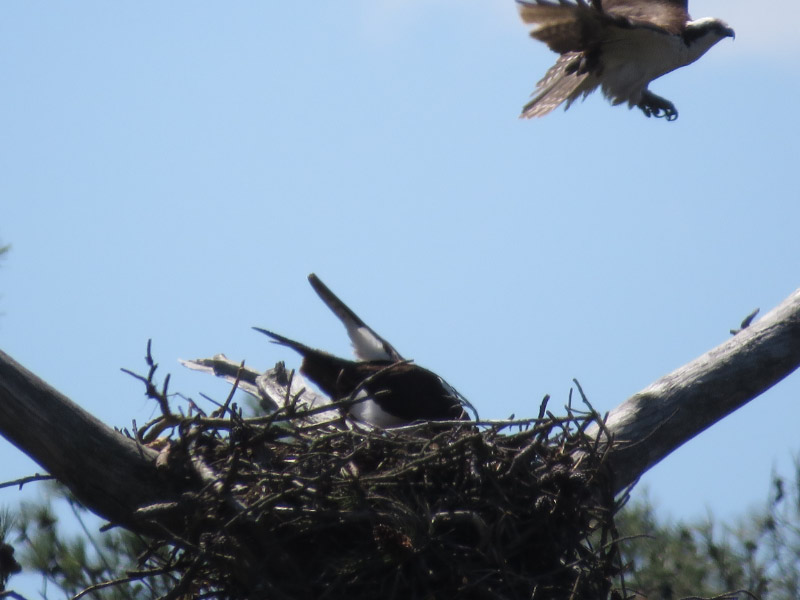
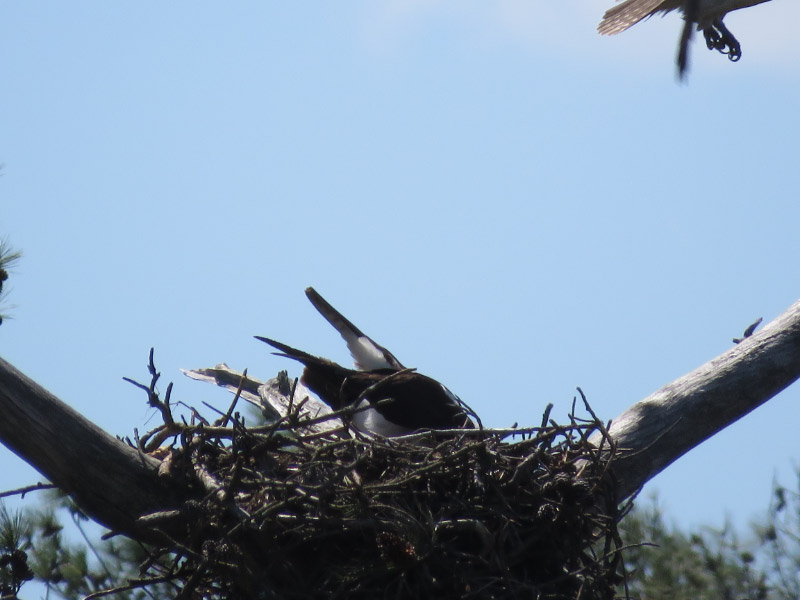
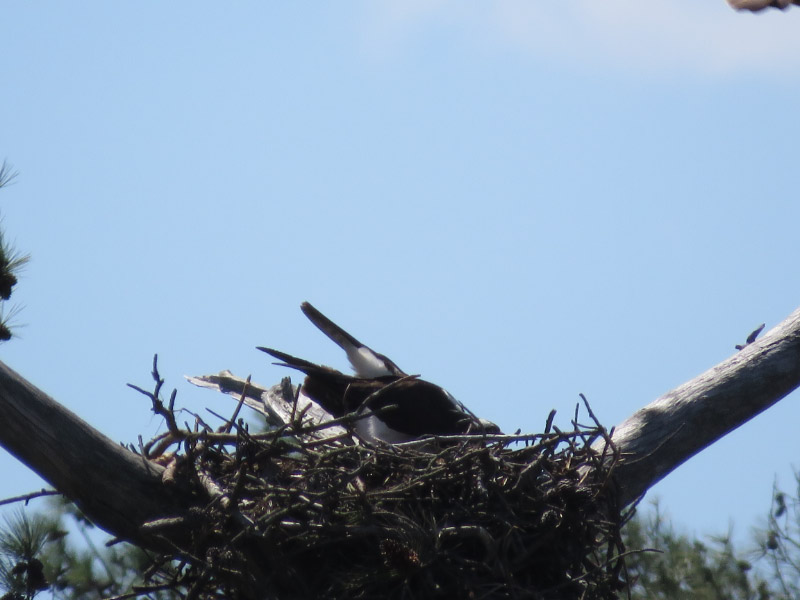
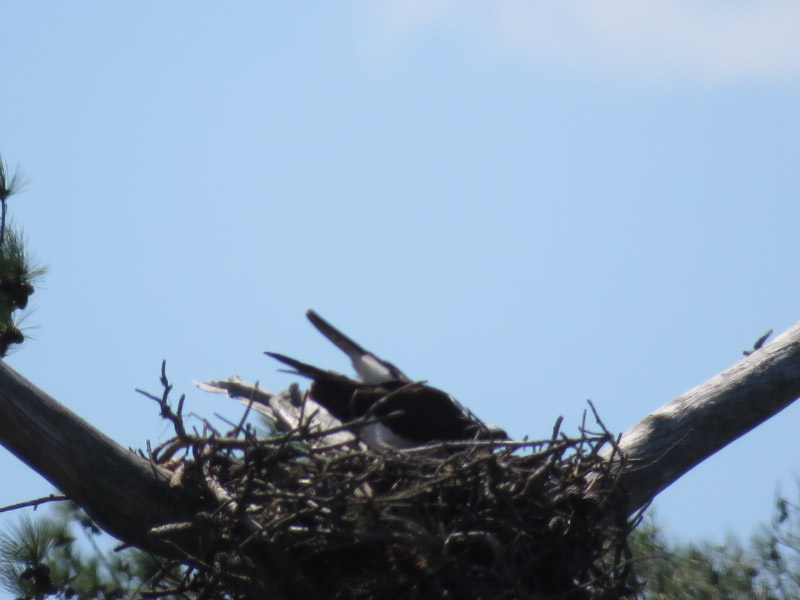
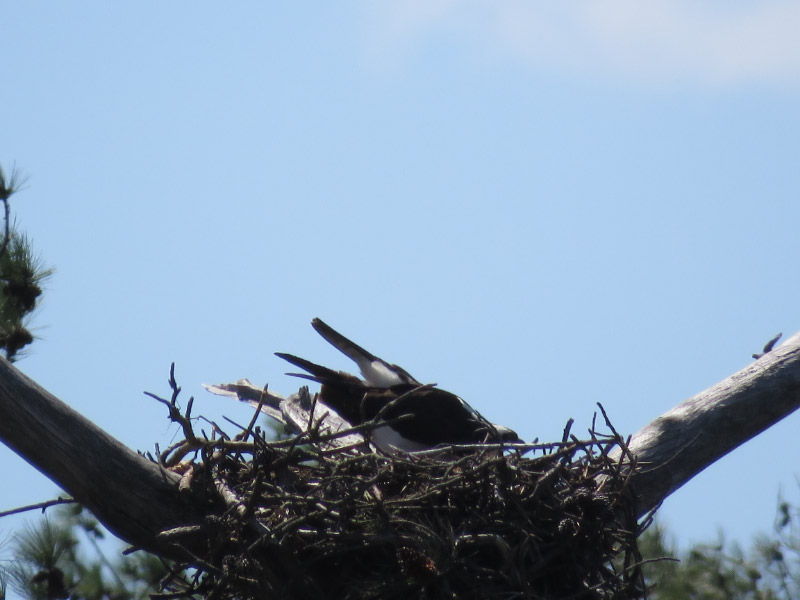
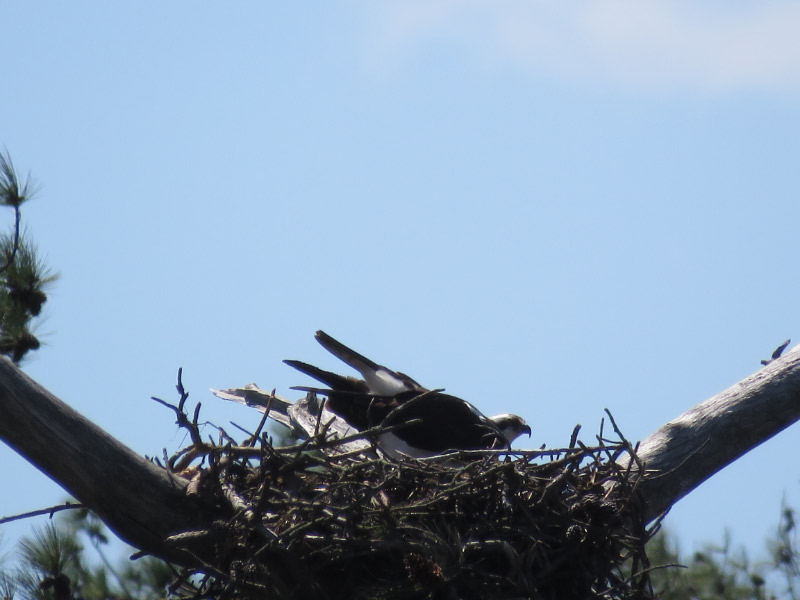
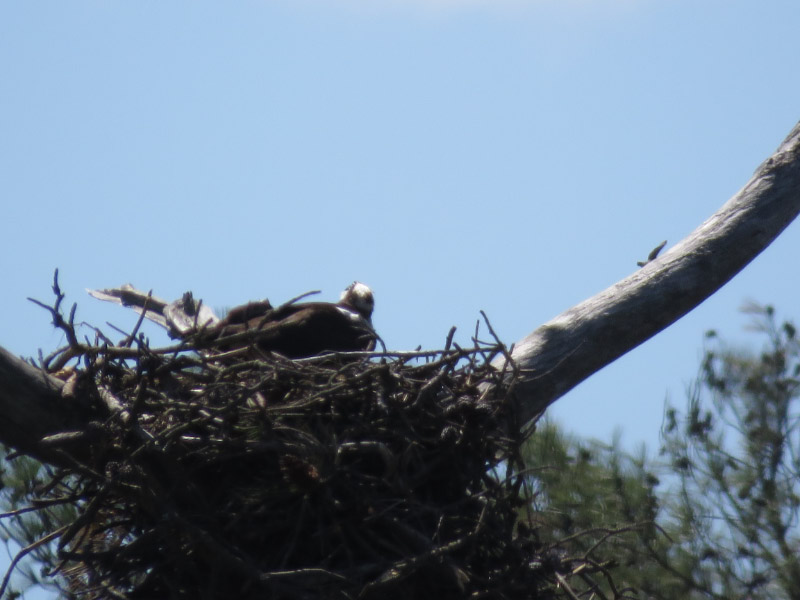
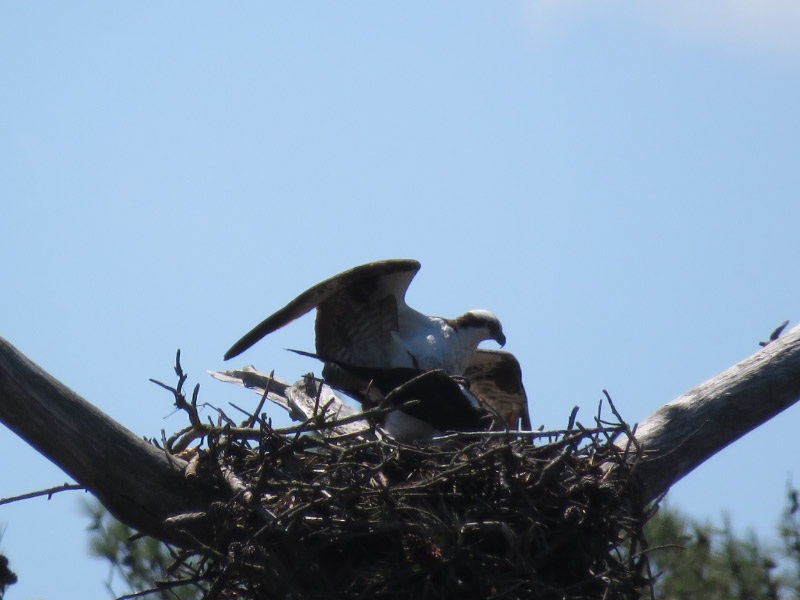
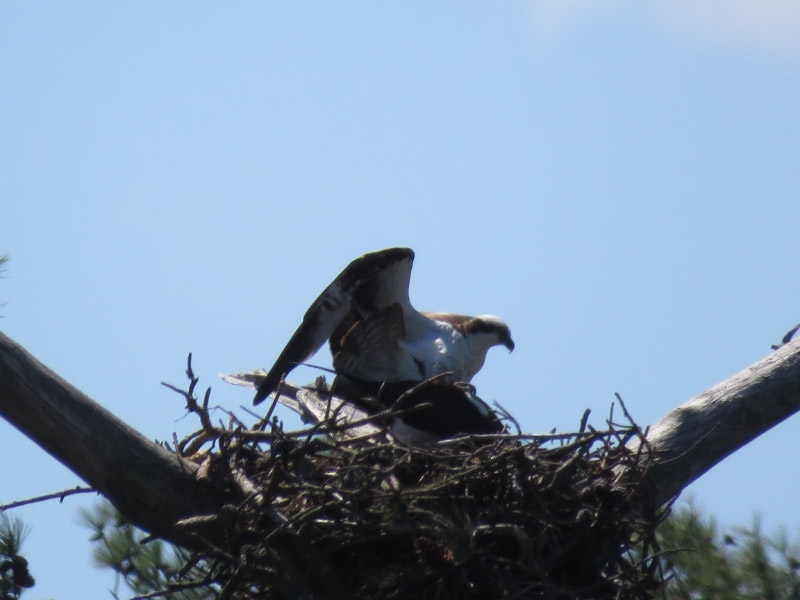
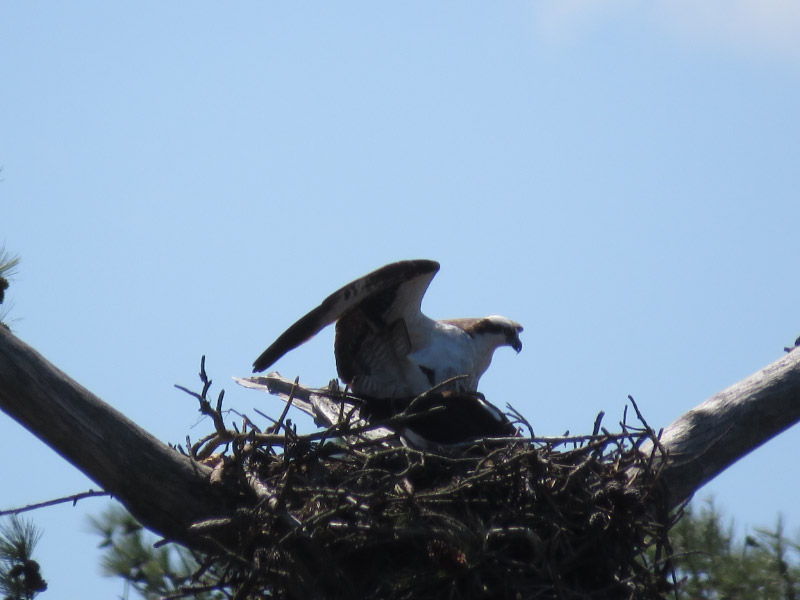
There was an occupied nesting platform near the beginning of the wildlife loop (to the left – labeled Little Blackwater River on the map). There was a bird on the nest on both days we drove the loop. Since we knew the nest was there and we were using the car as our blind, my husband and I had already positioned ourselves on the left side of the car with camera supports on the doors on the second day; his was a metal frame that the camera mounted on and mine was a neck pillow turned downward over the door frame…enough for my smaller camera (it was an experiment and worked…good to know for when I travel…yet another reason to take a neck pillow along).There were osprey vocalizations almost immediately and then the male swopped in and there was mating action on the nest.  It was a good thing we were already prepares for photography! The whole sequence below took place in about a minute.

The male flew off to a snag further along the wild life loop afterwards.

2019 04 IMG_7084.jpg

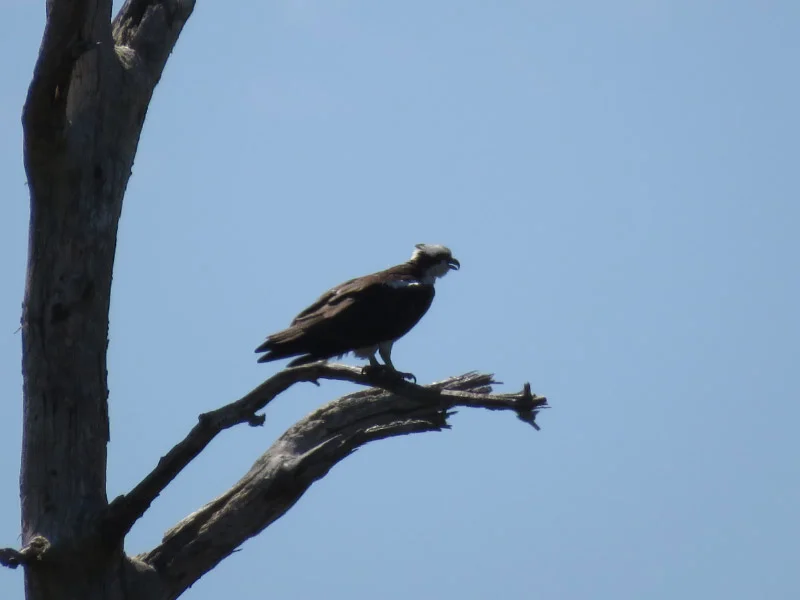
Further along the loop there was an osprey on a post closer to the wildlife loop – an opportunity to get some bird portrait shots.

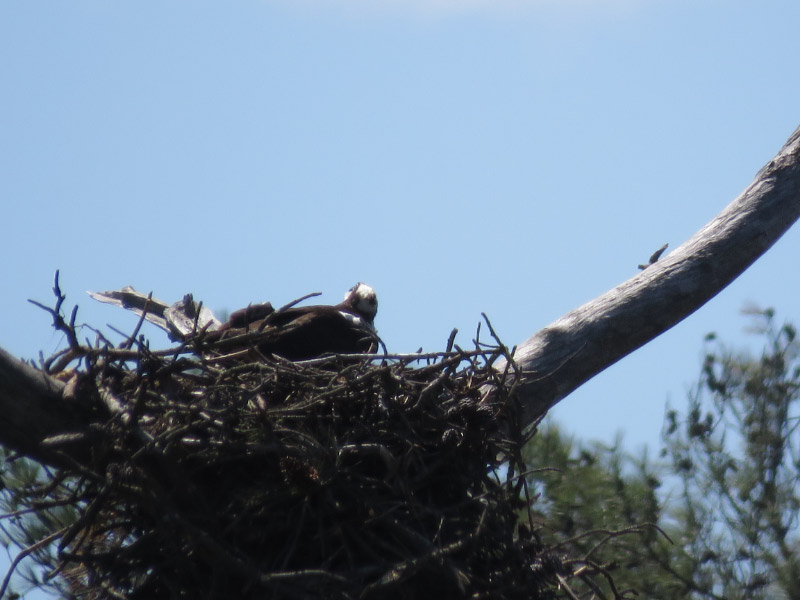
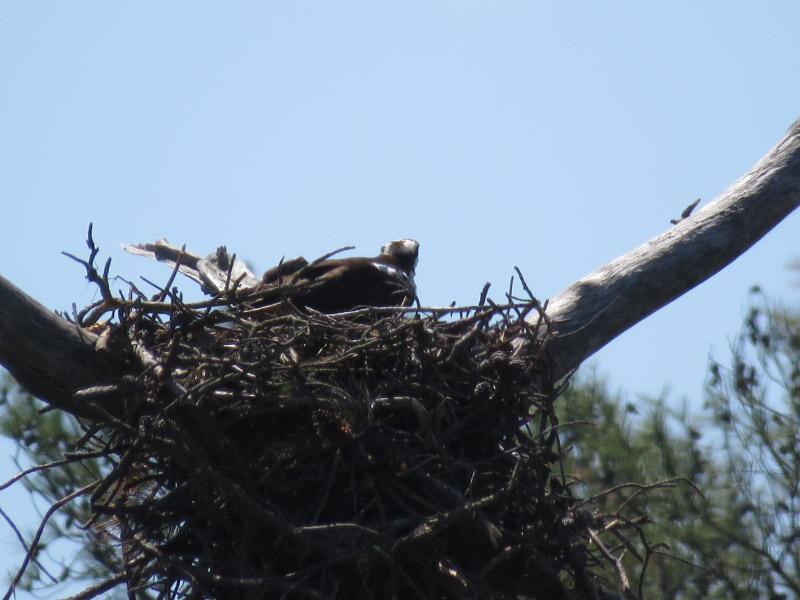
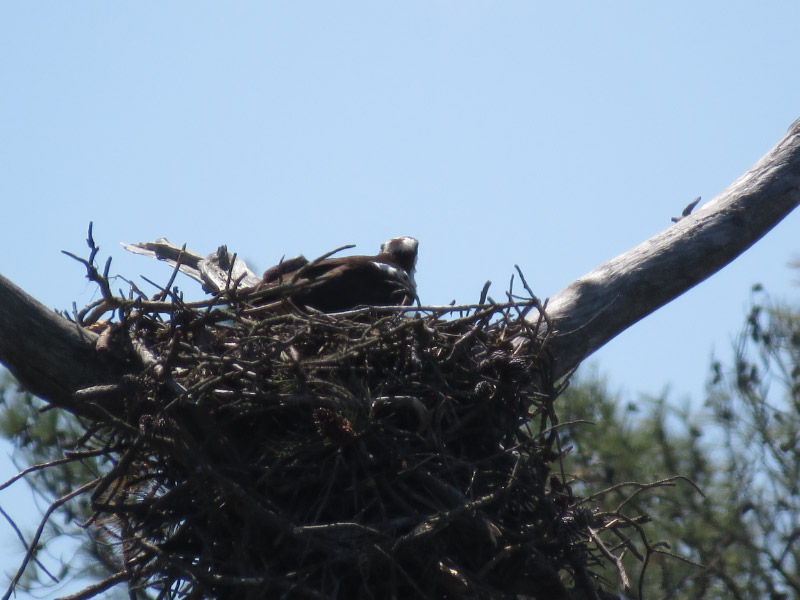
We took the turn off onto the part of the loop that goes by Pools 5a-c…and there was another osprey nesting pair! These two seemed to be doing a bit of nest rearranging and watching the skies for danger. It was a very windy day – ruffled feathers.

This part of the drive exits near the Tubman Visitor Center.

Overall – osprey were the dramatic stars for the Blackwater Wildlife Loop!

Brookside Wildflowers

I enjoy the boardwalk between Brookside Gardens and Brookside Nature Center in the spring. Earlier this week the boardwalk was my short walk before by shift in the Wings of Fancy exhibit. There are many native plants in this area that are looking good this spring. The plants are growing luxuriantly at this point – many in bloom.

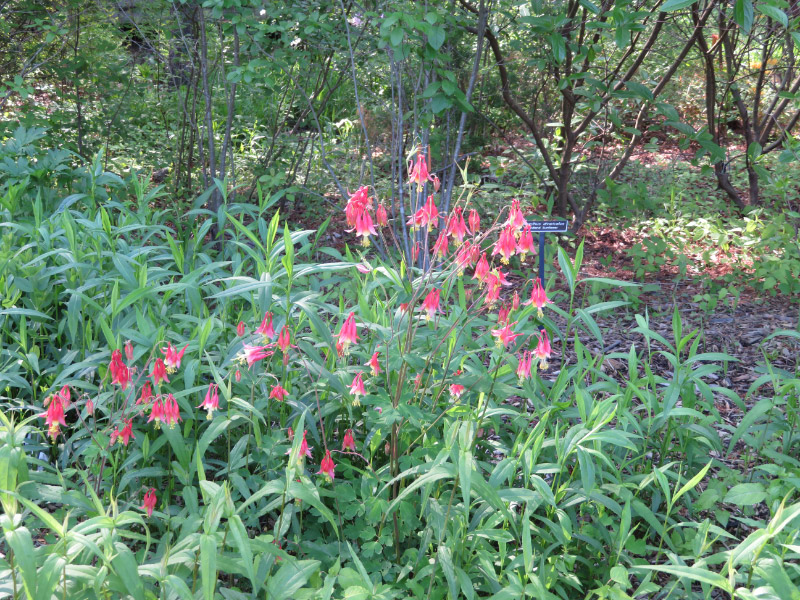
Clumps of columbine

IMG_4095.jpg

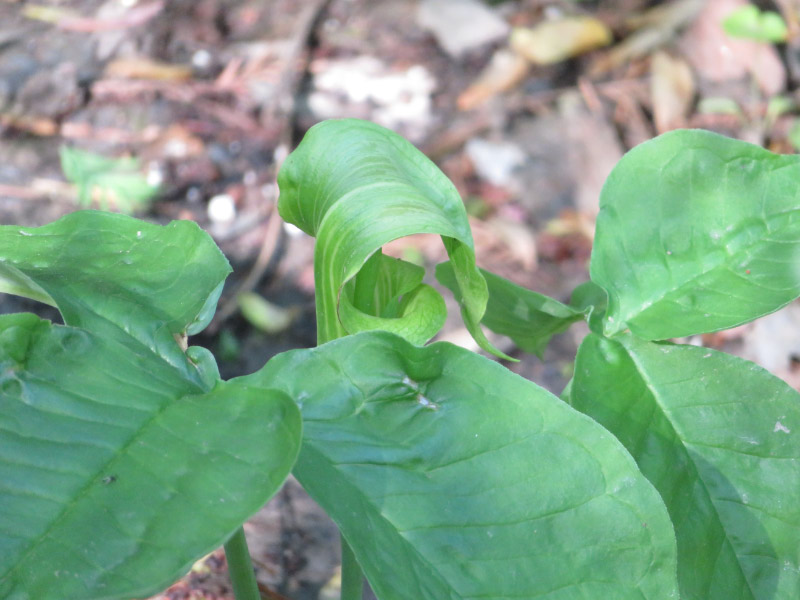
Jack-in-the-pulpit (but they are green…sometimes hard to see)

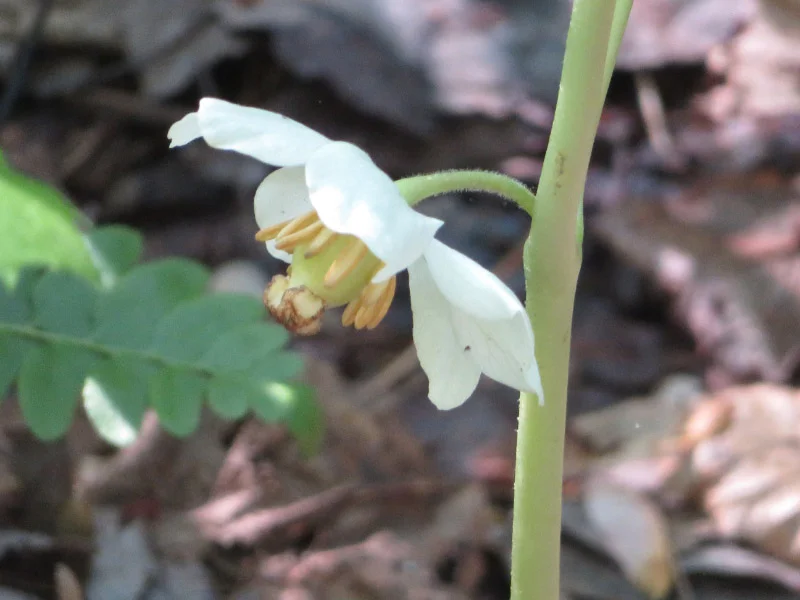
Mayapples (the flower is sometimes hidden under the umbrella of leaves)

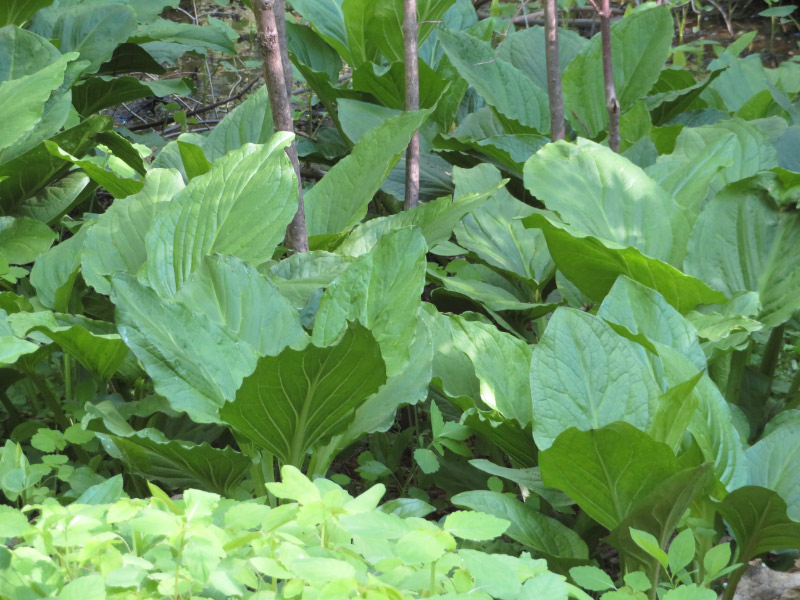
Skunk cabbage (with cypress knees poking up among the leaves)

Several kinds of ferns

Forest azaleas

And others.

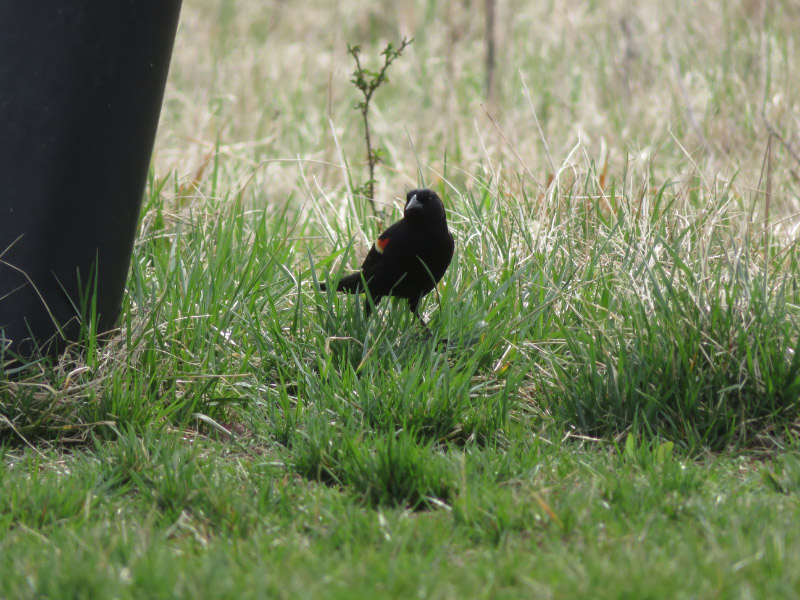
Of course there are birds too….red-winged blackbirds are calling everywhere and robins are searching leaf mulch for a tasty worm!

IMG_4133.jpg

It was a productive 10-minute photo shoot!

Gleanings of the Week Ending May 4, 2019

The items below were ‘the cream’ of the articles and websites I found this past week. Click on the light green text to look at the article.

Exploring the Parks: White Sands National Monument – Another place I want to return to and spend a bit more time. I’ve been once when we were on the way from Dallas to Tucson. I posted about it back in 2013. We stayed long enough to have a picnic, walk along the boardwalk trail, and photograph cliff swallows at the visitor center.

New Analysis of Depression-Era Fossil Hunt Shows Texas Coast Was Once a 'Serengeti' | Smart News | Smithsonian – Research on collections made by the Works Progress Administration and mostly just stored since the 1940s….Other states than Texas probably have research projects on these collections as well.

IYPT 2019 Elements 020: Calcium: Teeth, bones and cheese | Compound Interest – Another article in the International Year of the Periodic Table series. Did you know that the human body contains about 1 kilogram of calcium?

Image of the Day: High Contrast | The Scientist Magazine® - The milkweed bug! The milkweed is just beginning to come up so I haven’t seen any of these bugs yet this year…but they’ll come out soon enough. I’ll try to remember some of this article next time I see the bug with a group of field trip hikers!

12 Famous Flower Paintings, from Monet to Mondrian – A little eye candy. Notice that there are insects with the flowers in the Ambrosius Bosschaert painting.

An invasive, thorny tree is taking over Africa – can it be stopped? – It’s not just the US that has problems with invasive plants and animals brought from elsewhere in the world. The Mesquite tree that is problematic in Africa came from South America.

Top 25 Wild Bird Photographs of the week: April and Waterbirds – Catching up a little on the series…two this week and there are still some left for the next gleanings collection.

‘Exquisitely Preserved’ Skin Impressions Found in Dinosaur Footprints | Smart News | Smithsonian – The prints are from a small theropod. Not only do they show the impression left by skin…they also indicate the dinosaur was in Korea earlier than previously thought (10-20 million years earlier).

Electric Cars Could Be as Affordable as Conventional Vehicles in Just Three Years - Yale E360 – EV technologies are developing rapidly. In 2015, batteries made up 57% of the EV total cost; today it’s down to 33% and by 2025 the projection is 2025. I know that I have enjoyed my plug-in-hybrid and that my next car will probably be an EV.

Clean Tech Jobs Lead Employment Statistics in Many US States | CleanTechnica – The map is worth the look. Solar panel installer or wind turbine service technician is the fastest growing type of job in 11 states!

Rookery at University of Texas Southwestern Medical School

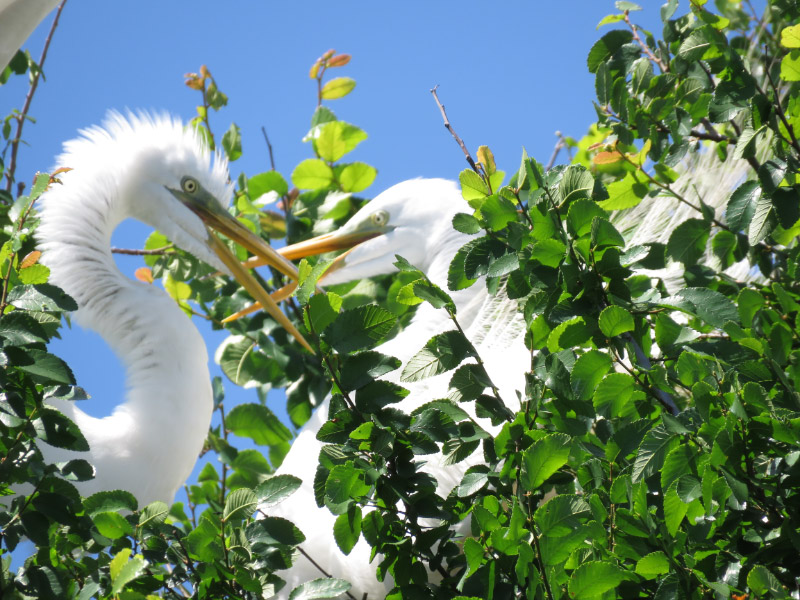
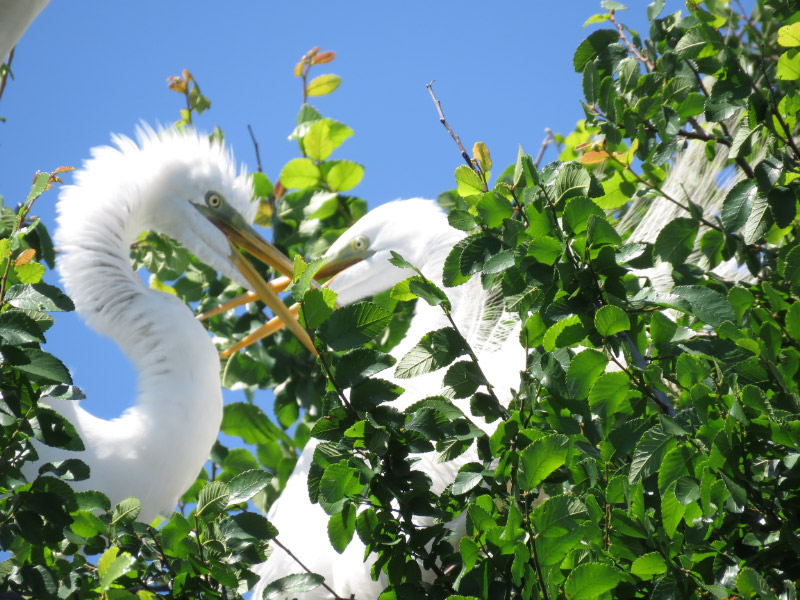
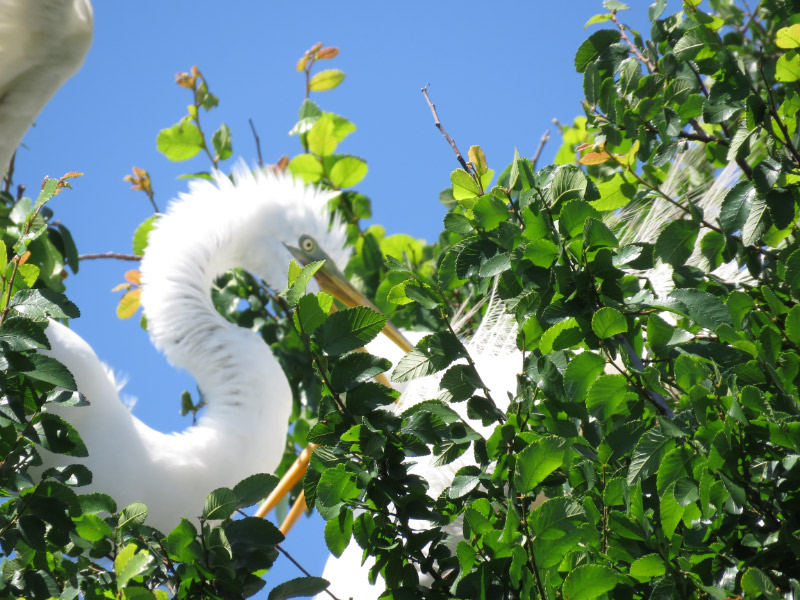
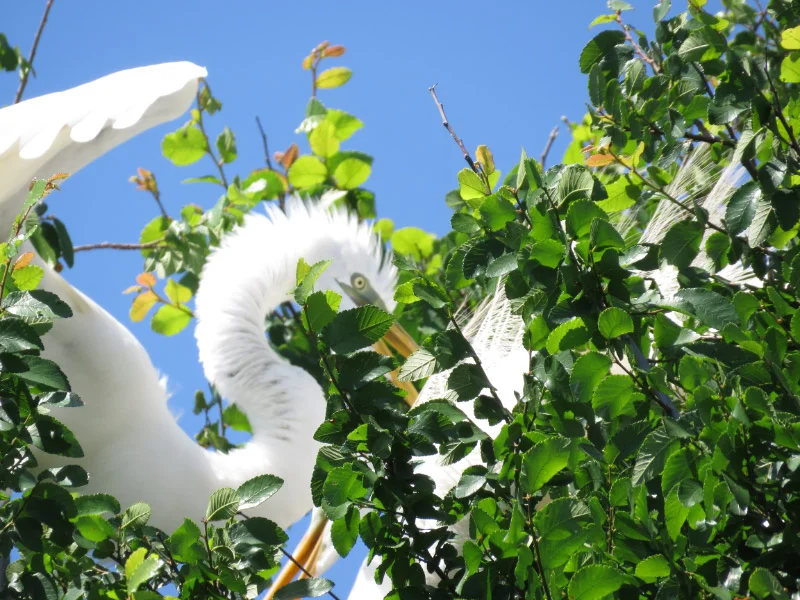
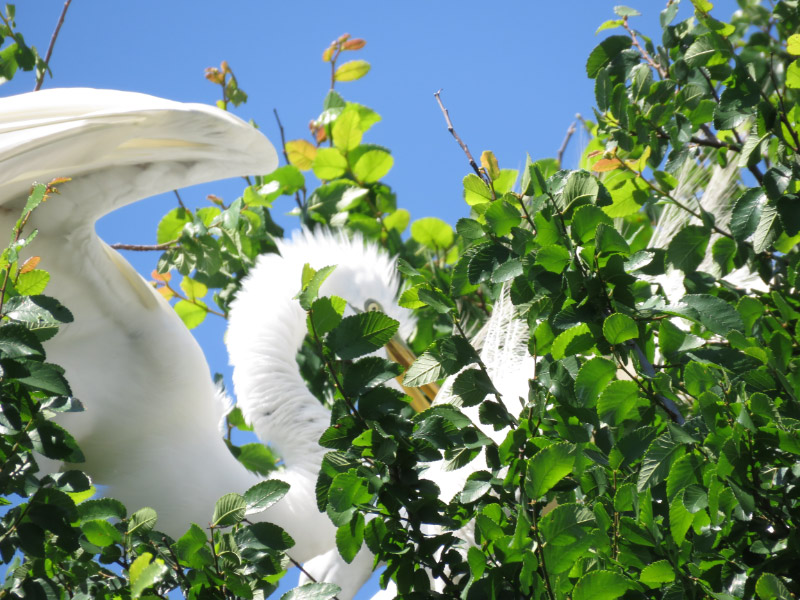
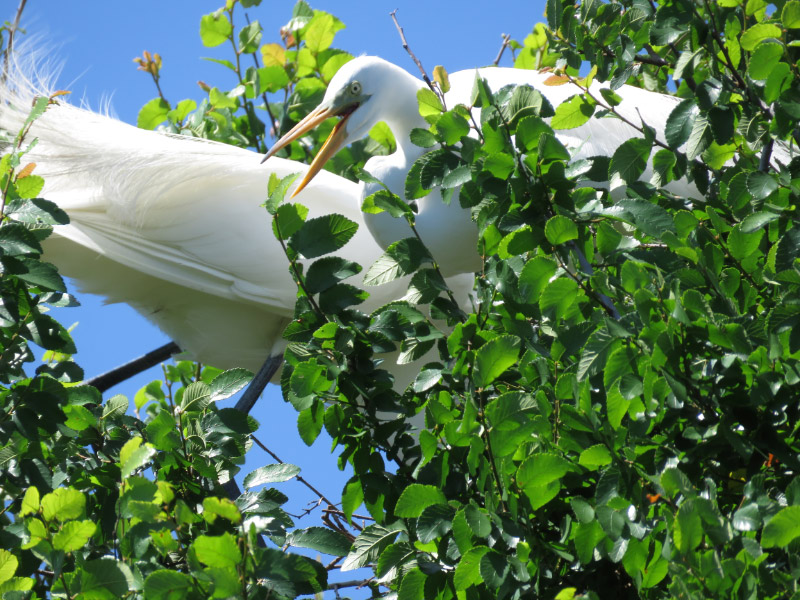
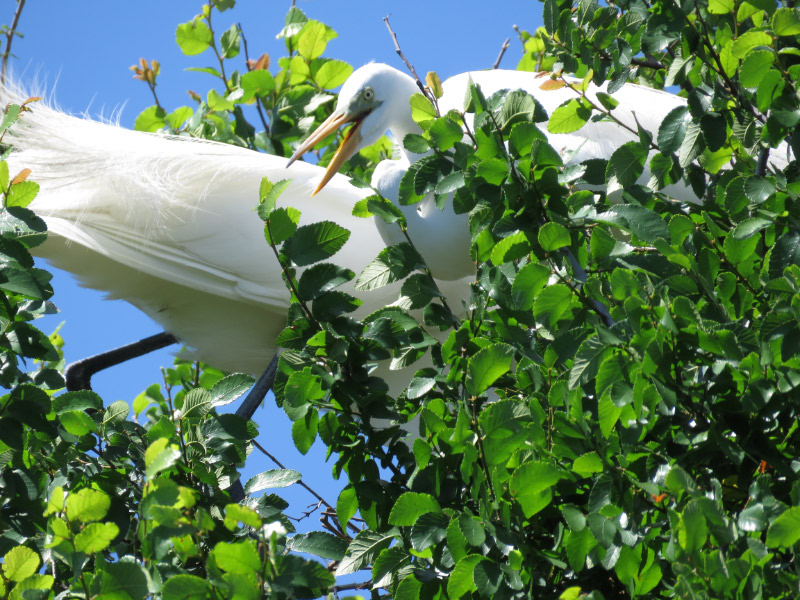
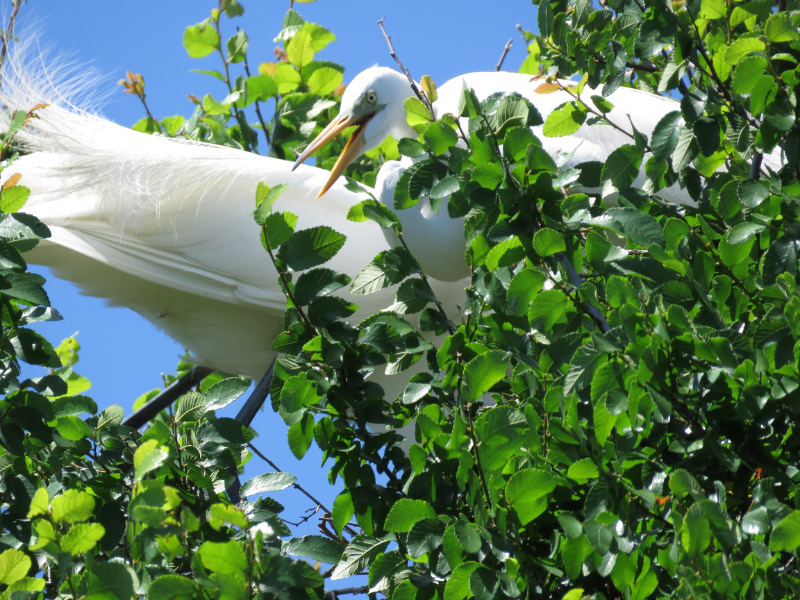
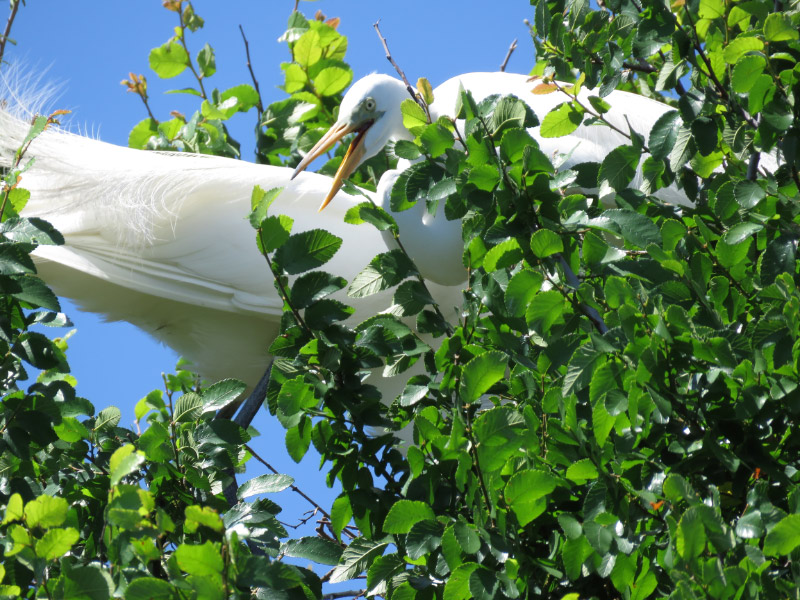
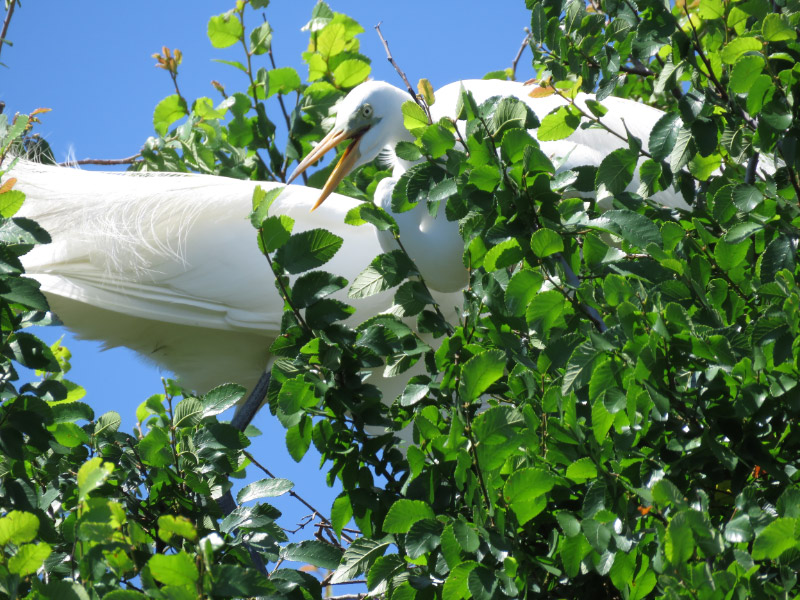
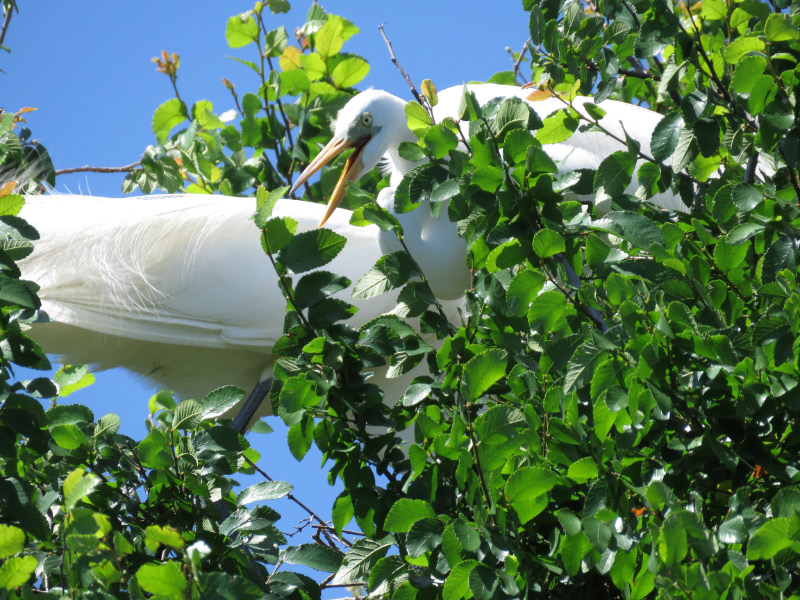
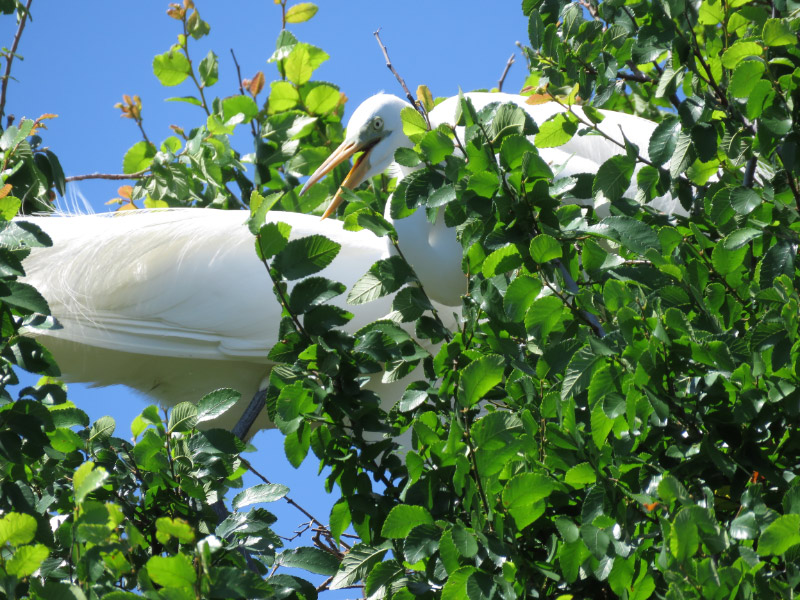
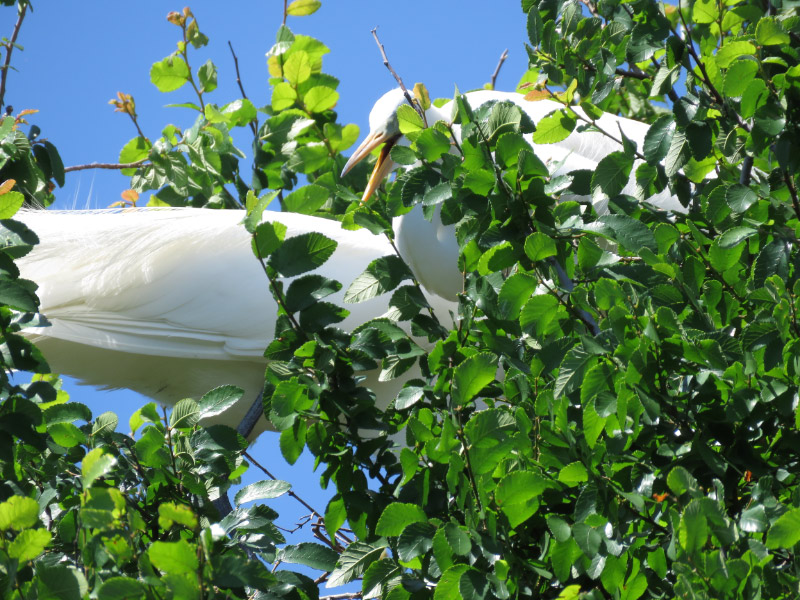
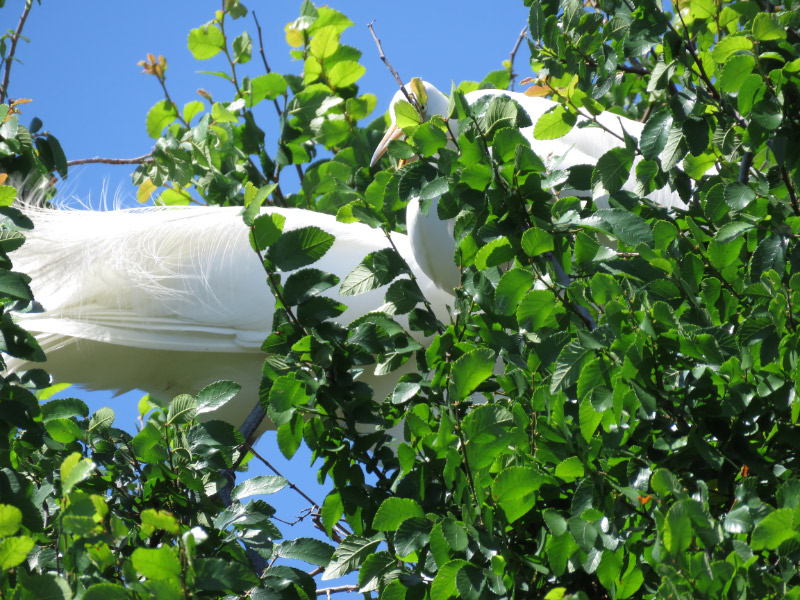
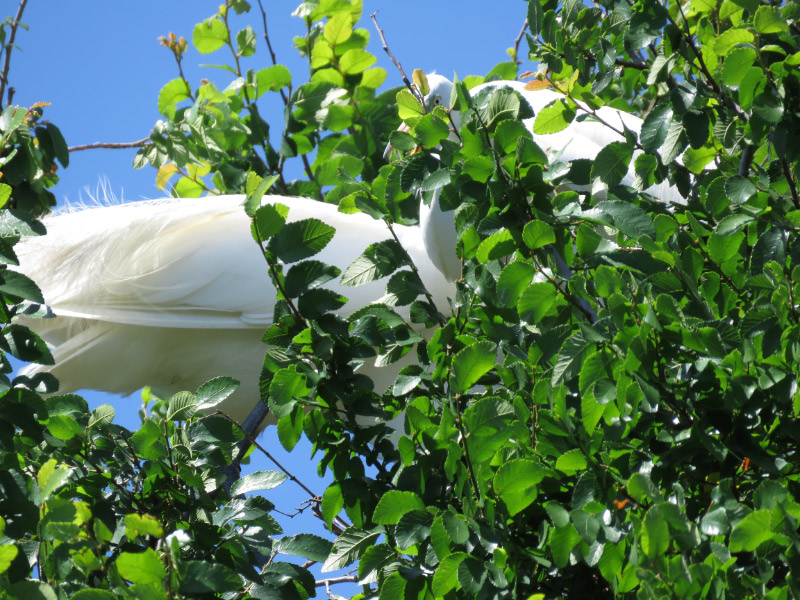
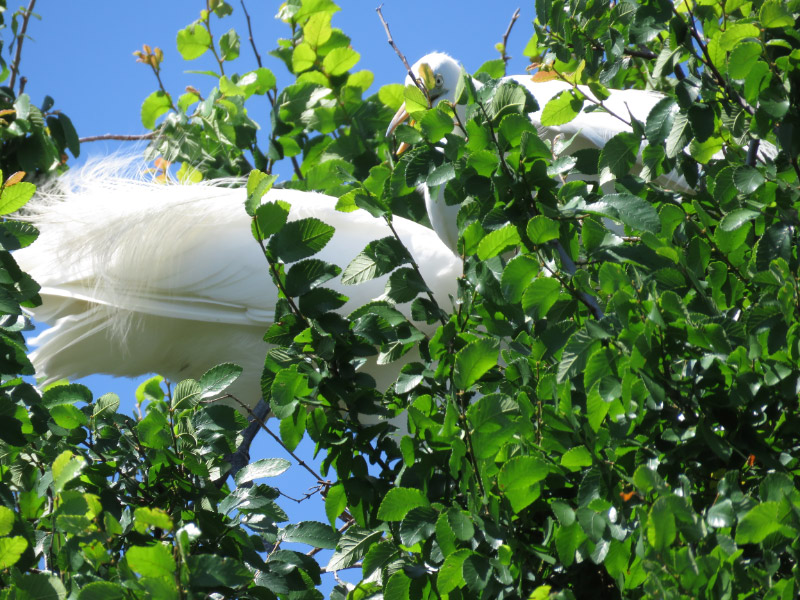
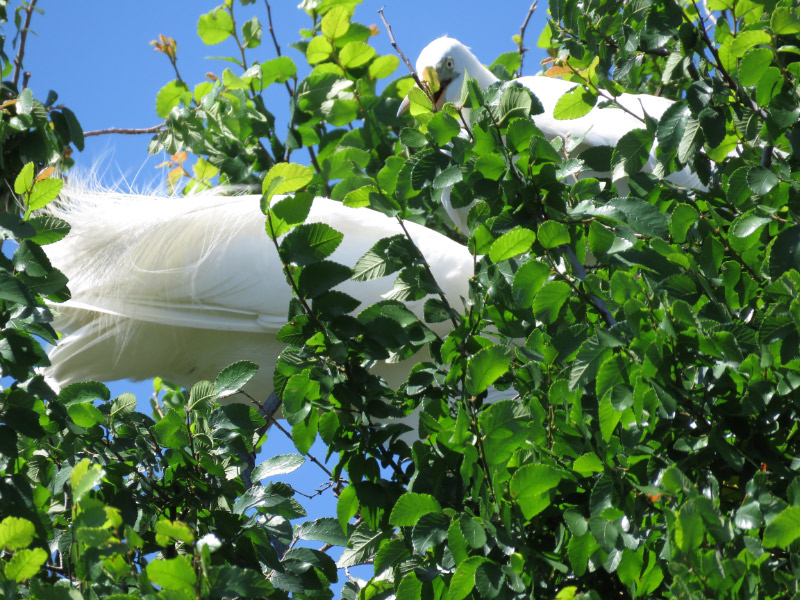
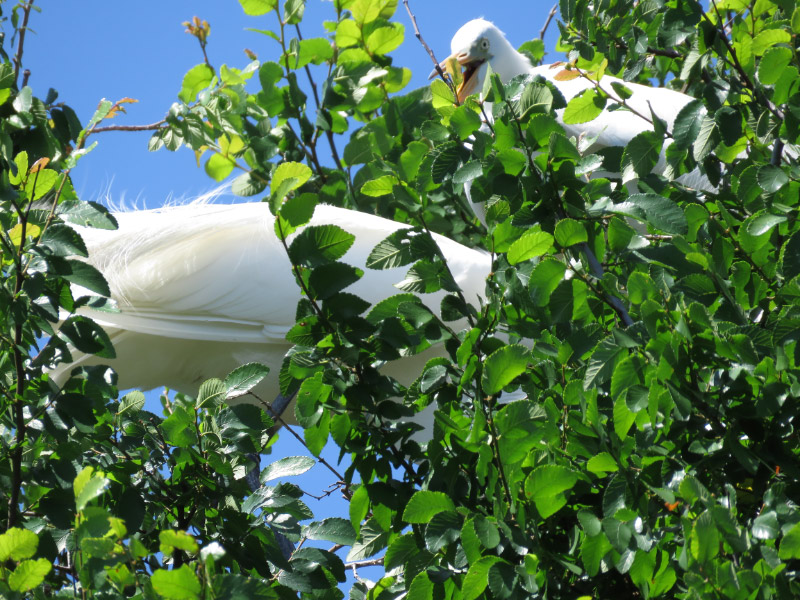
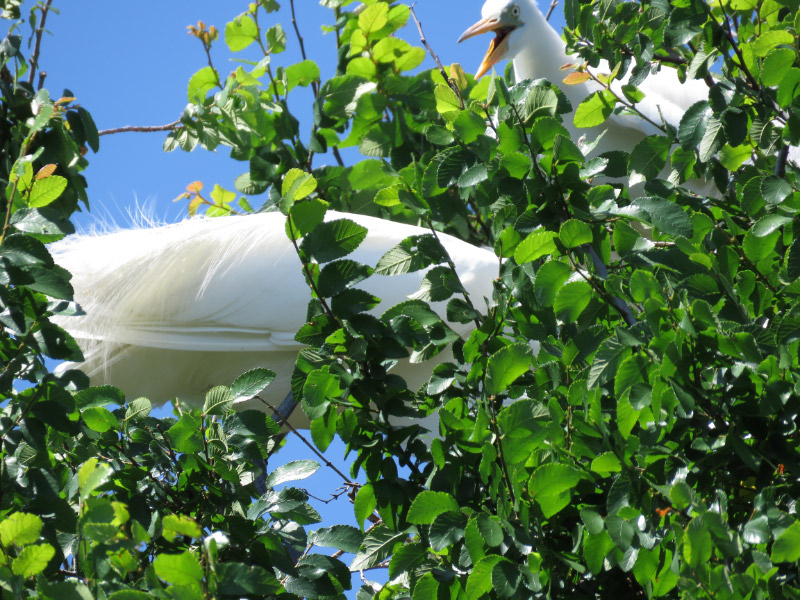
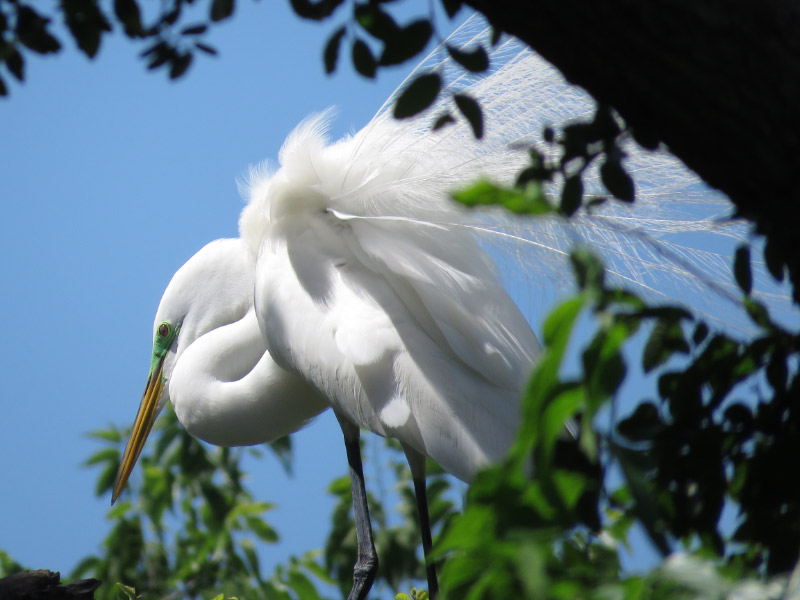
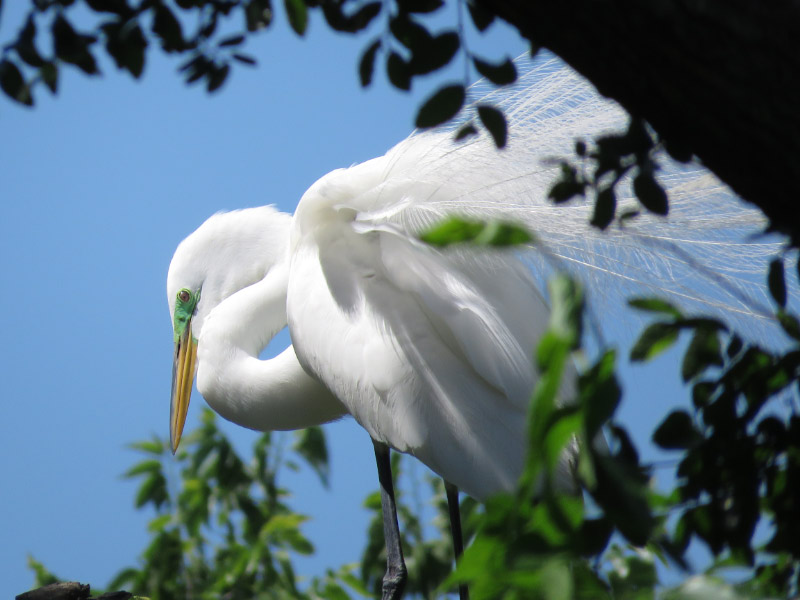
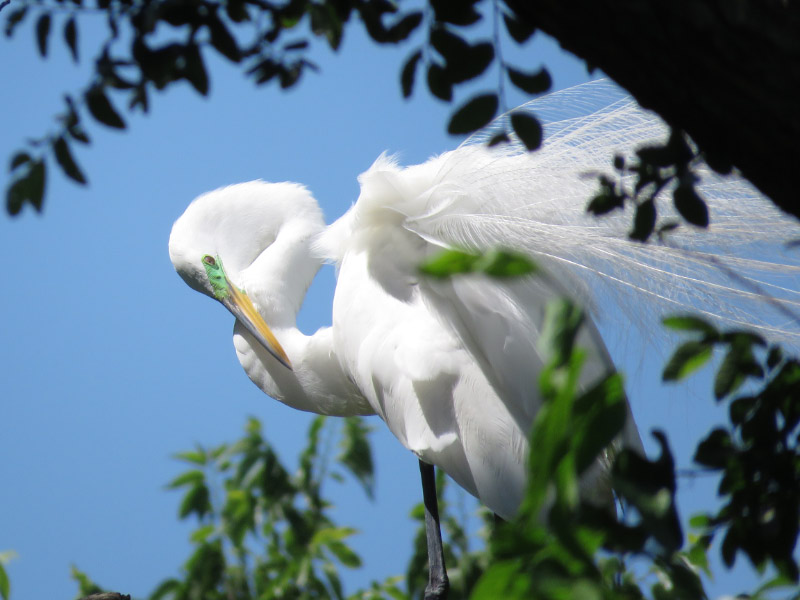
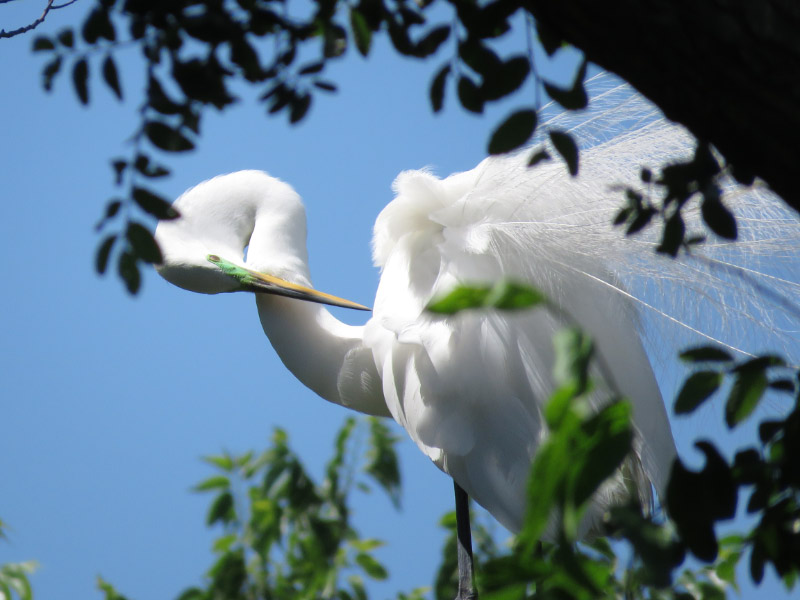
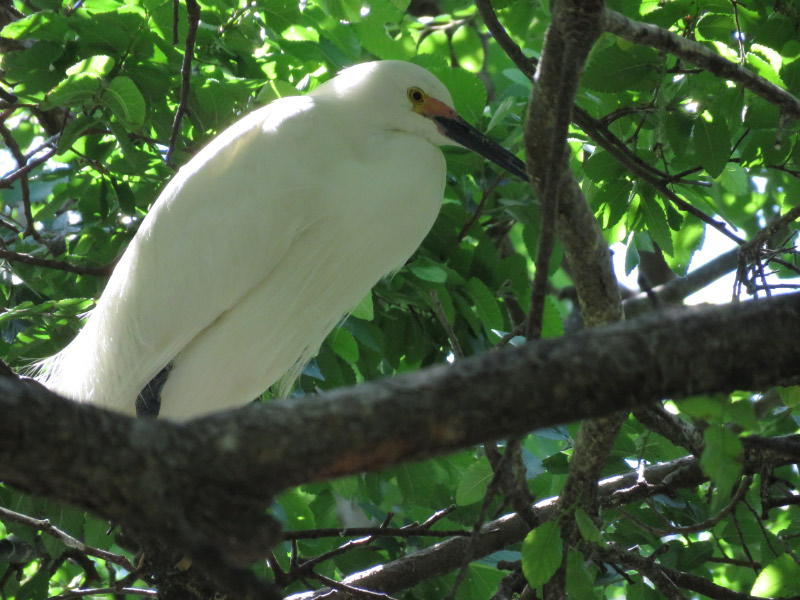
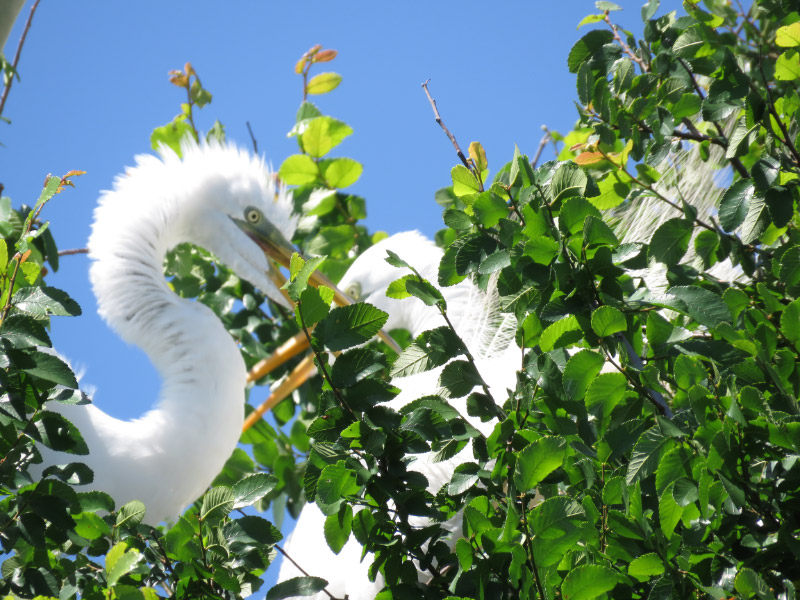
The rookery in the middle of Dallas – on the campus of UT Southwestern Medical School – is busy this time of year. I was there a little over a week ago and the egrets (mostly Great Egrets but some Snowy Egrets as well) were numerous and somewhat acclimated to people watching them. When we first arrived, there was a Great Egret on the ground retrieving a stick to enlarge the nest. And then we looked up in the trees and saw a lot of birds. I noticed the trees from the window of one of the nearby medical buildings where I’d taken my mother for a doctor’s appoint on a rainy day earlier in the week…and the birds were big enough to be noticeable from across the street. I’d worked in the area early in my career (about 45 years ago now!) and there had been lots of talk of cutting down the trees to expand the medical school; the protests back then saved the birds’ nesting area. The rookery has probably been there since the levies were built along the Trinity River and the trees cut down between the levies. The location of the rookery is not far outside the levies and has been active since the 1940s at least.

2019 04 IMG_6179.jpg

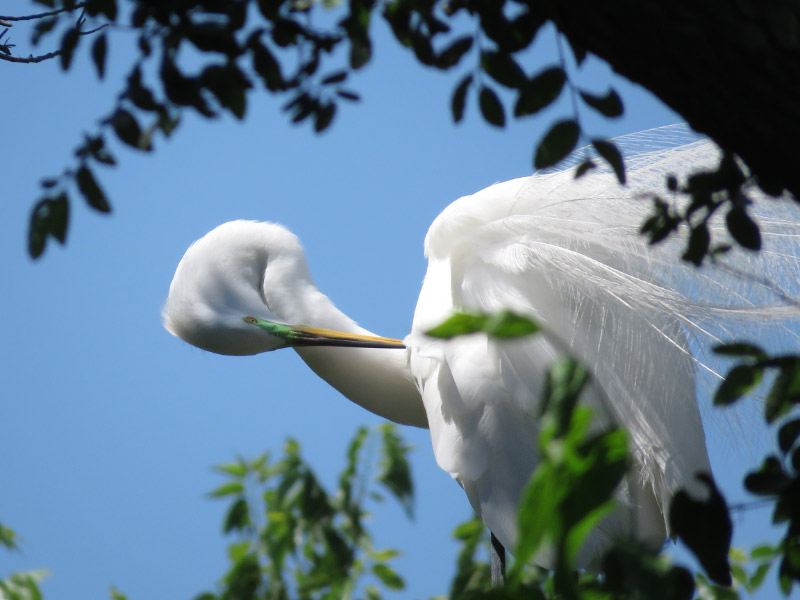
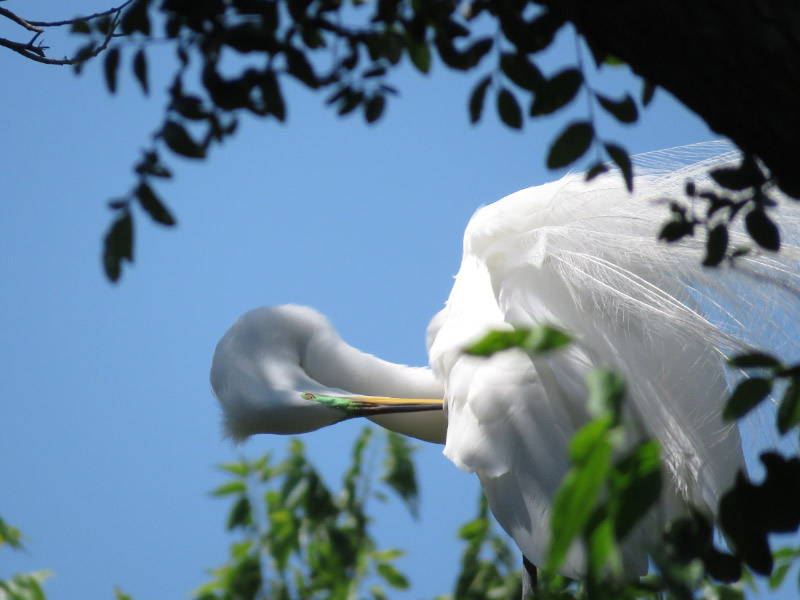
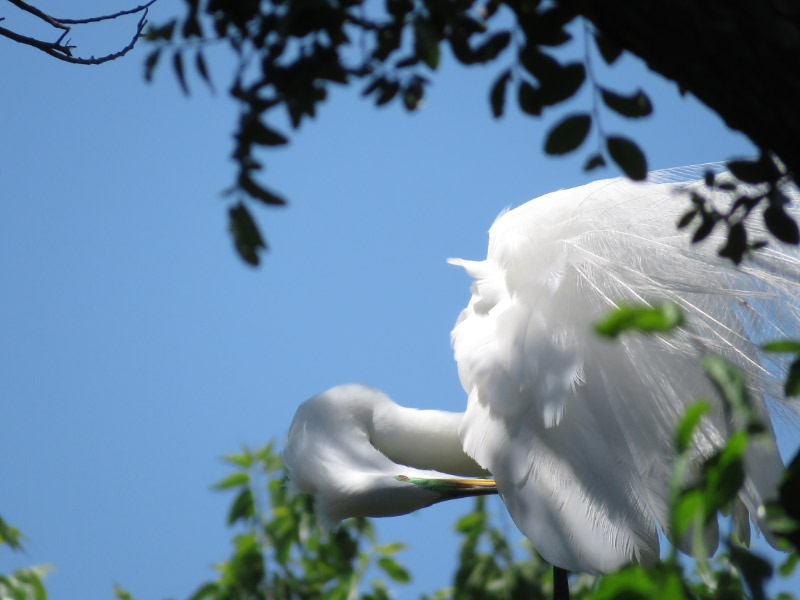
There is a lot of bird interaction. I took this series that shows how spiky the feathers on the head can look. Were these Great Egrets having an argument over nest configuration?

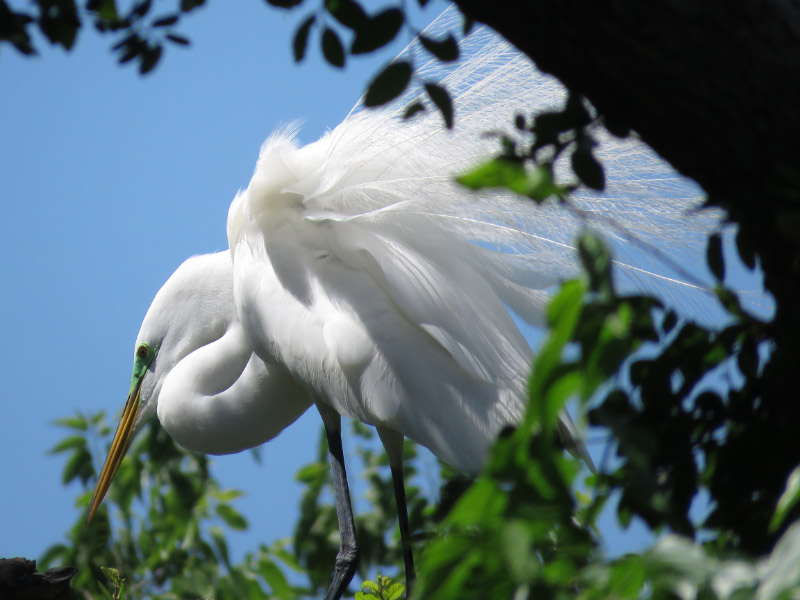
Preening is also important for all the gorgeous breeding plumage.

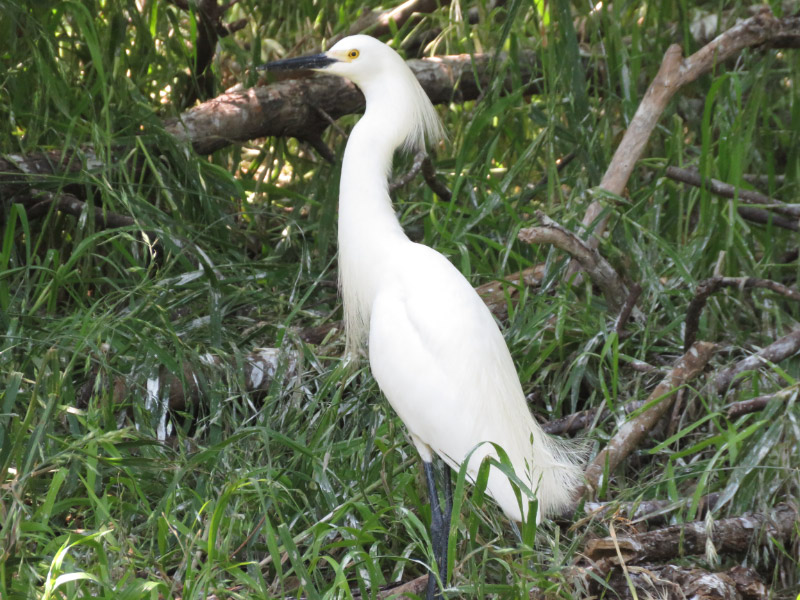
There are Snowy Egrets around too – yellow around the eyes and yellow ‘socks’ on their feet. They are smaller than the Great Egrets but the distinctive features are easy to spot as well. They seemed relatively calmer than the bigger birds on the day I was there.

The Great Egrets provided the best portrait opportunities – with the tree and then zoomed in to almost fill the frame.

Sometimes they sit at the very top of the tree. Are they in sentinel mode when they do? Or maybe they are getting ready to fly out above the traffic and medical buildings and levy…to the river in search of fish for lunch. Soon the eggs will hatch, and the adults will be busy finding enough to feed the chicks.

2019 04 IMG_6416.jpg

There is a small parking area on Campus (off UT Southwestern Drive) and a paved walkway back to a memorial area with a bench – perfect for people that want to enjoy the birds but not walk very far. There is also a loop mulch path that I’ll try next time I am in Dallas in the springtime. There are a lot of birds there from March through May…and some year-round residents. But the egrets – Great and Snow are the most numerous of the birds this time of year.

Blackwater National Wildlife Refuge

IMG_4026.jpg

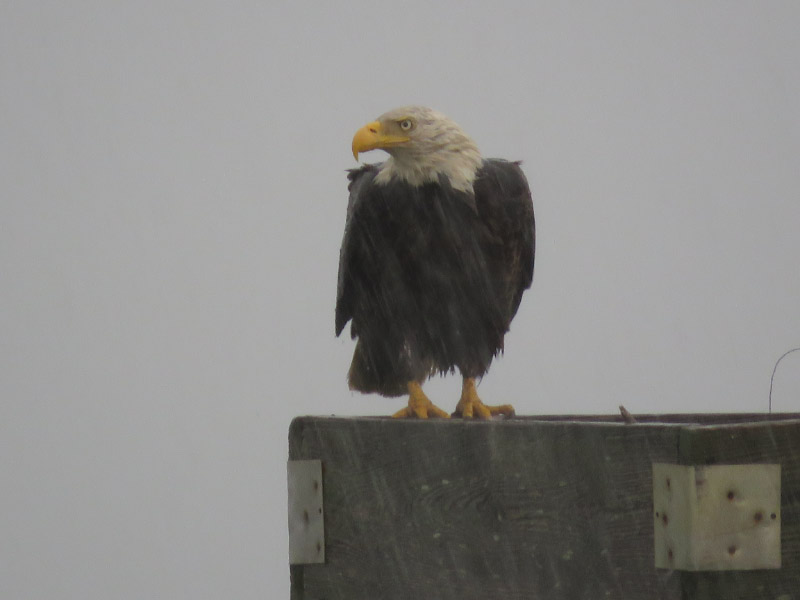
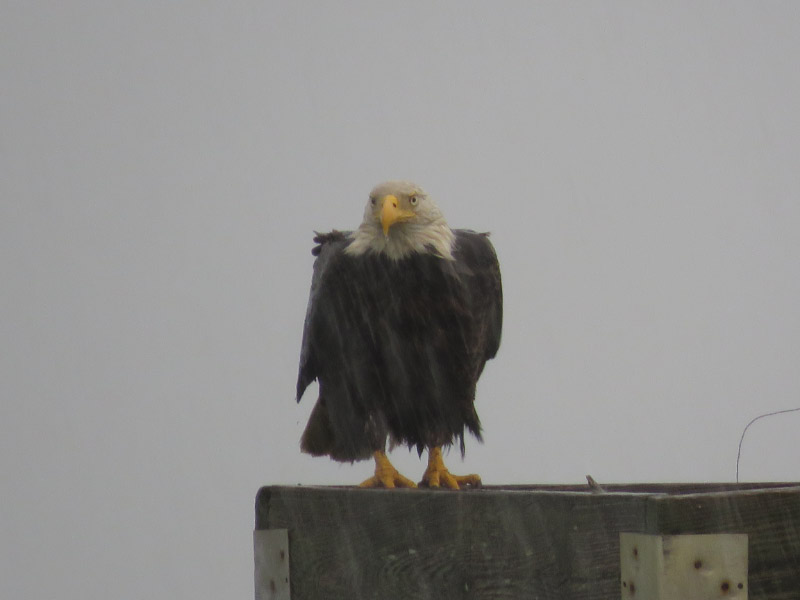
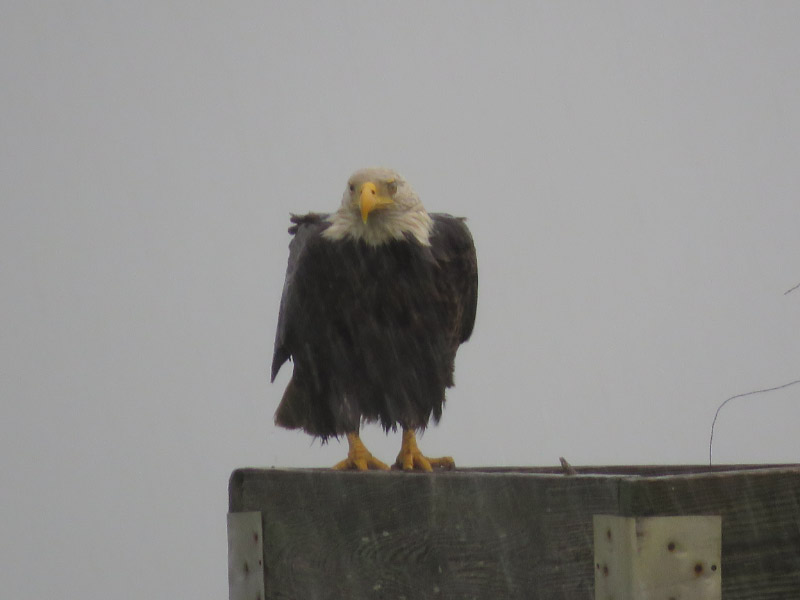
We visited a second National Wildlife Refuge last weekend: Blackwater. We usually visit Blackwater on the same trips at Chincoteague because it is ‘on the way.’ Of the two – Blackwater is my favorite. It is the first place I saw a bald eagle in the wild. It was back in 1990 when by daughter was a baby - a pleasant spring day and we were sitting out side on a blanket letting her finish off a bottle….and a bald eagle soared overhead. It was idyllic when it happened and in my memory. We saw eagles during this visit too. On the first day it was raining and the eagle was looking very wet. Note in the last picture of this series, the membrane eyelid on the right eye is closed (must have gotten a rain drop in the eye!).

The next morning when we drove around the wildlife loop again, it was sunny and there was an eagle on the same platform – maybe the same one – looking much happier. It took off before we could get pictures and continued to soar in the area until it vanished into the trees. There was another eagle on a snag near a blind – almost out of range for my camera.

The visitor center has a little garden at the back with small trees (like dogwoods) and a butterfly sculpture. There are bird feeders that attracted a few small birds. The red-winged blackbirds were very vocal. I saw a hummingbird sampling the clumps of columbine in the gardon on the sunny morning.

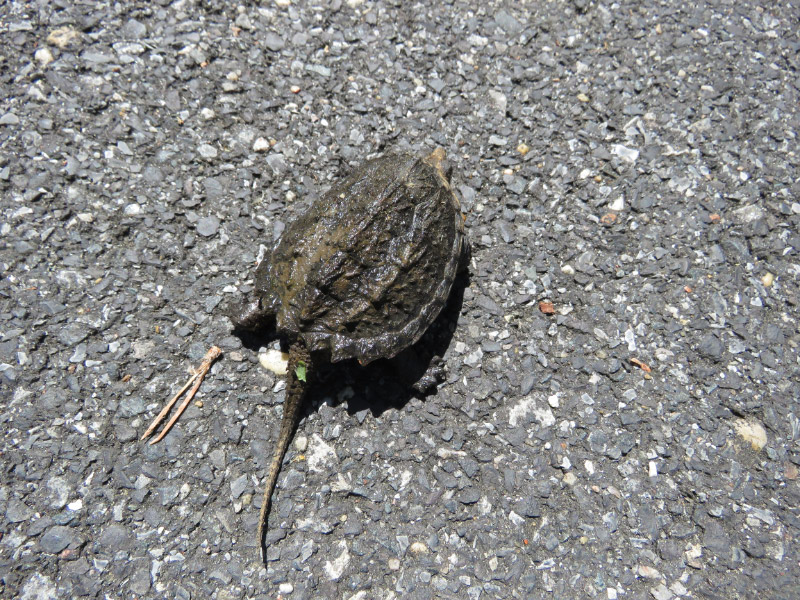
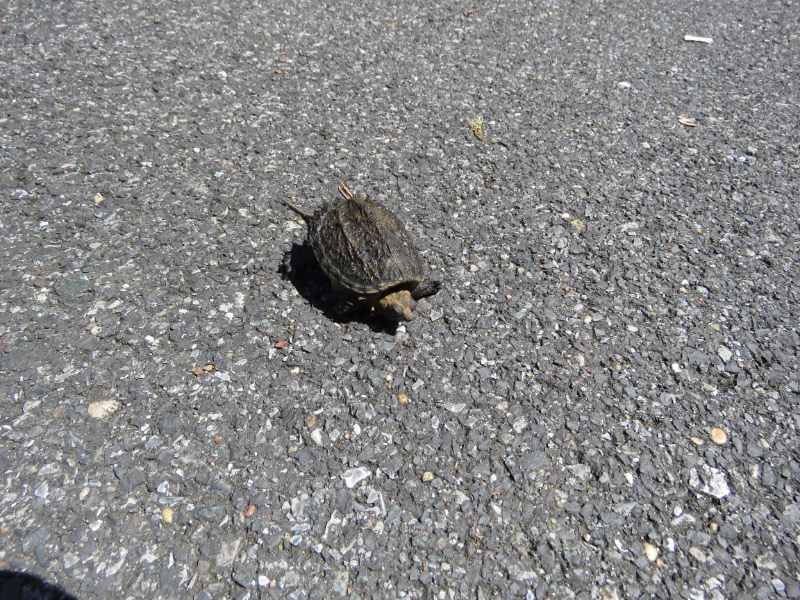
My husband saw a lump in the road and stopped quickly for us to get out and take a look: a baby snapping turtle. It didn’t move while we watched it, but it was in a patch of sun and would warm up enough to finish crossing the road soon after we left. It was already close to the edge of the road.

I’ll post later about the other birds we saw at Blackwater. I see something new just about every time we go to Blackwater…and this trip was no exception.

Chincoteague National Wildlife Refuge

We visited Chincoteague National Wildlife Refuge last weekend…an afternoon and the next morning. The afternoon was very wet so the picture of the visitor center sigh with plants growing through it was taken the next morning in the sunshine.

2019 04 IMG_7015.jpg

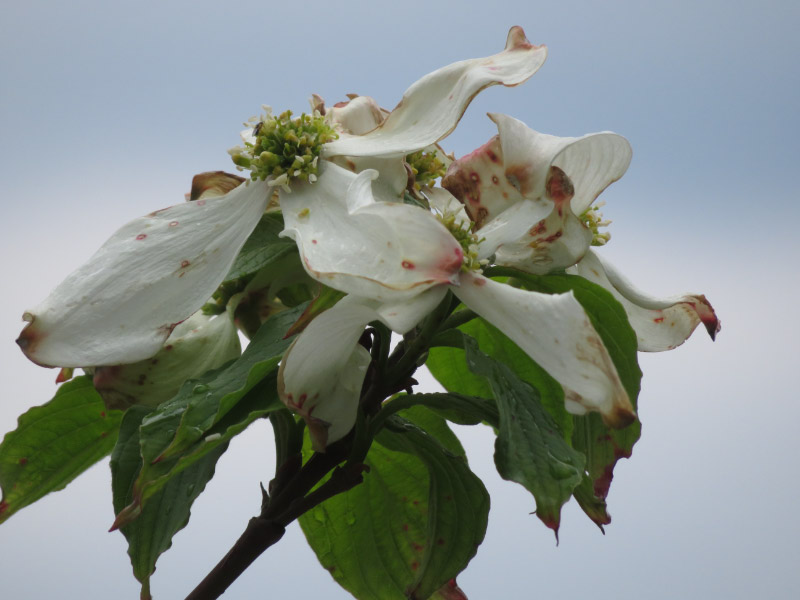
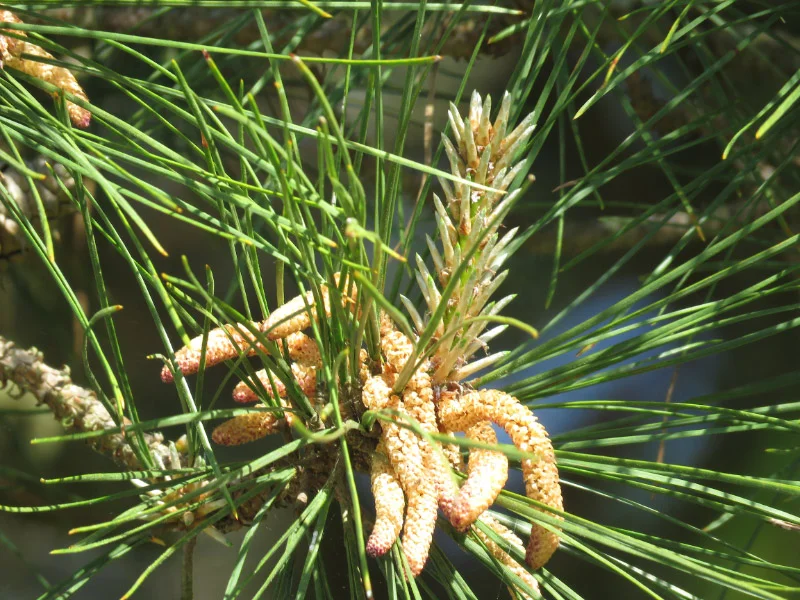
The growth around the visitor center was very green…dogwoods were in bloom and pine pollen was everywhere.

The growth around the visitor center was very green…dogwoods were in bloom and pine pollen was everywhere.

On the first day we drove down the main road toward the beach. It was raining and we didn’t try to take any pictures. The wildlife loop is only open to cars after 3 PM and there was a lull in the rain about that time. We started around. I noticed thistles in bloom (attractive to bees),

Heard lots of red-winged blackbirds and managed to photograph one eventually,

2019 04 IMG_6588.jpg

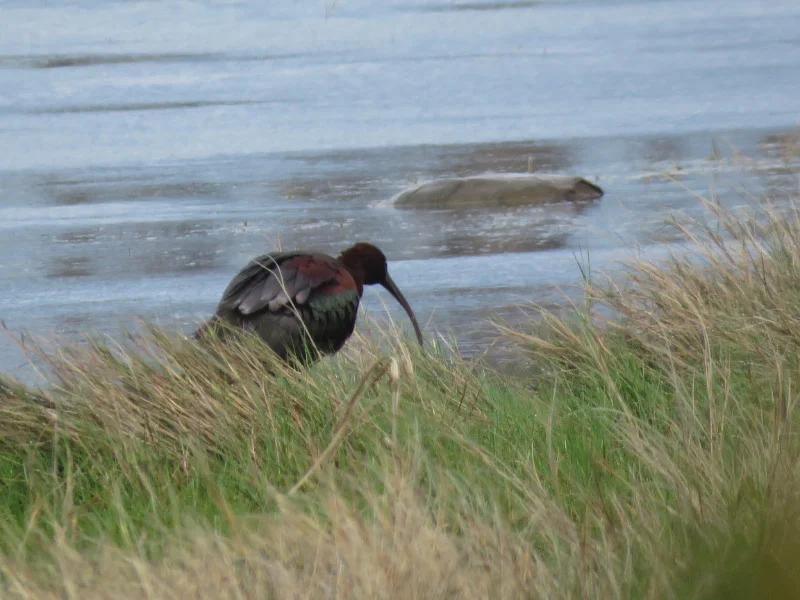
And photographed a glossy ibis almost out of camera range.

2019 04 IMG_6681.jpg

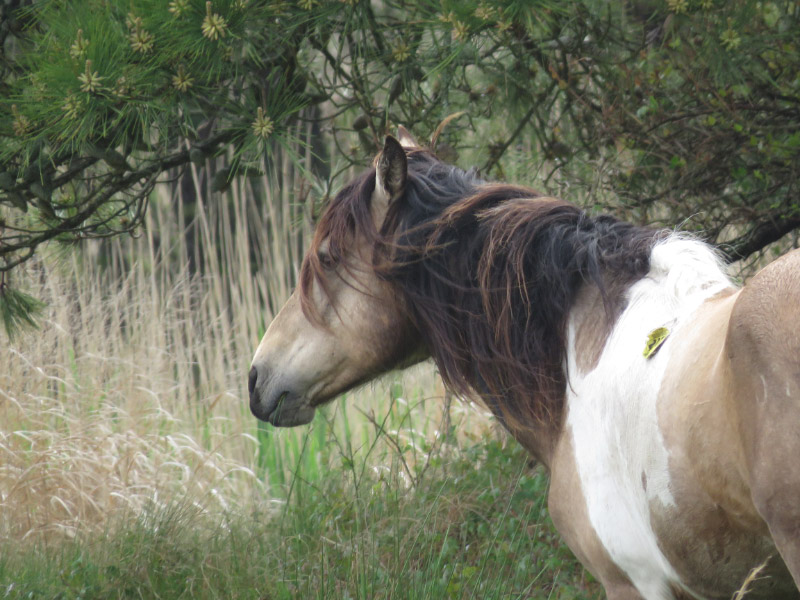
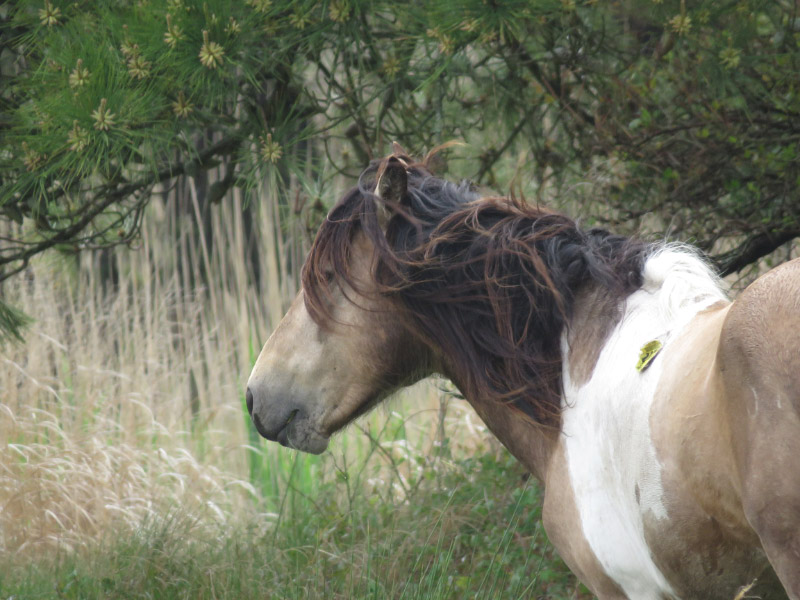
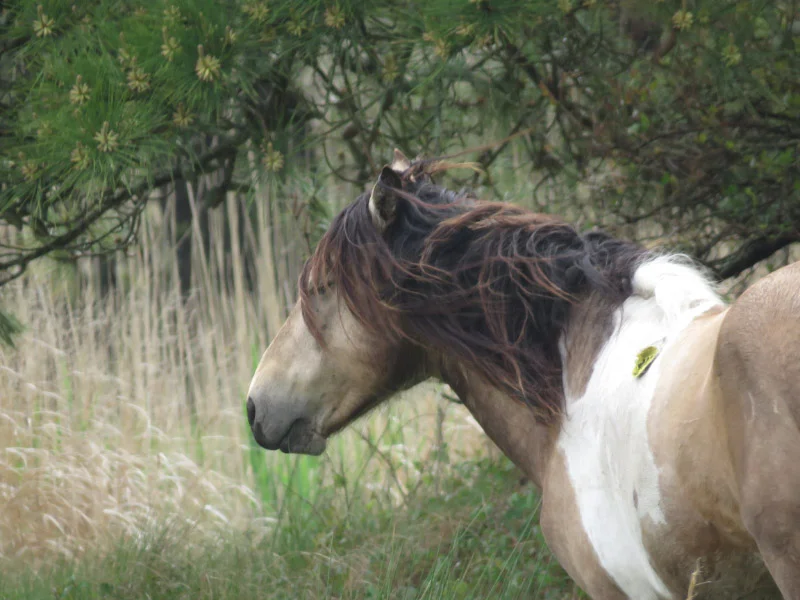
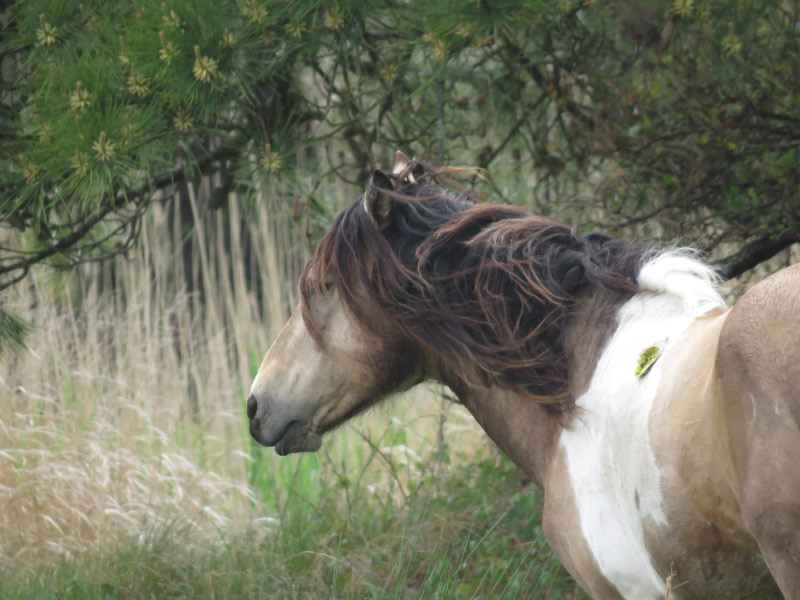
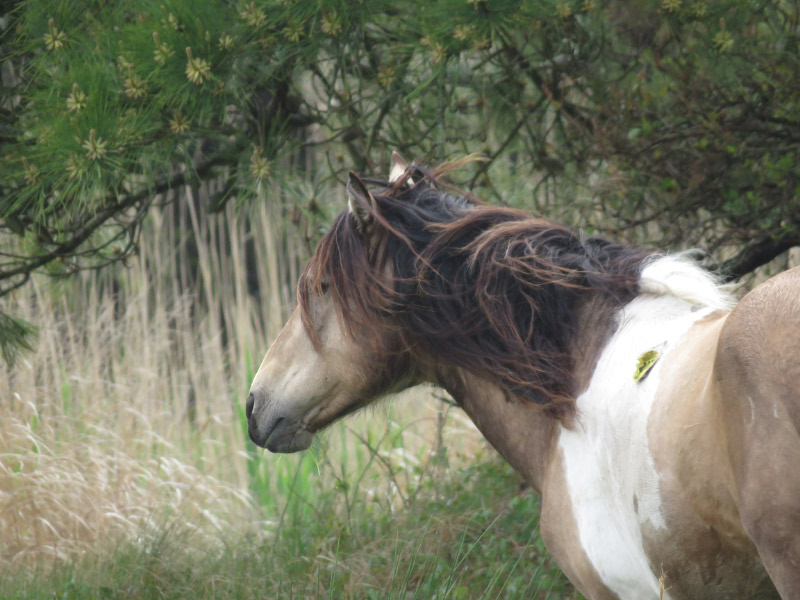
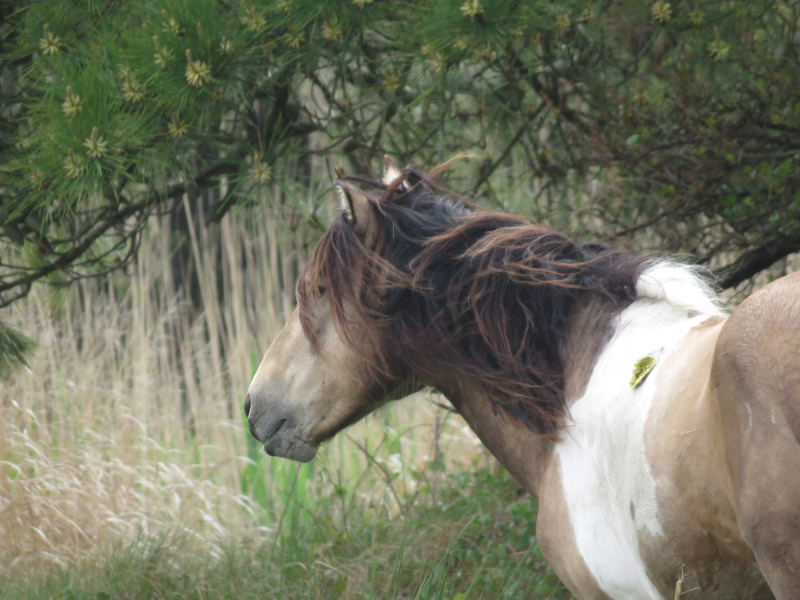
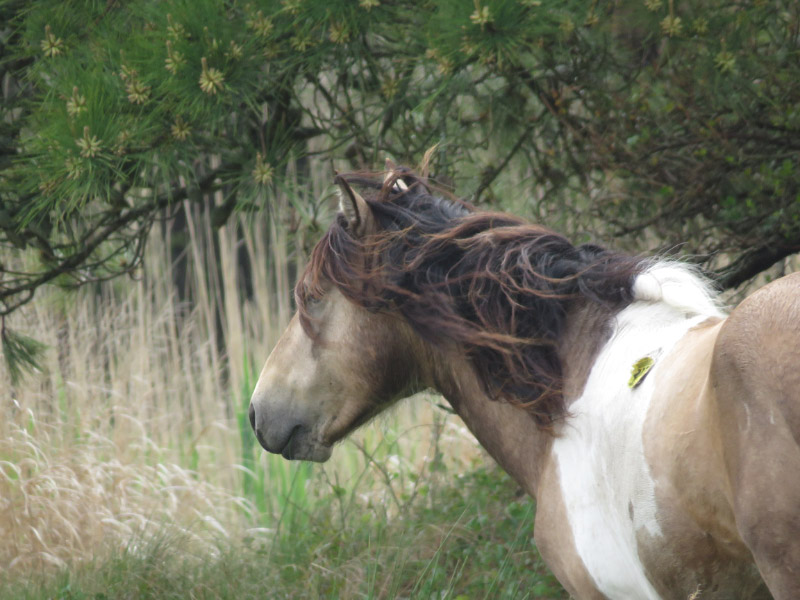
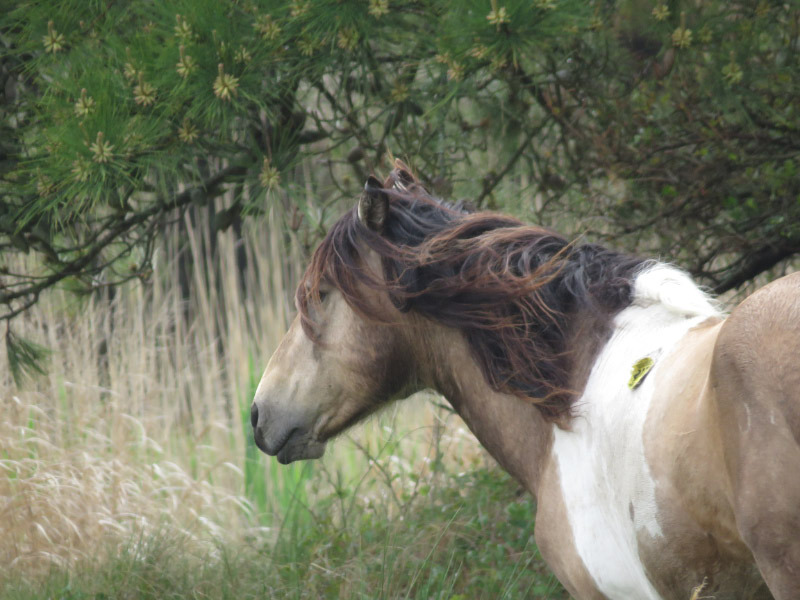
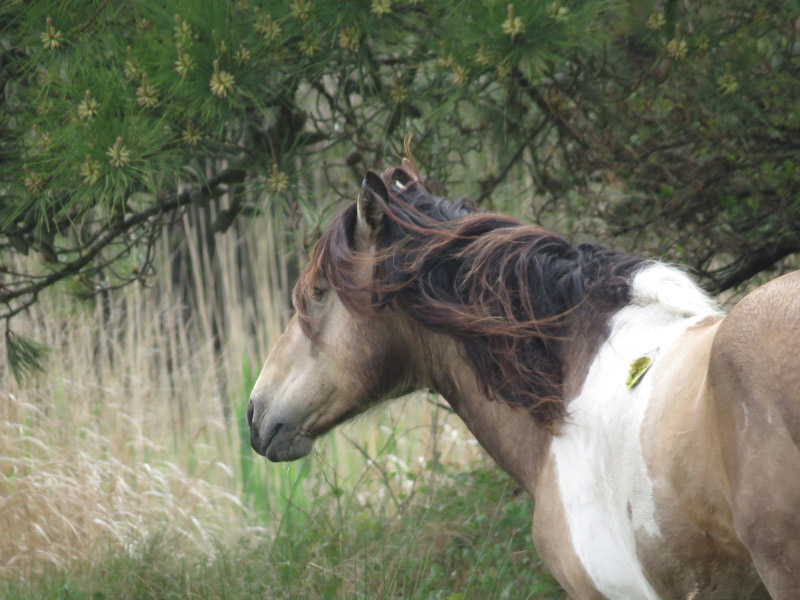
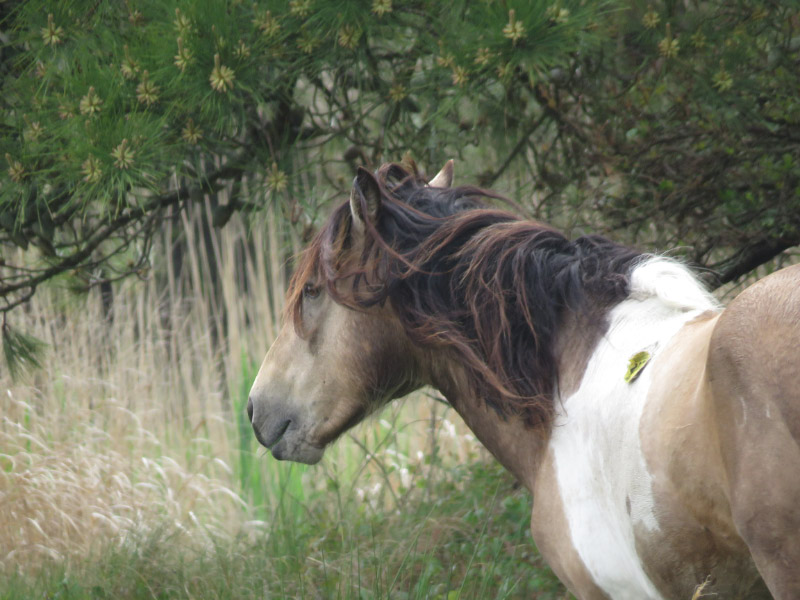
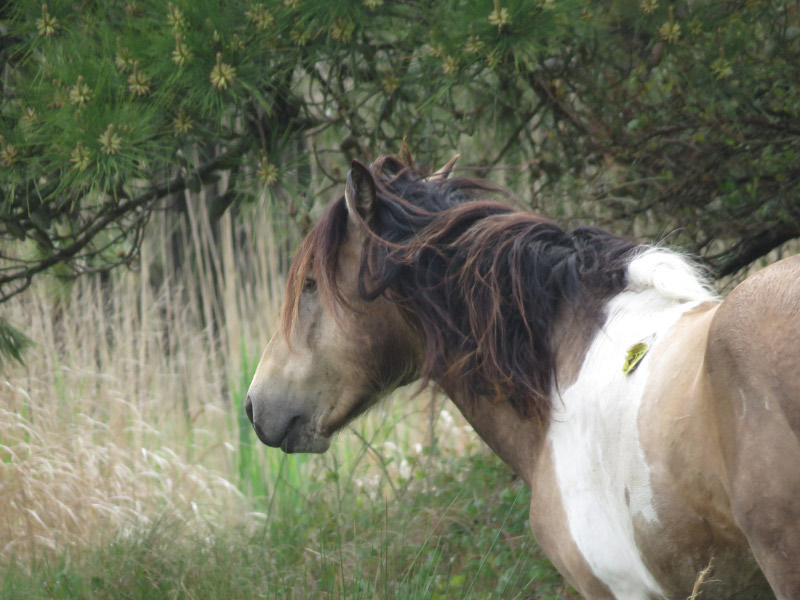
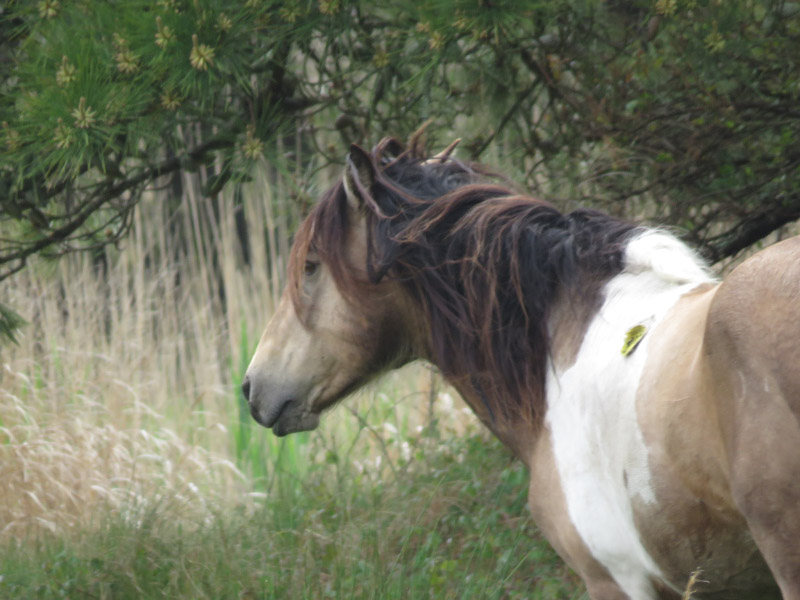
Near the end of the wildlife loop there were a few of the Chincoteague ponies munching on the wet grass….about that time is started raining again and we headed to our hotel for the night.

The next morning was very breezy and almost cold. Our trip to one of the islands in the Chesapeake Bay was cancelled – winds made it unsafe for small boats. So – we bundled up and headed to the beach at Chincoteague. It is a narrower stretch of sand than when we first saw it more than 35 years ago and when we flew kites here with our daughter about 20 years ago. The gulls were not flying. Only the laughing gulls were at the beach and they were on the ground near the parking lot rather than at the water’s edge.

It was a little disappointing to see only people and roiling water at the beach.

As we started back, we saw a few herring gulls in shallow water protected by the dunes.

2019 04 IMG_6846.jpg

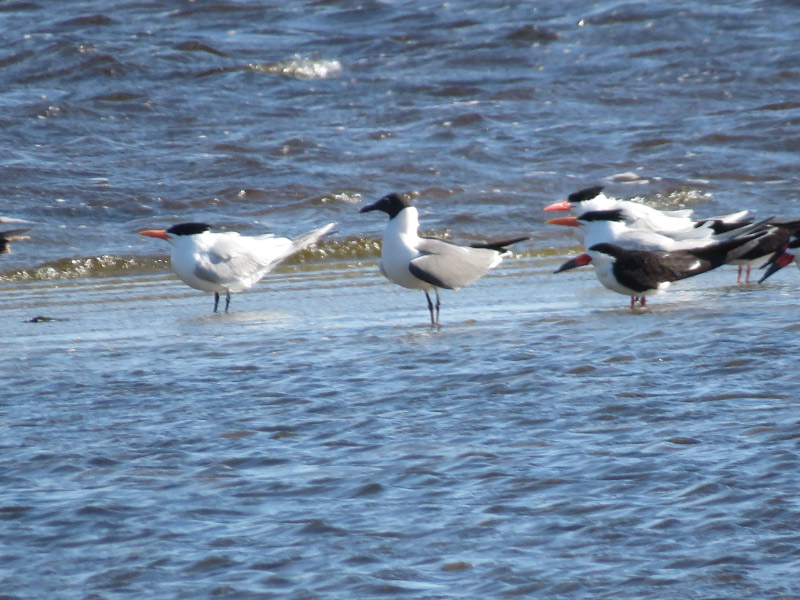
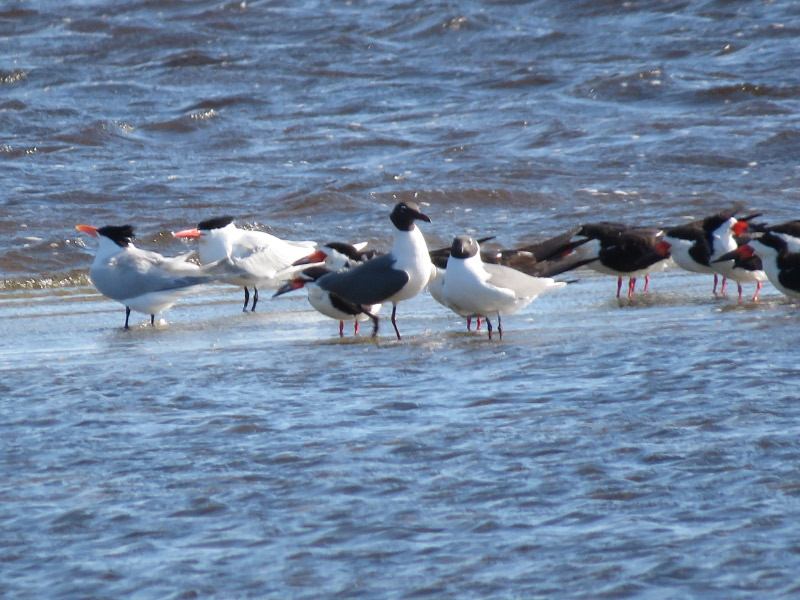
The group of birds a little ways from the herring gull was the high point of the morning at Chincoteague: royal terns and black skimmers (and laughing gulls)!

I’ll post later about the egrets and a heron we saw at Chincoteague. Even with the rain and doing most of our photography using the car as a blind, my husband and I both enjoyed the spring birding opportunities at Chincoteague.

Gleanings of the Gleanings of the Week Ending April 27, 2019

The items below were ‘the cream’ of the articles and websites I found this past week. Click on the light green text to look at the article.

Berkeley Soda Tax, 3 Years In: What New Research Shows About Its Effectiveness | Berkeley Wellness - Consumption of sugary drinks has fallen by half in low-income areas of Berkeley, California.

The Real Reason You See Earthworms After Rain – Cool Green Science – There could be multiple reasons. Maybe they are moving to new territory while the surface is wet, and they won’t become dehydrated. Or maybe they want the extra oxygen that is at the surface.

Exploring The Parks: Great Sand Dunes National Park And Preserve – It’s been a long time since I have been to this park…and we didn’t explore it thoroughly when we were there. Maybe time to plan another trip.

Image of the Day: Pretty Jellies | The Scientist Magazine® - Genetic comparisons of jellyfish types

These Cities Are the Most Dangerous for Migrating Birds | Smart News | Smithsonian – Chicago, Dallas, and Houston….an area that Texas would probably prefer to not be at the top. Maybe the “Lights Out” trend with help.

Washington Monument Opening Pushed Back To August Due To Contaminated Soil – I was surprised when I saw this headline because I didn’t even know is was closed! The soil is below the surface and probably from the 1880s.

Allergy Season Is Getting Longer and Nastier Each Year | Smart News | Smithsonian – It’s happened gradually but the length of allergy season and the amount of pollen has been increasing over the past 20 years. There are new treatments for those suffering enough to go to allergists - many allergists are prescribing immunotherapy tablets for people suffering from grass pollen, dust mite or ragweed allergies.

Scientists Say They Have Found a Viable Replacement for Petroleum-Based Plastic - Yale E360 – Plant based material that has the strength and aesthetics…suitable for food packaging. The research described in the article is from Ohio State but there are probably others working on the problem too. If a replacement for petroleum-based plastic can be found it would make it much easier to ‘go green.’

BBC - Future - How air pollution is doing more than killing us and Air Pollution Increases ER Visits — Largest US Study On The Topic Confirms It | CleanTechnica – Lots of public health issues being studied in light of air pollution….and the findings are concerning. The linkage to things like asthma has long been discussed but now there are more details and more negative impacts of air pollution on health being identified.  Emerging studies show that air pollution is linked to impaired judgement, mental health problems, poorer performance in school and most worryingly perhaps, higher levels of crime.

#IYPT2019 – What elements do you need to live? – in C&EN | Compound Interest – An infographic to answer the question.

Ten Little Celebrations – April 2019

April has been a busy month – only at home for a week out of the month and not all at the same time. There was plenty to celebrate with spring in full swing and the travel to see it in different places.

Certified Zentangle® Trainer (CZT) class. There were so many perspectives of the CZT class to celebrate: the beauty of the creations everyone was making, the conversations, the food…the challenge of being a student…the Zen.

20190404_084602.jpg

Train ride home. I don’t go many places where taking the train is feasible…but the CZT class was one of them. I celebrated the low stress hours going home…a fitting finale to the class.

2019 04 IMG_3992.jpg

4th and 5th grade field trips. The early April field trips happened with great weather and the students enjoying being outdoors to learn about the Patapsco heritage (land, water, and rocks) and BioBlitz. It’s always inspiring to see their curiosity and enthusiasm --- celebrating a spring field trip.


Getting to Dallas. I had to travel to Dallas quickly and it was easier than a thought it would be. And I celebrated that I was less stressed by the rapid change in plans (maybe the Zentangle class providing an added benefit.

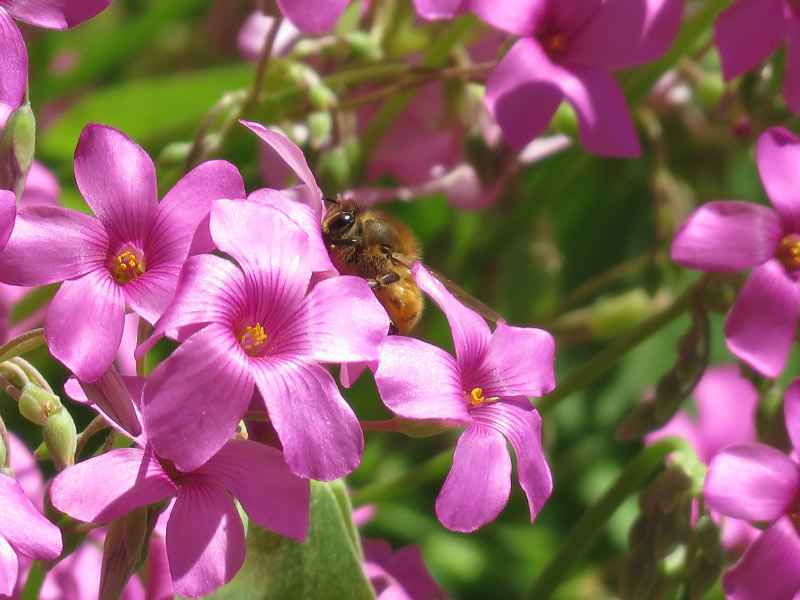
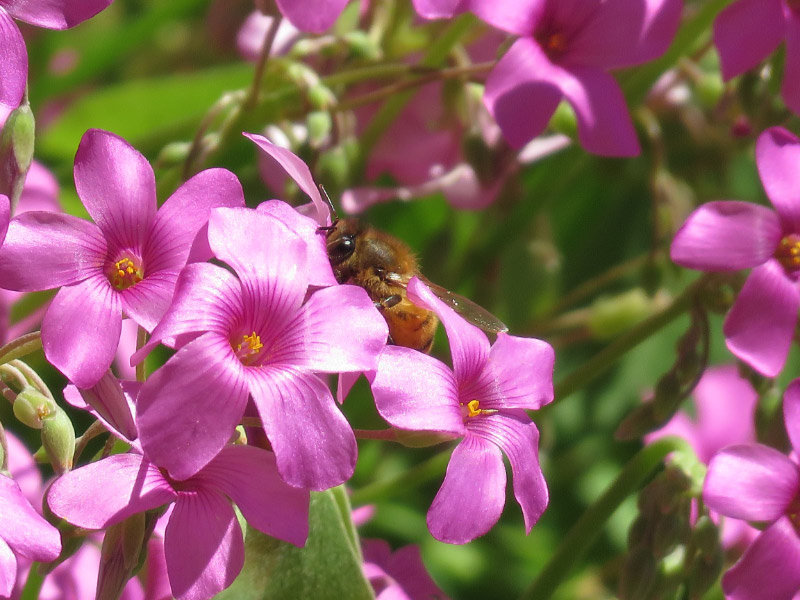
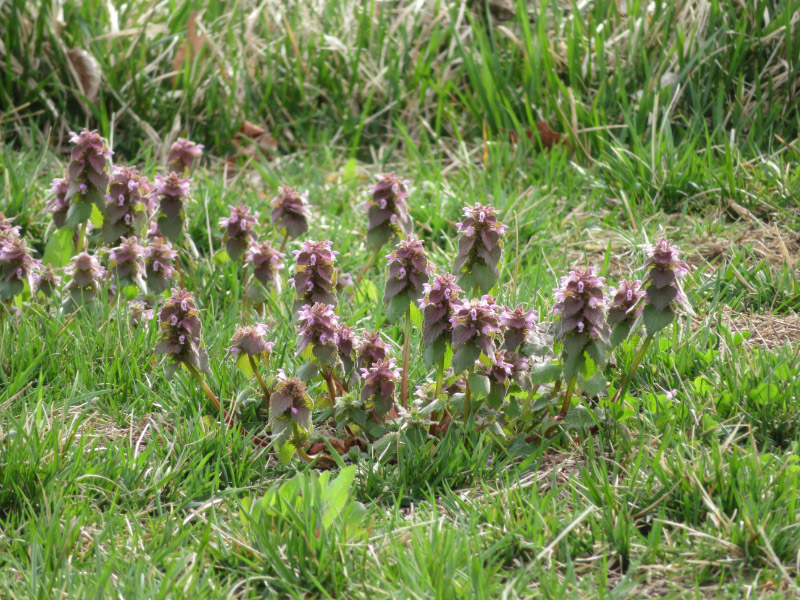
Spring days. Noticing the rapidly developing blossoms of spring is fodder for many celebrations – oxalis is probably one of my favorites right now. It blooms when the sun is shining!

Rainy day (spent indoors). After busy days – having a rainy day spent indoors is something to celebrate…with homemade soup for lunch!

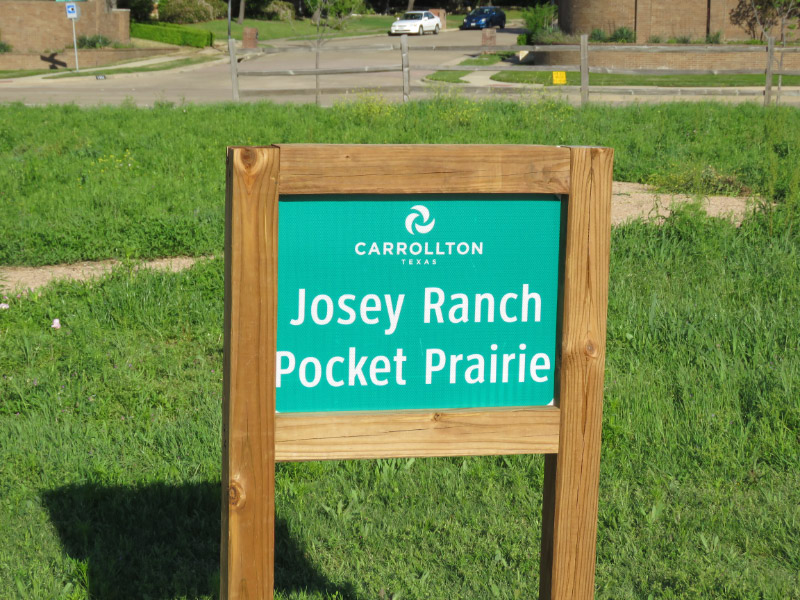
Josey Ranch Pocket Prairie. A little bit of prairie – carefully tended by volunteers – in a Dallas suburb! Right now it is a celebration of spring wildflowers.

2019 04 IMG_5769.jpg
2019 04 IMG_5834.jpg

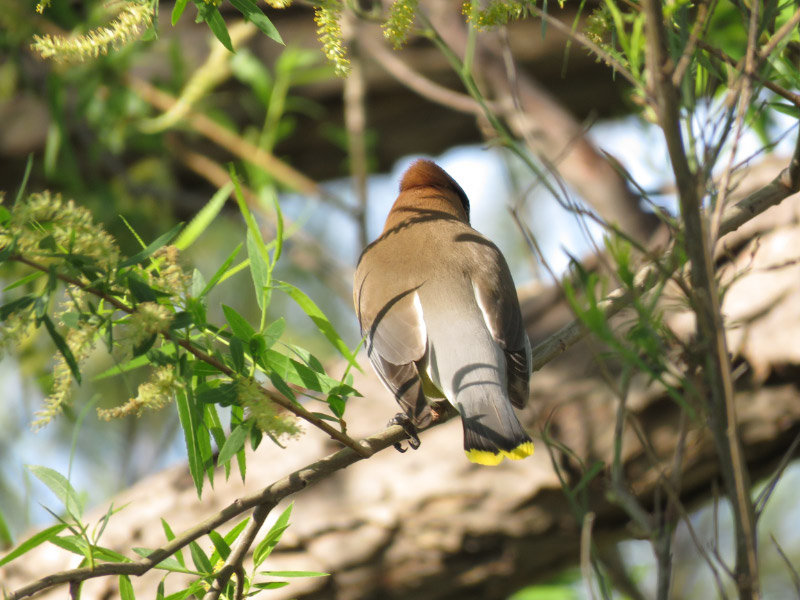
Cedar waxwings. Birds are migrating and there are serendipity sightings of birds that don’t stay around the area long. I celebrated seeing a small flock of cedar waxwings last week.

Botanical reminders of my grandmother. Many flowers in my parents’ Carrollton yard were planted by my grandmother…good memories to celebrate.

Home again. Providence, Rhode Island to home to Carrollton, Texas to home to Chincoteague National Wildlife Refuge and Smith Island to home. I like to travel…but coming home is celebratory too.

--

The Zentangle® Method is an easy-to-learn, relaxing, and fun way to create beautiful images by drawing structured patterns. It was created by Rick Roberts and Maria Thomas. "Zentangle" is a registered trademark of Zentangle, Inc. Learn more at zentangle.com.

Zooming – April 2019

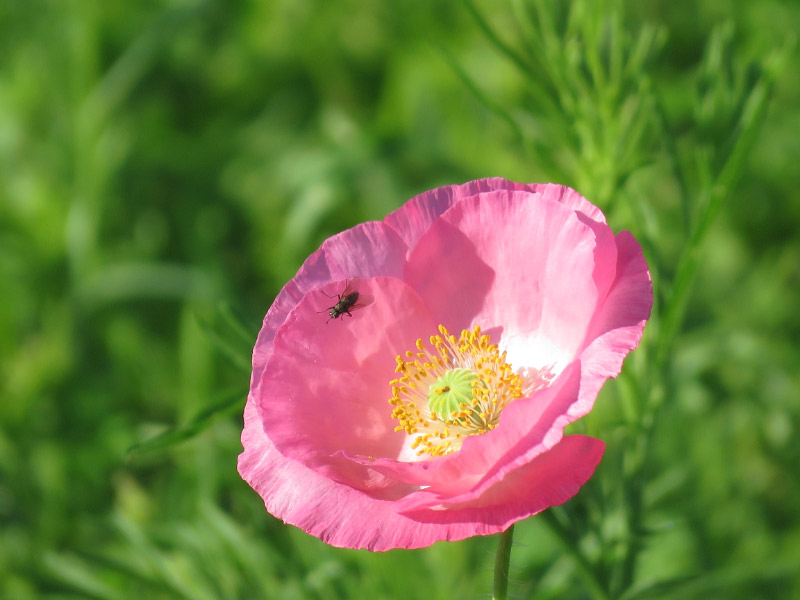
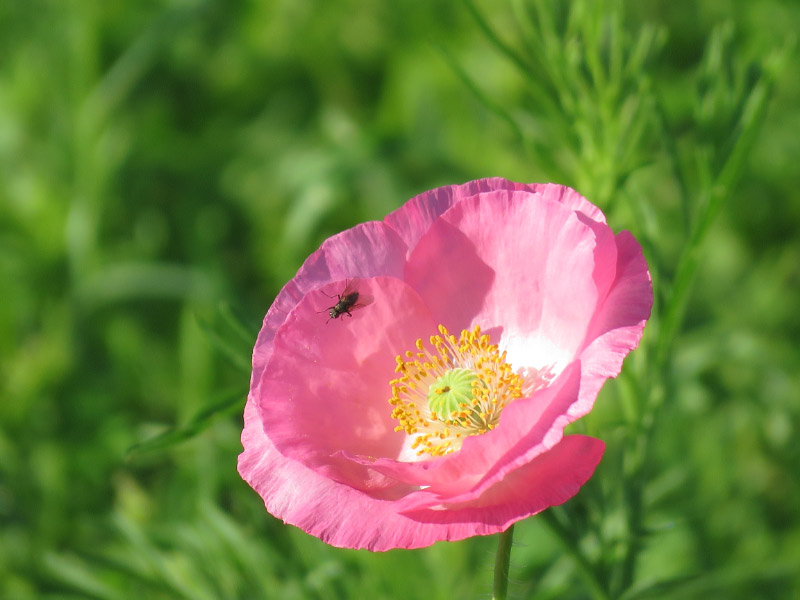
The accelerating change of the seasons in Maryland and Texas…so much to see and do. I’ve picked a few of my favorite images captured with the zoom on my camera. There are insects in at least two of the flower images (maybe a third)….the little critters enjoying the spring bounty. Enjoy the April slideshow!

Josey Ranch Lake

After visiting the Pocket Prairie, I headed over toward the lake. The highlight of this part of the walk was a flock of cedar waxwings feeding around the blooms of a tree. I think they may have been eating tiny insects that were attracted by the blooms. They were very active – chowing down before continuing their migration. I didn’t get any great pictures of them, but I saw enough to identify them while I watched them feed! For some reason – a tend to think of them as slightly larger than they are (maybe because they have a crest like a cardinal, and I lapse into thinking they are the same size).

Otherwise the lake was a disappointment. There was a lone Canada goose and a few mallards. The birds that winter there have already moved northward. There were still a few coots around; they were all on the shore. Perhaps they stay for the summer too. The lake was almost empty.

2019 04 d IMG_5914.jpg

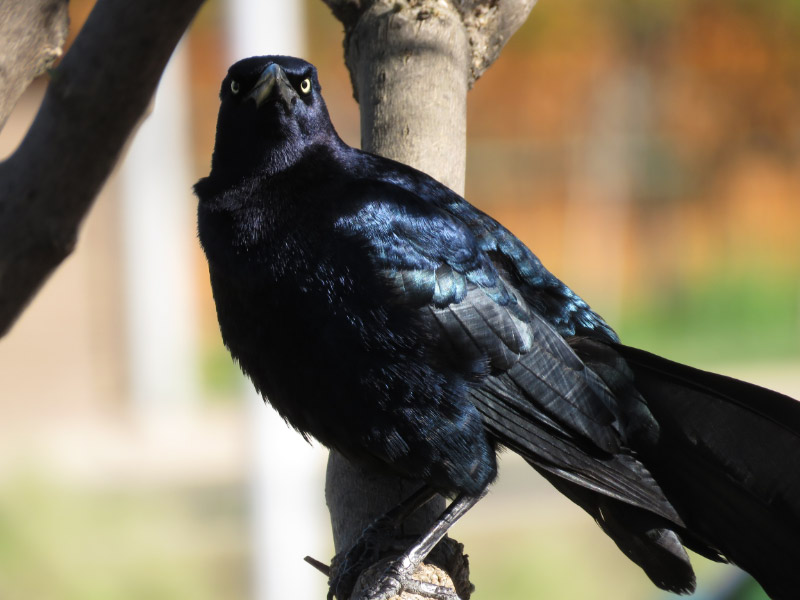
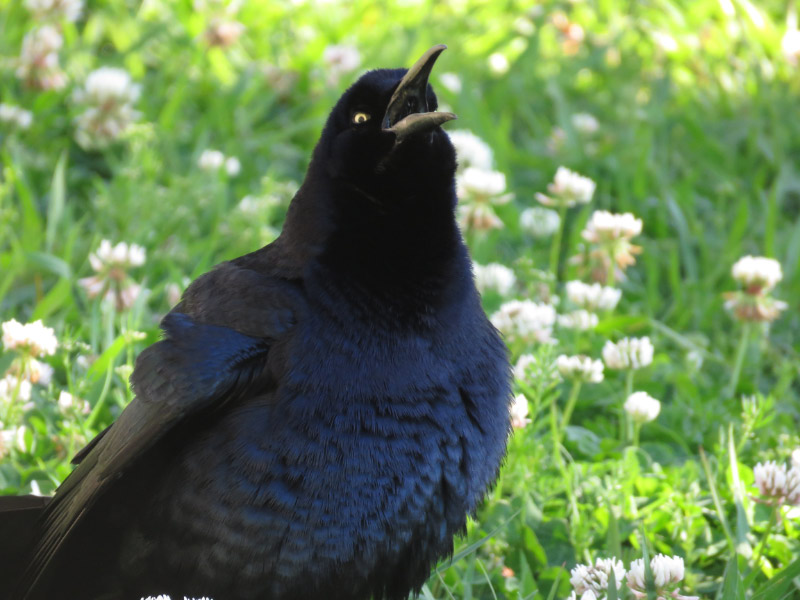
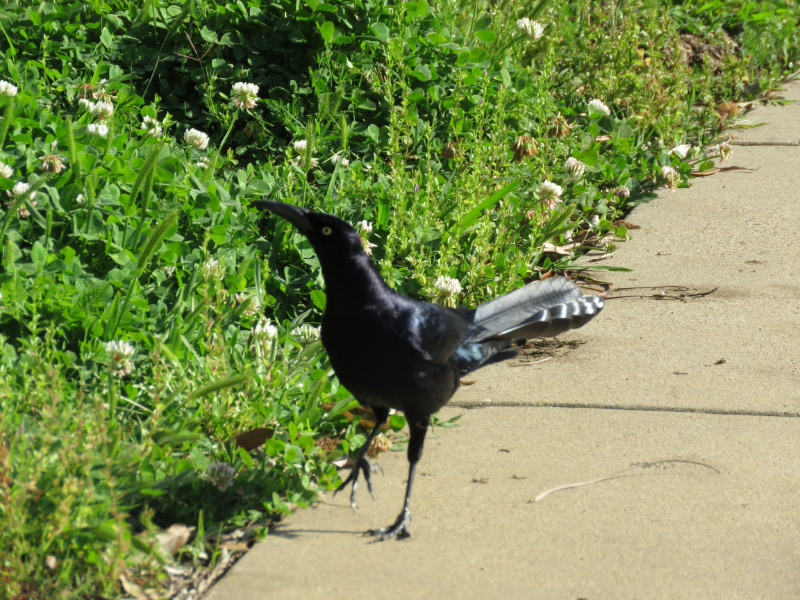
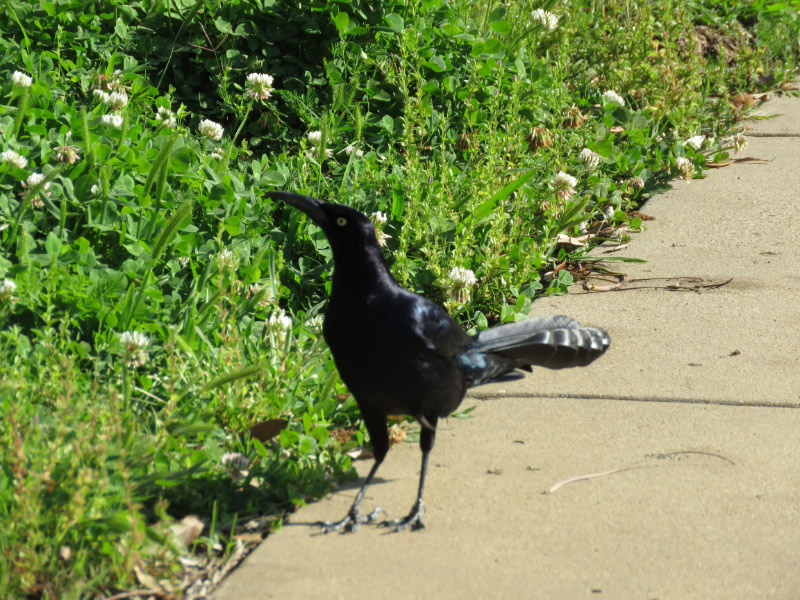
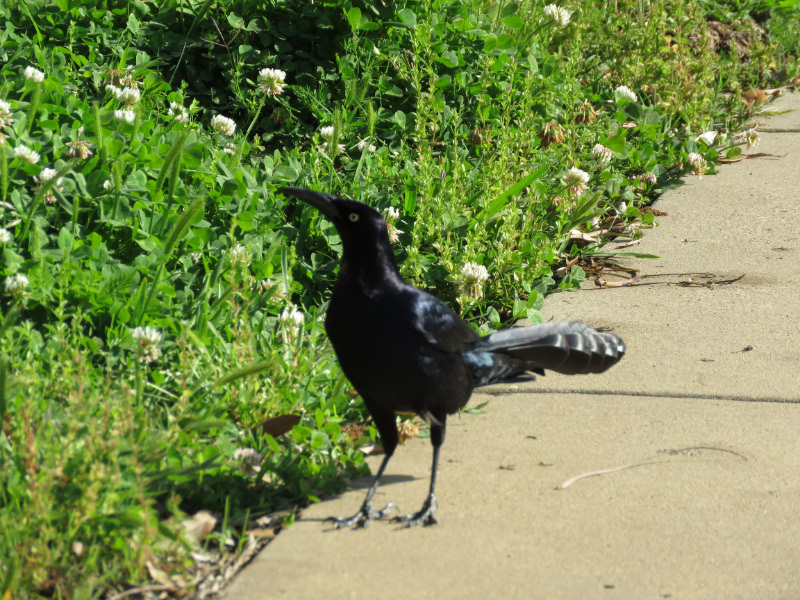
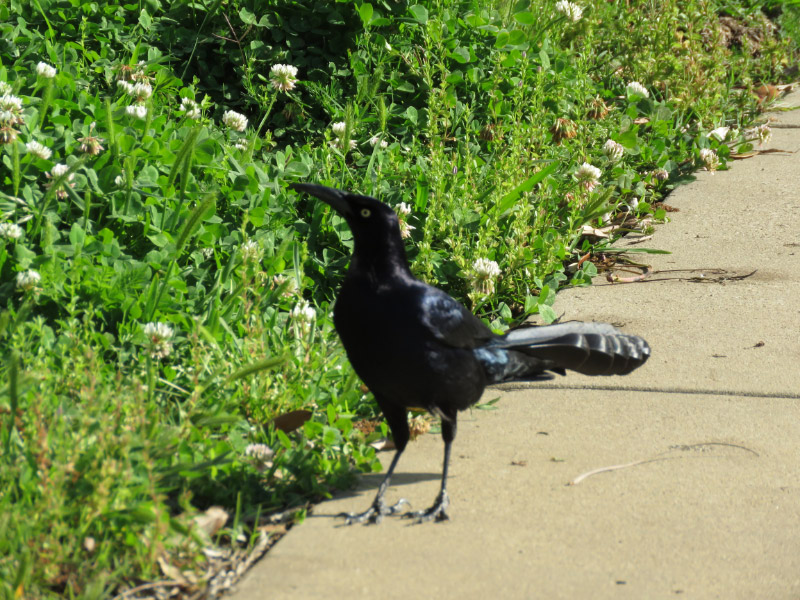
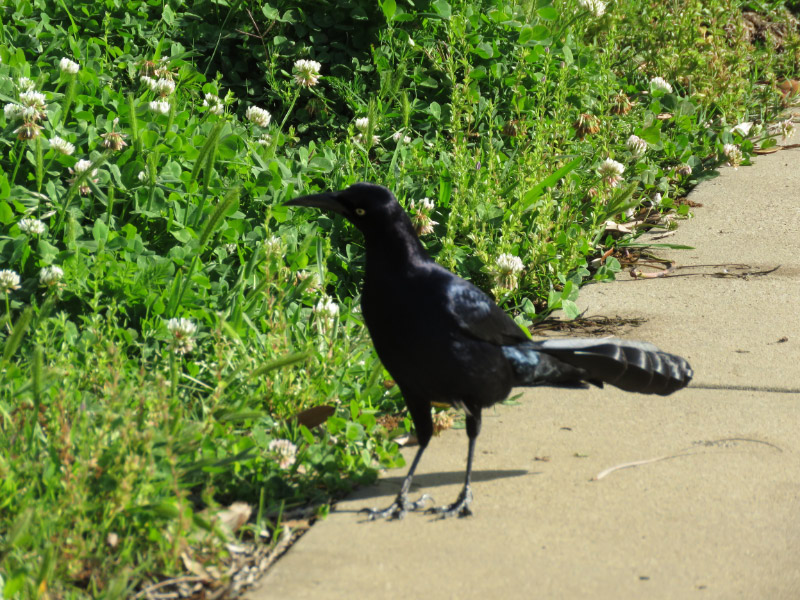
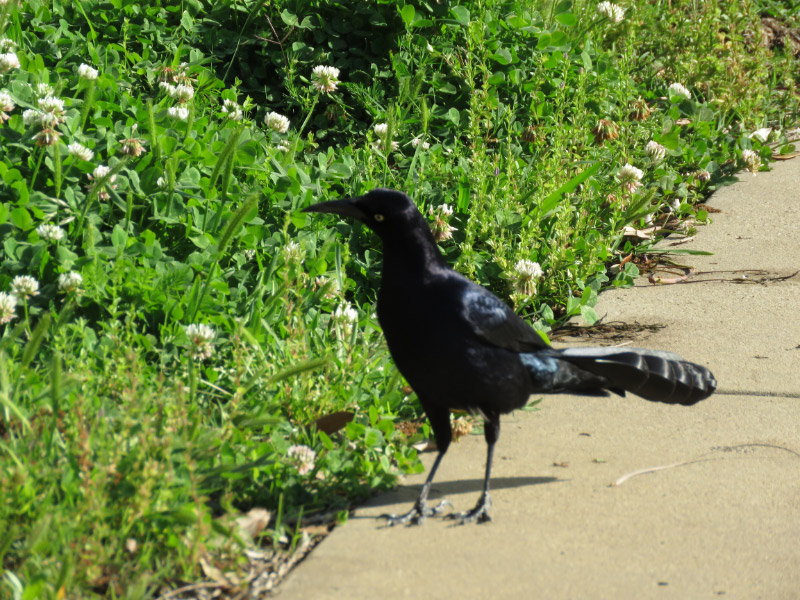
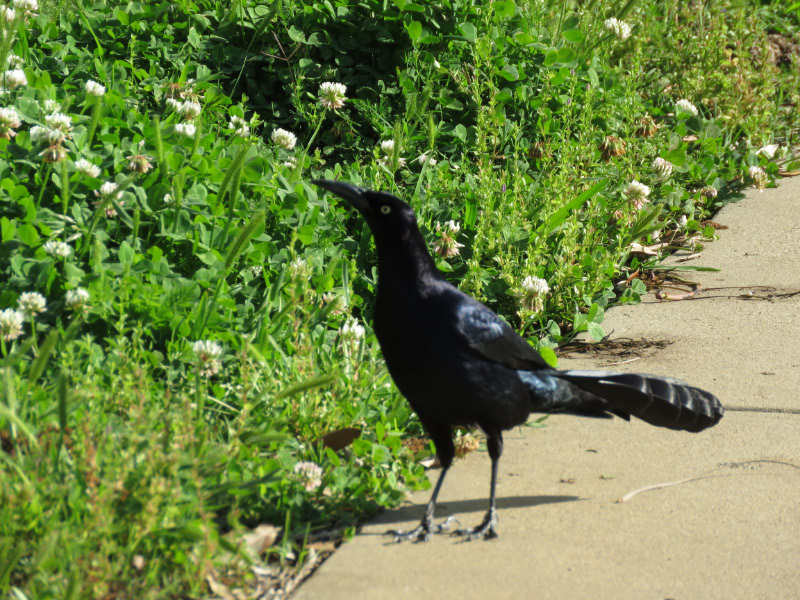
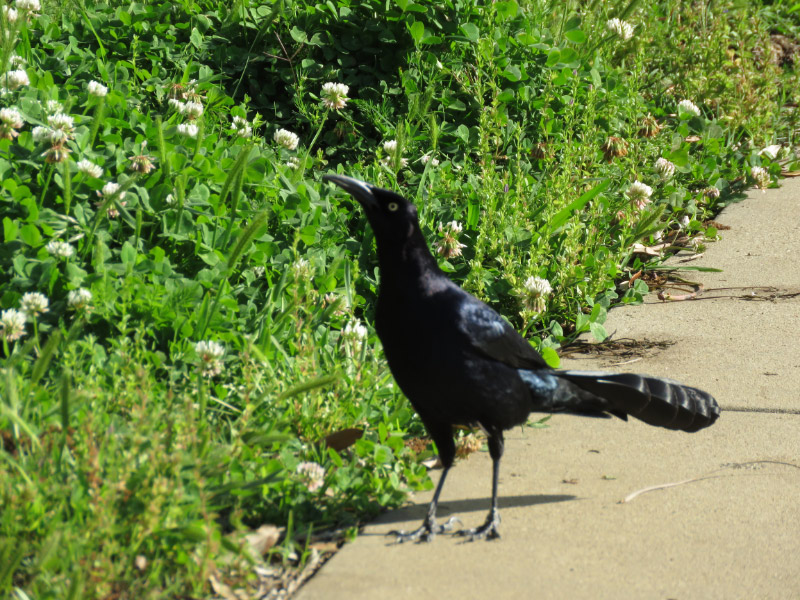
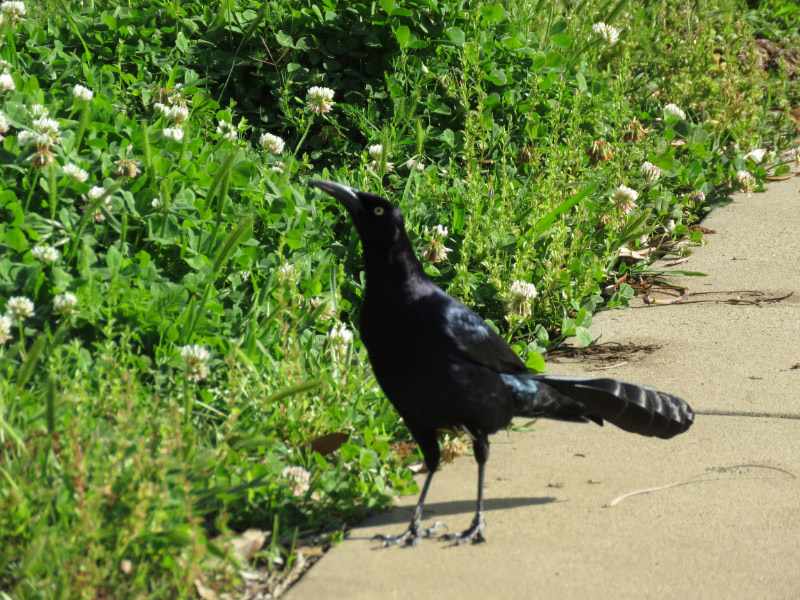
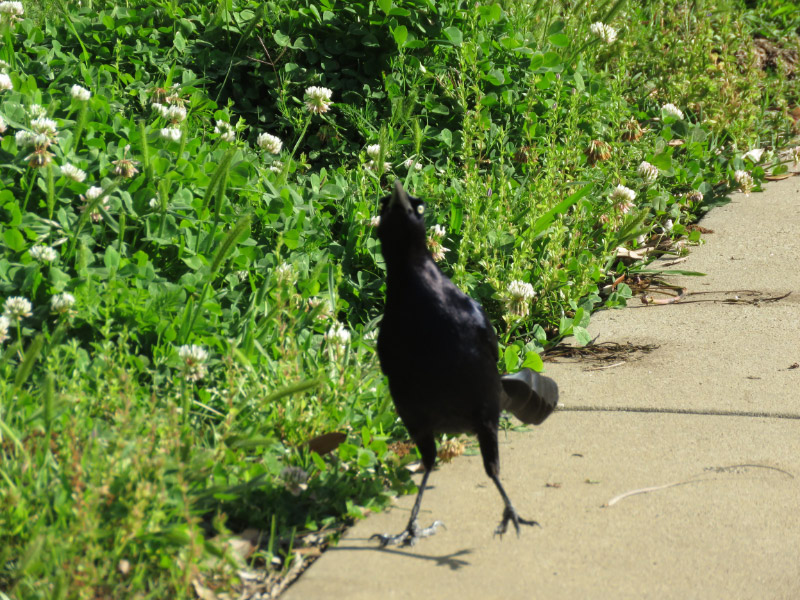
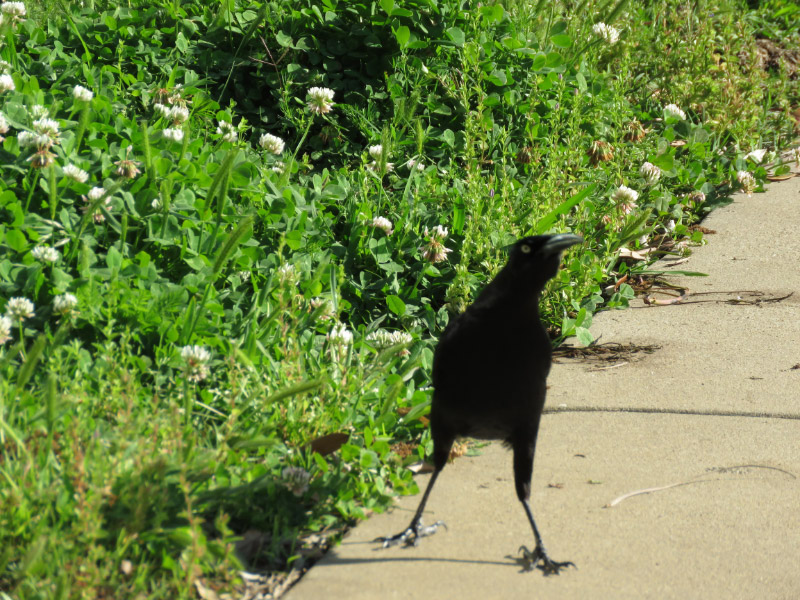
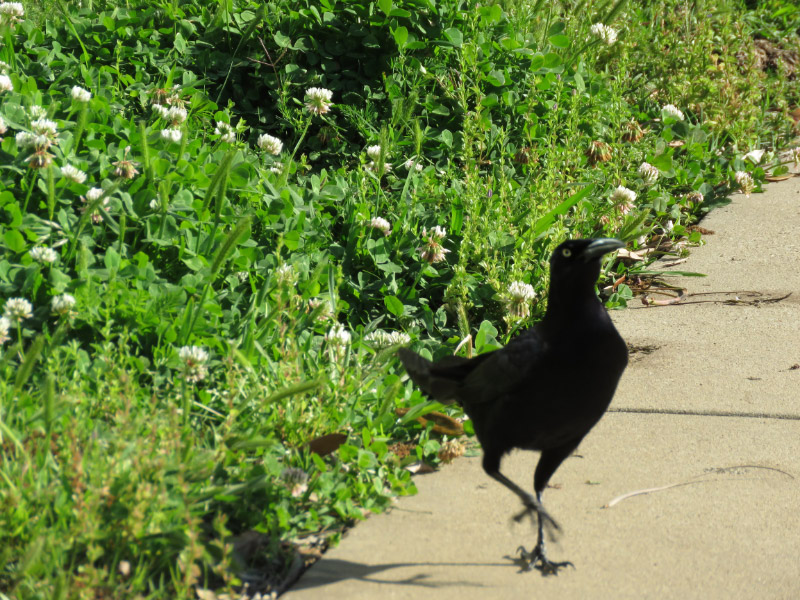
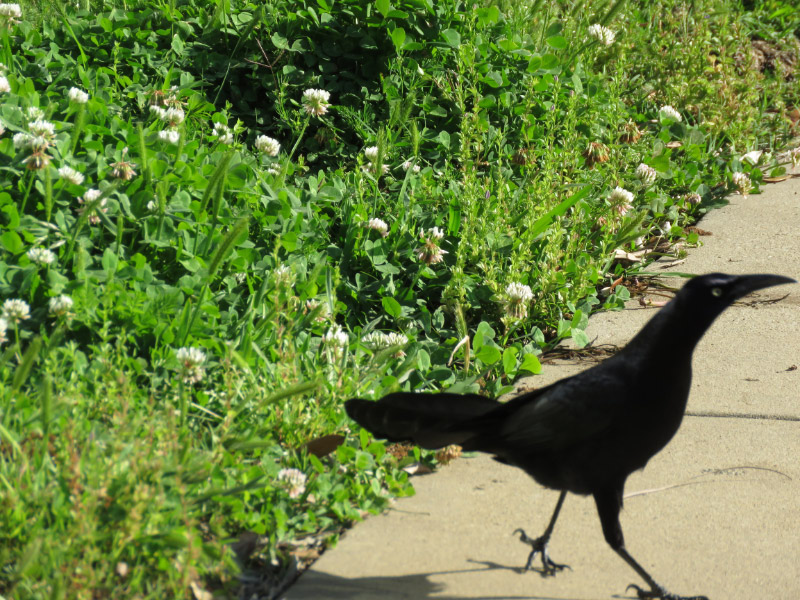
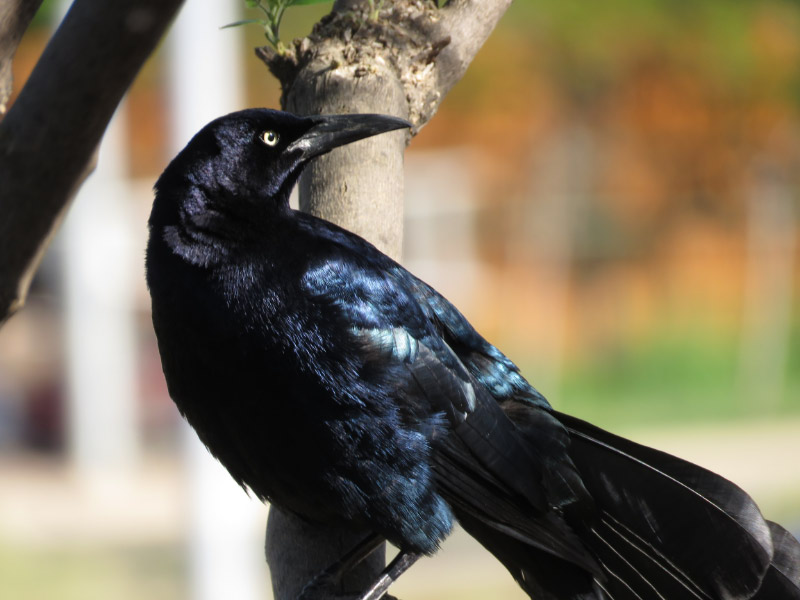
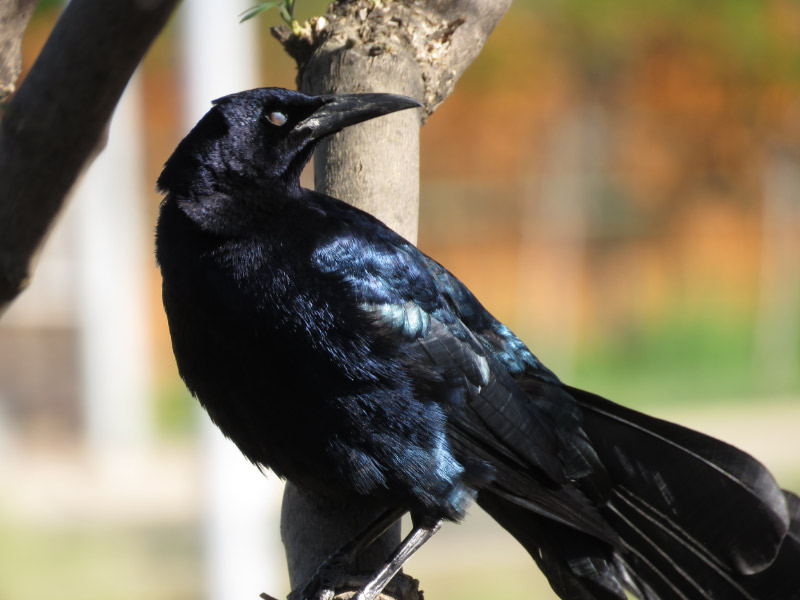
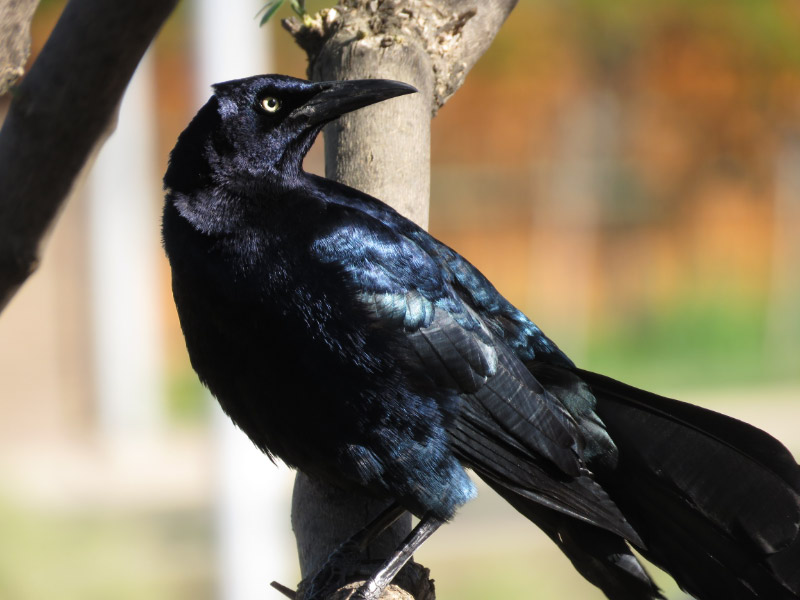
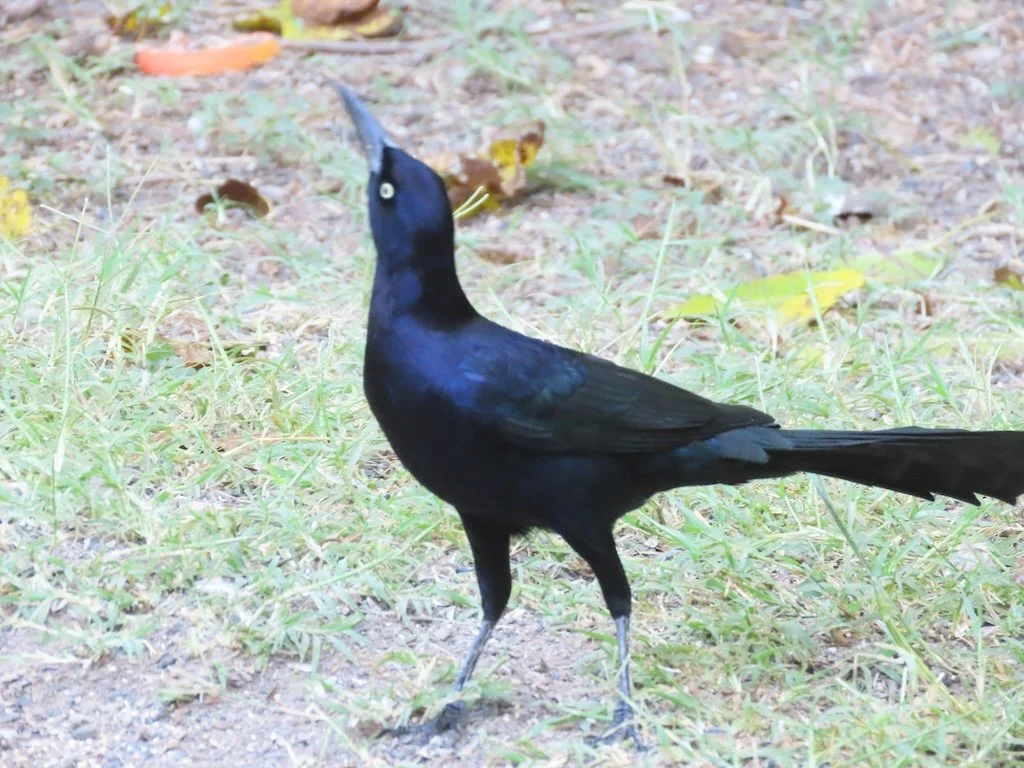
The resident boat-tailed grackles are noisy and have a lot of attitude. I took two sequences. On that was walking on the sidewalk as I headed back toward the car…

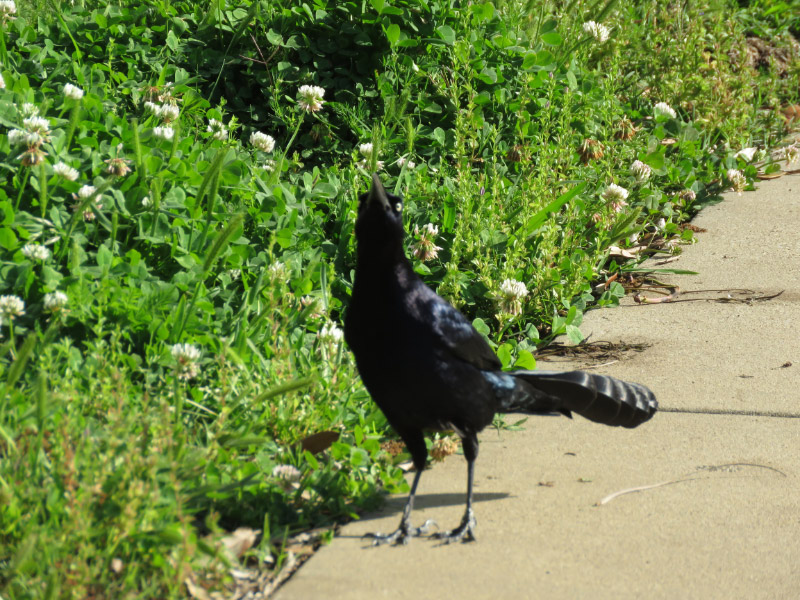
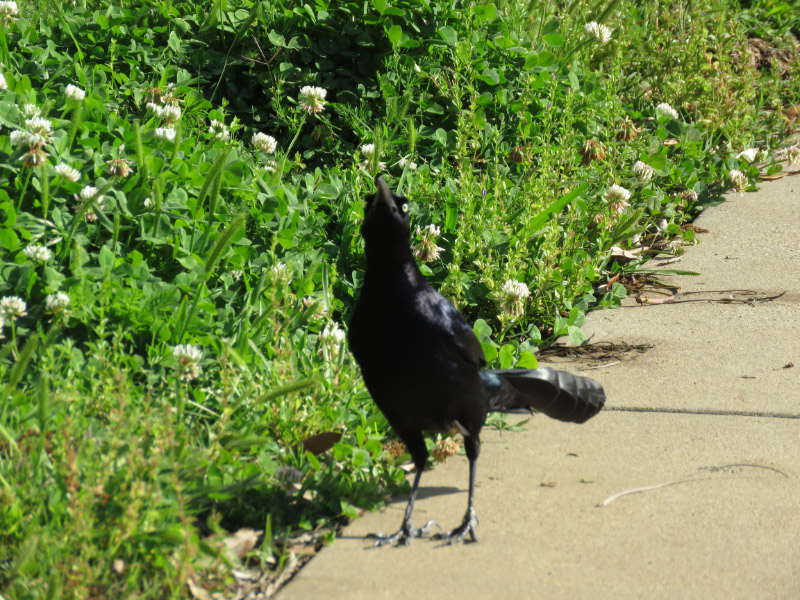
And another in the front of the drive near the library….I think he might have been warning me to come no closer!

Josey Ranch Pocket Prairie

2019 04 a IMG_5743.jpg

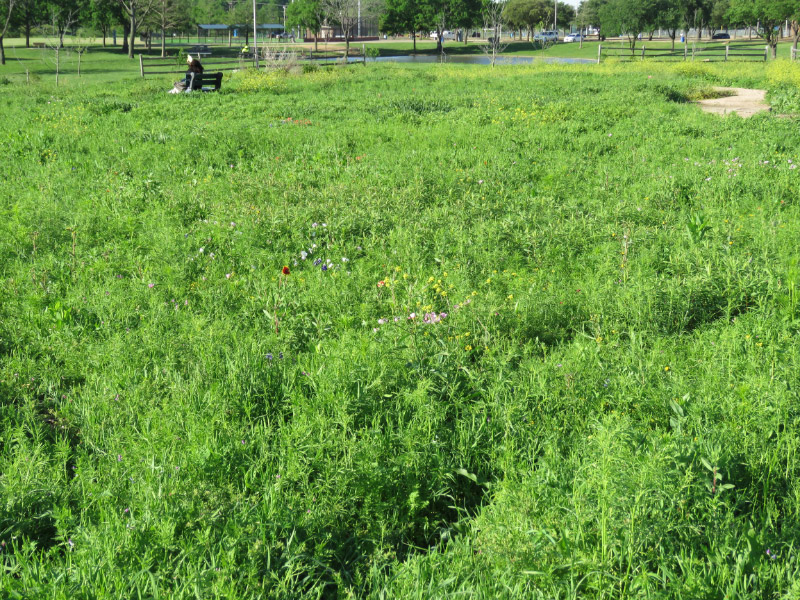
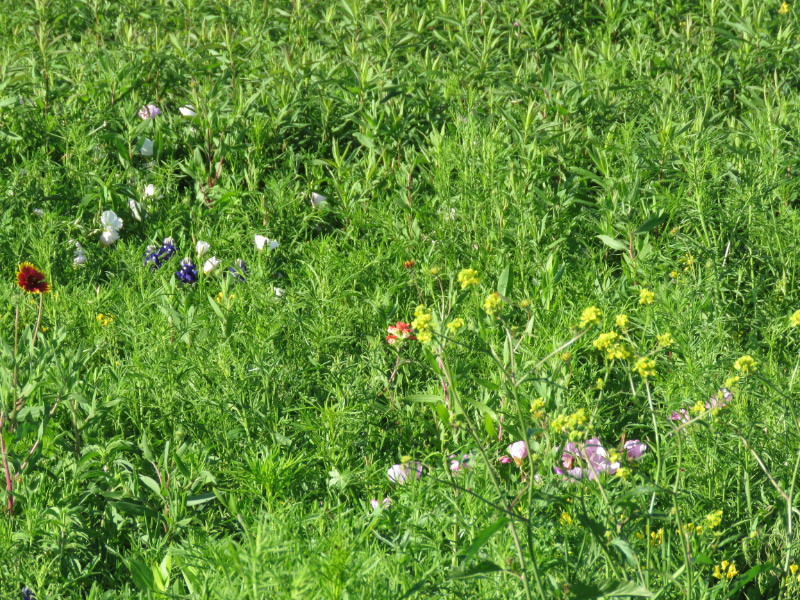
Last week I discovered the Josey Ranch Pocket Prairie near the Carrollton (Texas) Public Library. At first it looked mostly like a sea of plants blowing in the breeze…then I began noticing the flowers.

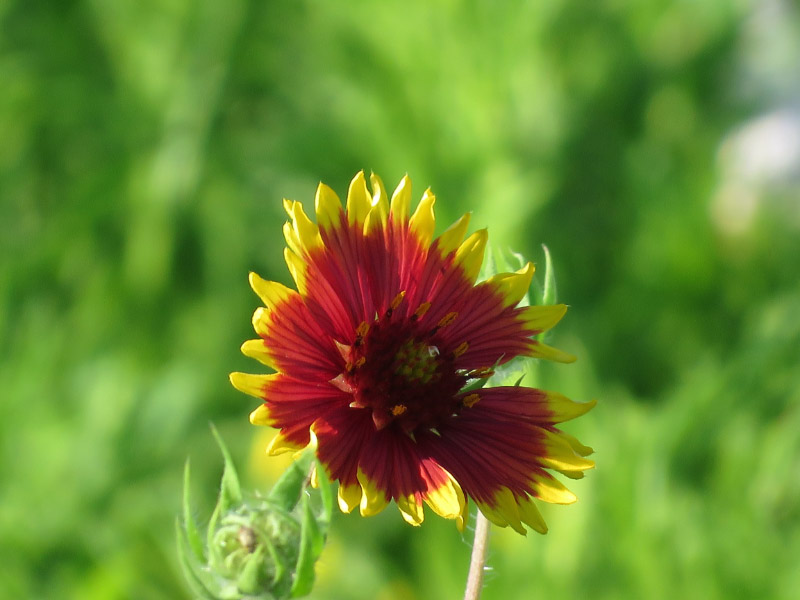
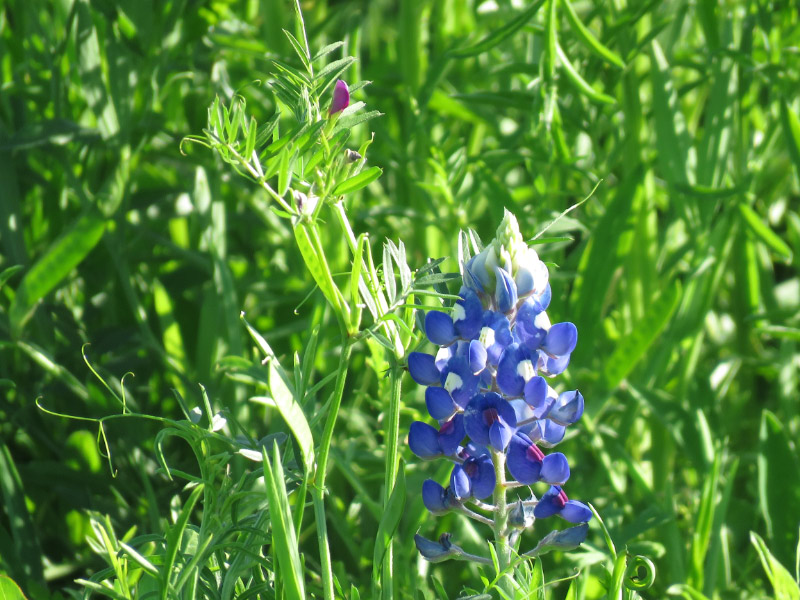
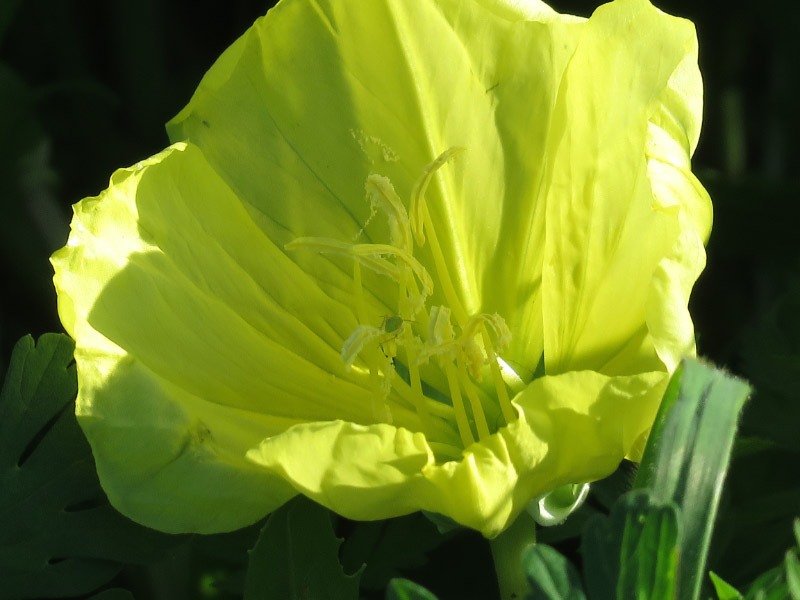
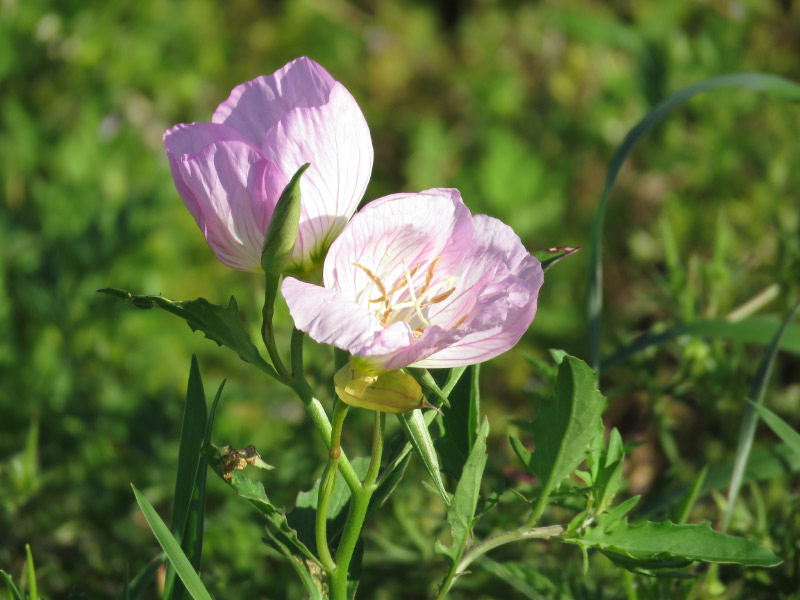
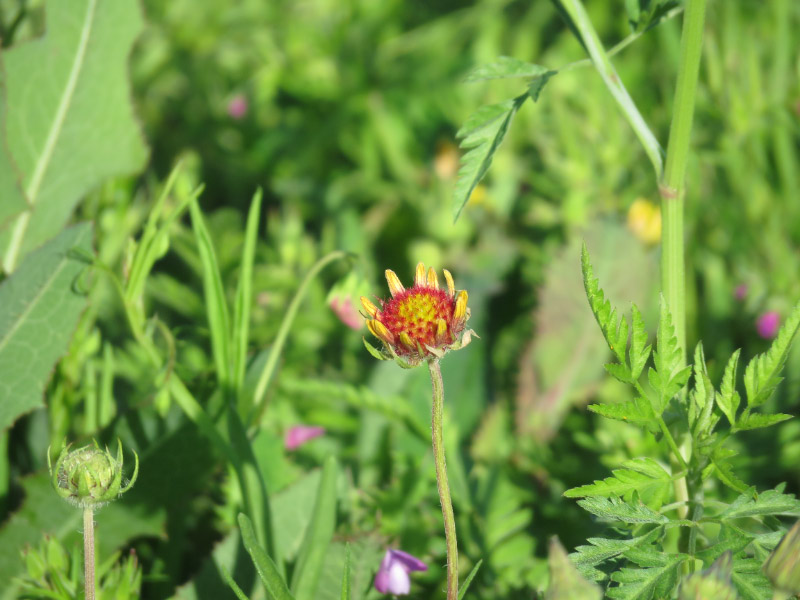
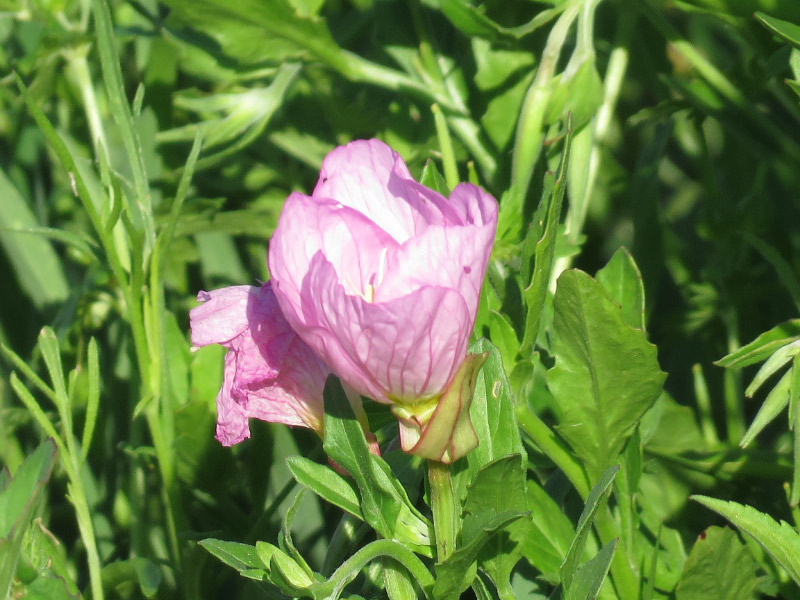
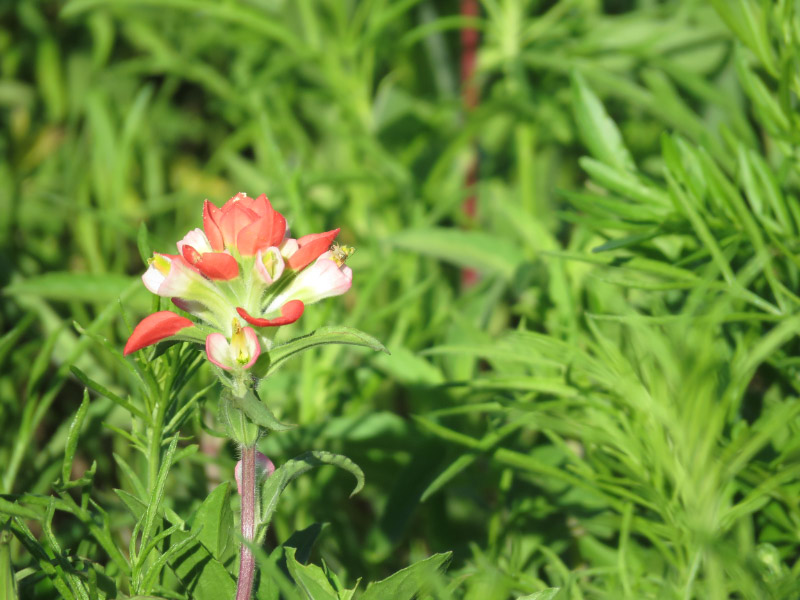
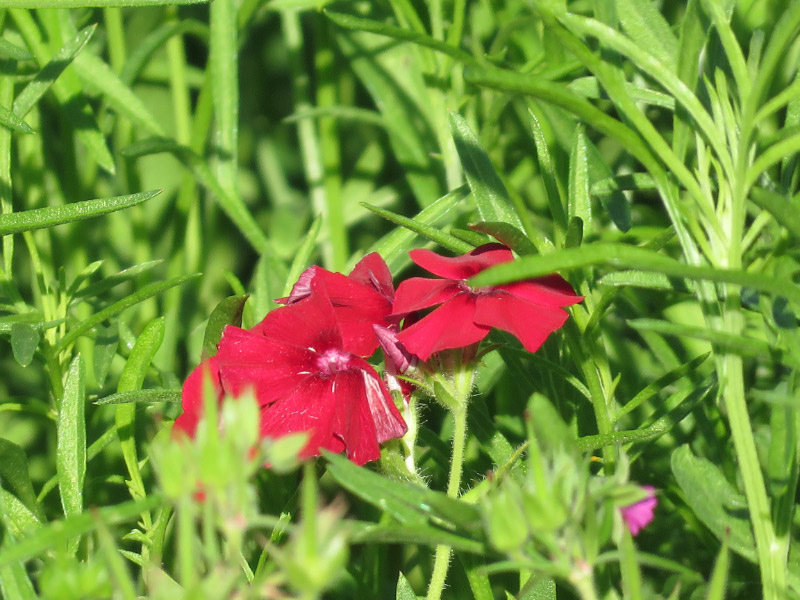
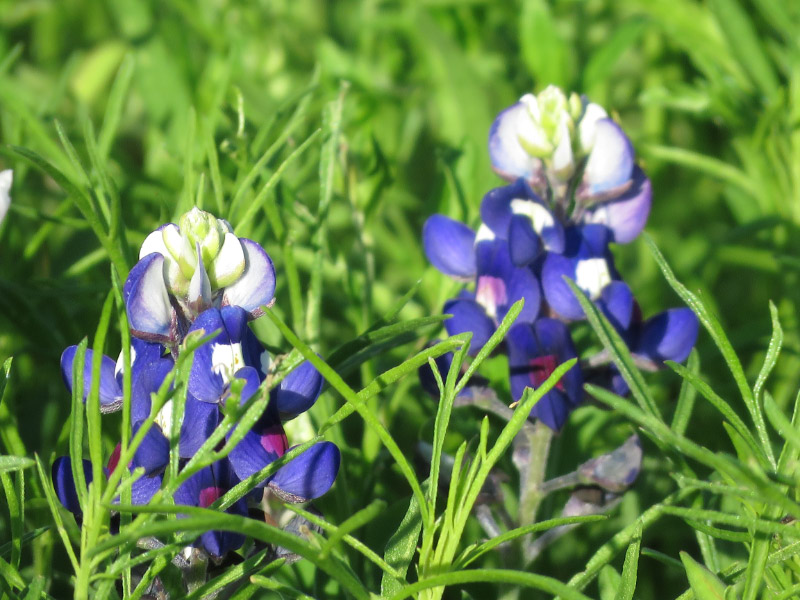
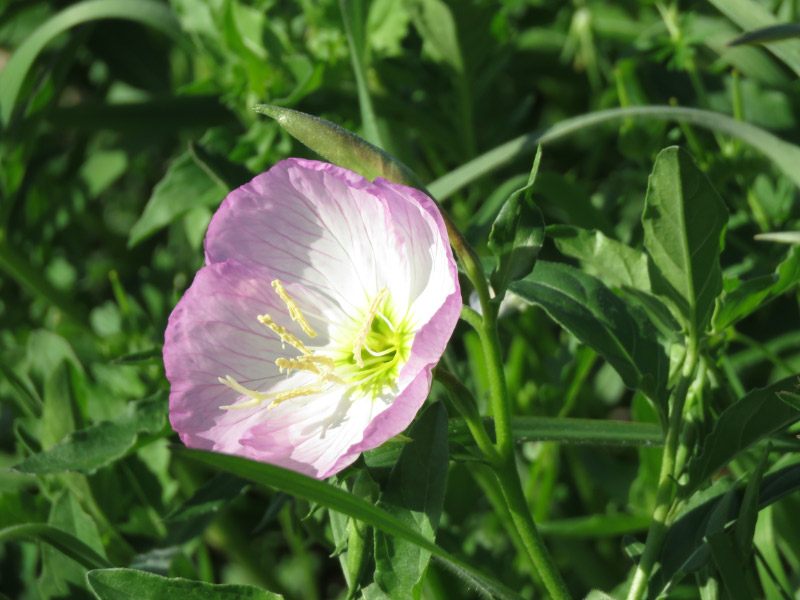
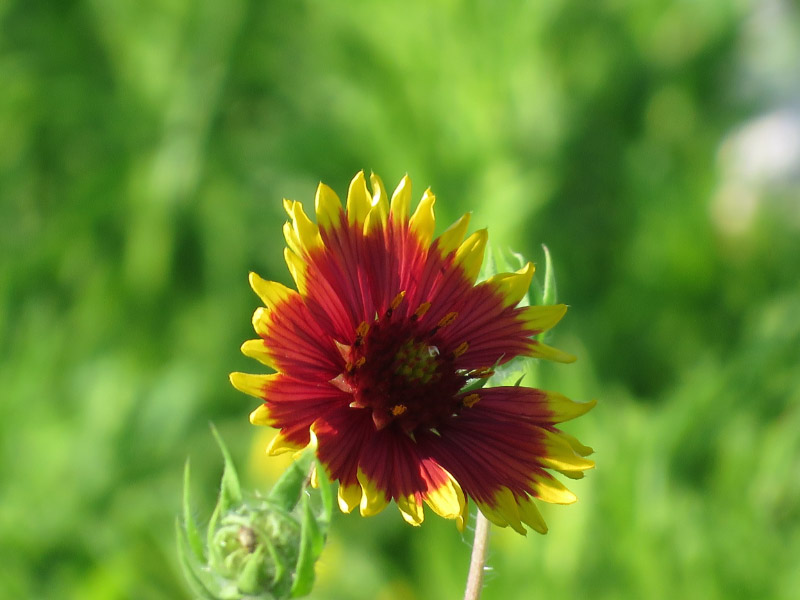
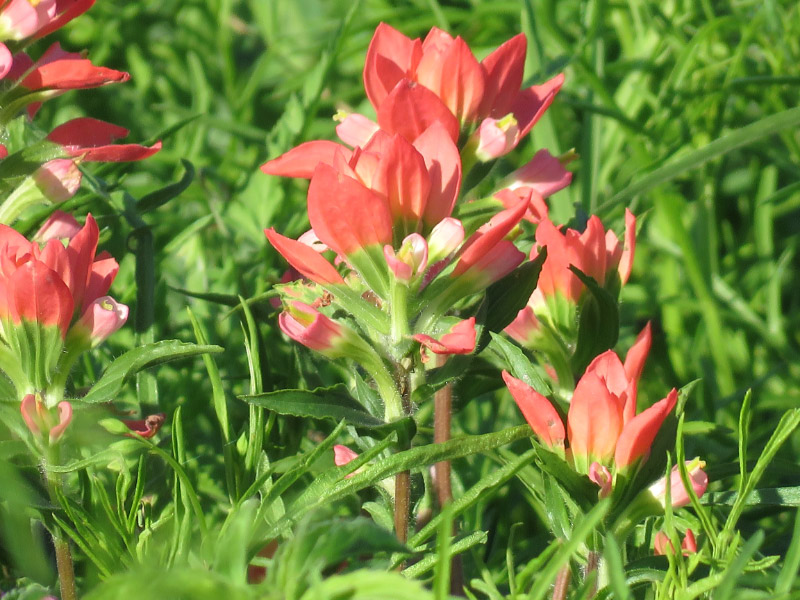
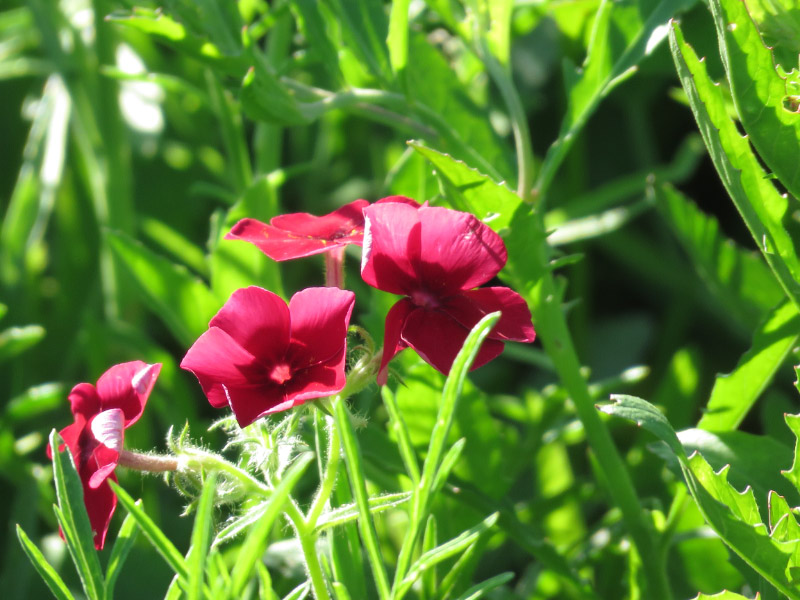
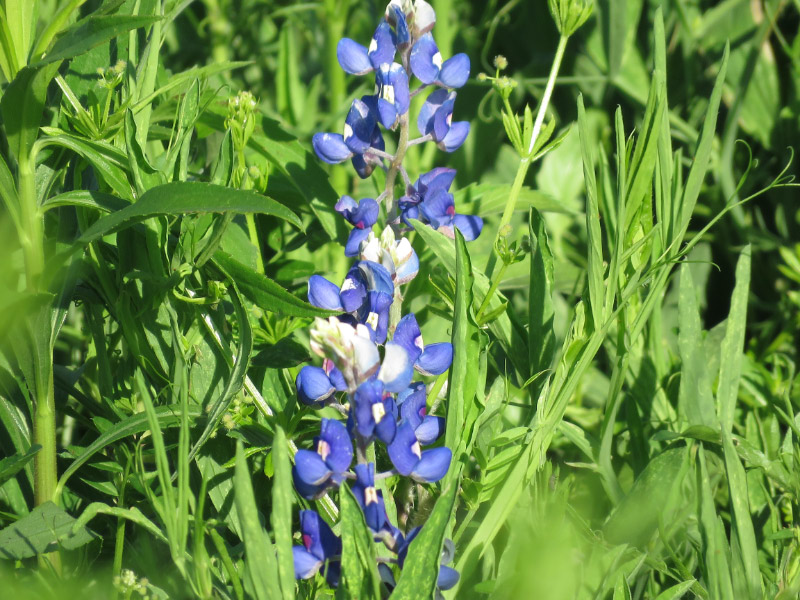
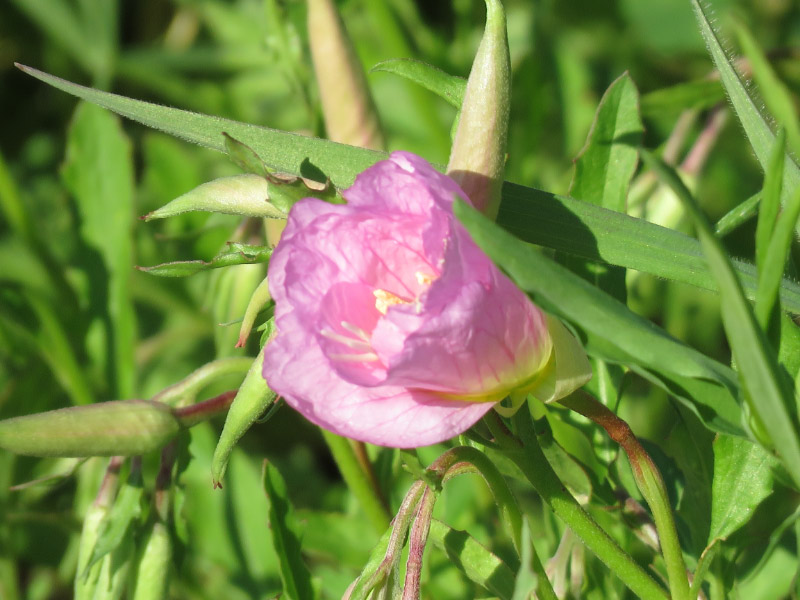
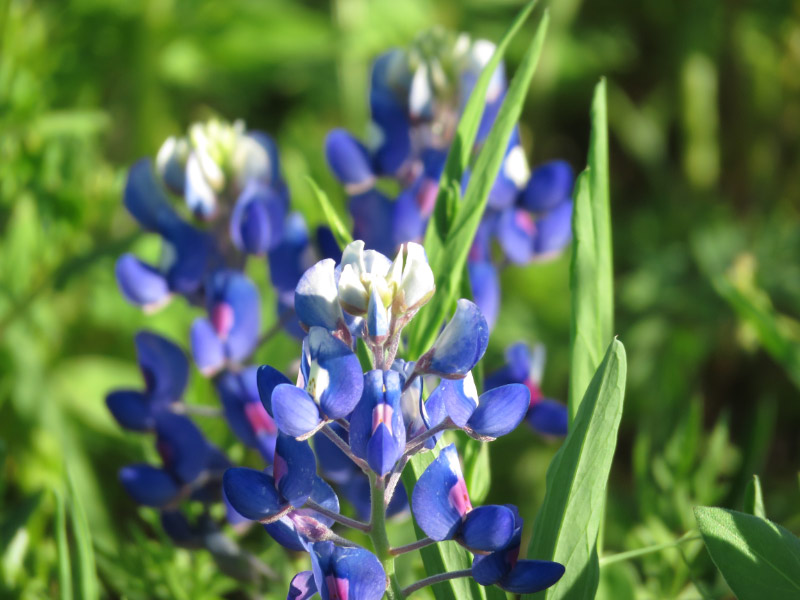
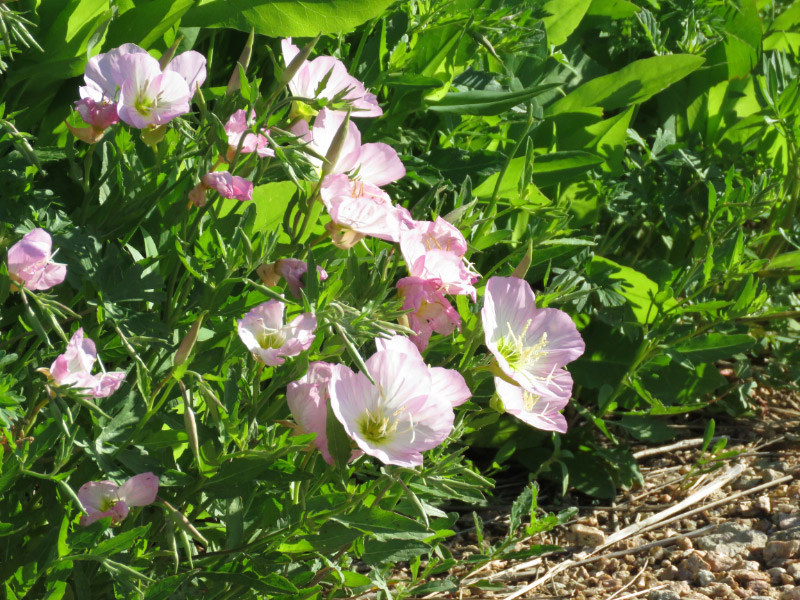
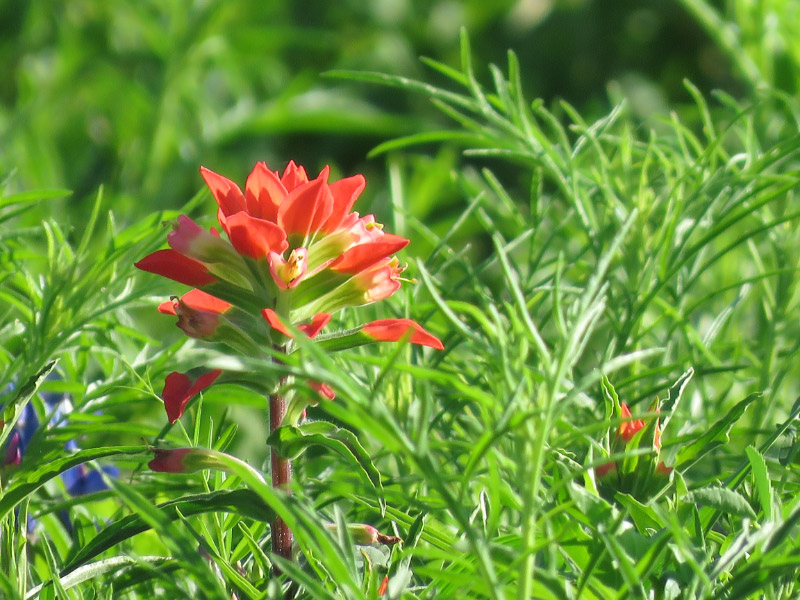
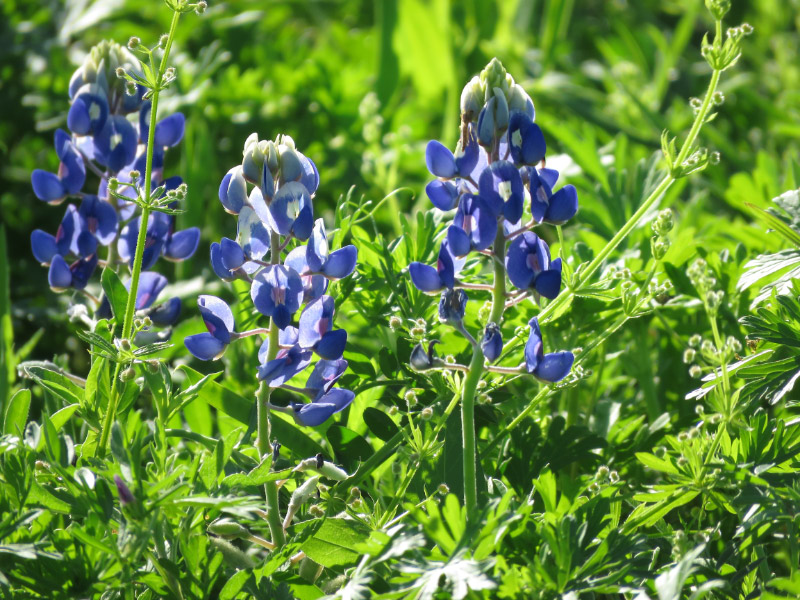
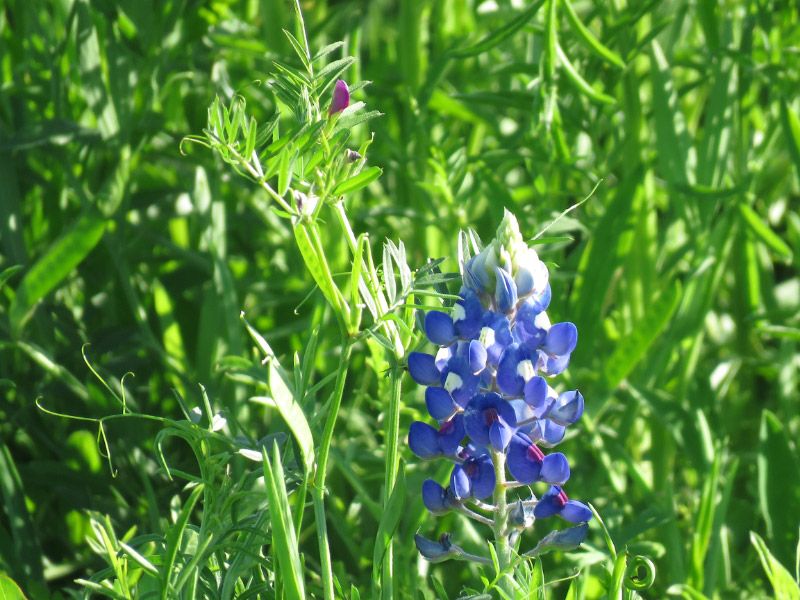
I walked around the path slowly using the zoom on my camera to see the flowers better (and photograph them). There were a lot to see. Some I recognized – the bluebonnets, Indian blanket, Indian paint brush, and pink evening primrose. Others I didn’t. I’ll have to go back and get more detailed pictures to identify them. Spring is a great time to see wildflowers!

I’ll have to remember to take a turn around this pocket prairie when I come to Carrollton in the summer and fall…see it in difference seasons. There seems to be a group of volunteers maintaining the area. There were piles of some invasive plants that had been pulled out and were ready for pickup. The rain garden area seemed almost new. If it rains while I am here – I’ll go over in my rain gear to see how it works!

A Carrollton Garden – Part II

It’s been more than 8 years since my grandmother died – but there are still many plants in the garden at my parents’ house that she started. The pink preference sage all came from a plant from her sister’s garden.

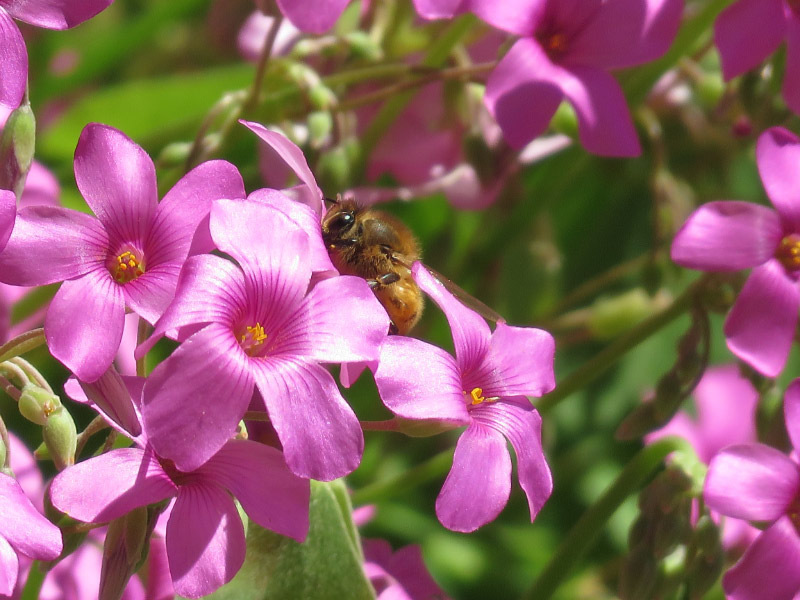
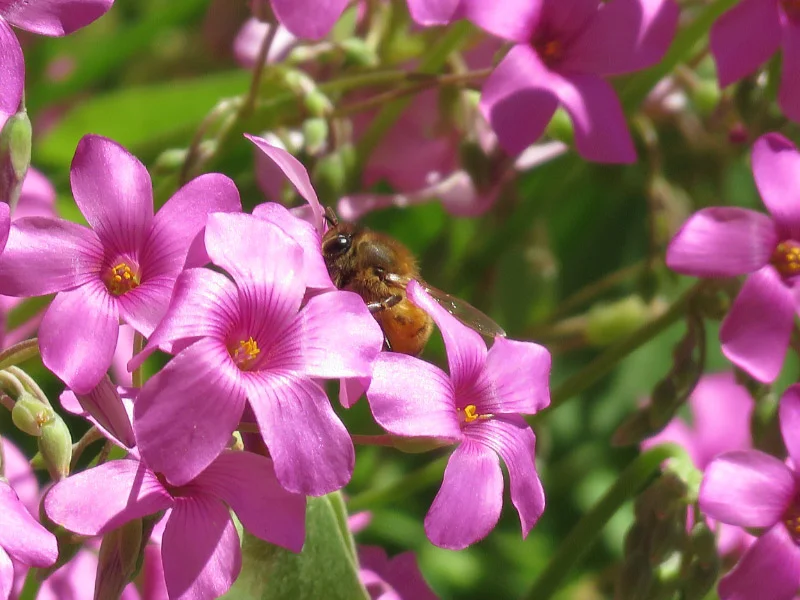
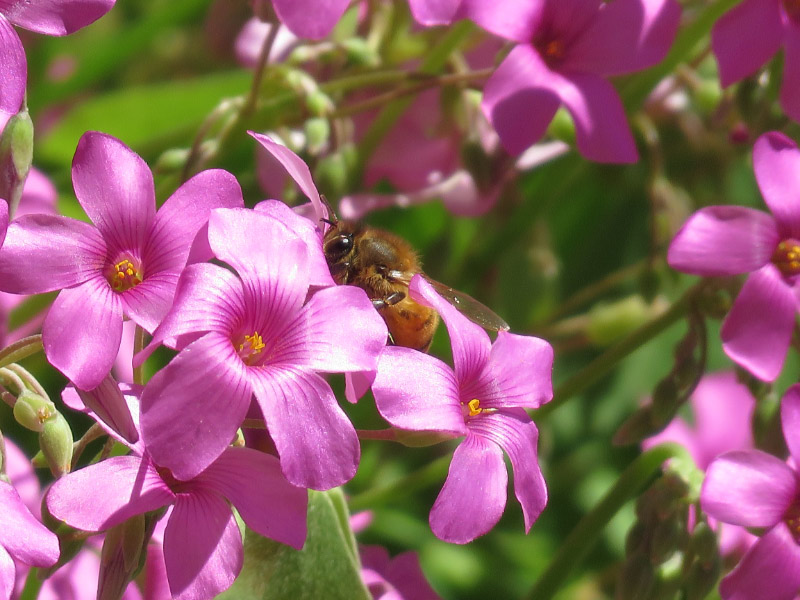
The oxalis was something she saw first in her sister’s garden then ordered some from a catalog (we think). It is growing so profusely these days that some of the plants are being potted to be part of the floral decorations for my niece’s wedding.

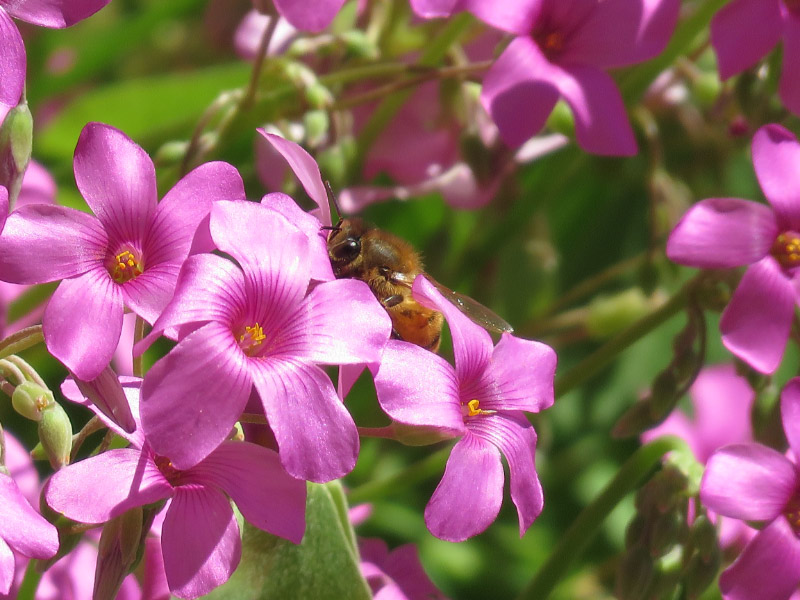
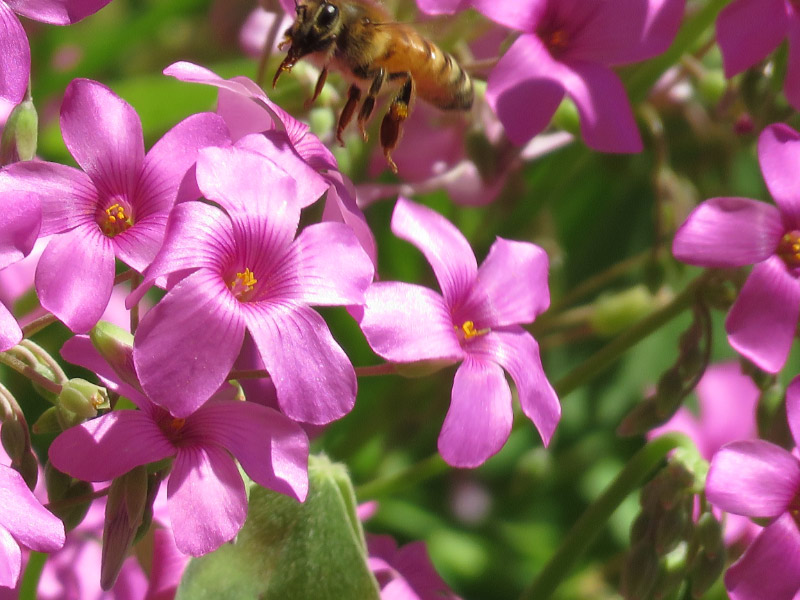
The bees like the flowers too.

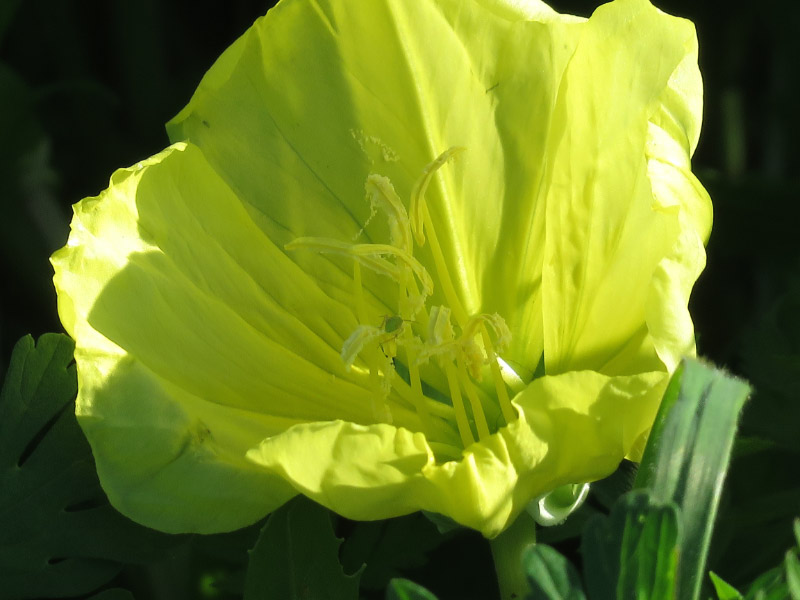
The evening primrose is self-propagating around a rose bush my grandmother got as a birthday present (the rose bush must be over 20 years old now) and she planted the primrose seeds at its base.

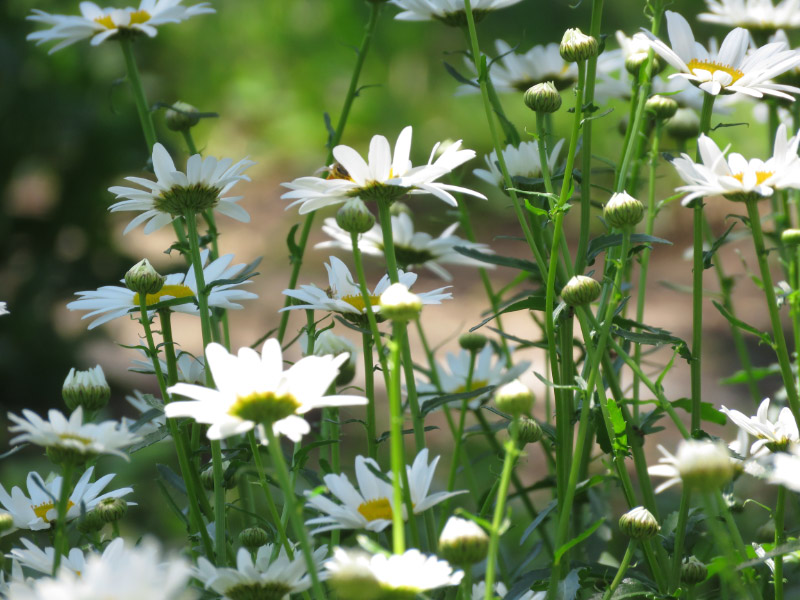
I’m not sure where the daisy-like flowers came from, but they’ve been in the garden for a long time. These days they bloom in enlarging clumps in the front yard garden under the big mulberry and beside the red yucca.

The continuity of plants – passed between family members and through generations. Remembering her…in her garden.

Gleanings of the Week Ending April 20, 2019

The items below were ‘the cream’ of the articles and websites I found this past week. Click on the light green text to look at the article.

People who feed birds impact conservation -- ScienceDaily – A study of the impact people have on birds….and the impact feeding birds has on the people!

Bird Species Impacted By Cutthroat Declines At Yellowstone – Colonial water birds have declined as the lake trout have increased (and cutthroat trout had decreased) in Yellowstone Lake. There could be other reasons for the decline of the pelicans, Caspian terns, and cormorants….more study needed.

Medicinal Uses of Mint: IBS, Itching, Nausea, and More | Berkeley Wellness - Human studies of peppermint in enteric-coated capsule form….confirming some of the benefits of peppermint oil. I like the peppermint flavor…so like fresh mint in salads and hot/cold water…the smell and the flavor are wonderful, so the other positive actions mint may have are just ‘icing’ on an already appreciated cake.

In ancient oceans that resembled our own, oxygen loss triggered mass extinction -- ScienceDaily – Oceans are big but they have reached tipping points in the past. This study looks closely at the Silurian Period…the conditions then and what happened with those conditions…making comparisons to the oceans of today.

What An Aging Population Means For The Future Of The Internet – The average age in many countries is trending older…how does that trend ripple into how the internet is used/misused?

Deciphering the walnut genome: Findings could lead to new walnut varieties -- ScienceDaily – Creating hybrids of English walnuts (the most widely sold form of walnuts sold in the US for human consumption) with native Texas Black Walnuts that have better resistance to soil borne pathogens currently impacting the crop.

Why Is Cancer More Common in Men Than in Women? | The Scientist Magazine® - Studying cancer-linked cellular differences between males and females.

Çatalhöyük, Turkey's Stone Age settlement that took the first steps toward city life – Only 4% of the site has been excavated….still a lot to learn.

To build the cities of the future, we must get out of our cars – Letting nature into the core of the city.

A Colonial-Era Cemetery Resurfaces in Philadelphia - The New York Times – Teasing out the history from remains of a cemetery that was supposed to have be moved years ago…but maybe wasn’t entirely.

A Carrollton Garden – Part I

20190412_122052.jpg

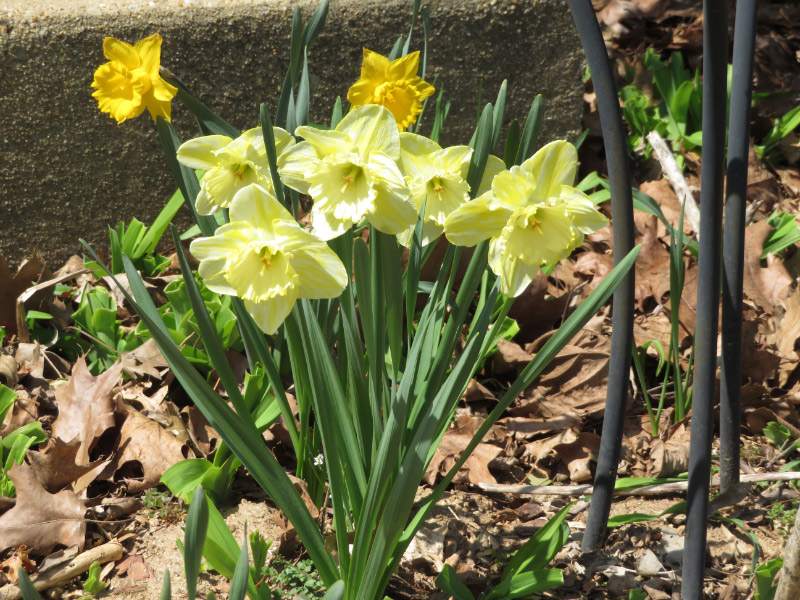
I am visiting my parents this week in Carrollton TX and their garden is responding to the warmer weather. Mounds of oxalis line the large patio – carpeting the partial shade area under the mulberry trees.

Various kinds of iris are in bloom. The Dutch iris blooms seem to last longer than the other kinds.

The mulberry trees are a fruitless variety. The trunks of the largest trees have a lot of color when they are wet. Most of the trees have small branches emerging along the big branches. The larger branches have been thinned to allow more sunlight to reach the ground so all the little branches that are within reach of the pole clippers are snipped from the trees keep the canopy open.

The pecan tree is finally old enough to bloom and may produce some pecans this year. Hopefully the nuts will be the paper-shell variety.

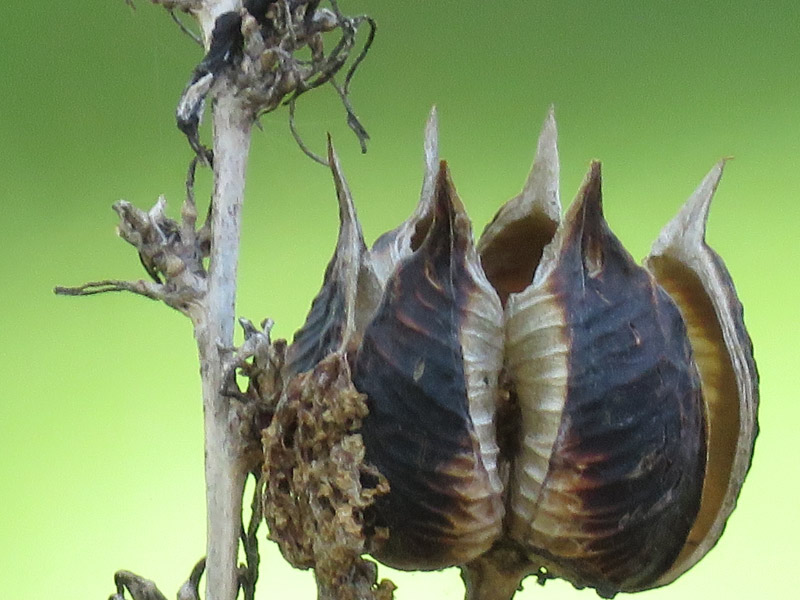
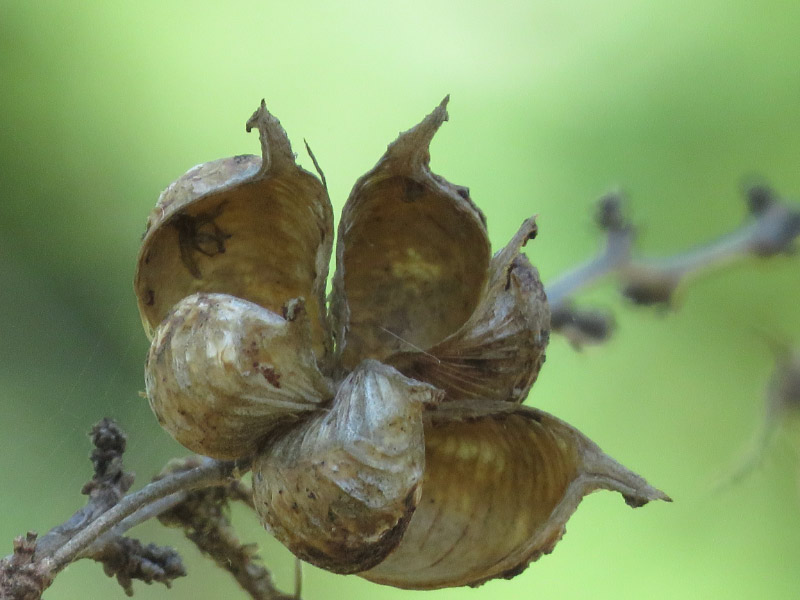
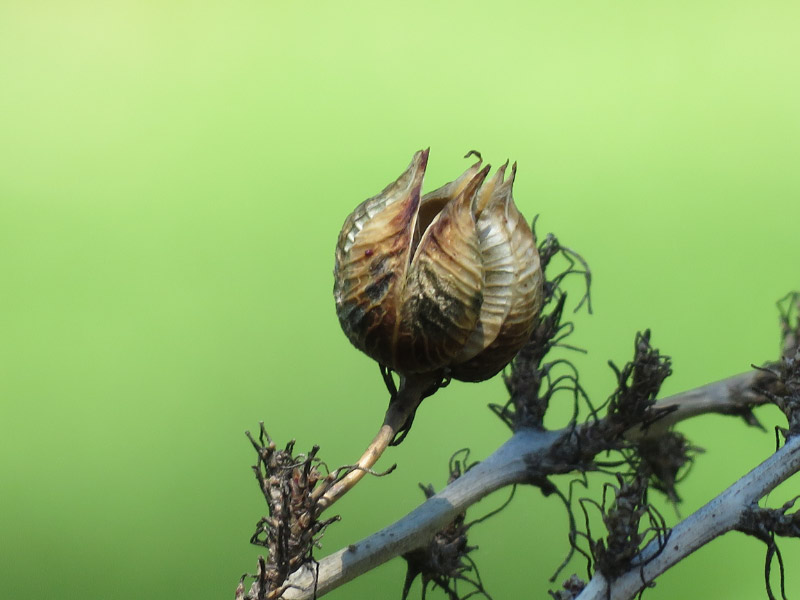
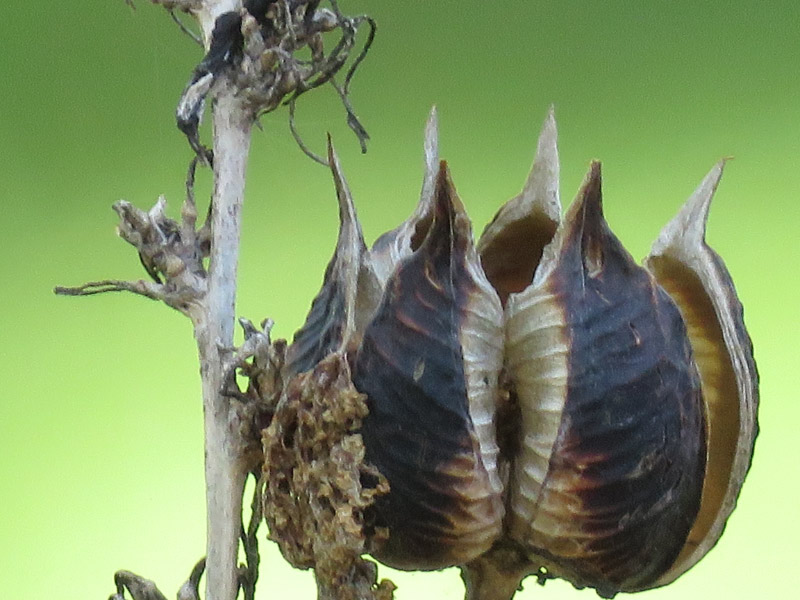
The red yuccas are not blooming yet but the seed pods from last fall are still on the stalks. Some of them look almost black (like they were burned). I like the shapes of the empty pods.

More pictures from the garden tomorrow.

Up Close Irises

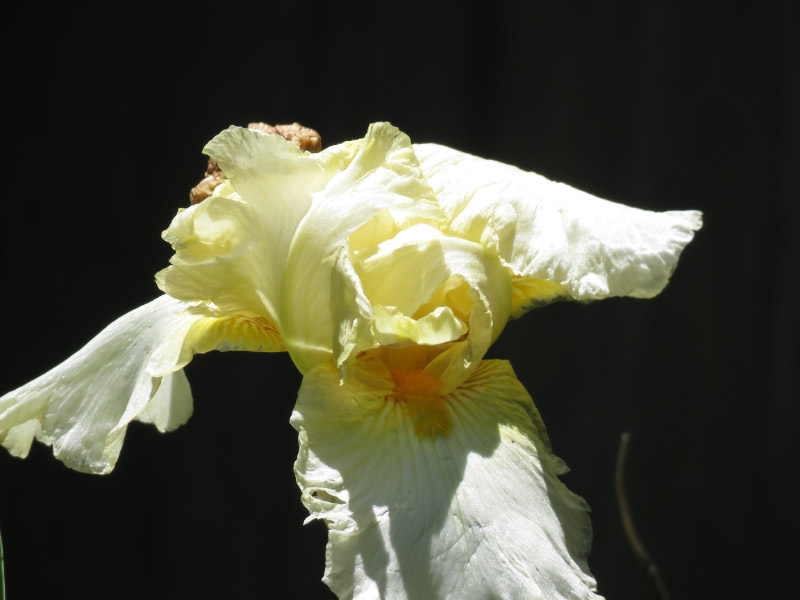
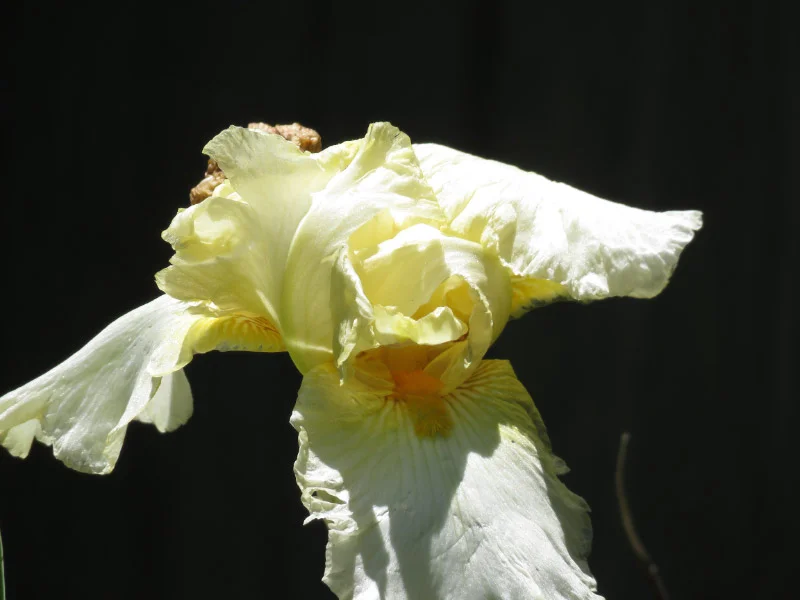
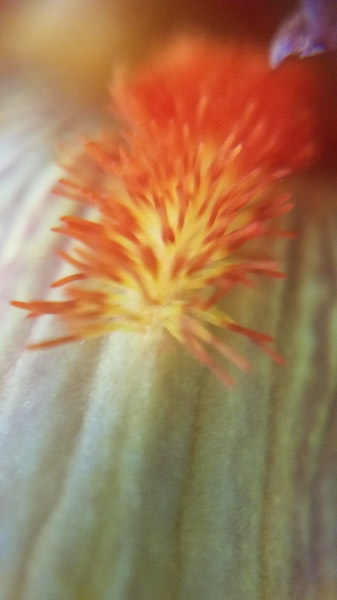
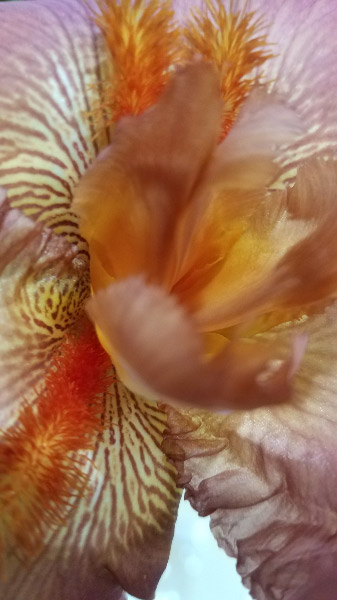
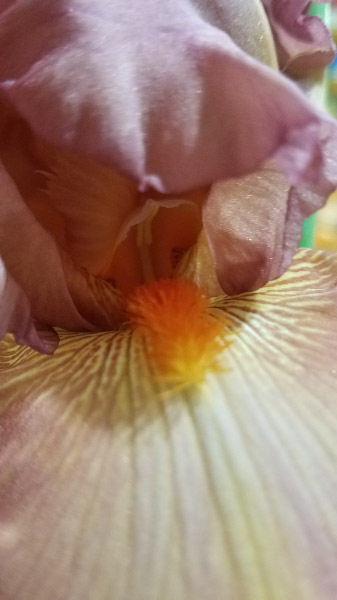
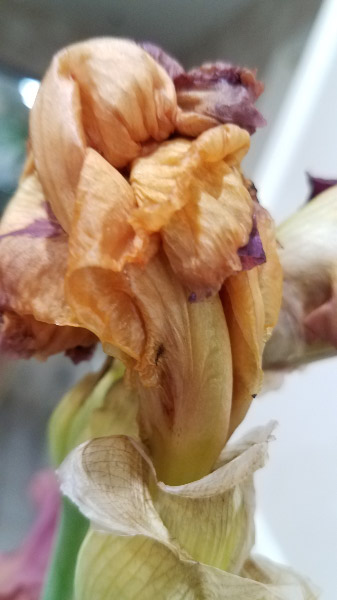
There was a large vase of irises from the garden to welcome us to my parents’ house last week. Over the course of the evening, I took several opportunities to photograph them at close range – with and without the macro lens. I like the curves of all parts of the flower - from bud to full flower to spent flower. Today - savor the color and shapes of irises!
Belmont – April 2019

The Howard County Conservancy spring field trips at Belmont and Mt. Pleasant are into prime time. The two I volunteered for last week had beautiful weather for hiking – almost perfect temperature and dry. I always arrive more than 30 minutes before the students. It’s a short walk from parking to the Carriage House….long enough to get some pictures. Birds that are around: chipping sparrows, robins, and red winging blackbirds. There is at least one resident mockingbird which I heard but didn’t get a picture.

The warmer weather is also causing things to bloom and new spring green leaves to unfurl.

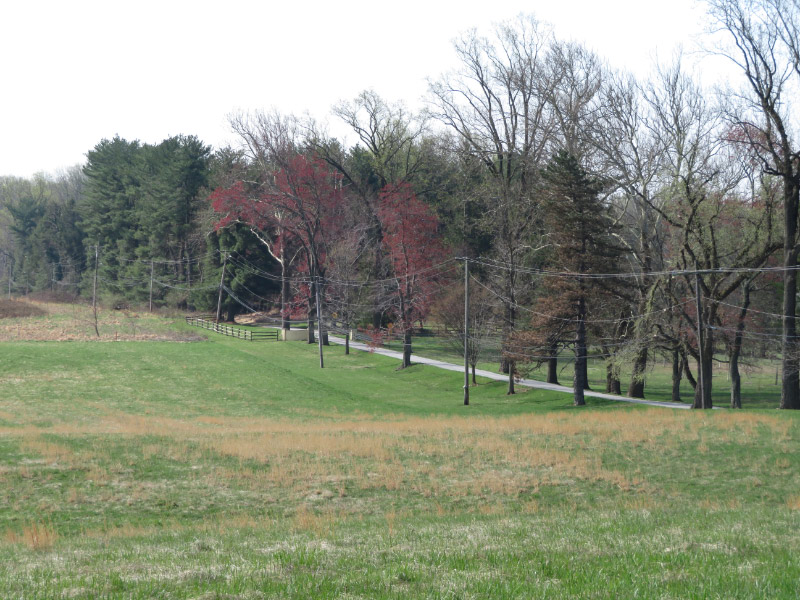
As I wait for the bus, I take pictures toward the manor house, down the entrance road, and down toward the pond. It’s the calm….before the students arrive.

2019 04 IMG_3992.jpg

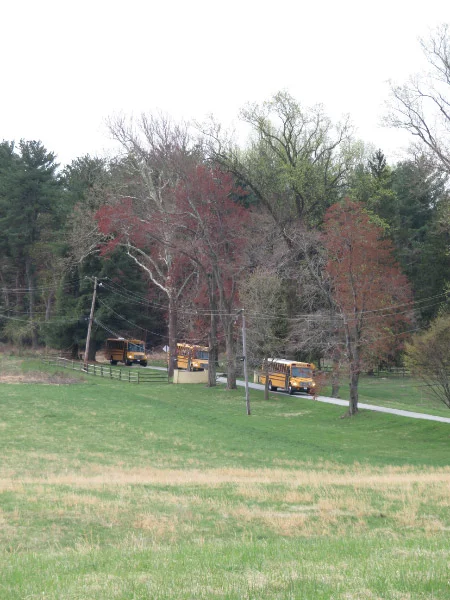
The students, teachers, and chaperones come on buses and there is a flurry of activity to get the groups sorted into hiking groups and activity groups.

The hikes are about an hour. There are forest and meadows…lot of opportunity for good observations. One of my hiking groups was making BioBlitz observations…documenting a common blue violet blooming in the middle of the mowed path!

20190409_103916.jpg

Gleanings of the Week Ending April 13, 2019

The items below were ‘the cream’ of the articles and websites I found this past week. Click on the light green text to look at the article.

Coconut Spice Cake Recipe | Magnolia Days – The cake I made for my husband’s birthday. It tasted great even without icing!

Photographer Captures Stunning Images of Ice Shards Along Lake Michigan | Smart News | Smithsonian – Spectacular ice forms – made during the breaking up on Lake Michigan a few weeks ago.

Ancient Caribbean children helped with grocery shopping in AD 400 -- ScienceDaily – Snail and clam shells (small ones) might be from child, rather than adult, foragers!
Thousands of Invasive Cane Toads Overtake Florida Community | Smart News | Smithsonian – Ugh! Not something people want in their yards and pools and driveways. These toads have a toxin strong enough to kill cats and dogs that munch on toads and can cause burning eyes or skin irritation in humans.
Top 25 Wild Bird Photographs of the Week: March – National Geographic Society – Beautiful birds….changing environments and habitats.

Where Have All the House Sparrows Gone? – Cool Green Science – House sparrow numbers have been declining since 1966 – all around the world!
66-million-year-old deathbed linked to dinosaur-killing meteor -- ScienceDaily – Fossils of animals killed and buried within an hour of the meteor impact!

Pairing Geothermal Plus Rooftop Solar For A Truly Renewable Home | CleanTechnica – At what point will the idea of geothermal heating and cooling catch up with rooftop solar for our homes? Will Dandelion – or comparable companies - become nationwide?

Five new frog species from Madagascar -- ScienceDaily – Some tiny new frogs. The smallest is only a little larger than a grain of rice.

These pictures of seed bank samples turn biology into art – The beauty of seeds. The first photograph (of Australian windflower flower heads is my favorite. The x-ray of a red yucca seed head is also interesting….showing the 3D of the pod in the image.

Glimpses of Providence

IMG_3851.jpg

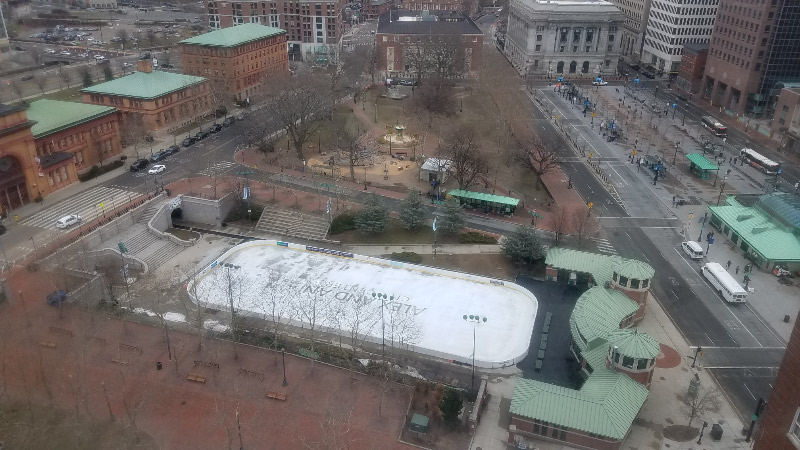
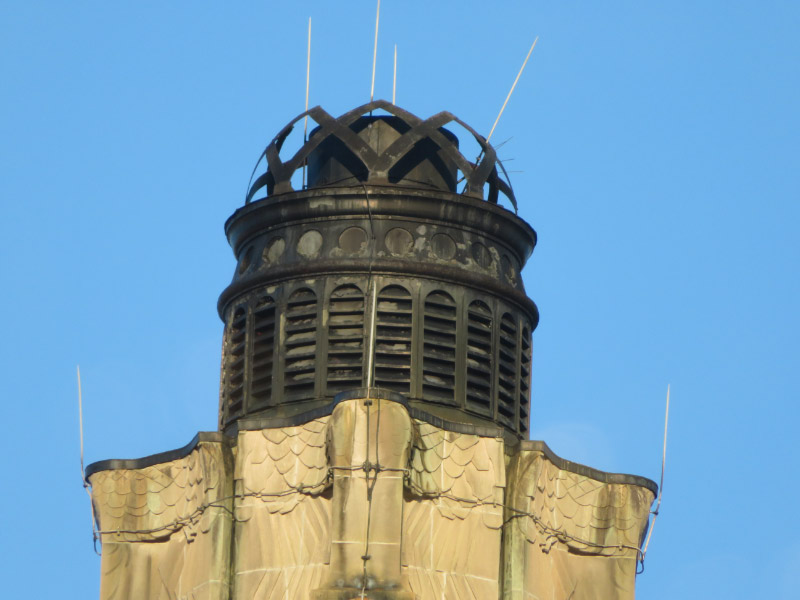
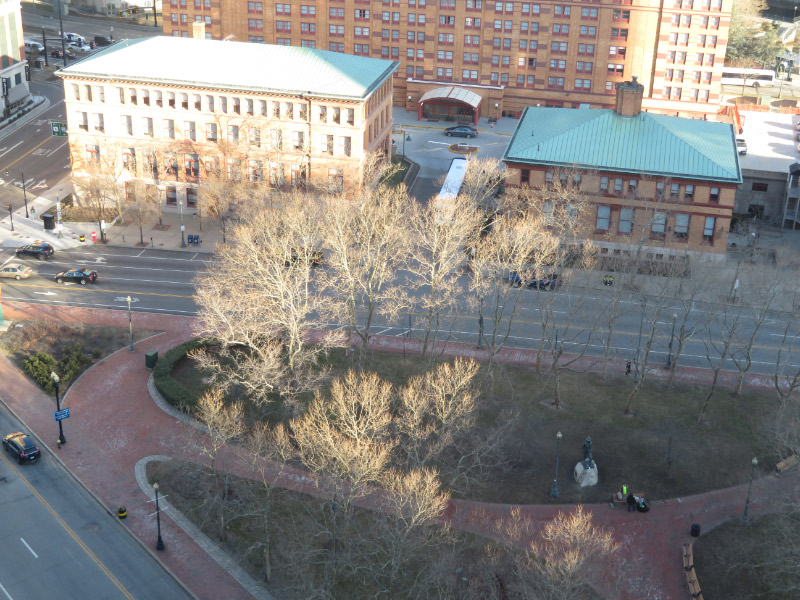
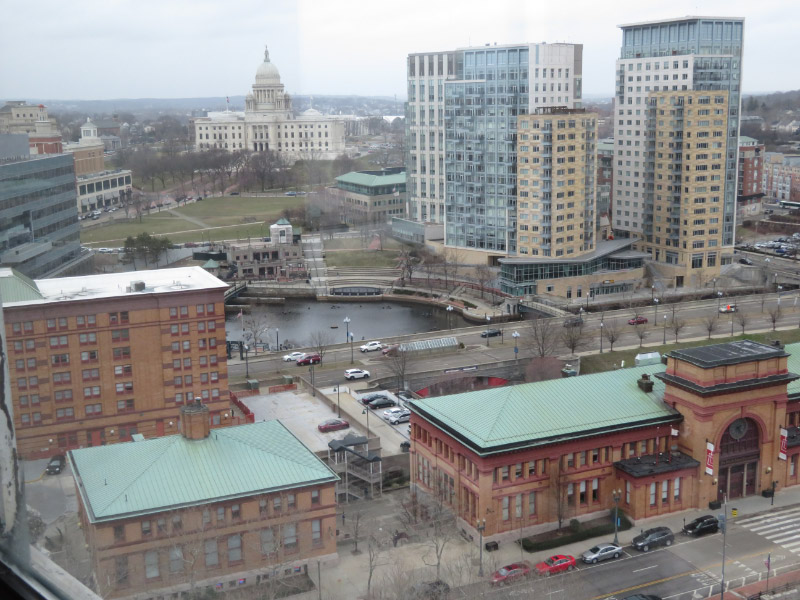
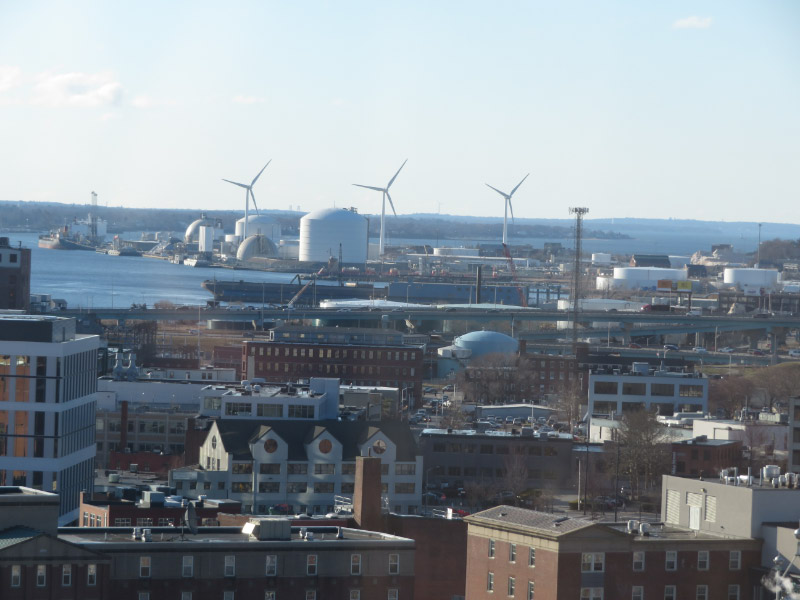
My class was on the 17th floor of the hotel. The classroom and break room had windows in all directions from the hotel offering views of the state capital and Brown university…a park with a skating rink and wind turbines. I even took a picture of part of the hotel façade! Most of the pictures I took were in the morning. One morning the bare trees in a little park were highlighted – maybe my favorite cityscape of this group.

My class was on the 17th floor of the hotel. The classroom and break room had windows in all directions from the hotel offering views of the state capital and Brown university…a park with a skating rink and wind turbines. I even took a picture of part of the hotel façade! Most of the pictures I took were in the morning. One morning the bare trees in a little park were highlighted – maybe my favorite cityscape of this group.

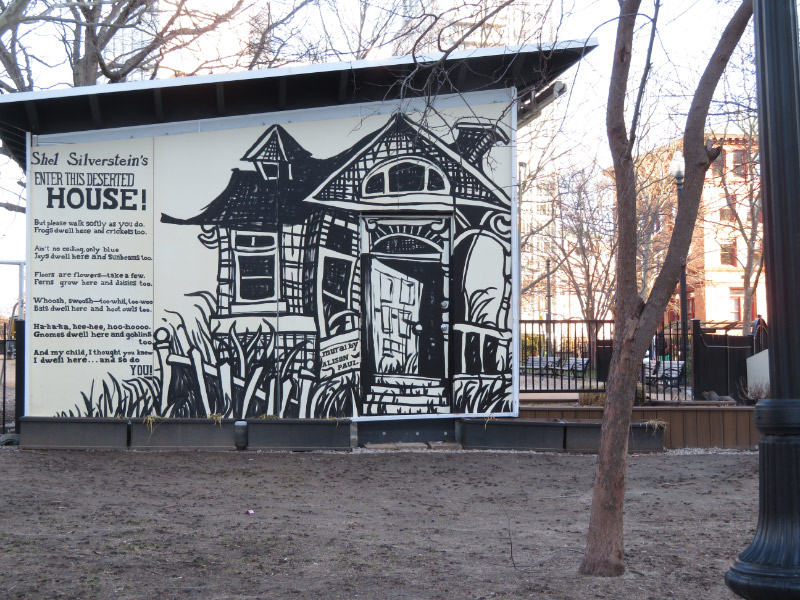
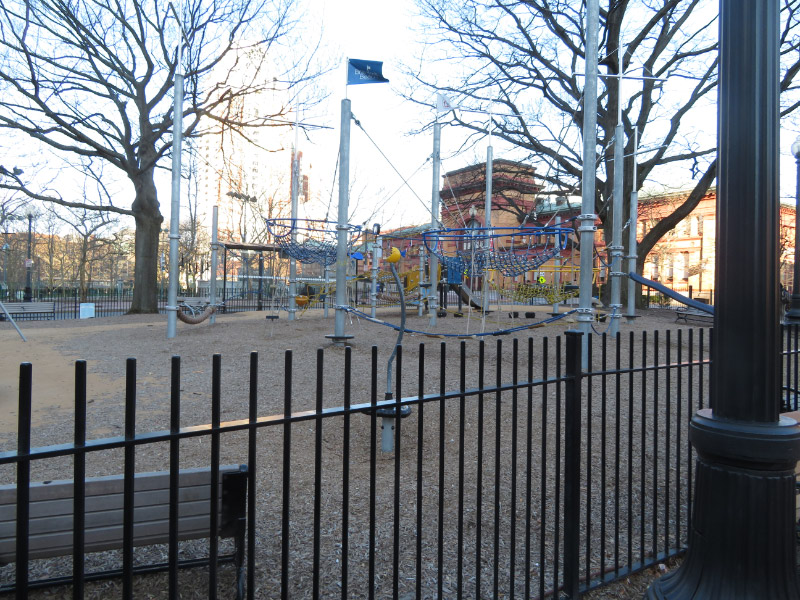
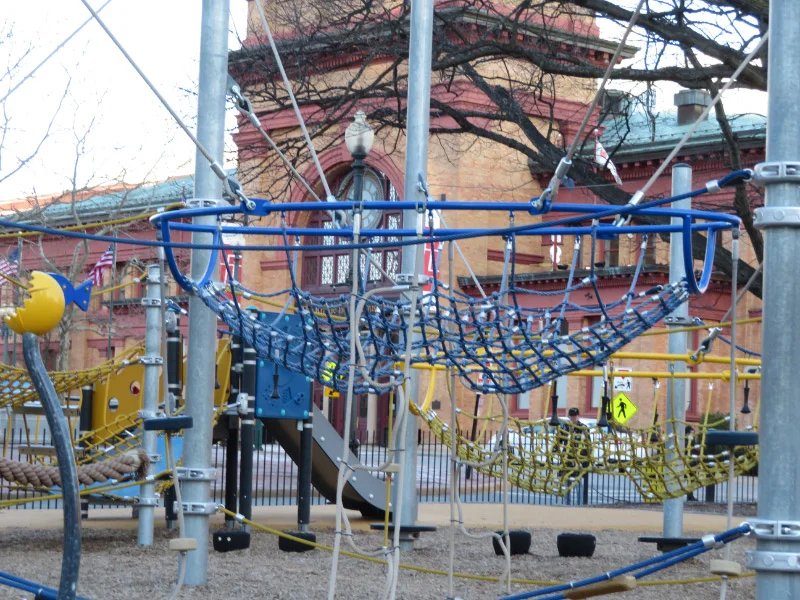
On the last day, I walked by the park (near the skating rink) and realized it was more unique than I has realized from the high window. The playground had nets and cables…not the usual playground equipment. What a fun place in the city – but there was no one there as I walked by on a cold morning. It would be busy in the afternoon probably. I’d seen people there from the window earlier in the week.

Overall – Providence has a welcoming city center. It is clean and walkable. I liked it and will have to go back when I have more time to wonder around.