Baltimore Birding – part 3

We continued our Baltimore Birding experience with a walk around Fort McHenry the next morning. It was mostly sunny and warmer. Even with the better light and no rain – I saw more birds than I managed to photograph. I’m featuring the ones that say still long enough for me to get the camera in position. There were quite a few Great Crested Flycatchers (I remember seeing one in my back yard last year about time…posted about it here).

2018 05 IMG_0750.jpg

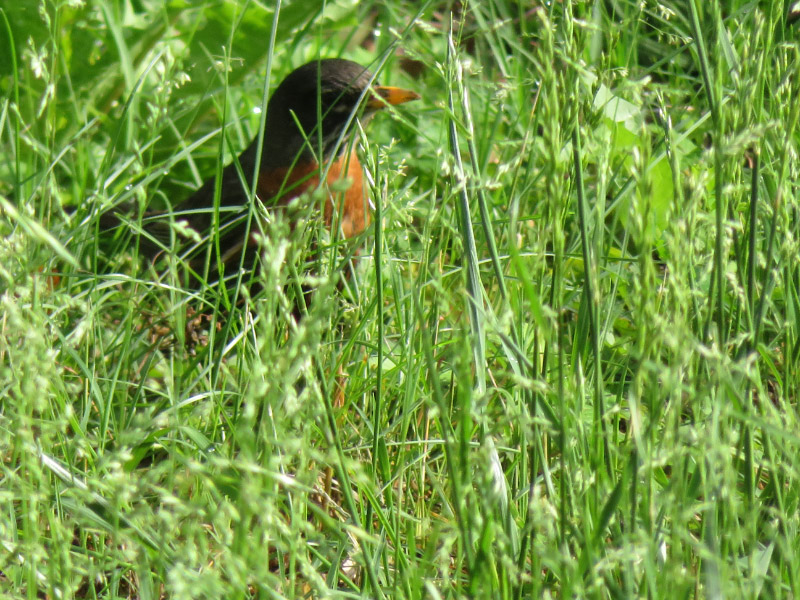
There were American robins in the grass.
2018 05 IMG_0753.jpg

The small birds moved around rapidly in the trees. I think this one is an orchard oriole.

2018 05 IMG_0756.jpg

I photographed mushrooms when I saw them. The mulch was support several groupings….and a sycamore stump had a collection of small shelf fungus.

There was a grackle aggressively defending a trash can at the front of the visitor center.

There were mallards about. There was a female that looked calm for the moment…the males were being very aggressive.

2018 05 IMG_0770.jpg

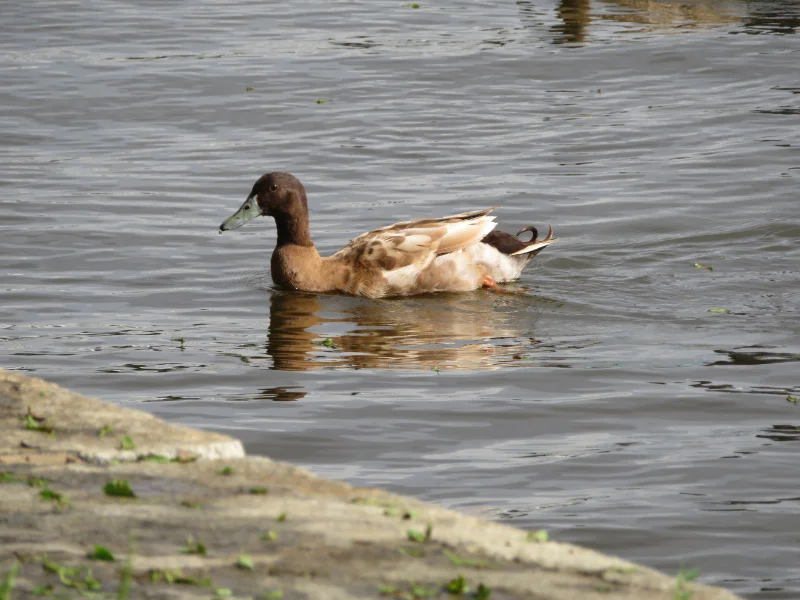
There was a ‘mixed breed’ duck…probably mallard and a domestic duck of some kind.
There were some sycamores along the path that did not look healthy. I wondered if salt water incursion was happening through the seawall around the fort….or maybe they are all the same age and getting old. I took a picture of one that already had its top gone; there was a knot with leaves sprouting at about eye level with ‘wrinkles’ on all sides – almost like skin.

We headed over to a marshy are beside the fort…and I managed to finally get a picture of a one kind of swallow we say: a tree swallow. We saw barn swallows on our walk as well.

2018 05 IMG_0799.jpg

Overall our Baltimore Birding experience provided a different perspective on the city. I would guess that birding in just about any city would have the same results. Maybe it is something we should do more often….although the amount of trash (particularly in the water) is always depressing.

Baltimore Birding – part 2

Continuing from yesterday’s post….

We continued along the Gwynn Falls/Middle Branch trail and it seemed to get darker and wetter. Here were mushrooms coming up in the grass beside the path.

2018 05 IMG_0717.jpg

My husband held the umbrella while I took a picture of a yellow warbler and

2018 05 IMG_0720.jpg

Some very wet flowers.

2018 05 IMG_0721.jpg

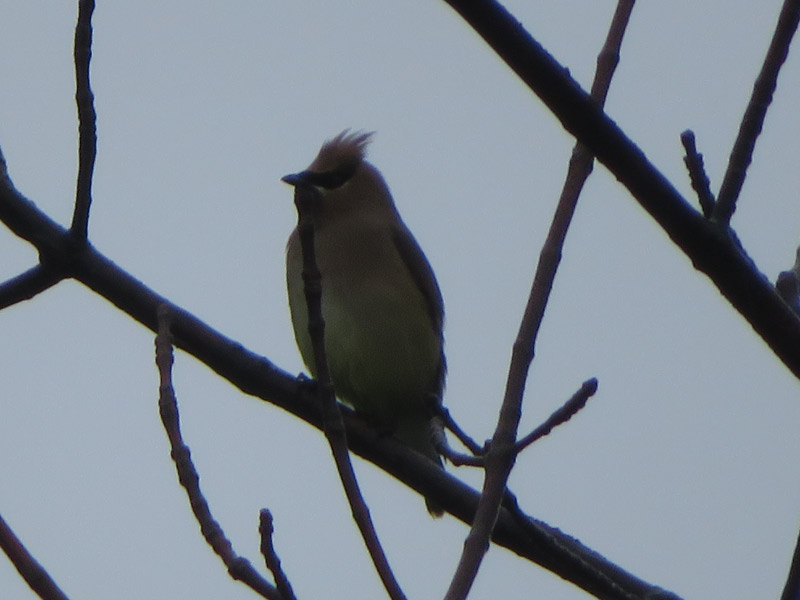
The cedar waxwing only showed up in silhouette.

2018 05 IMG_0725.jpg

We walked out of the trail and closed the loop back to the cars along the street. Under some bushes beside a fence – a common yellow-throat was busy in the mulch.

We got back into the cars and continued to the Middle Branch Park boathouse. We trooped over the wet grass to paved paths were full of puddles. I was glad I’d worn my boots! I saw a Baltimore Oriole and managed to photograph an orchard oriole.

2018 05 IMG_0733.jpg

The last bird of the day was a kingbird that seemed to pose for pictures – moving to show both sides.

Tomorrow I’ll post about our birding around Fort McHenry.

May 2018 Tree Status

All the trees are growing well with the warmer temperatures and rain. The sycamore behind our house has lots of small green seed balls among its new leaves; last year a freeze came at the wrong time and the tree only produced one seed ball.

2018 05 IMG_0465.jpg

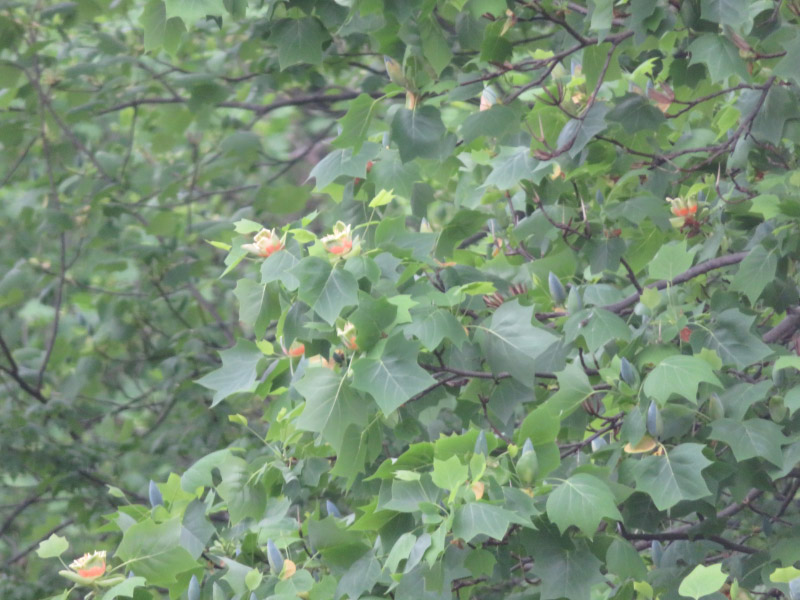
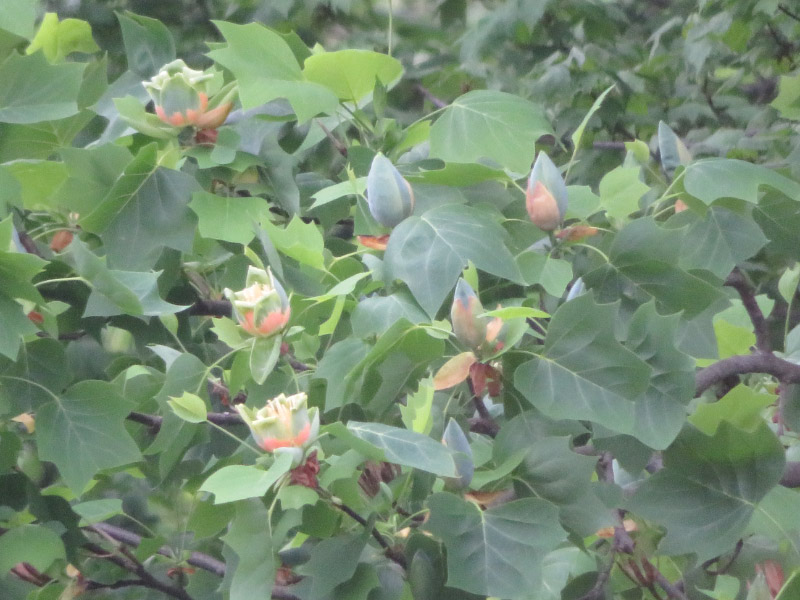
The tulip poplar is full of flowers as usual. Its leaves are larger than the sycamores at this point. Later in the season the sycamore leaves will be the largest.

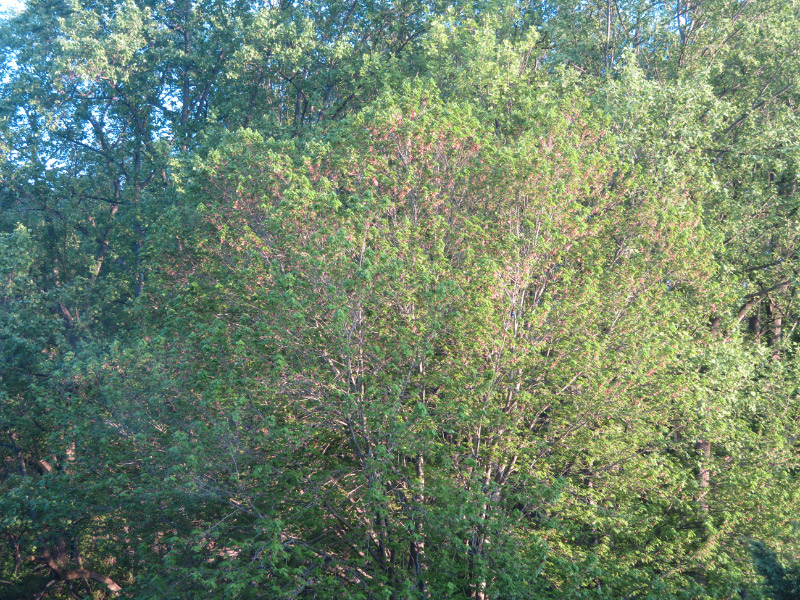
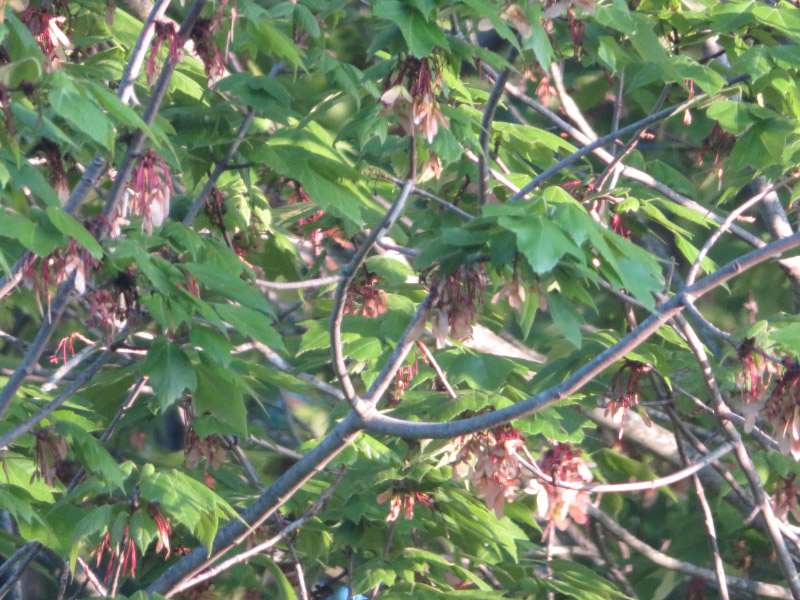
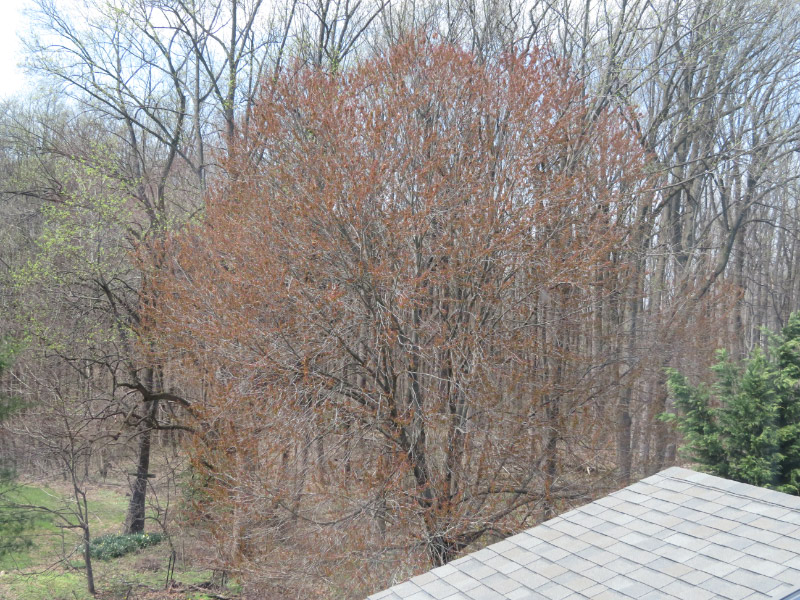
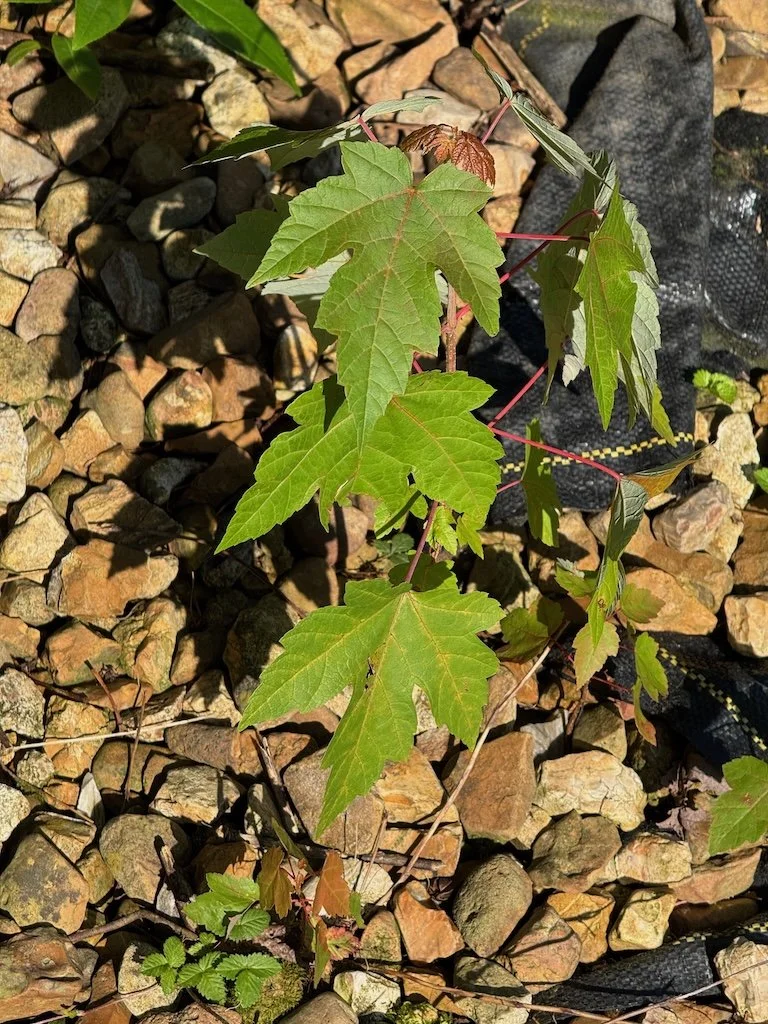
The maple had so many seeds early in the month that they made the tree look brownish…but then the were blown off the tree and the maple looks like is normal summer self.

The sweet gums are starting new seed balls as well. They look like spikey globes among the leaves.

2018 05 IMG_0587.jpg
2018 05 IMG_0648.jpg

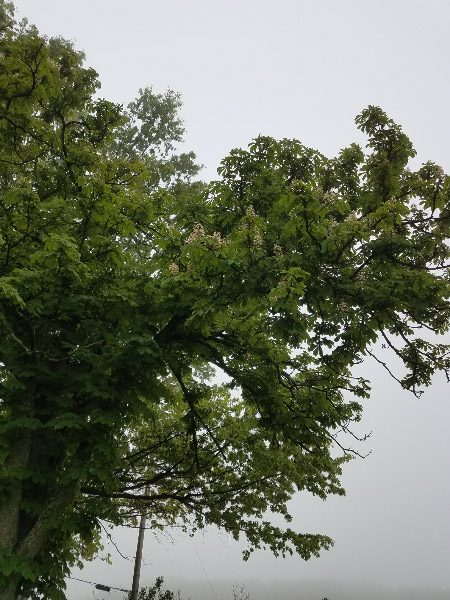
But the celebration of tree blooms this month is the horse chestnut. The tree I photographed is at the end of the drive up to the manor house. The top fell out of the tree several years ago but the part that Is left is blooming profusely. I stopped one day after I finished hiking and leaned out the open window of my car to take some pictures of the flowers.

2018 05 IMG_0644.jpg

Gleanings of the Week Ending May 19, 2018

The items below were ‘the cream’ of the articles and websites I found this past week. Click on the light green text to look at the article.

Top 25 Arid Birds – National Geographic Blog and Top 25 Woodland Birds – National Geographic Blog and The Best of the Top 25: Part 1 – National Geographic Blog and The Best of the Top 25: Part 2 – National Geographic Blog – Birds and more birds! I’m catching up on a lot of ‘top 25’ posts that have been accumulating.
Millennials Begin To Change The Face Of Camping In National Parks And Beyond  - Positive trends – more people camping…and more diversity. Great vacations…outdoors.

Historic Low Sea Ice in the Bering Sea: Image of the Day – Big changes to the amount of ice.

Algae Blooms in Lakes & Oceans Creating Pollution That Harms People, Pets, & The Planet | CleanTechnica – Who want to do anything in green water. Ugh! Another reason to slow the flow and reduce the extra nutrients that we send into our rivers, streams and lakes (that cause algae blooms).

World’s Largest Victorian Glasshouse Opens Doors After Five-Year Restoration Project | Smart News | Smithsonian – It’s easier to the structure of the building at this point…before the many new plants get very large and block the view. The building was originally opened in 1863…and this was it first restoration.

Alligators on the beach? Killer whales in rivers? Get used to it: Large predators once hunted to near-extinction are showing up in unexpected places -- ScienceDaily – Rebounding populations! They are returning to hunting grounds where they were common before hunting caused their near extinction.

Five Tips to Help Frogs and Toads in Your Yard: The National Wildlife Federation – Good recommendations for frogs…and wild life in general. I may repurpose my daughters old ‘turtle sandbox’ into a vernal pool (but will have to monitor it for mosquito larvae)

Why Teenagers Should Understand Their Own Brains (And Why Their Teachers Should Too!): NPR Ed: NPR – After being around middle school students this week…this article caught my interest. I’m glad we are learning more about the teenage brain and can come up with solutions to the problems caused to their sleep pattern by early school start times.

How Seeds from War-Torn Syria Could Help Save American Wheat - Yale E360 – From a seed bank near Aleppo…saving the seeds from the bank by taking them into Aleppo to Lebanon and now Kansas State and North Dakota State Universities developing wheat that is resistant to Hessian fly which has been an increasing problem with climate change (higher temperatures enough that the flies were not killed by the cold of winter, less water) significant enough that US grain yields were falling. Hurray for a diverse seed stock (and the US should take note to develop diversity rather than destroying via monoculture agriculture).
For how long will the USA remain the Nobel Prize leader? Empirical study on historical development allows a prognosis -- ScienceDaily – The graph is not positive for the US. It looks like the UK is recovering from a trough that developed in the 1990s while the US peaked in the 1980s and has been going down since then (the metric being Nobel prizes per year per 100 million inhabitants).

2018 Belmong BioBlitz – part 2

Continuing from yesterday….there was a web of very small spiders just off the path. They were all moving rapidly although it wasn’t clear where they going!

20180514_1041501772601080.jpg
20180514_bioblitz spider web.jpg

Another benefit of the rain was the increased visibility of spider webs in the grass. Sometimes we could even see the spider hiding in the ‘funnel’ of the web.

20180514_bioblitz star of bethlehem.jpg

These small white flowers were found down by the pond. They aren’t native – probably planted sometime during Belmont’s long history - but they are propagating themselves at this point.

20180515 bioblitz lichen.jpg

The lichen and moss seemed to have richer colors because of the dampness all three days of this year’s BioBlitz.

20180515 bioblitz snail.jpg

During one of the few times the sun came out (on the second day) – the group found a snail on blade of grass. Shortly after this picture was taken the snail’s weight bent the grass…a little drama in the meadow.

The group also documented a stand of locust trees – native but invasive; the stand was probably started by fill dirt that included the seeds.

When we started the last day, we thought it might start to rain at any time --- and were thrilled when we go about 1.5 hours of good observations – tadpoles, small insects, trees…and ropey roots under one of the big trees along the road. We headed back to the Carriage House at lunch time; it started to sprinkle as we got there.

20180516_110936.jpg

The 2018 Belmont BioBlitz in a wrap!

2018 Belmont BioBlitz – part 1

20180514_085354.jpg

I’ve been volunteering for the Howard County Conservancy’s Belmont BioBlitz field trips since they started in the fall of 2014. We had a 3-day BioBlitz this week with students coming from 2 schools. On the first morning the day started out foggy and stayed cloudy. While we were waiting for the buses to arrive with the students, I took some pictures.

20180514_085521.jpg

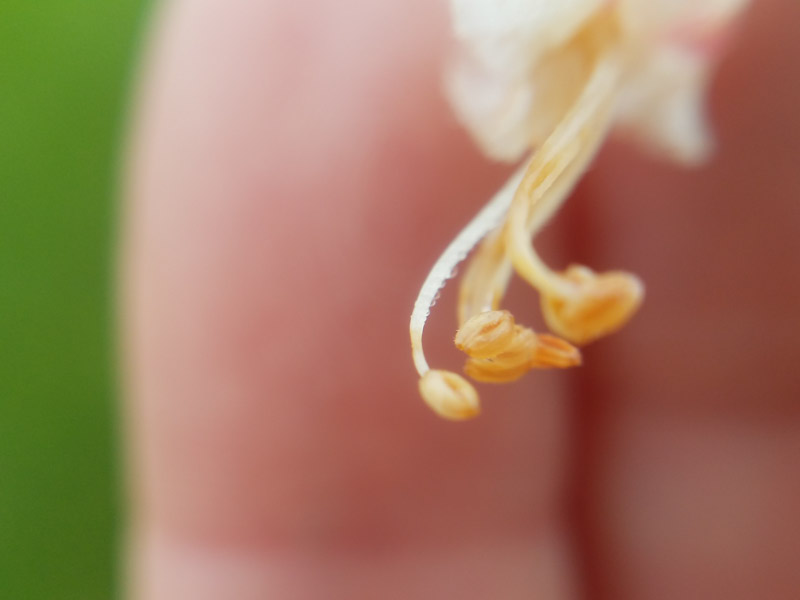
The horse chestnut tree was blooming although the blooms were past their prime and some had fallen to the ground already. I took a picture of one with the macro lens on the cell phone.

20180514_085622.jpg

All the vegetation was covered in water droplets. Even grass seeds look like little works of art with the droplets.

20180514_090046.jpg

The buses came up the tree lined drive. There are more gaps in the tree line now that the ashes have been cut down.

20180514_0959191048770279.jpg

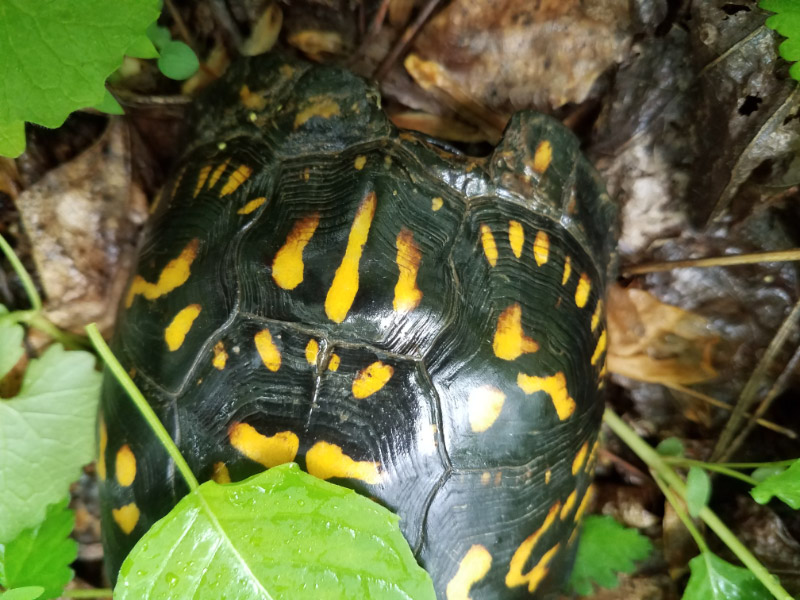
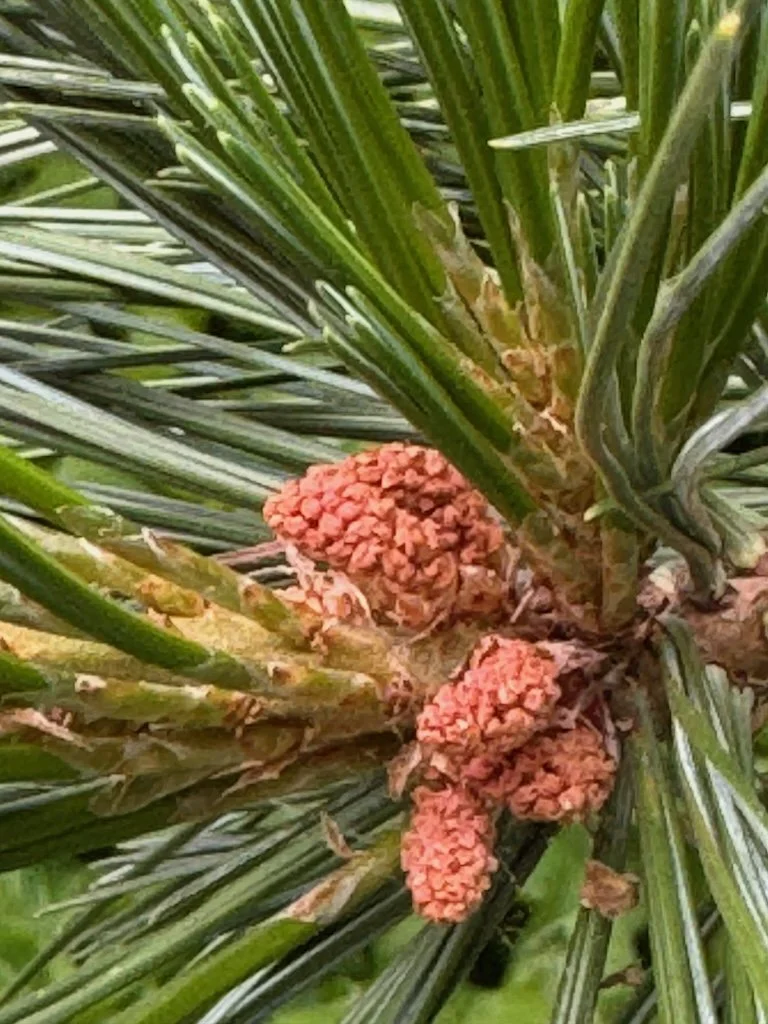
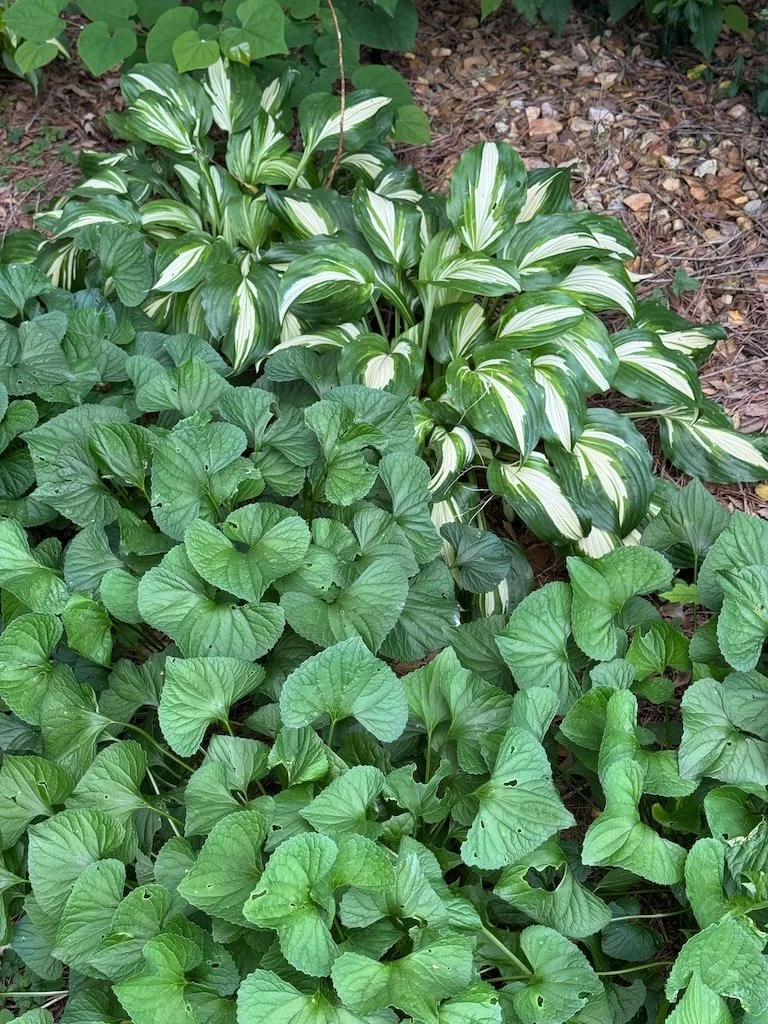
We headed back to our assigned ‘zone’ in the woods – finding white pines along the way to document and then a box turtle and violets gone to seed on the forest floor.

Stay tuned for more BioBlitz finds in tomorrow’s post.

Macro photography before hiking

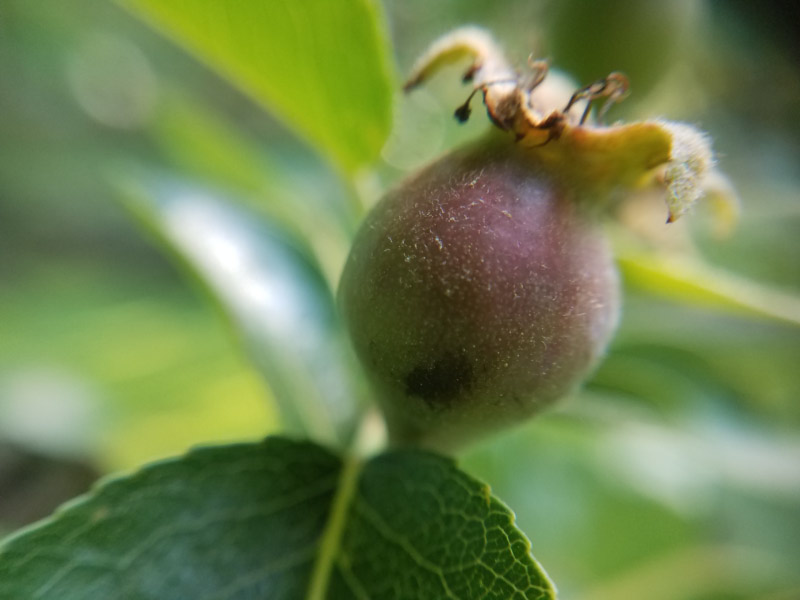
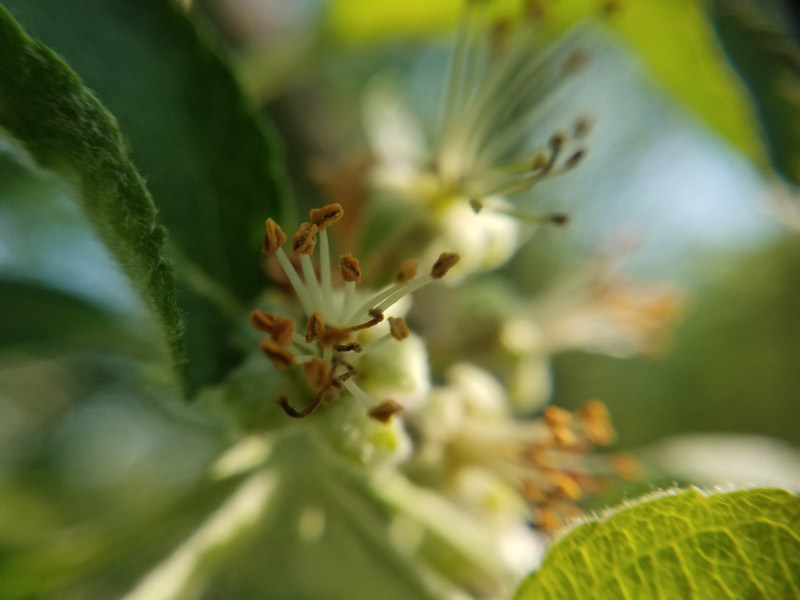
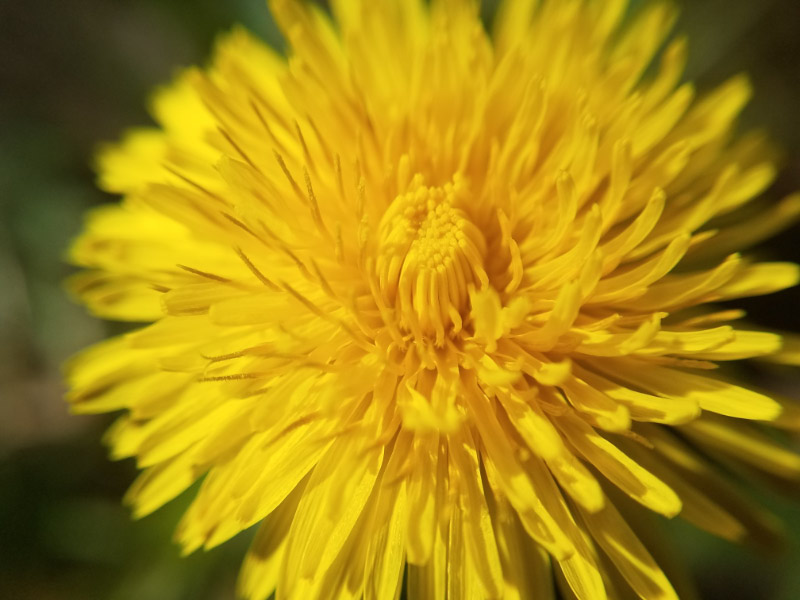
Last week I was at Howard County Conservancy’s Mt. Pleasant Farm for several field trips (kindergarteners and second graders). Before the field trips, I walked around the grounds and experimented with some more macro photography with my smartphone – using the same set up as I did at Brookside Gardens earlier (results from Brookside here).

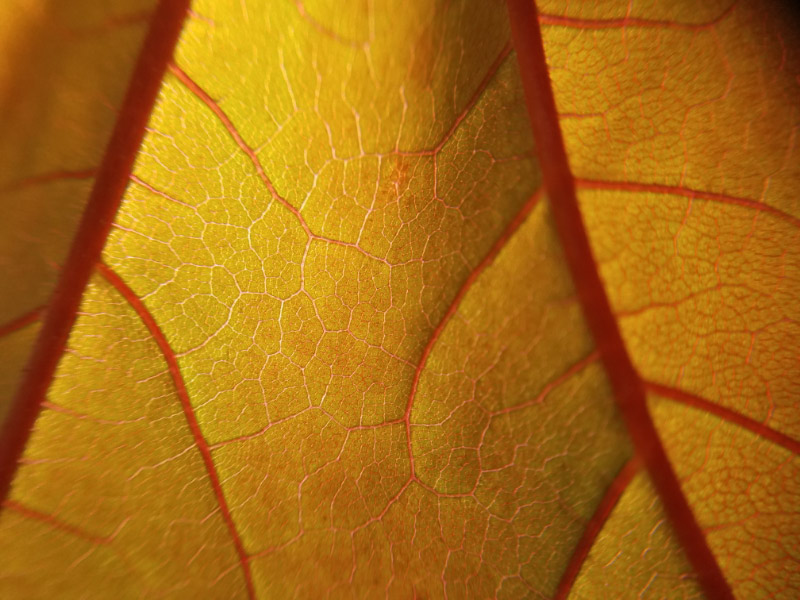
It is sometimes surprising how different something looks with the macro lens. The textures along with the small structures I wouldn’t see otherwise are what makes it so appealing to walk around taking pictures with the macro lens. My favorite in this group is the baby pear.

The highpoint of the hikes with the school groups happened during the kindergarten field trip. I had walked up to the front of the farm house with my first group of the day. We were talking about what might live in the big oak tree near the house. They answered squirrels and birds right away. I turned around to look at the tree – and noticed a black coil in a depression of the trunk about at the eye level of children! The sun was shining on it like a spotlight. I turned back to the children and told them that black rat snakes live in trees too – and there was one right on the trunk of tree (and I was glad we were not standing any closer than we were). The two parent chaperones took a step back. The children just watched as the snake started moving and crawled under the loose bark of the tree. What a fabulous drama to start a field trip!

Brookside Wings and Wine

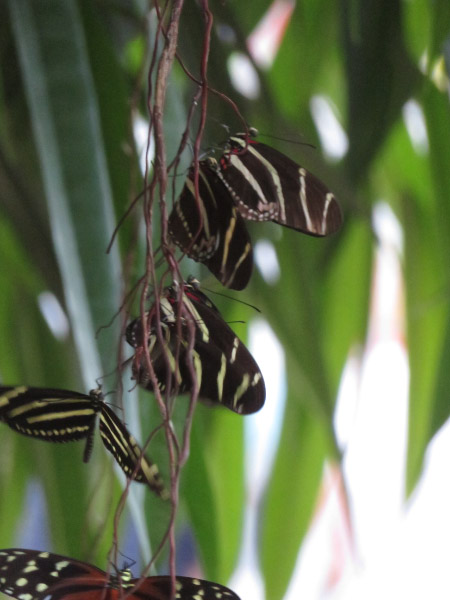
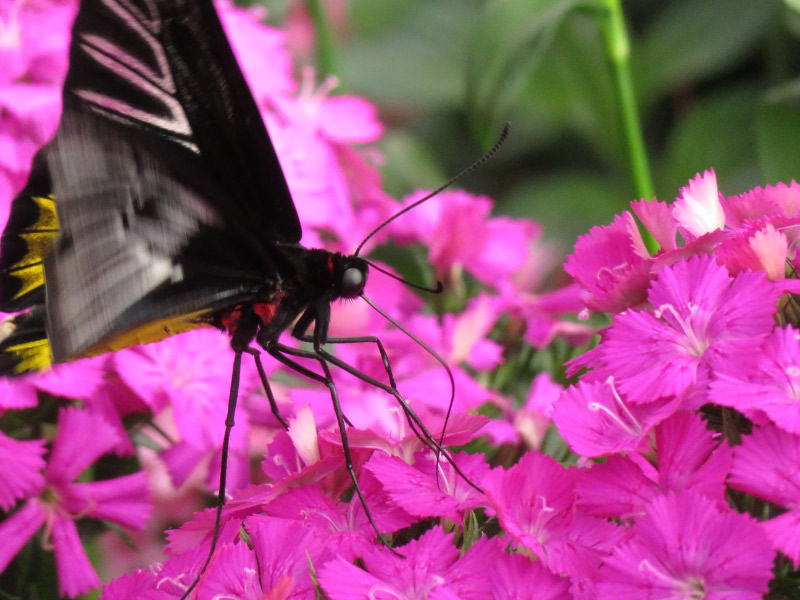
Earlier this week we attended an evening event at Brookside Gardens that included wine tasting and appetizers in the non-butterfly end of the conservatory building….then watching the butterflies respond to the sun sinking to the horizon.

2018 05 IMG_0563.jpg

When we first entered, the conservatory seemed calmer. The zebra longwings – and other butterflies – were beginning to find a roosting place in the fichus tree.

Others were on the walls or ceiling of the conservatory. I’m sure there were many that found a place in the foliage where I didn’t notice them.

2018 05 IMG_0555.jpg

There were two flowers on the passionflower vine that is the food plant for a couple of the longwing butterflies; there were no butterflies around it.

2018 05 IMG_0542.jpg

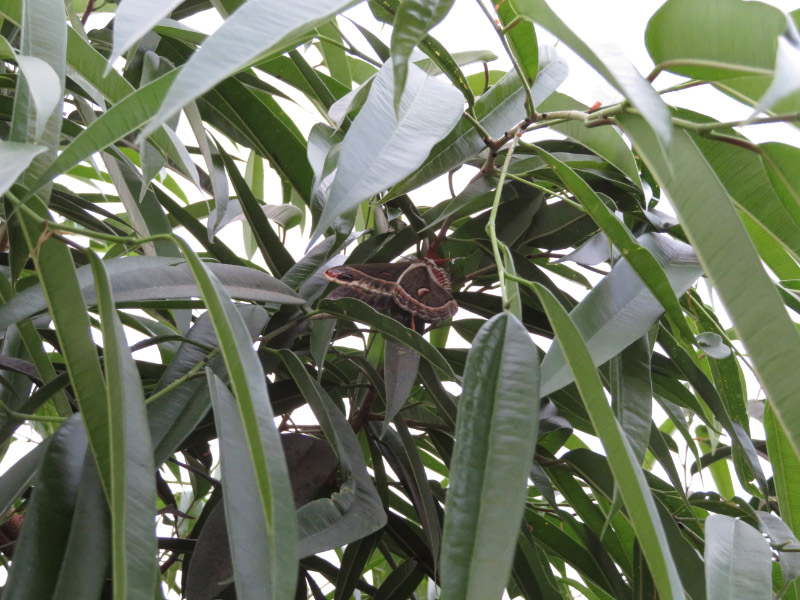
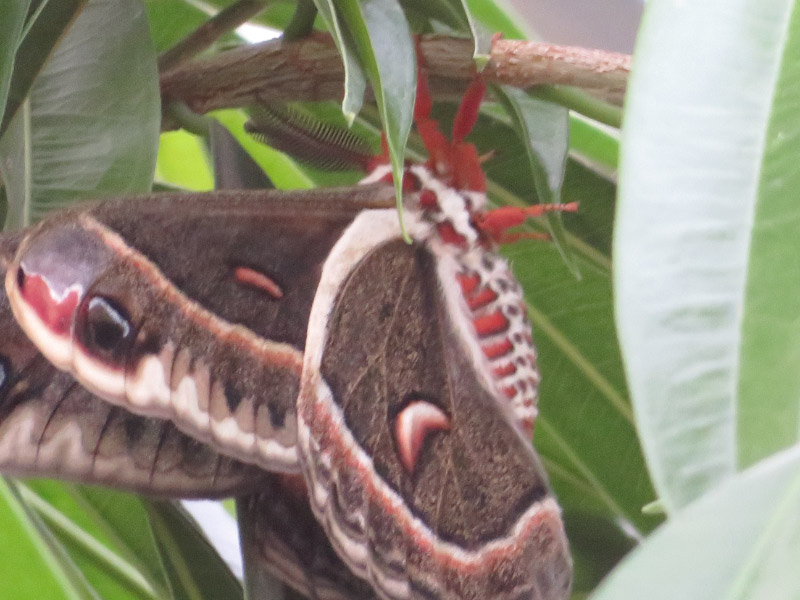
Just before sunset, the owl butterflies became more active – many dances through the air. I was waiting for the male cecropia moth that has emerged from its cocoon last Sunday to fly from where it had been hiding in the fichus tree all day. But it stayed where it was. These larger moths do not eat as adults so maybe there was no pheromone in the air of a female cecropia moth…and he didn’t feel the need to move!  I contented myself with a zoomed image of it through the foliage.

Macro Photography with a Smartphone

Before my second shift at Brookside Garden’s Wings of Fancy exhibit, I spent a few minutes doing some macrophotography with my Smartphone. I ordered a clip-on macro lens from Amazon last fall to use to photograph macroinvertebrates but haven’t done a lot of other photography with it until now.

2018 05 IMG_0321.jpg

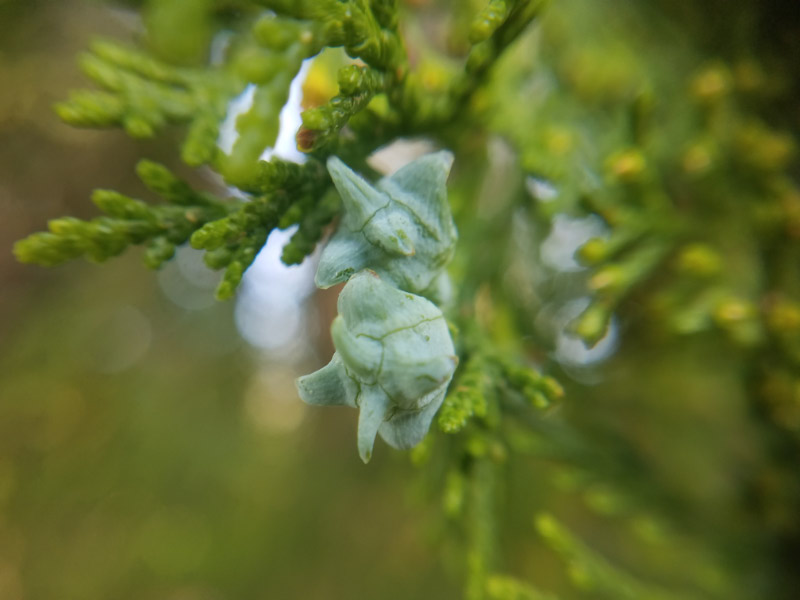
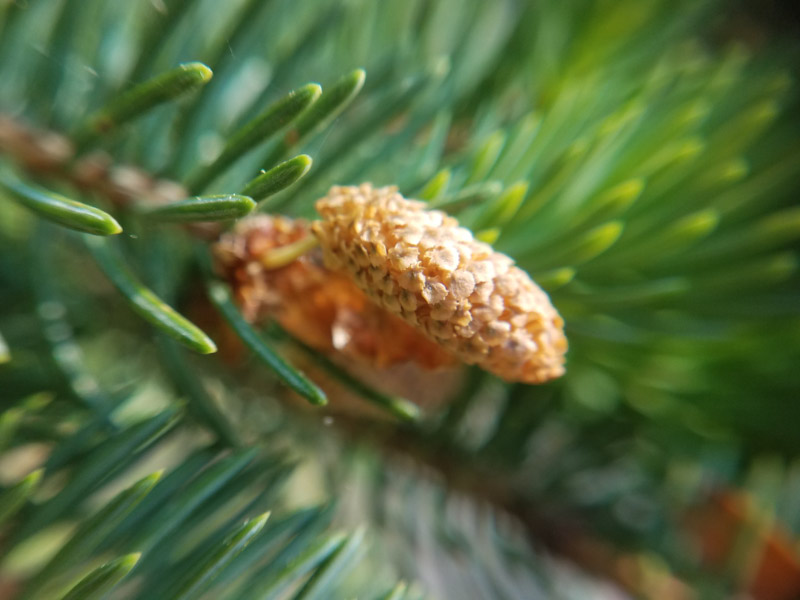
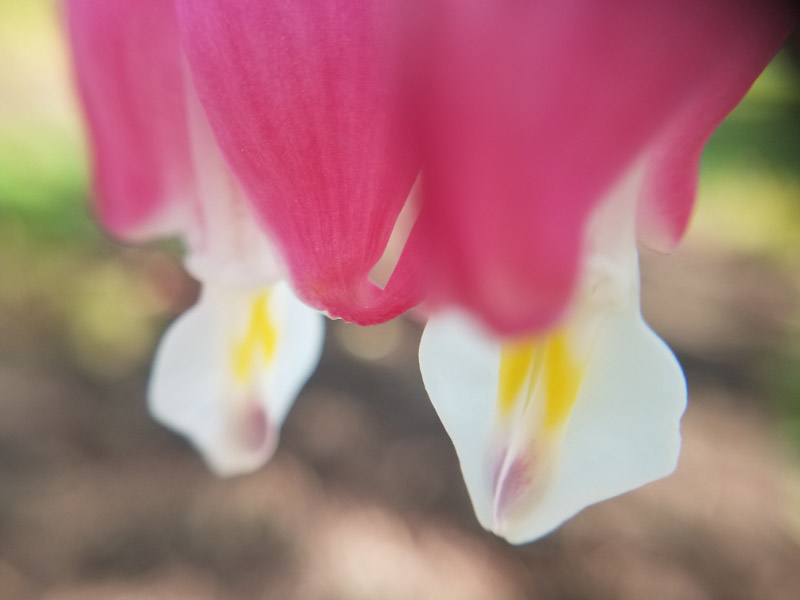
Brookside Gardens is a great place to experiment. There is so much in bloom right now including the buckeye near the conservatory. The flower has a very odd shape through the macro lens (it looks like it has Mickey Mouse ears!). Even the tips of evergreen shrubs become something unexpected.

20180505_083418.jpg

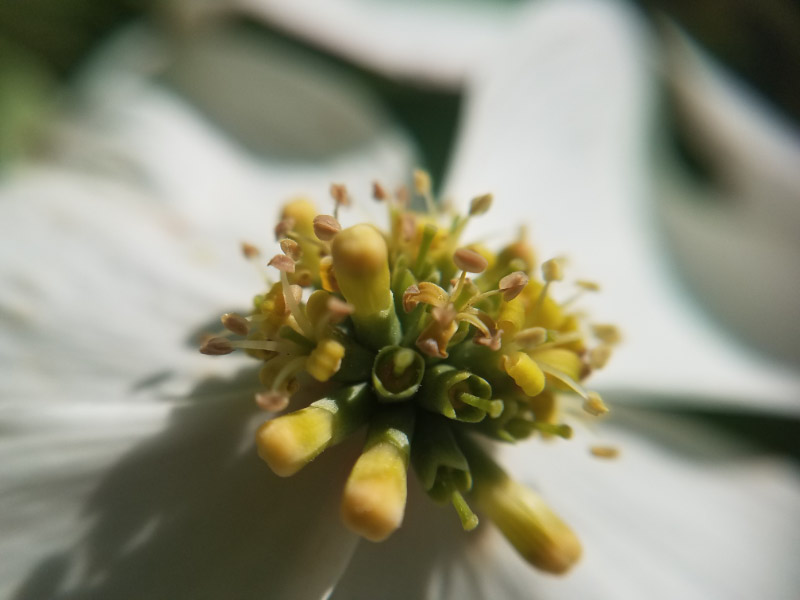
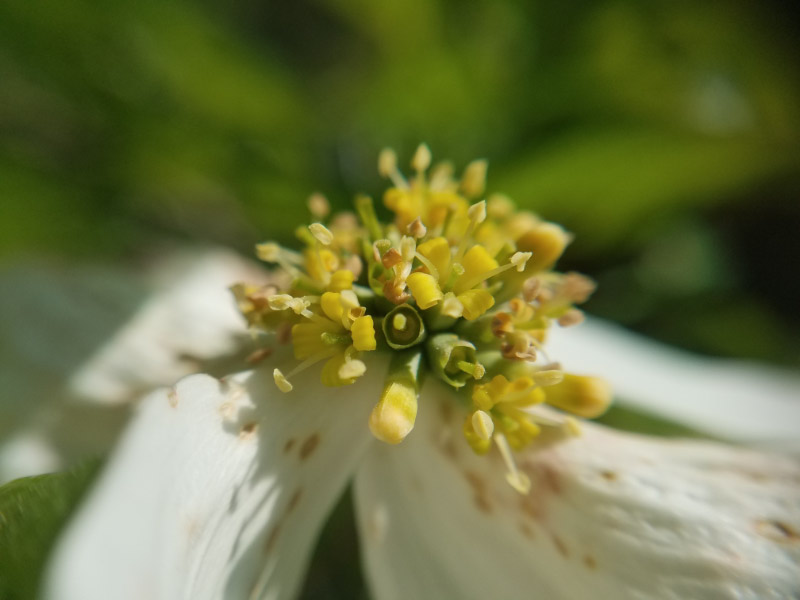
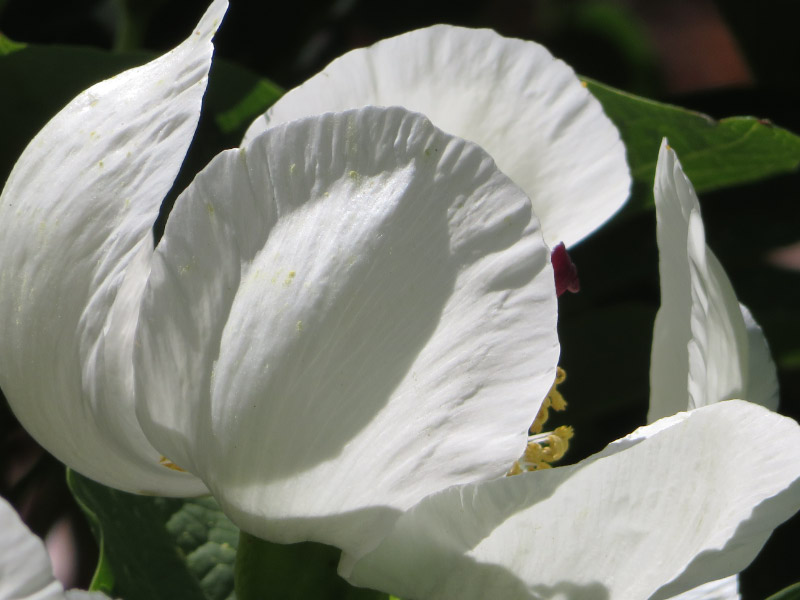
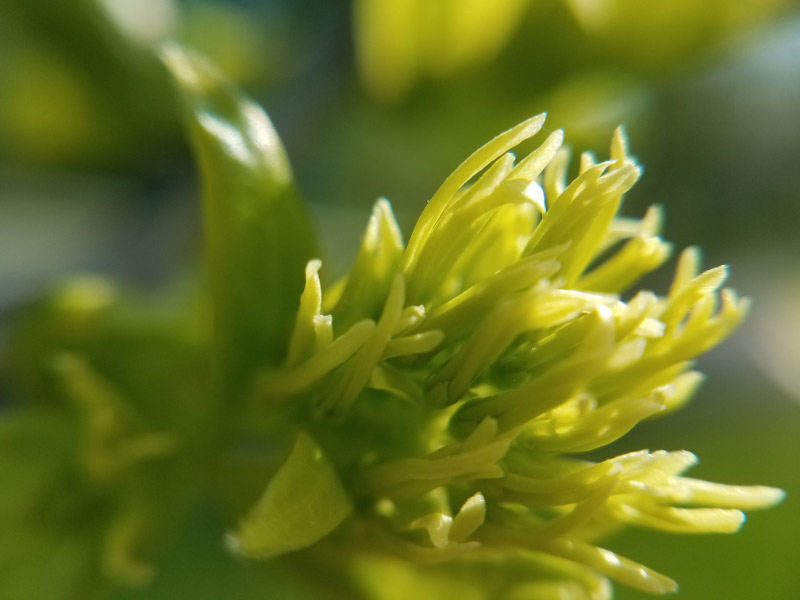
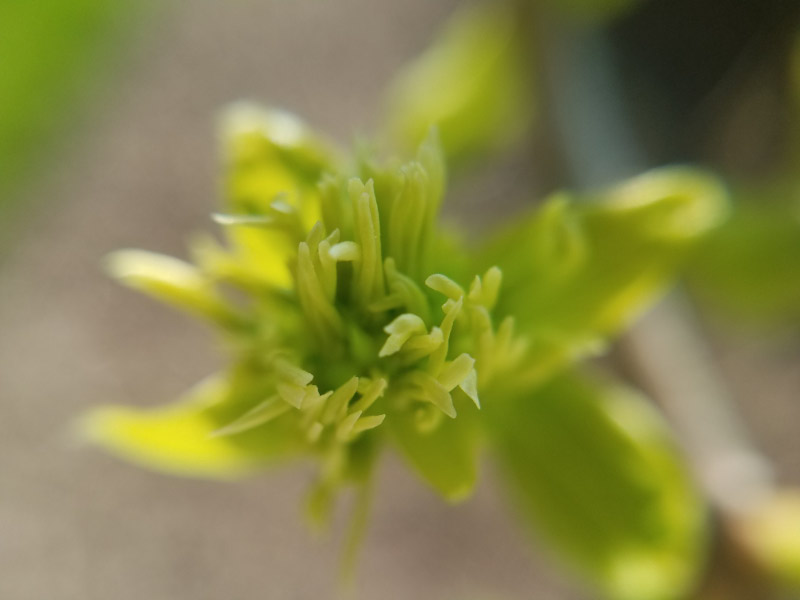
The center of the dogwood bloom is a riot of shapes. I’m going to photograph them again next time I go to see how it changes as the seeds start to develop.

Dandelion seed puffs are recognizable.

Just about any flowers are good subjects for macrophotography.

20180505_090052.jpg

I ran out of time in the garden. My shift was beginning. I got one last picture just before the first visitors came into the exhibit – a spicebush butterfly egg on spicebush leaf. It looks like a very tiny pearl.
Blooming Pathways

2018 05 IMG_0412.jpg

During the same walk where we saw tulips near the end of their time in the Brookside Gardens, We noticed a lot of other spring finery along the pathways.

I always look at the ginkgo tree near the conservatory; the leaves are unfurling, and the mail flowers are abundant. Multiple leaves come out from a single bud, so they look like clumps early in the season. As the leaves get larger the clumps overlap and are not as obvious.

2018 05 IMG_0398.jpg

 The azaleas are beginning to bloom. Bushes peak at different times. Some were still just buds last week. The flowers that are a mix of white and deep pink are probably my favorites.

2018 05 IMG_0402.jpg

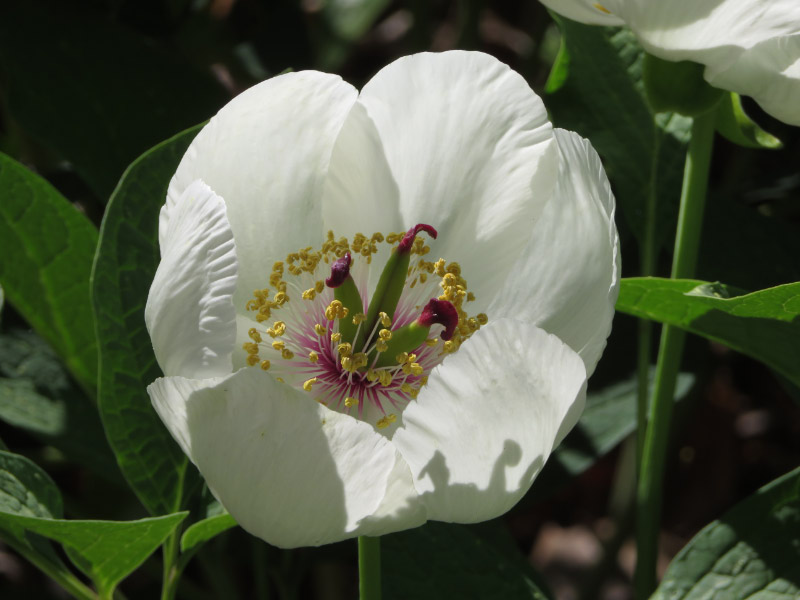
There was a peony near the path…. lovely from every angle.

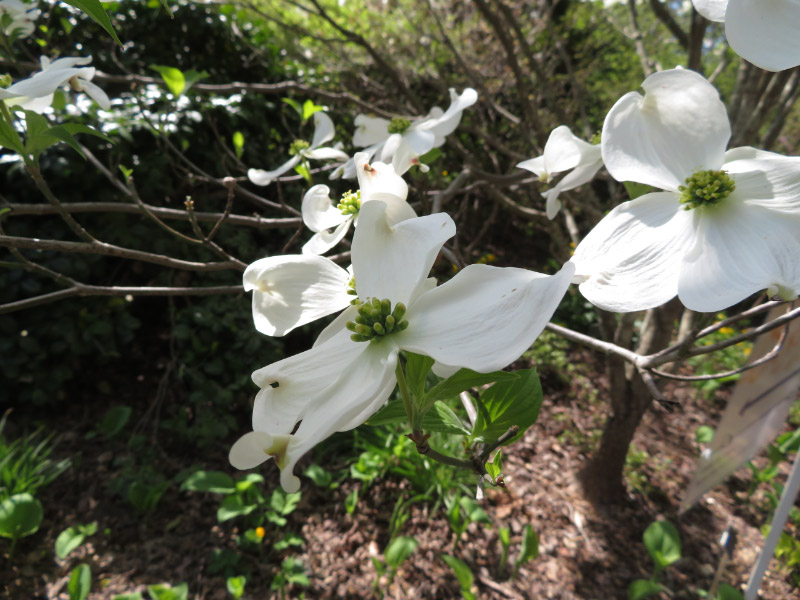
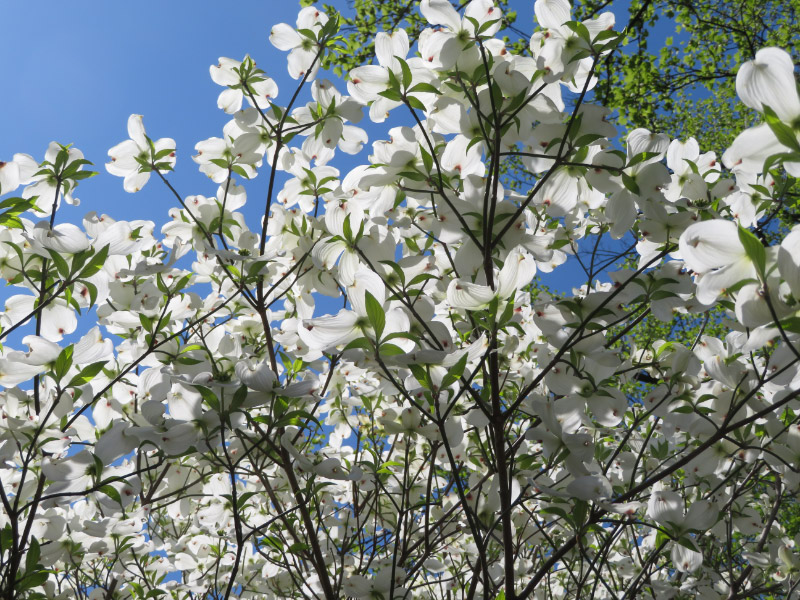
Dogwoods are blooming too. The tree is one of my favorites. We had a dogwood in our yard when we first moved to the east coast 35 years ago; that’s when I really learned about the tree…observing it throughout the year. The trees in our area now survived the disease that wiped out many of the trees about 10 years ago….and they are blooming robustly this year.

So -  the blooms will fade, and their will be even more abundant greens – all shades…deepening into the richness of summer.

Last Day for Tulips

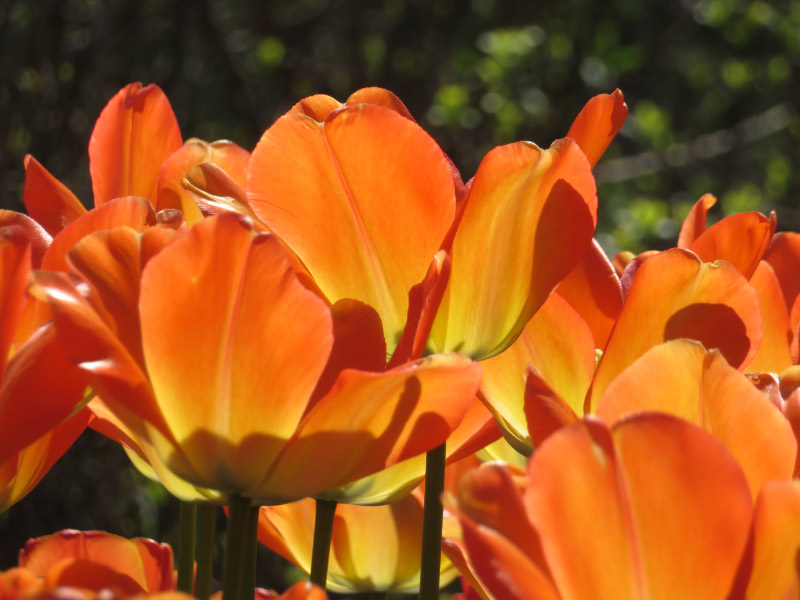
Last week my husband and I walked around Brookside Gardens enjoying the tulips. Some of the early bloomers were past prime enough that the volunteer gardeners were taking the bulbs up from the beds. I will have to find out next time we go to the garden what replaces tulips.

2018 05 IMG_0435.jpg

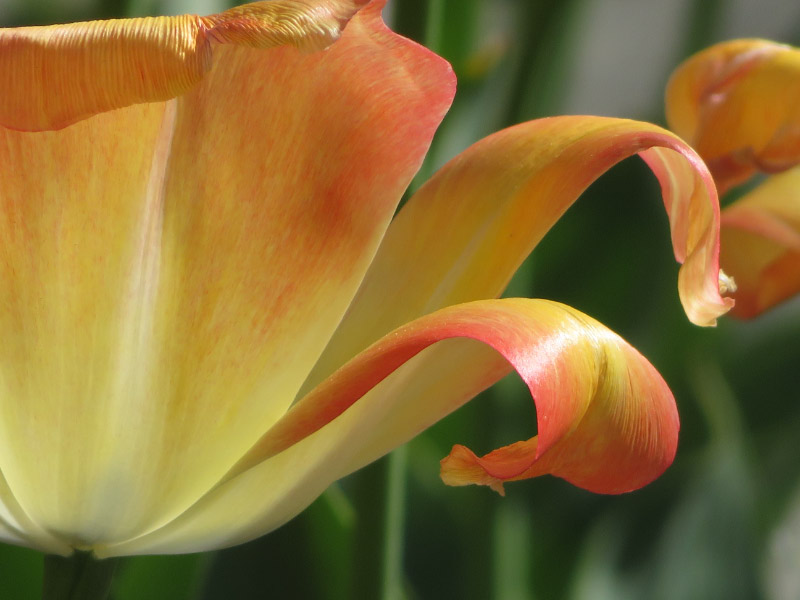
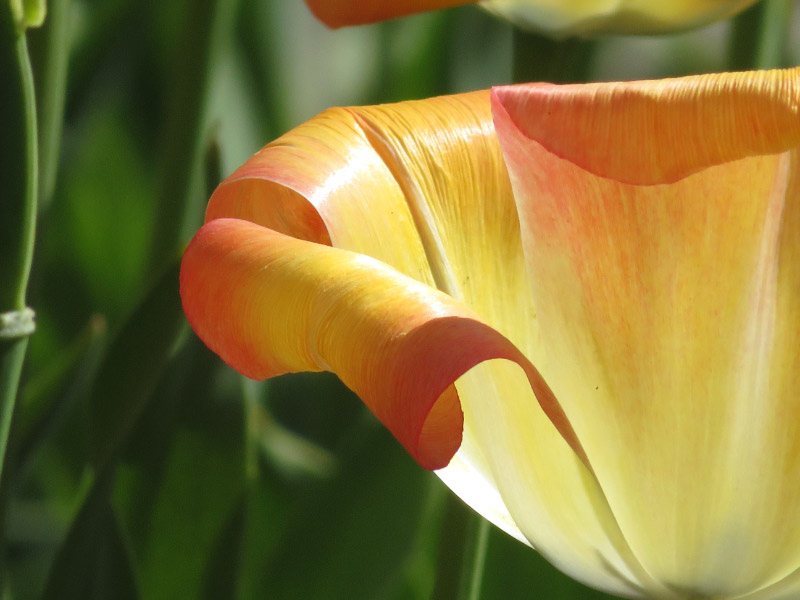
Some were widely open, and I enjoyed the curls and graceful curves of the waxy petals. My favorite tulips are the ones that are mostly yellow…tipped with orange. The colors remind me of sunrise and sunset.

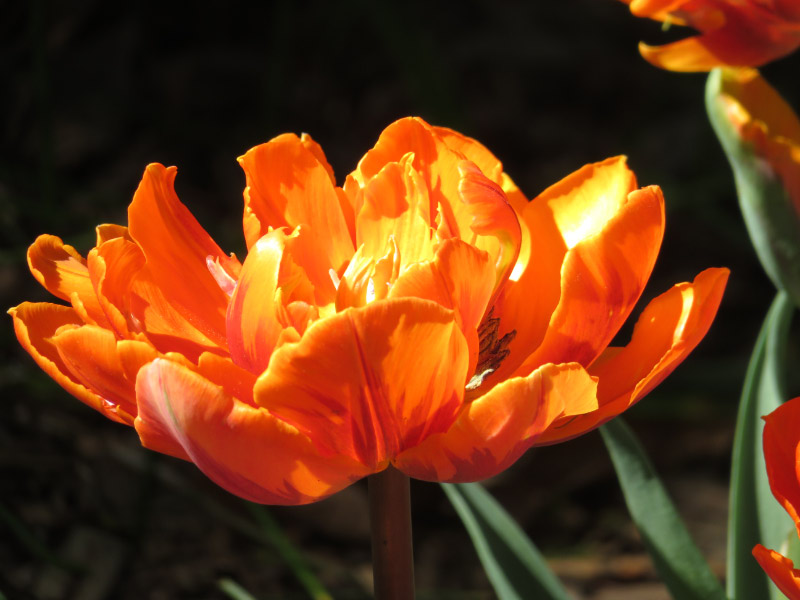
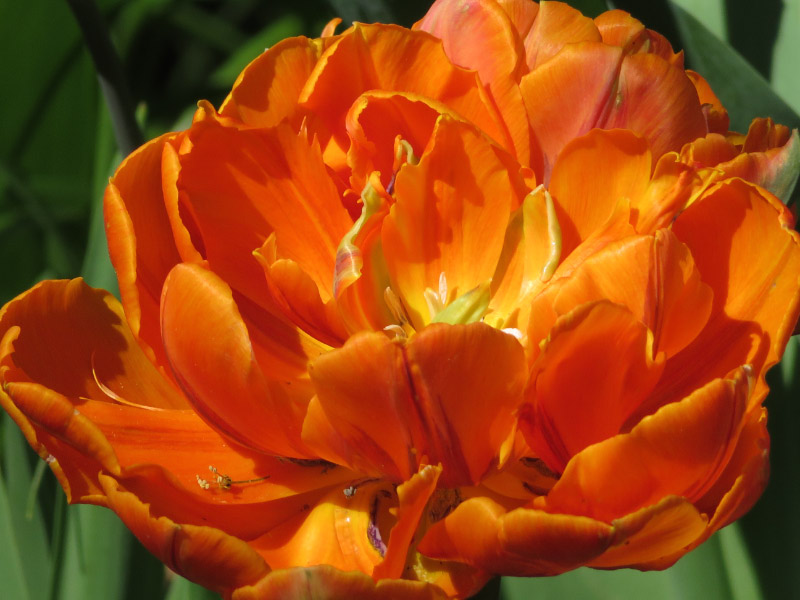
There were some hybrid tulips up near the visitor center that were catching the mid-morning sunlight. They had a stronger scent and I wondered if the original plants were more heavily scented that the hybrids that we plant now. Tulips have gone through extreme breeding; perhaps bloom shape, color and longevity are more important than the smell.

I enjoy them all as a fleeting vision of spring. We’re on to the next round of blooms.

eBotanical Prints – April 2018

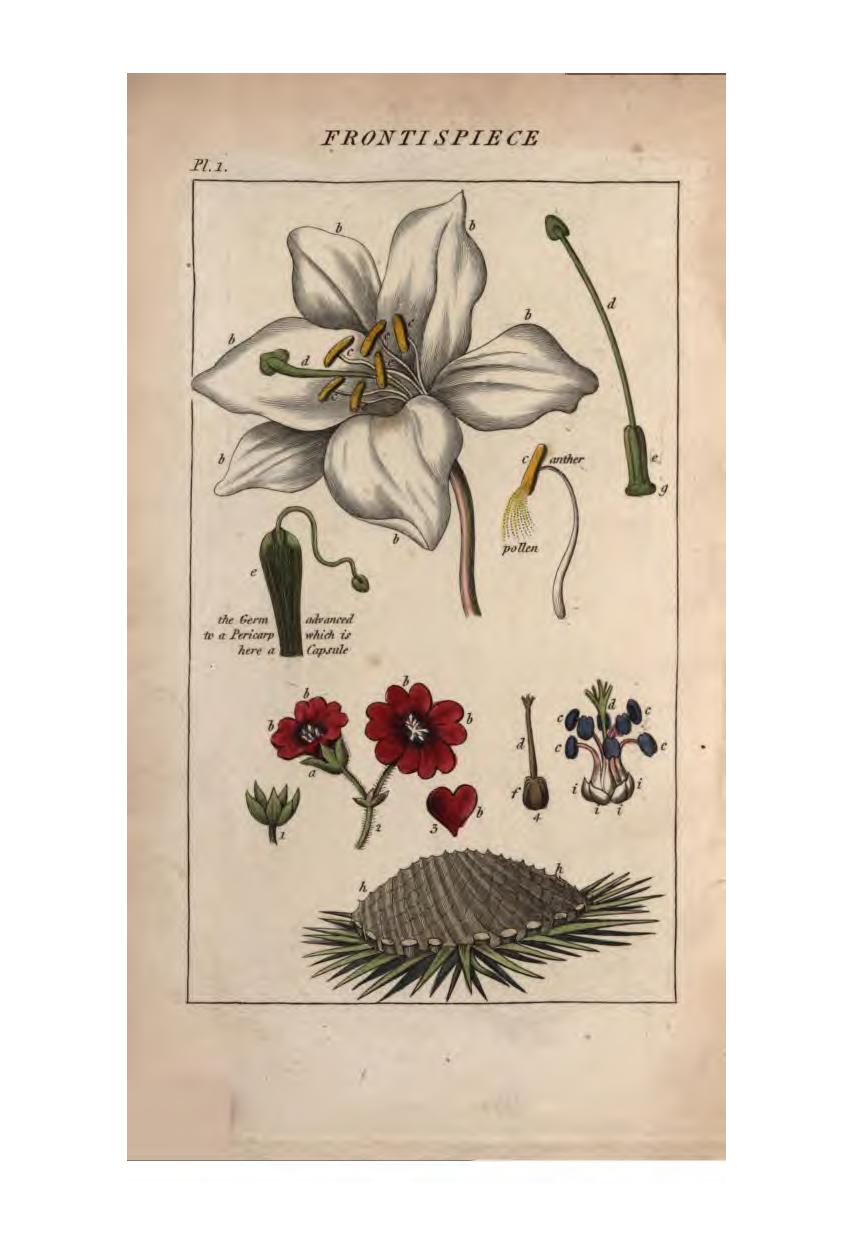
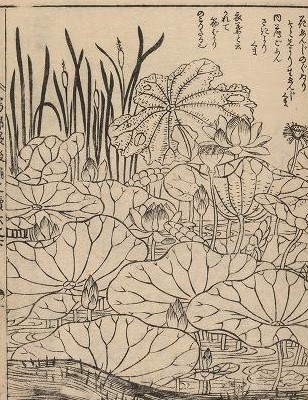
I am allowing myself one botanical print post in the main blog of this site each month. This is it for April – the books that contained botanical images that I read during the month. I’ll post about individual books in the eBotanicalPrints part of the site: Botanical blog. Also take a look at the botanical eBooks list to find links to over 1,000 eBooks available free from various sources.

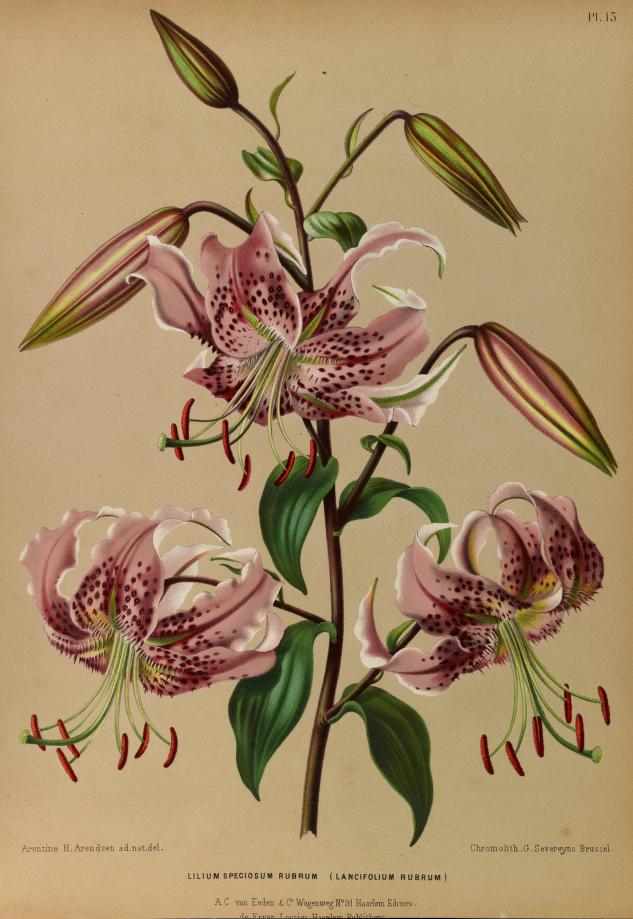
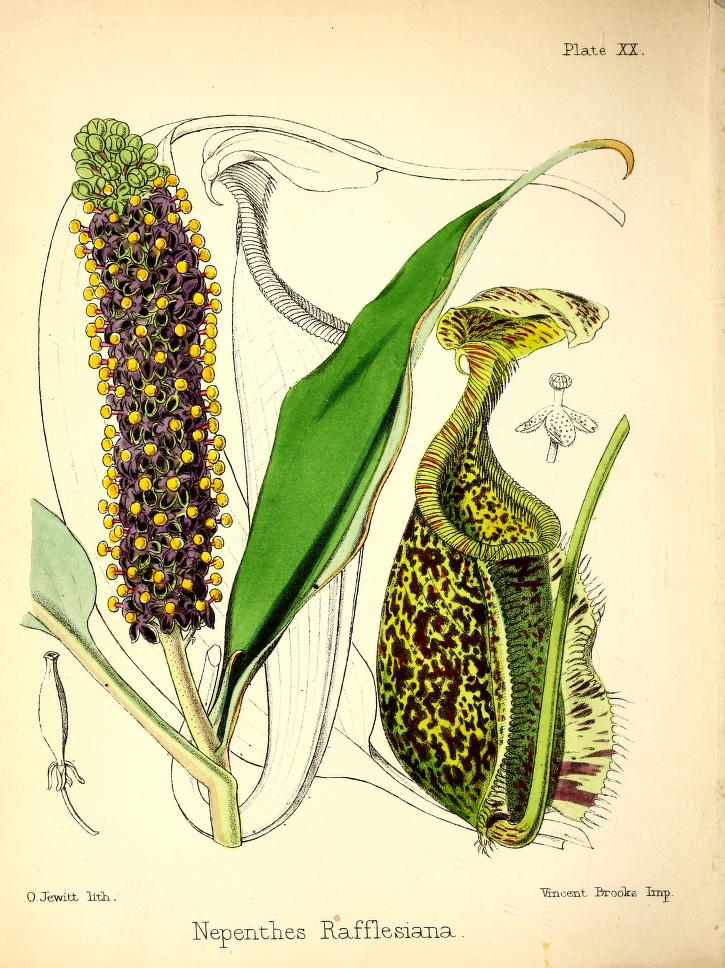
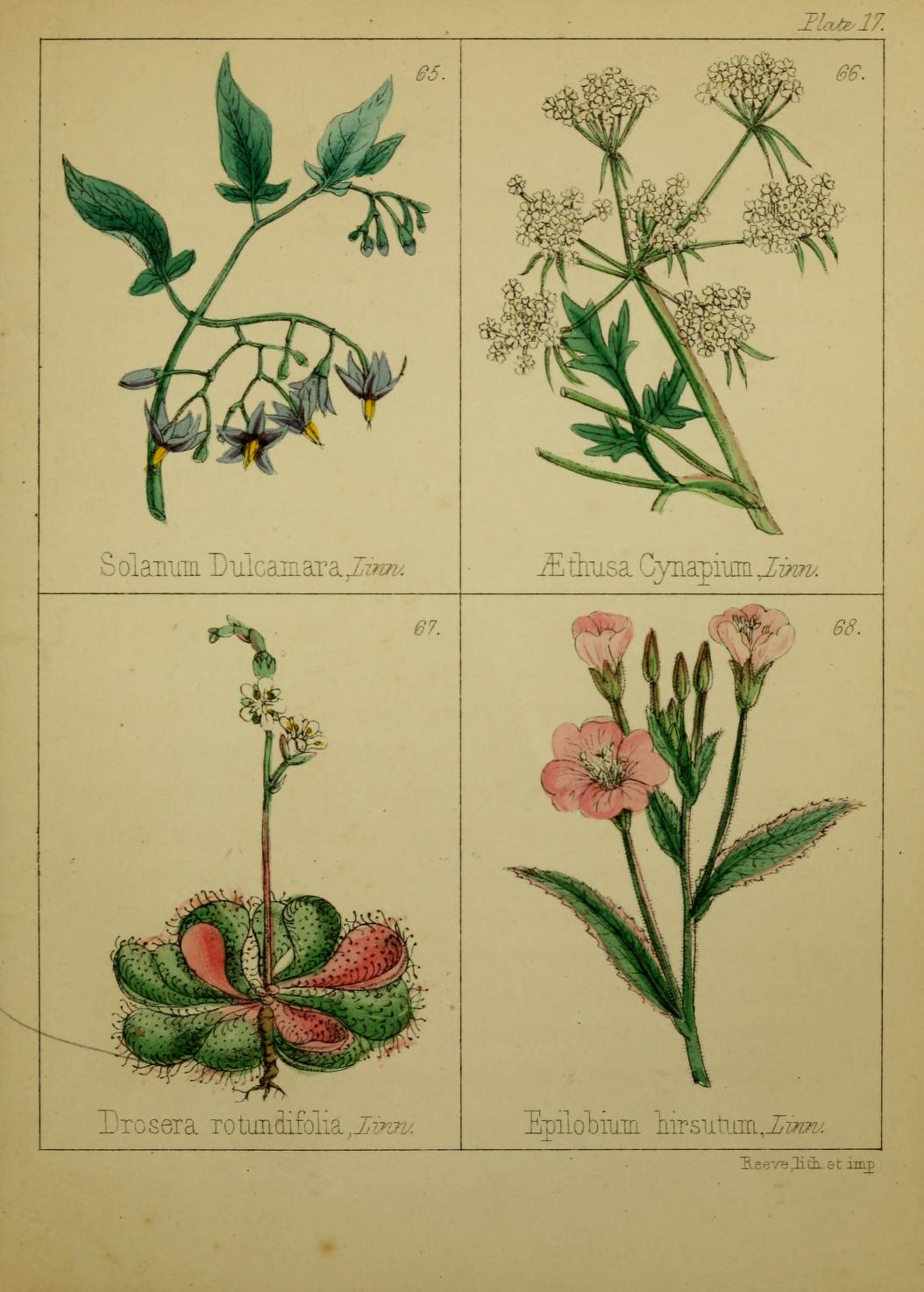
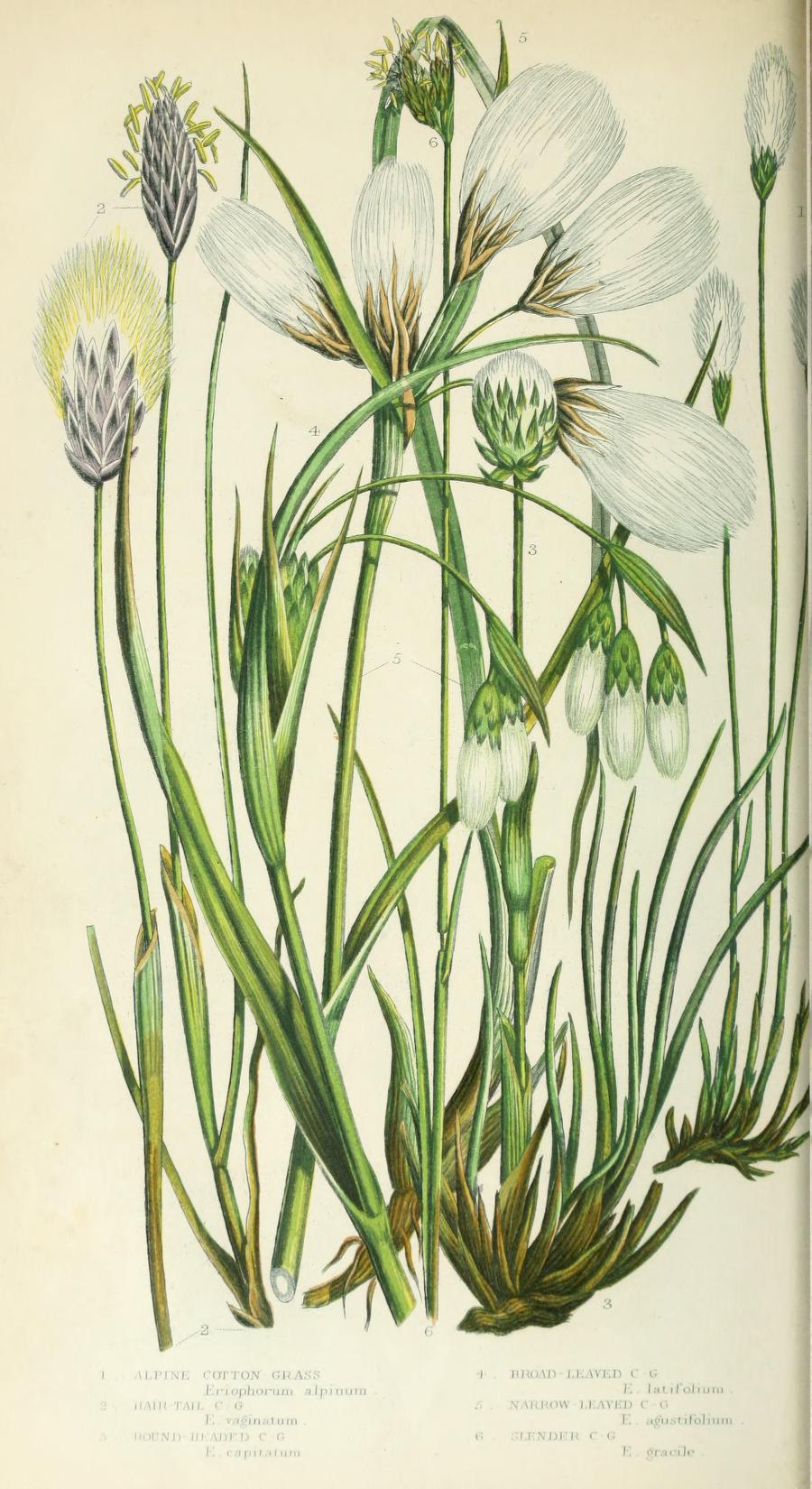
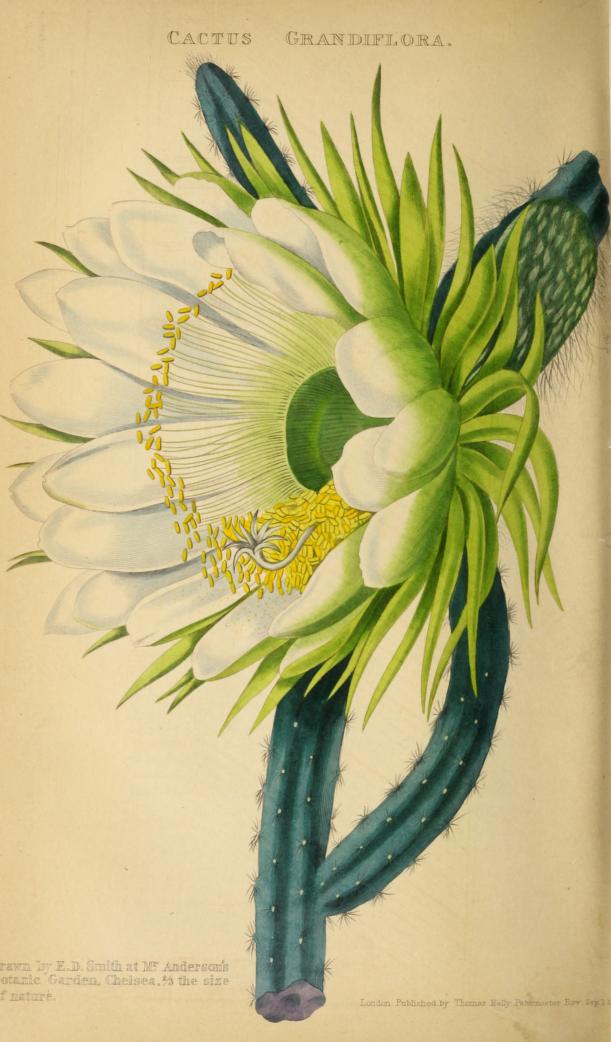
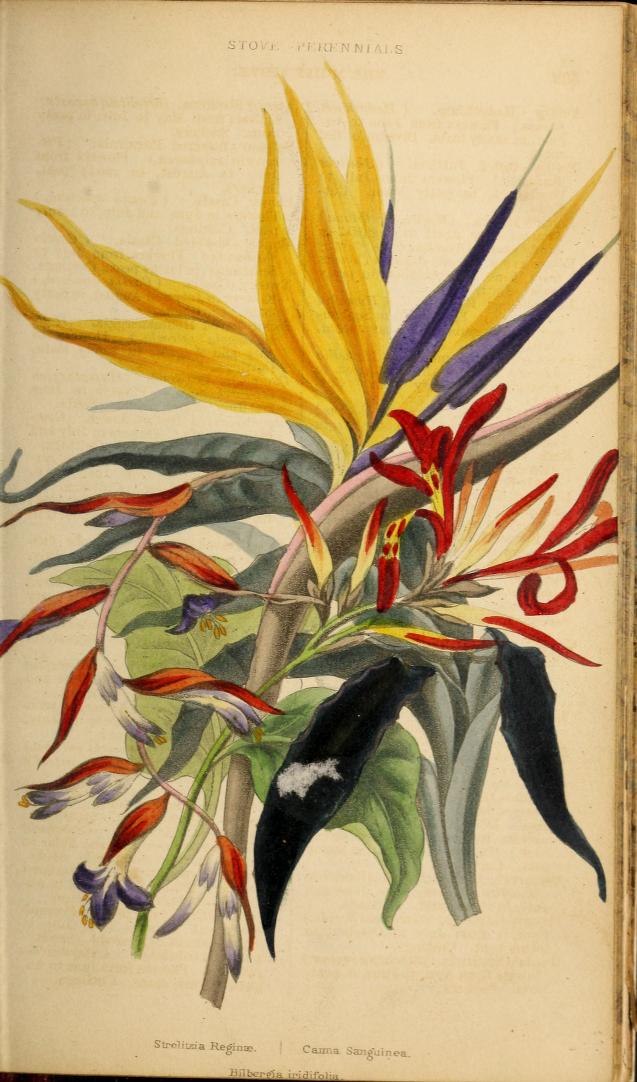
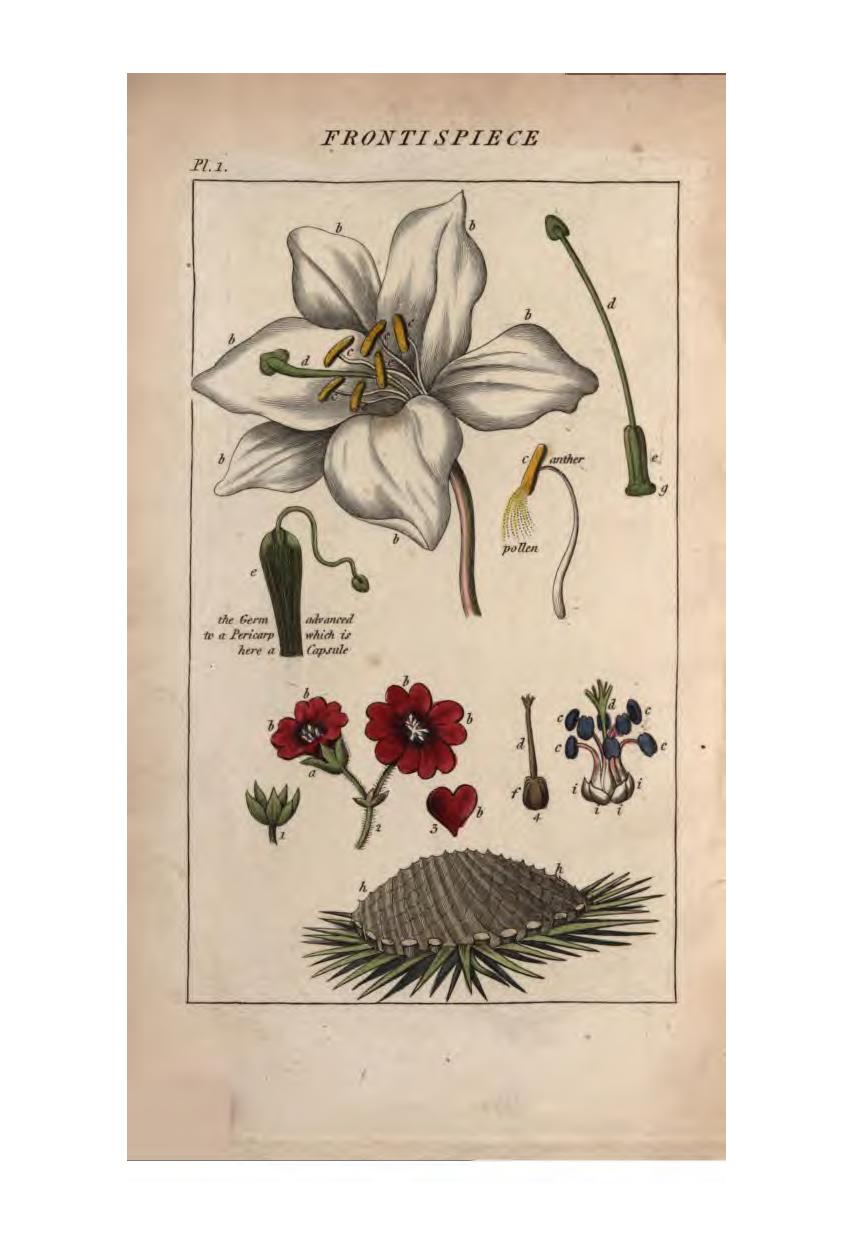
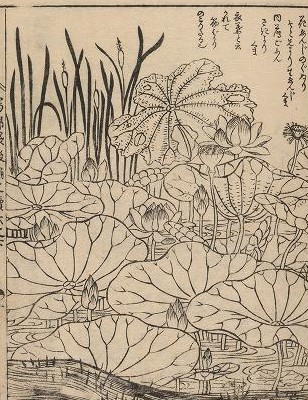
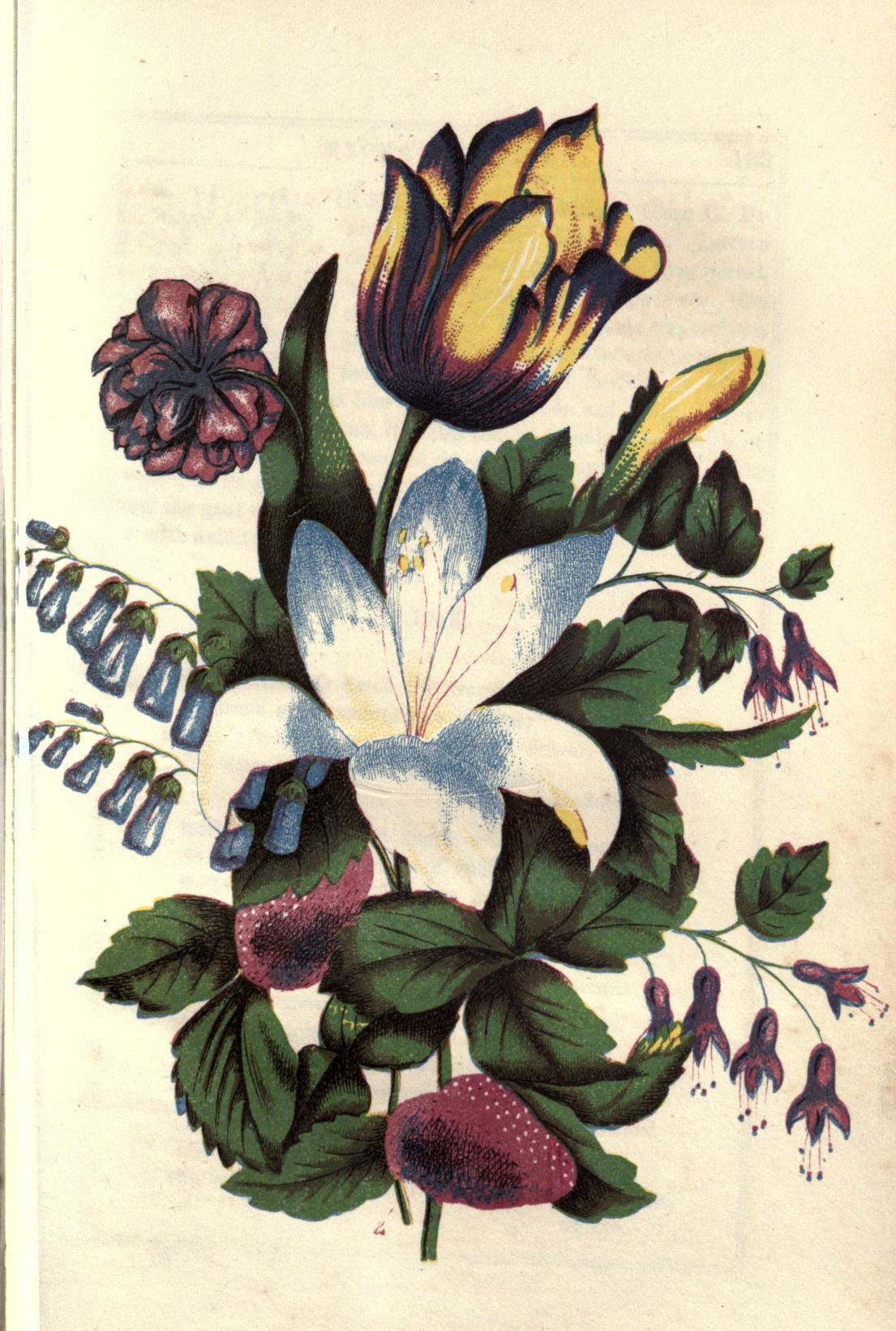
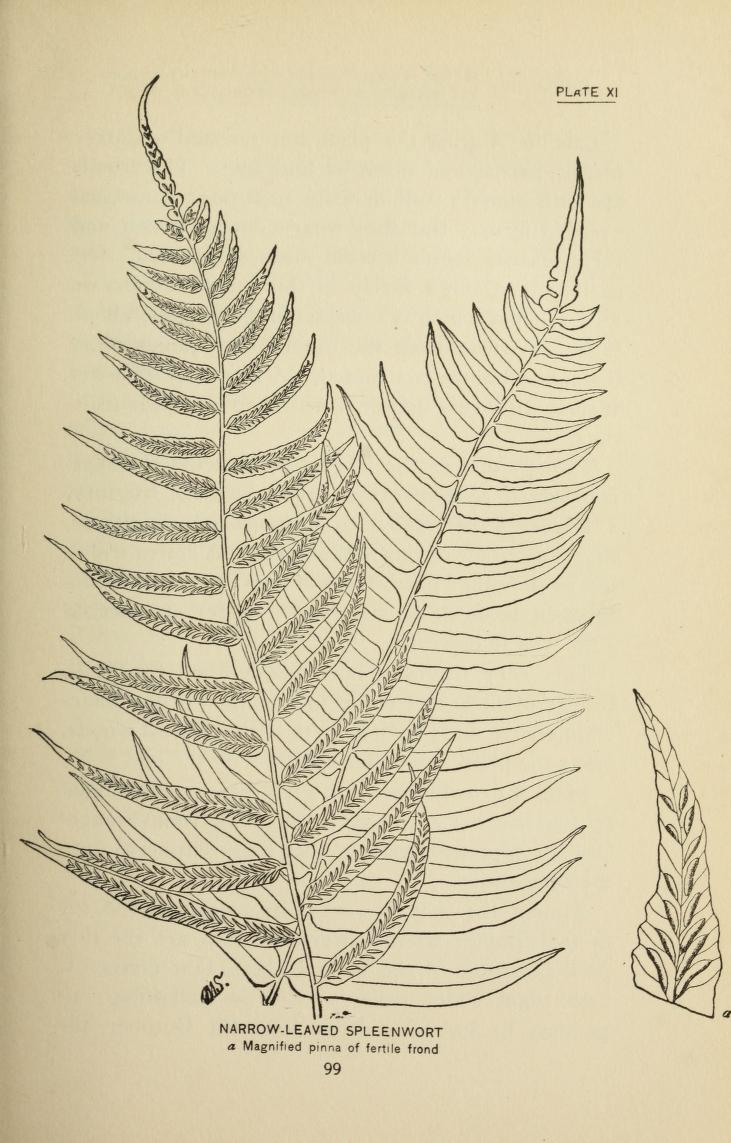
I read 16 botanical eBooks in April and 15 sample images are shown below. The 16th book (about seed pods) is one that is still under copyright but is available for checkout from Internet Archive. The links to the books are below the sample images.

Blemont’s Nature Place Space

I have been volunteering with the Howard Country Conservancy’s preschool programs at Belmont recently. The weather was a little cool for the first few weeks…but it’s warming up – a lot – this week.

2018 04 IMG_0217.jpg
2018 05 IMG_0315.jpg

The station I fill for most of the programs is about trees. We talk about trees growing from seeds and look at ones from trees around us like sycamore (pictured below), sweet gum, tulip poplar, and maple.

2018 04 IMG_0219.jpg

A new addition that the children enjoyed this week is a nature play space. There are still some features that will be added, but the preschoolers were excited to jump from stone to stone and to climb up onto the big log….all in the middle of the meadow where it was just warm enough for cabbage white butterflies to be moving about.

2018 05 IMG_0317.jpg

The joys of being outdoors in the springtime!

Backyard Walk – May 2018

Last month I posted about violets and spice bush. On an walk through the yard this week, I still say plenty of violets blooming and

2018 05 IMG_0311.jpg

The spice bush was beginning to unfurl leaves. I hope there will be some spicebush swallowtails around this summer to produce several generations of butterflies in our forest.

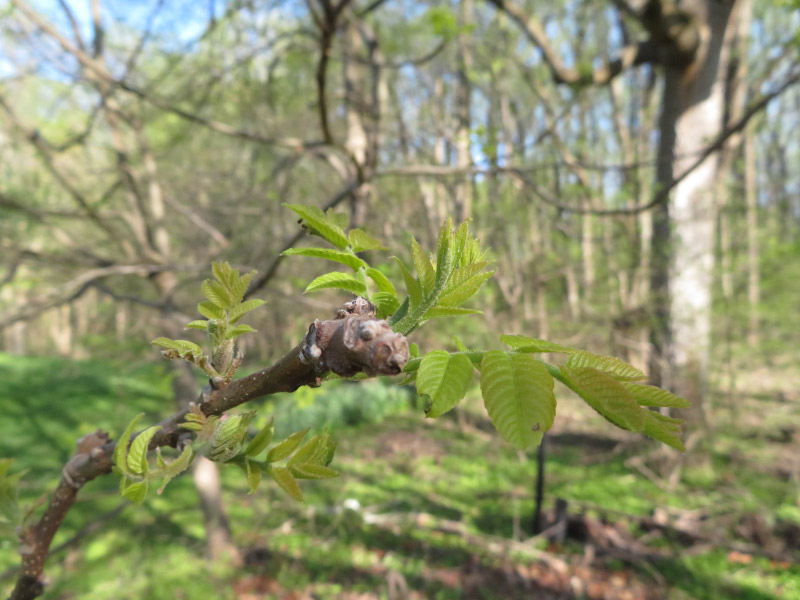
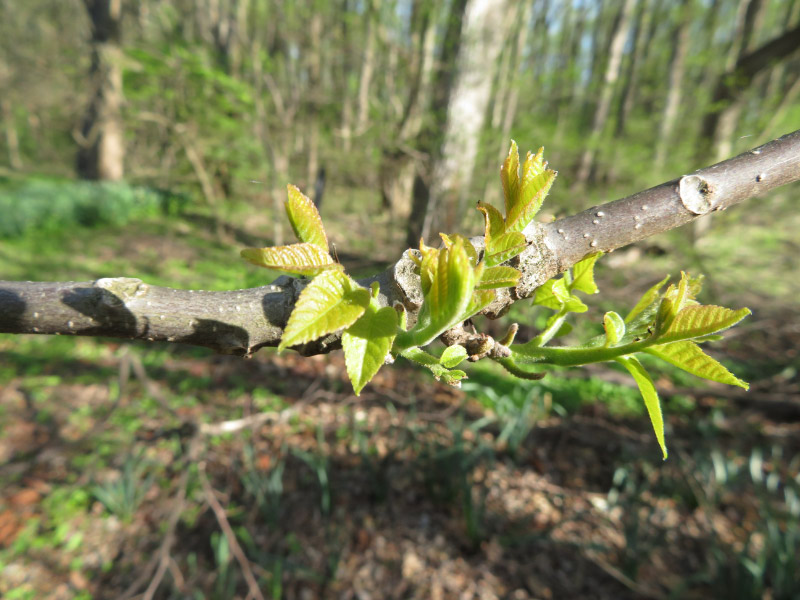
The maple seeds are drying and will swirl away from the tree soon. The black walnut is beginning to unfurl its leaves. There are multiple leaves that unfurl from the buds on the tips of the stems as well as along it. The bud scars from last year are often visible. The tree lags the tulip poplars leafing out.

The high point of the walk around the backyard was not actually in the yard…it was just into the woods: A Jack-in-the-Pulpit! There are so many invasive plants in the forest that I always am relieved when I find a native making it through another spring. I'll try to pick a good day to spray myself with insect repellent (to keep the ticks away) and walk back into the forest before the prickle bush gets too thick to look for more native wildflowers.

2018 05 IMG_0299.jpg

The sycamore buds have just pops…with leaves too tiny to be very interesting yet. I’ll save it for the June post.

Wings of Fancy – 1st shift

2018 04 IMG_0222.jpg

I had my first shift for this season’s Wings of Fancy shift at Brookside Gardens earlier this week. The exhibit is opening an hour earlier this year to take advantage of the morning temperatures. Visitors will appreciate that during the summer. Like last year – I took a short walk around the gardens before heading into the conservatory. The gardens are lush even with the variability of rain and temperatures so far this spring.

2018 04 IMG_0226.jpg

The azaleas are blooming but I decided to walk through the are where the tulips are blooming….lots of color on a spring morning. I walked fast because it was chilly at 8:30 AM (in the 40s and breezy).

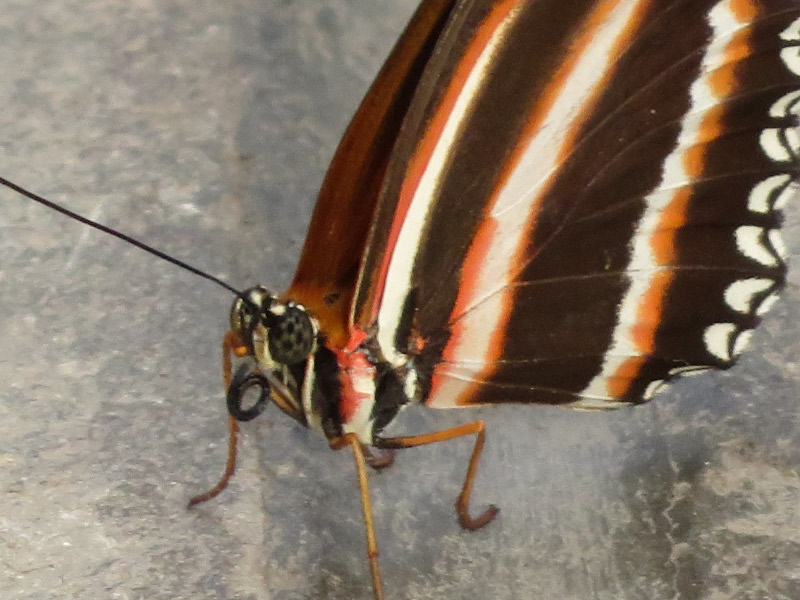
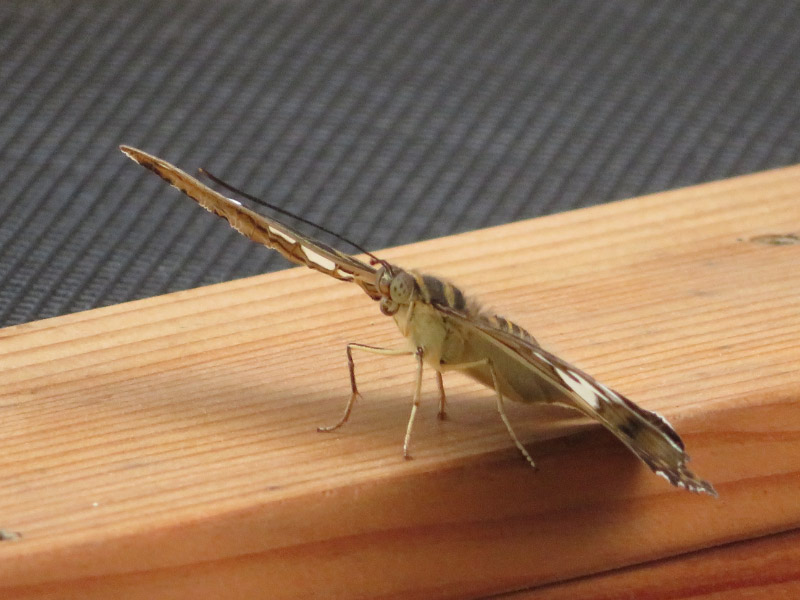
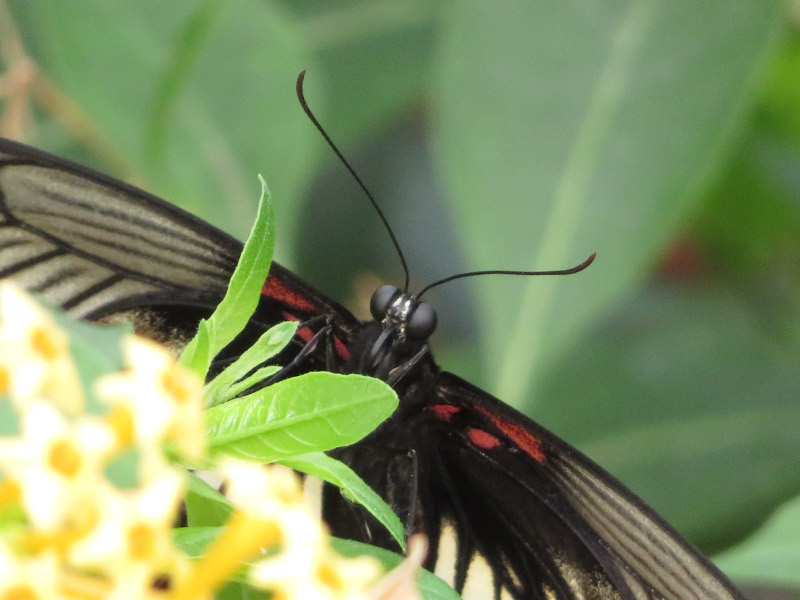
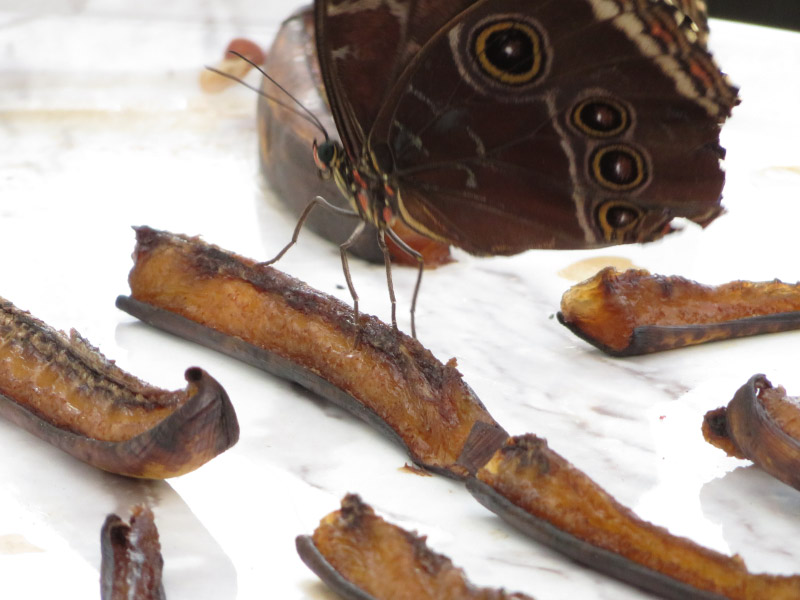
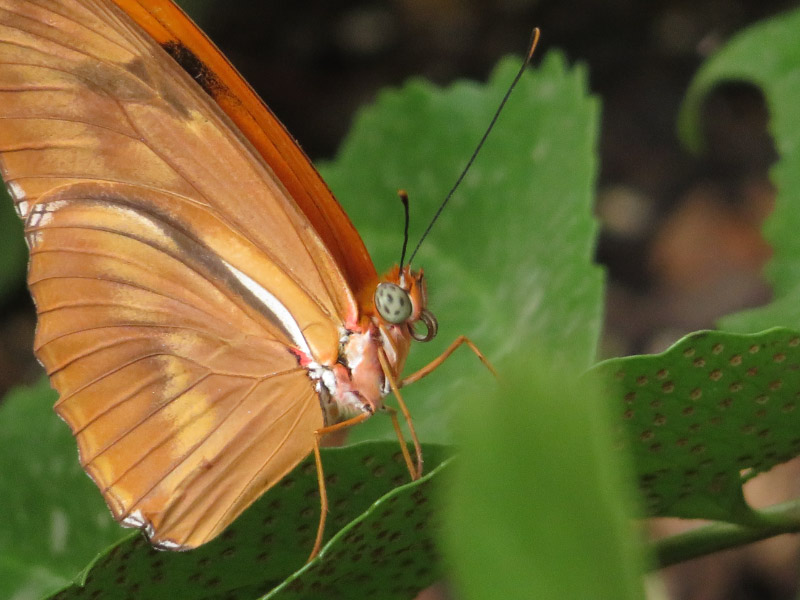
I was in the conservatory waiting for the first visitors and decided to take a few pictures. I was surprise what I was able to do in 10-15 minutes! My theme was heads – eyes, antennae, proboscis, and papillae. I’m sure they’ll be many other butterfly pictures this season (the exhibit runs until September 16), but I’m pleased with my first batch. Hopefully a reflection of the happy place the exhibit creates comes through too!

Photography through a Window – April 2018

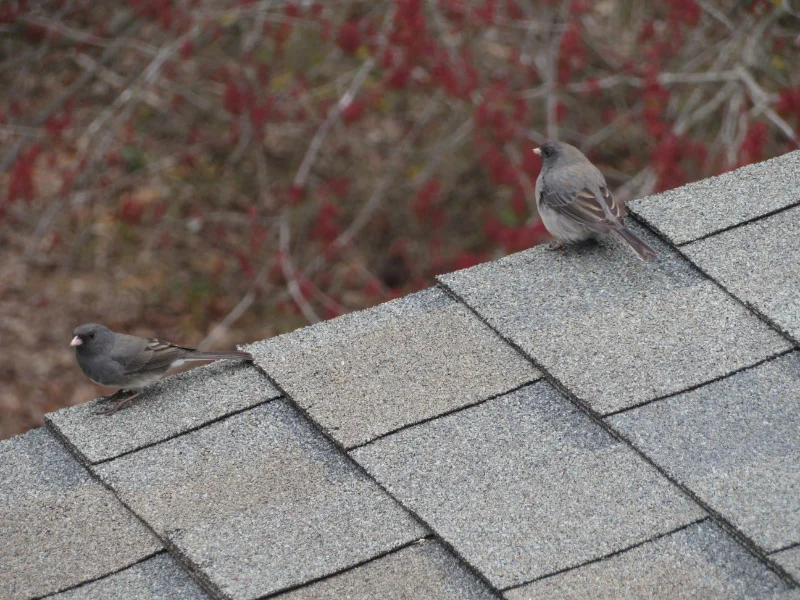
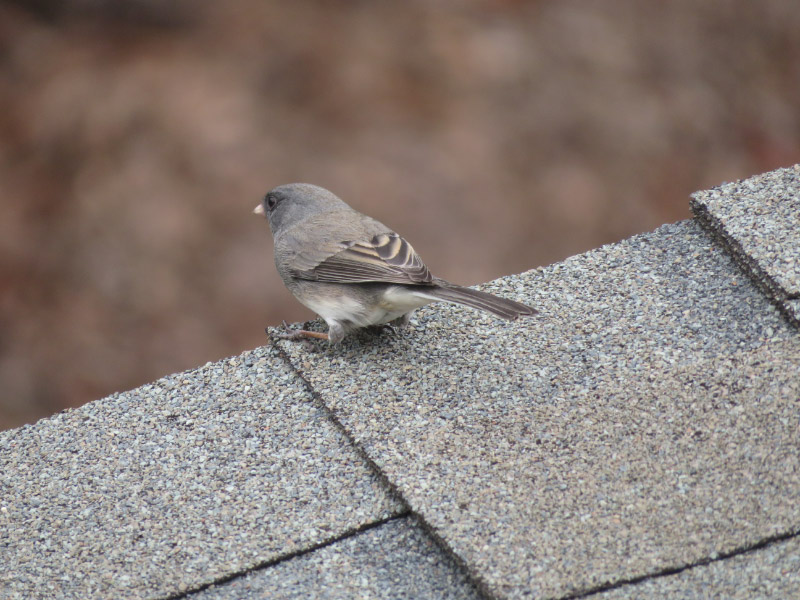
The juncos were in out backyard and frequent visitors to our feeder and birdbath at the beginning of the month…and then they left for their nesting grounds to north and west. We won’t see them here in Maryland until it gets cold again.

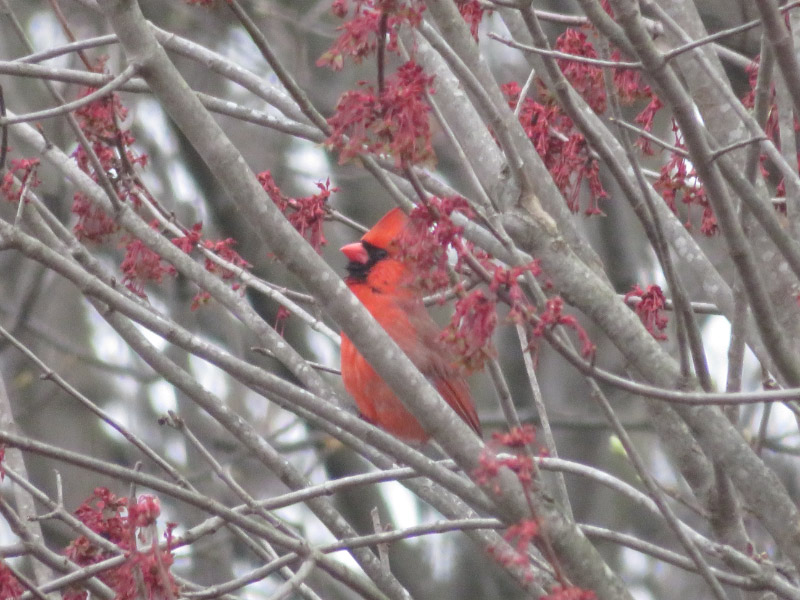
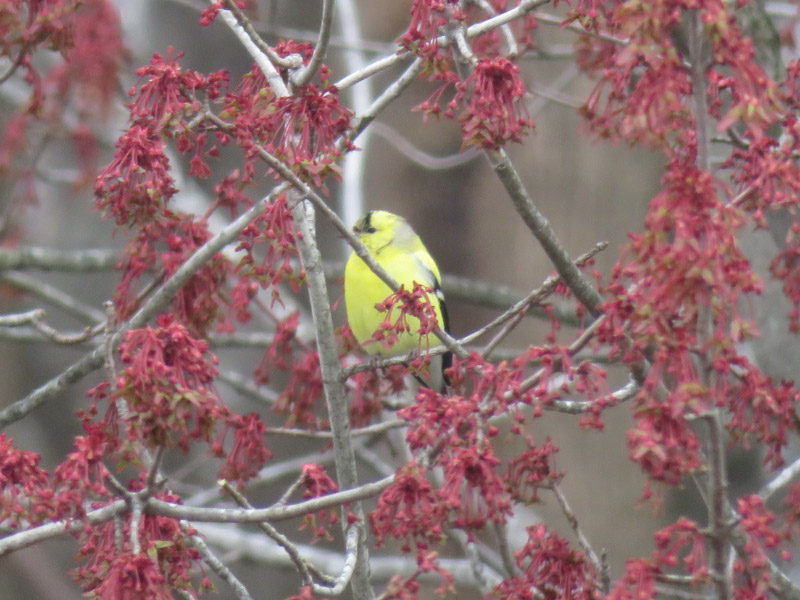
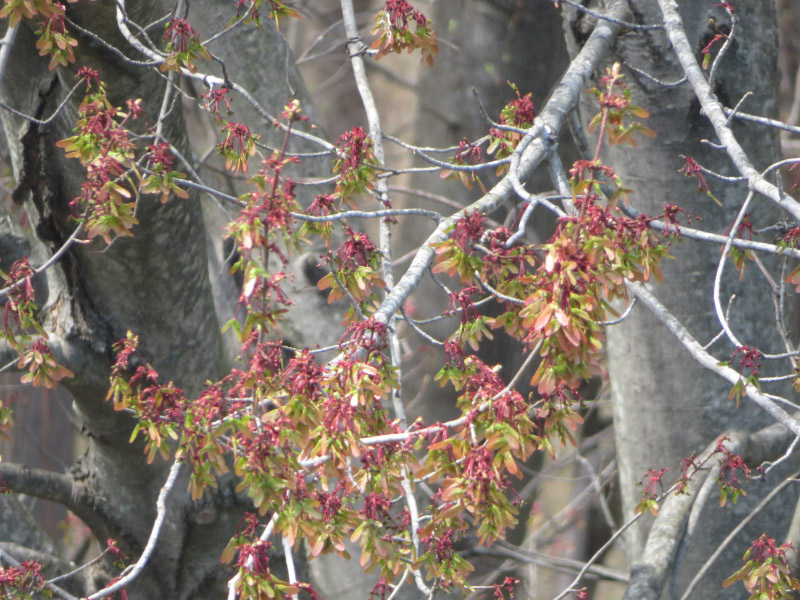
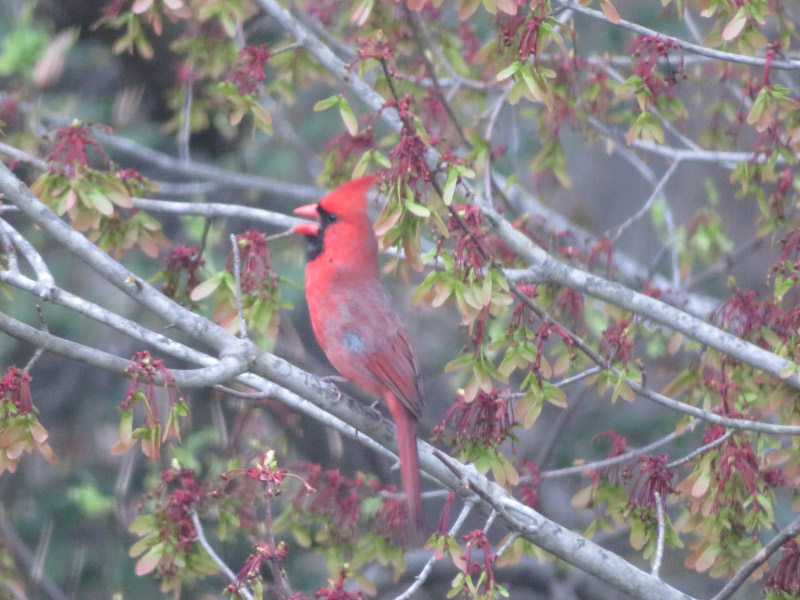
The big story of month for our backyard was more about trees than birds. The red maple bloomed and made seeds. I am watching for when the seeds helicopter away from the parent. Of course, some of our backyard birds (cardinals and goldfinches) were in tree for some of the pictures. They like to snack on the tender seeds.

The tulip poplar leaves are unfurling with the pods from last summer still holding a few seeds.

2018 04tIMG_9861.jpg

The sycamore is still looking very much like it has all winter; it is always one of the last to leave out.

2018 04s IMG_9853.jpg

The tree I haven’t photographed yet is the black walnut. I noticed last time I walked around that it had some leaves unfurling but it’s location requires that I walk to it rather than trying to photograph it through a window!

Free eBooks – April 2018

It is so easy to find historical books that are available online – scanned with care and ‘free.’ I can remember a time when I went to libraries (often not finding the book I was looking for) and how expensive it could be to buy books. Now I find myself rarely spending money on books. There are such riches of books these day. The world of books has changed in my lifetime almost as monumentally as the advent of the printing press! Here are three picks from the books I found this month.

Ogata, Kori; Aikawa,Minwa. Korin gashiki. Kikuya Kihē, Kyōto, Bunka 15. 1818. Available from Smithsonian Libraries here. In the image I chose to clip from the book – I like the simplicity of the drawing of the cranes (and chicks). I also like the way water is drawn; it is easily used as a Zentangle pattern.

2018 04 ebook 04b 18 04.jpg
2018 04 ebook 26g 18 03.jpg

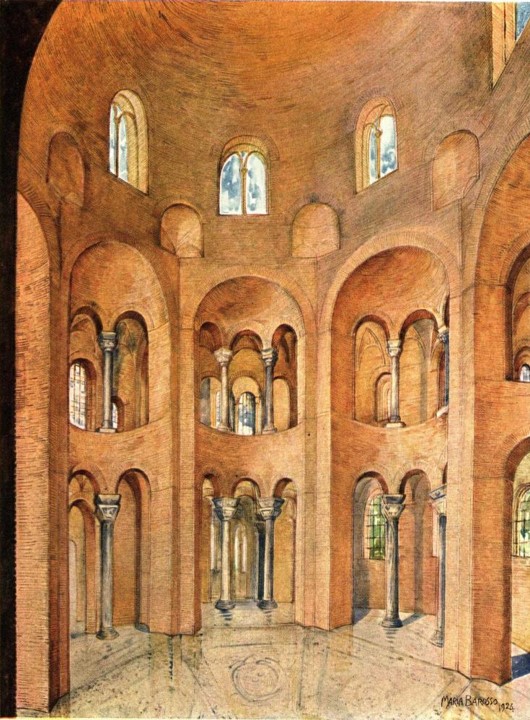
Mars, Gerhardt C. (editor). Brickwork of Italy: a brief review from ancient to modern times. Chicago: American Face Brick Association. 1925. Available from Internet Archive here. Somehow the mellow color of brick and the architecture in the illustrations in this book were very appealing.

2018 04 ebook 49g 18 04.jpg

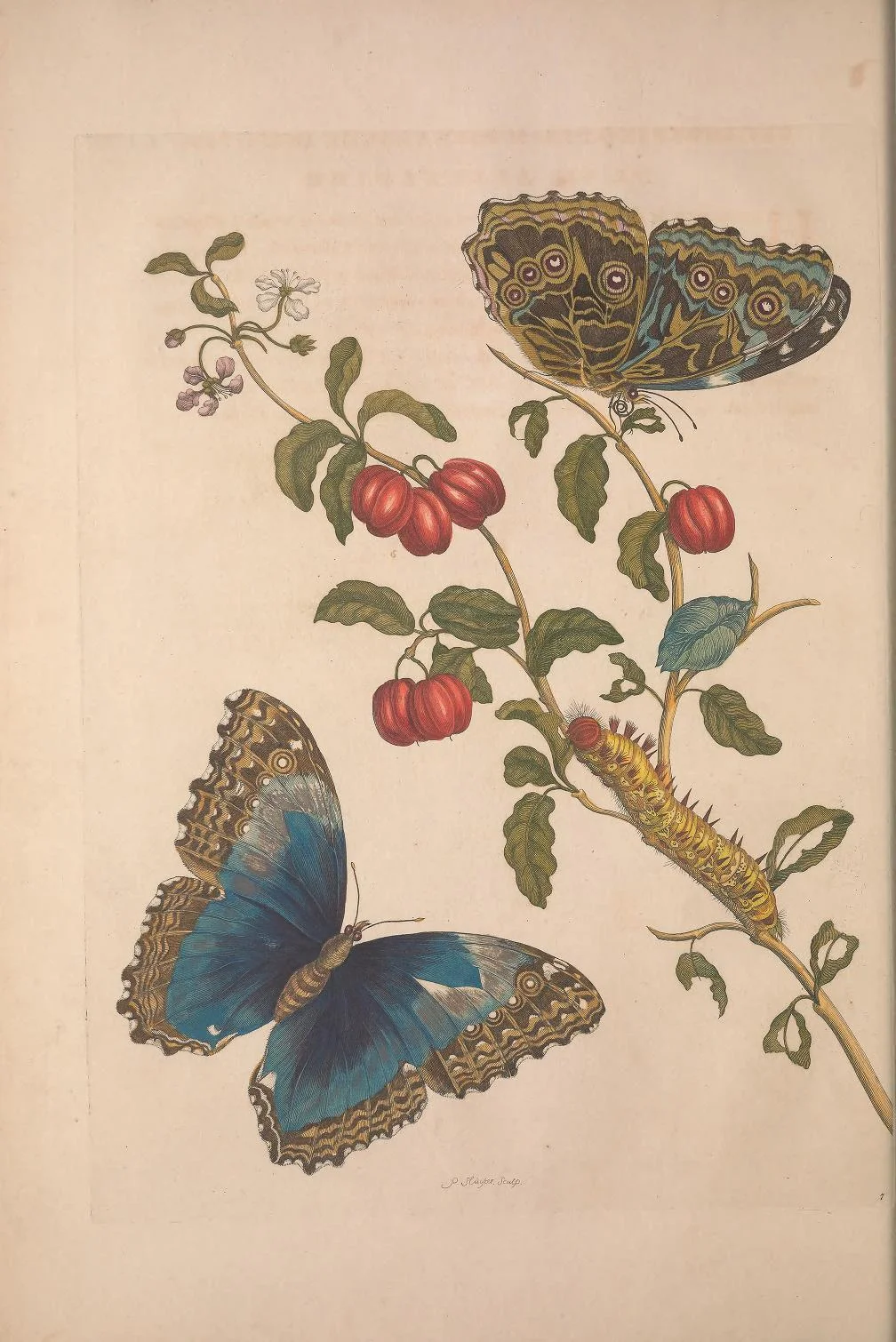
Merian, Maria Sibylla. Metamorphosis insectorum surinamensium. Amsterdam: 1705. Available on Internet Archive here. An early book about butterflies…and their caterpillars. Merian was a leading entomologist in the early 1700s…and was one of the first to publish color images of insects…particularly documenting metamorphosis of butterflies.

Ten Little Celebrations – April 2018

April has gone by very quickly…full of company and travel and the beginning of the spring volunteering blitz.

Six of the 10 little celebrations were experiences outdoors – typical celebrations of springtime everywhere:

  • Blue birds and tree swallows were making their nests I the boxes at Mt. Pleasant in Maryland.
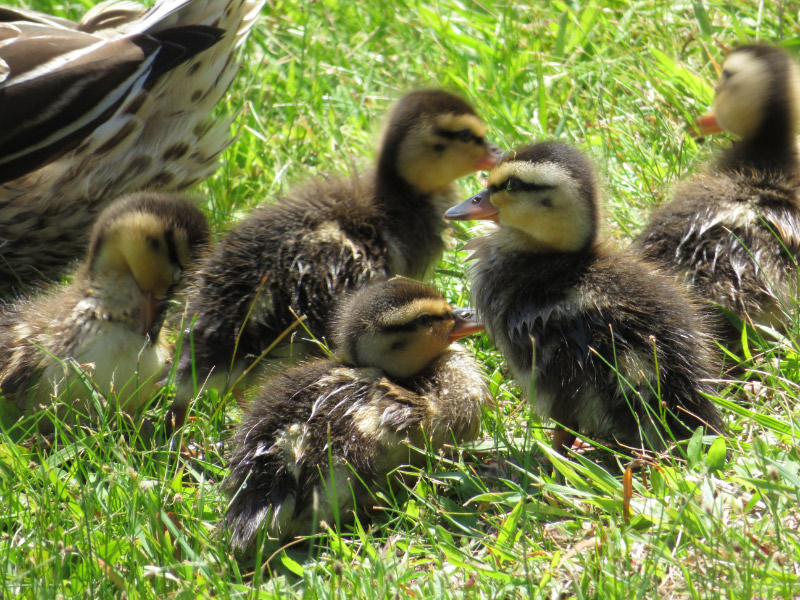
  • There were ducklings at Josey Ranch Lake in Carrollton, Texas.
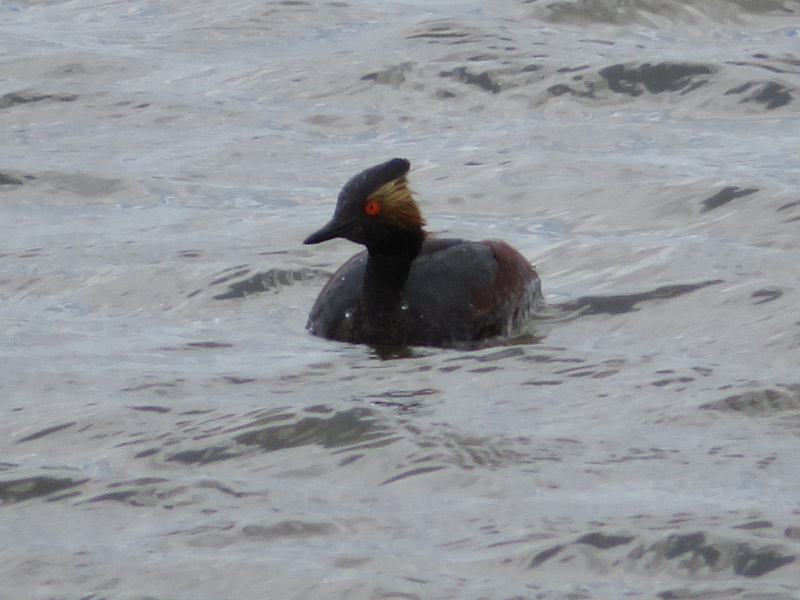
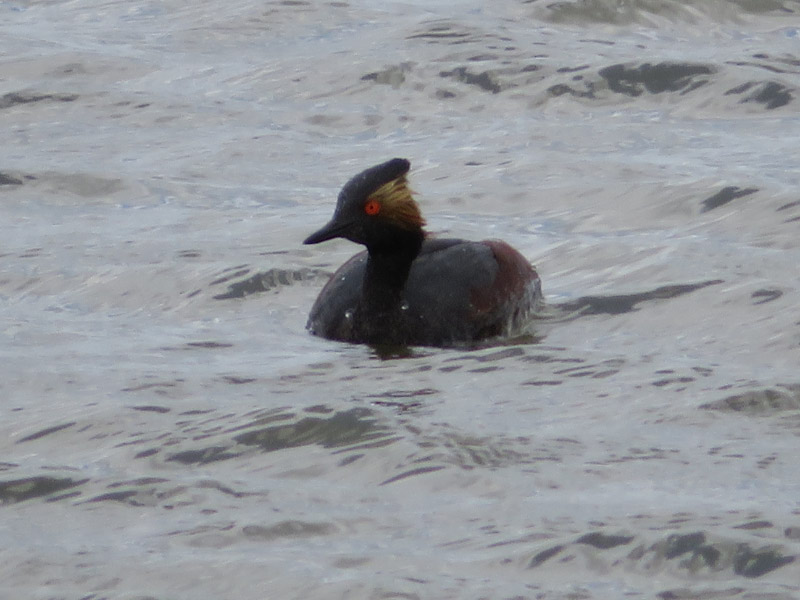
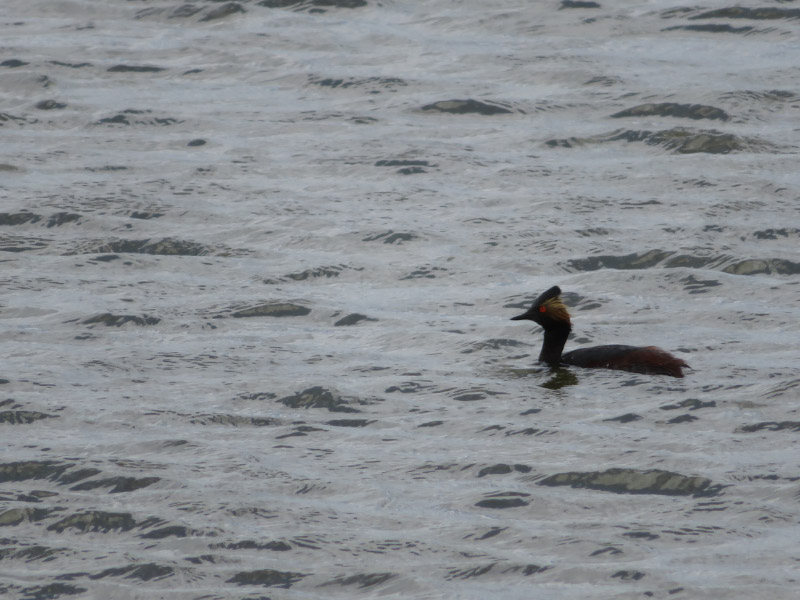
  • An eared grebe at Hagerman National Wildlife Refuge near Sherman, Texas.
  • Macroinvertebrates in the Middle Patuxent close to home.
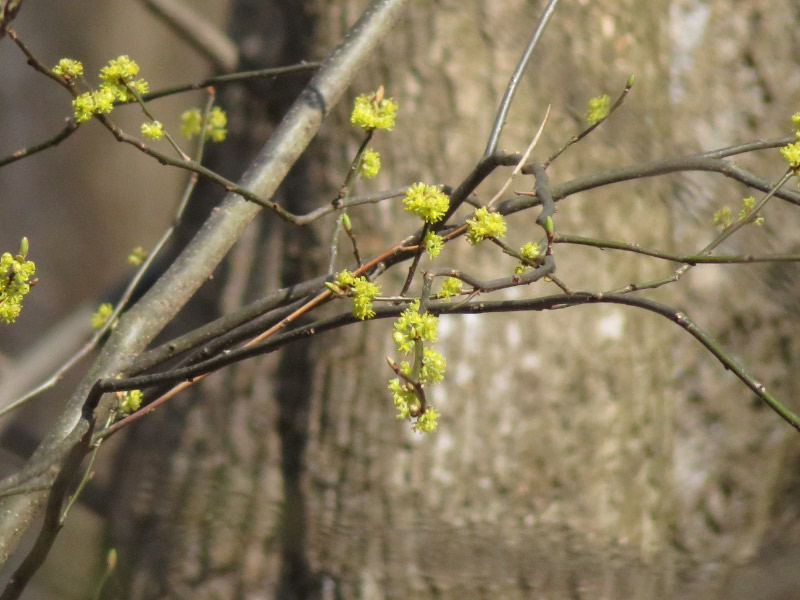
  • Spicebush in the forest behind my house and at Belmont Manor and Historic Park (both in Maryland).
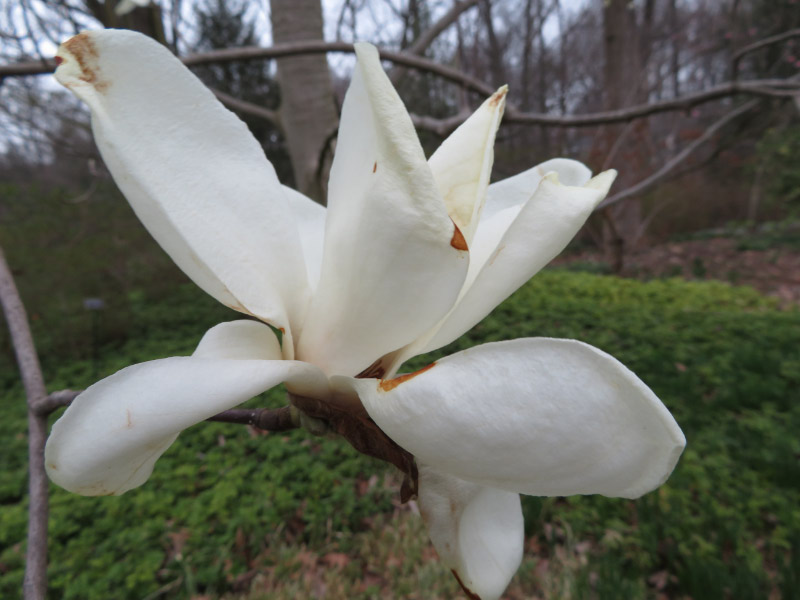
  • Deciduous Magnolias blooming at Brookside Gardens. Maryland got a freeze at the wrong time in 2017 and most of the blooms turned brown from the cold just as they were opening. It was a treat to see them again this year.

I celebrated the end of two long driving days between Maryland and Texas. Both were blustery and more traffic than expected. It felt good to be done!

My new iPad is something I celebrate every time I create another Zentangle with it! I a pleasantly surprised with how easy I made the transition from pen and paper tiles to digital.

I thoroughly enjoyed a meal at a Brazilian steakhouse – this time managing to savor the flavors and not overeating. I even topped off the meal with dessert!

Finally – the Watershed Summit where the high schools of the county presented their report cards to the county government for their steams and school yards – based on data they collected last fall. Each of the 13 high schools had 2 presenters. They all were so poised and organized. It was a double celebration: the environmental findings trending positive in most cases and the quality of the students in attendance. Both bode well for the future.

Hagerman National Wildlife Refuge in Spring

2018 04 IMG_0095.jpg

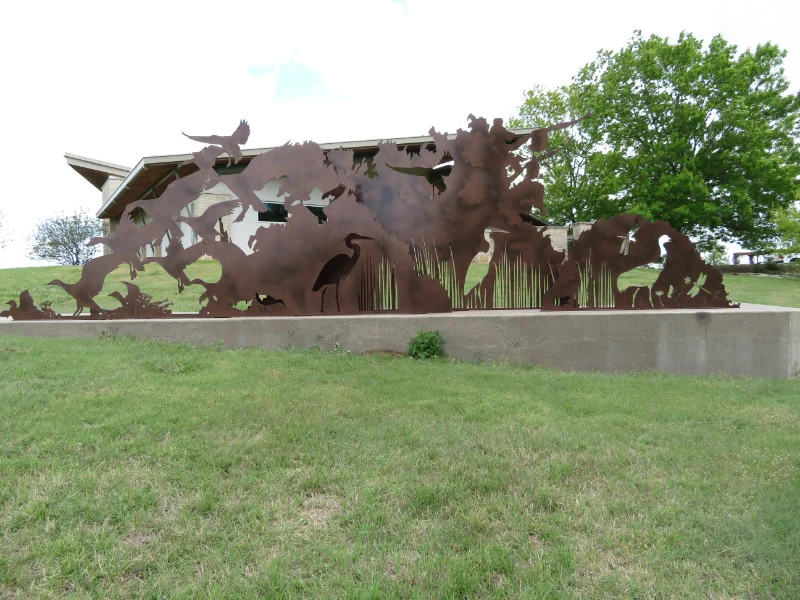
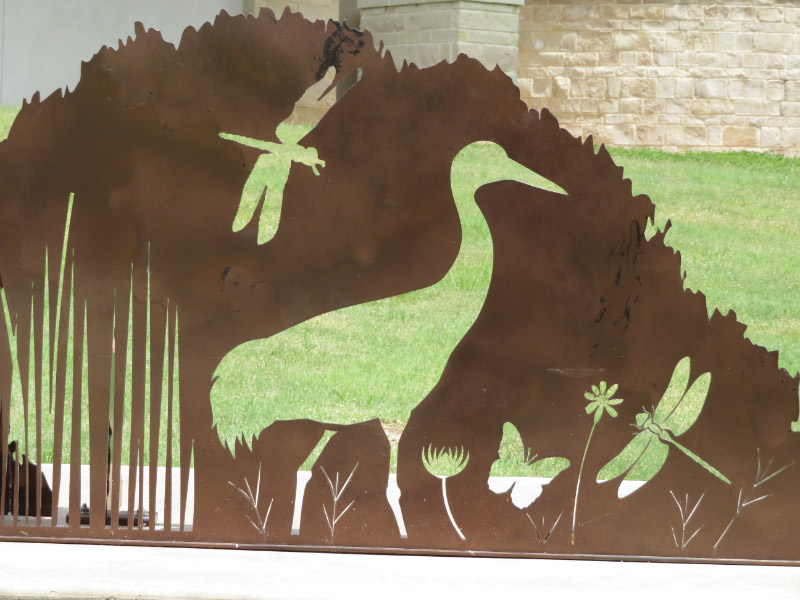
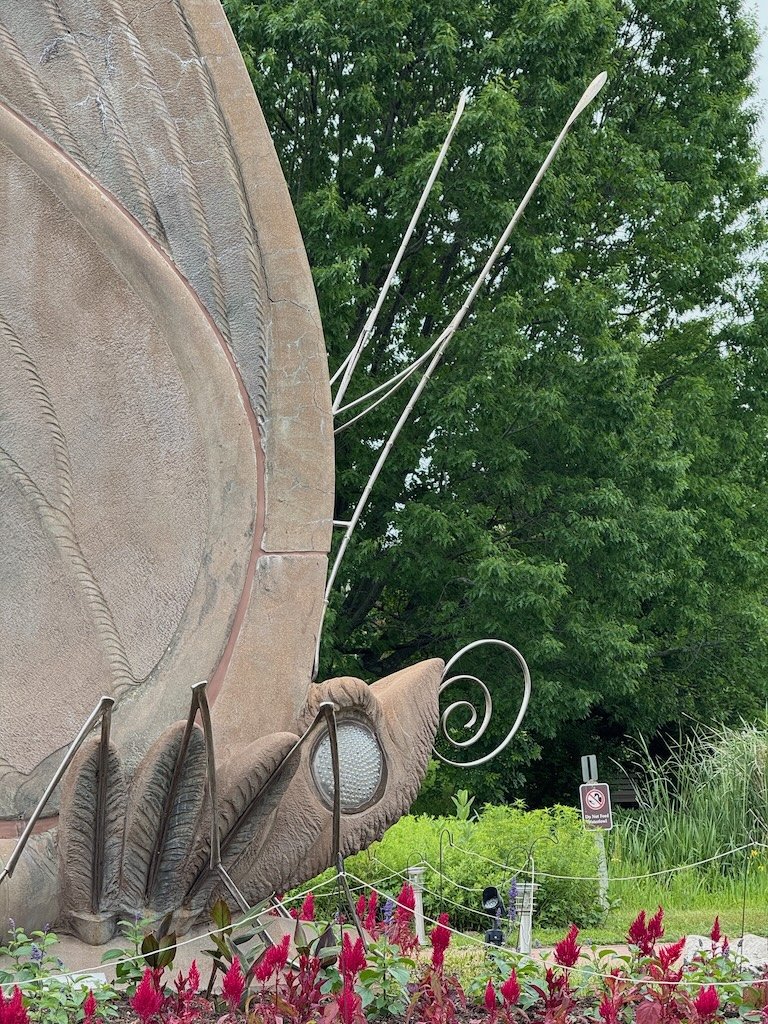
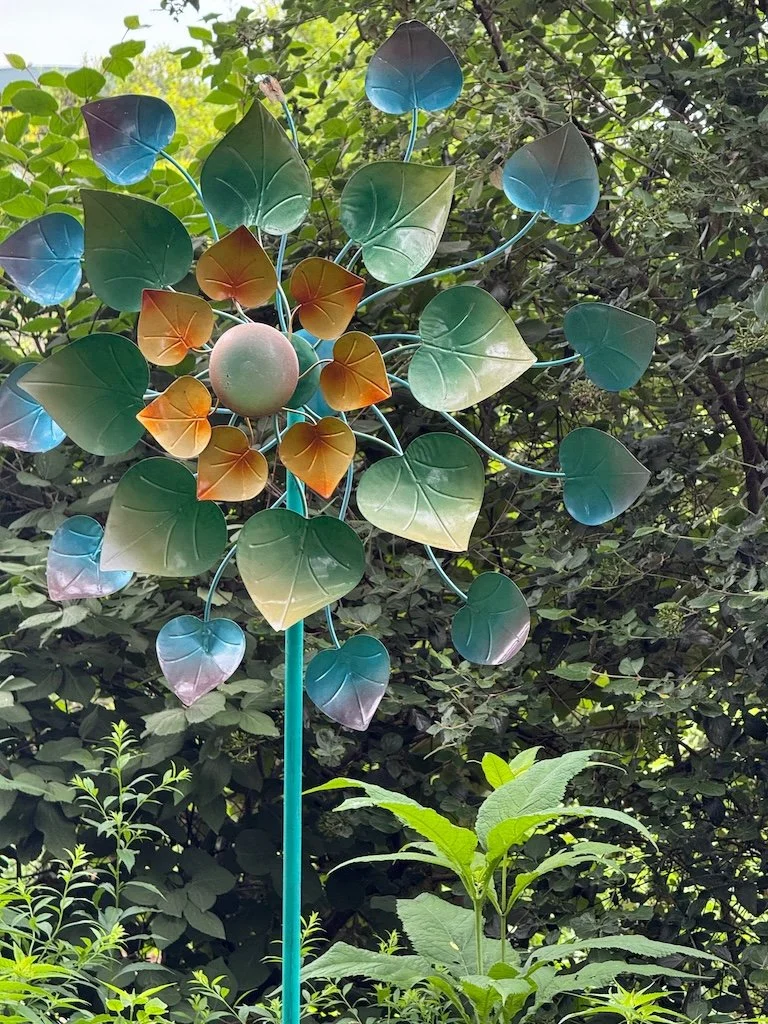
I visited Hagerman National Wildlife Refuge earlier this week. The day was too cold and too windy….but was the only one that fit it the schedule. I remembered to take pictures of the metal work near the visitor center.

2018 04 IMG_0106.jpg

In the garden near the front of the visitor center, I didn’t see any butterflies…but there were dried blooms from last season left on the trumpet vine growing on the arbor and a clump of bluebonnets (we’d seen larger patches as we drove to the refuge along the highway).

2018 04 IMG_0108.jpg

We decided to use our car and a moving blind and protection from the wind….making our way slowly around the wildlife drive of the refuge. There were not many birds but enough to make some photography attempts. The most unusual was a Eared Grebe in breeding plumage. Someone in the visitor center had commented about seeing a pair but we only saw one.

There were some American avocets a little too far away for a good picture on a cloudy day. They can be identified with the picture I took….and there is a Great Egret in the foreground.

2018 04 IMG_0117.jpg

There were also Snowy Egrets (black bill and legs, yellow feet).

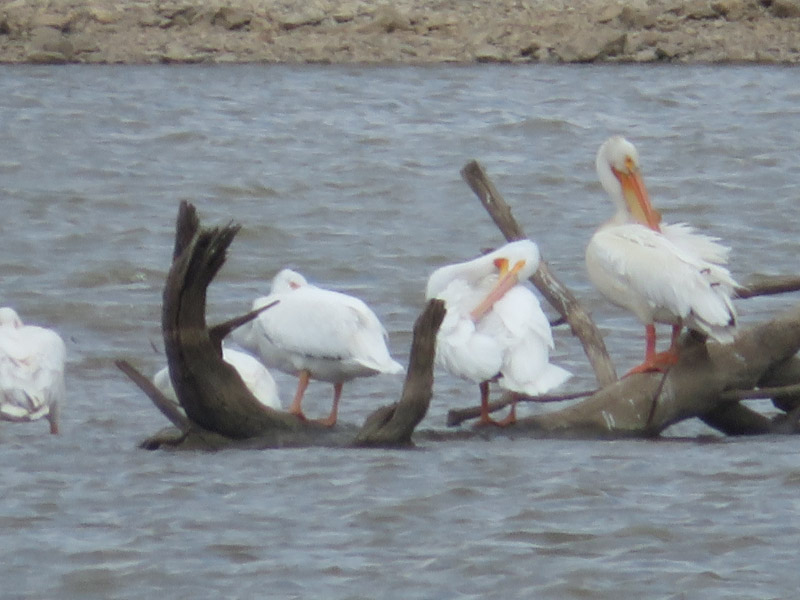
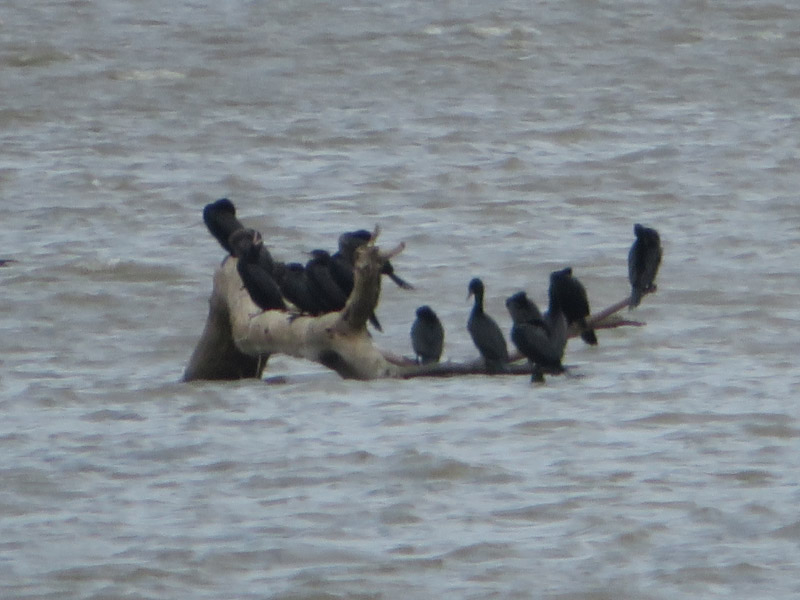
Very far out in the water on snags were American White Pelicans and Double Crested Cormorants.

The Greater Yellowlegs was closer and intent on finding some lunch.

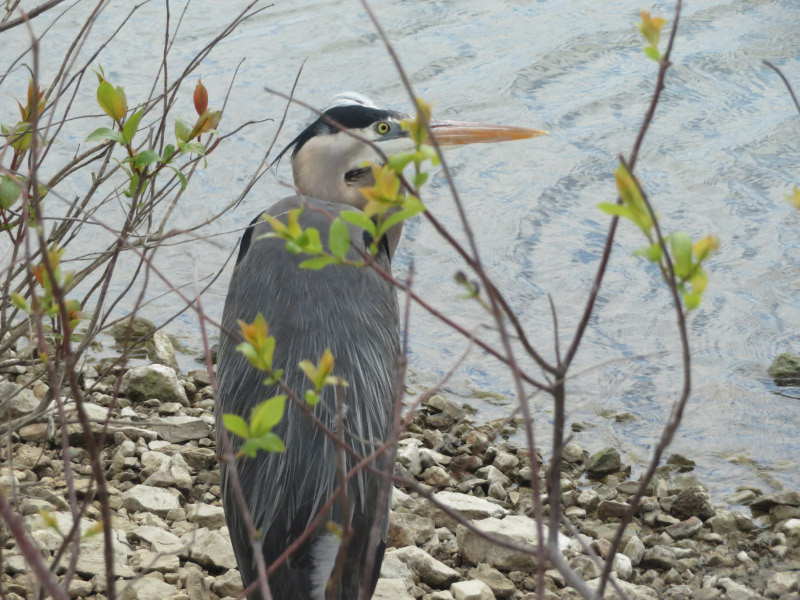
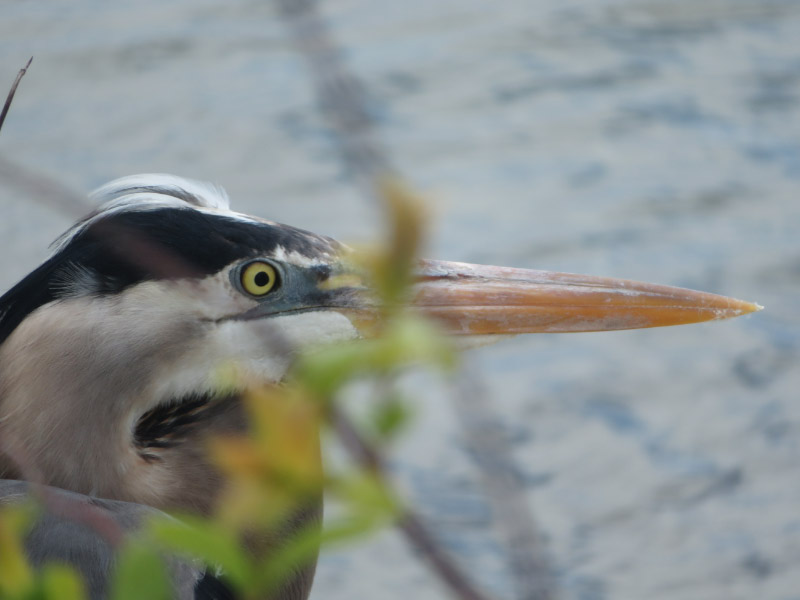
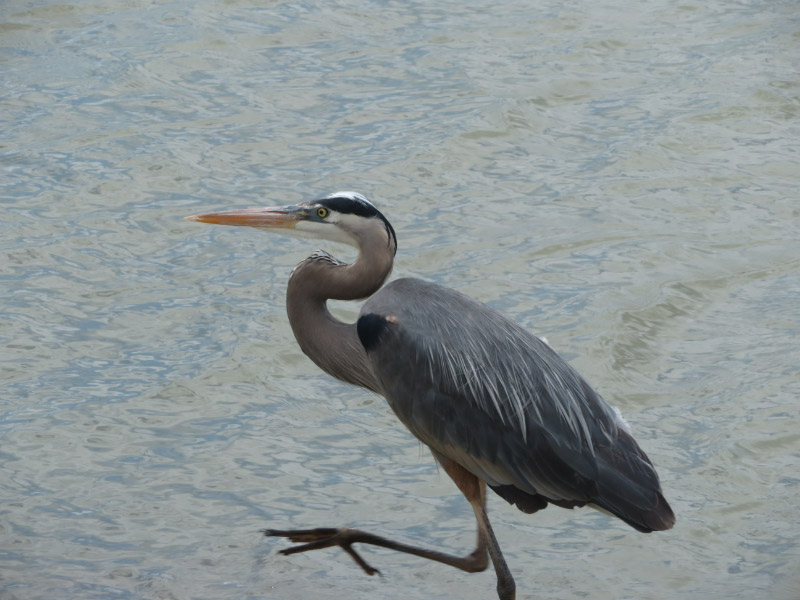
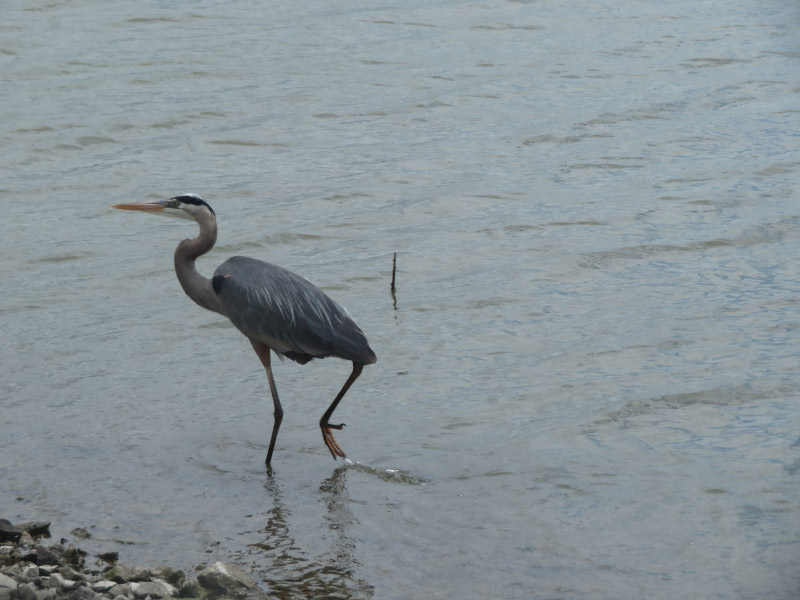
The Great Blue Herons were numerous and seemed to all have the blue topknot of mature birds.

We saw one turtle positioned for maximum sun (warmth) but there were probably more.

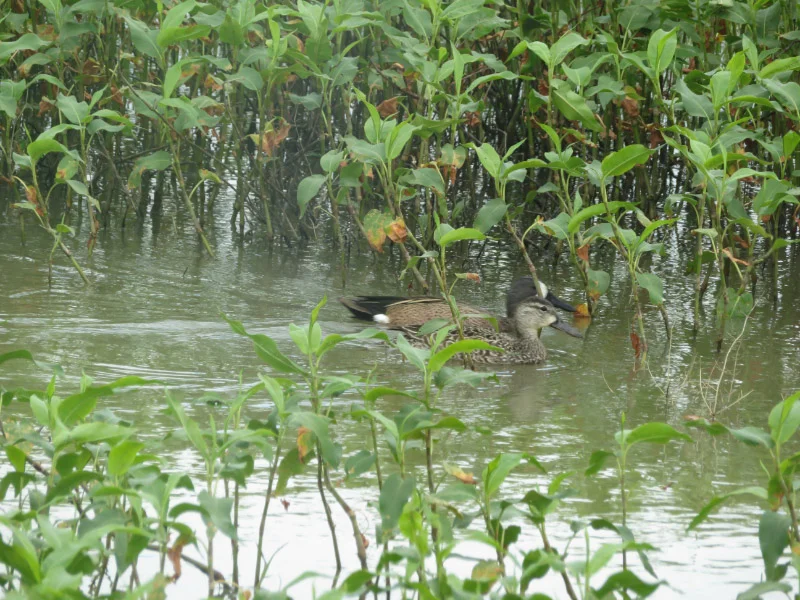
There were still some Northern Shovelers on the water; most of them have left for their breeding grounds in the north. A pair of Blue Winged Teals were hiding in the plants beside the road as we were leaving; they are close to their breeding grounds based on the allaboutbirds map…so might have just been making a last stop over.

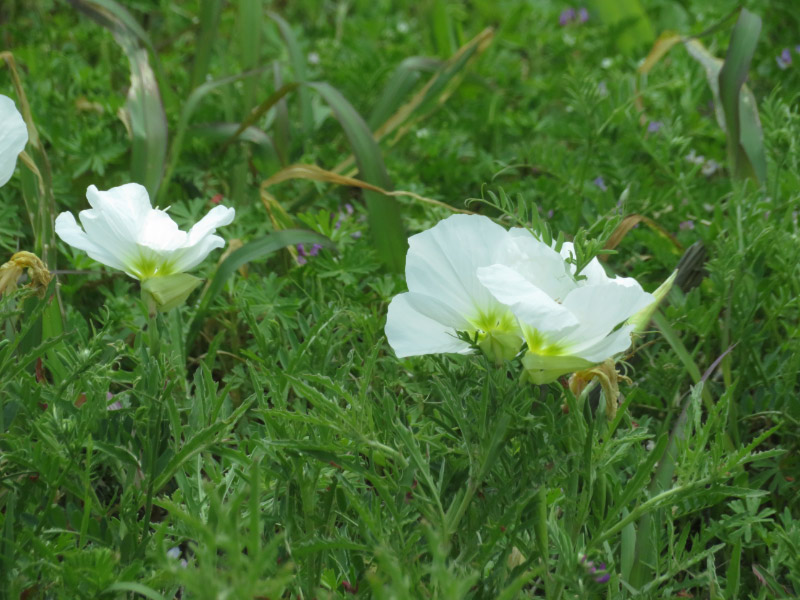
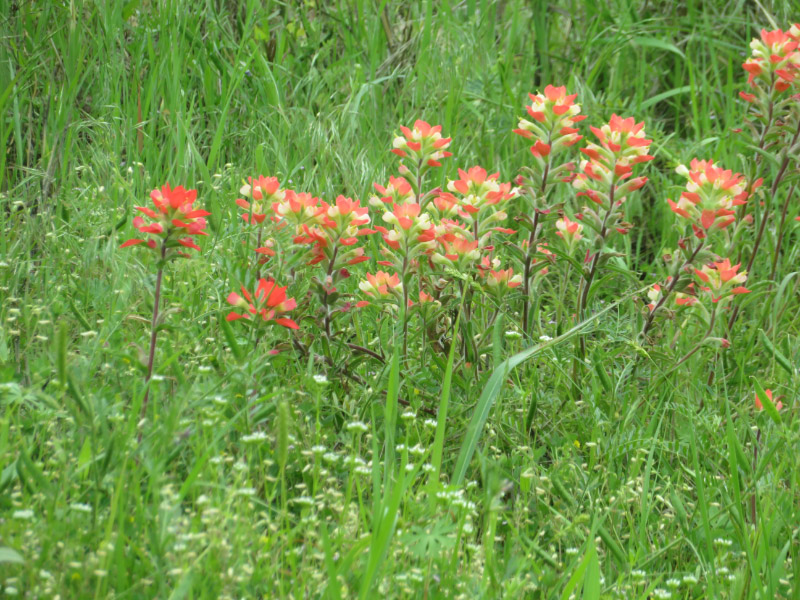
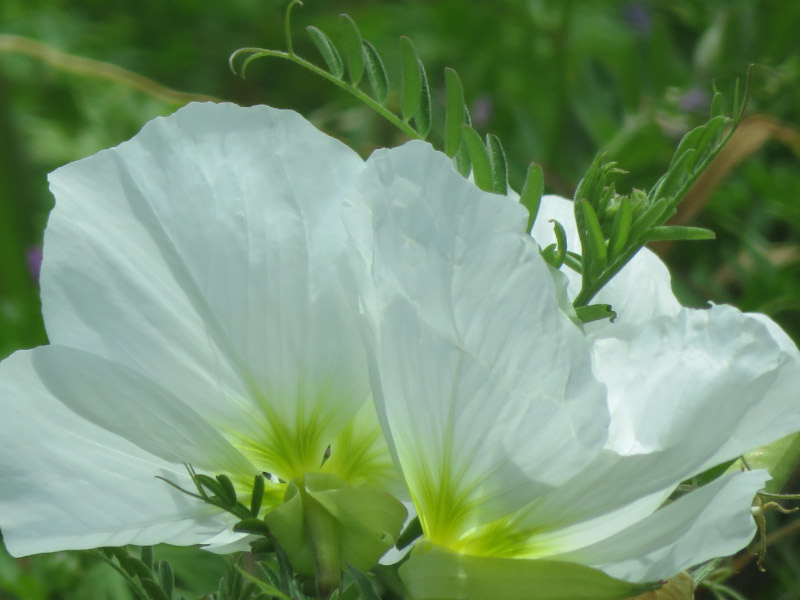
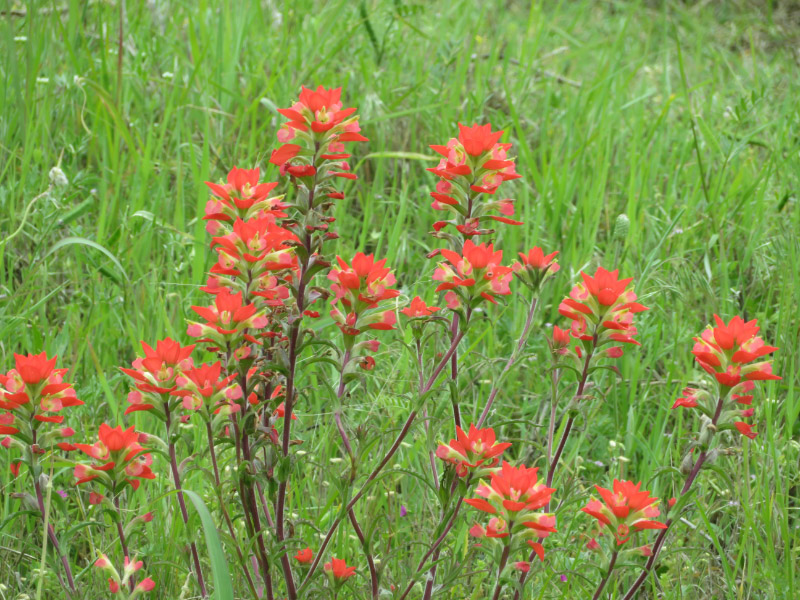
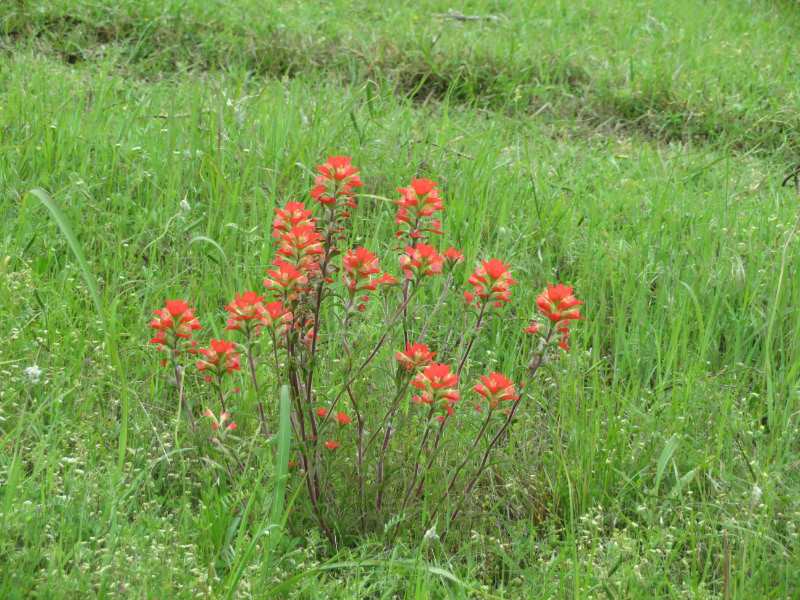
I took a few shots of wild flowers as we drove out of refuge….just rolled down the window and used the zoom!

Not bad for a cold, cloudy day!

Posts from my visit in November 2017: part 1, part 2.

Carrollton Texas Yard

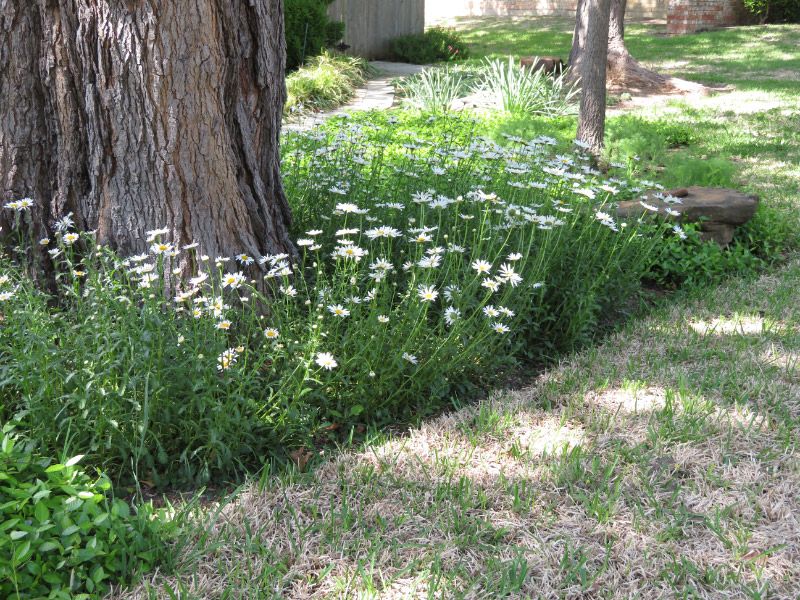
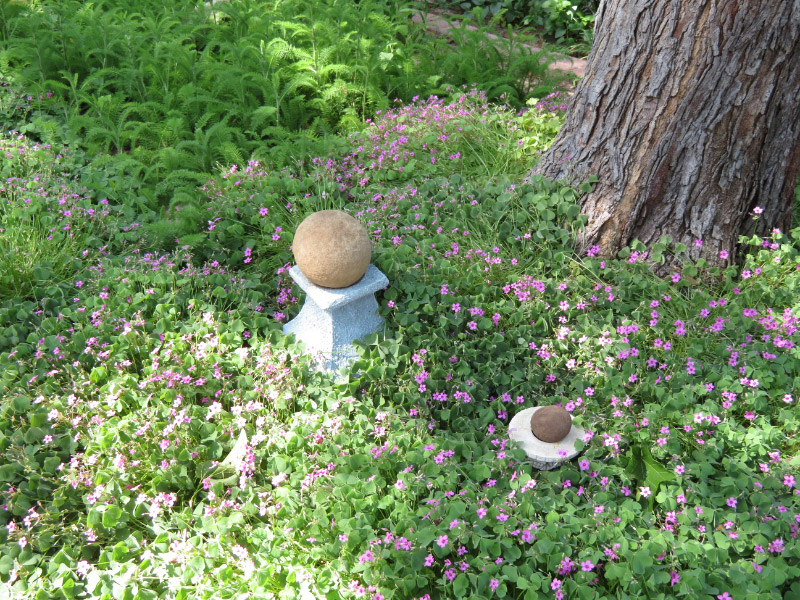
It’s a good time of year for gardens in Texas --- the weather has not gotten too hot. I like plantings around base of trees. They’ll go into the summer too.

2018 04 IMG_9936.jpg

The iris displays are at their peak right now. They still have a lot of buds so will be going strong for another week or two.

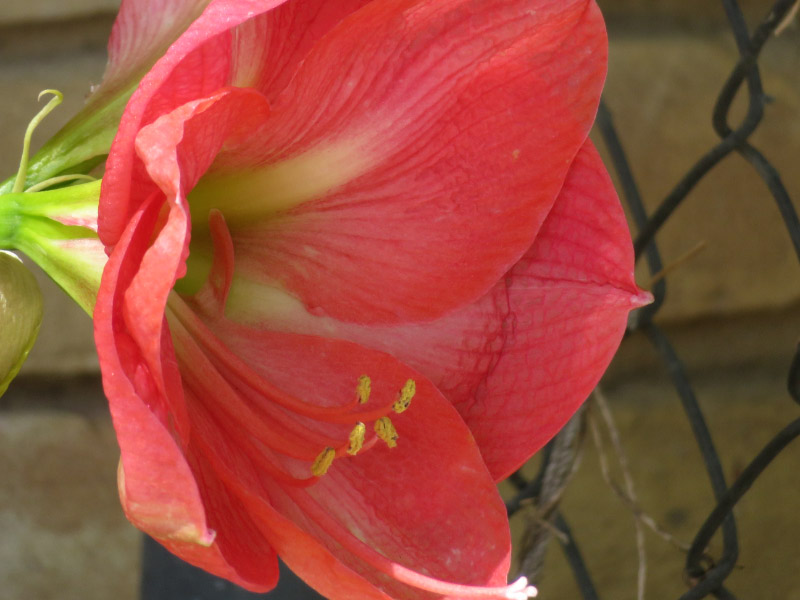
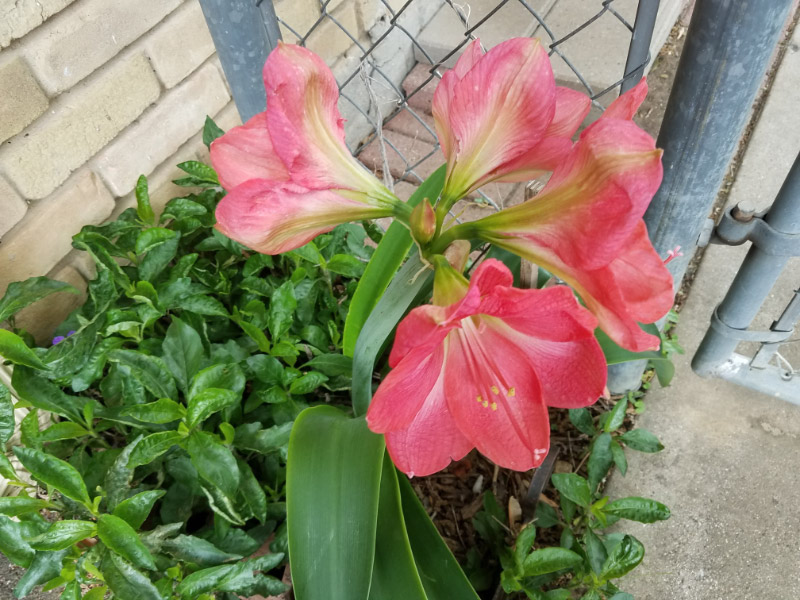
An amaryllis bulb keeps coming back every year is blooming as well beside a garden gate as well!

Spring is sprung!