Zentangle® - July 2018

31 Zentangle tiles for July. I am posting the tiles in the order they were produced although this is only about half of the total. I averaged slightly over 2 tiles per day. I used the same ‘ink’ color for a series before moving to the next color. I have discovered that I almost always prefer a black background.

20180701_125940214_iOS.jpg

The butterscotch series was the first

Then Pepto-Bismol pink.

Red was the next series.

Here is one that I used the software to change the background color. It makes quite a difference.

The lemon series was full of mythical flowers and many-segment bugs.

The green series was made from my summer office – looking out at a wall of wet green forest.

2018 07 pro 22a.jpg

The purple series includes some experimentation with simple patterns that I could share with summer campers. It was a short activity during the full rain photo shoot at Mt Pleasant for the older group of campers.

2018 07 pro 28a.jpg

The last series in a slightly burnt orange. I don’t necessarily start out thinking of plant images but I’ve noticed that a lot of my tiles turn out that way!

--


The Zentangle® Method is an easy-to-learn, relaxing, and fun way to create beautiful images by drawing structured patterns. It was created by Rick Roberts and Maria Thomas. "Zentangle" is a registered trademark of Zentangle, Inc. Learn more at zentangle.com.


4 Free eBooks – July 2018

Last month I have 4 eBooks to highlight and the same is true for this months – so I gave up and changed the title from 3 to 4. I had a lot of books to choose from…went for a bit of variety.

Yōfu gajō (v. 1). Kyōto-shi: Yamada Unsōdō. Published originally in the Meiji period, 1868-1912. Available from Smithsonian Libraries here.  I liked the scenery in this volume – muted colors except for the red that pops. In the image below – do you think it is a Japanese maple? This was one of the last books in the collection of Japanese books available from this site; if you want to take a look at the whole collection – do so from the Japanese Illustrated Books from the Edo And Meiji Period page.

2018 0731 ebook1.jpg

Andō, Hiroshige. Tokaido gojusantsugi. Published originally in the Edo Period, 1600-1868. Available from Smithsonian Libraries here. I couldn’t resist two images from this book – rain and snow. I think the snow is my favorite because of the pink….maybe sunrise?

Catlow, Agnes. Drops of water : their marvelous and beautiful inhabitants displayed by the microscope. London: Reeve and Benham. 1851. Available from Internet Archive here. The book was published just before or early in the Victorian surge in microscopy and became one of her most successful books. She was also one of the early science writers that wrote science books for young students.

2018 0731 ebook3.jpg

The Craftsman. New York: United Crafts. A magazine founded and edited by the American furniture designer Gustav Stickley and published from October 1901 to December 1916. All issues are available from the University of Wisconsin Library’s Digital Library for the Decorative Arts and Material Culture here. I am working my way through the issues a year at a time. I’m up to 1907 as of yesterday.

2018 0731 ebook4.jpg

There are lots of ideas that would work in modern situations….like hanging curtains far enough away from a window to allow chairs to be in front of the windows without having any curtains at all in the way of the light. I can imagine sitting in the chairs on a sunny winter day with sun streaming in…closing the curtains so that the area gets cozy warm…reading or writing on my laptop or creating a Zentangle.

Ten Little Celebrations – July 2018

The little celebrations of every day add up to far more joy that the big celebrations of the years. I always find it easy to highlight 10 each month. For this month – I celebrated

Being home again after being away the last 3 weeks of June. I always appreciate being able to have my quiet time…sleep in my own bed.

The CSA (Community Supported Agriculture) bounty. I sign up for the smallest share but it is still a lot. Still - love the fresh veggies and find it easy to ‘eat healthy’ with the abundance and variety.


2018 07 IMG_1722.jpg

Compost in Howard County. I learned a lot when I toured the compost facility in my county and celebrated that they are building a second phase.

A free compost bin. I picked up a free compost bin from the county and have started my one composting – so far so good. I trained enough to be dangerous.

2018 07 IMG_2082.jpg

Smithsonian Environmental Research Center (SERC). I’m always exited to find new/interesting places that are close enough to where live to explore again and again. I am waiting until it is a little cooler to return.

2018 07  lo IMG_2012.jpg

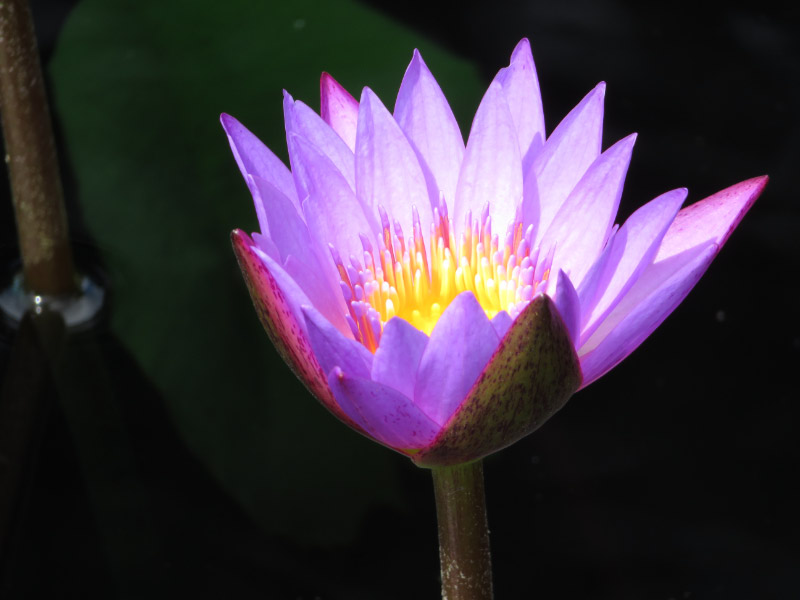
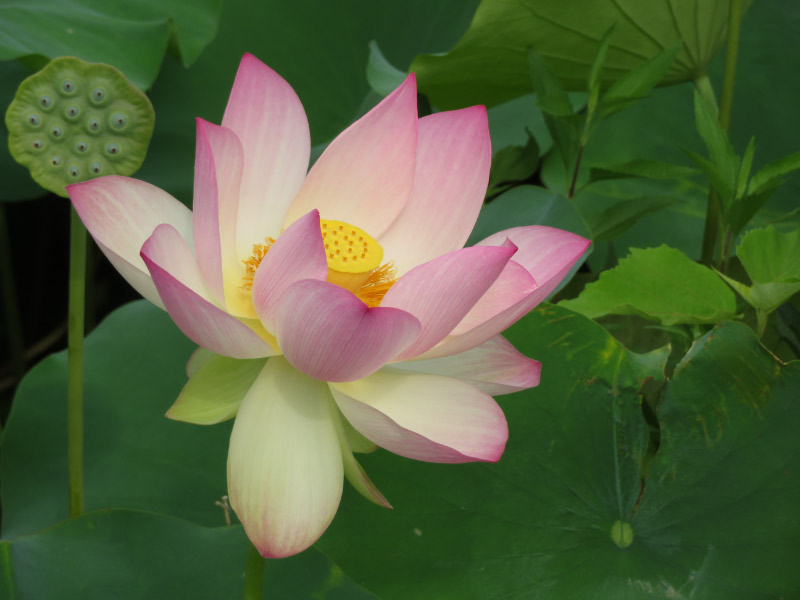
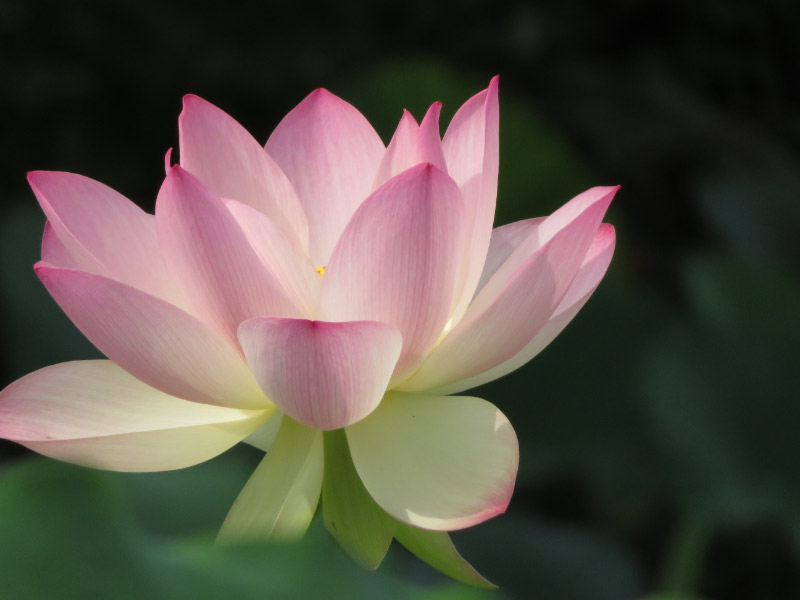
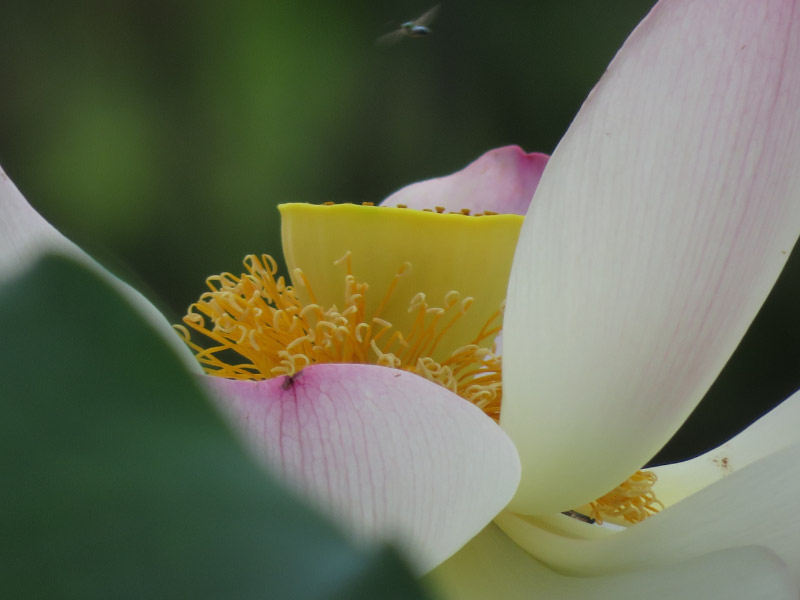
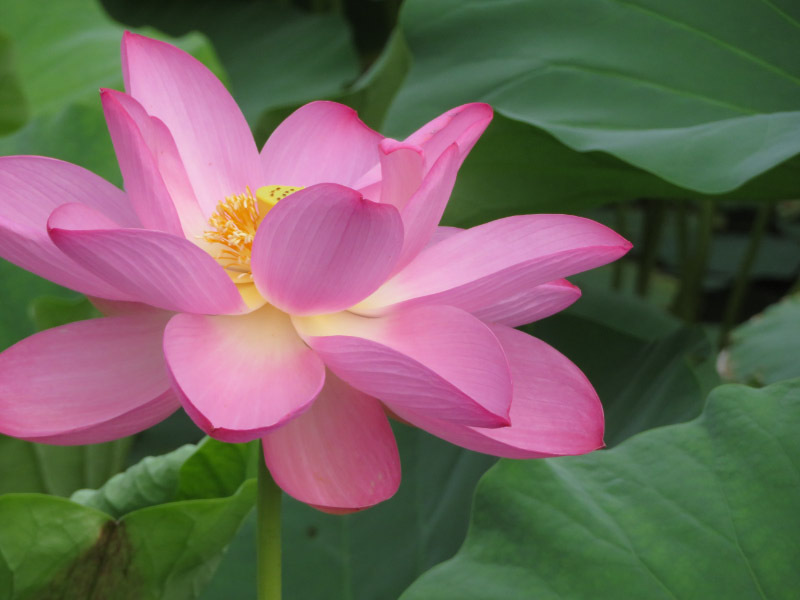
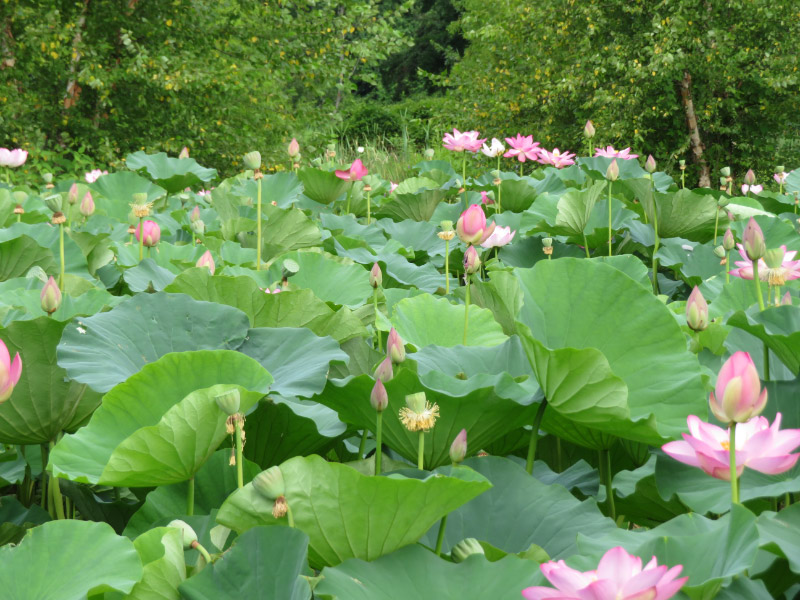
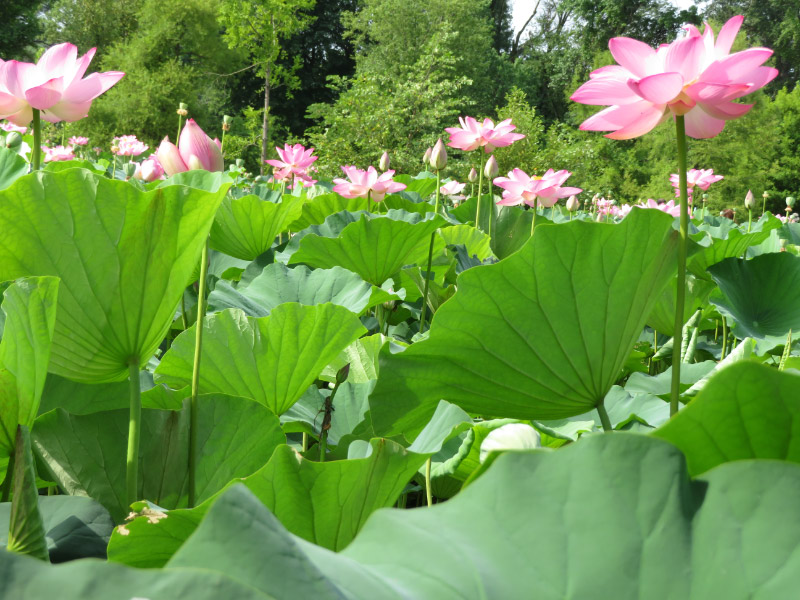
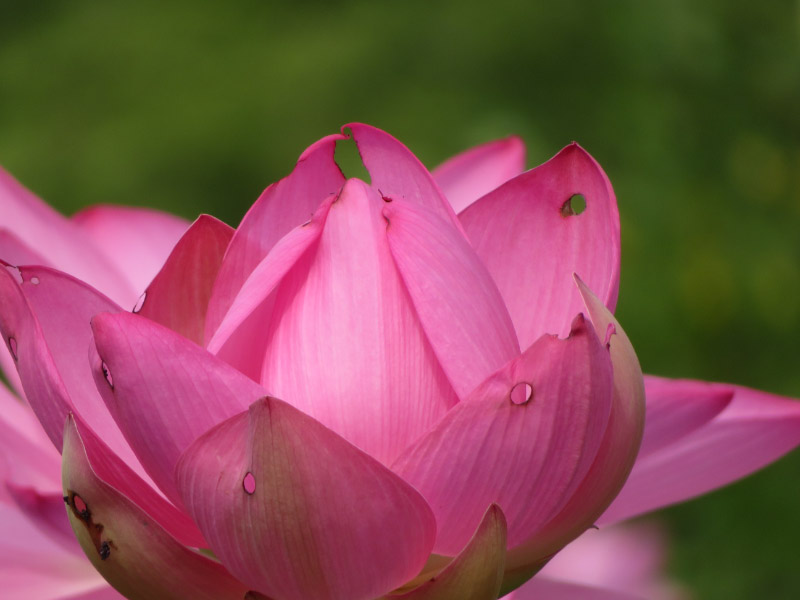
Kenilworth Aquatic Gardens. One of the places we’ve enjoyed in June-July for the past few years. Lotuses are always worth celebrating.

Photo shoots with summer campers. It’s been a summer volunteer gig for the past few summers – always some results worth celebrating. This year I discovered that it was still good even with it rained.

20180721_090955.jpg

Wings of Fancy. Butterflies area always worth celebrating…and being At Brookside frequently enough to notice other people celebrating too.

Saddleback caterpillars and sawfly larvae. I always celebrate when I see organisms I’ve heard about but not seen before (I’ll be writing a post about these soon).

Cleaned out flower beds. The vegetation in front of our house was overgrown by the time I got back from Texas. I celebrated when several mornings of work begin to make it tidy.

Zooming – July 2018

This month the zoomed photographs are dominated by flowers and insects…no birds (which is a little unusual for me but just reflects what I’ve been doing and the large number of rainy days that I haven’t gotten out at all). I’ve chosen 14 photos from over 1,000 that I’ve taken this month. I like to have a lot to choose from. I would guess that over 50% use at least some amount of ‘zoom’ on the camera. Enjoy the slideshow for July 2018!
Gleanings of the Week Ending July 28, 2018

The items below were ‘the cream’ of the articles and websites I found this past week. Click on the light green text to look at the article.

Go Orchids: North American Orchid Conservation Center – A great site for learning about orchids…mentioned in my second post about the class I attended at the Smithsonian Environmental Research Center.

In praise of drawing - The Painters Keys – This is post originally written in 2006 but still very applicable today. I looked more at Internet Archive for some of the ‘how to draw’ books that were mentioned in the article; it’s amazing that in a 40-year period in the 1800s so many were published. A more recent post – from a science education perspective – was published in 2015: Rediscovering the forgotten benefits of drawing. I am contemplating taking a ‘next step’ from Zentangles to realistic drawings.

Time-Lapse Videos Capture Echinopsis Cacti in Bloom – Eye candy videos…beautiful.

Free Technology for Teachers: 7 TED-Ed Food Science Lessons – We could all learn a little more about the food we consume….educate ourselves to eat wisely.

Research Dollars Go Farther at Less-Prestigious Institutions: Study | The Scientist Magazine® - Interesting finding. I wonder if it will change how some organizations that award research dollars make decisions in the future.

Material formed from crab shells and trees could replace flexible plastic packaging -- ScienceDaily – This type of technology gives me hope. Recycling can’t do everything. We have to reduce the non-compostable materials in our packaging…have a net decrease in what has to be (expensively) recycled and/or go to the landfill.

Recovery: America’s Giant Squirrel Back from the Brink – Cool Green Science – I’ve seen signs about the Delmarva Fox Squirrel when we have gone to Blackwater National Wildlife Refuge but have never seen one. It’s good to hear a environmental improvement story!

As usual – I can’t resist the ’25 birds’ posts from National Geographic. Here are two that have come out recently: Top 25 Bird Interactions and Top 25: Wild Birds with Spectacular Catches

BBC - Future - The complicated truth about a cat’s purr – We all like to think that when our cat purrs that it is a sound of happiness…but is it?

Compound Interest - Volcanic eruptions: the chemistry of lava and volcanic gases and Compound Interest - The chemistry of spinach: the iron myth and ‘spinach teeth’ – Two posts from Andy Brunning. In the first one – click on the graphic and the larger version of the infographic will appear....a timely post with the volcanic event in Hawaii this summer.

Belmont Hikes with Summer Campers III

Yesterday I was at Howard County Conservancy’s Belmont for photography hikes with the summer campers. We could hike because the rain moved out during the night and the morning was sunny. The cardinal flowers near the entrance were blooming well after the deluge of the previous days.

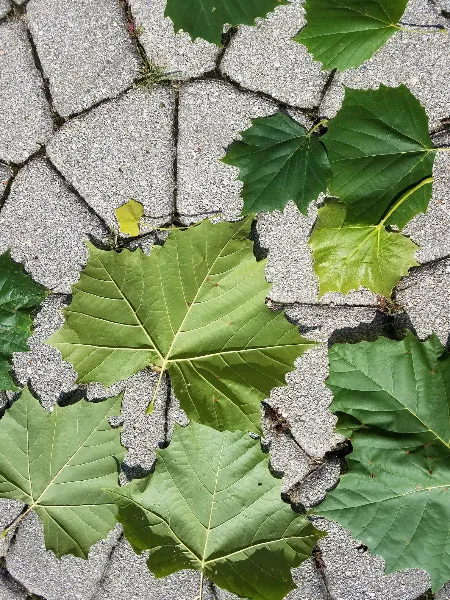
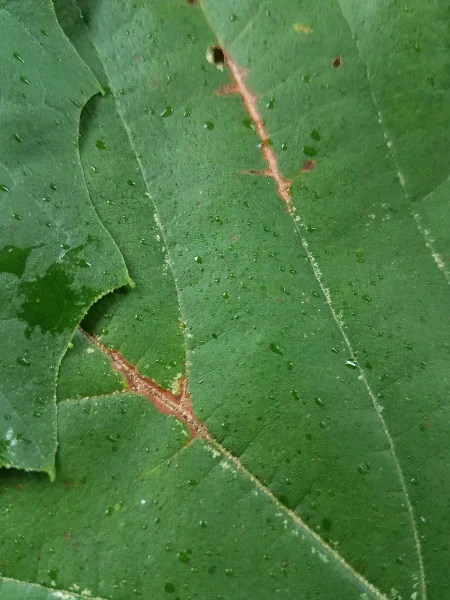
I started off the younger group with an activity looking at sycamore leaves from the branches I had cut from my tree at home: looking at the holes made by caterpillars and comparing the sizes of the leaves. We made a pattern on the pavers of the patio in front of the Carriage House as a subject for our first photographs.

We found a very small caterpillar on one of the leaves.

20180726_095219.jpg

Then we went around to the other side of the house and looked at the pollinator garden and the surrounding vegetation.

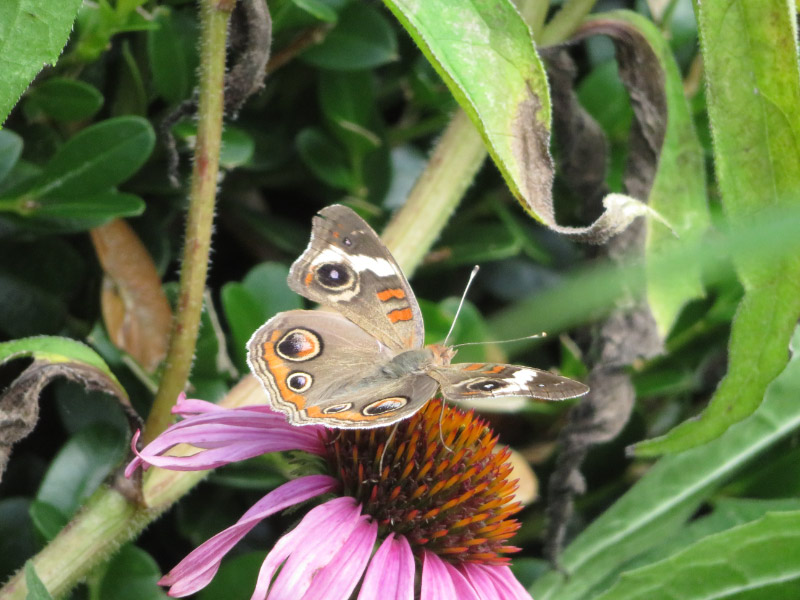
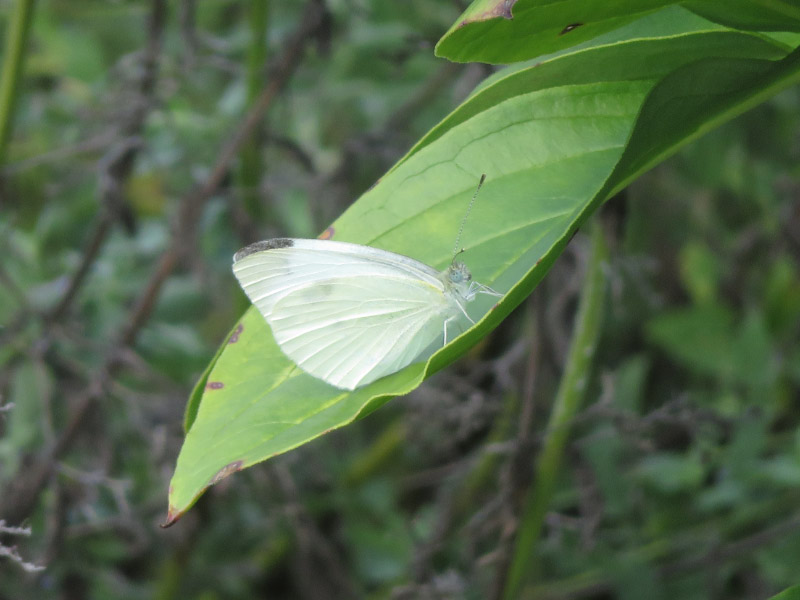
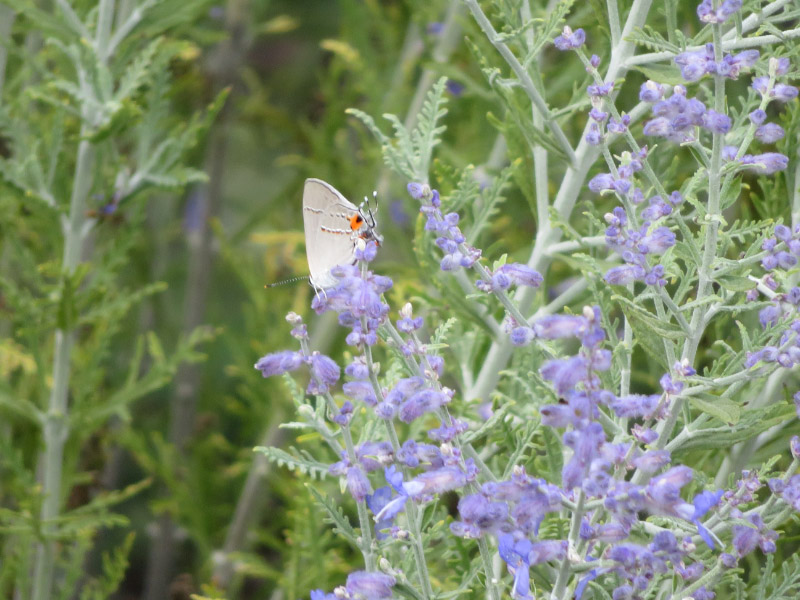
The older group of campers went to the formal gardens behind the manor house. There were three kinds of butterflies that I managed to photograph….but missed the monarch that some of the campers managed to catch on the cone flowers. I took the common buckeye, a cabbage white, and a hairstreak (maybe a gray hairsteak). The last one was new to me….had to look at it closely when I got hope. It looks like it has antennae on both ends!

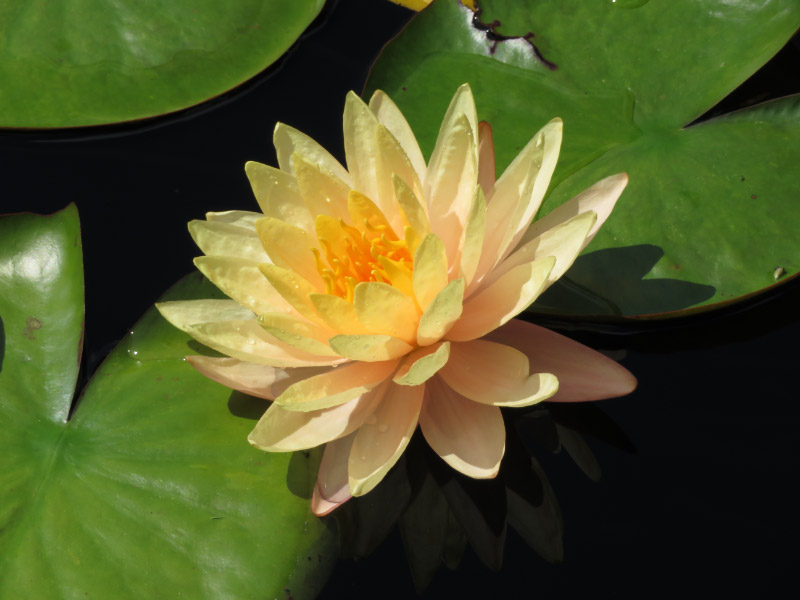
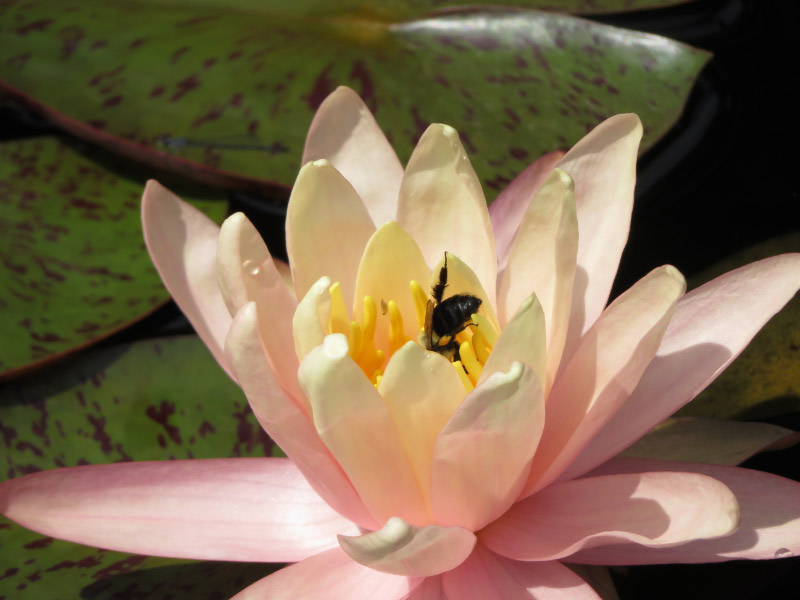
We gathered around the water feature in the gardens and enjoyed the variety water lilies and a lotus growing there. There were bees – usually head down – in several flowers.

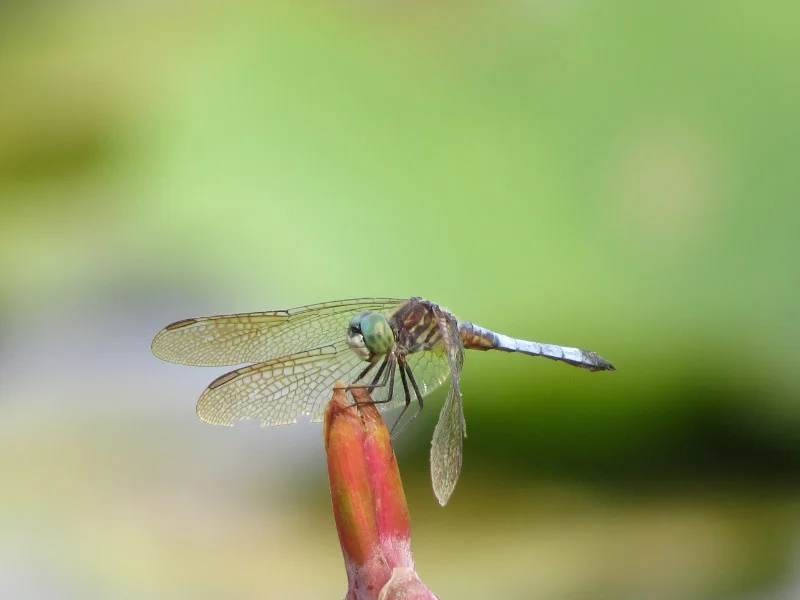
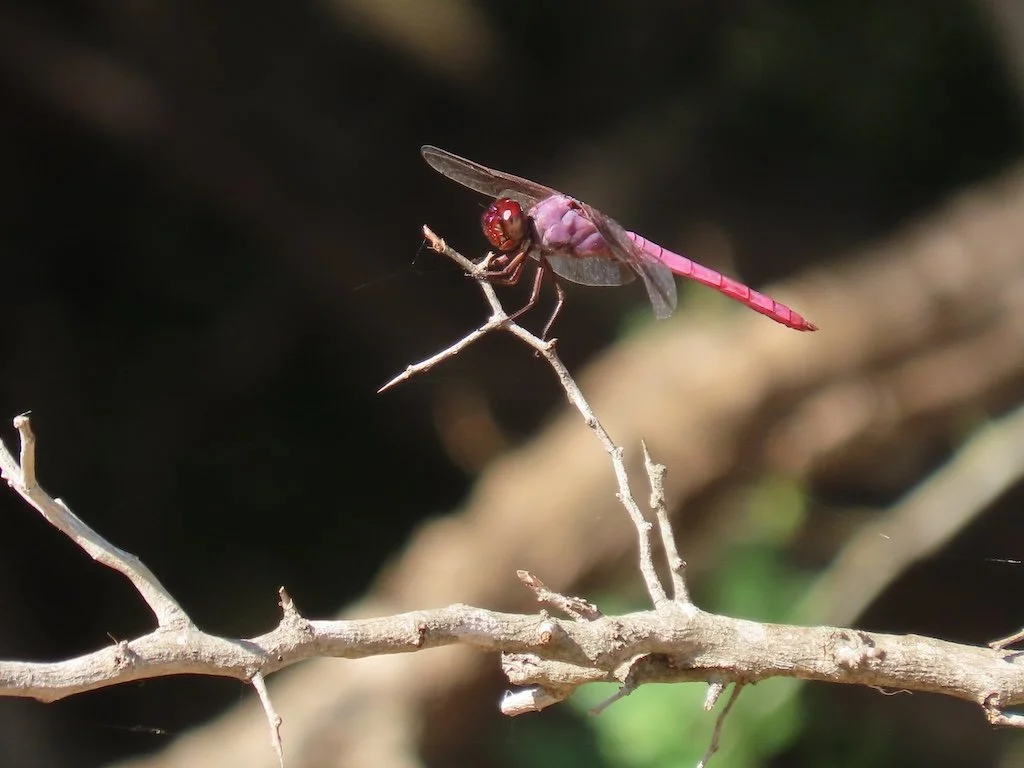
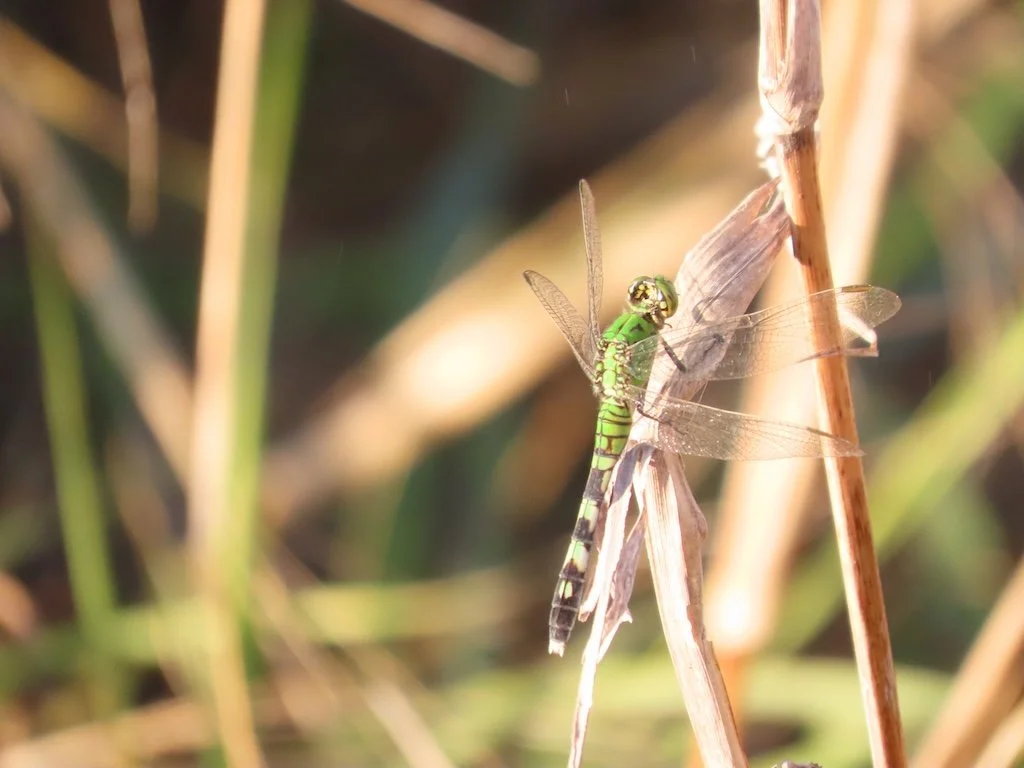
Dragonflies are hard to capture with cell phone type camera (which is what most of the campers were trying to use) but everyone saw them…and I managed a picture.

2018 07 IMG_2200.jpg

Behind the formal gardens – the campers with cell phones experimented with the macro lens to photograph lichen.

There were tree roots damaged by mowers that look like eyes in the soil!

20180726_111402.jpg

Overall – a good day for hiking and photography!

Mt. Pleasant Nature Photography on a Rainy Day

This is the week I do nature photography with summer campers at Howard County Conservancy’s Mt. Pleasant and Belmont. The photography day at Mt. Pleasant was very rainy. It was the first time the weather kept us from the hiking/photo shoot. I cut some lower hanging branches from the sycamore in my yard and we used them for photography and to study the size variation…and the holes in the leaves. All three groups of campers (grouped by ages 5-12) did something with the leaves.

20180724_094643.jpg

There were a few critters that we found on the covered porch of the nature center: a daddy-long-legs that become very interested in the pile of sycamore leaves,

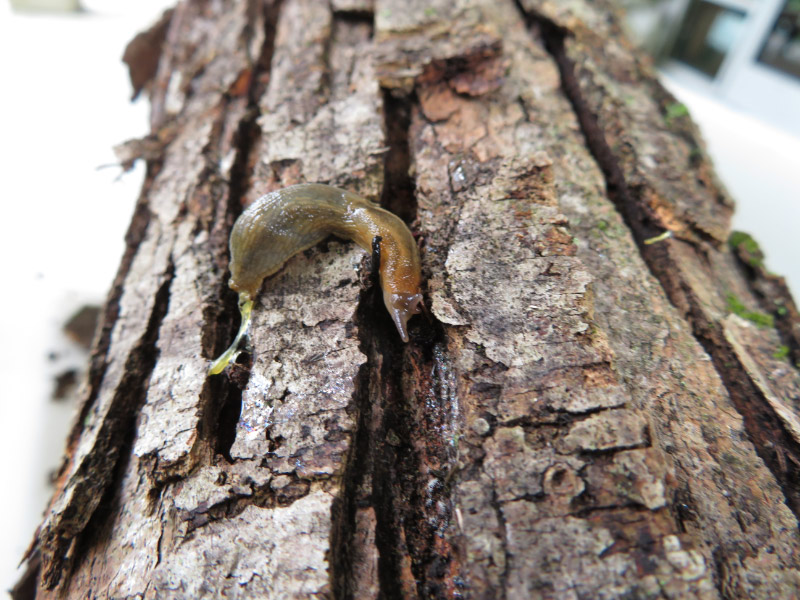
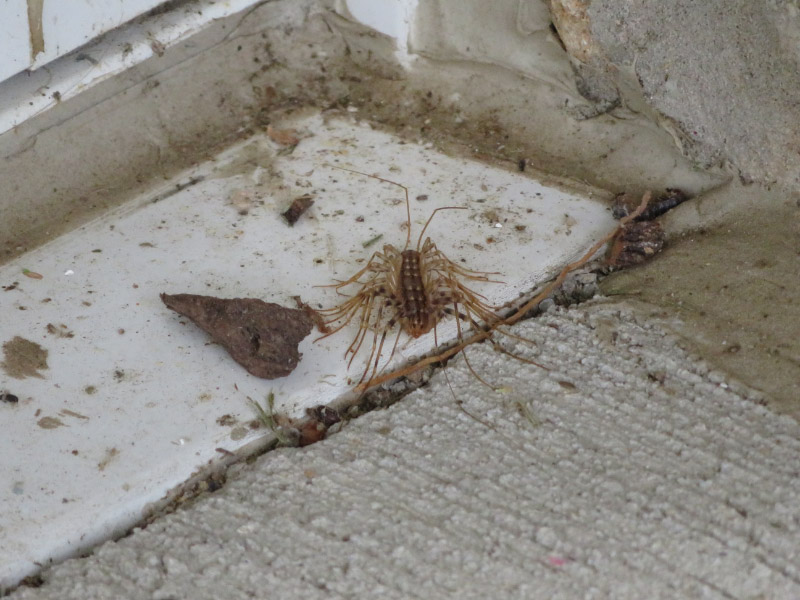
A slug on a log that had come in from the floor of the nearby forest, and a house centipede that seemed to be just escaping the rain. All three critters stayed around for the 3 hours we were working.

I got some other things out from the storeroom: snake skin, antlers, skulls, honey comb, a nautilus shell, pelts from a racoon an fox.

One of the most popular items was a talon from a red shouldered hawk.

20180724_121107.jpg

I had my clip on macro lens for campers that were using cell phone cameras. The tattered butterfly wings were popular objects for that experimentation.

The very last group was the luckiest of all because it stopped raining for a little while and we went out into the Honors garden a few steps from the porch. The campers took pictures of flowers and

An Achemon Sphinx moth that was wet and twitching on the ground near one of the flower beds – probably after being bitten by a spider.

20180724_112856.jpg

I had a few minutes between groups and was thrilled when a couple of hummingbirds braved the sprinkles of rain and came to the feeder!

2018 07 IMG_2181.jpg

I would rather have hiked with the campers…but we managed a ‘next best’ on a rainy day in Maryland.

Smithsonian Environmental Research Center - Part II

Continuing about my day at SERC last Friday…

I got to SERC early enough that I walked around a small pond and took my first pictures of marshmallows.

2018 07 IMG_2057.jpg

There were more of them in the marsh near the boardwalk as we made our way out to Hog Island. They were – by far – the biggest flowers of the area.

20180720_105505.jpg

A tiny flower that I photographed along the trail from very close up was a mint. I was careful to look for poison ivy and plants with thorns before I positioned myself to take the picture.

2018 07 IMG_2095.jpg

And then there were trees…trees with lichen…a canopy of green…a pathway lined with green.

There are ongoing studies that make exact measurements of tree trunks over time. Metal bands are used; they expand as the tree grows and the amount they have expanded is measured.

2018 07 IMG_2092.jpg

There were trees with holes in their trunks. The rows of holes are probably made by a bird – a yellow-bellied sapsucker. I remembered seeing a similar tree during my last hike at Belmont and being thrilled that the campers already knew the bird that made the holes!

There are young paw paw trees in the forest and I realized that I had seen these at Belmont as well. I know the tree from its bark but not is leaves!

2018 07 IMG_2104.jpg
2018 07 IMG_2145.jpg

There was a standing dead tree that had the thickest collection of shelf fungus I’ve ever seen.

A sickly dogwood had more colorful bark that I am used to seeing on a dogwood.

2018 07 IMG_2147.jpg

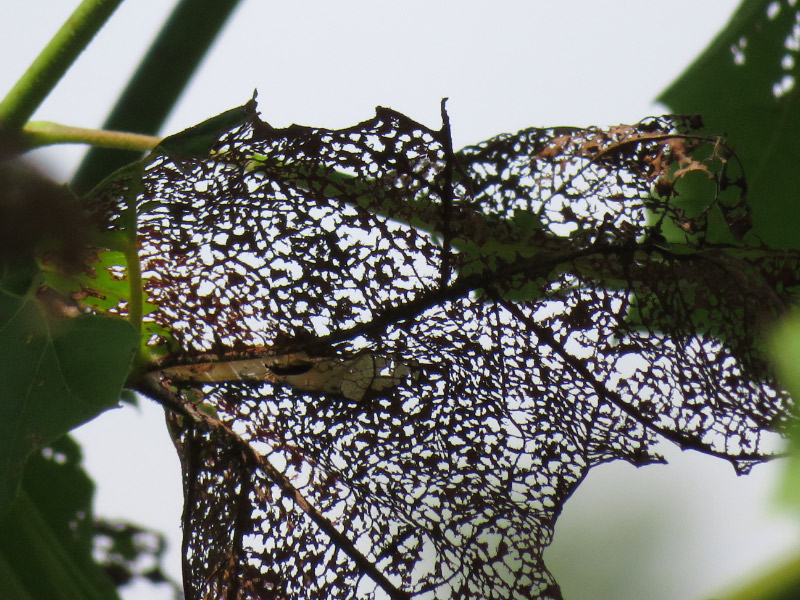
As we got back to the cluster of buildings – on the road by the geothermal well area – there were some sycamores – with a few skeletonized leaves…something was eating them…and the last flower of the day:

2018 07 IMG_2171.jpg

Some black eyed susans.

2018 07 IMG_2168.jpg

After the hike, we had lunch followed by a lecture about orchids. The North American Orchid Conservation Center is based at SERC and there are 9 native orchids that have been found there! We saw one on the earlier hike (the cranefly orchid) – unfortunately I didn’t get a good picture of it. The website for the organization - https://northamericanorchidcenter.org/ - is full of get information about native orchids and there is a colelction of orchid-gami printables if you want to make paper models of orchids!

Smithsonian Environmental Research Center - Part I

I spent last Friday at the Smithsonian Environmental Research Center (SERC) near Edgewater MD. The Maryland Department of Natural Resources had organized the day and announced it to Master Naturalists. It was a day well spent! When we were not hiking, we were in a classroom in the Mathias Lab Building, a LEED platinum facility complete with solar panels and geothermal wells.

The first lecture of the day was about spiders (and other creepy crawly critters) that sometimes are unappreciated or frightening to some people. I find myself being more interested in looking closely at spiders – although when one crawled across the ceiling of my bathroom there was still a cringe.

20180720_101543.jpg

The first critter we saw as we gathered for our hike after the lecture was a spider almost hidden by a funnel shaped web. There were others along our route as well but they are notoriously hard to photograph.

Some of the high points of the hike for me were: Indian pipes (a non-photosynthetic flowering plant),

2018 07 IMG_2082.jpg

Wintergreen (a plant that I’ve probably seen before but didn’t know what it was),

2018 07 IMG_2154.jpg
2018 07 IMG_2155.jpg

The summer version of the jack-in-the-pulpit (the seeds have not turned red – yet),

A click beetle,

2018 07 IMG_2100.jpg
2018 07 IMG_2078.jpg

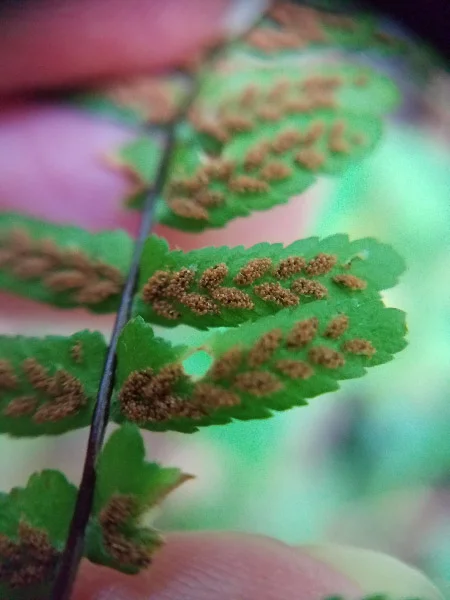
Several kinds of ferns (some with spores), and

2018 07 IMG_2122.jpg

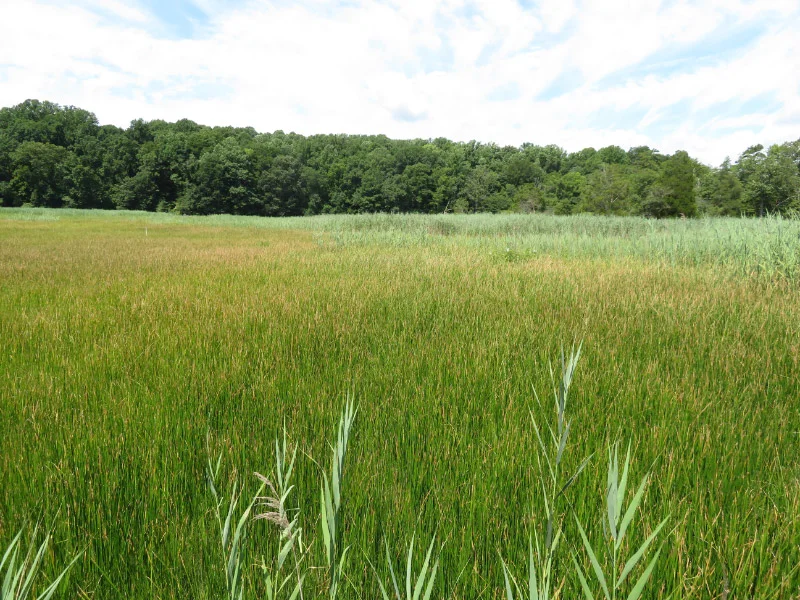
Then out on the boardwalk to Hog Island where the phragmites is surrounding a shrinking area of cattails.

I’ll continue this post about my day at SERC tomorrow….

eBotanical Prints – June 2018

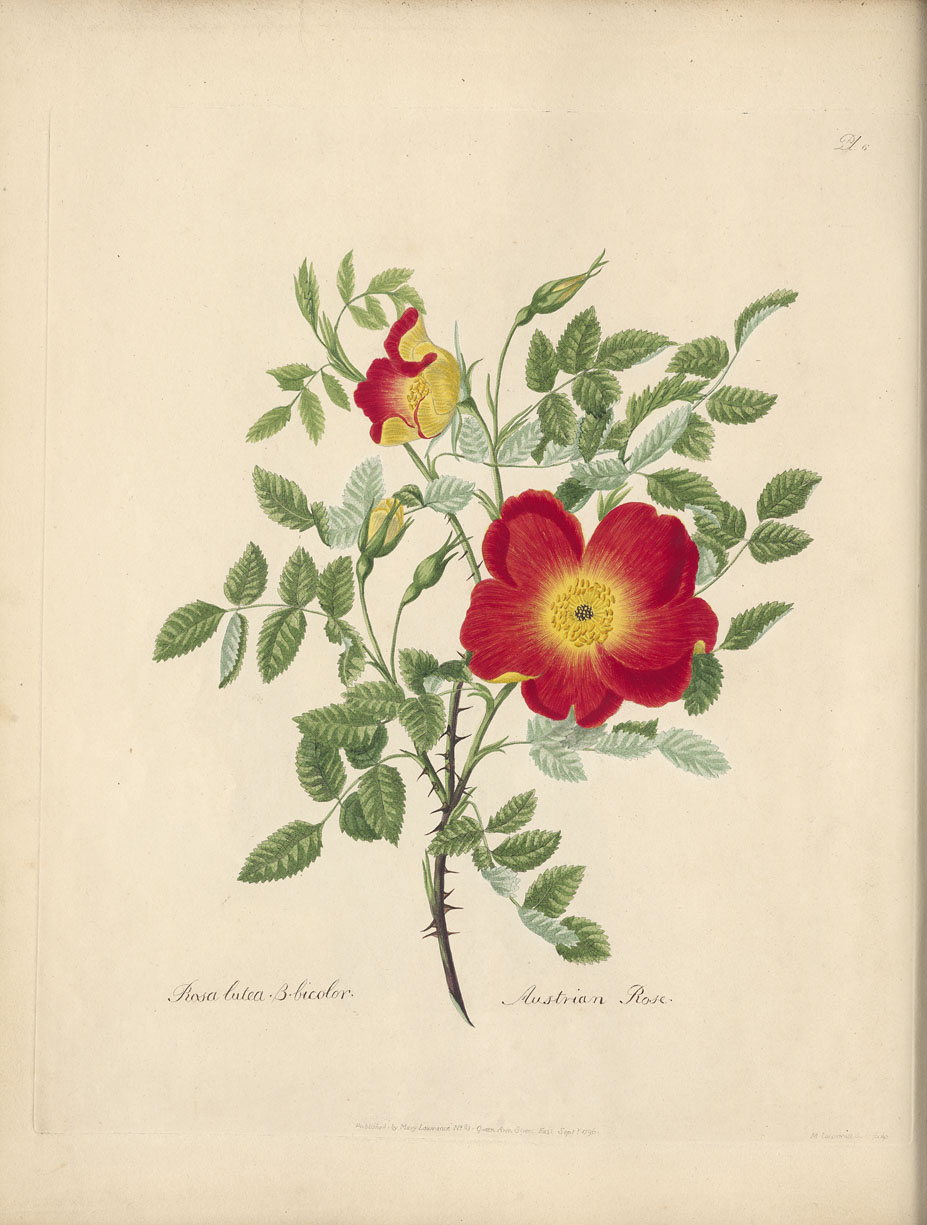
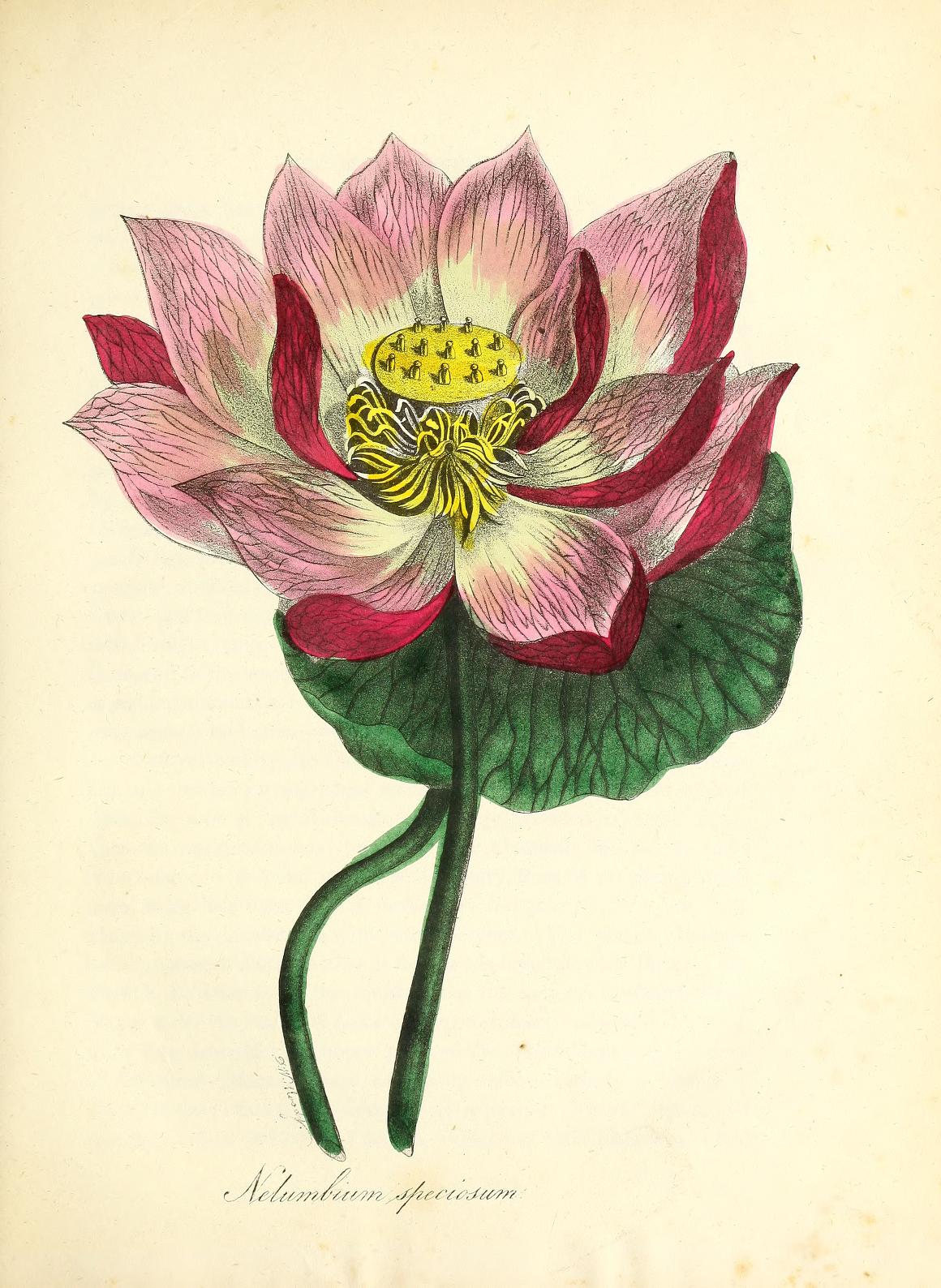
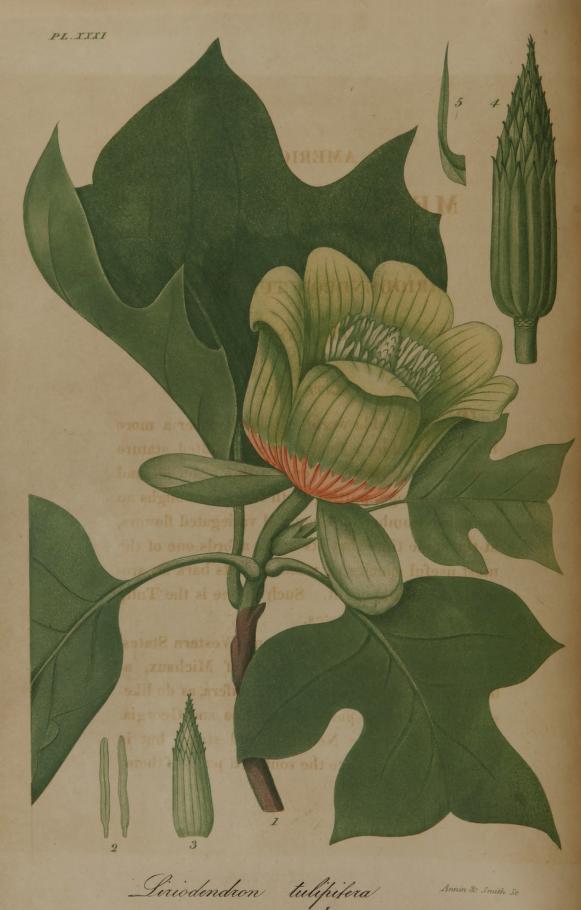
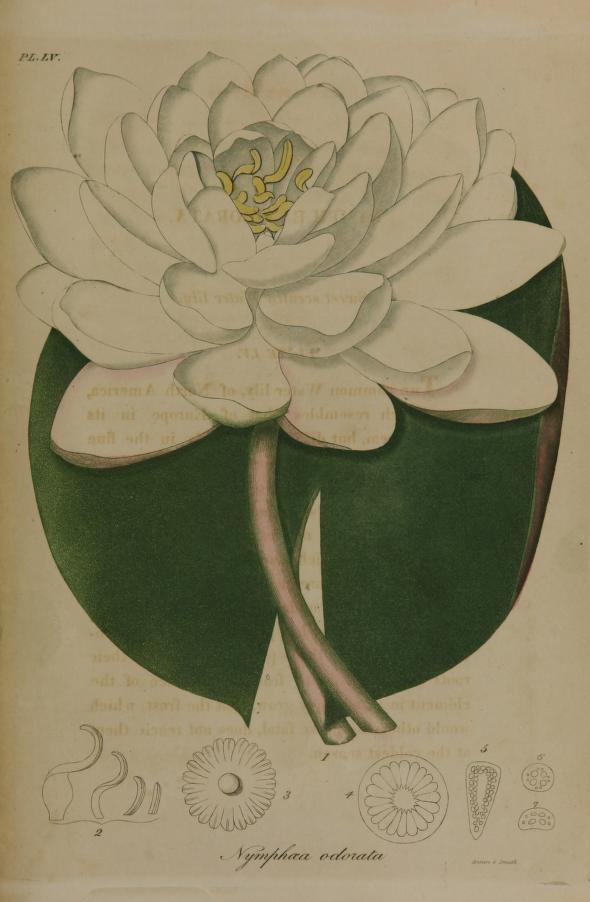
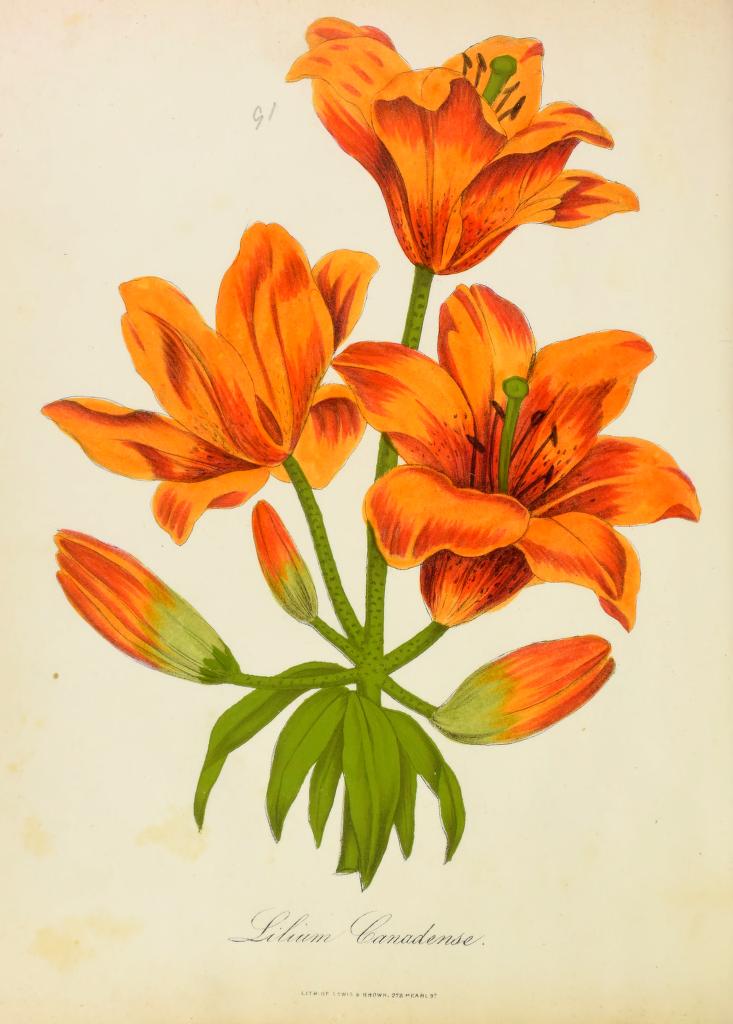
June was a light month for botanical print books – only 10 in the entire month. Even so – I was surprised at how many favorite flowers were included in these books. There were the seasonal ones for June in our area: water lilies and lotuses (like at Kenilworth), and day lilies. The blooms are at their peak in July but the buds are huge in June!

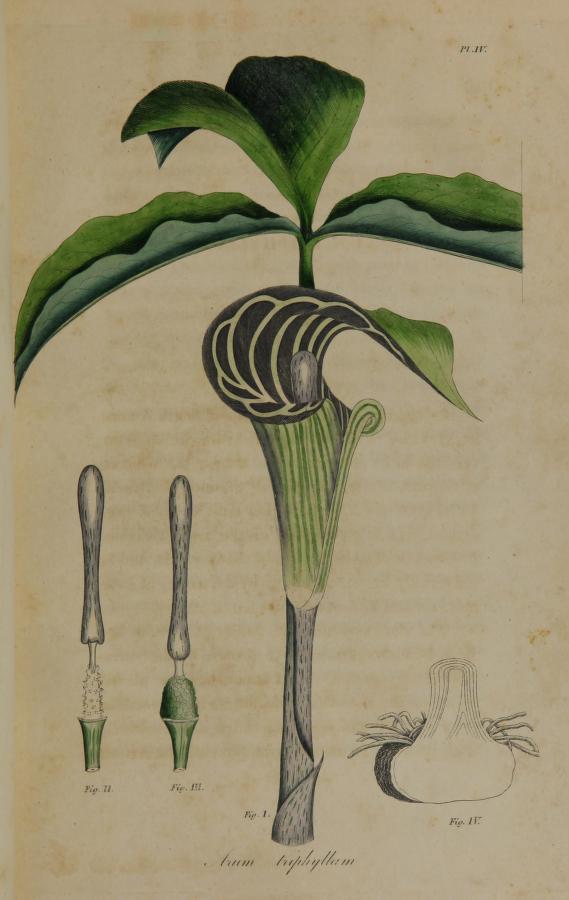
And then there were the jack-in-the-pulpit and tulip poplar flowers that are done by June…are April and May flowers here.

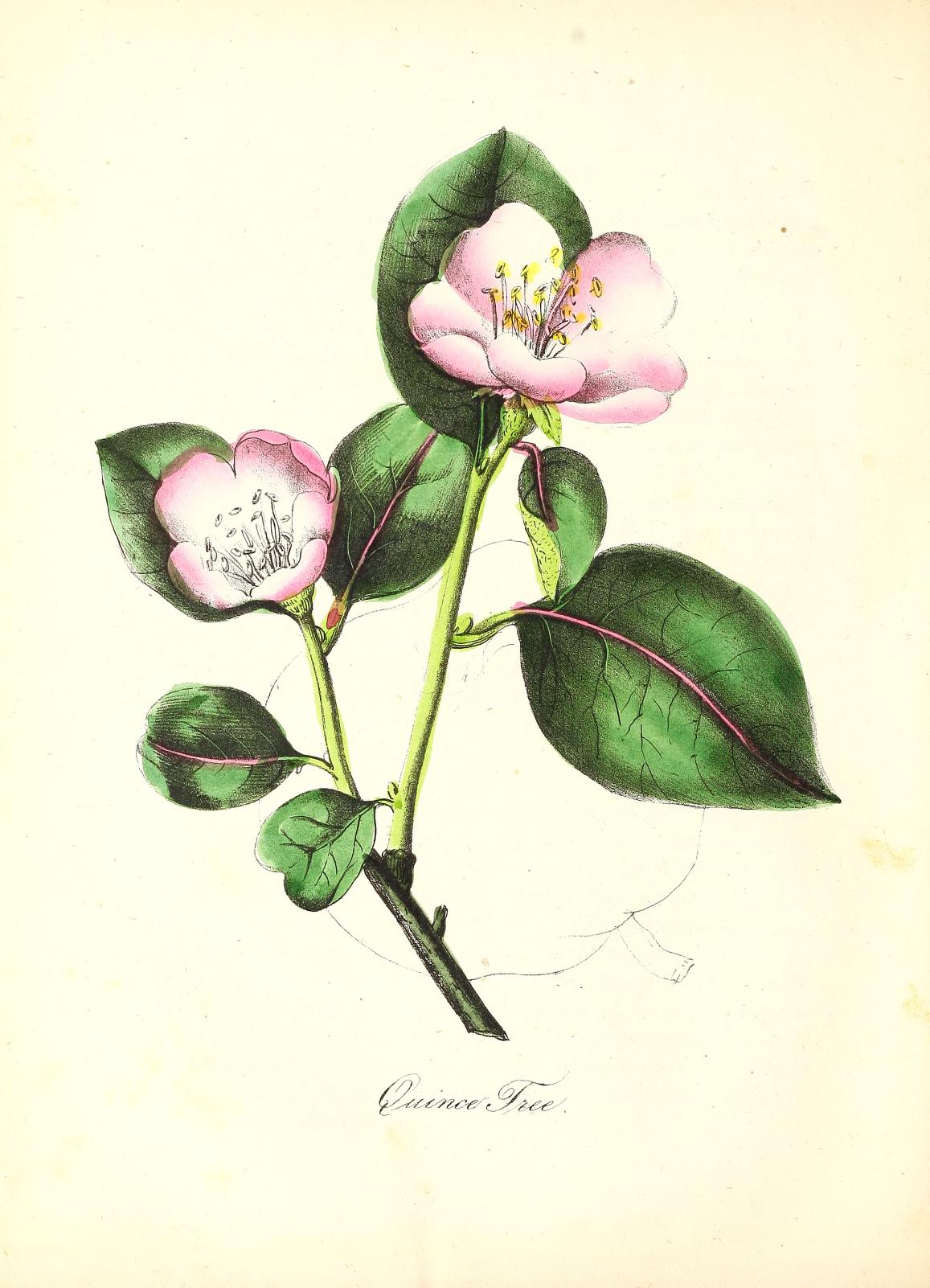
Enjoy the June Botanical print slide show. After the show is a list of the books with links to their locations and a sample image from each (which also was seen in the slide show). At the bottom of the  slide show is a list of the most recent blog posts about individual botanical print books; I haven’t done many  recently but intent to start writing again and providing more details about individual books.

Belmont Hikes with Summer Campers II

The hike last week with summer campers at Howard County Conservancy’s Belmont location was about plants and animals of Maryland through history. I thought of using the barn whose walls are stones from the are to start off with geology but decided that opted to stay with plants and animals.

2018 07 IMG_2031.jpg

We talked about trees we see at Belmont today that were here when the Europeans arrived (like oaks and tulip poplars and beech and holly and white pine)…new ones (like gingkoes and English Elms and dawn redwoods that have been planted as landscaping trees). We also talked about trees that are missing like American Chestnuts and Elms; more recently the ashes have been cut down and the few remaining hemlocks are struggling.

2018 07 IMG_2039.jpg

We talked about animals like deer and fox and rabbits that we still sometimes see. We looked for signs of the overpopulation of deer – noticed that the deer don’t seem to like holly but that other trees tend to not have any branches within deer reach! We were looking for signs of things as we hiked – and feathers are always a favorite…evidence that birds are around. On one hike we found a dried mushroom with the gills still visible underneath the cap; some of the campers have observed mushrooms in their yard and shared their observations.

20180719_091755.jpg

We saw a lot of dragonflies in the air over the meadow and talked about how the insects had gotten smaller over time…a hold over from last week’s camp theme: fossils.

2018 07 IMG_2032.jpg

It was a good morning hike!

Gleanings of the Week Ending July 21, 2018

The items below were ‘the cream’ of the articles and websites I found this past week. Click on the light green text to look at the article.

Some visual feasts: Peep the Stunning Winners of the Audubon Society’s Photo Contest | Smart News | Smithsonian and National Park Service Releases Iconic Paintings of Parks and Stunning Drone Photos of Venice Show Unique View of the City  and Winners of the 2018 National Geographic Travel Photographer of the Year  – Starting out the gleanings list this week with images!

Fossil Fuels Account for Lowest Share of U.S. Energy Consumption in More than a Century - Yale E360 – Hurray for some positive news about trends and the environment…but there is still a tremendous effort needed to shift toward a sustainable future for our planet.

Air pollution contributes significantly to diabetes globally: Even low pollution levels can pose health risk -- ScienceDaily – Clean air is something every living thing needs for a healthy life – even humans.

New Website Unearths Amsterdam’s History Via 700,000 Artifacts Spanning 5,000 Years | Smart News | Smithsonian – If you can’t travel…there are lots of ways to look artifacts via the web. This is one of them and includes bits and pieces of just about everything.

Rivers and Streams Compose Much More of Earth’s Surface Than Thought | The Scientist Magazine® - The results of a study using NASA’s Landsat images.

BBC - Future - How your age affects your appetite – Food is fuel…and a social/cultural experience. How well does your experience of food link with your age?

Net-zero emissions energy systems | Science – A scholarly article about what it will take to achieve net-zero emissions…what existing technologies can do and what still needs a lot of development.

Germany’s "Stonehenge" Reveals Evidence of Human Sacrifice | Smart News | Smithsonian – Maybe Neolithic circles were more common that originally thought and they weren’t always made of stone. This one was wood and was torn down about 2050 BCE.

Opinion: Rise of the Robot Radiologists | The Scientist Magazine® - A white color job that might give way to artificial intelligence…soon. If it does – will it help slow the rise of medical costs?

Mummification Workshop Excavated in Egypt - Archaeology Magazine and Mummification Workshop and Trove of Burial Relics Found in Egypt | Smart News | Smithsonian – Two sources for the same story…different perspectives/details.

Kenilworth Gardens – Other Stuff

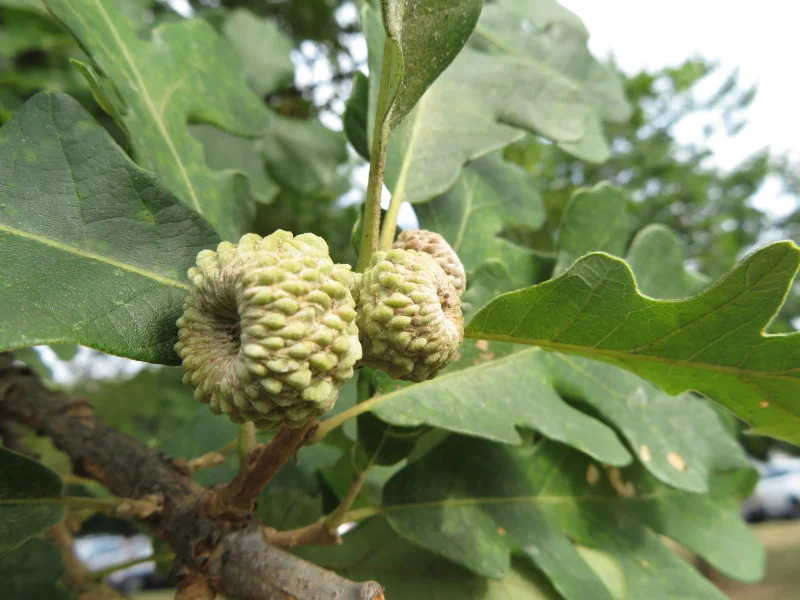
Of course – lotuses, water lilies, buttonbushes and dragonflies were not the only things to see at Kenilworth Aquatic Gardens last weekend. Even in the island of garden in the parking lot there were things to see. The most interesting (to me), were some tiny acorns on a lower branch of an oak

And a blue jay that seemed very acclimated to people.

2018 07 bj IMG_1889.jpg

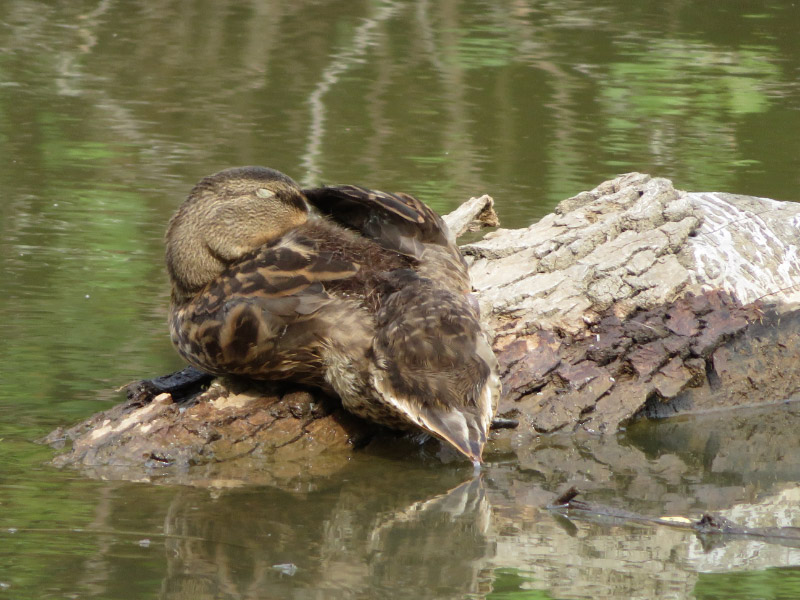
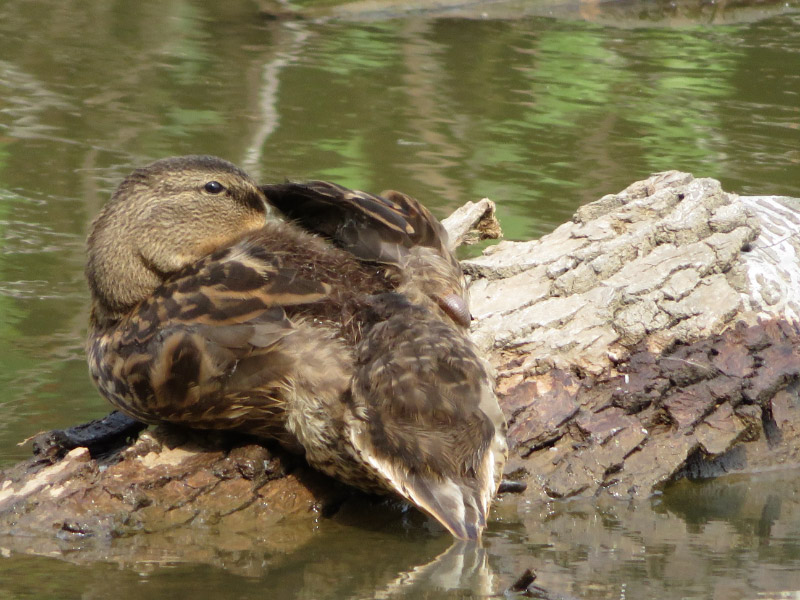
I didn’t spend much time on the boardwalk out to the river but was there long enough to capture a sleepy duck.

There were some colorful canna leaves in the morning sun and

2018 07 c IMG_2015.jpg

A gall on one of the trees with shelf fungus make it look something like a face (with a few too many eyes and eye brows!).

2018 07 f IMG_2021.jpg

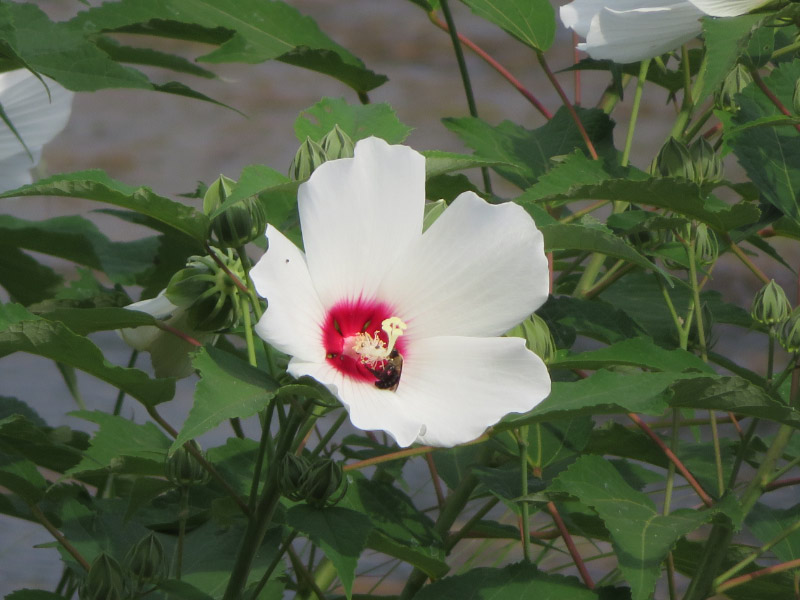
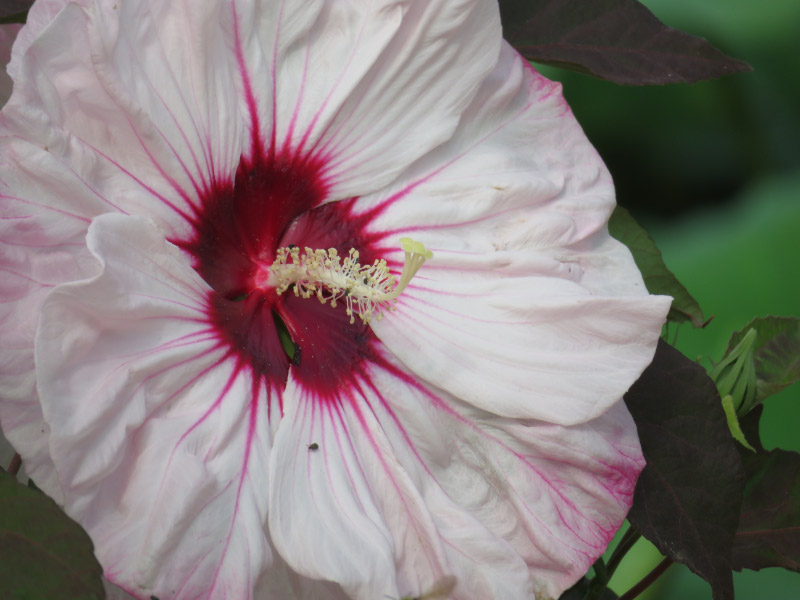
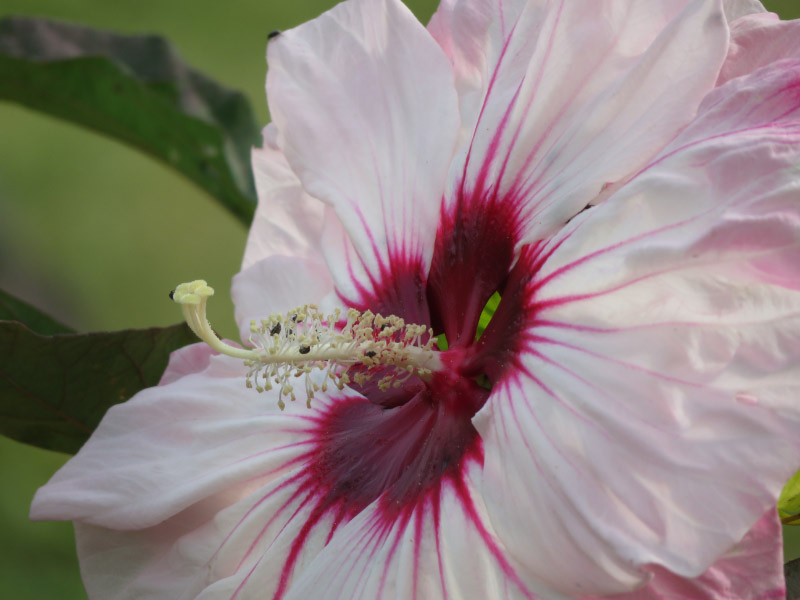
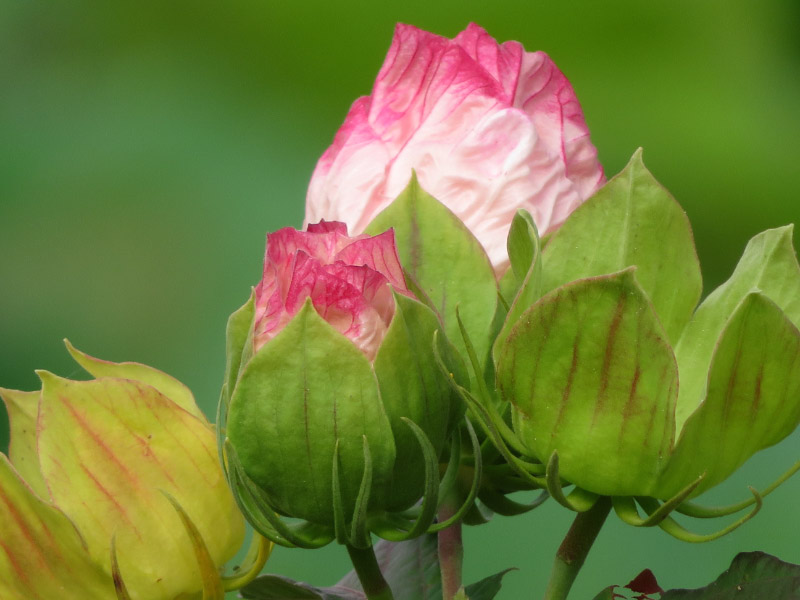
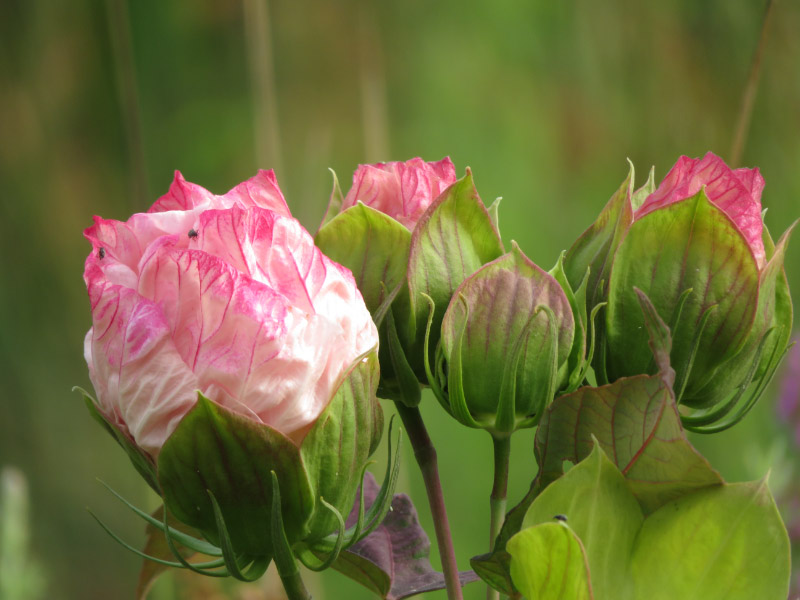
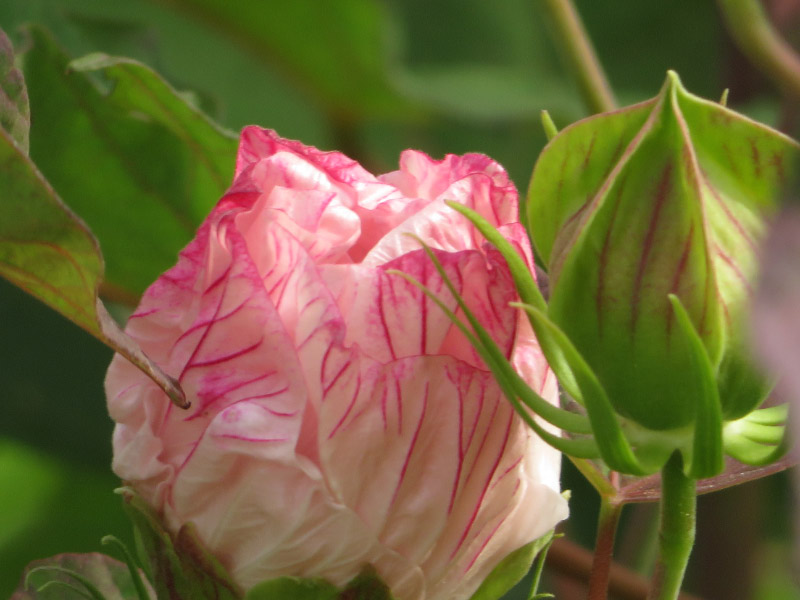
The showy flowers of the rose mallow seemed to be everywhere. I love the flowers with their deep red centers but maybe the tightly wrapped petal in bud form are ever more interesting. Enjoy the mallow slide show below!

Kenilworth Gardens – Buttonbushes and Dragonflies

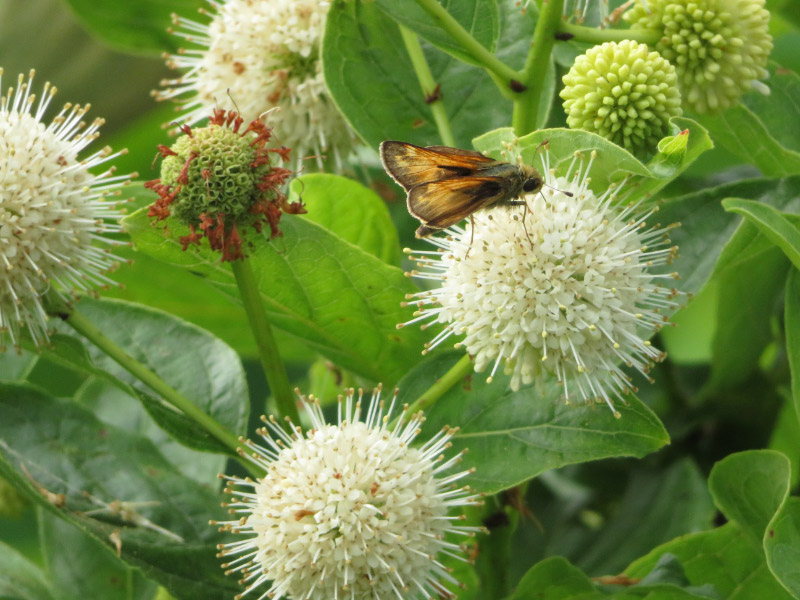
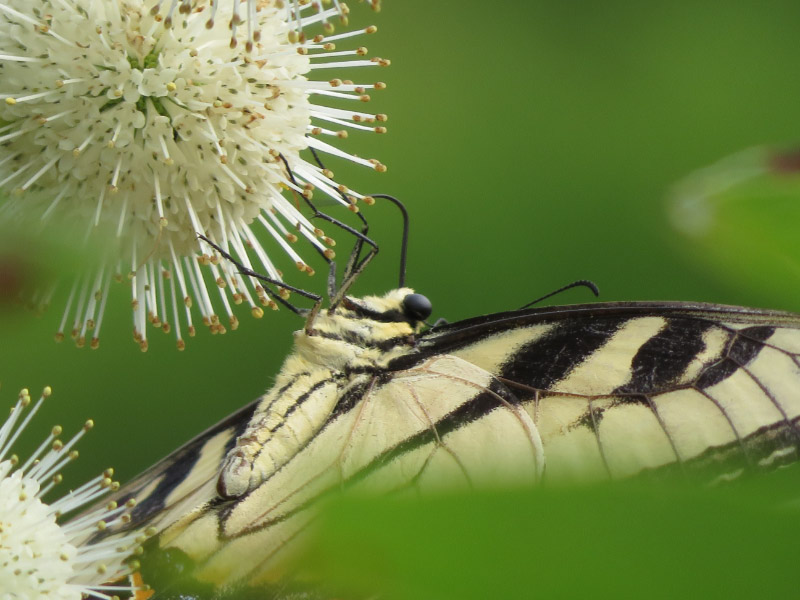
There are other things to see beside lotuses and waterlilies at Kenilworth Aquatic Gardens. One of my favorite plants to photograph is the buttonbush in bloom. They were in all stages of bloom development last weekend.
The plants are very attractive to insects. Bees are frequently visitors

As are the small skipper butterflies.

There was one large tiger swallowtail that seems to be methodically getting nectar and staying on once of the balls for a long time…great for picture taking.

2018 07 tiger IMG_1922.jpg

We always look for dragonflies when we visit Kenilworth and last weekend was no exception. There did not seem to be as many of them. The first one I managed to photograph sat on some lotus petals in the deep shade…and was a very small dragonfly.

2018 07 zdf IMG_1978.jpg

The next one was on top of a canna stalk and was the larger variety. It did not stay very long but I did manage to zoom in for close up.

2018 07 zdf IMG_2017.jpg

On my way back toward the visitor center I was photographing water lilies and noticed that one had a dragonfly on it! The zoom helped again since it was another small one.

2018 07 zdf IMG_2018.jpg

Kenilworth Gardens - Lotuses and Water Lilies

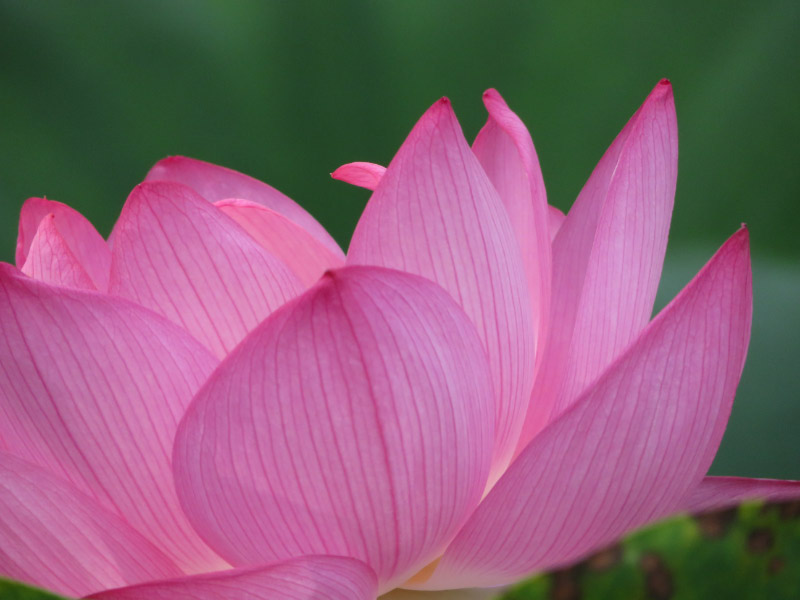
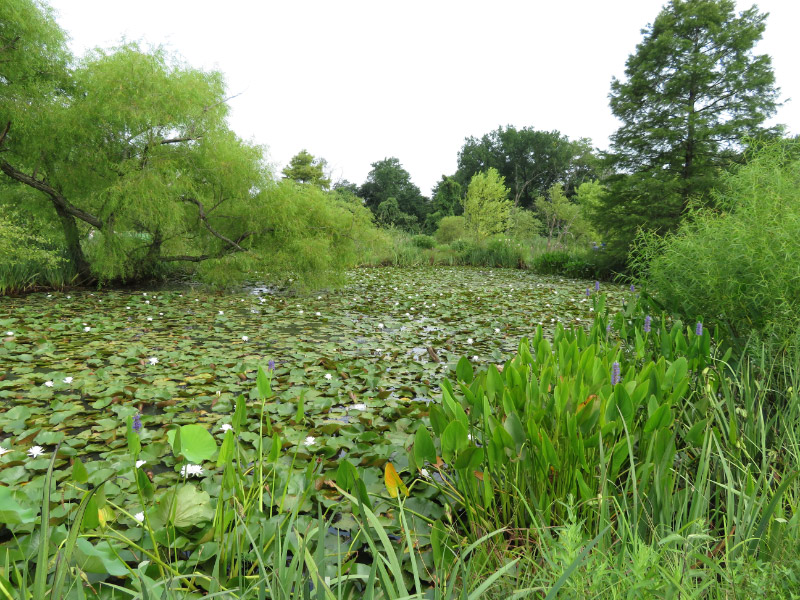
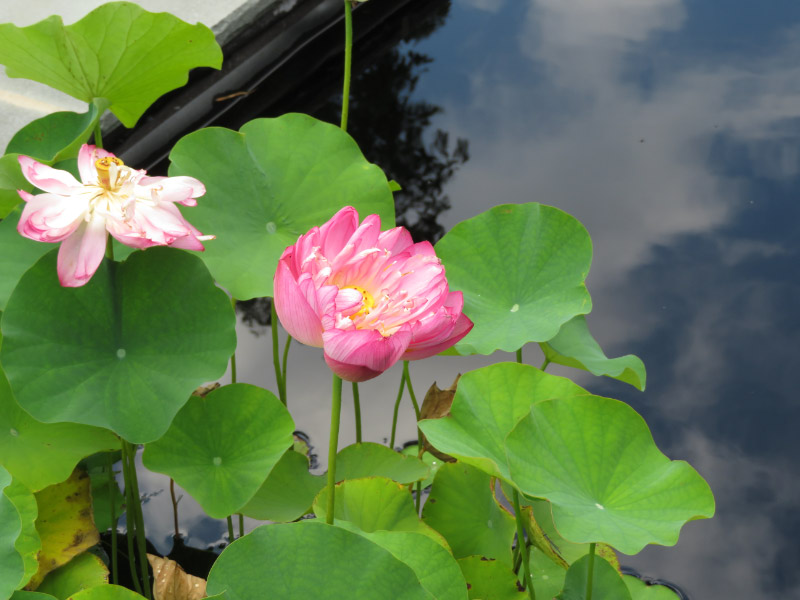
We try to make a trek to Kenilworth Aquatic Gardens when the lotuses are blooming….and last weekend was a good time. The day was partly sunny, and we managed to get to the park before the parking lot filled up. There was plenty to see. I’ll be posting about it over the next few days; today I’ve collected the best images of lotuses and water lilies.

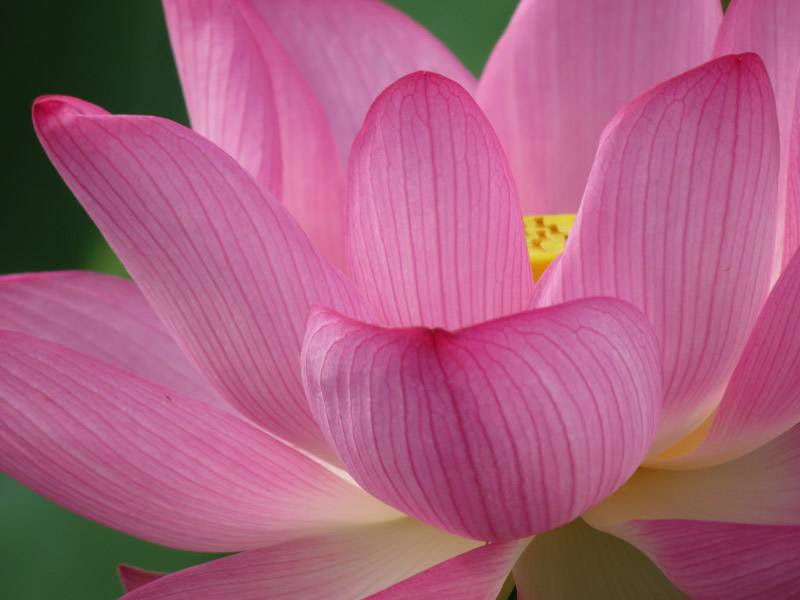
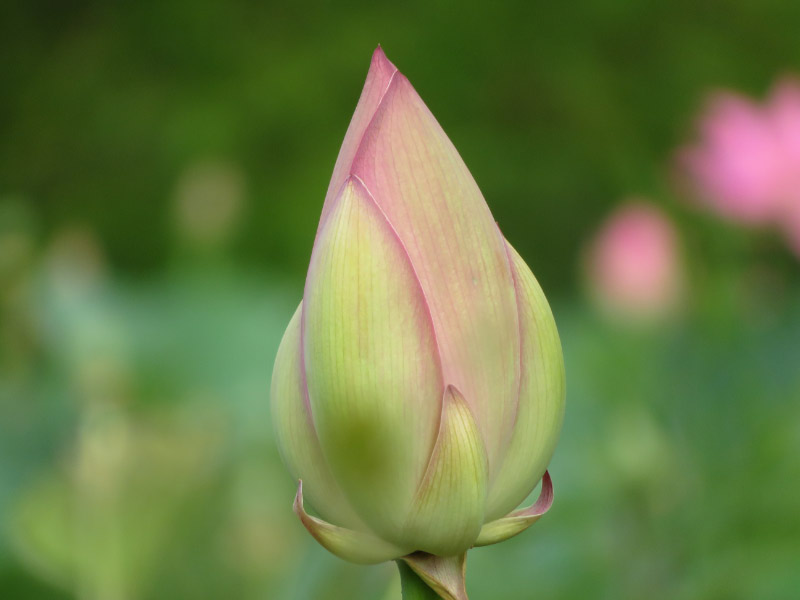
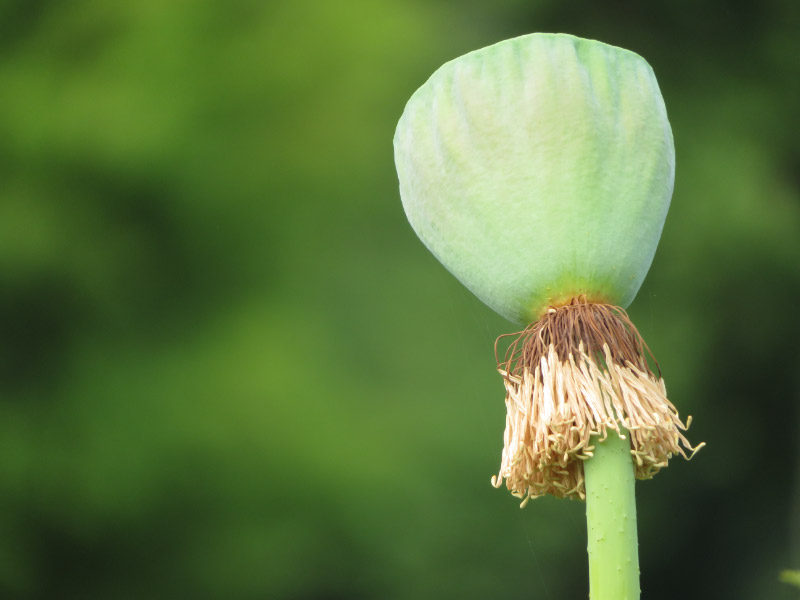
There were lotuses in all stages of development. Everything about these plants are beautiful: the shape and texture of the leaves, the buds and flowers standing above the leaves gracefully opening and following the sun, the pods beginning to form. My favorites are the flowers that have a lot of white in their petals with ping around the outer edges.

2018 07  pe IMG_1964.jpg

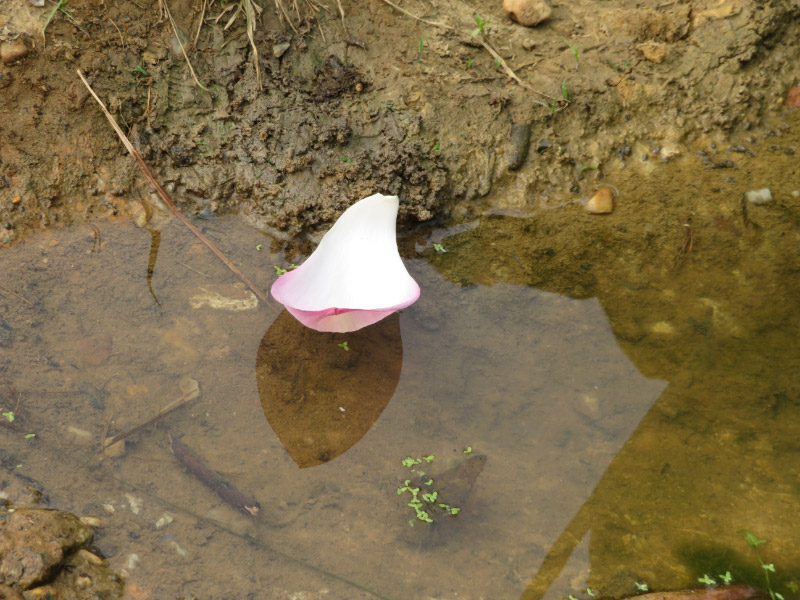
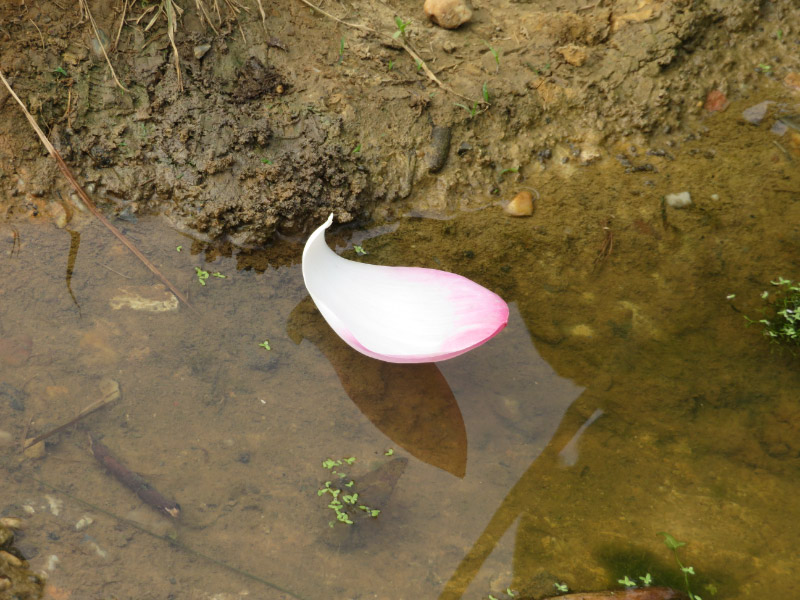
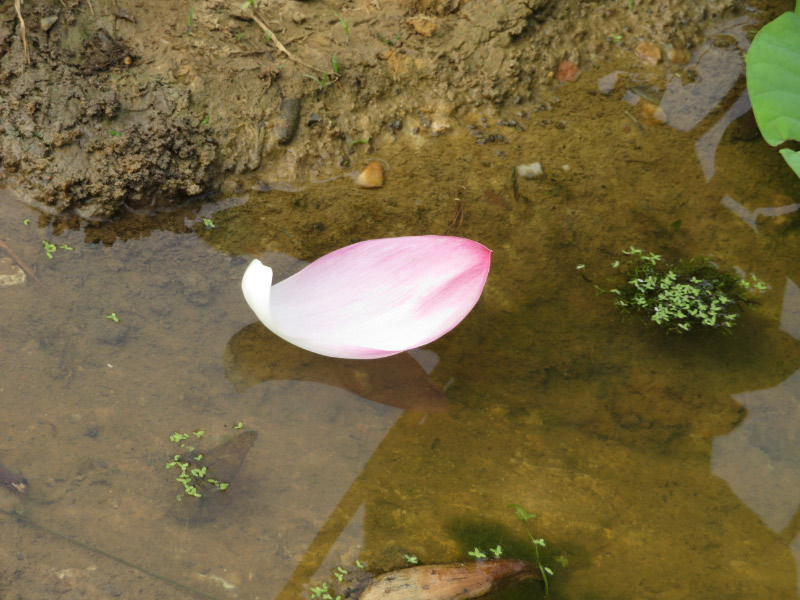
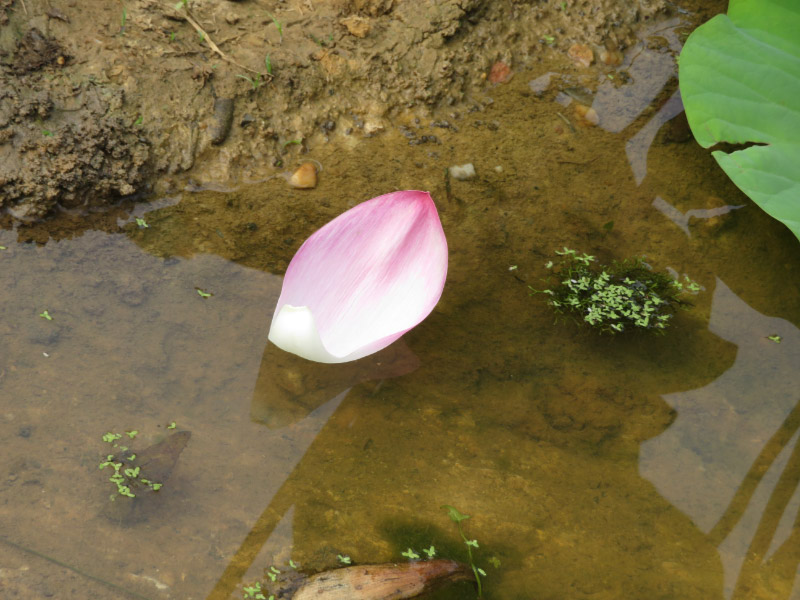
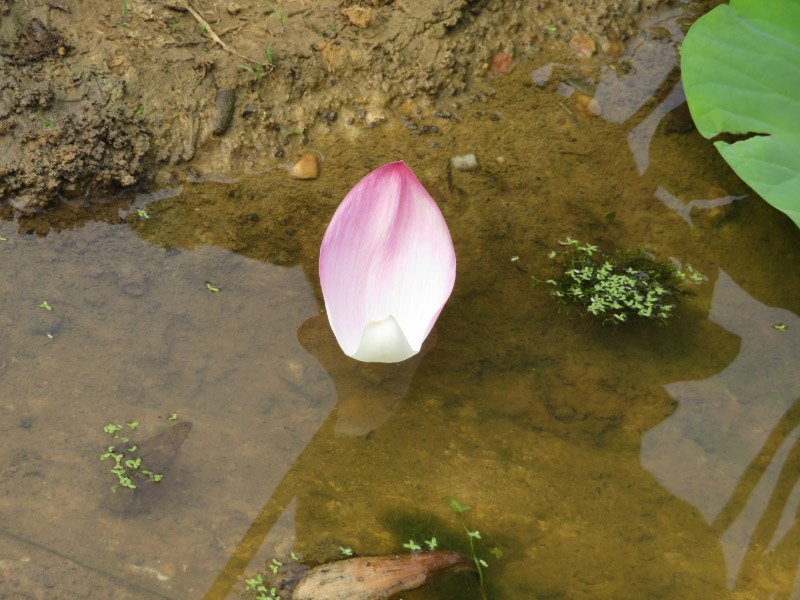
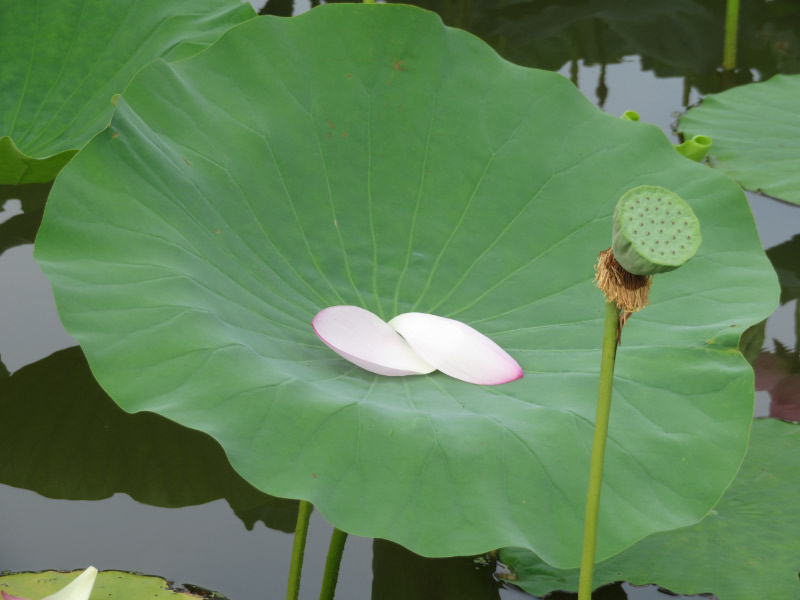
I saw a petal in some water near the path and photographed it as the water turned it.

The petals wilt quickly once they fall from the flower so catching them in the cradle of a leaf always seems special to me.

There was an unusual white plant at the edge of the ponds just as we came into the gardens. Was it a kind of lily? I don’t know. It looked exotic to me and I took a picture.

2018 07 IMG_1891.jpg

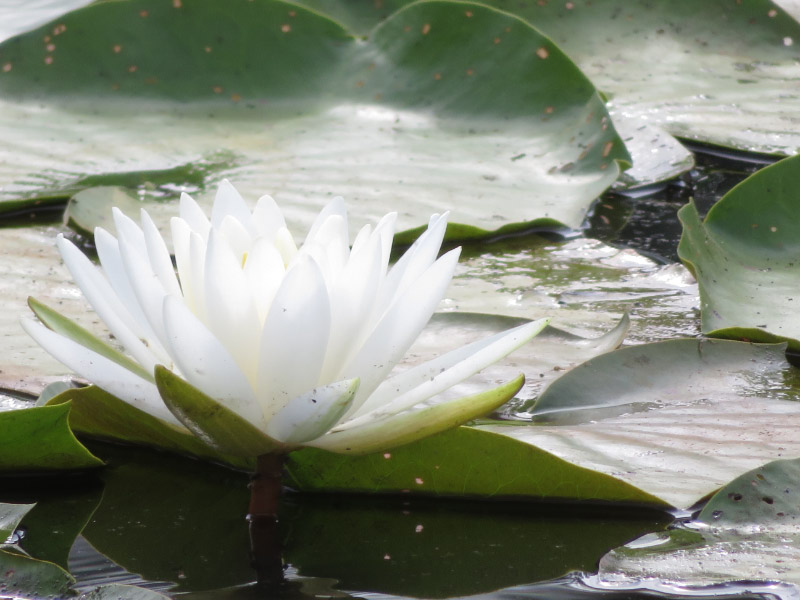
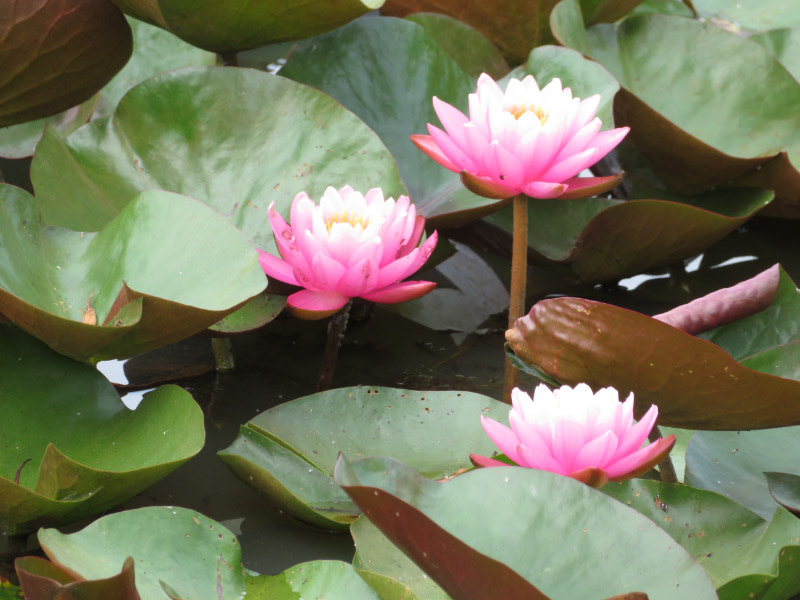
The water lilies were still blooming in the ponds. Sometimes they are beginning to ebb by the time the lotuses are blooming but this year they seem to be still blooming profusely.

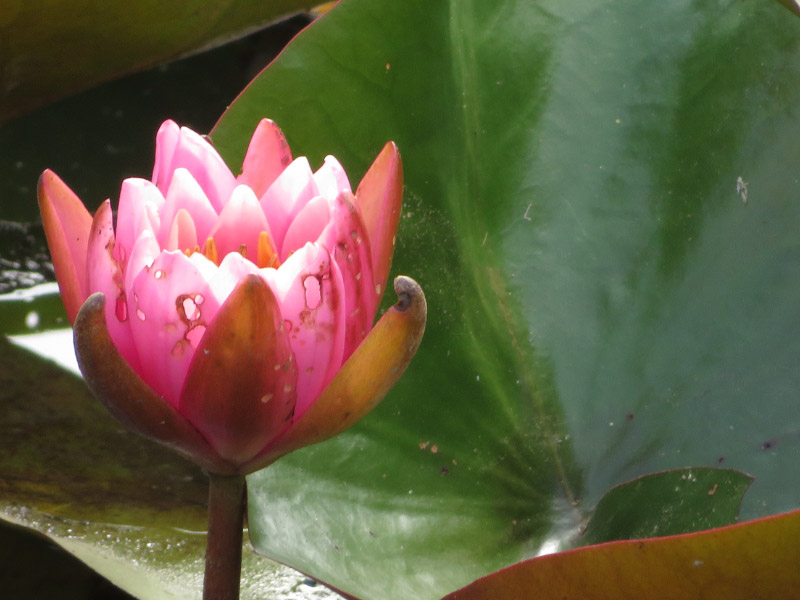
Two flowers that I noticed in my pictures after I got home that looked like they had punches out of their leaves – a lotus and a water lily. I wondered what insect made the holes!

Brookside Gardens Bugs

There were not that many bugs out and about last Saturday morning before my shift at Brookside Gardens’ Wings of Fancy. I photographed three…and was thrilled with the variety:

A funnel spider waiting patiently (and visibly) at the top of the funnel. Usually they are hidden in the depths. The spider had built its web on the evergreen shrubs near the conservatory. There must have been lots of spiders around judging from the number of webs but this was the only one showing itself.

2018 07 IMG_1829.jpg

A froghopper (as a nymph back in the spring it was a spittlebug) on a milkweed plant. I was looking for monarch caterpillars but didn’t find any. Back in July 2016, I’d found one on the milkweed plant at my house and posted about it.

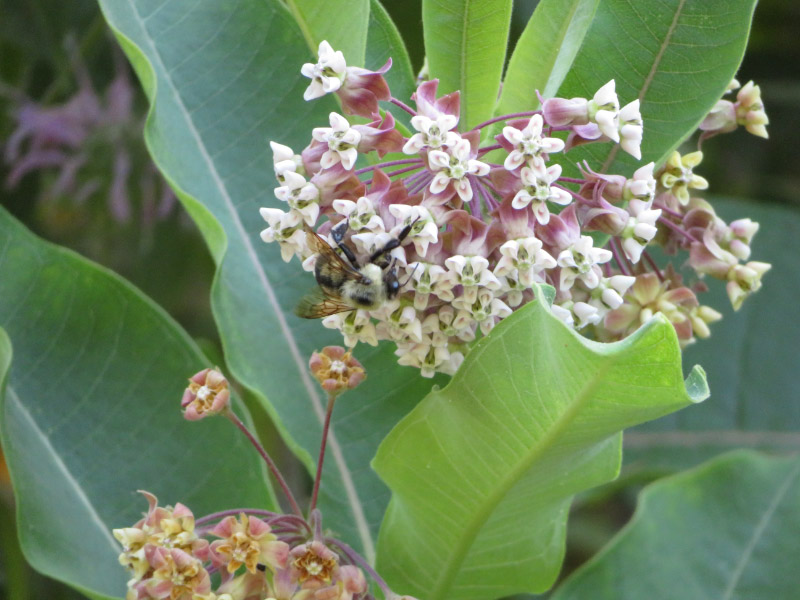
A bumblebee enjoyed the bounty of the milkweeds in bloom. The plants at my house are already full of pods, flowers dried and falling away. From of photographic standpoint I always judge a bee picture a success if it includes the head and back rather than the butt!
2018 07 IMG_1863.jpg

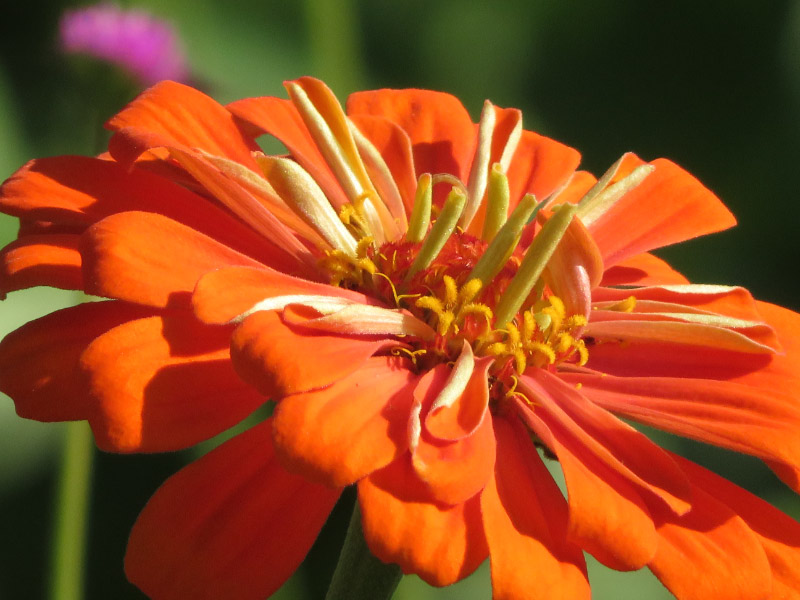
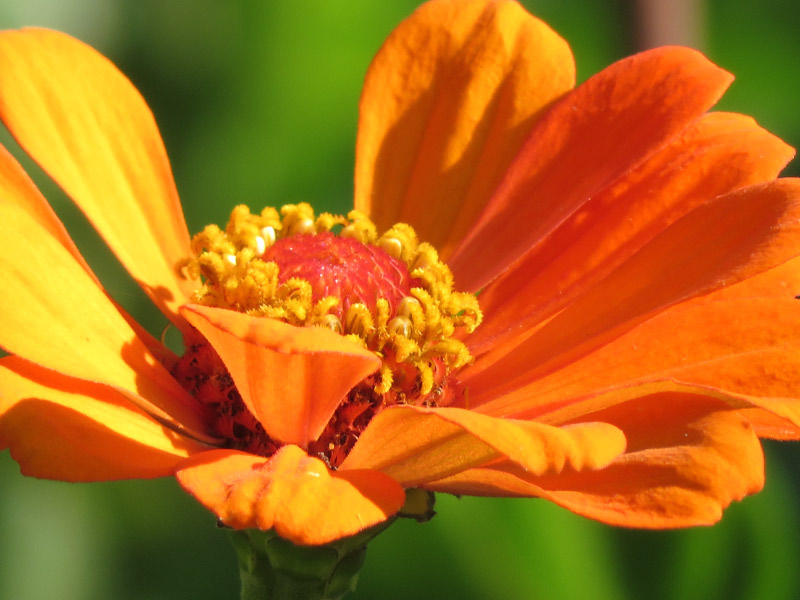
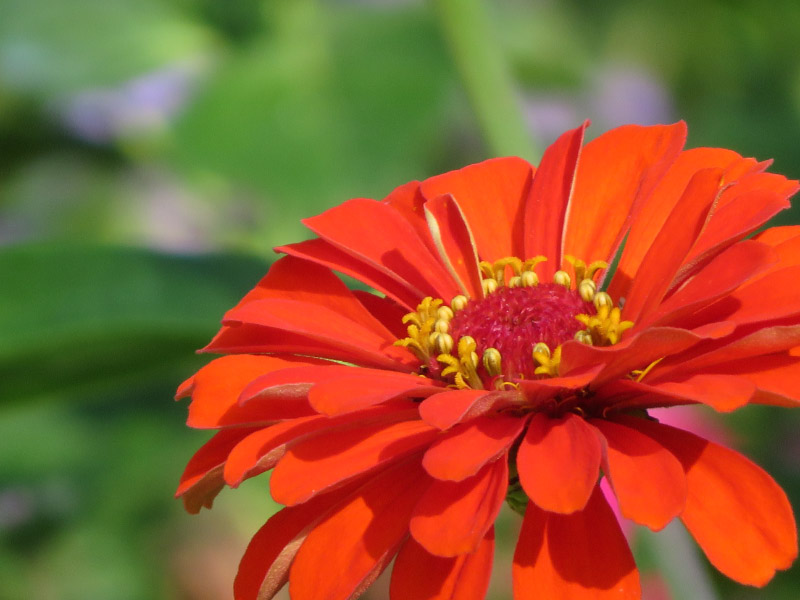
Brookside Gardens Zinnias

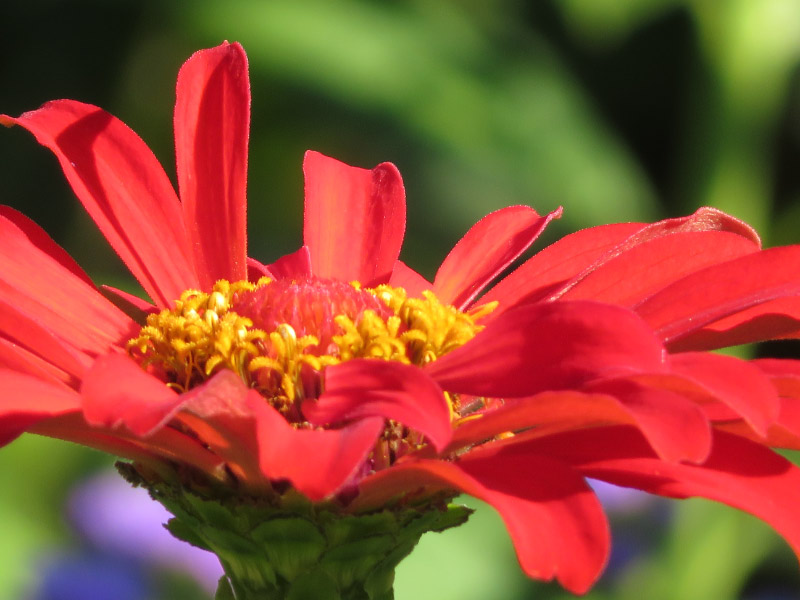
Last Saturday was full of sunshine and the zinnias at Brookside Gardens were great reflections of the morning. I have fond memories of the zinnias my grandmother grew in her garden between rows of vegetables…when the fruit trees that she’d planted when she first moved to there too young to shade them out. I also grew zinnias in pots on my deck….until I got too busy with other things to water them consistently. They are popular flowers with butterflies and, sometimes, hummingbirds.

There were insects buzzing around the flowers while I was photographing them. I enjoyed the flowers on their own. There is something about the curve or their petals, the variety in their centers, and the vibrancy of their colors that always draws my attention. I used my zoom rather than getting close because I wanted the whole flower in focus….with the background very blurred. Enjoy the zinnias of summer!
Brookside Gardens Macro Flowers

Yesterday I enjoyed some macro photography at Brookside Gardens. There were several flowers blooming around the parking lot next to the conservatory. I took a photo of the plant and then a macro of the flower. I am always surprised at how different the impression of the plant is from a macro perspective. Here are my favorite pairs of pictures.

20180714_082015.jpg

Sumac


20180714_082107.jpg
20180714_082450.jpg

Sunflower

20180714_082217.jpg
20180714_082427.jpg

Cone flower

20180714_082301.jpg
20180714_082422.jpg

Yellow composite

20180714_082321.jpg
20180714_082410.jpg

Joe-Pye Weed

20180714_082339.jpg

I was surprised there were not more insects (butterflies) around the flowers. The Joe-Pye Weed is not quite blooming yet. Maybe next time in am in the gardens they will be. Last year – there were clusters of tiger swallowtails on the plant.

Gleanings of the Week Ending July 14, 2018

The items below were ‘the cream’ of the articles and websites I found this past week. Click on the light green text to look at the article.

Top 25 Birds of Protected Areas  and Top 25 Birds of Asia – Several collections of ’25 birds’ were in my news feeds as I was catching up after returning from Texas.

BBC - Future - Thai cave: How life in darkness could affect trapped boys and BBC - Future - Cave rescue: The dangerous diseases lurking underground – I wondered why the sensationalism of the mainstream media coverage did not include more of these aspects of the story.

Feeling young could mean your brain is aging more slowly: The first study to link subjective age to biological age shows that elderly people who feel younger have less signs of brain aging -- ScienceDaily – Feeling young is a big plus!

Minimizing Your Exposure to Pesticides in Produce: Help from the Environmental Working Group (EWG) Dirty Dozen List | Berkeley Wellness – The ranking comes out every year…I use it to prioritize which veggies/fruits I buy ‘organic.’ Of course – during the summer I am eating veggies from the local Community Support Agriculture which is all organic.

Scientists capture breaking of glacier in Greenland: Event points to forces behind global sea-level rise -- ScienceDaily – There is a link to the video at the bottom of the post….well worth watching. Awesome ice.

The Ultimate Guide to Yellowstone Wildlife Viewing – Cool Green Science – I reminder of a place I want to visit again.

Beaded Necklaces: Complex Restringing | In the Artifact Lab – It took 25 meters of string to do the work!

Take a VR Tour of an Egyptian Queen’s Elaborate Tomb | Smart News | Smithsonian -  Another attempt to create ways to experience a place without actually being there…and potentially damaging it.

Poison Ivy: Busting 6 Myths to Avoid the Itch – Cool Green Science – It’s that time of year. In Maryland there is a lot of poison ivy but I’ve managed to avoid it in recent years….or maybe it is the gardening gloves with gauntlets that cover most of my arm and tucking my pants into my socks (for ticks…but also means there is no skin exposed to poison ivy either.

Gene therapy shown to cure type 2 diabetes and obesity in mice, researchers report -- ScienceDaily – Early days…but wouldn’t it be wonderful if something like this would work form humans?

Belmont Hikes with Summer Campers I

2018 07 IMG_1819.jpg

I have started weekly hikes with summer campers at Howard County Conservancy’s Belmont location. The theme for this week was ‘Fossils and Feathers’ – to I focused on birds during the hike. The cardinal flowers near the entrance to the Carriage House (the camp headquarters) have evidently attracted some hummingbirds but there were too many people about while I was there to see them.

I was early enough that I walked around to see how the butterfly meadow looks during its first season. It’s mostly grass!

2018 07 IMG_1759.jpg

I photographed some of the flowers that are there among the grass. I hope the butterflies find them!

There were two groups of campers; the first group to hike were the younger children. We hiked down to the pond. There are birdhouses along the way down the grassy path through the newly mowed field. The tree swallows were very active…and then we saw purple martins in their house and flying off toward the pond. Turkey vultures made slow circles in the sky. There were red-winged black birds around the pond and we talked about other birds that like to be around water; Great Blue Herons and Wood Ducks both came up in the talk. We also saw dragon flies at the pond and talked about how they lay their eggs in the water. We hiked back along the tree lined drive to the manor house and stopped at the sycamore; we noticed the pieces of bark on the ground and agreed that next time they go to the stream they might try the curls of bark as ‘boats.’

I had a break between the two groups. I found a chair in the shade and took pictures of birds at the feeders and nearby trees.

2018 07 IMG_1787.jpg

There were red-winged blackbirds, goldfinches, a red-bellied woodpecker, and a mockingbird. I was hearing the mockingbird long before I managed to see it.

The second hike was a bit longer. We walked along the edge of the forest then went a short way in…listening for birds in several places along the way. We heard birds…but didn’t see any except doves and vultures. There was a lot of other things to see: a deer, a tiger swallowtail, chicory, wineberry, sweet gum balls, lichen, a cicada’s shed.

In both groups we found a few feathers to talk about. I enjoyed the hikes…and I think the campers did too.