Treadmill Walks

A few years ago, when we moved from Maryland to Missouri, I was reluctant to move our treadmill, but my husband insisted. Now I am glad he did. I am using it daily to increase my daily activity level. There is no excuse to avoid a 30-minute treadmill walk – weather is not a factor! I’ll increase the incline and speed over time – improving my stamina for when I do hike outside. I’m looking forward to being in better shape to enjoy the hikes already scheduled in January and February.

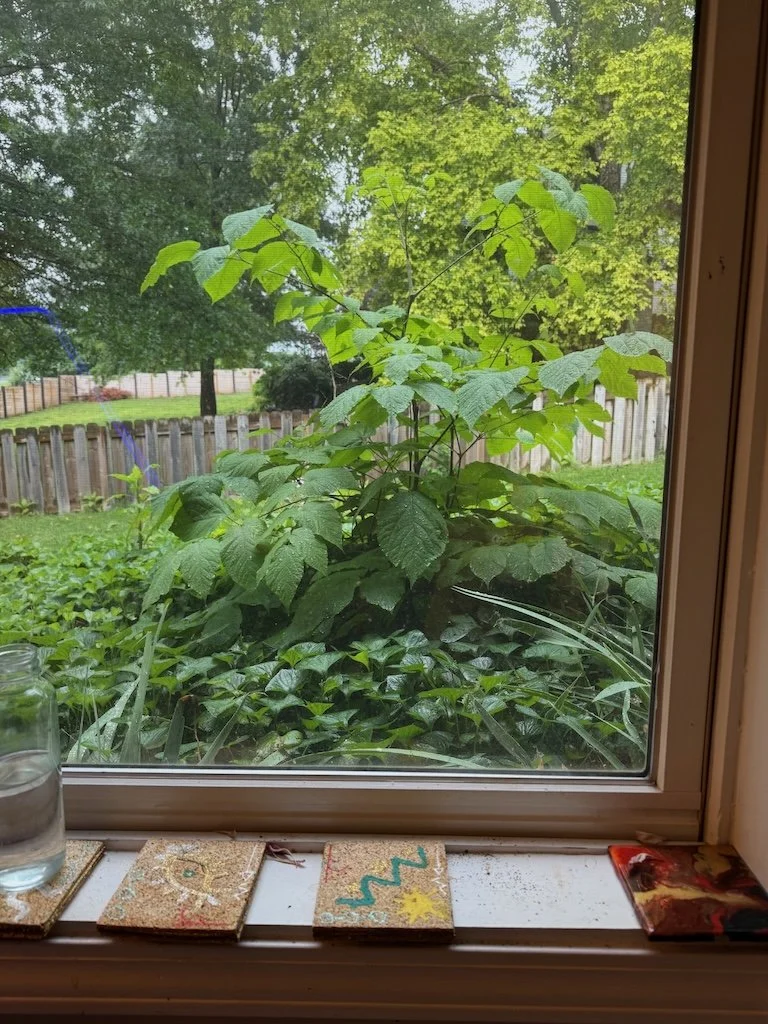
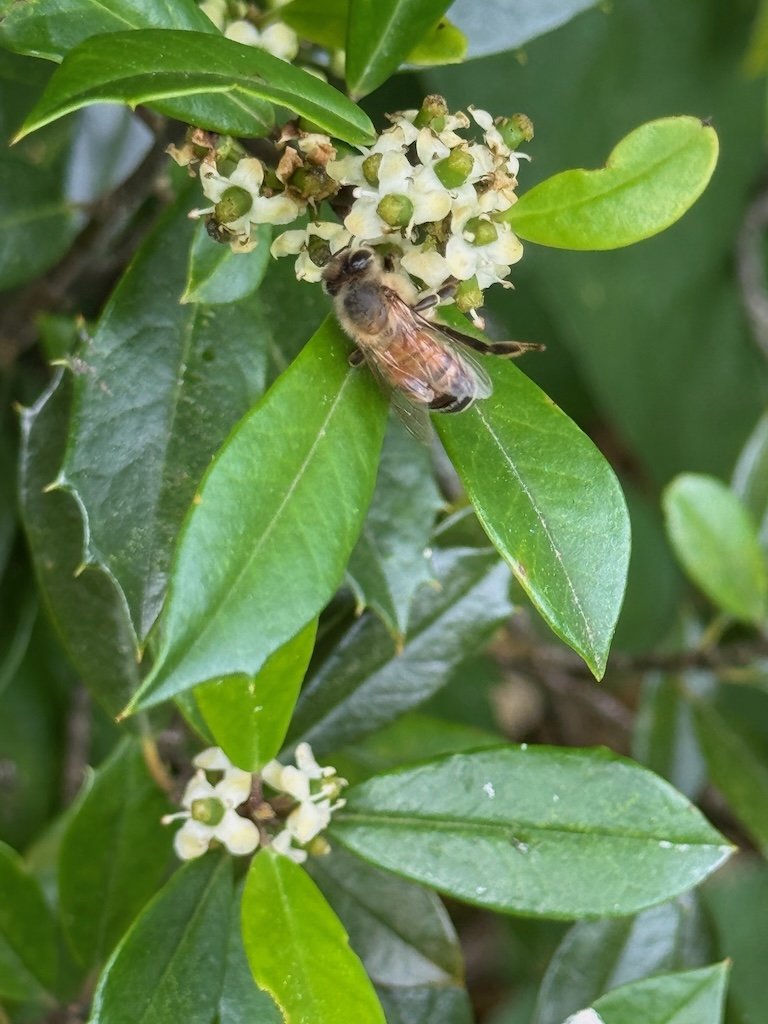
While I walk, I alternate between reading a novel on my iPad or looking out the French door at our deck and hollies…and the neighbor’s trees/roof. Both activities keep it from becoming boring. I’m glad there is a good view to the outside…and that it didn’t require me to move the treadmill from where we had the movers place it!

Now if I can convince my husband to use the treadmill to increase his activity level too…..

Our Missouri Yard – December 2025

December had started off with some very cold days with low temperatures in the 20s or teens at night and barely getting above 50 on 3 days (other days the high was in the 40s). Almost all the trees had lost their leaves abruptly in November when we had some very cold days. As I walked around the yard taking pictures for this post, I found myself searching for color and interesting textures.

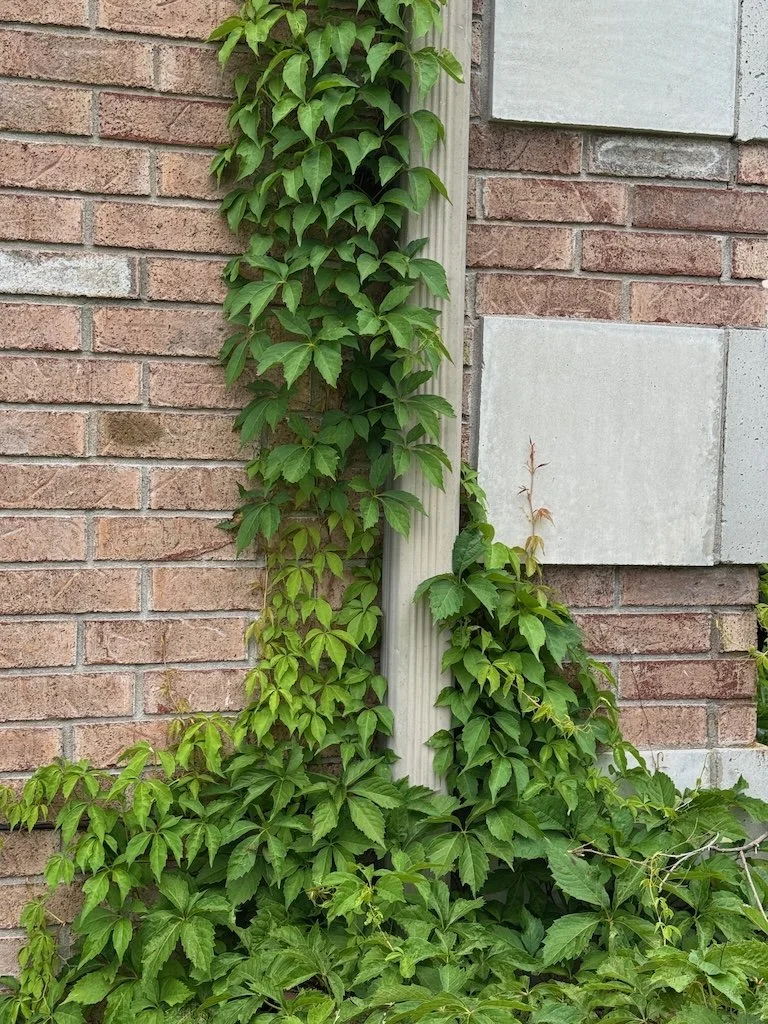
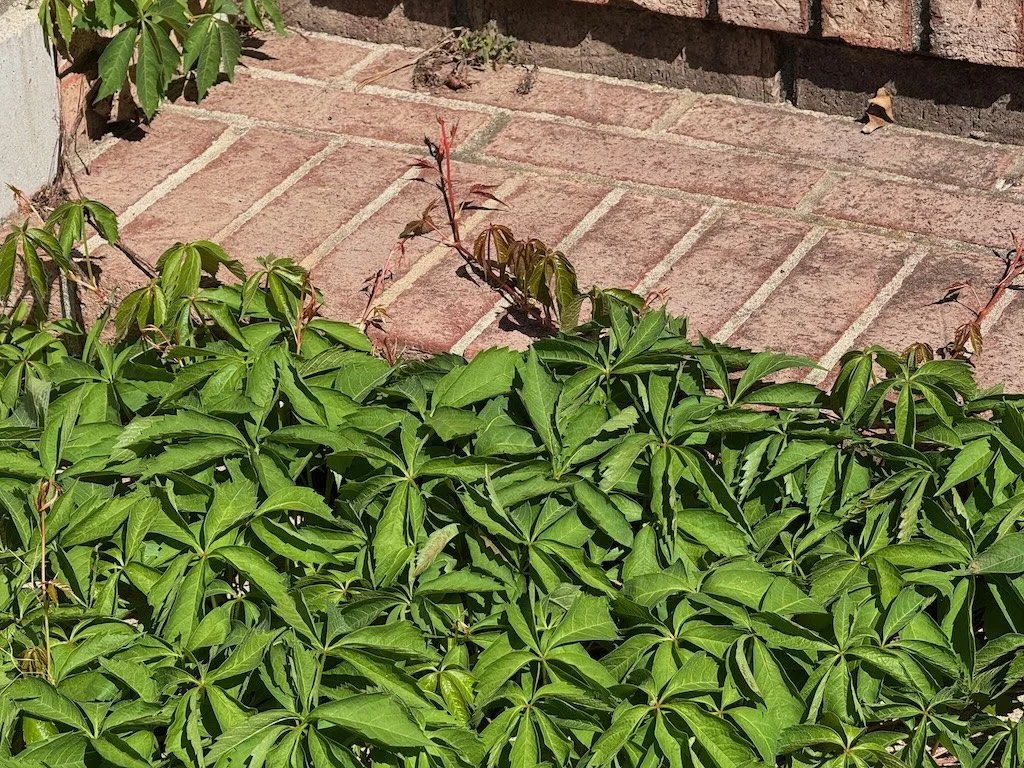
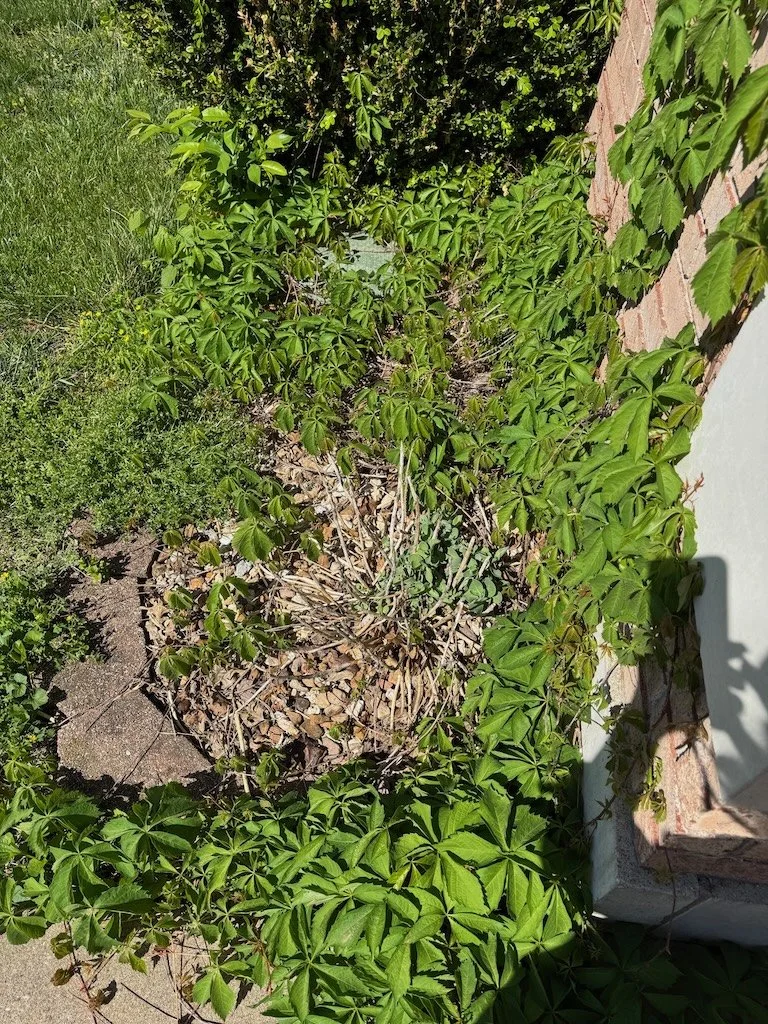
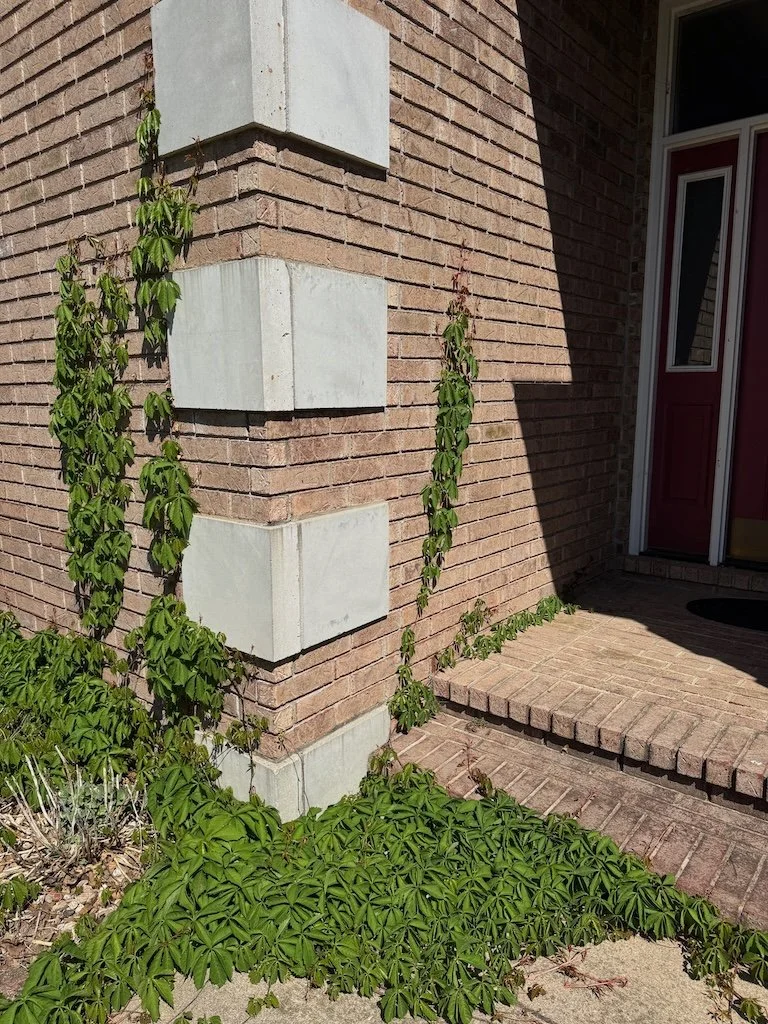
The Virginia Creeper that had been so beautiful in previous falls (red leaves) had either died back or retained the color for only a few days. Some of the vines retained their leaves – but they are brown rather than bright red.

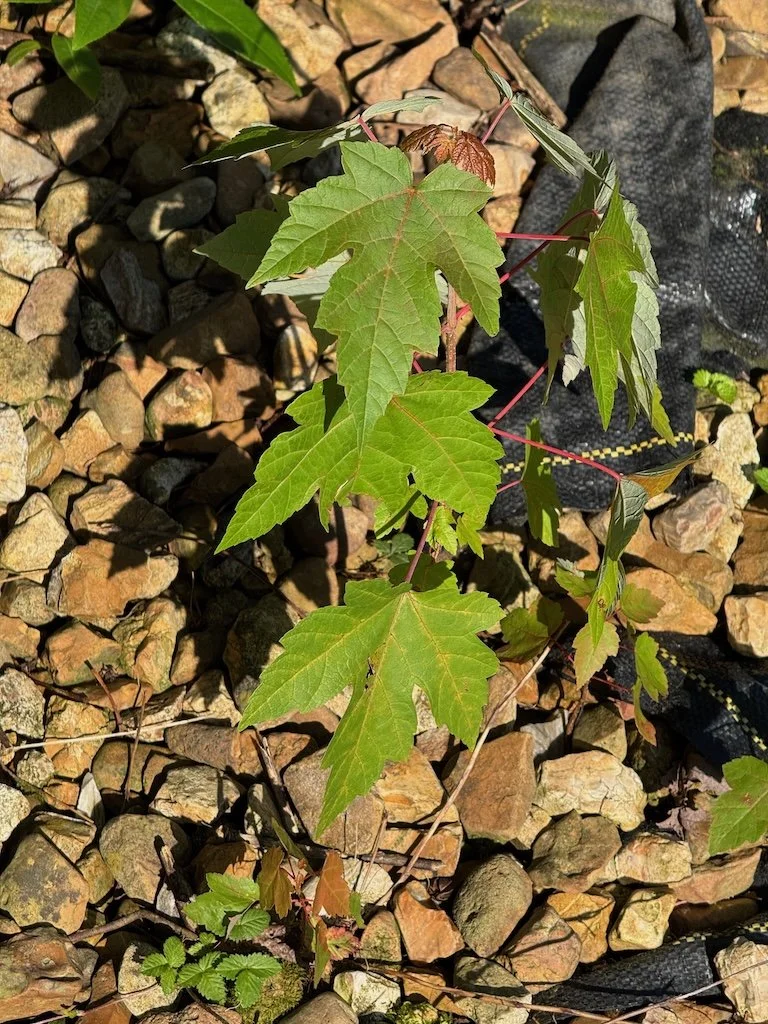
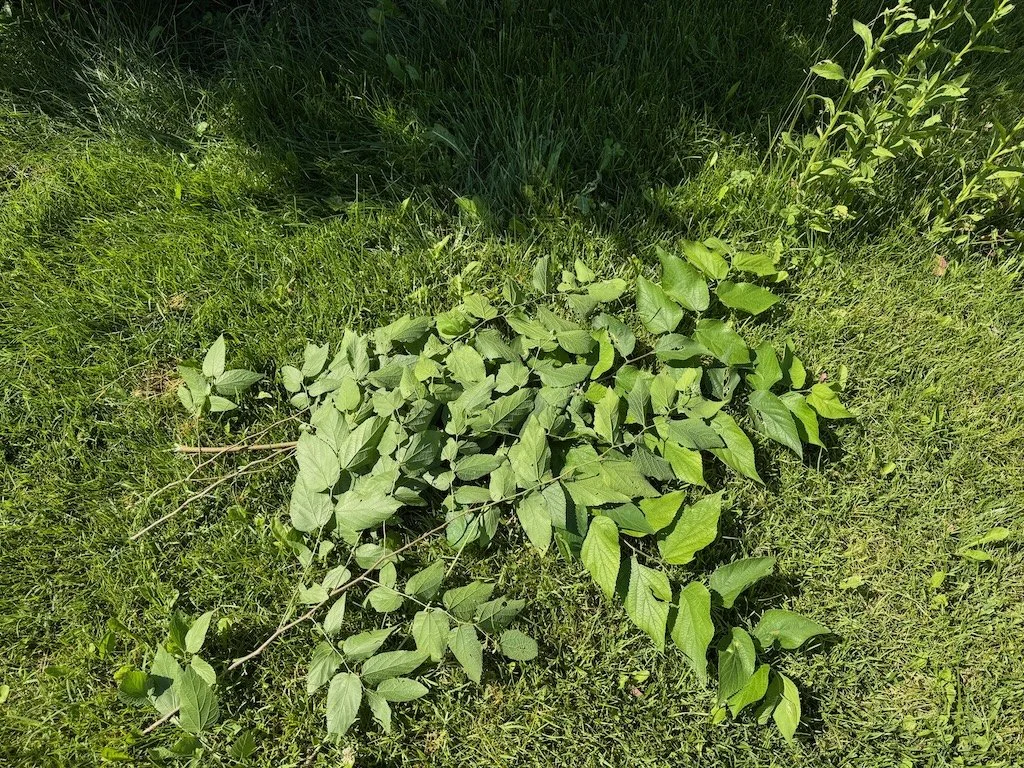
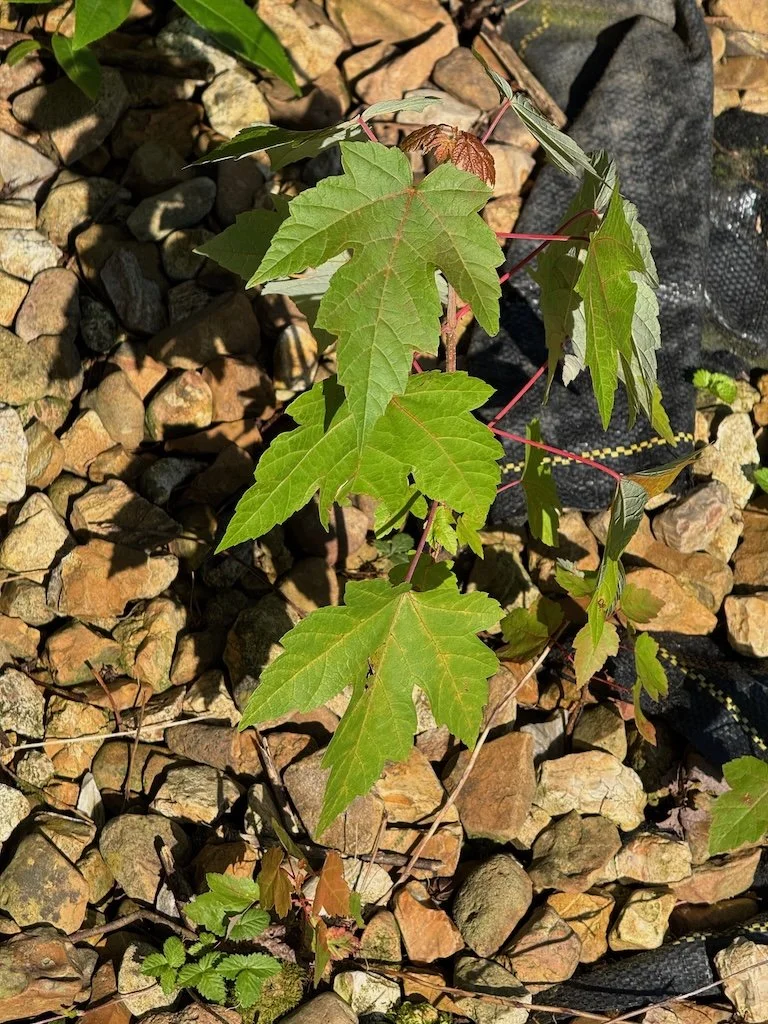
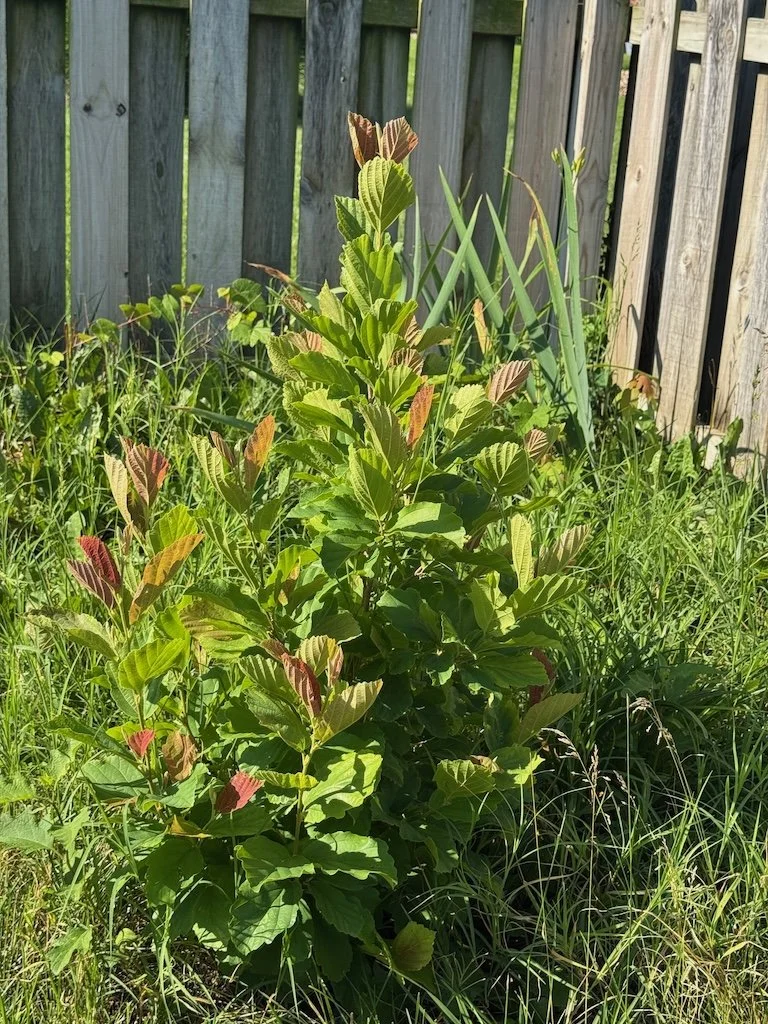
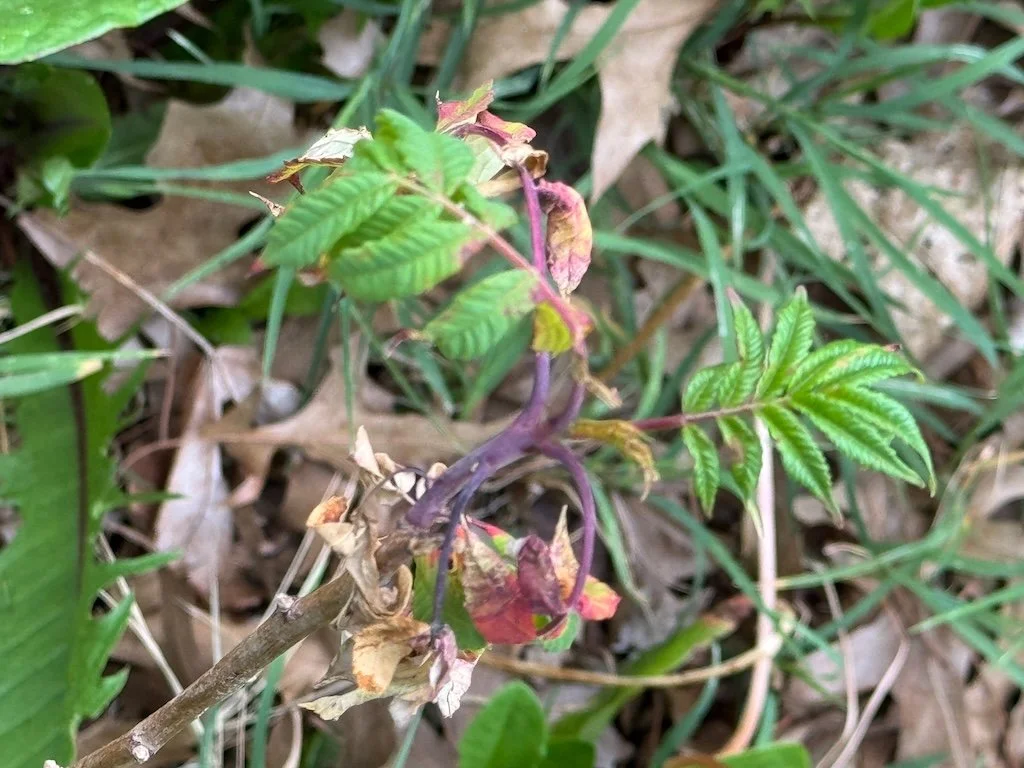
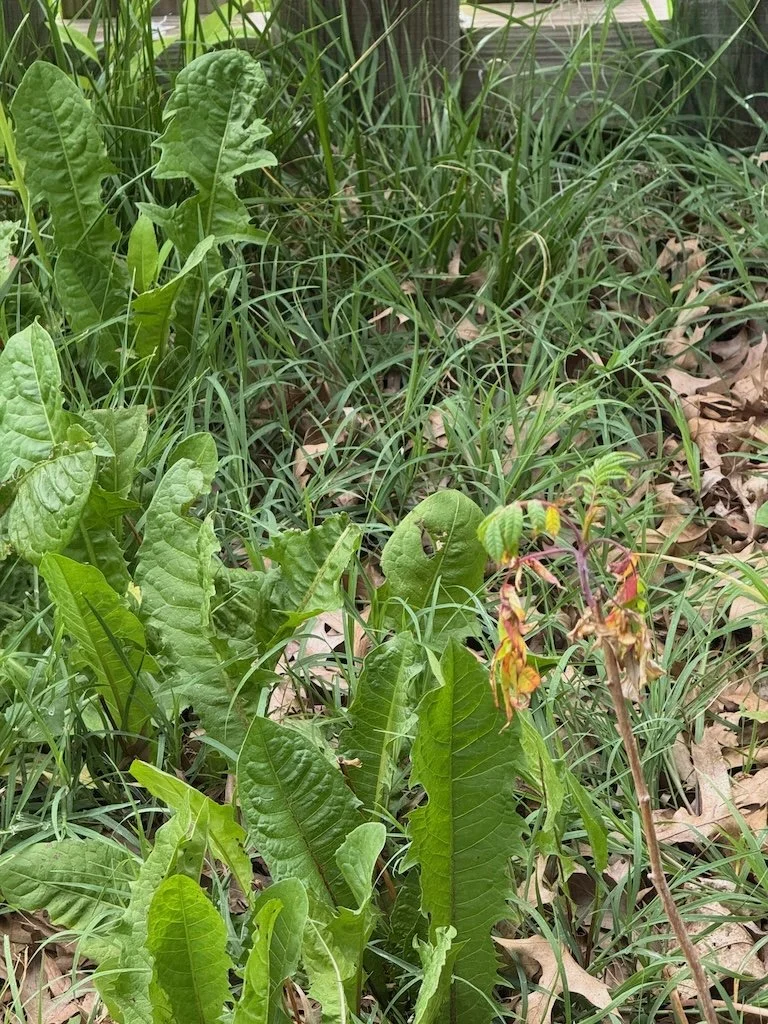
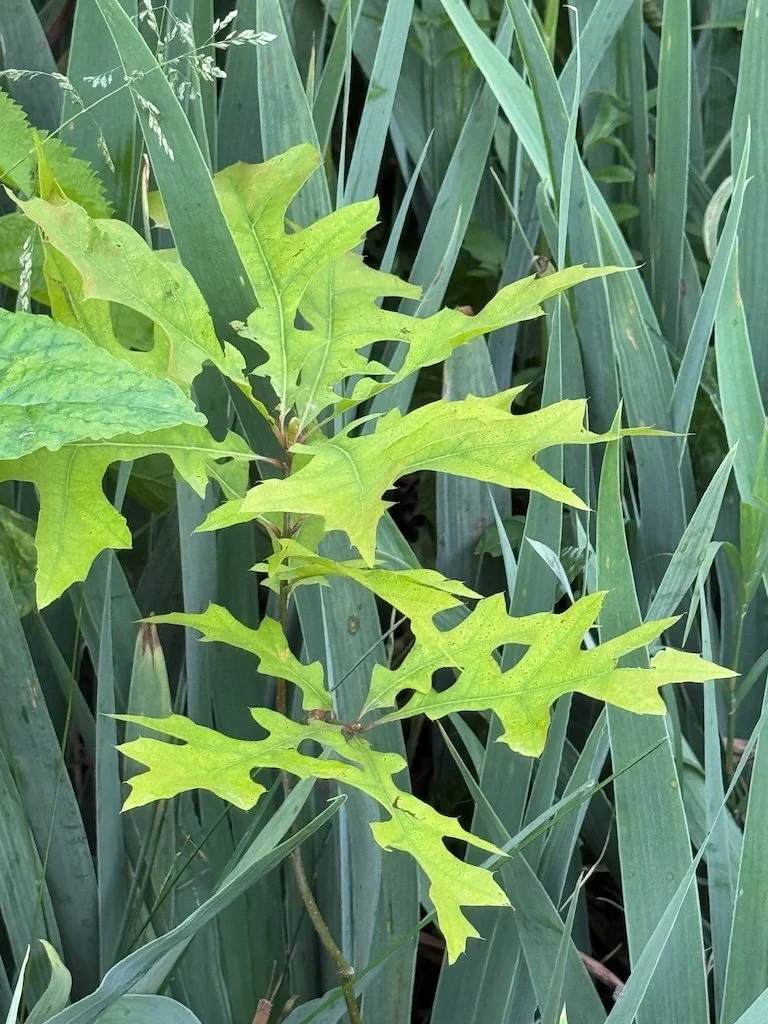
The crape myrtles have interesting seed pods. I am going to cut them all back when there is a day above 50….they will look better next year if I do. One of them is tall enough to brush against the eve of the house so that one is the priority to get cut. The other one to tackle is the one that has a Callery Pear (wild form of the Bradford Pear) growing with it. The red leaves are the pear so I can (hopefully) cut it very close to the ground.

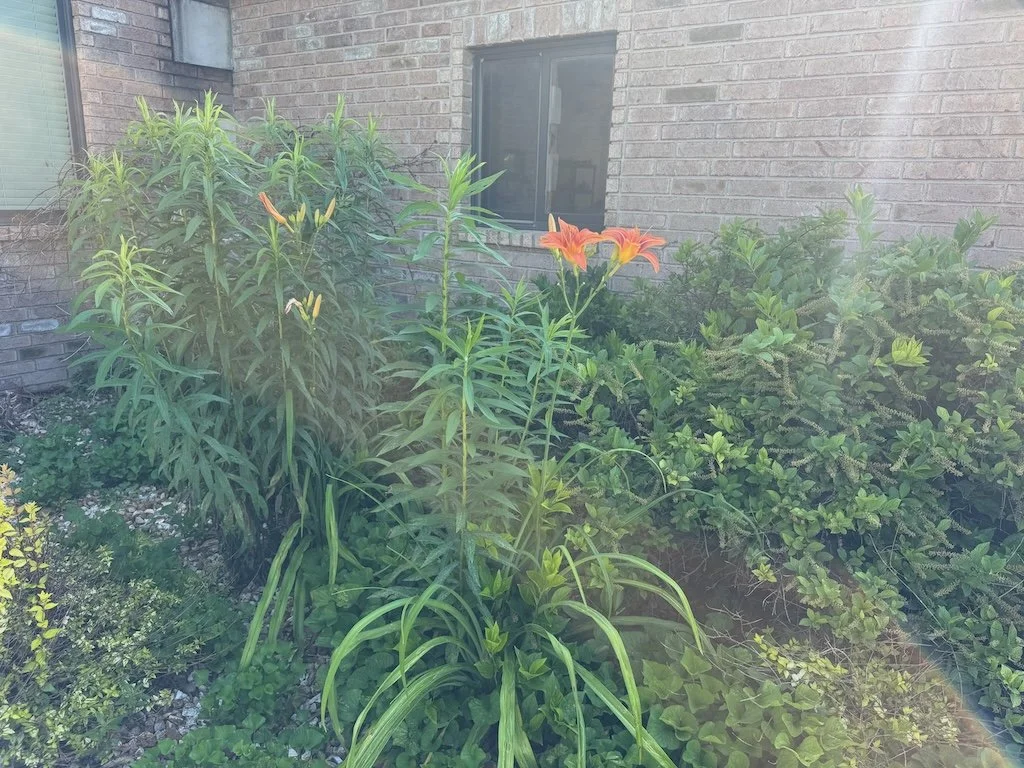
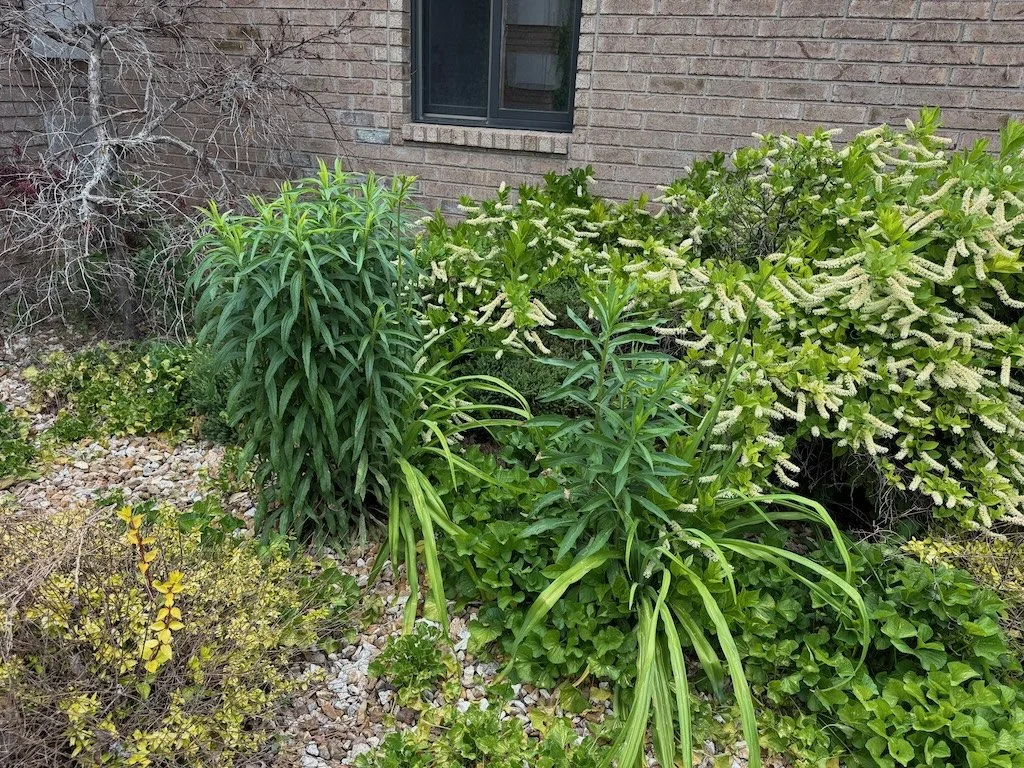
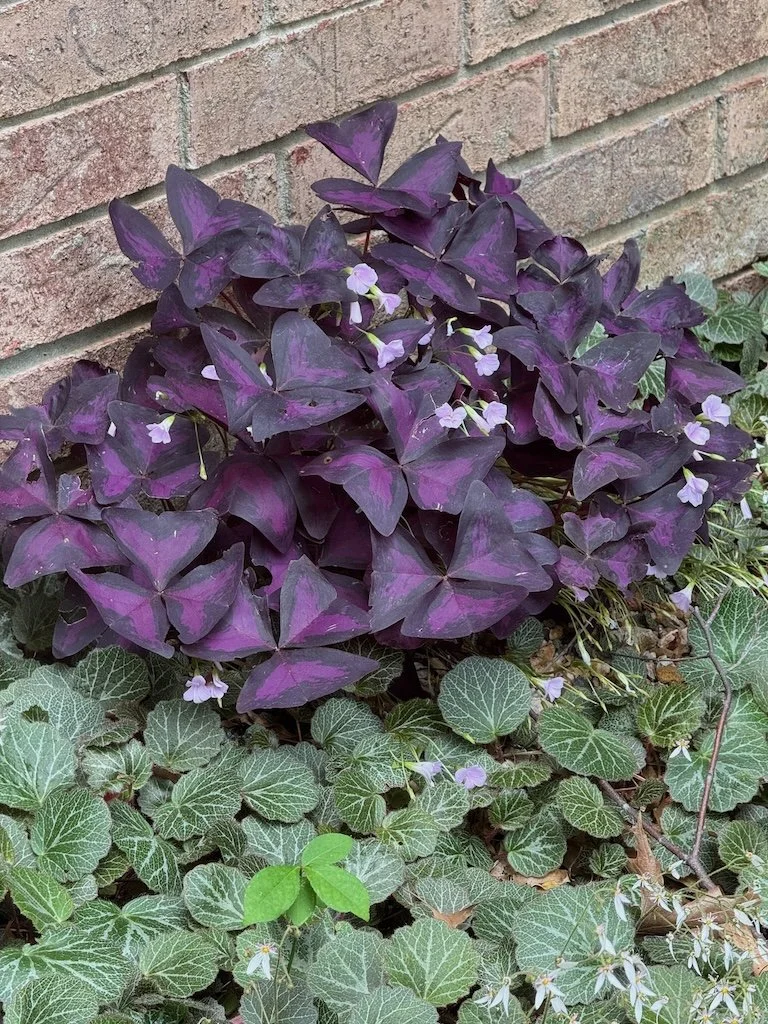
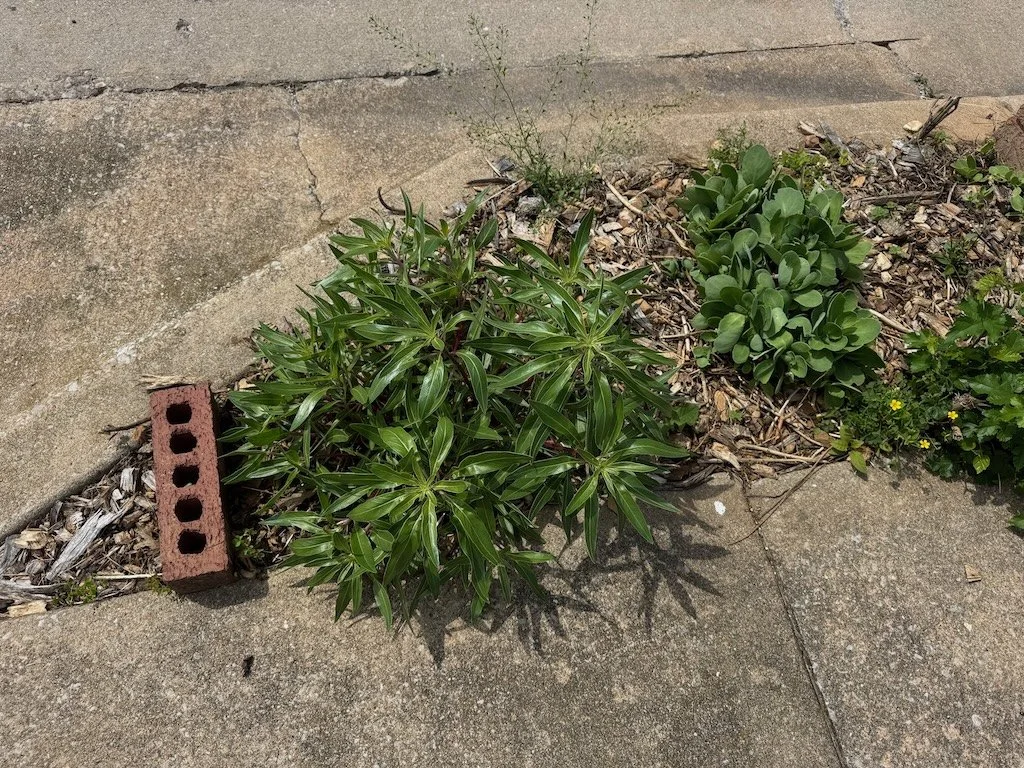
The bed near our front door has some color – bushes that are bright yellow (that need to be trimmed) and some plants that haven’t succumbed to cold temperatures yet because they are protected. The Japanese Maple in the corner has lost its leaves and may be dying; that corner has not worked well for that small tree.

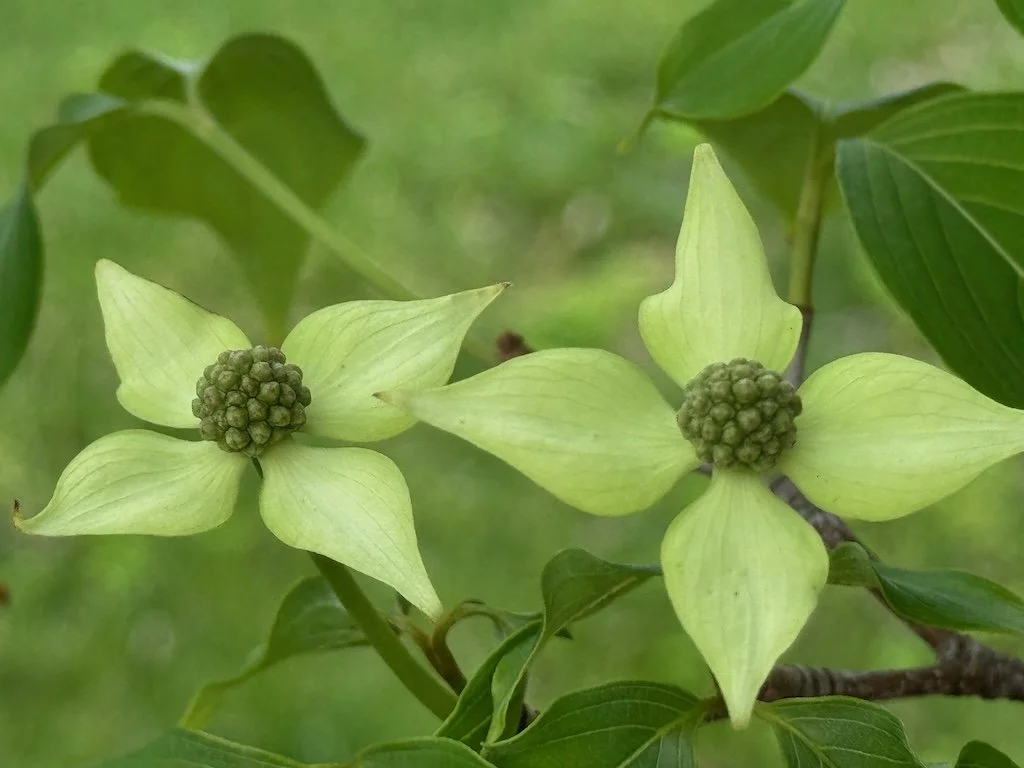
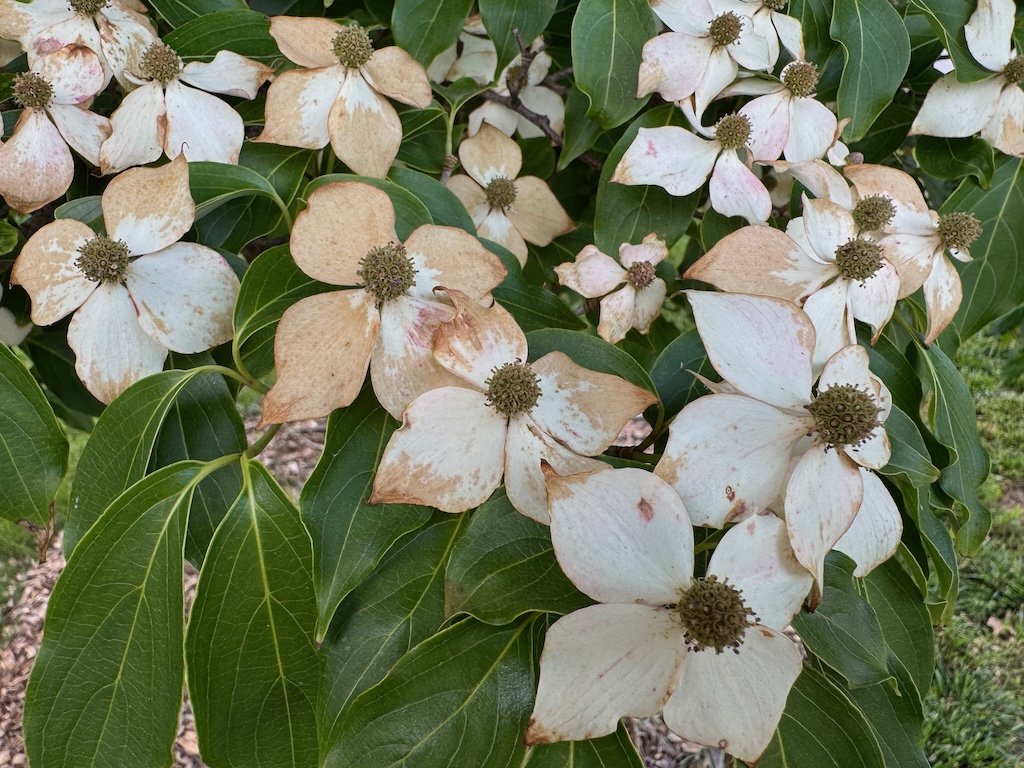
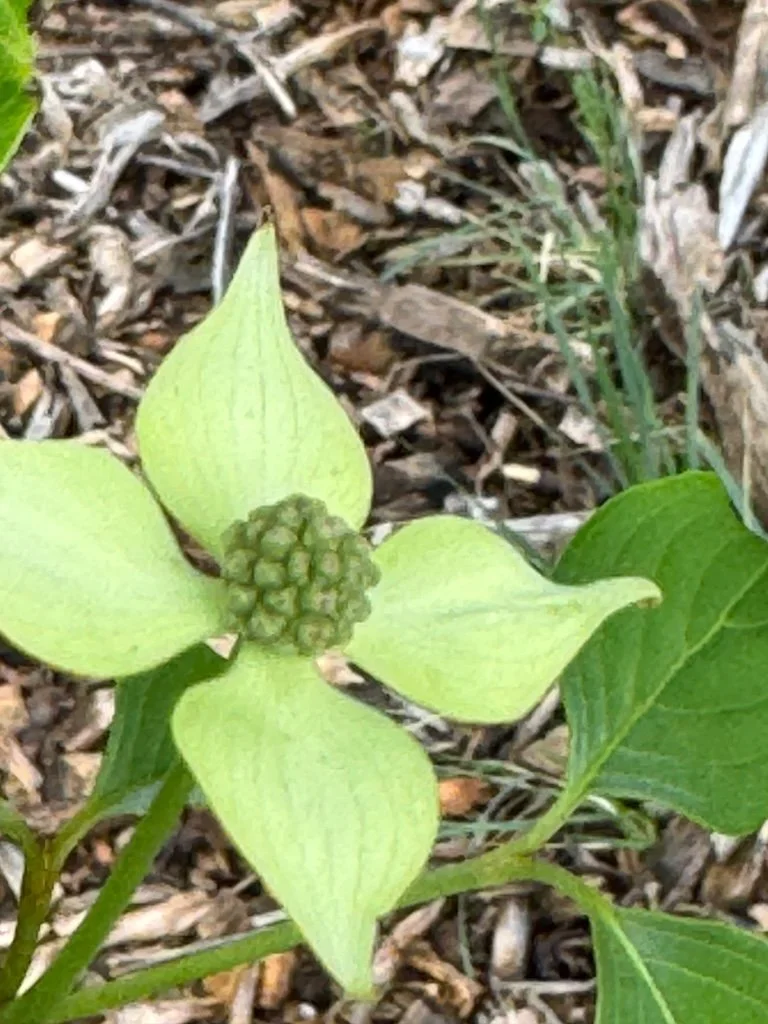
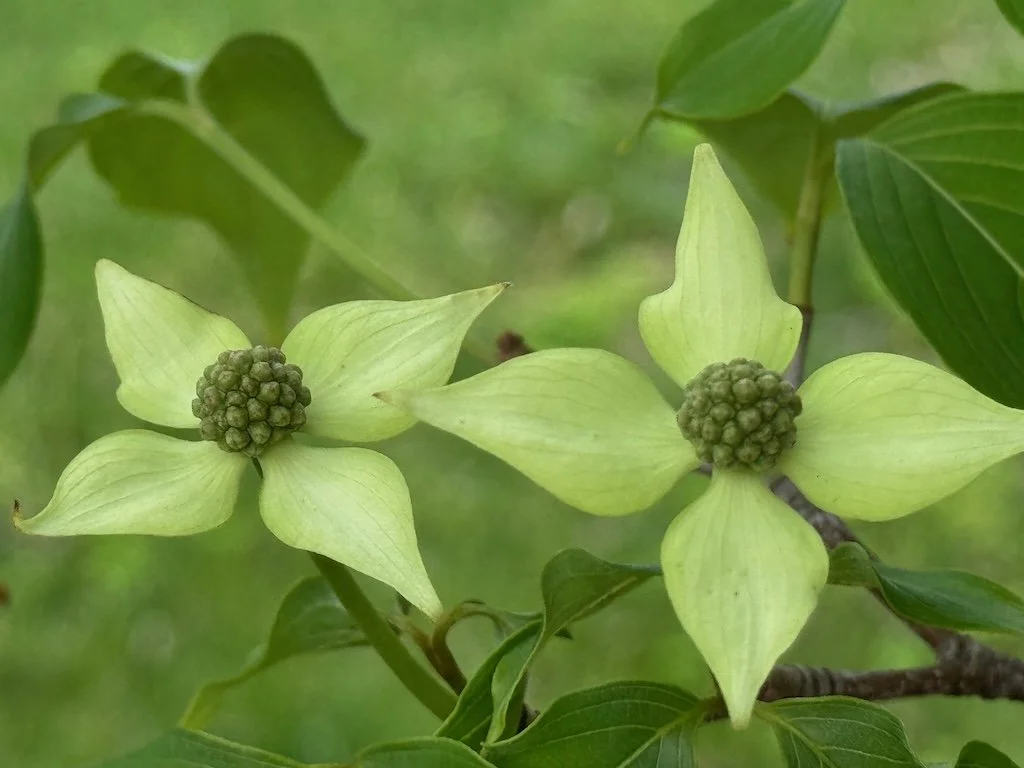
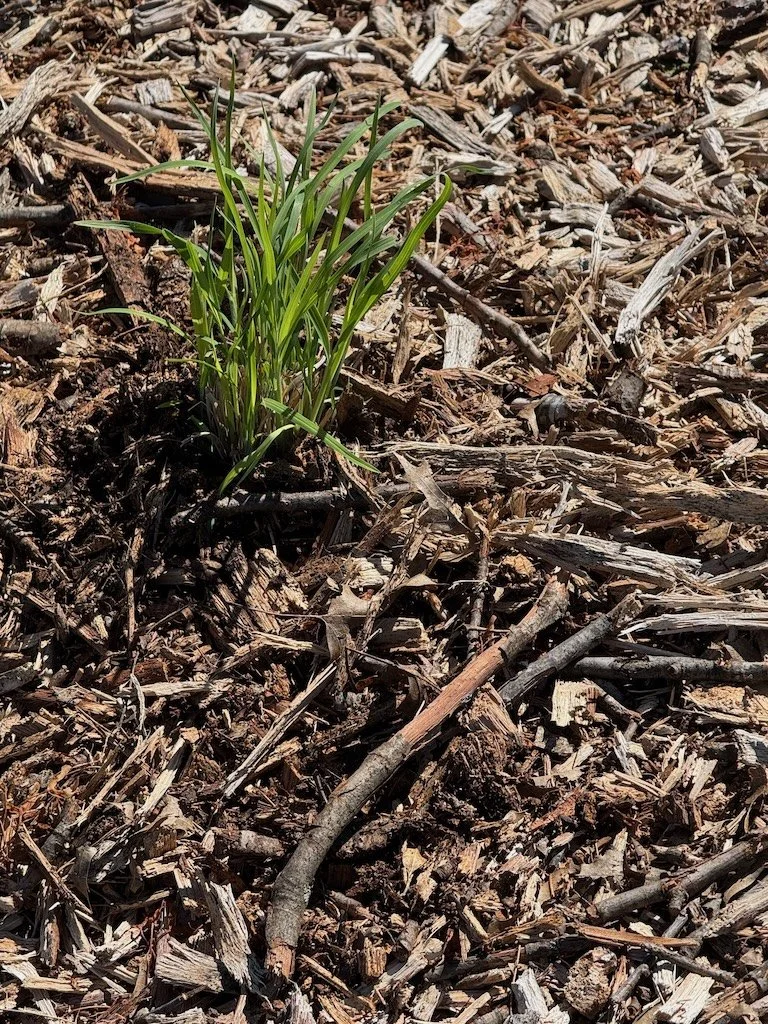
The places where I put the bark mulch from our last tree trimming are holding up well. I will pull weeds from them and plant new plants into some of them next spring. The one under the Kousa dogwood mulch needs some native ground cover planted there…and maybe some of the lower branches cut.

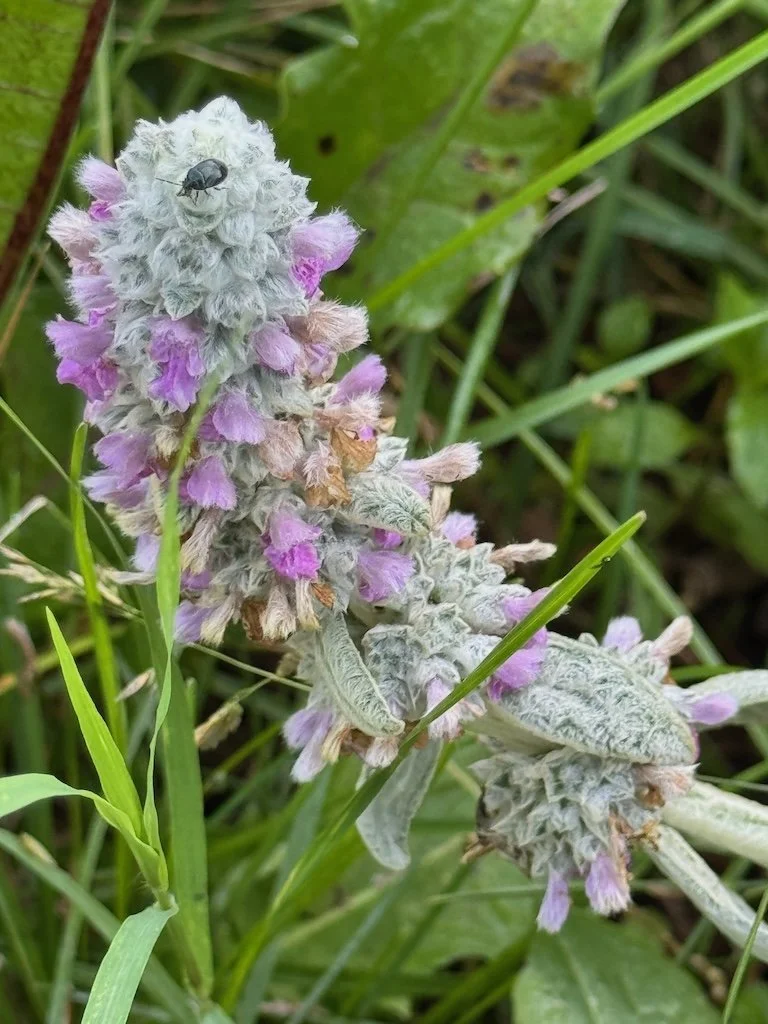
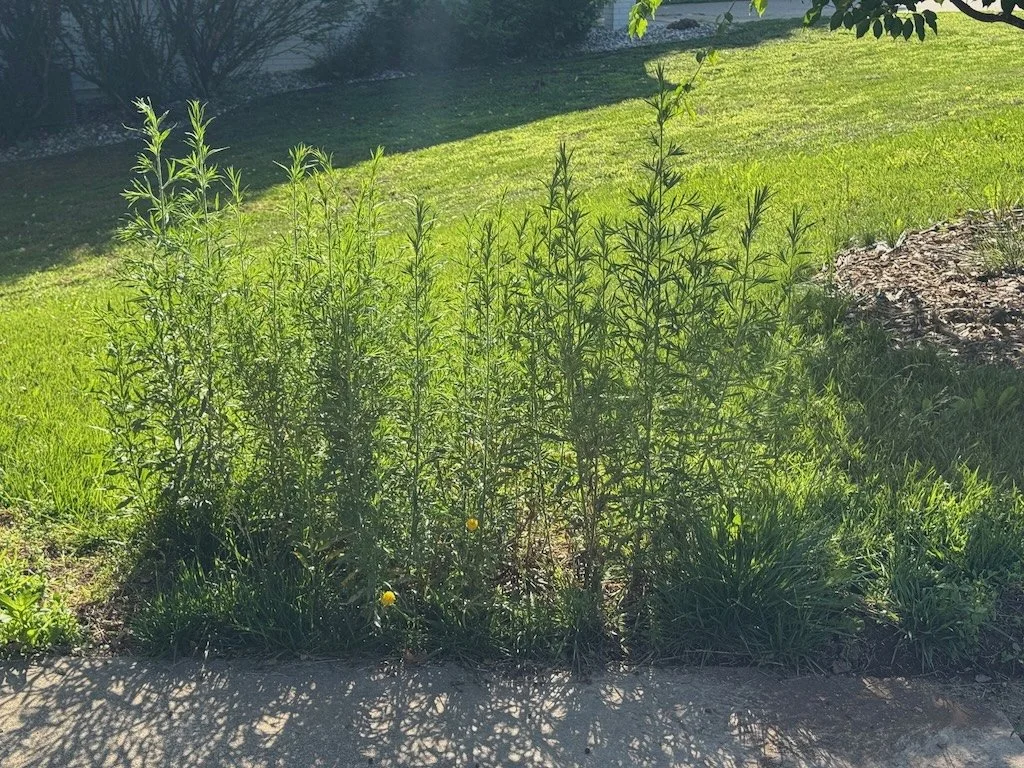
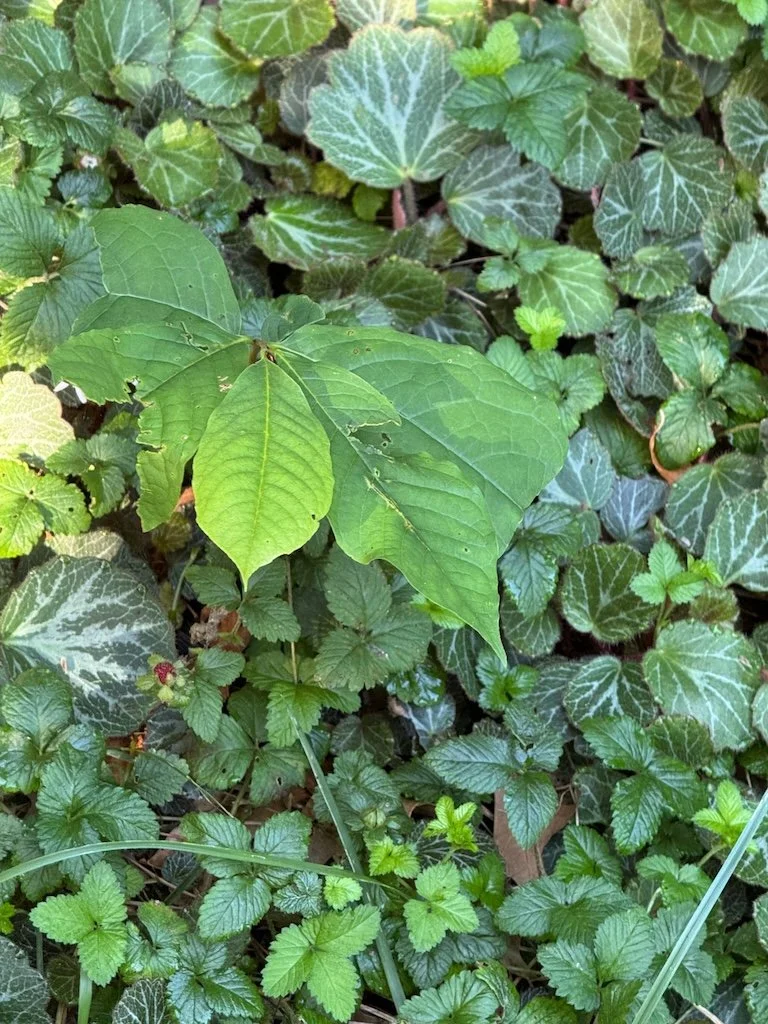
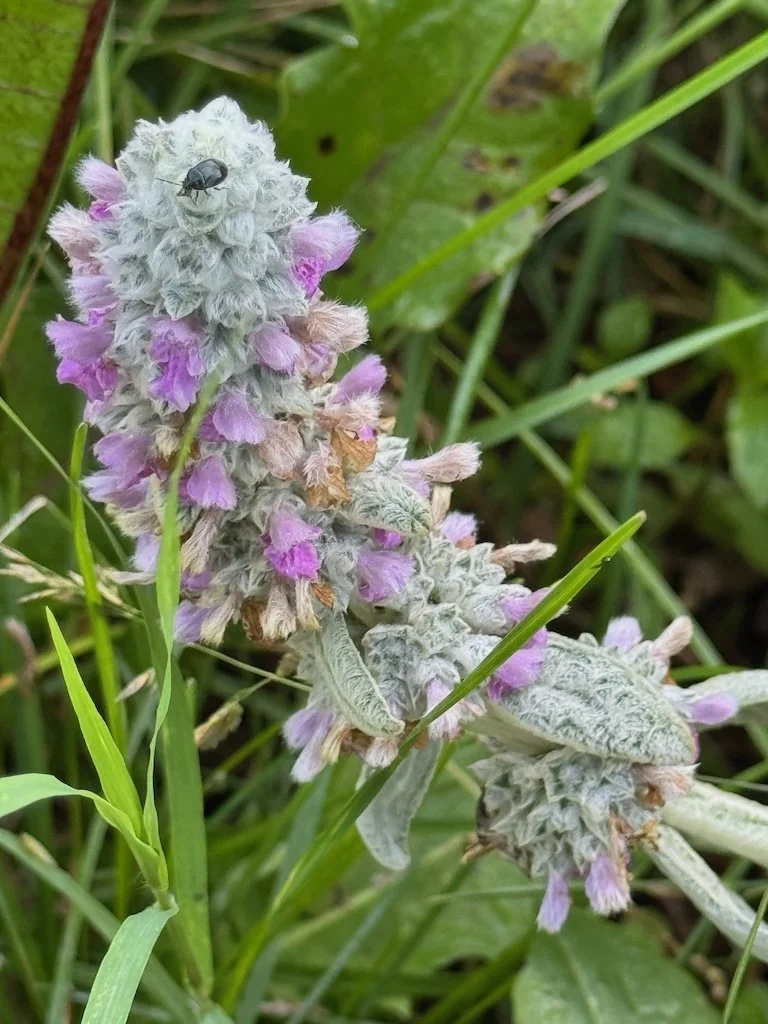
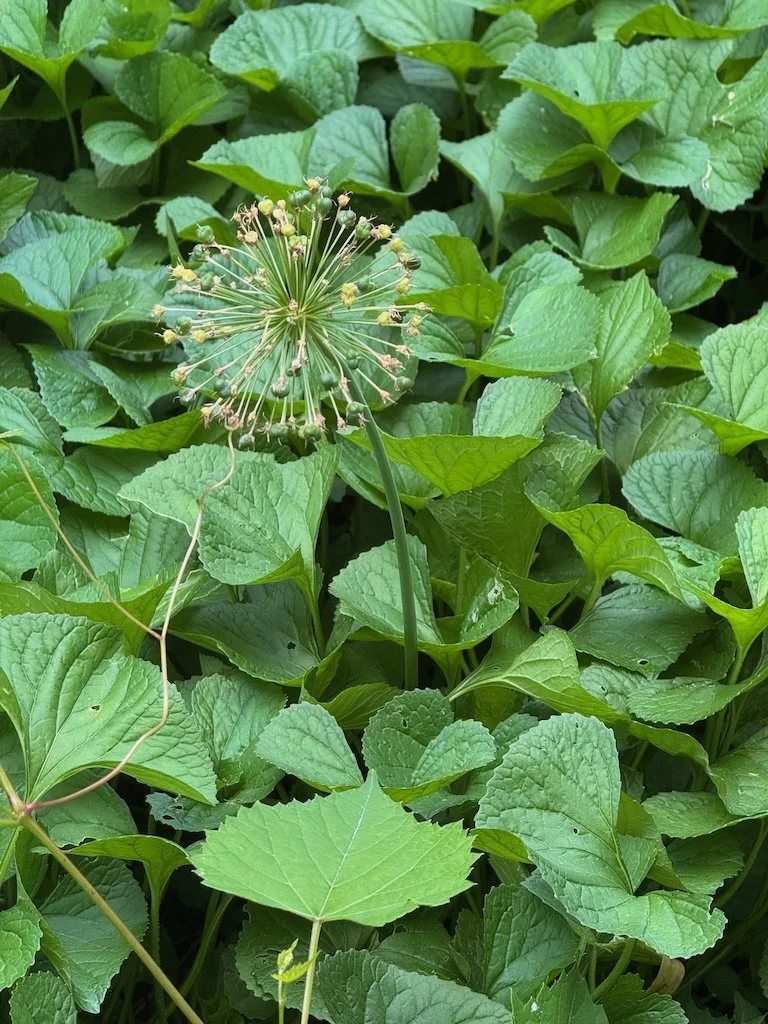
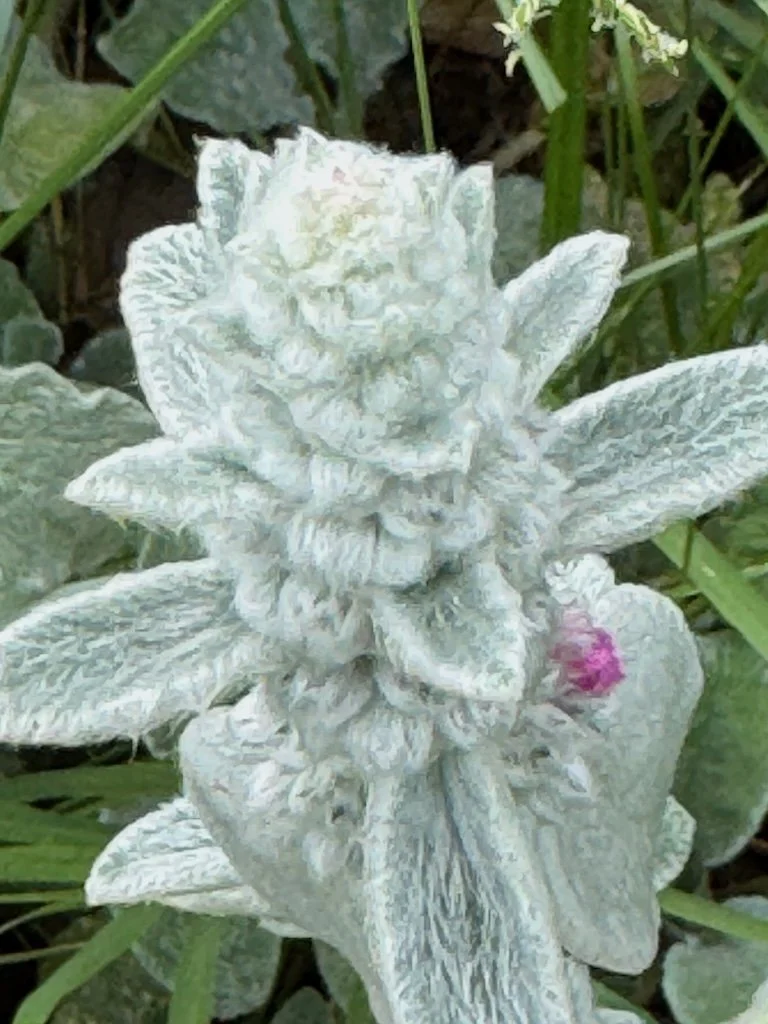
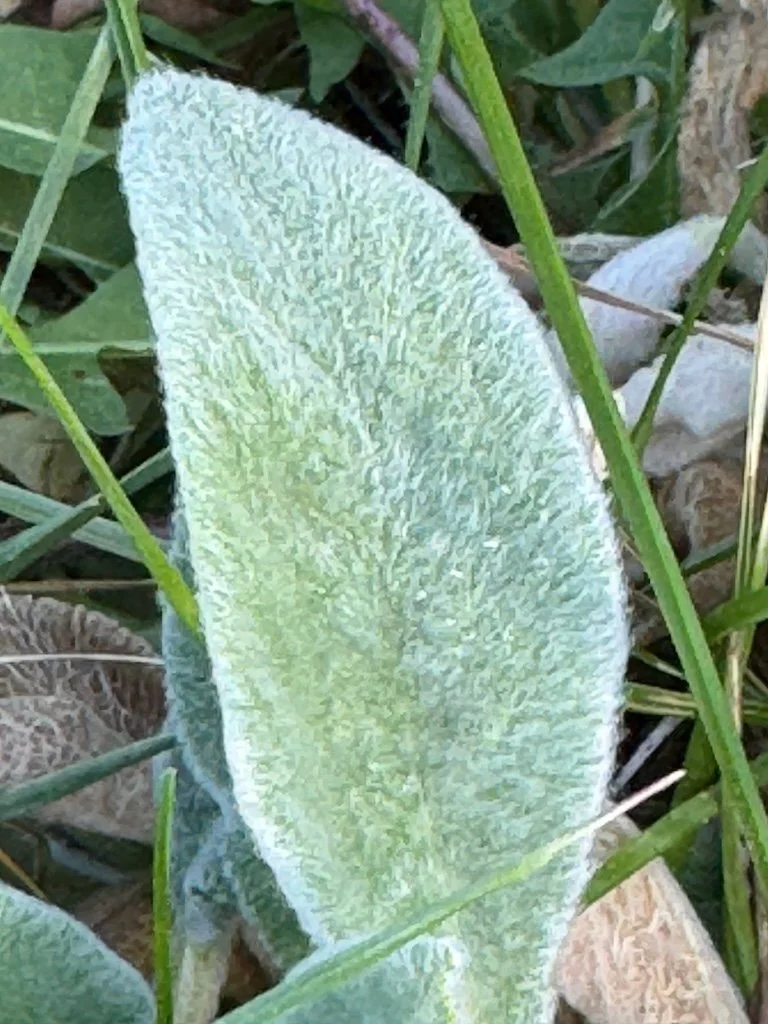
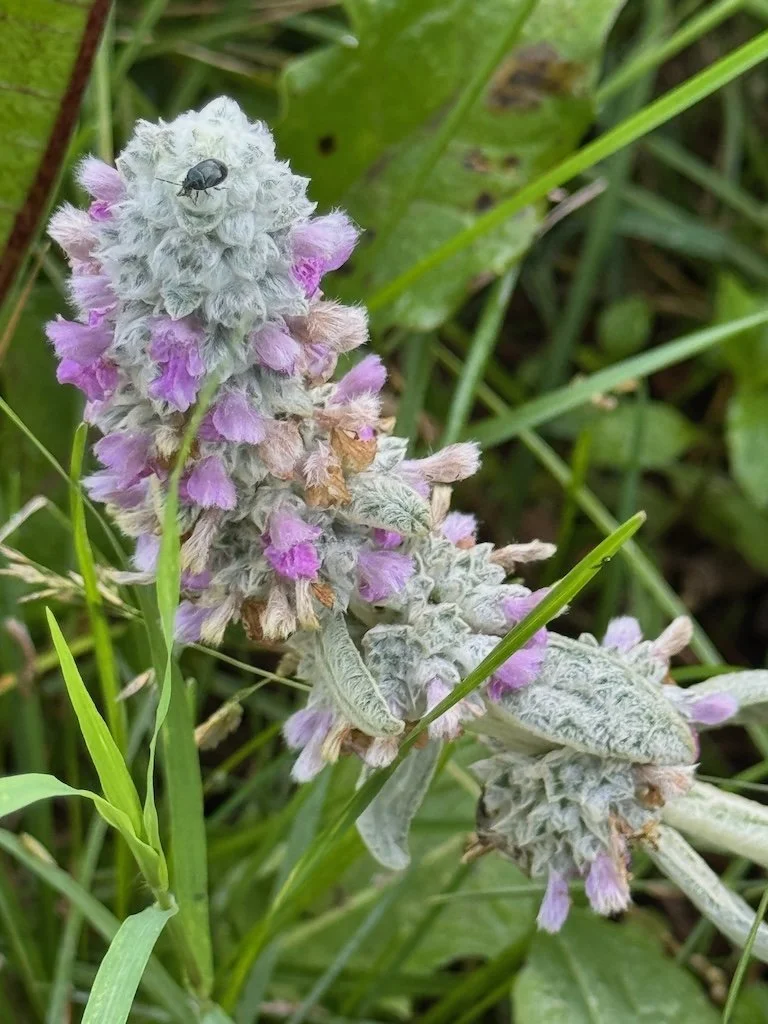
There are seed heads on the lambs ear and goldenrod and chives…hopefully I will have more of those plants next year.

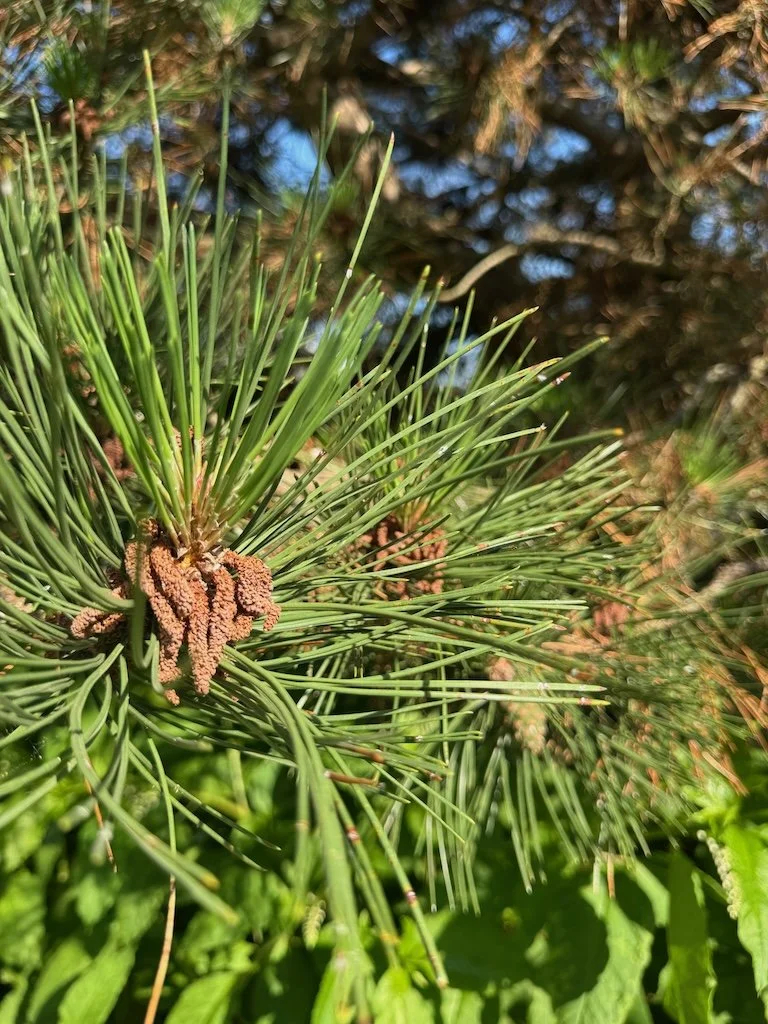
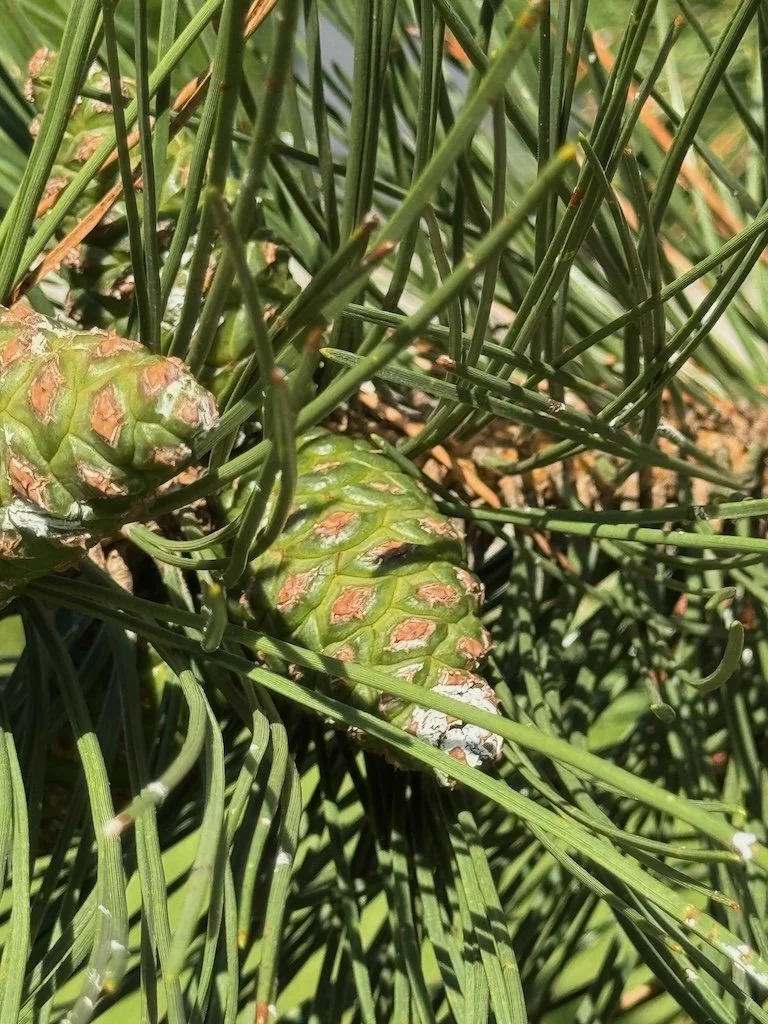
Our backyard is fenced and I am planting to not mow until early summer - leave the leaves. A lot of the leaves are from our neighbor’s oak and probably contain overwintering insects. The birds will appreciate the bounty – food for their chicks next spring. I am noticing that the circle where the pine needles are falling is enlarged than last year. I will be mowing less of the side yard next year! My long-term plan for the side yard a mowed path….not much grass at all…native plants filling in on both sides of the path (and maybe the path itself which might change from year to year.  

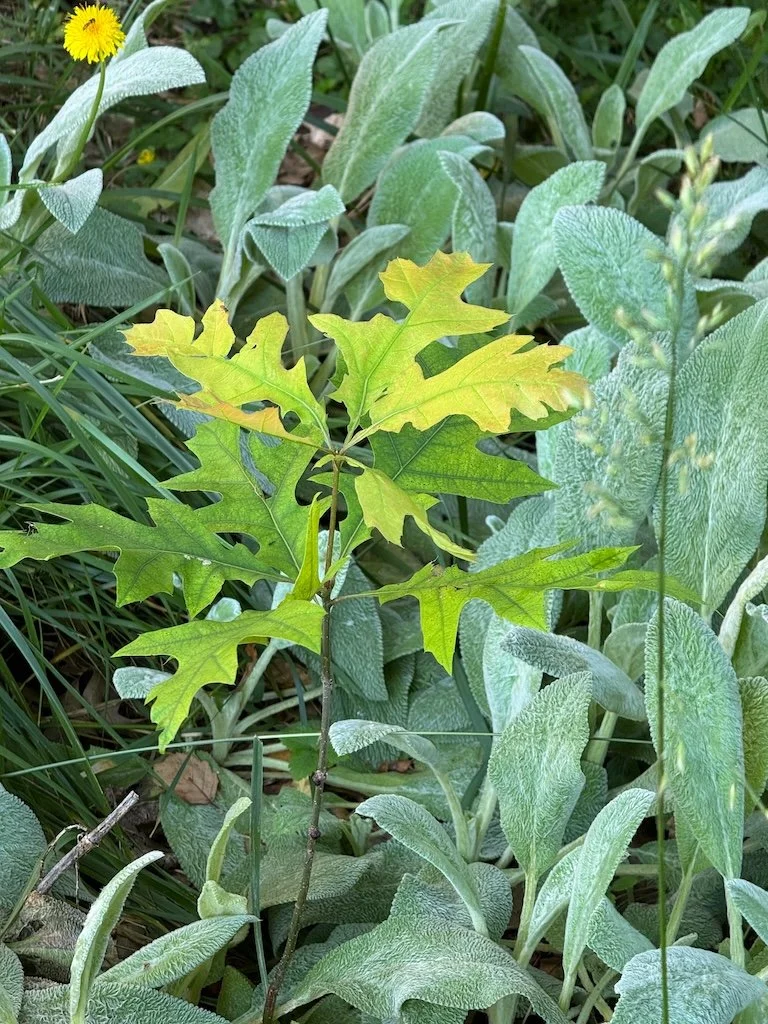
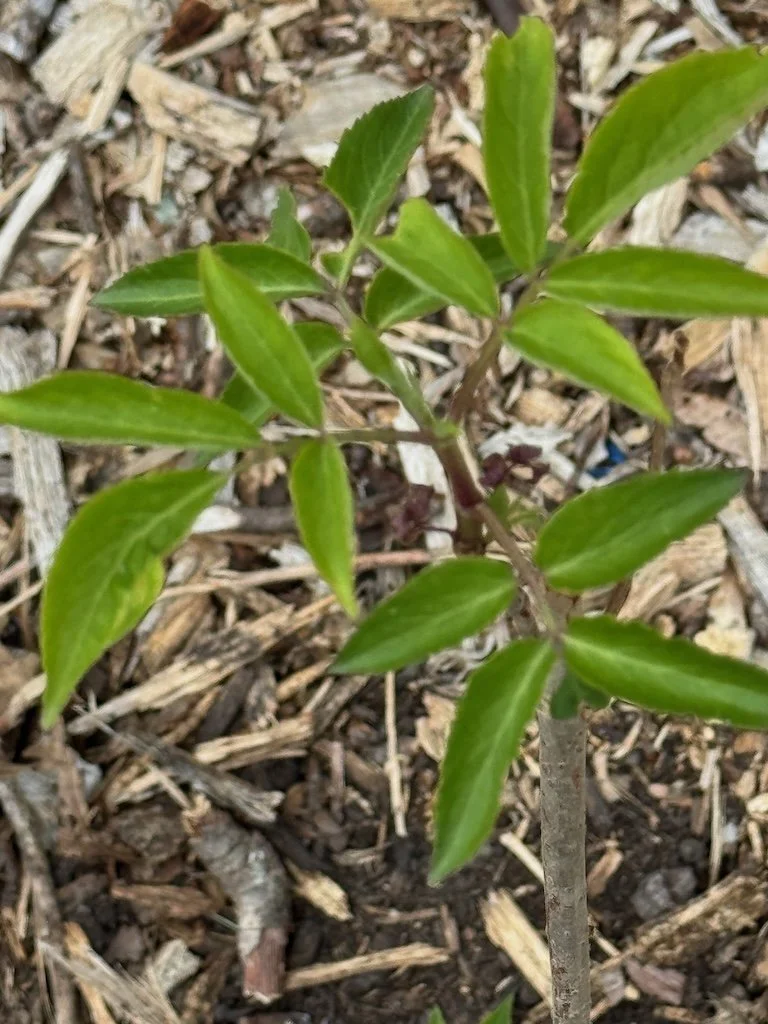
The bed where we removed a pine tree that fell over is more exposed that most of our beds. The plants there had frost. The small cluster of American beautyberry (Callicarpa americana) fruit is a pop of color. Hopefully next year the beautyberry will begin to grow more rapidly and become the dominate plant in the bed at some point. I will probably allow a native tree that comes up (bird or squirrel planted)…whichever one shows up first: oak, redbud, or hackberry.

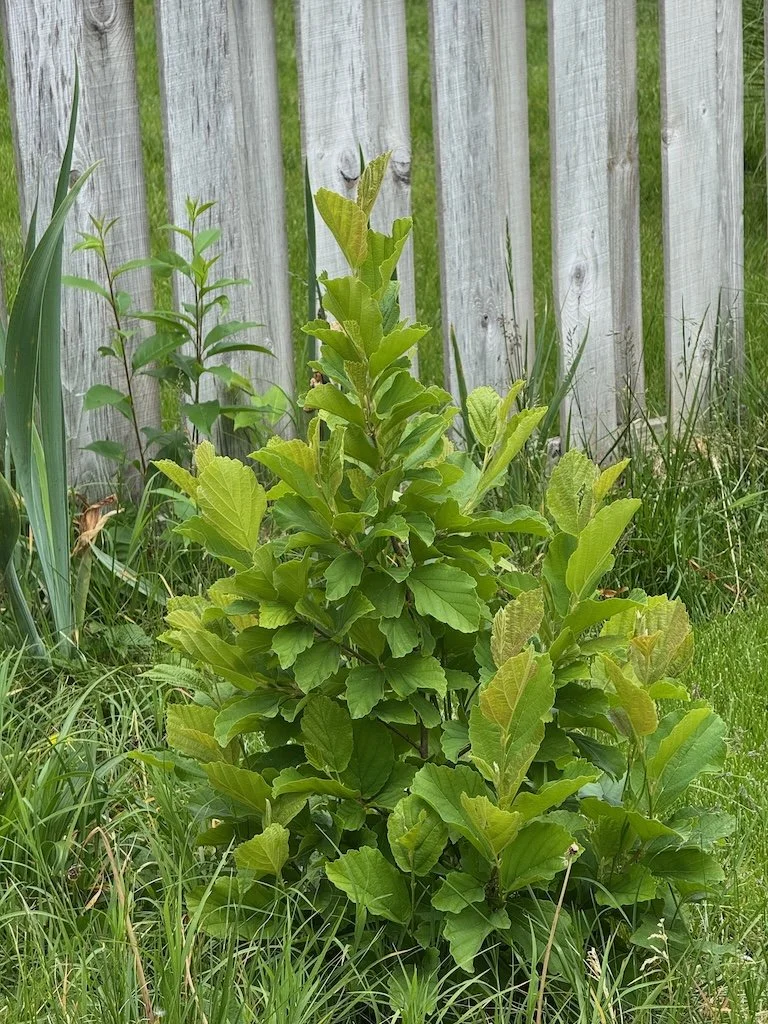
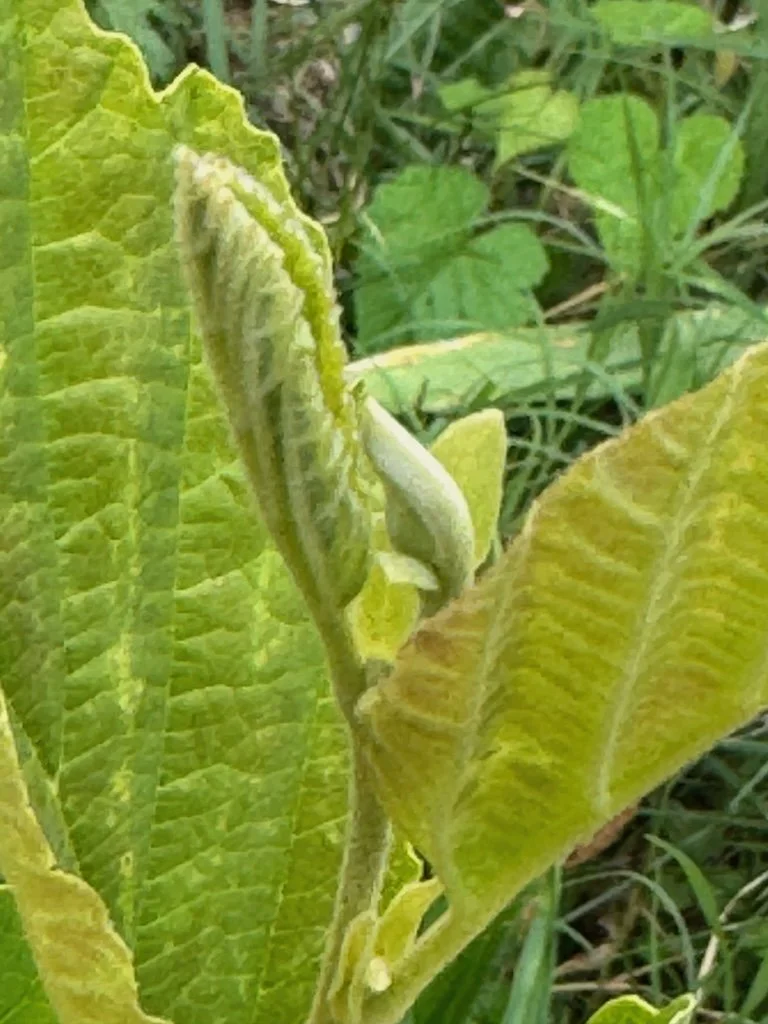
On the west side of the house there is a clover pillow that seems greener than the area around it. Maybe the grass growing there is greener with the extra nitrogen the clover provides in the soil! The witch hazel is still small but I am hopeful I might see a few blooms next year. It is a Missouri native – Ozark Witch Hazel (Hamamelis vernalis) which blooms in January/February.

I am watching the forecast for warmer day to get some cleanup done….and to put down a thick layer of mulch for my new bed that will be planting into next spring. My daughter will be getting more mulch when she has her oak trimmed.

Project FeederWatch – Another Season

We started our second season recording observations of birds at our home feeders with Project FeederWatch. Our set up is the same as last year. We have two old rocker recliners in our basement that have a clear view of our feeders on the other side of the patio from our window that is under the deck.

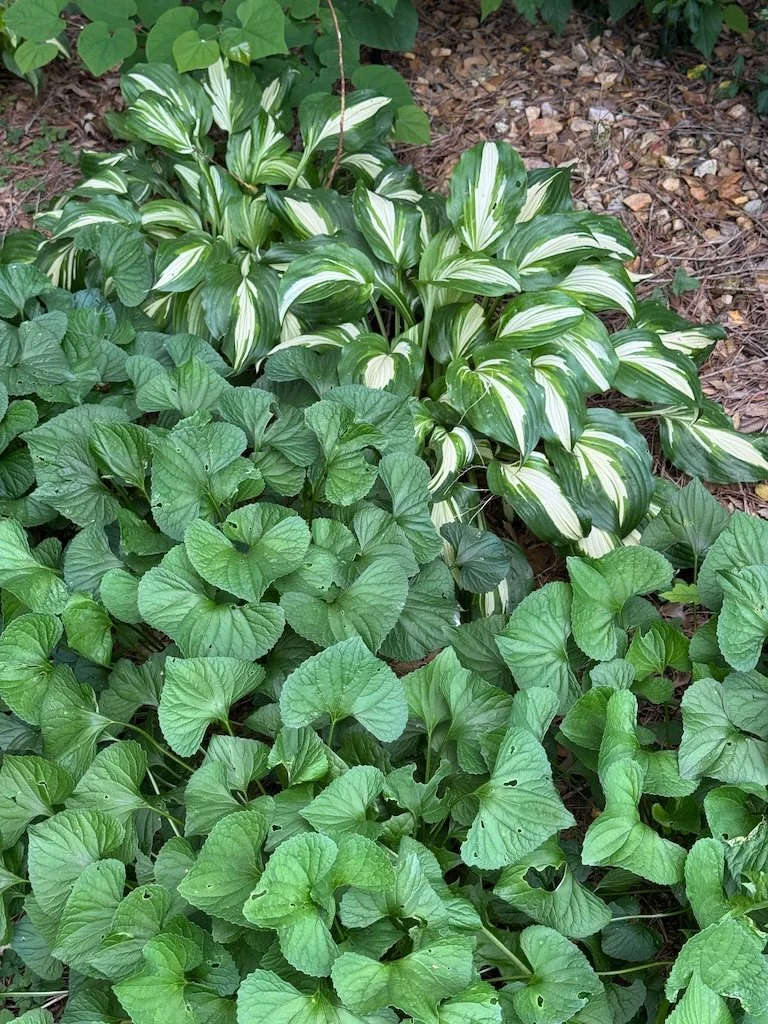
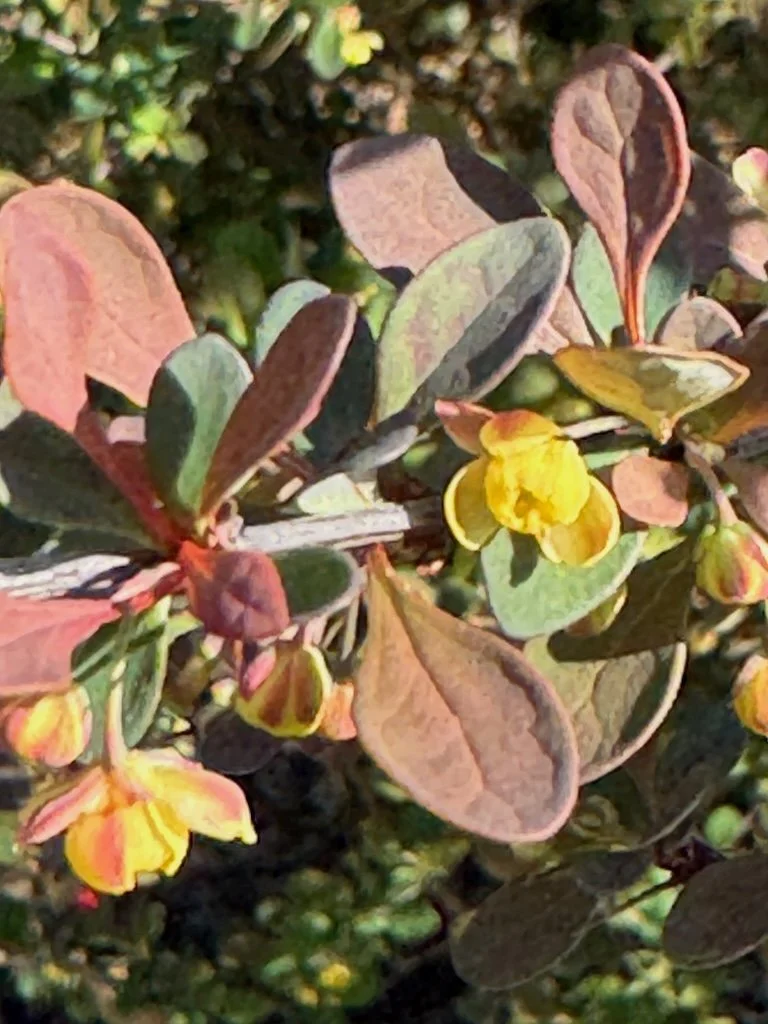
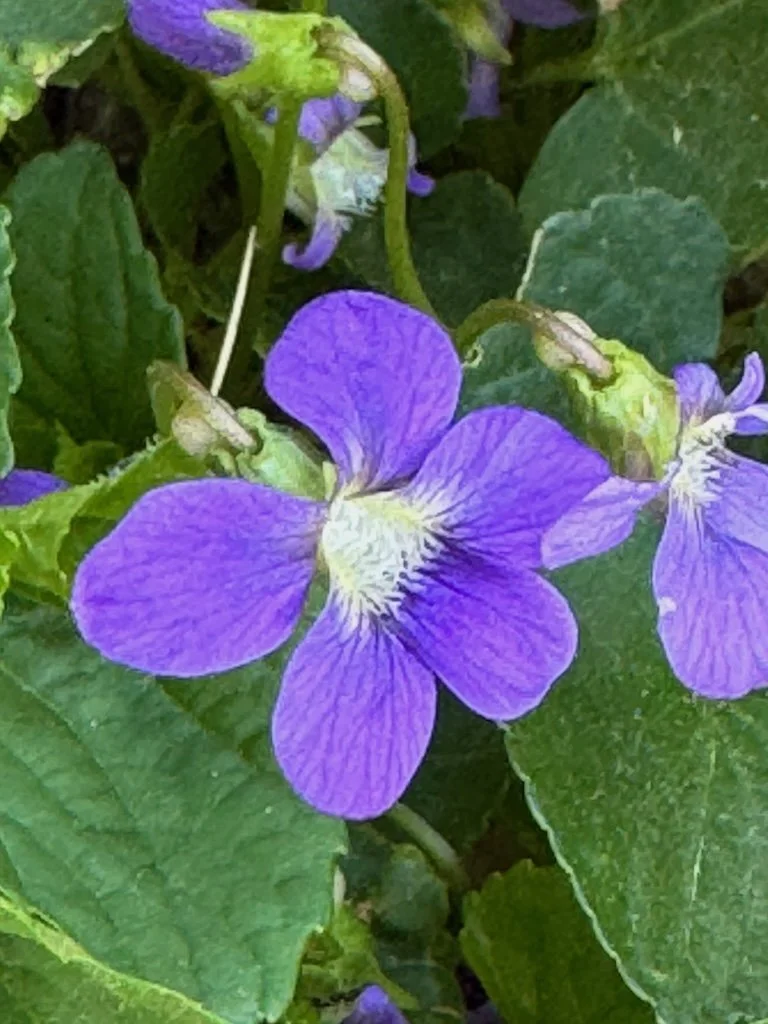
The Project FeederWatch season started on November 1 and there was still a lot of greenery. I cut back the Japanese Barberry (really want to take it out completely) but otherwise there is more vegetation than last year with the cedars, holly, and violets growing over the past year. The feeder nestled in the holly and cedars is a bit harder to reach. There is a brush pile in another part of the patio (in the lower left of the picture) that is my holding area for twigs I will burn in the chimenea eventually. The birds like that area too.

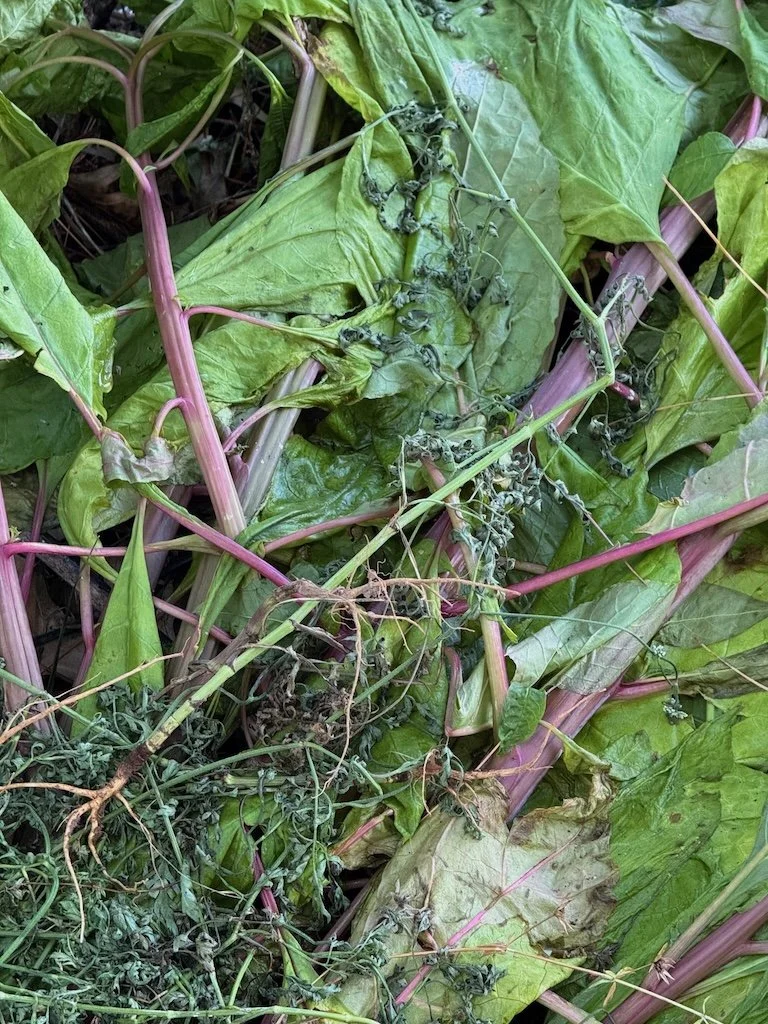
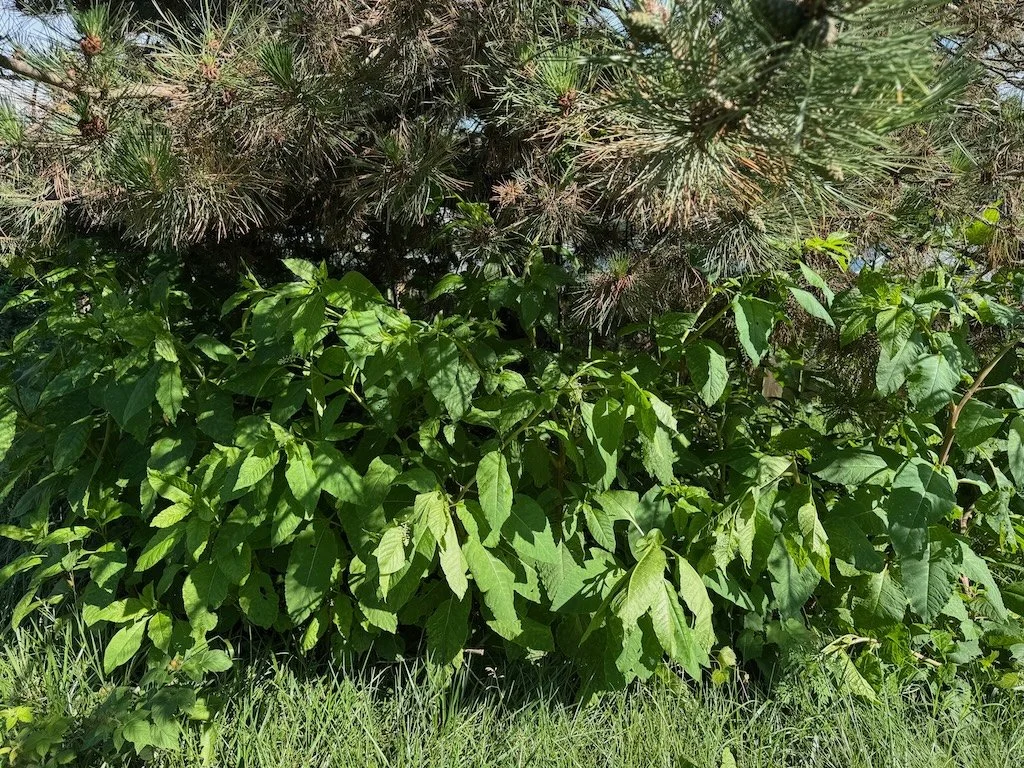
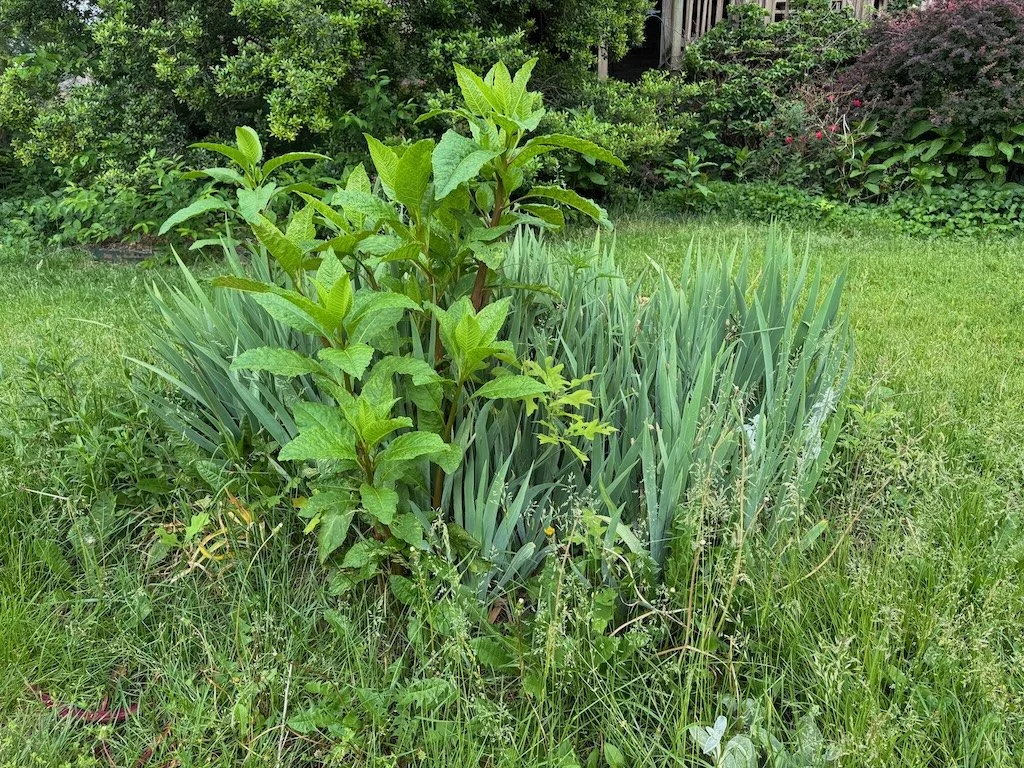
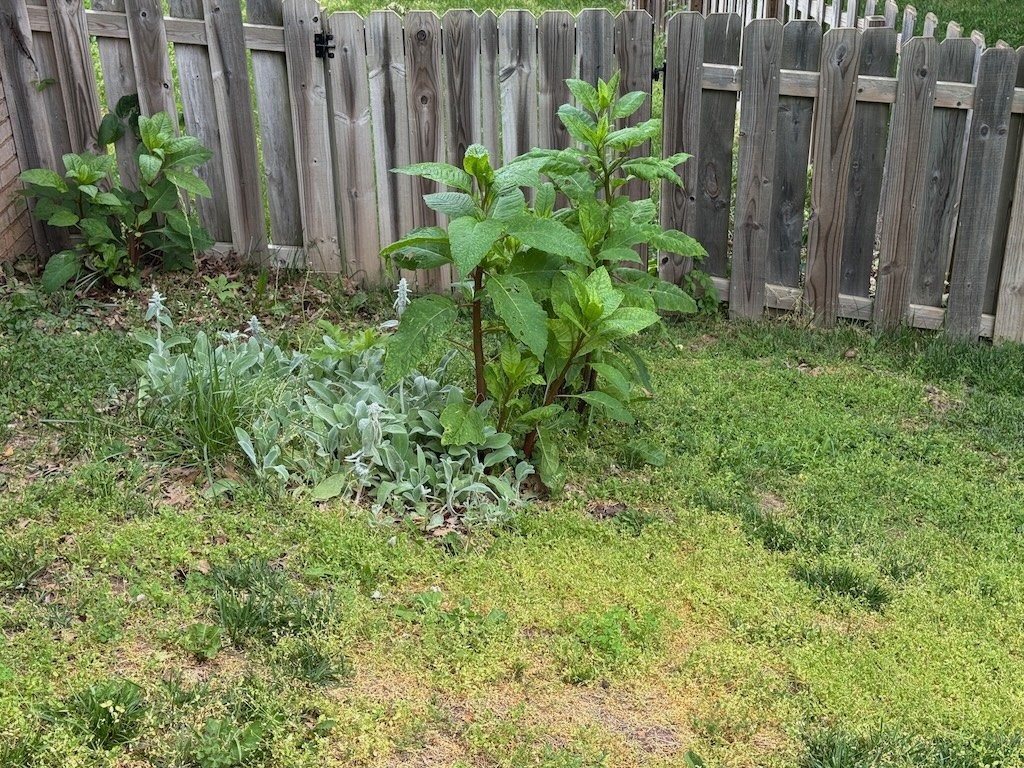
New this year is clump of vegetation at the edge of the patio between the two feeders: Pokeweed that seems to come up everywhere in our yard and grasses that had sprouted from birdseed from the feeders above. In general, the birds seem to like the extra vegetation and they eat the seeds from both plants occasionally.

The window and the low light make photography more for id than art. Even at the being of the season we had dark-eyed junco (a winter bird for us), downy woodpeckers, and northern cardinals, tufted titmice, and at least 3 kinds of sparrows…to name few.

Of course we have squirrels that come through too. They sit on the deck railing and gaze longingly at the feeders – which have proved to be mostly squirrel-proof!

Zentangle® – November 2025

Thirty days in November…so I selected 30 tiles from the 101 that were produced in November.

They are all ivory cardstock with black ink patterns…color highlights. There are patterns I repeat frequently and others that seem to emerge for a few tiles only. I am using color pens that are several years old; I remember that I bought some of them at the Walmart in Carrollton TX in the year I started traveling to Texas again after COVID. It takes discipline to not buy new pens until old ones are depleted!

I was traveling for 11 days out of the month and kept two pockets (one for tiles and one for pens) of my laptop bag packed with supplies! My Zentangle time is part of my winding down routine toward the end of the day whether I am at home or in a hotel; almost all the tiles were produced between 8 and 9 PM!

I’ve already cut red, green and white tiles for December – and plan to use black and white inks.

The Zentangle® Method is an easy-to-learn, relaxing, and fun way to create beautiful images by drawing structured patterns. It was created by Rick Roberts and Maria Thomas. “Zentangle” is a registered trademark of Zentangle, Inc. Learn more at zentangle.com.

Aurora in Missouri

The aurora was visible from the Springfield MO area this past Tuesday! My husband said that he couldn’t see it when he walked outside at our house in Nixa – but his phone certainly did! The picture was taken at 8:20 PM.

Dr. Mike Reed (a colleague of my daughter’s at Missouri State) saw it too – at 9:20 PM.

One of my daughter’s students (Bishwash Devkota, MSU astrophysics senior and president of Ozark Amateur Astronomy Club) went out to Missouri State University’s Baker Observatory and provided 5 photographs taken after 10 PM.

The sky is not particularly dark at our house; seeing the aurora and a few stars demonstrates how good the phone camera is!

First Frost

The first frost at our house happened on Halloween! It was not universal…just on the most exposed parts of the front yard. It was the microclimates made visible! I took some pictures of the grassy areas impacted; I had mowed them the previous day. I took a few images of the grass…interested in the patterns ice crystals make on different surfaces. The ice seemed to outline the leaves. On the grass, the ice tended to enlarge any texture.

There is still a lot of green. The low temperature did not last long enough to be the killing frost for many plants. That will probably happen in the next few weeks.

Our Missouri Yard in Early Fall 2025

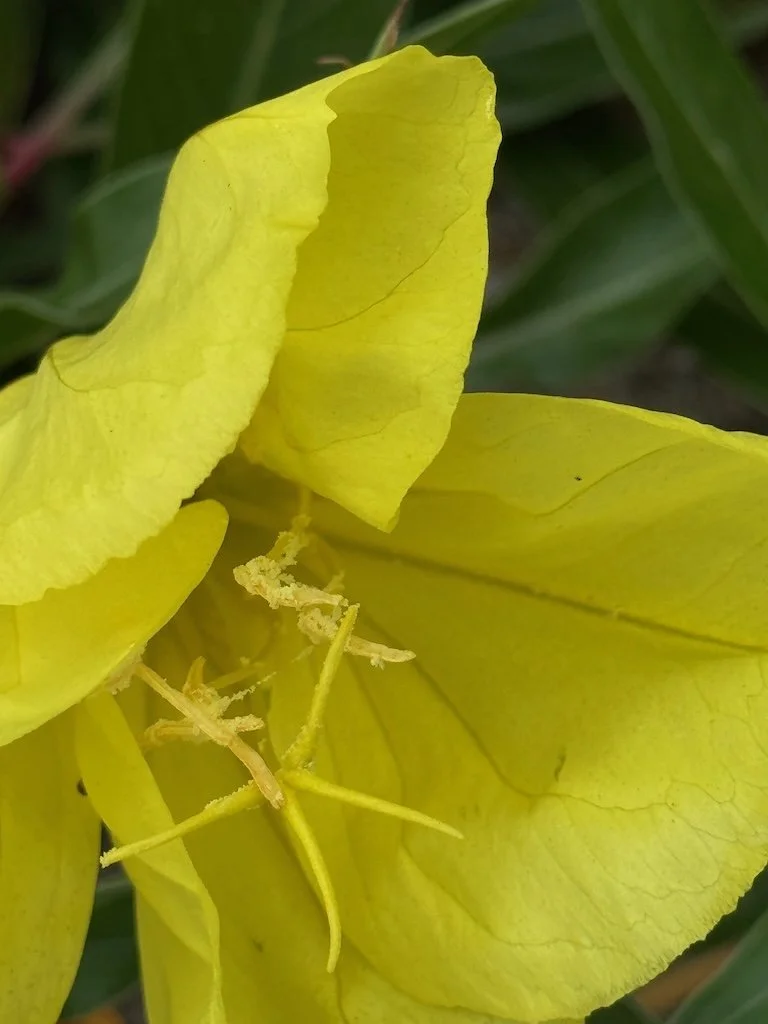
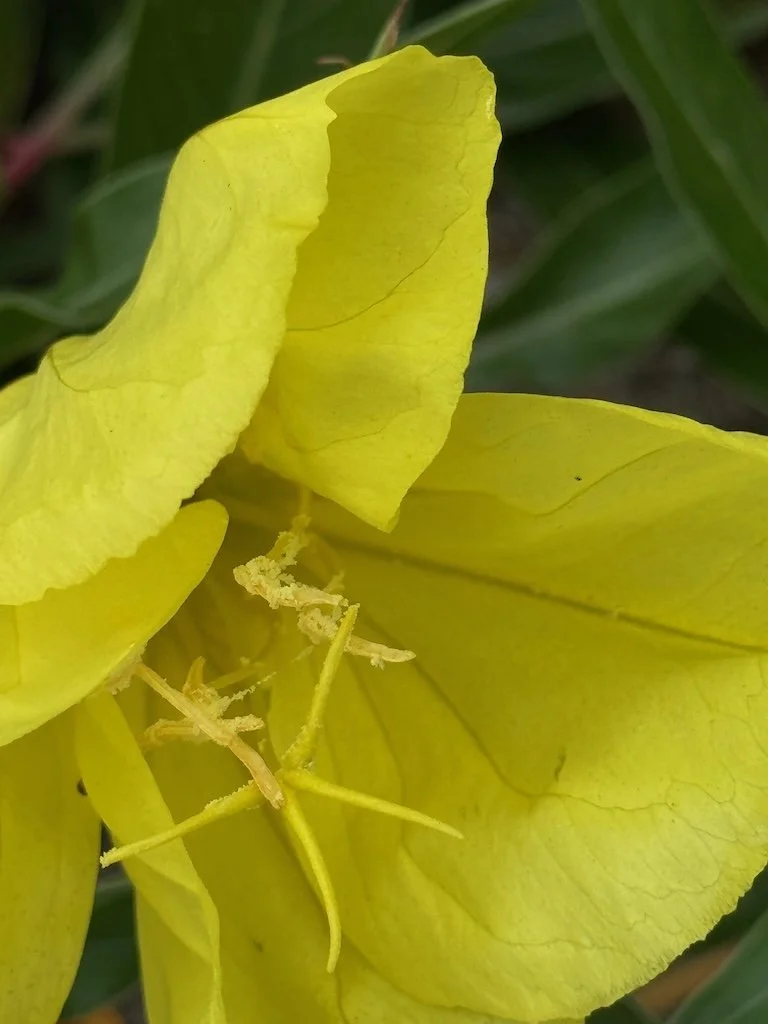
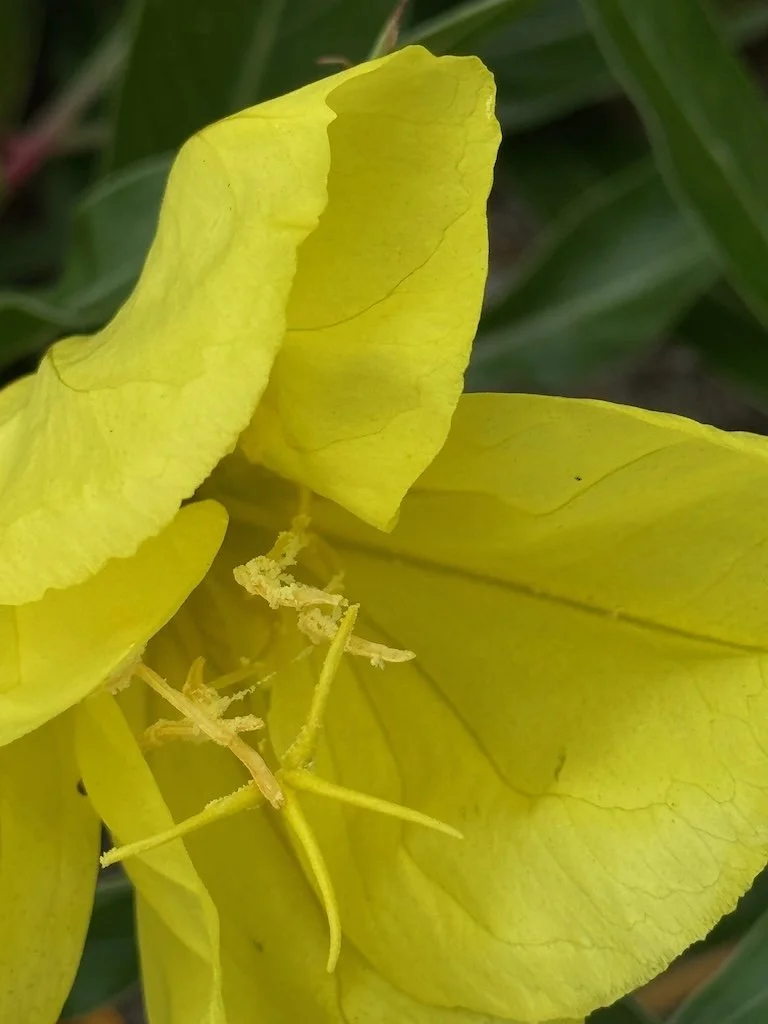
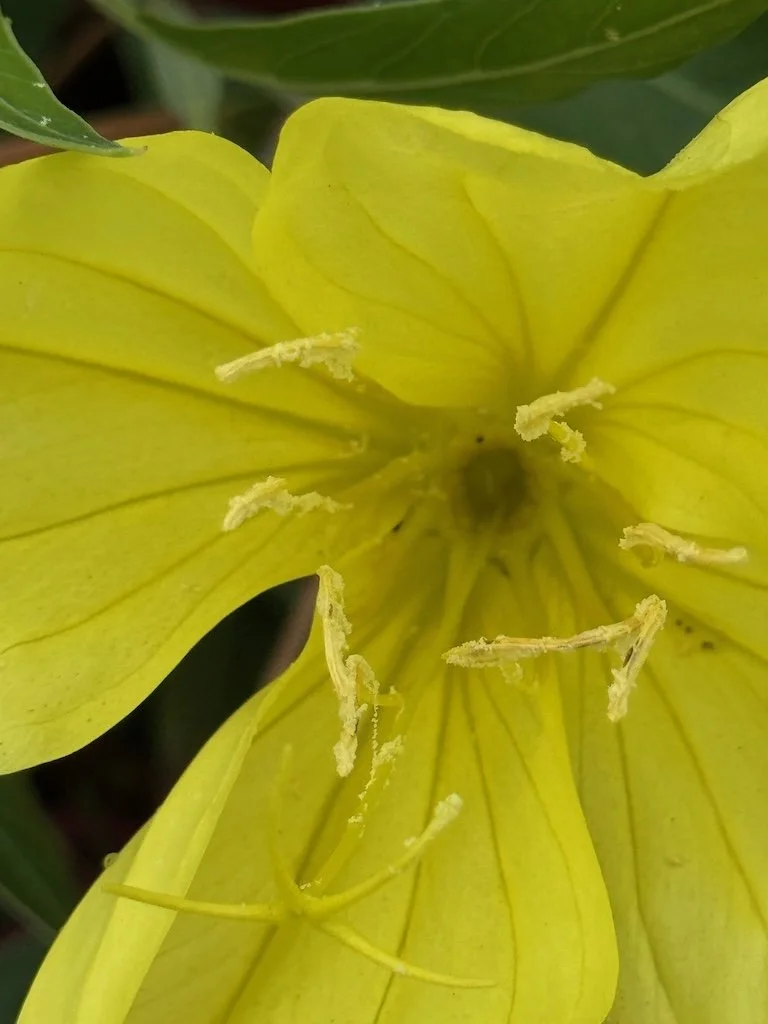
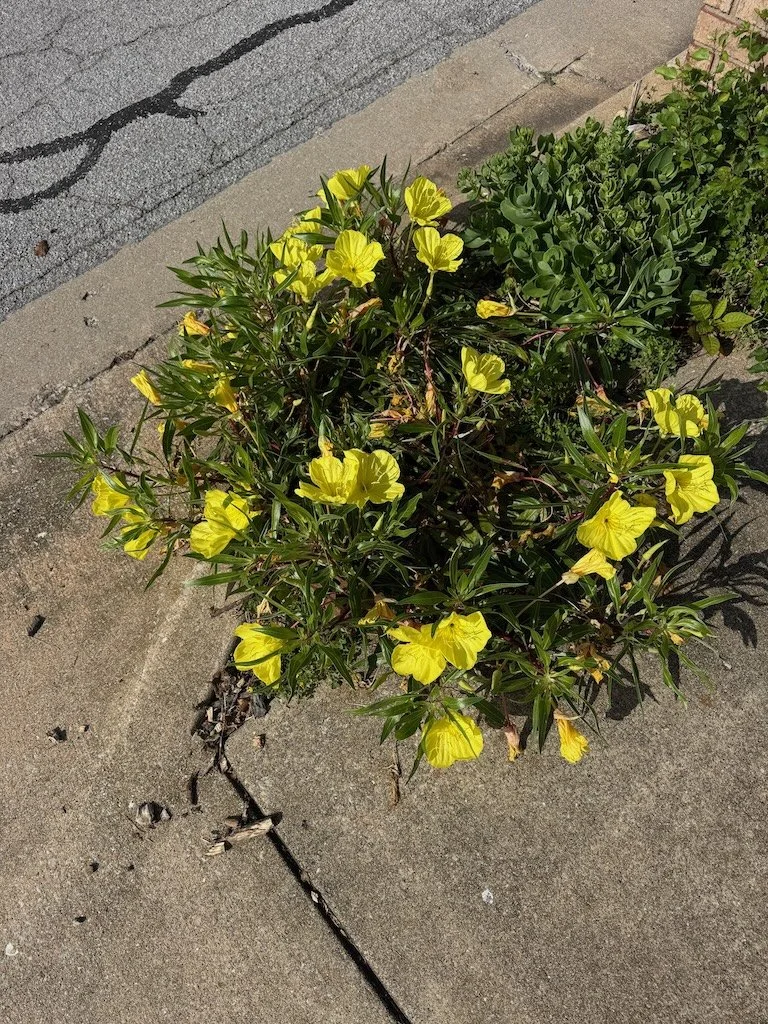
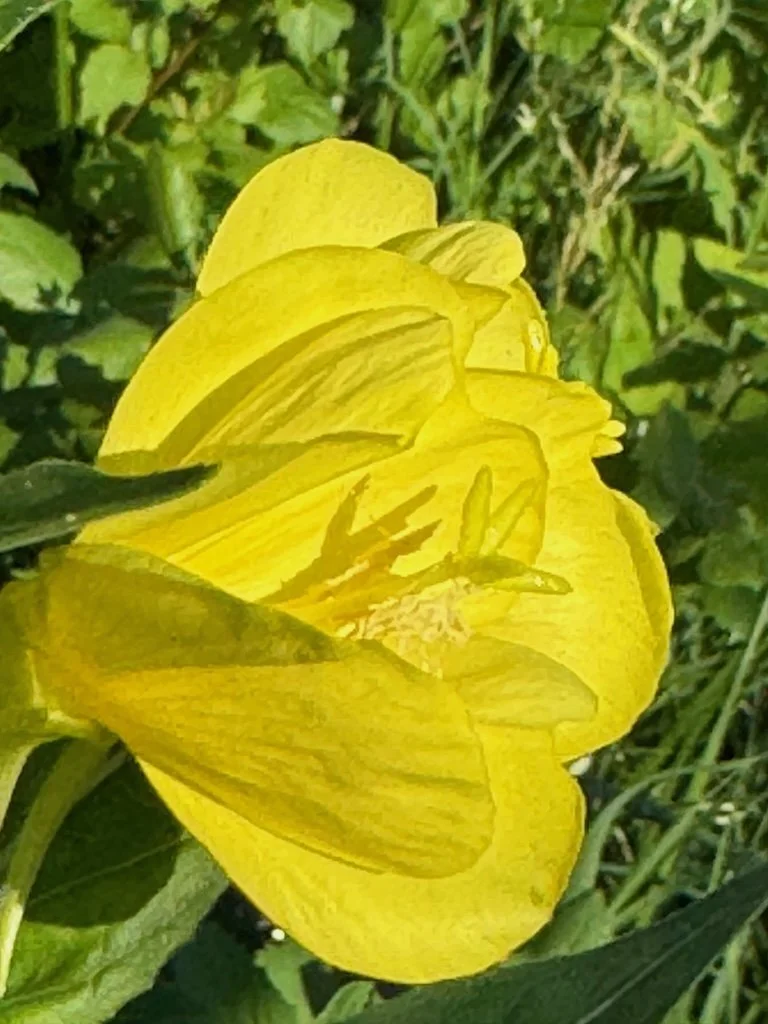
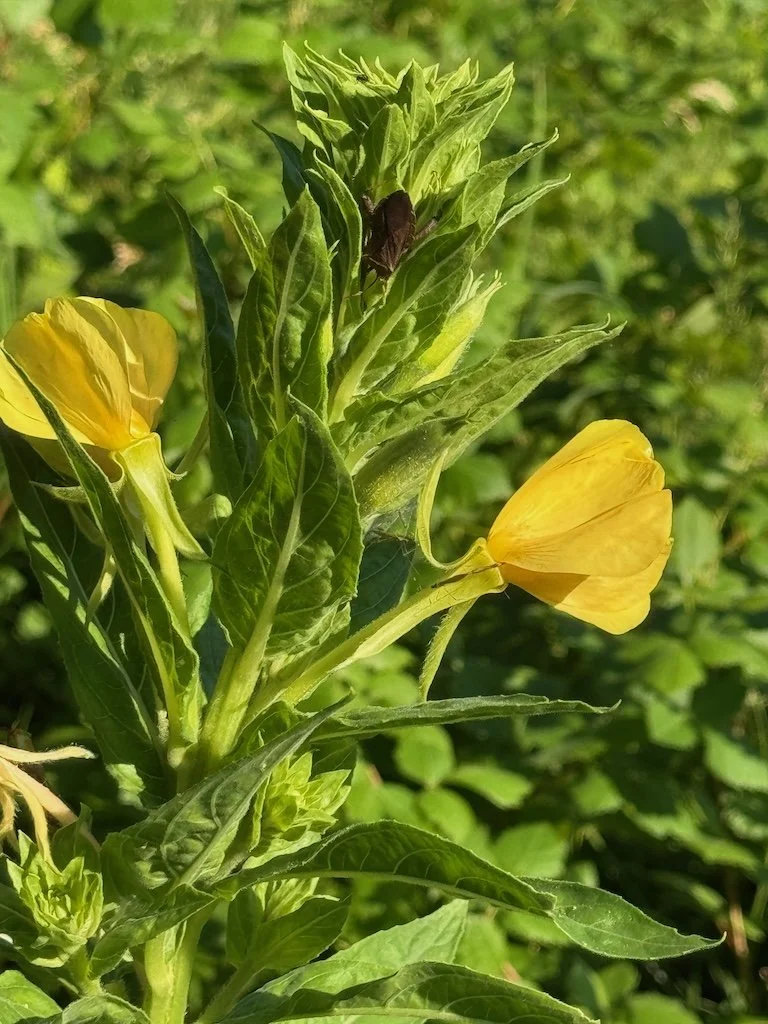
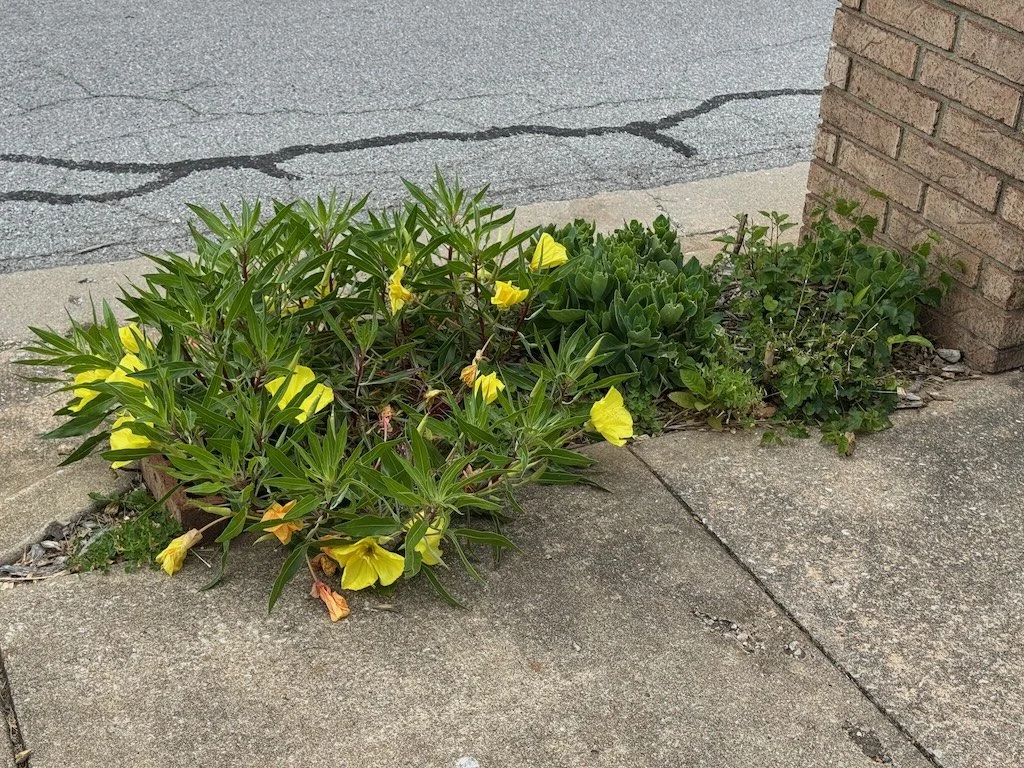
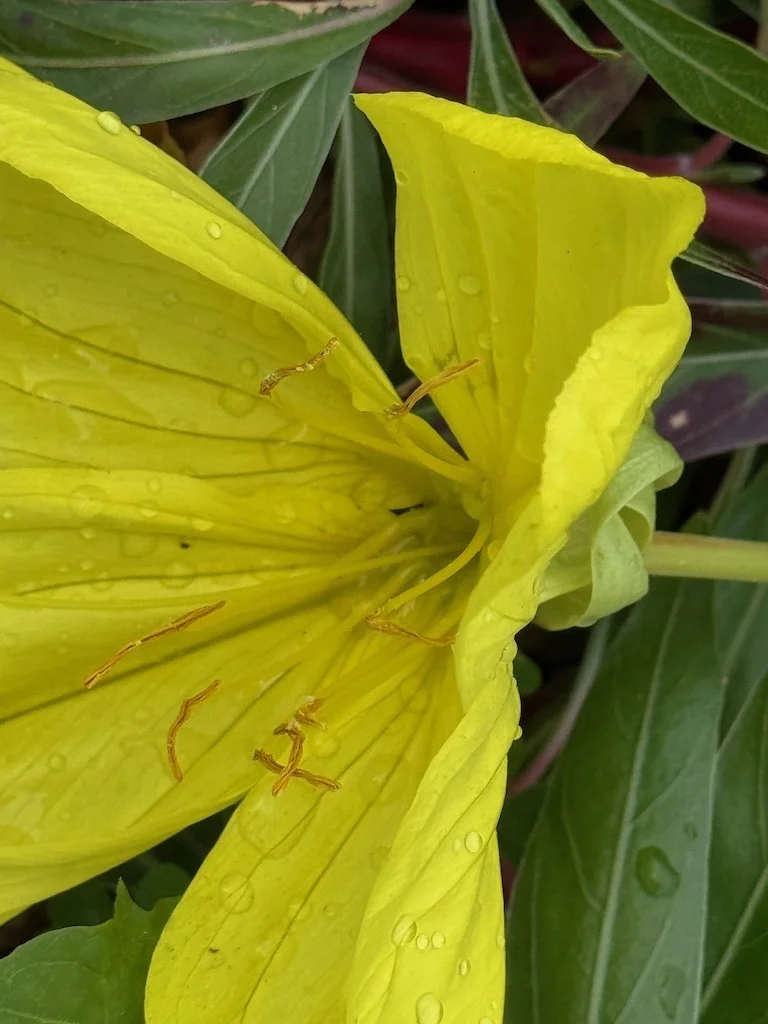
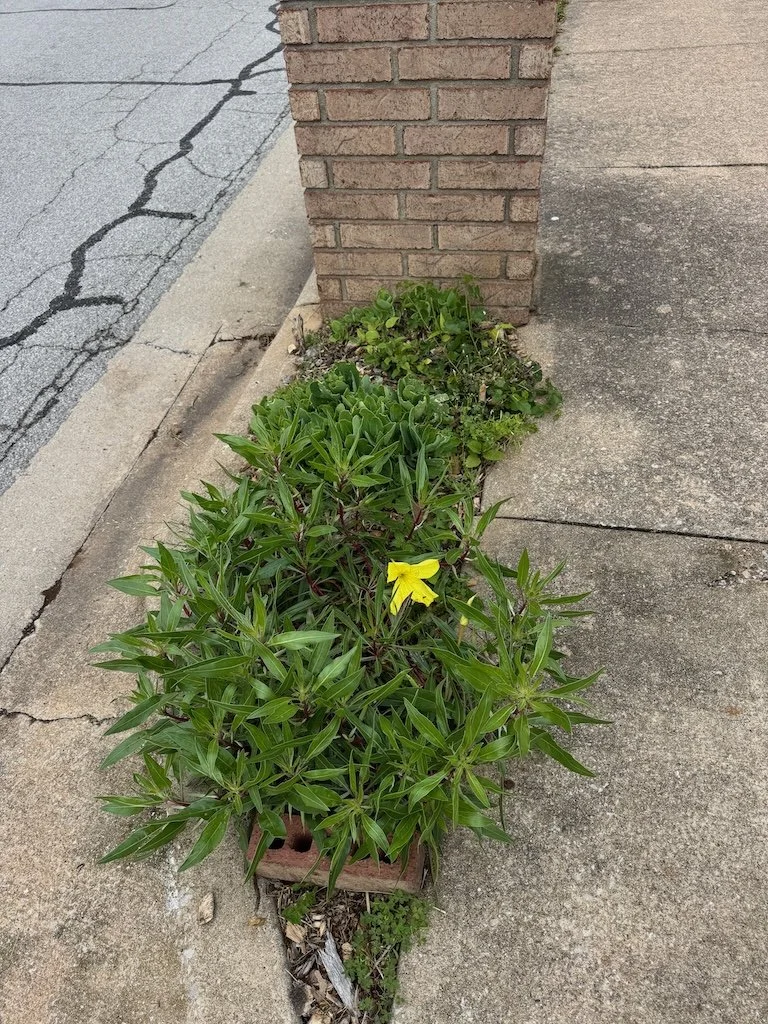
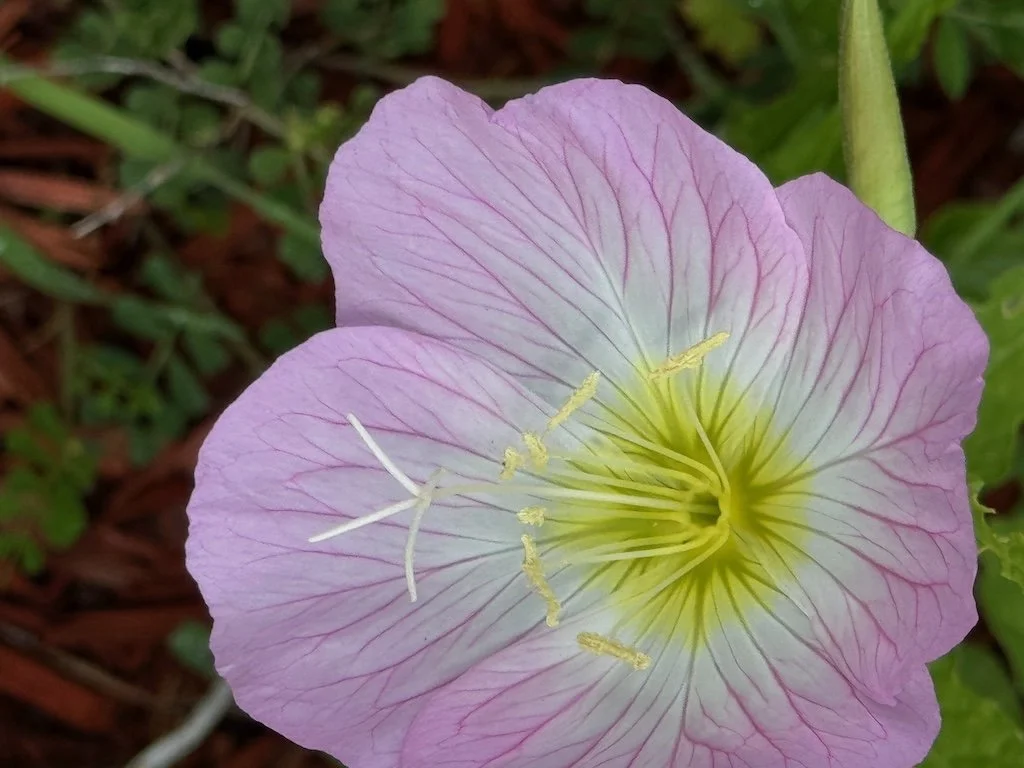
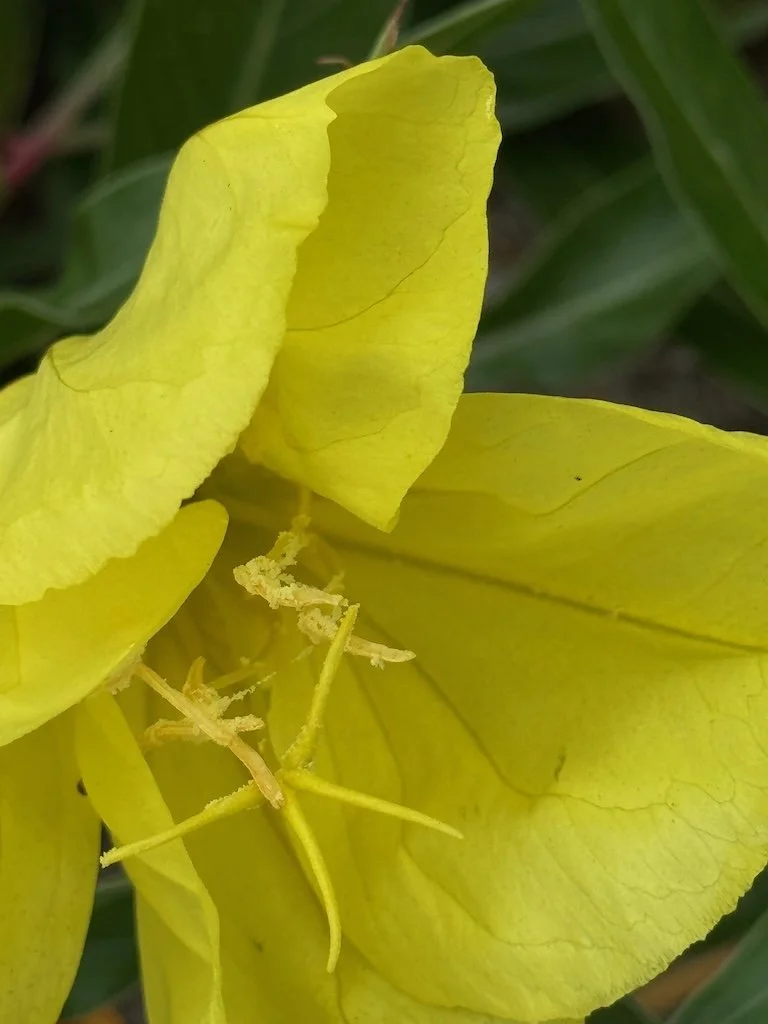
Lots of changes in our Missouri yard. The Missouri Evening Primrose is blooming – seemingly liking the cooler temperatures (and the rain). It has not produced any seed; maybe there aren’t any pollinators finding it.

A very white mushroom came up in a part of the yard that hadn’t had mushrooms previously. Its surface looked a little like a roasted marshmallow.

The pollinators are waning with the flowers…and seeds are dominant as the growing season draws to a close.

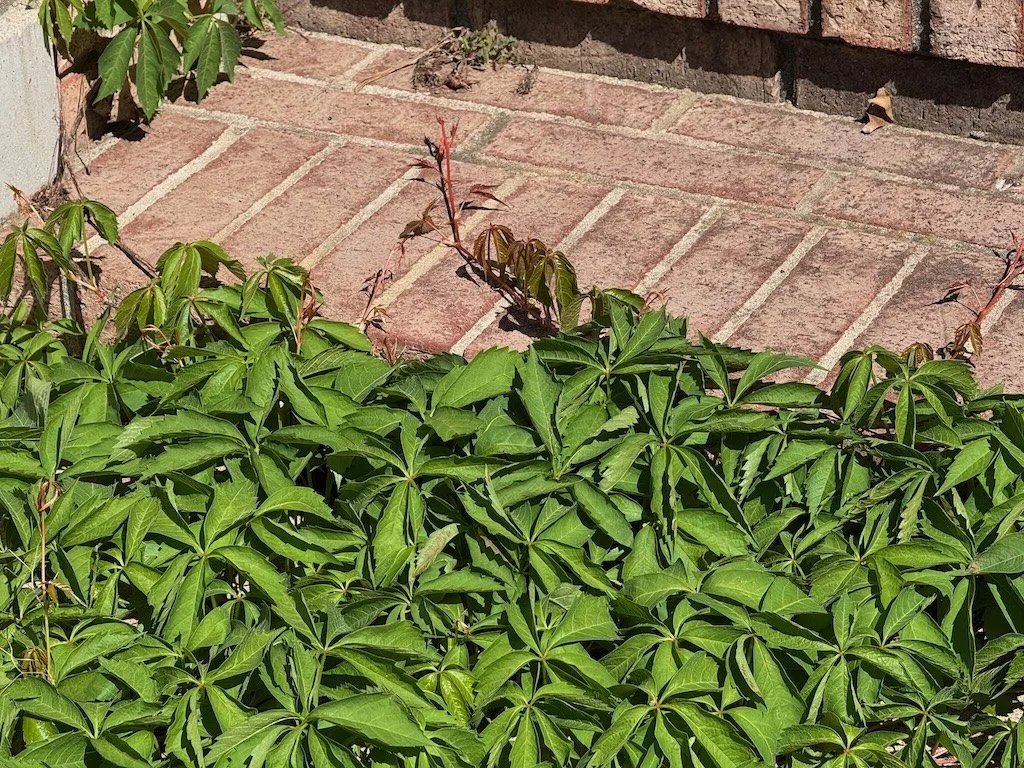
Some leaves are still green…some turning very red. The Virginia creeper near our front steps is still green.

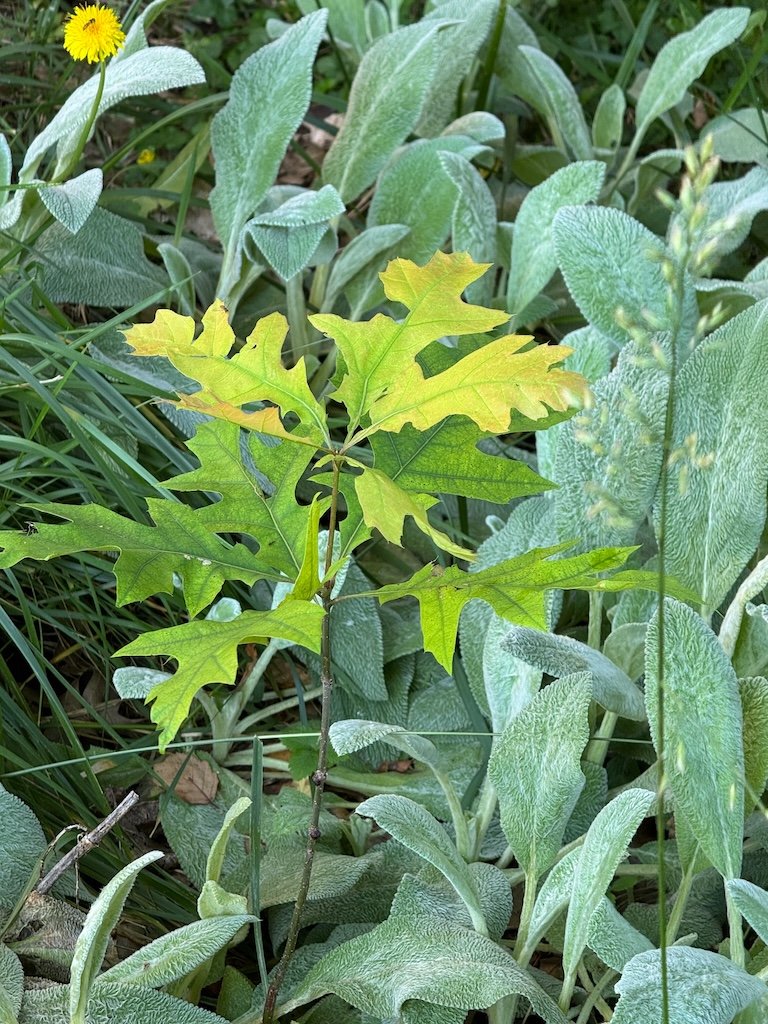
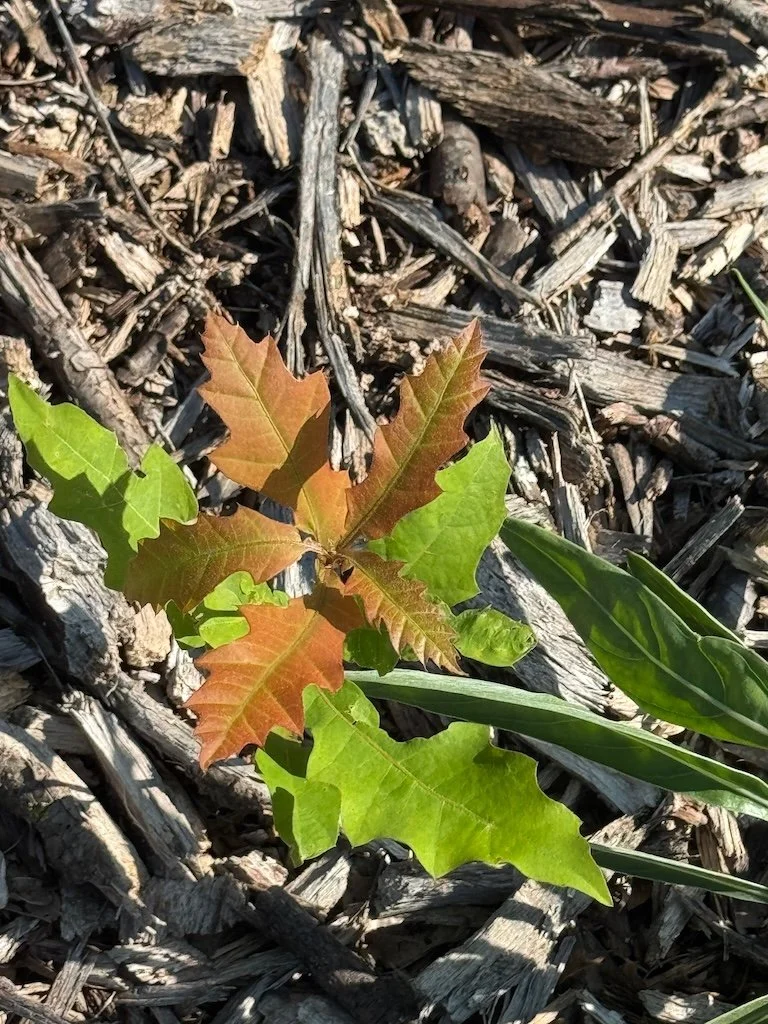
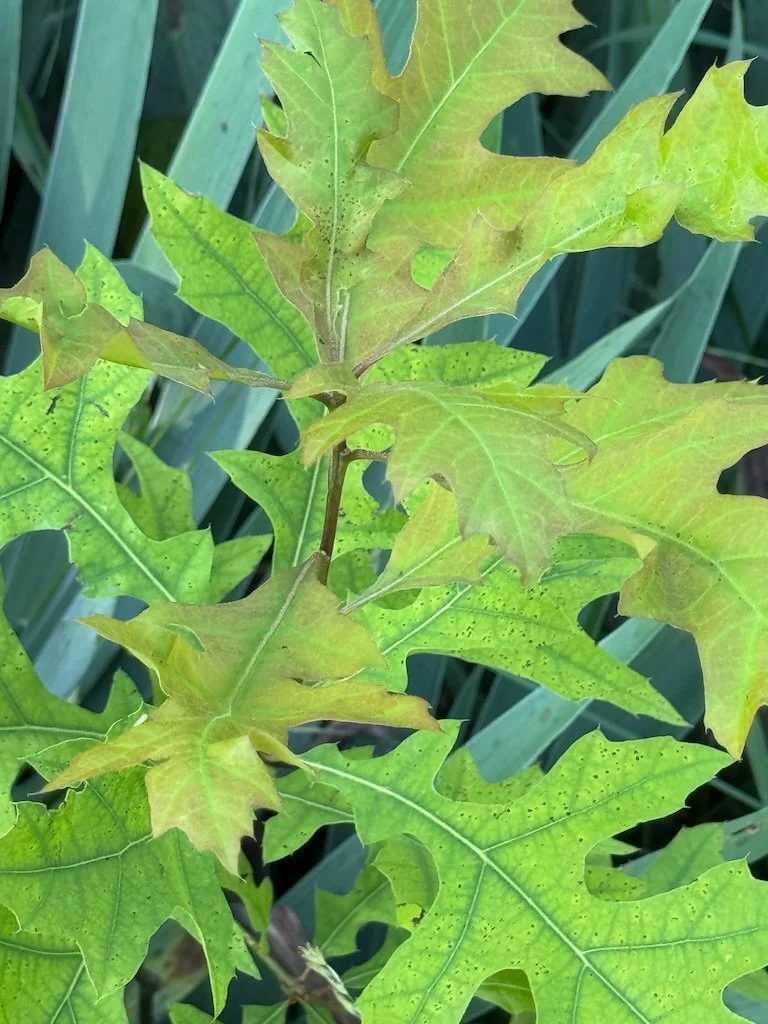
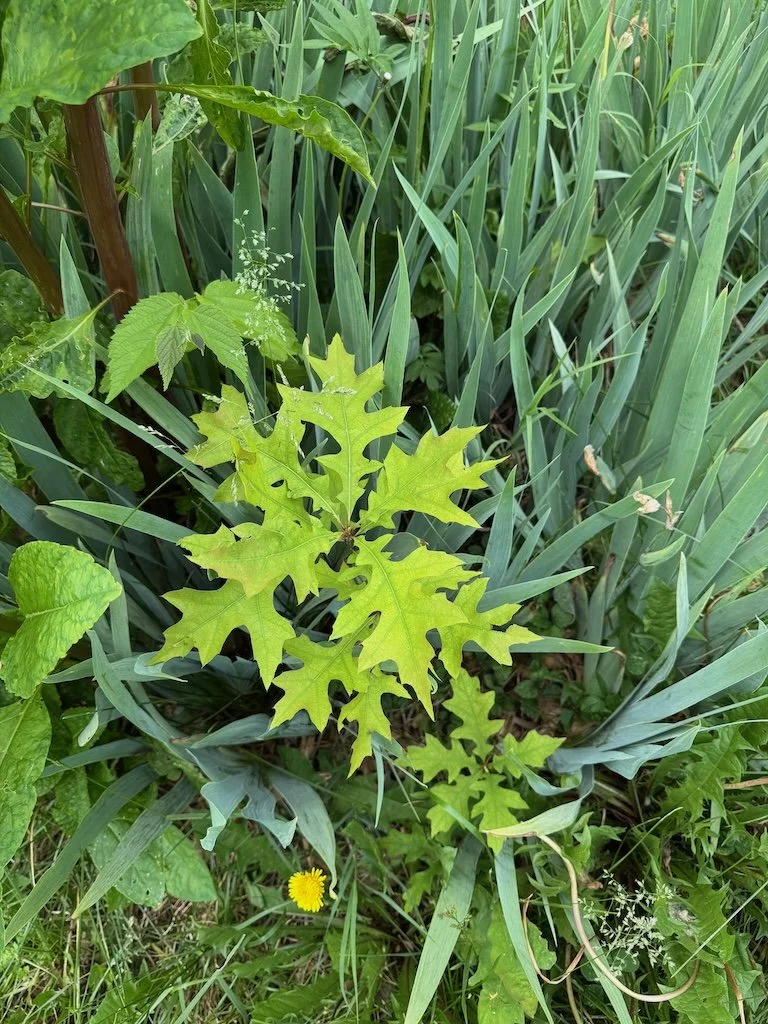
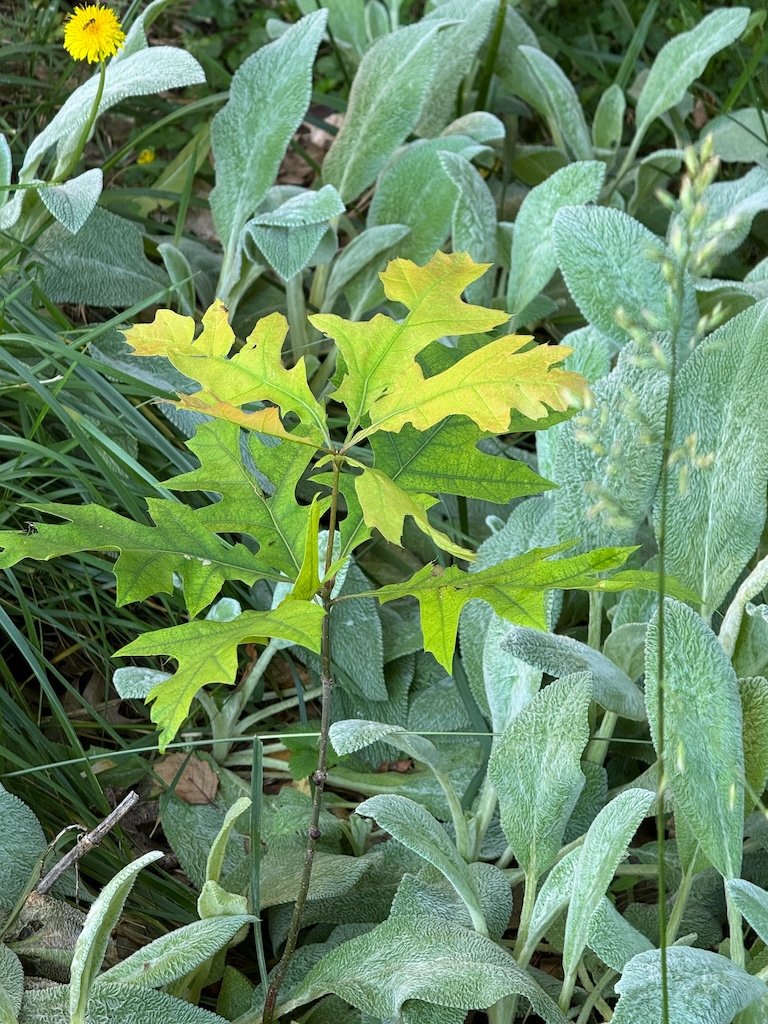
There are small branches from the oak on the ground (squirrels?) and what might be an oak seedling has colorful leaves.

The chives seeds are black and ready to topple from the husks; the goldenrod seeds are not yet mature.

The beautyberry has one small cluster of berries, and the poke weed berries are maturing (some have already been eaten by birds). The poke weed stems are magenta until the first hard freeze.

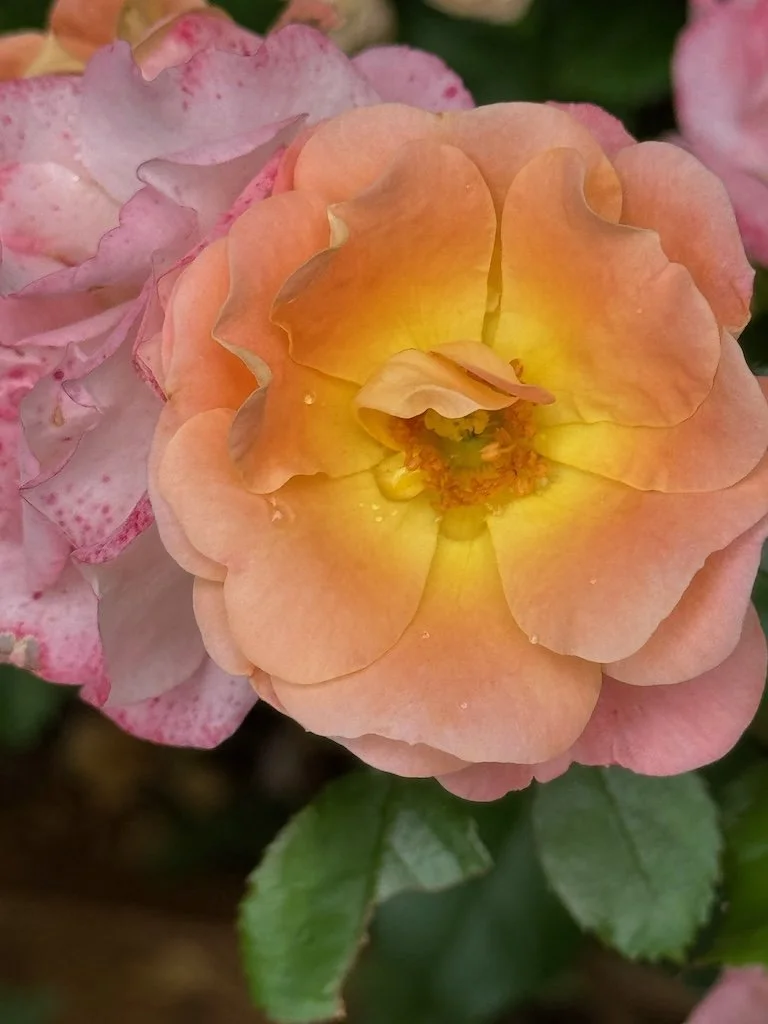
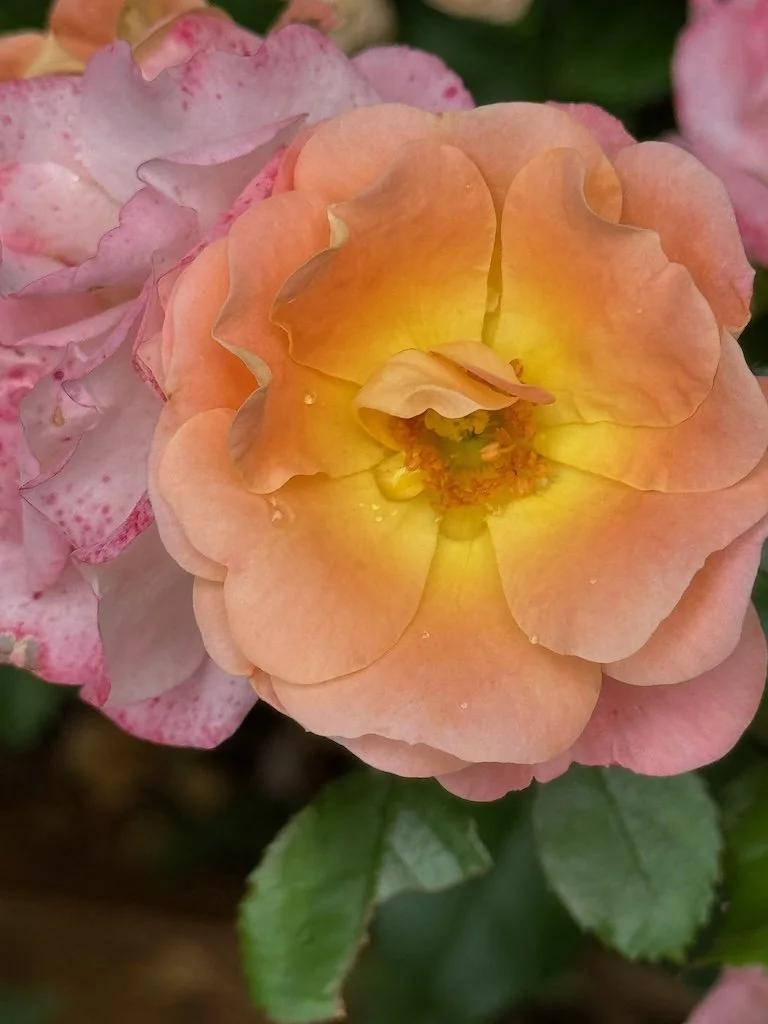
I am thrilled that my fragrant sumac has at least one part that has rooted outside the flowerbed…taking over a part of the yard. The rose bushes are blooming – a last hurrah before winter.

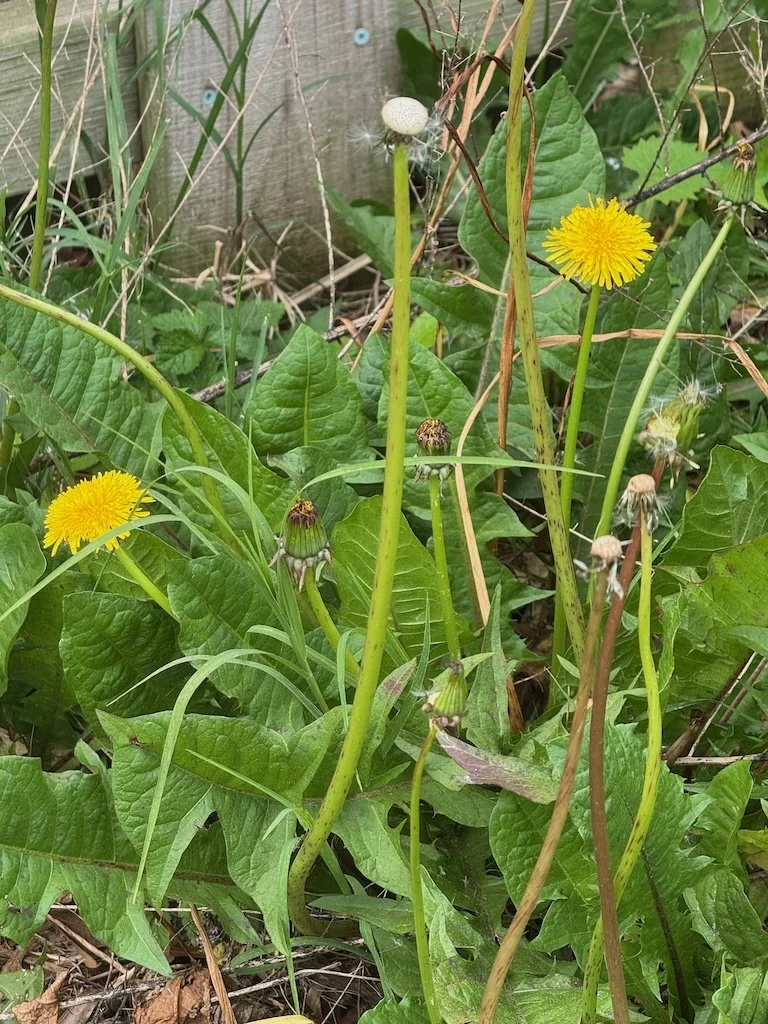
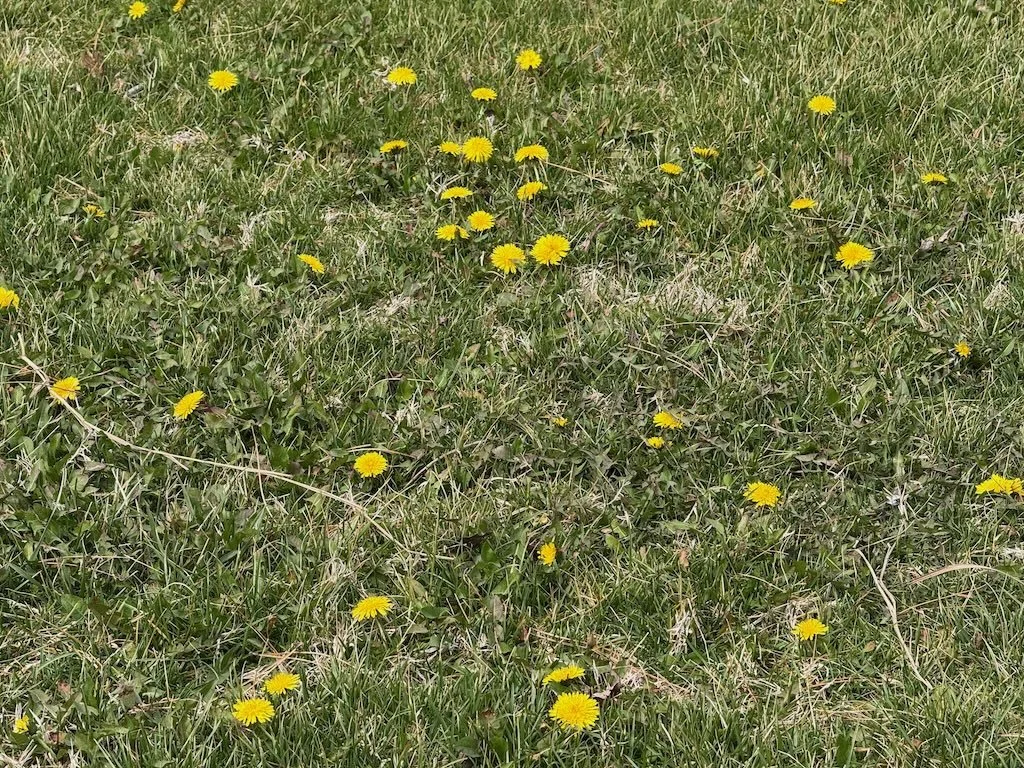
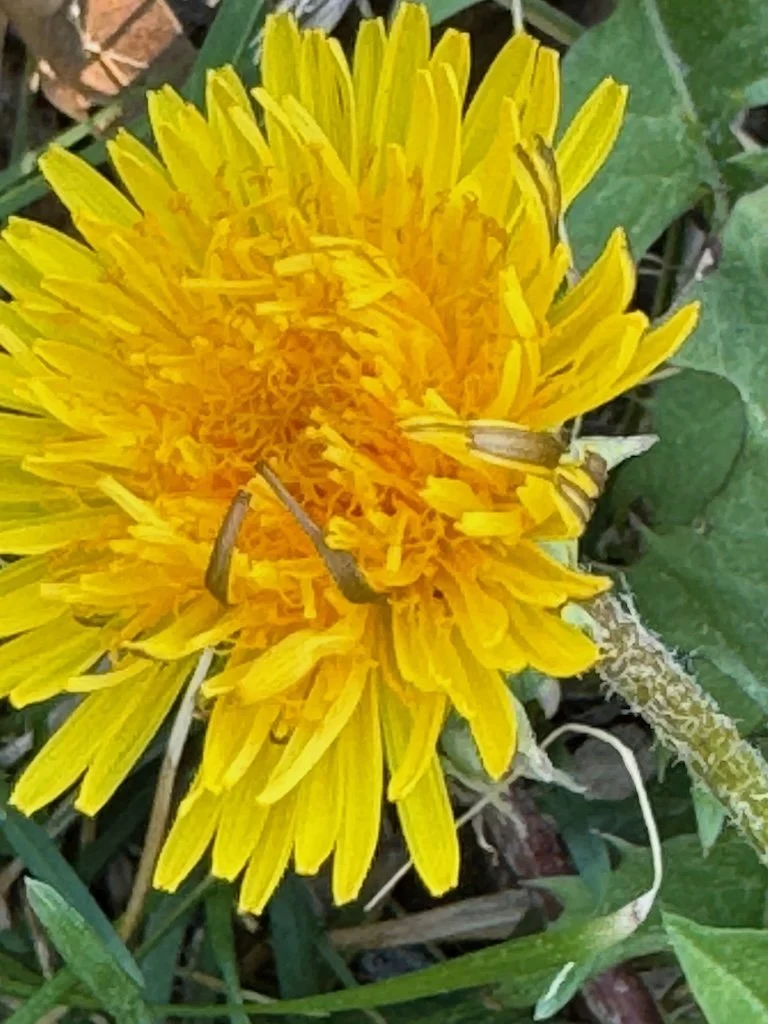
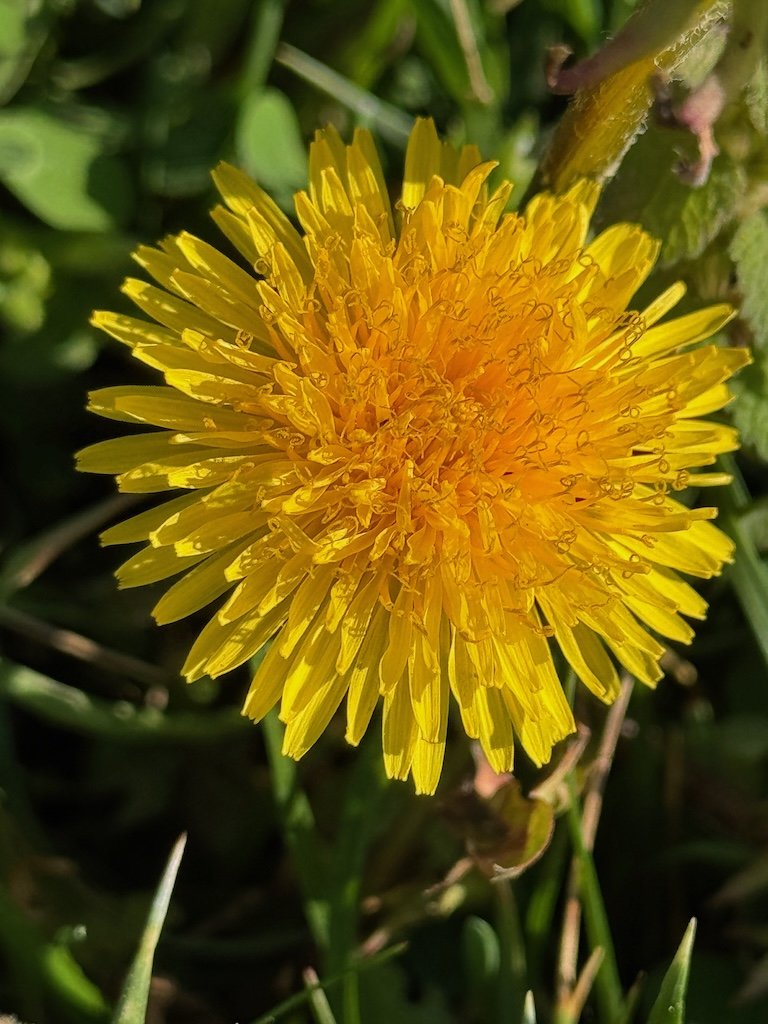
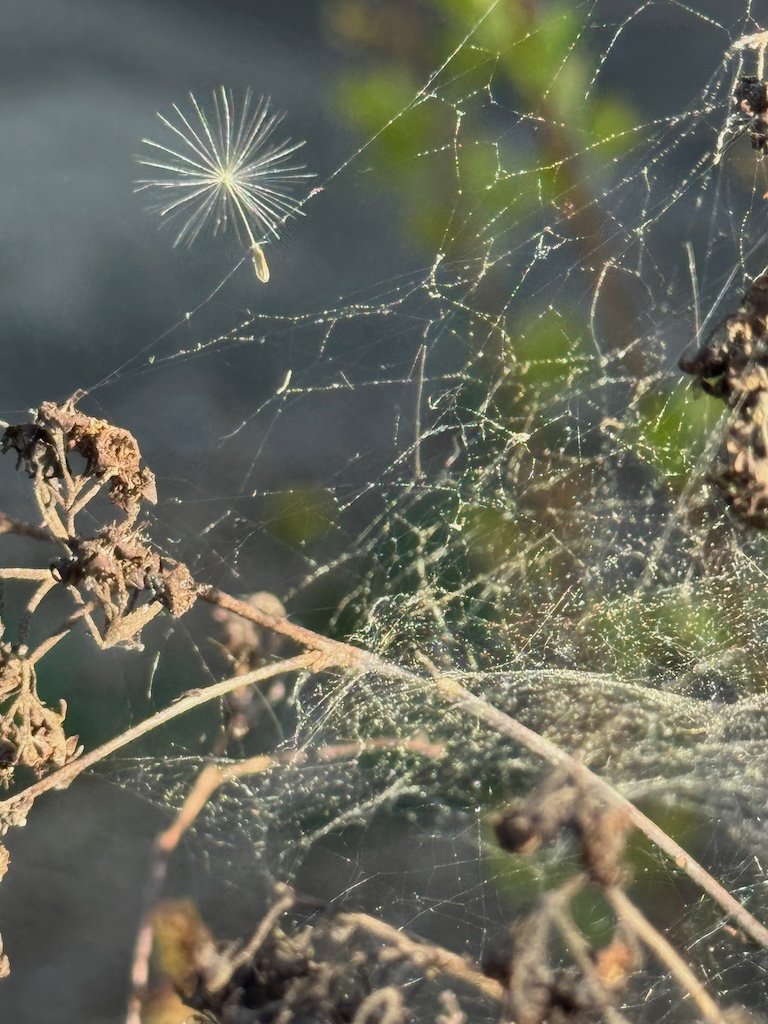
As I finished my walk around the yard, I noticed a lone dandelion puff….more plants with deeper roots to hold the soil next year!

Ten Little Celebrations – October 2025

October included some great volunteer and travel experiences…and plenty at home to celebrate too.

Road trip to Jefferson City – I celebrated the Missouri Department of Conservation Partners Roundtable (particularly Dr. Nadia Navarrete-Tindall talking about edible native plants), touring the Missouri capitol building, and Ha Ha Tonka State Park!

Corn on the cob from the grill - The temperatures were milder…we cooked on the grill more often and I always enjoy the corn on the cob cooked that way.

New faucets on bathroom and kitchen sink - My husband installed new faucets (with a little help from me holding things together while he tightened from underneath). The old ones had been leaking onto the counters when they were turned on. We are both enjoying the dry counters around the new faucets!
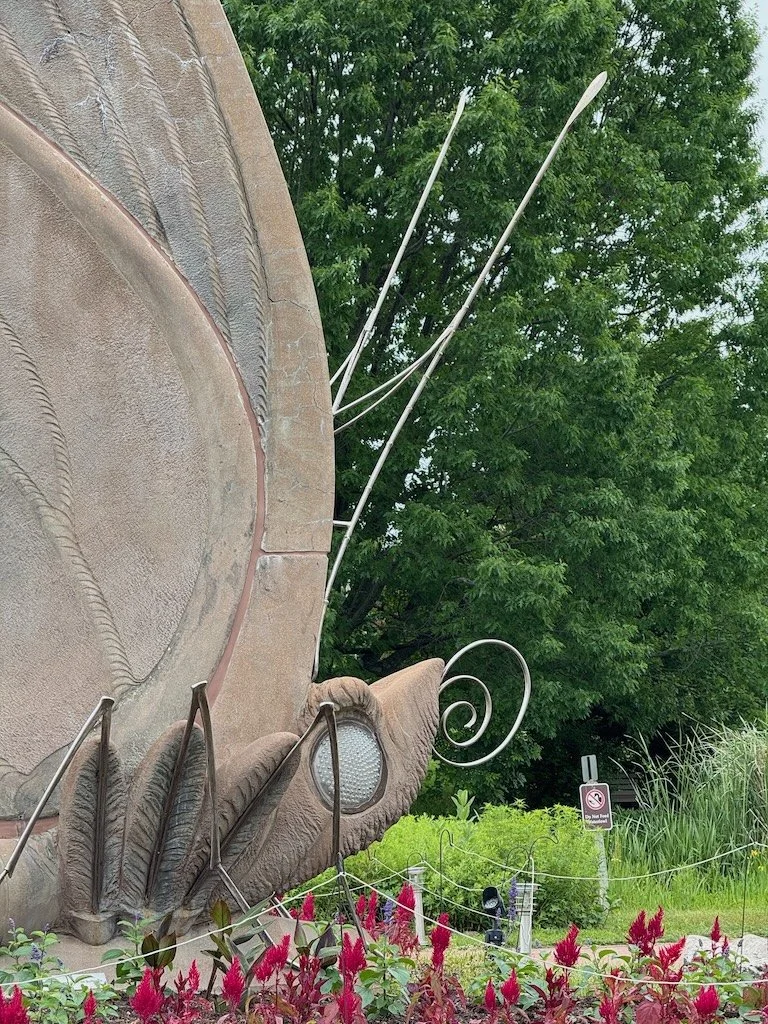
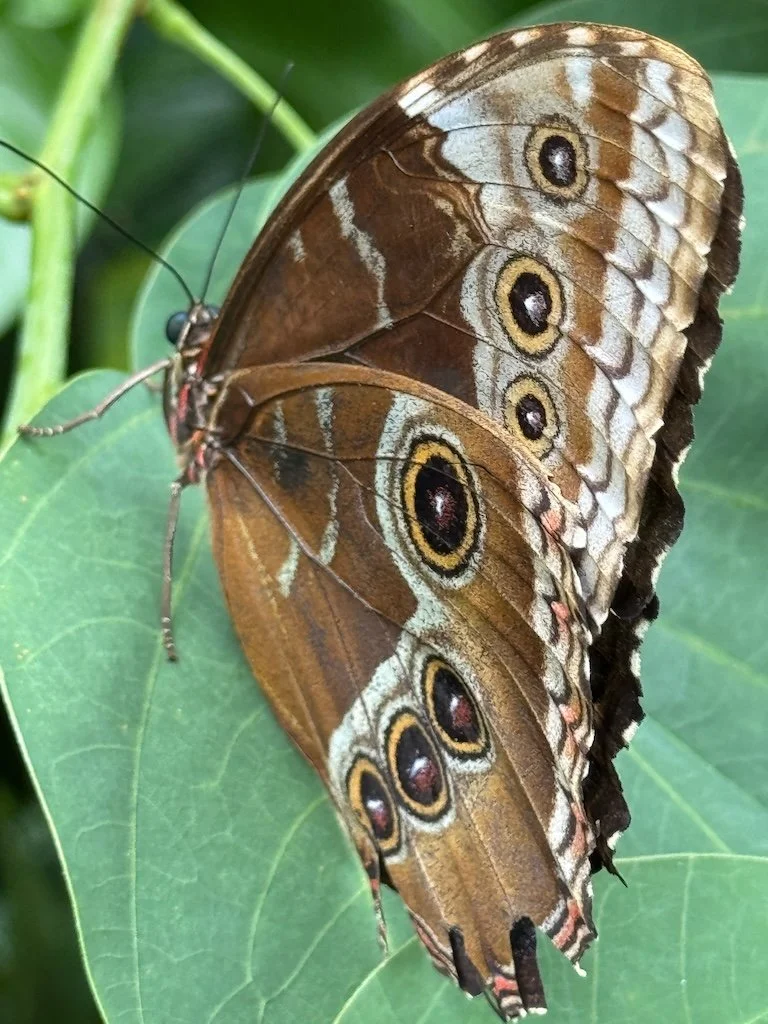
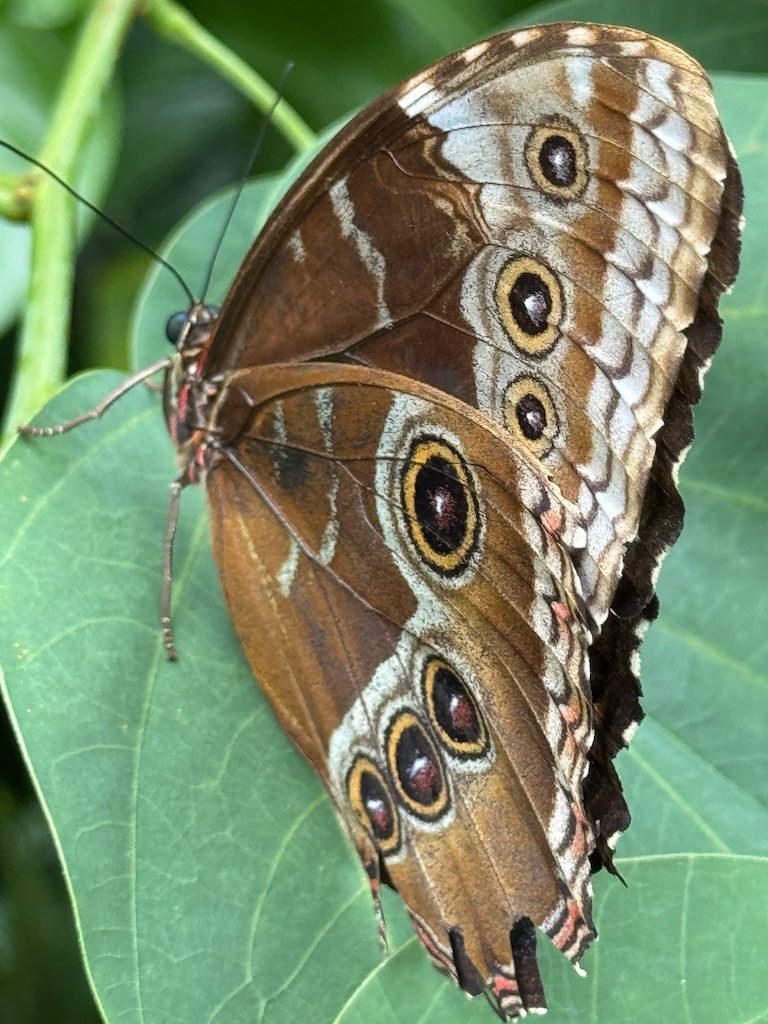
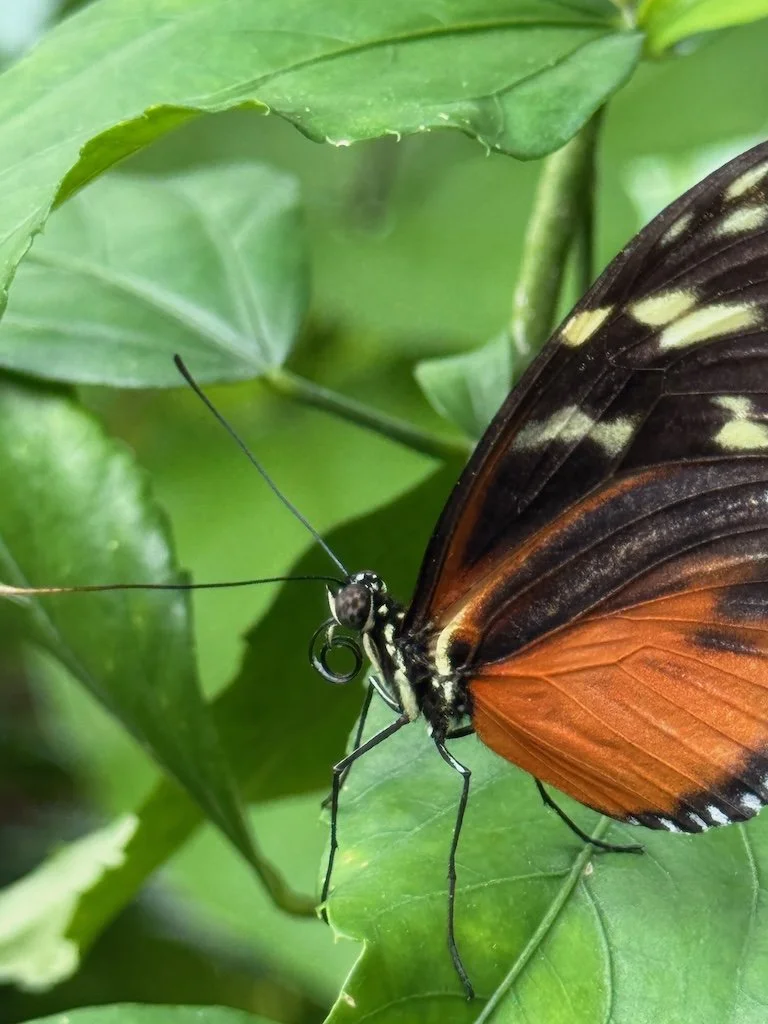
Season finale for the Butterfly House - I savored the final volunteer days and the celebration for the volunteers and staff.

Home school fair – I celebrated that so many people visited my table at the Home school Fair and seemed to enjoy learning about trees.

My car repaired – The damage to my car (mostly underneath) was repaired and I have already taken it on a road trip. I celebrated that it was fixed quickly and that it looks ‘good as new.’

Hiking poles – I cheered myself onward during my first test walk with hiking poles…have high hopes that they will help me avoid back pain on future hikes.

Memory care – I celebrated finding two memory care facilities that would be good candidates for my dad’s next home. My sisters and I had a difficult time choosing (and it was stressful)….not something I am celebrating.

New hot water heater and dishwasher – I celebrated that the new appliances were installed quickly…that the hot water heater is better for the environment (heat pump electric rather than natural gas) and the dishwasher is quieter than our old one.

A rainy day - The past few months have been very dry in our area so the rainy days in the later part of October were something to celebrate – although the rain came too late to have brilliant leaf colors this fall. The leaves are still mostly on the trees…muted colors.

No Hot Water…and then the Dishwasher Broke

Our main hot water heater stopped working suddenly. I discovered it when the water never got hot for my morning shower. I went down to its closet in the basement as soon as I dressed, expecting to find water around it or something else that looked dire. Nothing! The only thing that looked odd was the temperature panel. It took some searching to find an online manual to figure out that the lights meant nothing about temperature but were an error code that meant ‘open igniter circuit.’ We called the company that handles our HVAC and water heater maintenance.

The person came later in the afternoon and discovered that it was not a simple fix…parts would have to be ordered, and they might not fix the problem. The unit was about 13 years old. They sent us cost estimates for replacement parts (but not a sure fix), a replacement like the high-end gas-powered unit that we had, and two types of heat pump hot water heater. We decided to transition to a heat pump with the only question being which one. An electrician would come out to evaluate the electrical situation; since there are two kinds of outlets near the existing unit, we thought either one of the heat pump units would work and tentatively picked the least expensive one.  

Our use of hot water has changed over the years. These days it is mostly for showers and the dishwasher. We rarely use hot water for laundry and try to minimize the rinsing of dishes before we put them in the dishwasher. That’s quite a change from even 10 years ago! We discovered that the dishwasher could heat the water sufficiently on its own without the hot water heater and used that change in setting for the duration we were without a working hot water heater.

The ‘apartment’ in our house with its own hot water heater provided access to hot showers while the saga of replacing our main hot water heater unfolded.

A few days after the hot water heater stopped working, the dishwasher broke (and produced a smell of melting plastic) when we selected the option to have it heat the water it was being supplied. The unit was over 13 years old so we opted to replace it.

A week later…

We have a new heat pump hot water heater and a new dishwasher. There was a minor amount of electrical work to move from the gas to an electric heat pump hot water heater (not a new circuit…just running a conduit from an existing plug/circuit a few feet to the hot water heater location).

We were pleased with how as fast it happened. The electrician came to evaluate the electrical situation and then two days later the installation of the hot water heater occurred. The day after that the dishwasher was replaced. My husband and I both felt our stress level going down!

Zooming – October 2025

Seventeen pictures for October. They are mostly from Missouri and some left from September in the Chicago area.

I’m saving the fall foliage pictures until November; I suspect that the fall will be subdued because it has been so dry since mid-summer but I am on the lookout for opportunities to photograph the occasional spectacular tree!

Looking back at previous Octobers…

In 2024, I was enjoying Missouri Master Naturalist Core Training and an Identifying Woody Plants field class at Missouri State University.

In 2023, I made my first visits to the Shaw Nature Preserve and Butterfly House near St. Louis; there was a Chihuly glass exhibit in the Missouri Botanical Garden. My parents were still in their home, and I was enjoying birds in nearby Josey Ranch park.

In 2022, I travelled to London, Ontario with my daughter…passing through Detroit on the way. It was our first fall in Missouri.

In 2021, we made our last visit to Longwood Gardens from our home in Maryland and I photographed a lot of waterlilies. At the time, we didn’t realize it would be our last fall in Maryland.

In 2020, we were still doing most things virtually. Most of the pictures taken at home…a lot of birds at the feeders on our deck and colorful leaves. There was one trip to Conowingo Dam but the only picture in the post is of a stern looking Great Blue Heron.

Our Missouri Yard – October 2025

We don’t have many leaves falling so I am still mowing the parts of the yard that are grass. I will stop mowing the back when our neighbor’s oak starts dropping leaves – participating in ‘leave the leaves’ for a second year and hoping to preserve some overwintering moths/butterflies.

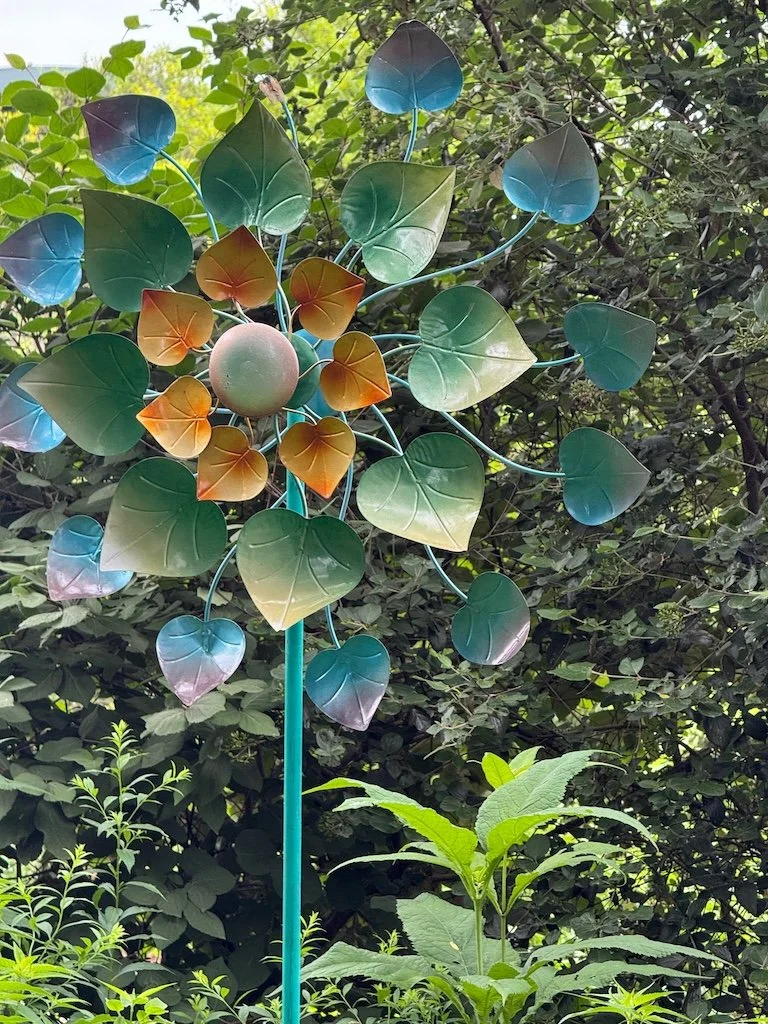
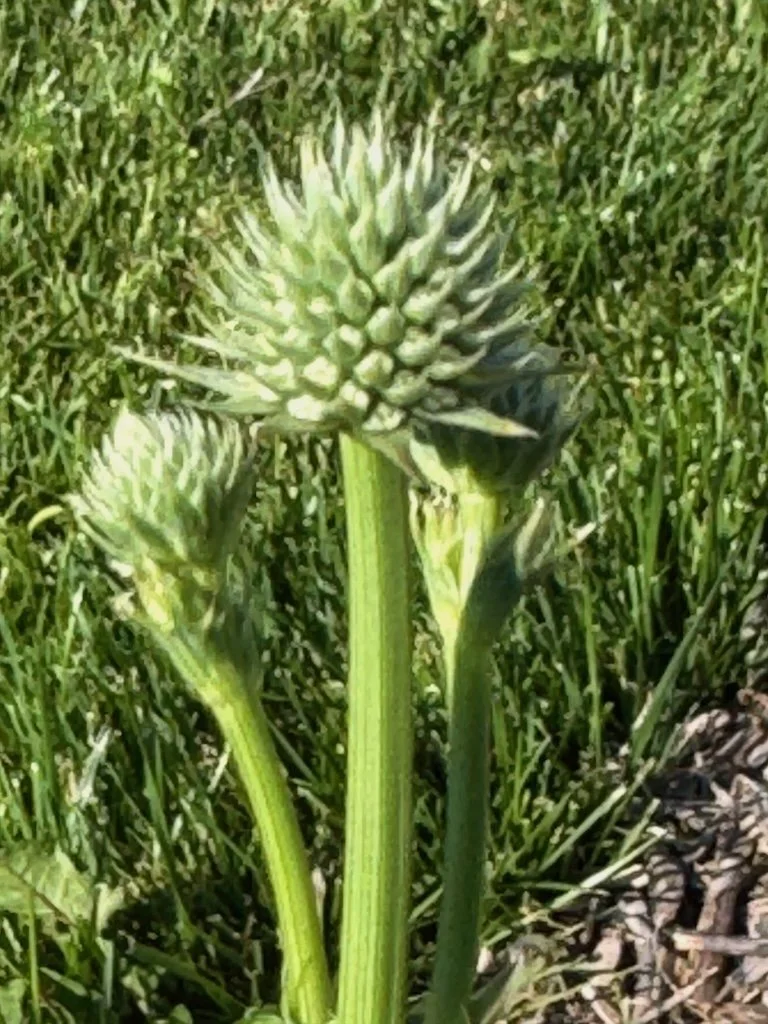
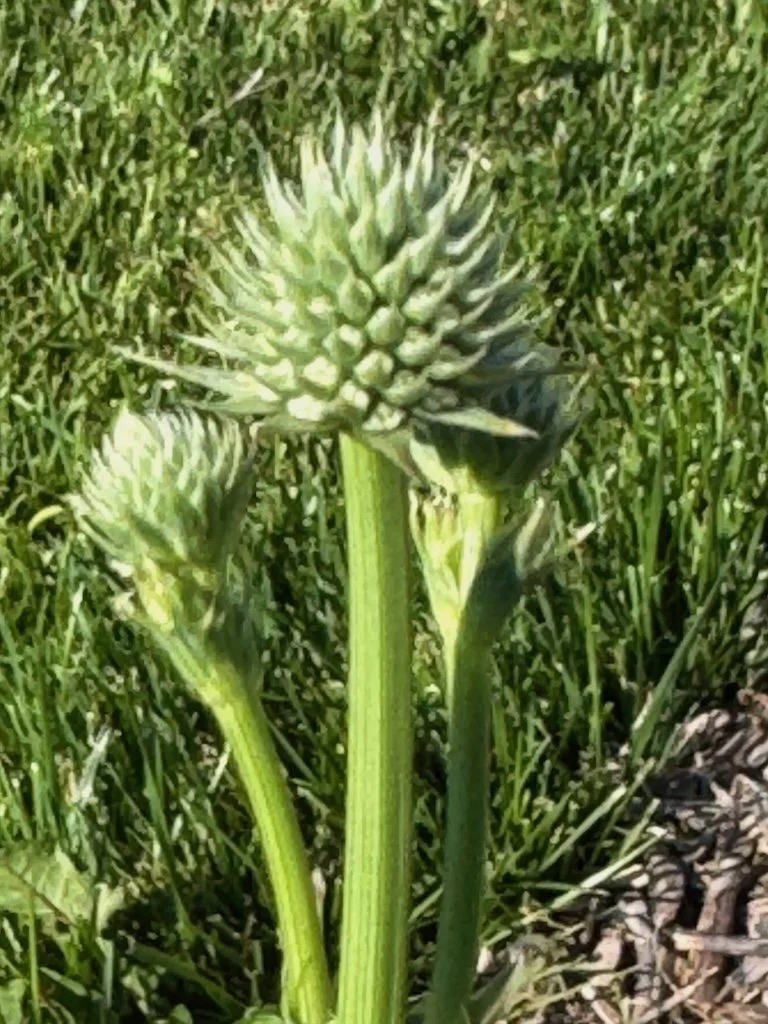
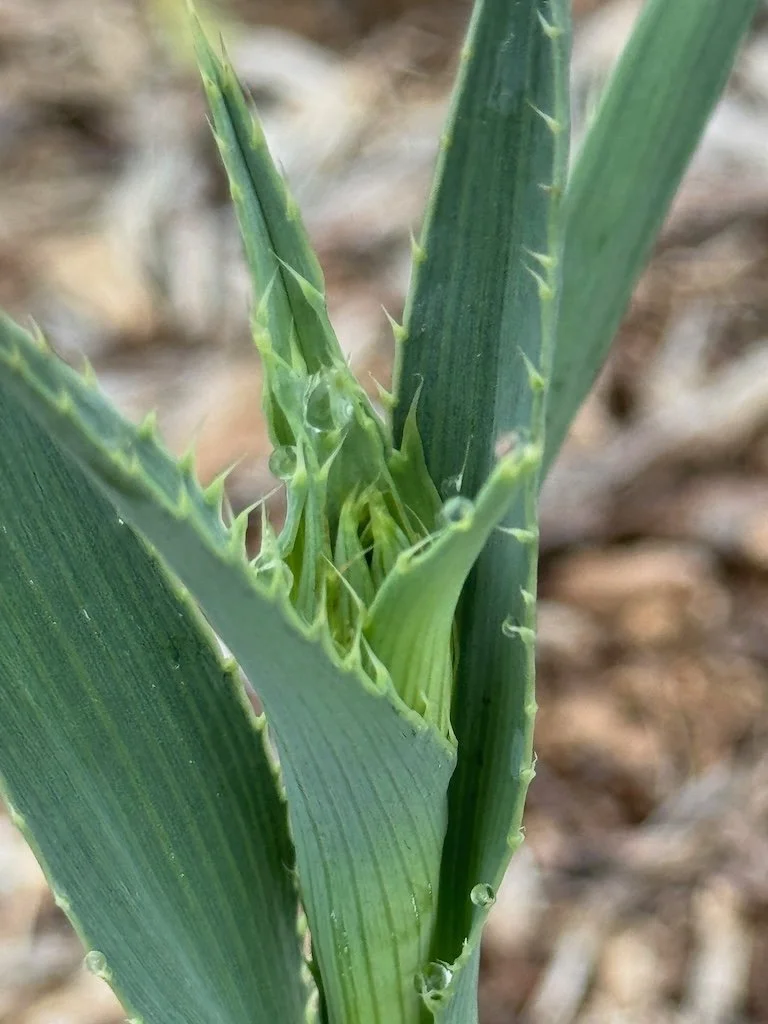
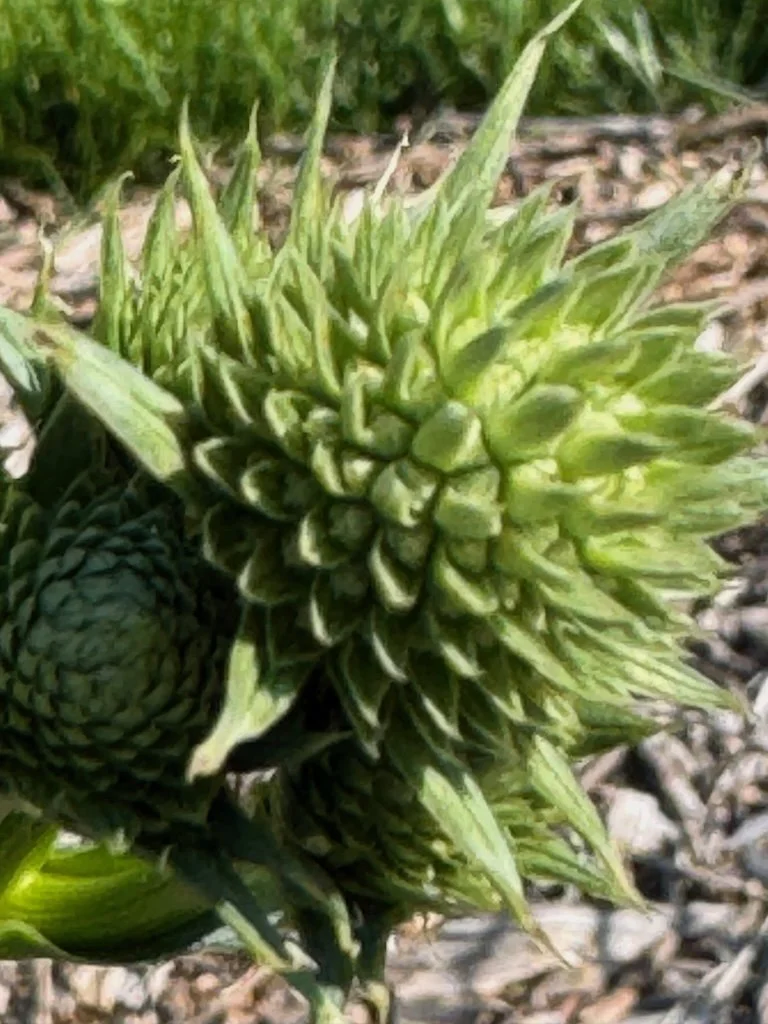
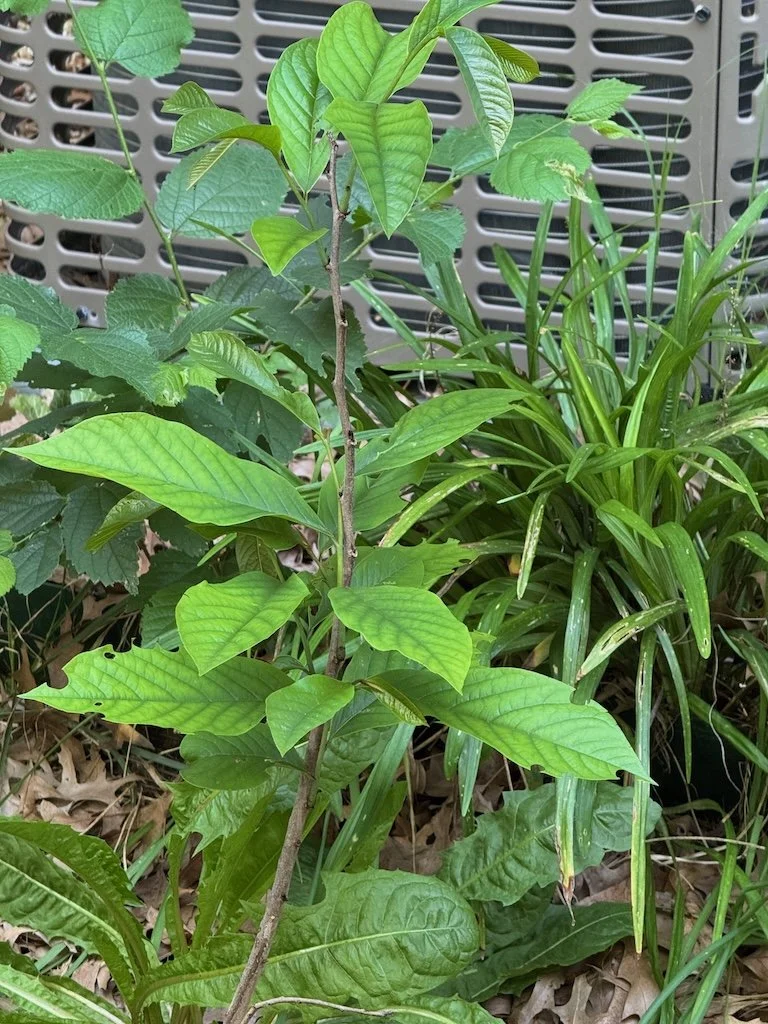
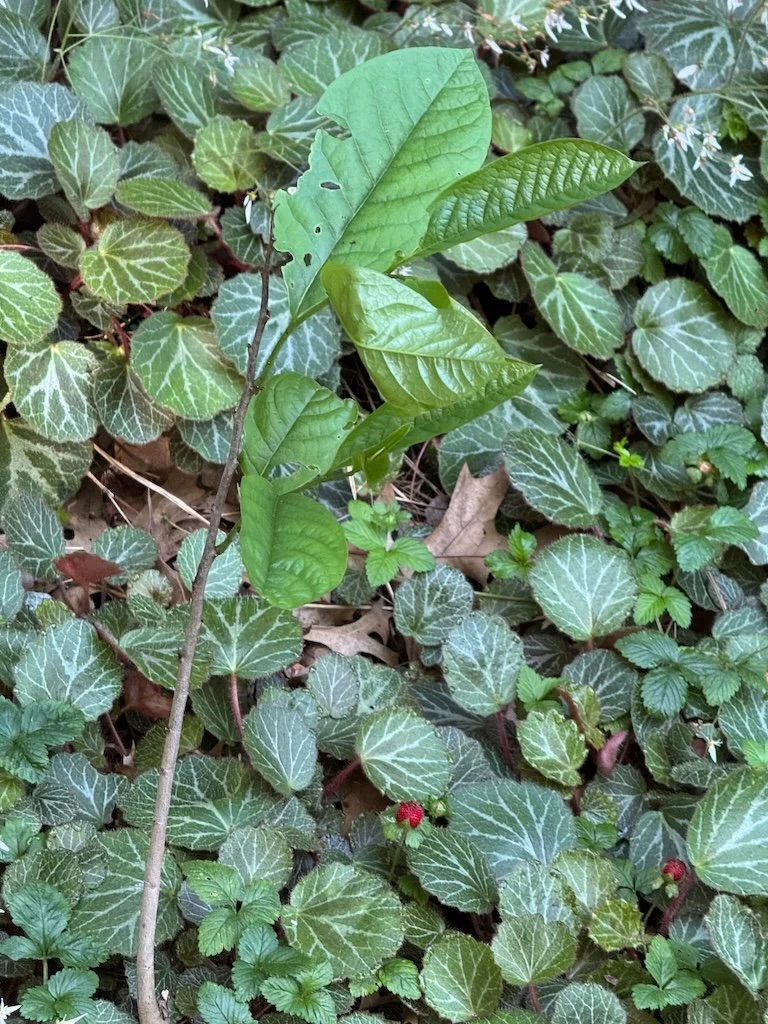
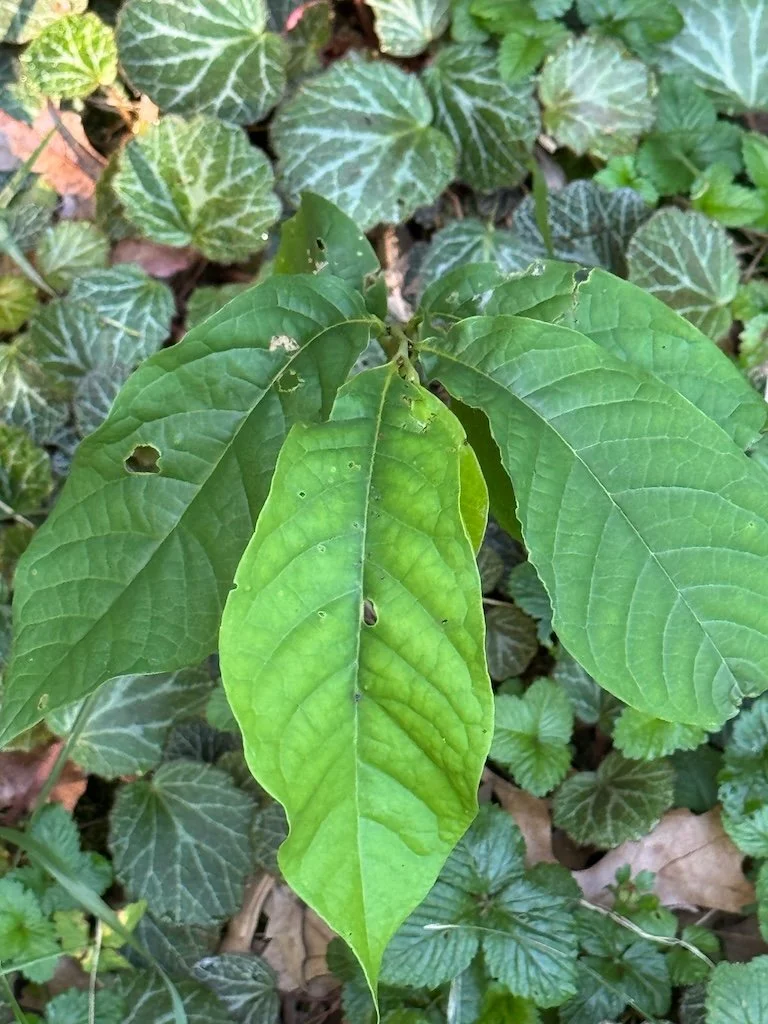
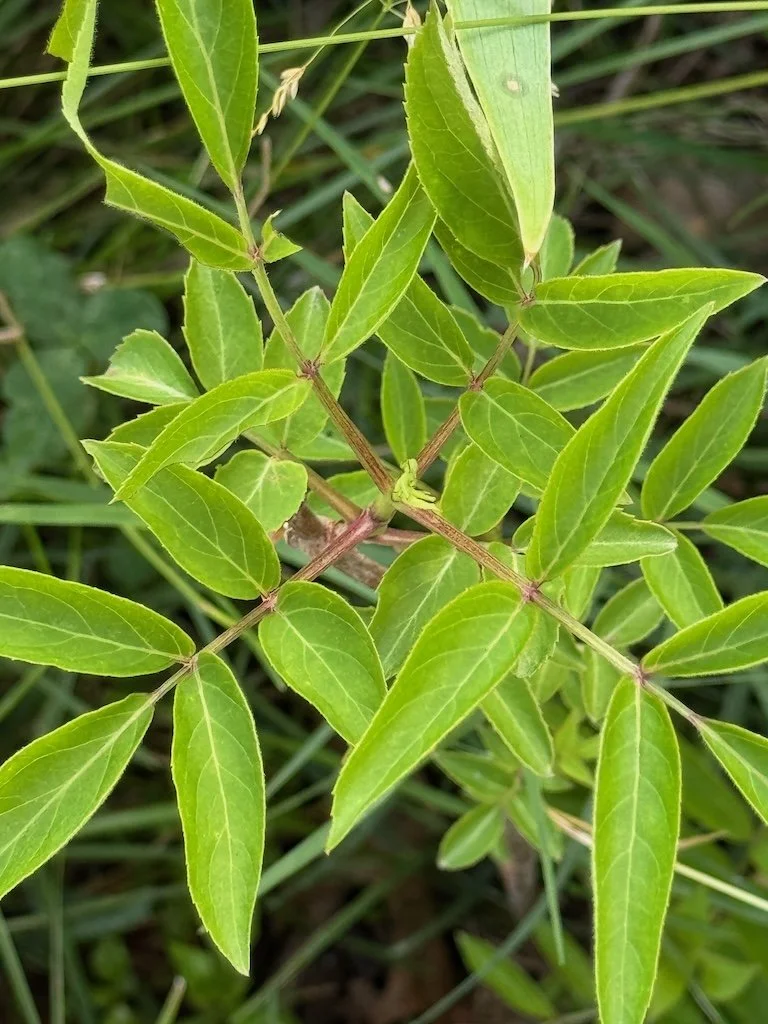
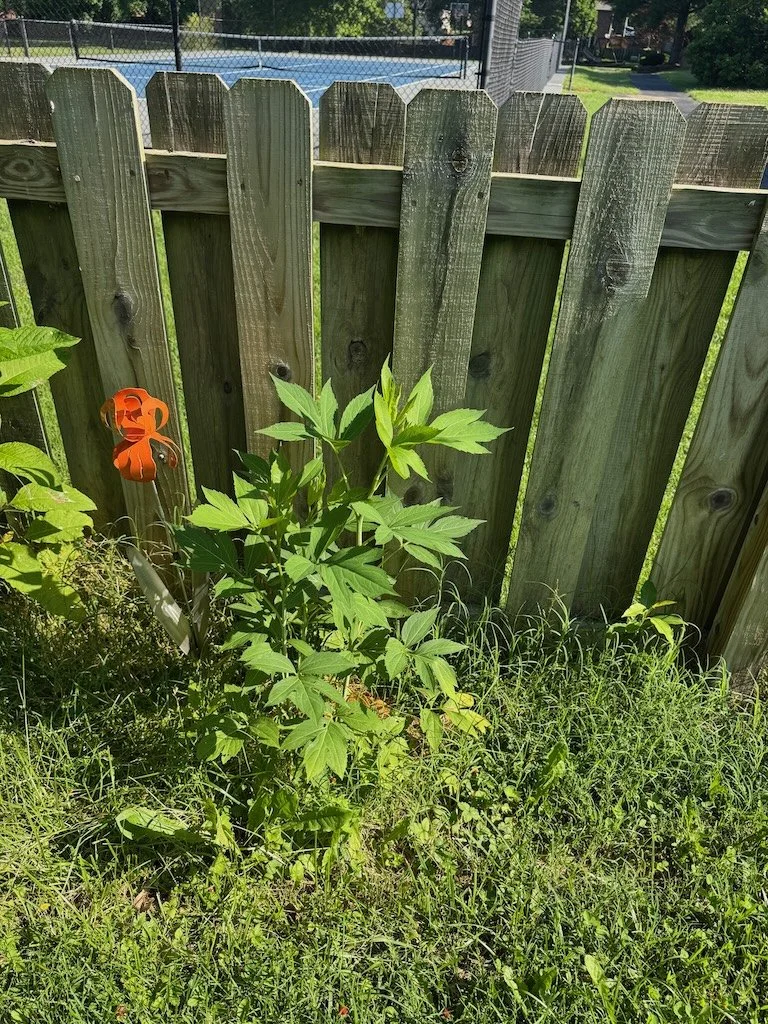
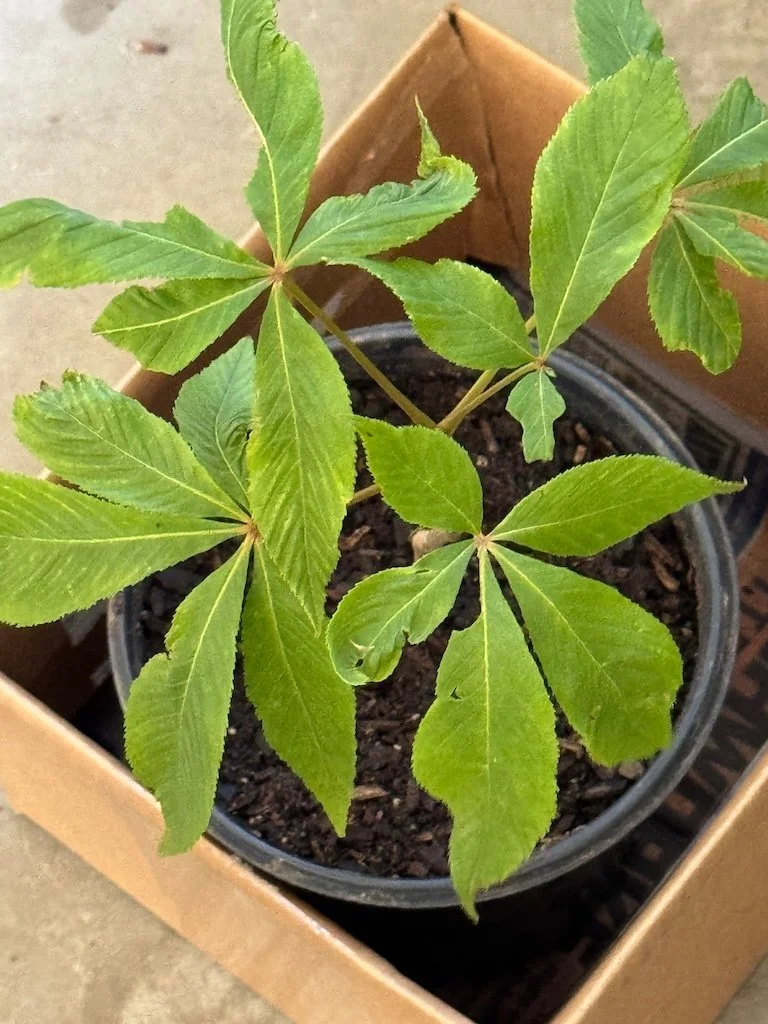
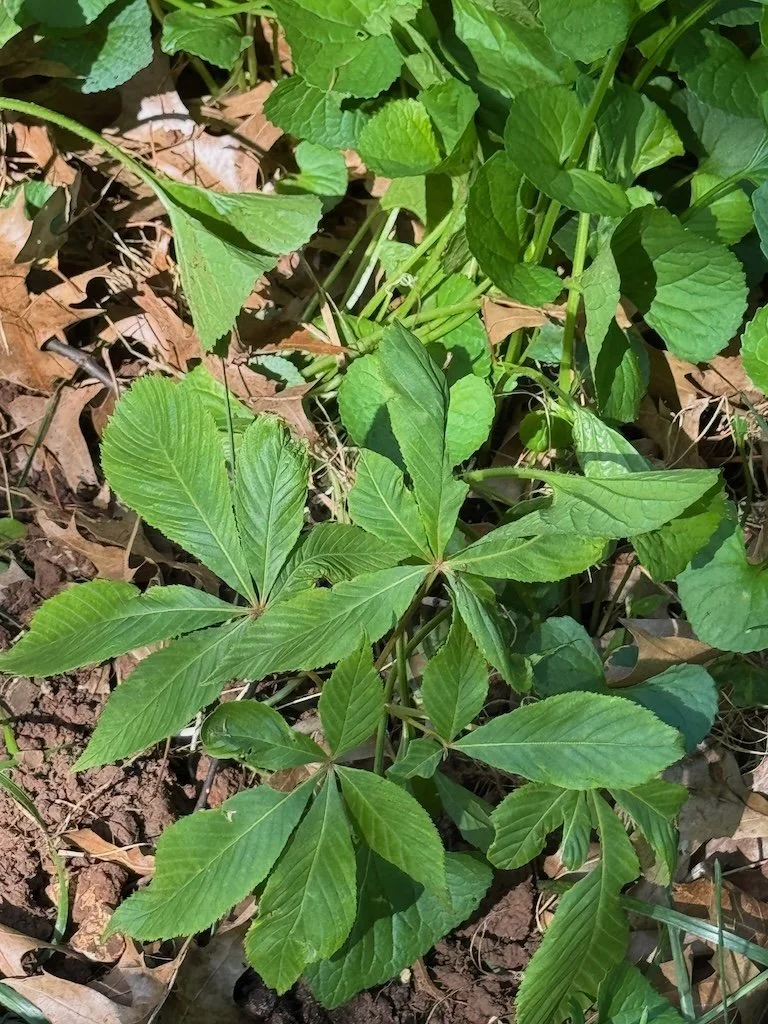
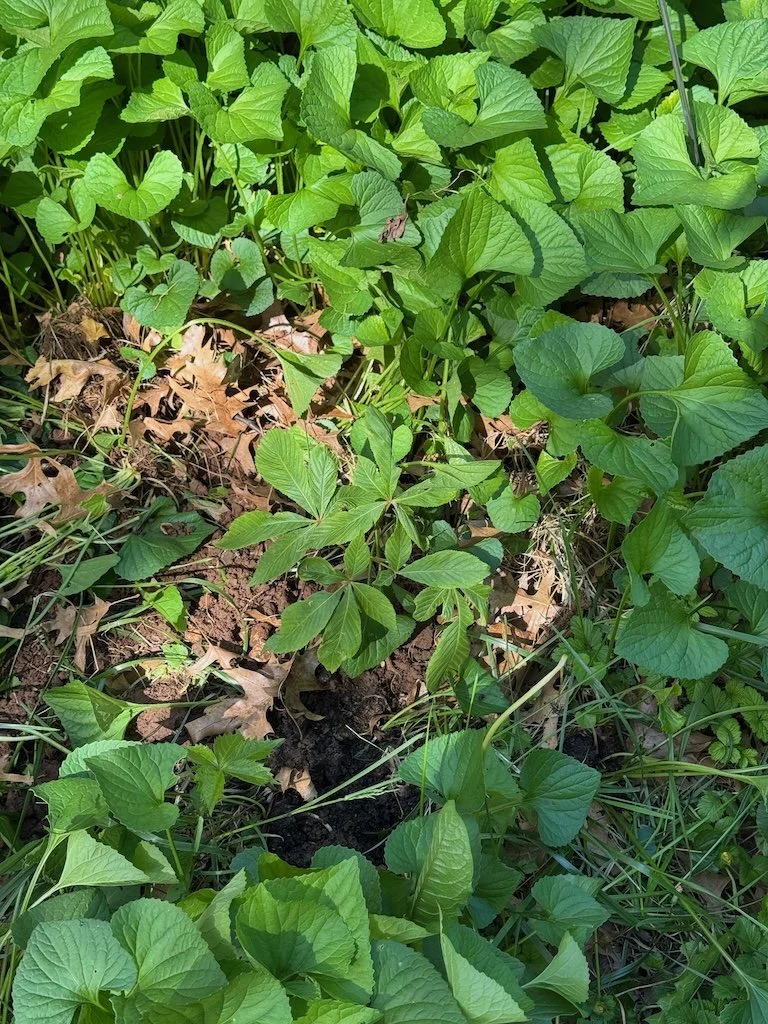
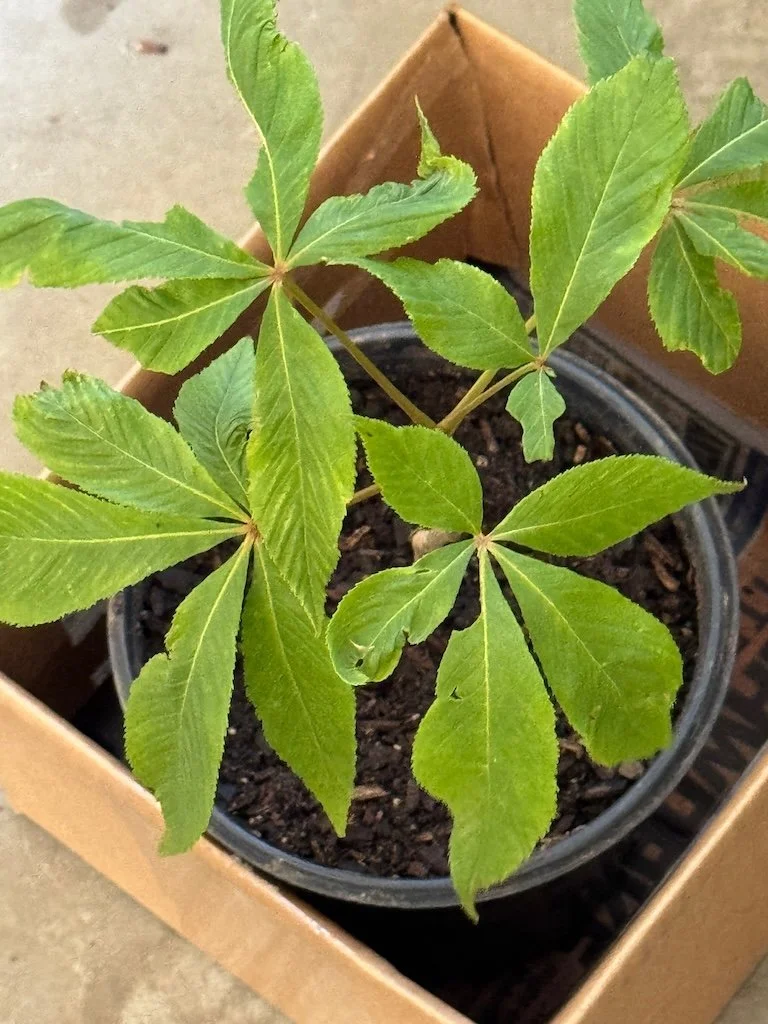
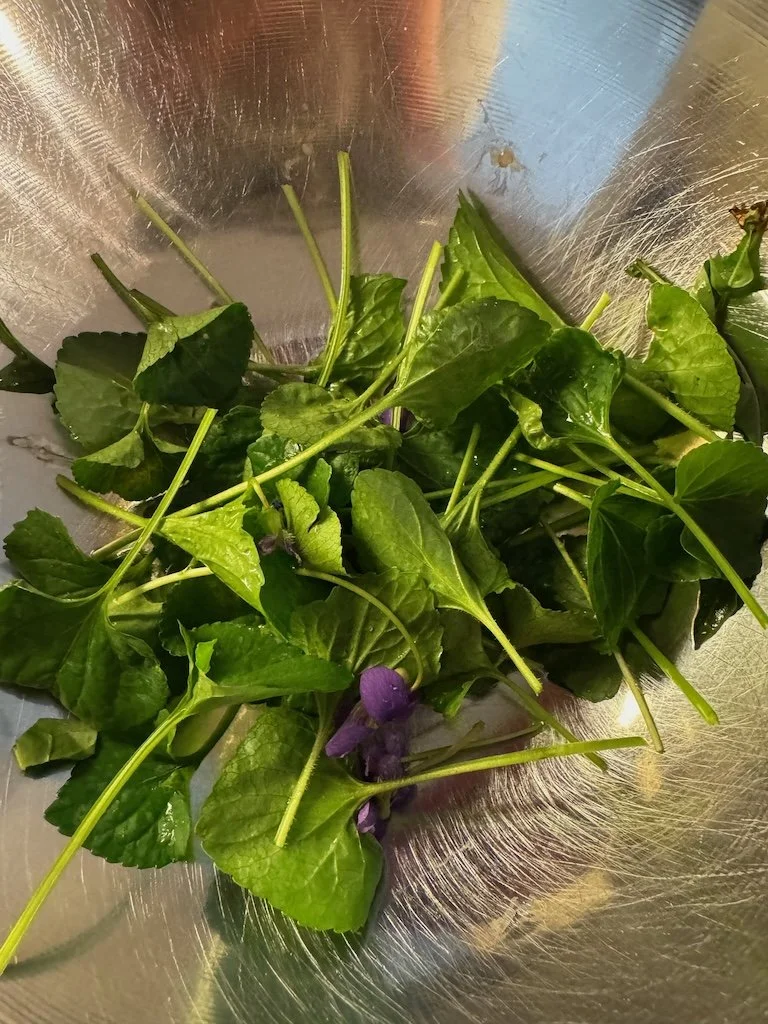
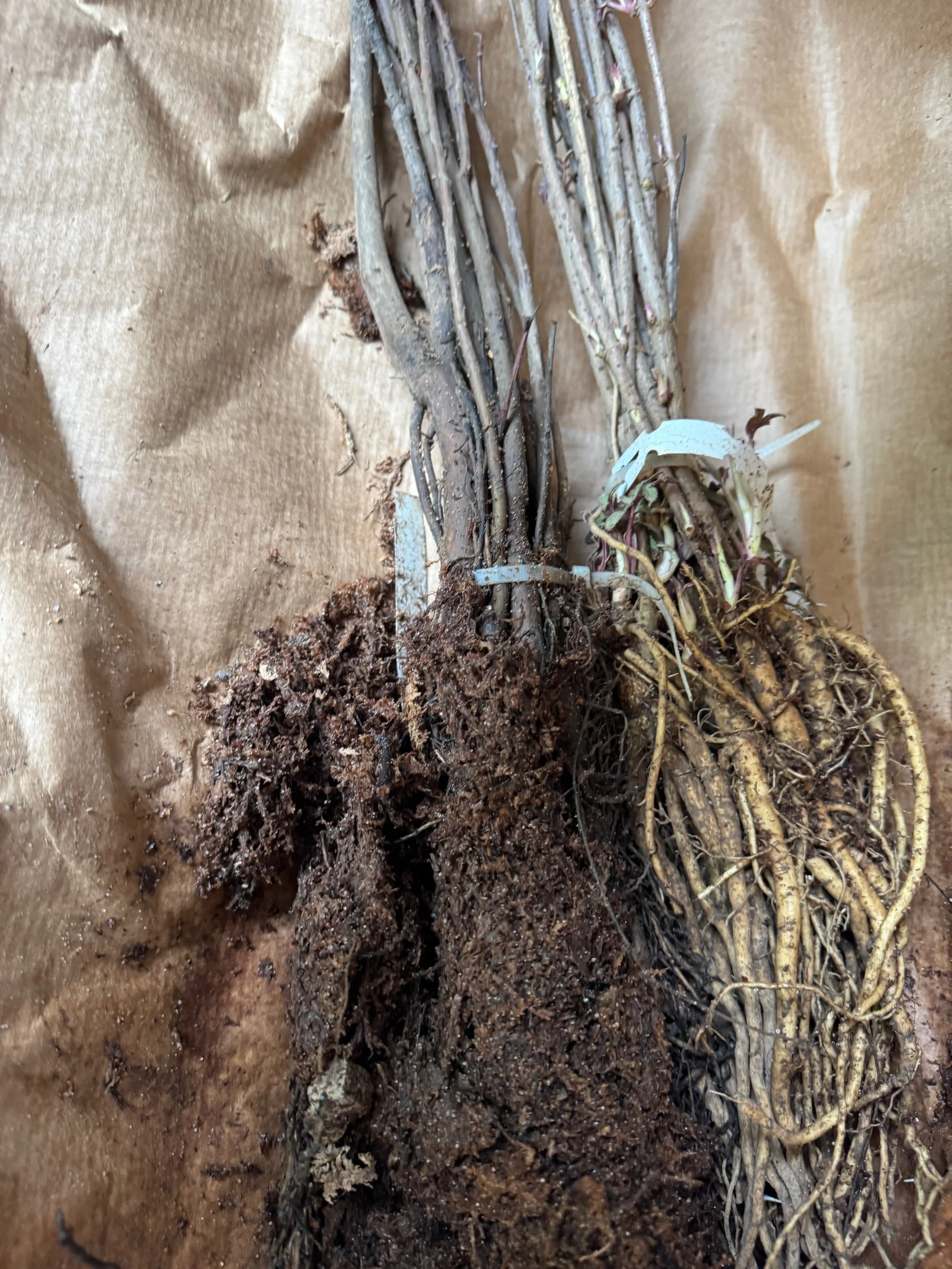
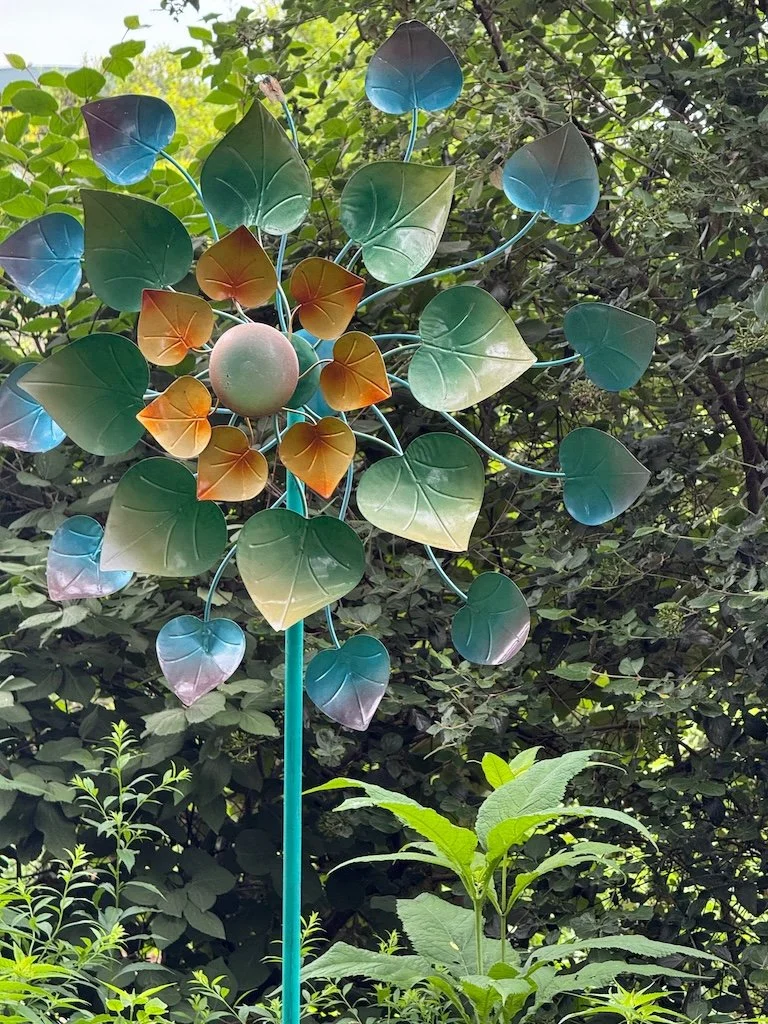
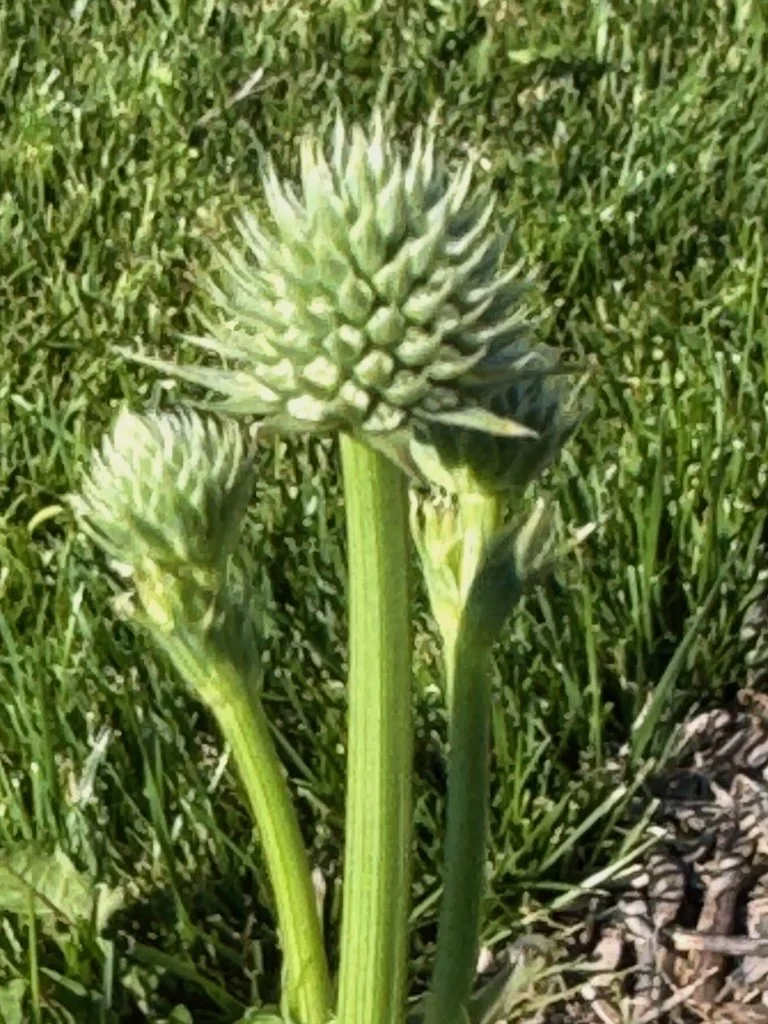
I bought two new additions for my yard from Ozark Soul: Rubekia laciniata (common names: sochan, golden glow, and cutleaf coneflower) and Asimina triloba (common name pawpaw). The leaves of the first are edible; I will use it along with violet leaves for ‘greens’ next spring and early summer. The pawpaw will take years to produce fruit; I have some seeds in pots that I am sprouting to add to the ‘patch’ so there will be at least two trees eventually. Both plants are small so I have them marked with yard sculptures!
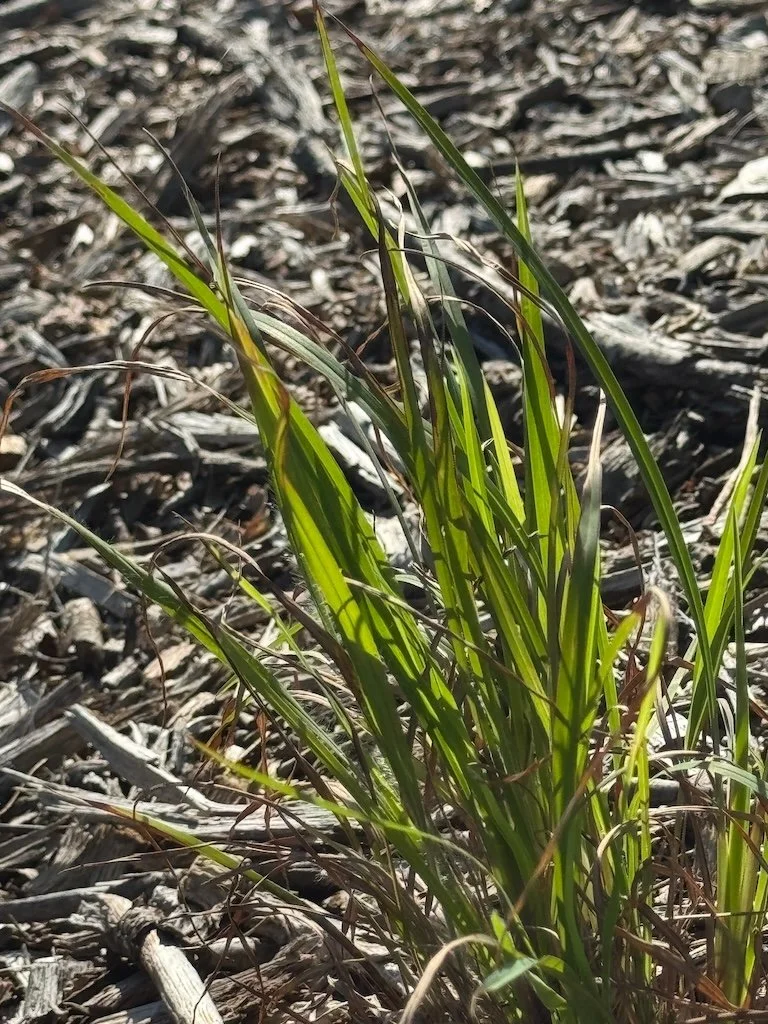
The Missouri Evening Primrose next to my mailbox is blooming profusely although not producing seed; I suspect that perhaps insects are not finding it.  There is a tiny prickly pear cactus growing with it which I am monitoring.

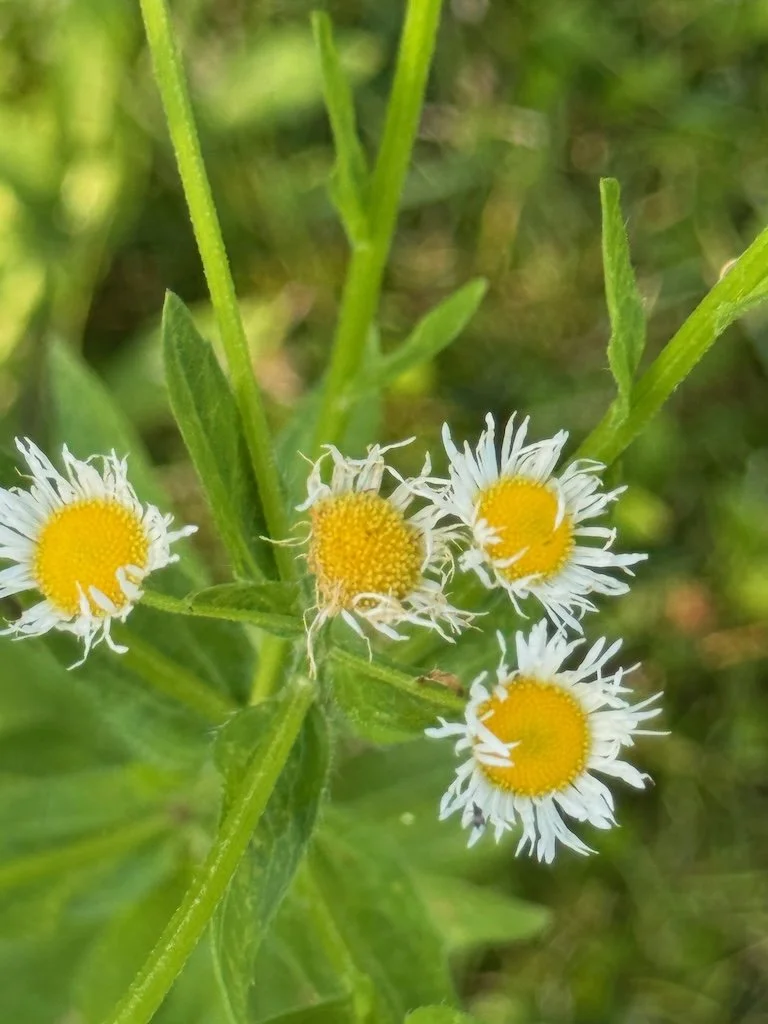
Pollinators are enjoying two types of late blooming plants in my yard: goldenrod and what I think is Symphyotrichum pilosum (white heath aster) which came up in a bare spot at the edge of my driveway, and I mowed around it. Both plants are full of insects…at least two kinds of bumblebees even on cool mornings!
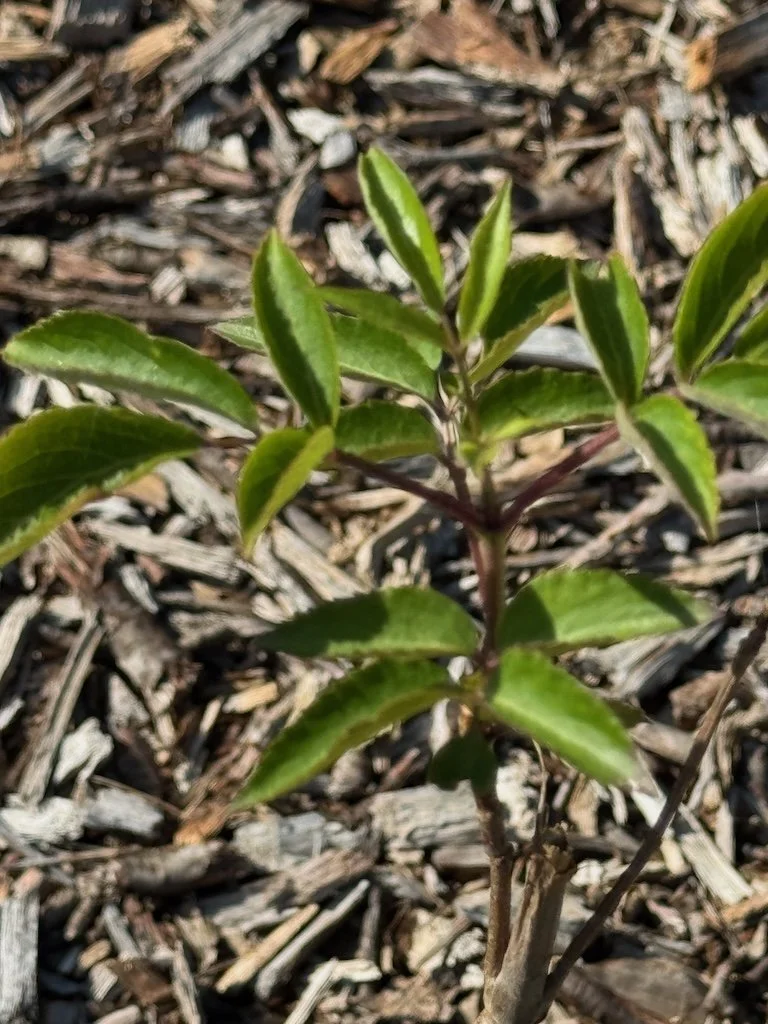
My husband and I realized we had waited too late to plant our new native plant garden in our front yard so we will get the bed created sometime over the next few months then plant the garden in the spring after the last frost.

Pawpaws from Butterfly House

I have been watching the pawpaw (Asimina triloba) fruit develop in the Roston Native Butterfly House every time I volunteer (about once a week). Yesterday, as I was pointing a group of them out to some visitors, 2 fell off! They weren’t very big, but they were soft – ready to be eaten. I brought them home and thoroughly enjoyed them with my breakfast this morning.

I’ve saved the seeds to plant in pots after scarifying/soaking ….and will plant them outdoors next spring. Since the seedlings will all be from the same genetic line, I will buy a seedling this fall at a native plant sale to provide two genetic lines; I want my pawpaw patch to produce fruit! It might take 5-7 years of growth before they do that.

Cool Day Yard Clean Up

We had a few mornings that started out in the 50s. I chose one of them to clean up the accumulated pile of sticks and branches (mostly forsythia but some redbud, maple, and hackberry) on the patio under my deck. The pile has been accumulating all during the summer and was, mostly, dry enough to burn easily although there were dried leaves attached to some of the branches.

I put a small pile of dry grass in the bottom of the chiminea and then piled on some bundled sticks before using a fireplace lighter to ignite the grass. The blaze started and I kept it going by feeding in more bundles of twigs. The bundles are mostly from a branch that I break and turned back on itself enough times to produce a bundle that would fit into the chiminea easily. I learned to sit down for much of the bundle creation to keep my back from hurting too soon/much.

The pile was large, and I realized after an hour or so of burning, that the ashes were building up in the chiminea and were taking up too much space to easily fit in more bundles to burn. Most of the branches were small diameter…but there were a lot of them and ashes built up. I closed the screen on the chiminea and watched as the flames died down and then the red glow begin to fade.

I stirred the ashes to try to make sure the sticks burned as completely as possible. It will be a few days before the ashes are cool enough to remove from the chiminea….and then I can clean up the last of the accumulated sticks and branches.

Cats at Eyelevel or Above

We have the three cats. The least athletic of the three (Puma) has suddenly decided that she likes to be high. We discovered her on the top of our glass display cabinet…well above our eye level. She didn’t want help getting down either. Maybe she had been getting up there periodically and we just hadn’t noticed…but she seemed very pleased with herself so maybe we noticed the first time she did it.

Later we noticed her on the cabinet above the refrigerator. She was taking a nap but woke up as her sister (Pooky) jumped up there as well.

Pooky likes to hide in plain sight on top of our bookcases with some stuffed animals…blending in very well. She naps up there; now we know to look up there if we can’t find her.

Our male cat (Sooty) was the first of the three to jump to the high places.  He still does occasionally but he not as frequently as he did at first; the novelty has worn off for him.

My daughter’s cat (Audi) likes the bookshelves at her house. He seems to prefer the shelf that is about eye level!

Our Missouri Yard – September 2025

There are parts of my yard that I am enjoying even with the prospect of the big landscaping change that is coming (which hopefully will not impact any of the plants in this post):

The Missouri Evening Primrose is thriving by my mailbox (there is a tiny remnant of a prickly pear cactus underneath it that I discovered when I cleaned out the weeds earlier this summer…its growing too!) and a crape myrtle that seems healthier than in previous years.

The Virginia Creeper is crowing on the front steps and onto the bricks. I’ll enjoy it a bit longer than pull it down – relegate it to the horizontal surface of the front flower bed.

The chives are thriving in several places in the back yard. They were started from seeds harvested from my mother’s garden. They don’t seem to care if they are in the sun or shade!

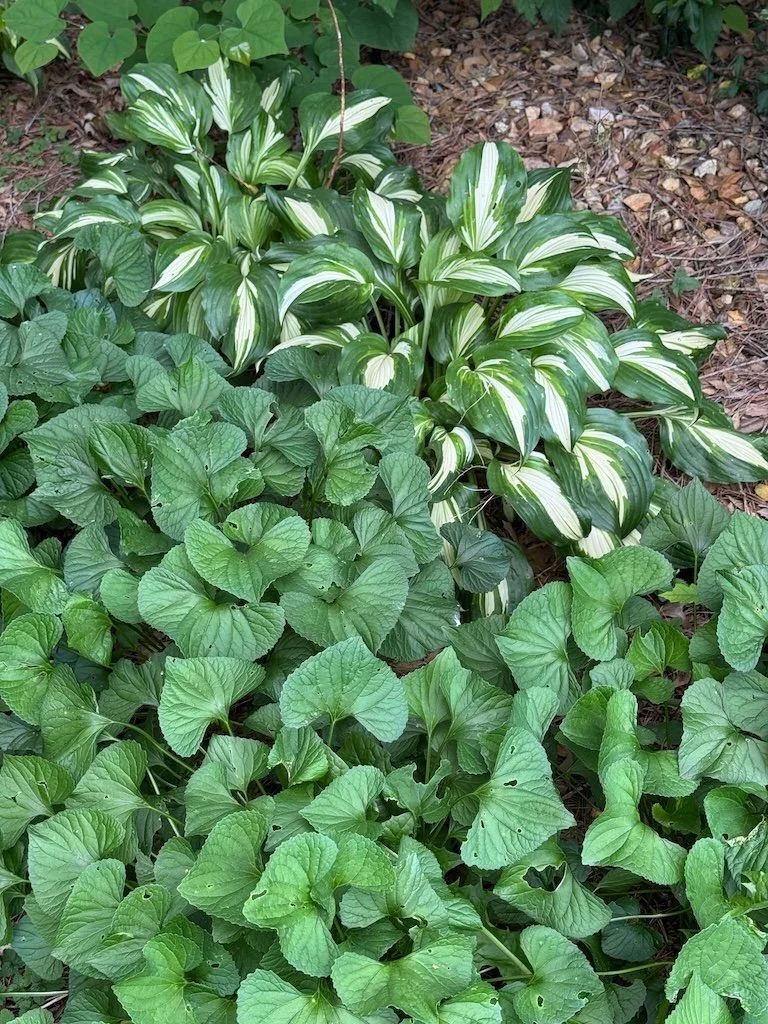
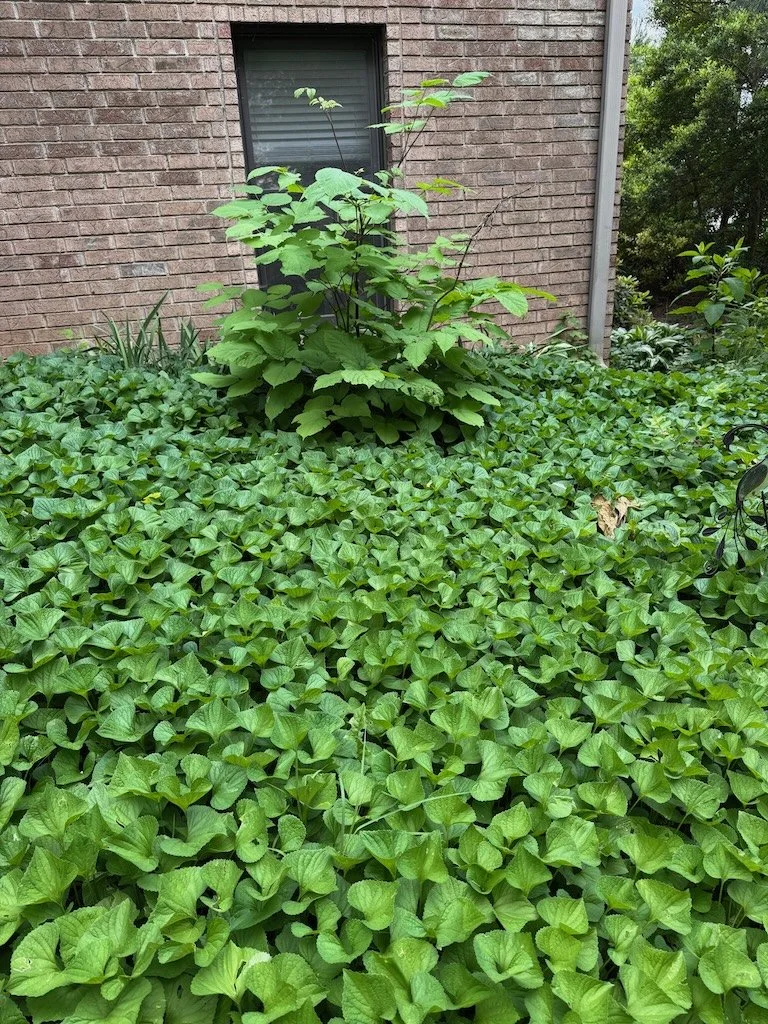
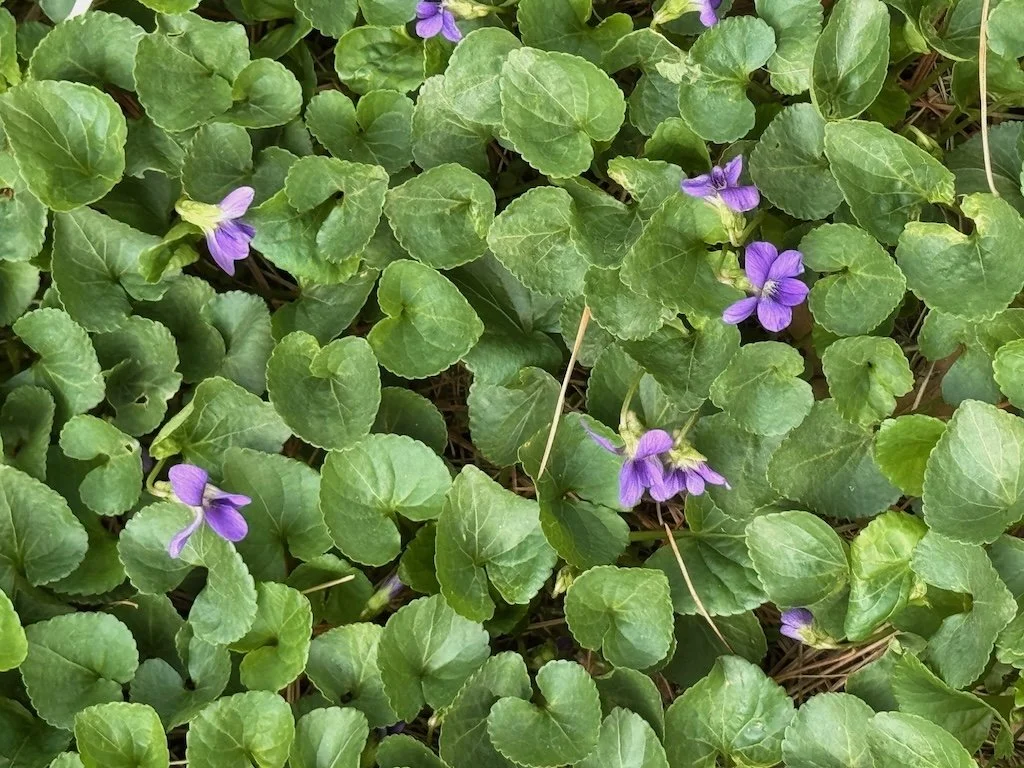
The American spikenard – one of my first native plant purchases – is larger each year. There are violets under it (and a small pokeweed in the foreground). The fruit is beginning to turn purple. I’ll harvest some and try to sprout them indoors to plant outdoors next year.

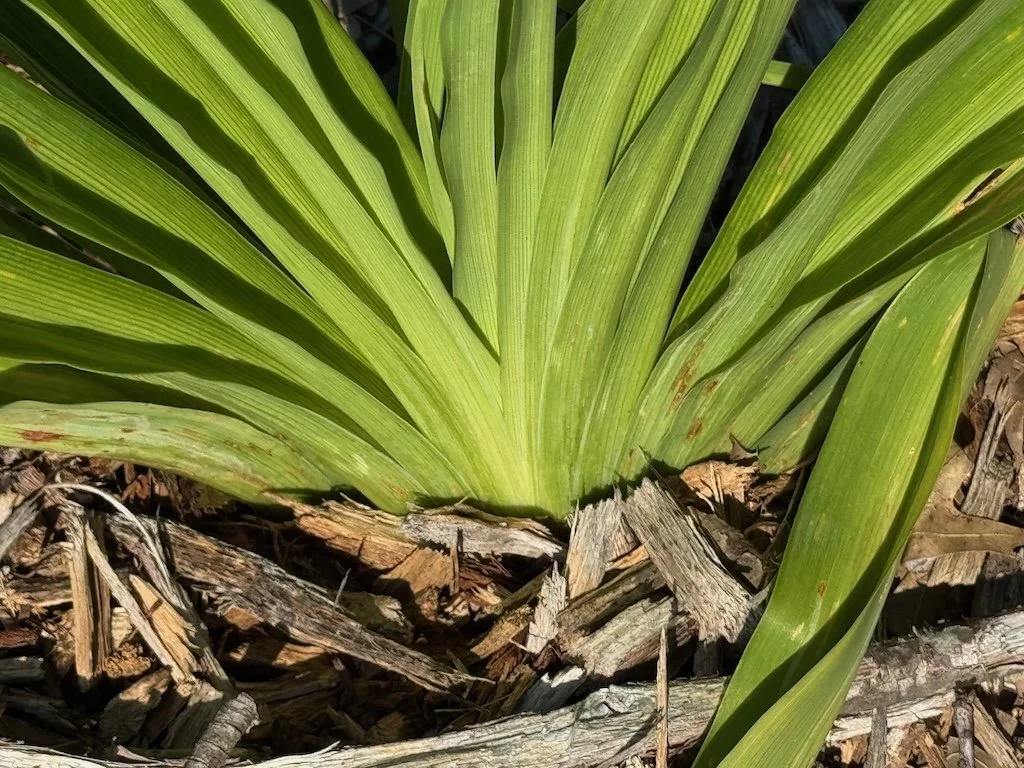
There are a variety of things in the garden where a pine tree once grew. The iris leaves look a little burnt on the ends, but the pokeweed is full of berries that the birds will eat as they ripen. I am still watching developments…not sure of everything there although I like the surprises discovering the naked lady lilies blooming in August and the beautyberry that I planted…glad that has survived.

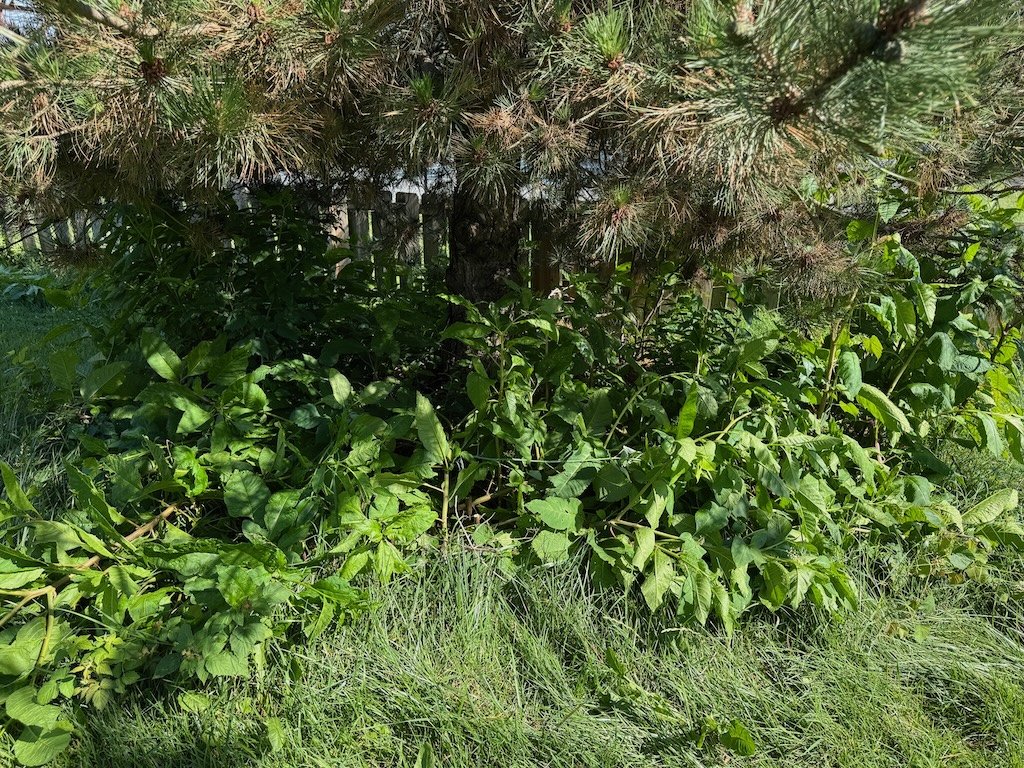
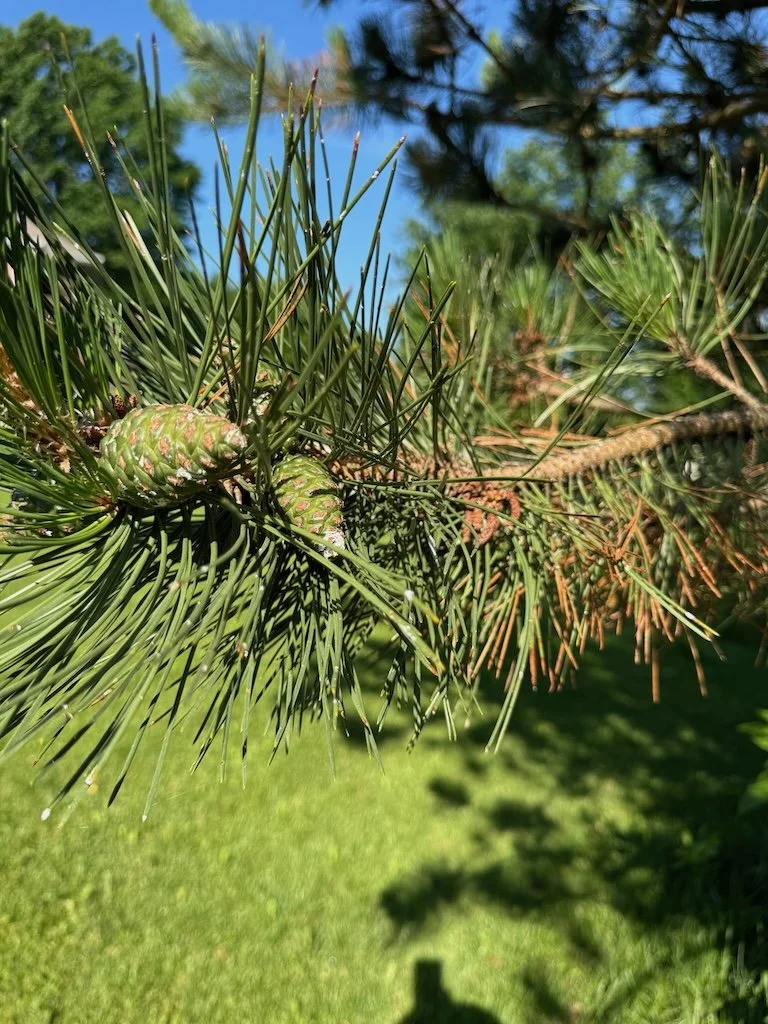
The area under the short leaf pine is full of pokeweed – mostly. As the season changes, I will enjoy its red foliage…then cut it down and clear out anything else growing under the tree….except the redbud (perhaps).

Plastics Crisis – Trash Inventory

I wrote about plastics I recycle a few days ago. Today I am focused on the plastics that end up in my trash.

There are little bits of plastic packaging - mostly wrappers from lens/screen wipes, single serving electrolyte powder, and protein bars. There are probably alternatives to a lot of these little bits of plastic packaging: Could we go back to small spray bottles and cloth/tissue wipes for our glasses, phones, and screens? Probably we should. Perhaps I can buy a cardboard container of powdered electrolytes rather than single serving packages; there is still a plastic lid and does not work that well for travel. Maybe I should start thinking about protein bars as ultra processed food and develop a homemade version that isn’t…or eat nuts rather than protein bars.

There is plastic packaging from raw meats like bacon and hamburgers and chicken. It seems like all meat is packed in plastic these days. And it is plastic that is messy…and not in a form that can be recycled. It is touching the food and could easily be adding microplastics. There are not a lot of good alternatives although sometimes buying frozen meat means that the plastic is not clinging to it (for example: Bubba burgers and bags of frozen boneless chicken breasts). There is not an alternative to bacon plastic packaging that can think of. Before plastic – meat was often wrapped in white paper – still messy trash but not plastic.

Bottles that are too messy to recycle easily. I tend to not recycle toilet bowl cleaner bottles; they are too difficult to get clean. I am going to experiment with homemade toilet bowl cleaner (soda, cleaning vinegar, lemon essential oil). Peanut butter is another plastic container that is difficult; I put dish detergent and water in it and after some soaking it will be clean enough…but glass come clean more easily so my preferred solution is to buy peanut butter in glass; it is better that food does not touch plastic!

I don’t use straws often but when I do, I try to use paper ones, so I have eliminated that form of plastic trash – at least when I am at home.

Plastic-coated paper cartons are another form of plastic in my trash. They are not recyclable like the cartons of the 60s would have been. It is unfortunate that in many markets it is hard to buy milk in anything but plastic (jug or plastic-coated carton). I am close to just deciding to pay a lot more to get milk in glass containers…..and to start writing letters to companies about packaging their product in a more healthy and sustainable way. Or – I might decide to not drink milk…somehow make up the nutritional value in other ways.

Bottom line – there is a significant amount of plastic in my trash…not as much as in the recycle bin but still a far amount. It will be in the landfill for a long time and contributing microplastics to the leachate that is, in the best case, sent to a sewage treatment plant that will pass at least some of those microplastics (maybe the smaller ones) through to the river after treatment. Eventually the microplastics can find their way into our water supply (the water treatment plants do not currently take out microplastics) or into our food if the water from the river is used for irrigation of crops.

Previous Plastic Crisis posts

Plastics Crisis: Recycle Inventory

I have been recycling for a long time…starting out when newspapers and cans (separately) were the only items that could be recycled. By the time we moved from Maryland, the county where we lived supplied recycle bins for everyone; the cost was included with trash service. The items we recycled included cardboard, paper, glass jars/bottles, tin cans, aluminum cans, plastic bottles/jugs, and milk cartons/juice boxes. We always had more in the recycle bin than in the trash bin and that seemed true for everyone in our neighborhood.

When we moved to Missouri, the curbside recycling was an added cost beyond trash pickup and we quickly discovered that not as many people recycled. The list of recyclables did not include glass or milk cartons/juice boxes. The local recycling center accepts glass, so we periodically take glass there. The milk cartons/juice boxes go into the trash. We still have more in our recycling bin than in trash. The bulk is cardboard/paper, but the next is plastic…followed by tin/aluminum cans.

Focusing in on the plastic that is in our recycling bin….

  • There are soft drink bottles…but those will be going away shortly because I will either stop drinking soft drinks or buy them in aluminum cans.

  • There are milk jugs. I buy milk in jugs rather that cartons because the jugs can be recycled. There are not plastic free options for milk since even the cartons have plastic coating them.

  • There are a few cleaned-out bottles with caps. It is not as clear that these plastics are always recycled; for that reason, I am actively trying to reduce/eliminate them. I have already eliminated laundry detergent (buying laundry sheets in paper packaging instead). I sometimes don’t recycle bottles that held products that are hard to clean out (peanut butter, for example) and plan to buy those things in glass from now on which is more reliably recycled. I also am experimenting with DIY toilet bowl cleaner (soda, vinegar, essential oil) rather than buying the bottled version.

  • Plastic bags are collected and taken back to stores that accept them for recycling; I am skeptical that they are recycled but it is challenging to find out what really happens to them. They are usually not plastic shopping bags these days since we use reusable bags so frequently. They are bread bags, plastic from around soft drinks (although we are getting better at avoiding that), plastic bags that held food (popcorn, produce), packaging from clothing purchases, air ‘pillows’ from packaging, toilet paper packaging). I am overtly trying to reduce or eliminate this type of material even though it is supposedly recycled.

Even with all the effort I put into recycling of plastic – a lot ends up in the trash because it is not recyclable and even some of the plastic that enters the recycling process ends up in landfills because it is cheaper to make new plastic rather than to process recycled plastic!

We cannot recycle our way out of the plastic crisis! Read The May 2022 report The Real Truth About the U.S. Plastics Recycling Rate from Beyond Plastics. It documents a recycling rate of just 5-6% for post-consumer plastic waste in the U.S. for 2021. The report also reveals that while plastics recycling is on the decline, the per capita generation of plastic waste has increased by 263% since 1980. The failure of plastic recycling is in contrast to paper which is recycled at 66% (2020 figure per American Forest and Products Association). High recycling rates of post-consumer paper, cardboard, and metals proves that recycling works to reclaim valuable natural material resources. It is plastic recycling that has always failed as it has never reached 10% even when millions of tons of plastic waste per year were counted as recycled when exported to China.
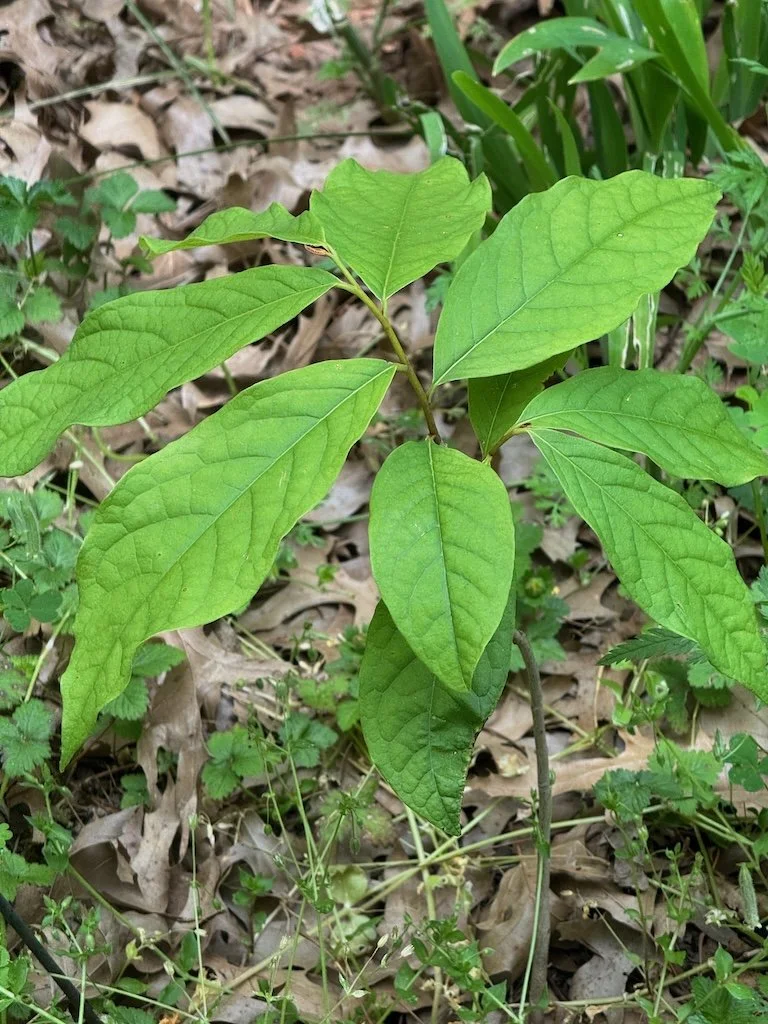
Previous Plastic Crisis posts

Big Landscaping Change – Getting Help?

I contacted a nearby nursery as I started to realize how big a task creating the new bed in my front yard was going to be. A landscape designer came out to look at my yard and then I went to the nursery to look at what they have…and get a better idea on their approach. I’ll get their estimate next week.

On the plus side –

  • The new landscaped bed will look good sooner than if I do it myself. It would have layers of topsoil/compost covered by finer oak mulch and it would have a flat rock edge that would make it easier to mow around. Part of it would be 18 inches above the rest.

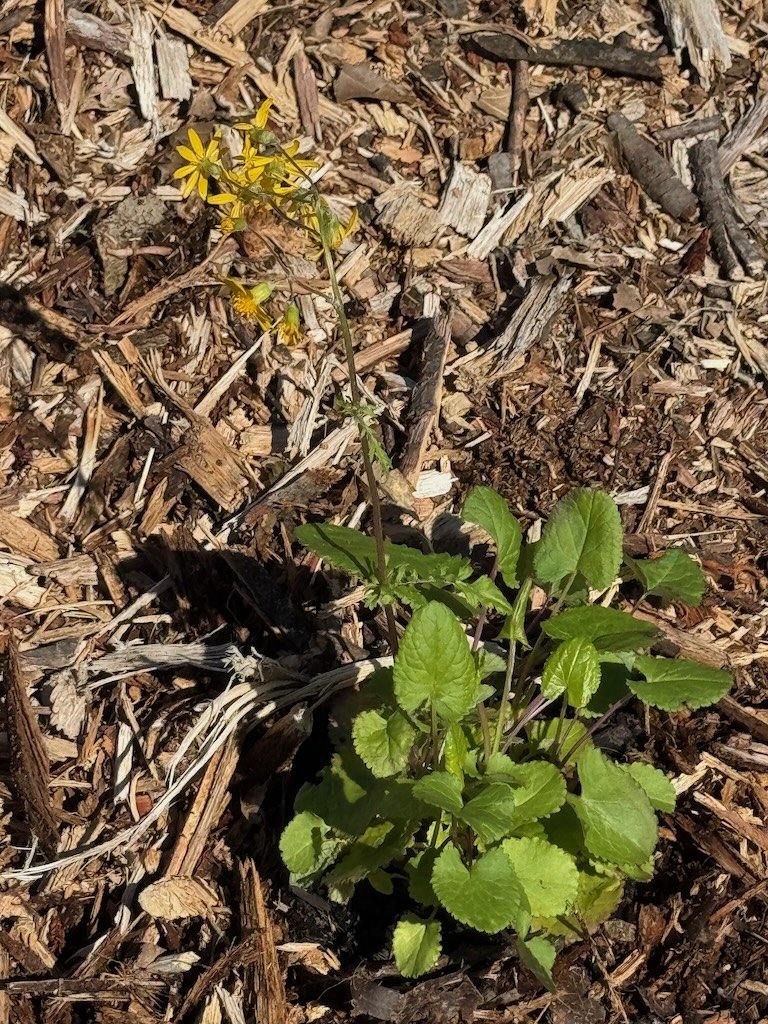
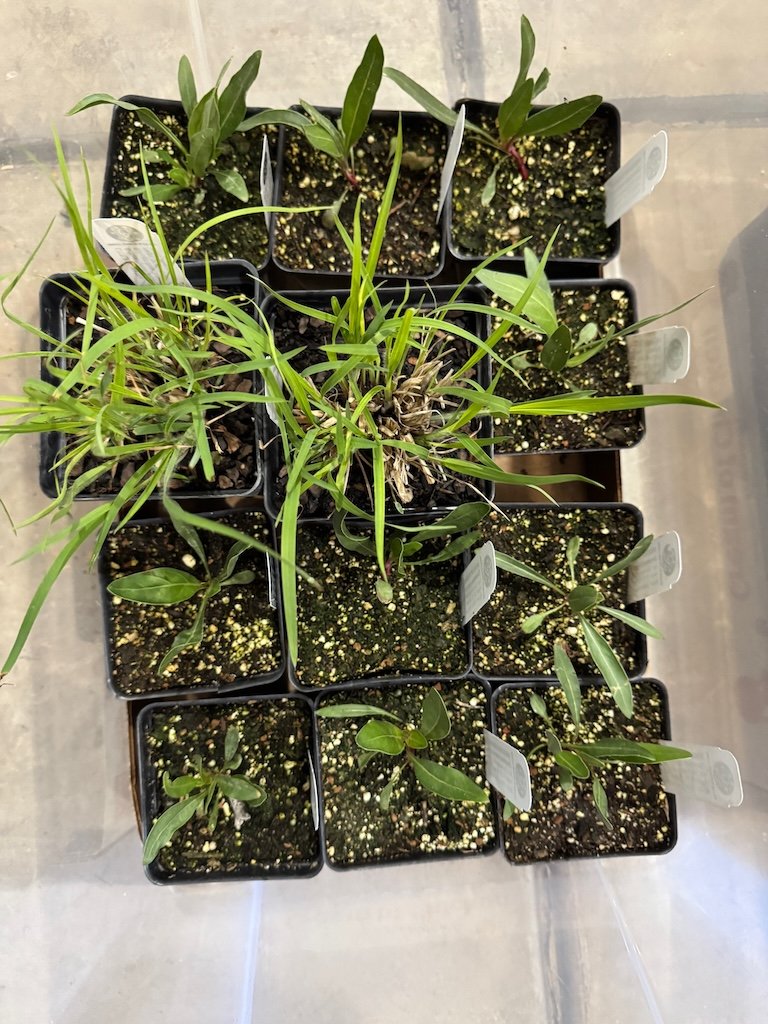
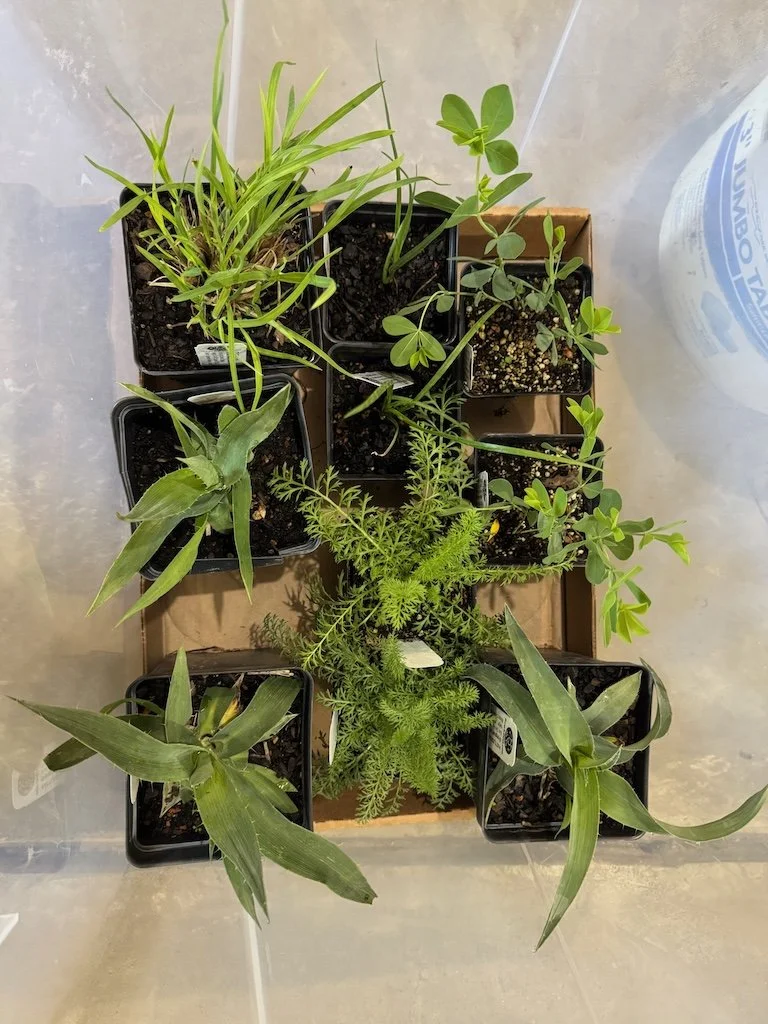
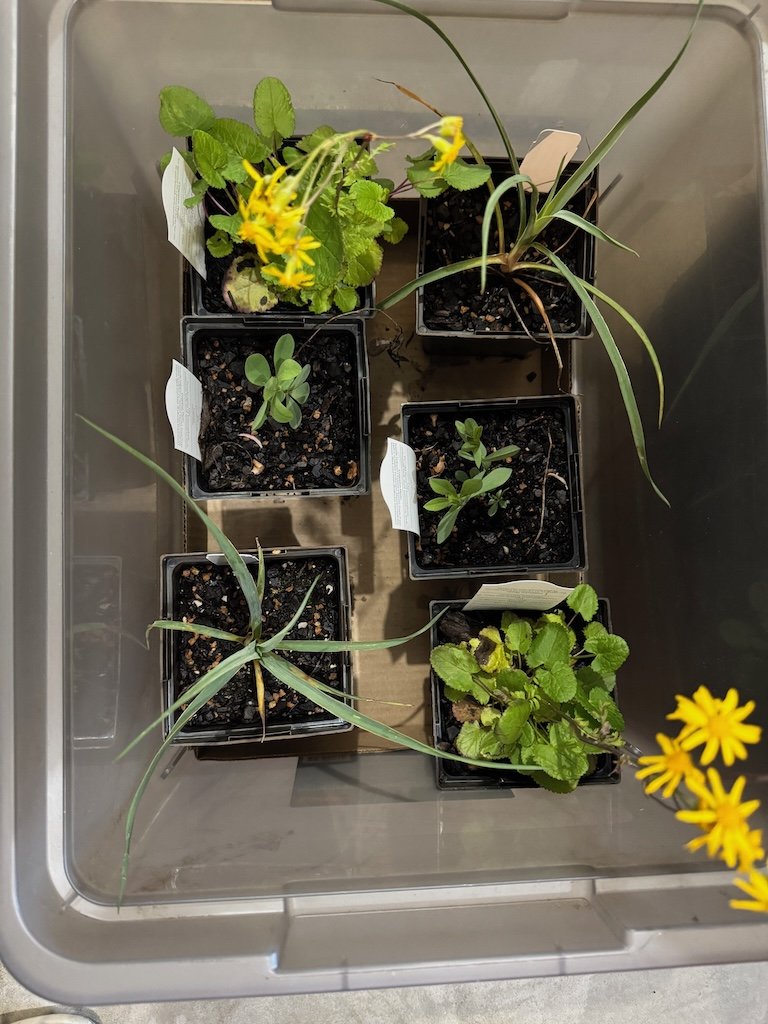
  • The plants will be bigger than the native plant supplier would provide. They have some of the plants I want in stock: golden ragwort, wild indigo (gold and blue), American Beautyberry, and serviceberry.

  • They would handle all the labor and logistics for creating the new area.

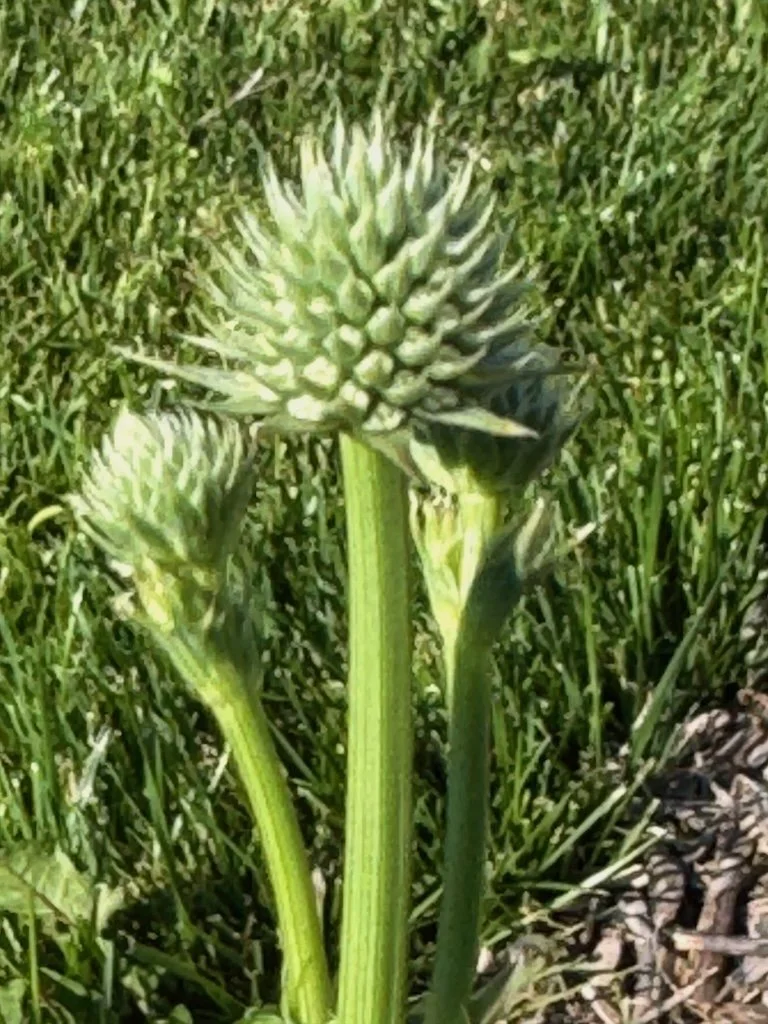
  • They had rattlesnake master in stock and I remembered seeing in on my prairie walks…it would add some drama to the front yard planting.

The negatives could be -

  • Cost – although I don’t have the estimate yet…but it will obviously cost more that if I did it myself.

  • They don’t have spicebush and I really wanted that instead of serviceberry in the front yard.

  • Some of the plants might be varieties of natives rather than the native form of the plants.

  • They would use roundup as part of the initial bed creation.

I’ll wait to get the estimate before making a decision, but I would very much want the initial bed creation and some of the plantings to be done by professionals. I can fill in with more plants next spring if I want.

I’ve already ask my arborist for another load of wood chips…so, if I accept the proposal from the nursery, I’ll use the load of woodchips in other parts of the yard rather than in the front….and I might need to move some of the mulch I put in the front yard to other places before the new bed is created.

Previous posts about Big Landscaping Change

Ten Little Celebrations – August 2025

August was hot…so some of the celebrations were indoors (with air-conditioning) this month!
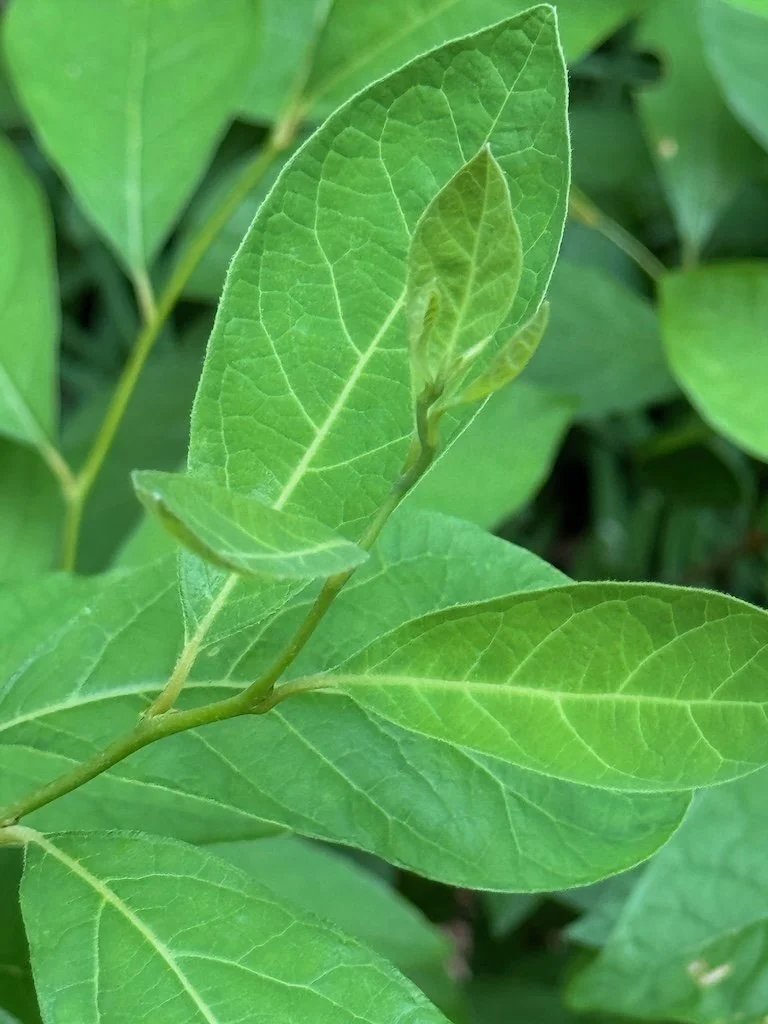
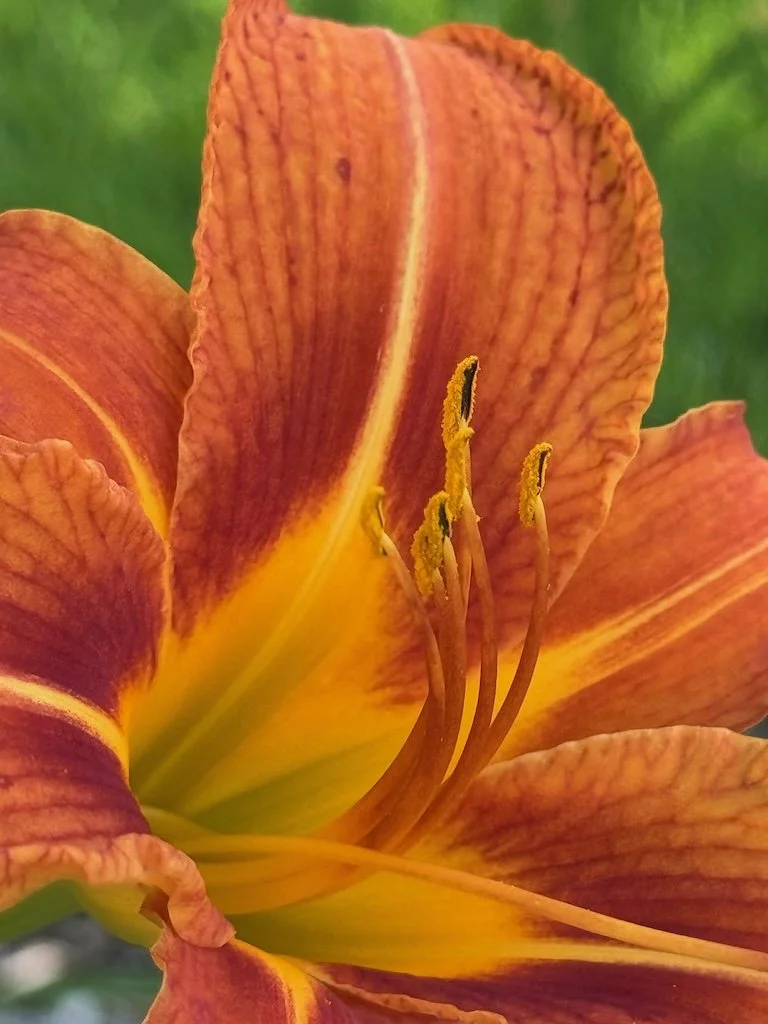
Naked lady lilies. It was a pleasant surprise that I have three of these plants in my yard – blooming for the first time this August. But I celebrated them because they are a remnant of my mother’s garden from 2023 just before the house/garden was sold.

Spicebush caterpillars. Earlier this summer my young spicebush didn’t have caterpillars…but is does now. I celebrated that the swallowtails have found my plant to lay their eggs.

Beautyberry. While I was pulling grass and weeds in my yard, I discovered that the beautyberry I planted last fall has survived…and is blooming. Time to celebrate!

Dispelling Myths of Native Gardening webinar (from Grow Native!). I celebrated the timing of a panel discussion about native gardening (webinar)…and gleaned some ideas I will apply in the next few weeks as I create a new area of by front yard…with native plants.

Field trip at the Lake Springfield Boathouse gardens. Another well timed opportunity for learning how to better create my new native plant garden. It was hot…but I learned enough to make it all worthwhile.

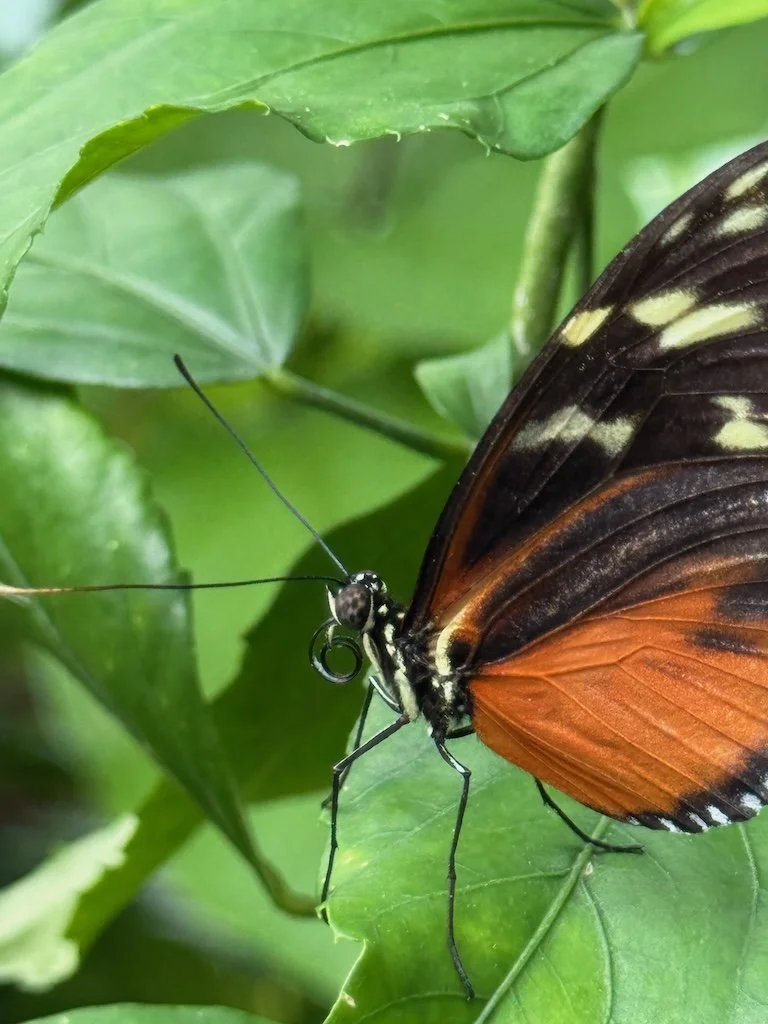
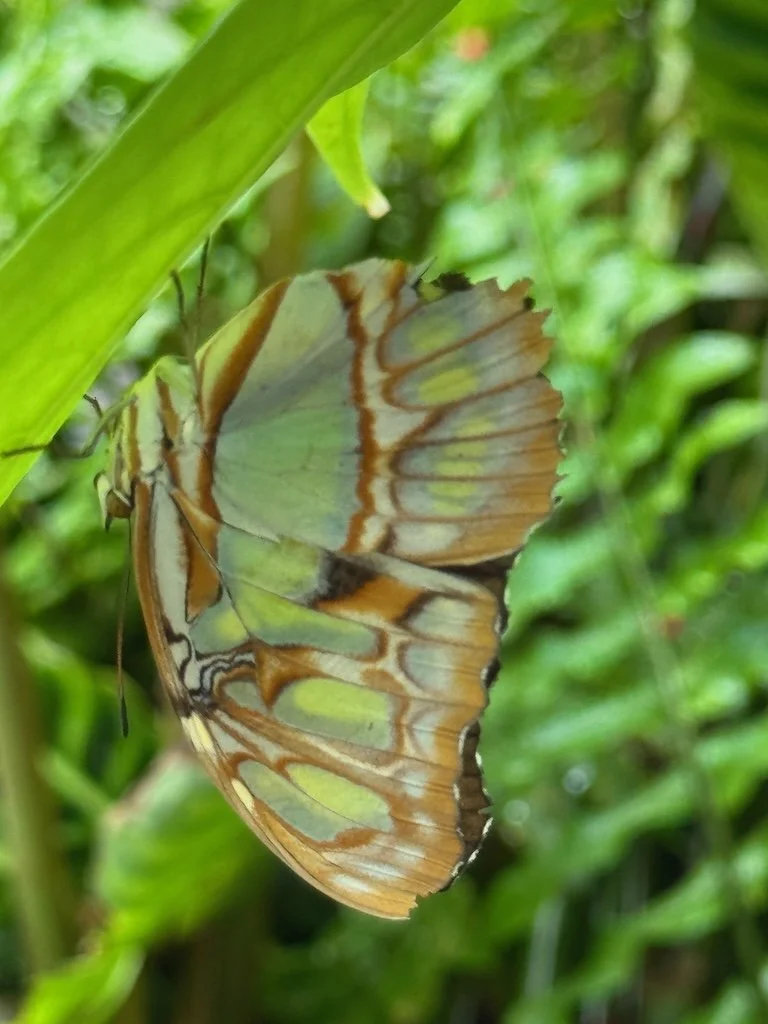
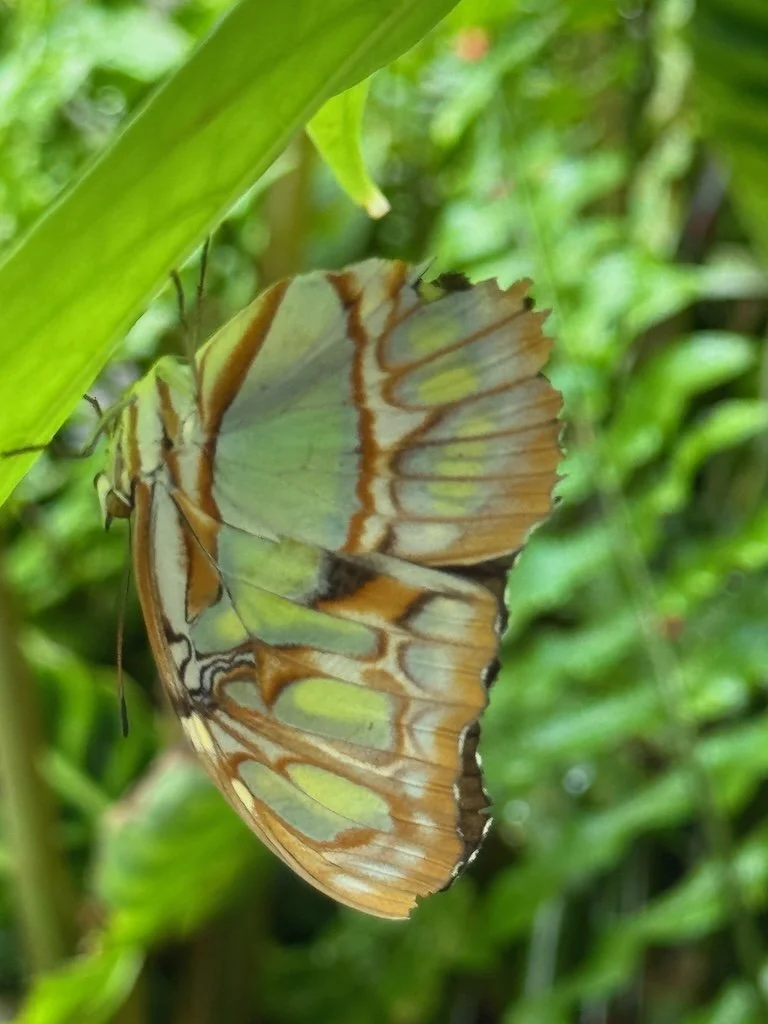
Roston Native Butterfly House. Celebrating my favorite volunteer gig of the summer…every time I work a shift there.

Turpentine Creek Wildlife Refuge. The big cats are the draw, but I celebrated seeing a juvenile racoon and butterflies!

Two caves in one day – Cosmic Caverns and Onyx Cave. Celebrating caves…cooler than the outside temperature.

Dr. Megan Wolff’s webinar “Plastics and Public Health: the unsettling latest in medical research.” A different kind of celebration…it’s more like FINALLY someone had done a reasonable job to at articulating the rationale in one place about why our plastic creation must change dramatically. Here’s the link to the video. The bottom line is that we can’t “recycle” or “reuse” our way out of the mess.

Lawn mowing – getting it done. It’s been hot this month and I celebrate every time I finish mowing the yard…so glad that it is done for another week.

Juvenile Cardinal

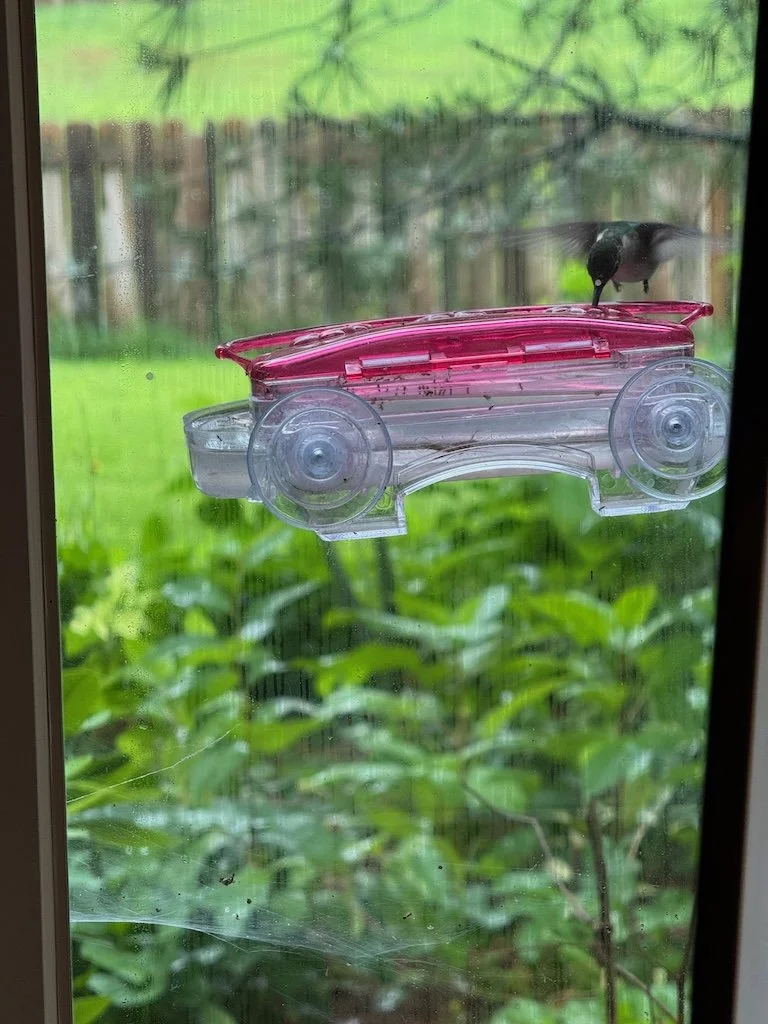
I’ve seen several rounds of juvenile robins in my shade garden so maybe I shouldn’t have been surprised when a juvenile cardinal was there recently. The bird perched on a hose I had used to water the area after some of the vegetation looked like it was not getting enough water to offset the high heat. I saw the bird from my office chair and took the pictures through the window!

The adult feathers were just beginning to come in. At first, I assumed that the bird was a female but the area around the eye is red already --- so probably a male.