Treks to the Landfill

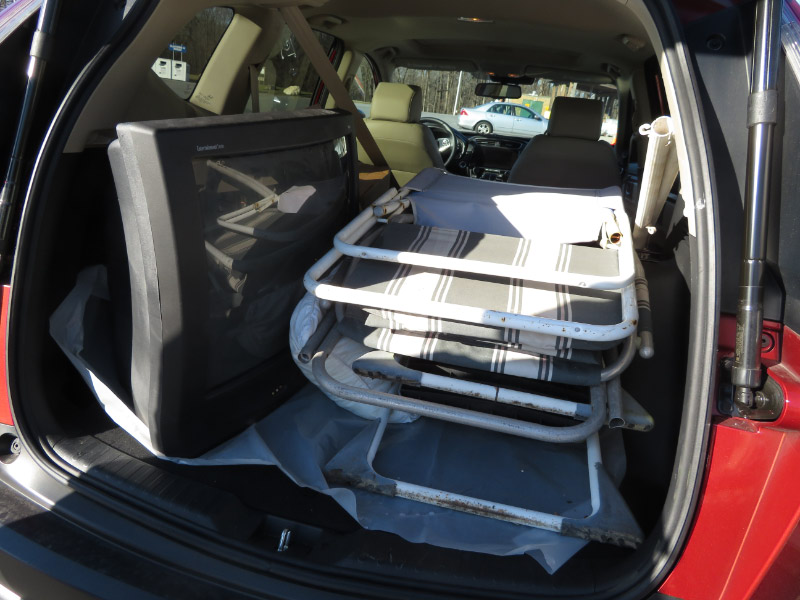
We’ve made two treks to the county landfill/recyling this month – getting a jump on ‘spring cleaning’ while we’ve had some days at home. The county has a drop-off area for both recycling and trash – easy to drive up to the appropriate area and unload. Our focus has been on things that can’t go in the weekly trash or recycling curbside pickup because of size or what they are. Many of them are so irregularly shaped that the car can’t be loaded all that effectively.

2019 01 IMG_3430 r.jpg

Electronics have been part of both loads: computer monitors and keyboards…an old (not working) television (predated flat screens!). They have big bins for smaller items and pallets for the large ones.

Then there was trash: broken lawn chairs, deteriorating badminton stuff, and broken miniblinds. The drop off area has a long row of Jersey walls with big containers behind them at a lower lever – easy to drop items into the bins.

We also noted that that they have a reusable bicycle drop off – we’ll bring my daughter’s 15-year-old bike on our next trek to the landfill!

2019 01 IMG_3435 r.jpg

We thought there might be a bin for donations of household goods but there wasn’t. We stopped by Goodwill on the way home and dropped of 6 boxes of stuff.

It’s good to be making progress on our ‘clean up and out’!

Mt Pleasant in January 2019 – Part 2

Continuing the images from last week’s hike at Howard County Conservancy’s Mt. Pleasant….

2019 01 IMG_1105.jpg

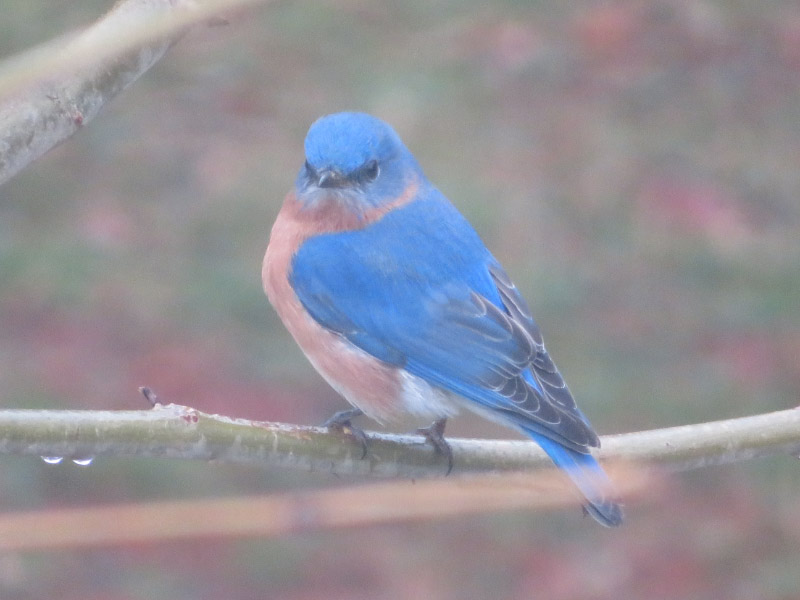
I noticed a bluebird box with lichen growing on its roof. I wondered how long the houses lasted. This one had a plaque below it saying it had been installed in 2009 so it’s held up for 10 years!

2019 01 IMG_1036.jpg

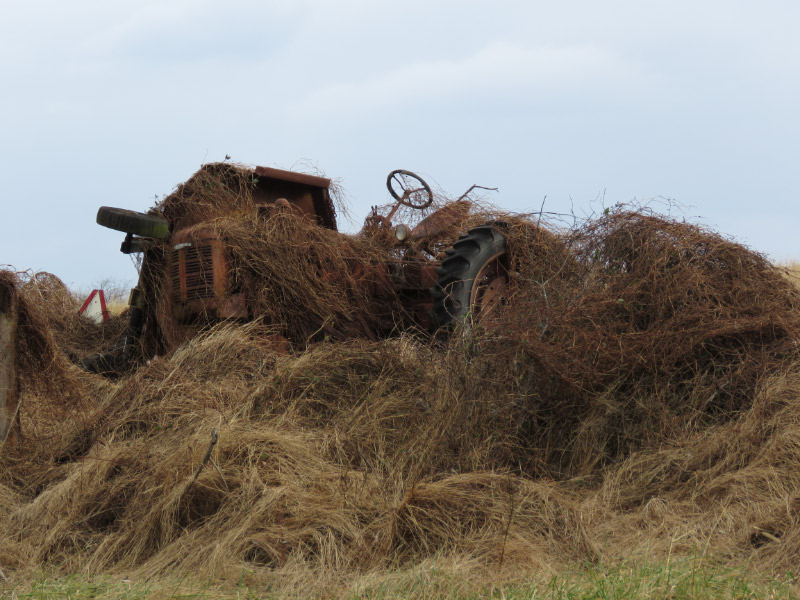
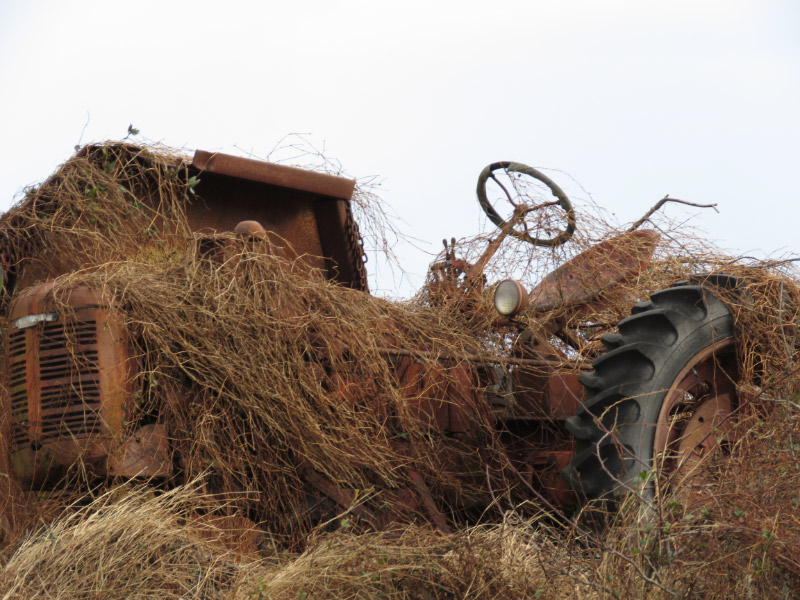
There was some farm equipment near the edge of a field – covered in vines. It must not have been used for at least one season…and maybe longer. Nature is taking over! I didn’t get close enough to determine what kind of vines they might be – mile-a-minute or oriental bittersweet (both invasive) would be a good beginning guess.

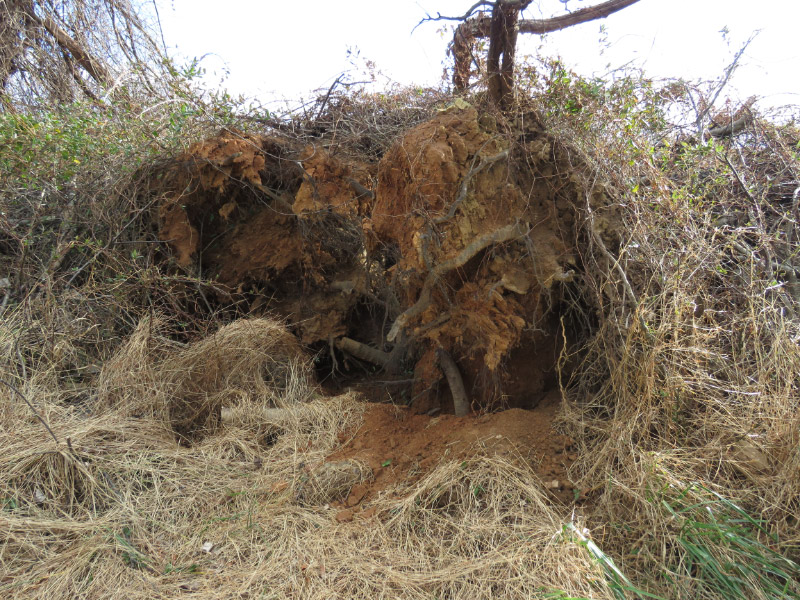
With the record amount of rainfall we got in 2018, there was a root ball of a tree that fell – probably last spring.  What a dramatic change it must have been for the organisms around the roots before it fell…there would be a complex story to document different organisms came along after the tree feel and the elements alternatively dried out and filled in the hole (with water or soil washed into the hole). Nature is always in motion!

2019 01 IMG_1084.jpg

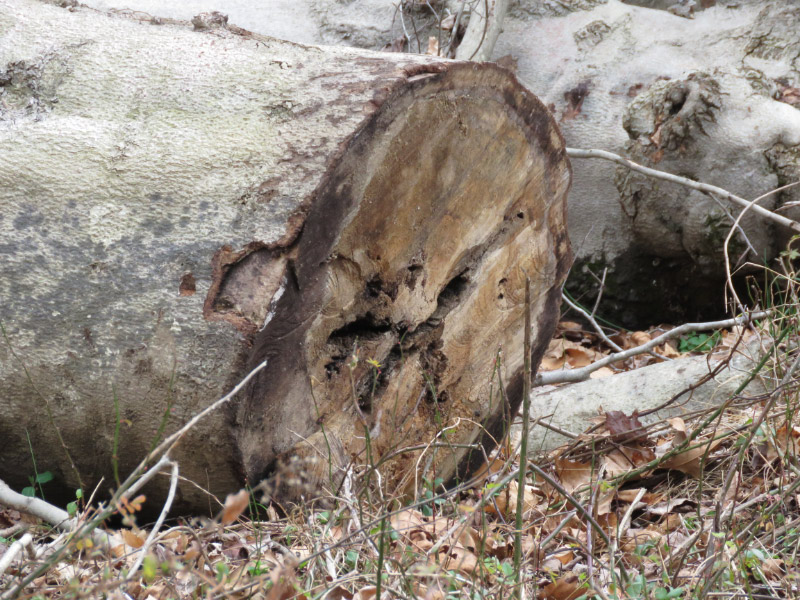
A beech tree had been cut down and the big logs left in place.  Maybe the tree had fallen and was cut up to clear the trail or maybe it was a standing dead tree that was cut before it could fall. The center was rotting. The beech bark looks so smooth from a distance but often looks wrinkled upon closer inspection.

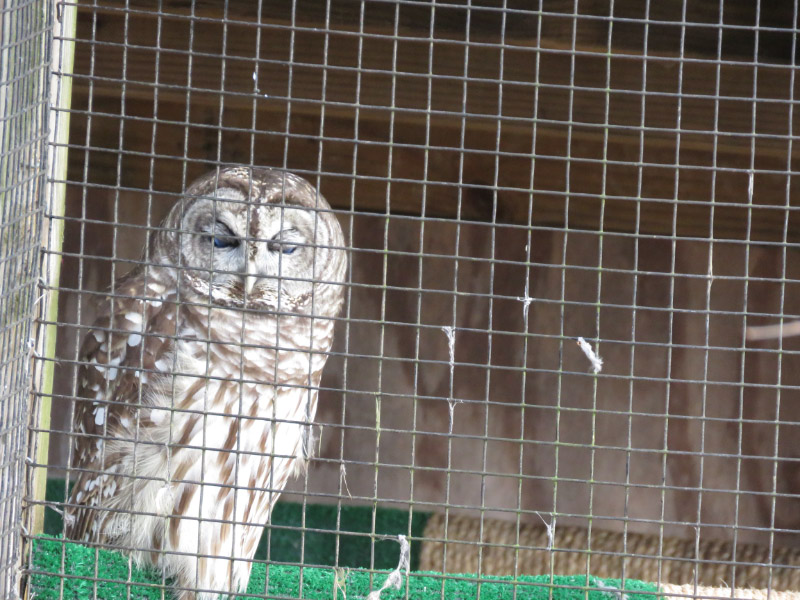
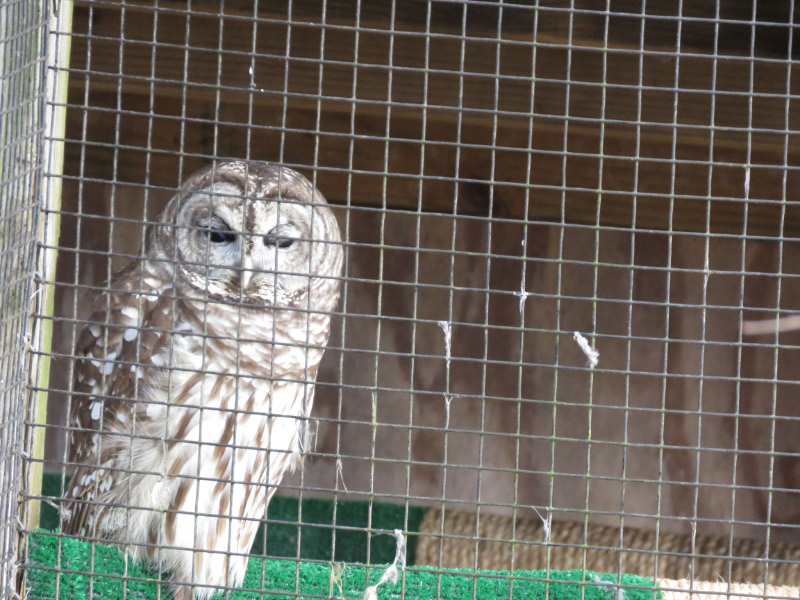
Ranger, the barred owl, is back in his quarters near the nature center. He seemed very calm as we hiked by. There aren’t school fieldtrips with lots of students to crowd around his space during the winter; it’s easier for him to be Zen.

It was good to be back at Mt. Pleasant for a hike…maybe I’ll go again sometime with my husband…wear boots that can get muddy and hunt for skunk cabbage peeking through the muck.

Mt Pleasant in January 2019 – Part 1

2019 01 IMG_0989.jpg

My first hike at Howard County Conservancy’s Mt. Pleasant was last week on a cold, blustery day after a night rain. We were prepared for the cold and managed to work our way around the muddy parts of the trails. The sun played hide and seek with the clouds. I was taking pictures of winter trees. I am very familiar with a black walnut near the rock wall on the meadow side.

The nuts on the ground all around it would give it away even if I didn’t know it was a black walnut. I am always amazed that the squirrels can get the shells open with their teeth.

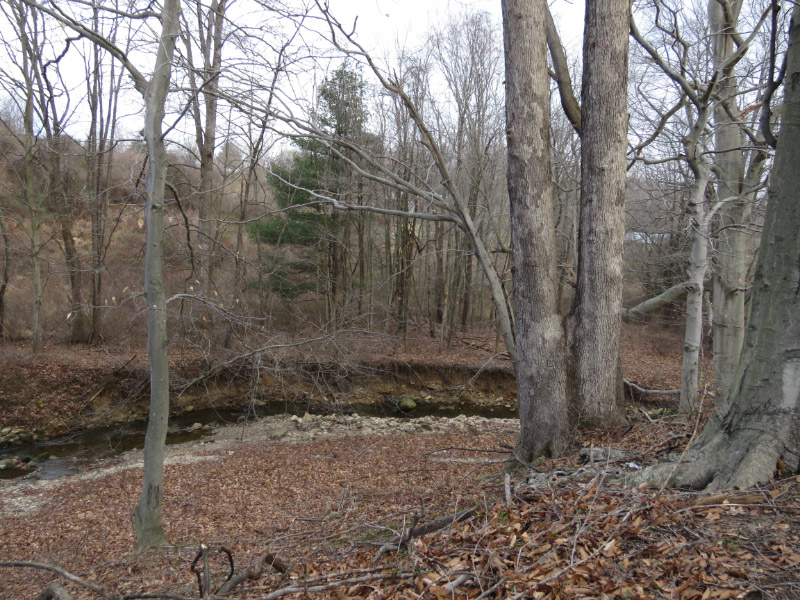
The path along the wall was in relatively good shape – still mostly covered with grass. We didn’t go all the way down to the Davis Branch…but cut across the meadow mid-way down the hill.

2019 01 IMG_1000.jpg

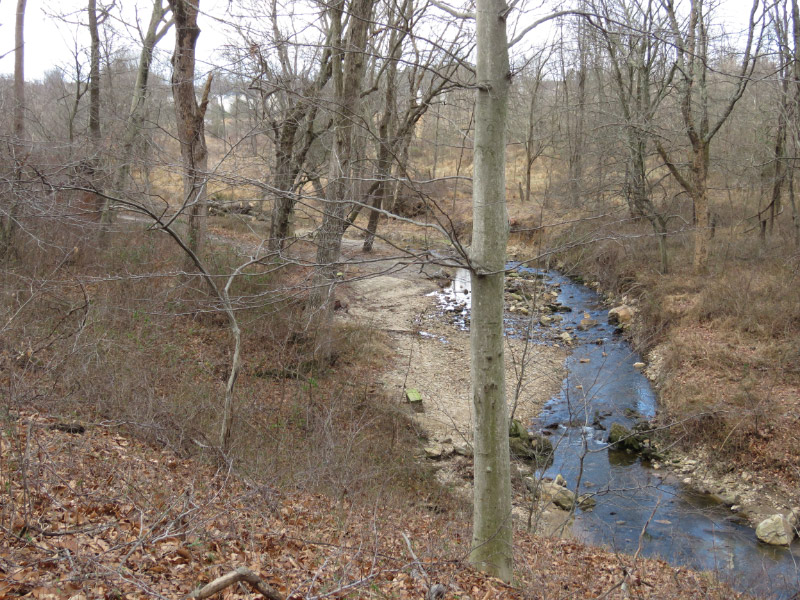
We took the long way around to an overlook of the Branch since the lower trails were too muddy to attempt.

The water was not high, but everything looked wet. I was noticing the beech trees – easy to identify by their smooth bark.

One of the root balls that had been placed upside down in the restored part of the stream had been washed downstream by an earlier flood…and was still balanced where I’d seen it last fall. It will stay there until the next big flood. It had a collapsed pillow-like orange fungus growing on it.

2019 01 IMG_1040.jpg

A river birch is easy to identify with its curly bark.

As we turned back toward the nature center, I noted that one of the trees across the smaller stream had finally rotted enough to collapse.

2019 01 IMG_1085.jpg

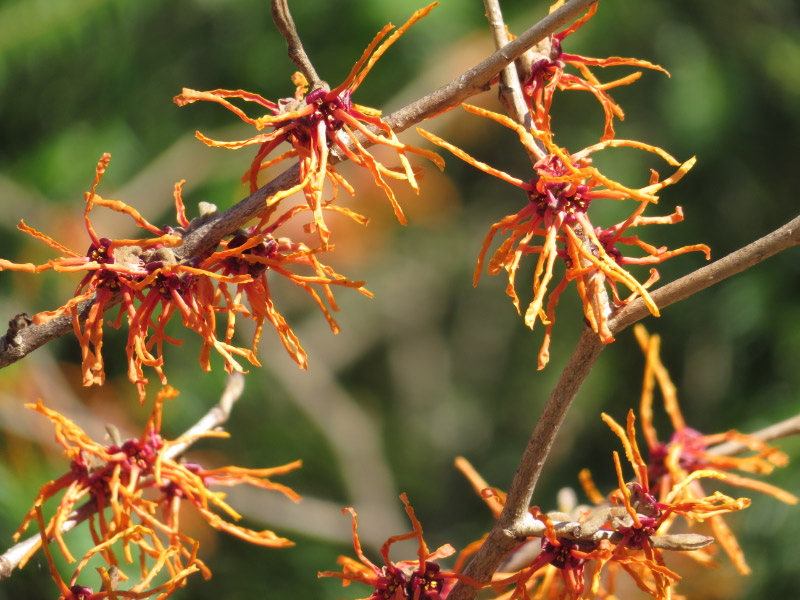
The only ‘bloom’ I saw on the hike was the beginning of the witch hazel bloom on the tree near the farmhouse. The streamer like petals are still curled up in the opening flowers. I’ll have to remember to look at the tree every time I go to Mt. Pleasant over the next month or so!

2019 01 IMG_1112.jpg

Winter Walk in the Neighborhood - 2

I noticed a lot of mud as I walked in our neighborhood. Some of it was on the sidewalks – not something I’d noticed in previous years. 2018 was a record rain year for us…and we’ve continued to get rain in the first part of 2019.

2019 01 IMG_0903.jpg

There is mud where grass used to grow under many of the trees.

2019 01 IMG_0910.jpg

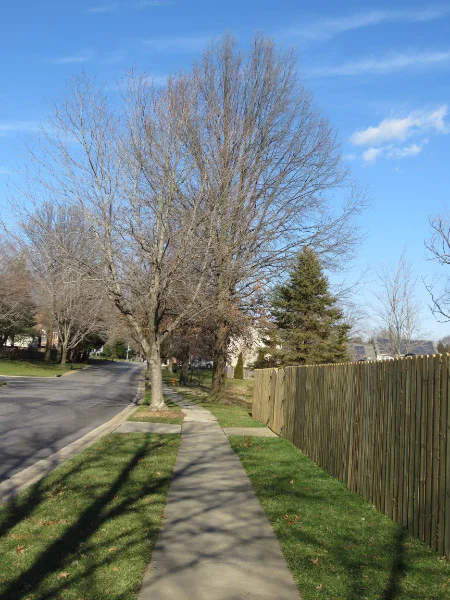
Sometimes the trees would have made the area very shady before the leaves fell but most of the branches of trees along the street are trimmed high by the county so emergency vehicles can get down the street without being damaged. There is still a lot of bare soil under them.

2019 01 IMG_0912.jpg

I am already thinking about what alternatives I have for the area under our plum tree; since we have a challenge with deer eating tender plants, my first idea is to simply mulch out to the dripline of the tree.

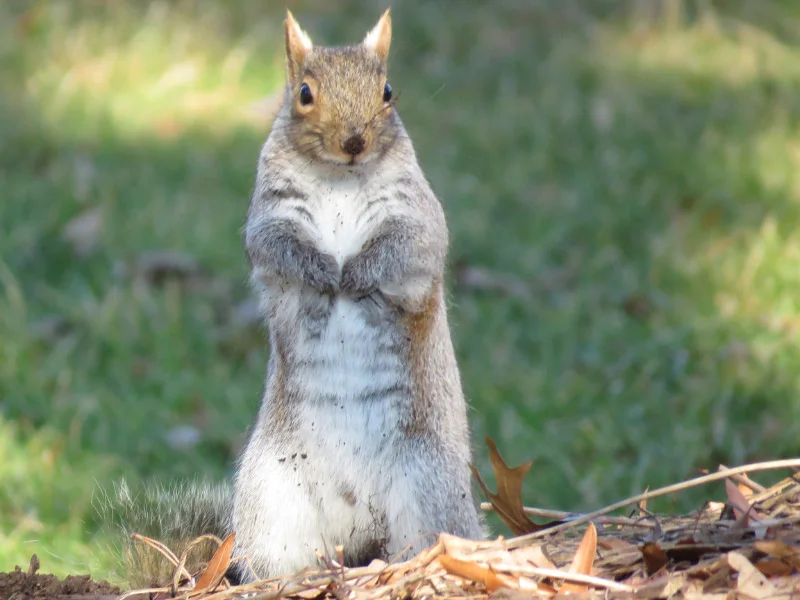
A squirrel was rooting in a raised bed in one yard. He noticed me, but I was far enough away (using the zoom on my camera) that he continued his investigation.

Winter Walk in the Neighborhood - 1

I took a walk in our neighborhood on the warmest day last week. It was a blustery day – felt more like March than January. I walked down to the storm water retention pond first. It still looks relatively barren but there is vegetation on all the slopes.

2019 01 IMG_0856.jpg
2019 01 IMG_0868.jpg

The cattails are beginning to repopulate the shallows. I wondered if there were enough for the red winged blackbirds to come back to the pond. Maybe more cattails will come up next spring from the roots already in the mud…if they aren’t drowned from all the rain we’ve gotten.

2019 01 IMG_0861.jpg

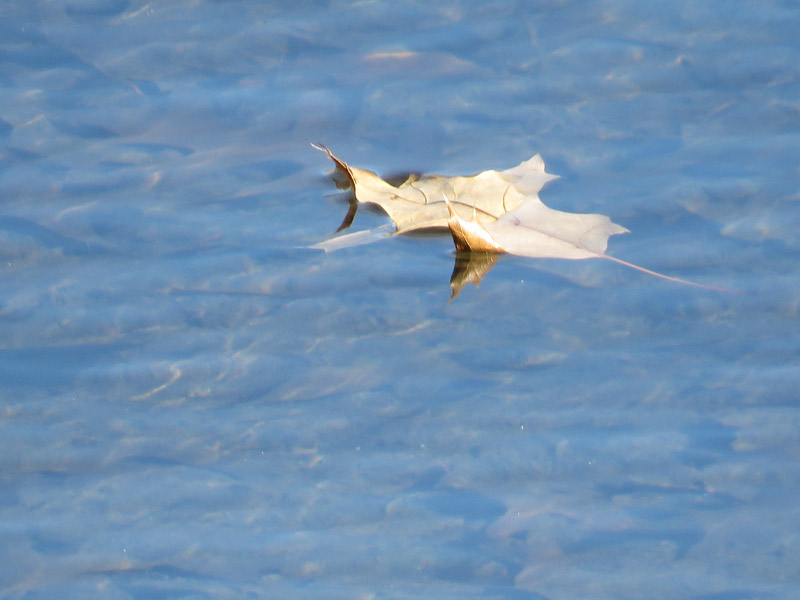
The wind was blowing oak leaves onto the water.

Younger oak trees often keep their leaves well into winter. Or course – every breeze takes a few more leaves away but there were enough left on some of the trees in our neighborhood to still use the leaf shape to say definitively – it’s an oak. The tree in front of our house retained it leaves did years ago but is now old enough that its leaves drop in the fall.

2019 01 IMG_0901.jpg
2019 01 IMG_0917.jpg

As I looked back along our street, I realized that the general way to tell the maples from the oaks planted along the street by the builder is to look at the height. The taller ones are oaks.

Gleanings of the Week Ending January 12, 2019

The items below were ‘the cream’ of the articles and websites I found this past week. Click on the light green text to look at the article.

I have a growing list of gleanings from sites that are not operational because of the partial government shutdown; they’ll come out in the list for the Saturday after the sites are operational again.

Climate, life and the movement of continents: New connections -- ScienceDaily – Sediment, which often includes pieces of dead organisms, may create a lubricating effect between plates, accelerating subduction and increasing plate velocity!

BBC - Future - Six reasons your memory is stranger than you think – Timelines are hard (many times inaccurate) from memory…I’m glad I keep a running list of important family travel and events.

Regenerative Cities: An Urban Concept Whose Time Has Come! | CleanTechnica – Re-thinking what cities of the future could be.

Scientists call for eight steps to increase soil carbon for climate action and food security: International coordination and financing essential -- ScienceDaily – Big benefits…but hard to come by the collective push to obtain them.

Earthquake Damage Detected in Machu Picchu - Archaeology Magazine – Evidence of an AD 1450 earthquake that damaged Machu Picchu is seen in cracks and stone damage of the buildings. The Inca’s modified their construction techniques after the event too.

Shrinking of Utah National Monument May Threaten Bee Biodiversity | Smart News | Smithsonian – Grand Staircase-Escalante is home to 660 bee species, 84 of which live outside of protected land under changes. At a time when we know pollinators are under stress…one more reason why our Federal lands are needed as refuges from human activities that damage the environment.

Scientists Don't Stay for Long in Their Jobs Anymore: Study | The Scientist Magazine® - About half of scientists who enter a scientific discipline drop out after 5 years; in the 1960s, it was 35 years. We are probably training more people in science fields but many don’t stay in academia. This study used publishing records to determine if a person stayed ‘in the discipline.’ I’d prefer to see numbers of people that had careers in a STEM related field rather than just the one they trained in and find another metric than published papers to make the determination. There are a lot more jobs today where people use their science training that do not use ‘publication’ as a measure of success.

BBC - Future - Can we cheat ageing? – Some areas of active research to help us stay healthy longer (may or may not help us live longer).

Corn Domestication May Have Taken Thousands of Years - Archaeology Magazine – It all started 9,000 years ago in southern Mexico. The process continued in Mexico and the southwestern Amazon for several thousand years. It was a slow process.

Ring in the New Year With Dazzling Total Lunar Eclipse of a Supermoon | Smart News | Smithsonian – Hope we have good weather on January 20-21….since it should be visible from our house!

There used to be hemlocks

IMG_0931.jpg

We’ve lived in our current house for almost 25 years. The forest behind the house was one of the reasons we bought it in the first place; my office is the best room in the house because of the view from the window. Over the years the trees have grown – the maple in our yard acting as a foreground to the taller tulip poplars behind. There is a holly that is the only tree that keeps its green in the forest.

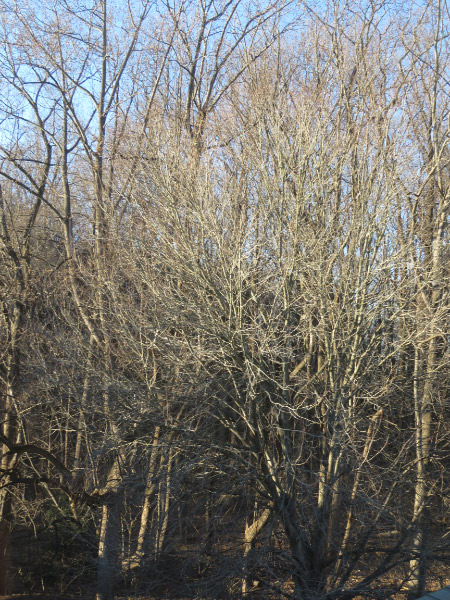
But it wasn’t like that in the beginning. The forest is growing on a slope…down to the Middle Patuxent River. You can see the sky through the trees because of that slope and because the hemlocks that used to grow in the forest are all gone. I remember seeing them in the early years; the trees seemed to have crows at the top frequently; I always thought there must have been crows’ nests in the hemlocks. But then West Nile Virus killed almost all the crows and wooly adelgid – I am assuming - killed the hemlocks.

I don’t know exactly when it happened, but the hemlocks are gone, and they won’t be coming back. The crows, on the other hand, seem to be rebounding. I have seen more each year for the past several years. Today I am missing the hemlocks.

January Composting

20190106_125322.jpg

Egg shells, apple cores, popcorn (the kernels that didn’t pop), a potato and collard stems…not a lot to go back to the pile these early weeks of the year. I picked a sunny day earlier this week to take what I had collected from the kitchen. I put on my boots since we’d had enough rain, I expected it still might be muddy in places. As it turned out, it wasn’t that bad, but I tried to stay on the grass as much as possible.

20190106_125733.jpg

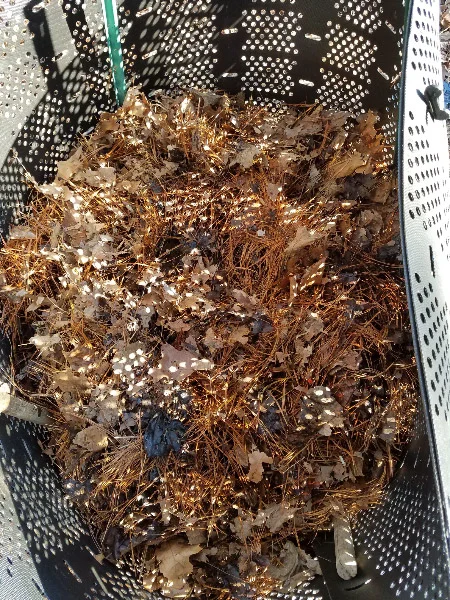
After dumping the fresh stuff, I used a pitchfork to turn the pile the best I could. There are a lot of pine needles and leaves…no need to add ‘browns’ right now. I can add all the food waste I generate until spring and just turn it under. In the spring, I’ll move the bin to a new place and put the parts that haven’t totally decomposed yet to it while distributing the compost around the yard.

Squirrels and our Bird Feeder

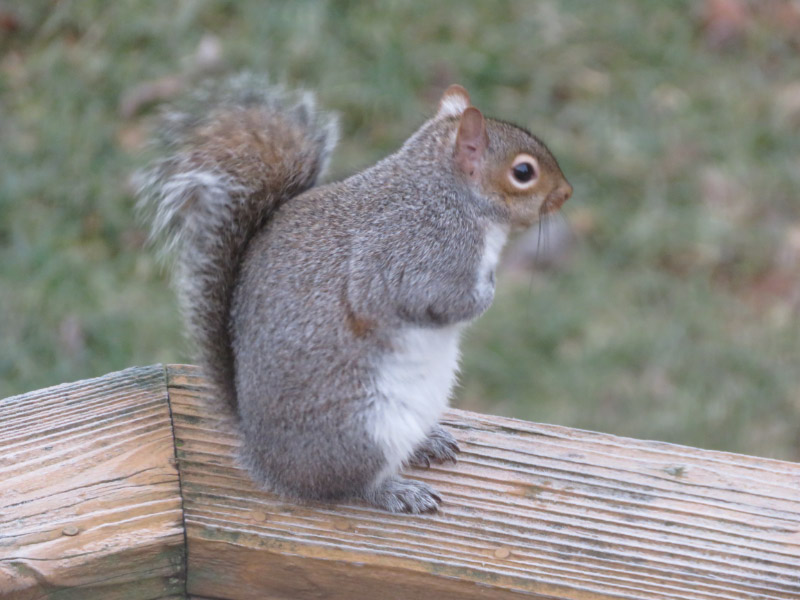
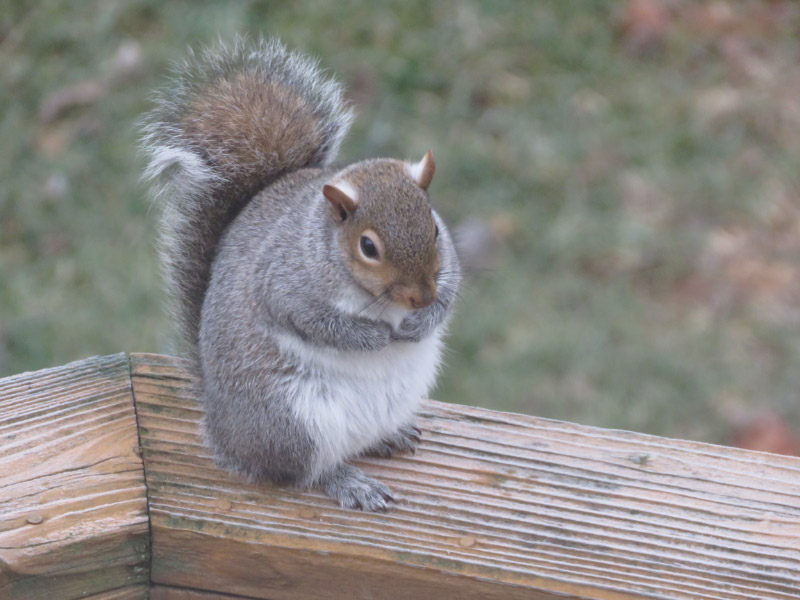
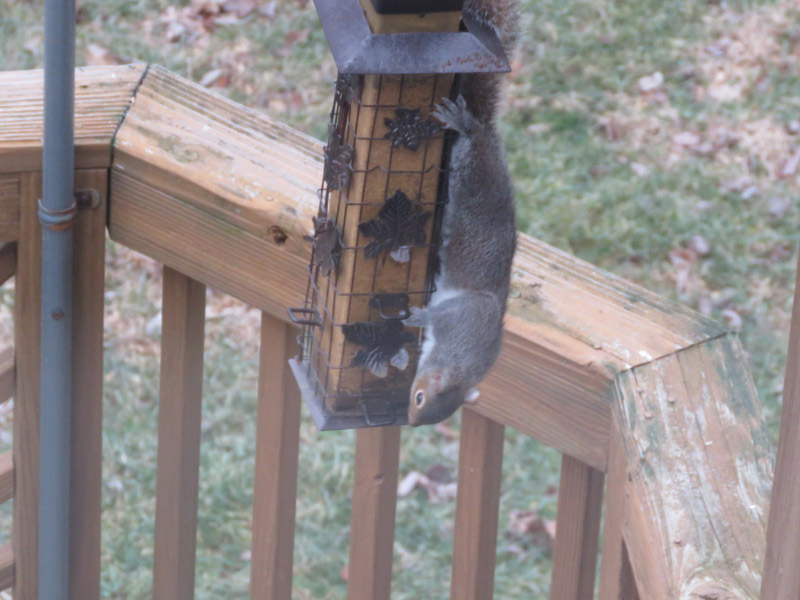
Back in December I hung some garlands of suet and seeds on our deck for the birds; the birds didn’t find them fast enough. We fed squirrels. Within a few days, all that was left of the suet and seeds were the twine garland, straw bows, and hulls.

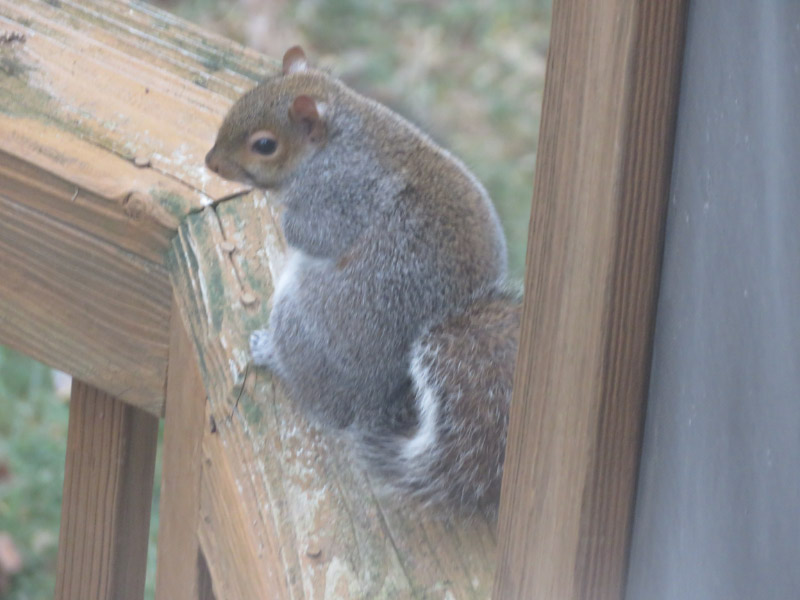
We’ve always had squirrels in our yard but now – in January - they seem fatter than I remember. They like to explore our deck from the railing – probably hoping for more suet and seeds. I’m not providing more.

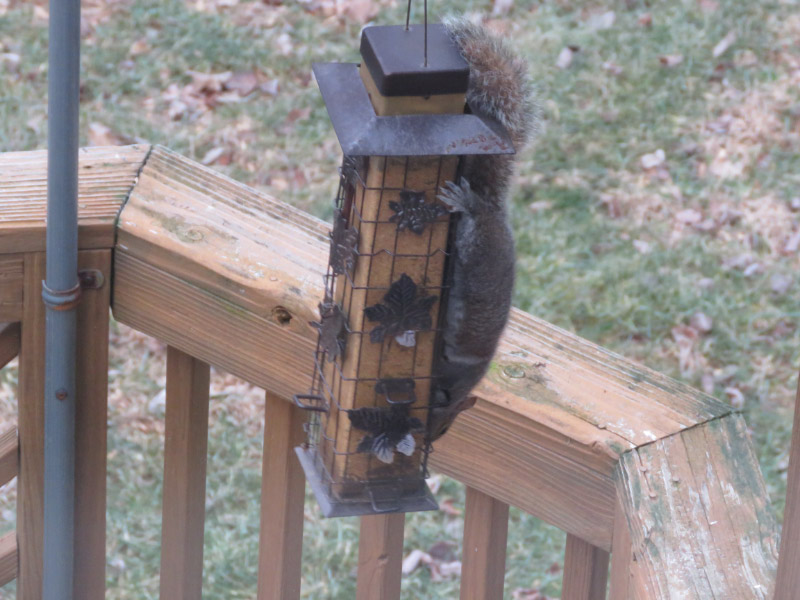
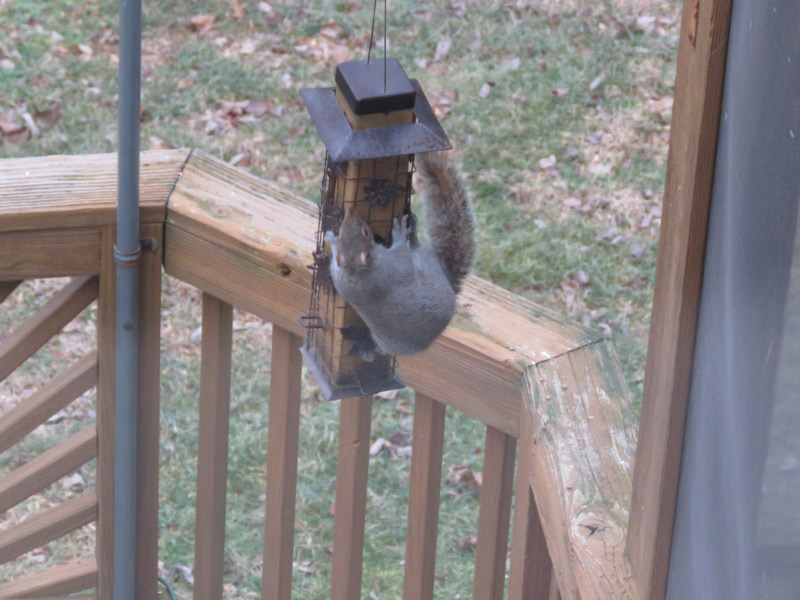
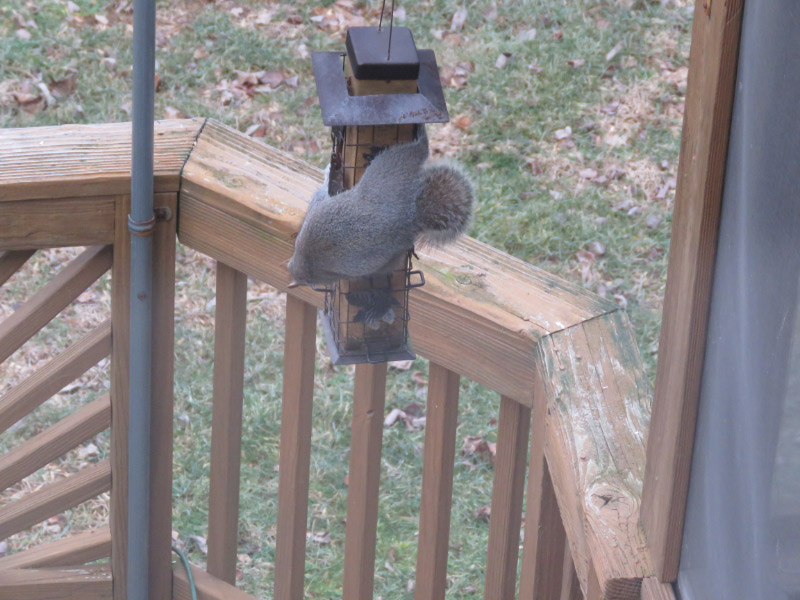
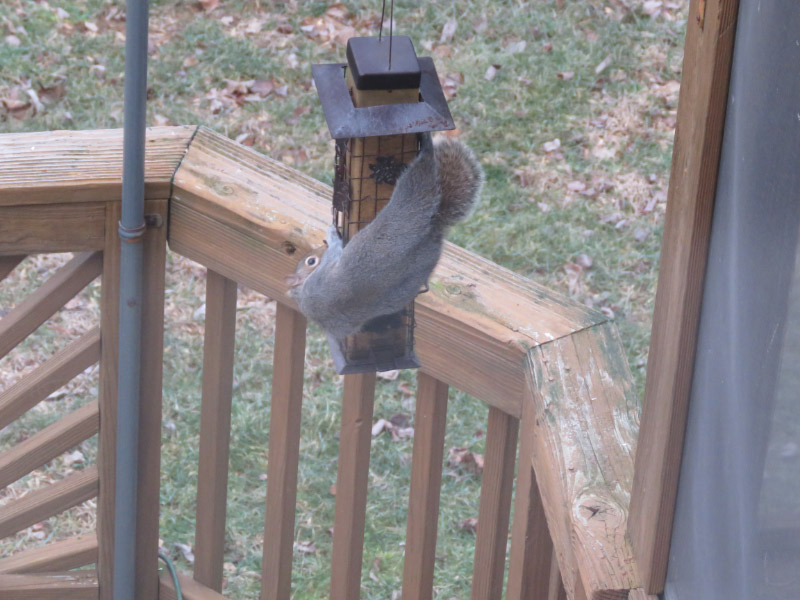
I have put out the bird feeder with seeds. It’s several years old and I only fill it in the winter. It is supposed to be squirrel resistant and it has proved to be effective in past seasons. I finally caught a squirrel in the act…and the feeder with its seeds won the round! It has springs that are pulled downward by the squirrel’s weight (not birds) and there are metal ‘flowers’ that cover the holes where the seeds are available. Note the top flange of the feeder is below cap on the top…that indicates that the metal mesh with roosts and flowers is pushed downward. No holes uncovered to the squirrel.

After the squirrel thoroughly explored all sides of the feeder, it jumped down and the springs returned to normal uncovering the holes to give birds access to the seeds. Good design!

IMG_0853.jpg

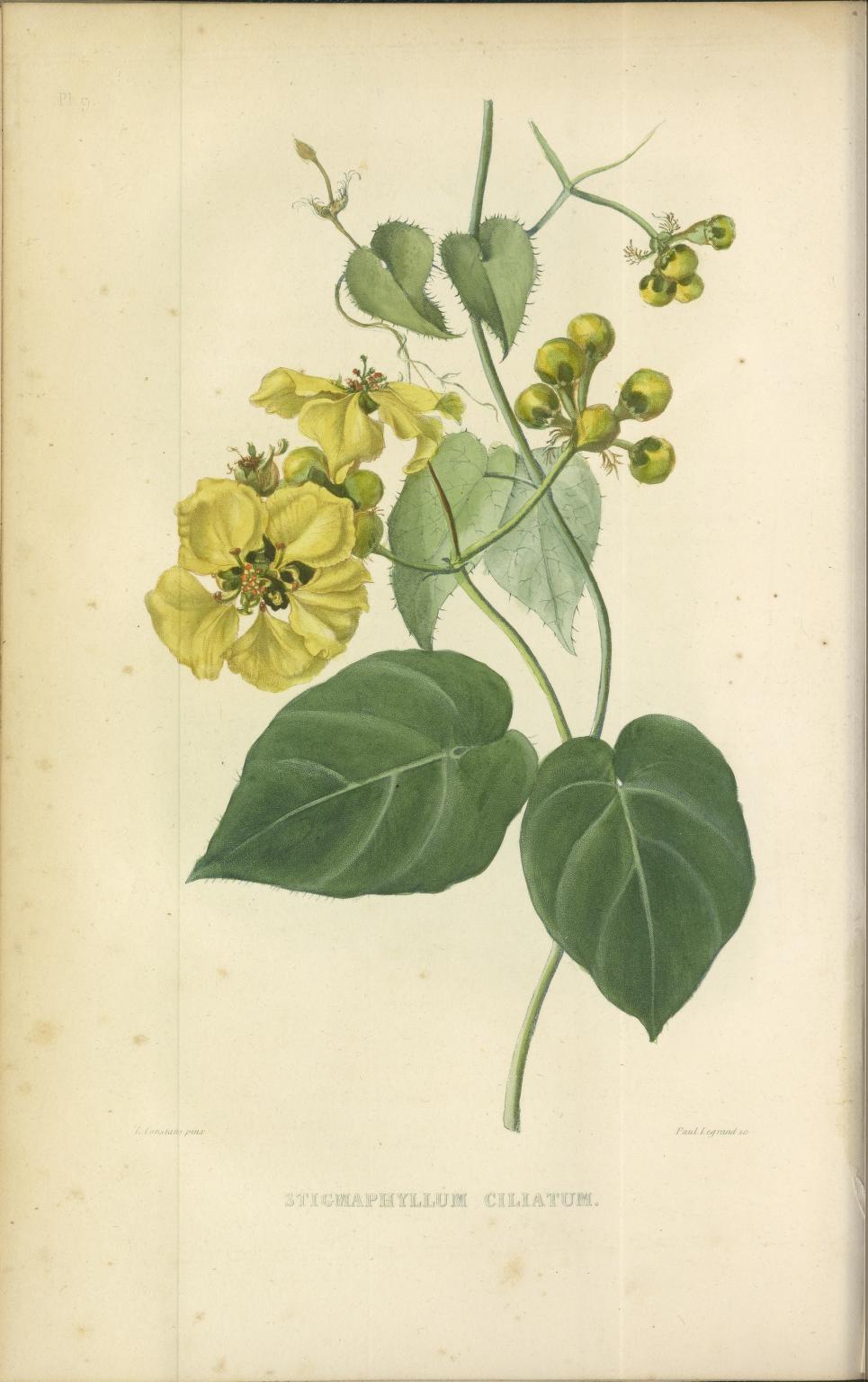
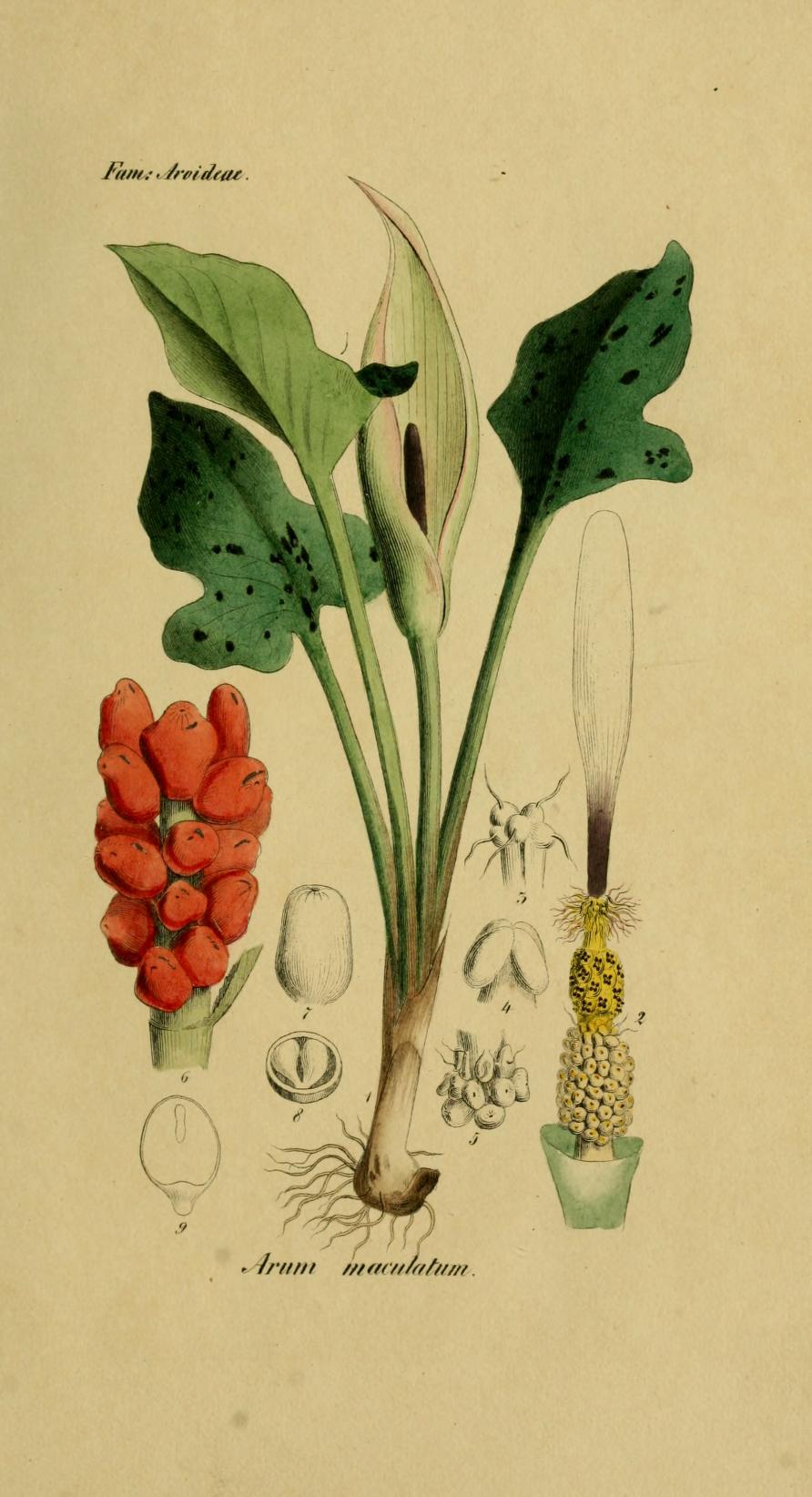
Friedrich Anton Wilhelm Miquel (ebooks)

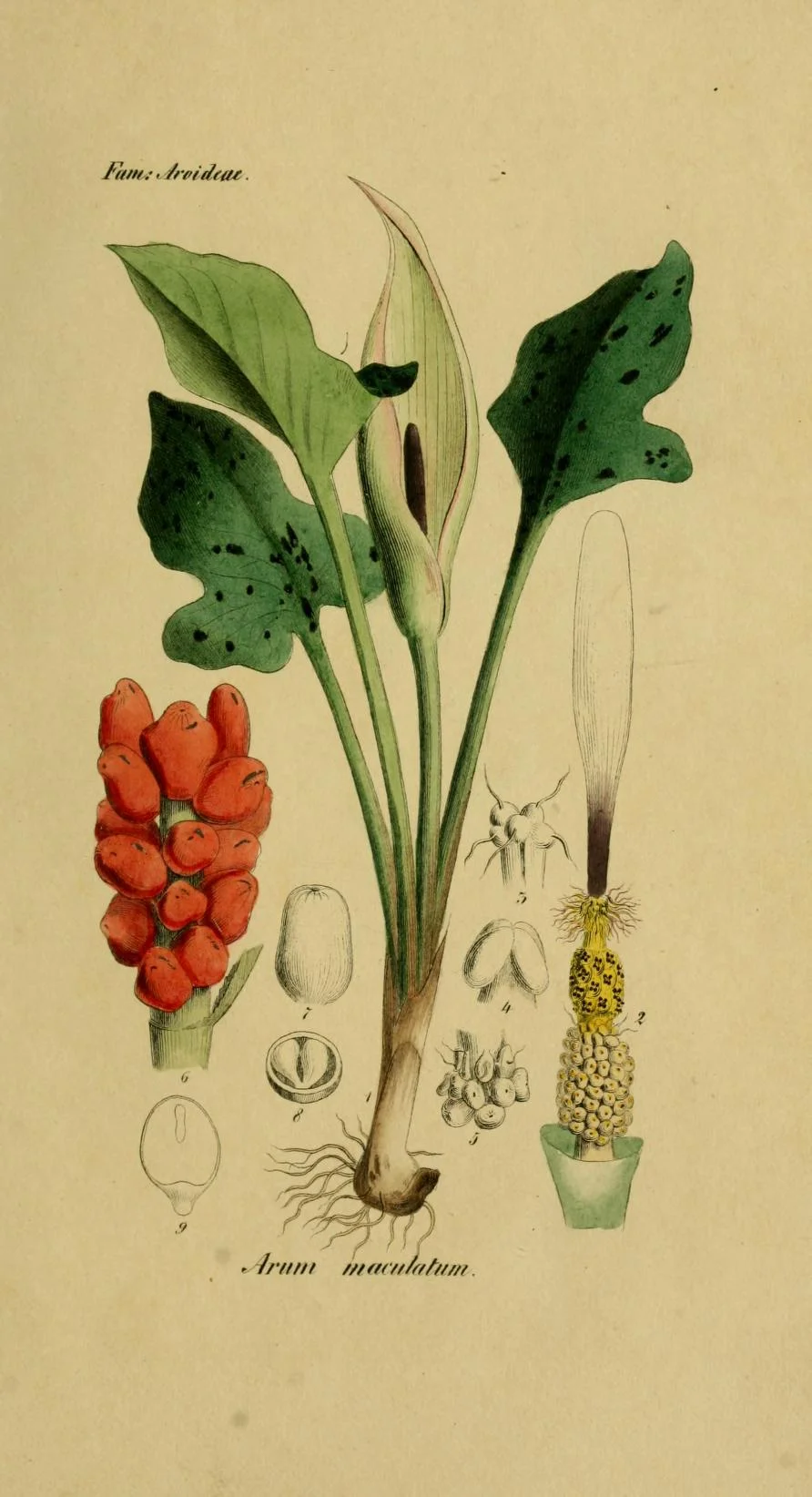
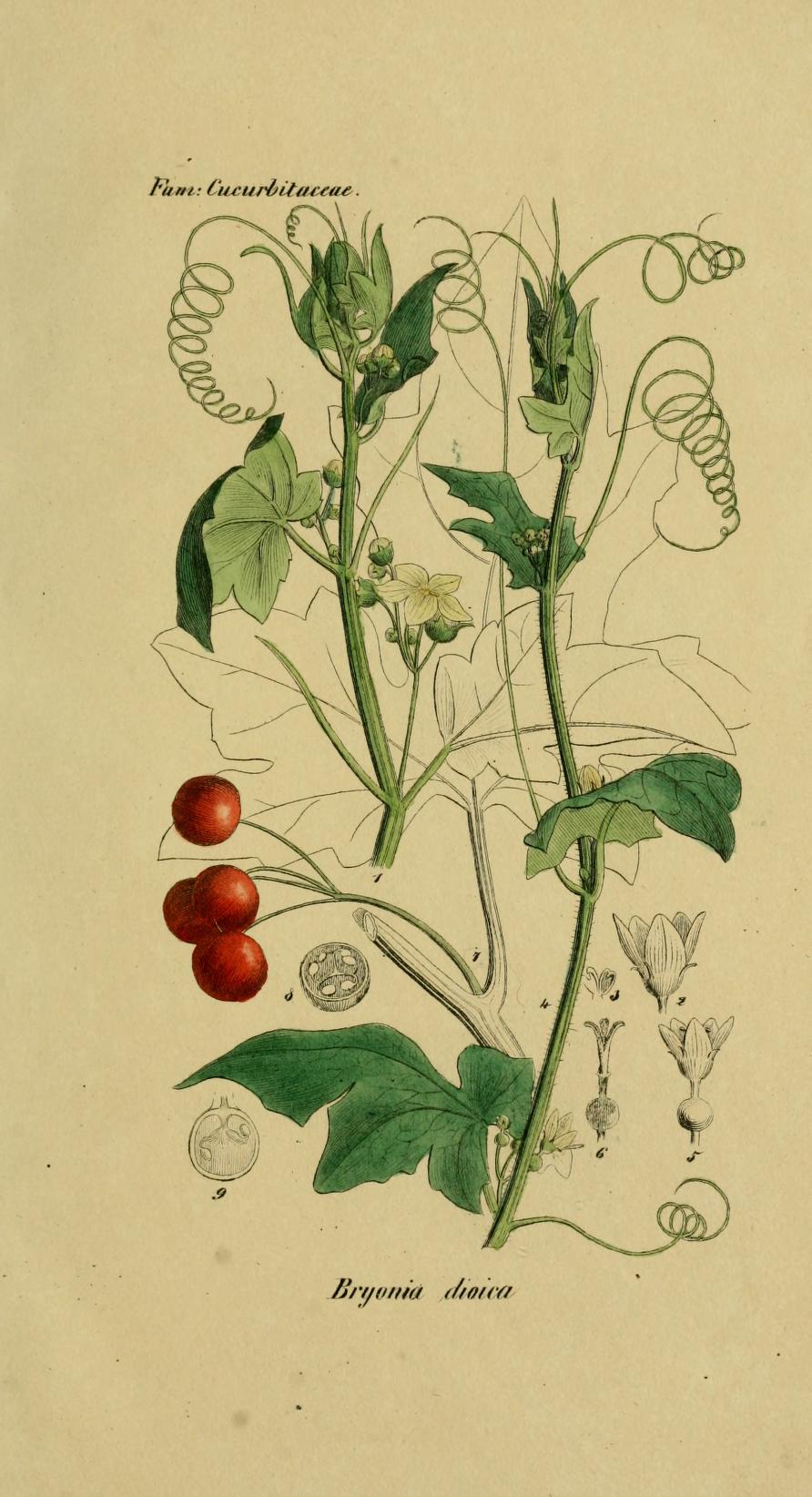
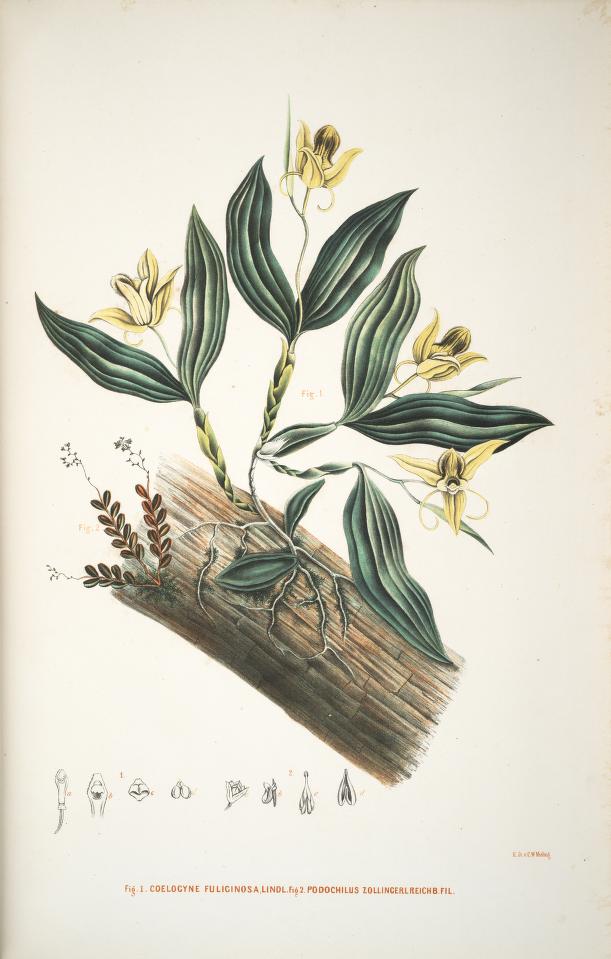
Friedrich Anton Wilhelm Miquel was a Dutch botanist. He started out as a medical doctor in 1833 but transitioned to botany by 1846. For more information about his life see Wikipedia or http://www.repository.naturalis.nl/document/570502. He died relatively early and did most of his work on the flora of the Dutch East Indies through correspondence from the University of Amsterdam and then Utrecht University.

The Internet Archive has two of his books available and I’ve picked two images from each of them:

De Noord-Nederlandsche vergiftige gewassen published in 1836 (link to book on Internet Archive)

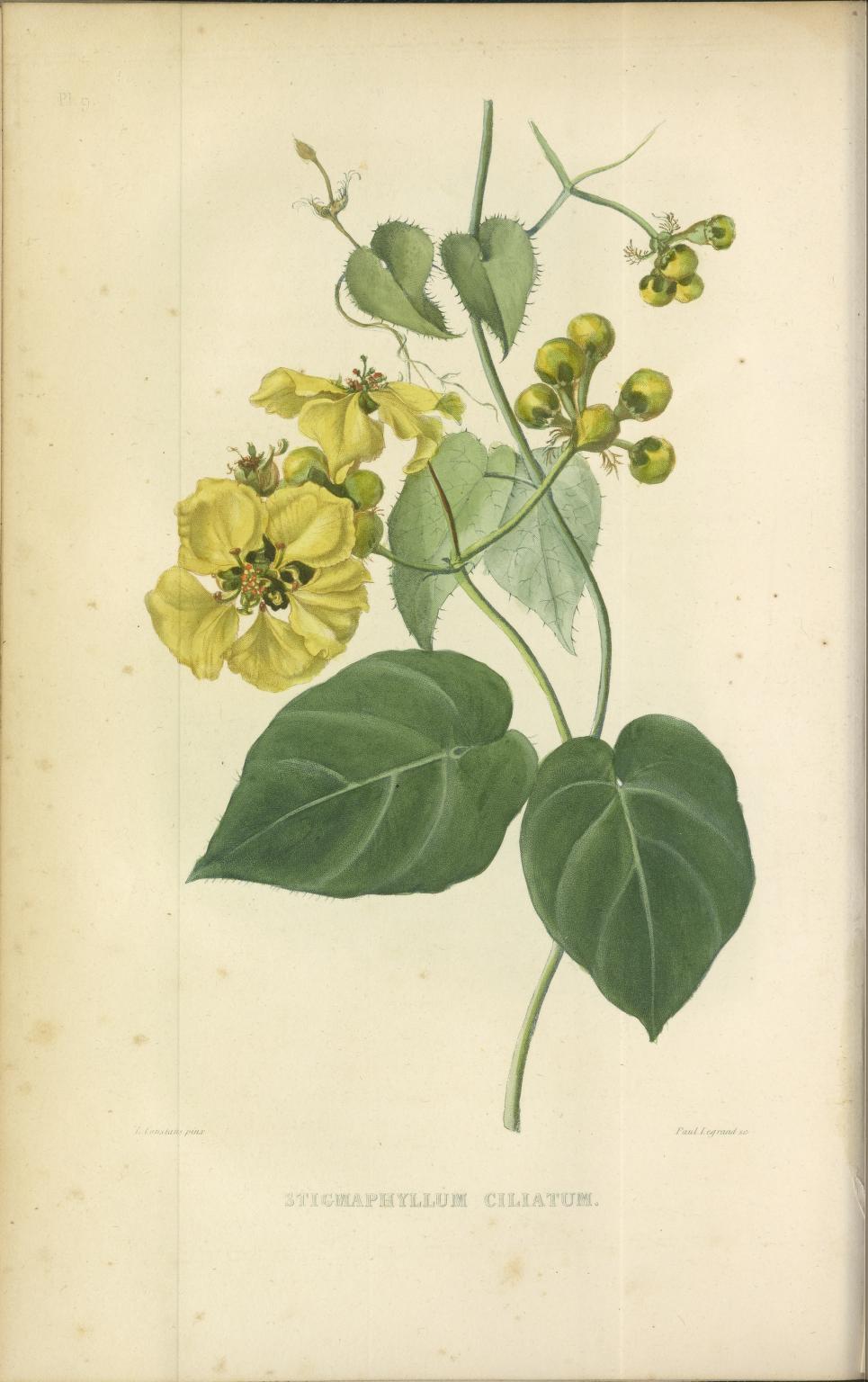
Choix de plantes rares ou nouvelles, cultivees et dessinees dans le jardin botanique de Buitenzorg published in 1868 (link to book on Internet Archive)

Botany for the Artist (ebook)

Simblet, Sarah. Botany for the Artist. Great Britain: Dorling Kindersley Limited. 2010. Available from Internet Archive here.

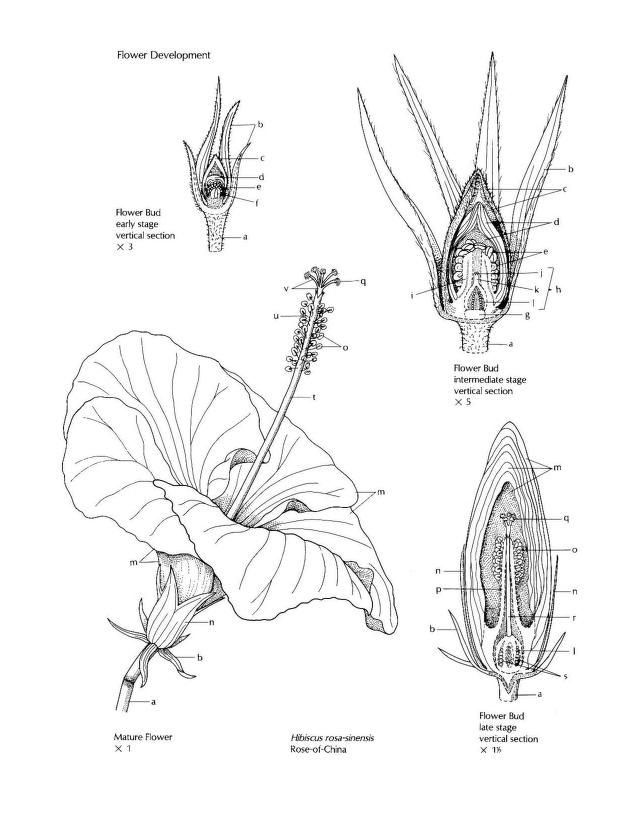
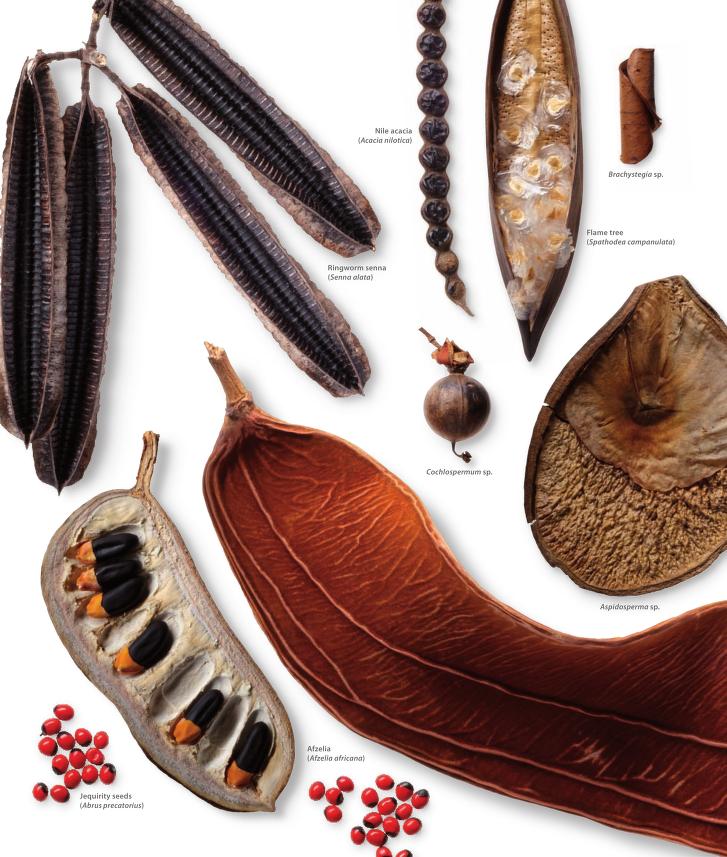
It is packaged on the Internet Archive with Botany Illustrated – available via the same link. The author is an artist rather than a botanist but her passion for creating botanical art comes through in this book. It contains a lot of photographs, some botanical print history and how to draw plants. I’ll never be a botanical artist, but I appreciated this book.

Botanical prints are something I enjoy particularly in the winter when the outdoors here is not as colorful; many of the trees are bare and we are having a lot of cloudy days. Browsing through a book like this is an armchair version of walking through a conservatory or traveling to some other part of the globe where the air temperature is much warmer!

I picked four images to share here….so many beautiful ones to choose from …worth a browse through the whole book on a January day indoors.

Conowingo Dam

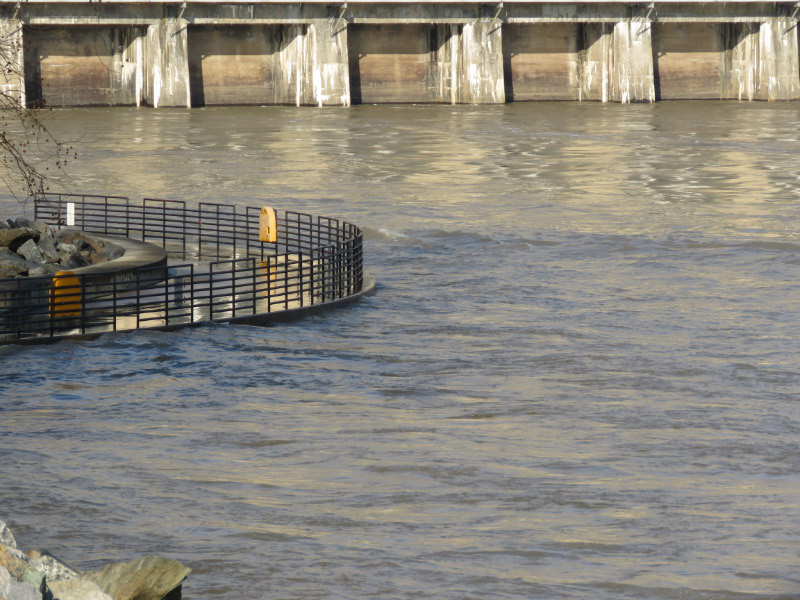
Back in December we made a trek to Conowingo Dam. The dam was generating electricity and the spillways were open. The water was high and moving fast. A rainbow formed where the mist kicked up from the spillway flow. Almost all the rocks where the eagles and herons normally perch were under water!

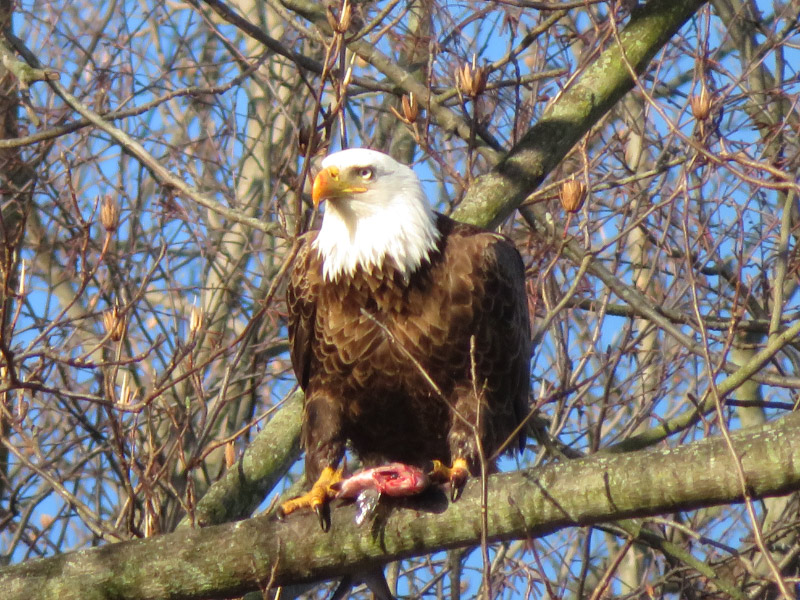
The bridge abutment where bald eagles perched during previous visits only has a few gulls and gulls were the only birds we saw in the river too. The river was so strong that the fish were probably not making it close to the dam (when they do – when the water is not as swift – they attract all the fish-eating birds like eagles and herons and cormorants).

There was debris on the few rocks that were not covered by water and on the spit of the island containing the big electrical towers.

The lower part of the fishing park was closed because of high water.

I satisfied my self with some pictures of sycamores – seeds just above where we were standing and the white bark tracery on the other side of the river.

2018 was a record year for rain where we live and that is evidently true for much of the Susquehanna watershed as well. We’ll have to wait to go again when it hasn’t rained for a few weeks and the fishing will be good for the eagles at the dam.

Gleanings of the Week Ending January 5, 2019

The items below were ‘the cream’ of the articles and websites I found this past week. Click on the light green text to look at the article.

Ambitious VR Experience Restores 7,000 Roman Buildings, Monuments to Their Former Glory | Smart News | Smithsonian – Is this the way we’ll experience buildings that are ‘lost’ in the future?

Most Top Burger Chains Flunk Fast Food Antibiotics Scorecard | NRDC – We don’t often go to burger chains any more. After this report – maybe the best choice would get chicken rather than beef.

Hundreds of Supplements Spiked with Pharmaceuticals | The Scientist Magazine® - Not good at all. The pharmaceuticals are undisclosed and some of the pharmaceuticals are those that have been withdrawn or were never approved. Advice: use single-ingredient supplements…and not buy supplements that are riding a fad.

7 surprising ways your body changes with age | Berkeley Wellness – I’ve noticed my feet are wider based on the way shoes fit. The others might be harder to see since they happen so slowly.

Twenty-Five Useful Thinking Tools | Scott H Young – Describing thinking tools my using professions where they appear to dominate. I hope that all the professions use multiple tools in their day to day work…even if there is one that is used most frequently.

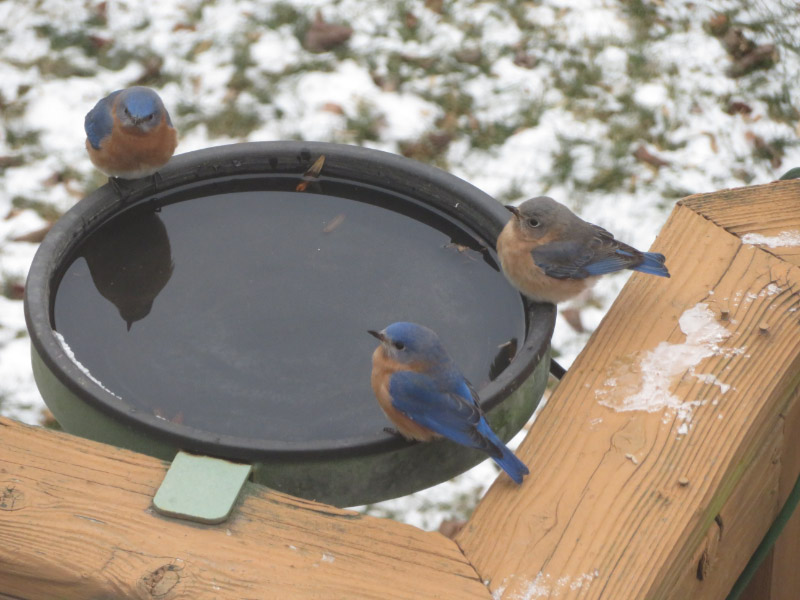
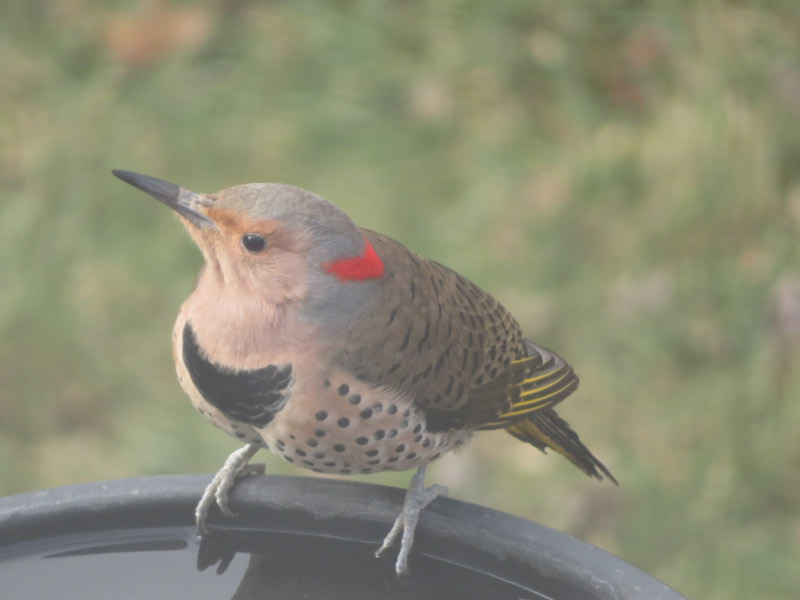
Your guide to enjoying winter birds – It’s been so wet this year that we don’t have birds coming to our heated bird bath like we did last year. I put the bird feeder up a few days ago. Maybe we’ll start seeing more visitors.

Scientists Find Large Amounts of Methane Being Released from Icelandic Glacier - Yale E360 – A previous unknown source of methane…glaciers that are melting and happen to be covering active volcanoes and geothermal systems are probably all releasing methane. The gas is produced by microbial activity. This extra methane is not factored into current climate change models.

The Best of 2018 from the Prairie Ecologist (part 1) (part 2) – Lots of great prairie pictures.

New butterfly named for pioneering 17th-century entomologist Maria Sibylla Merian -- ScienceDaily – I enjoyed here books on Internet Archive in 2018 (find them here).

Why 536 was ‘the worst year to be alive’ – History backed up with ice core data.

Brookside Lights

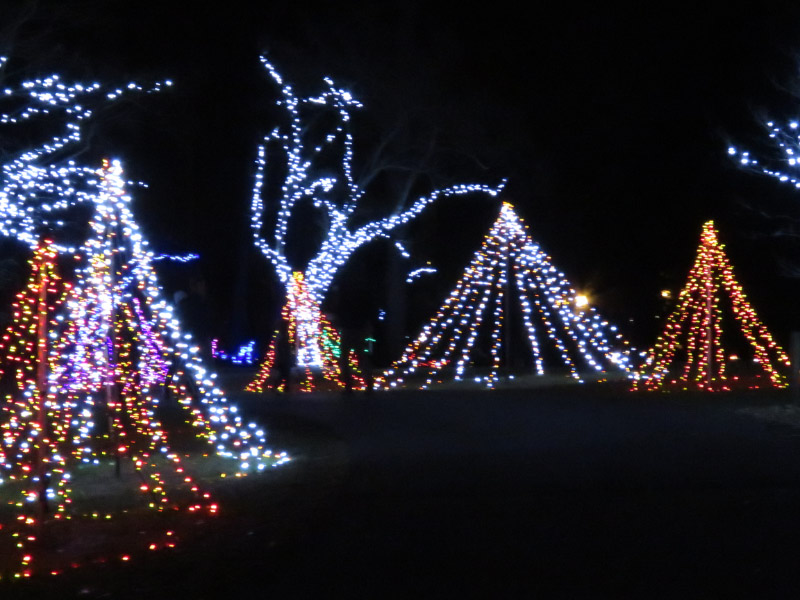
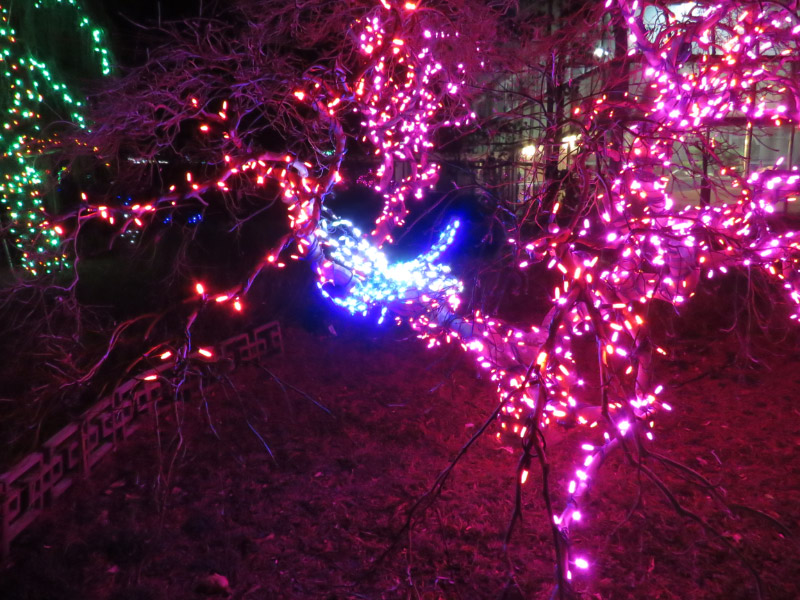
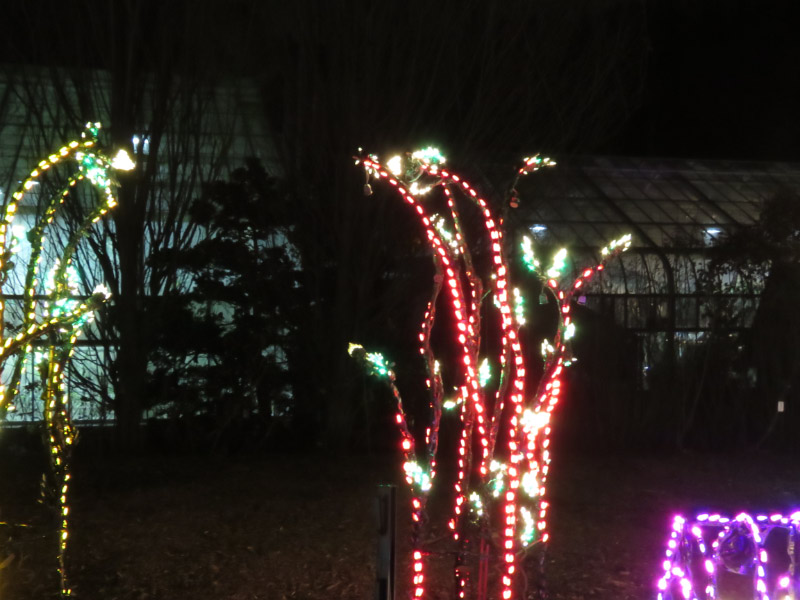
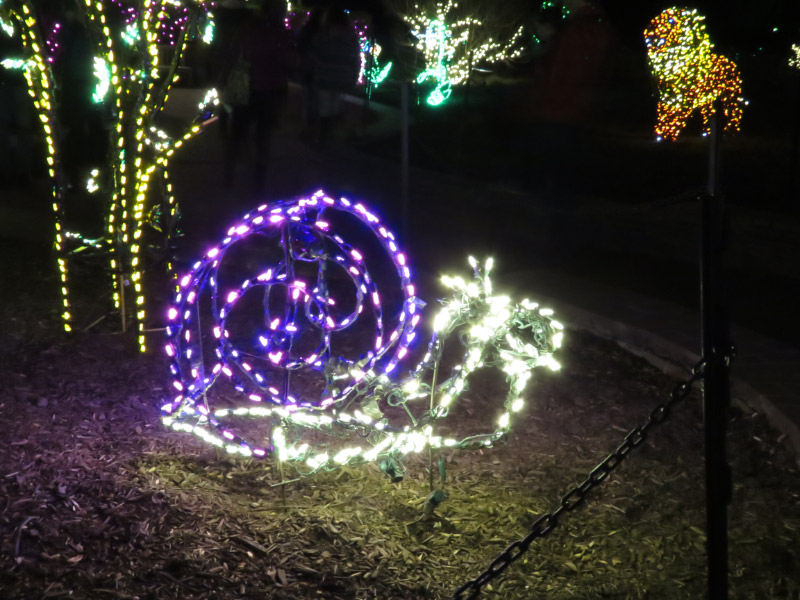
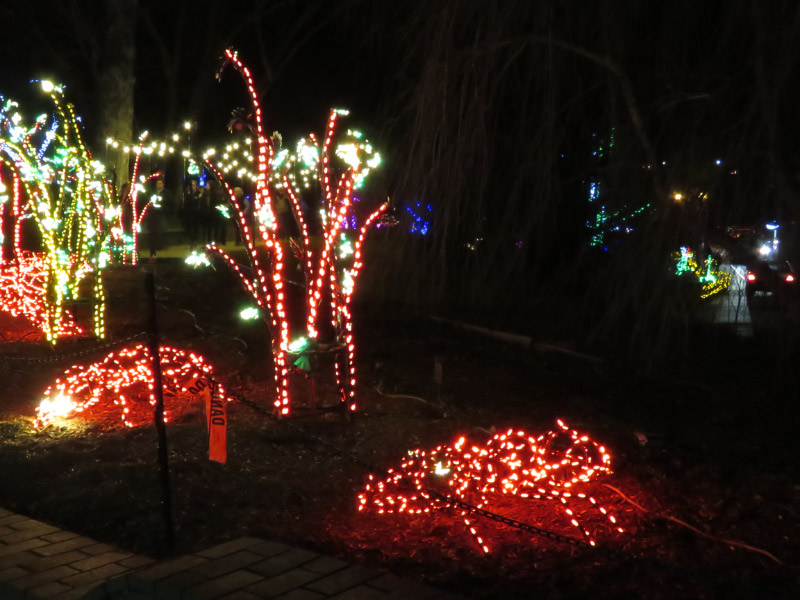
Last week, we managed to get over to see the holiday lights at Brookside Gardens. They are worth at least one evening walkabout between Thanksgiving and the end of the year. It’s a family tradition for many people in our area of Maryland. There are things that stay the say…some things that are new...every time we go. This year there was another frog sculpture (with a butter fly and little frog) in the visitor’s center; I hadn’t noticed it before.

2018 12 IMG_0750.jpg

The caterpillar tunnel was the same near the entrance to the gardens just outside the visitor center.

2018 12 IMG_0753.jpg

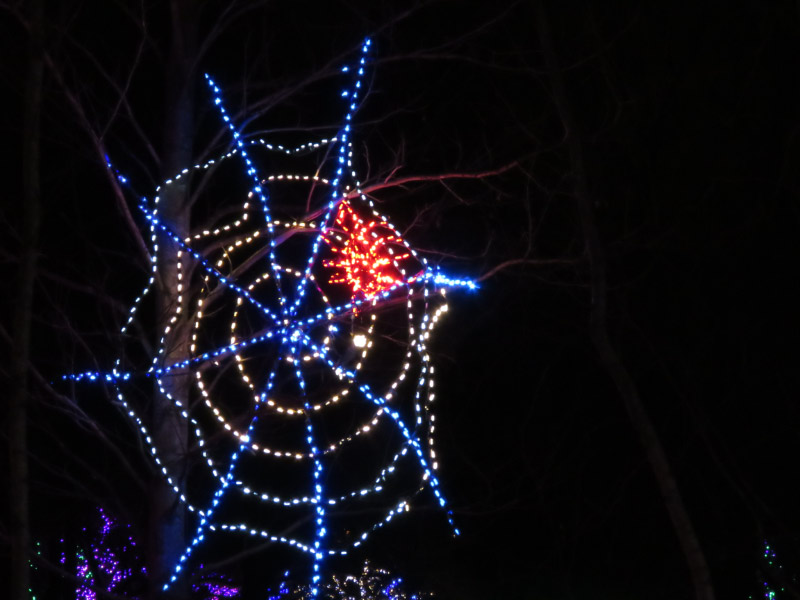
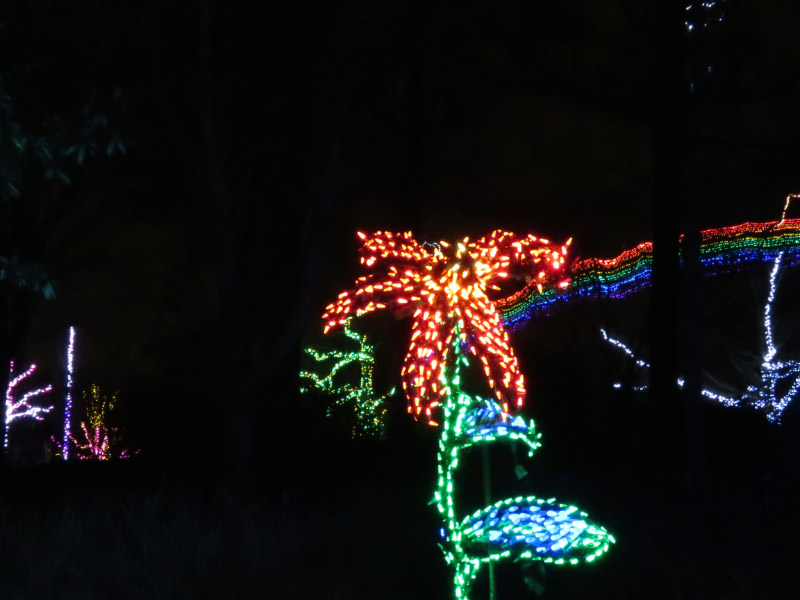
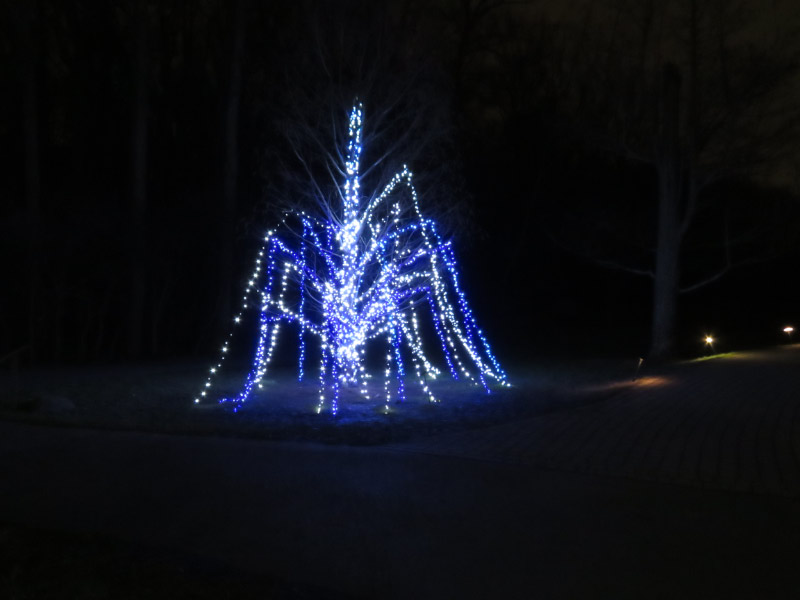
The spider web and rainbow with lightning and clouds with raindrops were also repeats from previous years.

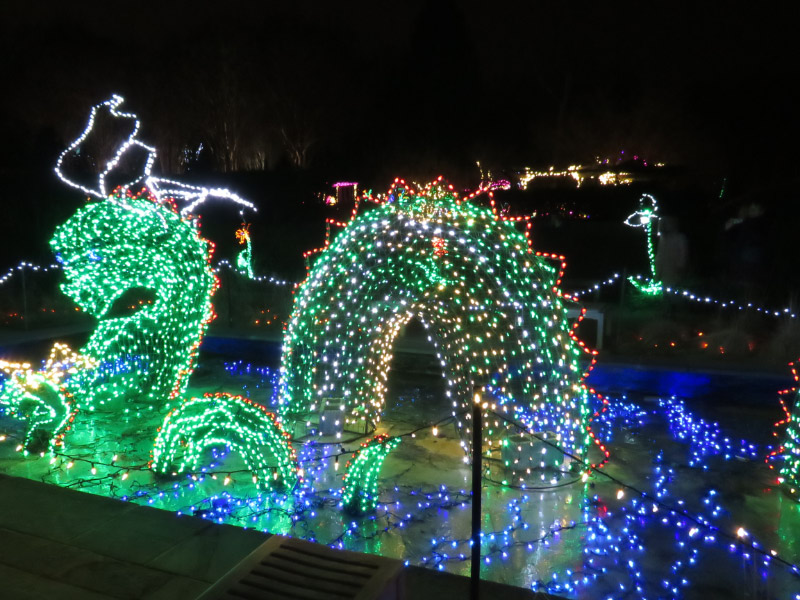
I always like the dragon (mom and baby). In previous years they spewed smoke.

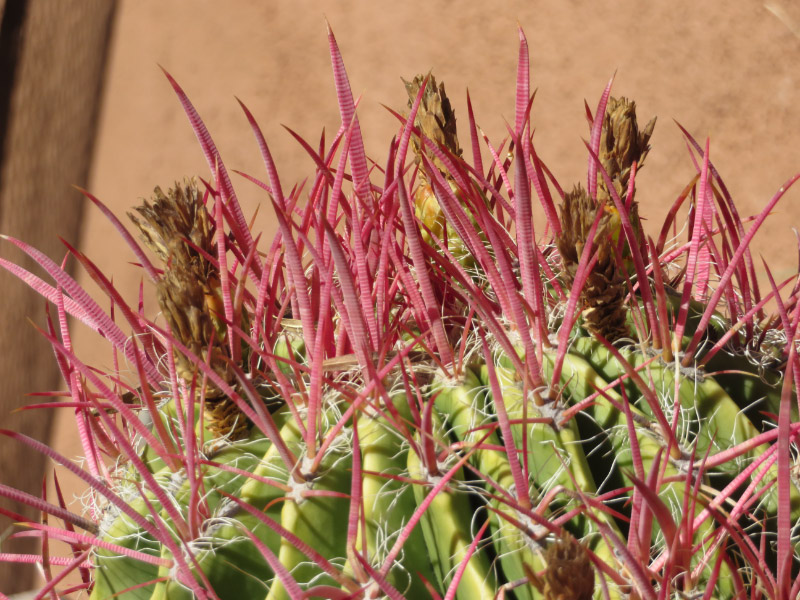
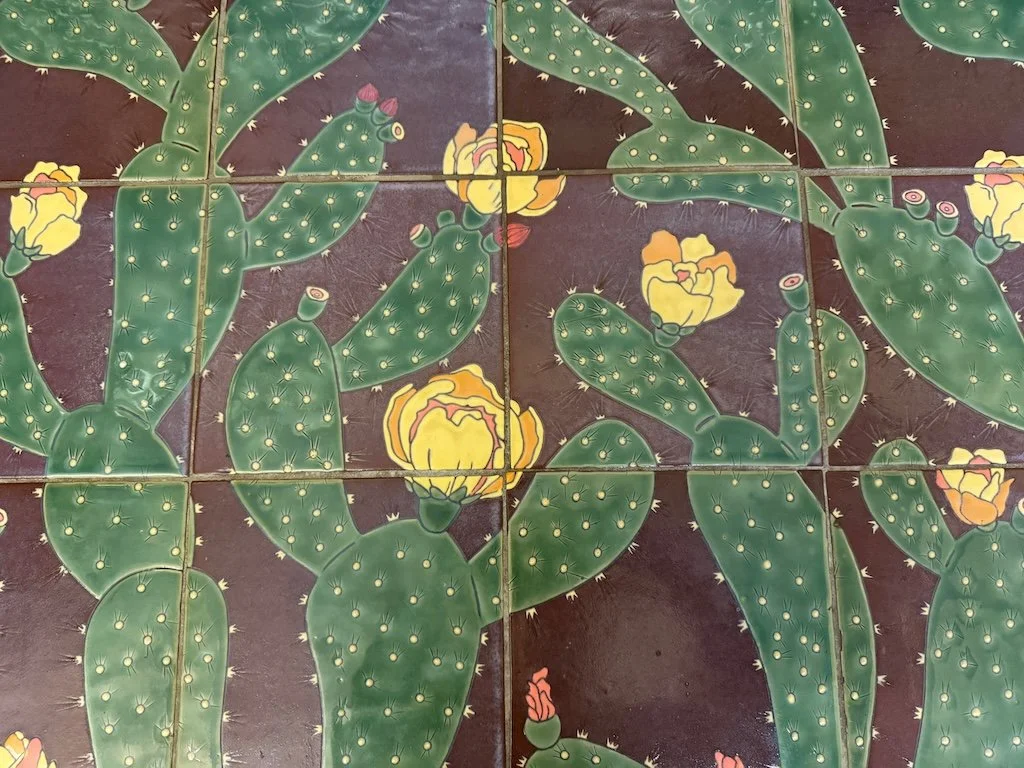
Another new display: saguaro cactus light shapes.

2018 12 IMG_0783.jpg

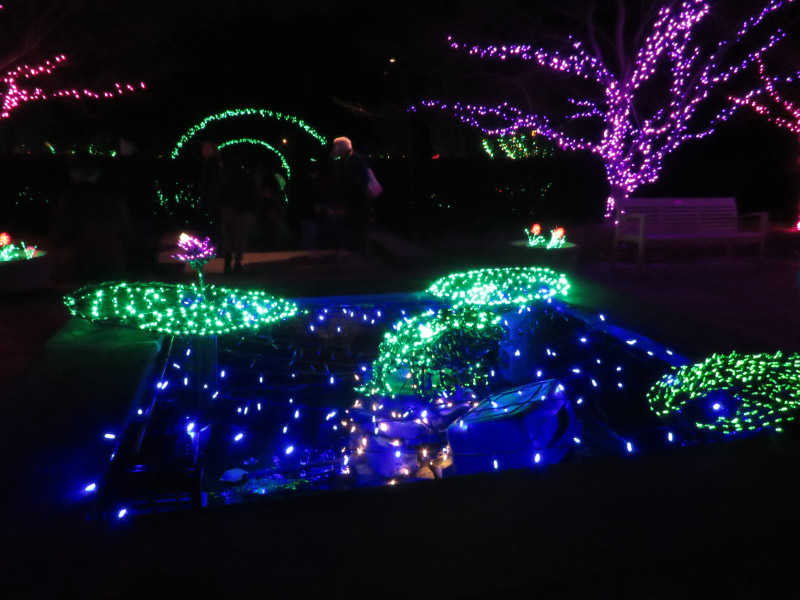
The butterfly and lights on a water feature (lights instead of water for the winter) were oldies but goodies.

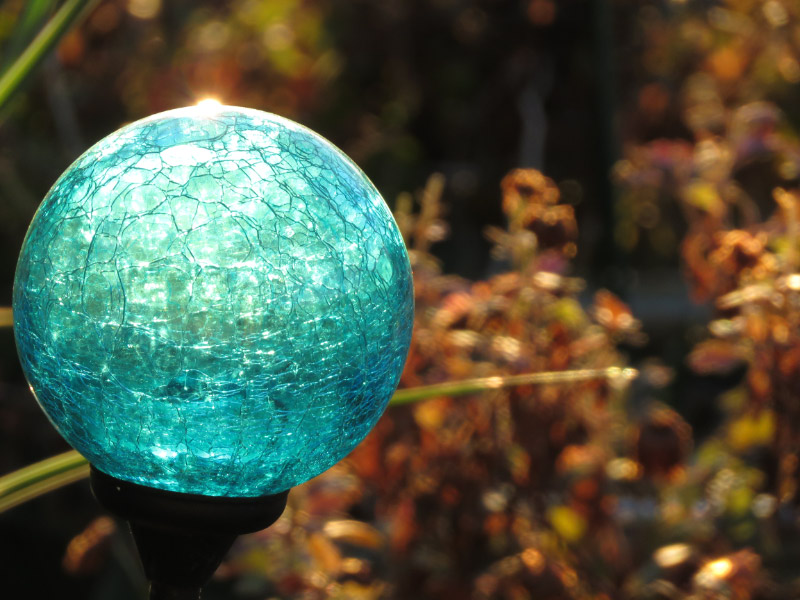
I also like the spotlight on the sphere sculpture that I like so well during the day. The irregularities in the rock are more visible with the shadows. This might be my favorite picture from the whole evening!

2018 12 IMG_0797.jpg

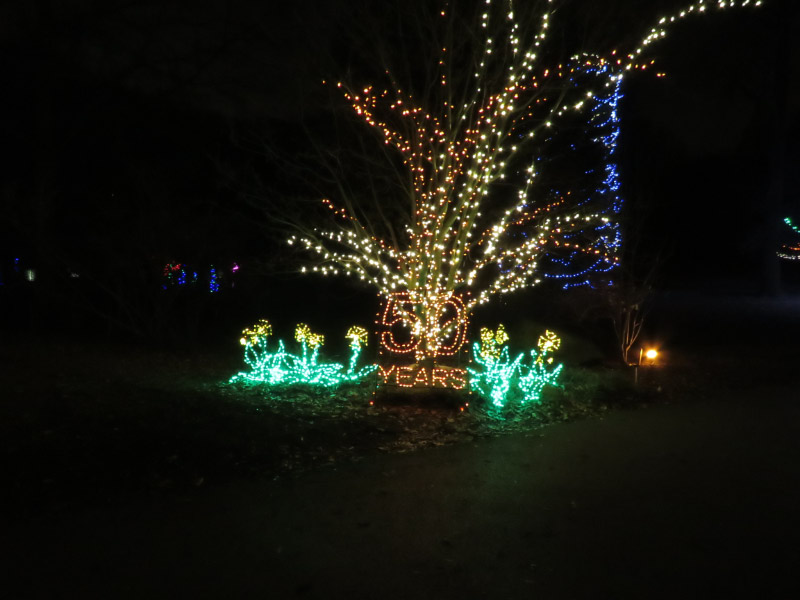
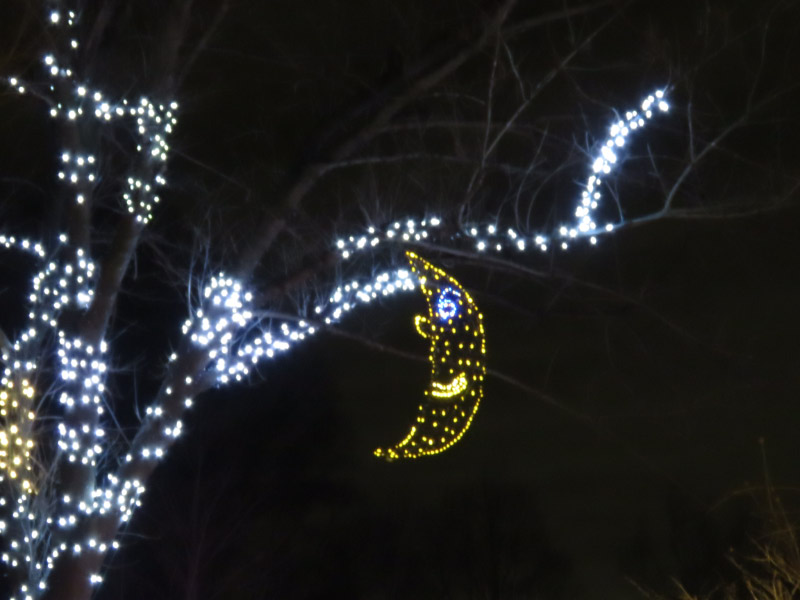
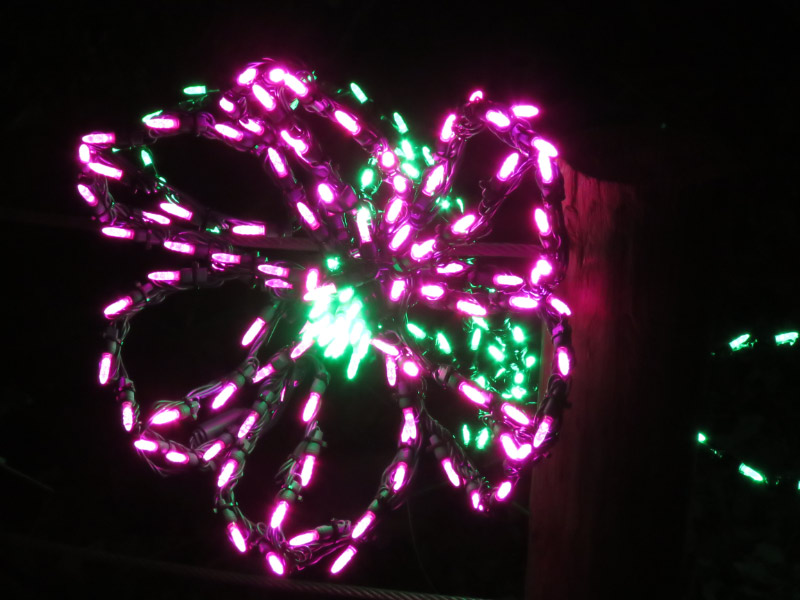
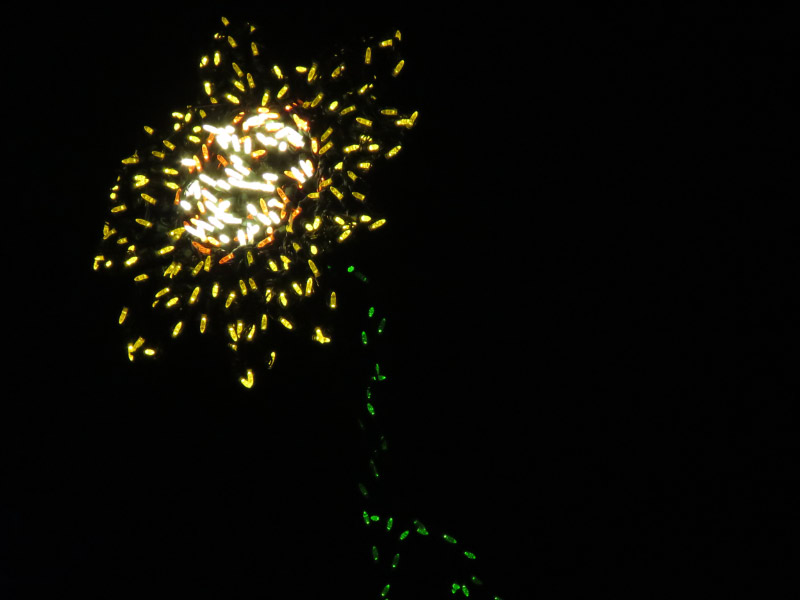
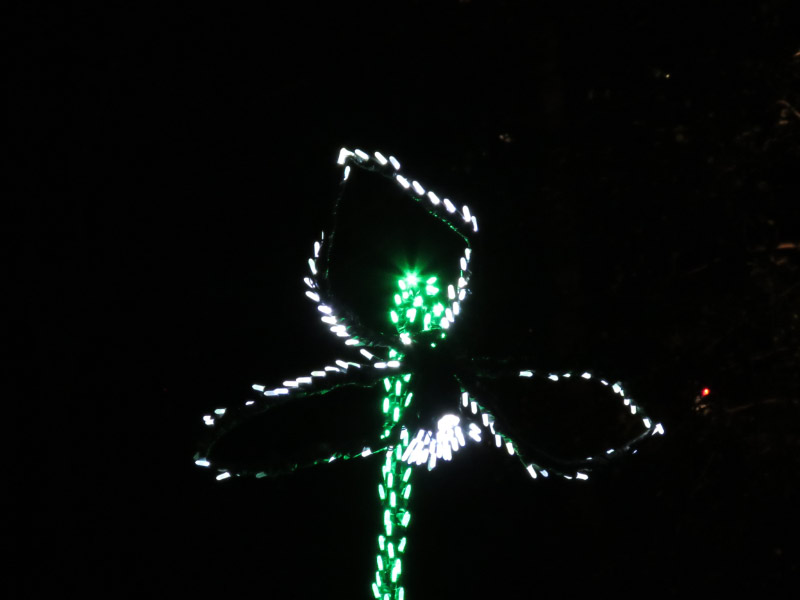
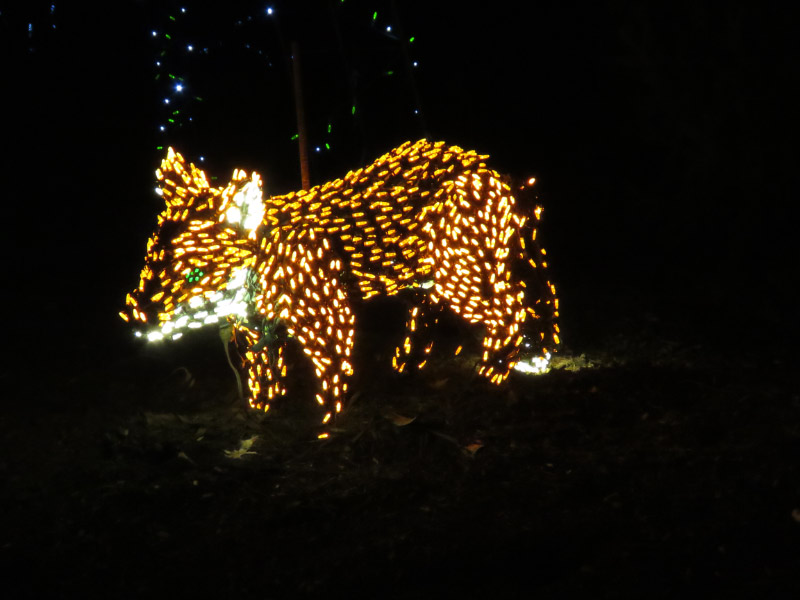
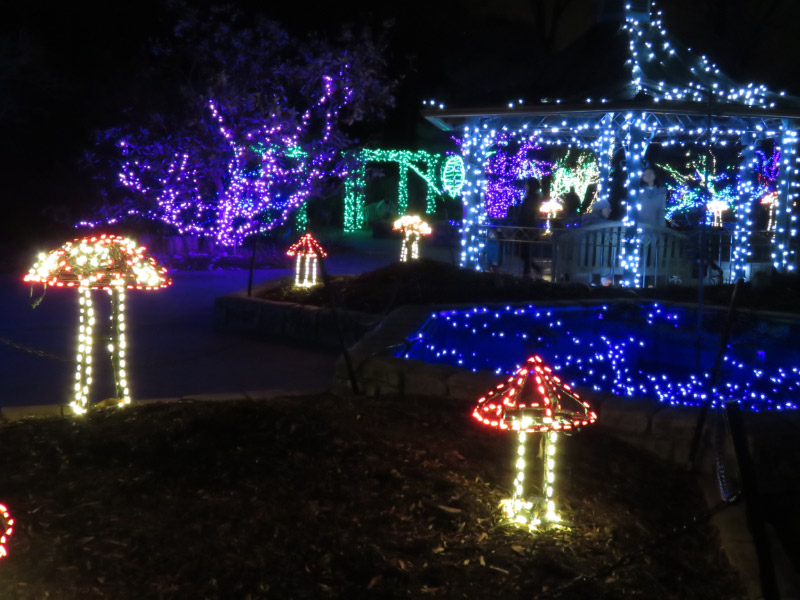
I created a slideshow with my other favorites. I like the nature theme for the lights -  flowers and moon and trees shapes, insects, tall stalks, a snake and ants and a fox, mushrooms. Sometimes I am not sure what it’s supposed to be…but it’s always fun to guess.

It’s also fun to listen to parents interacting with their young children. I noticed a toddler almost in front of us walking across the sidewalk; his father said “Don’t sit in the mulch” and the child promptly took a few more steps, turned around, and sat down in the mulch. He was helped up…dusted off in the back (it was cold so he was well bundled up). Everyone laughed…a good time!

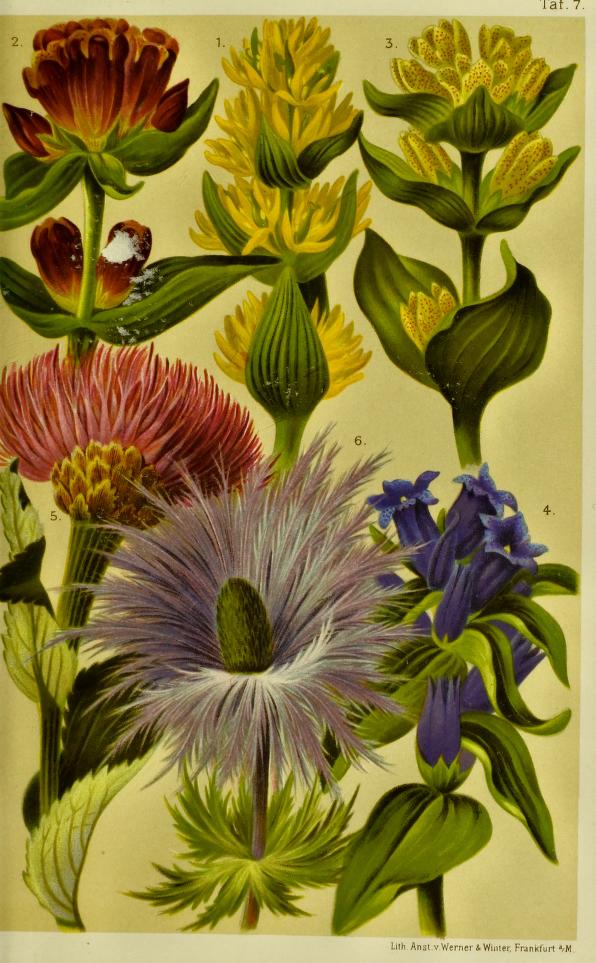
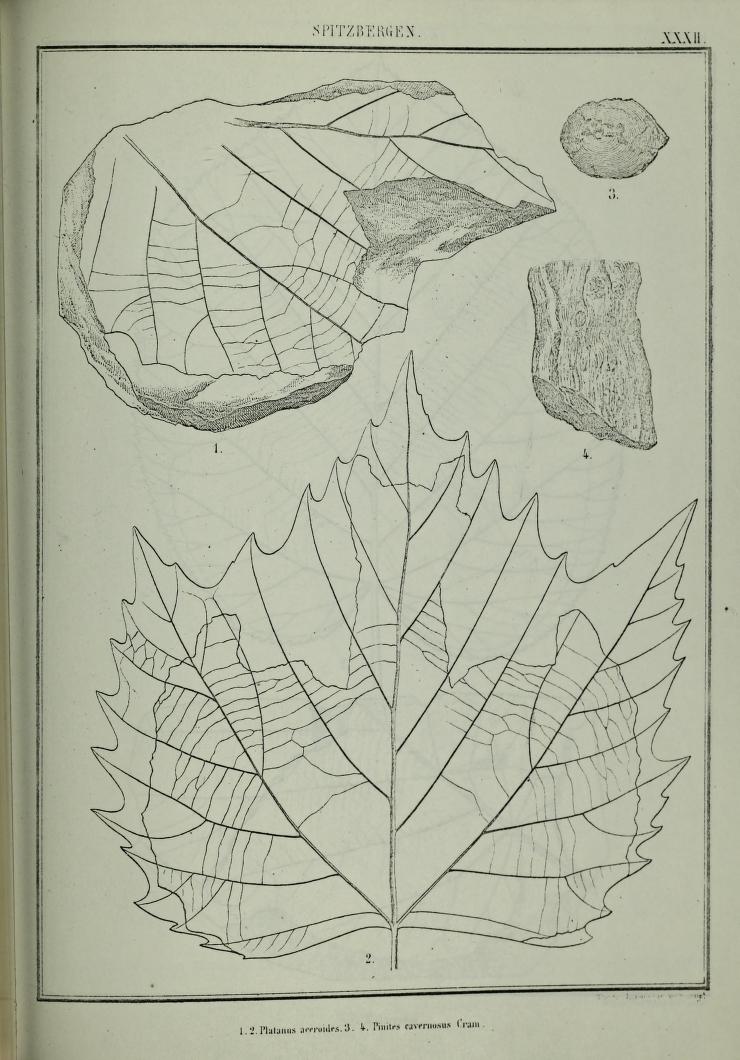
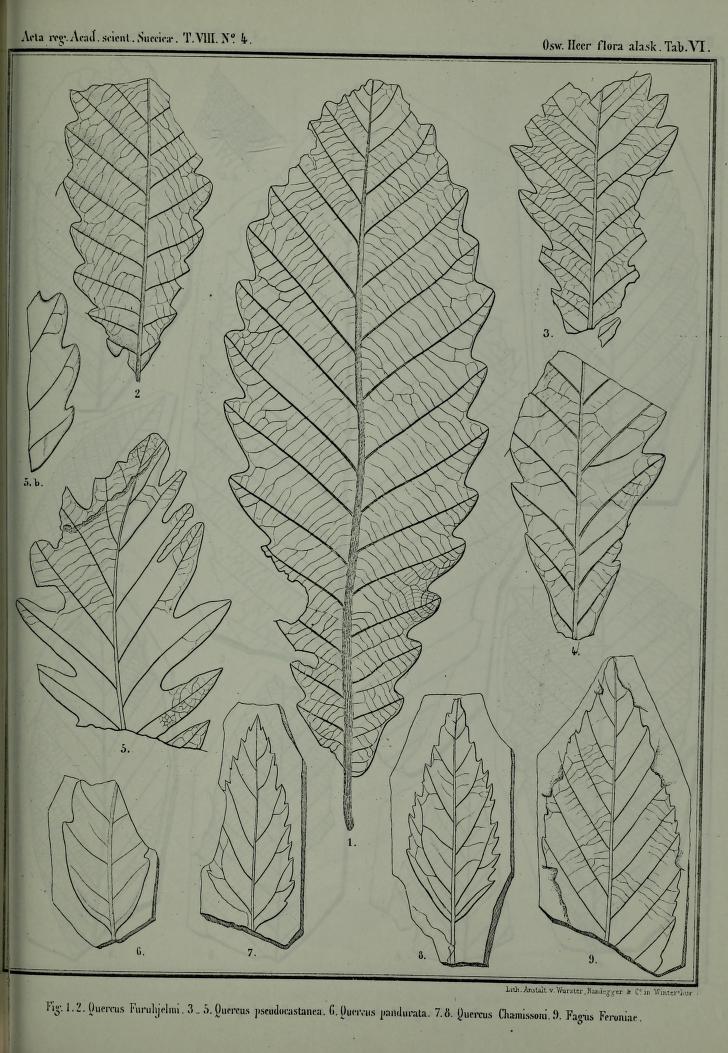
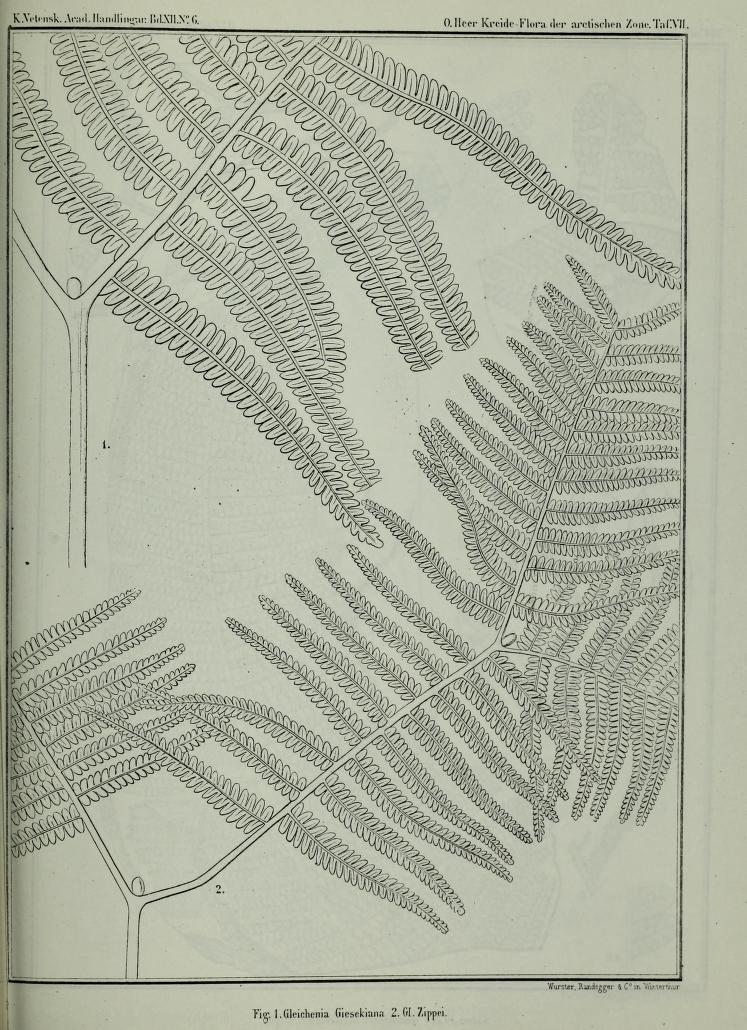
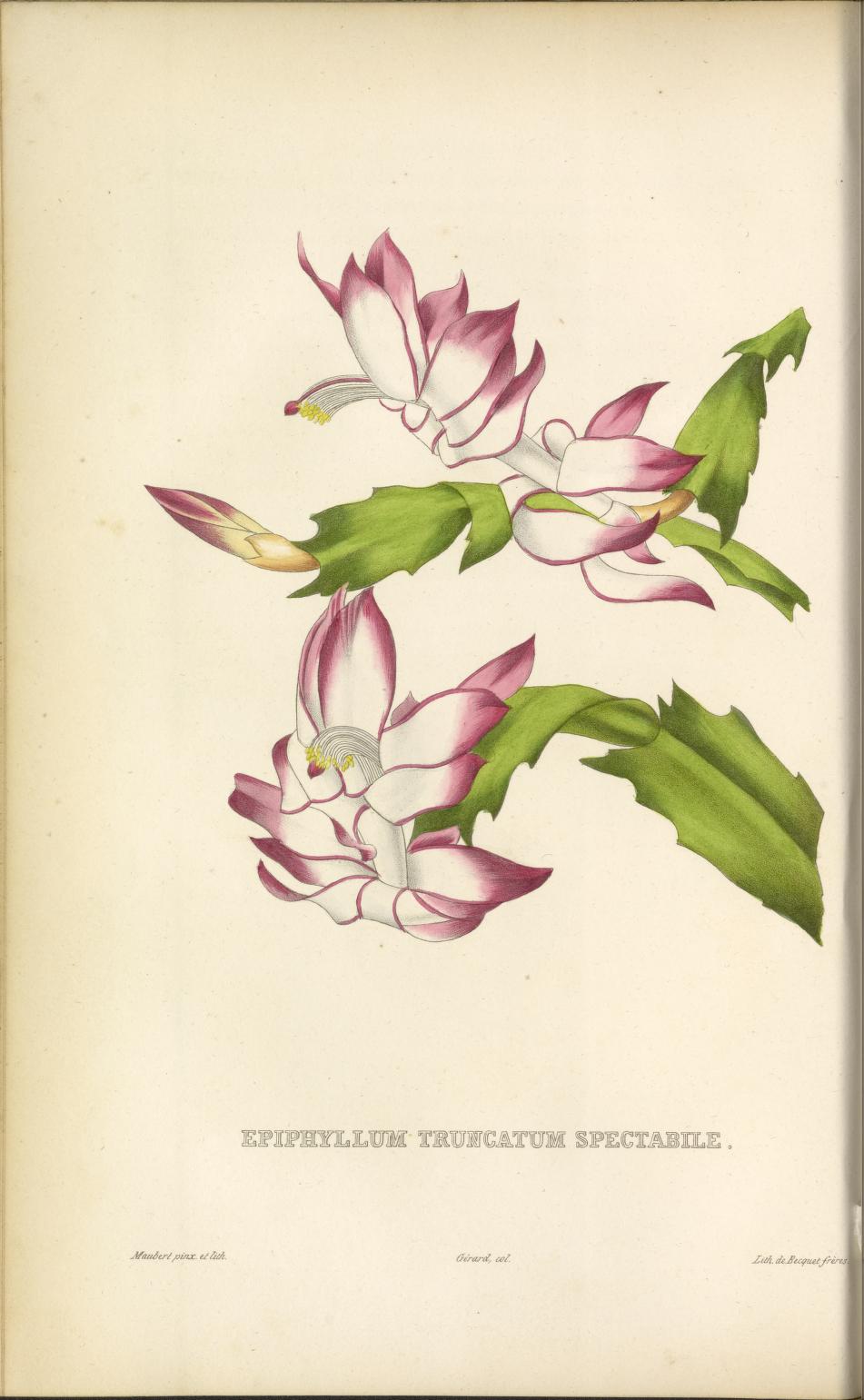
eBotanical Prints – December 2018

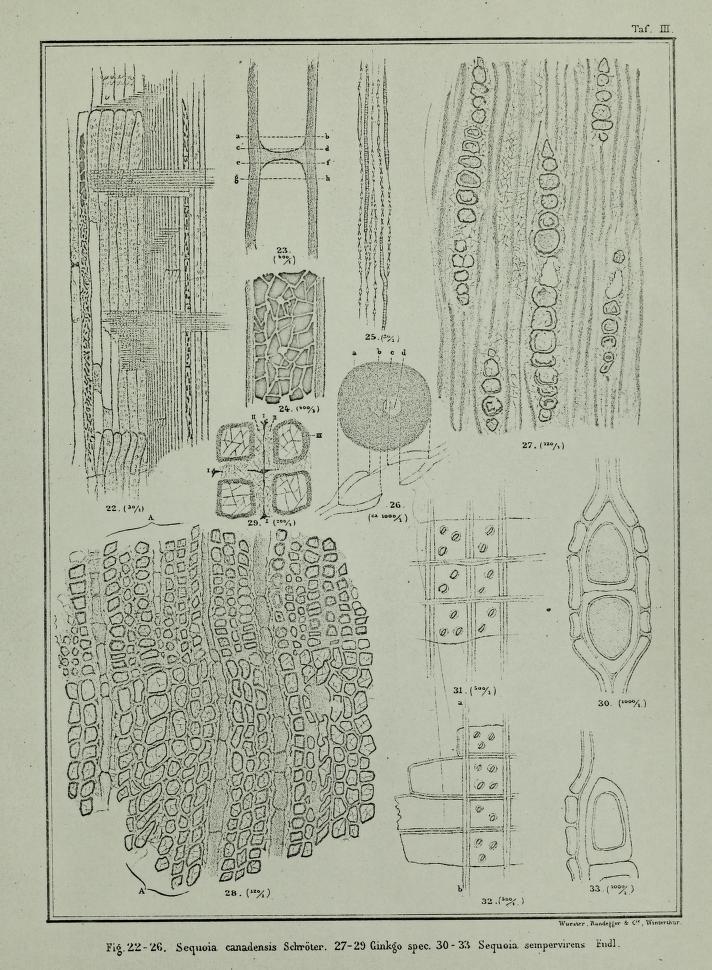
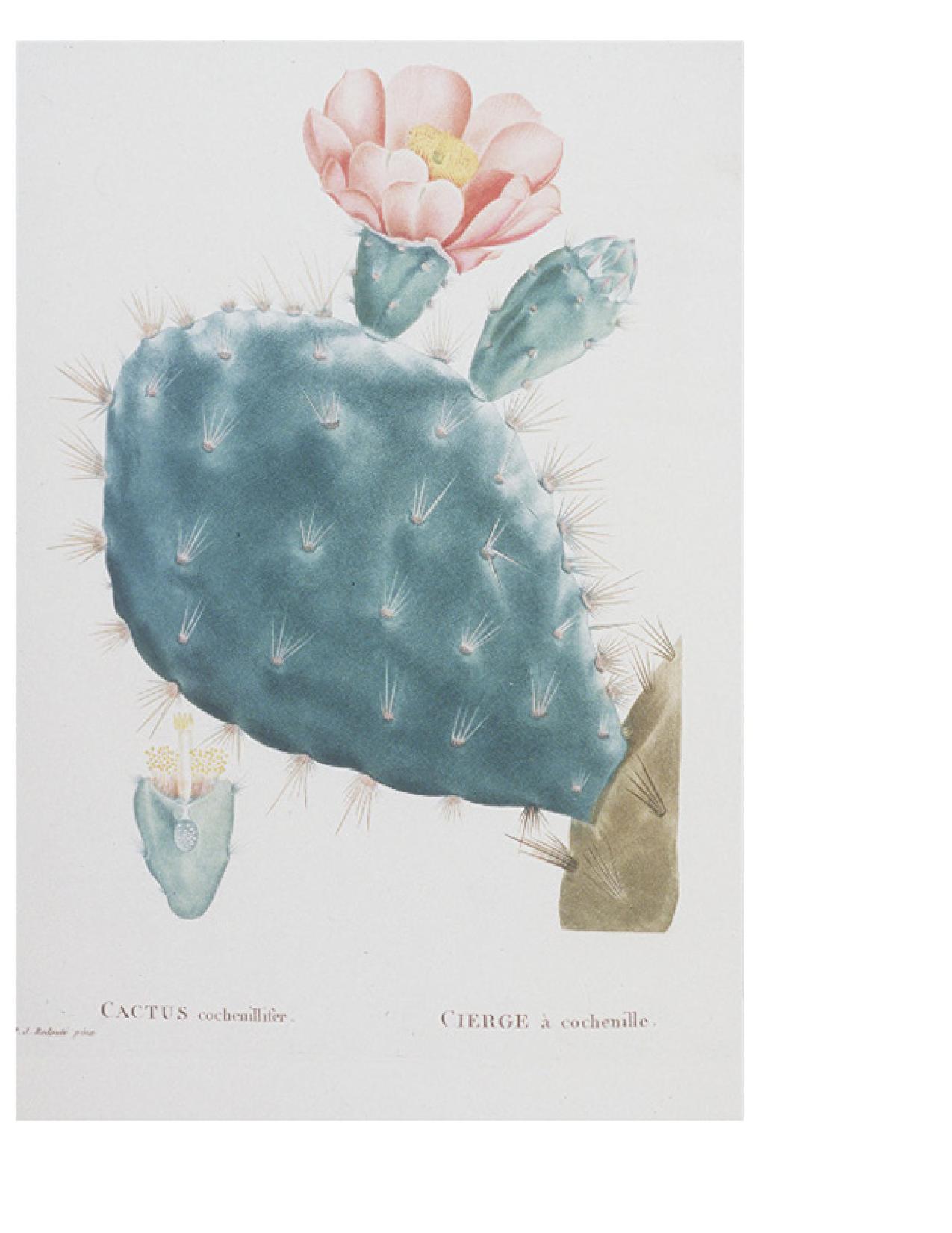
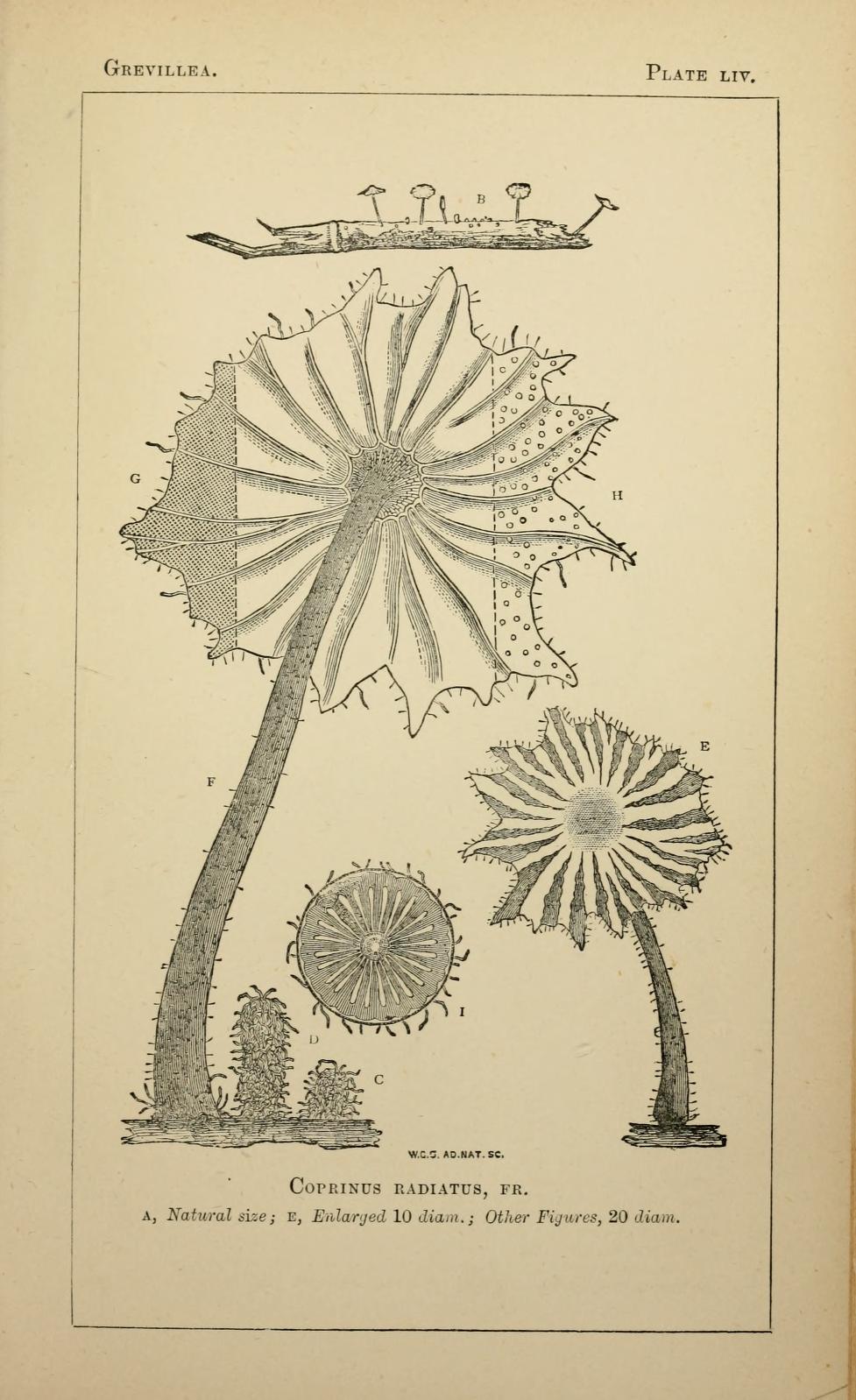
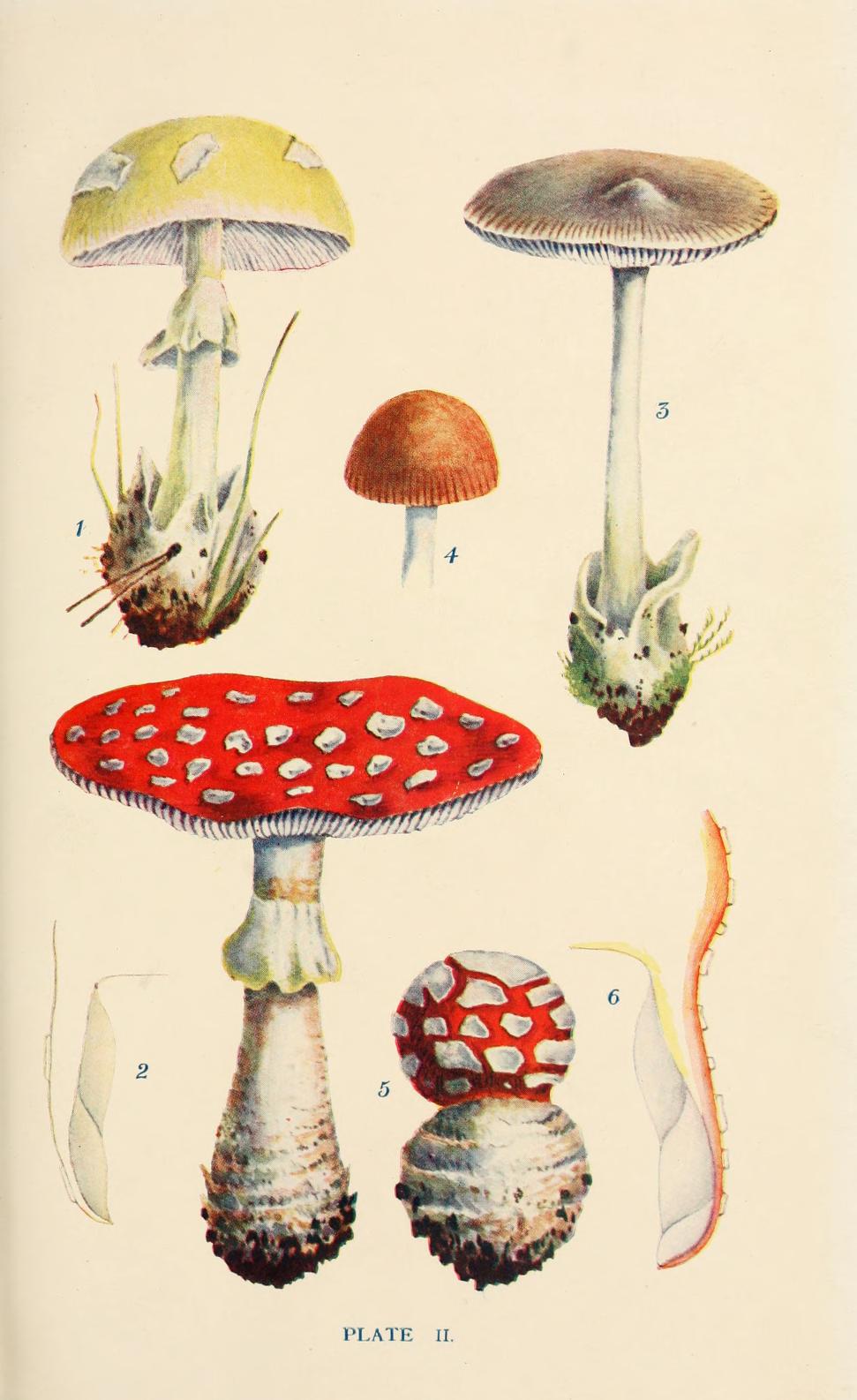
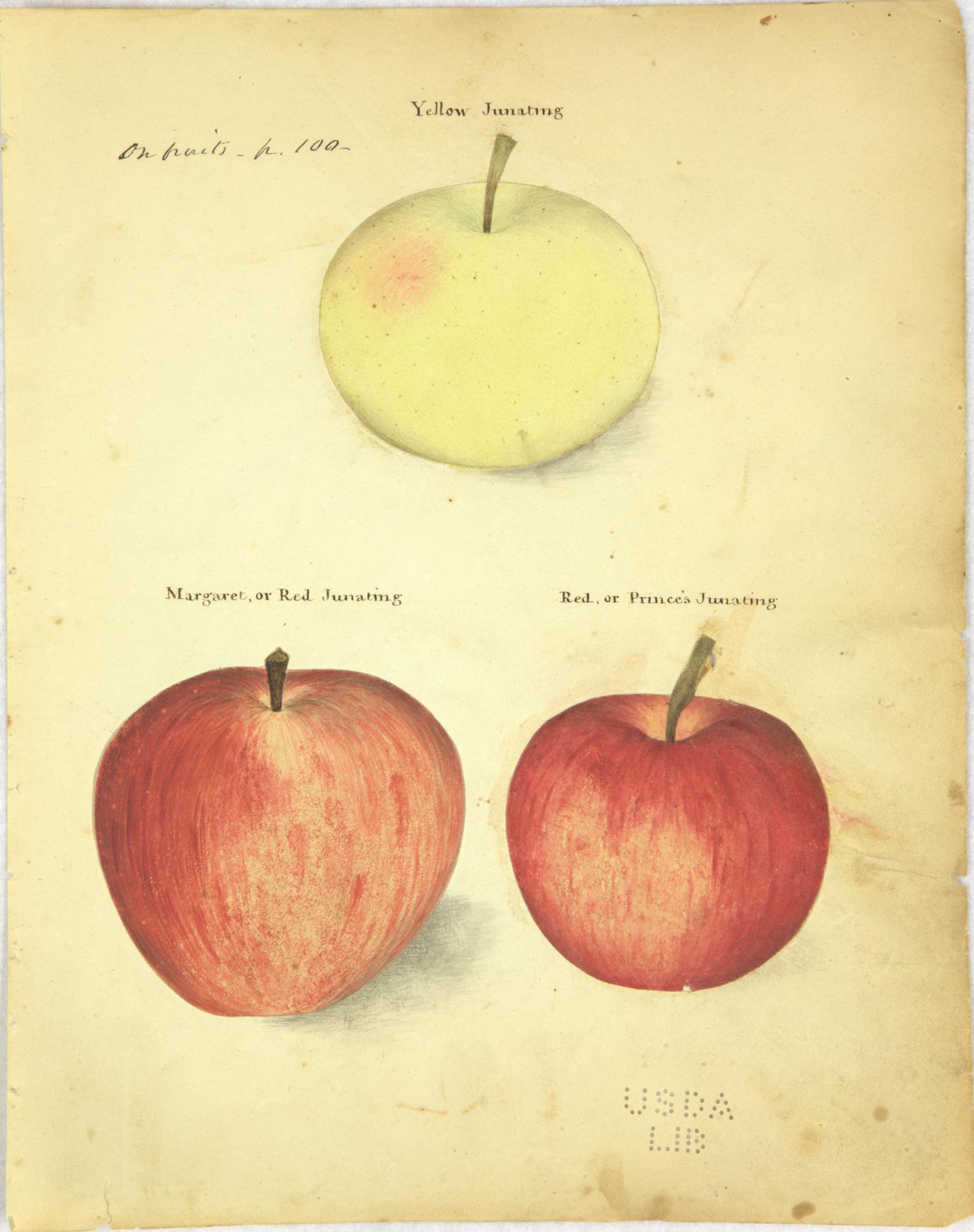
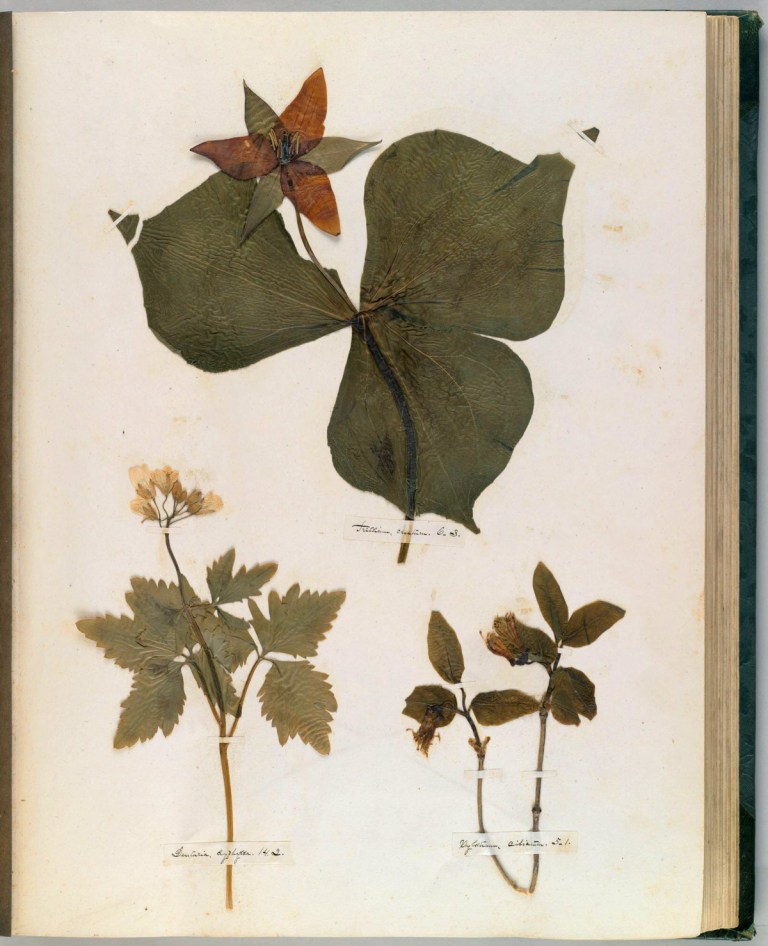
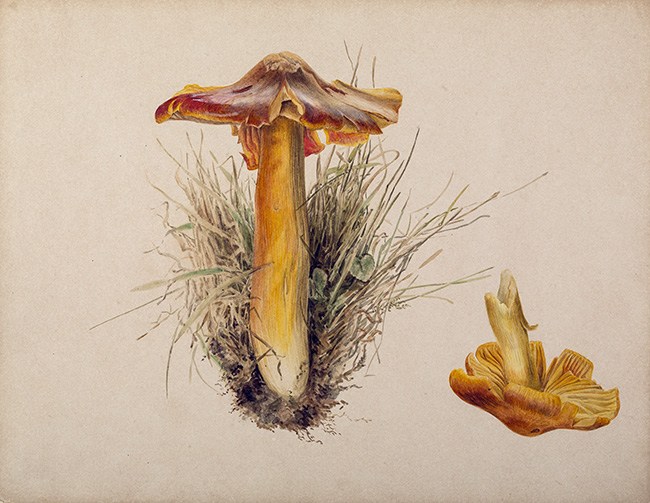
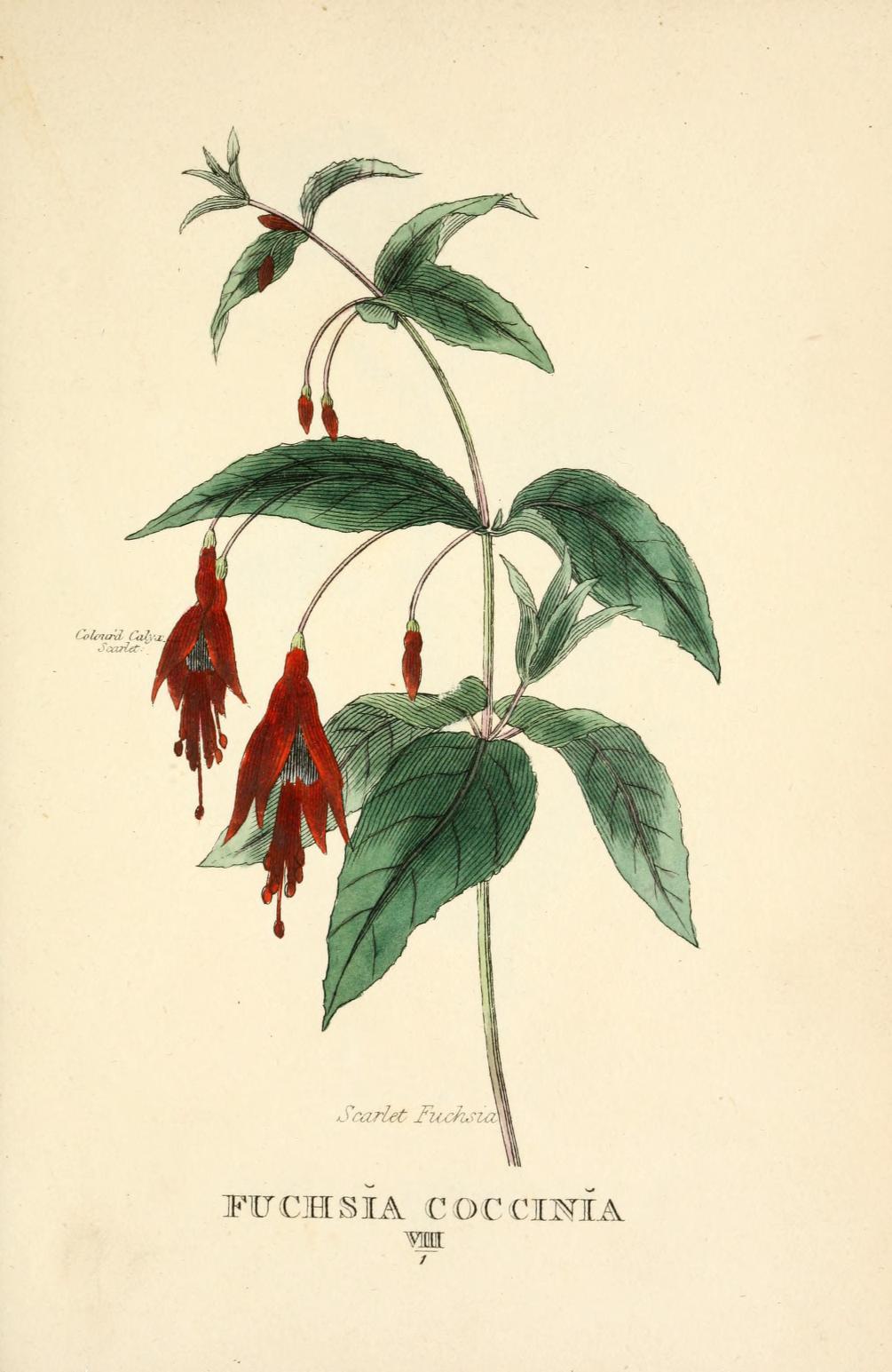
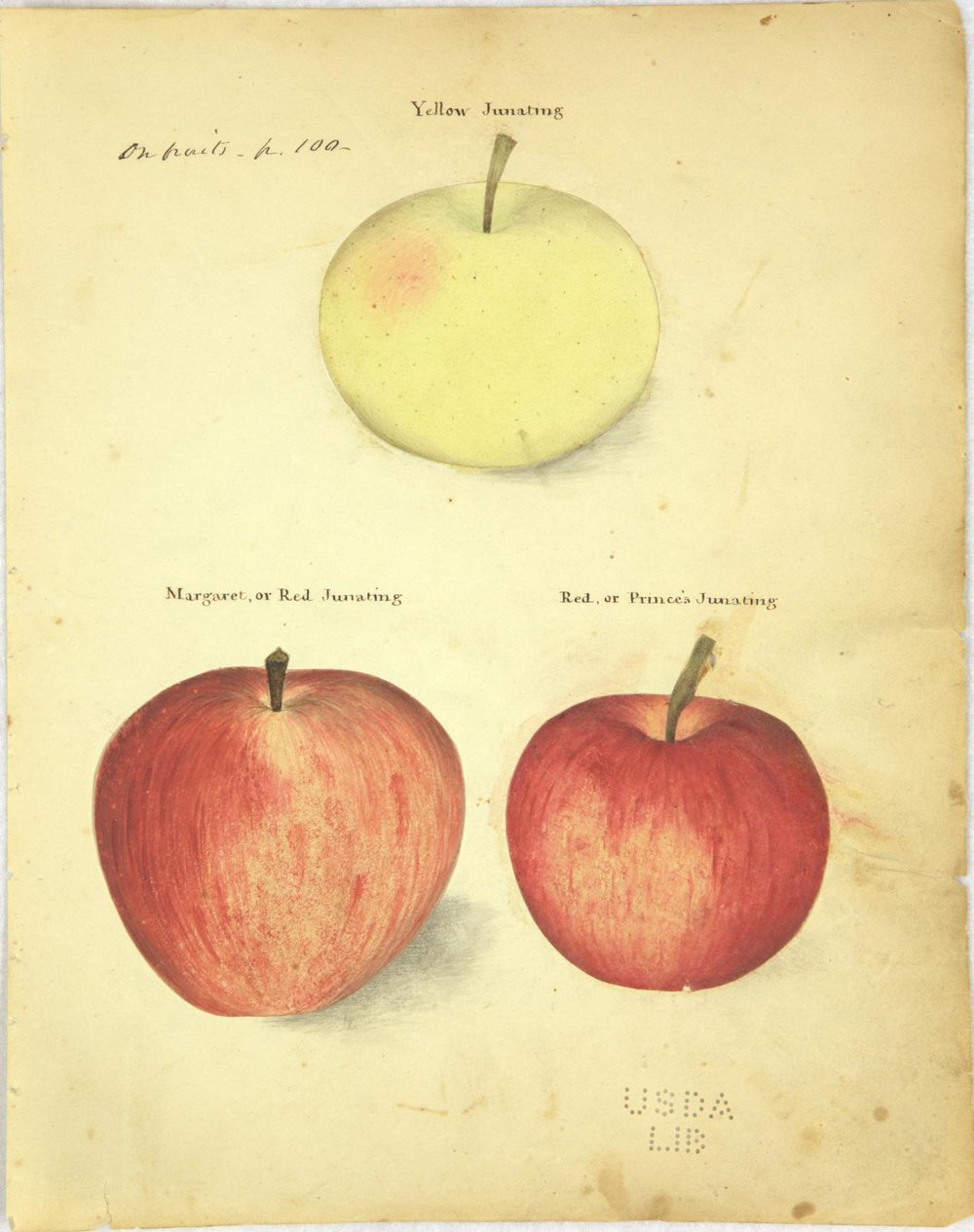
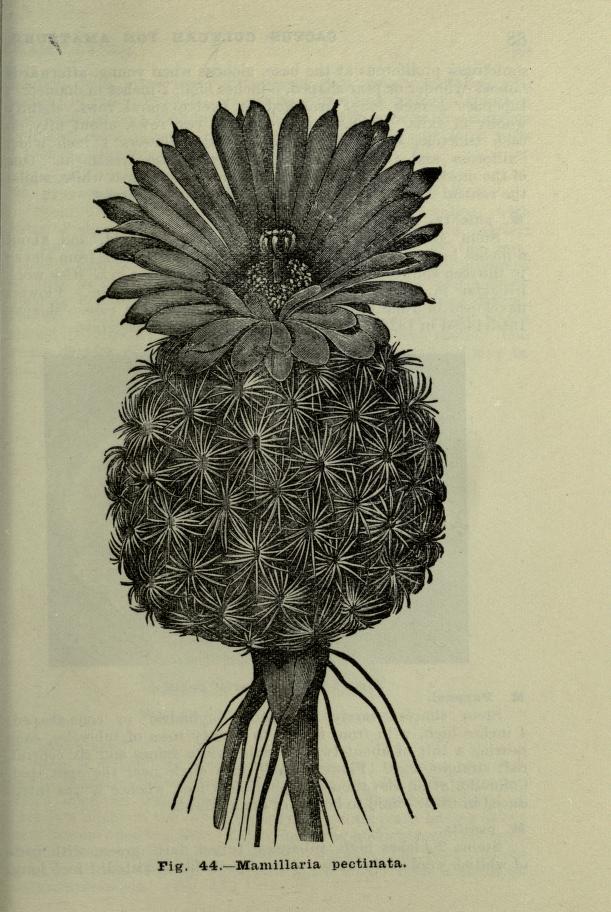
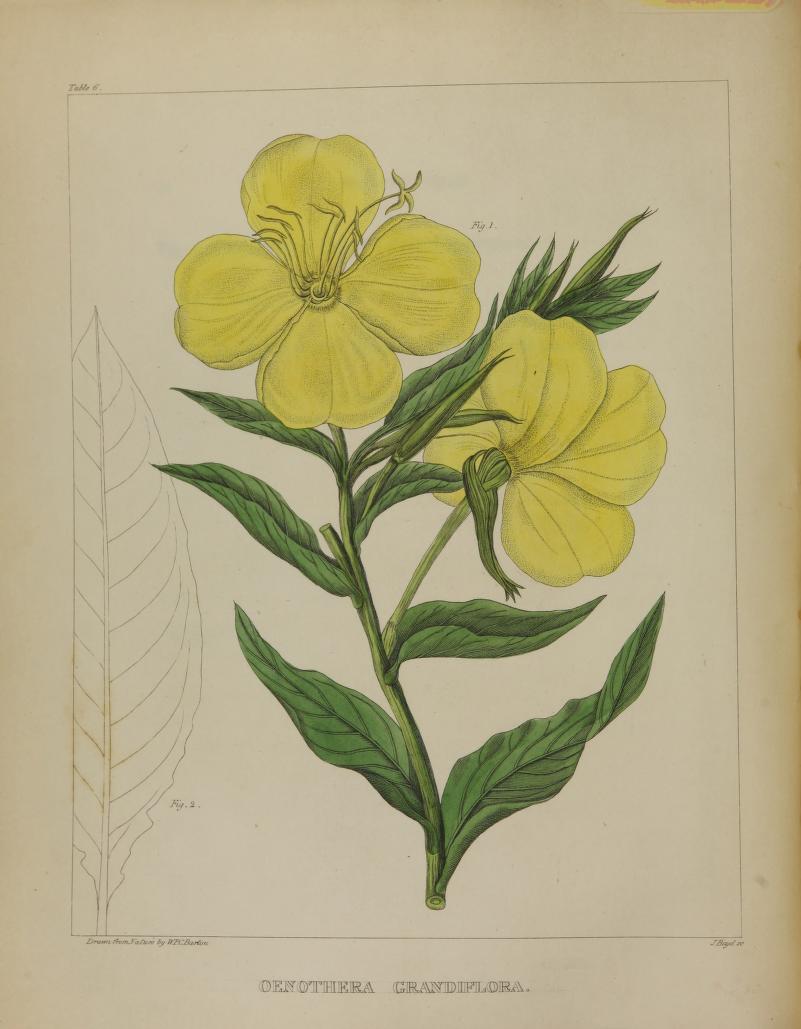
27 more books added to the big list (find it here) in December. The sample images for 27 new this month are included in the slideshow below.

The copyright dates range from 1760 to 2010….lots of changes in the world over that time period.

Botany Illustrated * Glimn-Lacy, Janice; Kaufman, Peter B. * sample image * 2006

Botany for the artist * Simblet, Sarah * sample image * 2010

The Florist * Sayer, Robert * sample image * 1760

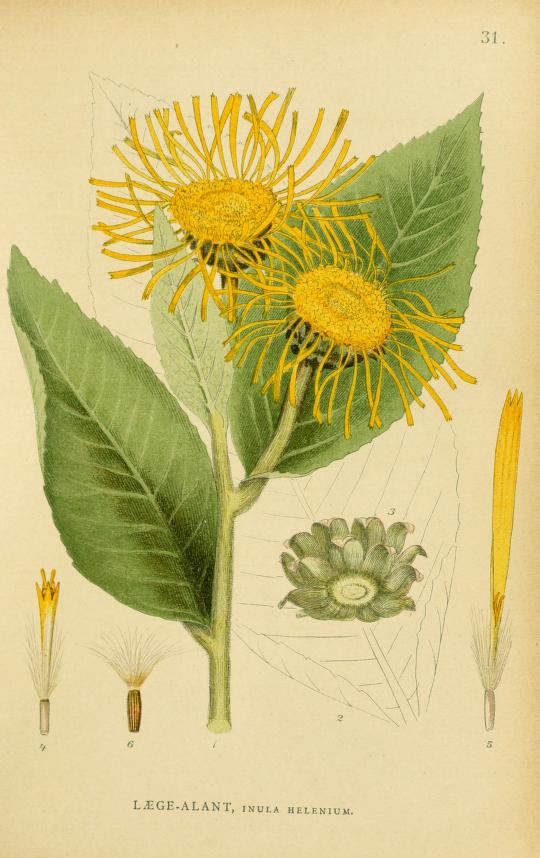
Billeder af Nordens flora * Lindman, Carl Axel Magnus * sample image * 1901

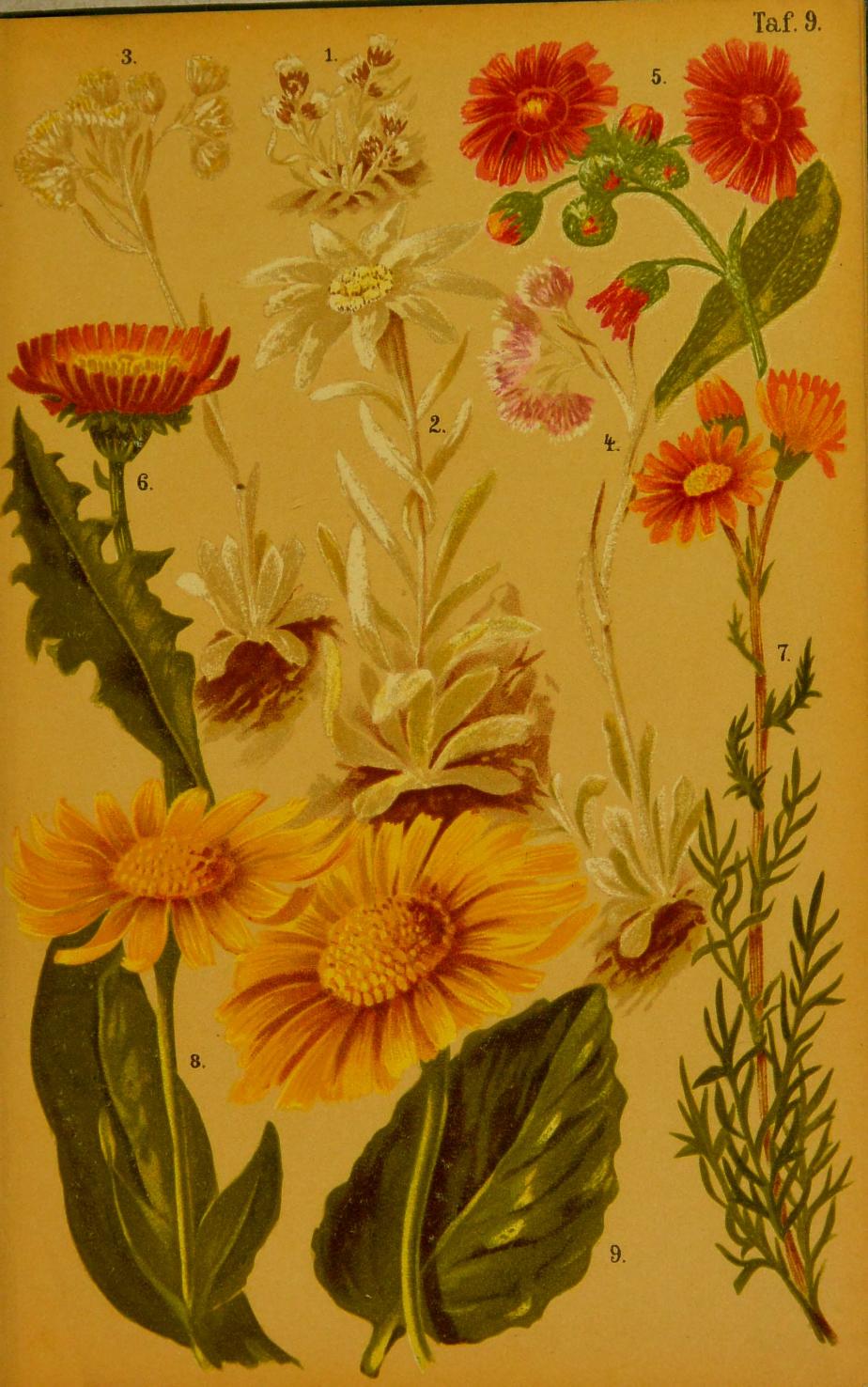
Taschenflora des Alpens-Wanderers * Schroter, Carl * sample image * 1892

Flore coloriée portative du touriste dans les Alpes  * Schroter, Carl * sample image * 1904

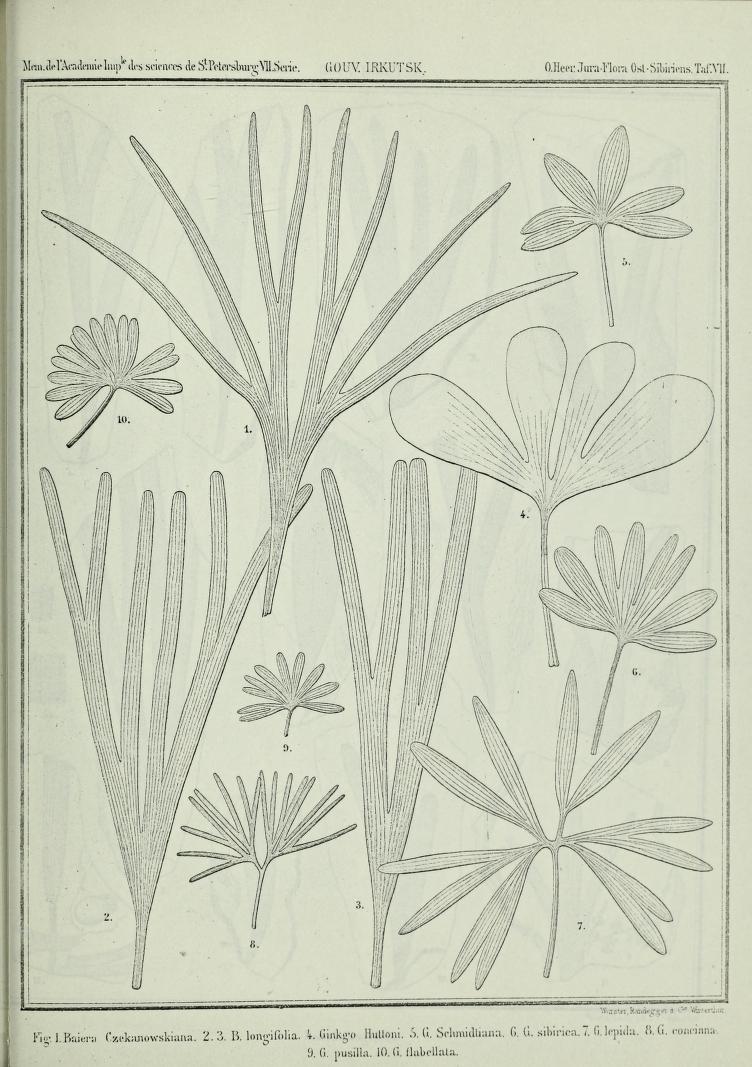
Flora fossilis Arctica - V1 * Heer, Oswald; Cramer, Karl Eduard; Nordenskiold, Adolf Erik; Schroter, Carl * sample image * 1868

Flora fossilis Arctica - V2 * Heer, Oswald; Cramer, Karl Eduard; Nordenskiold, Adolf Erik; Schroter, Carl * sample image * 1871

Flora fossilis Arctica - V3 * Heer, Oswald; Cramer, Karl Eduard; Nordenskiold, Adolf Erik; Schroter, Carl * sample image * 1874

Flora fossilis Arctica - V4 * Heer, Oswald; Cramer, Karl Eduard; Nordenskiold, Adolf Erik; Schroter, Carl * sample image * 1877

Flora fossilis Arctica - V6 * Heer, Oswald; Cramer, Karl Eduard; Nordenskiold, Adolf Erik; Schroter, Carl * sample image * 1880

Botanical Illustration In The Nineteenth Century * Schmidt, Alesandra; Jocoby, Trudy B. * sample image * 1996

Grevillea * Cooke, Mordecai Cubitt; Massee, George * sample image * 1872

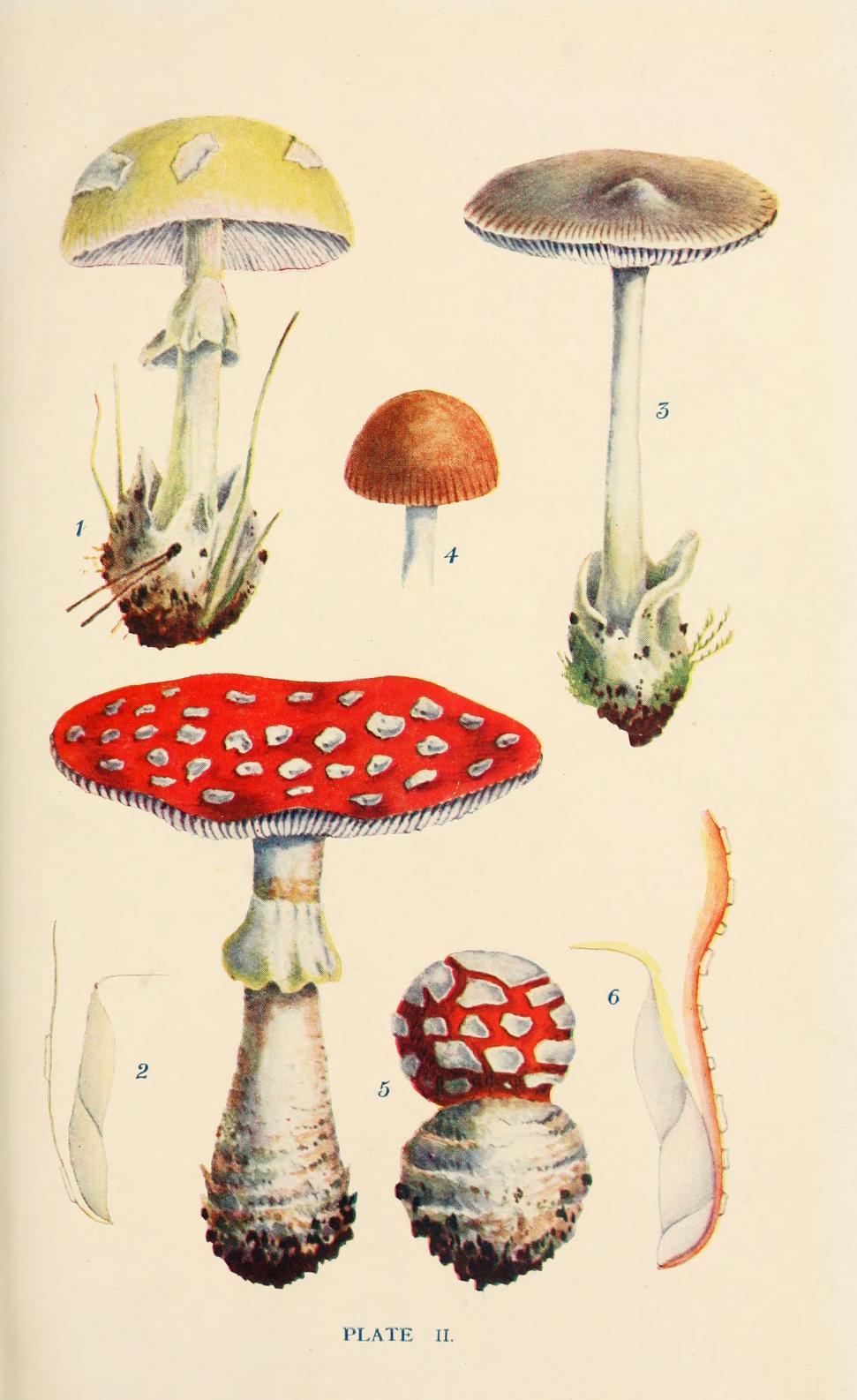
British Fungi * Massee, George * sample image * 1911

Portefeuille des horticulteurs V1 * Gerard, Frederic (editor) * sample image * 1847

Portefeuille des horticulteurs V2 * Gerard, Frederic (editor) * sample image * 1848

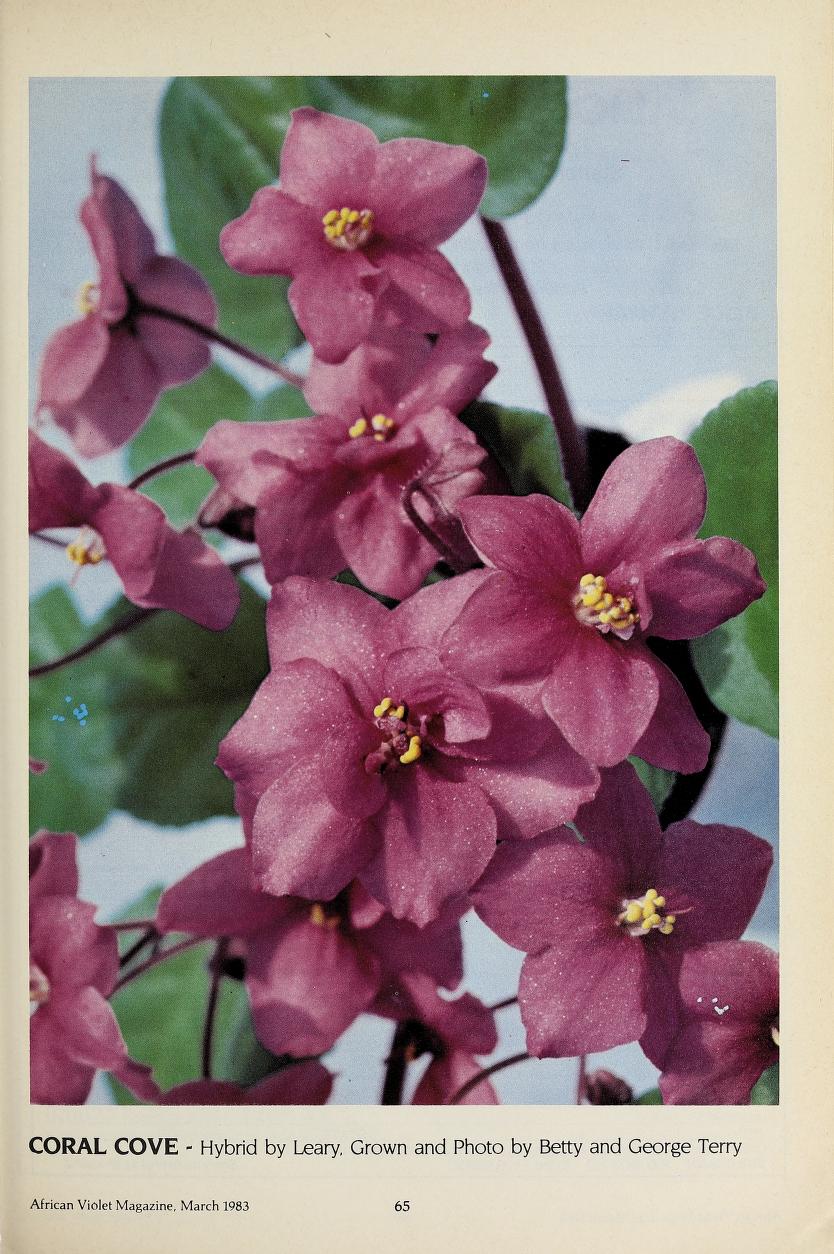
African Violet Magazine - 1983 *  * sample image * 1983

Choix de plantes rares ou nouvelles * Miquel, Friedrich Anton Wilhelm * sample image * 1863

De Noord-Nederlandsche vergiftige gewassen * Miquel, Friedrich Anton Wilhelm * sample image * 1836

William Coxe: manuscript (atlas) * Coxe, William * sample image * 1831

Emily Dickenson Herbarium Pages * sample image * 1846

Beatric Potter, mycologist * sample image * 1897

Elements of Botany * Duppa, Richard  * sample image * 1812

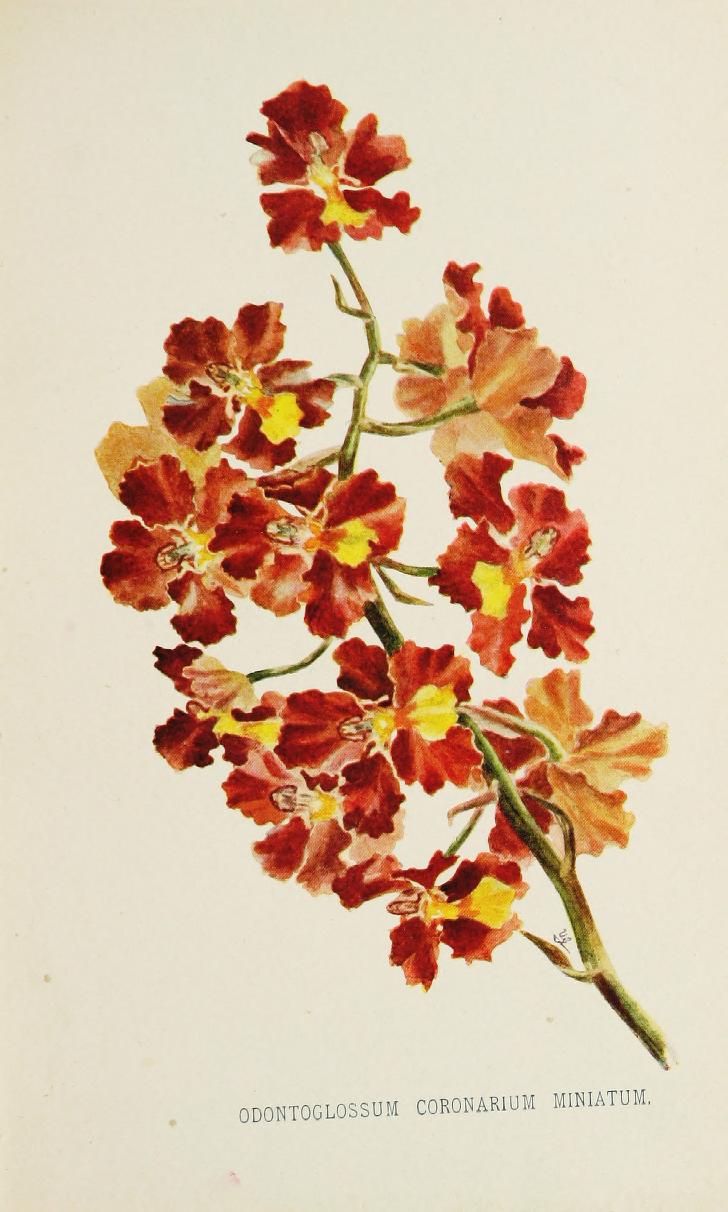
Orchids: their cultures and management * Watson, William; Chapman, H. J. (editor) * sample image * 1903

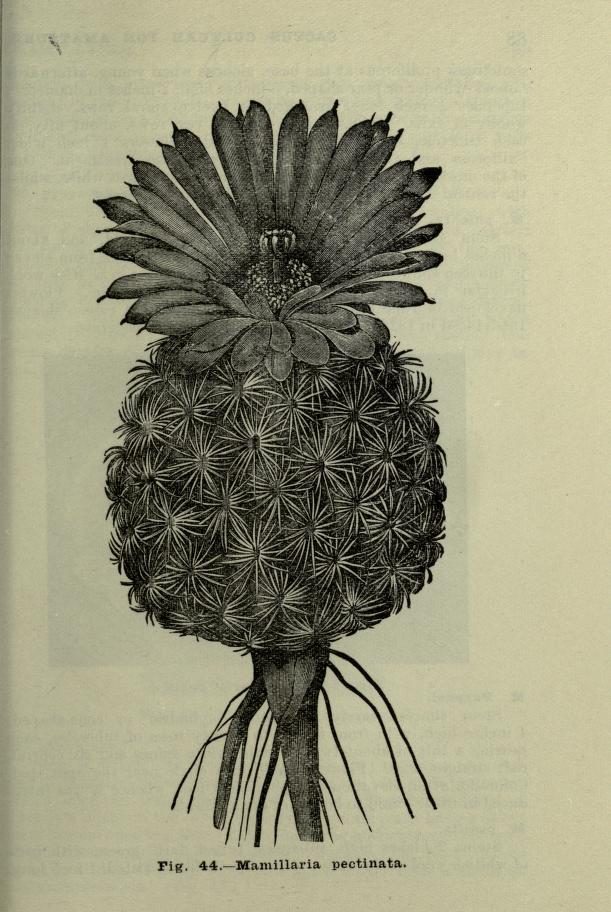
Cactus culture for amateurs: a concise and practical guide to the management of a little understood family of plants * Watson, William * sample image * 1920

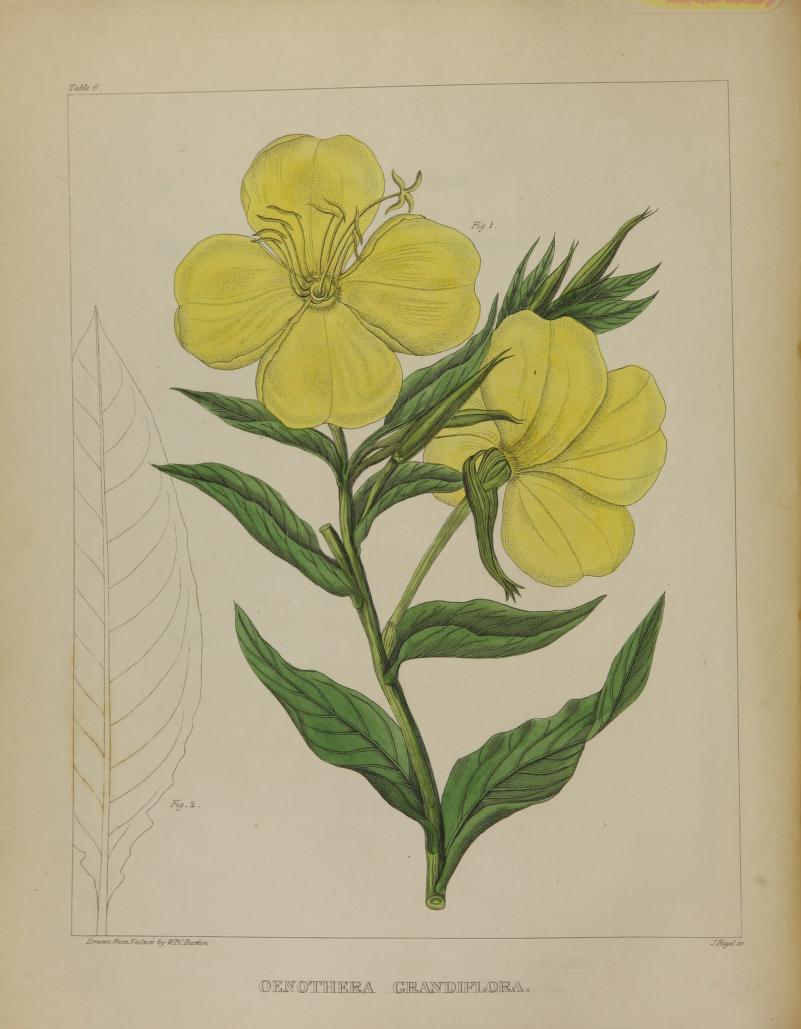
A flora of North America: illustrated by coloured figures, drawn from nature (Volume 1) * Barton, William Paul Crillon * sample image * 1821

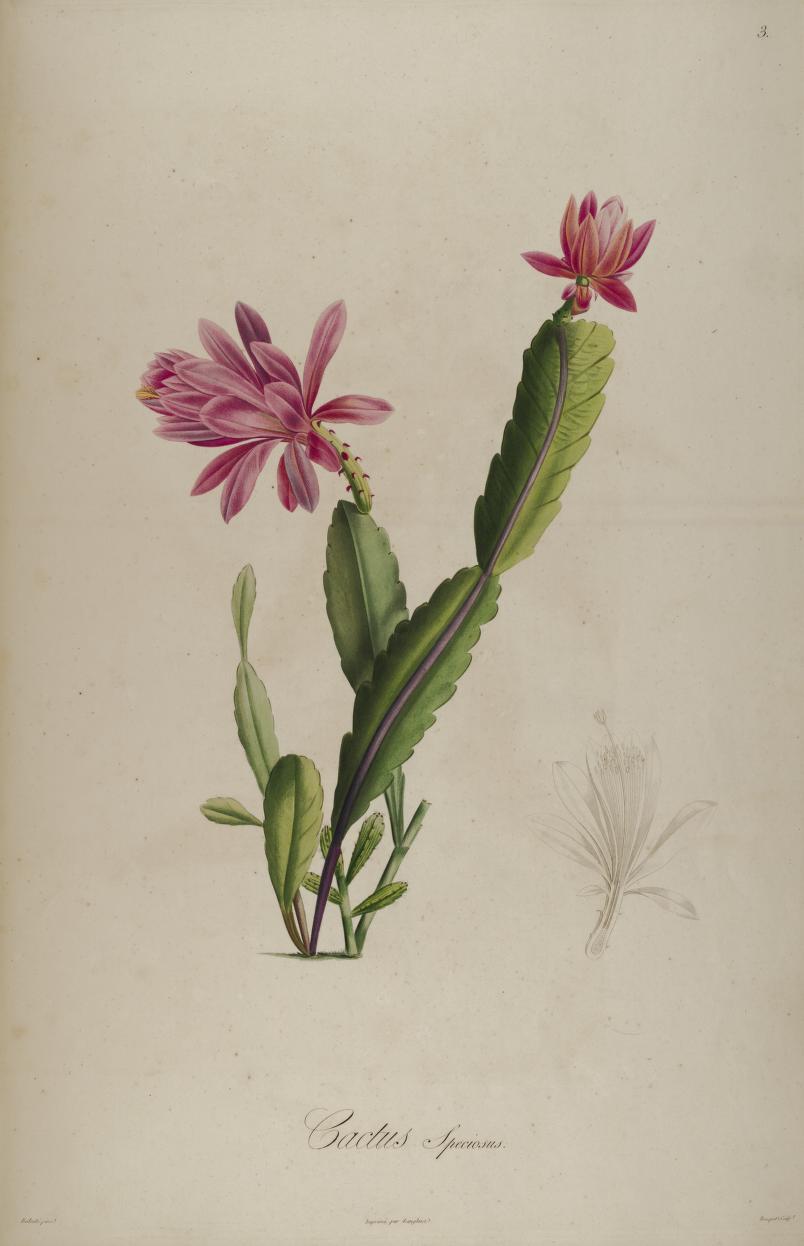
Description des plantes rares cultivees a Malmaison et a Navarre * Bonplan, Aime; Bessa Pancrace; Didot, Pierre; Redoute, Pierre Joseph * sample image * 1812

Zentangle® - December 2018

“Thirty days has September, April, June and November…all the rest have 31 save February…” – so there are 31 tiles for December.

f 20181205_021645476_iOS.jpg

My favorite is one that looks a little like Christmas confetti (with snowy auras). And digital confetti pieces are not damaging long-lived plastic debris in the environment. All for the good.

f 20181216_171831670_iOS.jpg

I also tried again making a Zentangle in a busy airport terminal as I waited on my flight home from Texas – with more success than in November. I was much more relaxed on the flight as well.

I probably skewed toward Christmas related colors more frequently in December


But not completely. There was a string of cloudy rainy days that just called for some yellow patterns on the black tiles….and there were two that really did brighten an otherwise dreary day.

--

The Zentangle® Method is an easy-to-learn, relaxing, and fun way to create beautiful images by drawing structured patterns. It was created by Rick Roberts and Maria Thomas. "Zentangle" is a registered trademark of Zentangle, Inc. Learn more at zentangle.com.

Happy New Year 2019

happy new year.jpg

A brand-new year…a beginning…full of potential. I got up to see the sunrise this morning; it’s become a minor tradition and this year I set an alarm to make sure I didn’t miss it. This time of year, it isn’t hard to be up and about before sunrise!

IMG_0809.jpg

There could be some big changes this year with my daughter make a career move that requires relocation, elderly family members in precarious health, and me wanting to reduce ‘stuff’ that is filling our house. Enter another tradition for the first day of the year: a bit of introspection…making some decisions about what I want to discontinue, continue or start. It’s an evolution of the tradition to make resolutions – which rarely meant very much.  Everything on the list needs to be something important, achievable and measurable. I’m having trouble coming up with something to discontinue in 2019!

YE Thinking: Favorite Images

Looking for a way to summarize my year in pictures for this last post of 2019, I selected 3 favorite photos from each month – not an easy task for me. Many of them are from at home…some from other places close to home…then Socorro NM and Carrolton Tx. It’s been a good year! Enjoy the slide show….celebrating 2018!

Three Water Birds at Centennial Park

Last week my husband wanted to try out some new camera gear and decided to do it at Centennial Park. I tagged along to do some photography myself.  The lake is settling into winter.

2018 12 IMG_0565.jpg

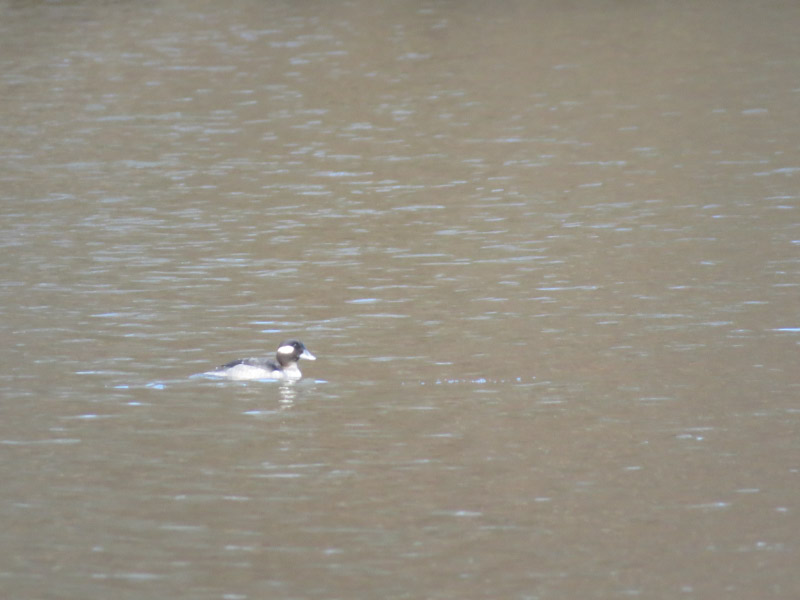
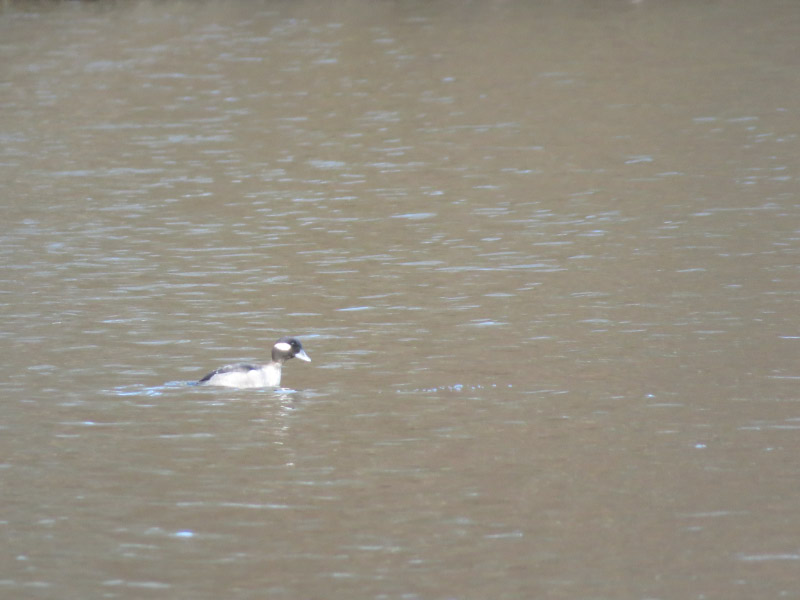
I saw three birds on the water.

Canada geese were the most numerous although still a smaller number than I often see. The water was high in the lake and   the stone jetty near the boat launch (closed for the winter) was partially submerged. A goose stood on one – like a game of ‘king of the hill’ with the other geese.

2018 12 IMG_0572.jpg
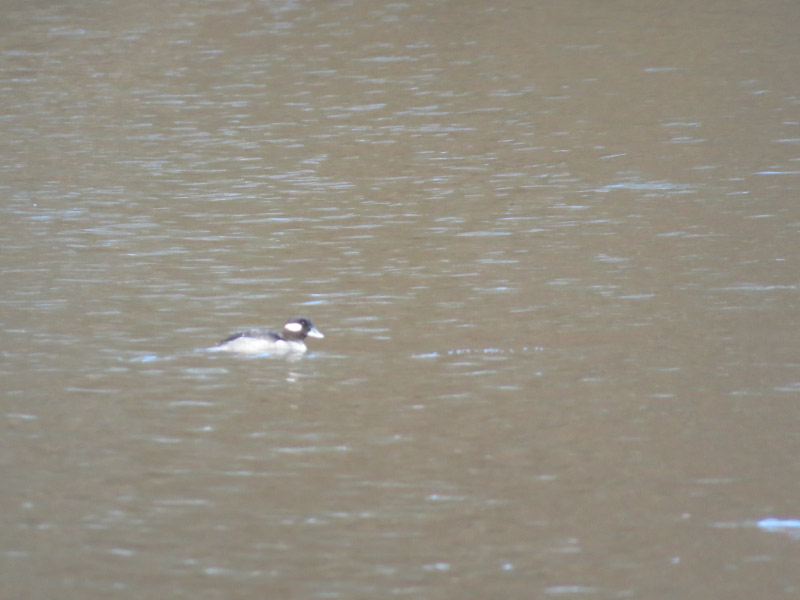
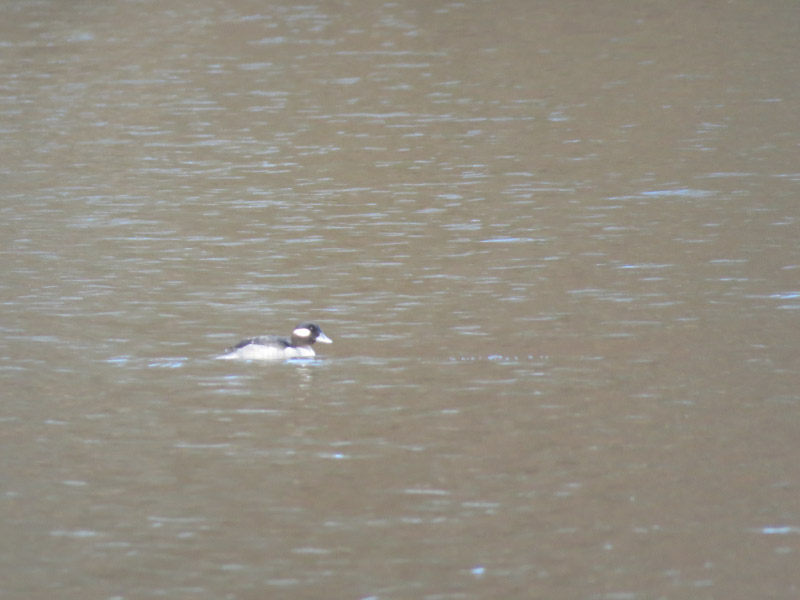
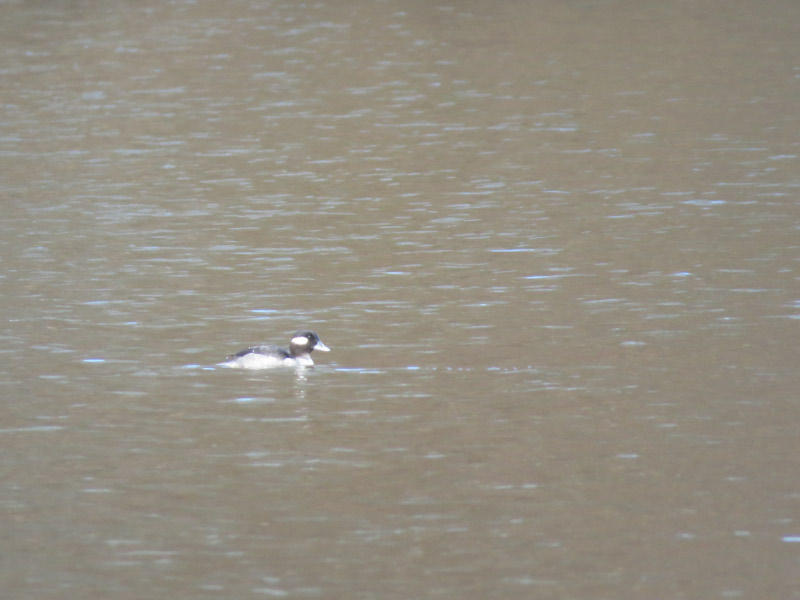
There was a female bufflehead was periodically visible. Buffleheads are diving ducks that are very hard to photograph while they are feeding.

2018 12 IMG_0583.jpg
I managed to capture a sequence of the bird just after it surfaced…and then it dove again!

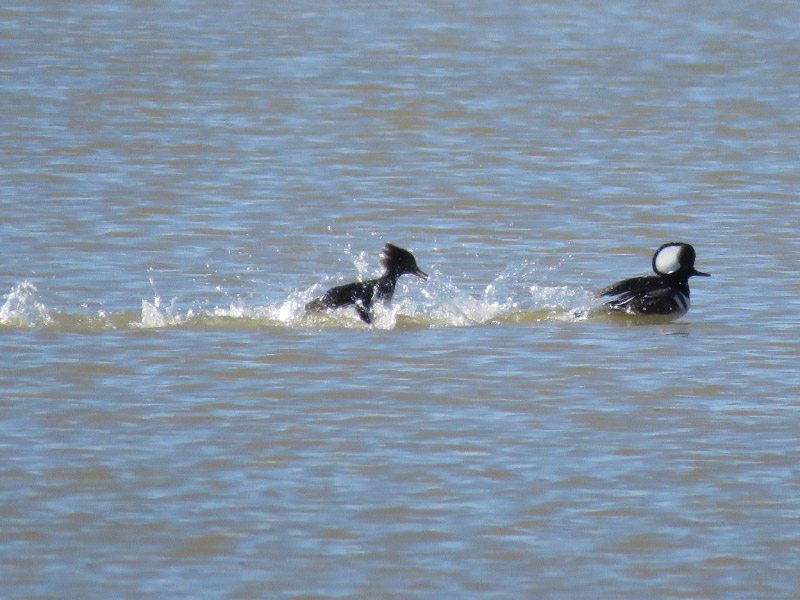
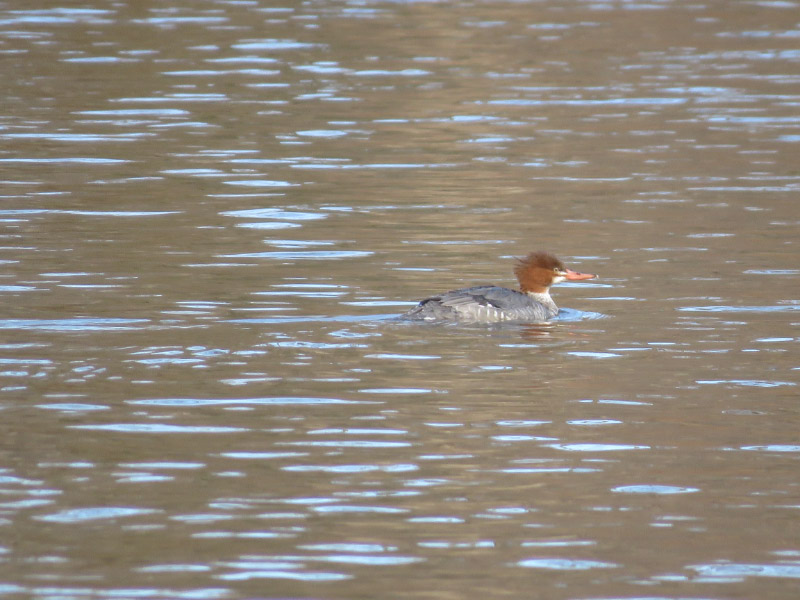
The third bird I saw on the water was a female common merganser. This bird was not feeding but quickly swam further away than I could follow with my zoomed lens.

2018 12 IMG_0588.jpg

That was it – less that a dozen Canada geese and then two lone ducks!

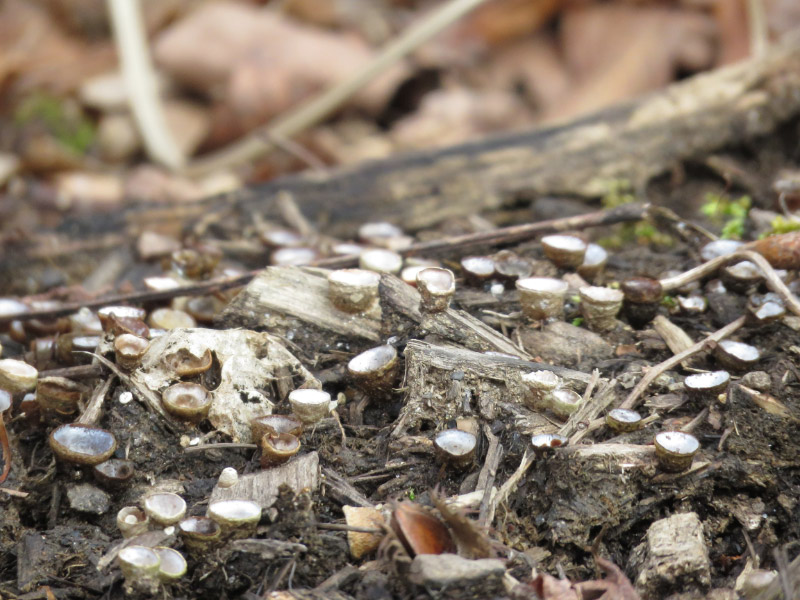
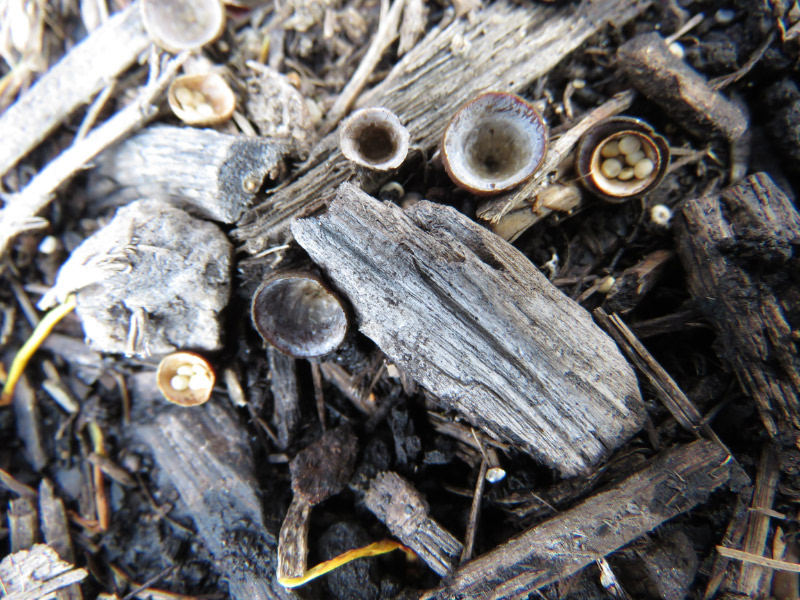
Walking back toward the car, I photographed some old birds nest fungus. There were still some ‘eggs’ in some of them…but probably thoroughly dried out by now.

There was also a very robust lichen on a dogwood tree. With all the extra rain we have recently the lichens and mosses are bigger and brighter than usual.

2018 12 IMG_0633.jpg

Gleanings of the Week Ending December 29, 2018

The items below were ‘the cream’ of the articles and websites I found this past week. Click on the light green text to look at the article.

From High Above, A New Way of Seeing Our Urban Planet - Yale E360 – Cities – growing and growing. It is mind boggling that urban population has grown from 751 million in 1950 to 4,200 million today.

How changing labs revealed a chemical reaction key to cataract formation: Researchers studying eye lens find a new function for a protein previously thought to be inert -- ScienceDaily – Learning more about the chemistry behind cataract formation….not a treatment yet but better understanding can be the path toward slowing or more targeted treatment of cataracts.

Curious Kids: What are some of the challenges to Mars travel? – A series from The Conversation (in Australia) for children…but interesting to adults too. Kids ask the best questions!

A DOZEN WAYS FAMILIES CAN #OPTOUTSIDE EVERY DAY OF THE YEAR | Children & Nature Network – I’m on a role with the child focused gleanings right now…I would add to the list: find easy access natural spaces (near where you work or live) and visit them as often as possible.

VIDEO: We Hope Your Day Is As Great As This Snow-Loving Panda’s: NPR – Pandas are such a visual treat. This is Bei Bei at the Smithsonian’s National Zoo back in November.  My husband and I missed the snow (we were in New Mexico).

Top 25 Wild Bird Photographs of the Week: Owls – National Geographic Blog – 2018 was my first sighting of barn owls in the wild…awesome.

Ragweed Is on The Move – National Geographic Blog – Not such a big change in the south….in Kansas City the season is prolonged by 23 days. For those people allergic to ragweed…that is a miserable trend.

Some health related posts: Blood pressure: Early treatment advised by US guidelines has no survival benefits -- ScienceDaily and Your heart hates air pollution; portable filters could help -- ScienceDaily – At least the second one was actionable; I now have a portable filter in my bedroom and I think it is reducing my cat allergy – maybe more.

Aerial photos of U.S. national parks from space – I love national parks. Everyone I have been to has had something spectacular to offer. It’s sad that they are all mostly closed (if the bathrooms and visitor centers are not open….they are closed) for this week (partial government shutdown).

How do different light bulbs work? – in C&EN | Compound Interest – Light bulbs have changed a lot during my lifetime. Hopefully now we are on track to have bulbs that are closer to the natural sunlight spectrum so that the light does not cause eye or sleep problems.