YE Thinking: Reducing Plastic

It’s impossible to stop using plastic completely – but I am reducing in every way that I can. Plastic on our land or in our water is not a good thing and it is a totally man-made problem that is becoming more apparent every year. Here are my strategies for reducing my plastic footprint at the end of 2018:

Buy products in containers that are not plastic (i.e. milk in cartons rather that plastic jugs, lemon juice in glass jar, peanut butter/preserves in glass jars).

2018 12 IMG_0669.jpg

Always have reusable shopping bags handy. This was probably the first strategy I implemented, and it’s been over 10 years ago now. It was very easy for the weekly grocery shopping. Doing it for the quick trips of one or two items - and to stores other than the grocery store – happened over time. I now carry a small bag in a stuff pocket attached to my purse.

2018 12 IMG_0668.jpg

Put produce in reusable produce bags. The challenge is that the labels spewed out by the scales don’t stick to the fabric…so I have a pad of paper to stick them too and the checker easily scans them when I am checking out.

Avoid single use plastic utensils. Go with plastic that can withstand many passes through the dishwasher or stainless flatware. My husband and I have travel sporks that we use for picnics on road trips.

2018 12 IMG_0663.jpg

Make your own body wash with slivers of soap with water in a plastic bottle (I have a bottle from purchased body wash that I like for it’s shape….it will last for several years replenished from time to time with bar soap slivers!)

2018 12 IMG_0665.jpg

Stop buying soft drinks and bottled water. I have been surprised at how easy this is to do for me. My husband is still working at it. It’s a healthy choice too. I carry my travel mug almost all the time – usually with just ice water. Another plus – it can reduce ‘grocery’ costs.

In the end – plastic is unavoidable. I try to choose plastics that are easier to recycle in our community.

  • Our recycling does not take clamshells like salad comes in so I rarely buy salad in that form. I buy the bundled organic full leaves (or plant) and put it in one of my reusable bags….or in a container that I can recycle (like a plastic bag).

  • I buy popcorn in a plastic bag rather than plastic container since I am more confident that the grocery store where I return clean plastic bags gets them recycled than the vendor that processes the multi-stream recycling picked up at our curb.

  • If there is an option to buy something I use frequently in a larger container (both plastic), I buy the larger container. My rationale is that larger containers probably get through the recycling process and into the correct bin (i.e. plastic) to be recycled.

One strategy that has helped me reduce the amount of plastic we are using is to look at what we put in our trash or recycle bins. I am fast approaching the point that I’ve done what I can do until packaging changes and I have more choices – choices that don’t include plastic.
YE thinking: Blog Evolution

2011 12 blog snap.jpg

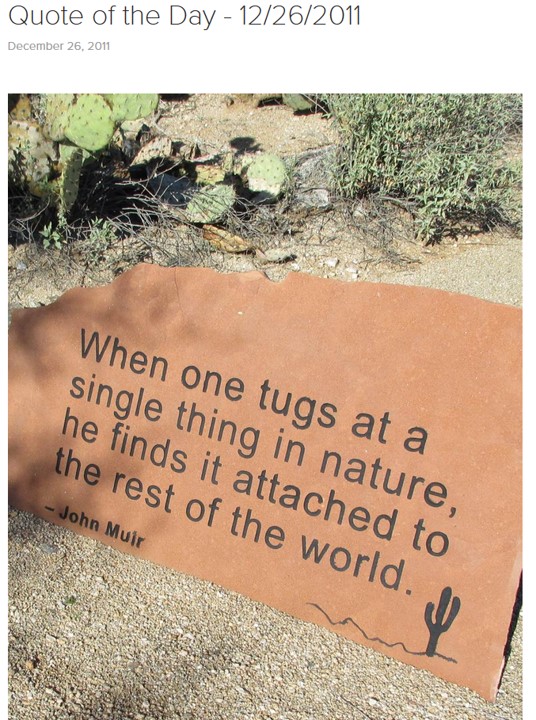
My first blog post was back in November 2011. I recently went back to look at some of the older posts and did the mental exercise of noting what has changed…what has stayed the same. Some of the early posts started out with quotes like this one from the day after Christmas 2011. There was more text than pictures in those early posts.

The 10 characteristics of a matriarch…and me…haven’t changed. I’m more settled in all of them now than I was 7 years ago:

  1. Past the drive to make a living. The prime drive to establish oneself in the world and make an acceptable home is probably from ages 22-55. It can vary but there comes a point in life where the focus on a career shifts to something else much more integrated with everything else life has to offer because the hard work has paid off and the prospect of doing something completely different can take precedence.

  2. Children are living independently. Until ones children are living independently, you are a mother rather than a matriarch!

  3. Healthy and full of energy. Matriarchs have retained their health through lifestyle choices and care for themselves. They often appear younger than they are because of their attitude toward life and their energy pursuing whatever interests them.

  4. Understands herself better than earlier in her life. The changes that occur as children become independent and the long term career ends (usually intentionally) forces a period of contemplation about what is truly important for the next phase of life. The answers don’t particularly surprise our matriarch…she views the time to think about it to be the tremendous luxury of the in-between days.

  5. Self-actualized decisions. As a teenager and adult, she may have followed the advice of her parents or mentors or managers. All that was good. Now she is much more in the mode of making her own decisions with inputs from others not being quite as important as they were earlier in her life.

  6. Post-menopausal (i.e. past child bearing). The joy of not having a monthly rhythm…feeling great all the time!

  7. Knows how to live within her means. Whatever her financial situation, she knows exactly how to make ends meet and sustain her home. After all – she plans to live to be 100.

  8. Assertive. She is nice about it, but she is savvy and does not let people take advantage of her unfairly.

  9. Lots of self-discipline. She gets up fairly early in the morning because she is enthusiastic about getting started on the activities of her day. Her rhythms of communication with the people she loves are consistent and thoughtful. The interests she develops are wide ranging and shared as she develops relationships with like-minded others.

  10. Married. She is known for her long duration relationships….most notably a spouse…although it could be friends as well. If she is widowed she does not live in the past but she may not feel it necessary to form a new relationship that cannot rise to the same level of shared history.

I would add at a couple more characteristic based on my last 7 years:

  1. Giving back. Matriarchs are always looking for ways they can be a positive influence in their community and the broader world through volunteering time (and/or money).

  2. For the long term. At some point, taking a more strategic view of the world becomes easier. That translates into living my life thoughtful of what will continue after I am gone. It is the way of savoring the present cognizant of the impact on the future of people and the world.

The weekly gleanings posts appeared almost from the beginning but my picks have shifted a bit toward more visual and science rather than technology.

20181031_003107764_iOS.jpg

I started a monthly doodle post in 2012 then there was a lull after mid-2013 until I took a Zentangle class in January 2015 and started the month Zentangle post. Behind the scenes prep for the post changed over time from taking photos to scanning then to digital tiles on the iPad using the Apple Pencil beginning last spring.

Coursera came along not that long at a good time for me and I enjoyed courses that I’d not been able to take back in my college days. My posts about them started in 2014 and continued for at least 3 years. Now I am more focused on conferences and travelling than online courses…although I might go back to them at some point.

Photography has become a bigger hobby to me over the past 7 years and the blog is a major outlet for my images. When I travel – it’s always with a camera readily accessible. And then I have the illustrations for what I want to write about and a reminder of experience too.

Travel has always been good fodder from blog posts:

  • 2011: road trip from Maryland to Arizona

  • 2012: road trip to Shenandoah National Park in April, Tennessee parks in June, state parks in southern New York in October, Dallas in December

  • 2013:  Arizona in March, South Carolina in April, Norfolk and Richmond in May, Arizona in June, Utah in October, Florida in November

  • 2014: Dallas in March, southern New York parks in May, Newport RI in late September, Chincoteague VA in November

  • 2015: Tucson AZ in January, North Carolina wildlife refuges in April, Dallas in July and again in September, Staunton River State Park (Virginia) for star party in October, Hawaii in December

  • 2016: Tucson AZ in January, eastern shore MD wildlife refuges in March, Dallas in April, Florida in September, Staunton River State Park (Virginia) for star party in October, Festival of the Cranes in NM

  • 2017: Cross country from Maryland to Arizona with a stop in Dallas for my daughter’s conference,  Dallas in March, Pittsburgh in March, Delmarva Birding in April,  Dallas in May, Road trip from Tucson to Pittsburgh in June, road trip from Nebraska for solar eclipse in August,  Staunton River State Park (Virginia) for star party in October, TX for Rio Grande Valley Birding Festival in November, Pittsburgh in December

  • 2018: Dallas in April, Dallas in June, State College in August, Festival of the Cranes in NM, Dallas in December

2018 11 IMG_7491.jpg

I’m sure the blog will continue to change – nothing stays the same and we shouldn’t want it to.  

Zooming – December 2018

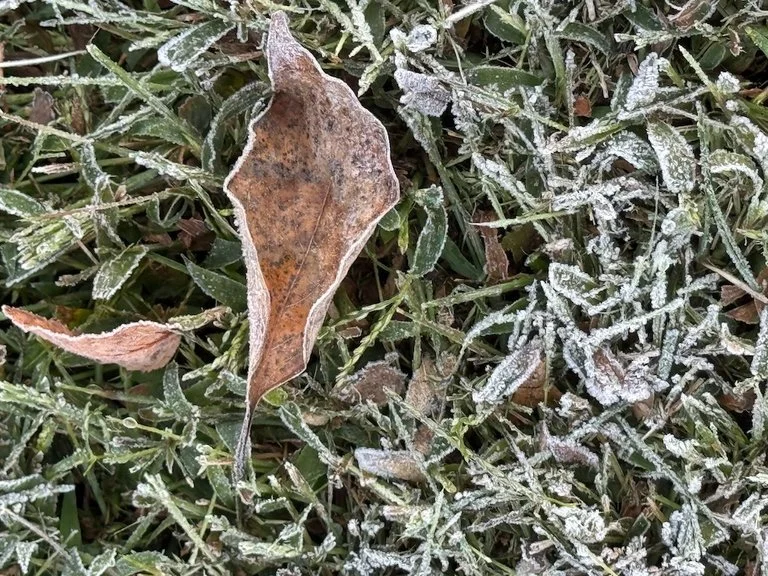
It’s been somewhat cold this month – but no snow yet. I’ve enjoyed photographing our transition to winter using the zoom on my camera to set the frame of the scene and/or to enable me to stay out of the mud (we’ve had lots of rain) or indoors and warm. There is still a little green left…and the sky sometimes seems brighter when its clear and cold. Enjoy the December 2018 Zoom slideshow!

Ten Little Celebrations – December 2018

It was easy to find 10 little celebrations in December before today. I divided the month into three segments: before I went to Texas, in Texas and then after I got back from Texas.

20181201_135826.jpg

Before I went to Texas there was the Howard County Conservancy’s Natural Holiday Sale (ate lots of cookies and bought suet garlands from the garden club),

2018 12 IMG_0046.jpg

A glorious hike along the Trolley Trail between Banneker Historic Park and Ellicott City,

The Maryland Water Monitoring Conference and managing to find a replacement travel mug in a store (since I didn’t have time to wait for an online order before I left for my travel to Texas.

While I was in Texas, I enjoyed the birds at Josey Ranch Lake,

IMG_0451.jpg

Two sunrises (the first and last mornings in Texas!),

Listening to vintage to modern Christmas music…getting in the mood for Christmas and making progress on a Christmas themed jigsaw puzzle that took us almost the whole week to finish.

Afterwards, I celebrated being home again – the usual for me after being away for a week – and staying indoors on some cold, wet days.

Hope everyone is enjoying today’s holiday – Merry Christmas! It’s always of time of year to savor.

2018 12 IMG_0564.jpg

3 Free eBooks – December 2018

I always am challenged to pick just three books from the eBooks I’ve found during the month. There is a lot of variety in my selections this month….from archeology to typewriter art to a story book. Enjoy!

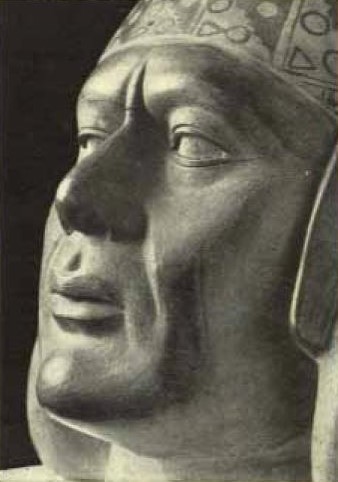
Savill, Mervyn. Pre-Inca Art and Culture. London: Macgibbon & Kee. 1960. Available at Internet Archive here. There are many books that are from the Archaeology Survey of India that are now available on Internet Archive. This one is from 1960. Some of the art looks very exotic but these three busts of rulers look very human indeed.

23j 18 12.jpg

Riddell, Alan. Typewriter Art. London Magazine Editions. 1975. Available Internet Archive here. I can remember making banners on continuous feed printers in the 1970s! I don’t think I ever made anything as elaborate as this cityscape, but this book brought back the memory.

44g 18 12.jpg

Olfers, Sibylee von. The Story of the Root-Children. 1906. The English version was published by Floris Books, Edinburgh in 1990 and the 5th impression is available from Internet Archive here. The illustrations are interesting. Wikipedia has a short biography of the author. She was a German art teacher and nun that created her picture books for her younger sister in the early 1900s. I wish all of her books were available on Internet Archive…even if they were the German editions…since I am most interested in her illustrations.

Travel Day

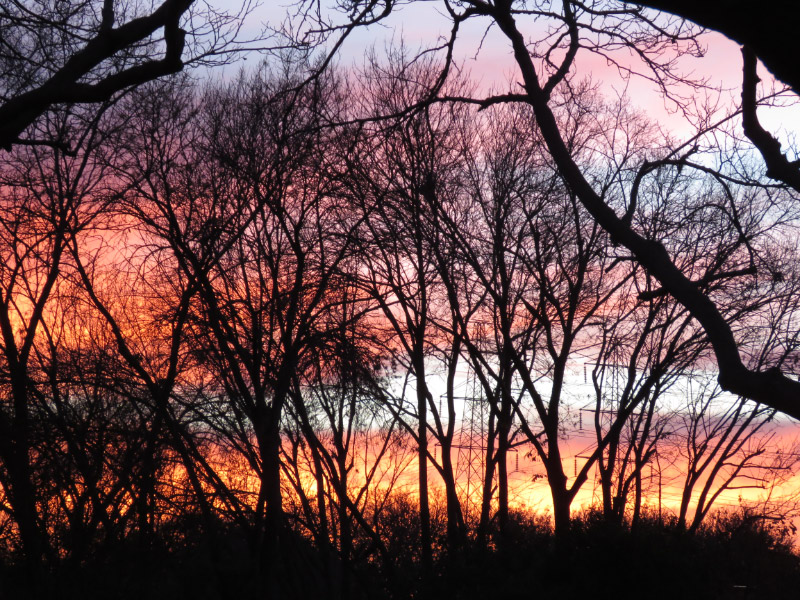
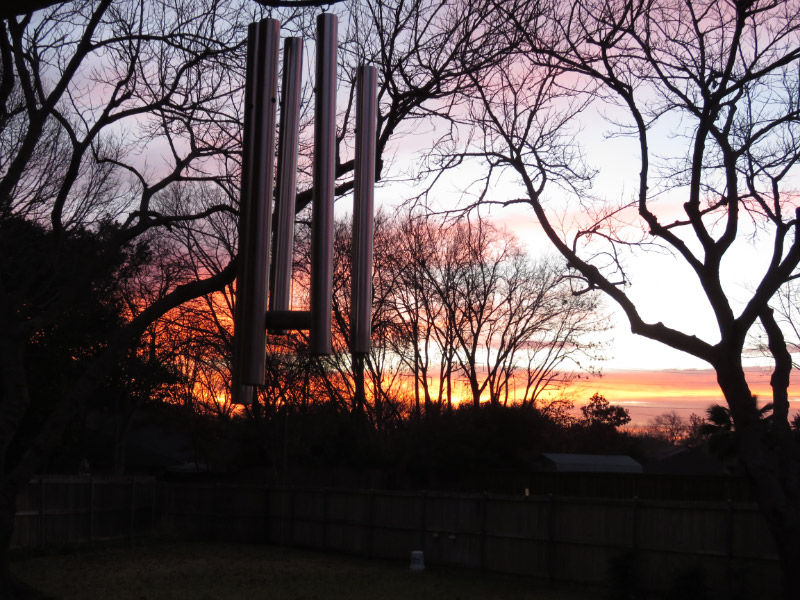
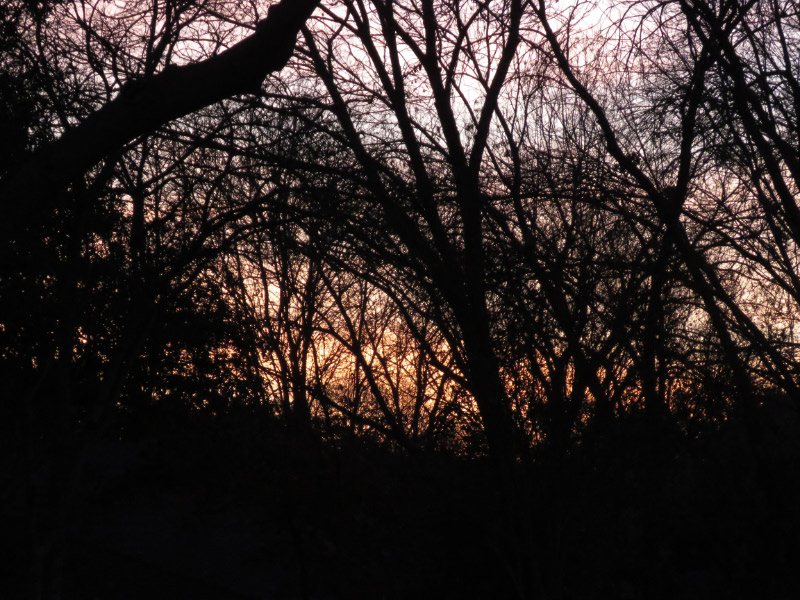
A week ago, I got up in Texas and got ready to fly home to Maryland. As I got my breakfast, I noticed that the sunrise was spectacular. I quickly grabbed my camera to take some pictures from the backyard. The colors were changing fast. There was a little breeze that caused me to notice the windchimes and I decided to take a silhouette of them with the colors of the sunrise in the background.

Looking back toward the house, there were some hazy clouds that reflected the color. What a great start to my last day in Texas!

IMG_0509.jpg

My strategy for the trip was to pack small bags rather than large ones. I was flying on Southwest so there was no charge for checking two of them. I carried my back pack and tote on the plane. The tote was holding a red poncho that I wore on the plane (and is a good substitute for a blanket). The strategy worked well for this trip. It’s great to not have to lift heavy luggage.

20181216_085527.jpg

It felt good to get home later that day. I always savor being ‘home again’ after being away for a week.

Gleanings of the Week Ending December 22, 2018

The items below were ‘the cream’ of the articles and websites I found this past week. Click on the light green text to look at the article.

2018 National Geographic Photo Contest | National Geographic – Galleries of great photography.

Maps Give Detailed Look at Dramatic Land Use Change Over Two Decades - Yale E360 – Land use changes…widespread environmental degradation…between 1992 and 2015.

Himera: One of the greatest archaeological discoveries of recent decades emerges from oblivion - The Archaeology News Network – More than 12,000 almost untouched burials – many from a battle fought between Greeks and Carthaginians in 480 BC. The Greeks were victorious in the first battle but the second battle in 409 BC was won by the Carthaginians and they razed the city.

We broke down what climate change will do, region by region | Grist – No part of the US will be unscathed.

Top 25 Wild Bird Photographs of the Week: Herons, Egrets and Bitterns – National Geographic Blog – Enjoy some bird pictures. Herons and egrets are my favorites to photograph.

How tree rings tell time and climate history | NOAA Climate.gov – A nice summary of tree ring dating…and an example using Mesa Verde.

Amazing Sands from Around the World – Cool Green Science – I’ve seen the Olivine Sand and Black Sand beaches in Hawai’i (on a very windy day….posted about it here). I’d like to see the star sand in Japan.

Grand Canyon National Park Celebrates Centennial Year at Grand Canyon and Around Arizona – 2019 is a milestone anniversary for the park; lots of events to celebrate this national treasure.

Only 12 percent of American adults are metabolically healthy, study finds: Trends help sound alarm for efforts to lower associated risk of types 2 diabetes, heart disease and other complications -- ScienceDaily – Not a good statistic since the long term risks of diabetes, cardiovascular disease and other serious health issues are higher for those that are not metabolically healthy.

Rethinking Raw Milk, 1918 | The Scientist Magazine® - Alice Evans and the path toward avoiding milk borne diseases. Her work was published in 1918. Draft ordinances for states and localities to implement pasteurization requirements for milk to be consumed by humans were written in 1924. The first federal pasteurization law was passed in 1947…saving lives and millions of dollars in public health costs.

Josey Ranch Birds – Part II

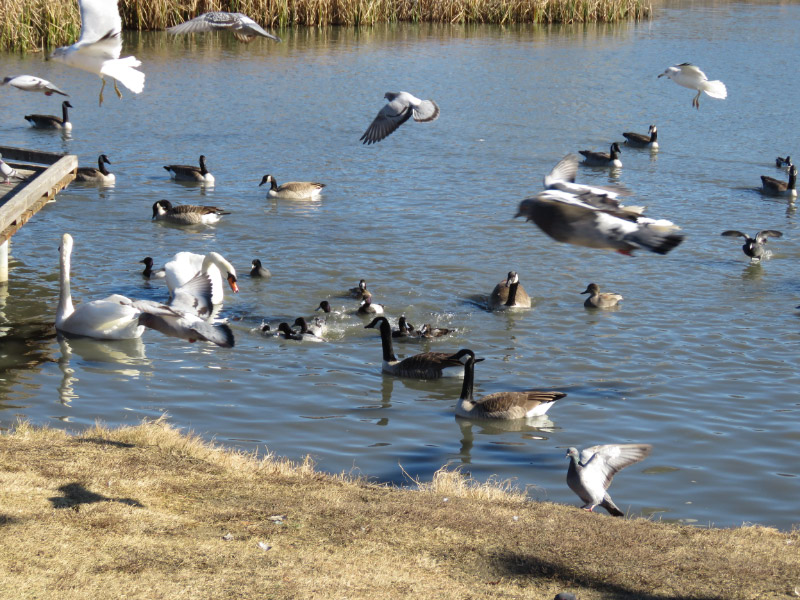
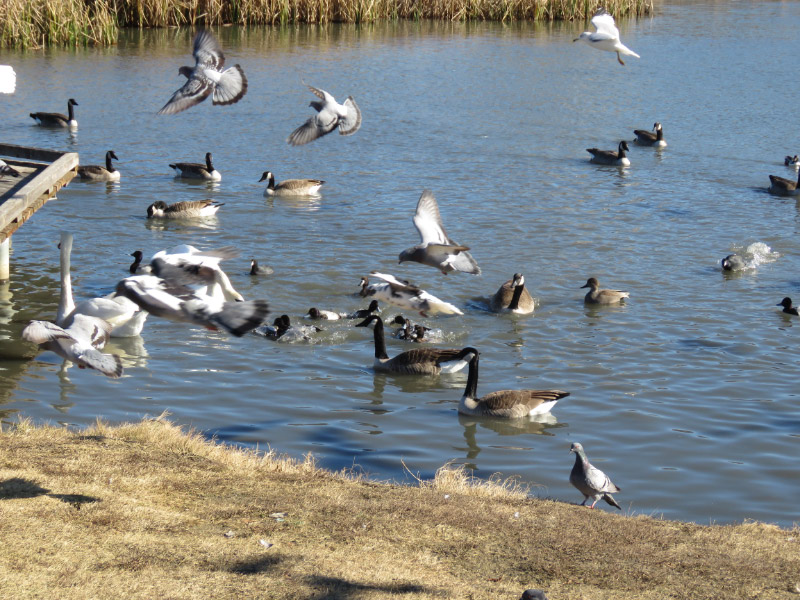
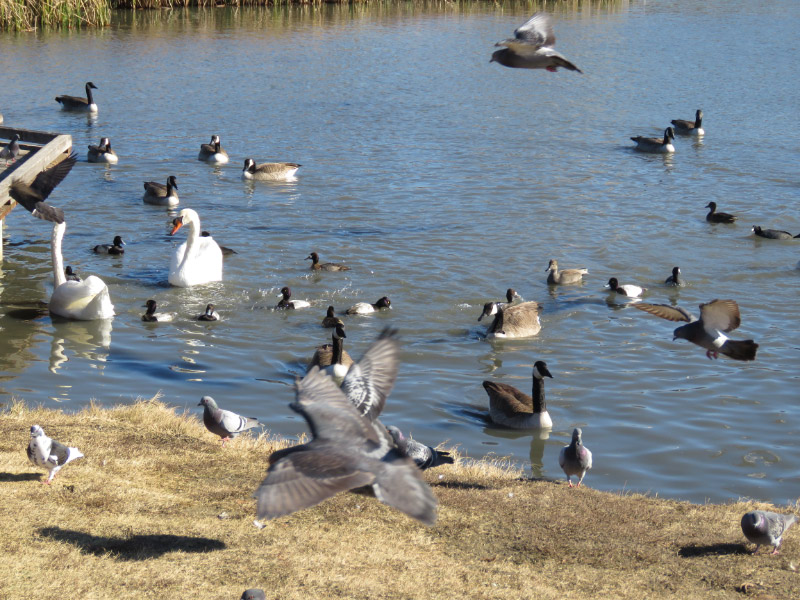
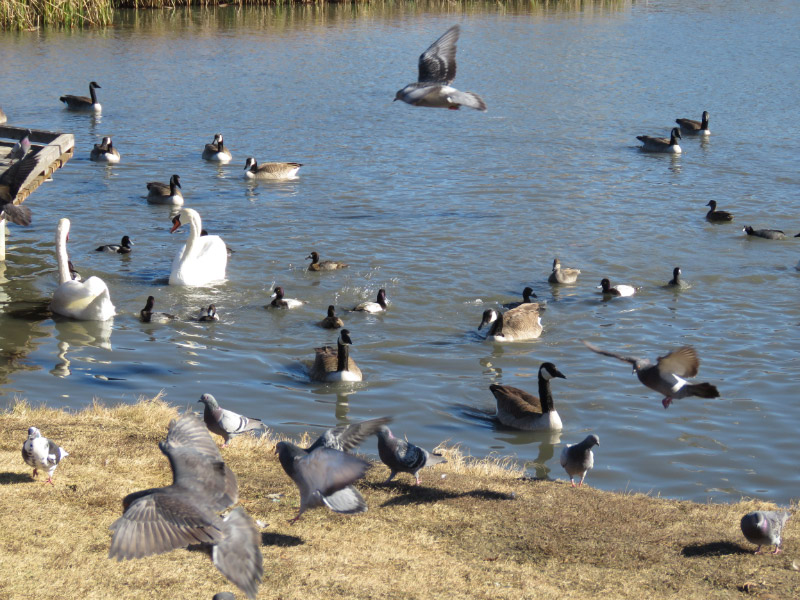
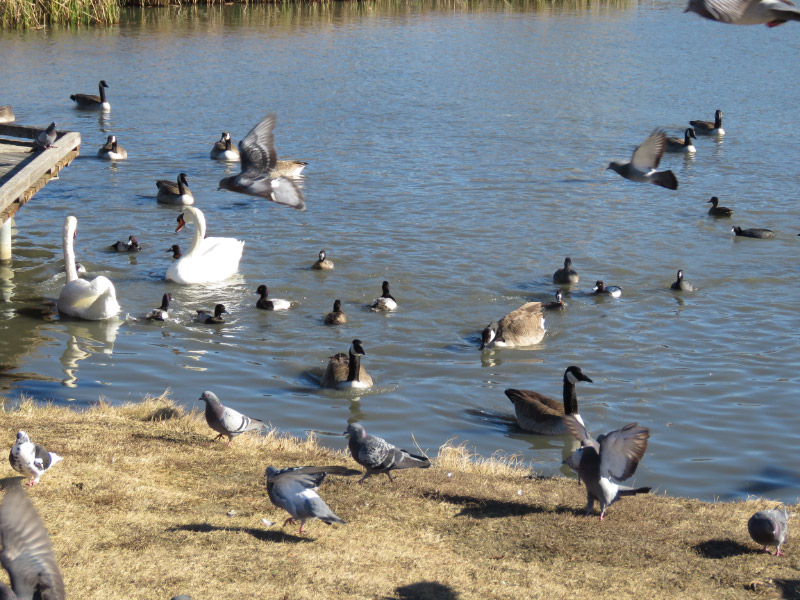
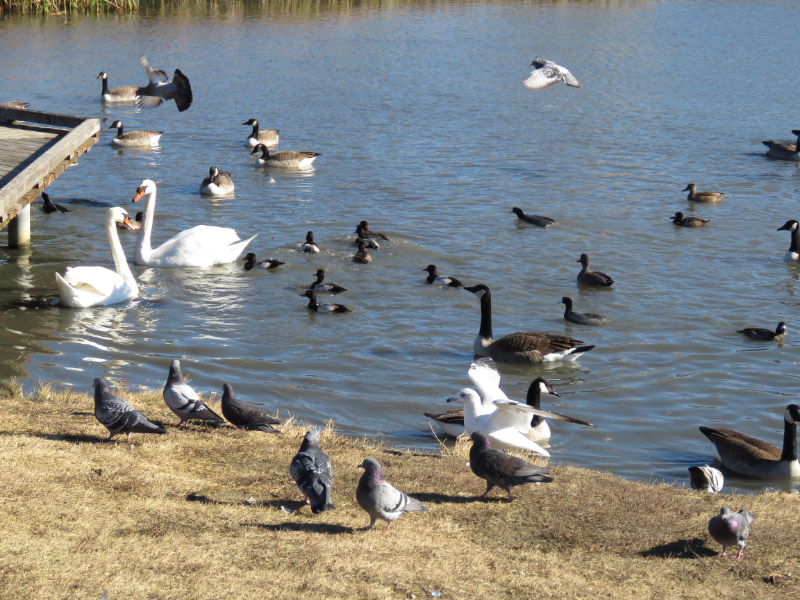
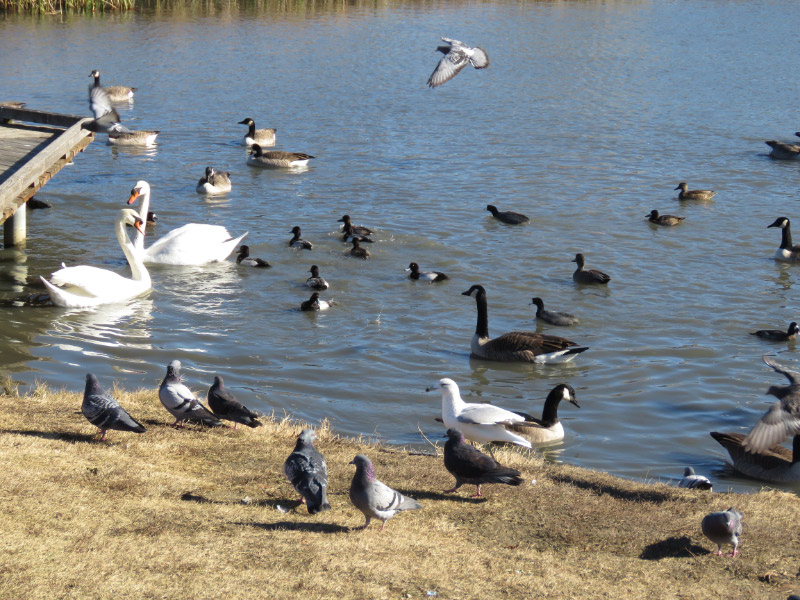
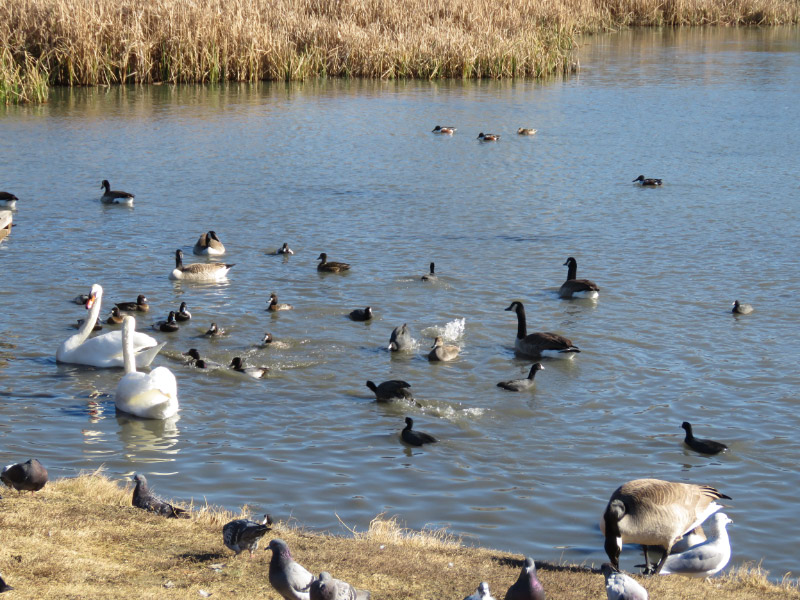
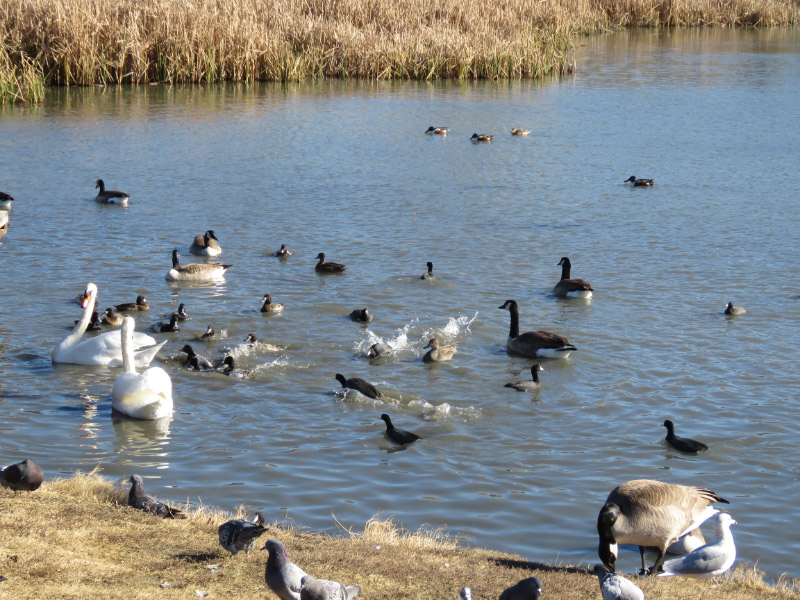
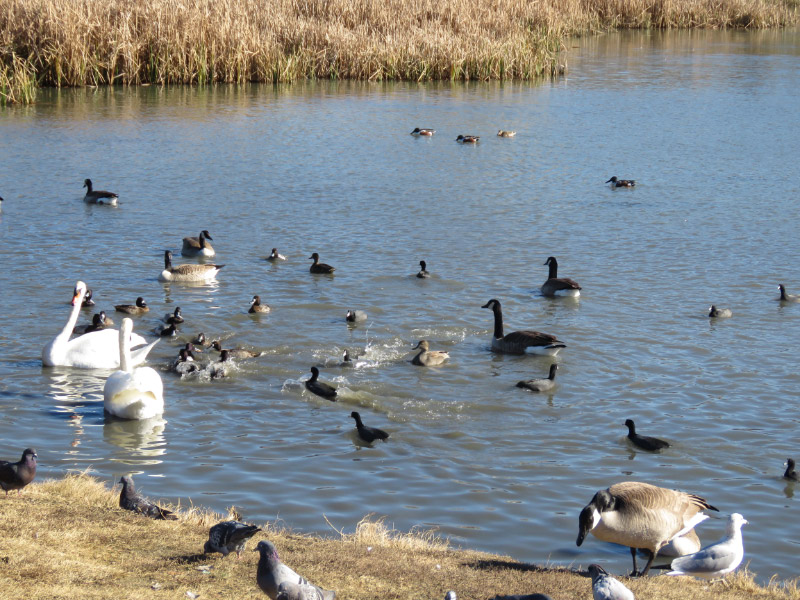
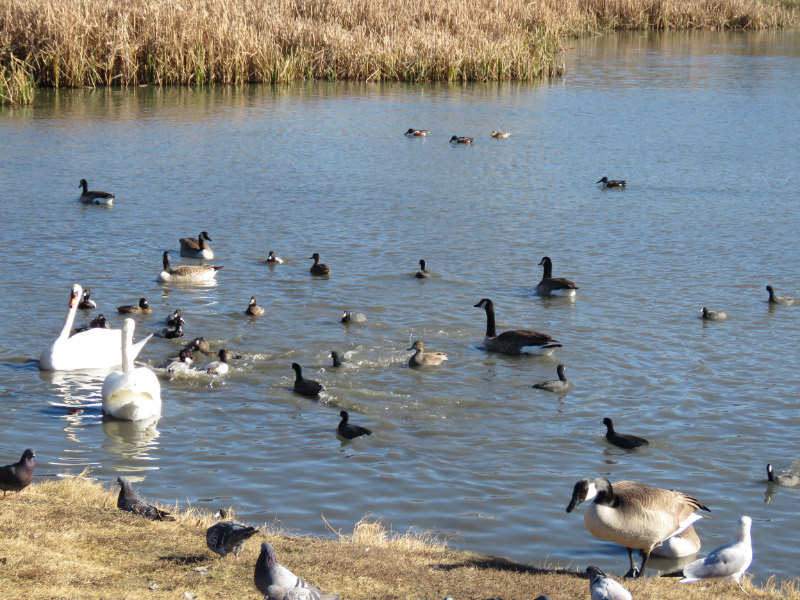
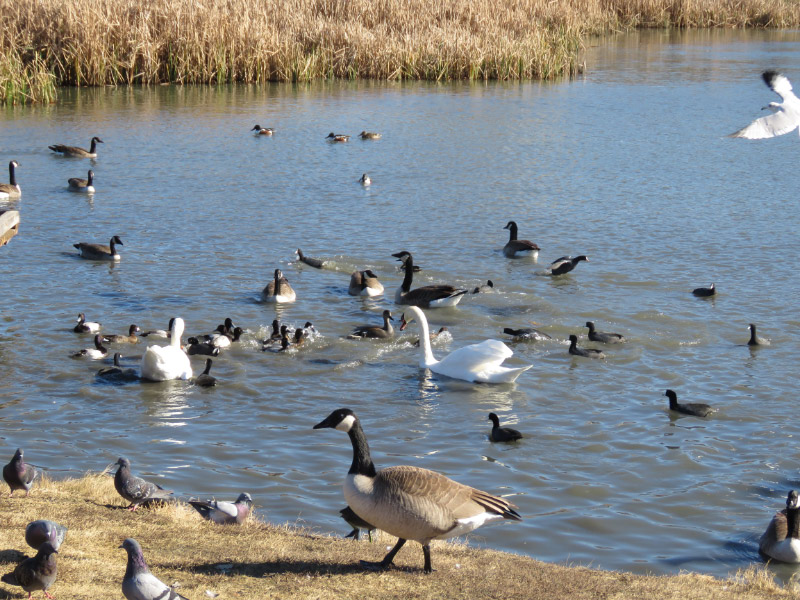
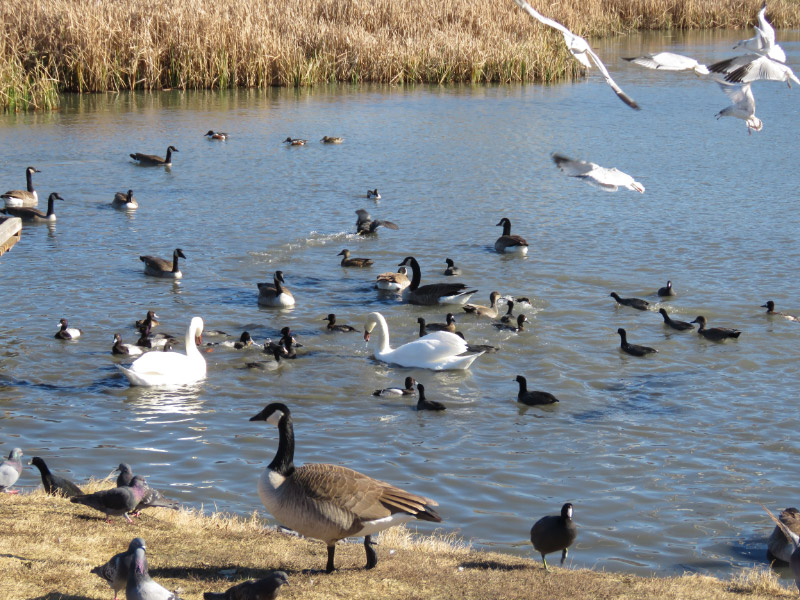
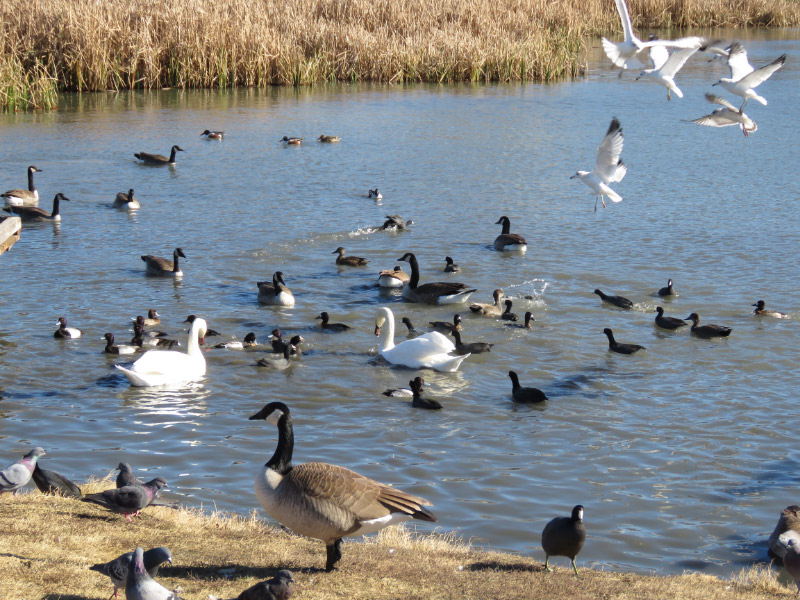
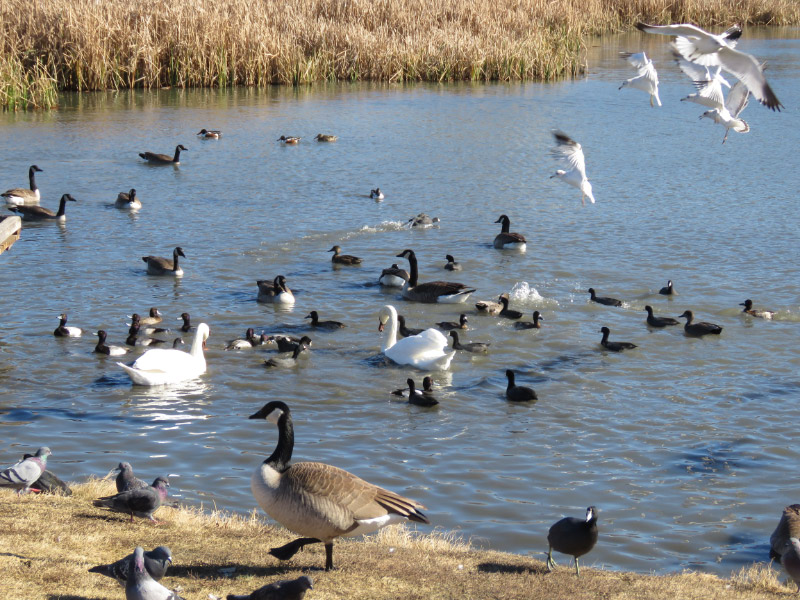
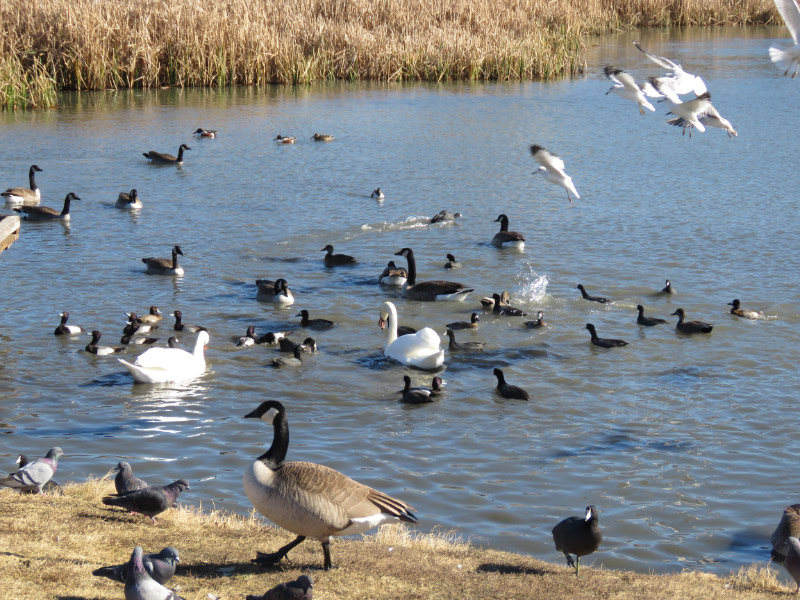
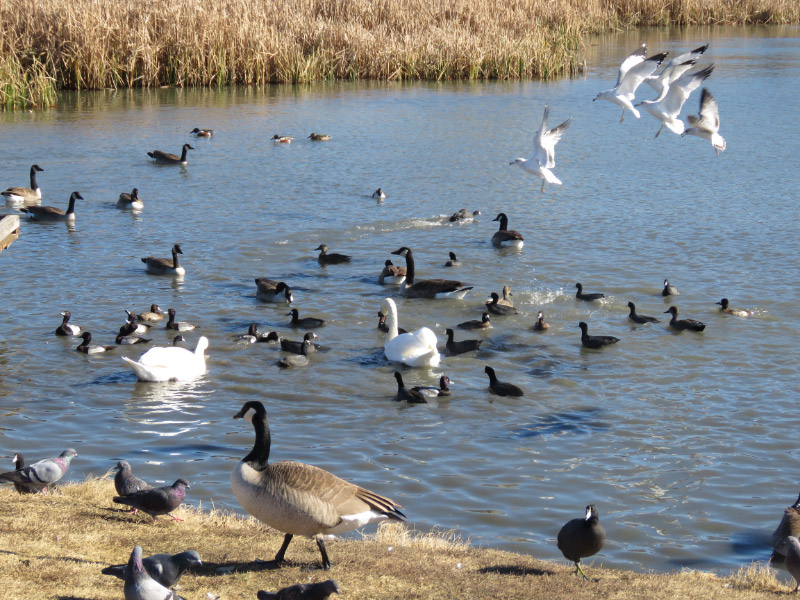
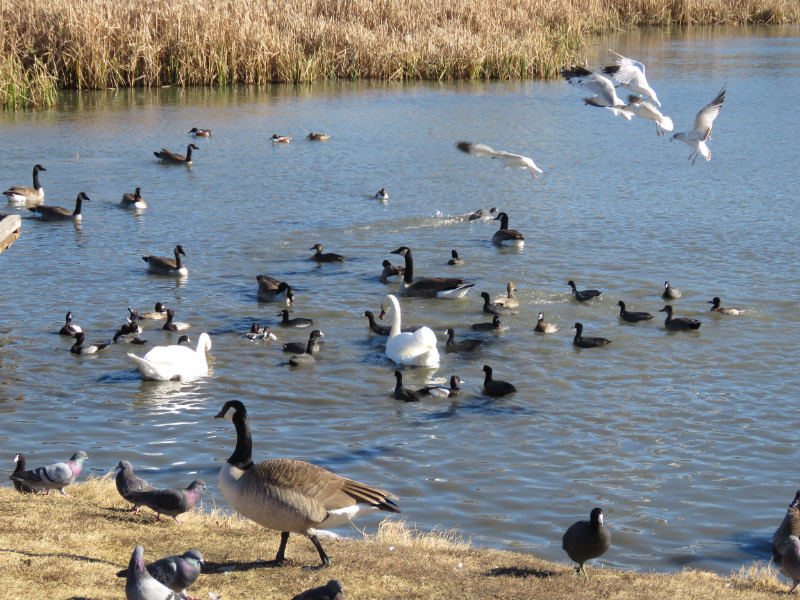
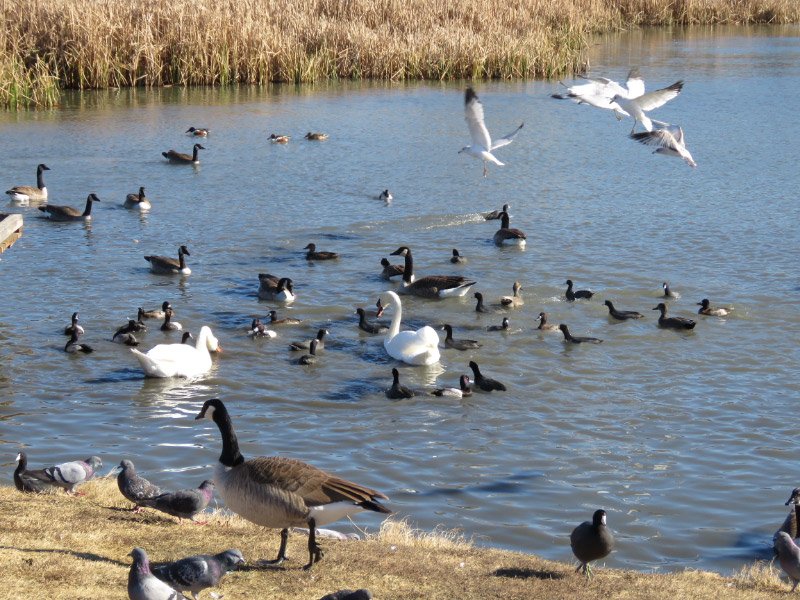
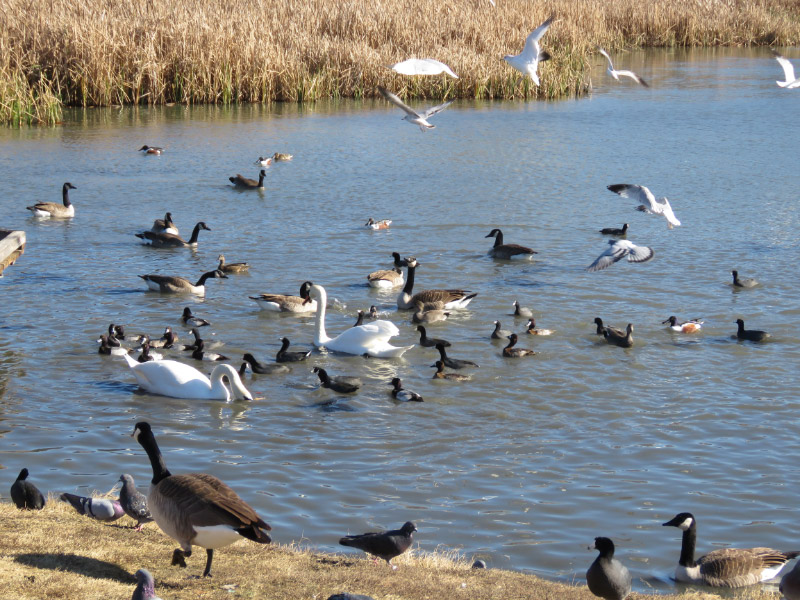
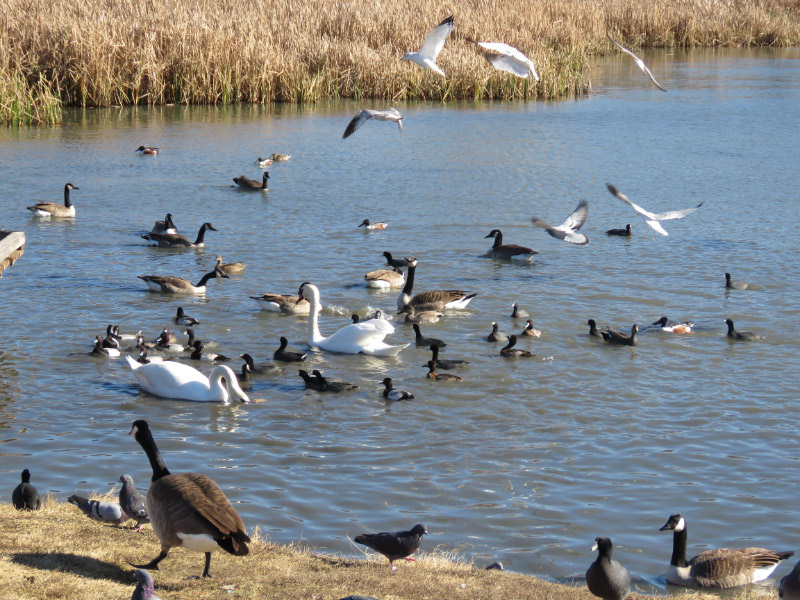
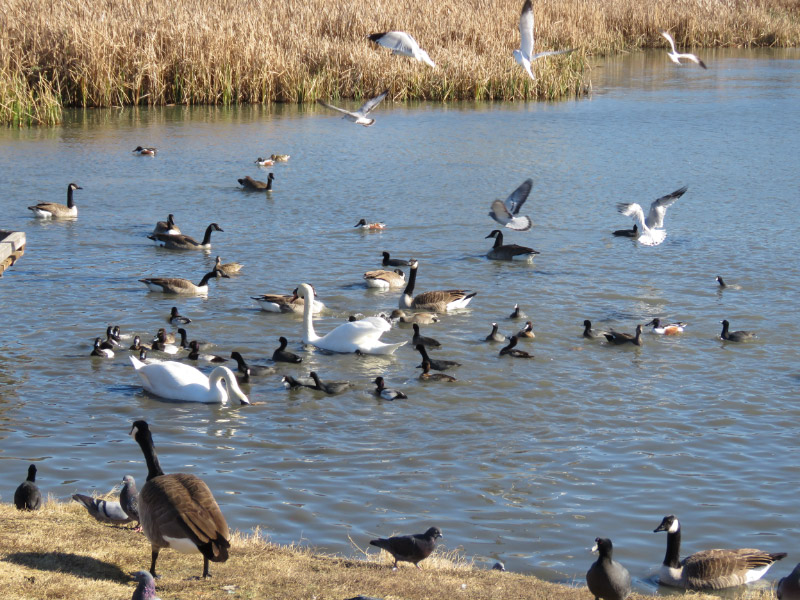
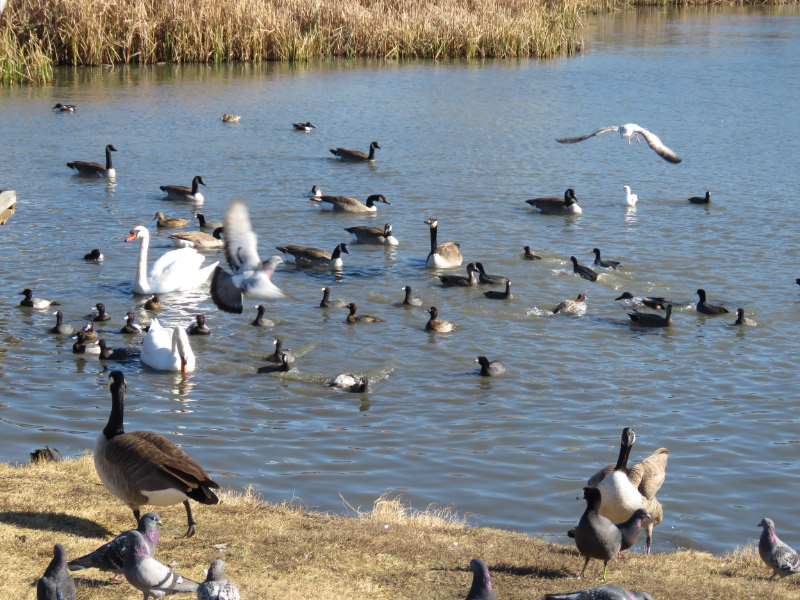
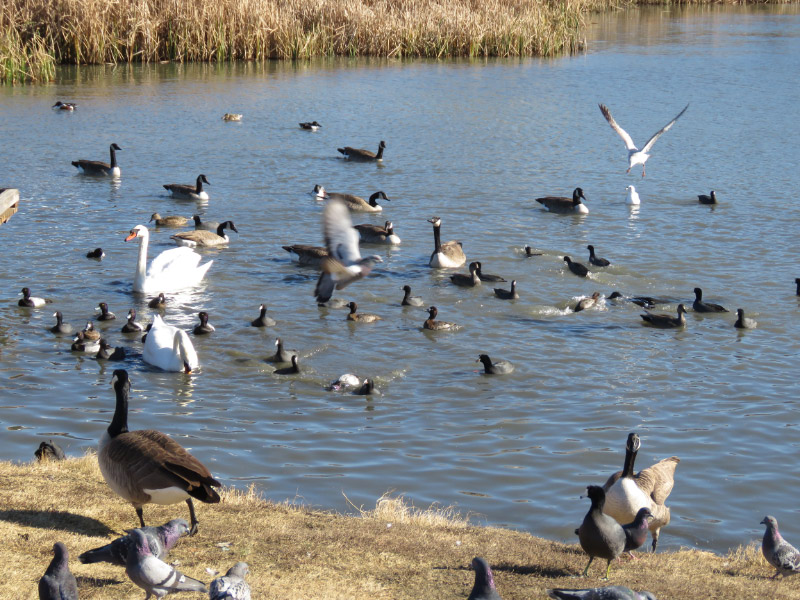
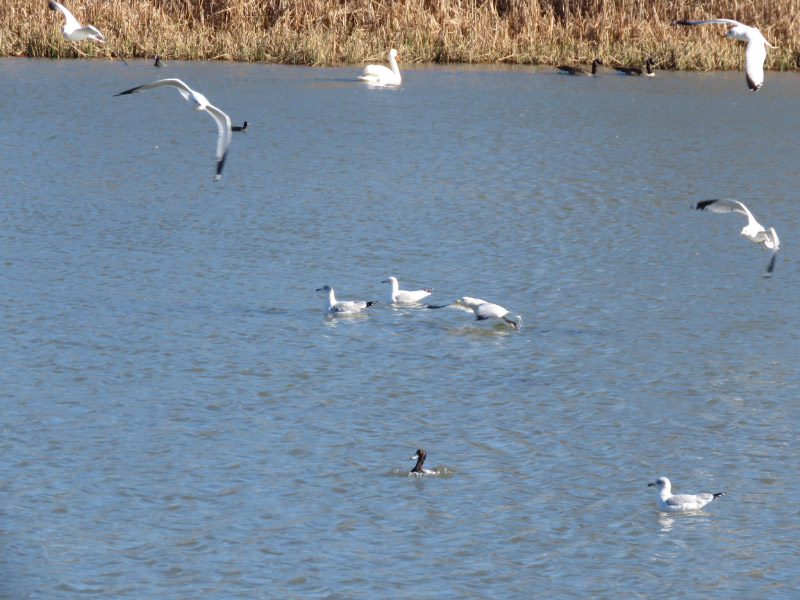
There was finally another sunny day in Carrollton TX and I headed over to Josey Ranch Park again. I was lucky enough to arrive about the same time two women arrived with food for the birds. Two swans were at the boardwalk before the women could make their way from the parking lot to the boardwalk; the swans must recognize the signs of a forthcoming meal. The pigeons and seagulls flew in quickly.

After the crowd of birds gathered to enjoy the feast – the coots seemed to be arguing – chasing each other and churning the water. The northern shovelers in the background did not hurry over like the other birds.

How many birds can you identify in this picture? (see the bottom of this blog post for the most prominent ones). This is a good picture to see the relative size of the birds as well.

IMG_0398.jpg

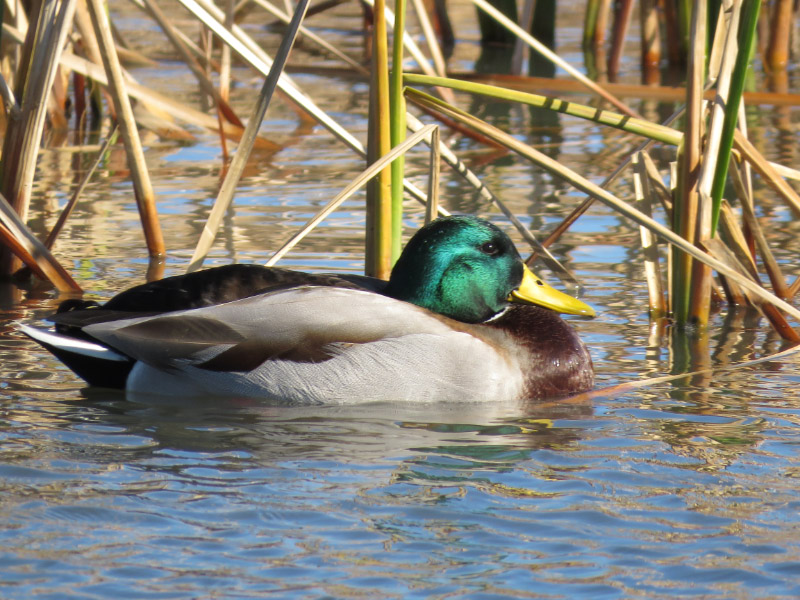
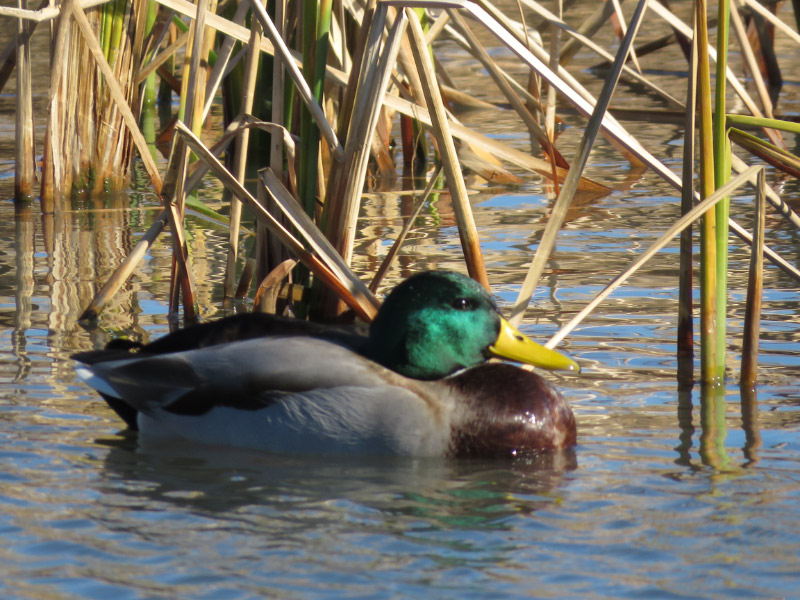
There are not very many mallards at the lake this time of year. The light changes the green coloring of their head; sometimes the feathers look black!

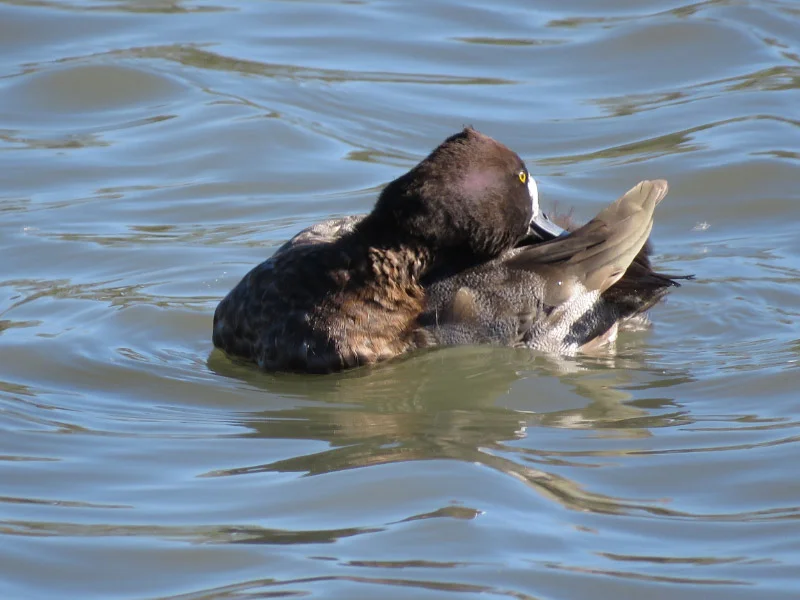
Lesser Scaups are more prevalent.

The Great Egret is there every time ago – must be a resident.

IMG_0478.jpg

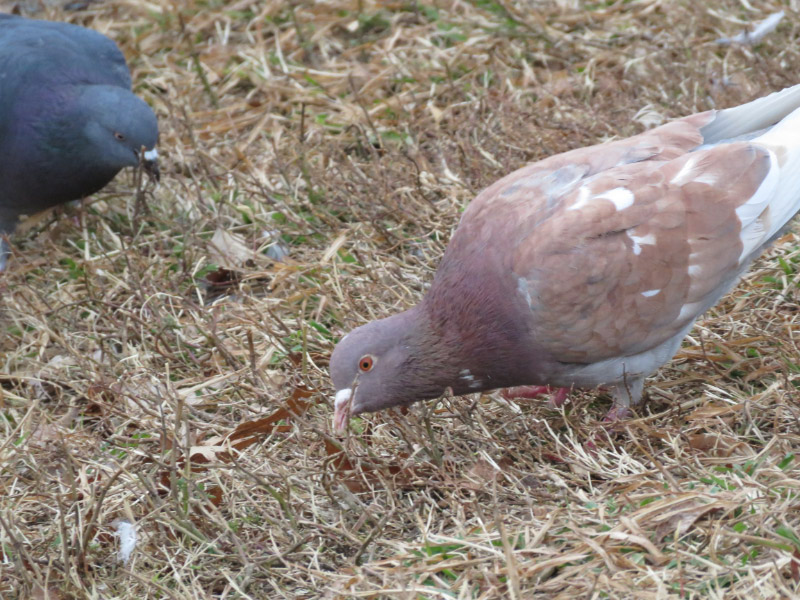
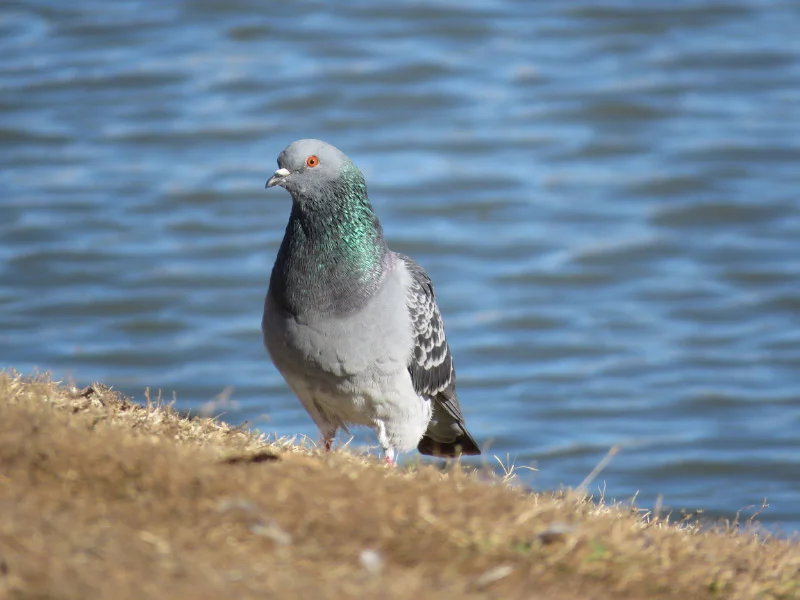
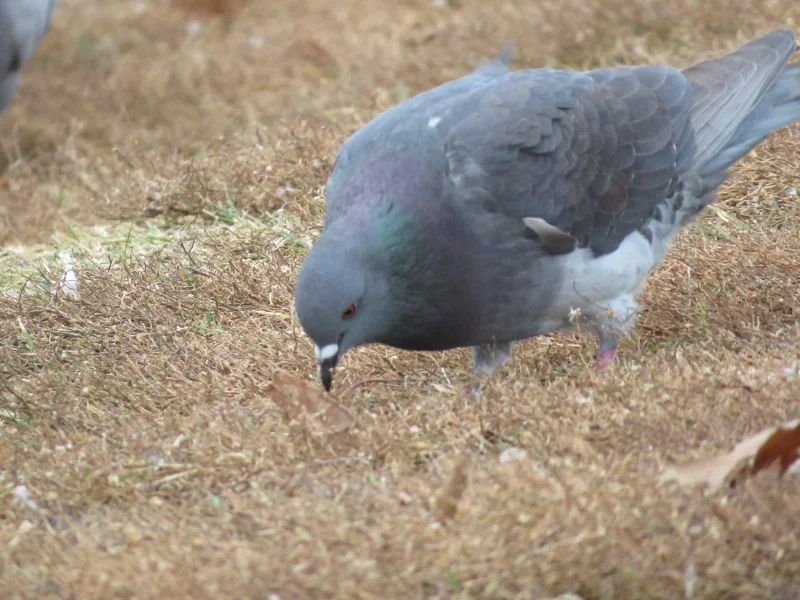
Pigeons are on the roof of the nearby senior center and library except with there is food! Iridescent neck feather and red eye – oh my!

The Northern Shovelers are not quite as numerous as the Lesser Scaups and they seem relatively used to people being about.

IMG_0500.jpg

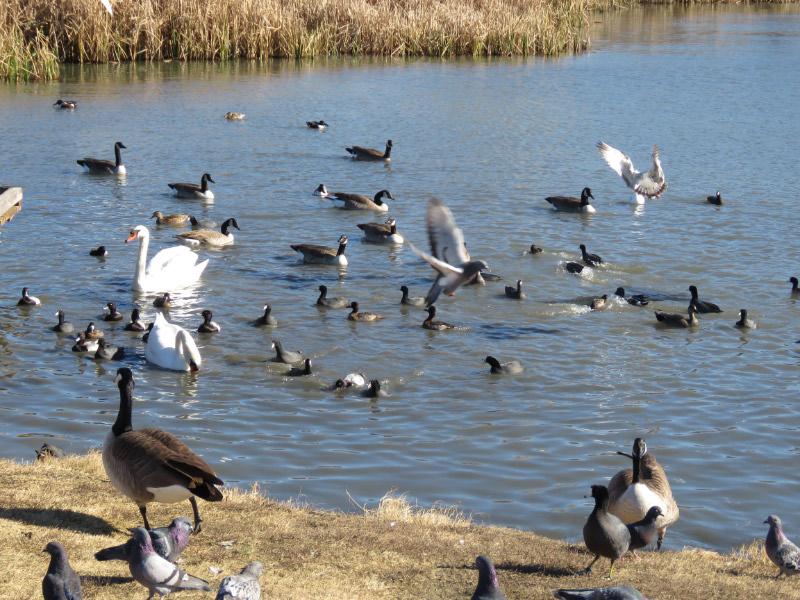
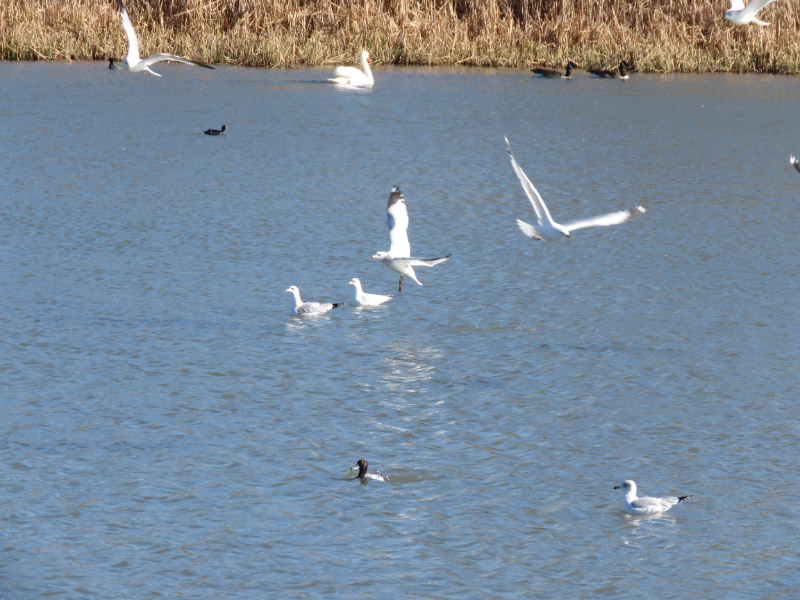
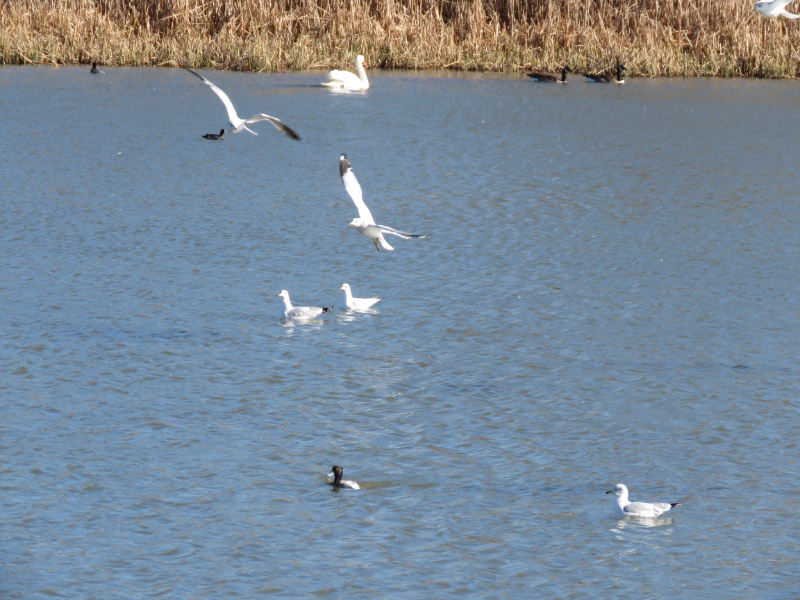
I managed to get a seagull taking off from the lake – watch the one to the center right.

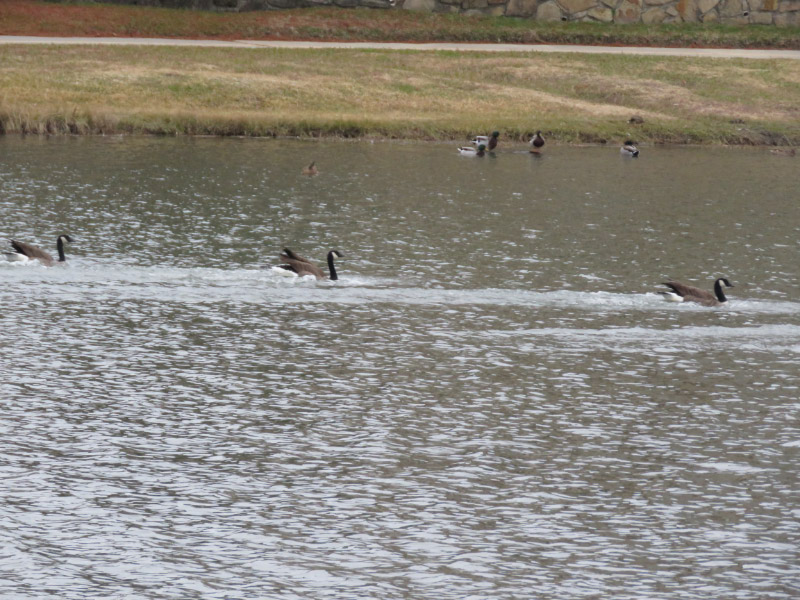
Birds in the ID quiz picture: swan (partial) on the far left, Canada geese in the upper third, ducks with large bills and rust colored sides are male Northern Shovelers, ducks with light sides and brown heads (yellow eyes) are male Lesser Scaups, coot in lower right (black with pointy beak), pigeon (partial) on bottom margin, gull?  Inflight in the upper left.

Rainy Day in Texas

2018 12 IMG_0249.jpg

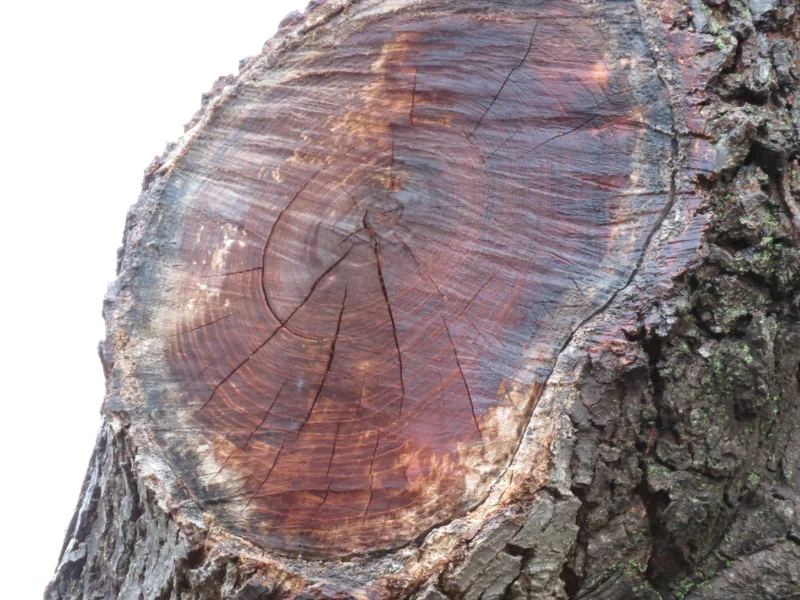
I stood at open sliding glass doors to take some rainy-day pictures last week when I was in Texas. The colors of the wet foliage were bright for such a cloudy day. Even the raw wound from where a big branch had been cut from a tree was colorful.

A squirrel surveyed the yard. I thought the animal might have heard my camera

When it darted off through the treetops.

2018 12 IMG_0275.jpg

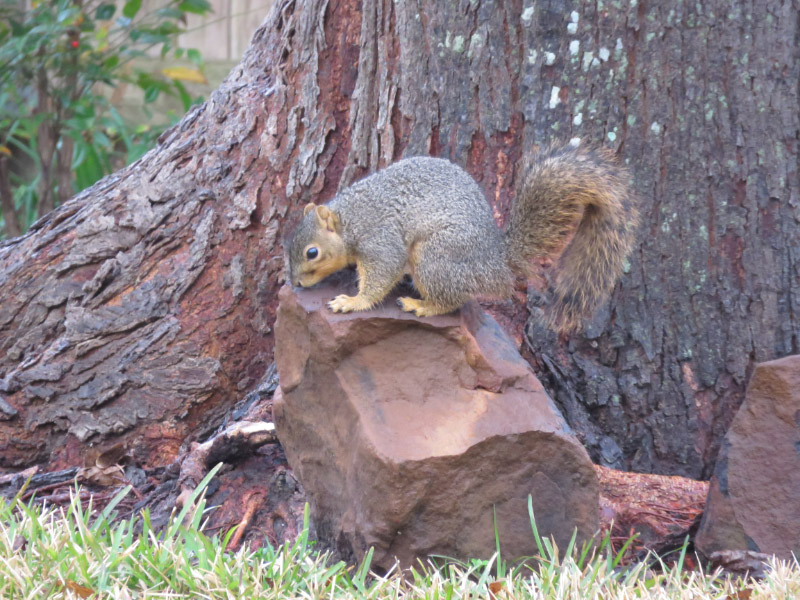
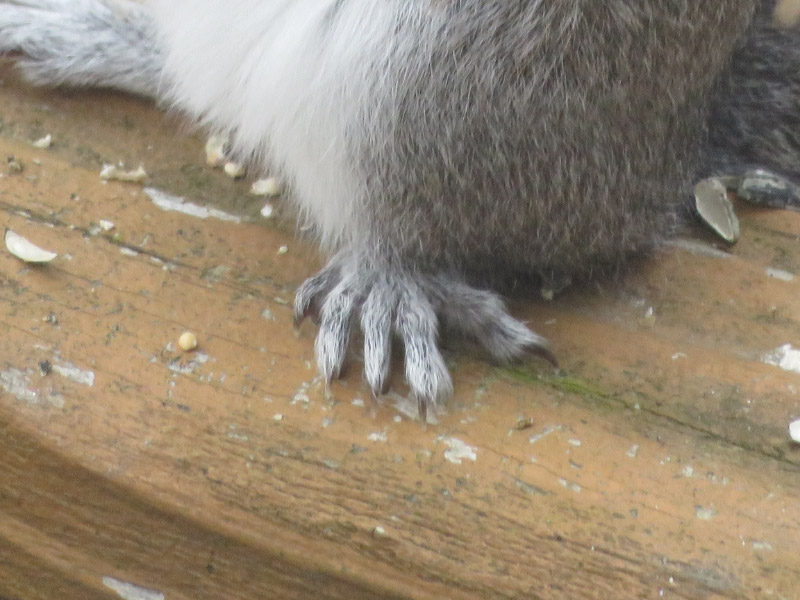
A few minutes later – another squirrel was on the ground. The face and paws looked lighter, but it might have just been the light.

2018 12 IMG_0286.jpg
2018 12 IMG_0293.jpg

A couple of days later, the sun was out again….and I got a different perspective of the garden, but it was cold enough that I took the pictures from an open sliding glass door again…quickly to not let the heat escape from the house.

Josey Ranch Birds – Part I

After the sadness of seeing the dead crow, I headed over to the Josey Ranch Lake to see the birds that were still very much alive. The day was still cloudy…but the birds didn’t seem to care.

There were Lesser Scaup – which I had seen during precious visits to Carrolton during the winter and early spring (February 2015, January 2017, and March 2017).

2018 12 IMG_0147.jpg

The Northern Shovelers are there for the winter as well.

2018 12 IMG_0157.jpg

The Great Egret is there all through the year.

2018 12 IMG_0159.jpg

As are the Mute Swans.

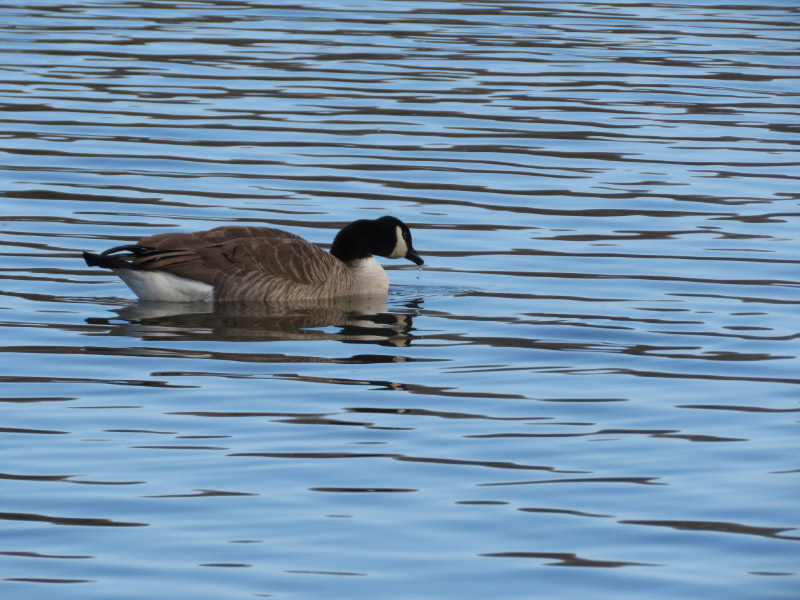
Canadian geese are not as common. I had not seen them before this year at this small lake in Texas.

2018 12 IMG_0172.jpg

American Coots and pigeons were plentiful and sometimes were in mixed groups on the shore.

The sea gulls – far from any sea – seem happier on the water.

Mourning a Crow

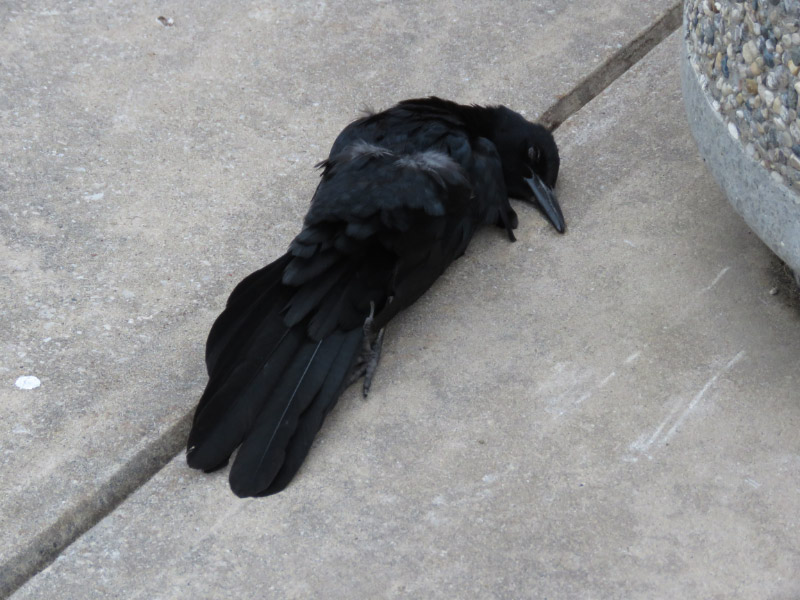
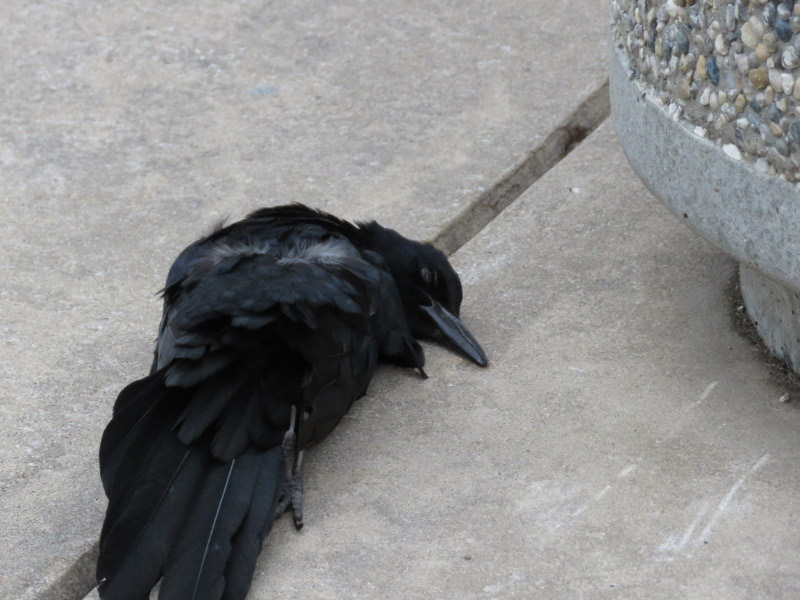
Every time I visit my family in Carrollton, TX, I photograph the birds at the Josey Ranch Lake Park. The first bird I saw last week was near a trash receptacle beside the parking lot….and it was dead. It was a cloudy day to beginning with and finding a dead crow seemed to fit the weather. Seeing a dead bird is not that common; recently I am more likely to find feathers scattered from a predator taking a bird rather than a whole carcass. I mourned the crow the rest of the morning.

I wondered if the bird had died in a collision with a car…or whether it was West Nile Virus again causing crow deaths. My family had commented that they had been seeing more crows and assumed that the population was healthy and growing again.

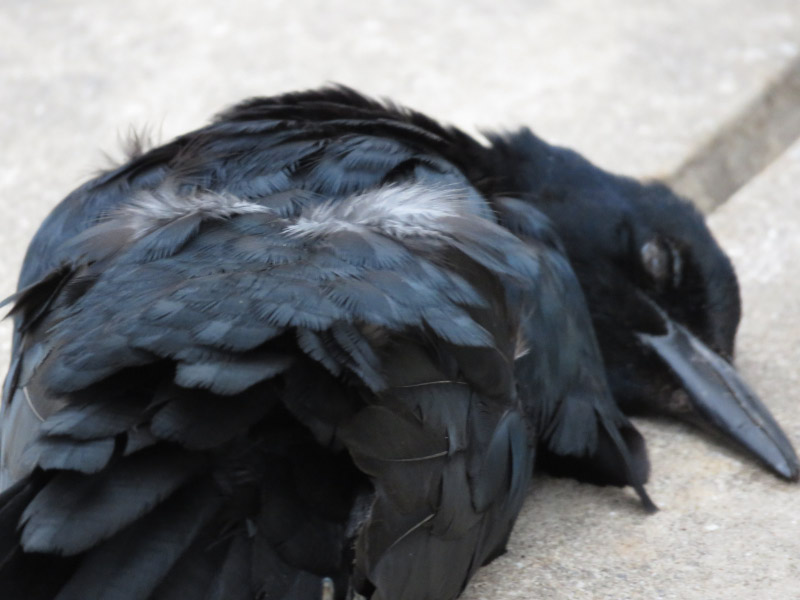
I took the photographs with a zoom rather than getting close…just in case the bird died of an infection of some kind. A few white feathers are visible; evidently that is not so unusual for crows even though most of the time we think they are totally black.

More tomorrow about the birds that were active on the cold blustery day…helped me get over seeing the dead bird first.

Texas Sunrise

I was in Texas last week (Carrollton near Dallas to be precise). They were experiencing their first round of cold weather. The first morning I got up to early enough to see the sunrise (not hard this time of year).

2018 12 IMG_0112.jpg

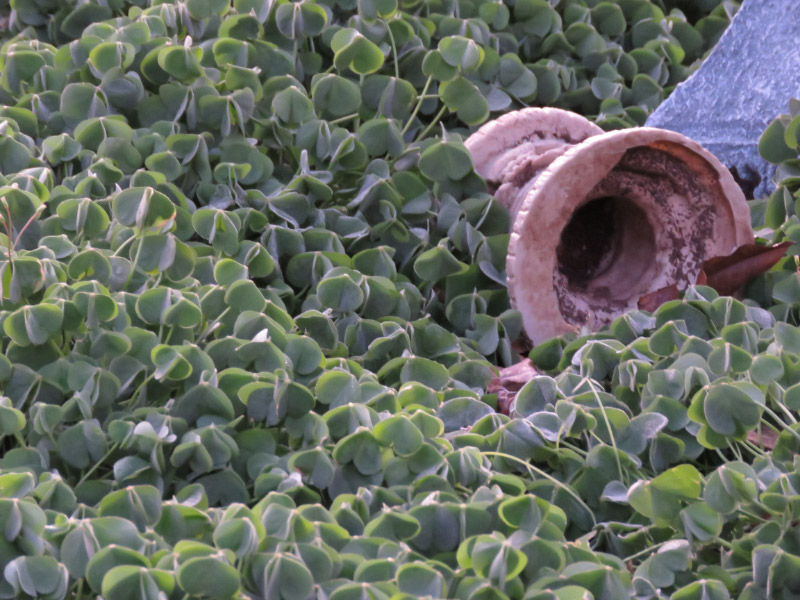
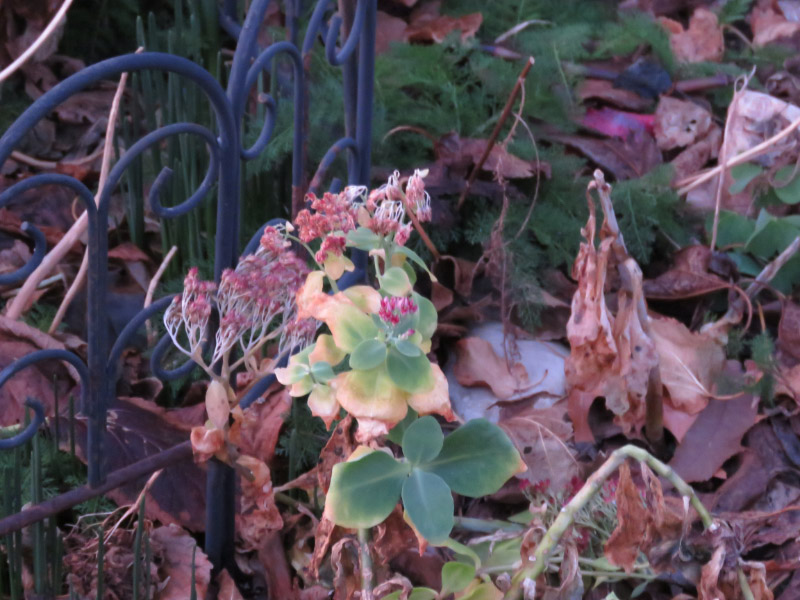
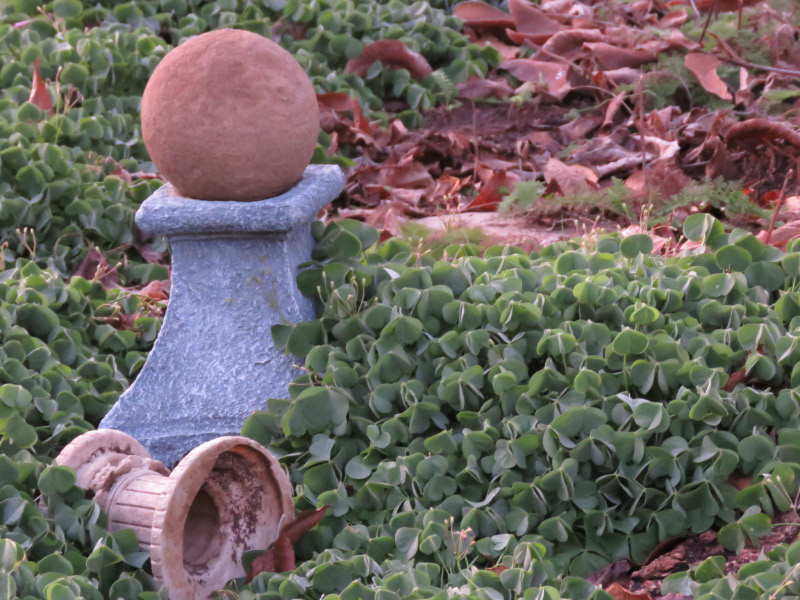
The garden still had a surprising amount of green I wondered how long it would be before the plants succumbed to frost. There were some that already had dried to brown (leaves and flowers) but the soft greens of oxalis and sedum

And the brighter colors of kale dominated the view.

2018 12 IMG_0122.jpg

I took my pictures and hurried back inside…it was cold. Little did I know that the next 3 days would be cloudy…and then wet.

Last Fall Field Trip

The last Howard County Conservancy fall field trip was a little later than usual this year – December 4th. It was cold…but not wet as so many of the field trips were this season. I bundled myself up in several layers and took a few pictures of Mt. Pleasant before the buses arrived. The flower pot people are dressed up for Christmas.

2018 12 IMG_3401.jpg

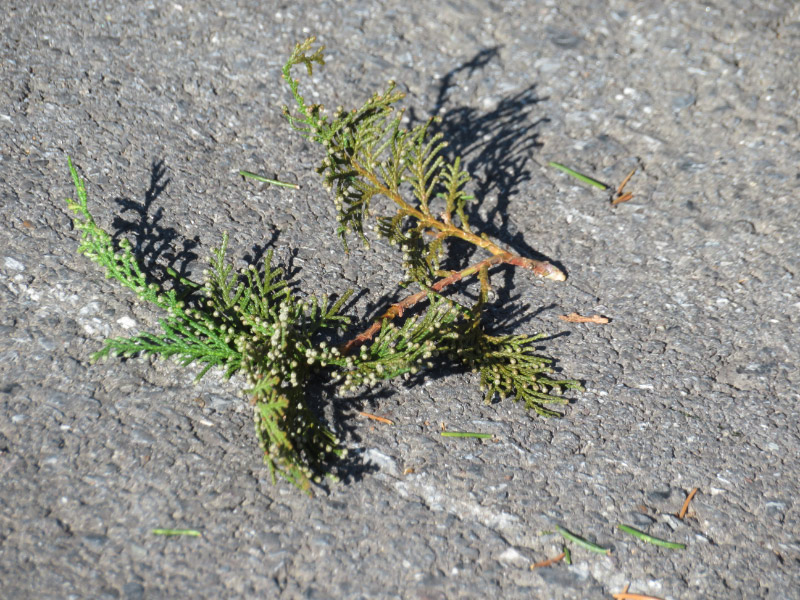
The pines have delicate ‘flowers’ – some of which will eventually become cones.

2018 12 IMG_3407.jpg

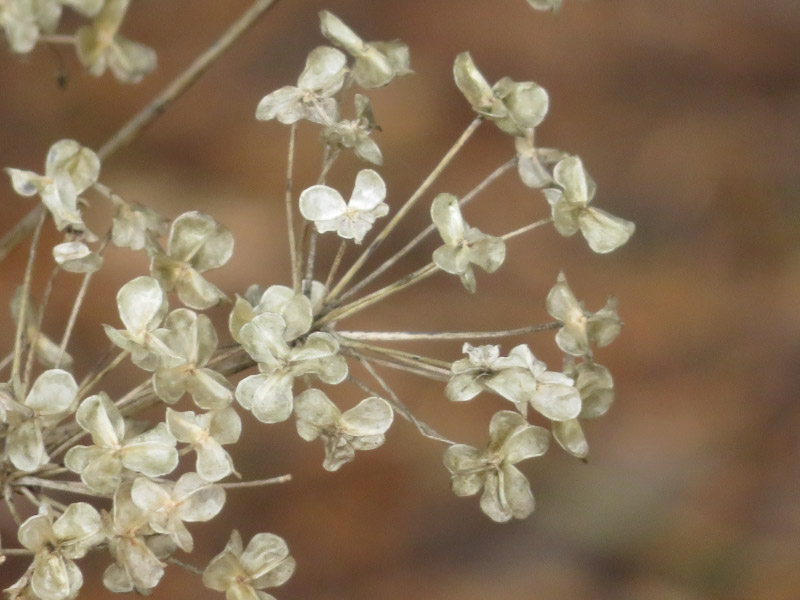
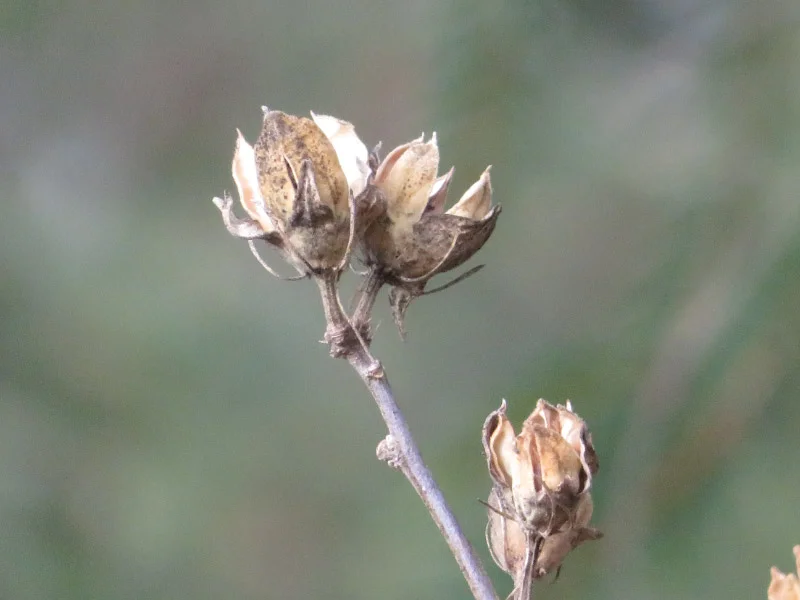
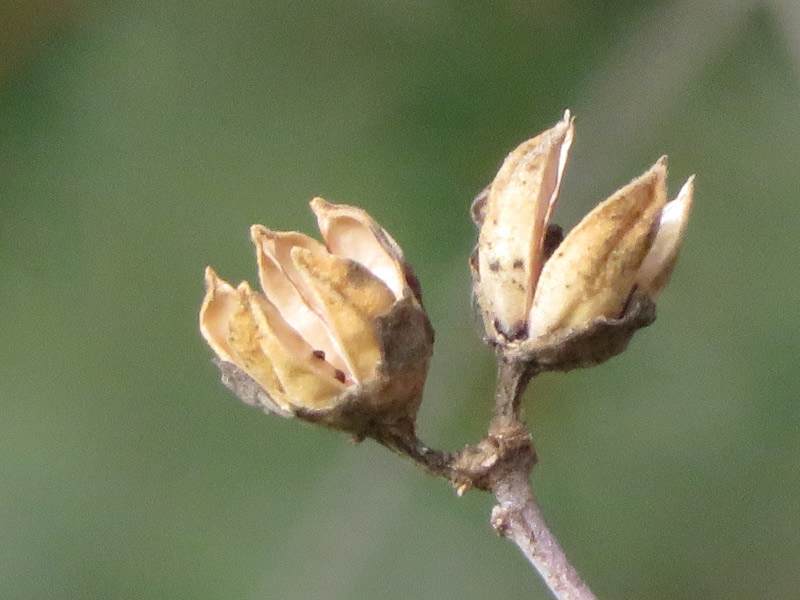
Dried seed pods and flowers are all that remains of the gardens…bright colors muted to almost parchment now.

2018 12 IMG_3412.jpg

I like the seed pods that still hold a few seeds.

Most of the students came dressed for the cold and I modified the field trip, so we could all keep our gloves or mittens on. I had two very enthusiastic hiking groups and we kept moving to stay warm! It was a good ‘last field trip’ for the season.

Gleanings of the Week Ending December 15, 2018

The items below were ‘the cream’ of the articles and websites I found this past week. Click on the light green text to look at the article.

Stunning Abstract Aerial Photos of Namibia's Desert Landscape – A part of the earth with almost no vegetation. There are parts of the US that would be just as stark.

Anopheles mosquitoes could spread Mayaro virus in US, other diverse regions -- ScienceDaily – Another mosquito born disease that may increase in North America as the climate warms. There are already mosquitoes capable of transmitting it here – Andopheles species.

Bad molars? The origins of wisdom teeth – I’ve always wondered why so many people must have their wisdom teeth out. All 4 of mine were pulled when I was 19 because they were impacted. It turns out that eating a crunch/chewy diet when we are young may help the jaw grow long enough to accommodate these late molars. Wish I would have known that; I might have fed my daughter a bit differently. Too late now.

Climate Smart Farming CSF Climate Change in Your County and Climate Smart Farming – Cornell Institute for Climate Smart Solutions – The first link is a county by county look at the history of temperature and precipitation in the Northeast. The second it about the research being done to help farmers plan for extreme weather events…that have become more common in recent years.

How tracking people moving together through time creates powerful data – A discussion of how cohort data is helping us understand health and disease. The example used in the article is the Framingham Heart Study.

Air Pollution from California Wildfires 60 Times Above Safe Limit - Yale E360 – Air quality is impacted by fires. In areas where the frequency of fires is increasing, fire may overtake all other kinds of air pollution for a time.

Can Tourism Save the Ocellated Turkey? – Cool Green Science – What an unusual looking bird! It’s a tropical turkey (Mexico, Belize and Guatemala) that behaves like the North American Wild Turkey.

Top 25 Wild Bird Photographs of the Week: November – National Geographic Blog – And more birds.

Forage Wild Nuts for Your Holiday Feast – Cool Green Science – Nuts native in our forests. Too bad the American Chestnuts are no longer plentiful…maybe some of the recent hybrids will survive to repopulate our forests.

BBC - Future - A 'samurai' swordsmith is designing a space probe – Creating corers to use for sampling an asteroid using metallurgy learned making samurai swords.

December on the Trolley Trail

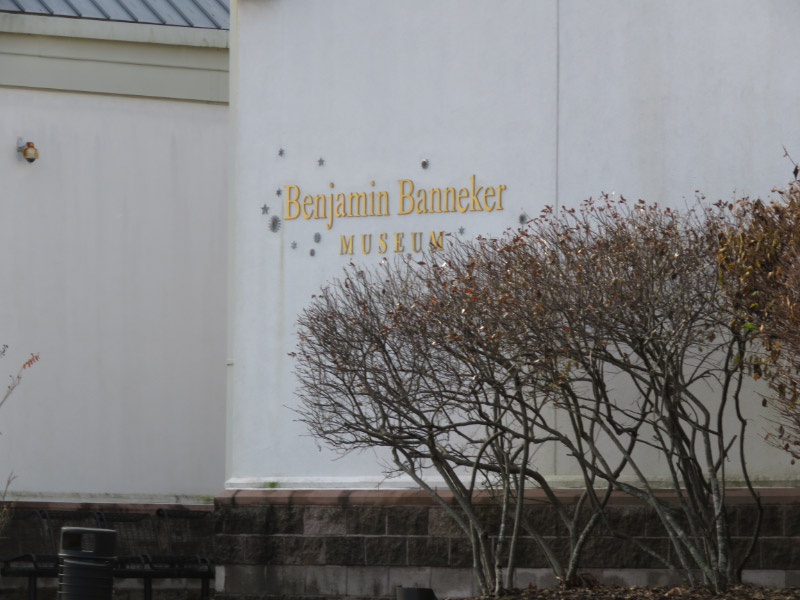
The Howard County Conservancy organized a winter hike for its volunteers last week on the Trolley Trail (Trolley Trail #9 near Ellicott City/Benjamin Banneker Historical Park and Museum). We were celebrating the end of another fall field trip season. About 40 people met in the Banneker parking lot and headed out.

2018 12 IMG_0046.jpg

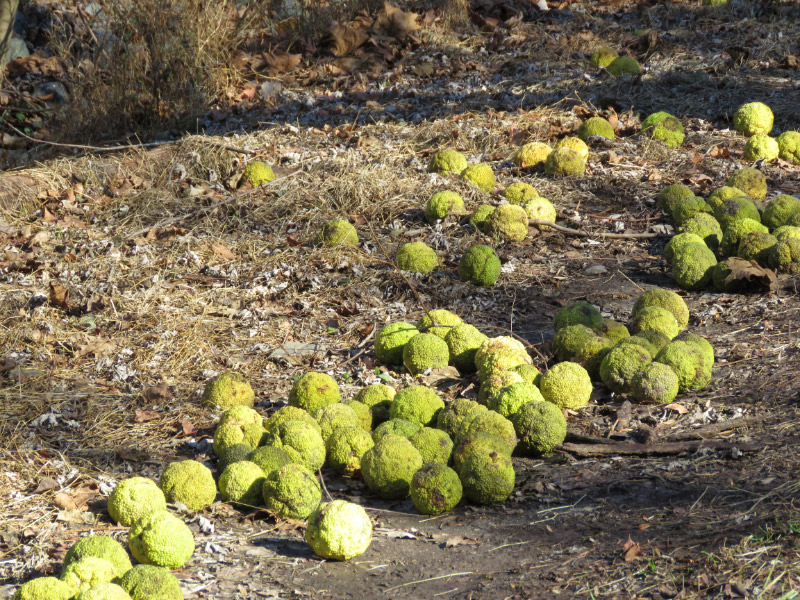
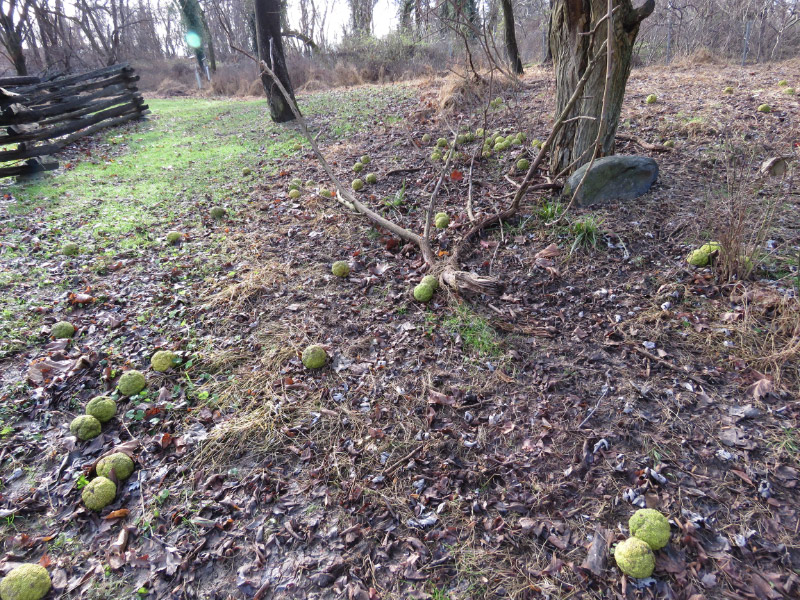
The connecting trail from Banneker to the Trolley Trail was through the forest and very muddy. There was an Osage orange tree that had dropped its fruit recently. Most of the fruit look pristine. When I got home, I did some research and discovered that the fruit is not eaten except sometimes by squirrels. One theory is that the fruit was eaten by large mammals that are now extinct (ground sloth, mammoth, mastodon) and that these animals would have spread the seed. Now the tree is propagated by people for its wood and as windbreaks.

We headed north on the Trolley Trail first. I didn’t take many pictures because I was so busy trying to keep up with the group. It was the same the last time I was on the Trolley Trail in 2015 with my Master Naturalist class (posted about it here).

There was some stream restoration (and maybe something else since there is infrastructure like sewer lines in the streambed) that was active next to the trail.  The stream did look more scoured than the last time we were in the area.

2018 12 IMG_0064.jpg

We reached the end of the trail at the north and retraced our steps…passing the trails to Banneker to continue south on the Trolley Trail.

We got to the part of the trail that was damaged in the last flood. Repair work was not complete, so we stopped before getting down to Ellicott City; I turned around and took a picture back along the trail. The asphalt of the trail was damaged by the flood; the asphalt edges were uneven, and pieces were missing.

2018 12 IMG_0071.jpg

There were bright green Christmas fens on the cliff to the right

2018 12 IMG_0074.jpg

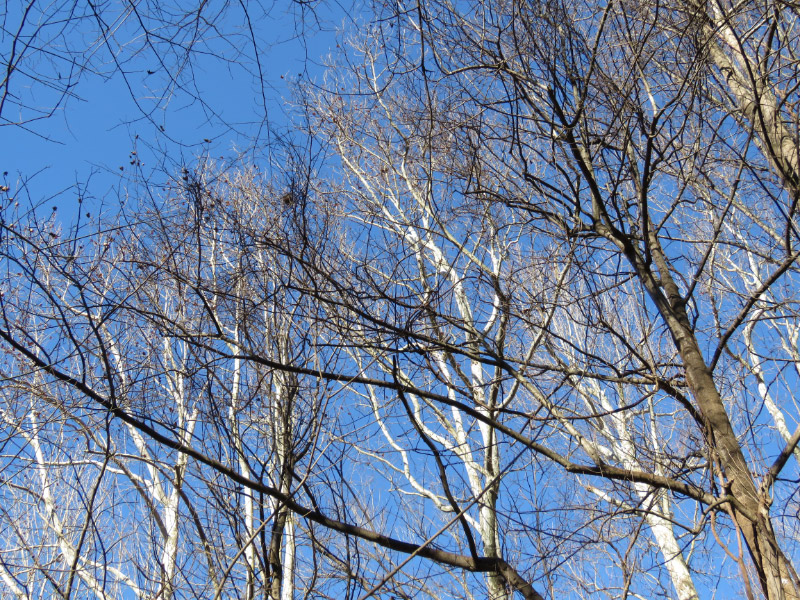
A little further back up the hill, winter trees looked good against the sky. It’s easy to pick out the sycamores this time of year.

2018 12 IMG_0081.jpg

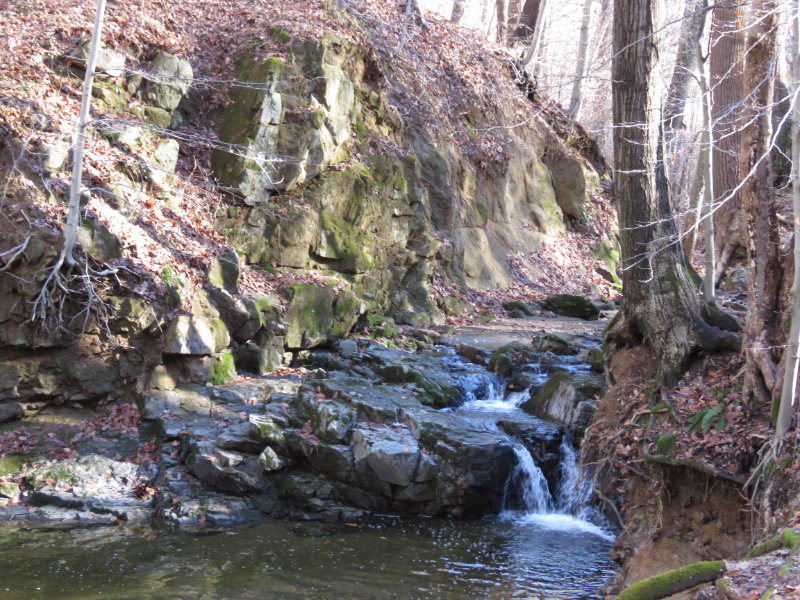
A waterfall was scenic rather than roaring. I thought more about what it must have been like during the flood to sweep away asphalt a little further down.

2018 12 IMG_0085.jpg

We’ve gotten so much rain this fall/early winter that the moss is thick and bright green – like a carpet.

We made the muddy trek back up to Banneker to retrieve our cars…and head for lunch with healthy appetites.

Foggy Morning

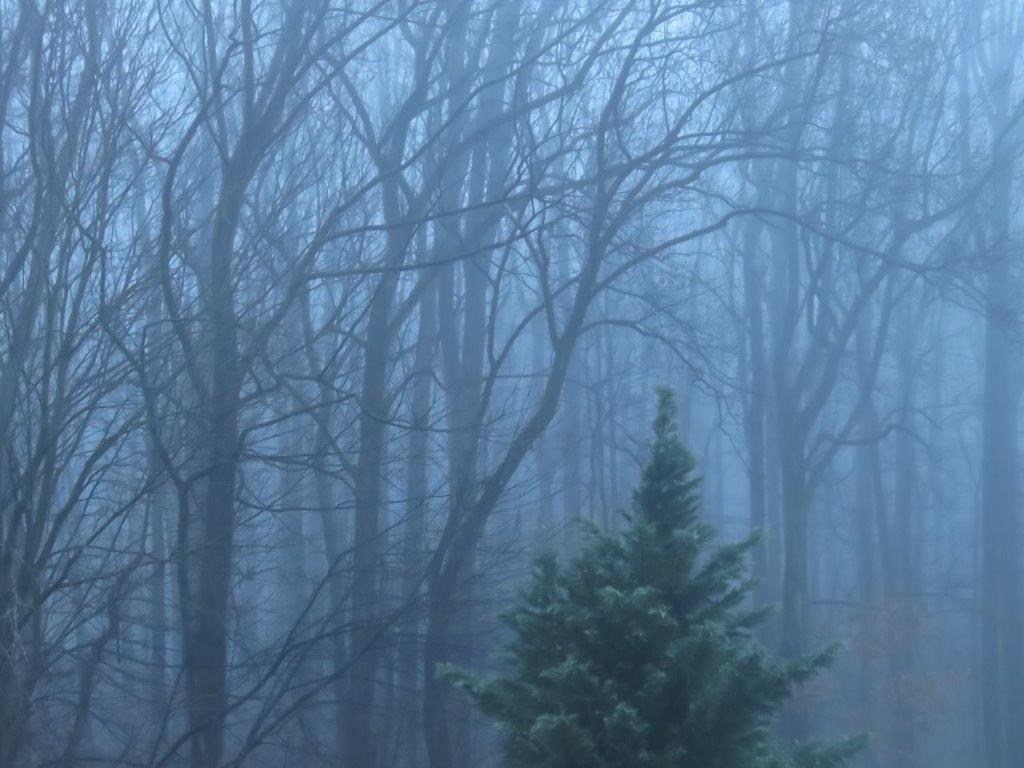
One morning recently, it was warmer (in the 40s and warming to the 50s) and the forest was full of fog.

The forest layers look different. The forest’s edge that is only a neighbor’s yard away disappears in the mists making it harder to determine distance. Rather than lemon light of just after sunrise, everything is shades of bluish gray.

IMG_0044.jpg

The forest does not look as friendly in the fog. The birds were staying quiet even though it was their normal time to be active.

IMG_0043.jpg

There is a coldness to the scene that belies the warmer temperature and is not comfortable – except from the warmth of my office – which is where I was standing to take both pictures through the window. It was a good morning to enjoy being indoors.

HCC’s Natural Holiday Sale

I’m catching up on some posts for the events early this month. Back on the 1st of the month, the Howard County Conservancy hosted their annual Natural Holiday Sale. Volunteering in the kitchen for the sale has become a tradition for me; it’s a great way to start the Christmas season. I keep the big coffee urn suppled with Russian Tea (Tang, instant tea, lemonade mix, spices) and restock the trays of homemade cookies for shoppers. The table requires near constant attention to look bountiful and festive.

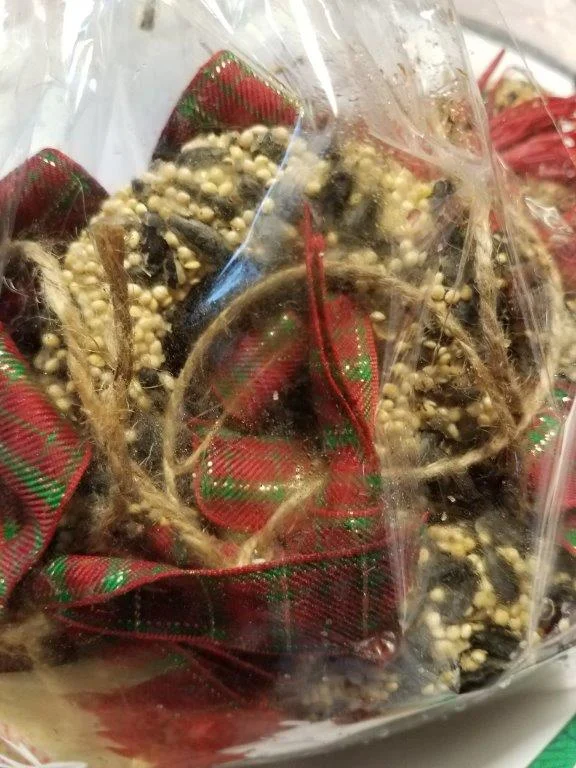
This year the garden club added suet decorations to their holiday arrangements. I bought two garlands and a large pine cone. My deck will be the most decorated part of my house – all for the birds!

The bins of natural materials and glue guns were a big hit as they are every year…lots of creativity…center pieces that tell a story. See some pictures of the event from 2016 here; it changes a little every year but the cookies and Russian Tea and critter creations are a constant!

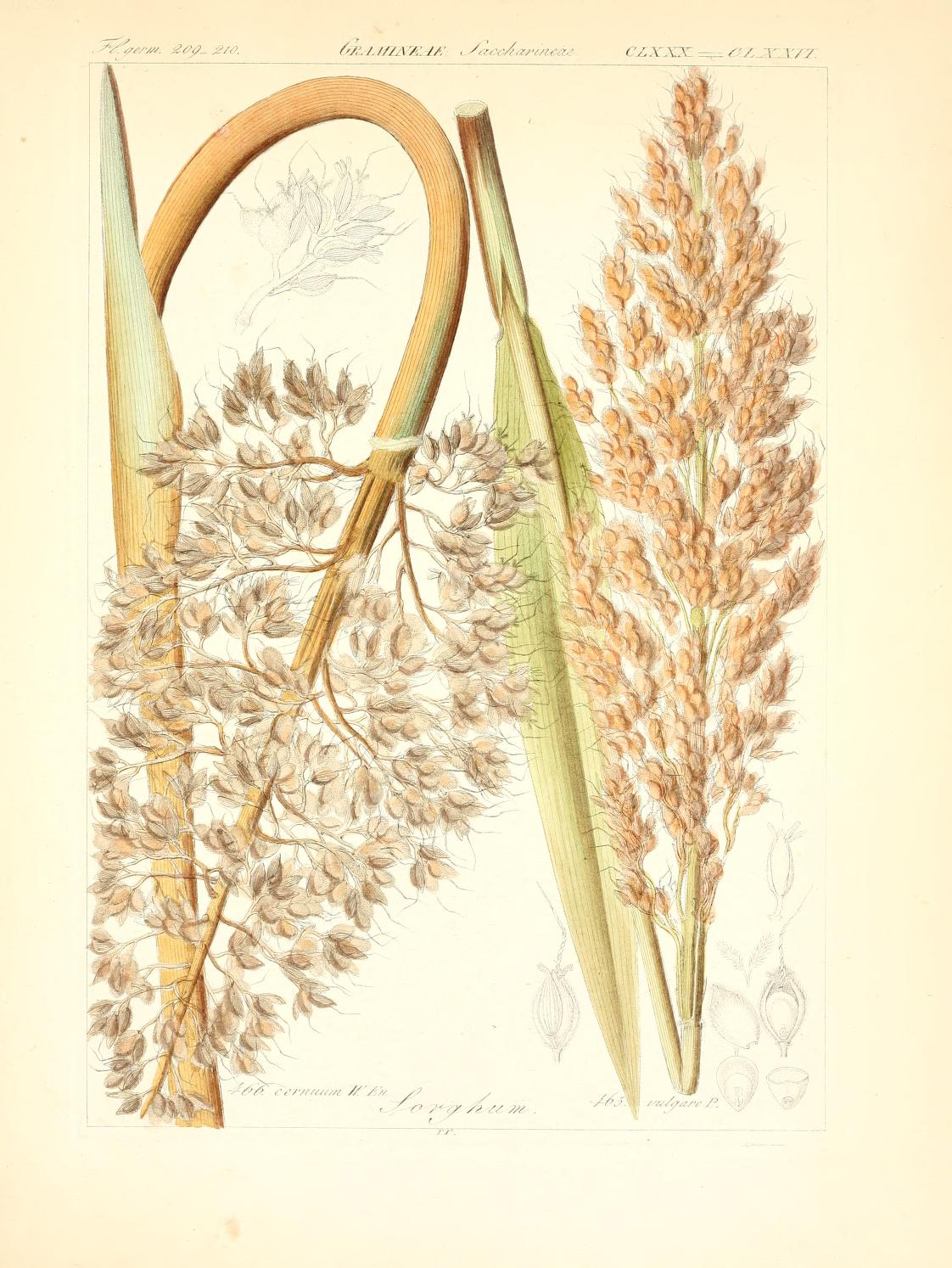
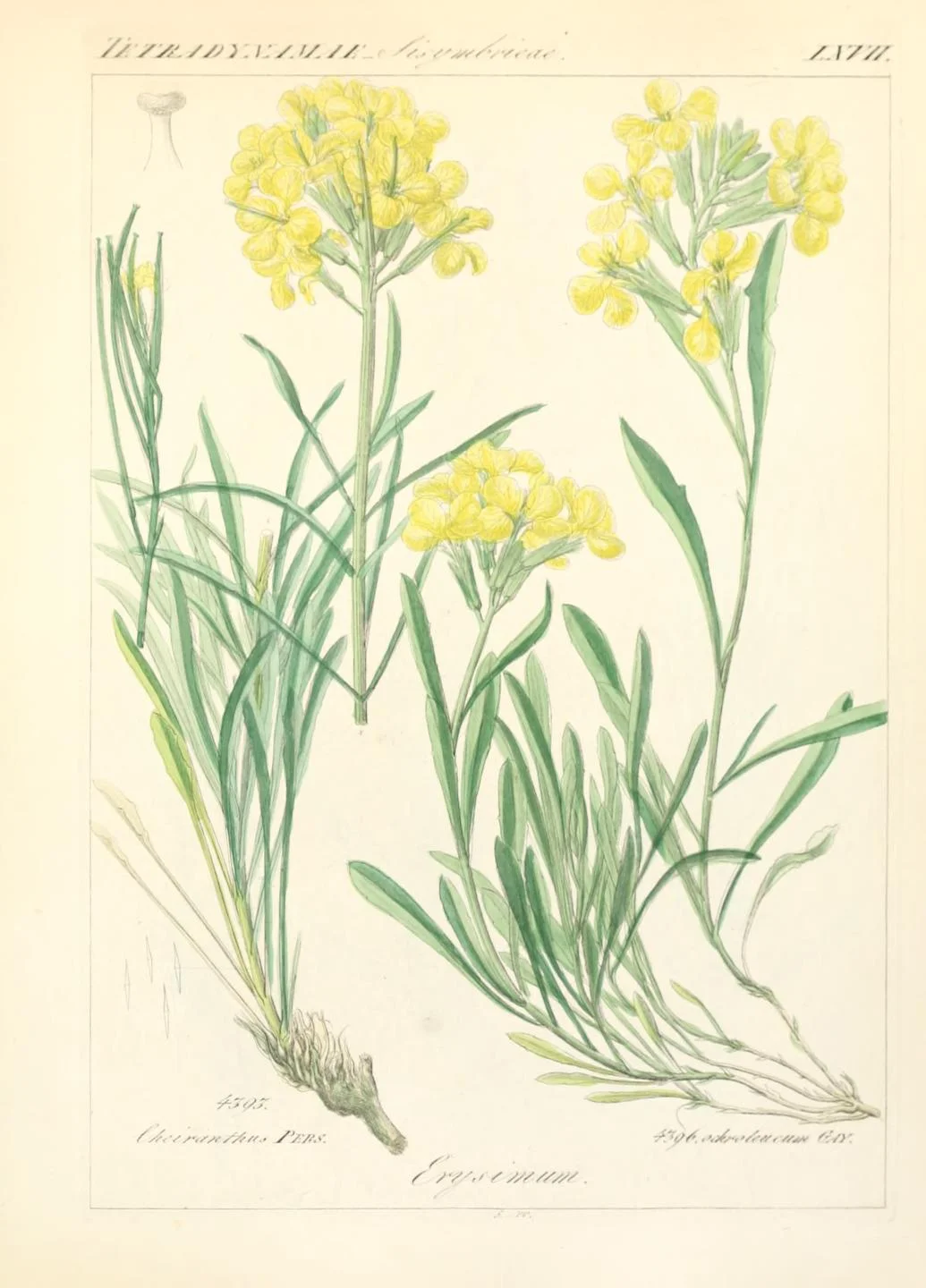
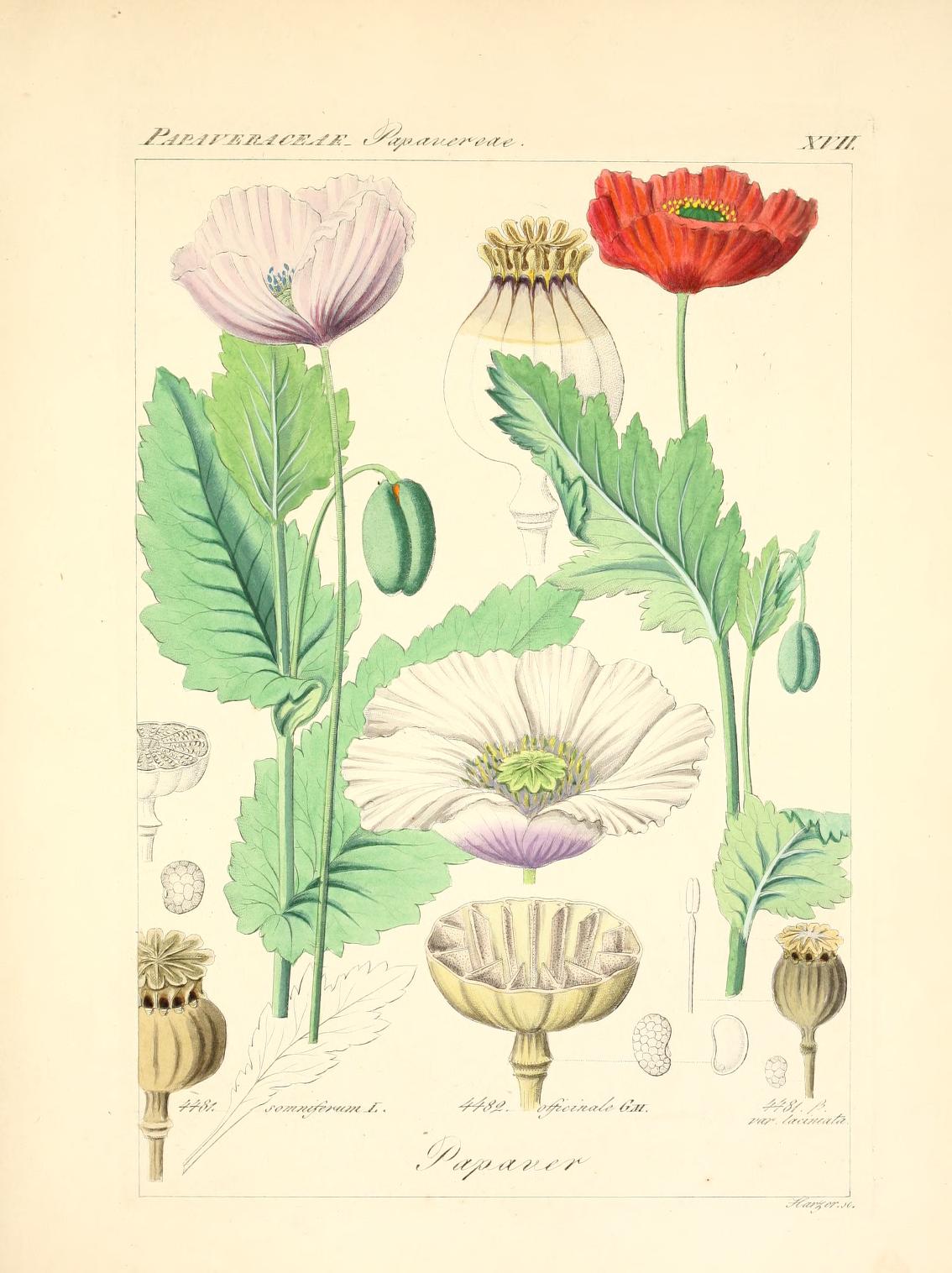
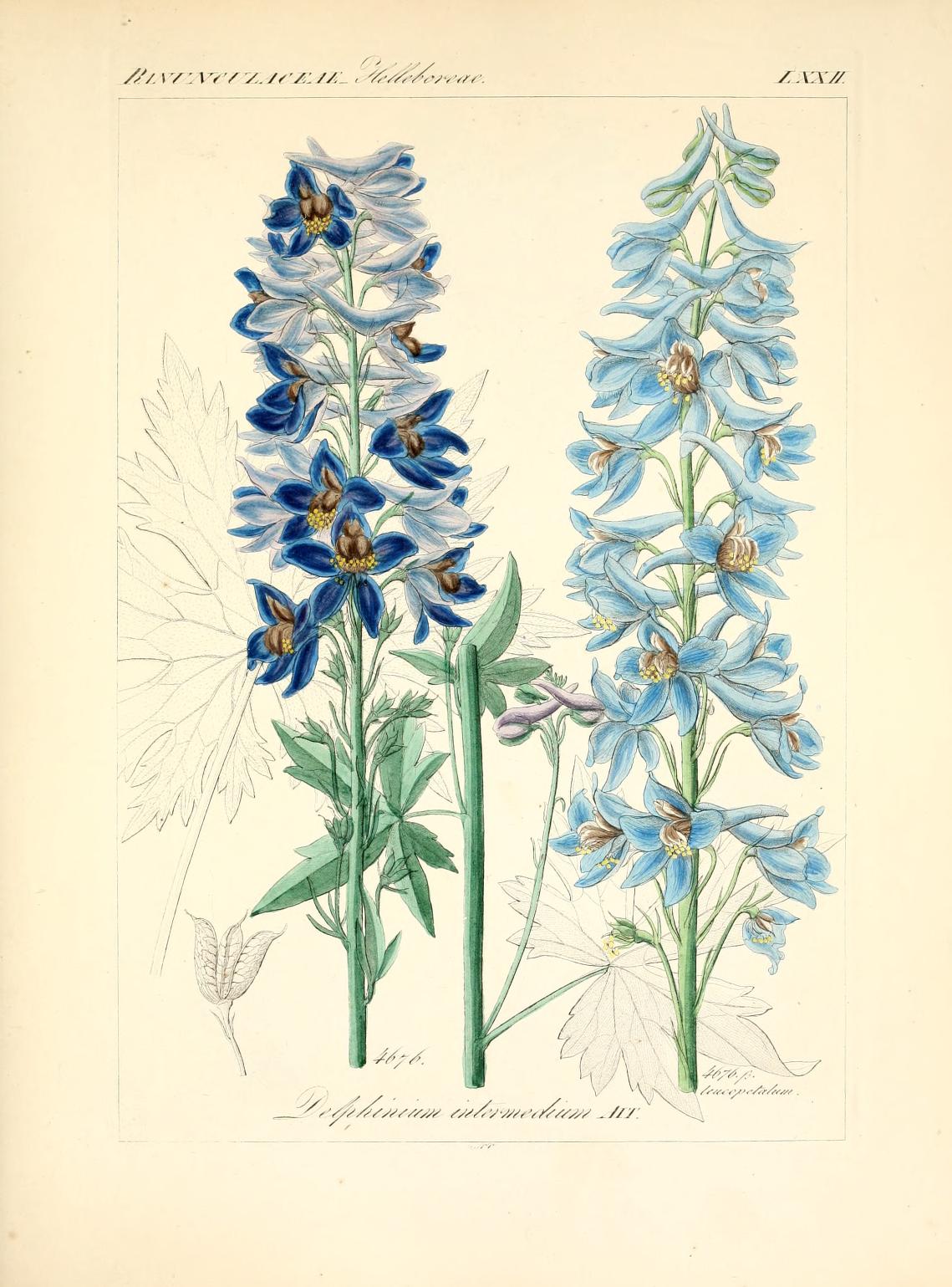
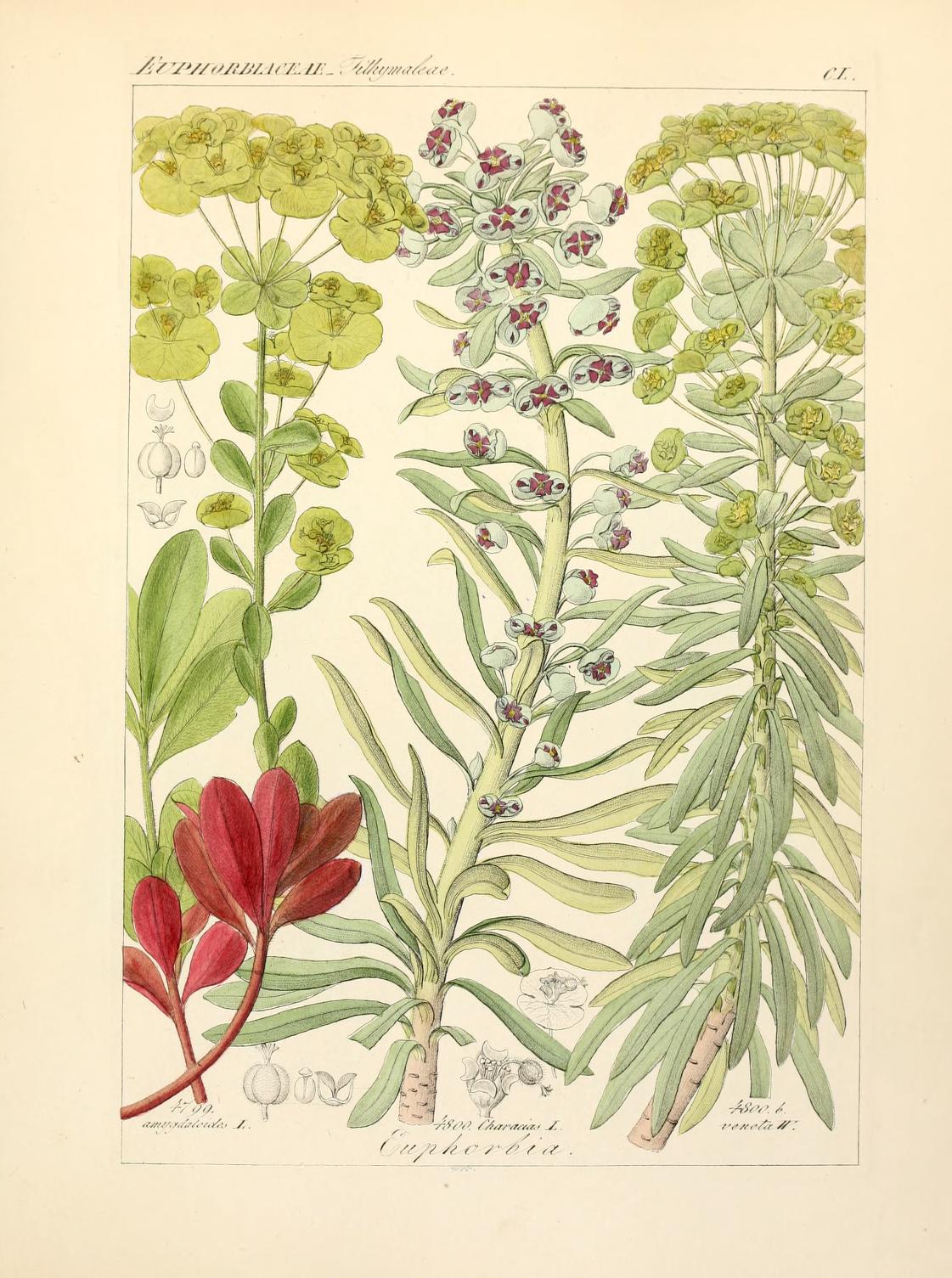
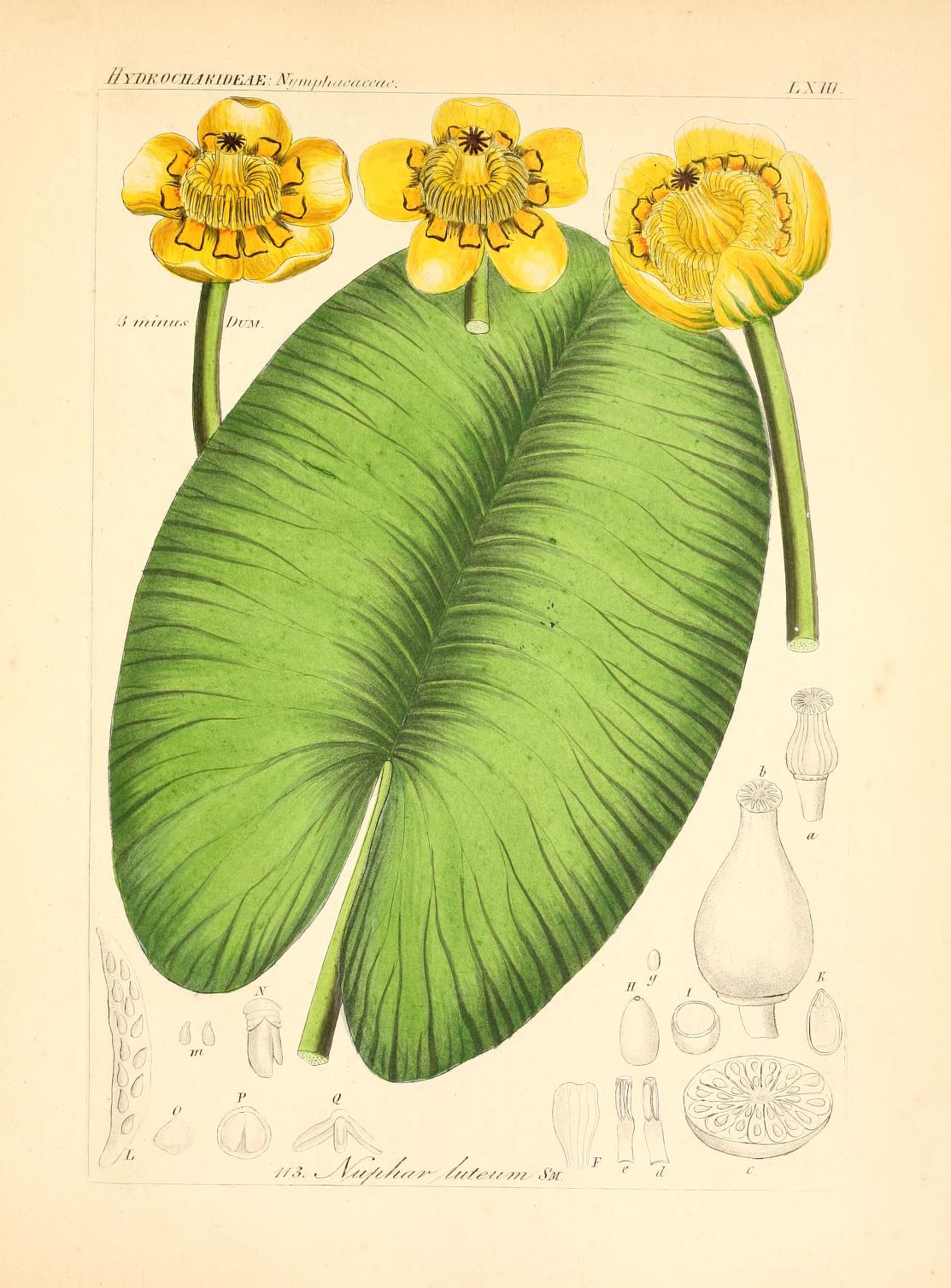
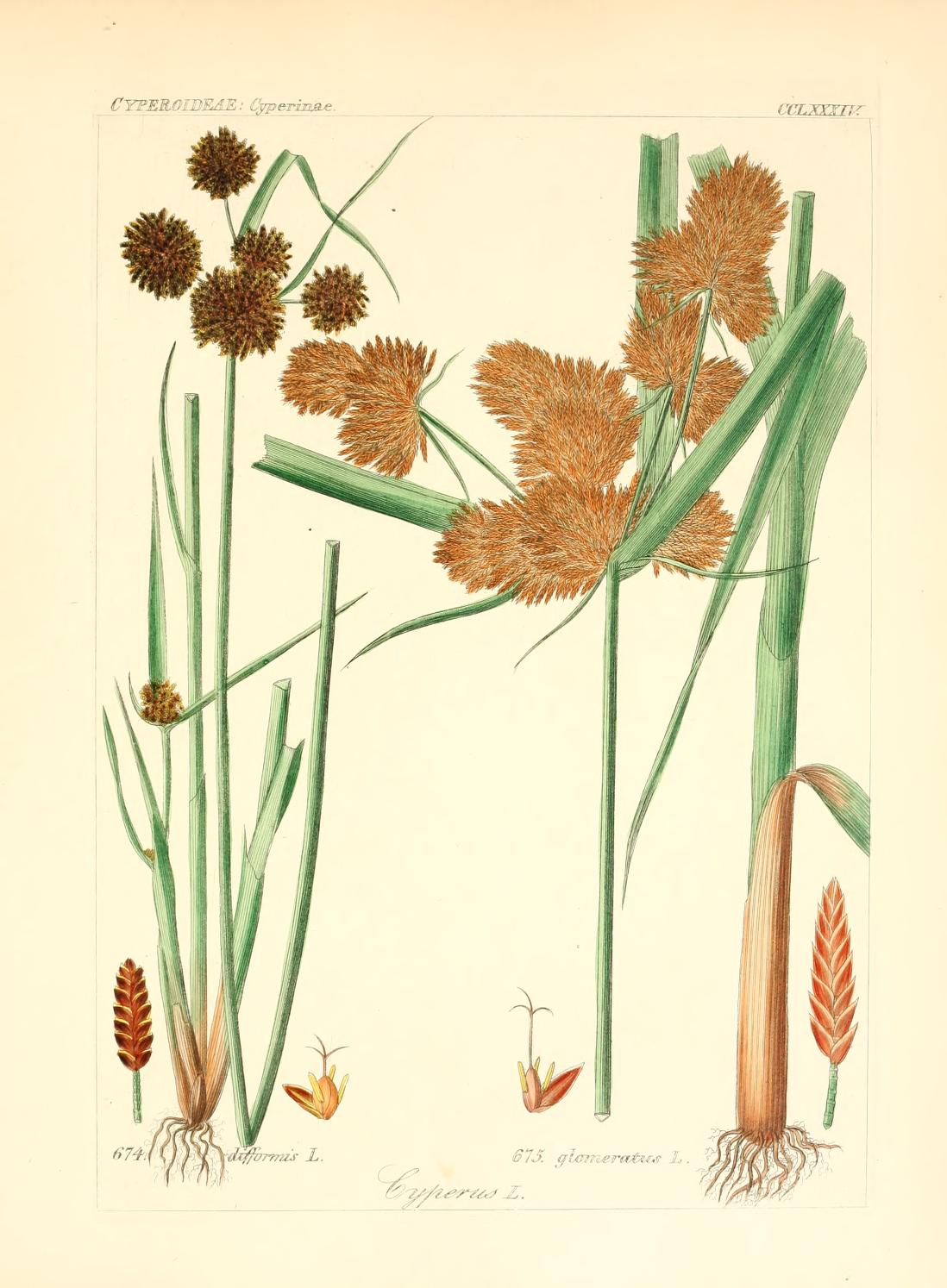
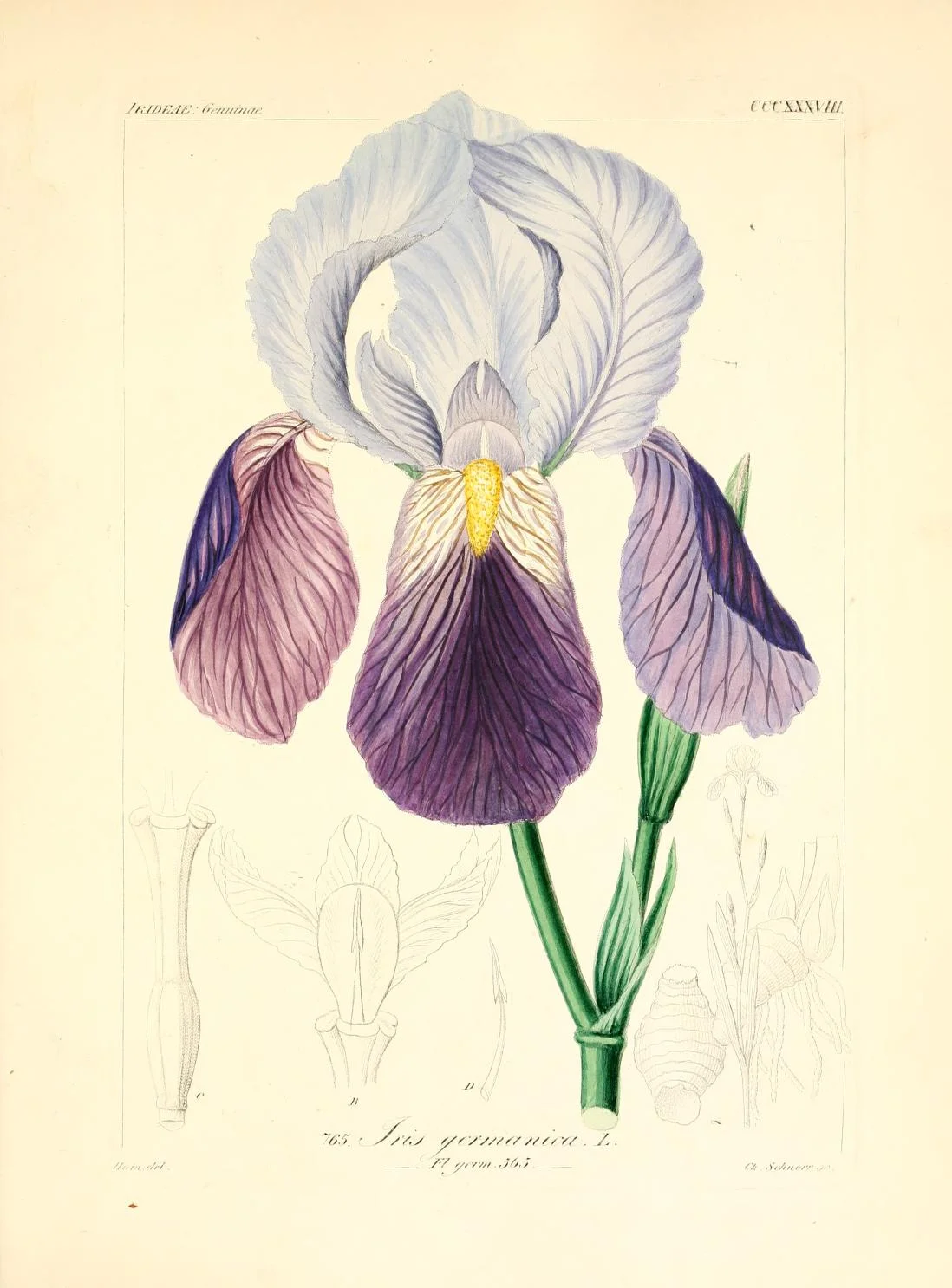
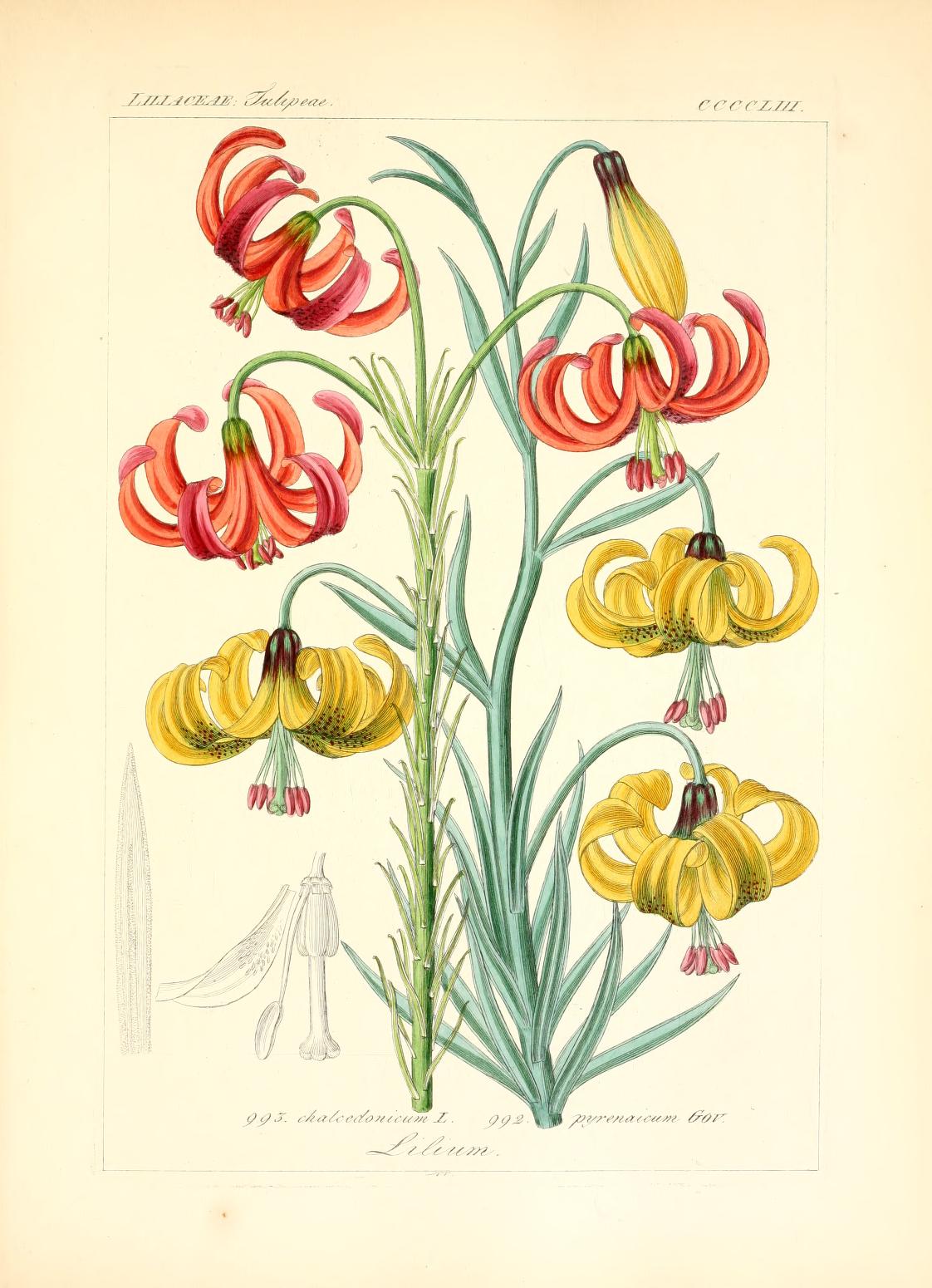
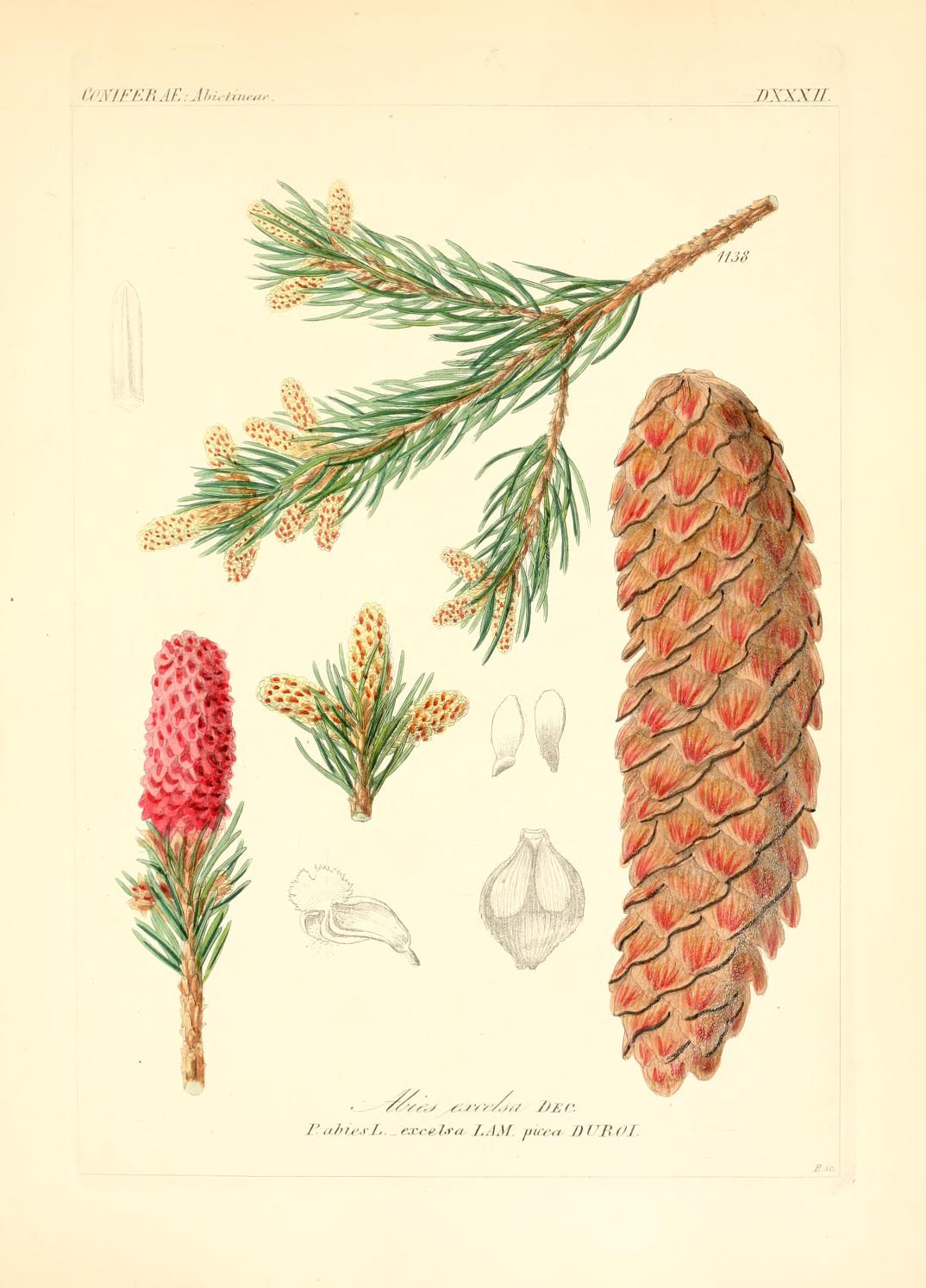
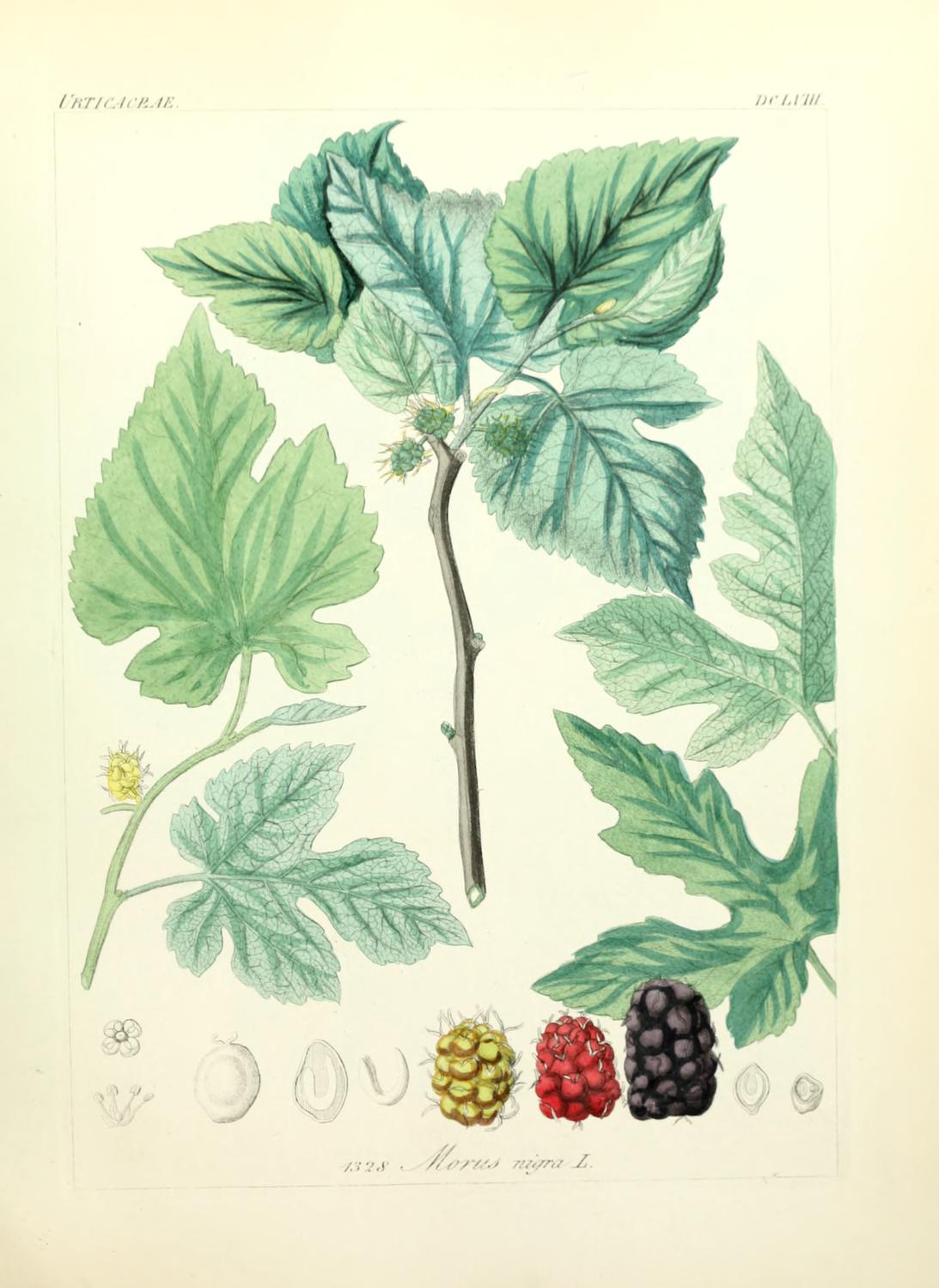
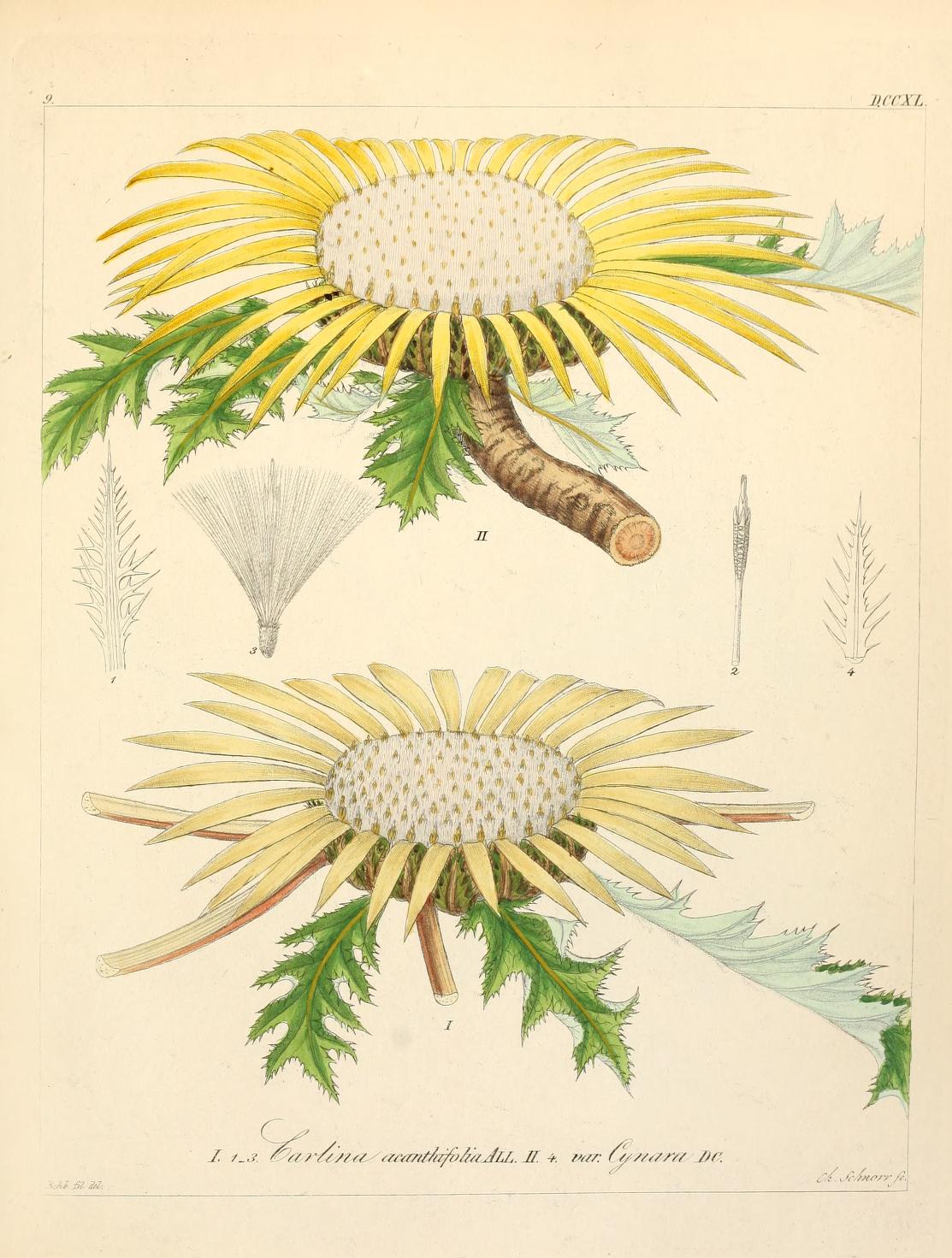
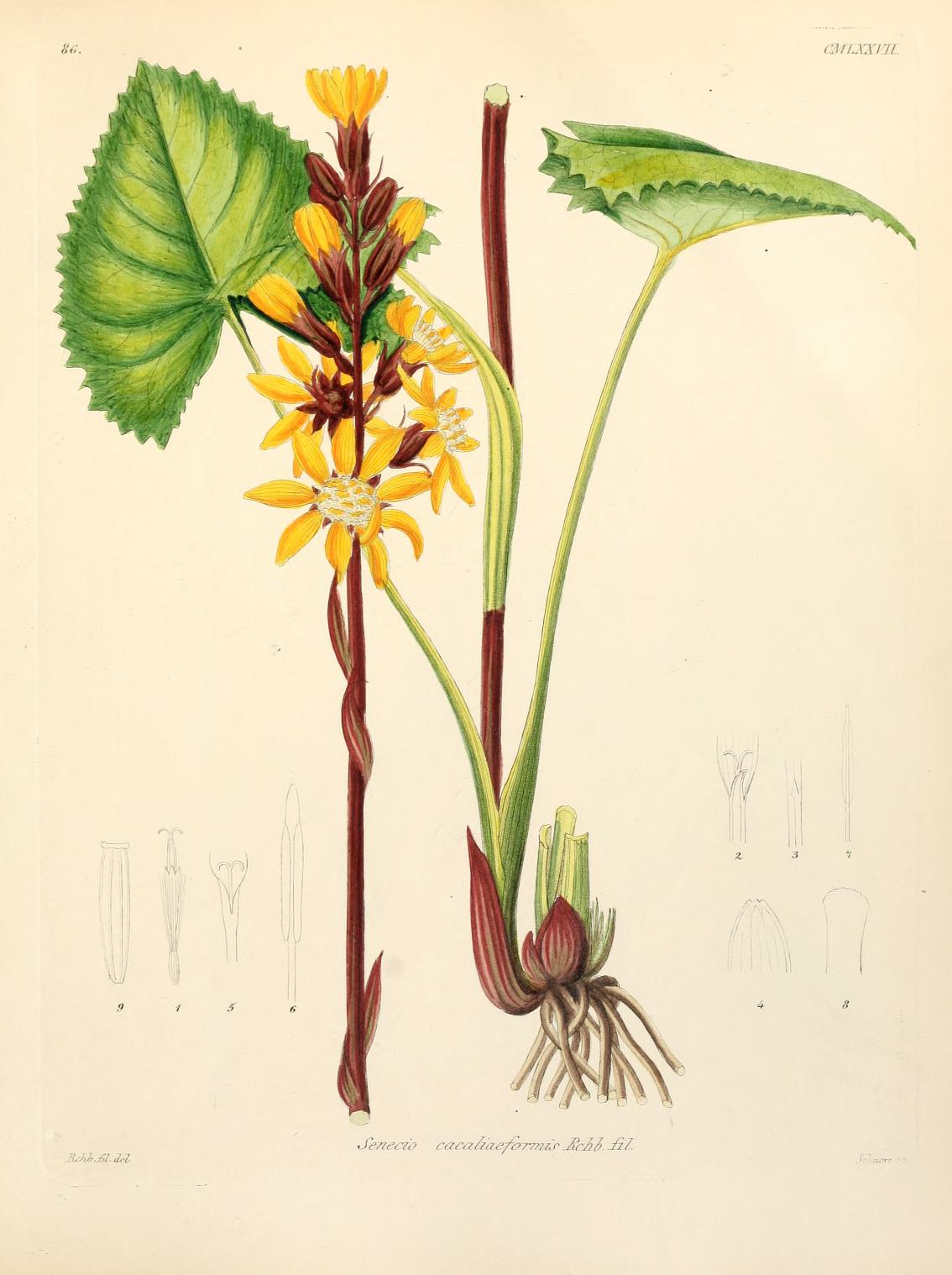
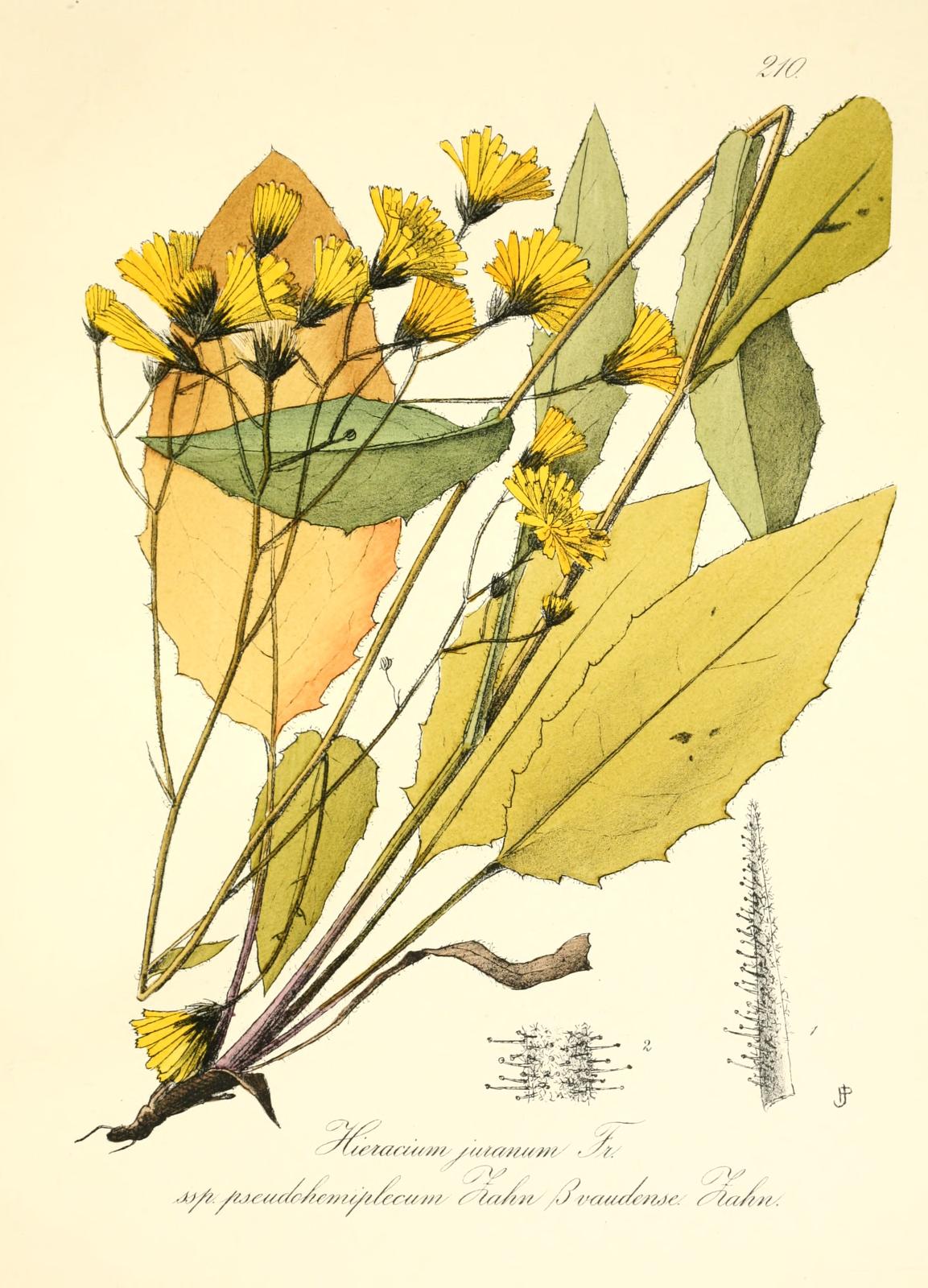
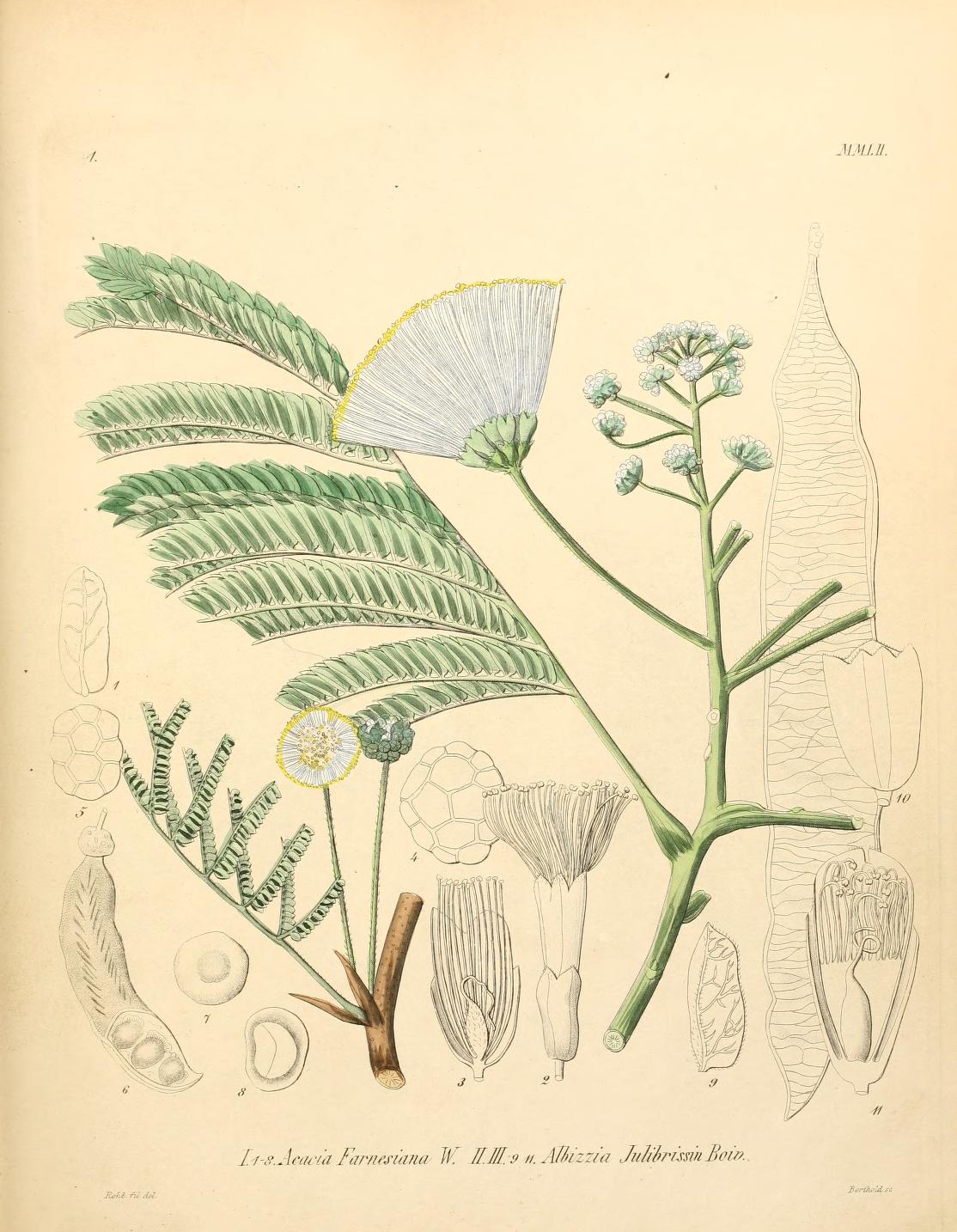
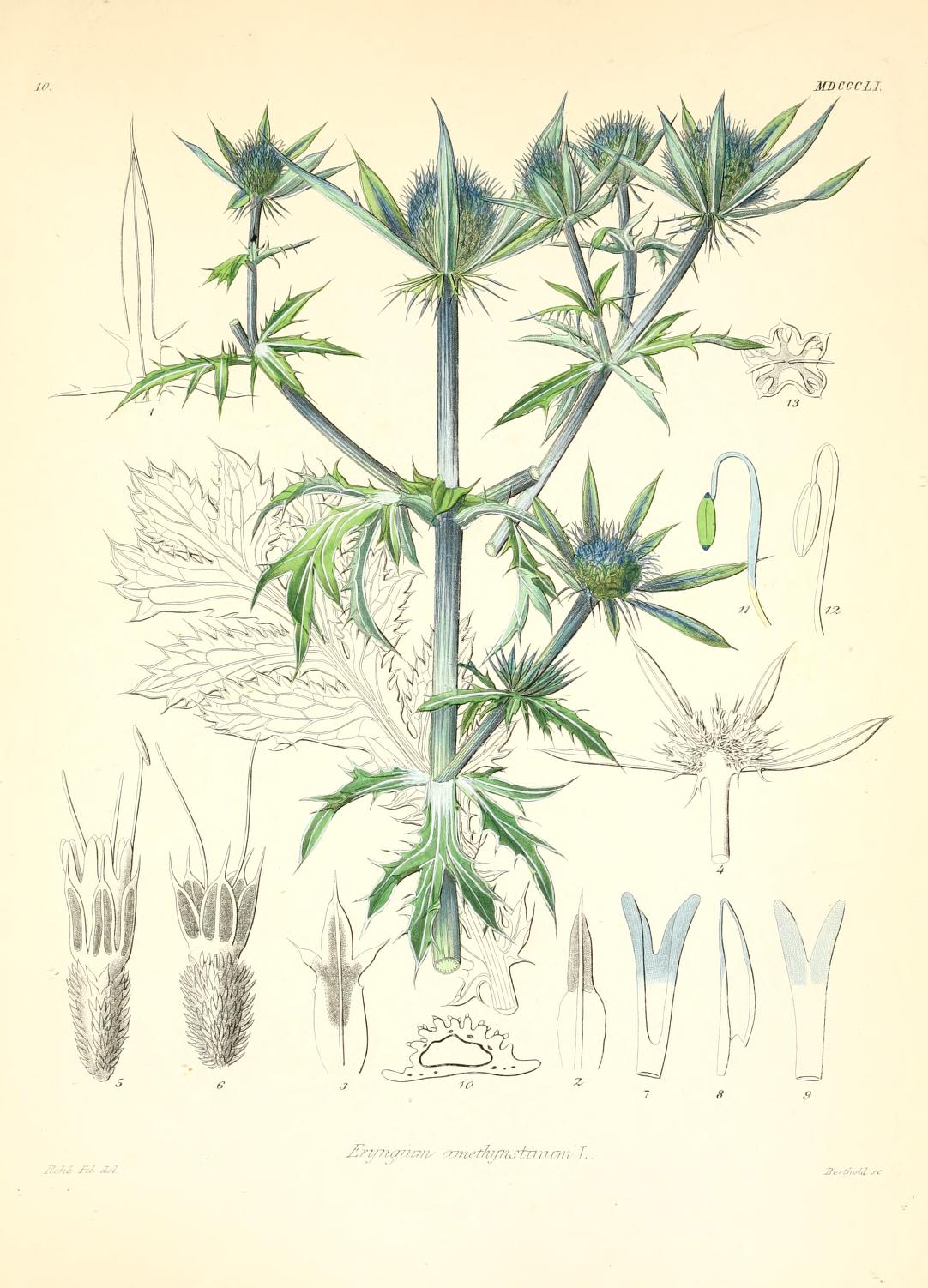
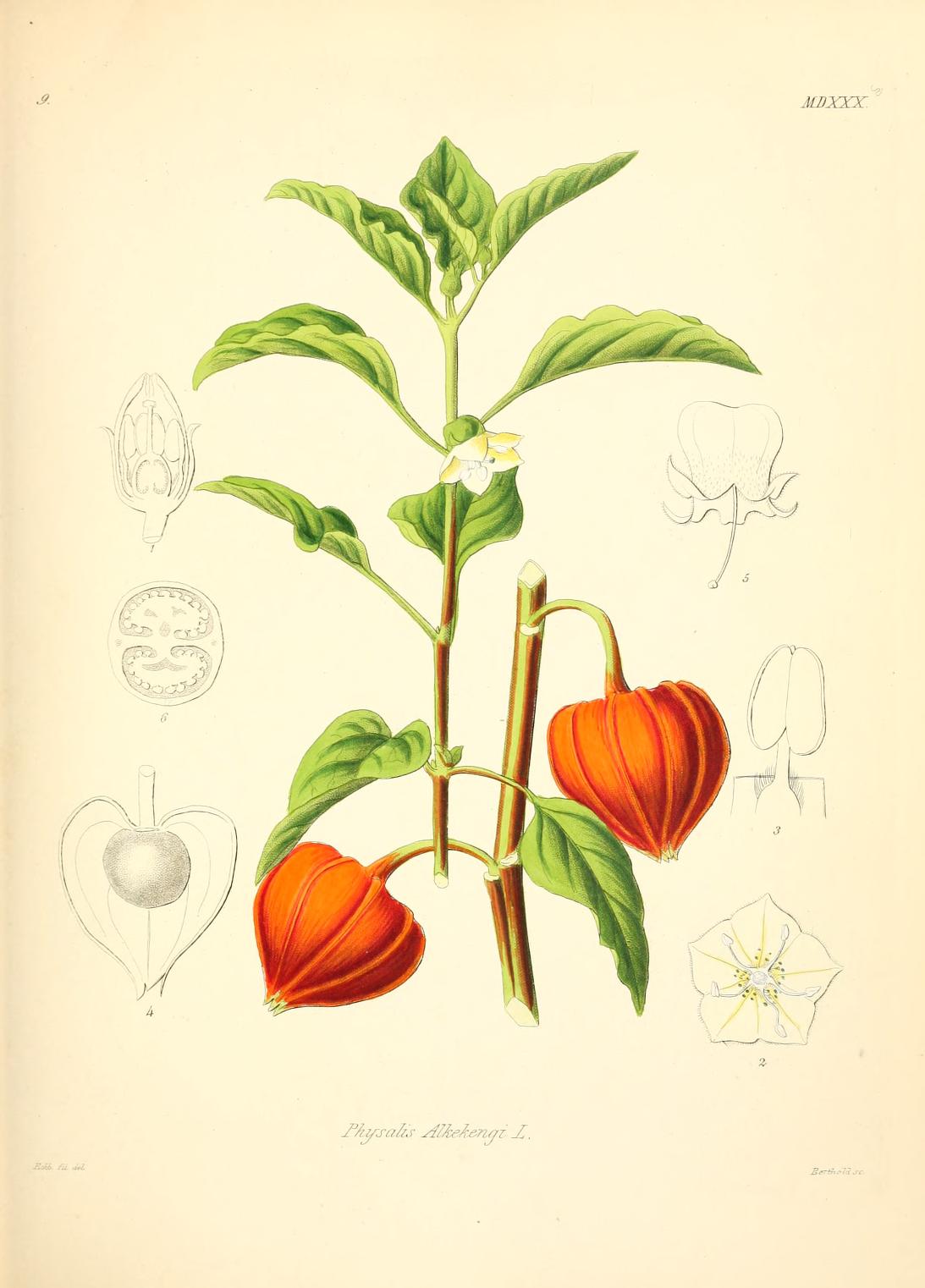
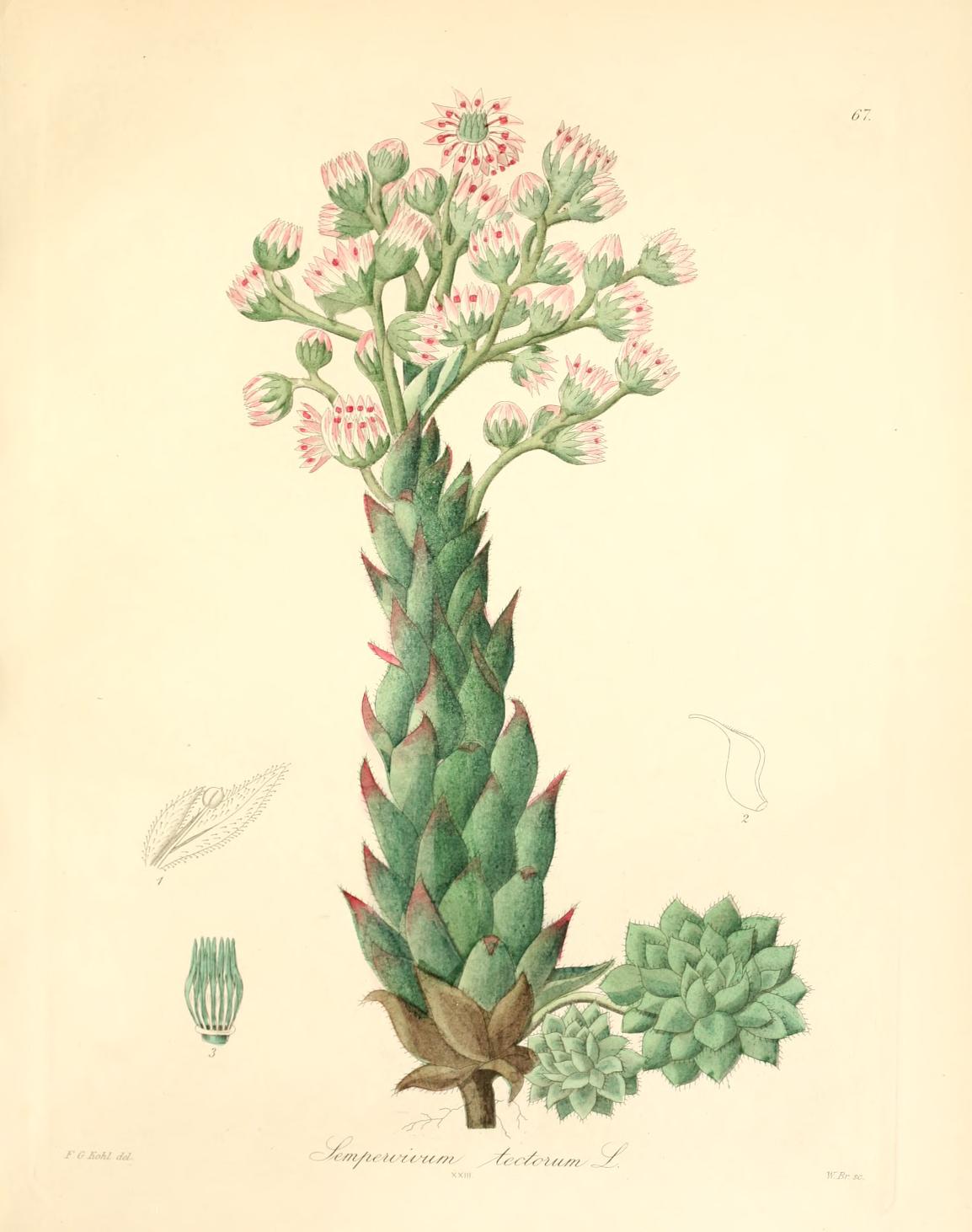
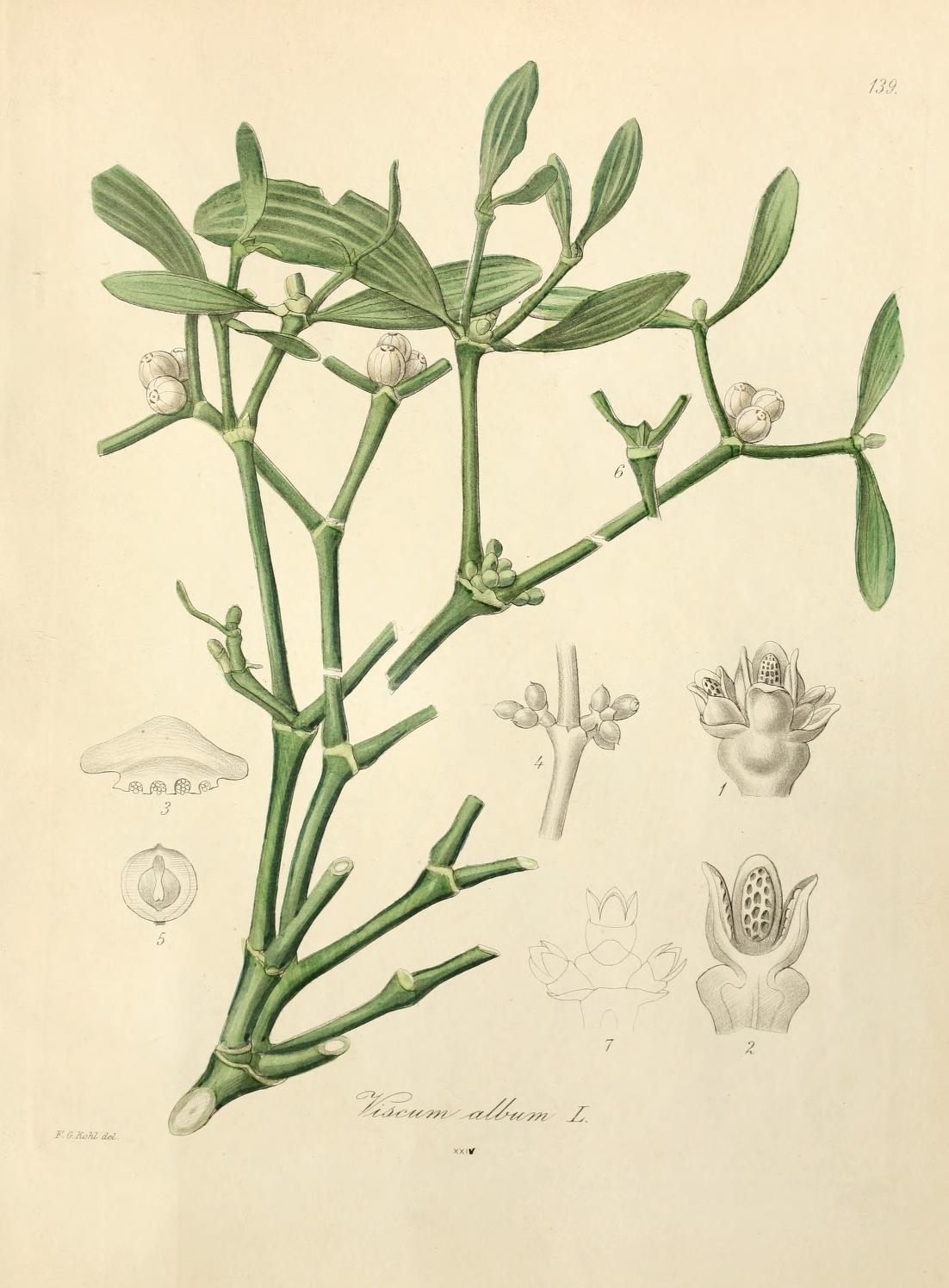
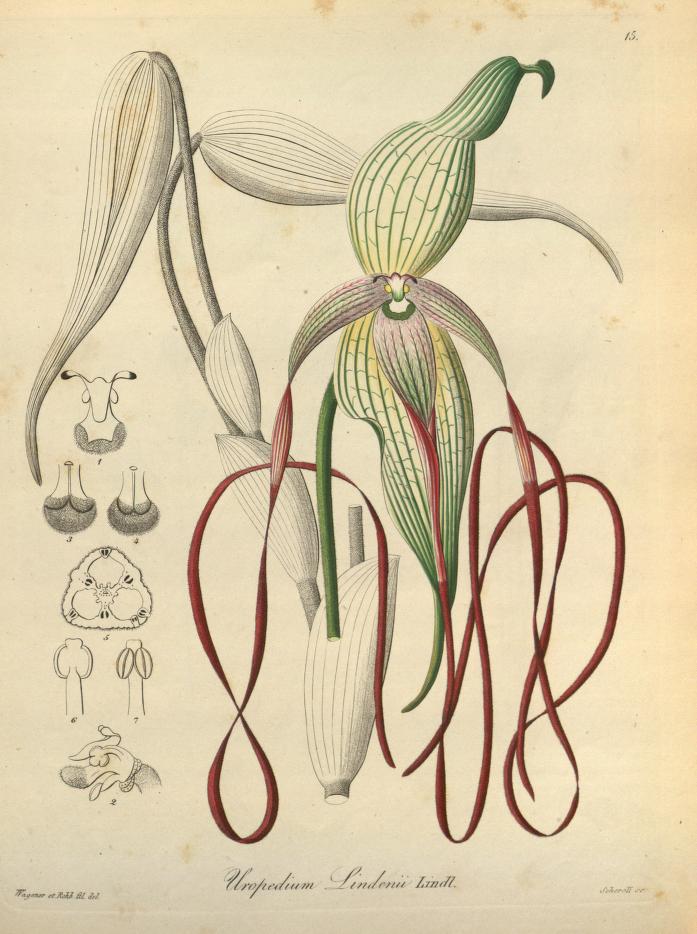
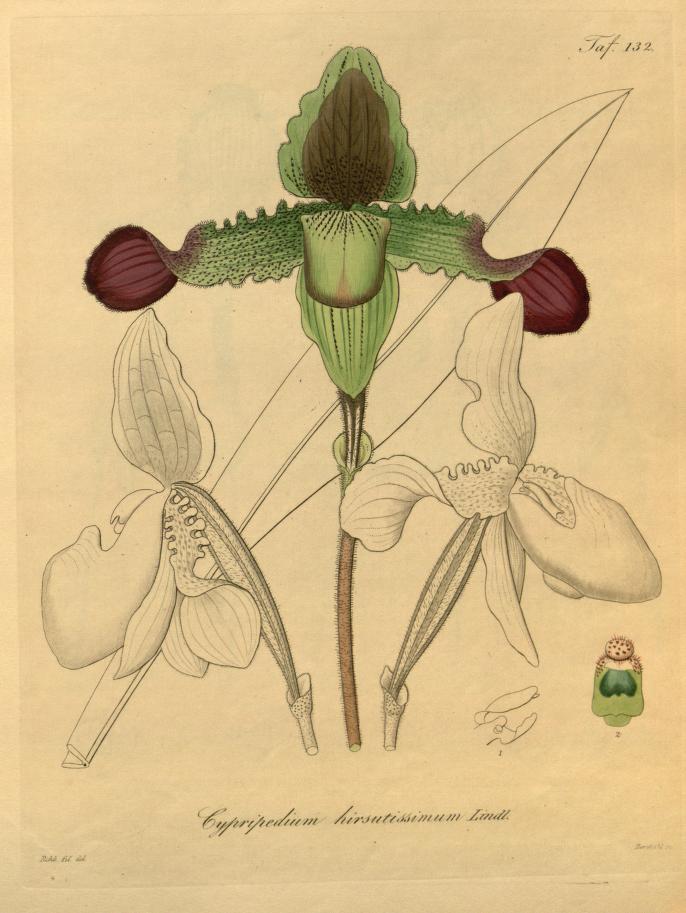
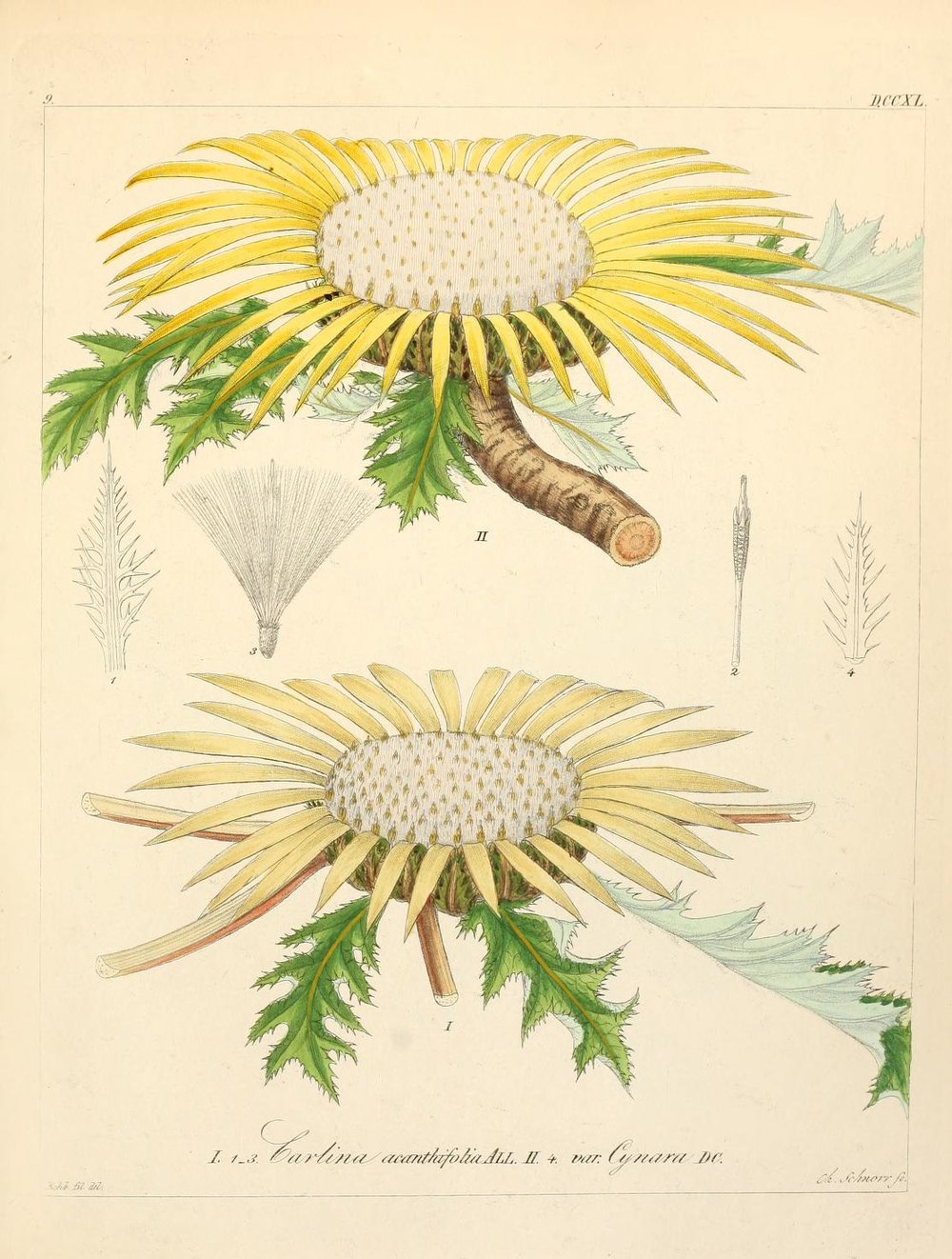
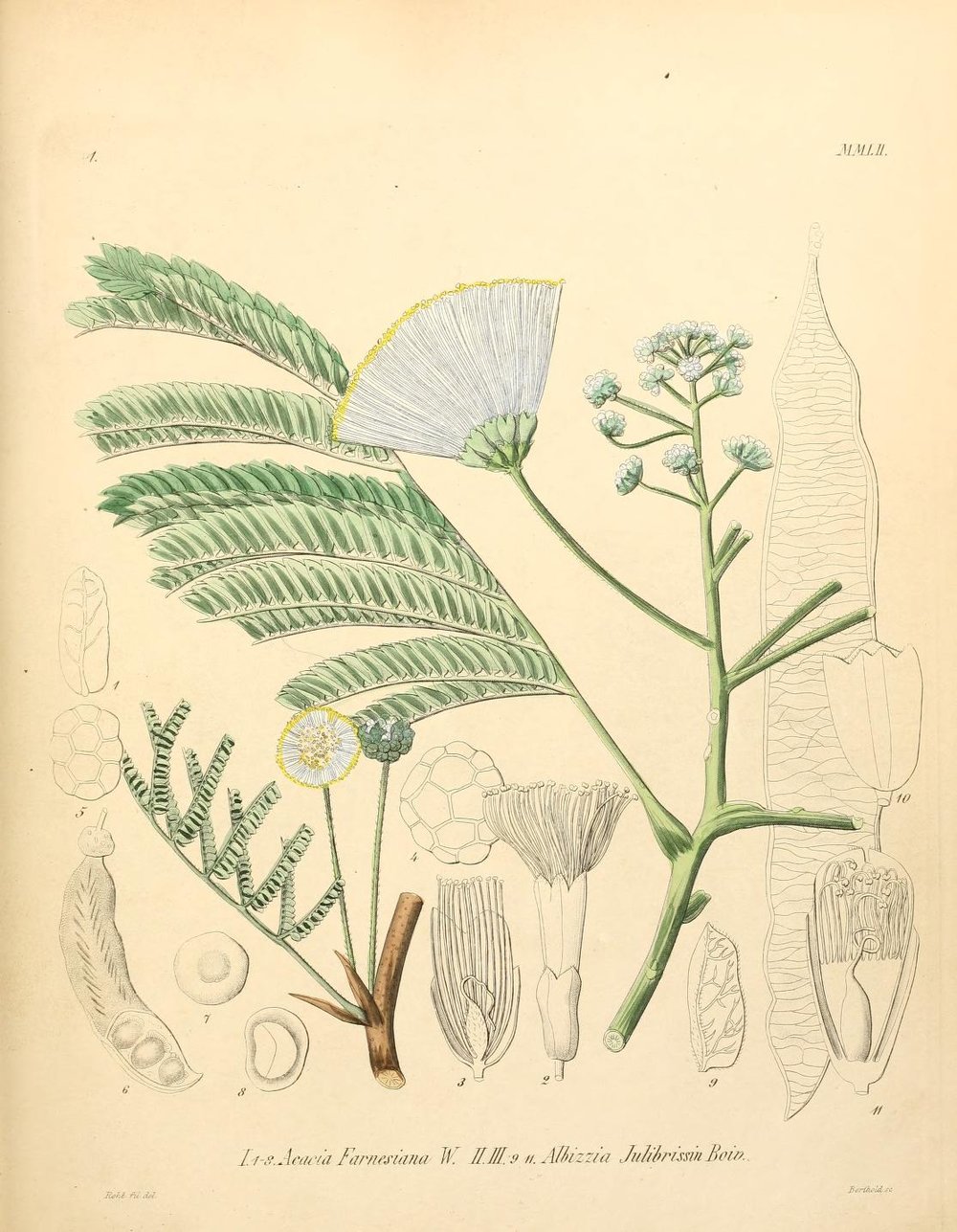
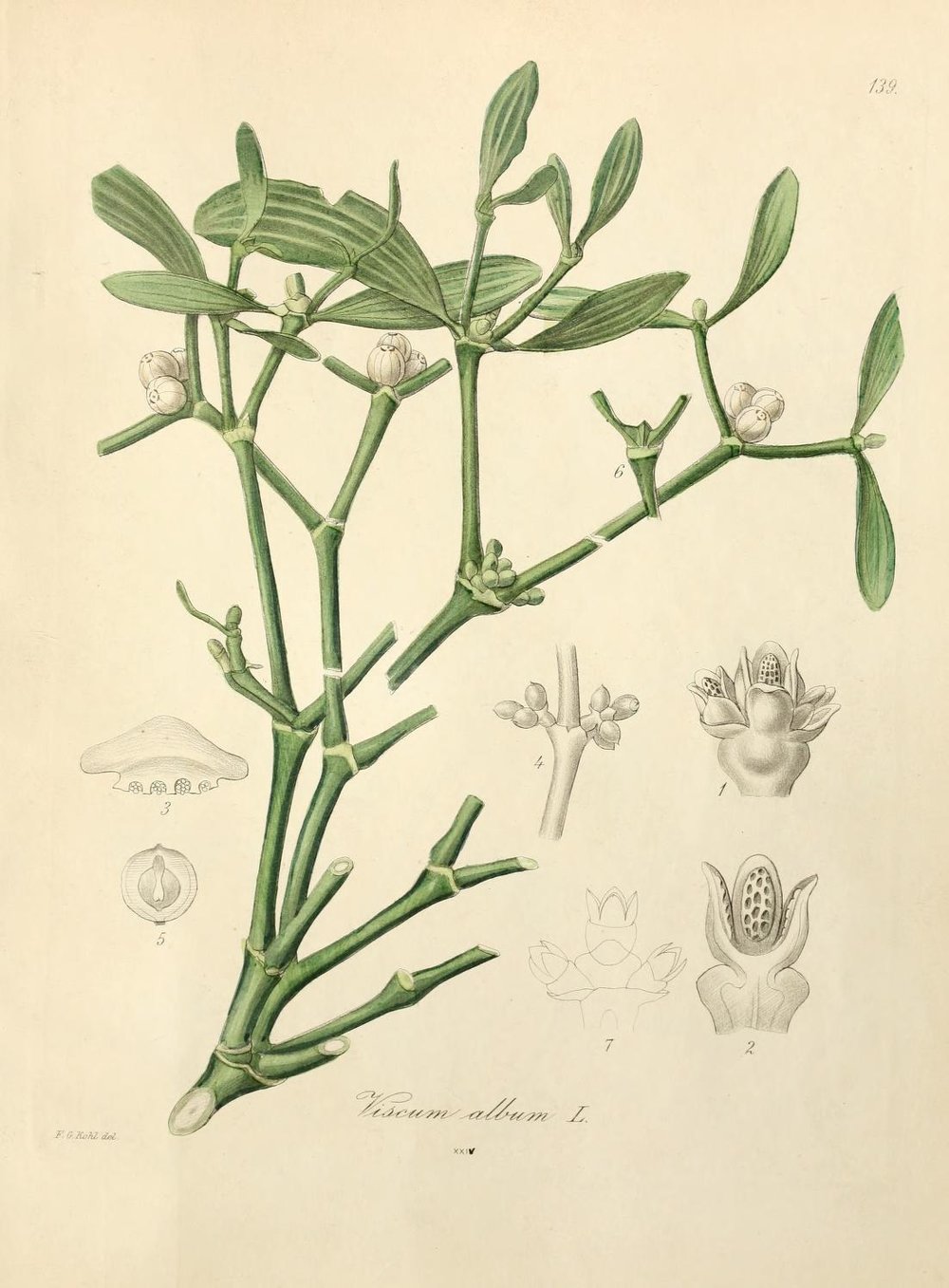
Reichenbachs’ Icones florae Germanicae et Helveticae

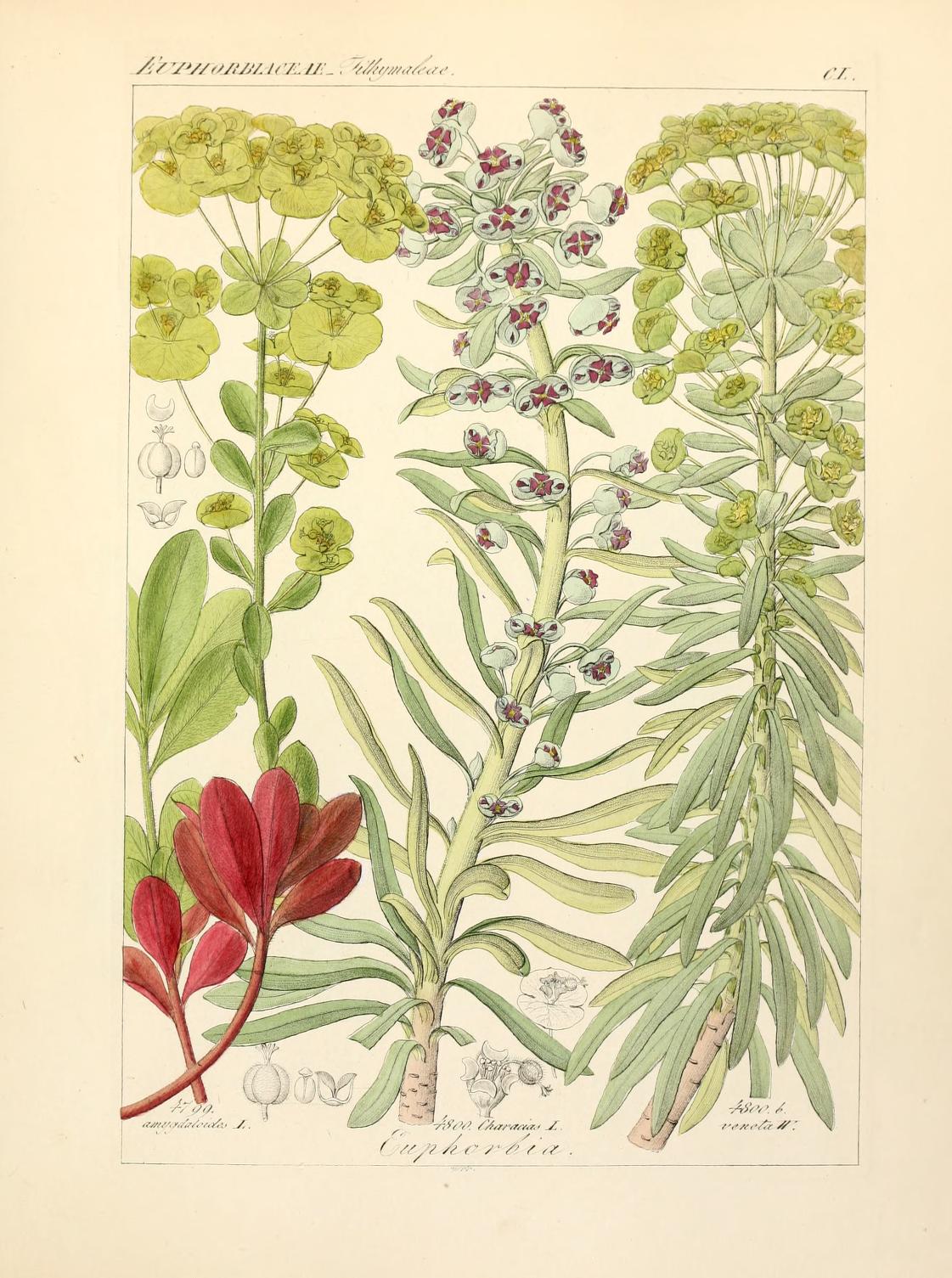
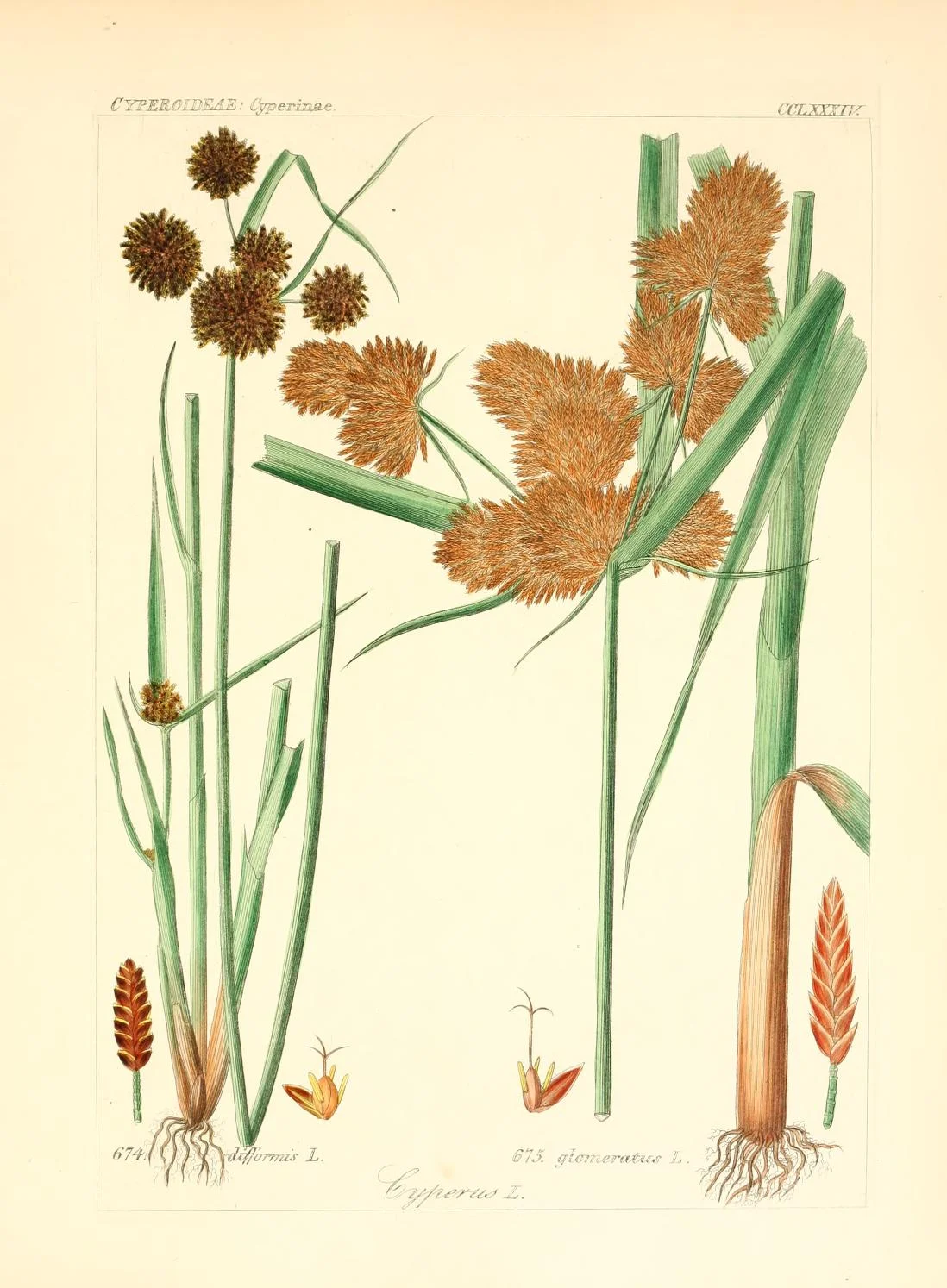
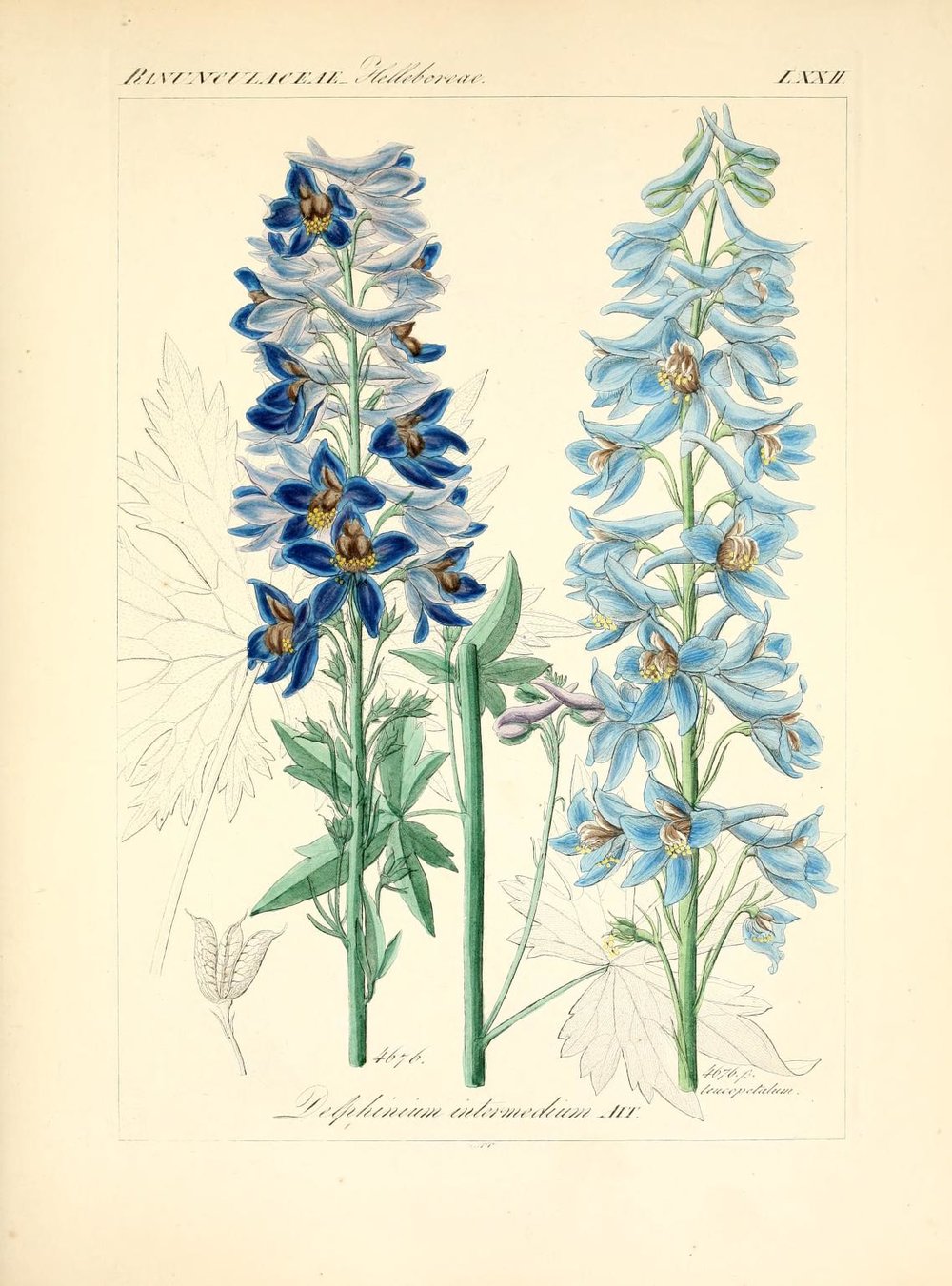
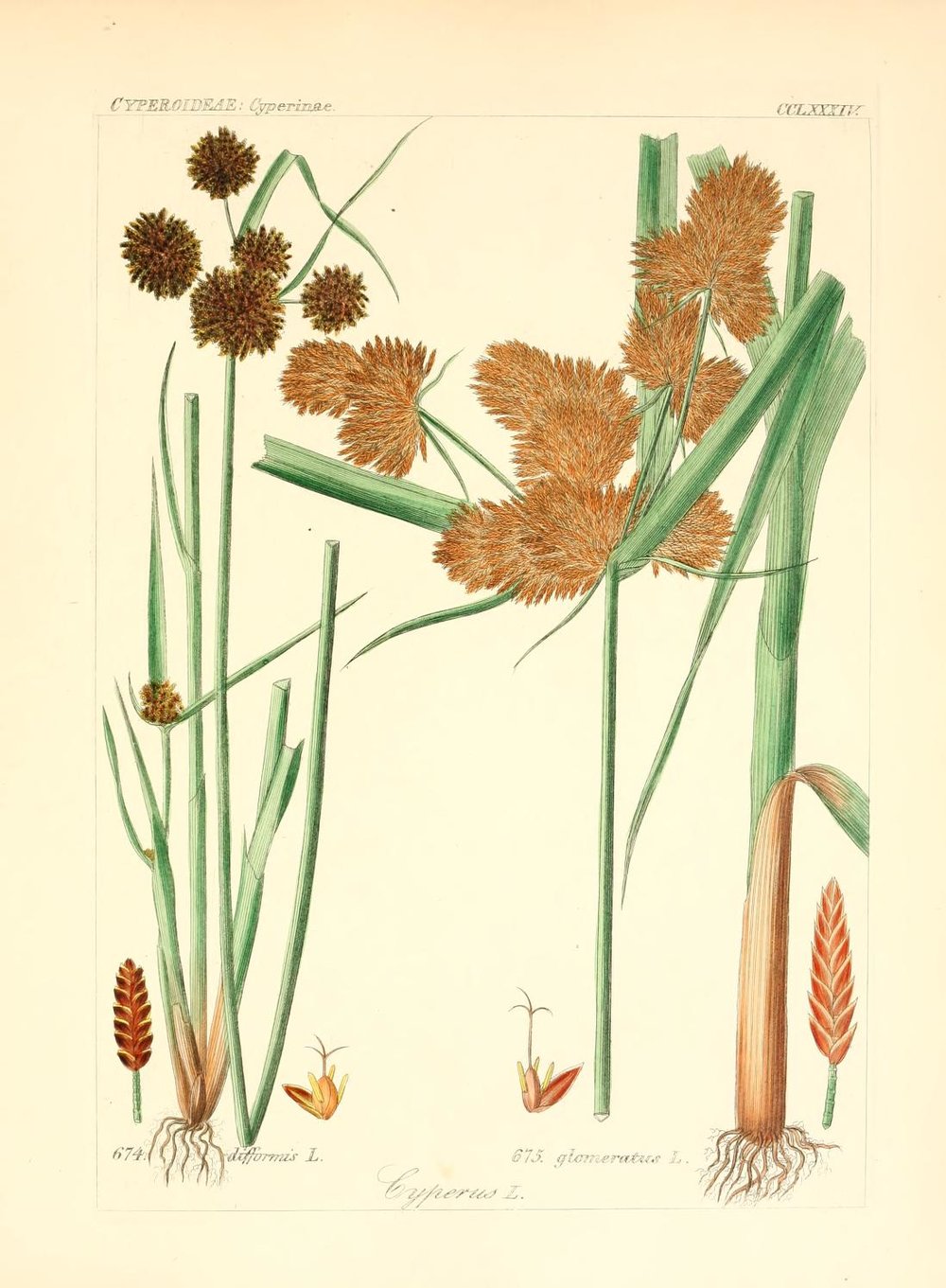
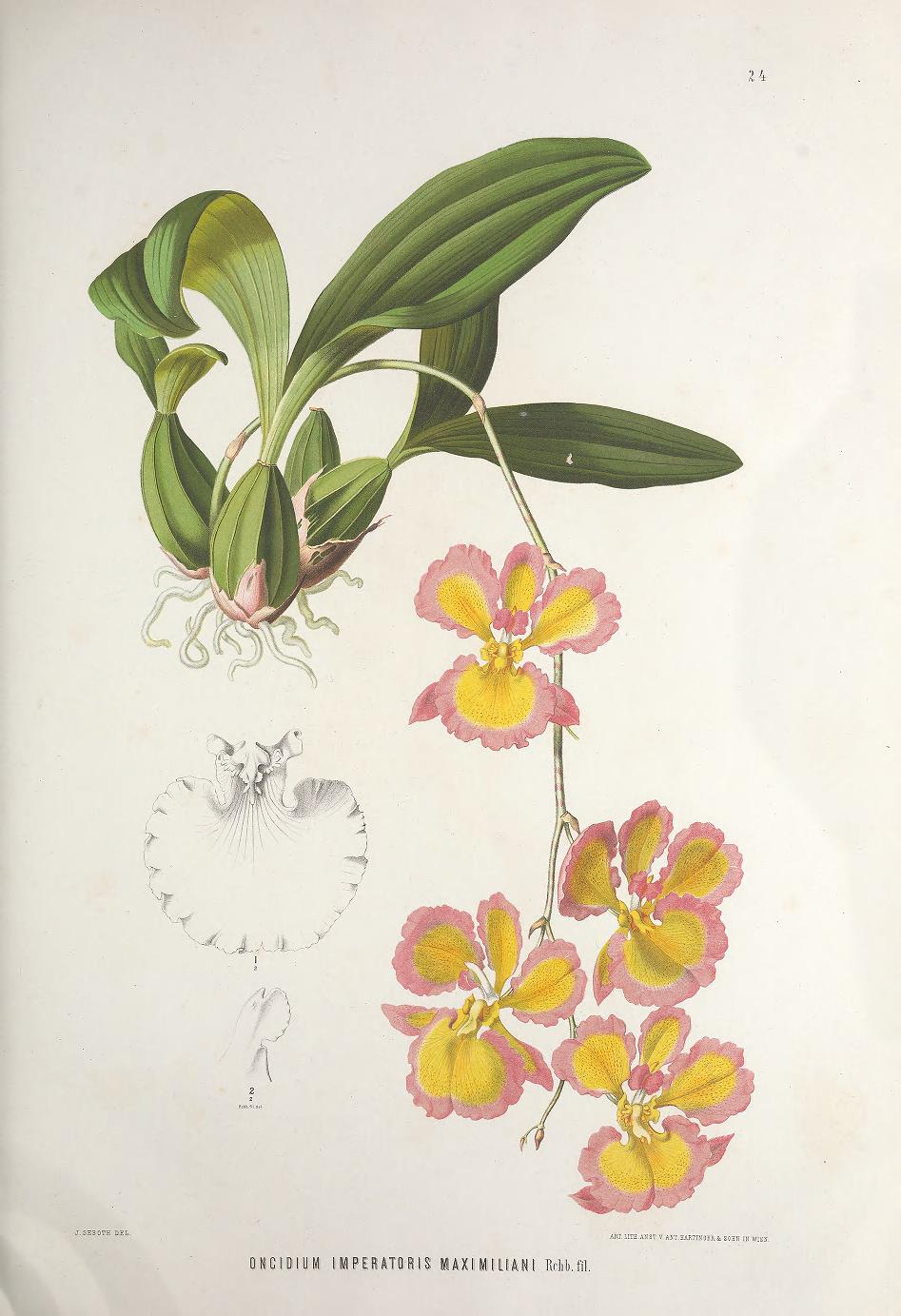
A father and son - Ludwig and Heinrich Gustav Reichenbach – produced 24 volumes of the Icones florae Germanicae et Helveticae of which Internet Archive has 20 available here. The father is better known for his glass sea creatures and Henrich Gustav Reichenbach is better known for his work on orchids. Still – the illustrations in these volumes are colorful and more like traditional botanical prints in the 1800s – with the central plant in color and plant parts drawn in available space around that depiction.

The colors look a little faded….but that may have been the way they were originally. They still are enough to perk up a cold winter day.

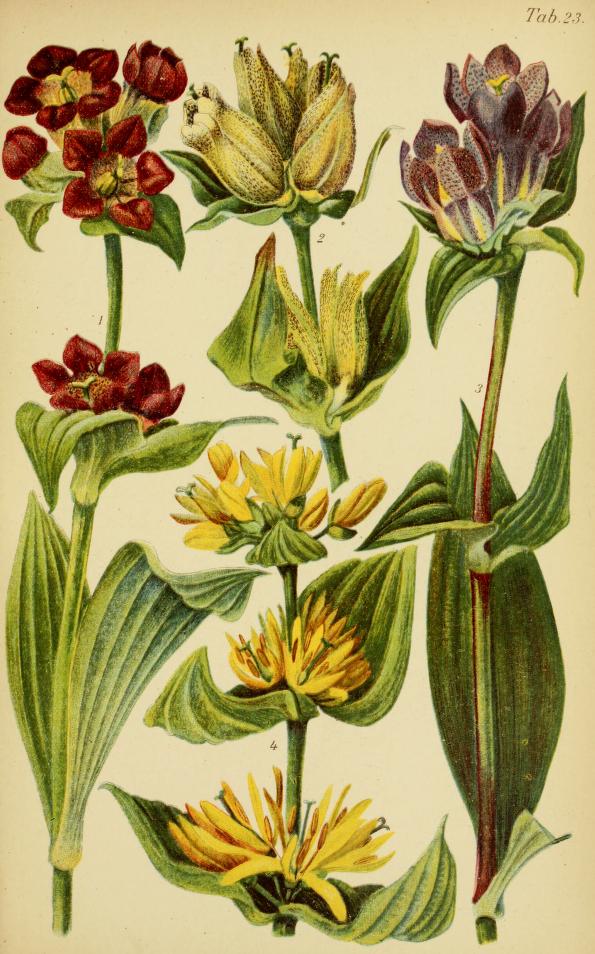
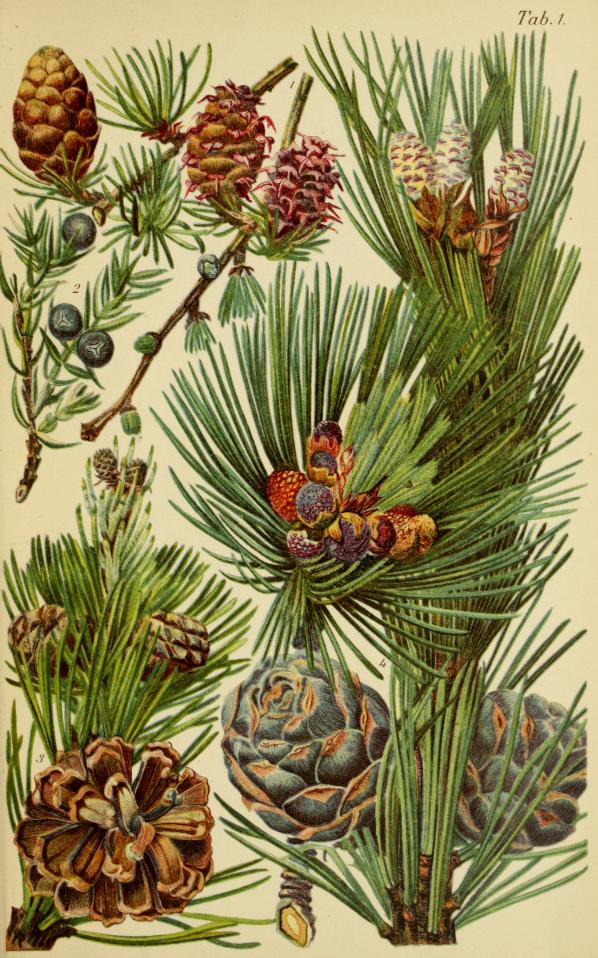
Gustav Hegi’s Alpenflora

Gustav Hegi was a Swiss botanist that worked in Germany for most of his career. He is best known for editing Illustrierte Flora von Mittel-Europa from 1908 – 1931 (he died in 1932) writing approximately a third of the content during those years. I started with his earlier work – Alpenflora – which is available from the Internet Archive here. The first edition was published in 1905; the edition available on Internet Archive is from 1922.

The botanical illustrations are grouped on the pages. My favorite is probably the one for pines…but the groups of flowers are appealing too – not as bouquets but how the author made use of the whole page to maximize the plants he could document.

The colors on this scanned copy appear to be very good. It’s a good book to enjoy on a winter day.

eBotanical Prints – November 2018

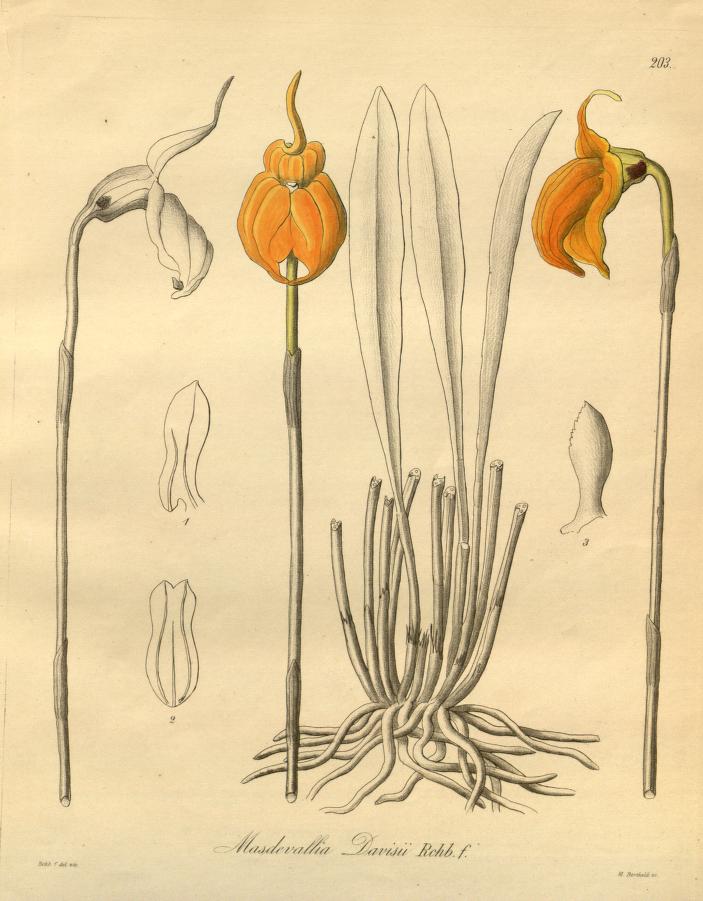
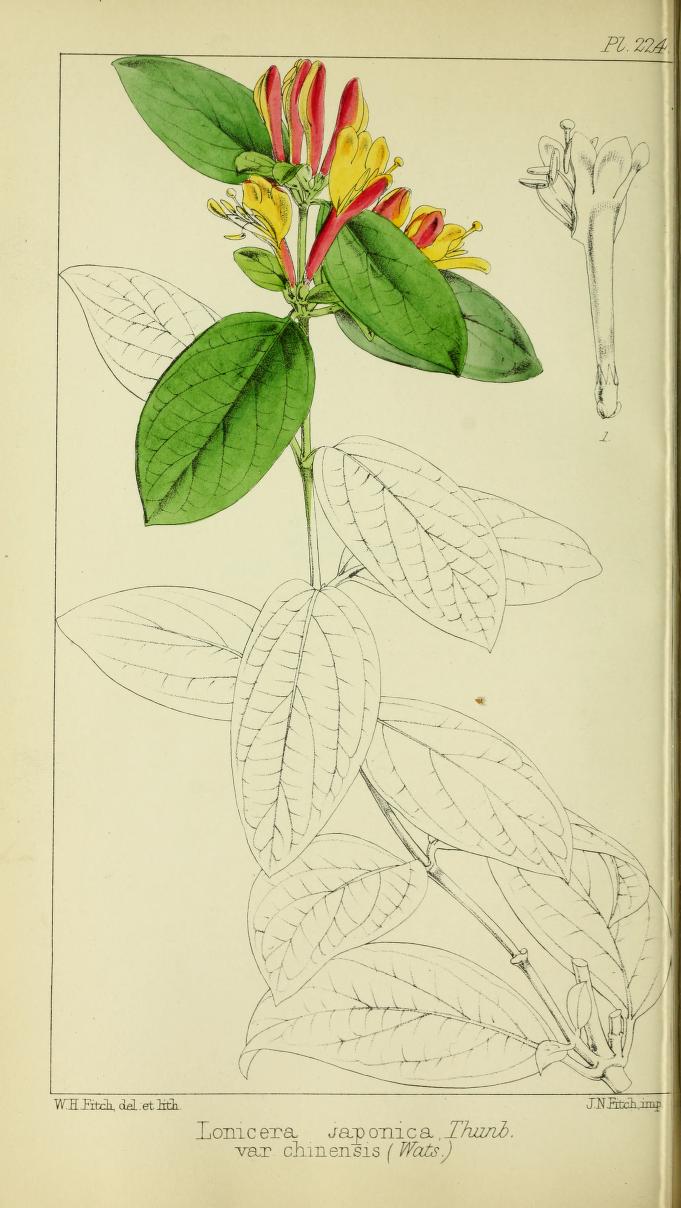
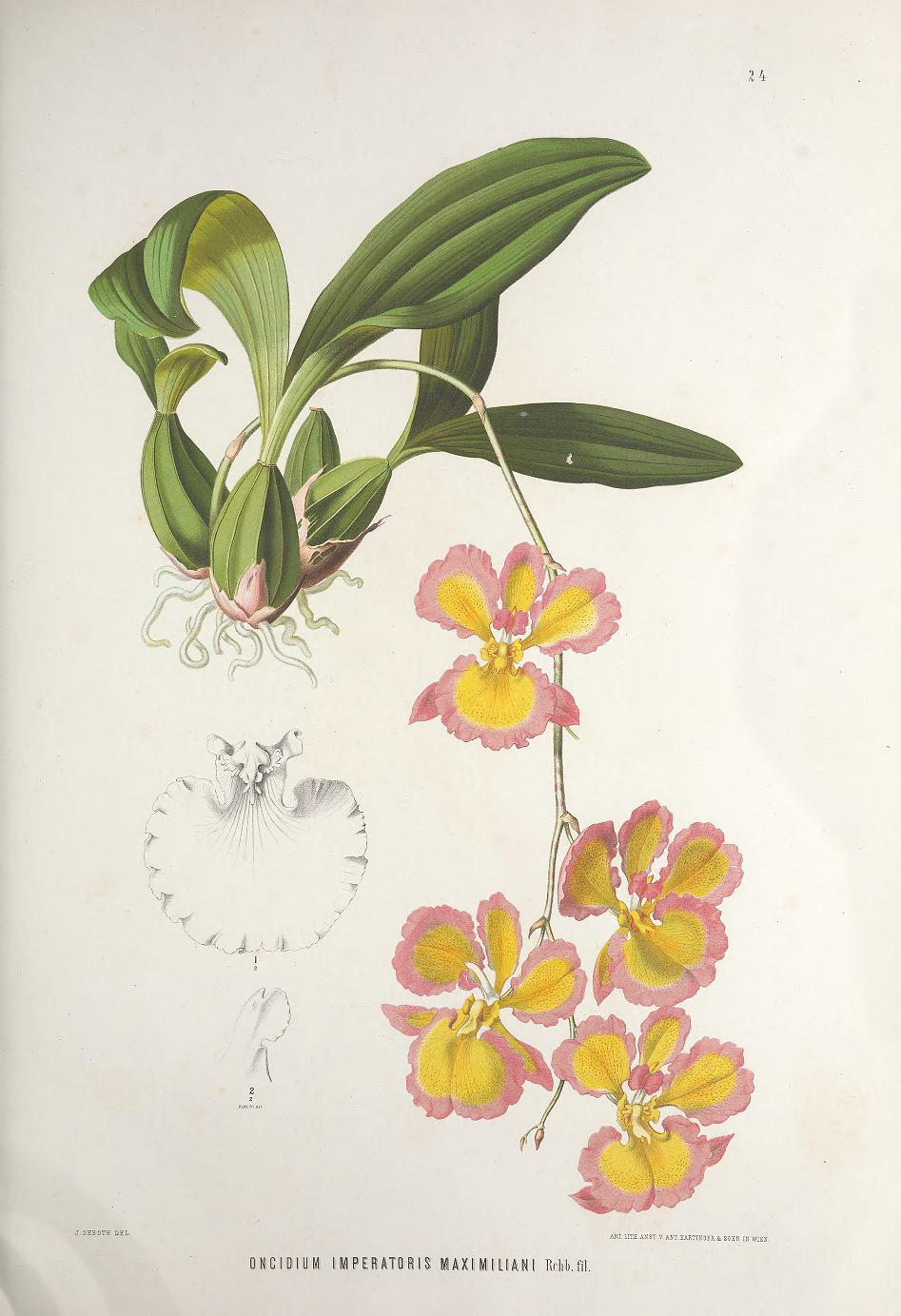
It was another big month for botanical print books….27 added to the big list (here) and listed in this post.

I’ll write a little more about some of the books in later posts. Today’s post is a slide show of the 27 sample images and then the list of books. There are over 1500 books in the big list of digital eBooks available online free of charge. All the books for this month are from the Internet Archive.

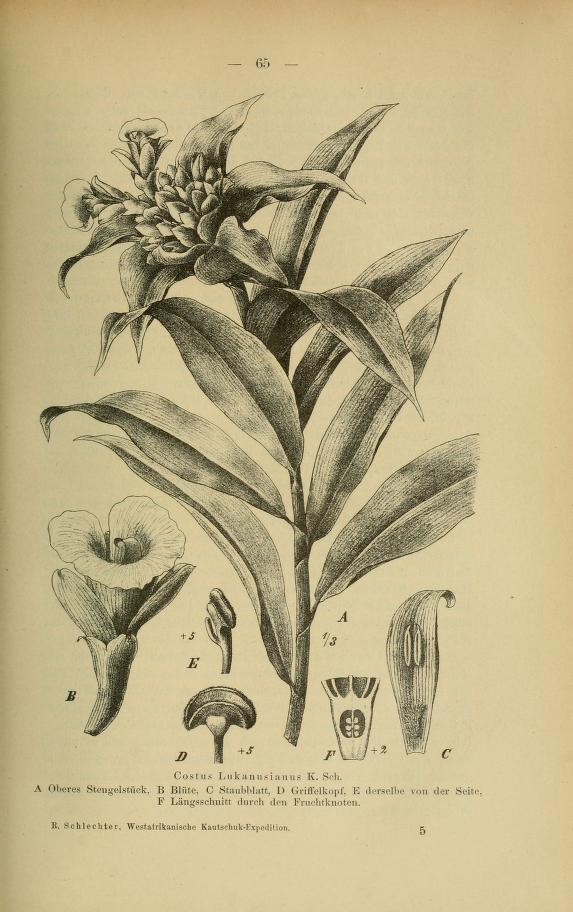
Westafrikanische Kautschuk-Expedition, 1899/1900 * Schlechter, Rudolf * sample image * 1900

Alpenflora; die verbreitetsten Alpenpflanzen von Bayern, Österreich und der Schweiz * Hegi, Gustav * sample image * 1922

Icones florae Germanicae et Helveticae V1 * Reichenbach, Heinrich Gottlieb Ludwig; Reichenbach, Heinrich Gustav * sample image * 1850

Icones florae Germanicae et Helveticae V2 * Reichenbach, Heinrich Gottlieb Ludwig; Reichenbach, Heinrich Gustav * sample image * 1838

Icones florae Germanicae et Helveticae V3 * Reichenbach, Heinrich Gottlieb Ludwig; Reichenbach, Heinrich Gustav * sample image * 1839

Icones florae Germanicae et Helveticae V4 * Reichenbach, Heinrich Gottlieb Ludwig; Reichenbach, Heinrich Gustav * sample image * 1840

Icones florae Germanicae et Helveticae V5 * Reichenbach, Heinrich Gottlieb Ludwig; Reichenbach, Heinrich Gustav * sample image * 1841

Icones florae Germanicae et Helveticae V6 * Reichenbach, Heinrich Gottlieb Ludwig; Reichenbach, Heinrich Gustav * sample image * 1844

Icones florae Germanicae et Helveticae V7 * Reichenbach, Heinrich Gottlieb Ludwig; Reichenbach, Heinrich Gustav * sample image * 1845

Icones florae Germanicae et Helveticae V8 * Reichenbach, Heinrich Gottlieb Ludwig; Reichenbach, Heinrich Gustav * sample image * 1846

Icones florae Germanicae et Helveticae V9 * Reichenbach, Heinrich Gottlieb Ludwig; Reichenbach, Heinrich Gustav * sample image * 1847

Icones florae Germanicae et Helveticae V10 * Reichenbach, Heinrich Gottlieb Ludwig; Reichenbach, Heinrich Gustav * sample image * 1848

Icones florae Germanicae et Helveticae V11 * Reichenbach, Heinrich Gottlieb Ludwig; Reichenbach, Heinrich Gustav * sample image * 1849

Icones florae Germanicae et Helveticae V12 * Reichenbach, Heinrich Gottlieb Ludwig; Reichenbach, Heinrich Gustav * sample image * 1850

Icones florae Germanicae et Helveticae V15 * Reichenbach, Heinrich Gottlieb Ludwig; Reichenbach, Heinrich Gustav * sample image * 1853

Icones florae Germanicae et Helveticae V16 * Reichenbach, Heinrich Gottlieb Ludwig; Reichenbach, Heinrich Gustav * sample image * 1854

Icones florae Germanicae et Helveticae V19 * Reichenbach, Heinrich Gottlieb Ludwig; Reichenbach, Heinrich Gustav * sample image * 1904

Icones florae Germanicae et Helveticae V20 * Reichenbach, Heinrich Gottlieb Ludwig; Reichenbach, Heinrich Gustav * sample image * 1903

Icones florae Germanicae et Helveticae V21 * Reichenbach, Heinrich Gottlieb Ludwig; Reichenbach, Heinrich Gustav * sample image * 1867

Icones florae Germanicae et Helveticae V22 * Reichenbach, Heinrich Gottlieb Ludwig; Reichenbach, Heinrich Gustav * sample image * 1862

Icones florae Germanicae et Helveticae V23 * Reichenbach, Heinrich Gottlieb Ludwig; Reichenbach, Heinrich Gustav * sample image * 1899

Icones florae Germanicae et Helveticae V24 * Reichenbach, Heinrich Gottlieb Ludwig; Reichenbach, Heinrich Gustav * sample image * 1899

Xenia orchidacea  V1 * Reichenbach, Heinrich Gustav * sample image * 1858

Xenia orchidacea  V2 * Reichenbach, Heinrich Gustav * sample image * 1874

Xenia orchidacea  V3 * Reichenbach, Heinrich Gustav * sample image * 1900

Refugium botanicum V4 * Saunders, William Wilson, Reichbach, Heinrich Gustav, Baker, John Gilbert * sample image * 1871

Botanische Ergebnisse * Wawra, Heinrich, ritter von Fernsee; Krempelhuber, August von; Reichenbach, Henrich Gustav, Seboth, J. * sample image * 1866