3 Free eBooks – November 2018

It is so easy to find books online these days. More institutions are scanning their older collections and Internet Archive is the access hub for accessing many of those scanned collections. Many books that would have been hard to find because they are out-of-print are now available in digital form.

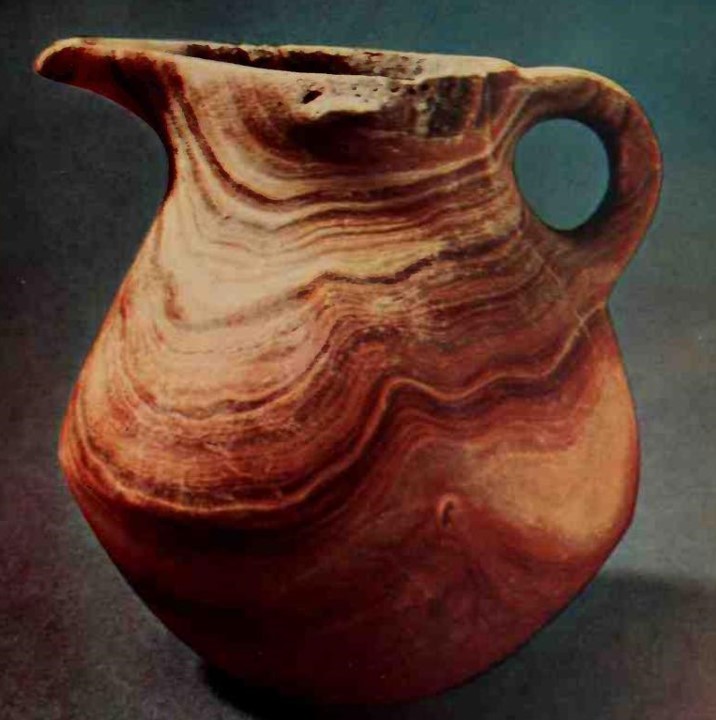
Matz, Friedrich. Art of the World: Art of Crete and Early Greece, The prelude to Greek Art. New York: Crown Publishers. 1962. Available from Internet Archive here. A little dated (lots has been discovered and/or figured out since the 1960s), but the pictures are great. I loved the small stone jug. The text said it was probably stalactite. It was found in eastern Crete.
2018 11 ebook1.jpg

--

We are traveling back from New Mexico today…having enjoyed our second foray to the Festival of the Cranes at Bosque del Apache National Wildlife Refuge. Keeping with that theme – there are two books on my favorites list for this month that are related:

Johnsgard, Paul A. Sandhill and whooping cranes: ancient voices over America’s wetlands. Lincoln: University of Nebraska Press. 2011. Available for checkout from Internet Archive here.

2018 11 ebook3.jpg

ERIC. Wildlife of New Mexico: A Coloring Book. 1986. Available from Internet Archive here. There are 31 animals pictured along with a map of their range when the book was published in the 1980s. The javelina must have expanded its range since it is now seen in the refuge which in south central New Mexico. But the highlight of the festival – always – is the sandhill cranes.

Gleanings of the Week Ending November 17, 2018

The items below were ‘the cream’ of the articles and websites I found this past week. Click on the light green text to look at the article.

1.8 Million Clean Energy Workers Employed in Top 50 American Metro Areas | CleanTechnica – Jobs that are future leaning rather than in anchor industries like fossil fuels.

USDA Approves Edible Cotton | The Scientist Magazine® - Edible? I wonder if many people will have digestive problems with the seeds even if they are approved for human consumption.

The rise of sponges in Anthropocene reef ecosystems – Coral is impacted by higher temperatures and acidification more than sponges and there are already some ‘reefs’ that are dominated by sponges rather than coral. These reefs function differently and are expected to become more prevalent.

Study explores infant body position and learning -- ScienceDaily – I am always fascinated about studies with babies…observational but trying to be objective.

$31 Billion Hurricane Protection Plan Proposed for Texas - News | Planetizen – A hefty price tag…and who will pay for it? Would it work for very much of the area if they had another Hurricane like Harvey?

A Day in The Park: Hot Springs National Park – I visited this park years ago…before many of the more recent renovations. Maybe it’s time to see visit again.

'Wildlife Photographer of the Year' awards: Here are the best animal photos of 2018 – Great photography…nature…art. My favorite was the last one – the treehopper guarding her family.

Passive Radiative Cooling Moves Out of The Lab & Into the Real World | CleanTechnica – Cooling without consuming massive amounts of electricity….but is it really ‘out of the lab’ yet.

The Armchair Photography Guide to Bryce Canyon National Park – Part 2, Inspiration Point to Rainbow Point – There seem to be several articles in my feeds that are prompting thought of future travel. This is another place I’d like to go. The last time I was in Utah, the Federal government was closed so the national parks were not open!

Infographic: Exercise’s Effects on the Brain – Understanding the molecular mechanisms that connect exercise to cognitive benefits.

Field Trips in the Rain

Last week, I volunteered for two elementary school hiking field trips at Howard County Conservancy’s Mt Pleasant Farm….and it rained both days! On Monday it was kindergarteners and the ‘hike’ was shorted from 40 minutes to 20 minutes and accomplished in mostly the nature center. We started out on the terrace above the nature center looking out over the Honor Garden…talking about trees with leaves (and looked at leaves on the ground). Then we walked quickly around the front of the building to get to the nature center…and were wet enough already. Inside the nature center there were animal skulls and pelts…seeds and leaves…preserved insects…

20181105_093845.jpg

And tree cookies.

When I talk to kindergarteners about tree cookies, I take time to explain what they are…and that they are not to eat! We count the main rings on the Royal Paulownia and then note that the other trees grow more slowly. My favorite is the dogwood because the rings are not as regular the other samples. The children are always enjoy learning about sugar maples…and maple syrup.

The rest of the time that would have normally been hiking was spent observing and hearing about Ranger, the barred owl.

20181109_095014.jpg

On Friday, it only sprinkled a little on the first hike with second graders while we were out and about in the meadow. It was a very cloudy day.

During the second hike, it started raining. The children were dressed for the weather and more than half of them had umbrellas. We were in the meadow collecting and analyzing soil samples when it started raining. We decided we’d done enough samples and went to learn about the rocks by looking at an old stone wall. We started making our way back to the nature center by way of the goat and chicken enclosures…noting what the animals were doing (both enclosures have shelters and that’s where the animals were…out of the rain). We stopped briefly at the old stump in front of the farm house and discovered a snake skin fragment. Then we headed in to the nature center to see the living black rat snake (Onyx), a snake we see frequently at Mt Pleasant. They were ready for lunch too!

These were my last elementary field trips for the fall season. Even with the challenge of rain, they were good experiences…for me and for the students.

Sunrise and Sunset

One day last week I had serendipity photo ops first thing in the morning and just as the day was ending. In the morning I looked out the front of the house and saw three deer munching on the day lily leaves around our oak. By the time I got my camera, there were only two left. I trimmed the leaves more than a month ago as they began to look ragged and was surprised that they grew back. They are probably some of the most tender green leaves around right now. The day was cloudy and wet so even though the sun had been ‘up’ for about an hour, it was still relatively dark.

2018 11 IMG_3103.jpg
2018 11 IMG_3115b.jpg

Near sunset I noticed the color reflected on the clouds. They were moving rapidly so the shapes were changing. Our sycamore was already in silhouette with the vibrant color in the background.

2018 11 IMG_3115.jpg

A few minutes later the clouds still looked very orange. I zoomed to some distant tulip poplars that still had a few leaves.

2018 11 IMG_3115c.jpg

Back to our sycamore in silhouette – the cloud has the shape of some creature with two big eyes and a toothless mouth…maybe a little like Jabba the Hutt.

2018 11 IMG_3115d.jpg
o 2018 11 IMG_3115f.jpg

Then the color was down in the trees. We don’t have a clear few of the sunset since there is a forest to our west. It was a nice end-view for the day.

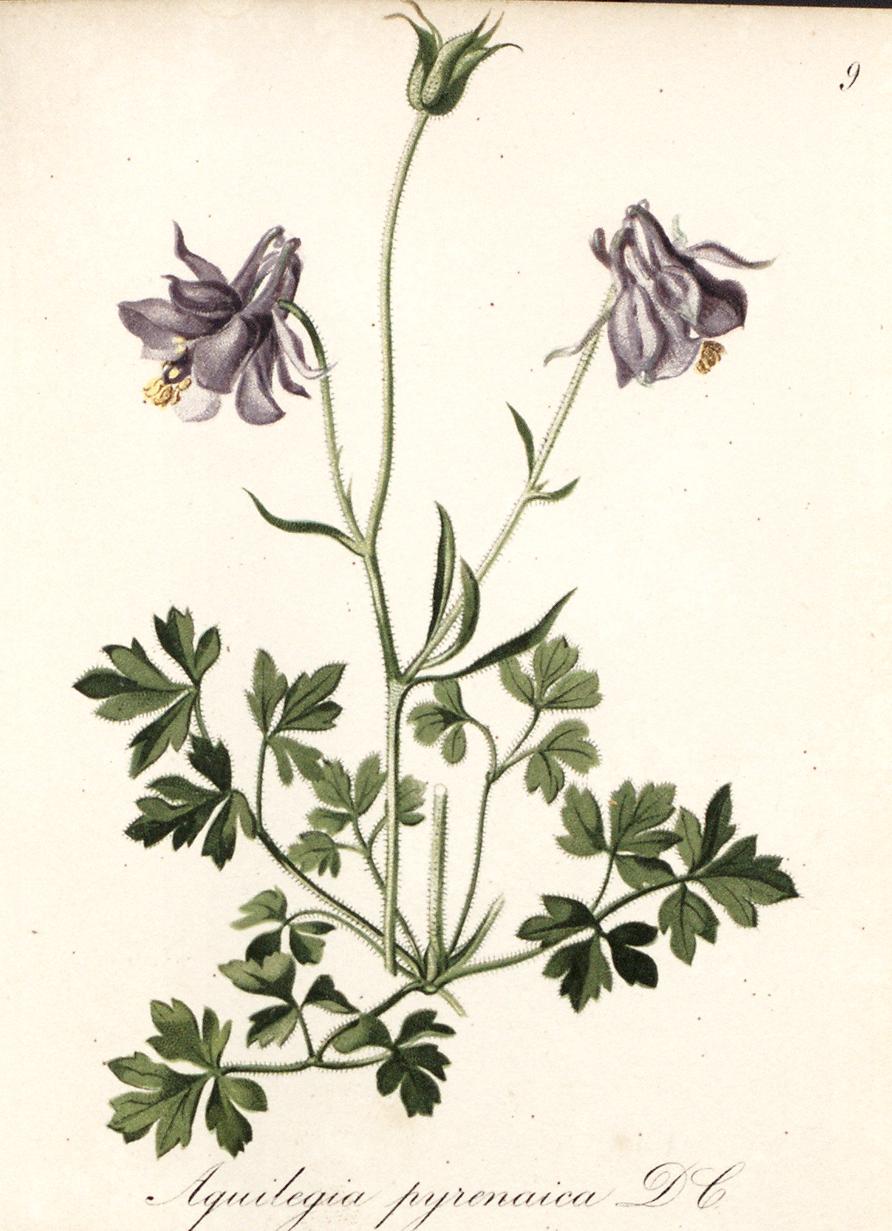
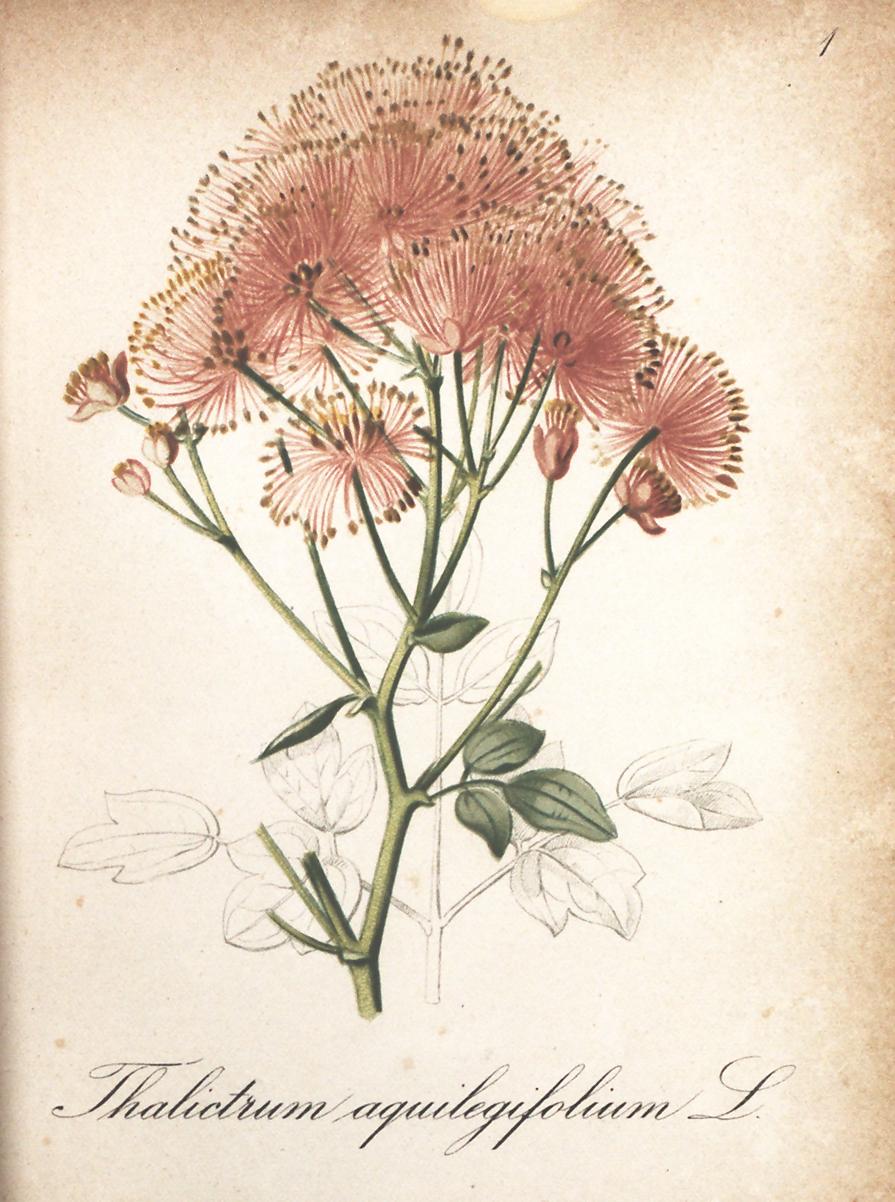
Alpine Plants

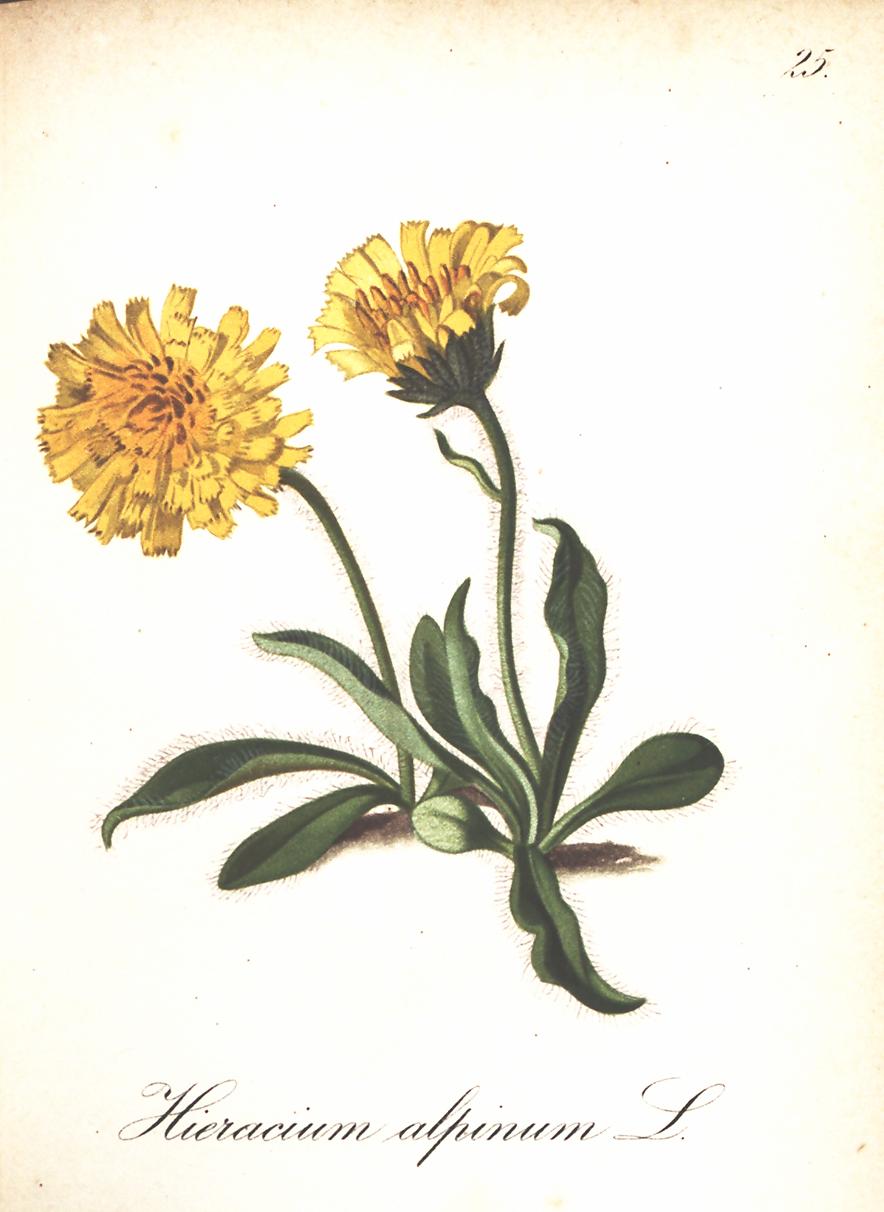
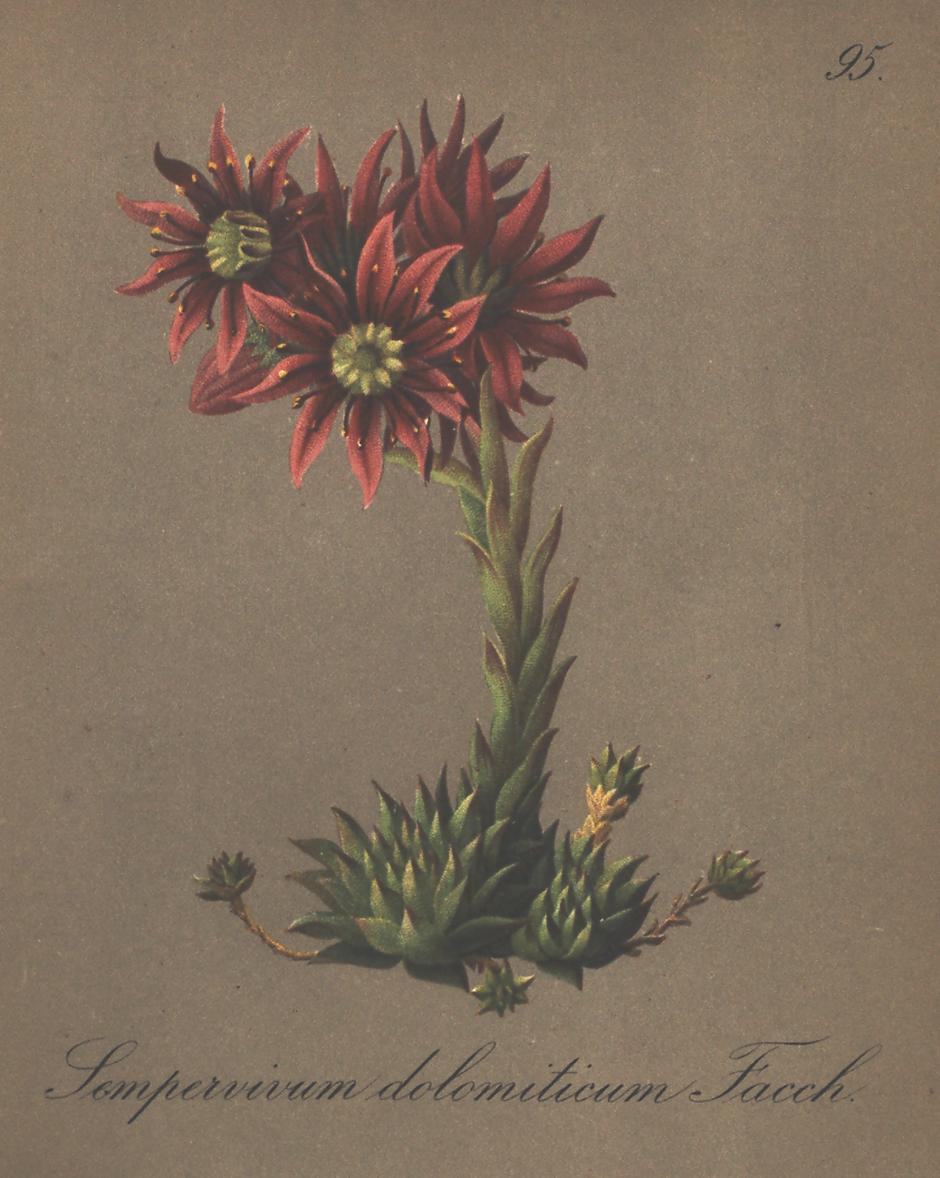
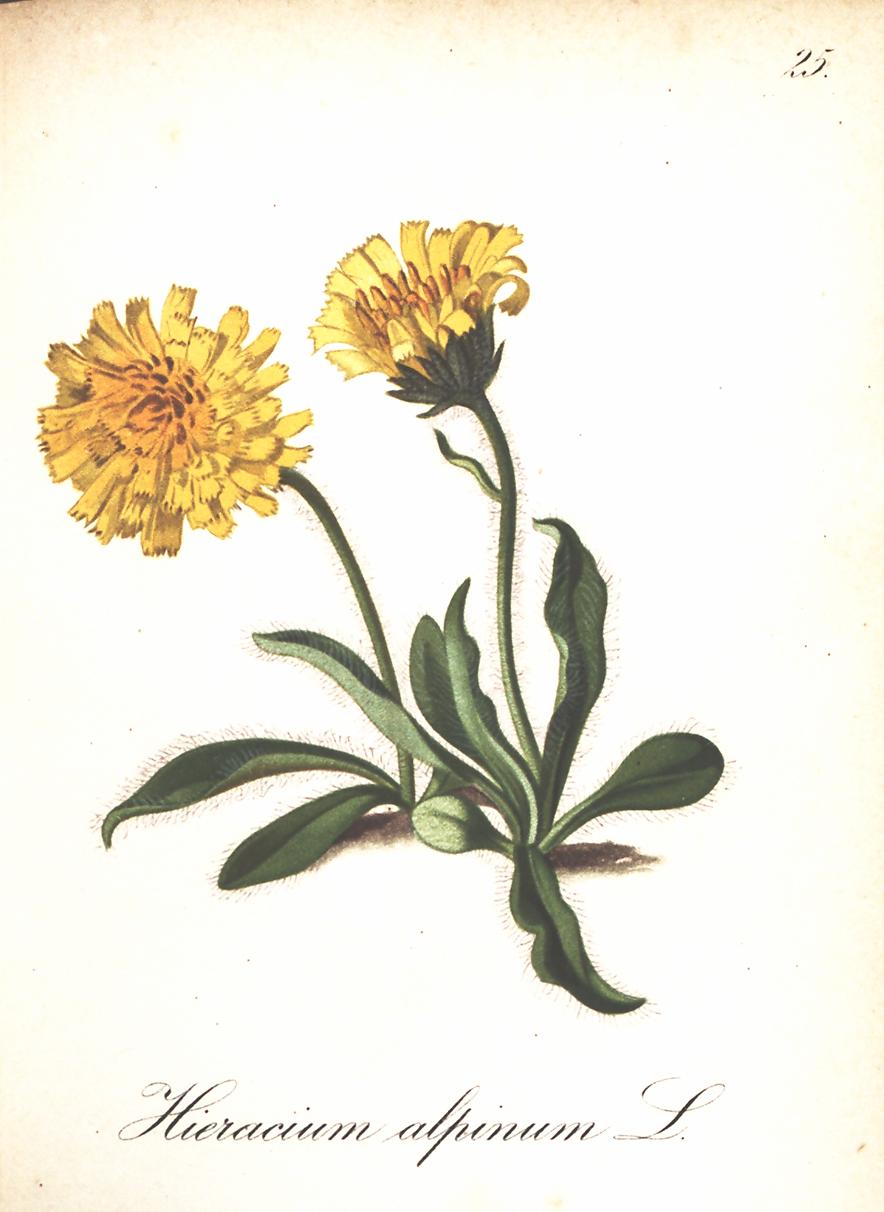
All four volumes of Joseph Seboth’s Die Alpenpflanzen nach der Natur gemalt (Alpine plants painted from nature) are available from the Internet Archive here. The books were published between 1879 and 1884.

The author does not have an entry in Wikipedia so it is difficult to learn very much about him. He was referred to in The Art of Botanical Illustration (Wilfrid Blunt, William Thomas Steam. 1949) as someone omitted from the book….but they did not give any rationale for the omission. There was a Czech site that has more information (after Google translated the page):

Seboth was Austrian and a prominent illustrator of botanical books.

He lived from 1814-1883 so these 4 books were completed just before his death. They were published in Prague.

Some of the references to this series of books published soon after were critical of the illustrations. There are not extra drawings of flower parts or seeds in the illustrations so maybe that made them more art and less ‘botanical print.’

Still – the illustrations are worth browsing through. I find botanical images like these particularly appealing on rainy days and all during the winter!

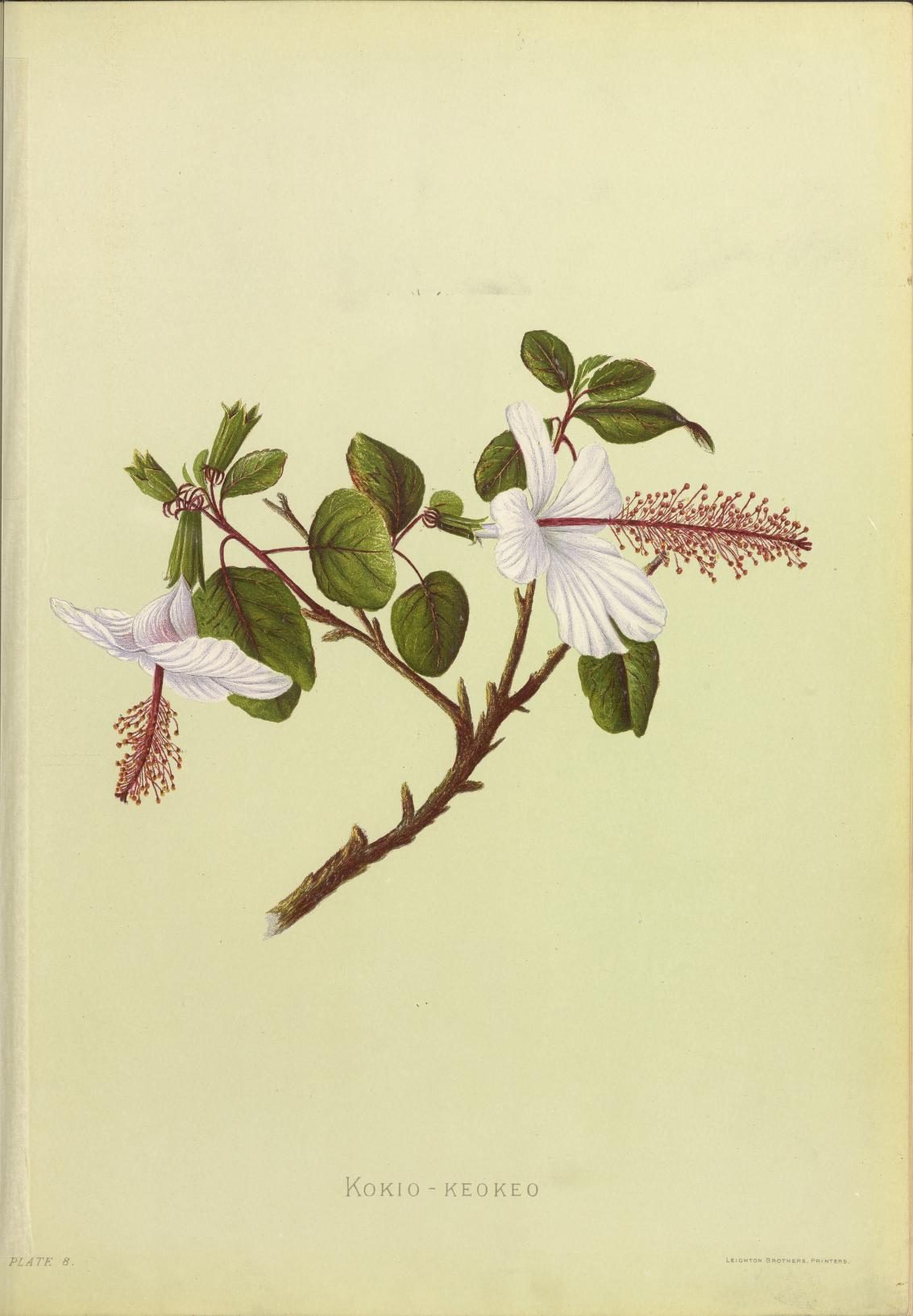
Indigenous Flowers of the Hawaiian Islands

Isabella McHutcheson Sinclair was born in Scotland but emigrated to New Zealand as a child and then married into the Sinclair family that owned land in Hawai’i. She published her Indigenous Flowers of the Hawaiian Islands in 1885 as Mrs. Francis Sinclair. It’s available from Internet Archive here.

Her book was the first book published with color images of Hawaiian flowering plants. She painted the flowers she saw and interviewed native Hawaiians to glean what they new about then plants. I selected 4 of the 44 plates to include in this post.

As I looked at the images, I wondered how many of the plants still exist…which ones were brought by the Polynesian colonists and not actually indigenous.

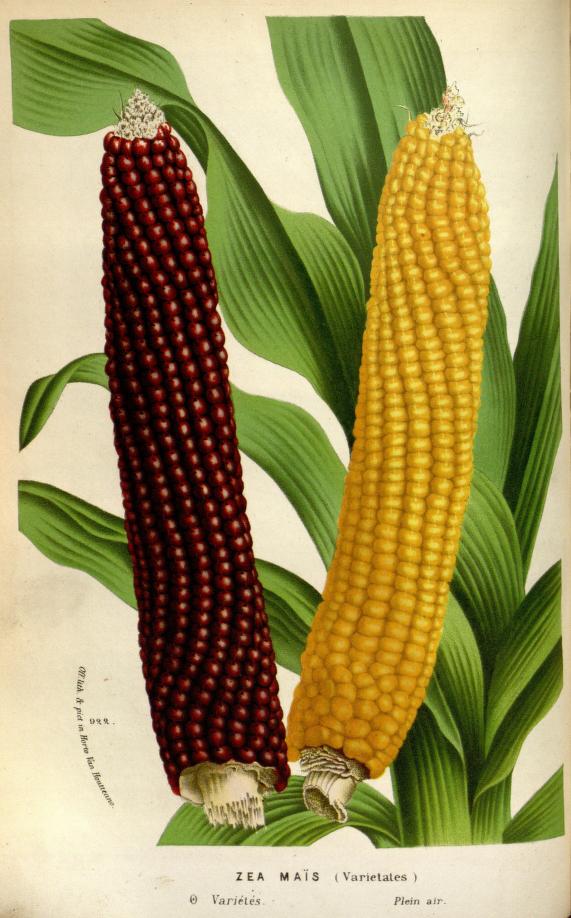
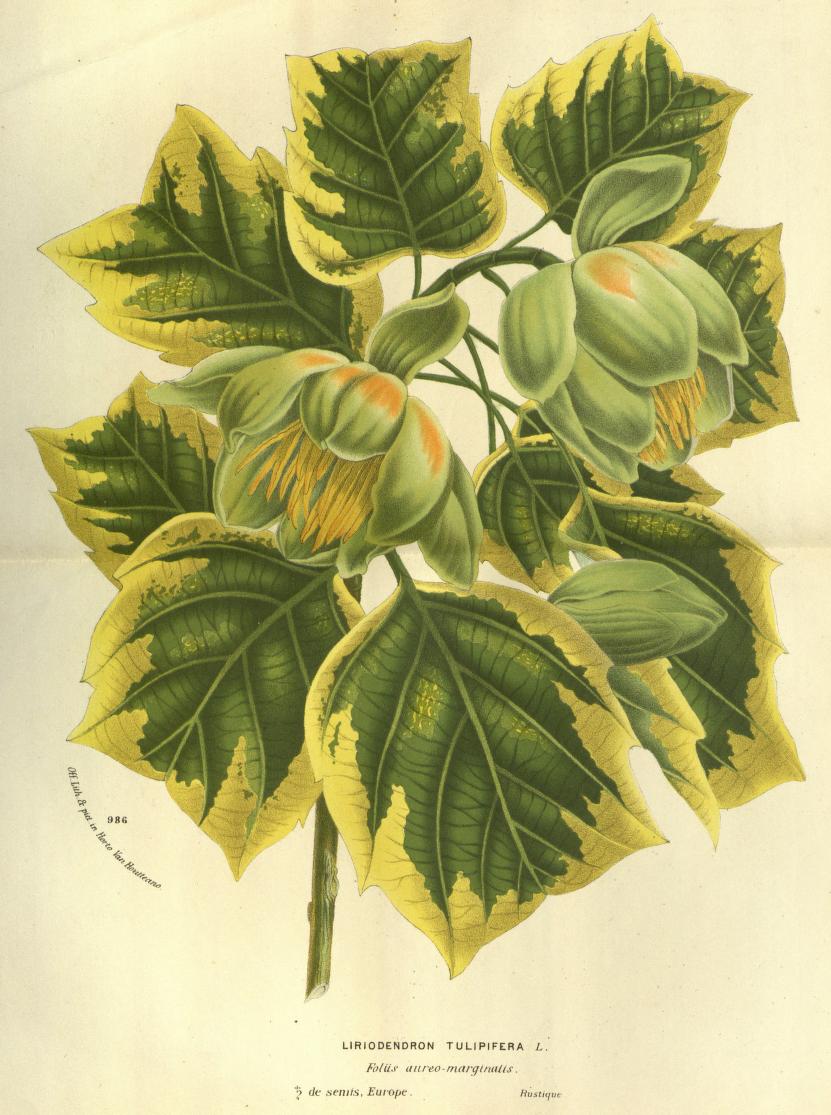
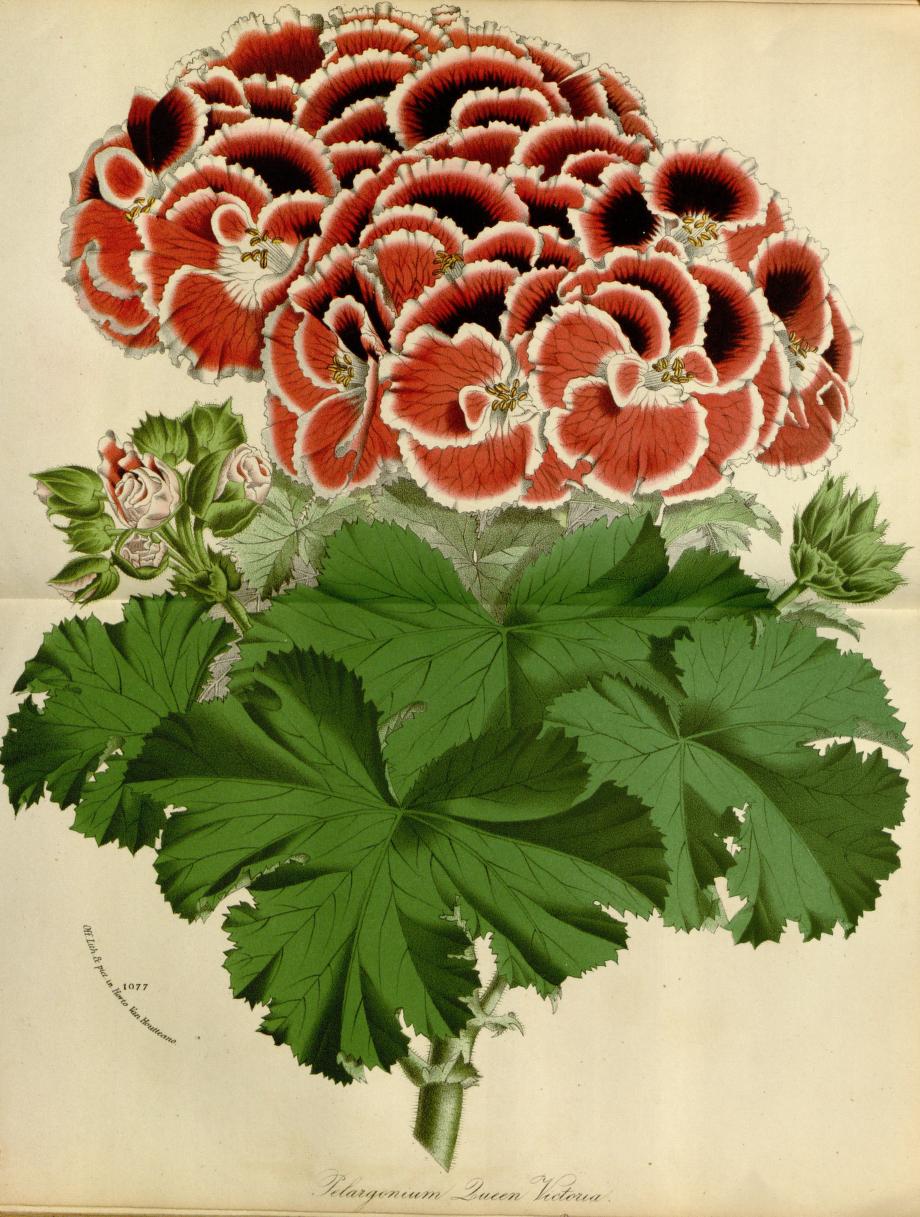
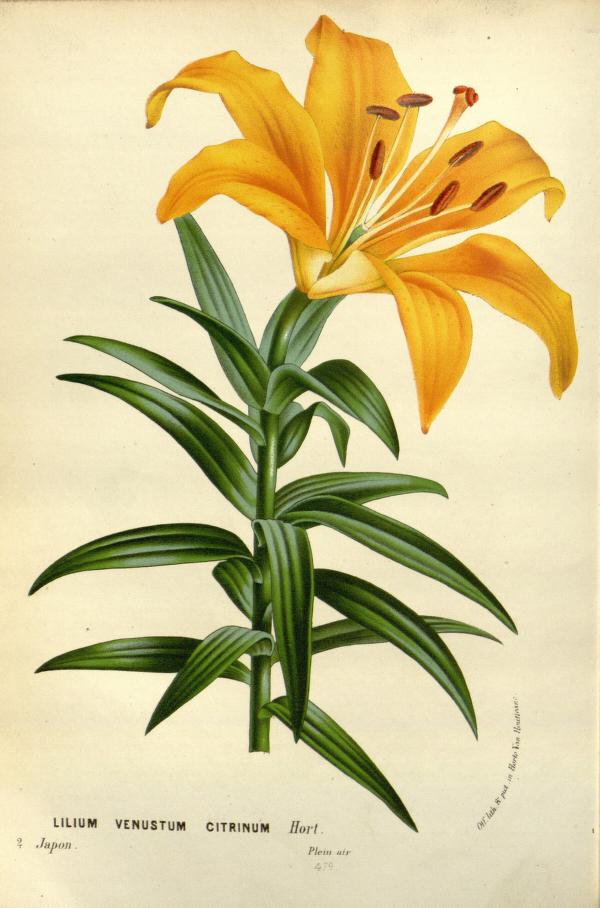
Louis van Houtte Botanical Books

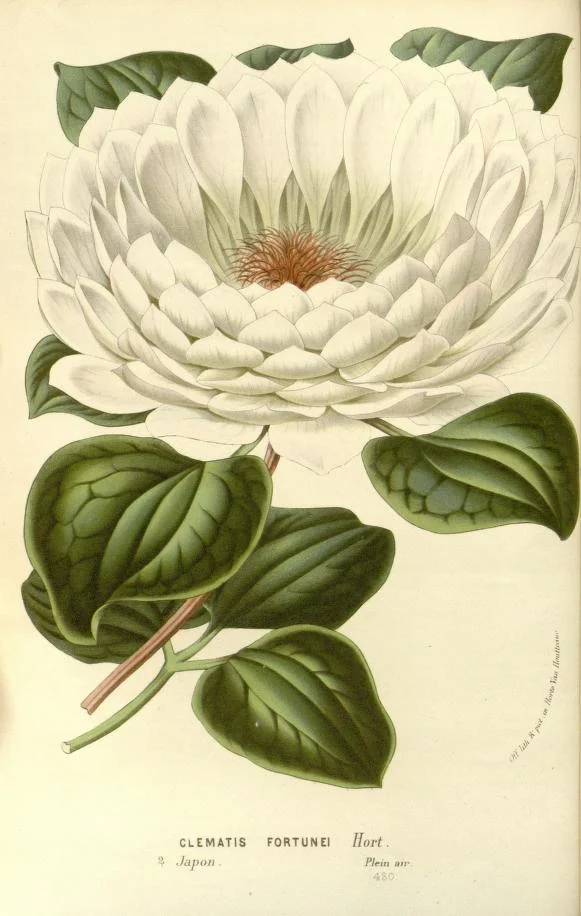
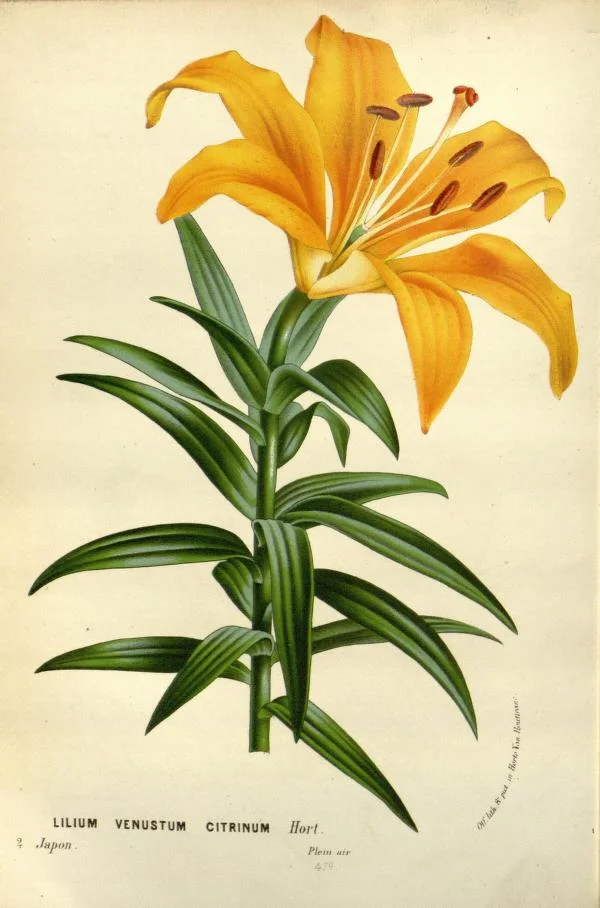
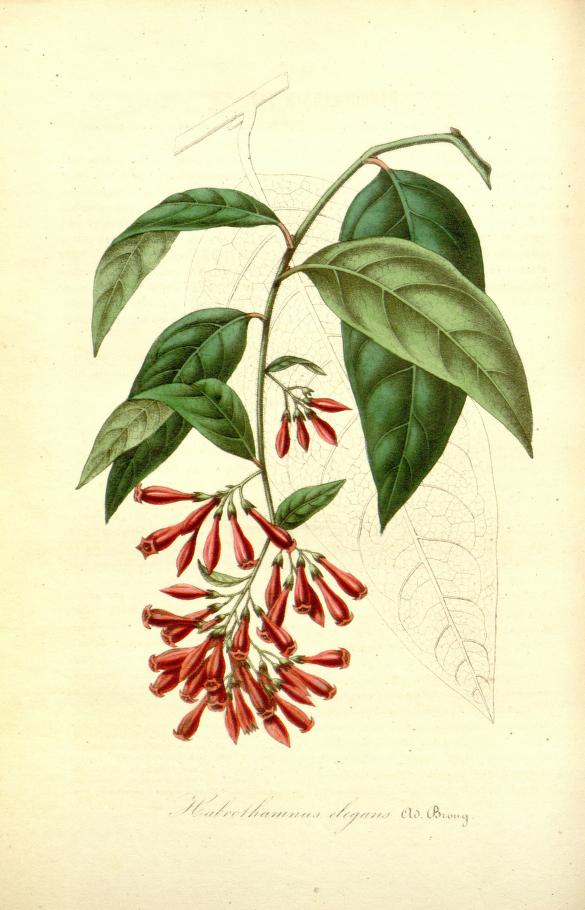
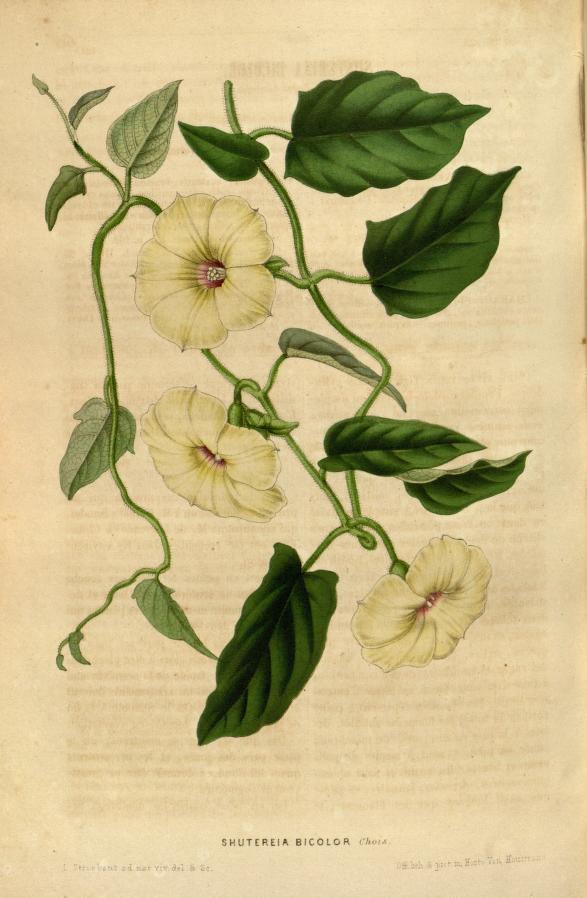
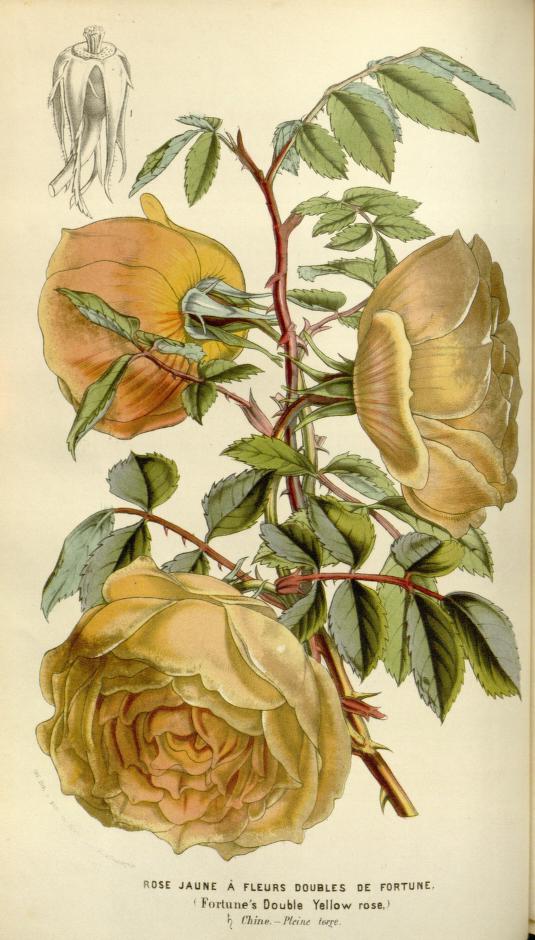
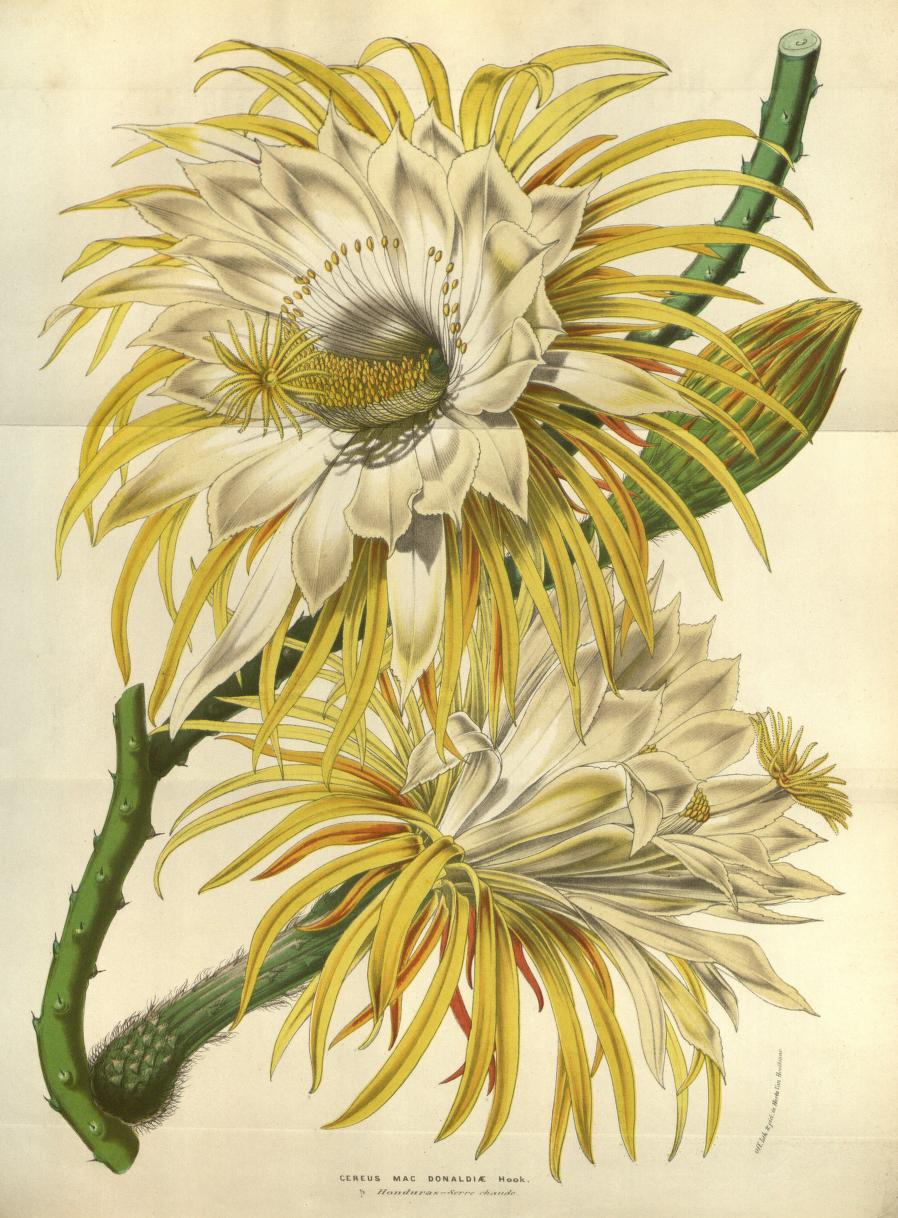
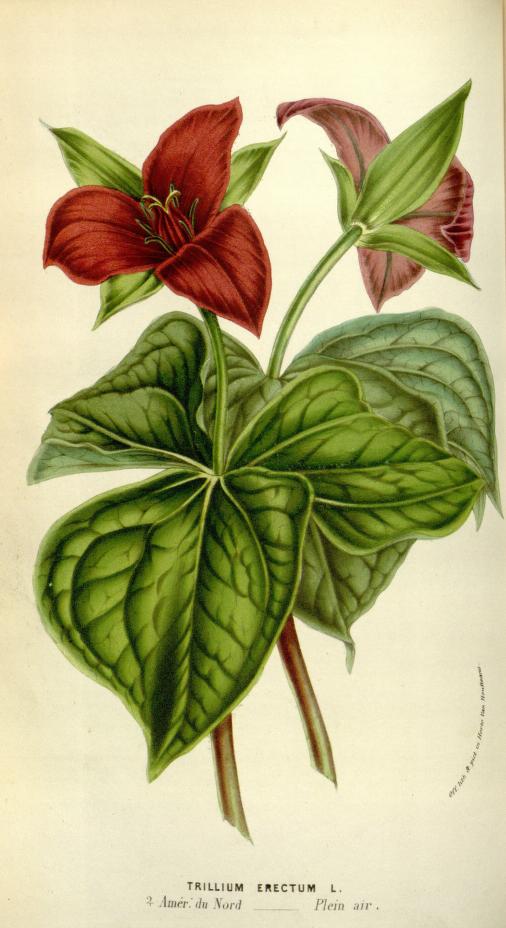
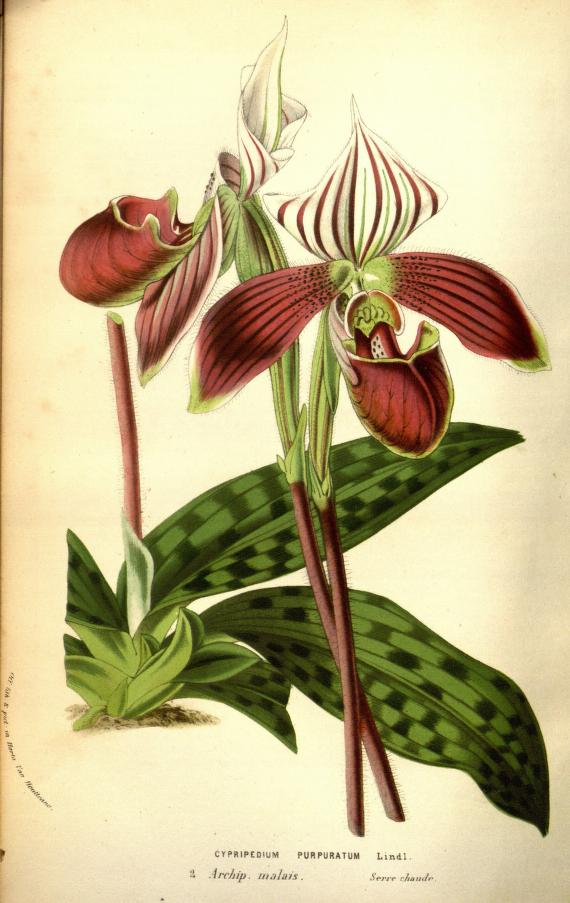
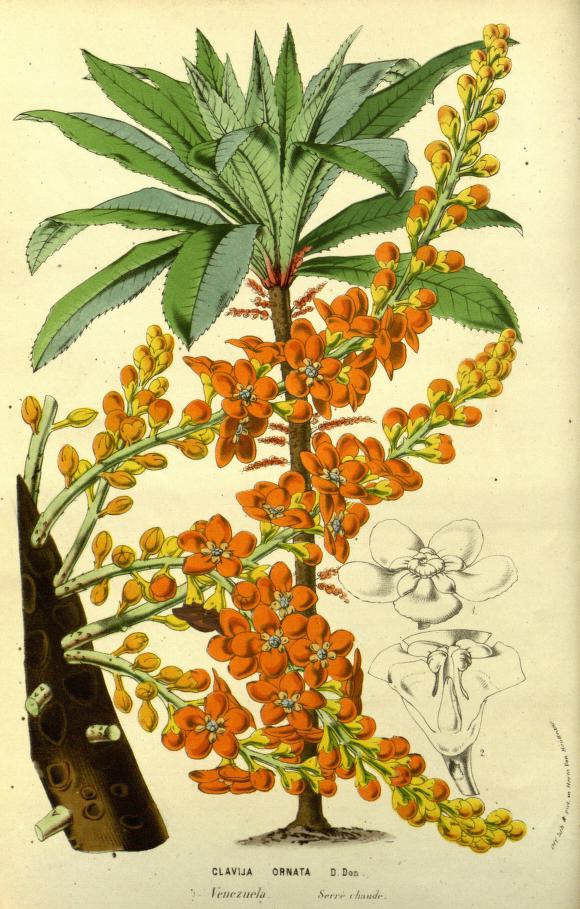
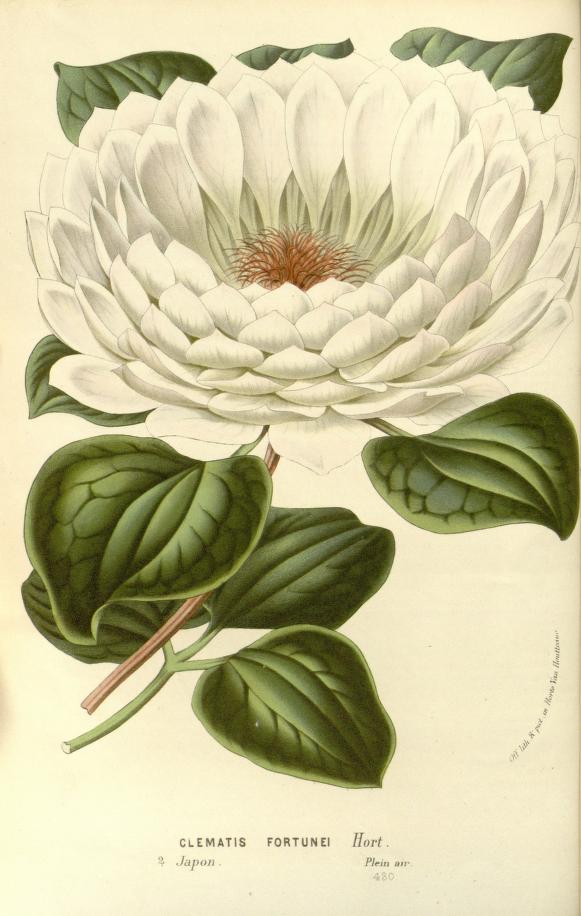
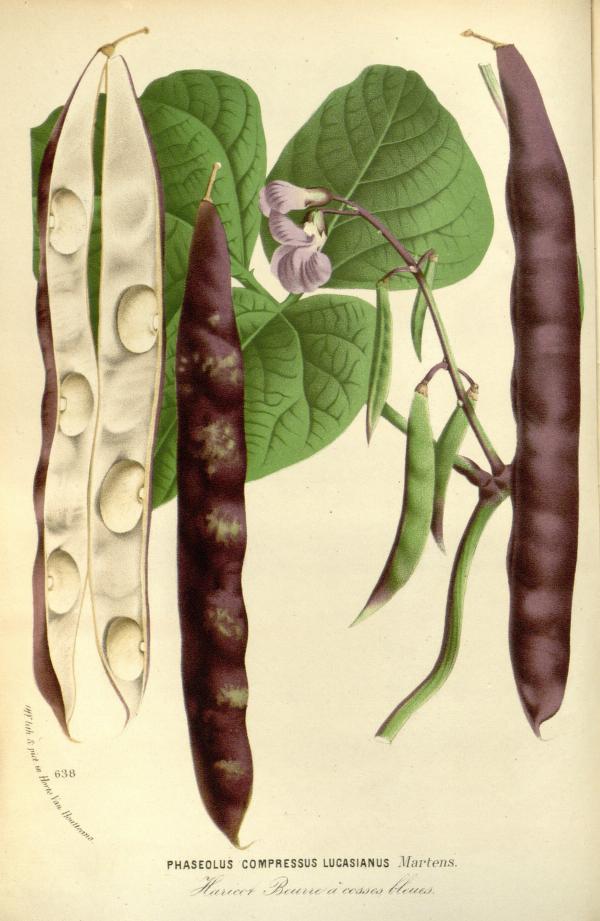
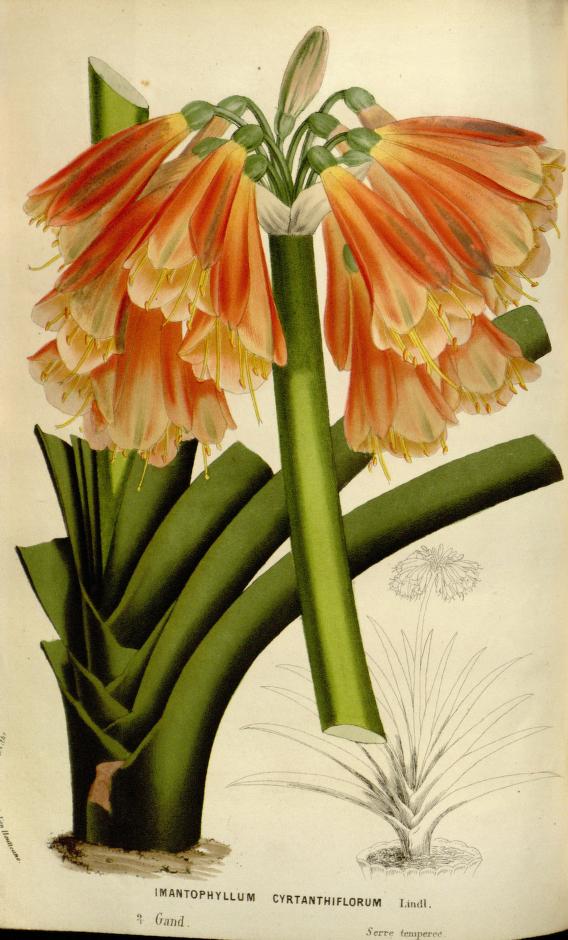
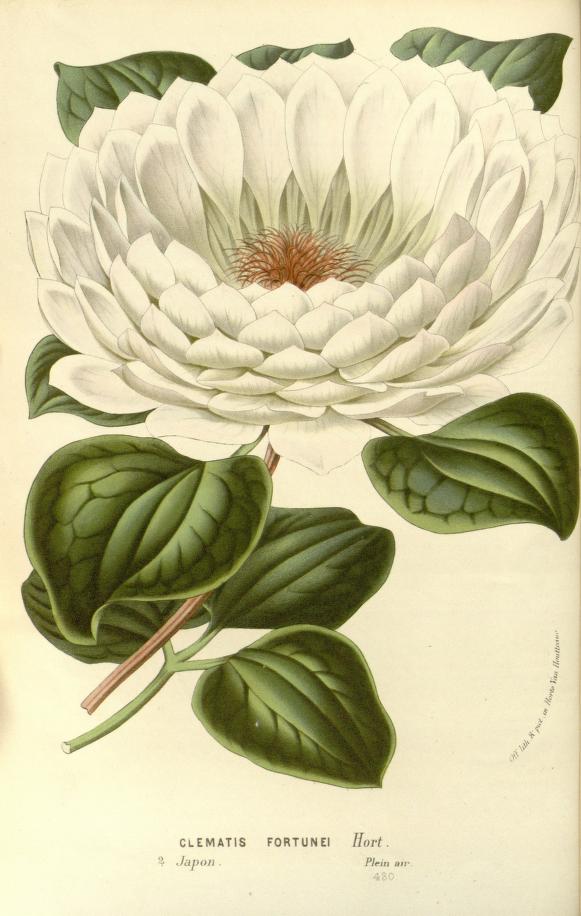
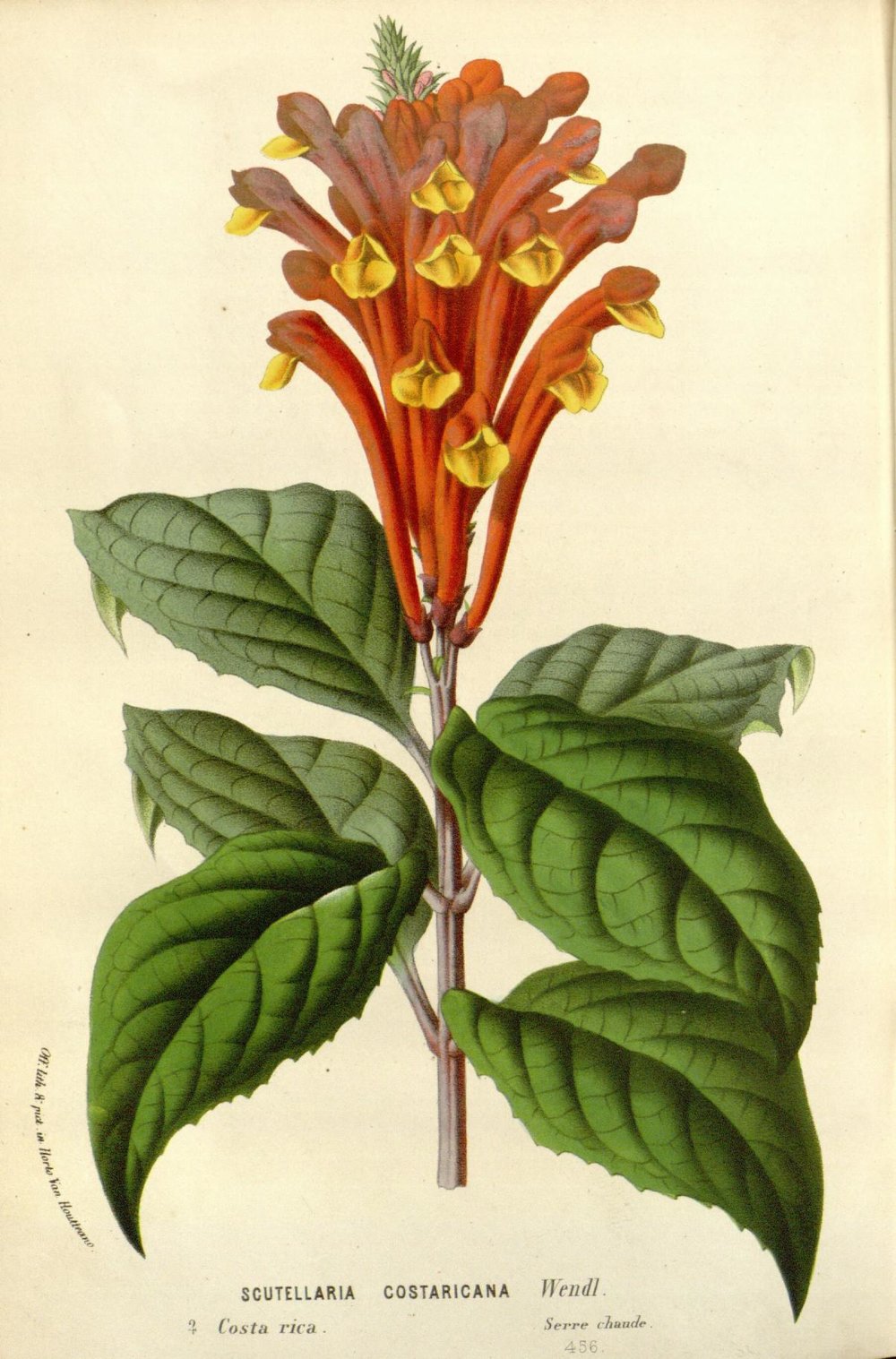
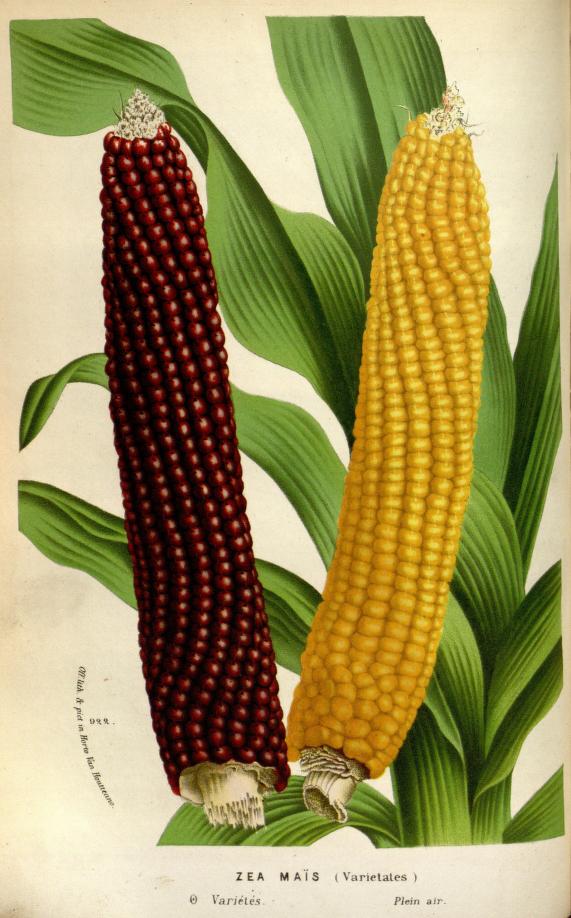
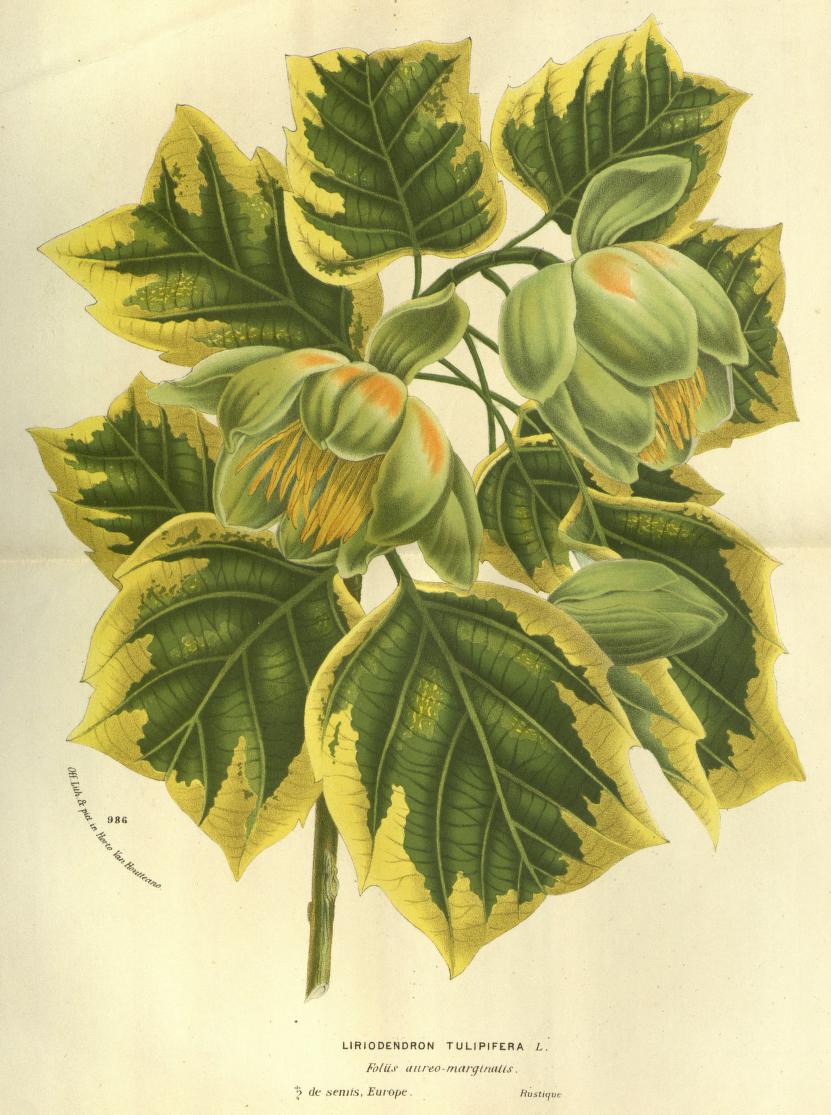
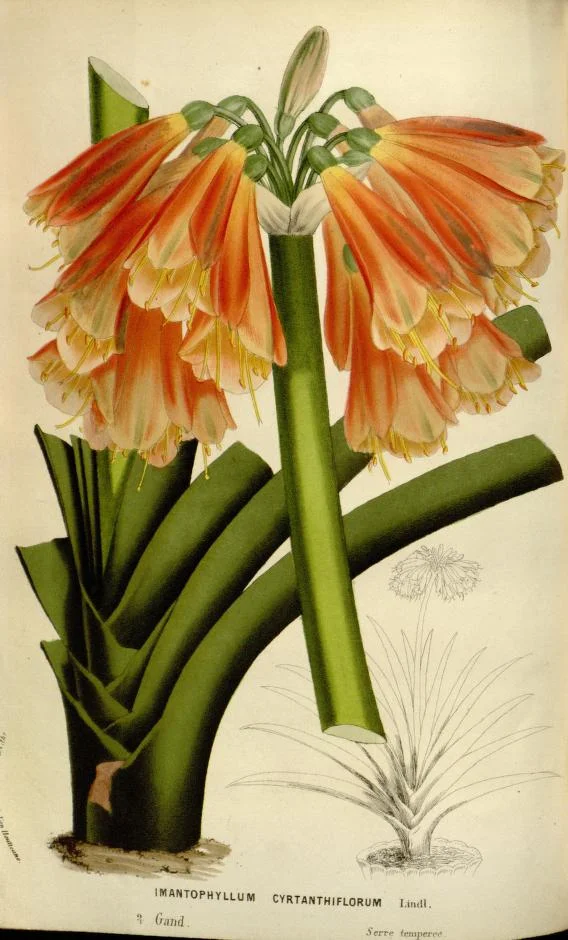
Louis van Houtte was a Belgian horticulturist. The 23 volumes of Flore des Serres et des Jardins de l'Europe which he is known for are available via Internet Archive here. There are over 2,000 colored plates. Many of the specimens were evidently from his nursery which was the most successful nursery in Europe at that time, so the books were references and catalogs for his business. The books were published between 1845 and 1883. It must have taken a lot of dedication to produce this body of work and run a business as well. Several volumes were published after he died so he must have had a dedicated group of people established to continue the work.

It took me over a month to get all the way through the volumes. I selected an image from each book and am showcasing them below.

The botanical prints from the 1800s are one of the highlights of the century and I am pleased to be finding new eBooks full of the colorful and educational prints.

eBotanical Prints – October 2018

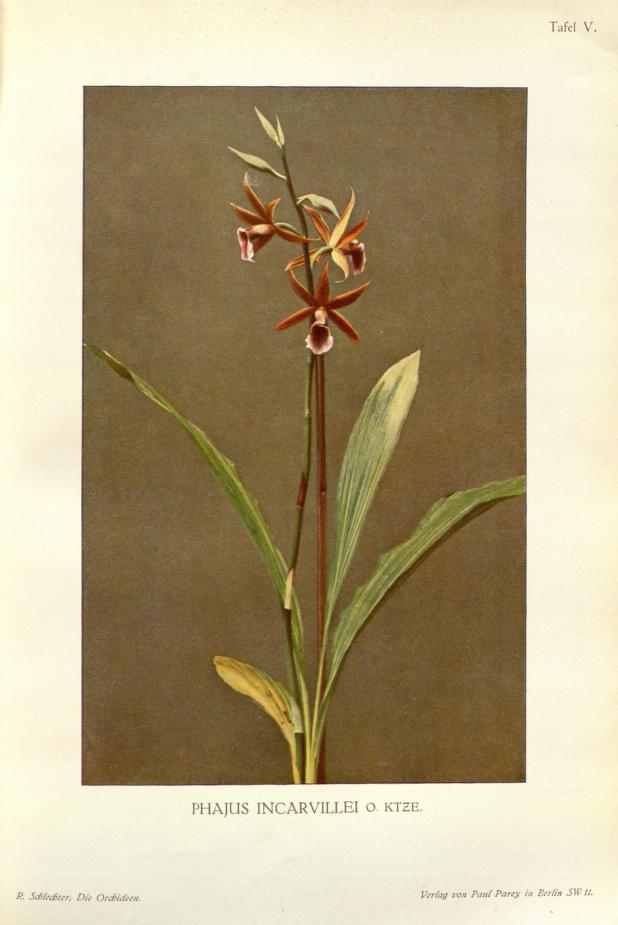
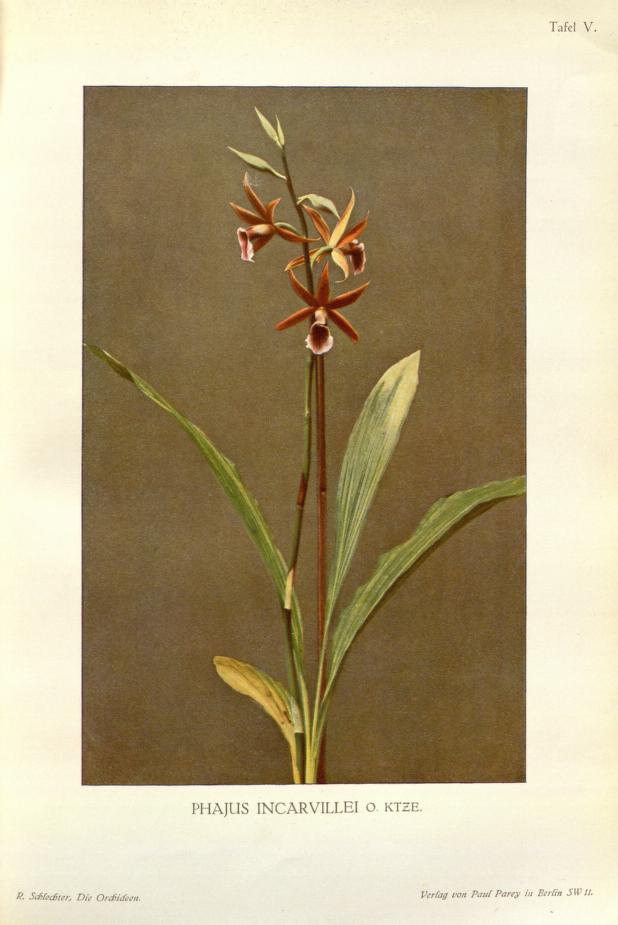
30 eBotanical Print books in October! I continue to be surprised at how many botanical print books there are in the Internet Archive. Most of them are from the 1800s. The quality of the original works and then the quality of the scans being made of the books makes viewing botanical on prints online on a larger monitor well worth the effort. In subsequent days – I’ll highlight 3 books/collections from October. For day - enjoy the October Botanical print slide carousel. Check out some of the eBooks using the links below the pictures.

Flore des serres et des jardins de l'Europe V2 (1846) * van Houtte, Louis * sample image * 1846

Flore des serres et des jardins de l'Europe V3 (1847) * van Houtte, Louis * sample image * 1847

Flore des serres et des jardins de l'Europe V4 (1848) * van Houtte, Louis * sample image * 1848

Flore des serres et des jardins de l'Europe V5 (1849) * van Houtte, Louis * sample image * 1849

Flore des serres et des jardins de l'Europe V6 (1850) * van Houtte, Louis * sample image * 1850

Flore des serres et des jardins de l'Europe V7 (1852) * van Houtte, Louis * sample image * 1852

Flore des serres et des jardins de l'Europe V8 (1853) * van Houtte, Louis * sample image * 1853

Flore des serres et des jardins de l'Europe V9 (1854) * van Houtte, Louis * sample image * 1854

Flore des serres et des jardins de l'Europe V10(1855) * van Houtte, Louis * sample image * 1855

Flore des serres et des jardins de l'Europe V11(1856) * van Houtte, Louis * sample image * 1856

Flore des serres et des jardins de l'Europe V12 (1857) * van Houtte, Louis * sample image * 1857

Flore des serres et des jardins de l'Europe V13 (1858) * van Houtte, Louis * sample image * 1858

Flore des serres et des jardins de l'Europe V14 (1861) * van Houtte, Louis * sample image * 1861

Flore des serres et des jardins de l'Europe V15 (1862-1865) * van Houtte, Louis * sample image * 1865

Flore des serres et des jardins de l'Europe V16 (1865-1867) * van Houtte, Louis * sample image * 1867

Flore des serres et des jardins de l'Europe V17 (1868) * van Houtte, Louis * sample image * 1868

Flore des serres et des jardins de l'Europe V18 (1869 - 1870) * van Houtte, Louis * sample image * 1870

Flore des serres et des jardins de l'Europe V19 (1873) * van Houtte, Louis * sample image * 1873

Flore des serres et des jardins de l'Europe V20 (1874) * van Houtte, Louis * sample image * 1874

Flore des serres et des jardins de l'Europe V21 (1875) * van Houtte, Louis * sample image * 1874

Flore des serres et des jardins de l'Europe V22 (1877) * van Houtte, Louis * sample image * 1877

Flore des serres et des jardins de l'Europe V23 (1880) * van Houtte, Louis * sample image * 1880

Indigenous flowers of the Hawaiian islands  * Sinclair, Francis, Mrs. (Isabella McHutcheson) * sample image * 1885

Sertum Anglicum, seu, Plantae rariores quae in hortis juxta Londinum * L'Héritier de Brutelle, Charles Louis * sample image * 1788

The genus Masdevallia * Woolward, Florence * sample image * 1896

Die Orchideen * Schlechter, Rudolf * sample image * 1915

Die Alpenpflanzen nach der Natur gemalt V1 * Seboth, Joseph; Graf, Ferdinand; Petrasch, Joh * sample image * 1879

Die Alpenpflanzen nach der Natur gemalt V2 * Seboth, Joseph; Graf, Ferdinand; Petrasch, Joh * sample image * 1880

Die Alpenpflanzen nach der Natur gemalt V3 * Seboth, Joseph; Graf, Ferdinand; Petrasch, Joh * sample image * 1881

Die Alpenpflanzen nach der Natur gemalt V4 * Seboth, Joseph; Graf, Ferdinand; Petrasch, Joh * sample image * 1884

Gleanings of the Week Ending November 10, 2018

The items below were ‘the cream’ of the articles and websites I found this past week. Click on the light green text to look at the article.

Uncapped Wells Have Been Leaking Oil into the Gulf of Mexico for 14 Years - Yale E360 – Why can’t the oil companies do a better job of preventing leaks…or, at least, stopping leaks if they occur? Don’t they have the technology to address this issue?

With Shorter Winters, Plants Bloom Early and Die Young – National Geographic – Green springs…but the plants don’t sustain the green through the drier summers. Not good for our yards and our farms…and us.

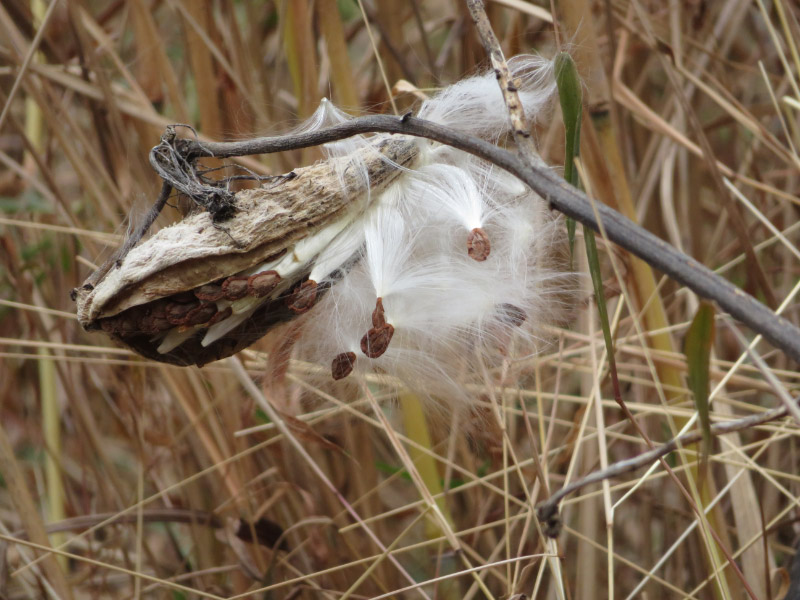
Photo of the Week – October 19, 2018 – The Prairie Ecologist – Fluffy seeds from the prairie…including common milkweed,

Image of the Day: Clubbing | The Scientist Magazine® - Peacock Mantis Shrimp have a spring-like structure that enables them to beat the life out of their prey.

Beautifully Painted Shrine Emerges from the Ashes of Pompeii | Smart News | Smithsonian – Much of Pompeii that we know from tourist books was excavated before modern methods…and sometimes ‘restored’ in a way that we don’t know exactly what it looked like when originally uncovered. New excavation can provide clues about older excavations as well as the particulars of the newly uncovered walls.

Substantial changes in air pollution across China during 2015 to 2017 -- ScienceDaily – Particulates are down but ozone is up….so good and bad trends.

BBC - Future - The flu that transformed the 20th Century – The 1918 flu epidemic…100 years ago this year. There is still research on the virus and what happened…some surprises in the findings.

This Humongous Fungus Is as Massive as Three Blue Whales | Smart News | Smithsonian – 91 acres, 110 tons, and about 1,500 years old. And this is not the biggest one discovered…it was the first that was well documented.

Top 25 Wild Bird Photographs of the Week: Black plumage – National Geographic – I always like to include birds in my gleanings. I was surprised that there were no crows or ravens or starlings in this collection of birds with black plumage.

The Winners of the 2018 Astronomy Photographer of the Year Contest Are Out of This World – Three are some pictures from the 2017 solar eclipse in this collection.

In the Fall Yard – November 2018

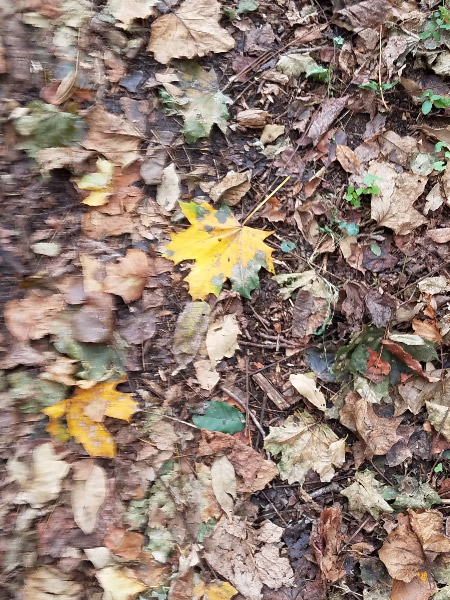
We finally got some vivid leaf colors in the trees behind our house. The usual vibrant yellows of the tulip poplars were almost missing since those leaves turned brown quickly before they even left the big trees this year.  The pines were shedding some needles too.

A rain came, and a lot of leaves fell from the trees within a day or two of achieving good color. I let the leaves dry for a day or two then went out to rake. The temperature was in the 50s and the sky was clear. The trees still had a few leaves…but most were on the ground.

2018 11 IMG_3090.jpg

My plan was to rake leaves that were on grass into areas where deep shade prevented grass from growing. The area between the compost bin and the red maple and then back to the forest is a great location for piles of leaves from the rest of the yard.

I didn’t put any more leaves in the compost bin because they were just raked…not shredded. I discovered that a lot of the pine needles had fallen with the rain, so I got a trash can full of them and put them into the compost. How nice to have pine scented compost!

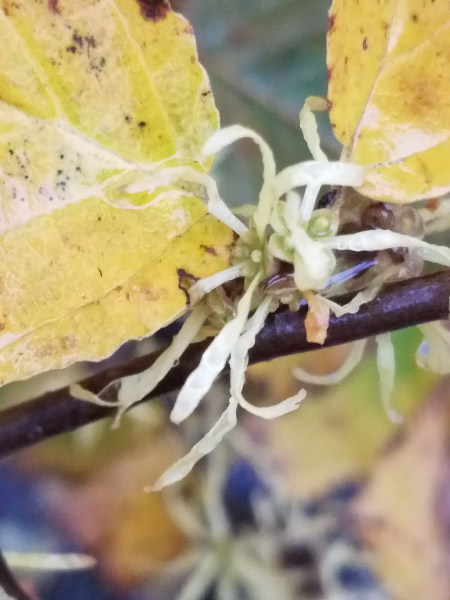
A few minutes observing…witch hazel

20181105_090900.jpg

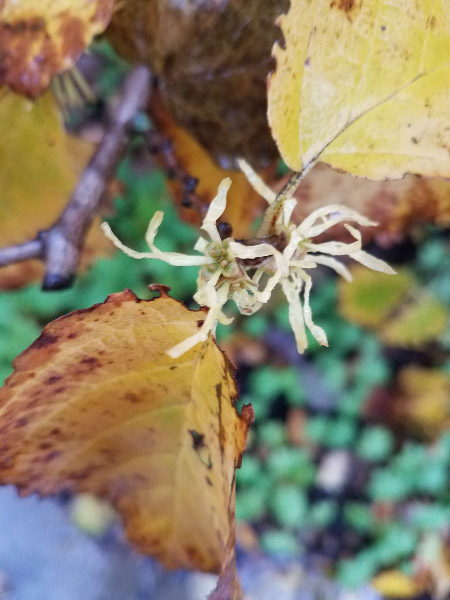
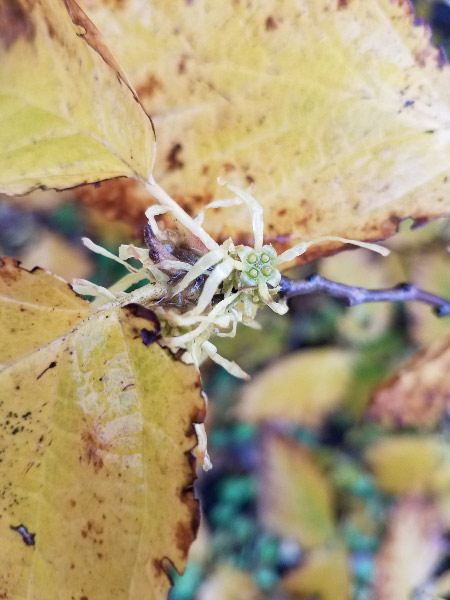
On a very wet morning earlier this week – I arrived at Howard County Conservancy’s Mt Pleasant Farm before a field trip with 1st graders and spent a few minutes observing witch hazel. There is one that I knew was blooming close to the Gudelsky Center entrance. It’s a low growing tree; in a forest it would be in the understory. This time of year, the leaves are yellow.

The flowers have petals that look like curly streamers coming out of the center part of the flower. On this plant they were pale yellow.

I kept by cell phone pointed downward to keep any rain from getting on the lens of the camera. It was raining enough that I needed to dry off the front of the cell phone as I walked inside.

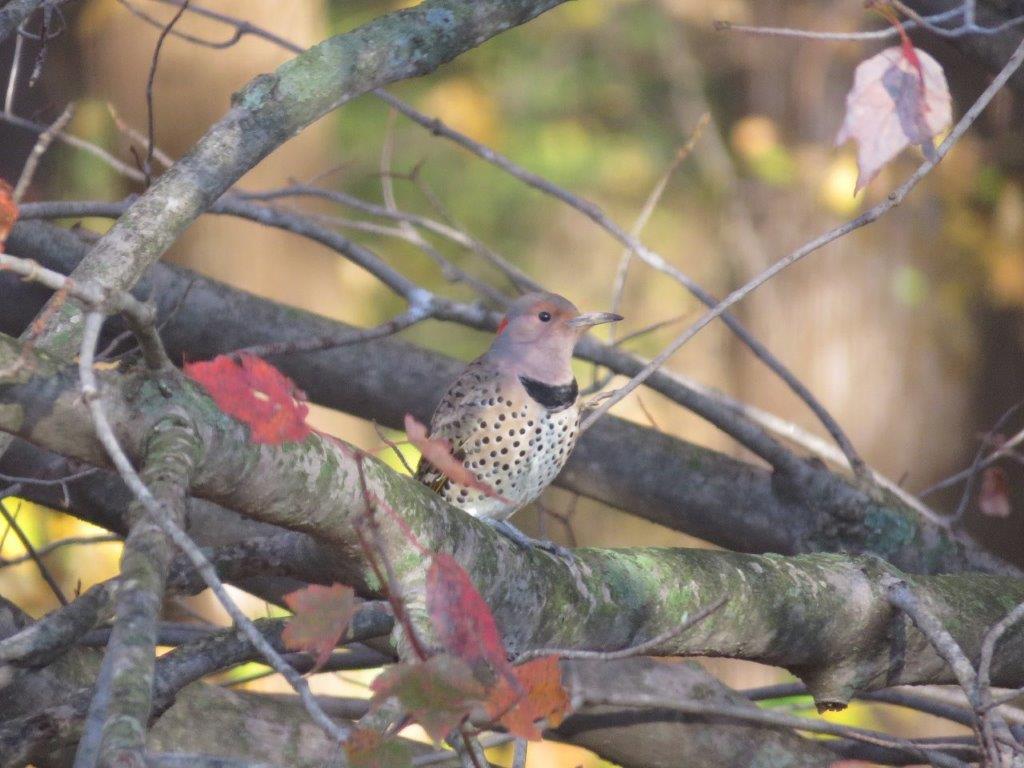
Through the window….a flicker

With the leaves falling off the trees, it’s easier to see and photograph birds. Last weekend a female Northern Flicker (yellow-shafted) flew into our maple and I managed to get my camera fast enough to take two pictures through my office window. My computer glasses do work so well through the camera viewfinder, so I relied on the camera to focus. The bird turned slightly to show off the red blaze on the back of the head.

I don’t see these birds as frequently as our resident cardinals although the flickers might be here all year. They are hard to spot in foliage and grasses. I’m always thrilled to see them around.

Red Maple

Our red maple has not been as spectacular this fall as it usually is. The rains and temperatures in September and October kept it green for a very long time and when it did start to turn red most of the leaves looked muddy rather than the rich red they usually display. The leaves began to fall before they were fully red.

The leaves on the tree at the very end of October finally changed to red…and then there was a lot of rain on November 2 and most leaves fell.

Now I’m hoping for some dry days to make the leaves easier to rake into the forest….

At least the maple put on a short show. The tulip poplars seem to be going from green to brown rather than putting on a dazzling yellow show as they do most years.

Hiking with 4th Graders at Belmont

Last week I spent a morning hiking with 4th graders at Howard County Conservancy’s Belmont location. The theme for the hike was how the land has changed from it was all a forest 300+ years ago…to the way it is today with emphasis on the impact of our development of farms and factories…streets and homes.

I arrived early to help with set up. I carried a bag with materials for the terrain model to the table mid-way along the hike and then carried the other bag into the forest for the students to compare aerial photos of the Belmont area.  I took some pictures since I knew once the students arrived I wouldn’t have time for more – I am totally focused on the students while we hike. Some areas in the forest have deep leaf litter and would soak up a lot of water before the water would run off…and right now there are some leaves that are still colorful too.

Coming out of the forest I took a picture of the Belmont cemetery and the row of white pines. I took my hiking groups to the side of the cemetery and talked about the ground penetrating radar that was used a few years ago finding graves under the ground within the cemetery even where there are no markers and also where we were standing outside the fence (lot’s of fun to point out on a Halloween hike) but the conversation also included the idea of shifting of sediment and deterioration of grave markers that might have been made of wood. The pine needles that have accumulated over the years under the pines make the ground feel spongy; that surprised some of the students….and that area would soak up a lot of water just as the leaf litter does – like a sponge.

There was a terrain model that we poured blue liquid over to represent the normal river level…then more blue liquid to be a minor flood (houses nearest the river wet)…up to the level representing the 1868 flood which washed away Elkridge Landing and parts of Ellicott City. The mills never recovered, and towns ceased to exist. The students were surprised to learn that the flood experienced by Ellicott City in 2018 was not that much below 1868 and it was higher than the flood caused by Hurricane Agnes (1972) in Ellicott City.

20181031_095446.jpg

Overall – it was a great day for a fall hike with 4th graders!

BioBlitz with 7th Graders

I spent two mornings at Howard County Conservancy’s Mt. Pleasant with 7th graders for a BioBlitz.

Both days were cool and a little breezy. I arrived early enough the first day to take a few pictures of the fall gardens (in the calm before almost chaos)

And to look at the Green Infrastructure Network map again….enough to locate the approximate location of their school and think through how to talk about hubs/corridors in the county.

2018 10 IMG_3037.jpg
2018 10 biobli2.jpg

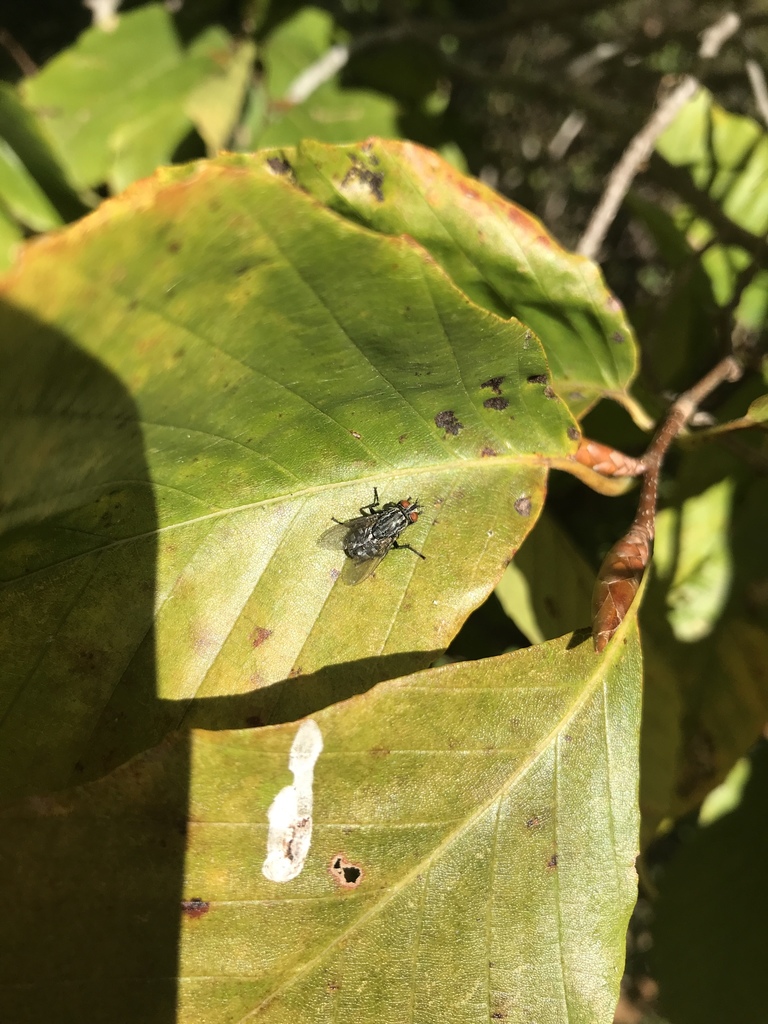
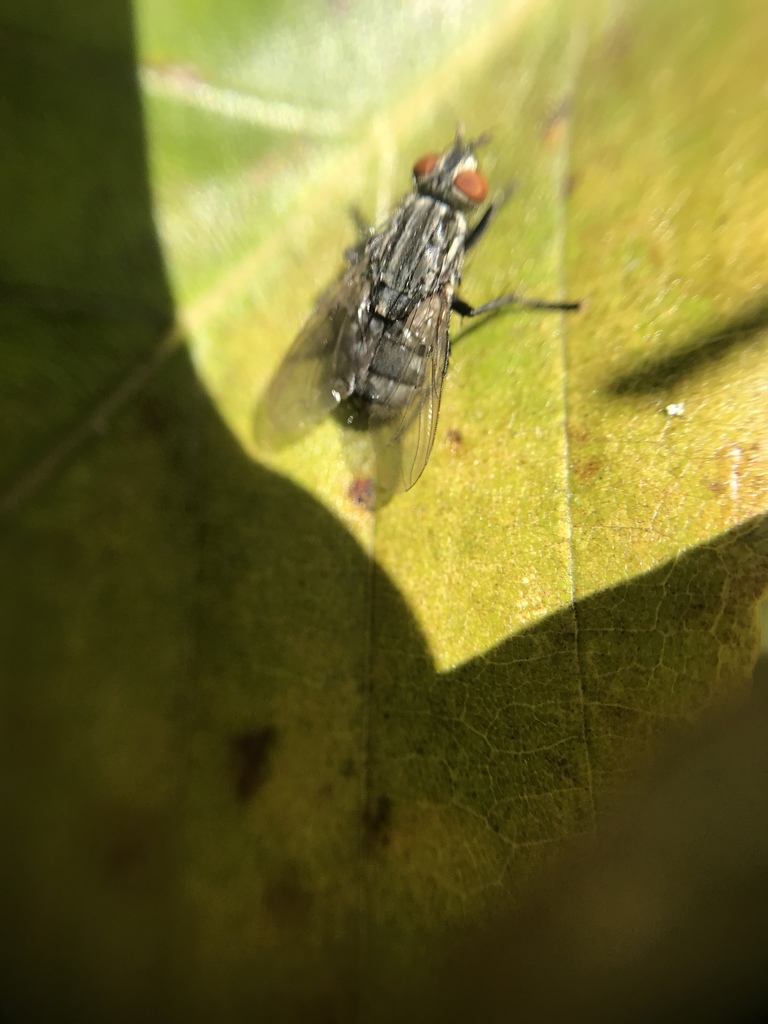
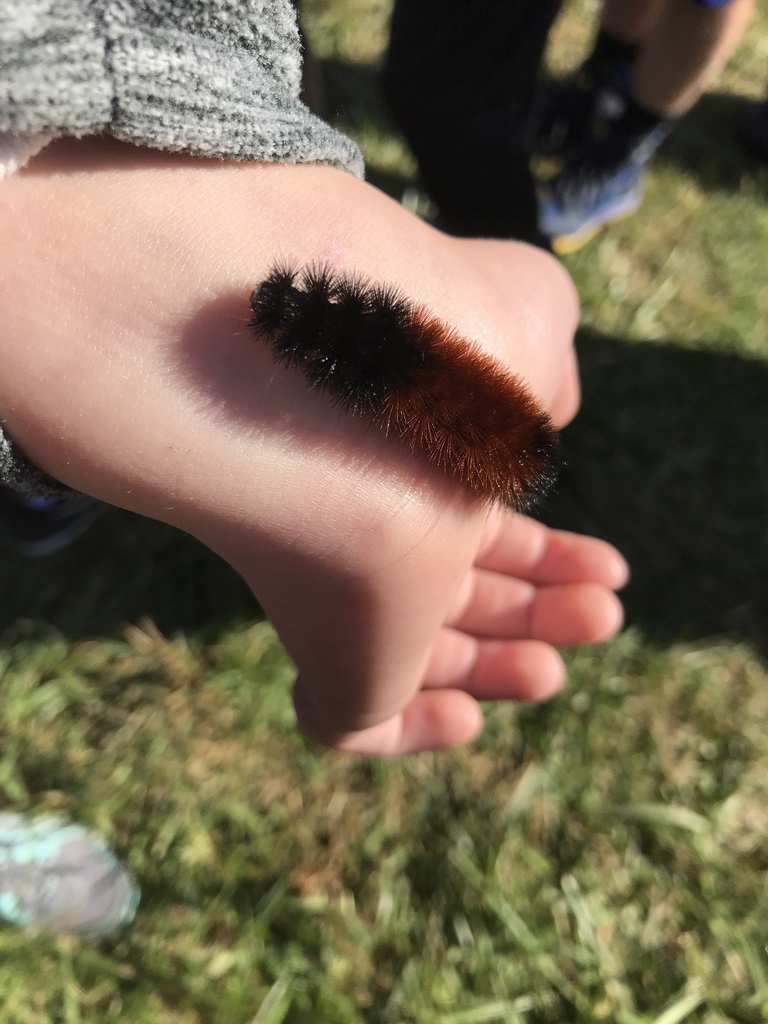
I had 11 students and a chaperone for about 2 hours and we found quite a lot. The most exciting – for me and the students on the first day – was a spotted salamander when we rolled over a log.

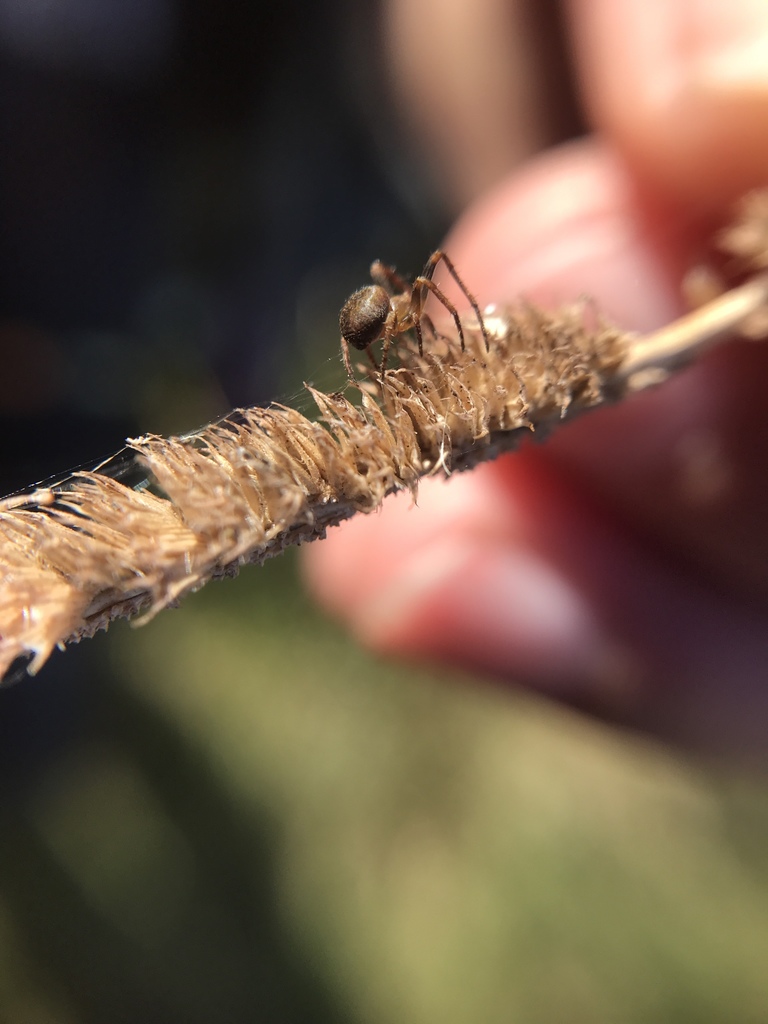
The brightly colored shelf-fungus and a wolf spider were good finds too.

On both days – one of the students borrowed my macro lens and became a specialist at getting macro pictures. Overall – the students handled being a little cold very well and stayed focused the BioBlitz for most of the two hours.
Gleanings of the Week Ending November 3, 2018

The items below were ‘the cream’ of the articles and websites I found this past week. Click on the light green text to look at the article.

Planned intermittent fasting may help reverse type 2 diabetes, suggest doctors: And cut out need for insulin while controlling blood glucose -- ScienceDaily – There needs to be follow up study…but if this works, maybe it should be some everyone with type 2 diabetes tries.

10 States Now Get At Least 20 Percent of Their Electricity from Solar and Wind - Yale E360 – Progress! Hopefully other states will join the club and go beyond 30%. During some months in 2017, Iowa and Kansas, wind accounted for over 50% of in-state electricity generation.

Largest ever genetic study of blood pressure -- ScienceDaily – So much for find a root cause for high blood pressure. There are lots of genes and there is overlap with life-style exposures to things like fruit, water, tea, caffeine, alcohol, and salt. It’s complicated!

Too much vitamin A may increase risk of bone fractures -- ScienceDaily – Another study about the danger of getting ‘too much’ via vitamin supplements.

Top 25 Wild Bird Photographs of the Week: Courtship Displays – National Geographic Blog – The treat of bird photos!

Redrawing the Map: How the World’s Climate Zones Are Shifting - Yale E360 – Interesting summary…hardiness zones on the move, Tornado Alley is shifting, the tropics are getting bigger, the Sahara desert is bigger, the 100th meridian has shifted eastward by 140 miles.
The Enchanting History of Notre Dame Cathedral's Famous Gargoyles and Grotesques – The stone carvings are pitted…but the sculptures are still awesome.

BBC - Future - How a daily 10-minute exercise could boost your happiness – The 10-minute exercise is jot down the answer to 6 questions each day: 1) What experiences, however mundane, gave you pleasure? 2) What praise and feedback did you receive? 3) What were the moments of pure good fortune? 4) What were your achievements, however small? 5) What made you feel grateful? 6) How did you express kindness? It’s a good way to end the day on a positive note!

U.S. Air Pollution Deaths Nearly Halved Over Two Decades - Yale E360 – A good trend but there were still 71,000 deaths in 2010 attributed to air pollution – more than traffic accidents and gun shootings combined. Air pollution remains a public health issue.

The chemistry of Venus flytraps in C&EN – I’ve always been fascinated by carnivorous plants. This infographic describes how it take two hairs to trigger the closing of the trap…that it only takes 0.1 seconds to close…and then up to 5 days to digest the insect.

Milkweed Seeds

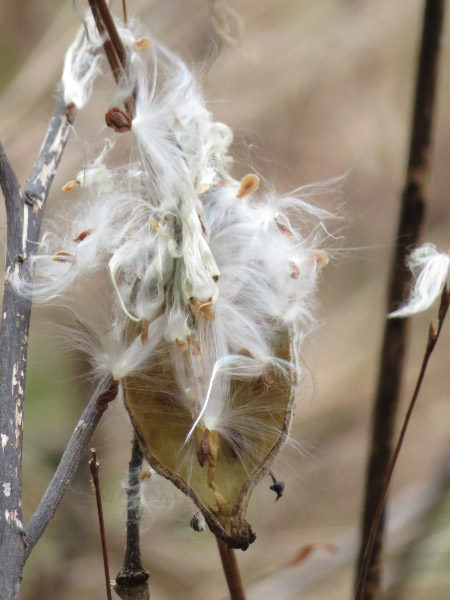
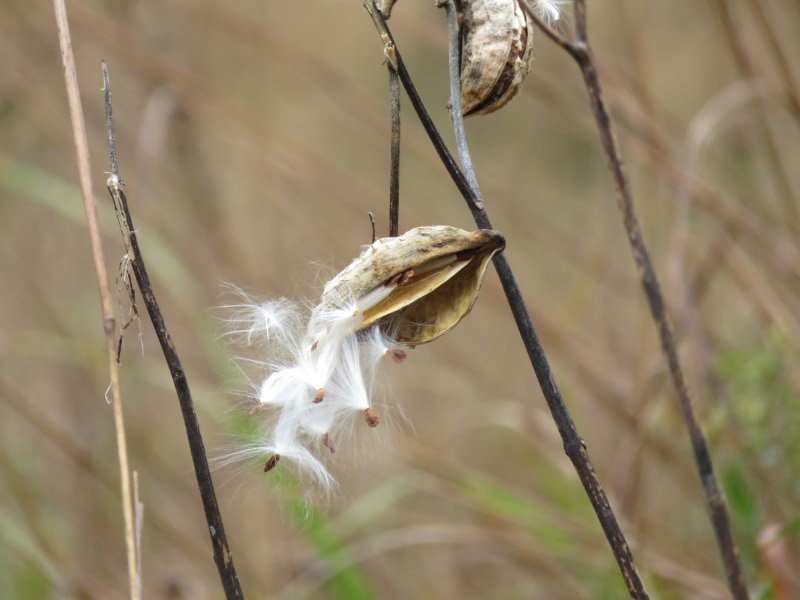
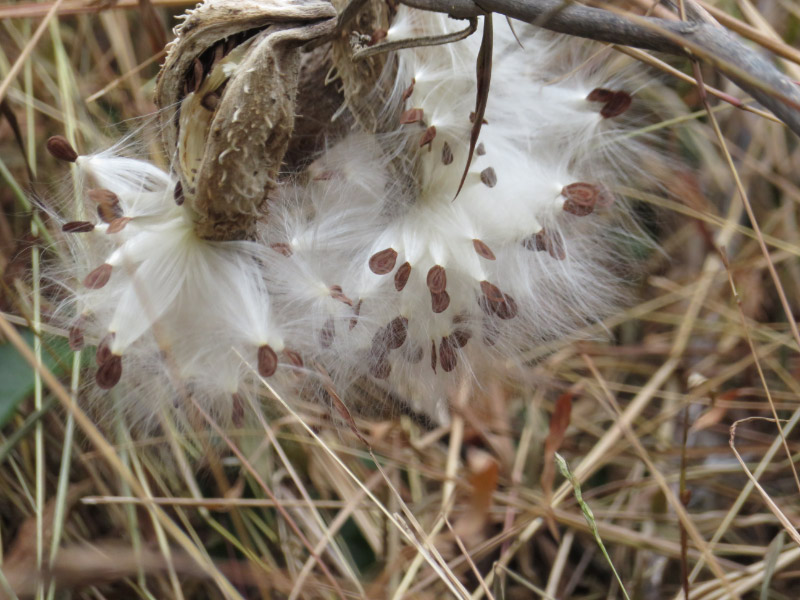
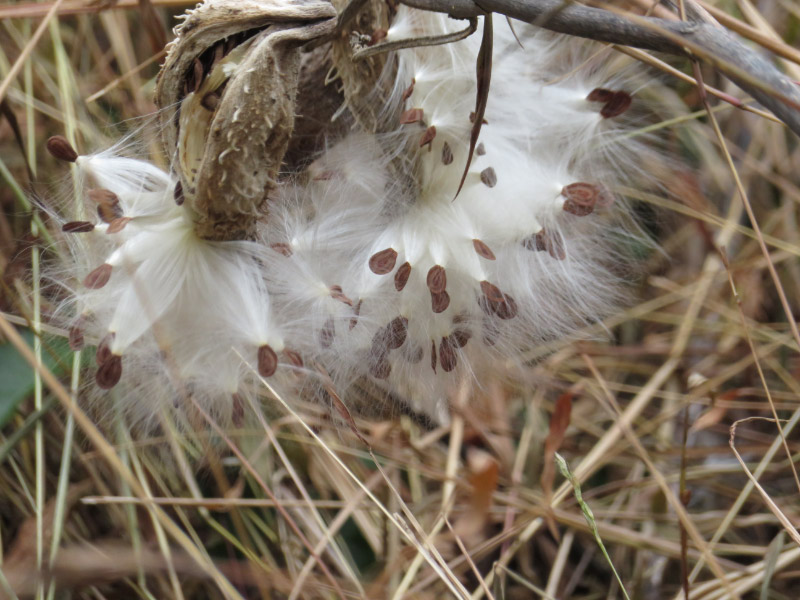
I cut the milkweed stalks in my yard down before they could produce seeds; my stand is big enough and my neighbors might not appreciate milkweed coming up in their yard. I was hiking recently in the Middle Patuxent Environmental Area (hiking back from the river after a stream assessment with high schoolers) and spotted some seed pods with fluffy seeds emerging. We’d had some dry days and the white fiber parachutes were carrying seeds away with every breeze – unless they were still matted inside the split pod.

Milkweed pods are one of my favorite subjects for photography in the fall. The bright white fibers draw the eye in the browning meadows.

Hopefully all these seeds flew away before the rains later that afternoon. Rain tends to destroy the parachute so the seeds are stuck either in the pod or in a soggy mass on the ground.

Milkweed also comes up from the roots so even if these seeds don’t find a way to grow, the stand will be denser next year with plants coming up from all along the roots already there. I noticed some young plants near the stand and wondered if some of the warm days we had in October prompted the plants to send up spring-like shoots.

Zentangle® - October 2018

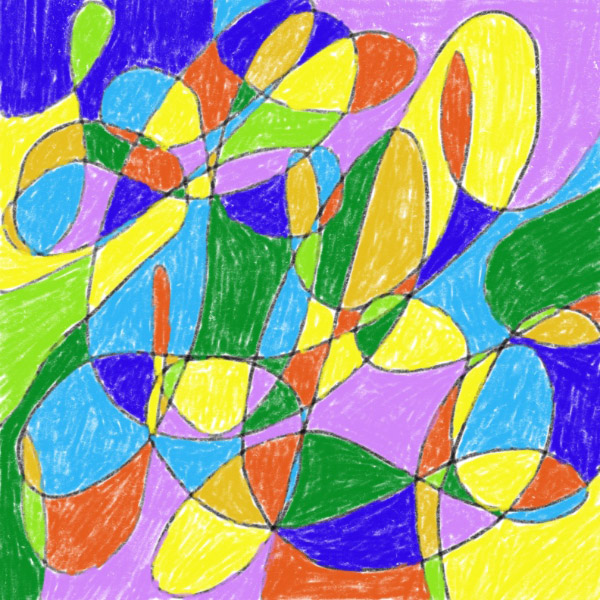
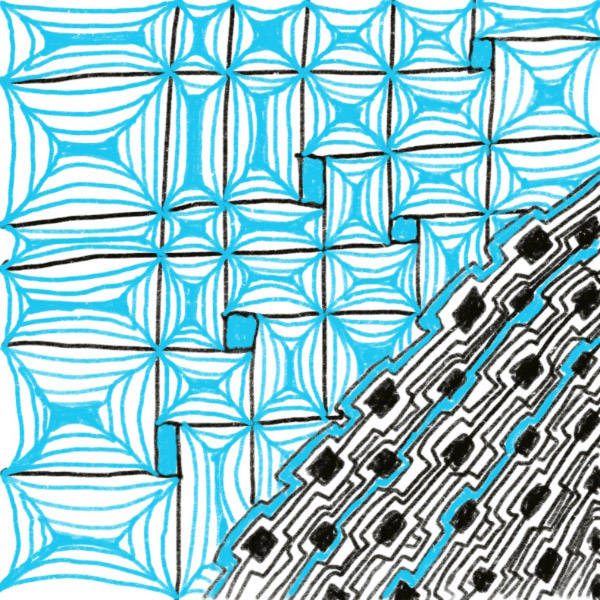
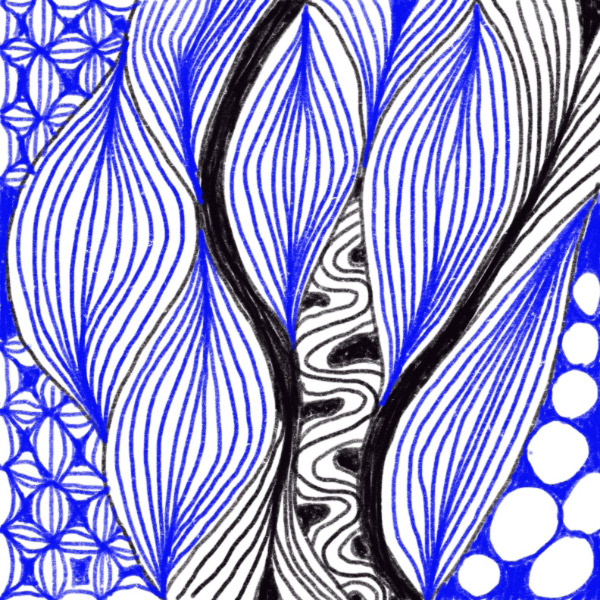
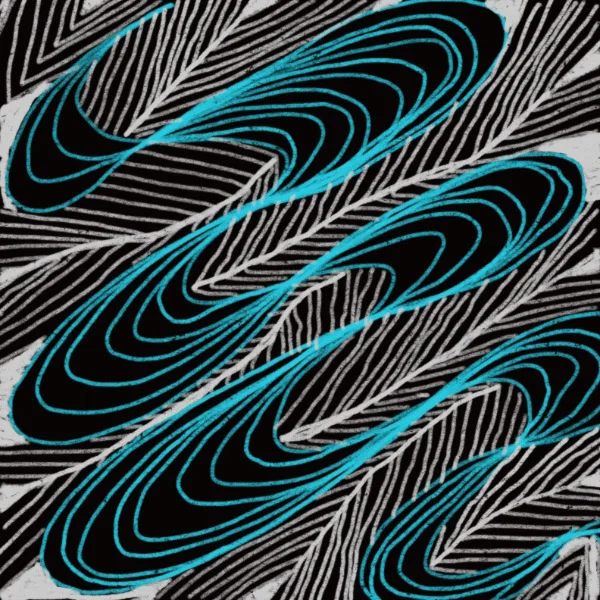
I found myself creating theme sequences with colors in October. I selected 31 tiles (one for each day) and all the themes are represented although I had quite a few more tiles that 31 to choose from. The iPad makes it much easier to create tiles with a lot of variability without worrying about using up favorite pen colors or not having the color of tile I want with me.

20181007_134338461_iOS.jpg

The first theme was rich red ink on black background. My favorite of the set is one what has more background showing than usual. It reminds me of a brocade pattern.

20181012_171350173_iOS.jpg

Black on white…how can it get simpler. My favorite was made with a string created with 3 overlaid cursive G’s.

The next theme was white tiles with black designs that were finished with color – or colors. My favorite is probably the red and black one.

20181019_002522255_iOS.jpg

I switched to black tiles again…white design and aqua/turquoise finishing color. The theme was short lived.

I decided to use the color first and then finish in white. My favorite is one that include orange and then white.

I went back to single color on black tiles for the grand finale of the month. The theme will continue into the early part of November.

--

The Zentangle® Method is an easy-to-learn, relaxing, and fun way to create beautiful images by drawing structured patterns. It was created by Rick Roberts and Maria Thomas. "Zentangle" is a registered trademark of Zentangle, Inc. Learn more at zentangle.com.

Zooming – October 2018

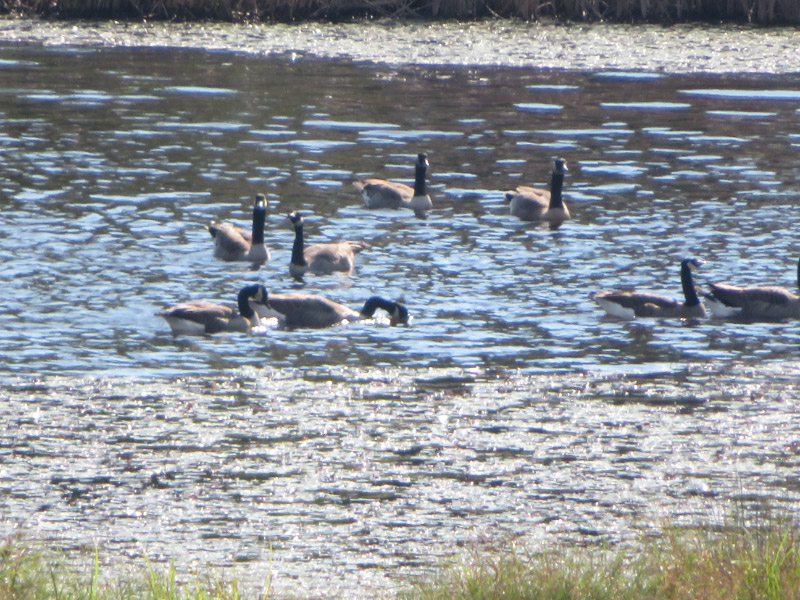
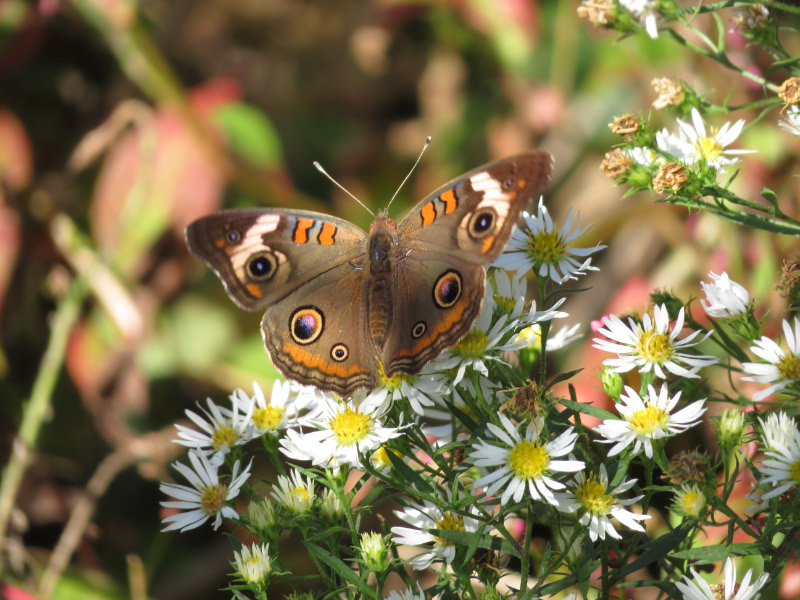
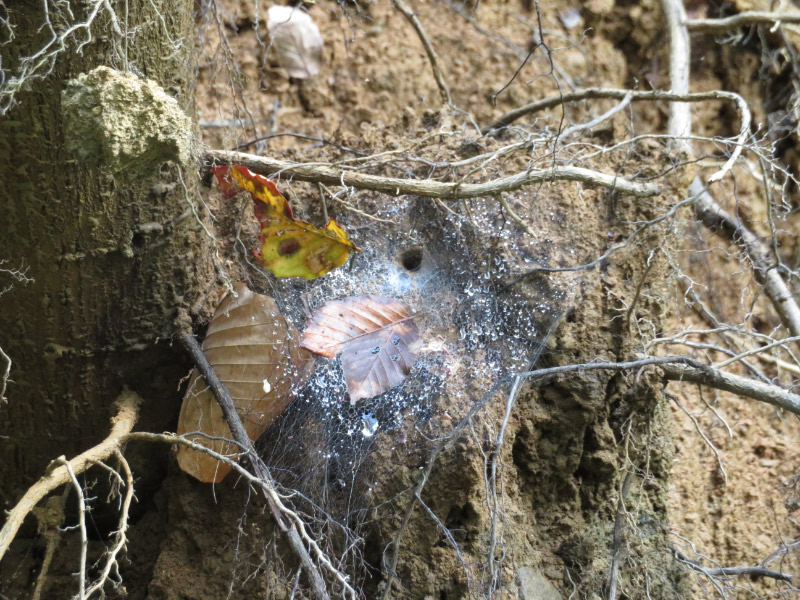
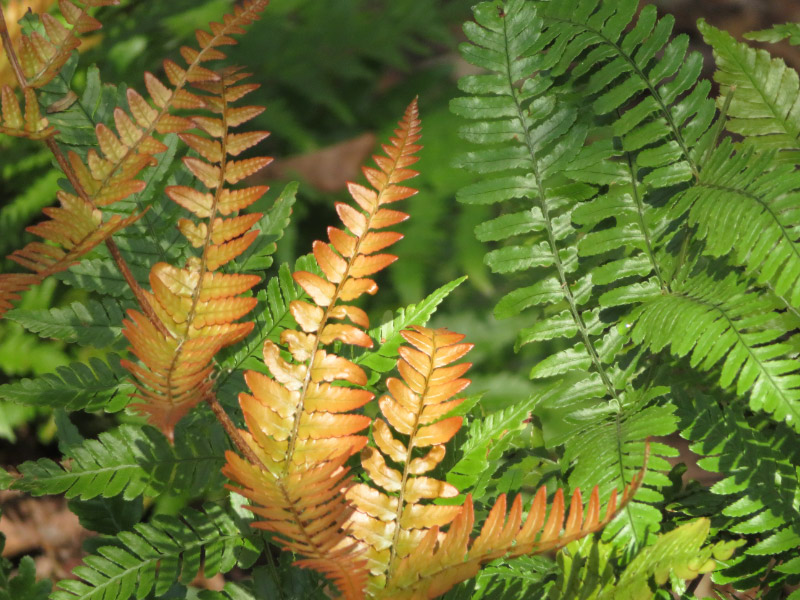
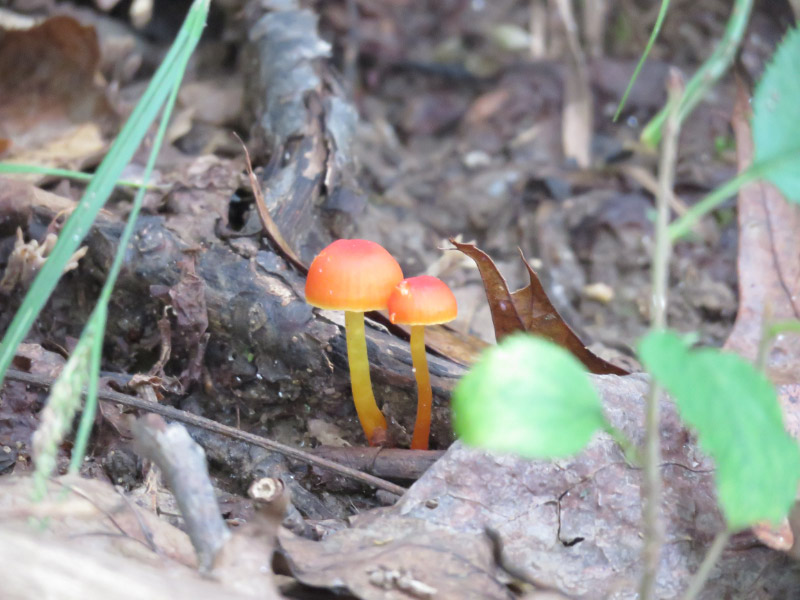
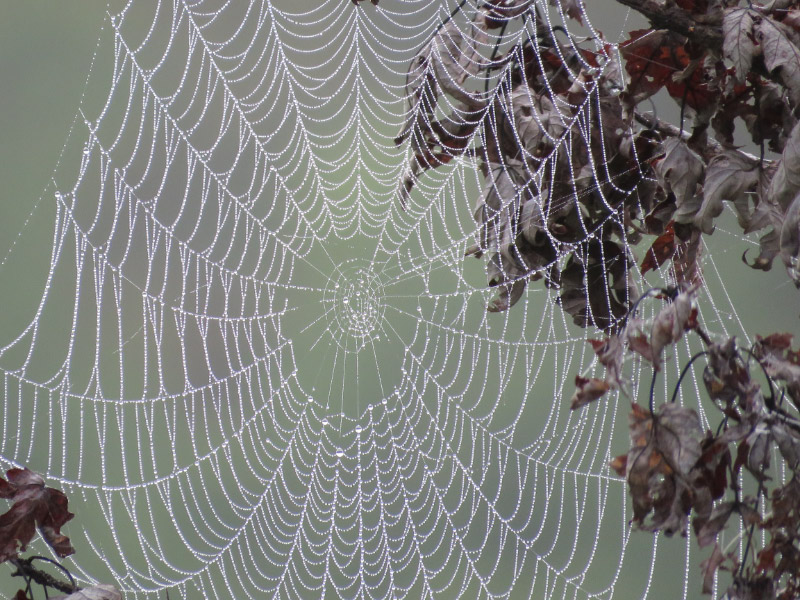
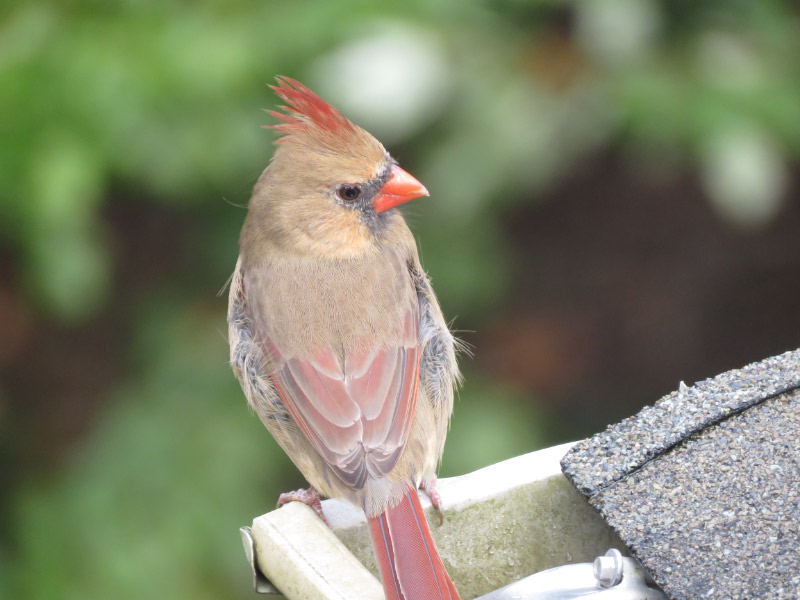
The fall foliage had not been as colorful as usual this fall…but there has still been a lot to see outdoors – aided my the zoom on my camera: Canadian geese, a common buckeye butterfly, webs of funnel spiders on a root ball of an overturned tree, colorful ferns, milkweed seeds spilling out, tiny mushrooms in mulch, a spider web highlighted by water droplets, and a female cardinal with fluffed feathers. Enjoy the slide show!